Fred Miranda
Offline
Admin
Upload & Sell: On
|
 p.1 #1 · Light Lens Lab 50mm f/1.5 Z21 Review p.1 #1 · Light Lens Lab 50mm f/1.5 Z21 Review | |
Order the Light Lens Lab 50mm f/1.5 "Z21"
At the moment, this lens is only available for purchase directly from https://lightlenslab.com.
Get a 5% discount when you use the FREDMIRANDA code at checkout.
_____________
About the Light Lens Lab 50mm f/1.5 "Z21" lens:
The new Light Lens Lab 50mm f/1.5 "Z21" just arrived, and it has deep roots in optical history. It pays tribute to the rare and highly desired Angenieux 50mm f/1.5 Type S21 from the 1950s. This was one of the earliest lenses to offer an f/1.5 maximum aperture, pushing the limits of optical design at the time. The Z21 follows the original 6-element layout while incorporating a few modern refinements, including improved coatings. The goal was to preserve the signature vintage rendering while enhancing contrast, line sharpness, and mechanical precision.
Review Quick Links:
- Initial thoughts
- Infinity Resolution and Contrast compared Light Lens Lab 50mm f/1.2 ASPH "1966"
- Infinity Resolution and Contrast compared Light Lens Lab 50mm f/2 Speed Panchro II
- Field Curvature
- Rangefinder Focusing, Recomposition, and the Effect of Field Curvature
- Distortion
- Sunstar Rendering
- Vignetting
- Flare Resistance
- Axial Chromatic Aberration (Purple and Green/Magenta Fringing)
- Lateral CA
- Optical Vignetting and Specular Highlights shape
- Minimal Focus Distance performance and Focus Shift
- Rendering compared to Light Lens Lab 50mm f/2 Speed Panchro II
- Final Thoughts
- Samples 1: Leica M10-P
- Samples 2: Adapted to Sony A7CR
- Samples 3: Late Afternoon with Leica M10-P
- Samples 4: Low Light (M10-R)
- Samples 5: Low Light and Outdoor (M10-R)
- Samples 6: Various Lighting Conditions
- Samples 7: Portraits with M10-R
- Samples 8: Black and White Portraits with M10-R
Specs (from Light Lens Lab, with measured weight):
• Design frame coverage: 35mm Full Frame (24mm x 36mm)
• Number of lenses/assemblies: 6 Elements in 4 groups
• Focus range: 0.7 m to infinity
• Diaphragm f-stop range: f/1.5 - f/22 (1-stop clicks)
• Number of aperture blades: 10
• Lens mount: M-Mount quick-change bayonet
• Filter diameter: E52
• Lens Hood: In Body (front element recessed), E52 Screw On
• Length: 64.2mm
• Diameter: 60.7mm
• Weight: 318g, no caps (measured)
Back to Quick Links
Initial Thoughts:
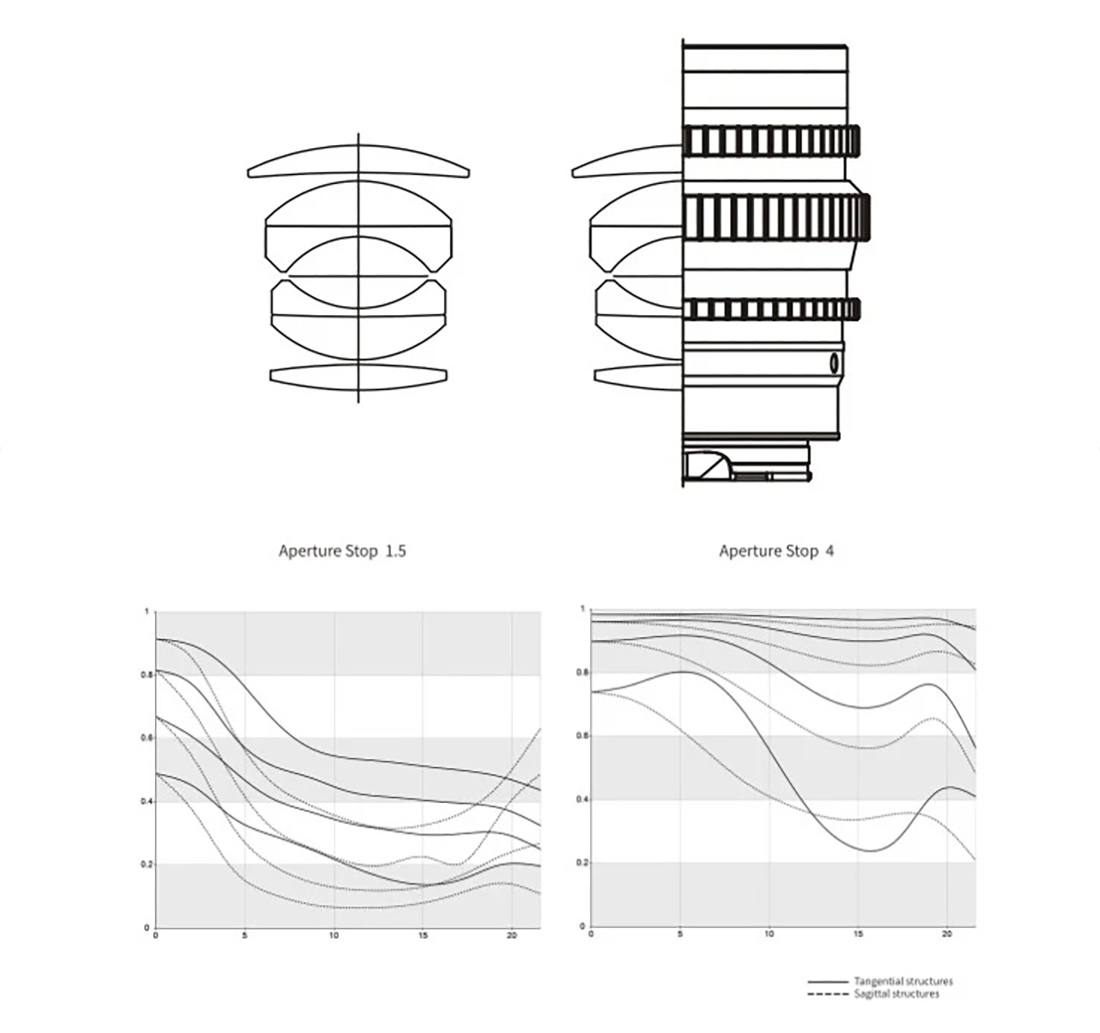
The Z21 is equipped with a modified double-Gauss design with six elements in four groups, featuring in-house manufactured, lanthanide-infused glass elements made specifically for this lens. It covers full-frame and extends to digital sensors up to 44x33mm (medium format), a significant expansion over the original S21's image circle. With this wider coverage, vignetting is surprisingly well controlled for such a fast lens on the Leica M. Another key update is the native Leica M mount with rangefinder coupling. The original S21 was never produced in M mount but was instead offered in mounts like LTM, Exakta, and Leica M39.
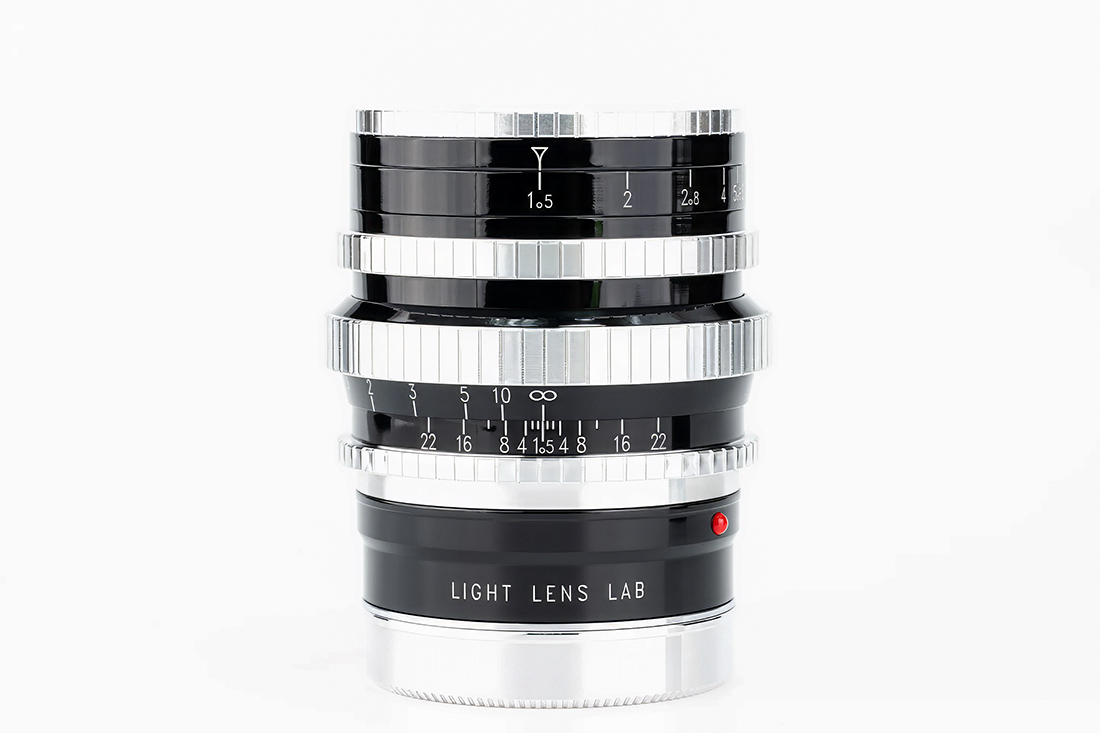
The lens focuses down to 0.7m, a noticeable improvement over the original’s 1-meter minimum focus distance. It features a 10-blade aperture mechanism with a range from f/1.5 to f/22 and distinct clicks at each full stop. The spacing between clicks is wider at larger apertures and becomes progressively shorter toward the smaller f-stops, similar to how cine lenses are designed. The aperture ring rotates smoothly and feels solidly built.
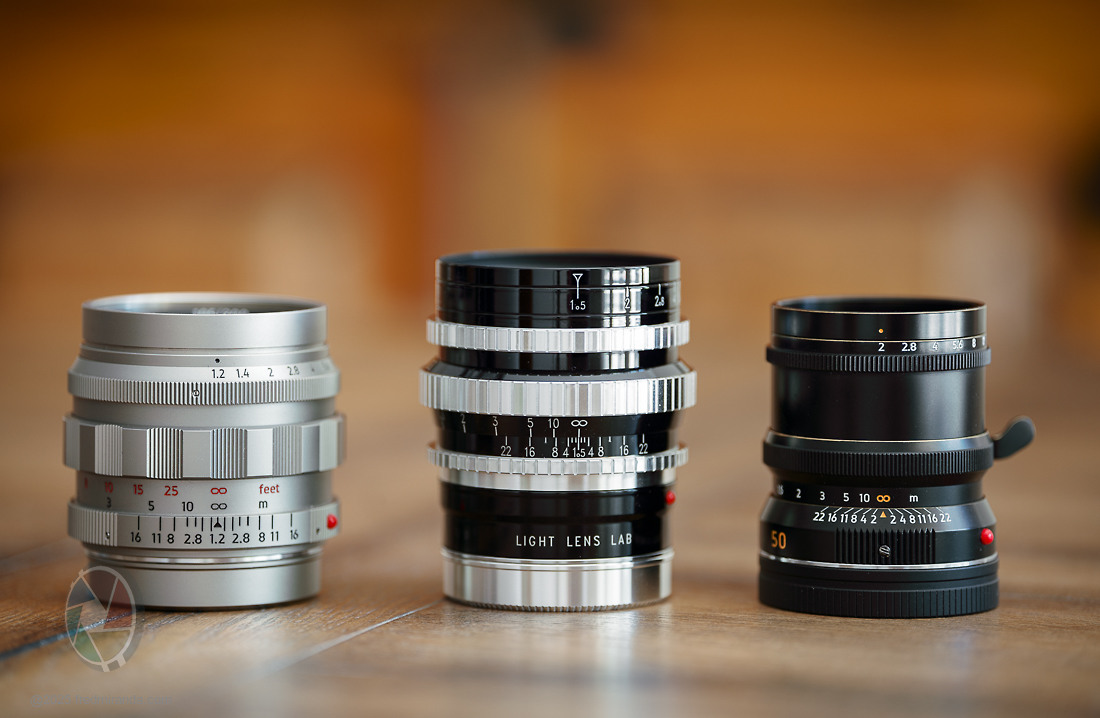
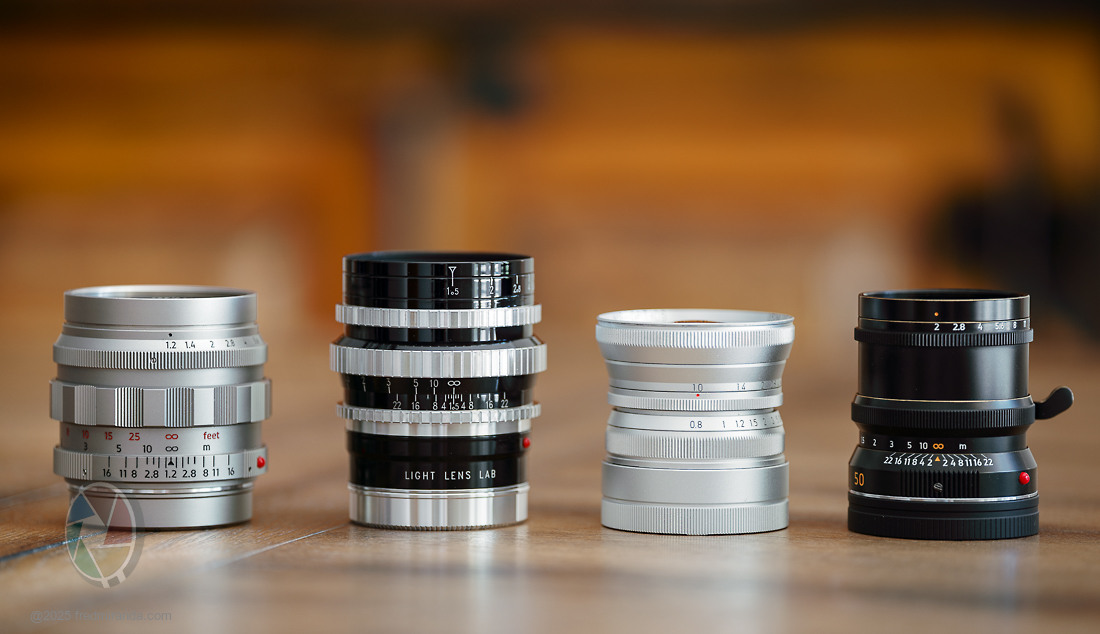
Light Lens Lab 50mm f/1.2 "1966" Titanium | Light Lens Lab 50mm f/1.5 "Z21" | Light Lens Lab 50mm f/2 SP2
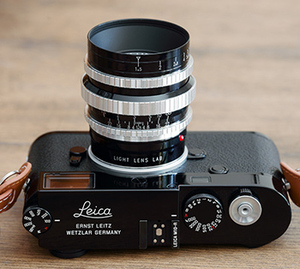
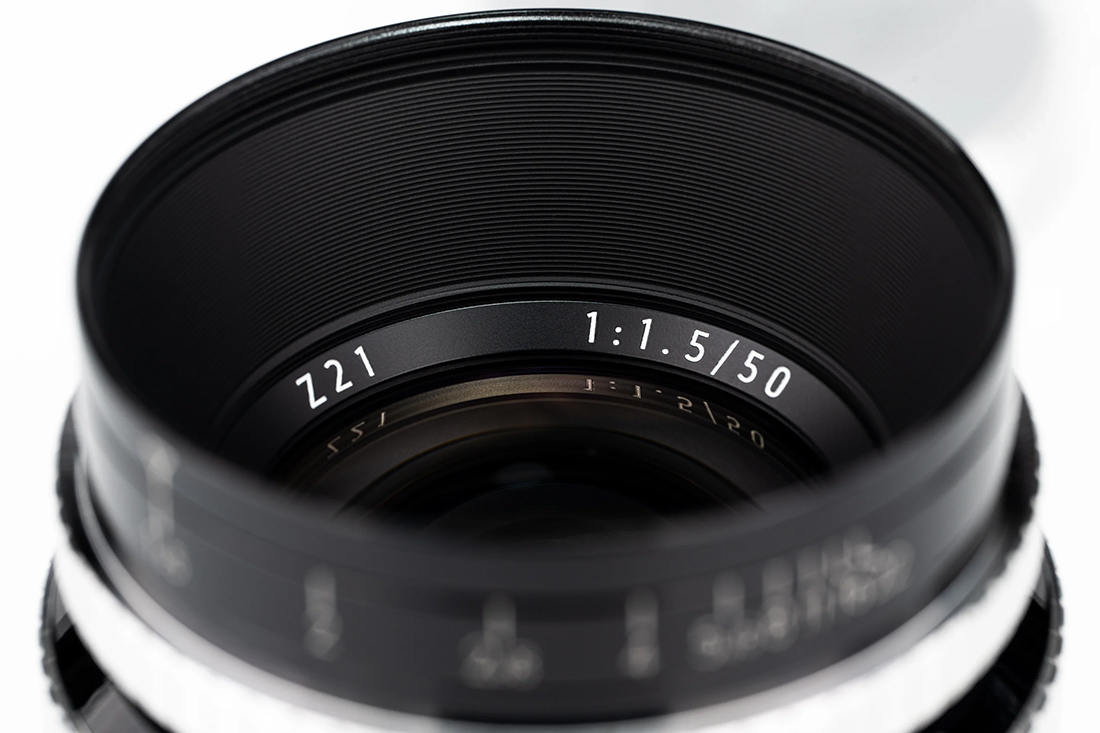
It mounts using a standard Leica M bayonet and accepts E52 filters. In my experience, a lens hood is neither included nor necessary, as the front element is deeply recessed within the barrel, offering natural protection against flare.
Front element is deeply recessed
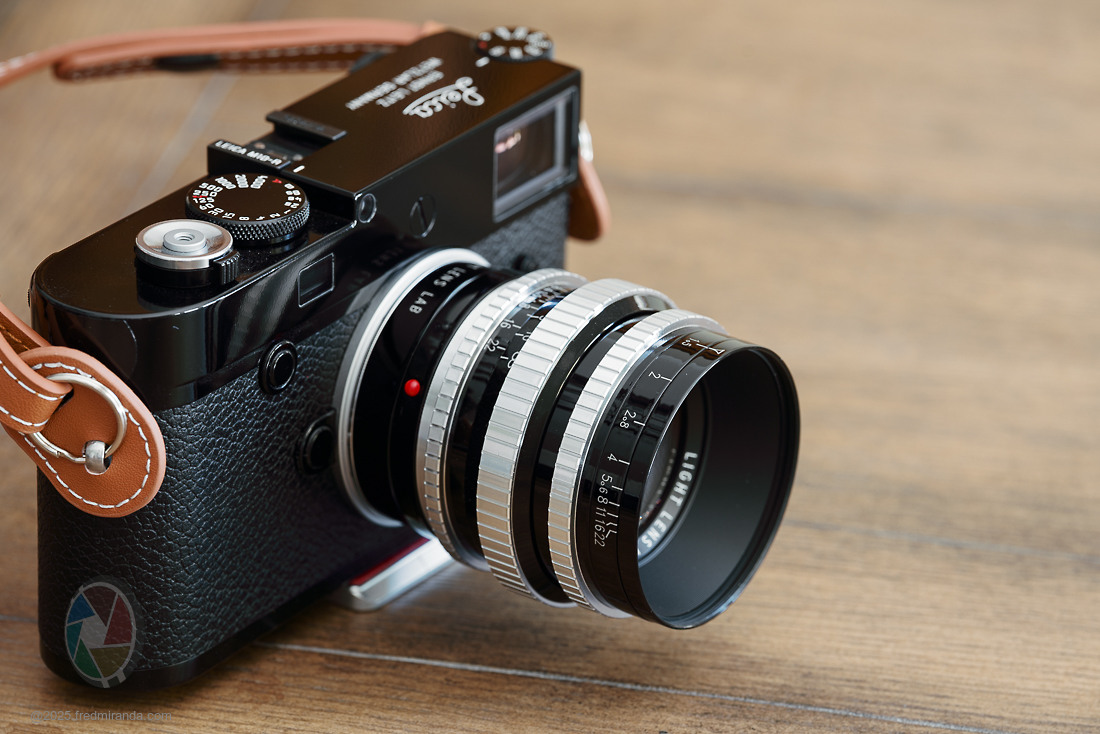
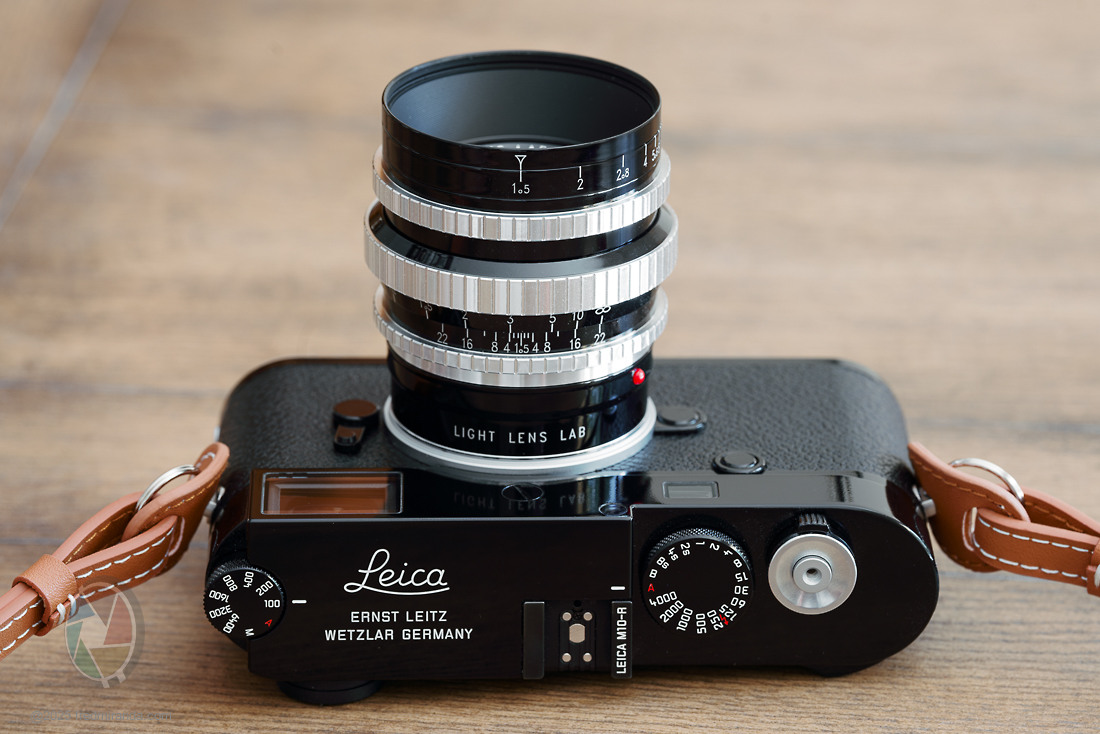
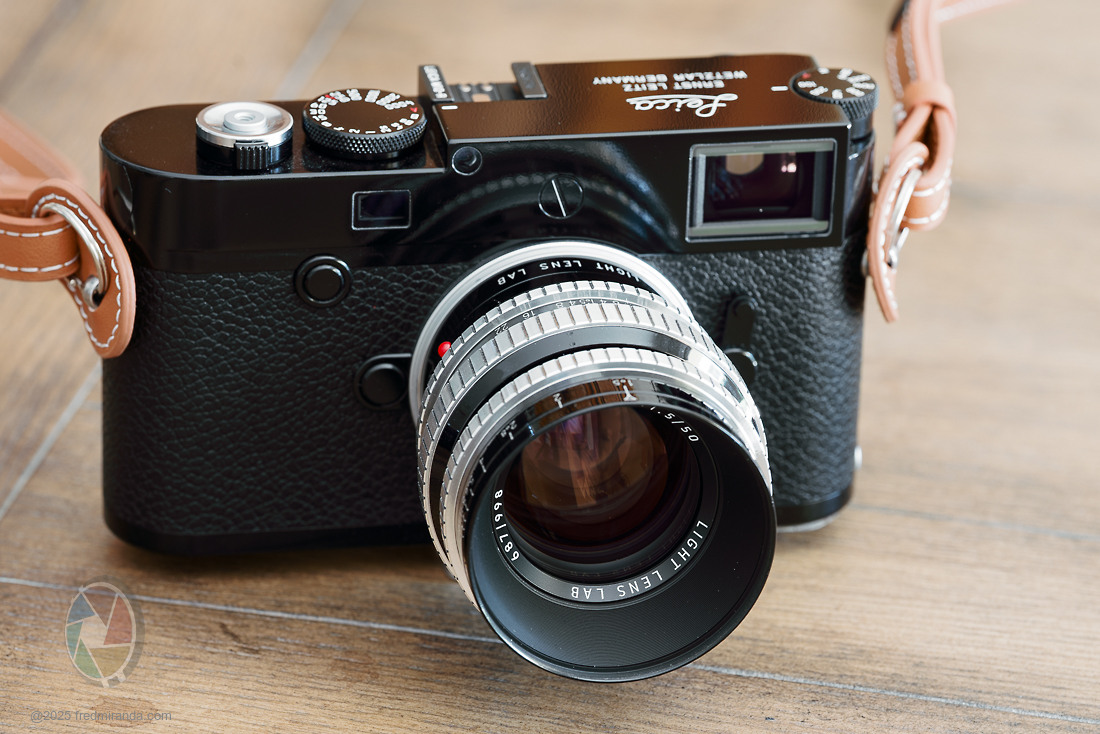
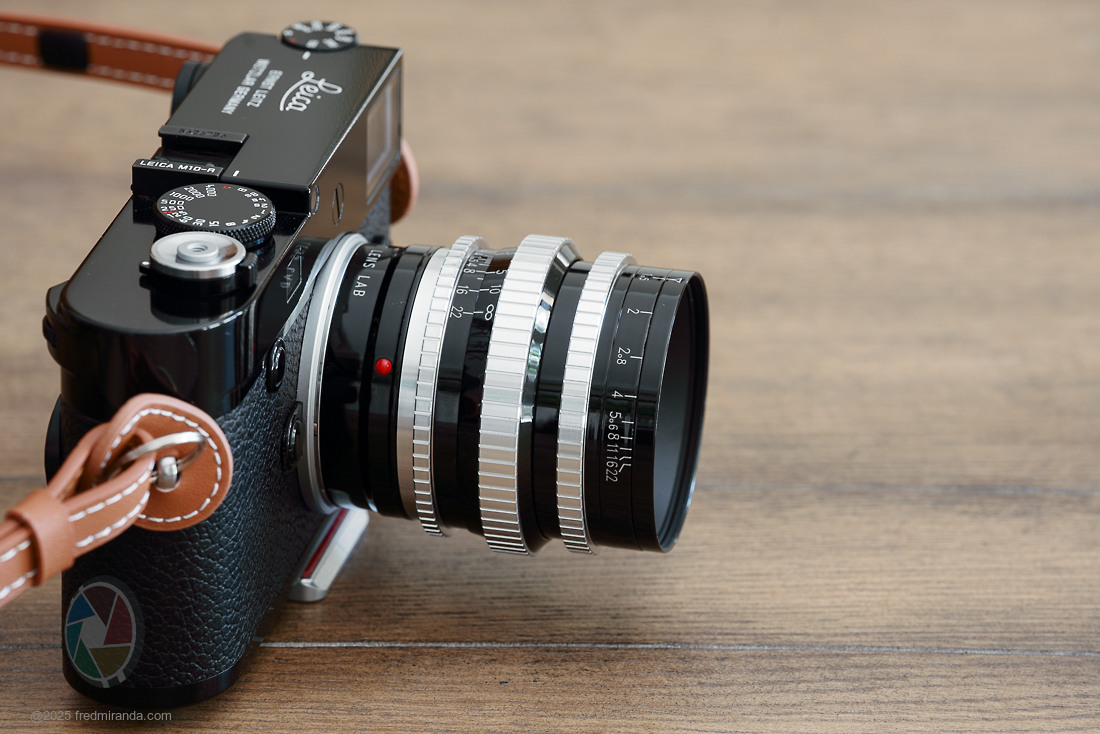
The focus ring on my copy turns smoothly, though there is a slight amount of play in the movement. It's minimal and doesn't affect usability, and most importantly, the lens focuses accurately with the rangefinder on my M cameras. Visually, it feels like handling a jewel. The glossy black paint and chrome accents complement my Leica M10-R Black Paint so well, it looks like they were made to go together.
Light Lens Lab 50mm f/1.5 "Z21" at ~3m focus position
Build quality is excellent, featuring a lightweight aluminum alloy body that feels solid and precise in hand. The lens measures 64.2mm in length and 60.7mm in diameter, weighing 318 grams (measured). It comes in a high-gloss black paint finish with chrome accents, with a matte black version available on request. The focus mechanism uses a solid brass helicoid and operates with smooth, deliberate resistance.
To get a broader sense of performance, I'll also be adapting this lens to a Sony body to evaluate compatibility and rendering on a high-resolution mirrorless sensor.
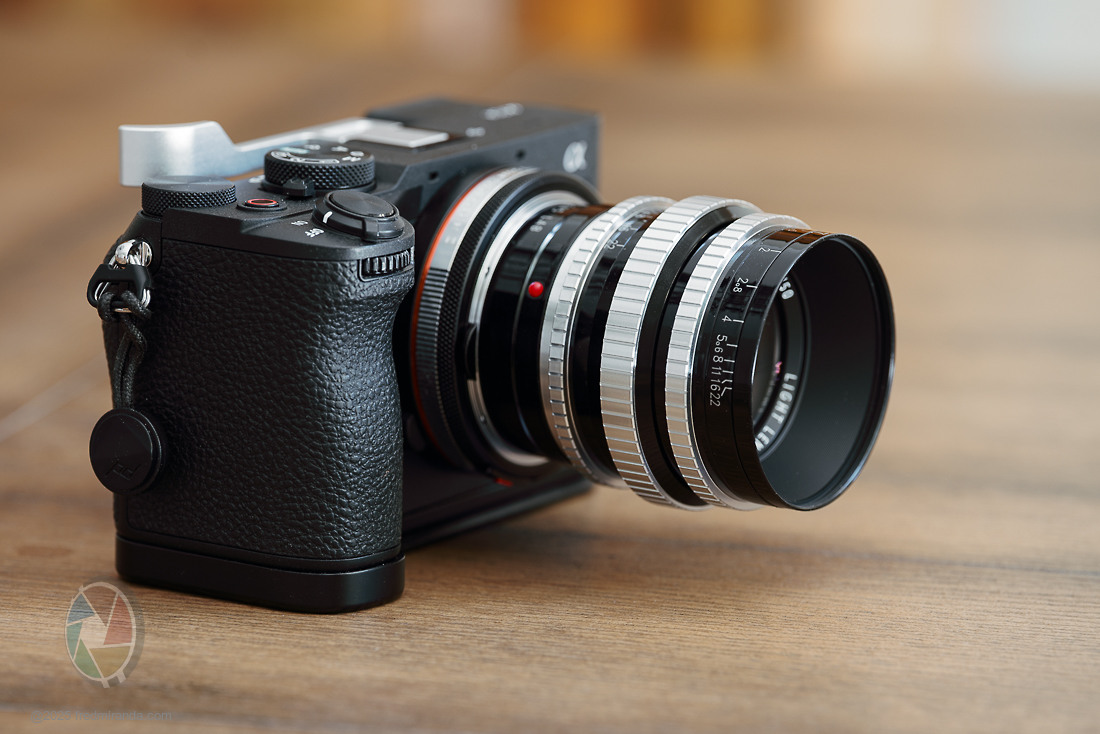
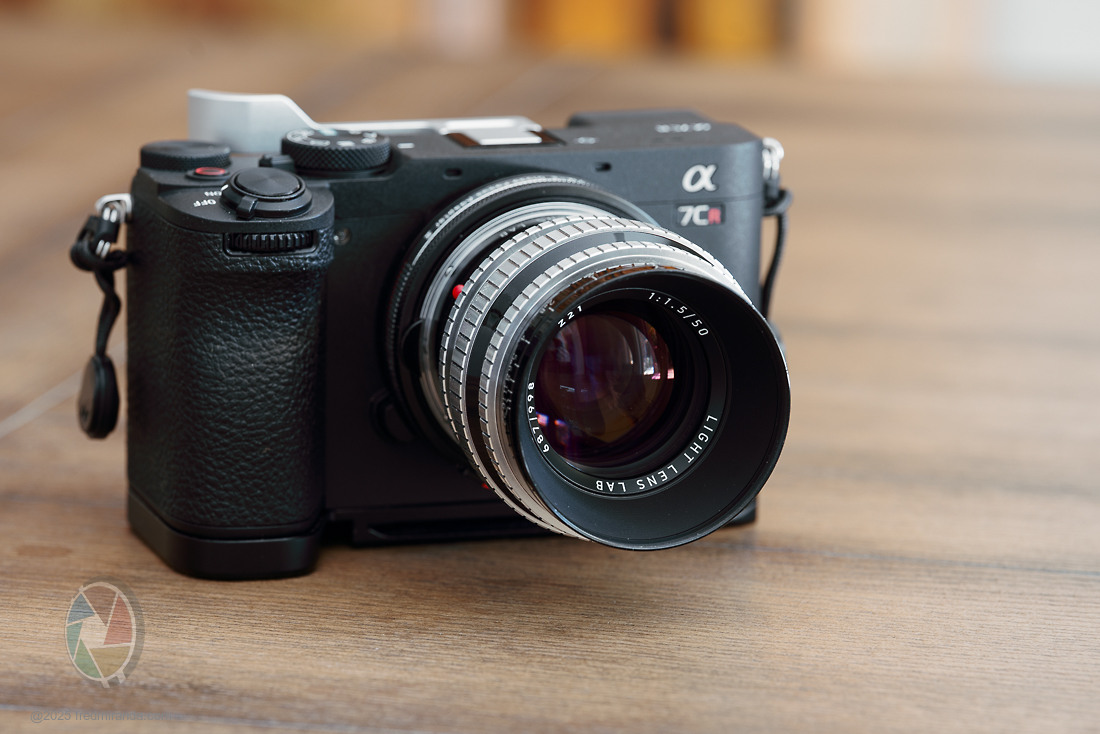
Sony A7CR paired with the Light Lens Lab 50mm f/1.5 Z21 using the Voigtlander close-focus adapter. You can see the purple coating reflections in the front element.
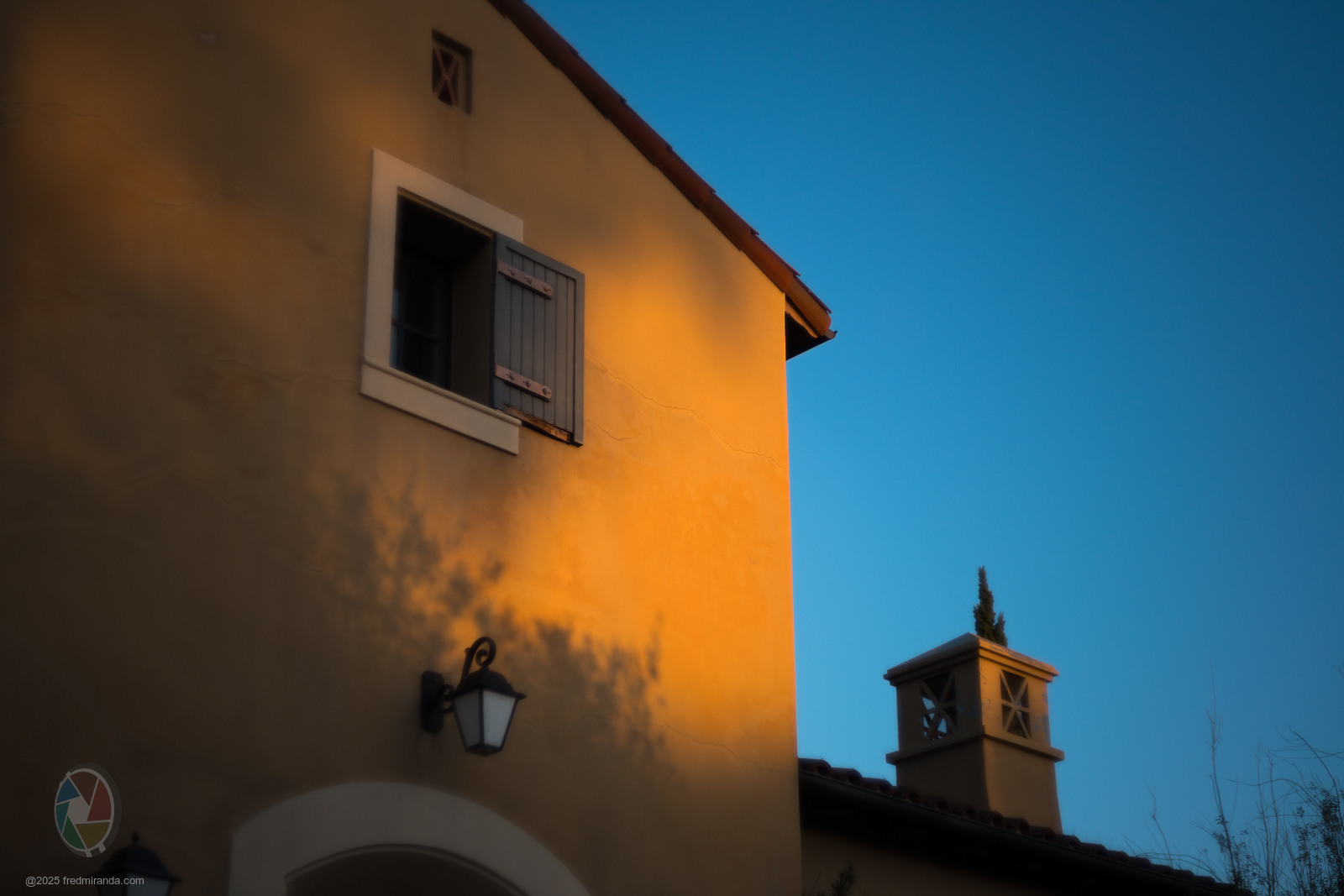
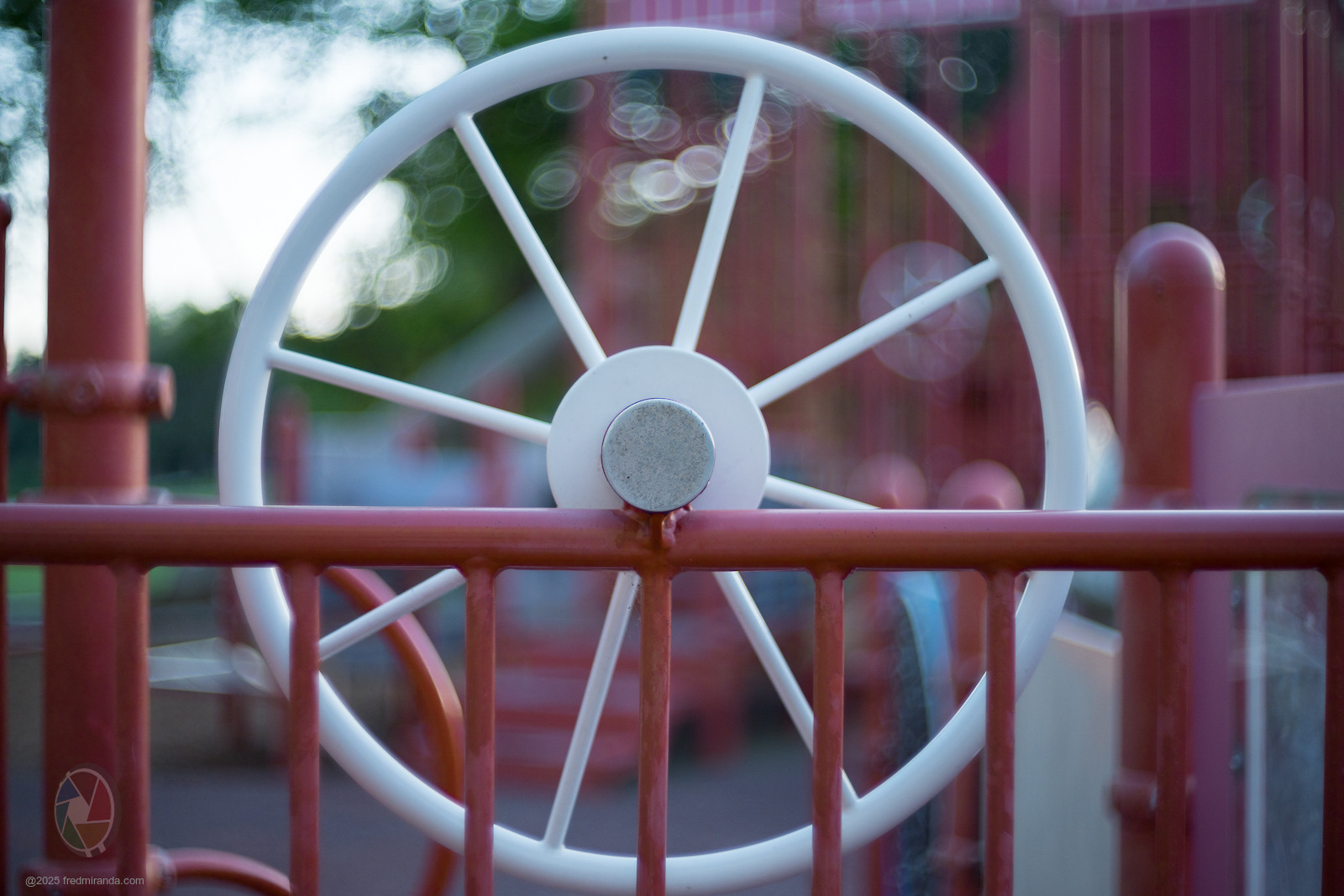
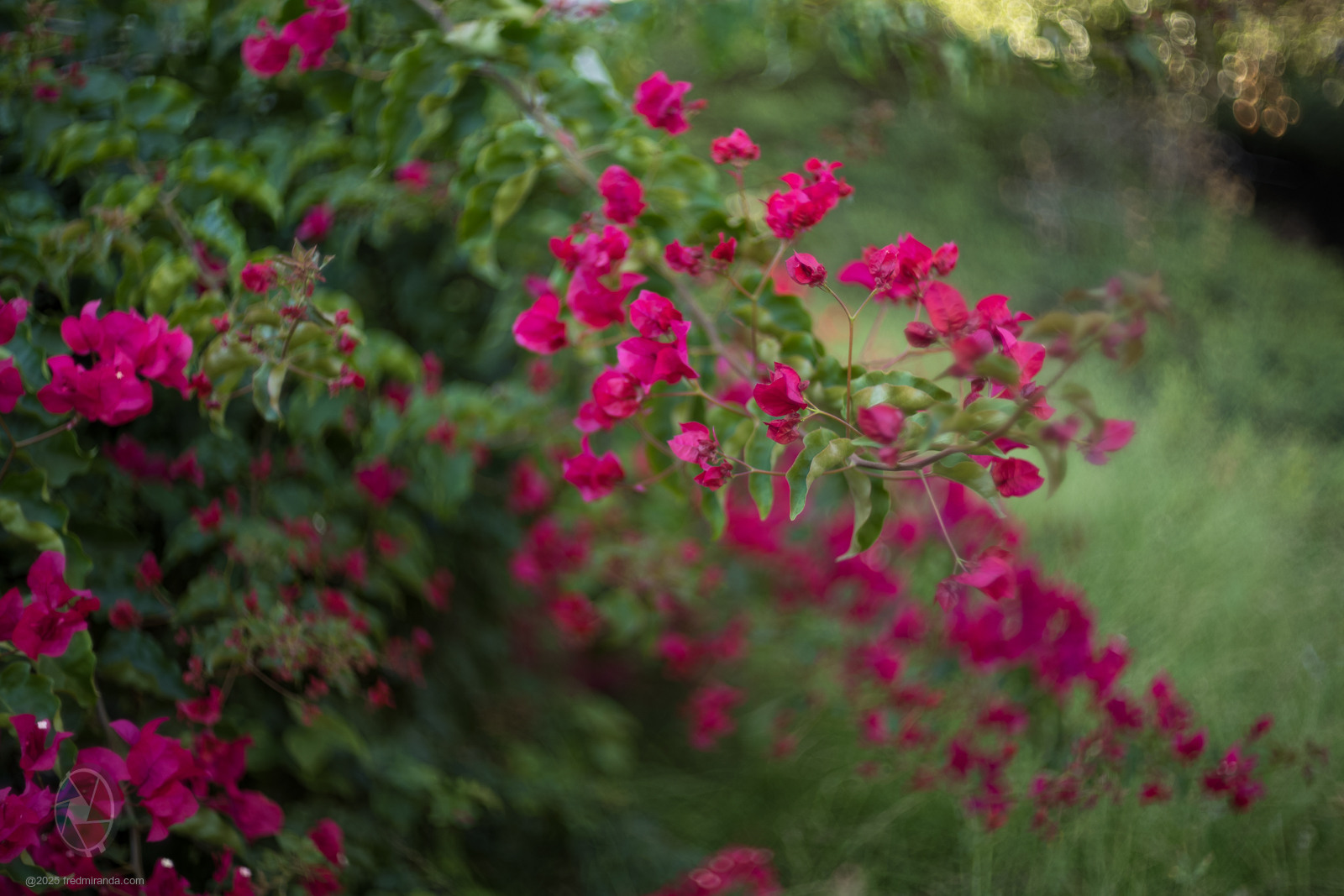
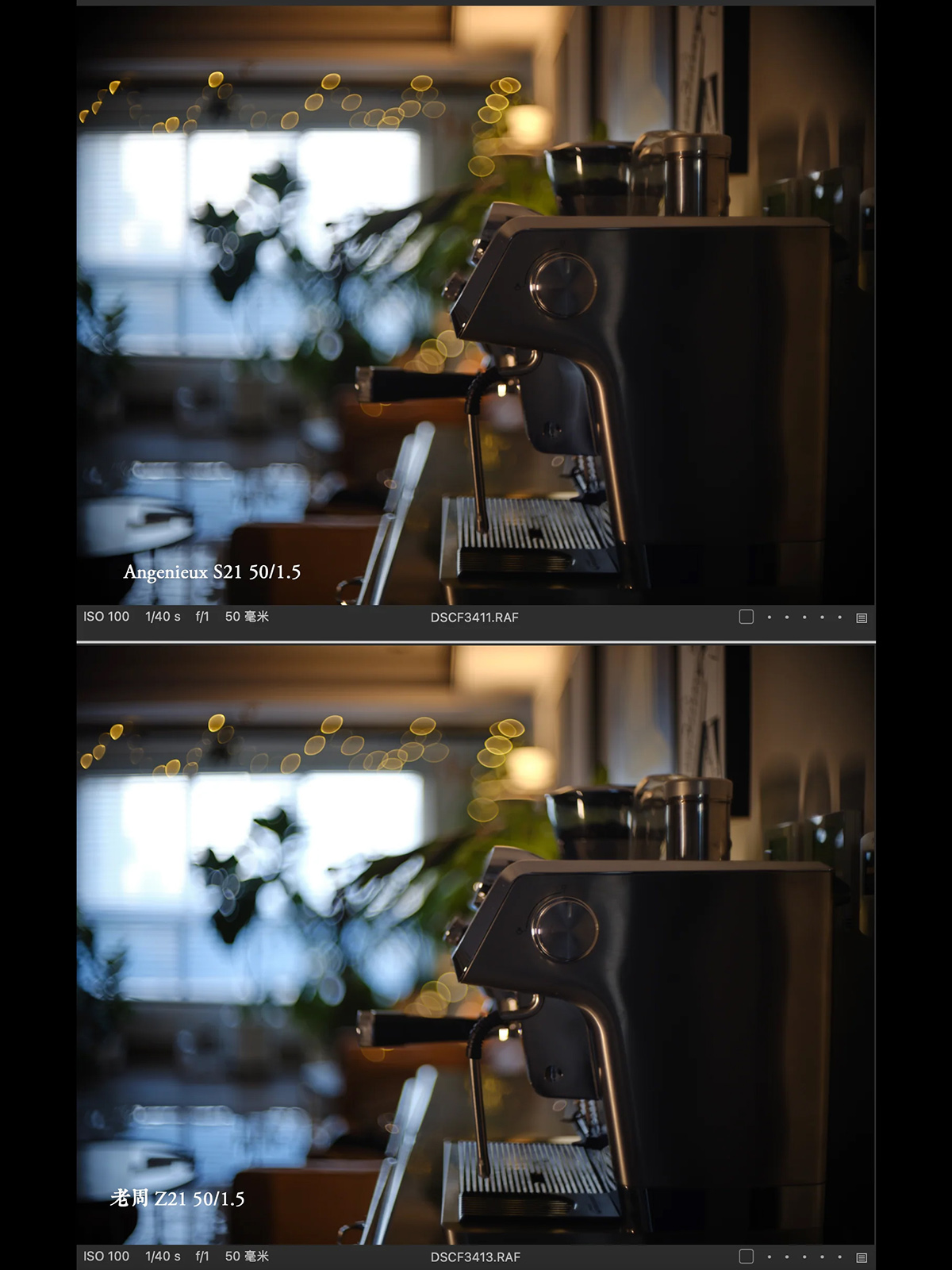
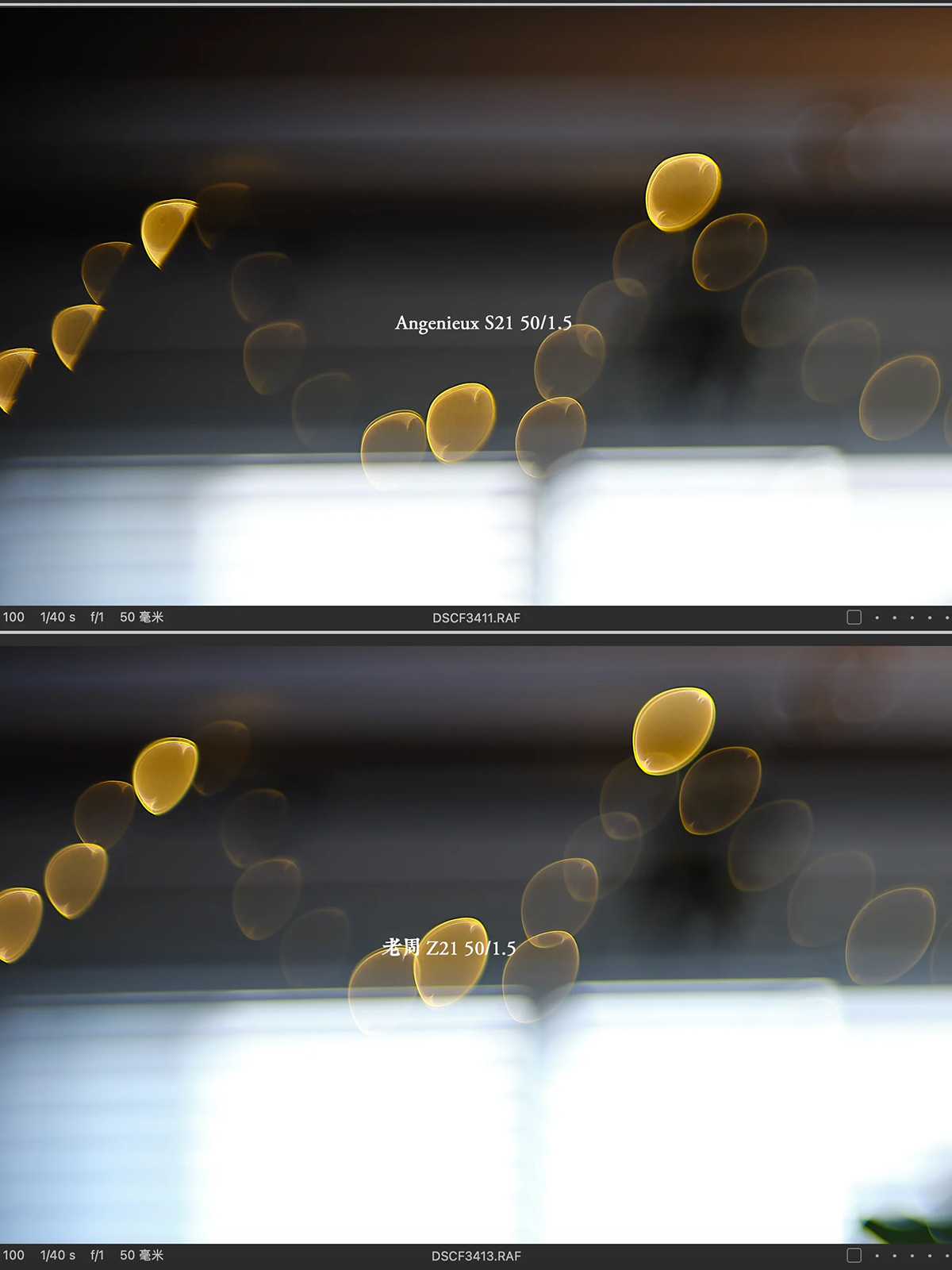
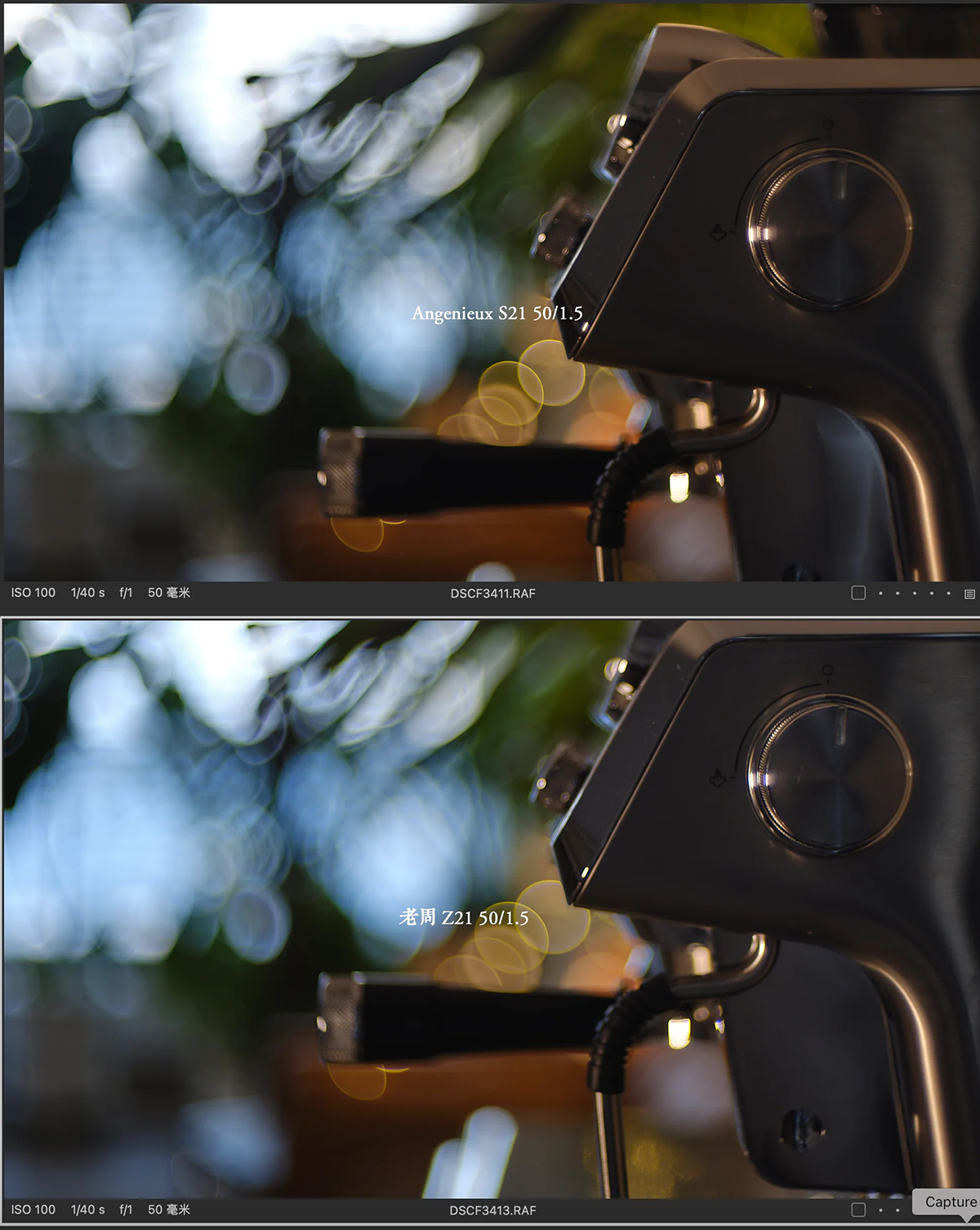
This lens is not designed for clinical sharpness or modern optical perfection. Sharpness is strongest around the center area, roughly covering the rule of thirds, so placing your subject within this zone yields a sharp image, though not razor sharp by today's standards. The lens leans into character, especially when used wide open, producing a gentle glow and smooth falloff that define the classic Angenieux signature..
Light Lens Lab 50mm f/1.2 "1966" Titanium | Light Lens Lab 50mm f/1.5 "Z21" | MS Optics 50mm f/1 ISM | Light Lens Lab 50mm f/2 SP2
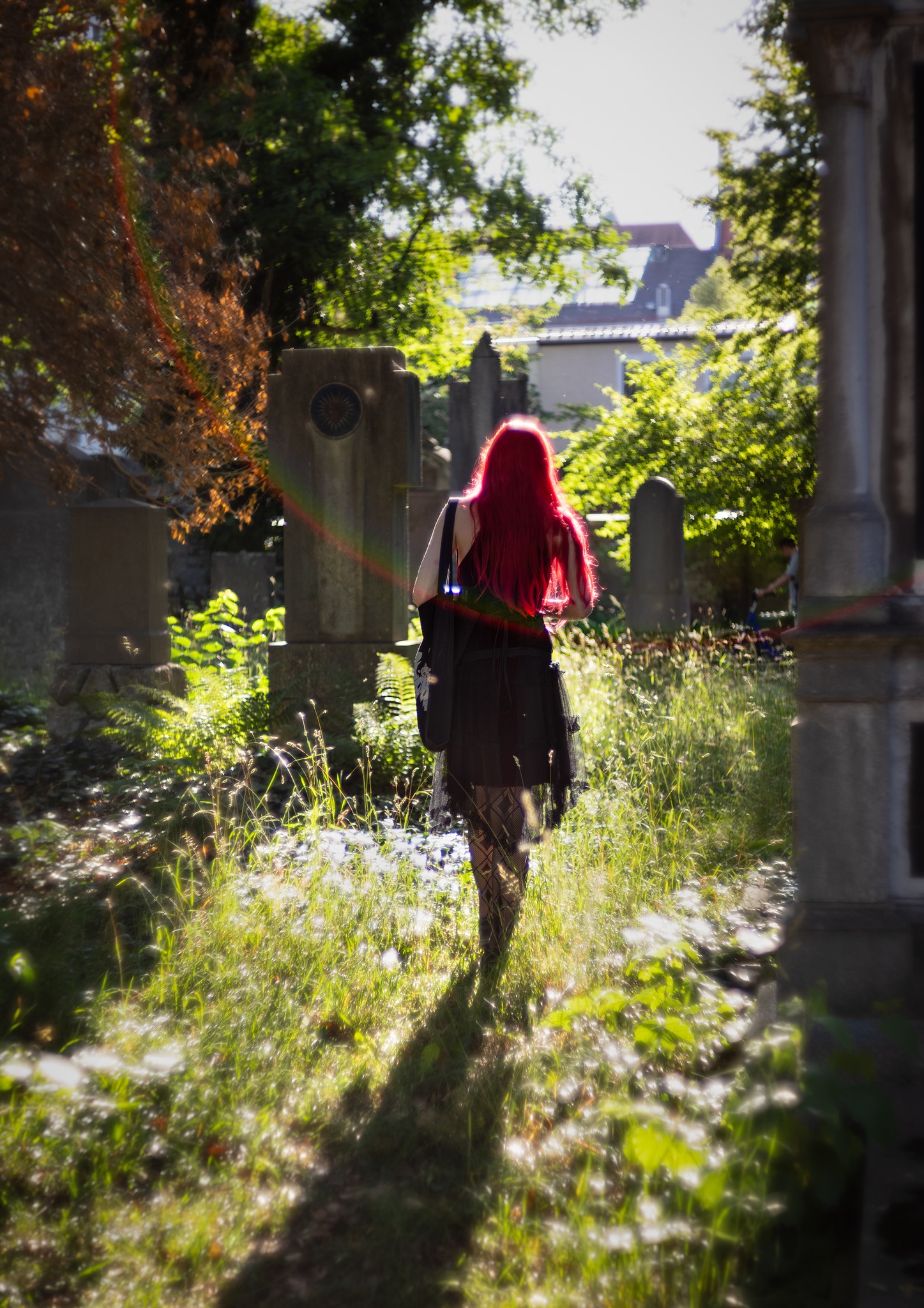
I would describe the rendering as painterly, with strong outlining, noticeable swirling, and well-defined structure. So far, I have not noticed much flare, but I will explore that further as the review continues. When stopped down, image quality improves noticeably, offering a balanced mix of expressive rendering and practical sharpness for more predictable compositions.
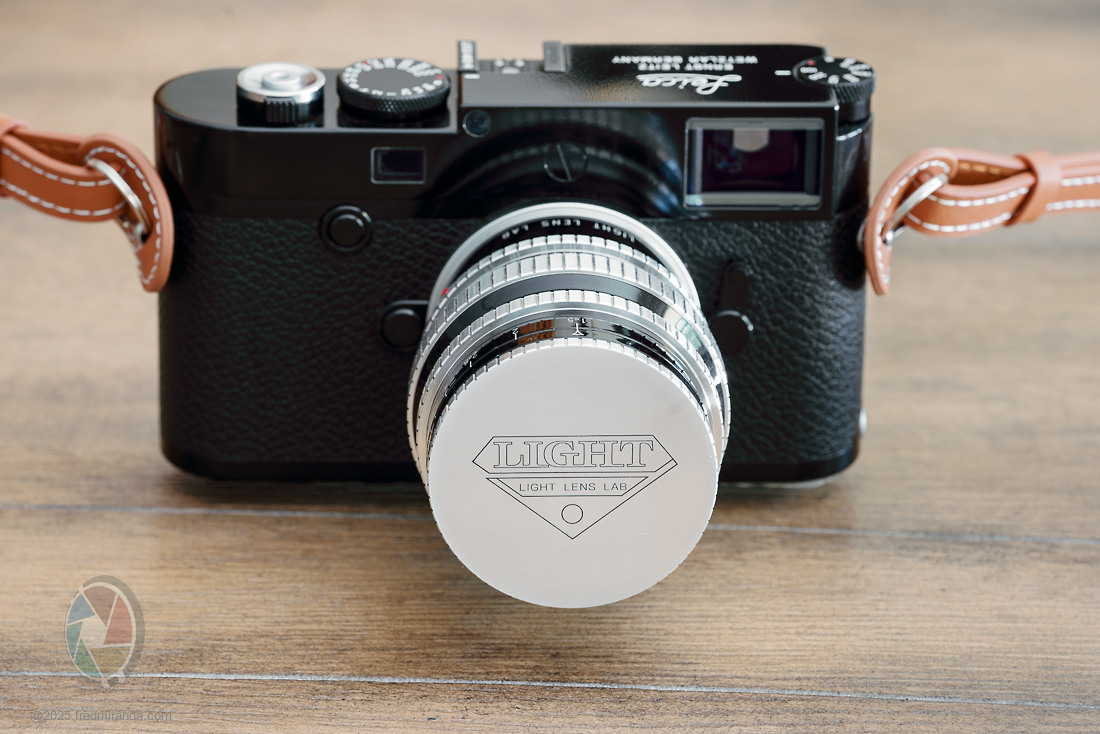
PS: The images of the lens and the lens mounted on the camera were taken with my Sony A7R II and Batis 135/2.8. I used the Ricoh Positive Film Cobalt simulation for processing, which I've really come to appreciate. The deep blacks, rich colors, and smooth tonal transitions make it stand out. In my opinion, it's Ricoh’s best profile.
|