Fred Miranda
Offline
Admin
Upload & Sell: On
|
 p.3 #18 · Light Lens Lab 50mm f/1.5 Z21 Review p.3 #18 · Light Lens Lab 50mm f/1.5 Z21 Review | |
Back to Quick Links
Rangefinder Focusing, Recomposition, and the Effect of Field Curvature
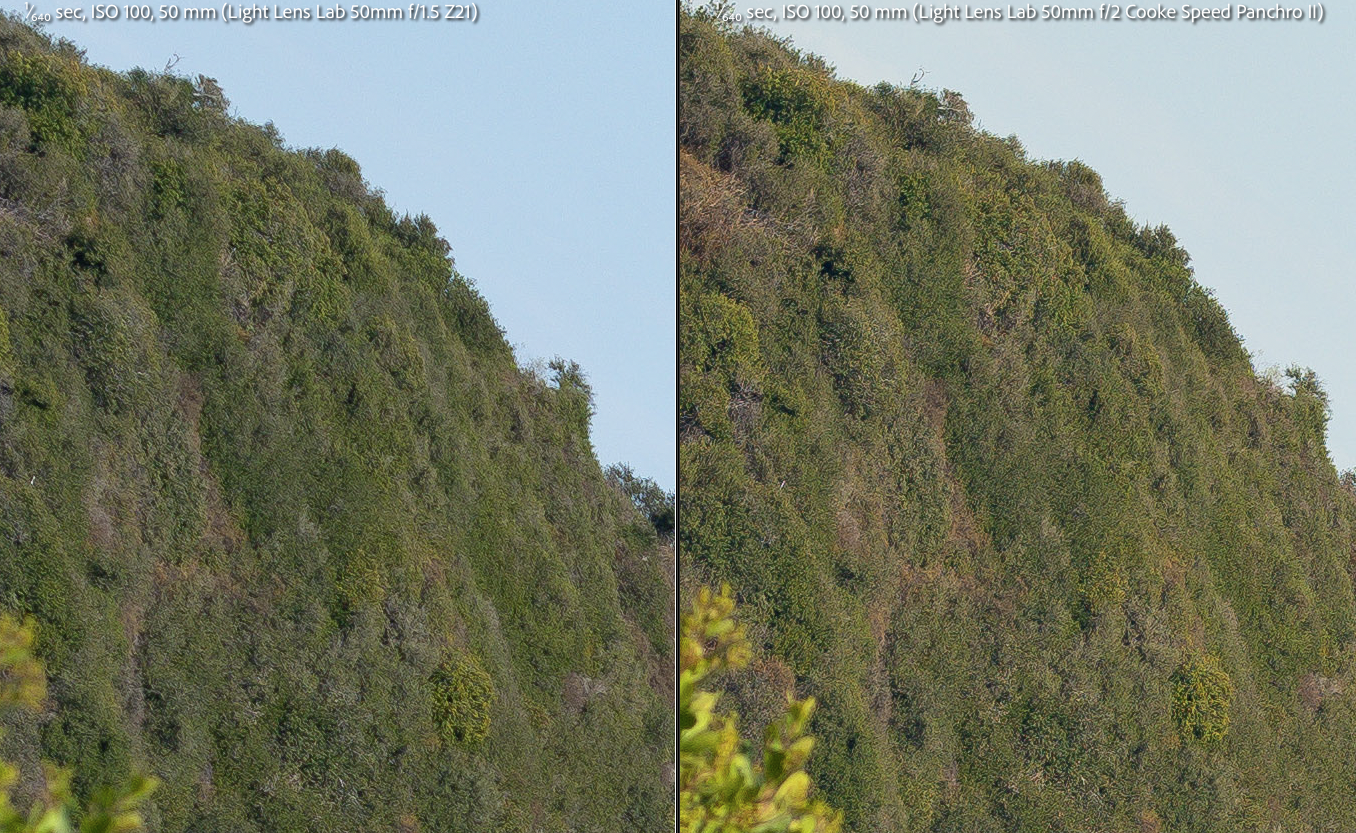
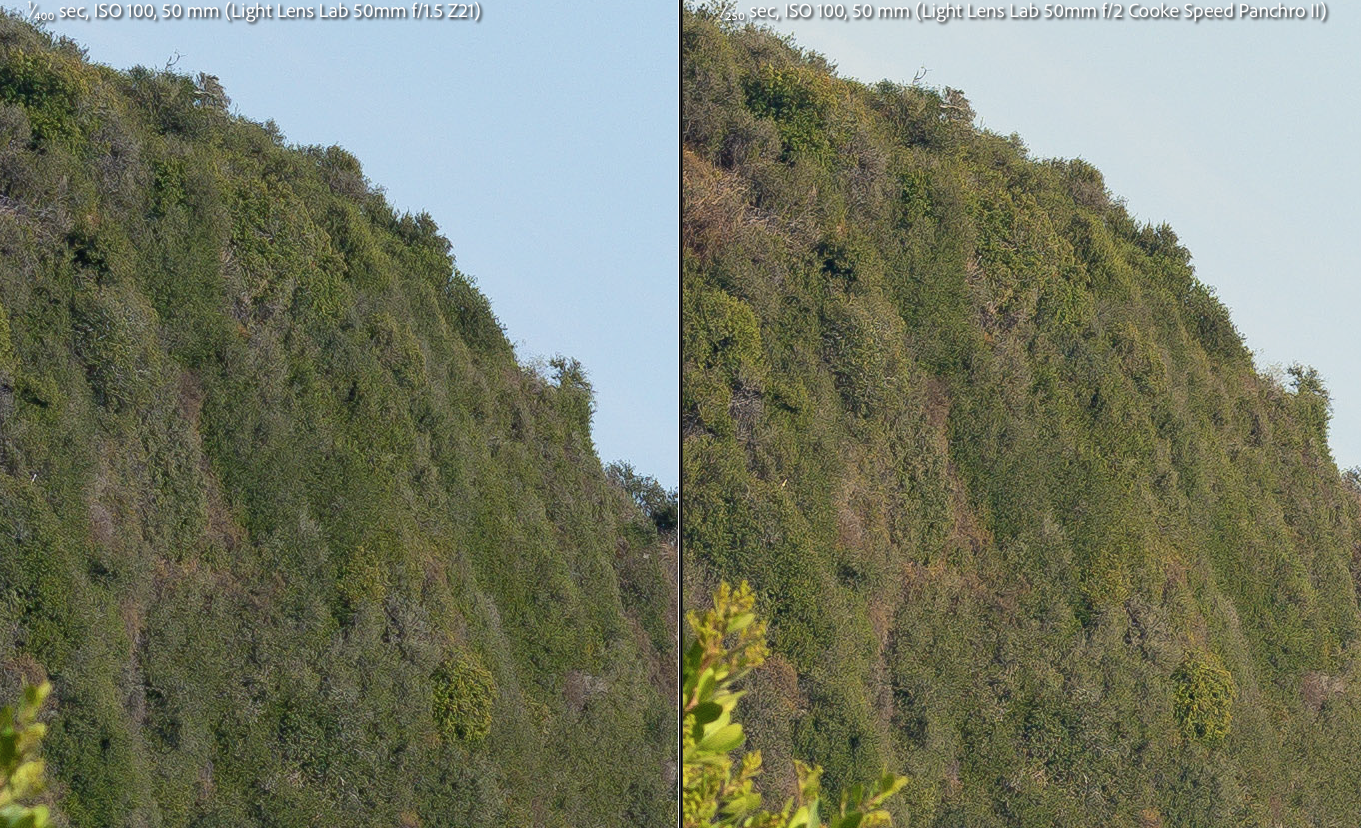
Many are asking themselves what exactly is the falloff in resolution and contrast from the center to the mid-zone and then to the edges. As we've seen from the resolution tests at infinity and the many sample images shared throughout this review, it's clear that the Light Lens Lab 50mm f/1.5 Z21 has stronger correction near the center, followed by a steep drop in the mid-zone.
You might assume that this drop is caused by field curvature or simply by the characteristics of the lens design. You'd be right, since it's a combination of both. However, subject distance also plays a big role. We've already seen [url=https://www.fredmiranda.com/forum/topic/1908962/2#fieldhow the field curvature behaves[/url], starting with a strong outward shape at close distances and gradually flattening as the focus distance increases. This behavior also shows up when using focus and recompose techniques.
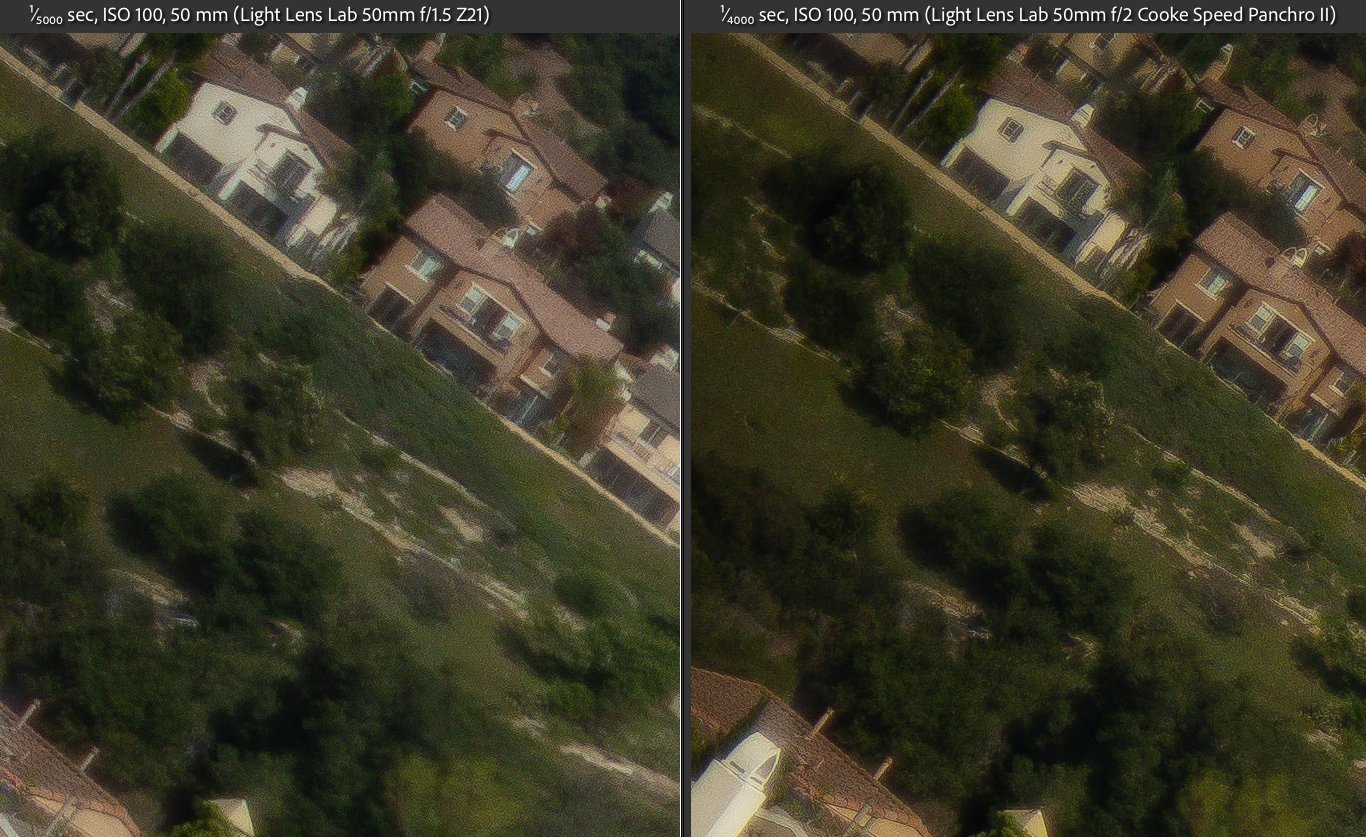
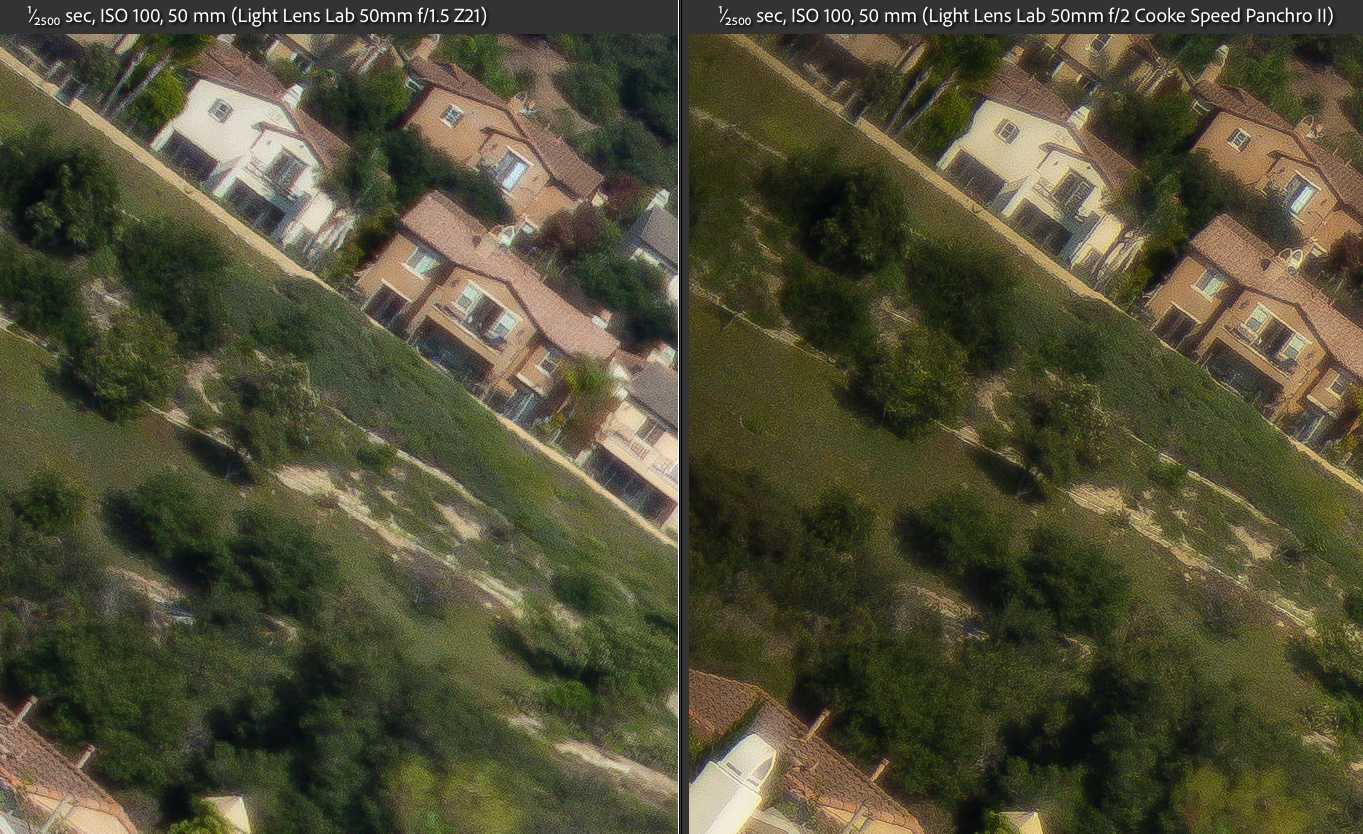
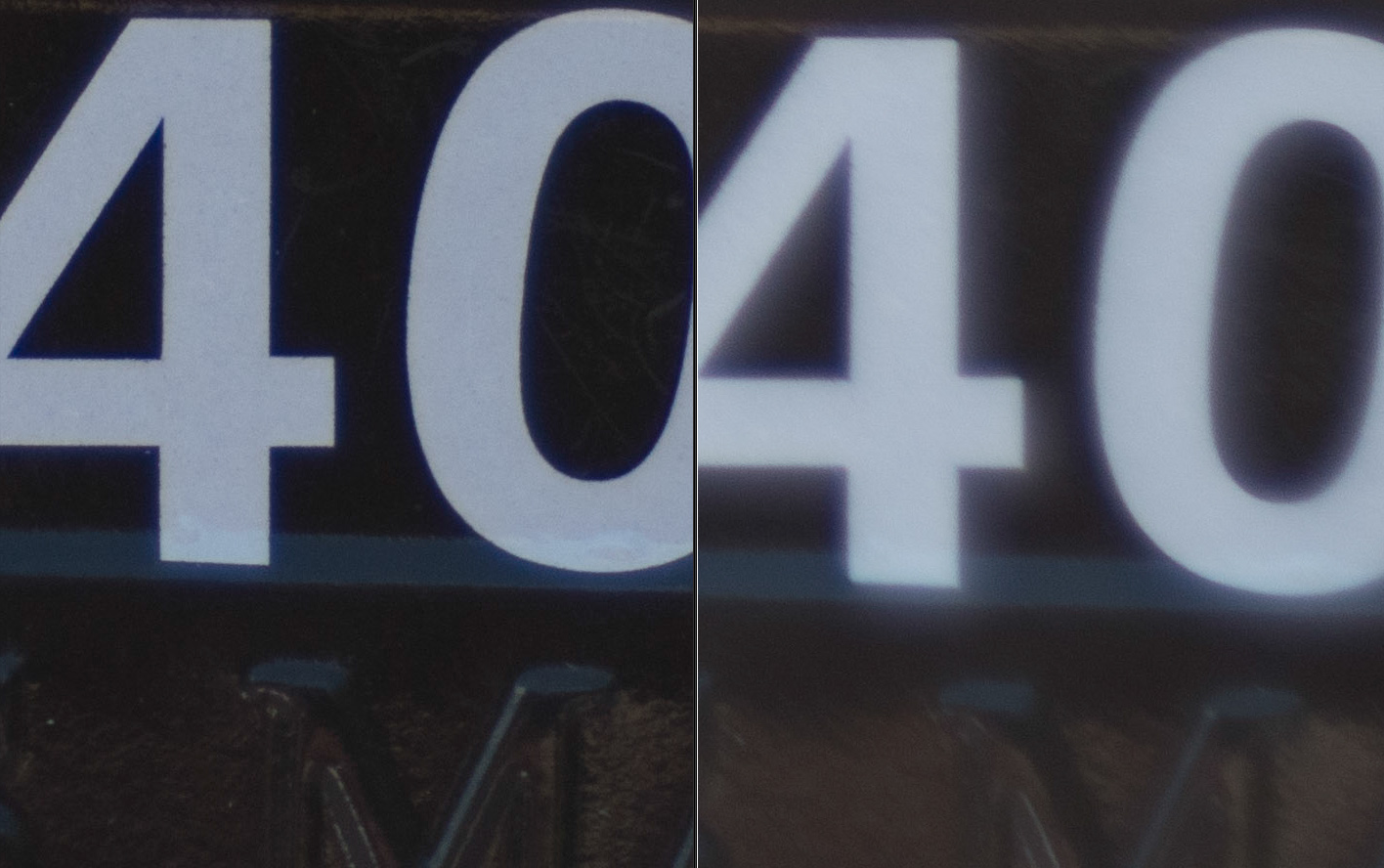
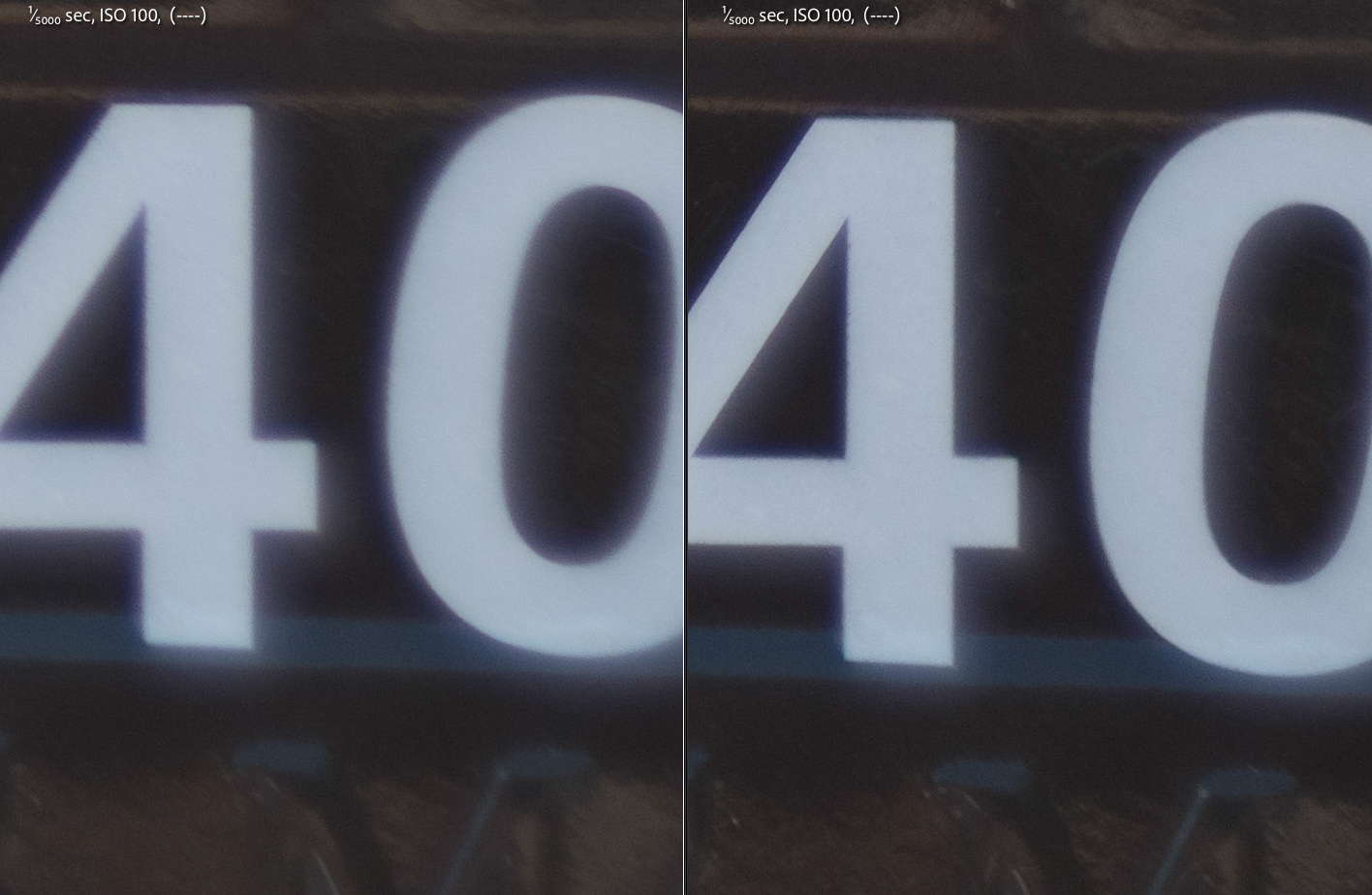
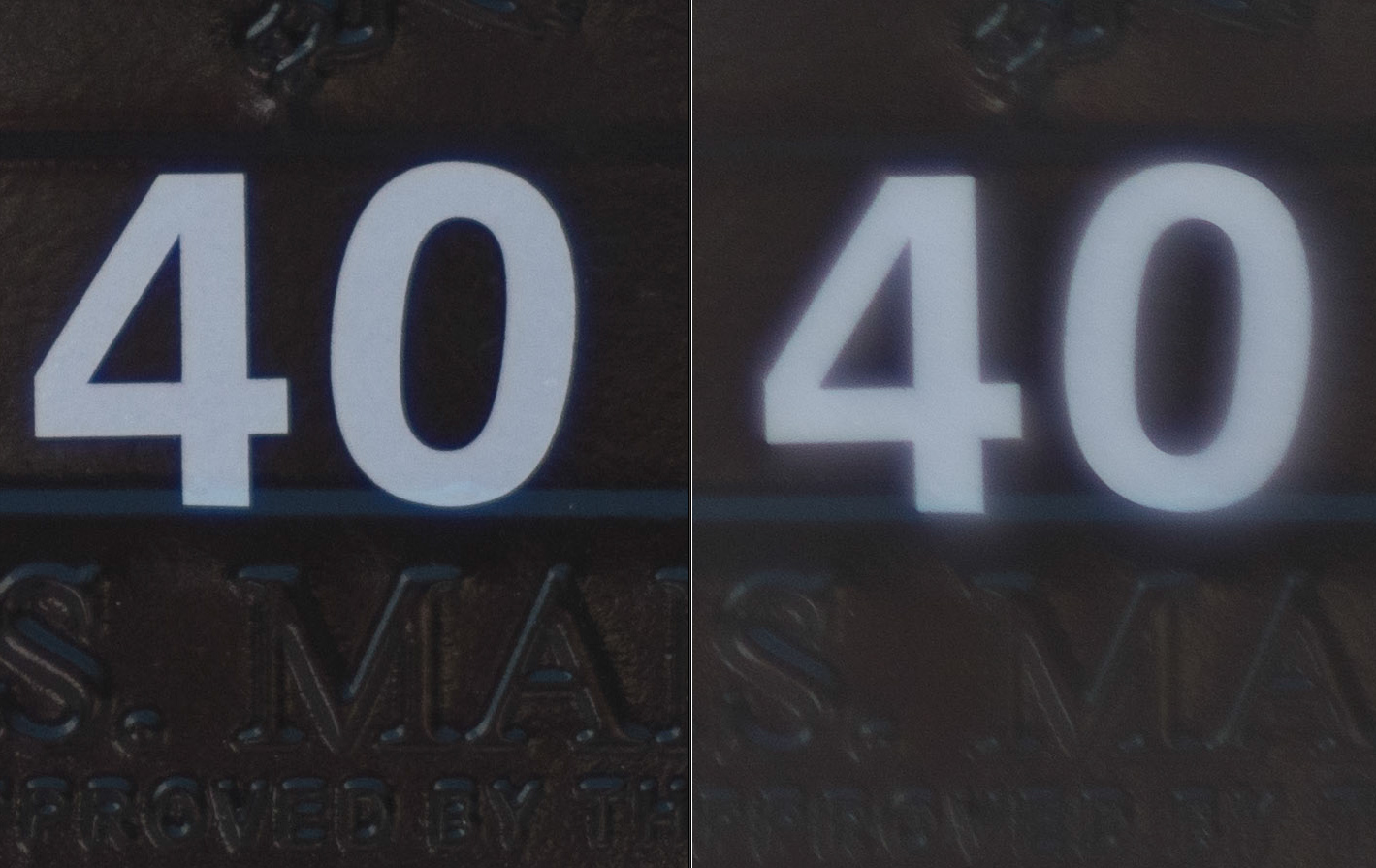
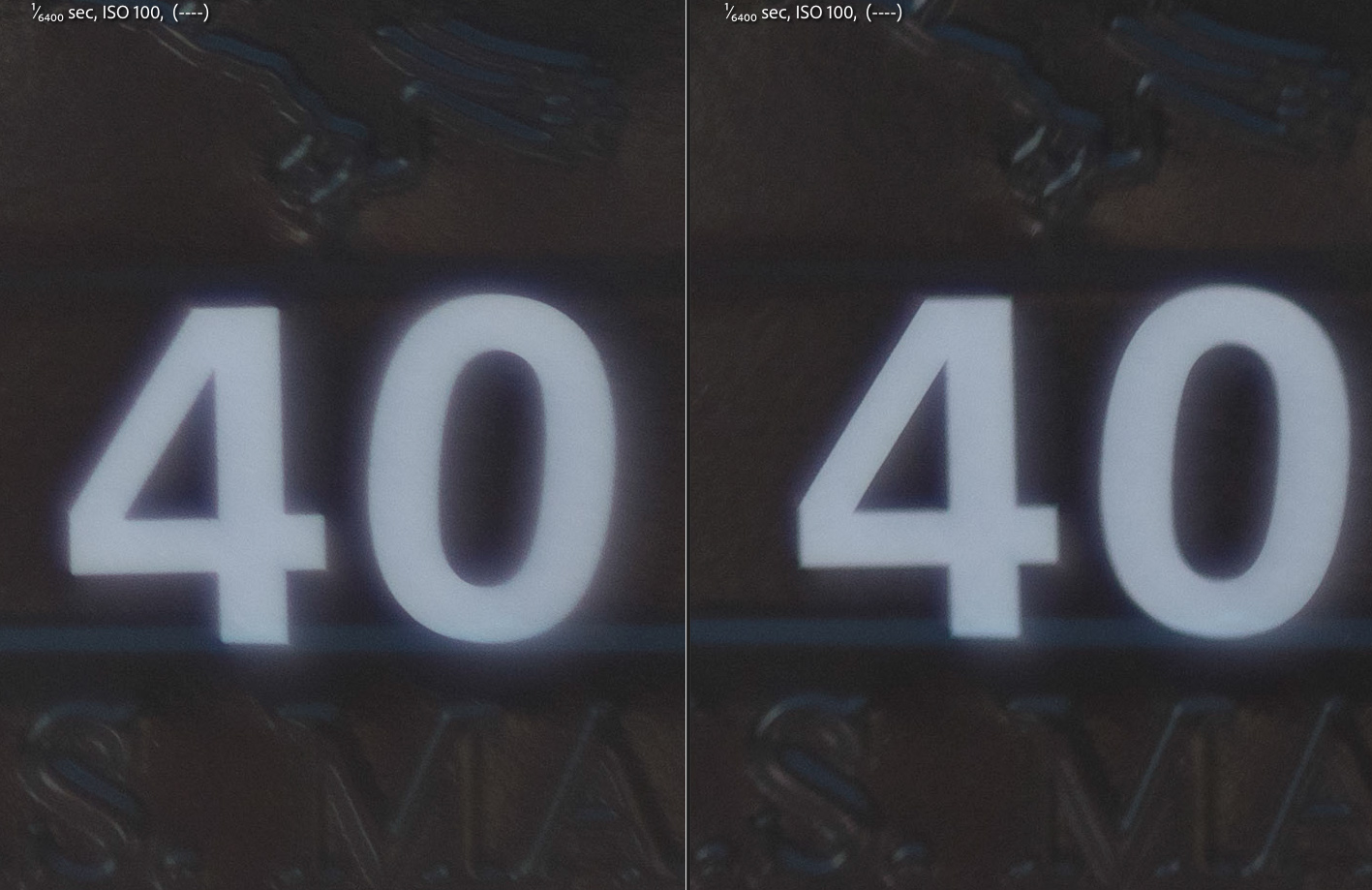
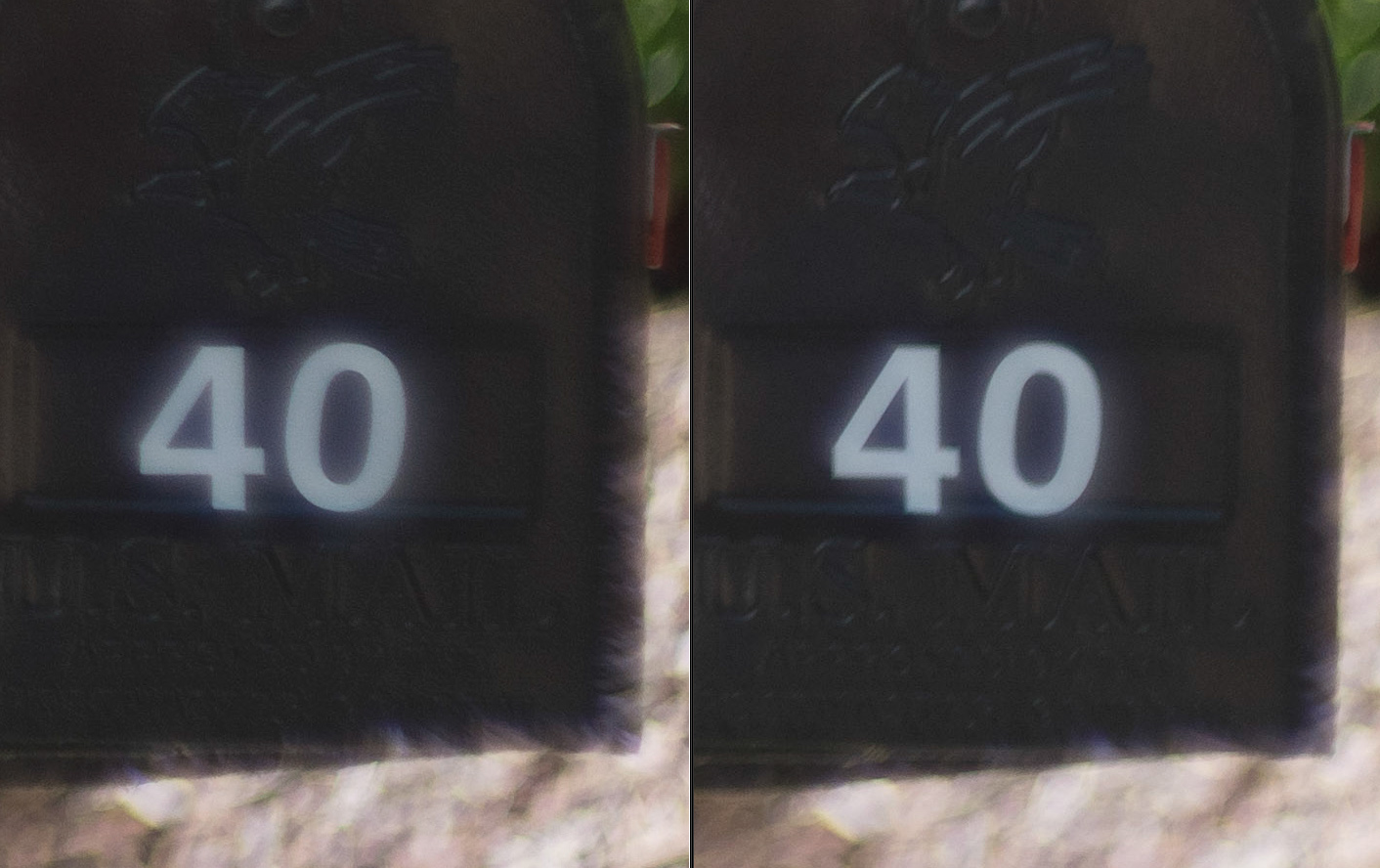
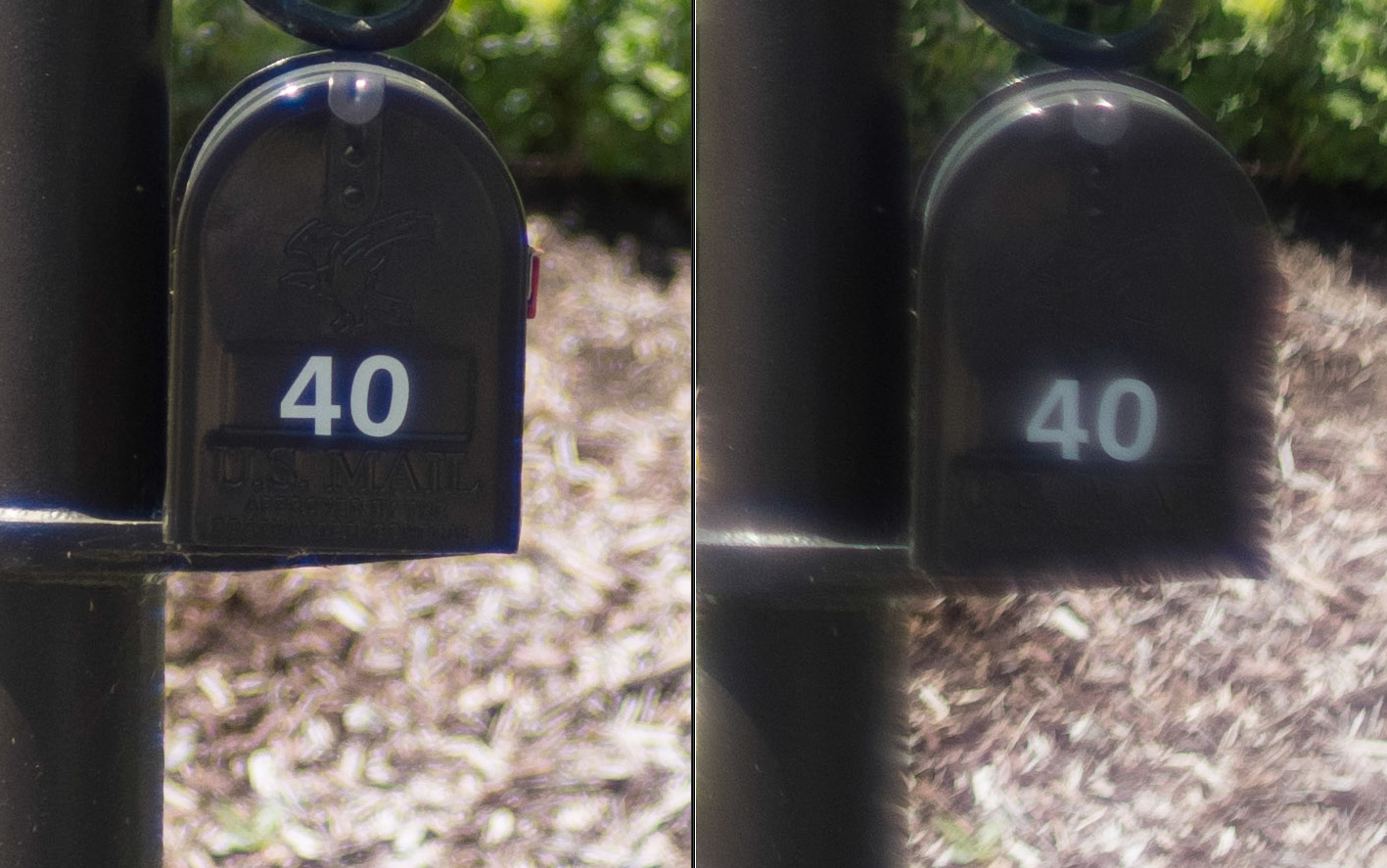
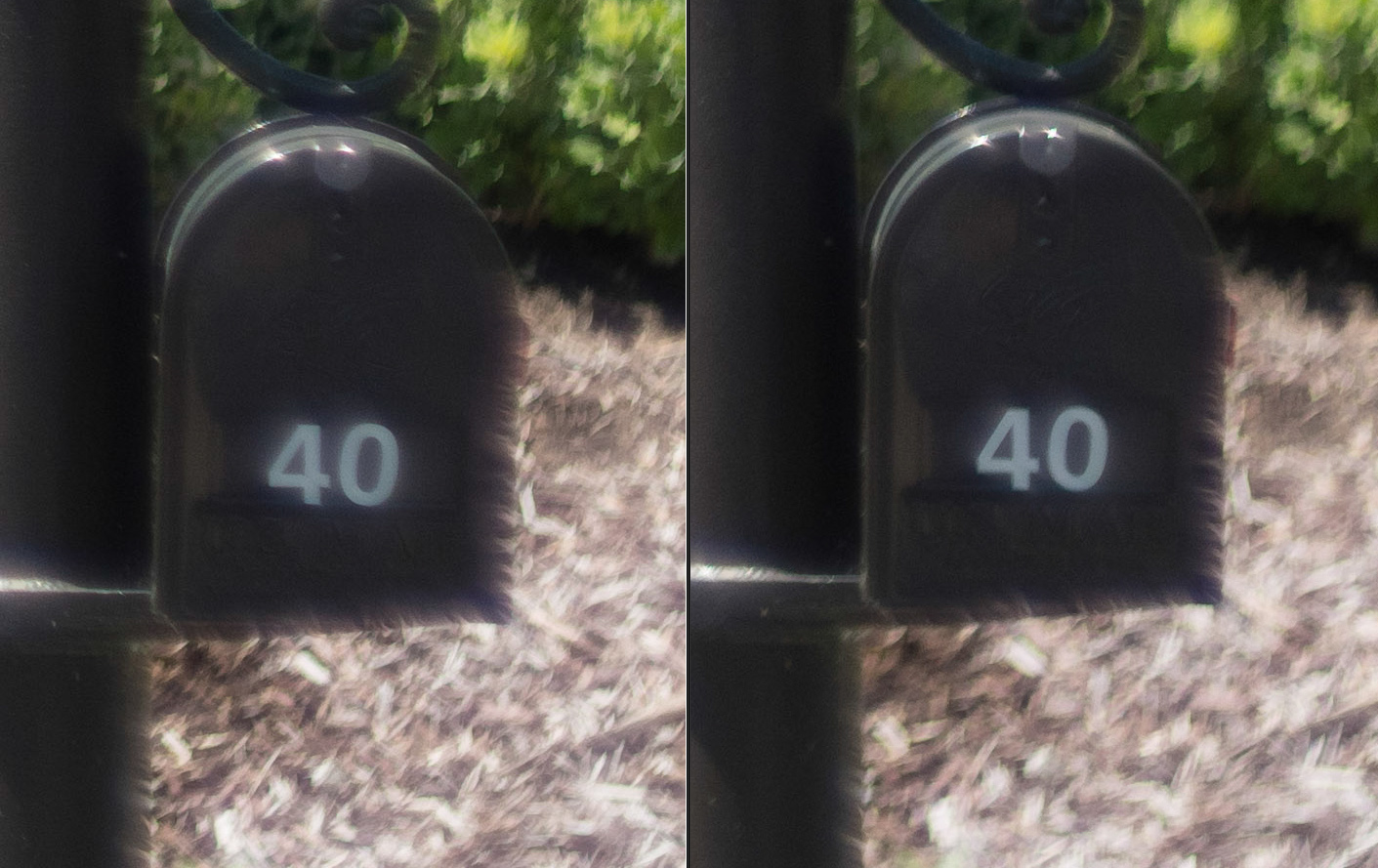
In the next series of shots, I'll focus on the subject at the center, recompose to place it in the mid-field without changing focus, and then take a final shot where the subject is refocused in the mid-field position (using Live View). As expected based on the curvature pattern, recomposing without refocusing introduces more issues at close distances, where the field curvature pushes outward. At longer distances, the curvature flattens, so recomposing has much less of an effect.
So, what can we take from this? We're learning the lens's imperfections and how to use them to our advantage. For instance, if you want the best possible resolution and contrast, it makes sense to place the subject in the center and let the edges fall off in sharpness and contrast. On the other hand, placing the subject closer to the rule of thirds area (without going too far off center) can still give you good resolution but slightly reduced contrast. The rendering stays consistent, but the overall image feels more balanced.
At close focusing distances, say from 0.7 to 1.5 meters, if your subject is in the mid-zone and you want the highest possible sharpness and contrast, it's best to use Live View and focus directly on that area. At longer distances, or if you're going for a softer, lower contrast look that feels more natural, focusing at the center and recomposing is often the better choice.
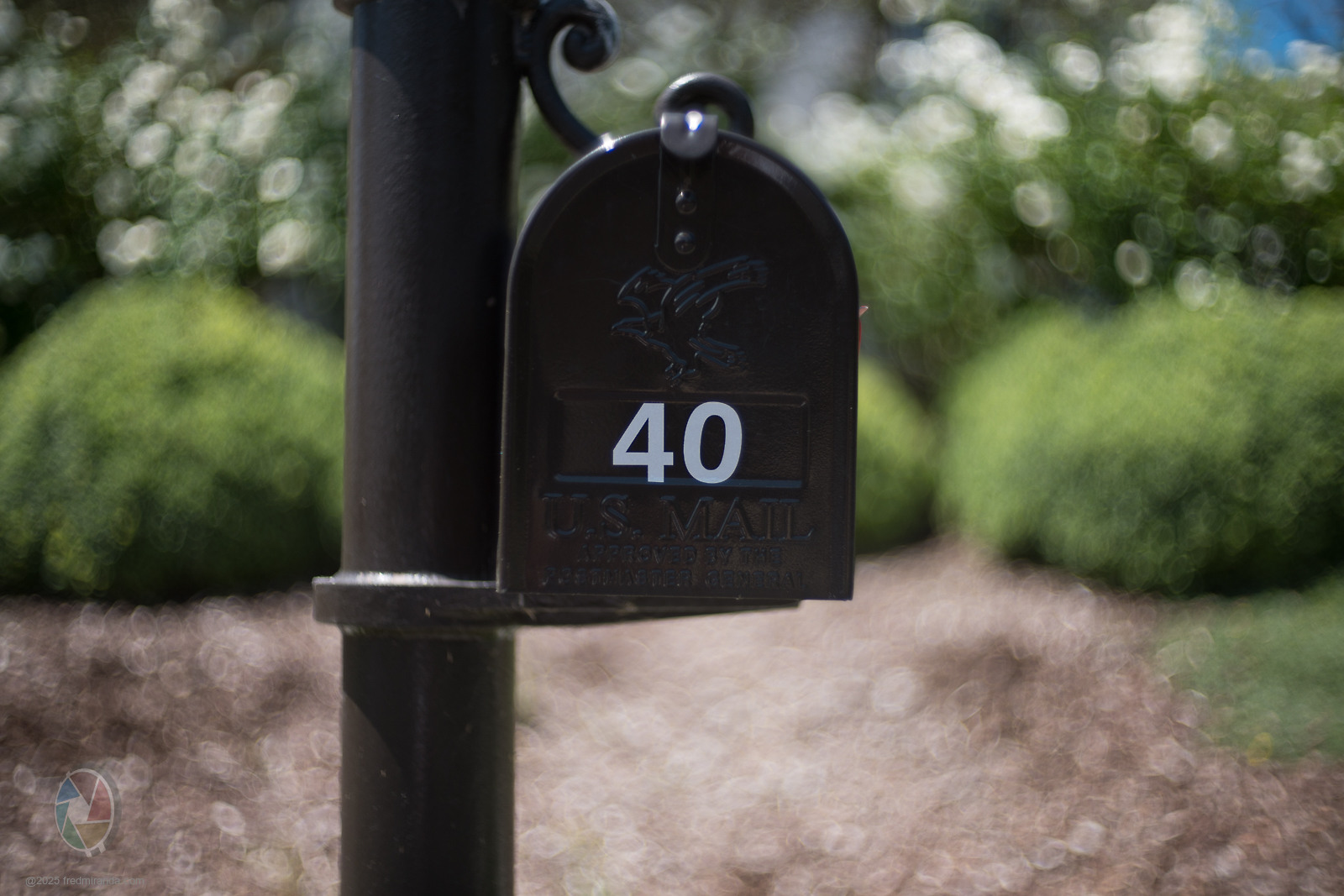
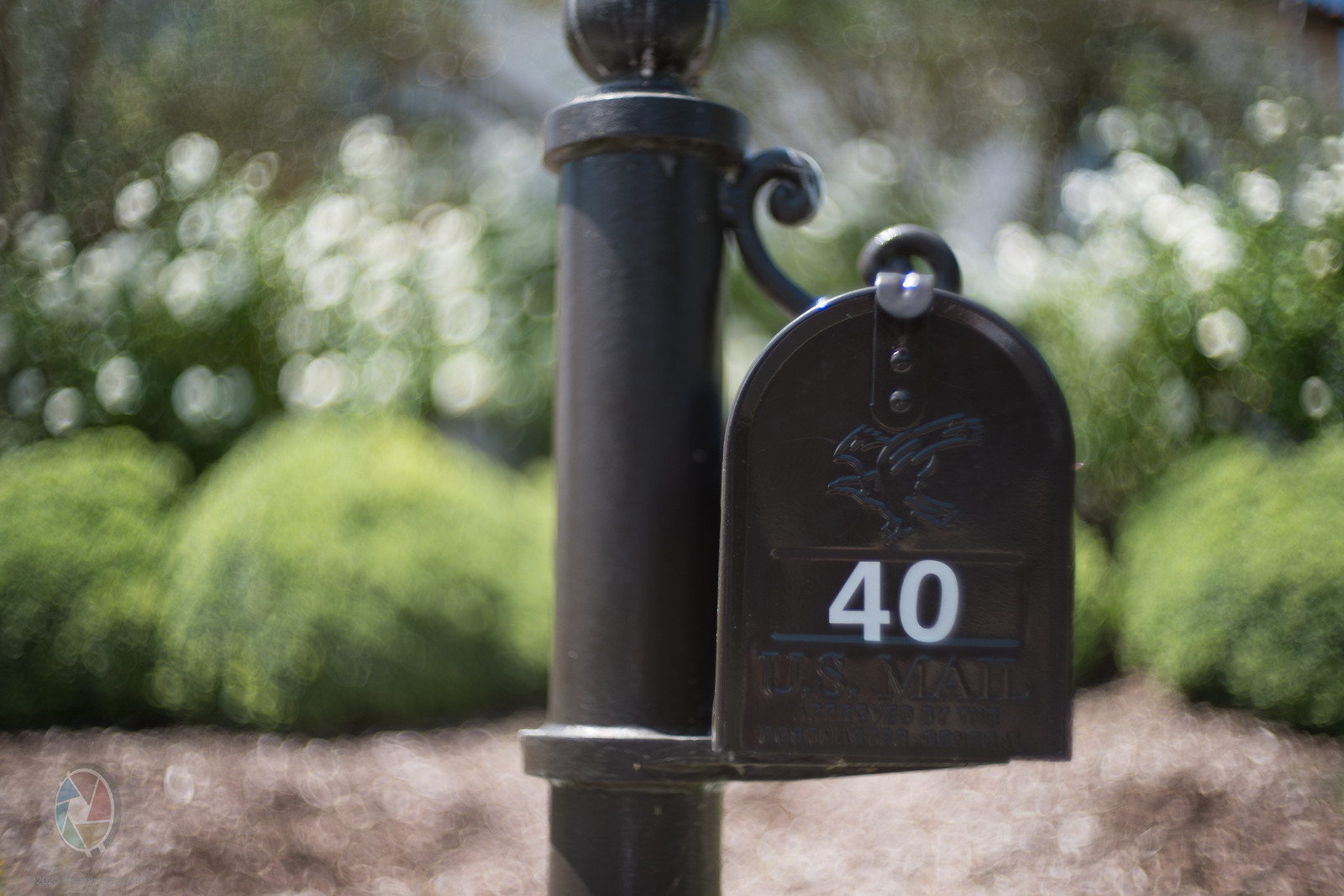
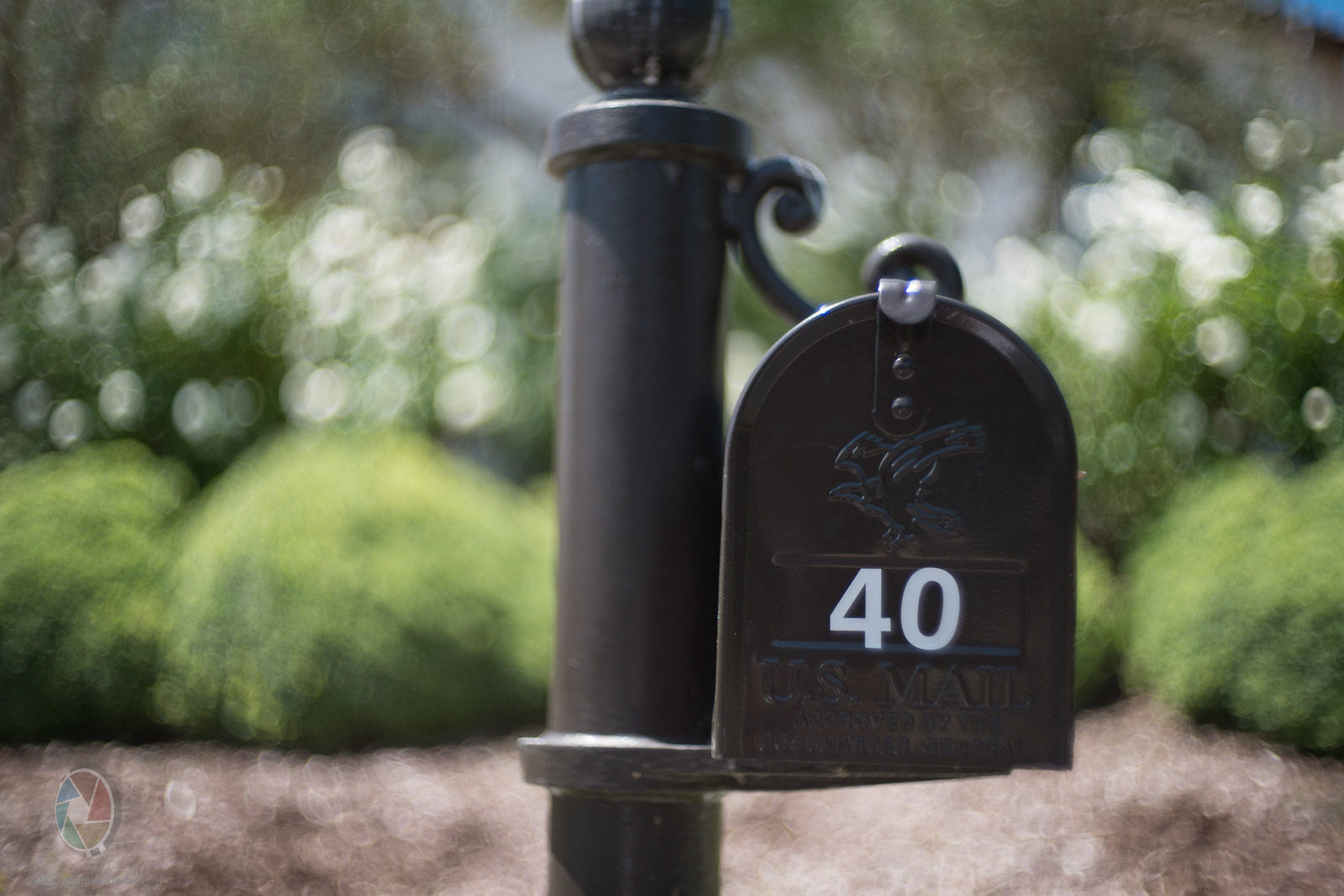
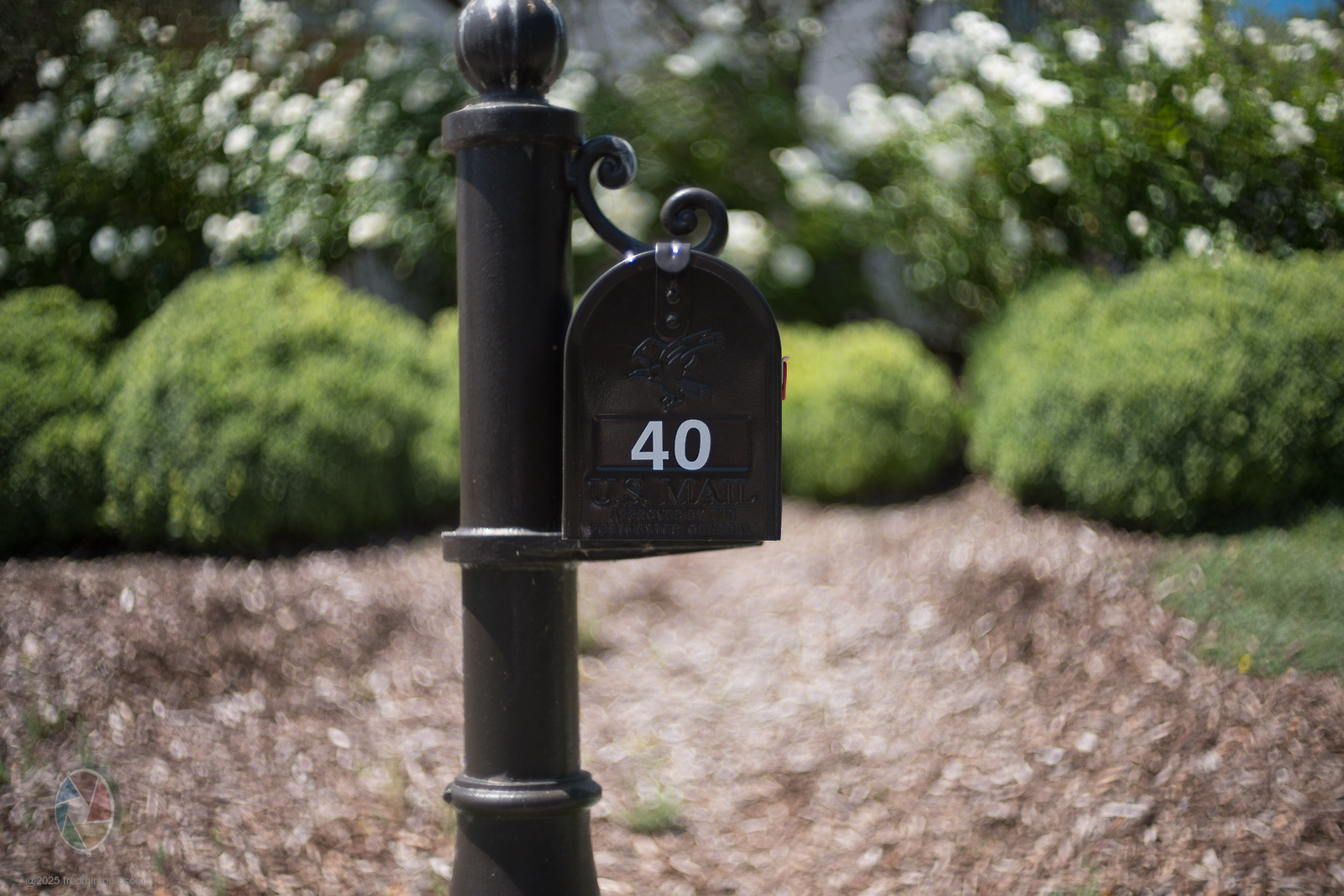
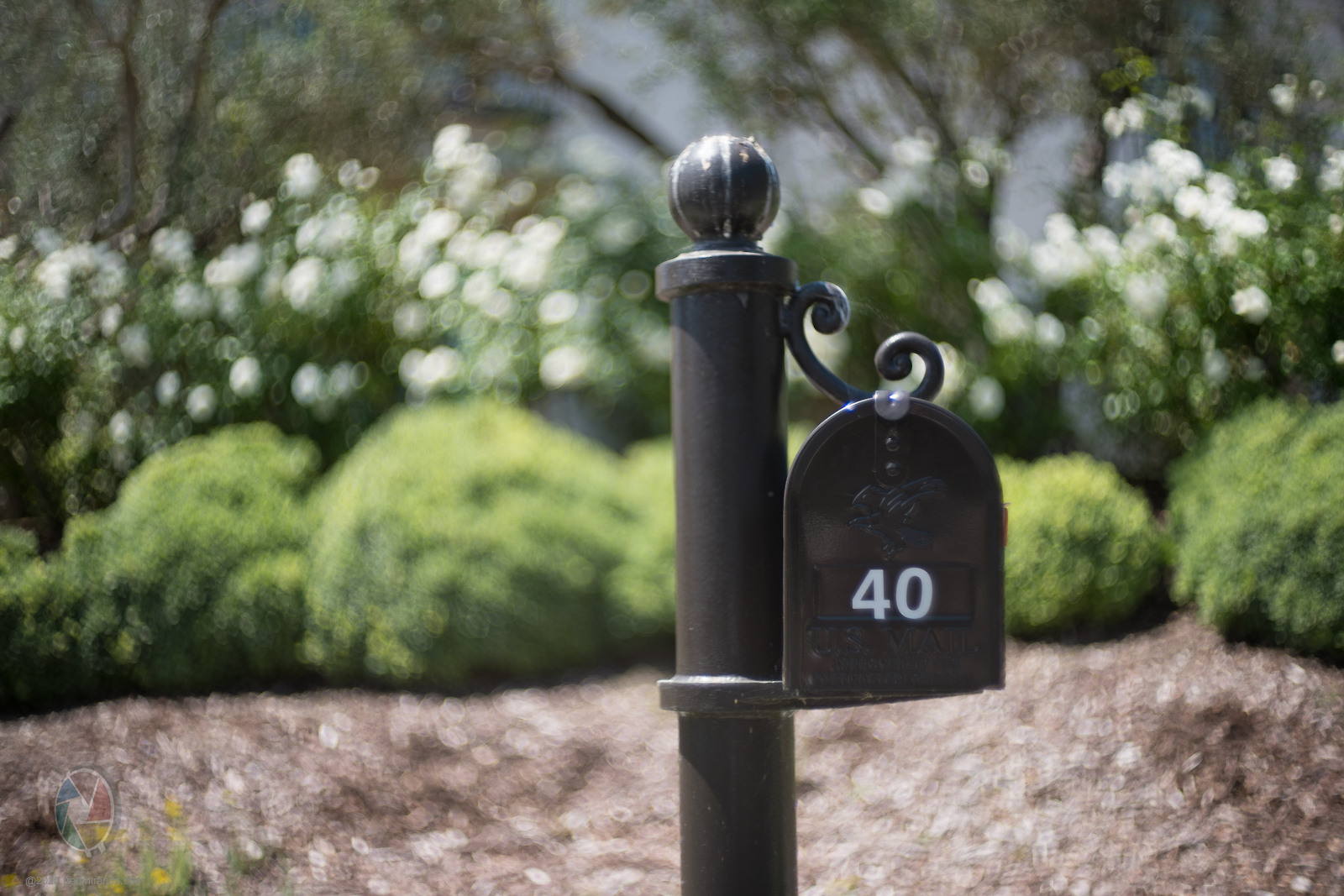
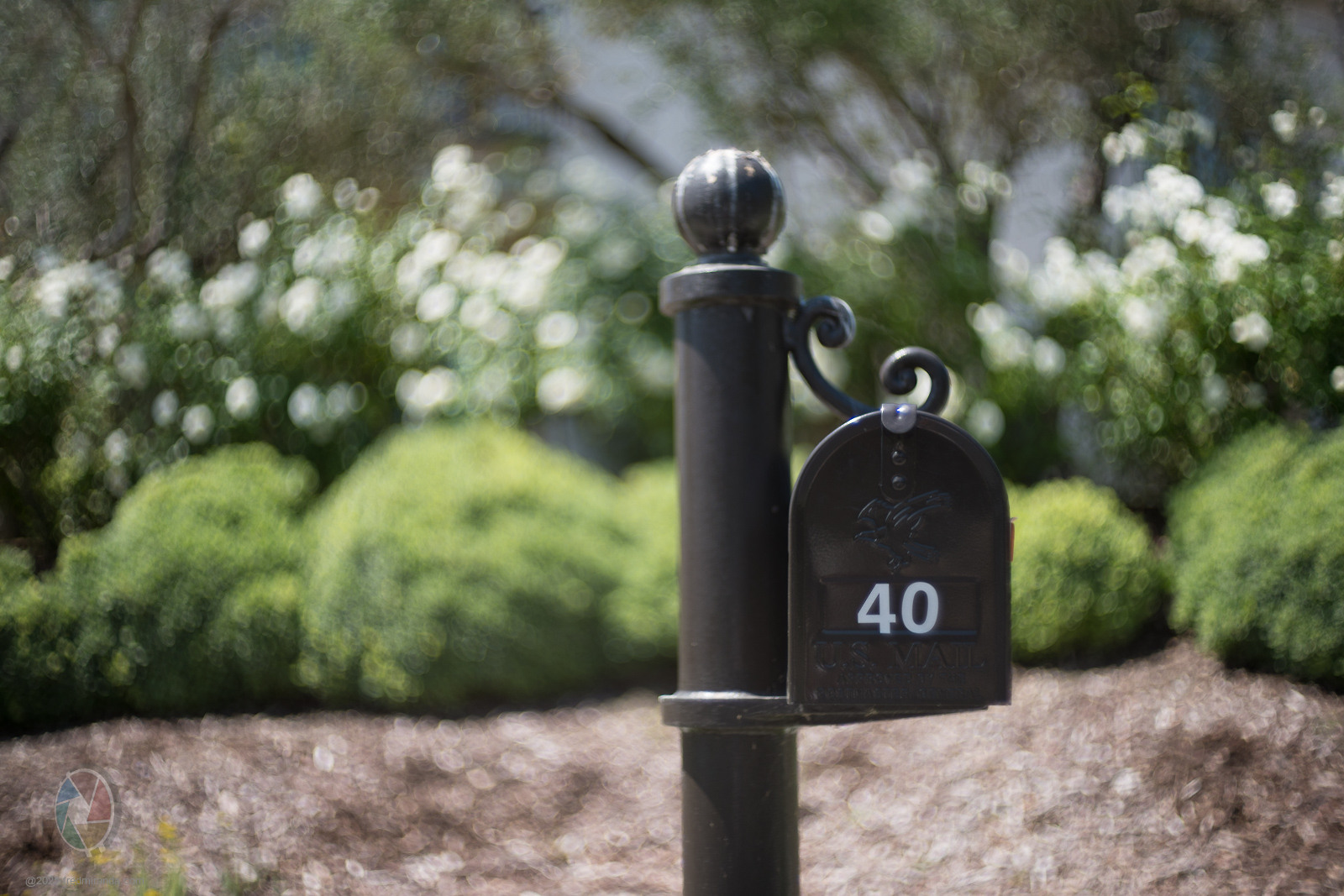
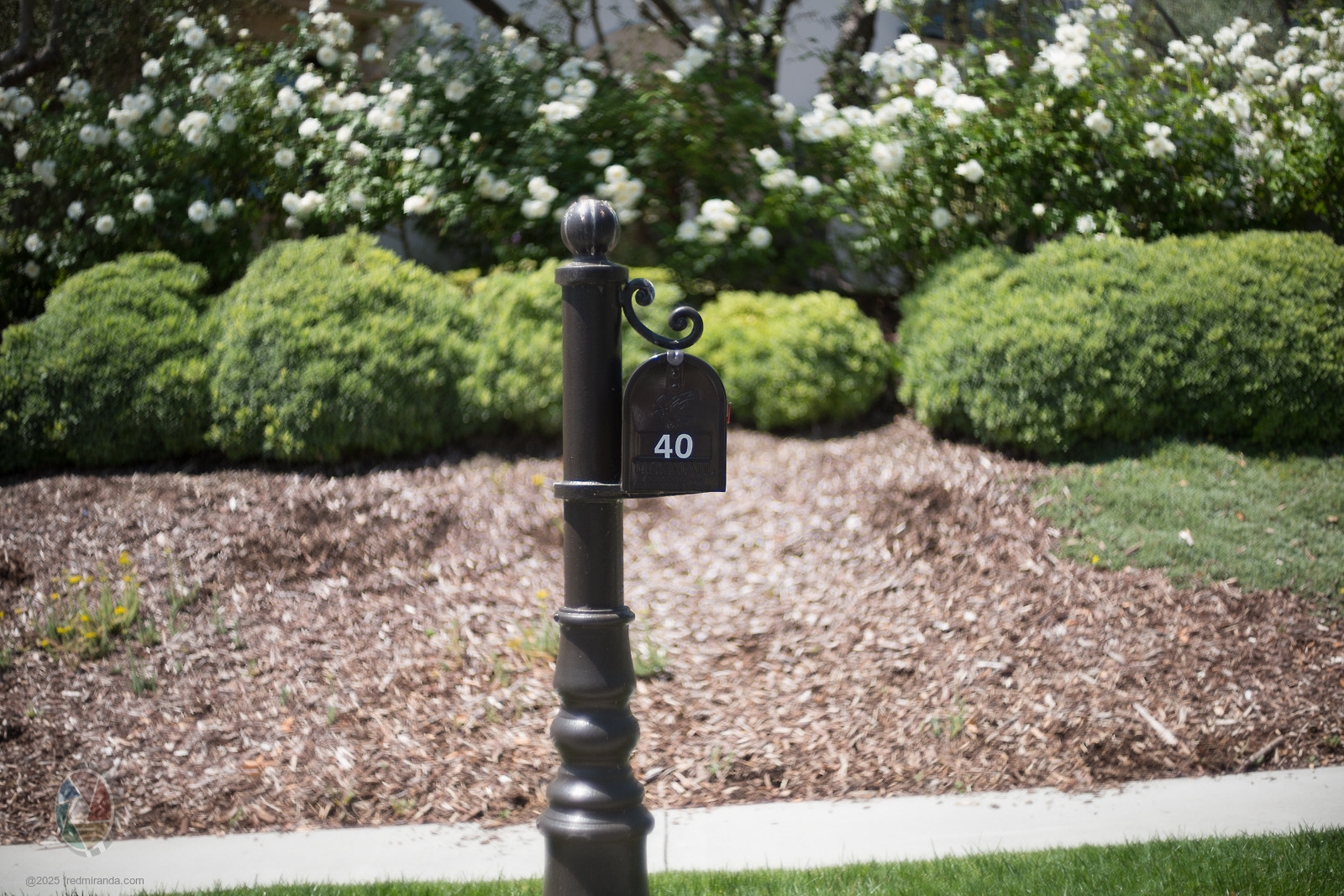
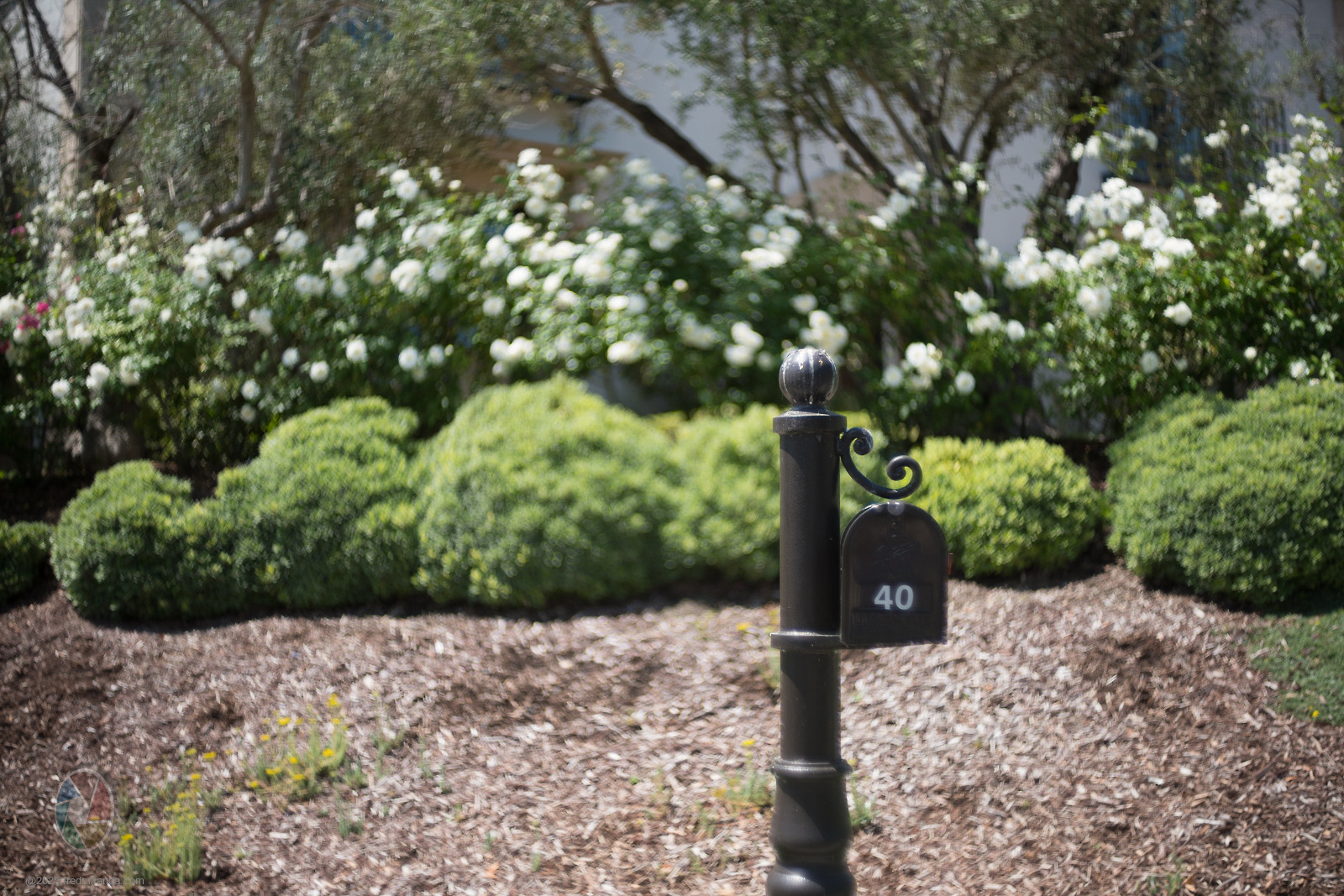
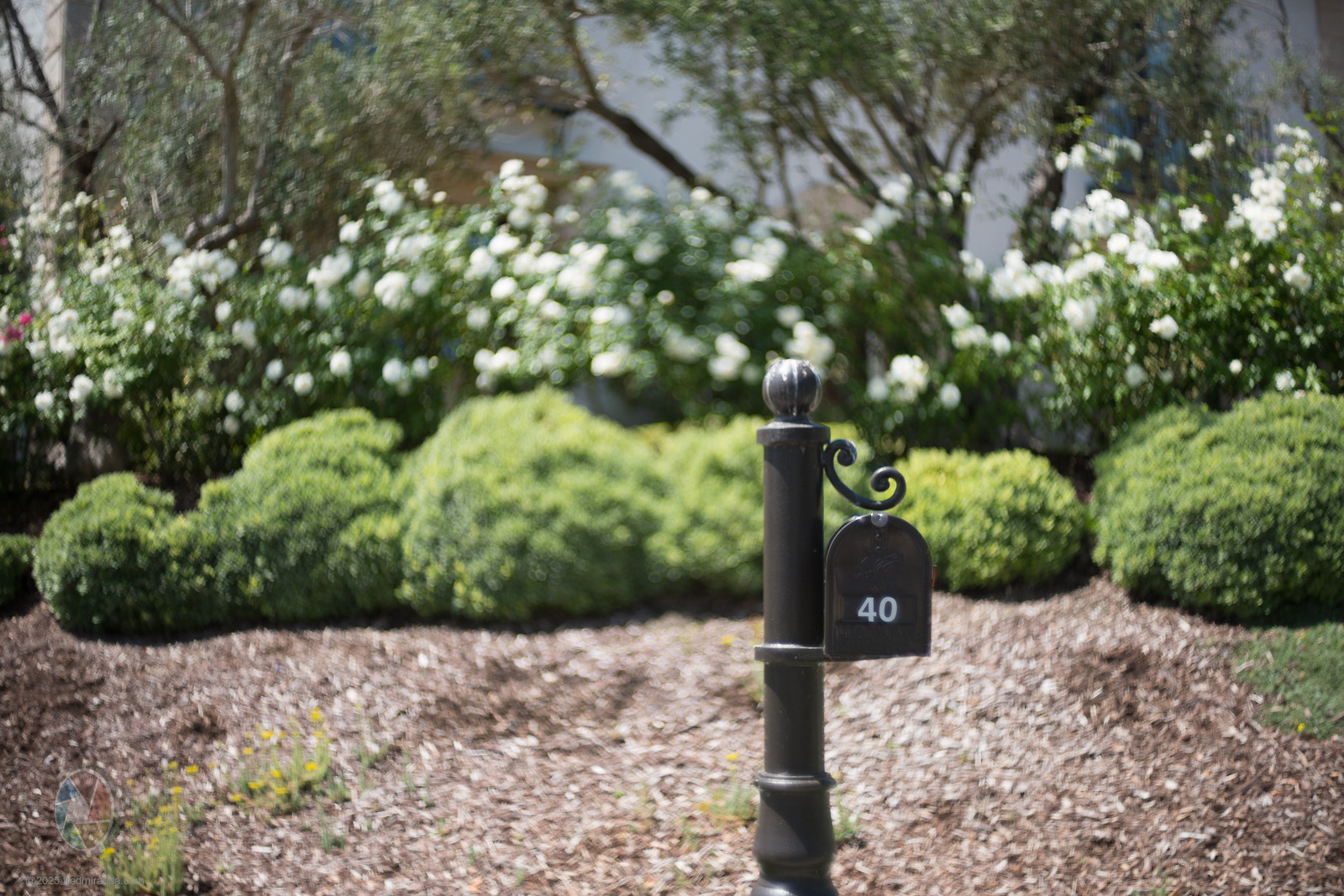
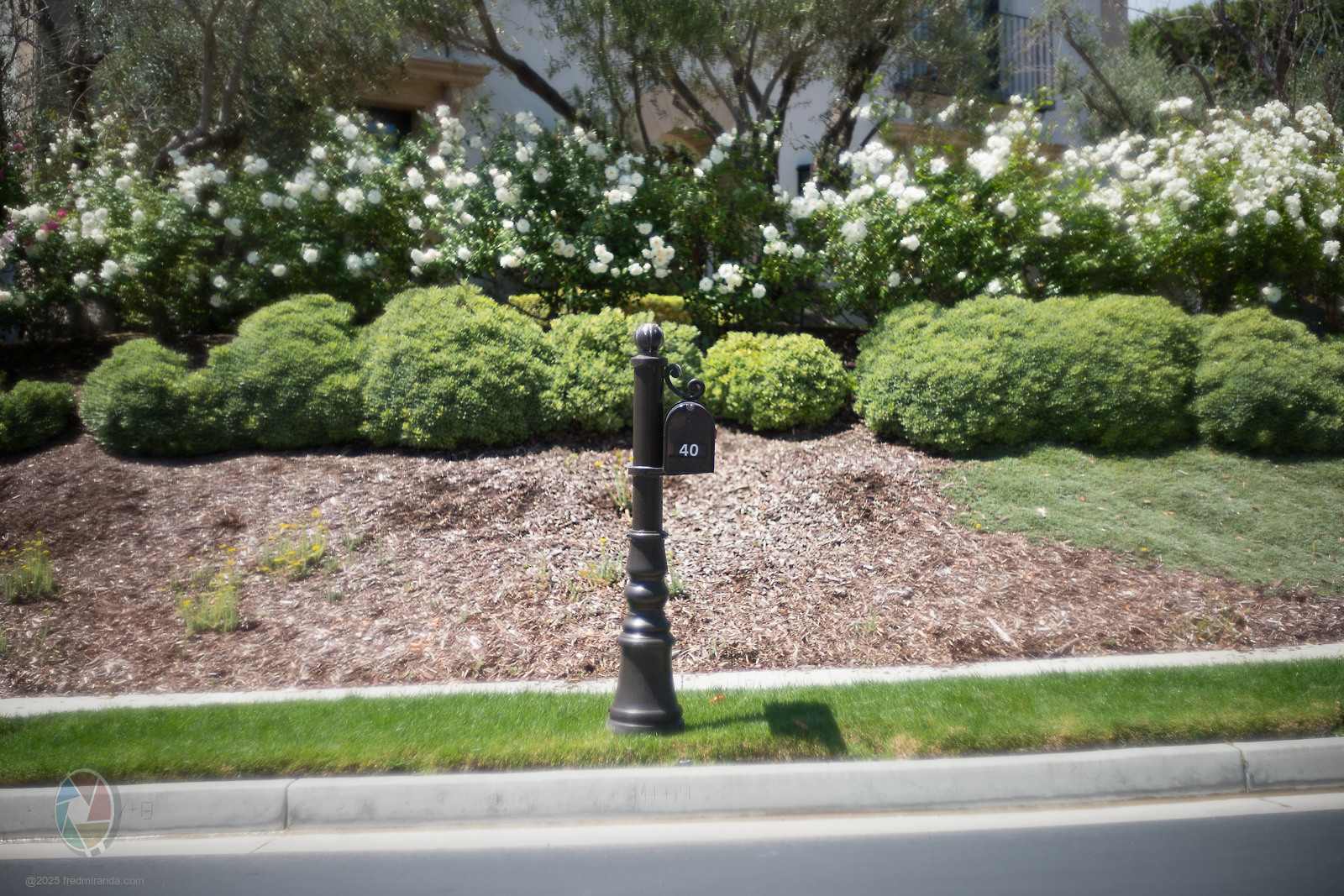
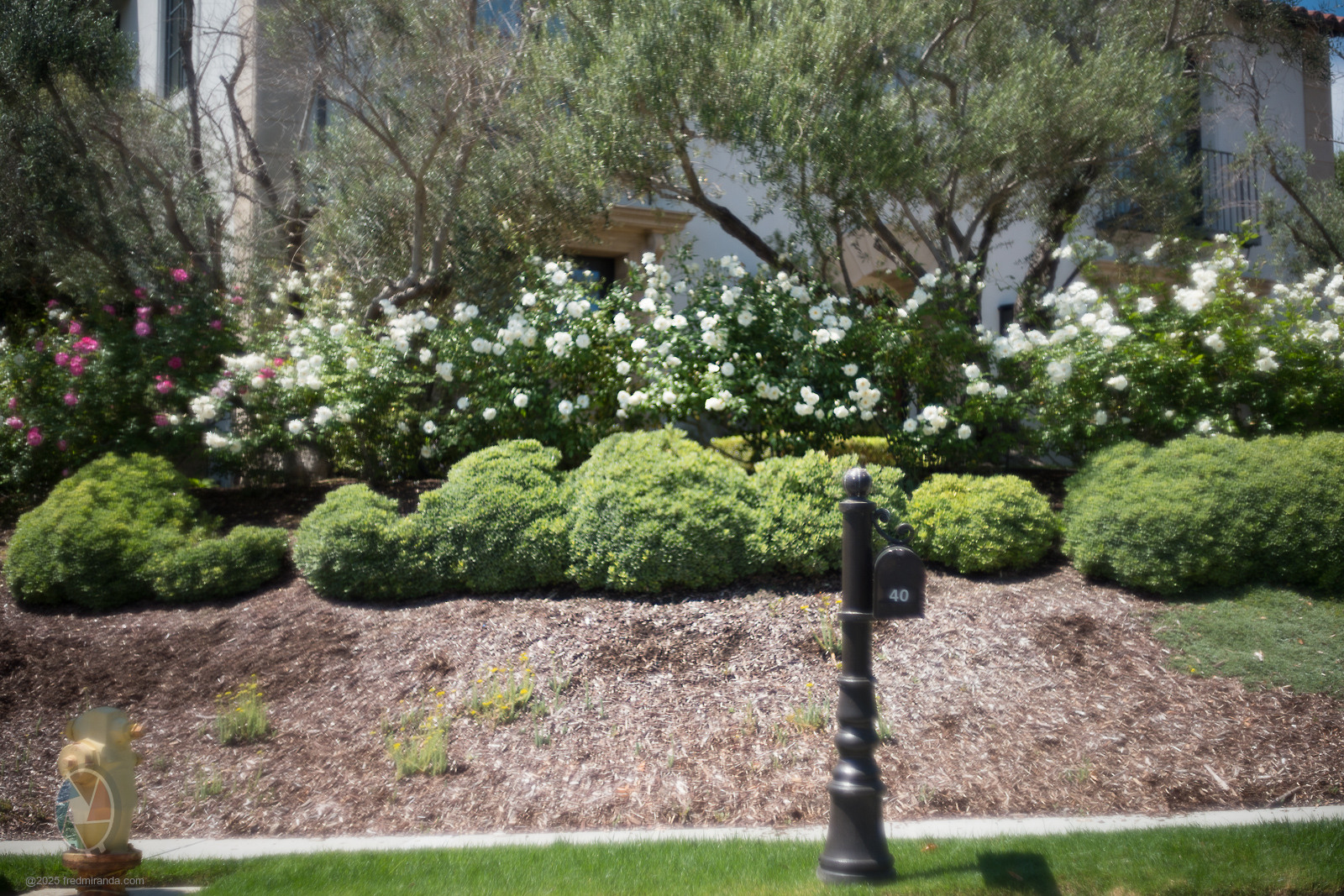
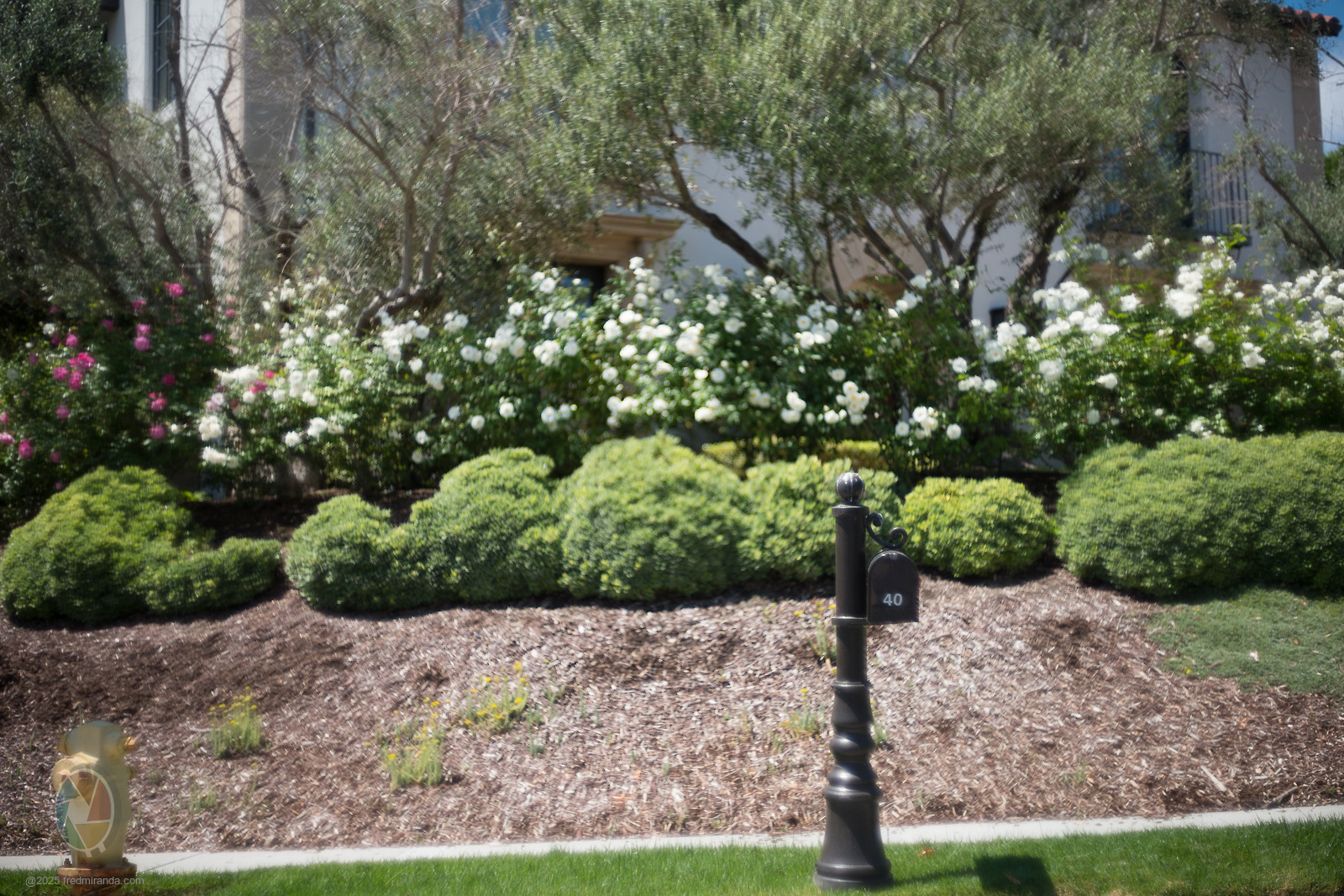
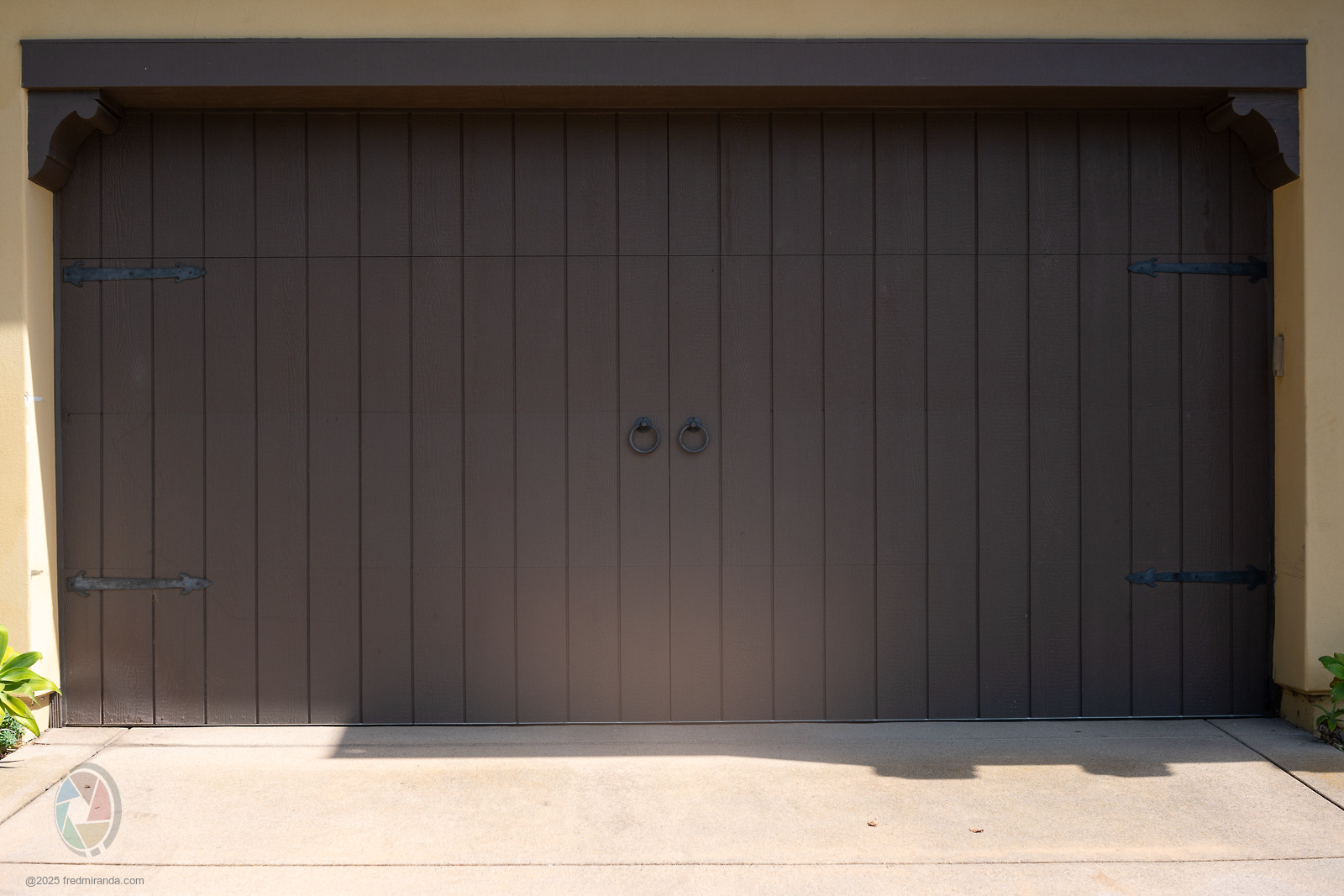
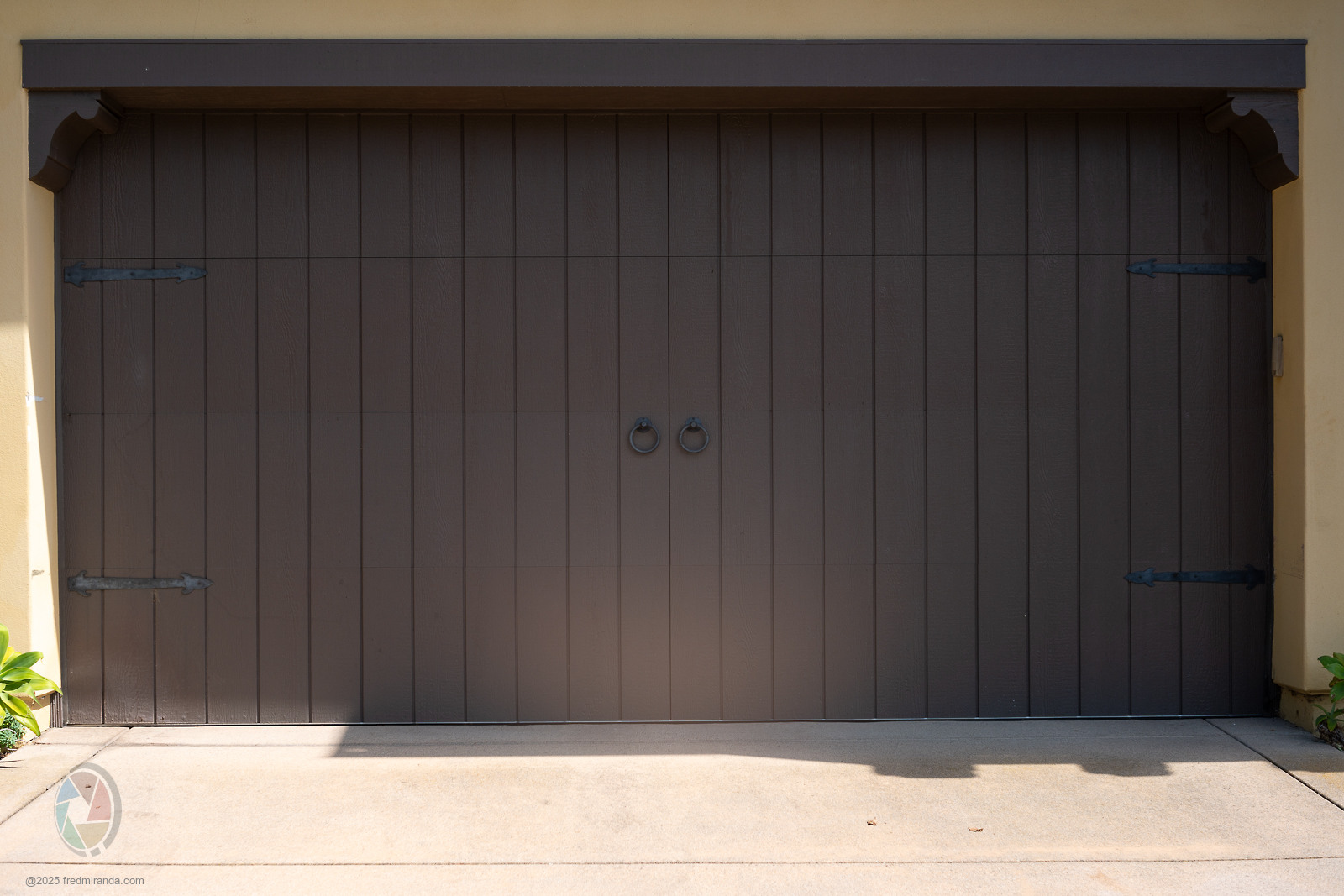
Here's a sequence showing subject distances at 0.9m, 1.5m, 3m, and 5m. Each distance is shown with focus locked at center, then recomposed, and finally recomposed with focus corrected.
AT 0.9m: Focus locked at center
LEICA M11 ---- lens 1/4000s 100 ISO -0.3 EV
AT 0.9m: Recomposed without refocusing
LEICA M11 ---- lens 1/4000s 100 ISO -0.3 EV
AT 0.9m: Recomposed with focus corrected
LEICA M11 ---- lens 1/4000s 100 ISO -0.3 EV
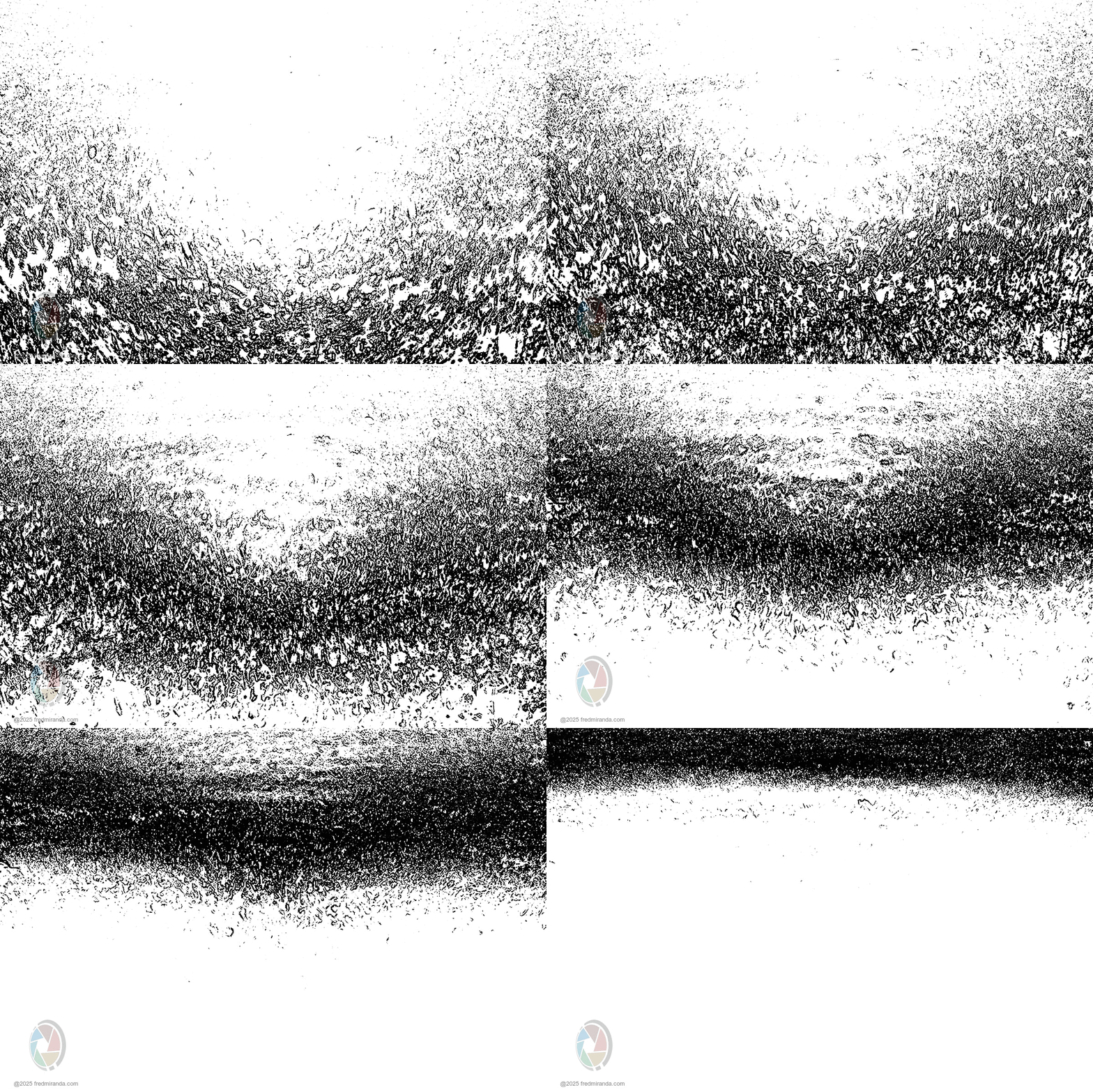
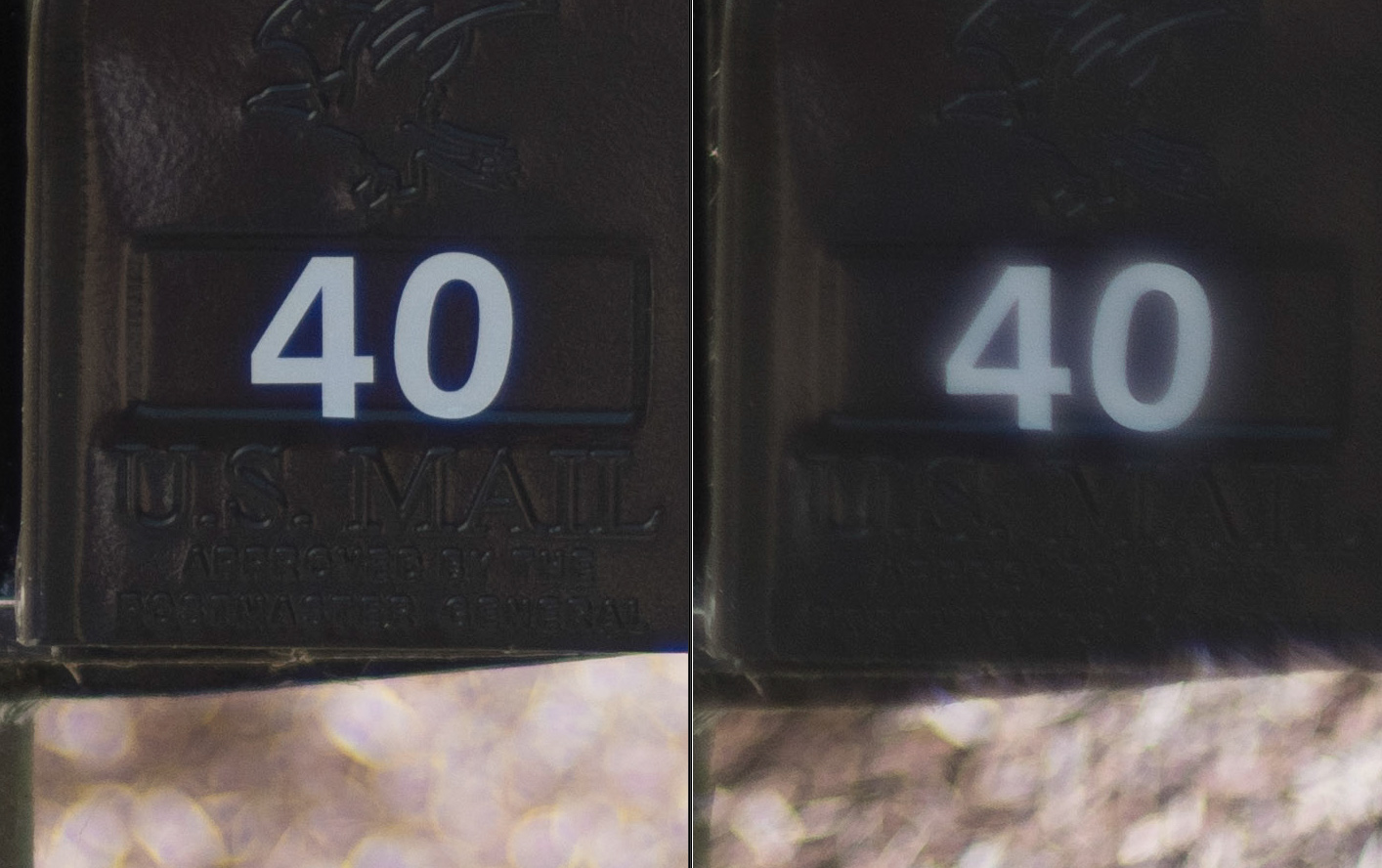
LEFT: Focus locked at center | RIGHT: Recomposed without refocusing
LEFT: Recomposed without refocusing | RIGHT: Recomposed with focus corrected
AT 1.5m: Focus locked at center
LEICA M11 ---- lens 1/4000s 100 ISO -0.3 EV
AT 1.5m: Recomposed without refocusing
LEICA M11 ---- lens 1/4000s 100 ISO -0.3 EV
AT 1.5m: Recomposed with focus corrected
LEICA M11 ---- lens 1/4000s 100 ISO -0.3 EV
LEFT: Focus locked at center | RIGHT: Recomposed without refocusing
LEFT: Recomposed without refocusing | RIGHT: Recomposed with focus corrected
|