Listopad44
Offline
•
Upload & Sell: Off
|
 p.2 #10 · Light Lens Lab 50mm f/1.5 Z21 Review p.2 #10 · Light Lens Lab 50mm f/1.5 Z21 Review | |
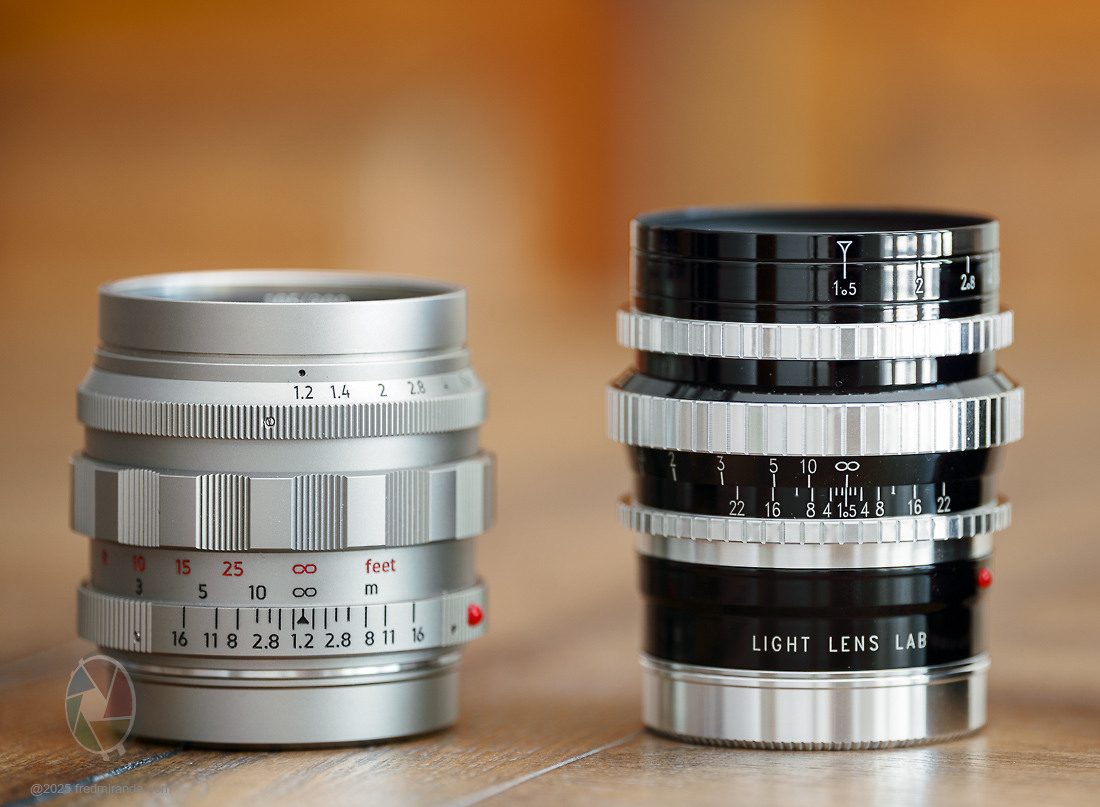
This review compares the LLL Z21 and the Angenieux S21: https://tahusa.co/lens-review/light-lens-lab-50mm-f-1-5-type-z21-review-struggling-to-capture-its-charm/
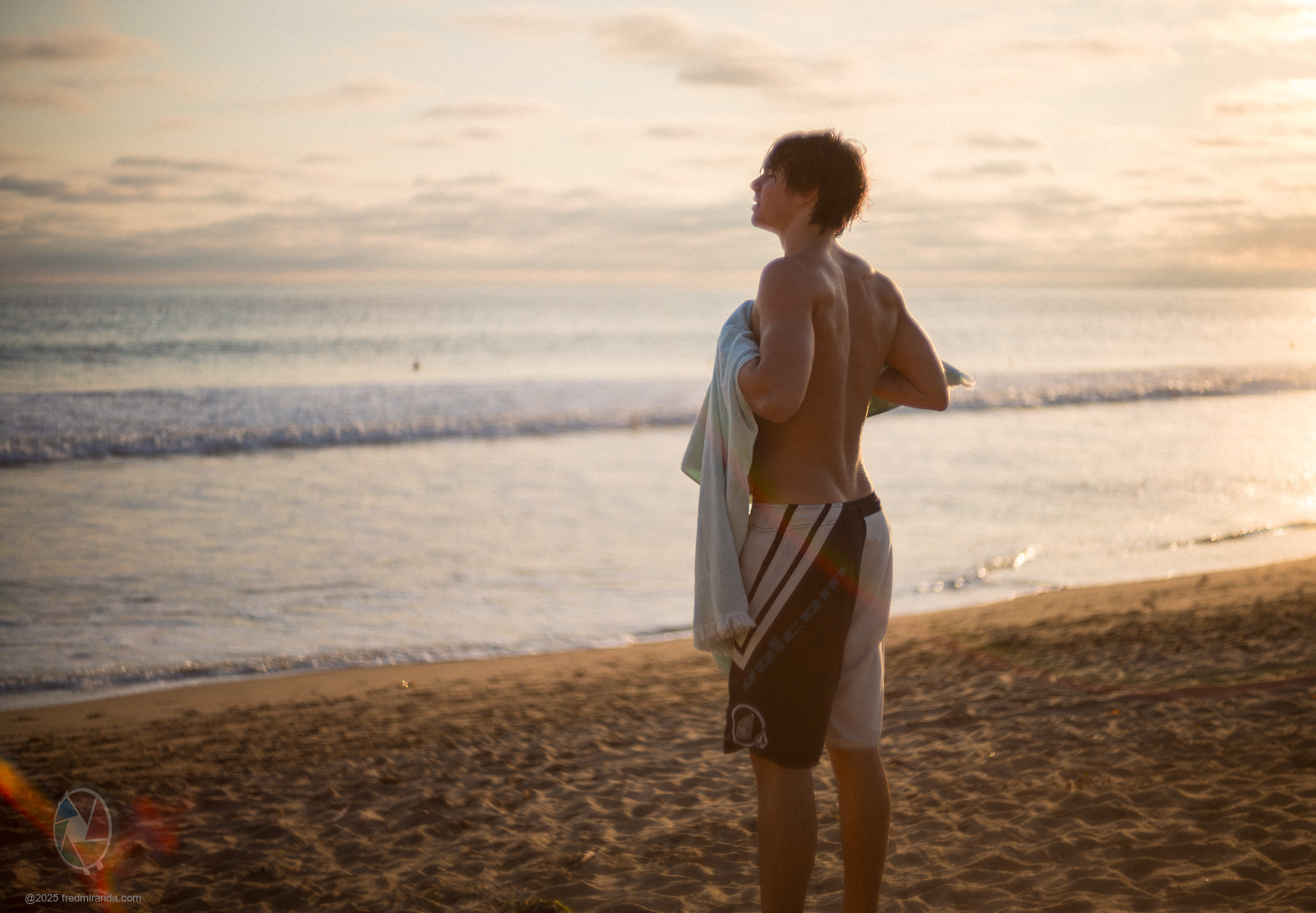
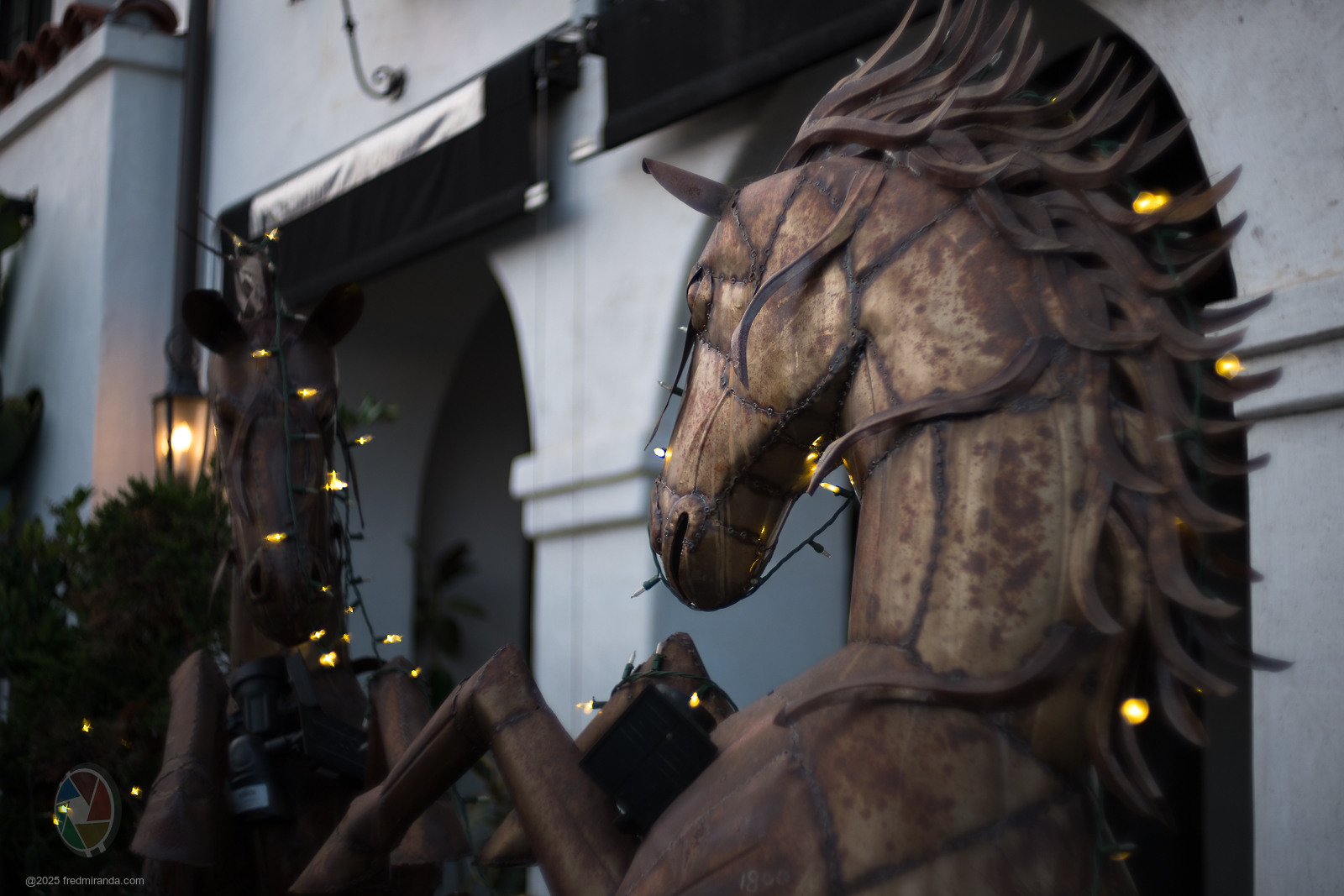
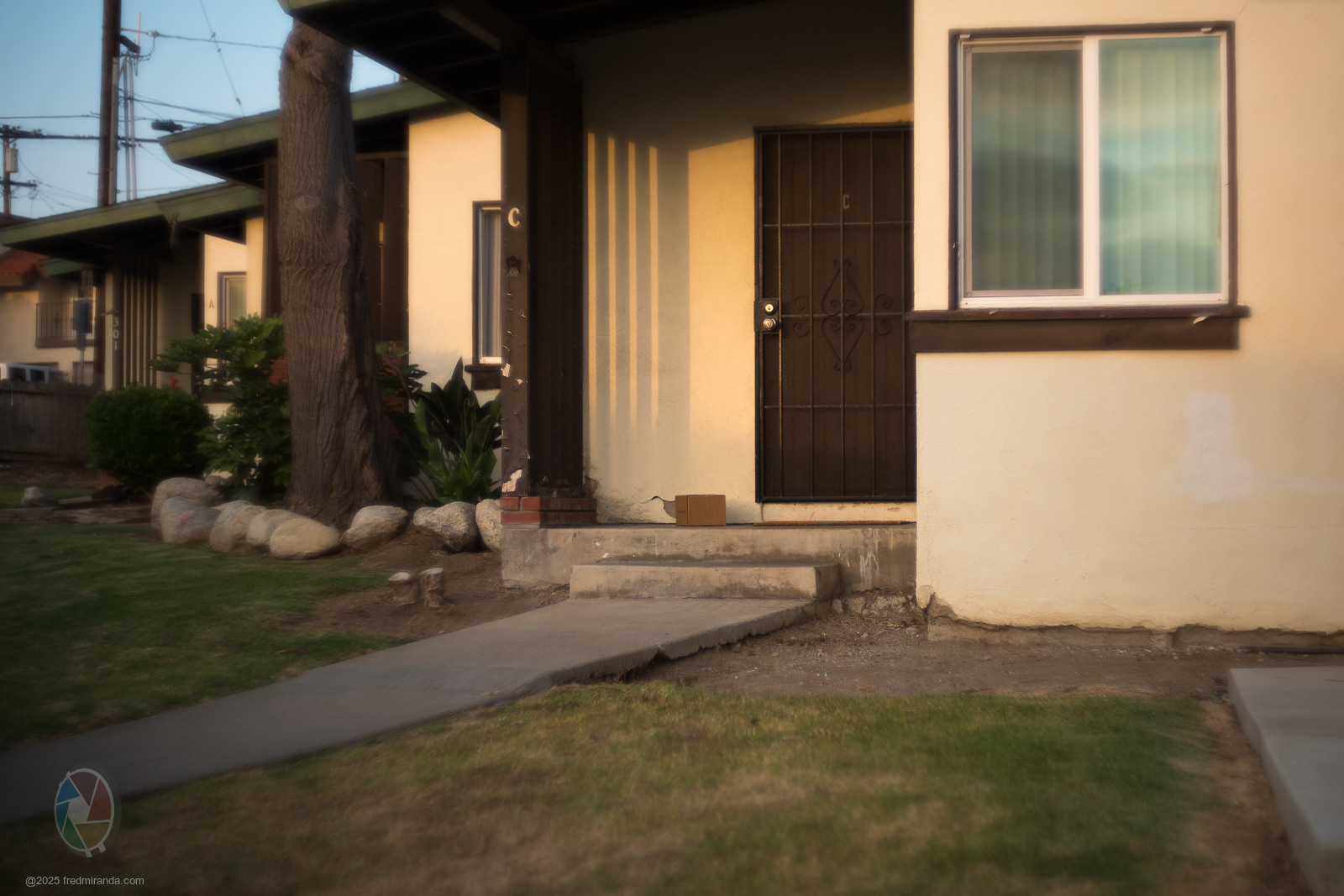
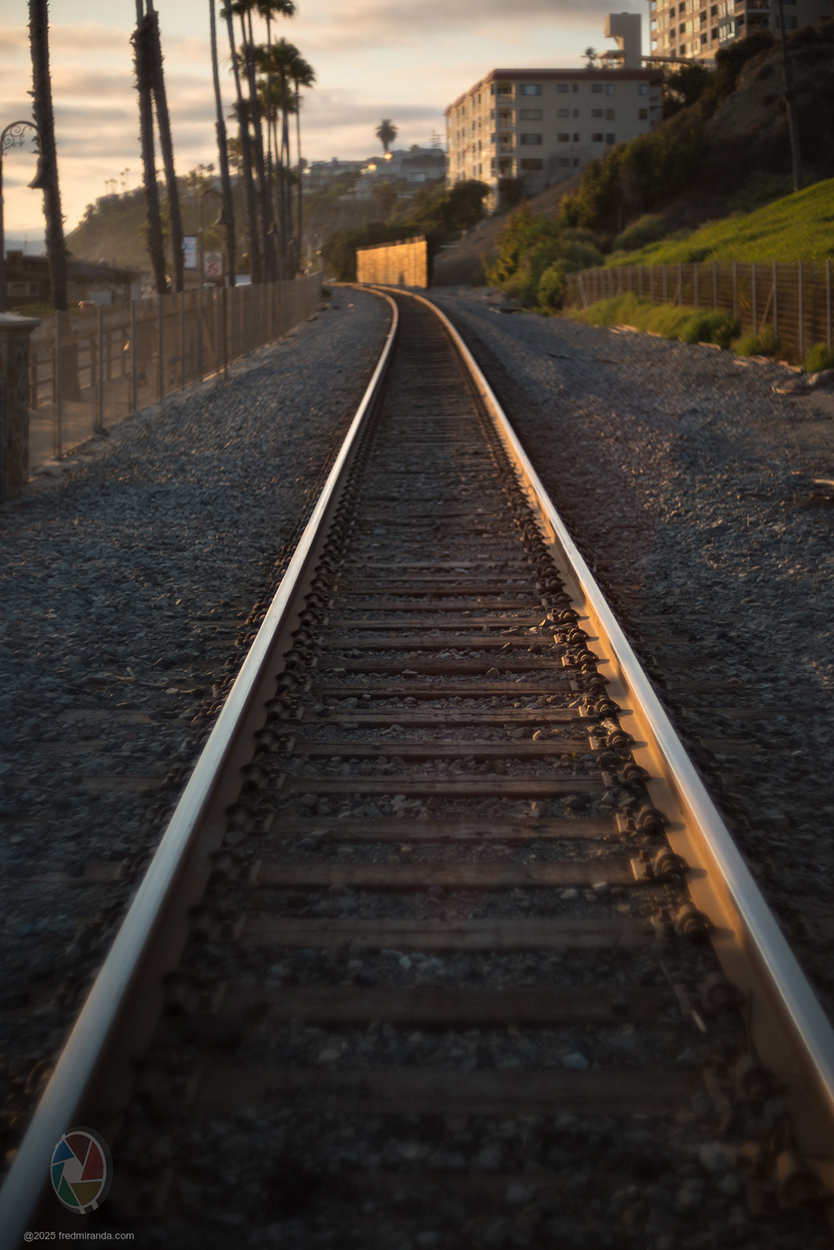
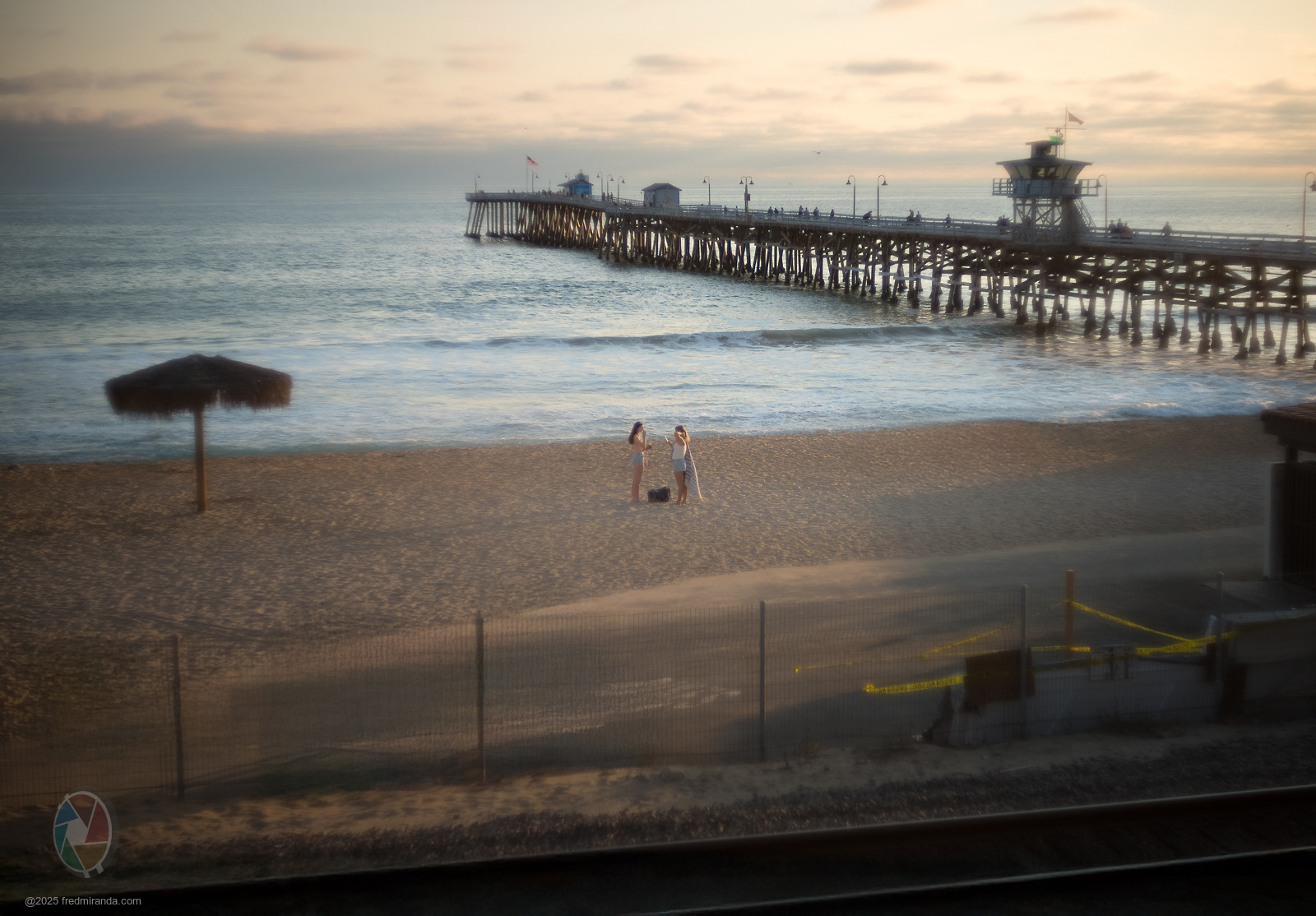
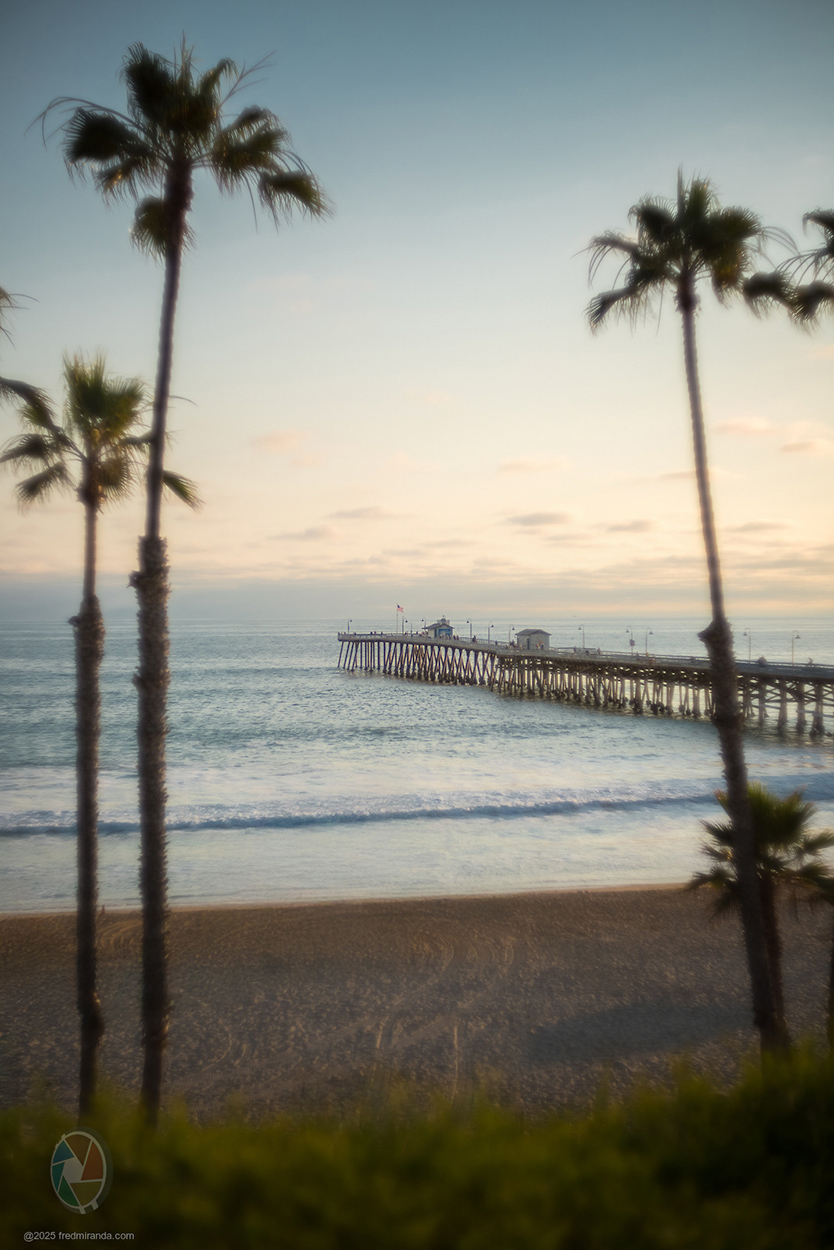
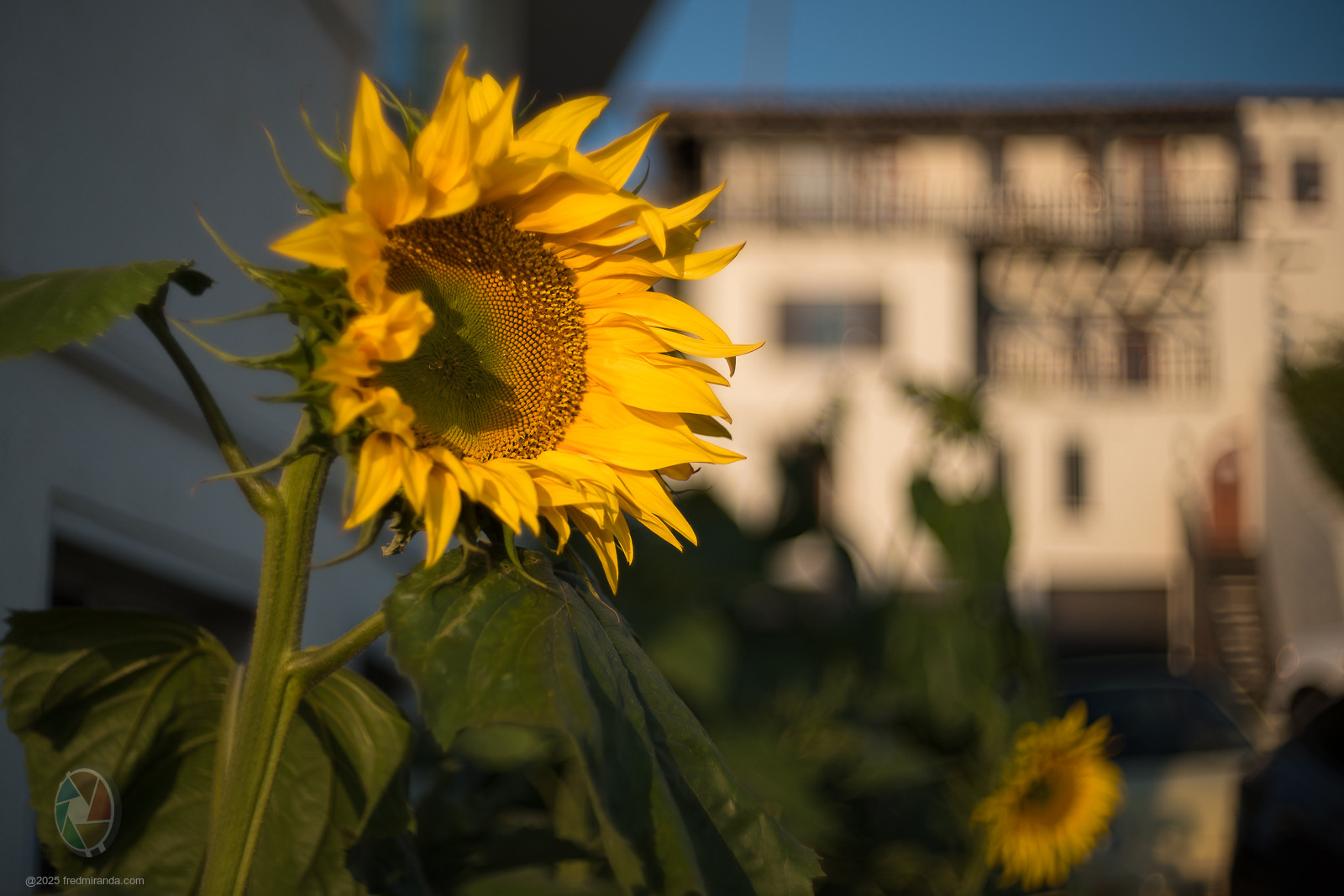
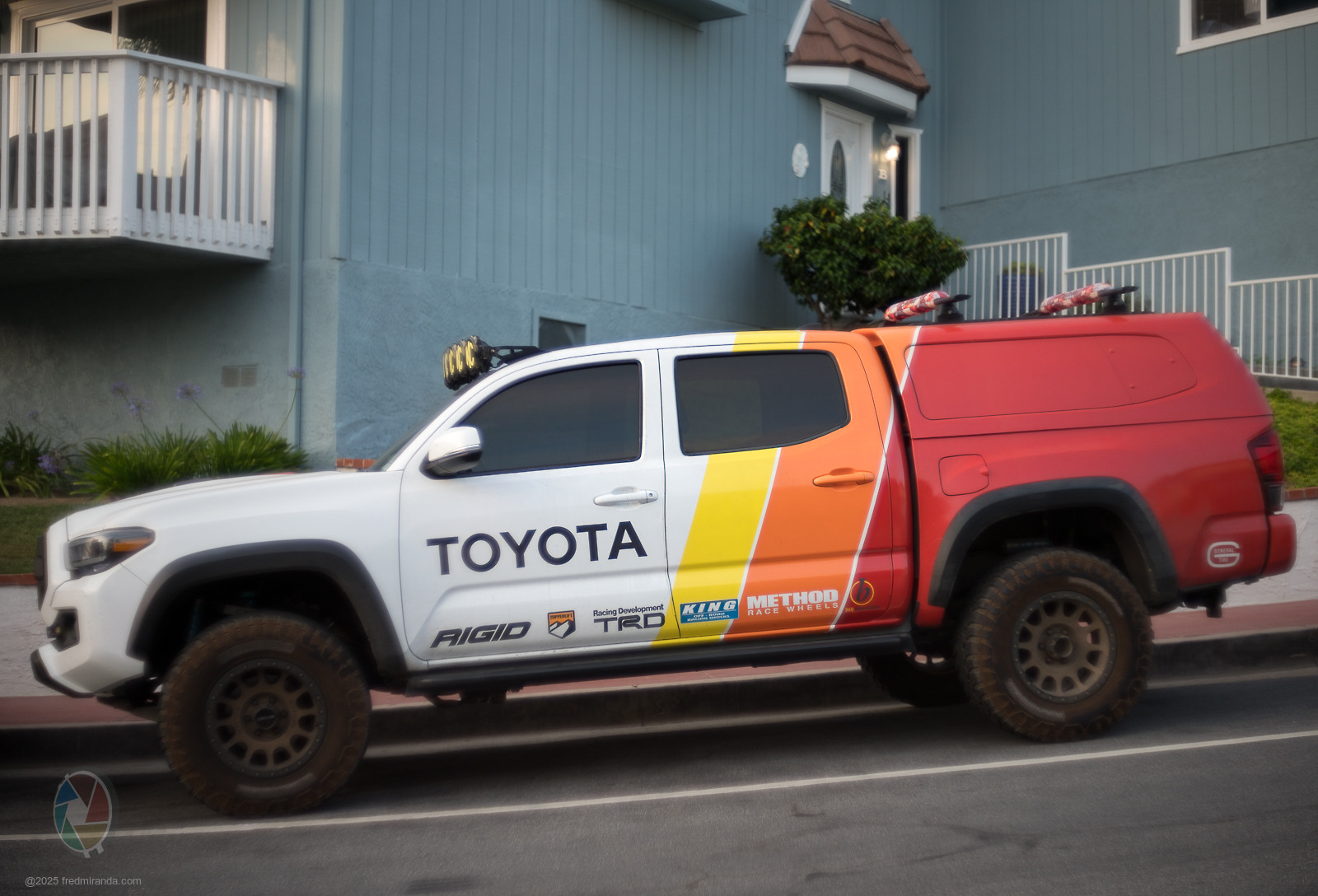
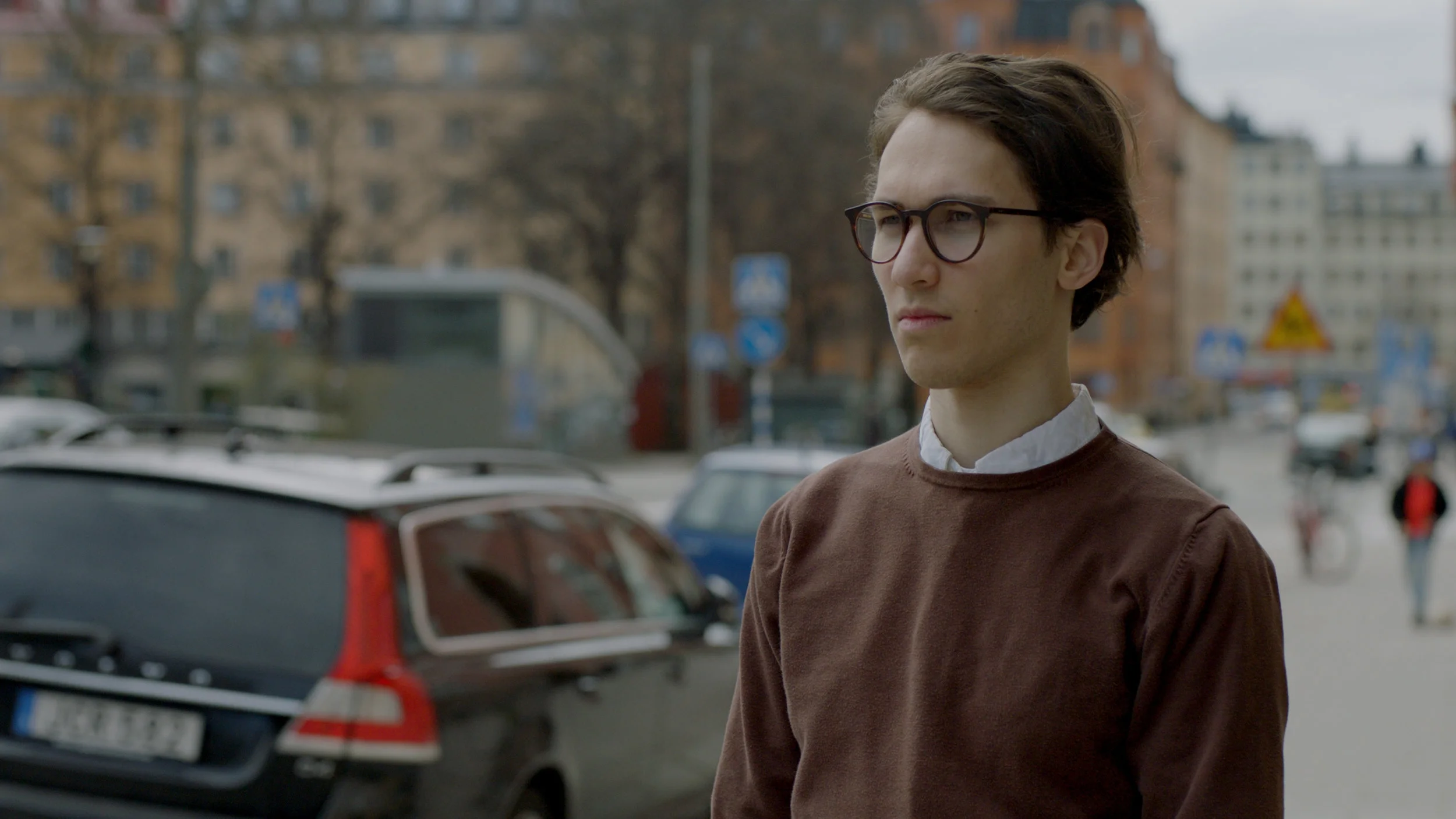
As you can see from the comparison, the Z21 has greater contrast and sharpness than the S21. And I think that's bad. LLL, trying to improve these qualities, are following the path of Sigma, and as a result, you get a picture in which insignificant small details are brought to the foreground, which destroy the integral image created by vintage film optics.
The S21 does not push out small details, but it does not lose detail either. Small details are covered with a delicate veil that has nothing to do with blurriness. This characteristic of the lens should not have been removed. The S21 picture looks more harmonious, while the Z21 tears the integral image with exaggerated contrast and sharpness, right up to the appearance of moire.
When lens manufacturers realize what makes an image more artistic, then they will stop chasing sharpness. In the meantime, we have what we have.
*
Below you can find out what qualities artistic photography should have according to the famous Soviet artist Ilya Repin (1844-1930).
Ilya Repin on Photography as an Art (P. Lelyukhin. Magazine "Soviet Photo" No. 14, 1938)
It would be of interest to Soviet readers to read the statements of the famous Russian artist Ilya Repin on photography and on the conditions under which photography can be recognized as art.
In order to preserve the true meaning of his judgments as fully as possible, I will allow myself to reproduce the very setting of one of the conversations, during which the great artist expressed his attitude to photography with extraordinary clarity and vividness.
Repin examined a number of photographs, giving one or another comment on those that attracted his attention.
Finally, it was the turn of one landscape. The picture depicted the famous equestrian figure of Peter I on Senate Square, but it was not taken quite as usual. The picture was taken in the Alexander Garden.
In the foreground there were bushes in a fairly large plan, and in the middle of the picture, right from the bushes, a Falconet-like figure of Peter on horseback stood out beautifully. Nothing superfluous. This picture made a far from bad impression.
Looking at it, Repin remarked: "This could have been a good picture; its composition is not bad, but in this form, of course, it is no good."
Since I was literally amazed by such merciless criticism of a photograph that seemed excellent to me, Repin lingered on it and with the utmost completeness and clarity expressed his thoughts on the boundaries of photography as an art.
"Look," said Ilya Efimovich, "What do we see in this picture? Here, in the foreground, there are bushes of greenery; my eye can easily distinguish each individual leaf, and on the leaves you can count all the veins. Where is this good for?
What do we see in nature when we look at this Landscape? We see simply a green spot from which the figure of Peter on horseback emerges. No leaves, and certainly no veins on the leaves. Secondary details have obscured the main content of the picture.
After all, it is not what the lens sees that needs to be photographed, but what our eye sees, what the artist wanted to express.
I do not deny that there are cases when, in fact, it is necessary to take exactly such a protocol photo, and in such a way that the more fully it conveys all the subtle details of the original, the better. I just do not agree to recognize such a photo as a work of art, no matter how masterfully it is executed.
Only that photograph can claim to be a work of art, the subject of which is this or that artistic image, because outside of an artistic image there can be no art at all.
A photographer-artist must be able to reflect in a photo his attitude to the subject he depicts - only in this case can an artistic work, a work of art, be created.
These simple and convincing words were a revelation to me. The great artist demanded from photography not a pathetic copying of nature, but creativity!
I began to work hard on myself in order to put into practice the precepts of the great teacher, especially since in my soul I fully shared them. Apparently, I understood him correctly.
One day I showed I. E. Repin a landscape I had taken in Pavlovsk Park.
It was a pond surrounded by greenery, trees, with a white bridge thrown across the middle. This entire panorama was beautifully reflected in the water.
But in this picture you couldn’t see a single leaf, not a single blade of grass: the beautiful pond was framed by solid patches of greenery of various tones.
“Now this is a different matter!” said Ilya Efimovich, looking closely at the picture. “Look! There is nothing superfluous here, no accumulation of small details, leaves, grass, but there is a lot of mood! This is exactly how you should take a landscape!”...Show more →
|