Very nice set Gary !
I really like how your species look
nice with the reflections also and great colors
I suspect that most of them are with 100-400
which performs very well
scott.deitrich wrote:
Great collection!
Thank you Scott
---------------------------------------------
douter wrote:
Wonderful captures, Gary! It surely is the season for dragons and damsels!
Douglas
Thanks Douglas
---------------------------------------------
morris wrote:
Seeing all of them in one frame is wild Gary yet those close up images have so much detail. A great set
Morris
Thank you Morris
---------------------------------------------
Ronny Olsson wrote:
Very nice set Gary !
I really like how your species look
nice with the reflections also and great colors
I suspect that most of them are with 100-400
which performs very well
Ronny
Thanks Ronny. I was just sitting in a waiting room with my wife for one of her dr appointments and I pulled up your post to show her your Damselfly images. We were both remarking about the beautiful species you have there
Yes, all with the 100-400. Original version.
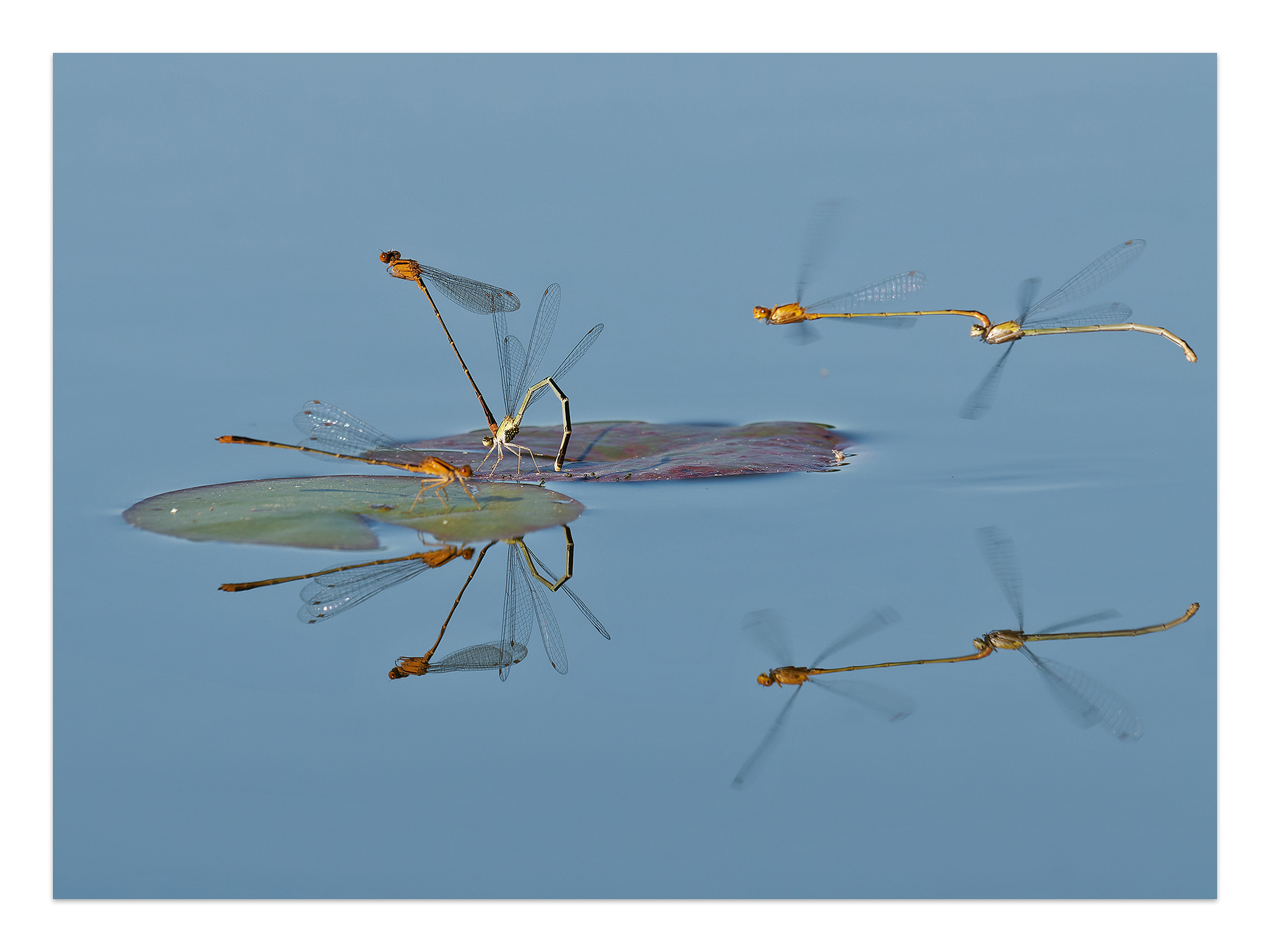
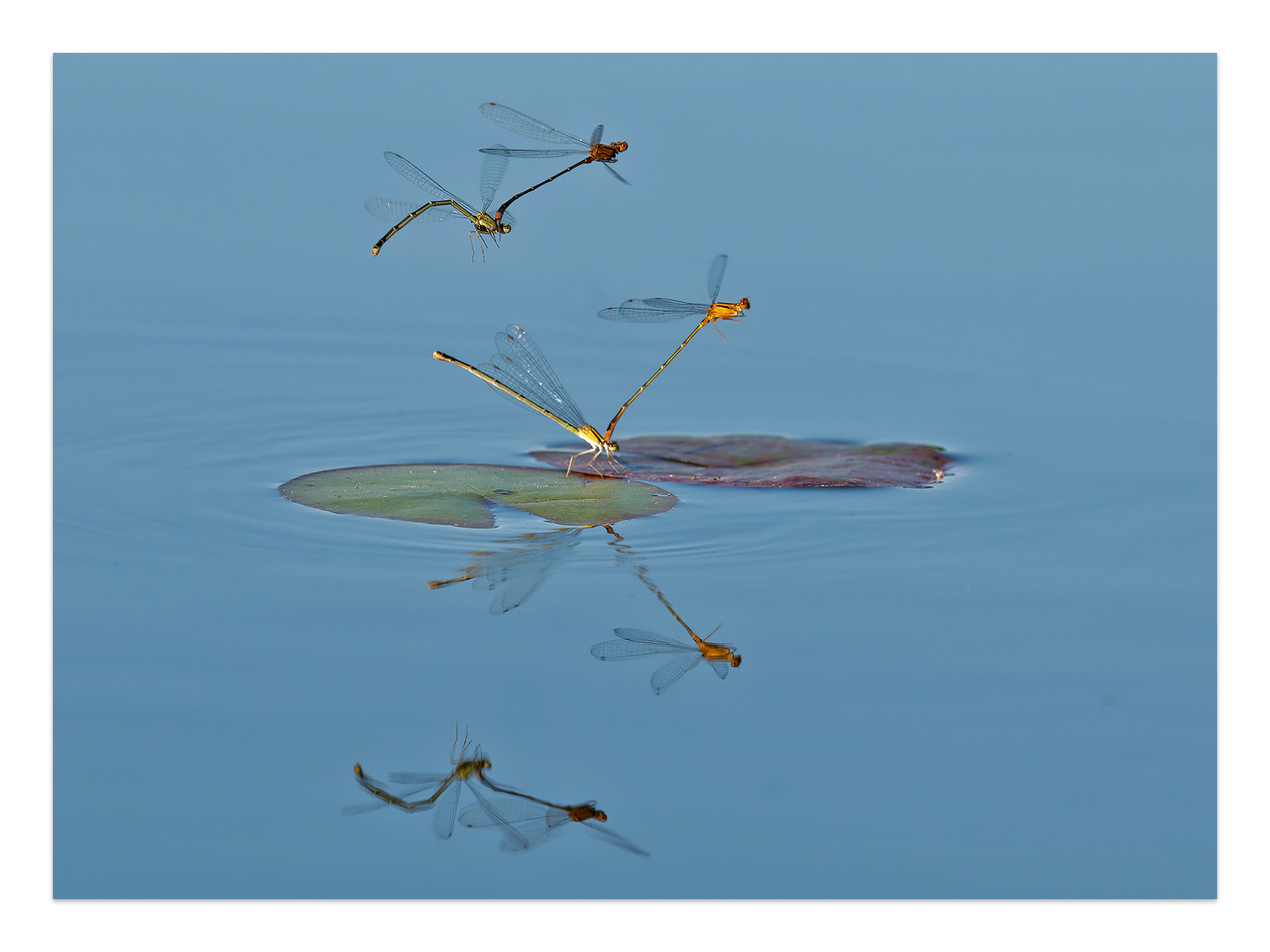
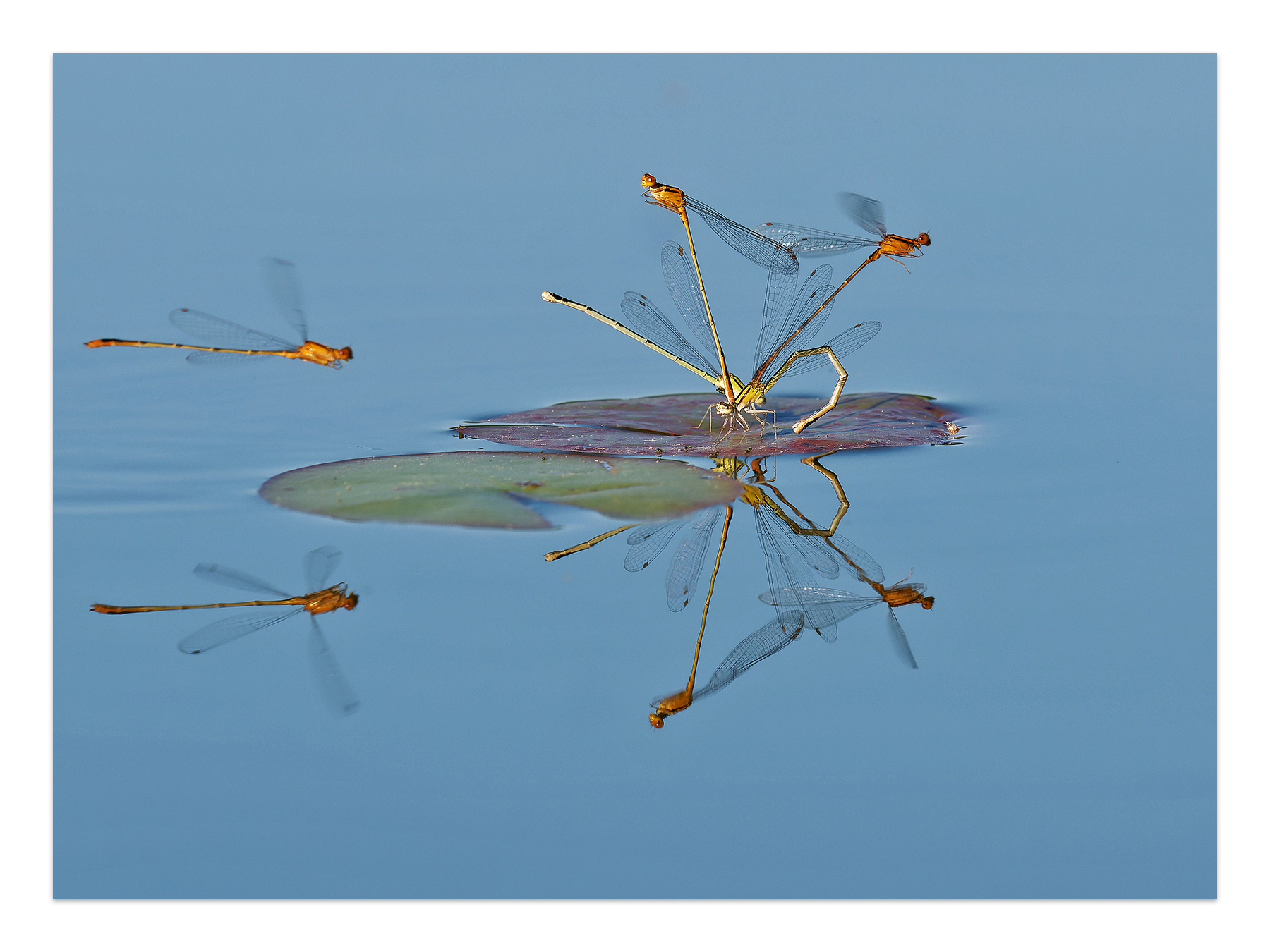
#1, #6 and #12 show vesper bluets. The reflections in these are fantastic.
Where you see a female (yellow) with the end of their 'tail' (more correctly abdomen) on or near the surface of a lily pad, they are ovipositing. The males (orange) stay paired up with the females while they lay eggs in order to keep other males from mating with the female. The single males of this species are particularly aggressive in trying to break up the mated pairs and will 'dive bomb' ovipositing pairs in attempt.
This sort of behavior is fairly common in damselflies and rare with dragonflies.
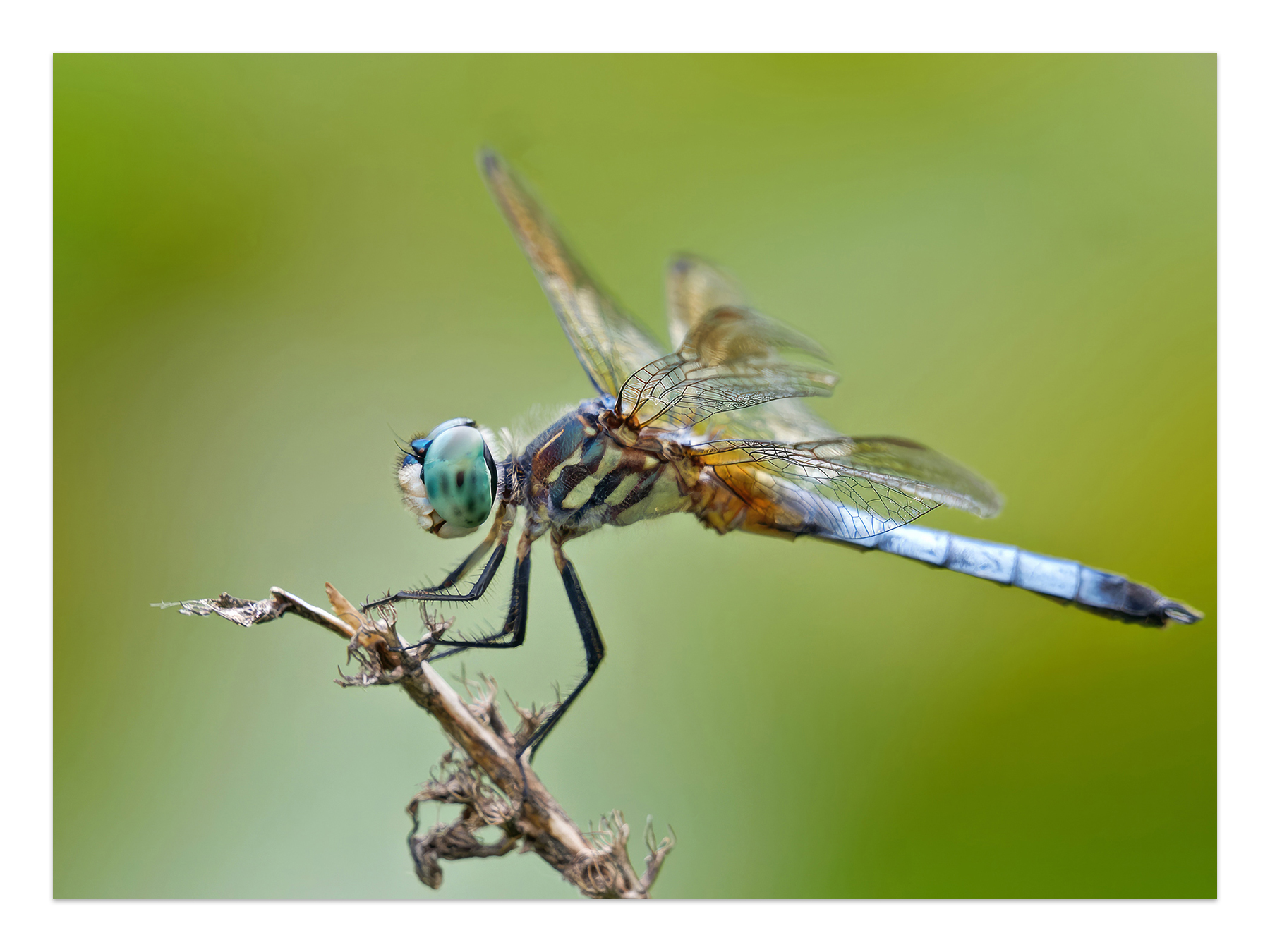
#9 shows a male blue dasher.
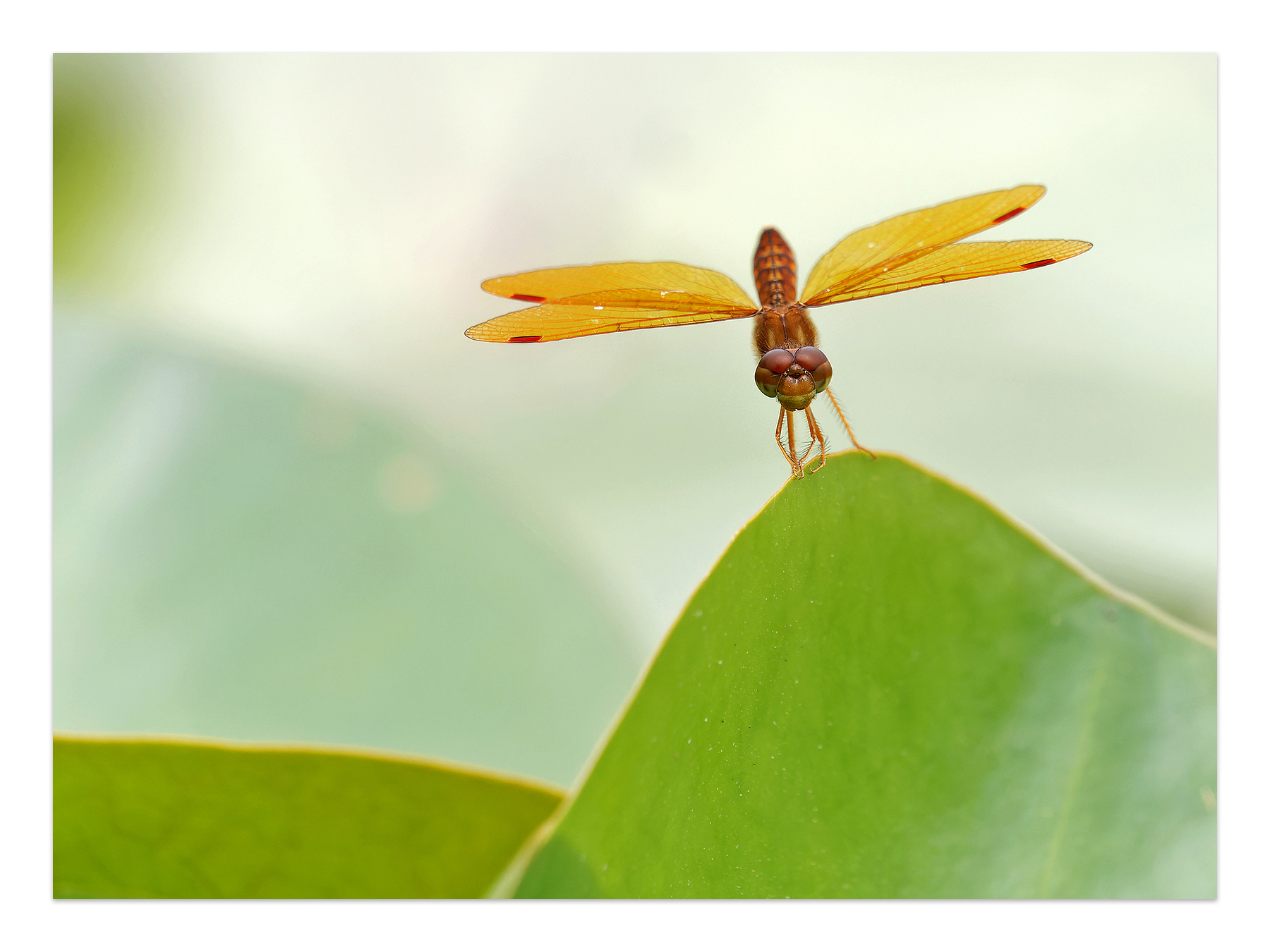
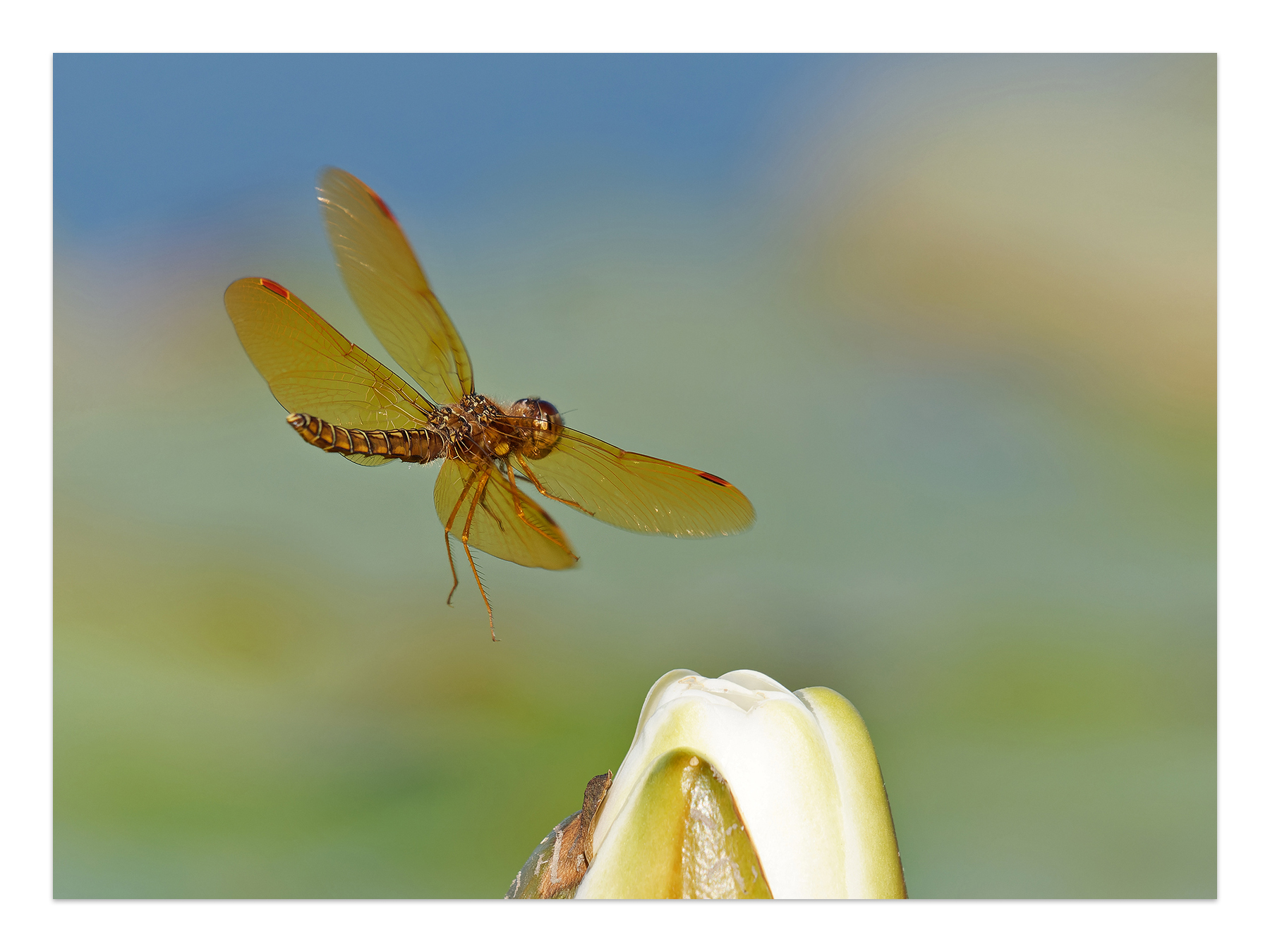
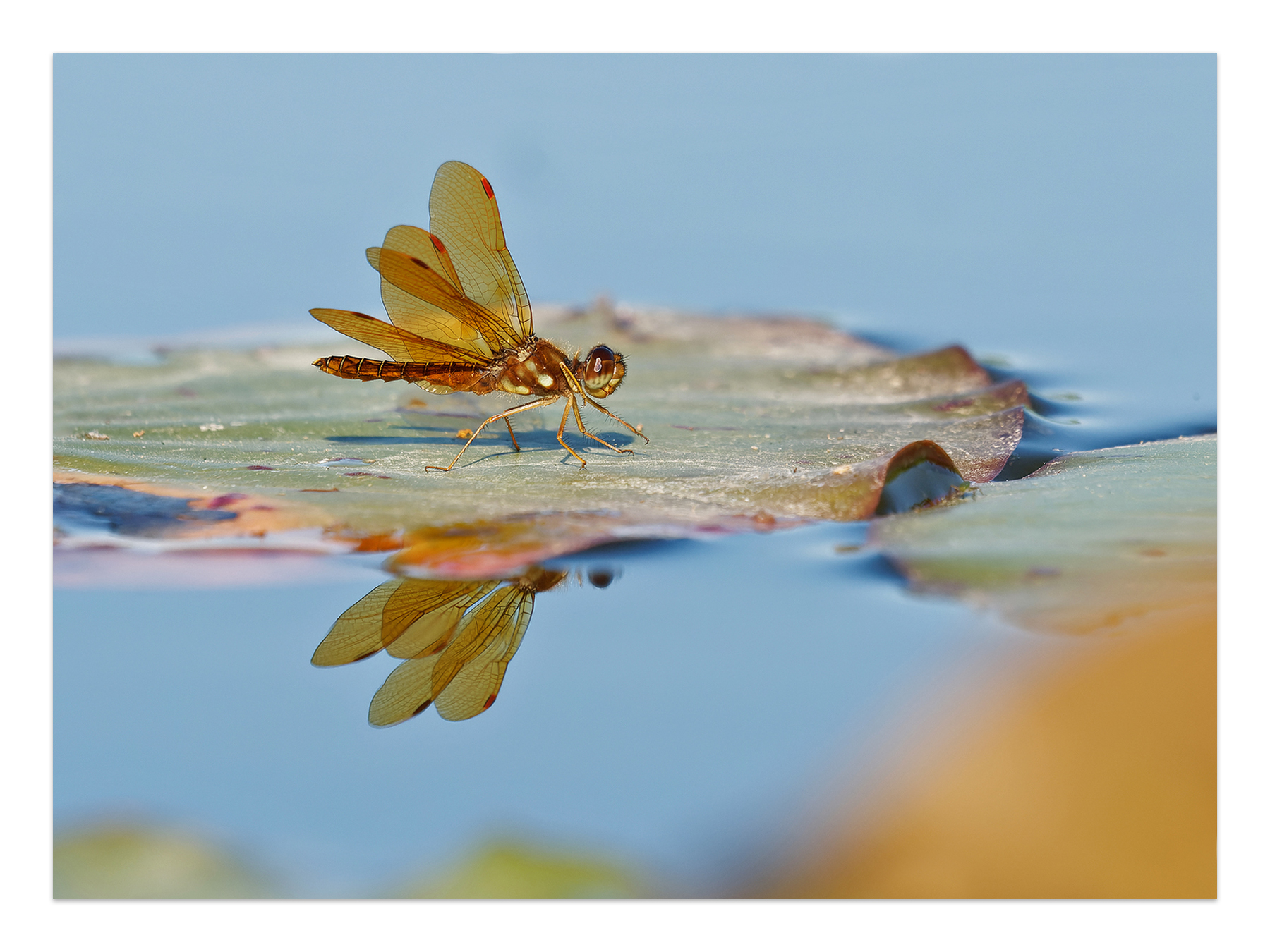
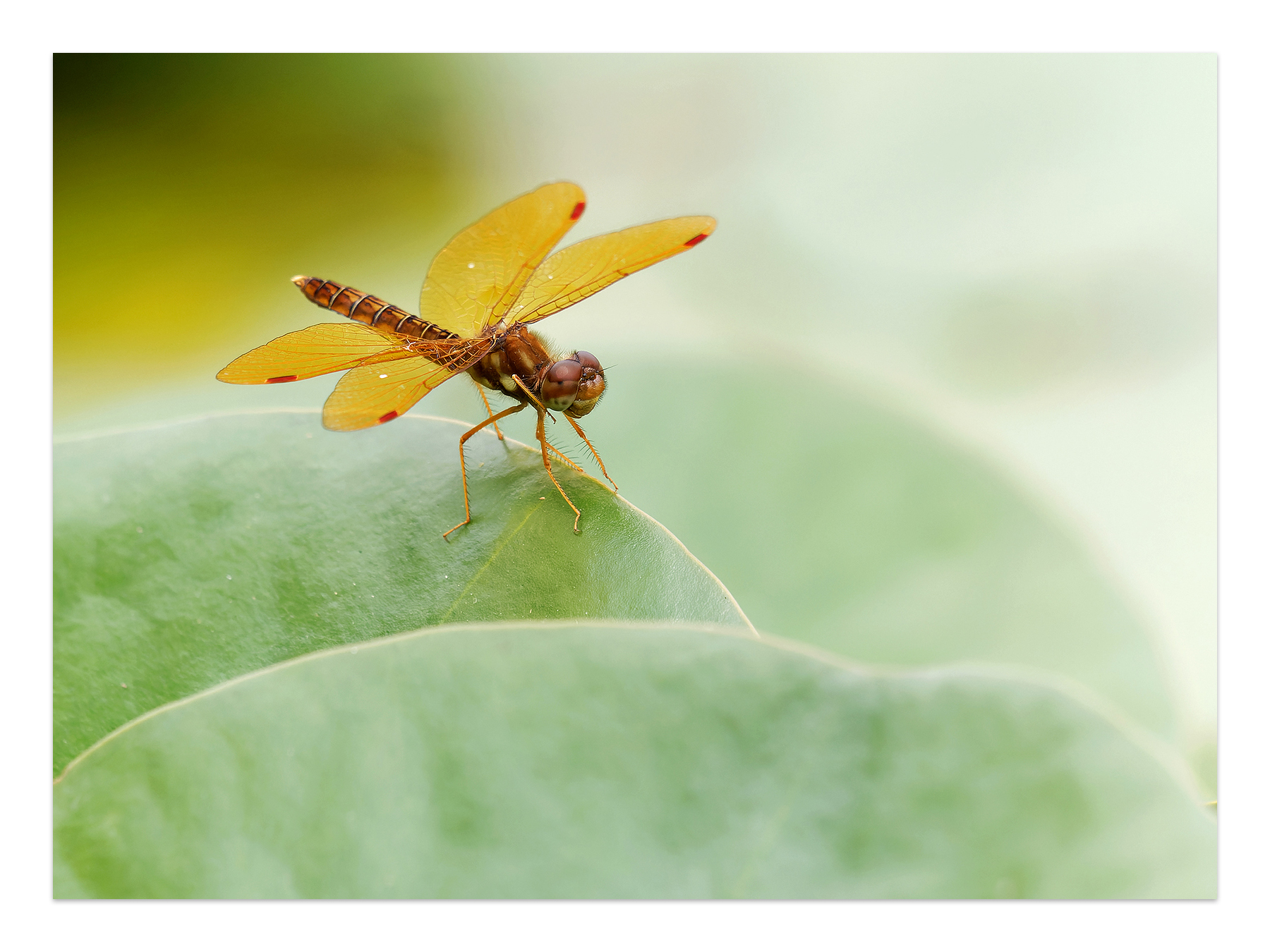
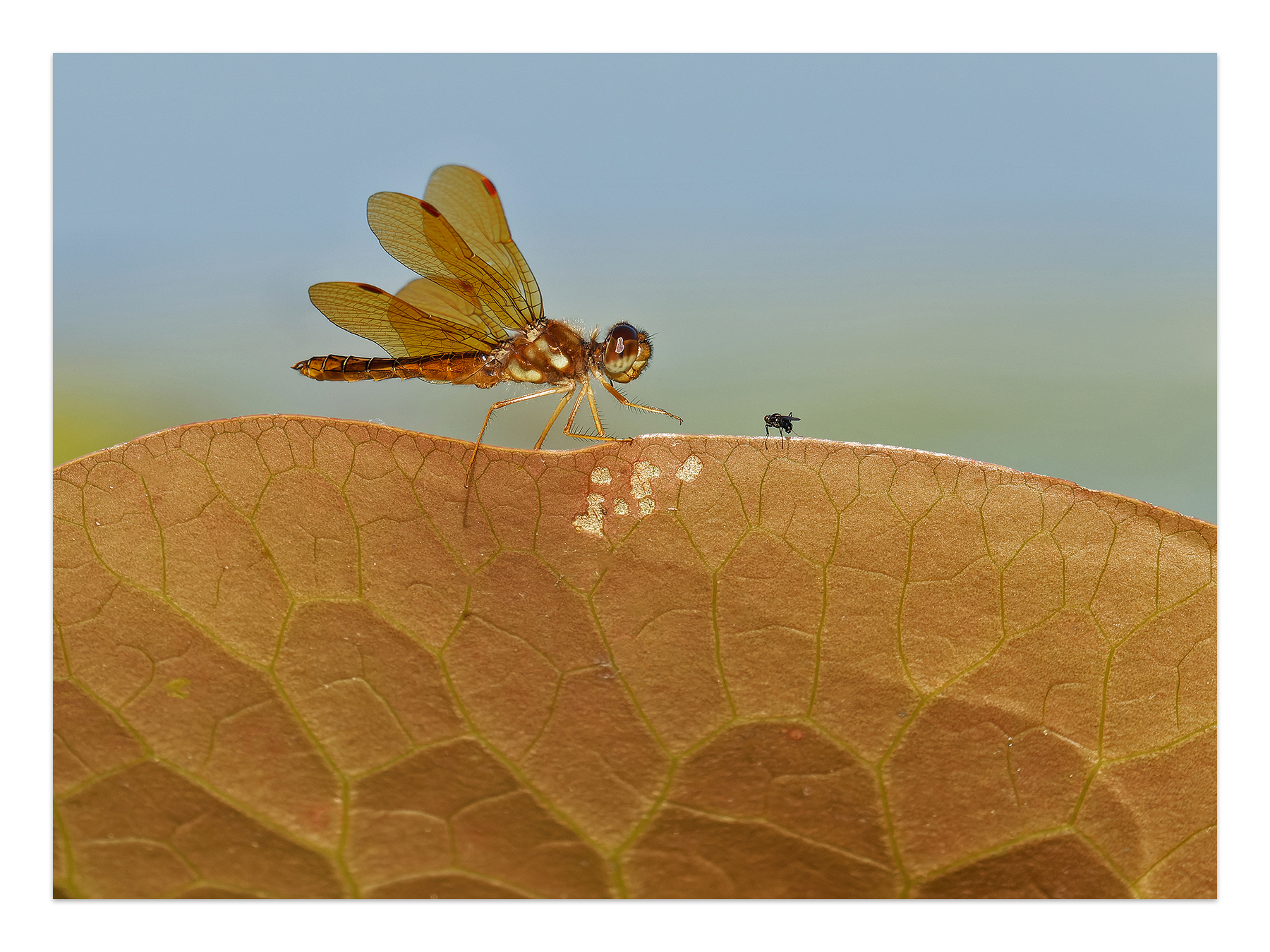
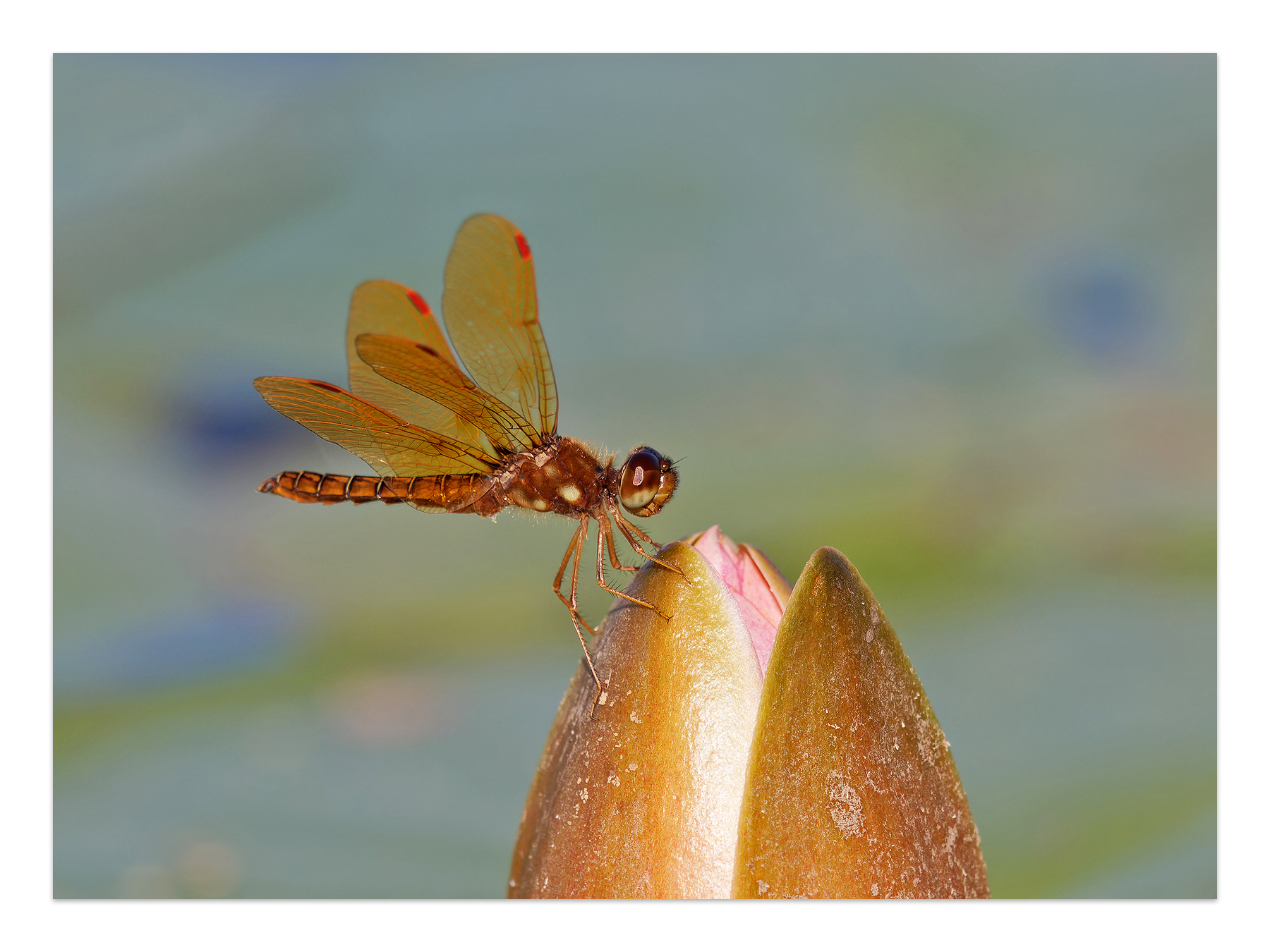
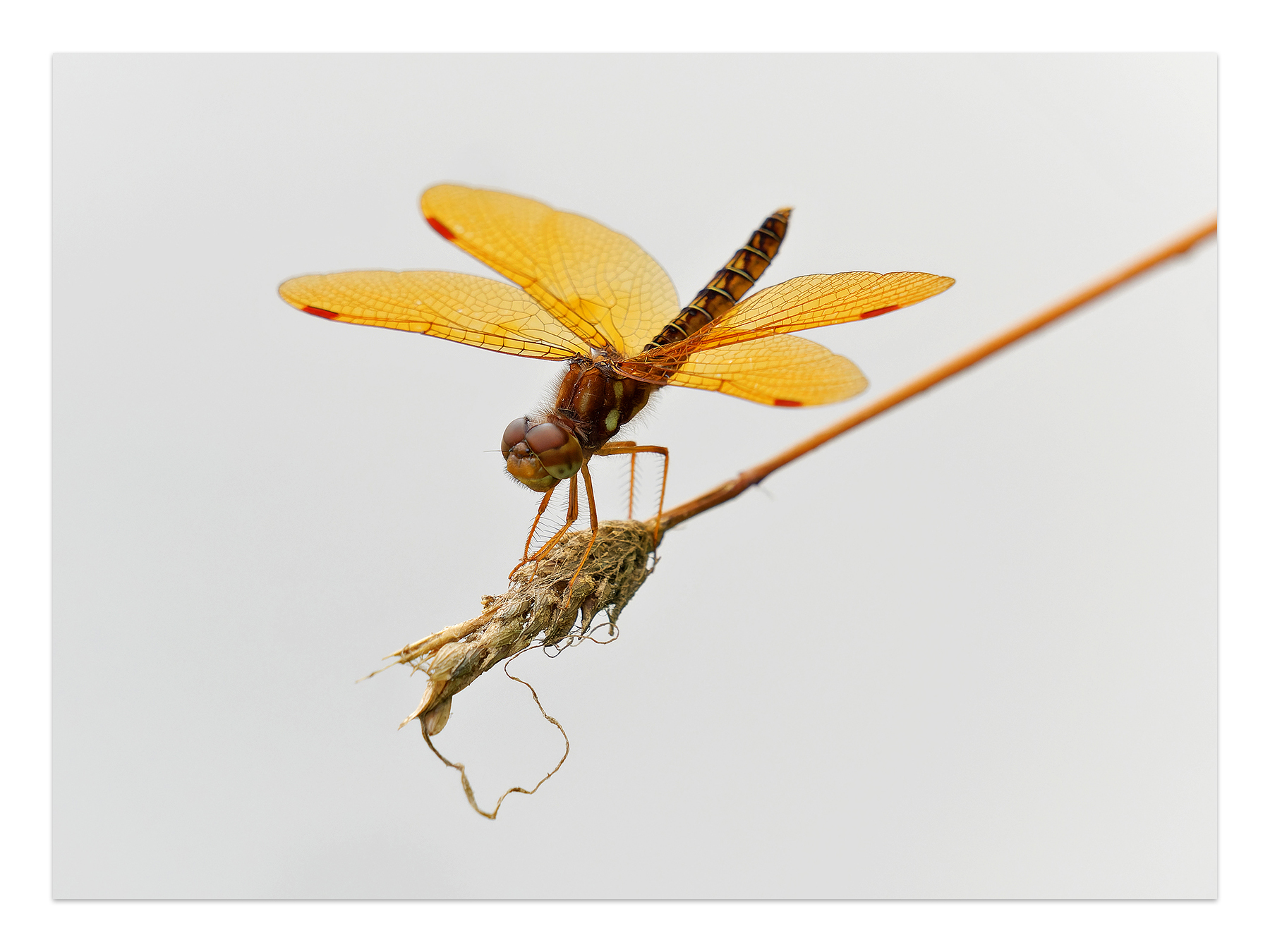
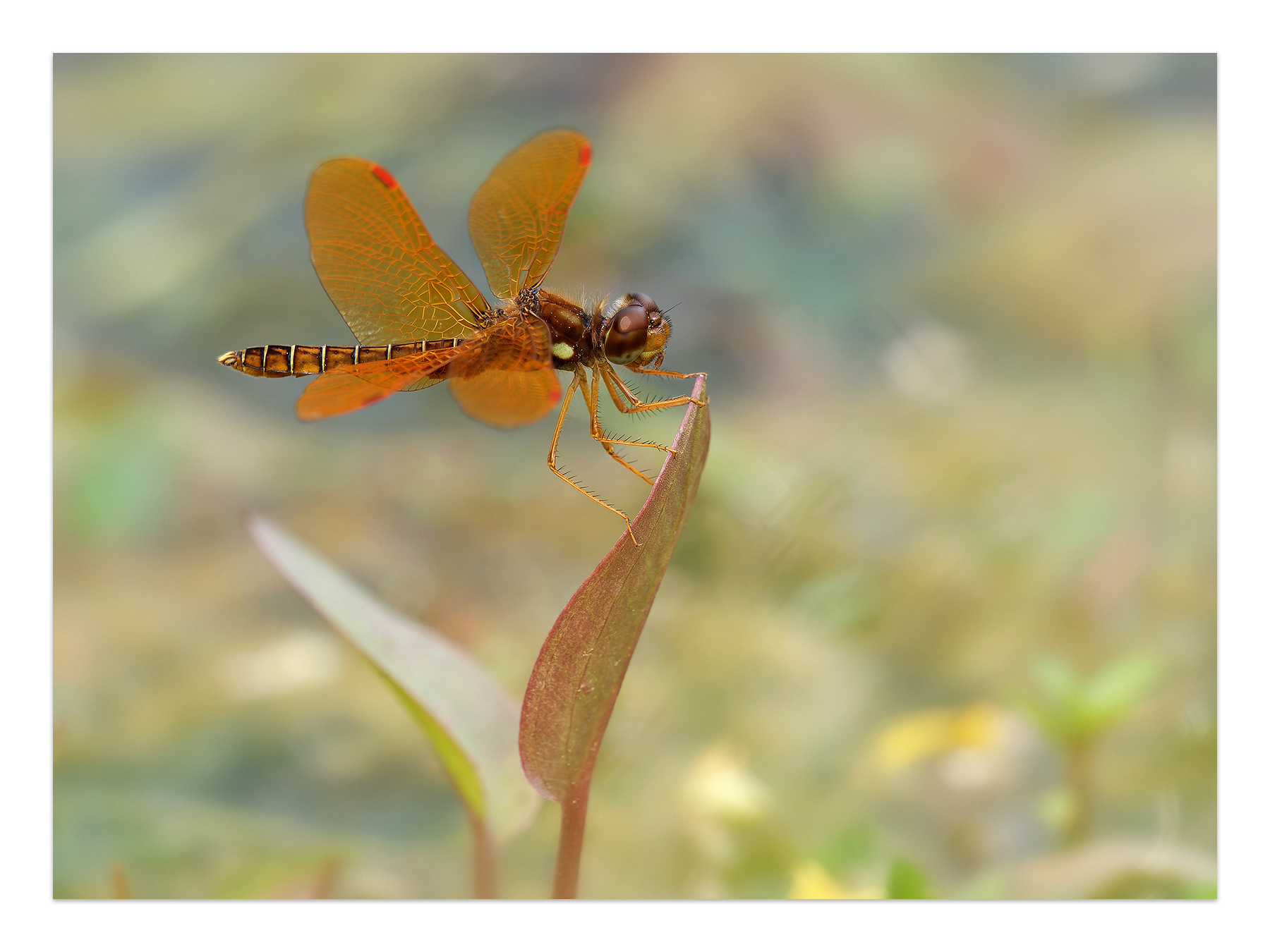
The remainder of the photos are of male eastern amberwings. My guess would be that there were few, if any females of this species around when you made these photos. The males of some species of dragonflies arrive back at the water a few days before the females do. The males are staking out territories and mating will commence upon the arrival of females.
Loving the multiples Gary! The dragon to little fly (still can't read the numbers) shot is awesome
Dragons seem to be more common than little birds lately, not a good thing that it seems the small bird population is way way off IMO.
Great photography buddy!!
Karl
#1, #6 and #12 show vesper bluets. The reflections in these are fantastic.
Where you see a female (yellow) with the end of their 'tail' (more correctly abdomen) on or near the surface of a lily pad, they are ovipositing. The males (orange) stay paired up with the females while they lay eggs in order to keep other males from mating with the female. The single males of this species are particularly aggressive in trying to break up the mated pairs and will 'dive bomb' ovipositing pairs in attempt.
This sort of behavior is fairly common in damselflies and rare with dragonflies.
#9 shows a male blue dasher.
The remainder of the photos are of male eastern amberwings. My guess would be that there were few, if any females of this species around when you made these photos. The males of some species of dragonflies arrive back at the water a few days before the females do. The males are staking out territories and mating will commence upon the arrival of females....Show more →
Thanks very much for your detailed explanation. I really appreciate the info. As I'm spending more and more time with these fascinating critters I'm becoming more and more interested in their behavior.
Thanks for commenting !
These are super cool photos! Feels like peeking into the lives of little creatures in a way that is impossible without the tools and person to do it. Congratulations!
Abuttolph wrote:
These are super cool photos! Feels like peeking into the lives of little creatures in a way that is impossible without the tools and person to do it. Congratulations!
Thanks so much for the comments. There's a lot going on in these little ecosystems that most aren't aware of
Karl Witt wrote:
Loving the multiples Gary! The dragon to little fly (still can't read the numbers) shot is awesome
Dragons seem to be more common than little birds lately, not a good thing that it seems the small bird population is way way off IMO.
Great photography buddy!!
Karl
I'm seeing the same with birds Karl. There's a smallish nature preserve just outside the city of buffalo. I've been going there for years when I was the only one wandering around as it was fairly neglected. I've pretty much stopped going there because it's just so quiet these days. Not sure if it's a decline in birds or if it's all the "improvements" they've been making. Clearing out invasive species of plants which was used for cover by Warblers, more walking paths, etc.
Appreciate the comments Karl.