For shooting perched birds in the back yard? No. That's where I get in my best MF practice with my (now ancient) manual teles.
Out in an open environment, tracking a rabbit, which turns into tracking the red tail hunting it? Or shooting a black bear across the pond from you and then switching to the coyotes that just exited the tree line a couple hundred yards down on your side of the pond? Yes. There's no way I'd want to be stuck with something as operationally slow as the RX10IV.
I’m not sure I see the point of this comparison. From an equivalence standpoint the photo is favoring the rx10 with more light. Nothing is moving so the focus speed or shutter speed doesn’t matter.
There are plenty of times higher end gear can do things a 1” sensor can’t. This might not be one of them.
If the "best" in your example means the heaviest and largest, then no.
If wildlife photography had been my main interest, I might have picked OM-1 II with the 150-400mm F4.5 lens instead of the A9iii and the 400-800mm F6.3-8 lens. To me, the MFT combo is the "better" in several ways: lighter, more compact, having a better MFD of 1.3m and lens magnification of 0.71 at the MFD; it also has a built-in 1.25 TC. At 400mm F4.5, the MFT lens is equivalent to 800mm F9, not much different from the Sony zoom at 800 F8. The pixel count 20 vs 24MP makes no practical difference. Where there is a difference is in the dynamic range. Note when shooting equivalent MFT and FF lenses at the same SS, e.g. 1/2000 for fast action, then the FF ISO = 4 MFT ISO. For example if the ISO is 3200 on A9iii, it should be 800 on the OM-1 II. The corresponding Photographic Dynamic Range is 7.04 for A9iii and 7.87 for OM-1 II.
Ultimately, I am in favor of owning and using the best photography gear one can afford, however "the best" may mean different things to different people.
jeffbuzz wrote:
You turn the zoom ring It has a 24-600mm (equiv) lens.
You turn the zoom ring and wait for the PZ to catch up. Or turn the PZ to fast and then you get a more responsive zoom but you have to wait for AF to catch up. It's a great bridge camera, probably the best ever made, but it's nowhere near as responsive as the IL cameras available when it was launched, much less the ones we have available today.
The question rather is, should one buy the equipment that covers 80% of his shooting situations, or 90%, or 95% or 99%. Or is it a wise tradeoff to buy cheaper equipment that doesn't cover all the interested shooting situations, and forgo the rest.
The answers depend heavily on individuals, not just the level of interest, also the depth of the bank account.
I had a Canon 1DXII at the time I also had an RX10IV.
In ideal conditions the RX10 put up a great fight.
Then there were the more common typical shooting conditions.
That was like Pee-wee Herman vs Ali.


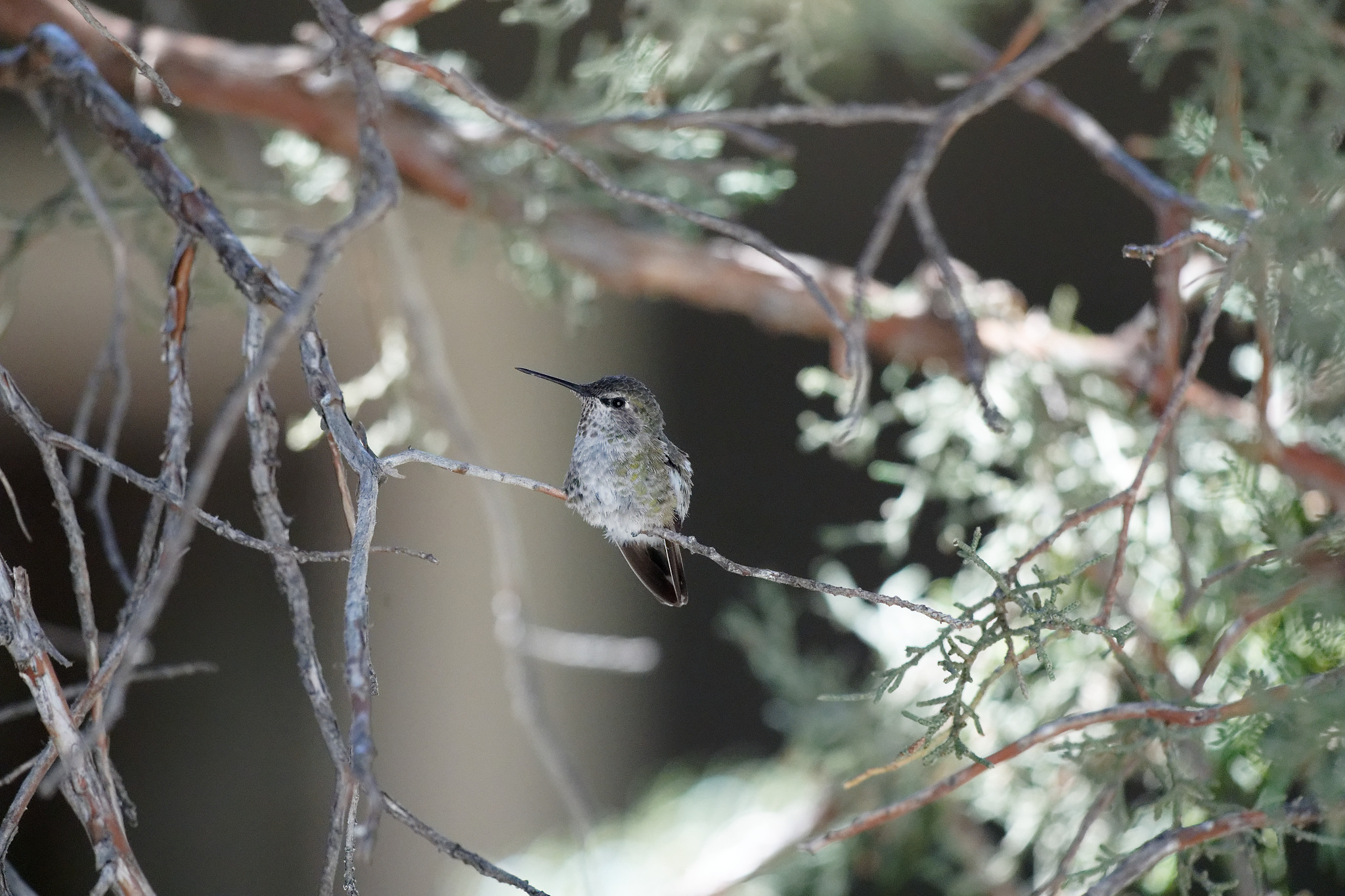
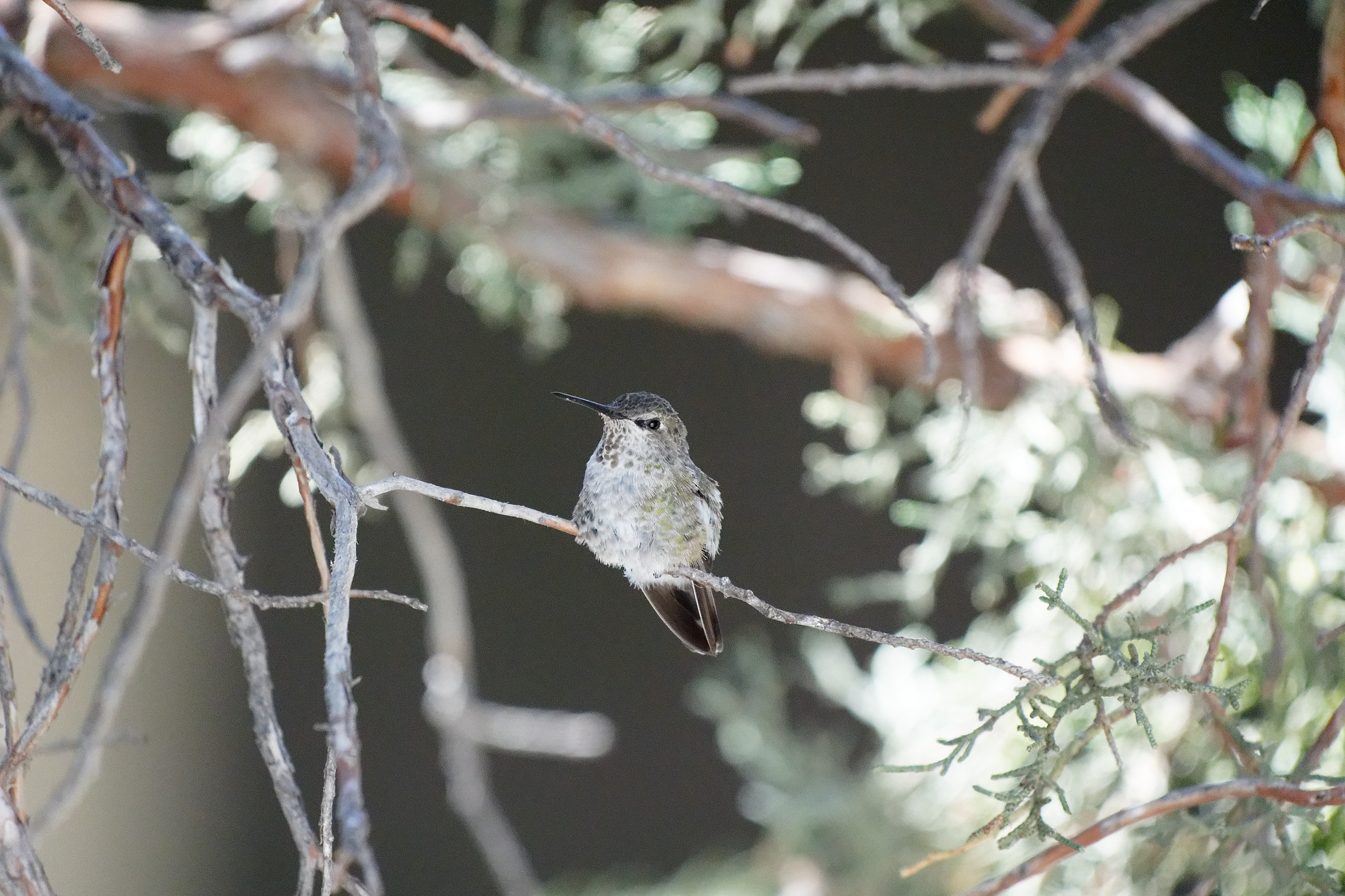
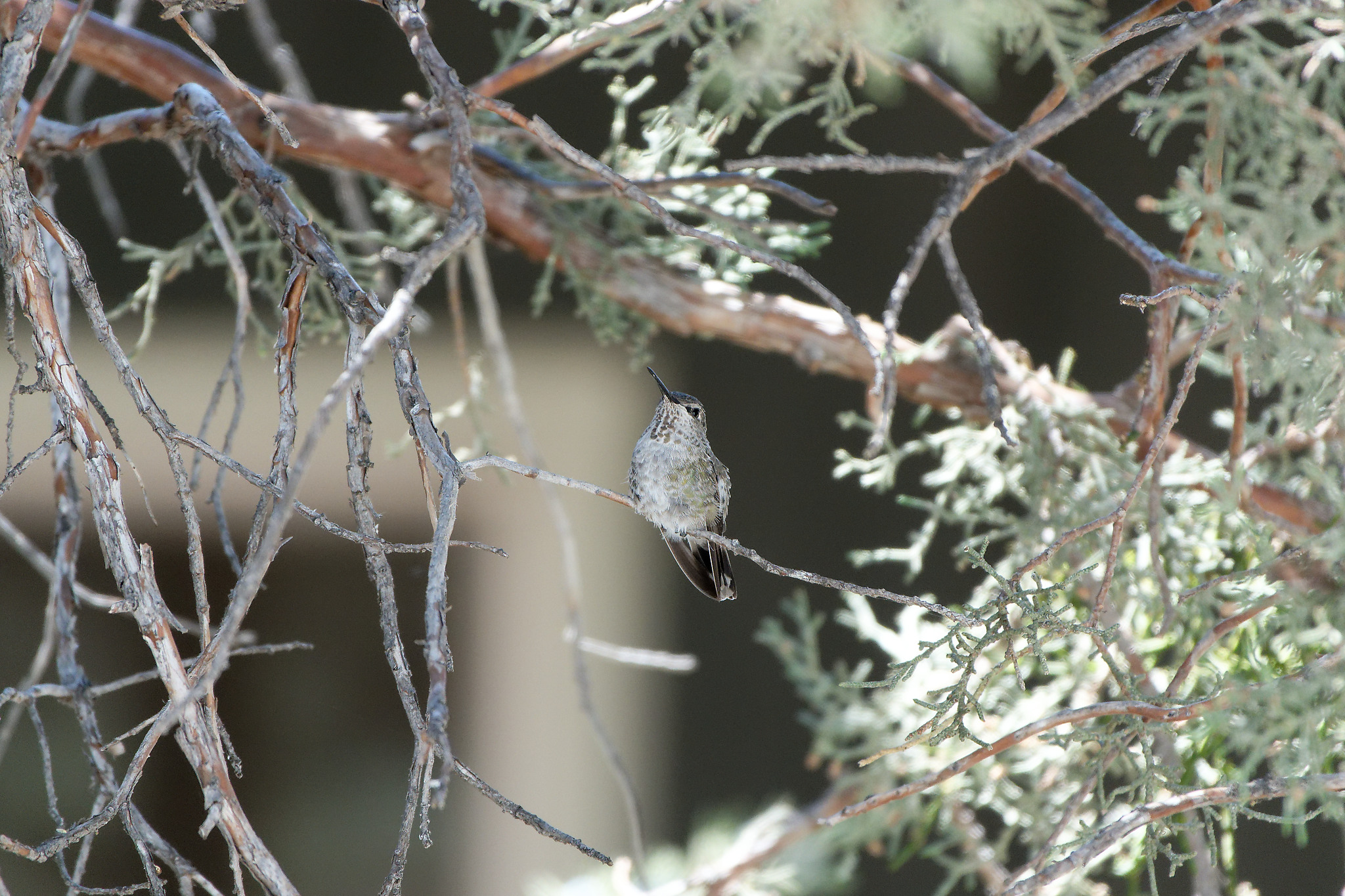

 It has a 24-600mm (equiv) lens.