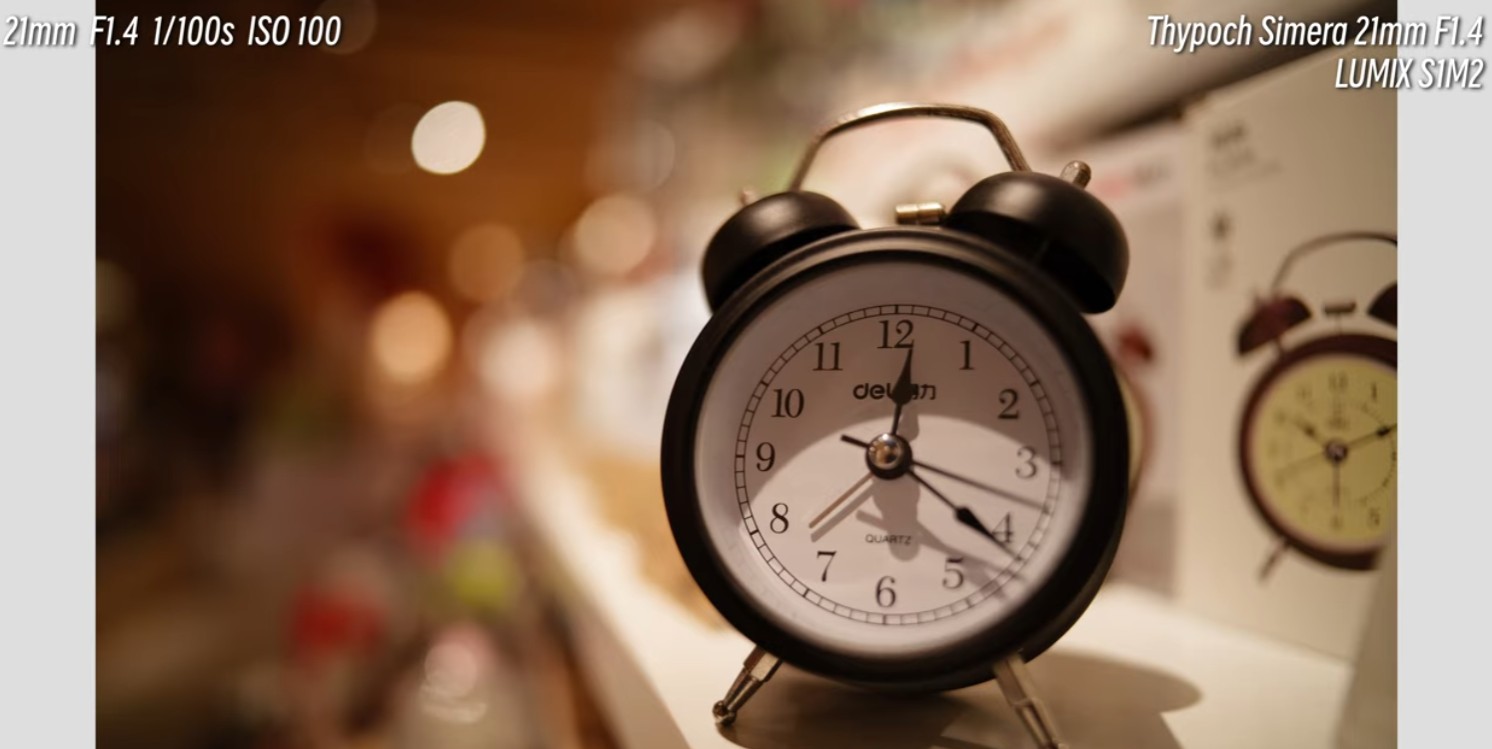
There will be, for some time, residual reluctance to buy Chinese goods in a field like photographic equipment. New entrants need to 'earn their stripes', in the eyes of some. Some see the Simeras as cheap in both price and quality.
It will be a hard adjustment for some. I wrote to Thypoch back when I bought the 75mm from them, and suggested they should consider raising the price by 50%, so buyers get the sense of the quality from the price level.
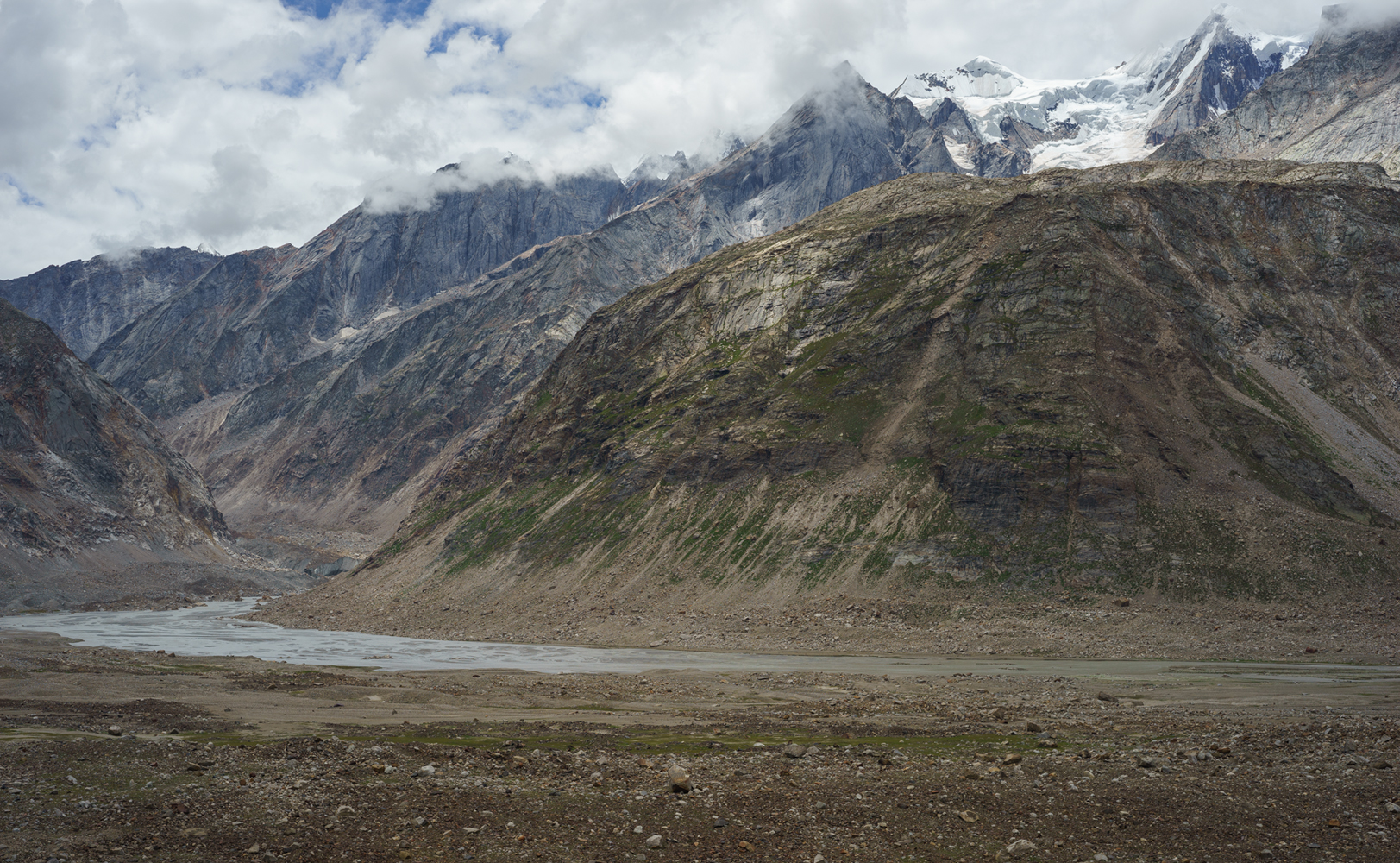
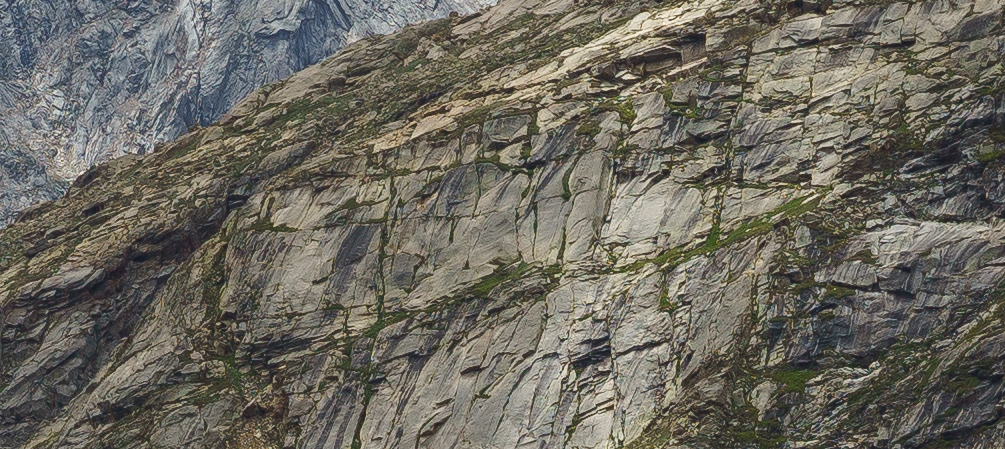
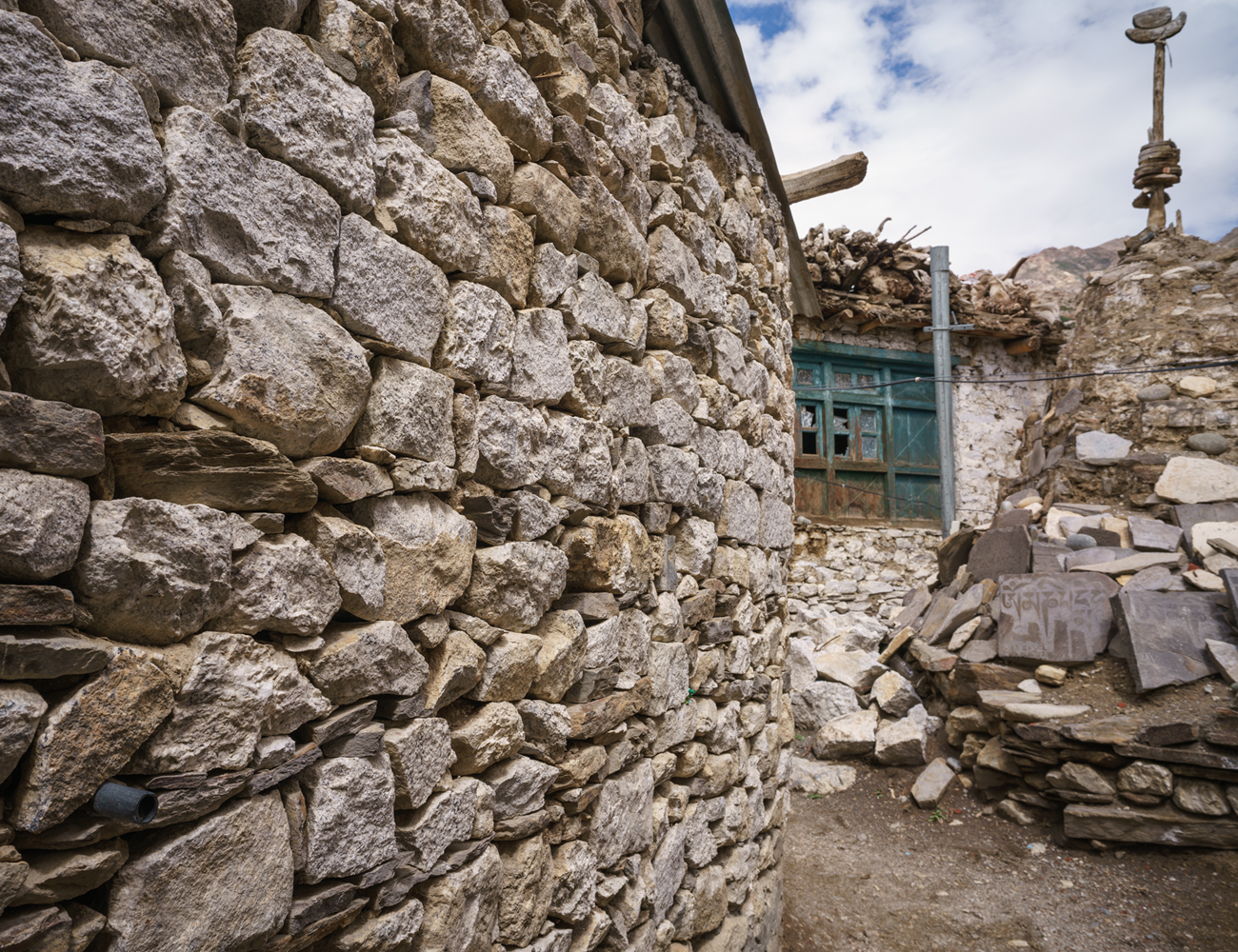
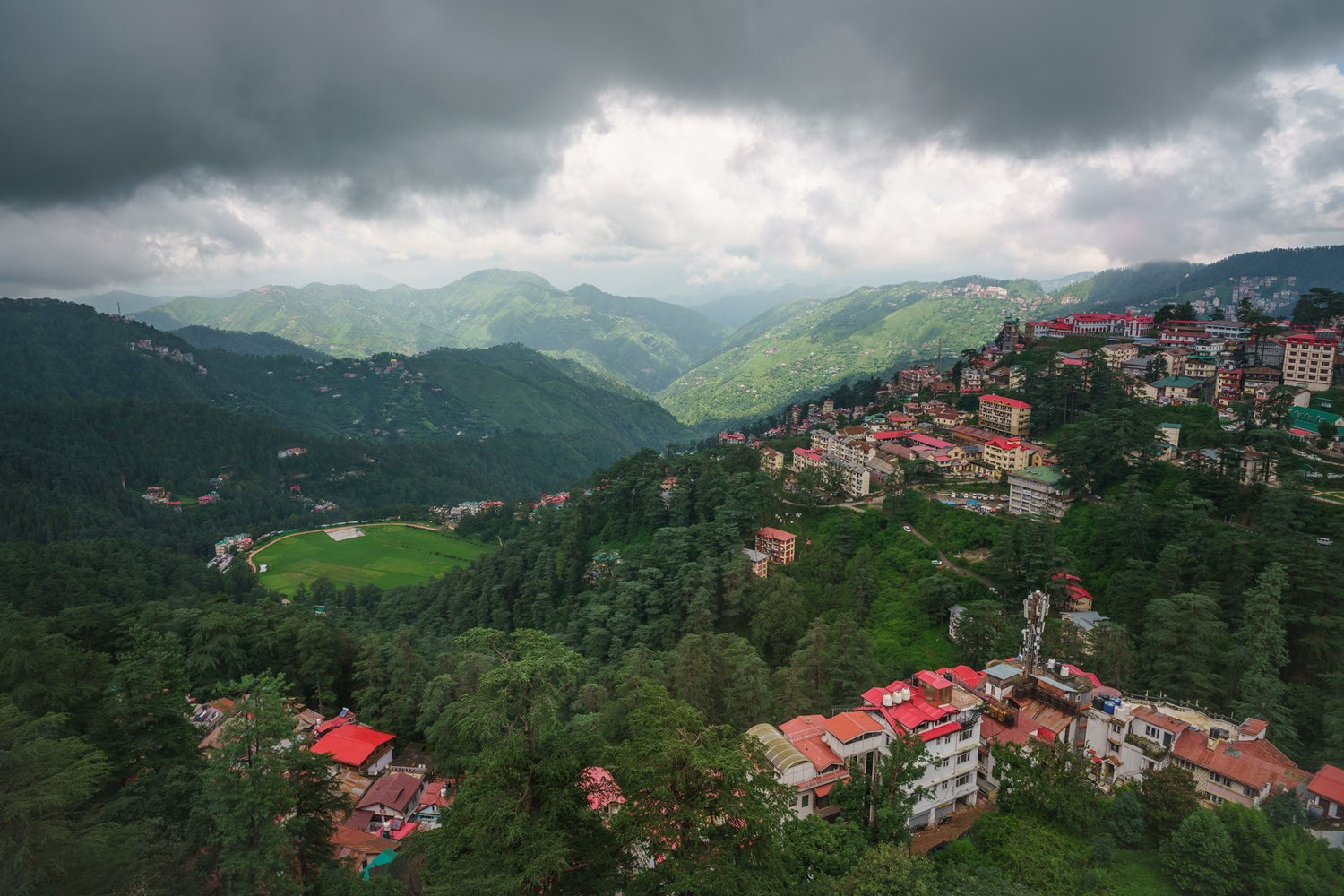
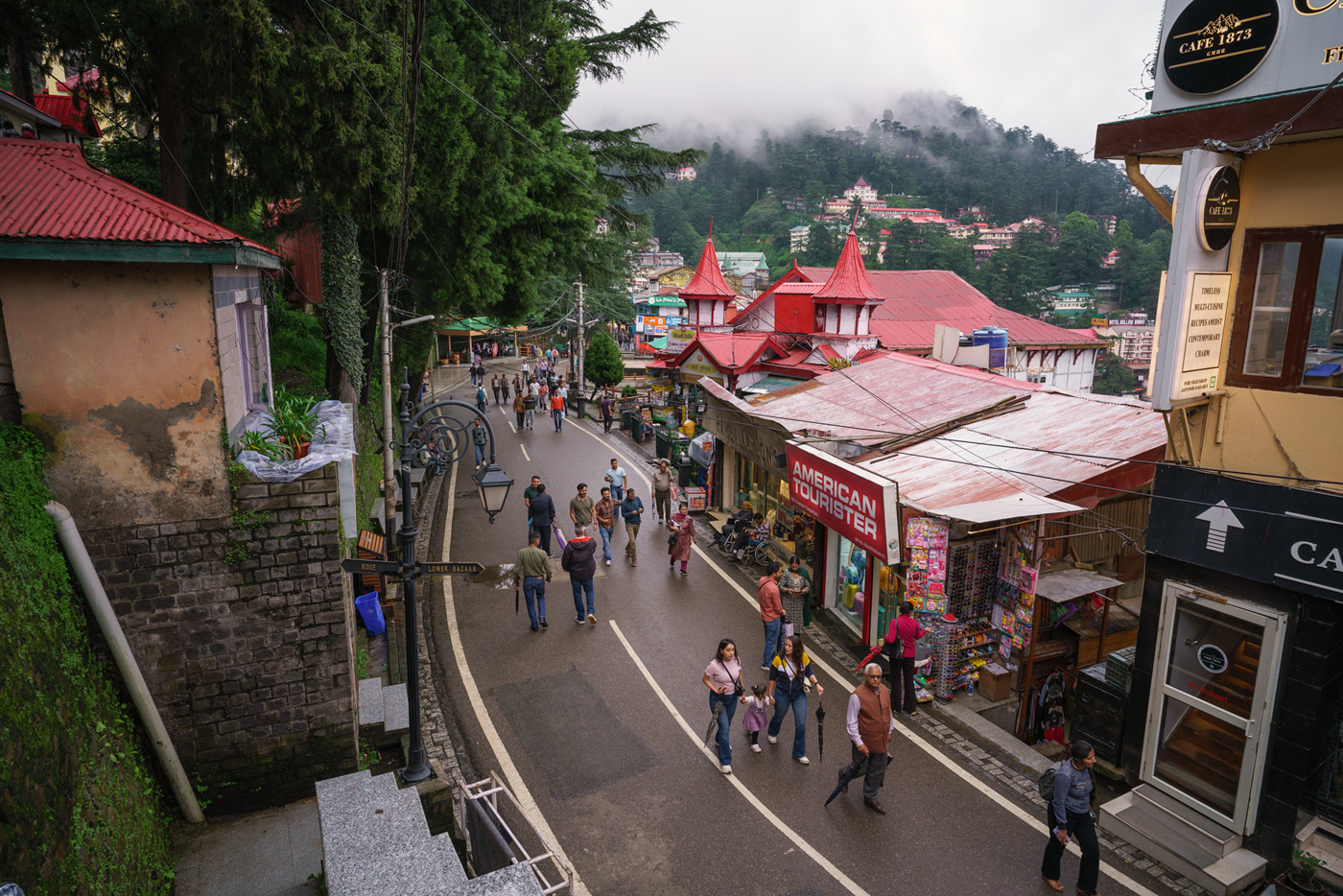
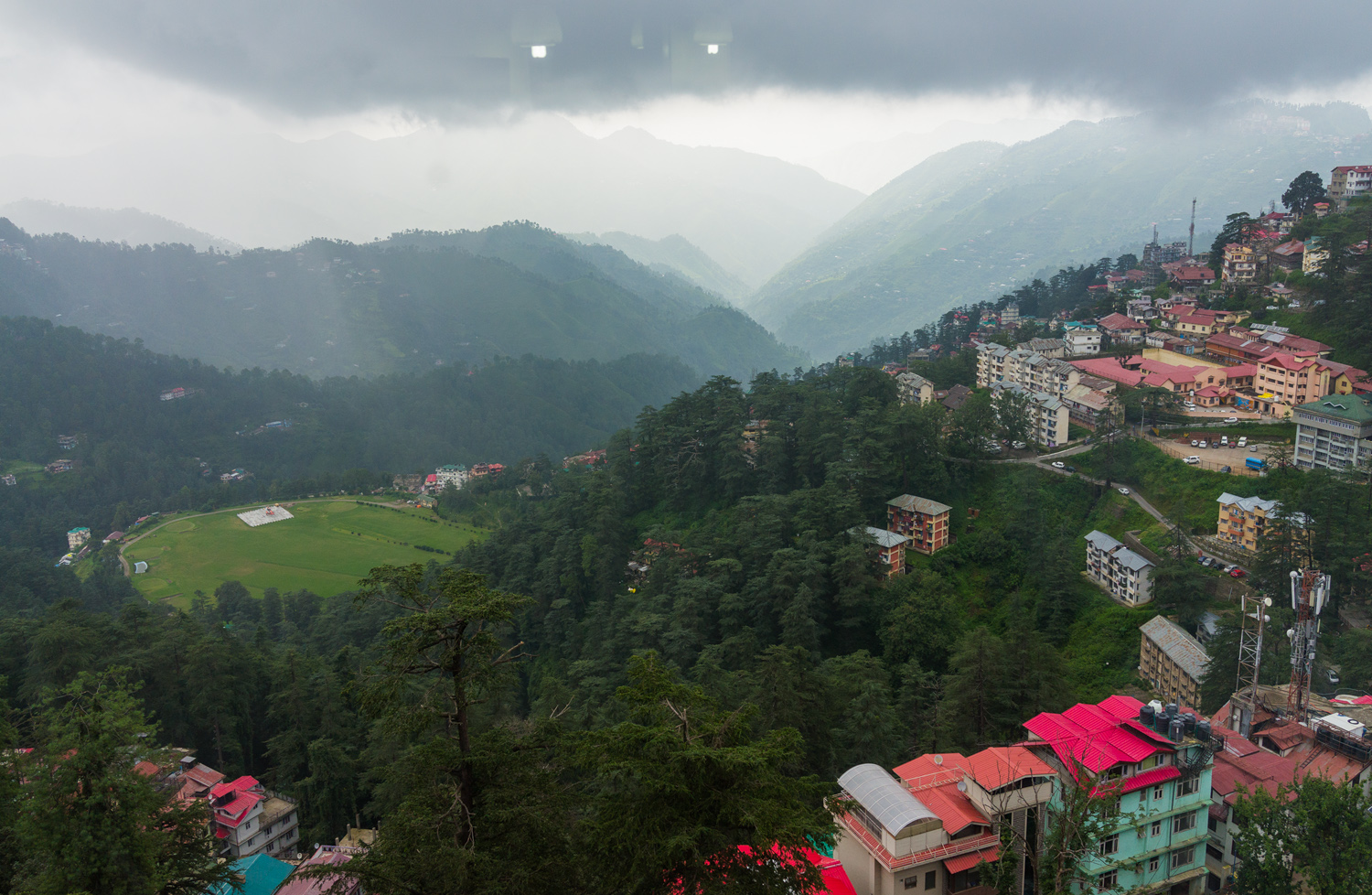
While saying nice things about them, I'll post an image from the 50mm that is the best I've seen from the mid-high end lenses I've used in this place (CY 100, Loxia 85, CY 100-300, CY 35-70, CY 21/2.8, Sony 55, etc). I am getting pretty confident that the Chinese are using lead oxide in their lenses - 80% of Schott's catalog was wiped out when the Euros soft-banned it, for the safety of children they said.
Ken Wheeler is right in that an exemption was applied for optical photo lenses (I have a copy), and he is also right that lead is a superb material for image-making, hence Schott having to start all over again. China has no such restrictions. Lead may well be reason for the very obvious 3D in the Simeras, in their HRI glass.
'Lead oxide is added to photographic lens glass to increase its (i) refractive index and dispersive power, allowing for (ii) better light bending and (iii) color separation. The resulting lead glass produces a more brilliant, dense, and dense product, which creates sharper images and better optical quality.'
So - HRI, better light management, better color separation, brilliant and high density.
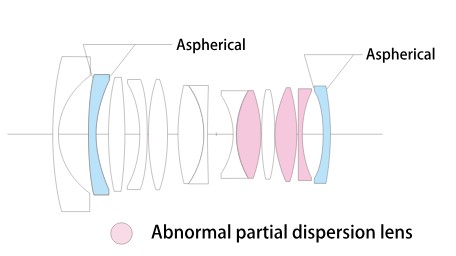
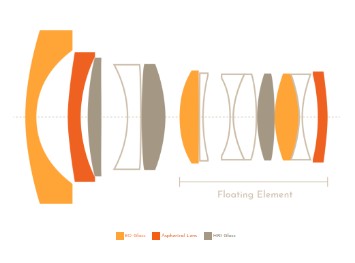
So it helps balance out the ED/APD glass more effectively. Many blame the ED class of glasses for the loss of 3D. It also means they can reduce their dependence on aspherical surfacing. The five Simeras (21-28-35-50-75) combined have fewer aspherical elements than Leica's Q3 43mm (5 vs 7). So, very different approaches!
See the front-back balance in the Simera lens below - each HRI element is next to or near to an ED element, and both glass types are spread (refraction and dispersion control) evenly throughout the design. The Voigtlander does its correction work at the back end of the lens. The two asph elements placement is identical in the two lenses.
From this review it seems they targeted an average coverglass thickness rather than optimising for the native (Leica M) mount? That is very disappointing, just makes me think what this lens could have been if it were properly optimised.
thrice wrote:
From this review it seems they targeted an average coverglass thickness rather than optimising for the native (Leica M) mount? That is very disappointing, just makes me think what this lens could have been if it were properly optimised.
Thypoch makes some good glass, but they have really crapped the bed when it comes to port-ing the lenses to different mounts. Sensor stack optimization, not chipped, MFD is not improved nor are the m - versions of the lenses smaller than the MILC mounts. My guess is it’s just cheaper for them/more profitable to not adjust anything. Too bad—wish they would take the CV route.
I had the 50/1.5 Simera-C and the ergo and build felt much nicer than the stills versions while there had been some optical tweak.
I wonder how their lenses are selling generally and if they’ll stick around for the next 5-10 years. I’d like to try this 21/1.4, but I am in no hurry. At some point I’ll pick one up. I wonder if Thypoch will wade into zoom lenses at all.
I know it's comparing apples vs oranges, but wondered how the performance and characteristics of the old(er) Zeiss ZM 21mm f2.8 (M mt) compares with both the Thypoch 21mm f1.4 (m mt) and VC 21mm f1.4 (m mt) on digital, such as the M10 etc. Not only in resolution, but coma, vignetting etc.
The Zeiss Zm of course was designed in the film era. In general, images shot with the Zeiss even wide open are good, with typical Zeiss higher contrast and punch. Still there hasn't been to my knowledge any in depth testing of the Zeiss on digital, especially compared to more recent offerings.
Picked up a 21 Simera off of Buy n Sell before heading out of town on a business trip.
Initial impressions are that the lens really has a lot going for it...and a few slightly annoying features.
It is very well made with phenomenal optical performance. I used it on my Nikon Zf with TT Artisan 6-bit adapter (which doesn't have a 21mm setting, so I used 28). I also have the Voigtlander 21mm f/1.8 Ultron to compare it to. The Simera is sharper across the frame at 1.4 with far less field curvature on the Zf sensor.
Now my nitpicks: industrial design. Thypoch is clearly committed to their choice with the visible depth-of-field scale. This feature is theoretically cool, but in practice isn't useful for me (and, I would guess, probably most people). The color of paint used for the scale and mounting dots is very desaturated. I'm sure they were trying for something subtle or elegant, but it makes it very hard to mount the lens in low lighting. Brighter paint for the mounting dots would be useful (or a raised bump). Also, the real estate on the lens barrel given to the visible depth-of-field scale (especially on this lens) is way too much. As a result, the focus ring is much too narrow and positioned in an awkward spot. From a purely ergonomic point-of-view, the 21mm Ultron is a far superior lens with it's wide focus ring and perfectly grippy aperture ring. If they make a V2 of the 21 Simera, it would be nice to see an emphasis placed on comfort in use (and in a dream world, better font choices).
A few photos taken before/between/after work events (all are wide open except for the Westin Peachtree Plaza shot which was at 5.6):
I should be starting a review of the Simera 21mm f/1.4 ASPH in about two or three weeks. I'll likely compare it to the Voigtlander 21mm f/1.4 and 21mm f/3.5.
The first three shots are 🤌🤌🤌✨
If I wouldn’t own the 21mm Nokton I would buy the Simera. Especially for its better close focus on M Mount (is there any other M lens that focus that close??).
It's MFD is much the same as the E-mount version of the Voigtlander 21/1.4 - 0.23m -vs- 0.25m. The VM version of the Voigtlander 21/1.4 has an MFD of 0.5m.
Both feature FLE and internal focusing. Even at 21mm, magnification will be rather different. Thypoch managed to reduce weight by 50 grams.
The general configuration is the same, 13/11. Thypoch made several changes to the shape of a number of elements, but the two aspherical elements are in the same positions.
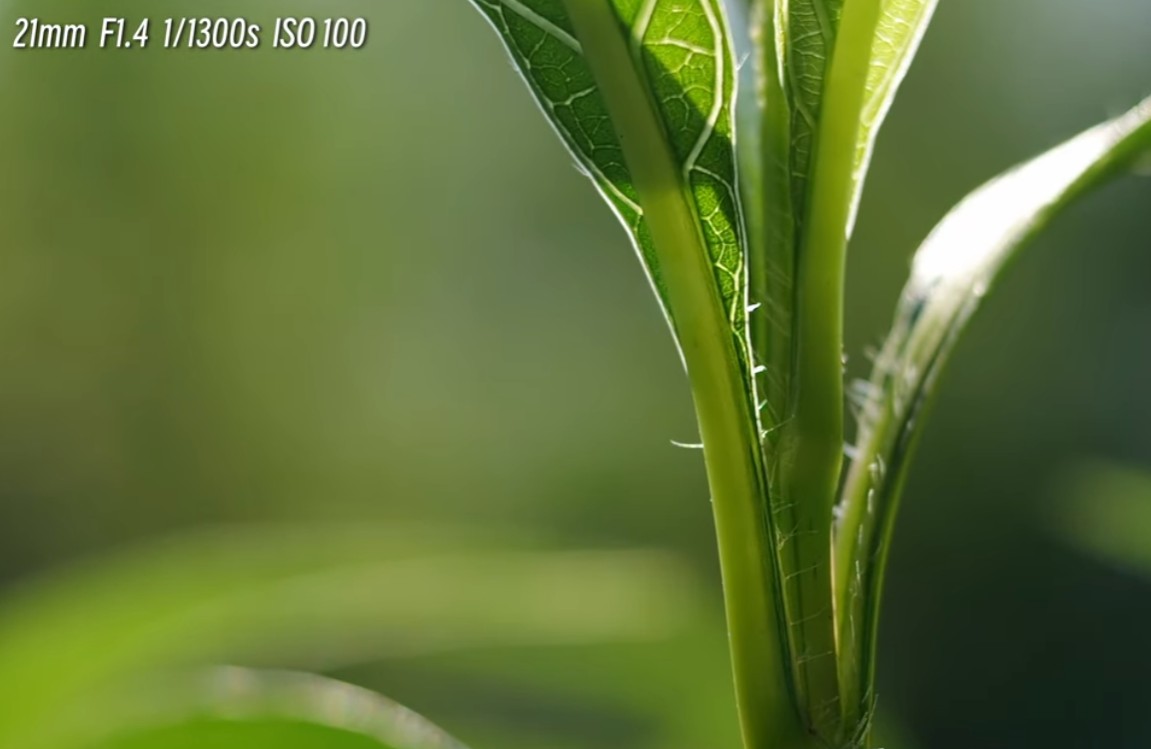
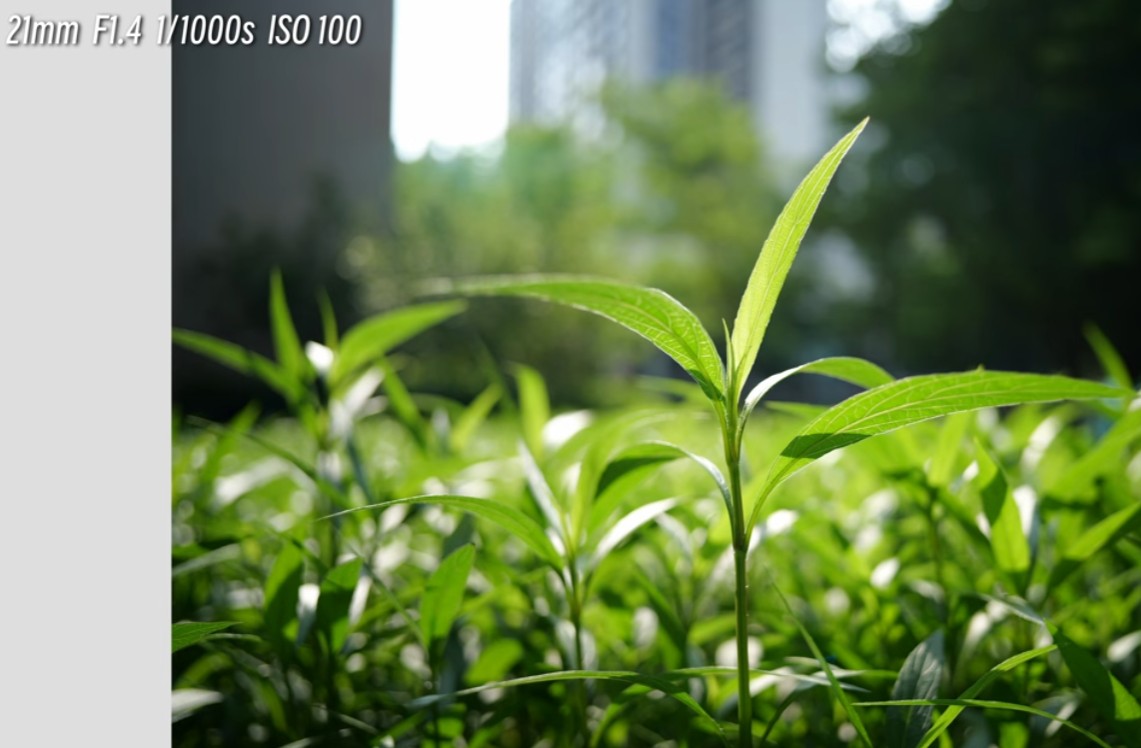
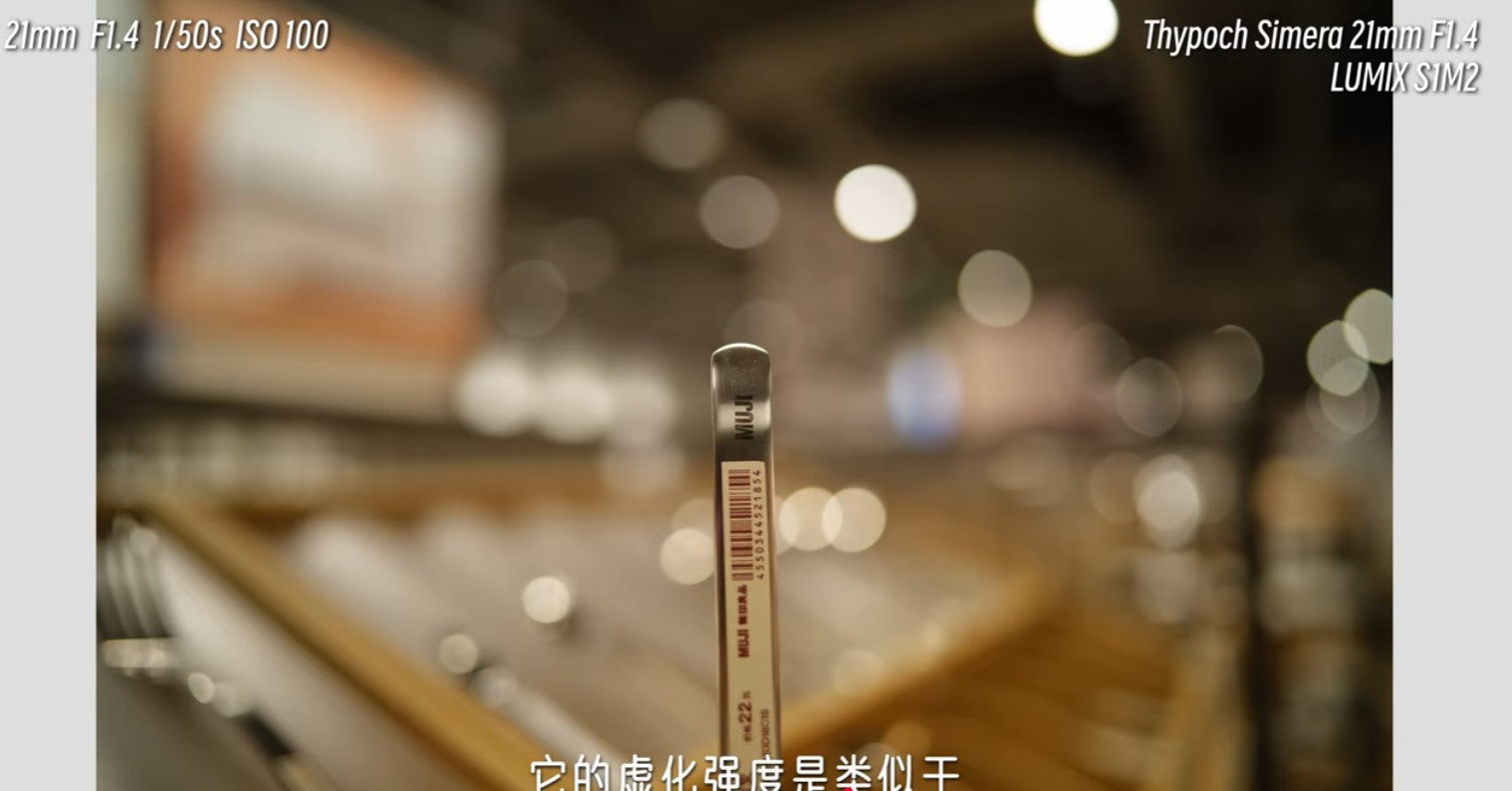
It was my least favourite Simera at first, despite the build quality, but it's maybe more light dependent. The RX1 was a known quantity to us, more moody light. The 21mm's detail and color surprised even accounting for good light. Here are a few bokeh examples I came across, in a Chinese site from memory.