arbitrage
Offline
• • • • • • •
Upload & Sell: On
|
 p.2 #9 · Tips for this BIF shooter trying Sony for the first time? p.2 #9 · Tips for this BIF shooter trying Sony for the first time? | |
robotmay wrote:
Right I'll work through this in order.
1. I've covered the clickbait stuff above.
2. Yes the main difference, as I said in the video, is between how the A9III and the Z9 react when trying to focus on an isolated, fast moving subject against a complex, distant background. My Z9 setup for this is extremely simple: wide box C1 AF area, sensitivity set to 2 and steady movement, bird or animal AF on (both work fine), custom button for resetting focus back to minimum distance which I use before each bird appears. In my usual scenario as I described in the video, the Z9 is extremely consistent in hitting the bird and following it. The A9III, and I'll cover all the settings I used/tried for this below, misses the bird half the time and you have to manually pull your focus back. It seems to be distracted by trees. Both cameras will sit on the background unless prompted - on the Nikon it will usually shift once it figures out what you're following, or if you mash the focus button repeatedly; the Sony did not.
3. I did say in the video that the resolution/quality drop on the A9III EVF isn't as bad as the A7RV. The Z9 EVF is fantastic for what it is: fast and consistent. I shoot in the "Adjust for Ease of Viewing" EVF mode because I also shoot in highlight-priority mode for birds (as the Z9 does like to blow highlights) and I don't want the view going dark. The Z9's EVF may be lower resolution but it's consistent and never lags, even in low light. I don't really care about the maximum resolution for action photography. The R1's EVF seems fantastic though, and the Z9's feels very small and unexciting by comparison.
4. So the A9III settings: I didn't use tracking AF. My usual go-to is a wide area AF on most cameras, with responsive settings for sensitivity, particularly for newly appearing subjects or subjects crossing in front of the current focus. I then had the AF-On button configured to single-point AF, which was basically pointless as that didn't work. I then cycled through all the different settings, trying different combinations for sensitivity settings and different area modes/shapes/sizes. What was particularly bizarre was how it would miss birds in the centre of the frame within the wide area - the Z9 doesn't need a subject, it'll just focus on the closest thing. As I said in the video, for most scenarios the A9III AF seemed very good and worked well with a variety of settings, but in this particular scenario (which I shoot a lot), it was worse than the Z9. It was definitely compounded by the inability to set a preset focus - I'd love to try the setup again if they ever fix that.
5. I do suspect the maximum f/8 aperture of the lens could have contributed. The lens' AF seemed fast enough but if it's close to the limits of the light sensitivity of the AF on the sensor then it will likely be degraded.
6. I'd love to try out the 300GM. Unfortunately most of the larger companies aren't interested in dealing with smaller YT channels so it's rare I get the chance to test out gear unless I buy it. With the exception of Sigma, who are super cool.
7. I did watch a lot of content from other YouTubers ahead of making the purchase, as well as a lot of reading - it's why I was so surprised by how it performs. I think it most likely comes down to a very specific scenario combined with that setup. I did watch Jan's videos on the camera, for example, but his BIF shots from what I could see were either from perched starting positions or on the coast. I did two other shoots within that 24 hours which went better, but they were different circumstances: birds in the city against a background of buildings, and perched birds taking off (where the A9III really does track well).
Honestly the best camera I've shot for this specific purpose is still the OM-1. It's absurdly twitchy, to the point of being useless in many situations, but it's a fiend for rapid BIF shooting. I've got the Z9 in a good workable state for it these days but I would probably get more shots using an OM-1 II....Show more →
Here are some further shots after reading your response...
2: So it seems the lack of a focus preset for the 400-800 was one of the biggest hinderances in you adapting your workflow to the Sony setup. That is a shortcoming and I don't think Sony will change this because I really think they would have done so from the get go if it was something they could do. Why they can't do it is unknown to me but there must be something with recalling a set focus distance with the zoom lenses as the focal length can vary at any given time.
3: When I'm actively shooting BIF, I'm not bothered by either the Sony or Nikon EVFs. Just yesterday I installed the Custom Picture Profile on the Z9 which effectively gives one "zebras" while actively looking through the EVF and shooting. This is a game changer to me using the Z9 EVF. I wish I had installed this earlier. It really is a great replica of Sony's zebra function.
For anyone interested see here: https://www.dpreview.com/forums/post/67168596
4: Ok...so I assumed incorrectly that you were using the Tracking versions of the AF modes (the ones in the latter half of the AF mode list). For me using Wide or Zone (or now custom sized Zone) without Tracking would be what I would suggest so you already were using the better option. I'm surprised that your Single point on the alternative button wasn't able to quickly drive the AF back to that near focus point (as a workaround for not having the focus preset). IME I've found using S Flex Spot or Expand Flex Spot to be really good at driving the lens back in to a grossly OOF near subject when focused out on the background. Seems to drive easier than the Z9 or R5II/R1 does. OMD is certainly the best at doing this.
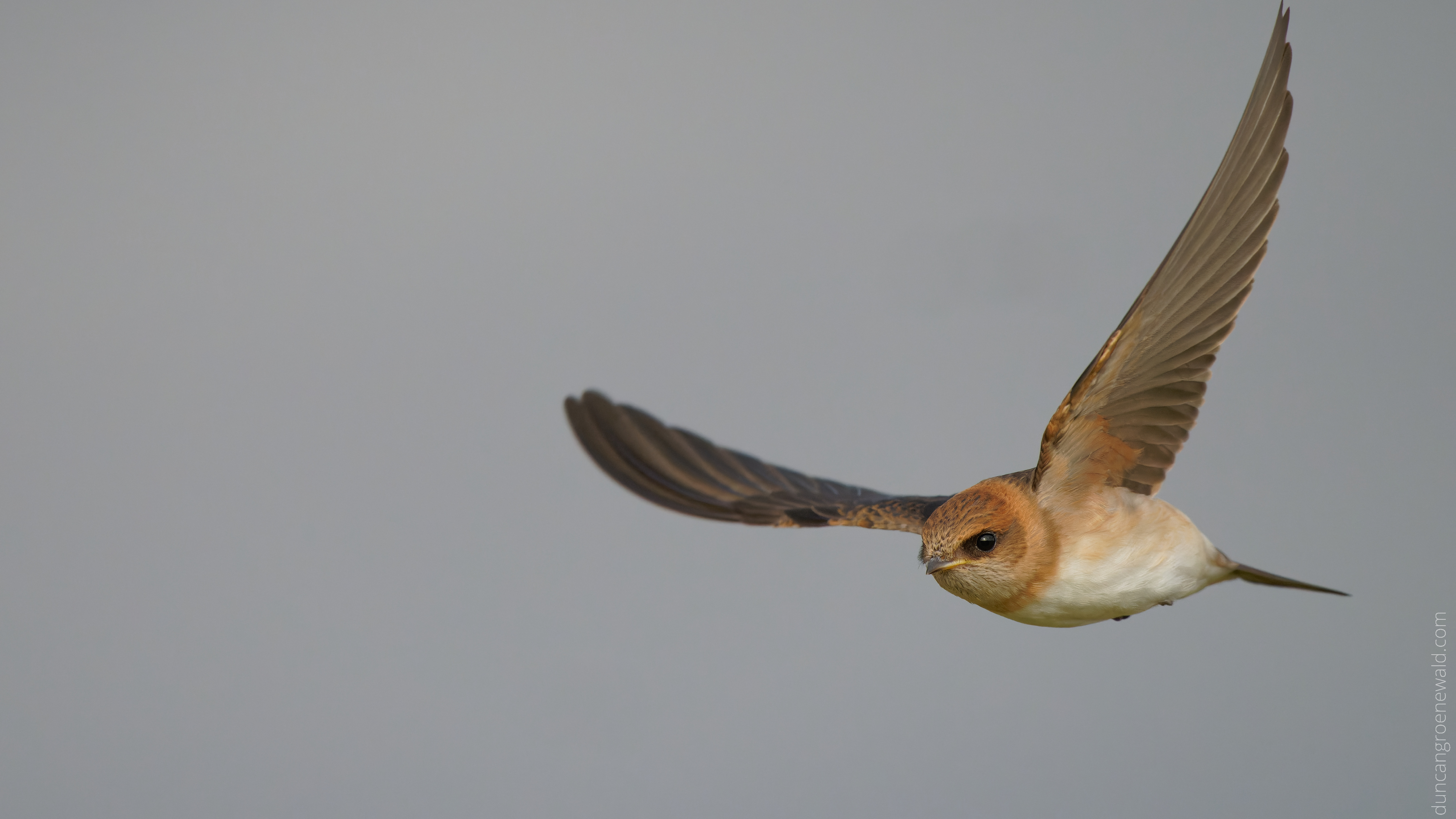
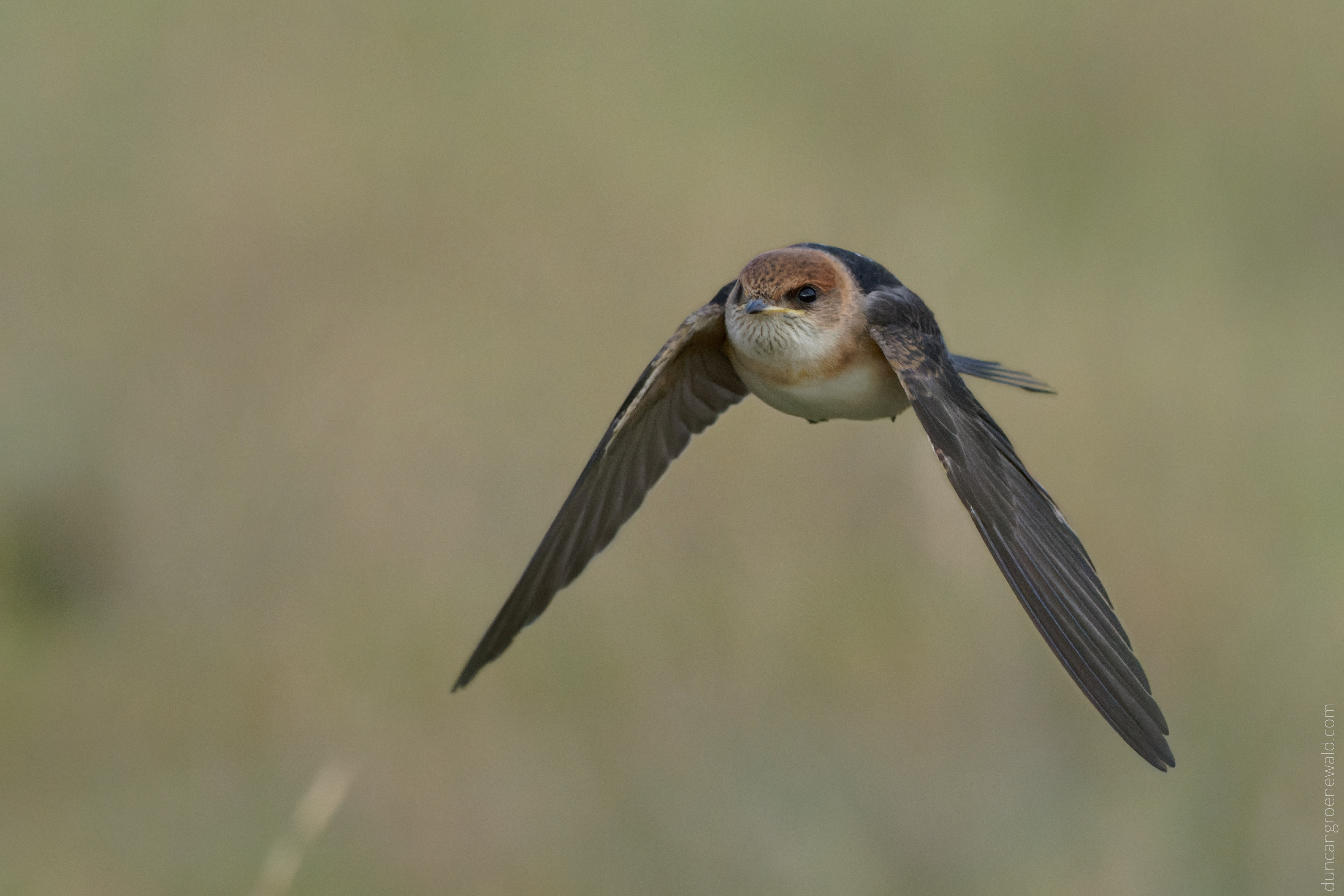
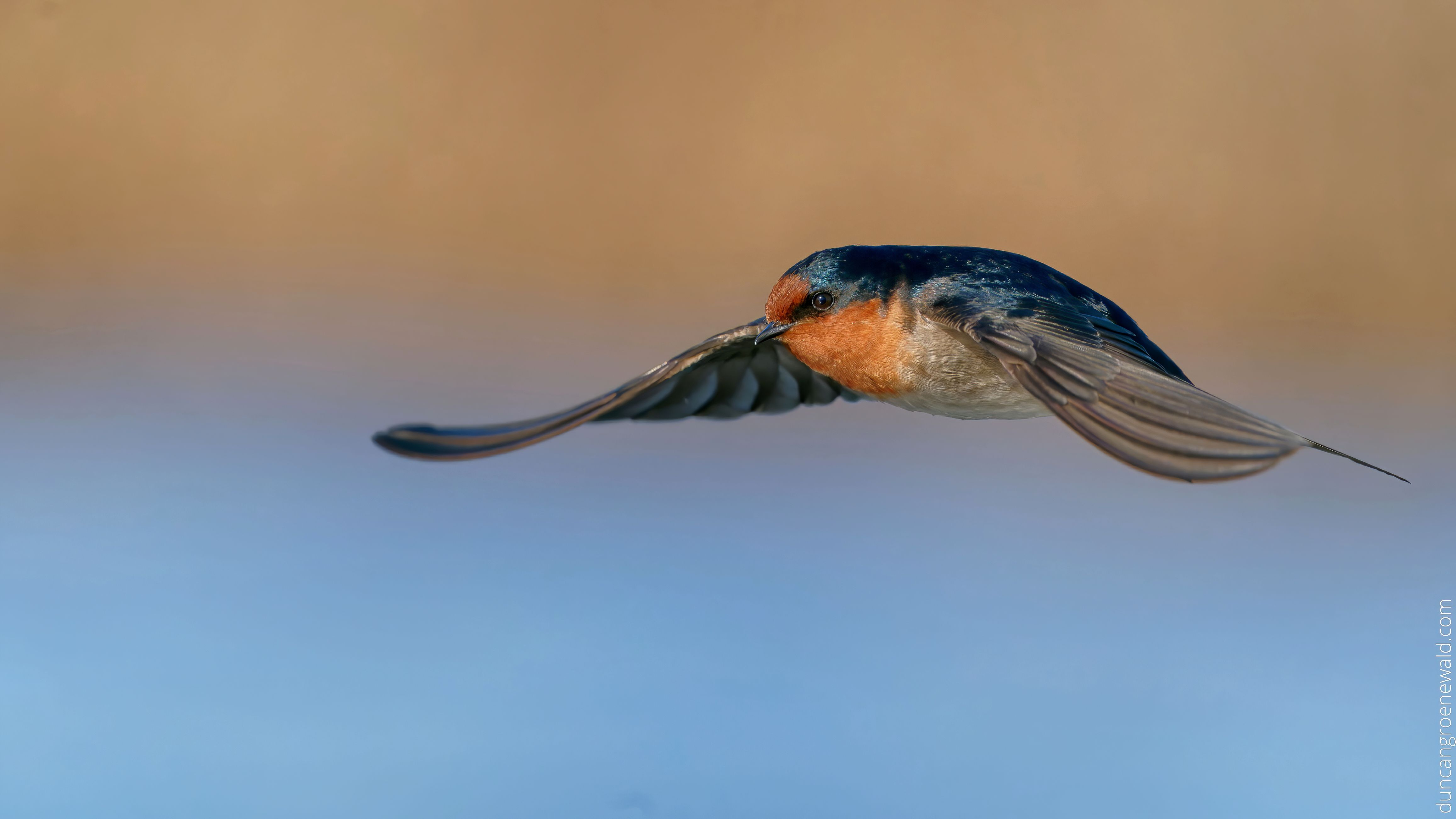
5/6: I think the lens was probably a big hinderance but I haven't used that lens so I really don't know how it compares to the lenses I use (300GM, 600GM, 100-400GM) or used to use (400GM, 200-600G). The 200-600G was so different than the other four lenses that have the faster linear motors. Now the 400-800 supposedly has better motors but it still is a "G" lens so maybe it just isn't great at driving back to near focus when it gets lost. That f/8 aperture sure wouldn't help the AF system. If you ever get a chance to try a 300GM I think you will have a better experience. In the spring I do a lot of swallow IF shooting at a location that does have a fairly complicated background at a distance and the swallows are coming close enough to me that I can use the 300GM at 300mm and still get them a decent size in the frame. Full transparency is I do use a lot of DMF to help the camera get to the swallow at first and ignore the background but once I get the Wide AF (non-tracking) going on the bird the camera is pretty remarkable at never going back to the background. Of course without being in your exact scenario I can't really know for sure if I could find a way to get the Sony to perform like you hoped it would.
All I know is over the years of using all these systems I always come back to a single question when deciding what will be my current system of a choice and that is "what camera would I want in my hands if I knew in advance that a 1 in a million opportunity was going to happen unexpectedly that day?". And for the past 7 years the answer for me has always been my stacked sensor Sony starting with the A9, then A9II, then A1 and now A1II. I only returned the A9III as I was missing the 50MPs I'd become used to with the A1 for 3 years. My main goal is for BIF even though I shoot more static shots while waiting for BIF to materialize. If I was not into BIF much the answer to that question would probably change to an R5II or R1 as the Bird eye AF on those cameras is so far ahead of Nikon and Sony for non-BIF it is just crazy. But for quickly acquiring some unexpected 1 in a million BIF shot I would always want the Sony in hand as I've always found it can acquire something unexpected against varying backgrounds better than all the others.
I've only shot my friends OMD OM1-II for a single morning but the AF is certainly jumpy but as you say may be the best for the really quick acquisition. There was a member on BCG forums who went through this same decision between Sony and OMD for a very similar type of shooting to what you describe. I tried to find the thread to link but I'm not a paying member there so can't search back far enough to find it as it was probably a year ago. I think he found the OMD to be the king of getting on the fast bursting grouse that would burst out of long grass from an unknown spot.
|