A big part of it is also video within the specs. I believe it’ll have 10-bit 4:2:0 NLOG, but with a crop? Who knows.
zachdog wrote:
Good discussion here. I think it will keep the same Z5 sensor (from the D750 days, if not older), and add the new processor, revised button layout, flippy screen, and updated focussing abilities. That’s it.
I think it will be a Z6iii body with the sensor from the Zf / Z6ii, a lower spec EVF and (dual?) SD card slots.
Probably some more cost cutting like removing the top LCD.
So basically a Zf in a Z5/Z6 style body. Which would be an amazing entry level camera
It's the entry full frame, so I'd expect it to be like the Z50>Z50II update. Modern focusing and some video improvements.
In Nikon corporate-think tidiness, they could extend the Z50-Zfc tech pairing to a Z5-Zf pairing in the future.
Having the Zf, I am more interested in a ZfcII as a 2nd camera than a Z5II. I'd like a smaller, lighter Zf option and I'm willing to give up sensor real estate, particularly if layout and function with the CV glass are the same.
It's hard to know. The Zf probably can't do full-frame 4K60 because it's such a slim body, it gets hot. If a Z5II has a bit thicker body, it might be able to do 4K60 with less crop (as does the Z6II already).
mawz wrote:
If you want that, buy a Z6iii
Almost assuredly the Z5ii will have identical video specs to the Zf, so crop for 4k50/60
jaygould wrote:
I mean crop in any mode/fps. The Z6III does that too. Or can it record in 3:2 (without forcing a crop to 16:9)?
What you are asking for is Open Gate, not no crop (crop means a crop in from full sensor width in terms of video specs, non-standard aspect ratios at full sensor area is called Open Gate in the video world)
Nikon only offers 16:9 aspect ratios, but no crop for 4K up to 60p on the Z6iii (unlike the competition other than the R6mII which otherwise all have an APS-C crop for 50p/60p)
The only full frame cameras in this pricerange with Open gate recording are the S5II(X) and S9.
mawz wrote:
What you are asking for is Open Gate, not no crop (crop means a crop in from full sensor width in terms of video specs, non-standard aspect ratios at full sensor area is called Open Gate in the video world)
Nikon only offers 16:9 aspect ratios, but no crop for 4K up to 60p on the Z6iii (unlike the competition other than the R6mII which otherwise all have an APS-C crop for 50p/60p)
The only full frame cameras in this pricerange with Open gate recording are the S5II(X) and S9.
Yes I know. But 16:9 is still a crop (you remove around 16% of the resolution/pixels). The camera manufacturers aren't calling it cropping, but it is.
jaygould wrote:
Yes I know. But 16:9 is still a crop (you remove around 16% of the resolution/pixels). The camera manufacturers aren't calling it cropping, but it is.
In video parlance, that is an aspect ratio, not a crop. A crop implies a zoom factor.
RoamingScott wrote:
In video parlance, that is an aspect ratio, not a crop. A crop implies a zoom factor.
It does have a zoom factor since the vertical FOV changes. If you shoot with a 35mm lens with a full frame sensor and crop it to 16:9, you will end up with a 35mm horizontal focal length and a 41.5mm equivalent focal length on the vertical field.
No matter what you call it, it's a crop.
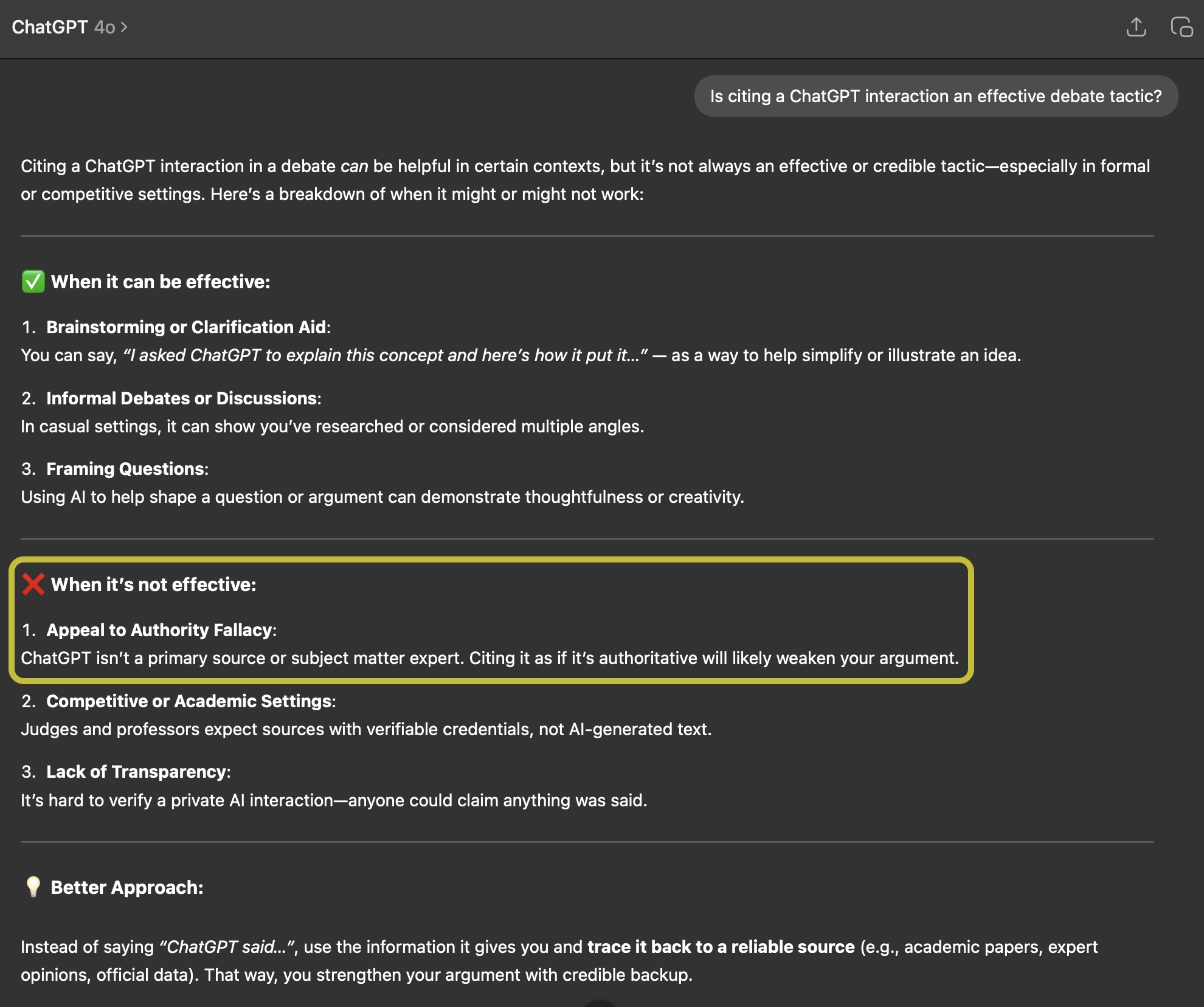
Here's what ChatGPT says:
When you change the aspect ratio by removing pixels from the top and/or bottom of an image (as in going from 3:2 to 16:9), this is called a crop. The term "crop" simply refers to removing portions of an image, regardless of the reason.
Some key points:
- A crop doesn't require any zoom factor or magnification - it's simply the act of removing pixels from any edge(s) of the image
- The term "aspect ratio crop" is specifically used when pixels are removed to change the proportions of the image
- No new information is created; you're simply using less of the original image
Cinematographer here. Nobody refers to 16:9 recording as a crop. You are technically correct that it is a crop of the sensor, but nobody refers to open gate as "without a crop".
I also would love open gate to come to Nikon cameras, but if they want to maintain segmentation I'm guessing that feature will only come out on the future RED cameras. I would love to be proven wrong.
Will probably replace my Z6 III with this camera if it has the ZF sensor, the Z6 III sensor is great for still, horrible for video, with low dynamic range and terrible noise in the shadows.
Geoff CB wrote:
I also would love open gate to come to Nikon cameras, but if they want to maintain segmentation I'm guessing that feature will only come out on the future RED cameras. I would love to be proven wrong.
I don't think this is about product segmentation but increasing the image height during video recording would result in increased sensor read time and potentially also generate more heat (=> increased noise, possibly heat management challenges etc.). Although technically you can crop video to any aspect ratio you want in video editing software, many widely-used video players will not display unusual aspect ratios or require the video to be modified to work. 16:9 is one of the most common standard aspect ratios for video and that's why Nikon uses it. Notice how on newspaper websites if there is an unusual aspect ratio (such as vertical video), they display it as a horizontal video where there is some blurred out material on the sides of the actual content. I find this highly distracting and annoying when they do that and think it's best to stick to standard aspect ratios in video.
Larger video cameras such as what RED makes, there is more space and power for cooling so the sensor area can be larger with less of an issue (very expensive though).
Will probably replace my Z6 III with this camera if it has the ZF sensor, the Z6 III sensor is great for still, horrible for video, with low dynamic range and terrible noise in the shadows.
Did you try the new firmware? It's supposed to reduce the noise/flickering in the shadows when recording video.
ilkka_nissila wrote:
I don't think this is about product segmentation but increasing the image height during video recording would result in increased sensor read time and potentially also generate more heat (=> increased noise, possibly heat management challenges etc.). Although technically you can crop video to any aspect ratio you want in video editing software, many widely-used video players will not display unusual aspect ratios or require the video to be modified to work. 16:9 is one of the most common standard aspect ratios for video and that's why Nikon uses it. Notice how on newspaper websites if there is an unusual aspect ratio (such as vertical video), they display it as a horizontal video where there is some blurred out material on the sides of the actual content. I find this highly distracting and annoying when they do that and think it's best to stick to standard aspect ratios in video.
Larger video cameras such as what RED makes, there is more space and power for cooling so the sensor area can be larger with less of an issue (very expensive though).
Did you try the new firmware? It's supposed to reduce the noise/flickering in the shadows when recording video. ...Show more →
The Z6 III is still very poor if you underexpose at all.
The Z8's sensor is incredibly fast and could easily support open gate recording. It shoots full sensor width JPEGs at 120 fps.
The full sensor width non-line skipped video read time of the Z8/9 sensor is about 15-16ms. A full sensor height and width readout might be possible at 50 fps.
Geoff CB wrote:
The Z6 III is still very poor if you underexpose at all.
The Z8's sensor is incredibly fast and could easily support open gate recording. It shoots full sensor width JPEGs at 120 fps.