fredmiranda.com
Login

Moderated by: Fred Miranda
  New fredmiranda.com Mobile Site
  New Feature: SMS Notification alert
  New Feature: Buy & Sell Watchlist
  

FM Forums | Sony Forum | Join Upload & Sell

1       2       3       4              6       7       end
  

Archive 2025 · Sony FE 16mm f/1.8 G Lens (Sony E)


Peire
Offline
• • • • •
Upload & Sell: On
p.5 #1 · Sony FE 16mm f/1.8 G Lens (Sony E)


-------------


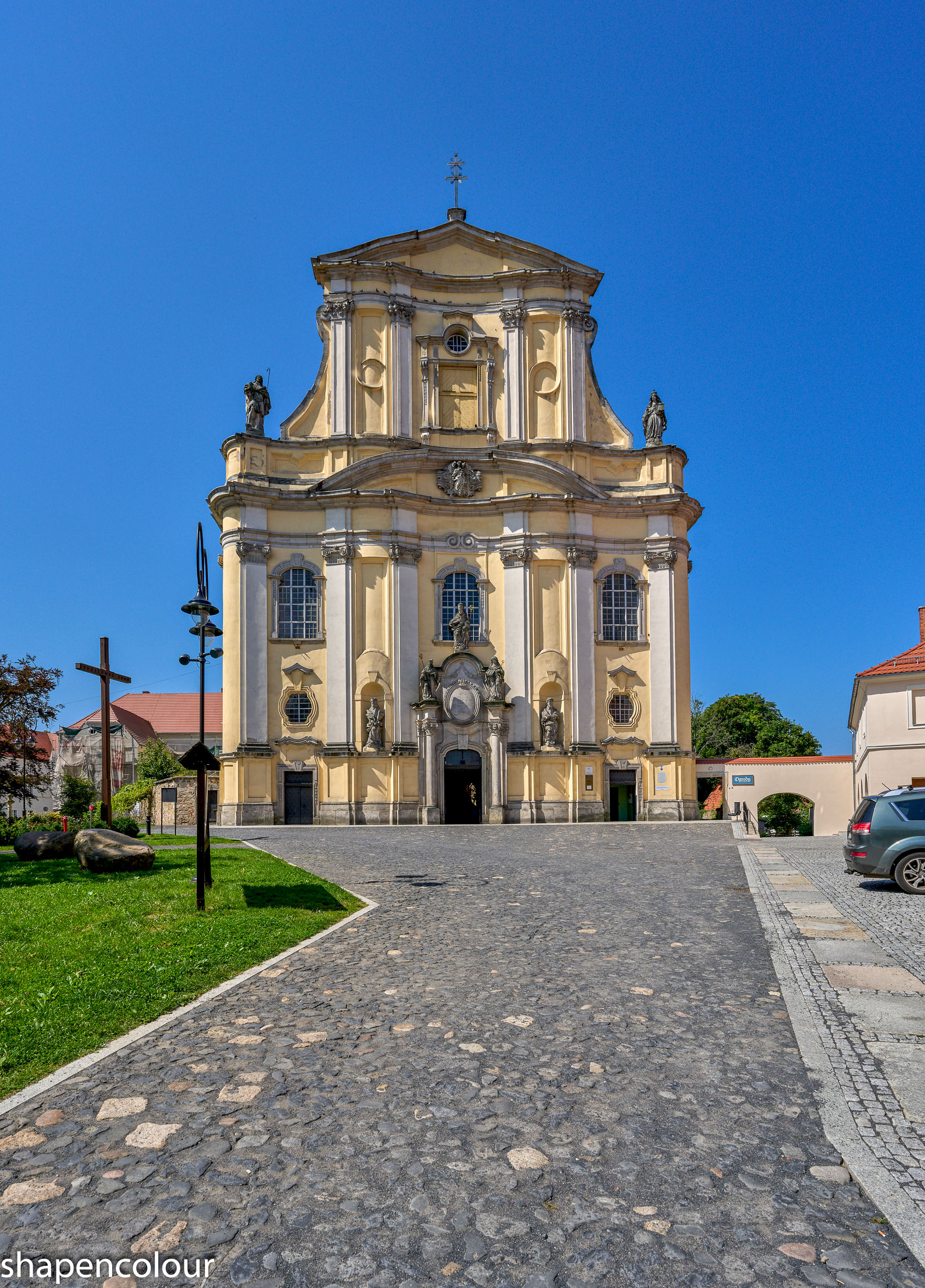
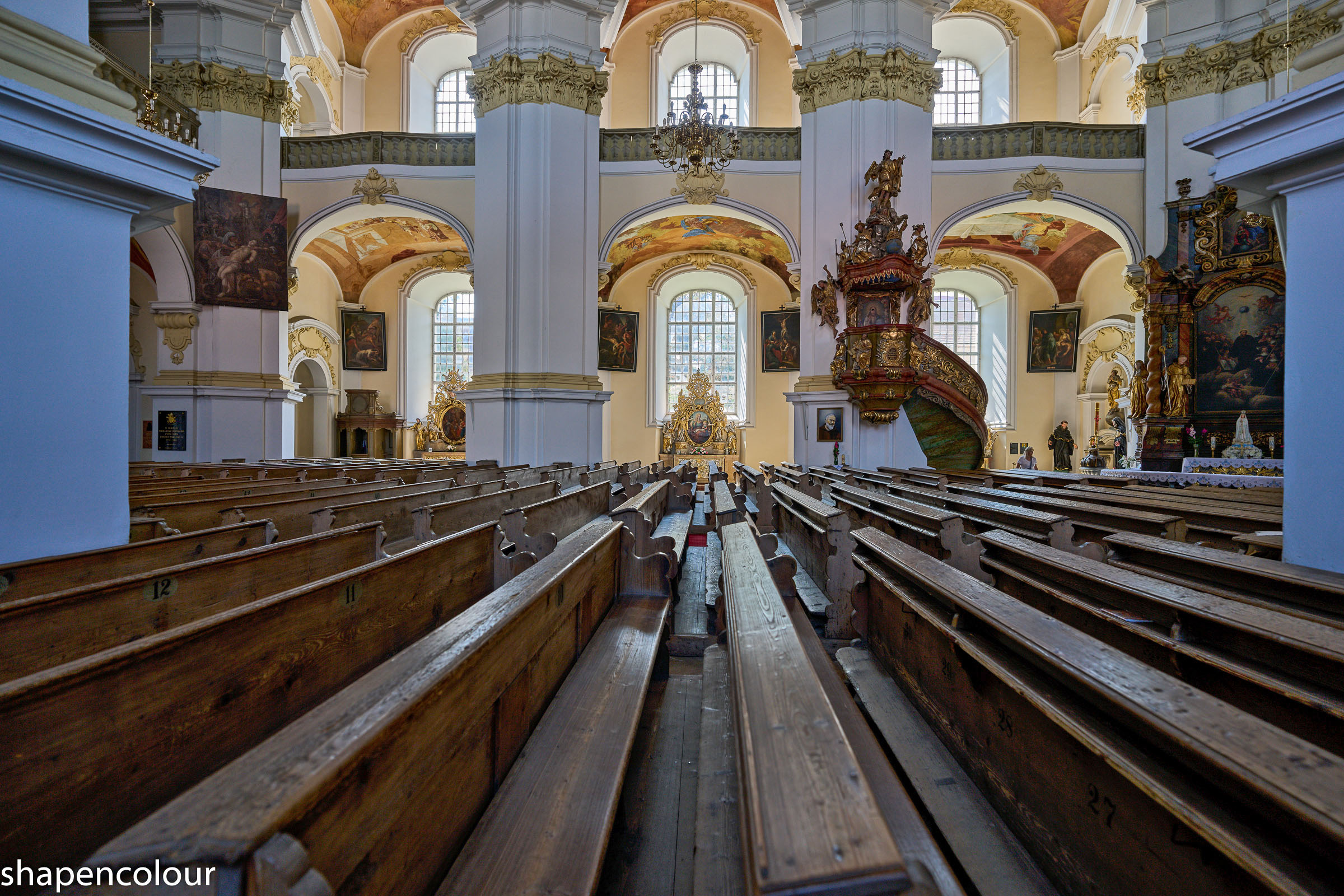
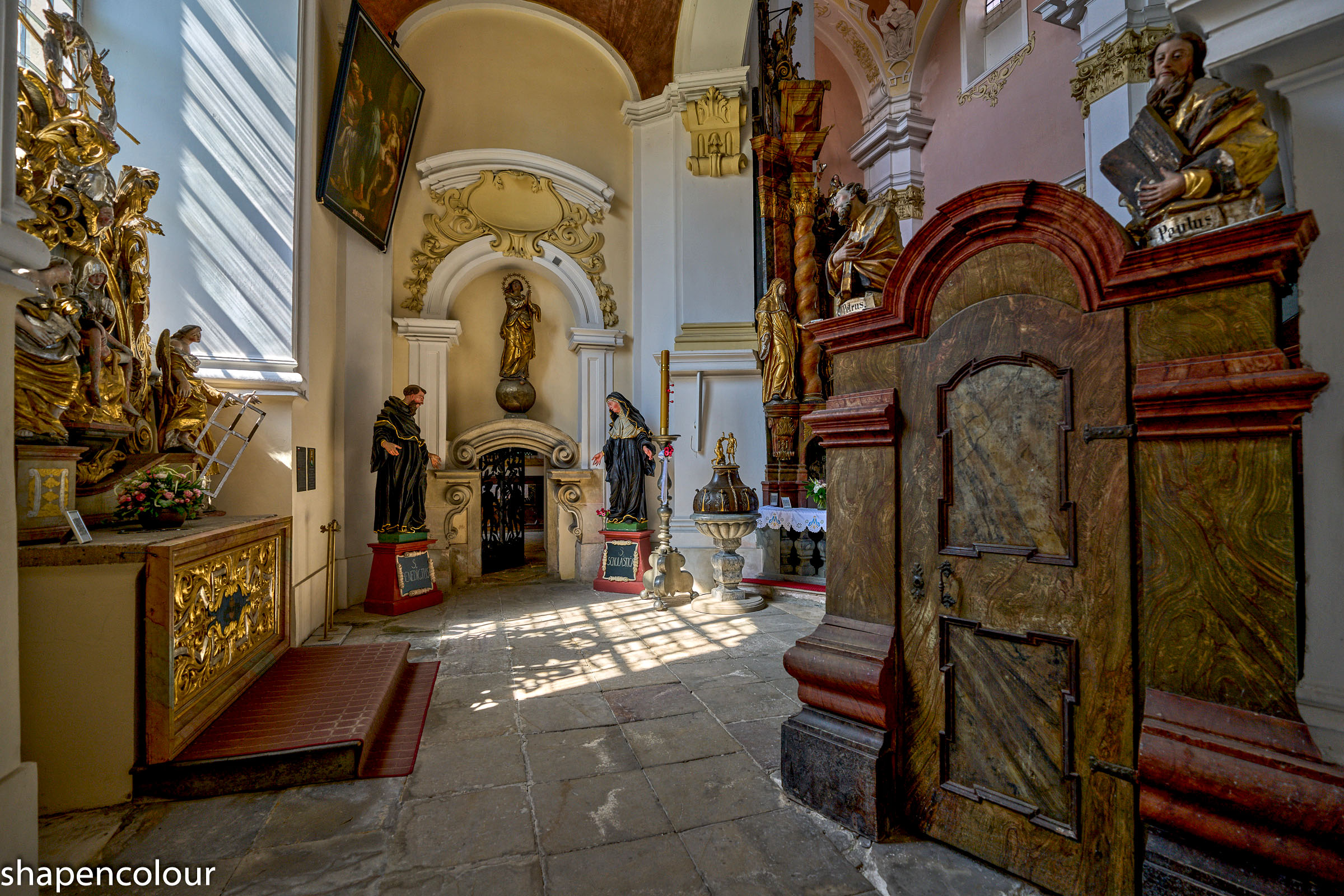
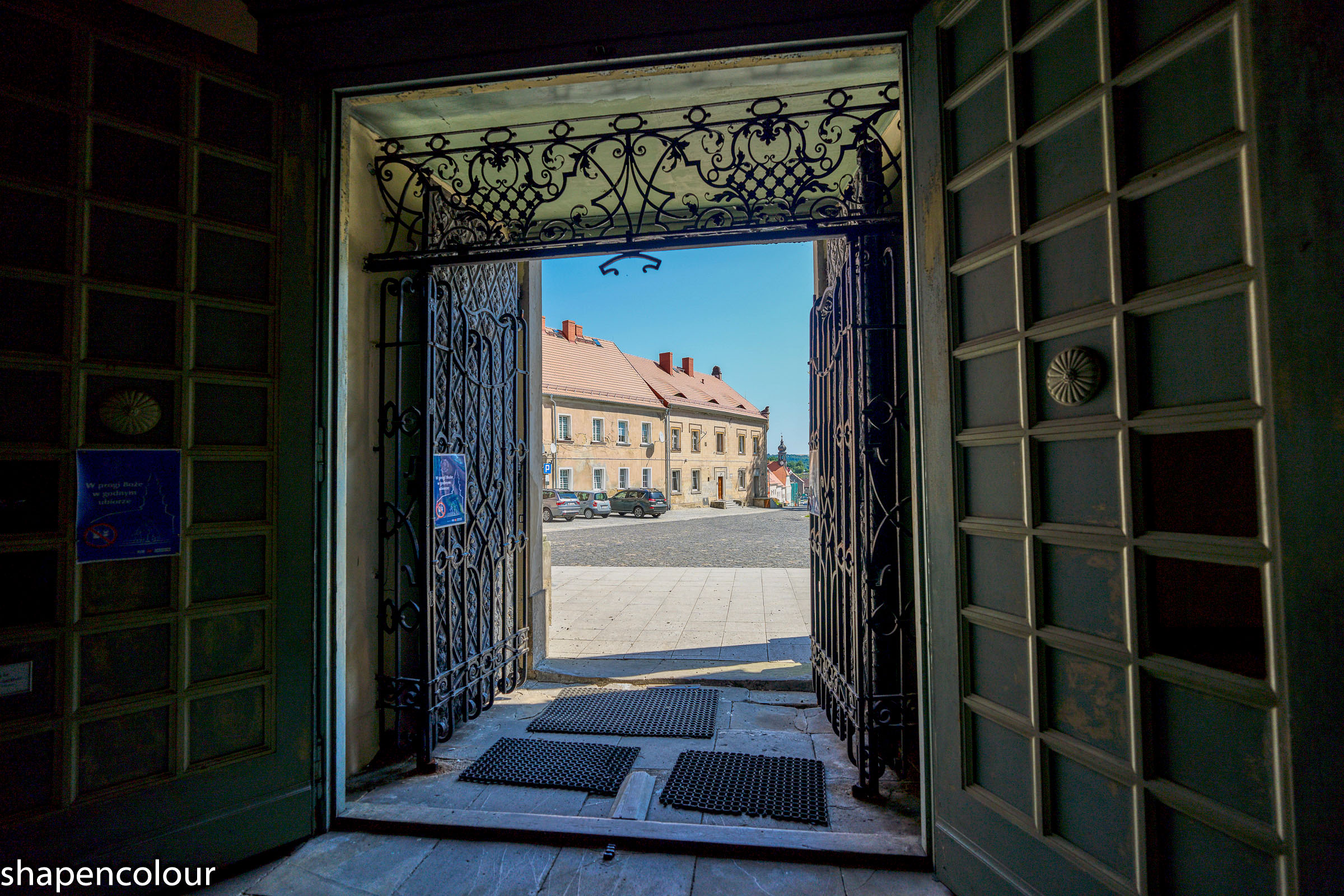
  ILCE-7RM4A    FE 16mm F1.8 G lens    16mm    f/8.0    1/320s    100 ISO    0.0 EV  


  ILCE-7RM4A    FE 16mm F1.8 G lens    16mm    f/4.0    1/30s    125 ISO    -1.0 EV  


  ILCE-7RM4A    FE 16mm F1.8 G lens    16mm    f/2.8    1/30s    160 ISO    0.0 EV  


  ILCE-7RM4A    FE 16mm F1.8 G lens    16mm    f/2.8    1/30s    125 ISO    0.0 EV  


  ILCE-7RM4A    FE 16mm F1.8 G lens    16mm    f/2.8    1/125s    100 ISO    -1.0 EV  


  ILCE-7RM4A    FE 16mm F1.8 G lens    16mm    f/2.8    1/200s    100 ISO    -1.0 EV  


  ILCE-7RM4A    FE 16mm F1.8 G lens    16mm    f/4.0    1/30s    100 ISO    -1.0 EV  


  ILCE-7RM4A    FE 16mm F1.8 G lens    16mm    f/2.8    1/1250s    100 ISO    -1.0 EV  


Sep 05, 2025 at 09:13 AM
nepali
Offline
• •
Upload & Sell: Off
p.5 #2 · Sony FE 16mm f/1.8 G Lens (Sony E)


I haven't had a chance to use this lens extensively since I purchased it, but, I have used it a couple of times for videos and I love it. After all the crops are applied by the camera (4K crop, Dynamic Active Stabilization crop, etc.), the FOV is just right for videos for me.


Sep 05, 2025 at 02:17 PM
Stefan Official
Offline
• •
Upload & Sell: Off
p.5 #3 · Sony FE 16mm f/1.8 G Lens (Sony E)


I’ve had the 16 mm for a few days now and have tested it extensively. I also own the 14 mm f/1.8 GM. Unfortunately, you can only use large rectangular filters with it—and you need a cumbersome adapter attached to the lens body—which is quite annoying. Aside from that, the 14 mm GM is an excellent lens. About 40 % of my best photos were taken with it, though that frustrating filter limitation is a major drawback.

I mainly bought the 16 mm for my smaller magnetic round filter—kind of a crazy solution just for the filter. In the center, it’s slightly sharper than the already very good 14 mm, whether wide open or stopped down, which is a bit surprising. Stopping down increases sharpness slightly, and the corners improve marginally. The 14 mm, however, is noticeably sharper in the corners, making it more balanced overall. Digital corrections are also much less aggressive on the 14 mm than on the 16 mm.

This is unfortunately the 16 mm’s weakness: uncorrected, it shows noticeably stronger vignetting and more distortion. After correction, a lot is cropped, and the edges are heavily brightened, which slightly affects corner quality. During the day, this isn’t a big problem and is manageable. I would almost give up my 14 mm if I only shot in daylight.

For night photography—Milky Way, auroras, stars, or high ISO shooting—this heavy digital correction becomes a problem. Here, the 14 mm clearly performs better. During the day, when exposure latitude is generous and ISO stays low, it’s fine. But at very high ISOs, image noise increases, and heavy digital corrections worsen the results. At night, every bit of image quality counts, so I wouldn’t be happy using the 16 mm in those conditions.

It’s a shame it wasn’t a 15 mm GM—then it would be about 100 g heavier, slightly larger, and much better corrected. That way, you would have the best of both worlds: the 16 mm’s filter capability and the 14 mm GM’s corner image quality. Maybe such a lens will come in the future; until then, I’m stuck carrying both. If you don’t shoot at night, the 16 mm is an excellent choice.

By the way, the 16 mm is almost like a 14 mm before correction. After digital correction, a lot is cropped. If it were slightly larger with more glass, Sony could have made a 15 mm GM with filter options—then neither the 14 mm nor the 16 mm would be necessary.

I was a bit concerned about lens centering but found no issues. Either I got lucky, or Sony has improved. Previously, there were recurring problems with the 16 mm. For what it is, though, it’s a great lens—just with some weaknesses at night. Ideally, you want as little digital correction as possible, but without it, the 16 mm wouldn’t deliver acceptable results. One more thing: I always disable in-camera digital corrections, yet Lightroom still applies them. I’ve never seen this with any other lens. Without this correction, the lens simply doesn’t make sense—it’s absolutely necessary.


Jan 14, 2026 at 12:13 PM
eriet30
Offline
• •
Upload & Sell: Off
p.5 #4 · Sony FE 16mm f/1.8 G Lens (Sony E)


Stefan Official wrote:
I’ve had the 16 mm for a few days now and have tested it extensively. I also own the 14 mm f/1.8 GM. Unfortunately, you can only use large rectangular filters with it—and you need a cumbersome adapter attached to the lens body—which is quite annoying. Aside from that, the 14 mm GM is an excellent lens. About 40 % of my best photos were taken with it, though that frustrating filter limitation is a major drawback.

I mainly bought the 16 mm for my smaller magnetic round filter—kind of a crazy solution just for the filter. In the center, it’s slightly sharper than the already very good
...Show more

Thank you for the viewpoints. I have been challenged in keeping my 14gm and the 16 was a replacement option this is good info


Jan 14, 2026 at 12:21 PM
Stefan Official
Offline
• •
Upload & Sell: Off
p.5 #5 · Sony FE 16mm f/1.8 G Lens (Sony E)


eriet30 wrote:
Thank you for the viewpoints. I have been challenged in keeping my 14gm and the 16 was a replacement option this is good info


If you don’t shoot at night, you really can’t go wrong with the 16 mm. In that case it’s an excellent lens and actually quite impressive considering its size and weight. It also handles filters very easily — even diffusion/Mist filters if you use those.

But at night, with high ISOs, the Milky Way, auroras, stars, etc., you generally want as little digital correction as possible. These corrections can sometimes introduce banding or slight rainbow colors in the night sky. And in my opinion, the 16 mm simply cannot be used without digital corrections — it relies on them too much.

On the other hand, if you don’t use filters, the 14 mm is an easy choice and gives you the better overall optical performance. But if you like using filters and you also enjoy night photography, you may eventually end up with both lenses — just like I did.

Maybe someday we’ll get the perfect lens that combines everything in one.

By the way, what are your reasons for considering the 16 mm?

And one more thing: if Sony ever releases a 16–28 mm f/2.0, I would definitely take a close look at it. If it performs well, it could potentially replace both my 14 mm and my 16 mm. But it would have to be usable even without digital corrections. I could easily live with f/2.0.

Soon I’ll be taking both lenses to Northern Norway, and I’m really looking forward to that trip.


Jan 14, 2026 at 01:21 PM
eriet30
Offline
• •
Upload & Sell: Off
p.5 #6 · Sony FE 16mm f/1.8 G Lens (Sony E)


Stefan Official wrote:
If you don’t shoot at night, you really can’t go wrong with the 16 mm. In that case it’s an excellent lens and actually quite impressive considering its size and weight. It also handles filters very easily — even diffusion/Mist filters if you use those.

But at night, with high ISOs, the Milky Way, auroras, stars, etc., you generally want as little digital correction as possible. These corrections can sometimes introduce banding or slight rainbow colors in the night sky. And in my opinion, the 16 mm simply cannot be used without digital corrections — it relies on them too
...Show more

Considering moving from the 14 due to its size and vulnerable front element (have replaced two fronts from scratch's). I have rear filters which works for everything save CPL. I use my 14 for street/landscape then architecture then astro. I do love the lens its just big compared to the 16 or like the viltrox 14 air.

I would like a 16-28/2 as well. I had the 20 1.8 and liked it but had multiple lenses in that range so was hoping the 16 was amazing and would move me out of the 14


Jan 14, 2026 at 01:56 PM
grahamgibson
Offline
• • • •
Upload & Sell: Off
p.5 #7 · Sony FE 16mm f/1.8 G Lens (Sony E)


Stephan, I really like your images on Flickr and appreciate reading your assessment of the 16mm. I recently picked up this lens, and I really like the size and build quality, but I have yet to really test it out aside from a quick decentering test (mine also appears to be well centered).

My other ultrawides that I've been using are the Voigtlander 15/4.5 and Tamron 17-28/2.8. The Sony 16 is takes a bit of the benefits of both and combines them--small size, fast(er) aperture, autofocus, and physical controls. It's still not quite as small as the CV lens, nor does it zoom like the Tamron, but the Sony offers enough advantages over the other two that it will replace them in my lineup.

Image quality slightly favors the Sony from my test, but all 3 lenses are good performers from my assessment. I don't often get to shoot the night sky, but I expect the 16G will be a great option (better than the Tamron or CV), even if not "the best" compared to Sony or Sigma's much larger 14/15mm options.


Jan 14, 2026 at 02:12 PM
Stefan Official
Offline
• •
Upload & Sell: Off
p.5 #8 · Sony FE 16mm f/1.8 G Lens (Sony E)


Thanks, you two! Always interesting to read about everyone’s different perspectives and use cases. Everyone has their own priorities and preferences.


Jan 14, 2026 at 02:43 PM
Stefan Official
Offline
• •
Upload & Sell: Off
p.5 #9 · Sony FE 16mm f/1.8 G Lens (Sony E)


I’ve now gained further and deeper experience with the 16 mm at night. I originally wanted to see if it could possibly replace my 14 mm if I turned a blind eye, but I ended up even more disappointed. The vignetting on the 16 mm is very pronounced, and even digital correction in Lightroom cannot fully remove it. These corrections also affect noise and sharpness at high ISO settings, which is particularly noticeable in star shots without tracking.

I worked with 7-second exposures at f/2.0 and ISO 1000. No matter how much you edit, the vignetting in the upper corners cannot be completely eliminated. In the landscape at the bottom, it is less noticeable. If you push the corrections further, you risk color shifts or banding, especially with thin clouds, which can appear slightly rainbow-colored – very annoying. This is due to the aggressive post-processing required to compensate for the weaknesses of the 16 mm at the edges.

During the day, none of this is an issue. At night, however, the 16 mm delivers too little sharpness at the edges. Sharpening, whether with Topaz or other tools, has to be applied heavily at the edges, which makes the final result look cheap. If you leave the edges untouched, they appear much softer than the center of the image. This imbalance is very frustrating.

In the end, I had to crop the photos so that they appear more like 20 mm or 22 mm shots, which makes the vignetting less noticeable. This makes the result almost look like a lower-quality lens. My 14 mm does not show these weaknesses. Even after editing, it delivers consistent, high-quality sharpness across the frame. For me, it remains purely a daylight lens, with the convenience of using filters without complications.

Comparing the size of the front element between the 14 mm and 16 mm, you notice: with such a significant difference, compromises and extensive digital correction are unavoidable. The 16 mm lens is quite small for f/1.8. Anyone going on a photography trip, especially for auroras or the Milky Way, should definitely bring the 14 mm. It would be such a shame not to. I’ve taken so many night shots with the 14 mm and never regretted it or faced issues in post-processing. With the 16 mm, however, you’re really at the limit, and it’s obvious that a lot has been corrected – yet the result still isn’t very convincing. You can try all you want, but it ends up looking like “trying but not succeeding.” You don’t want to be carrying a full-frame camera and a ton of gear around at night for this. The 16 mm is not a highlight for night photography.


Jan 21, 2026 at 04:12 PM
grahamgibson
Offline
• • • •
Upload & Sell: Off
p.5 #10 · Sony FE 16mm f/1.8 G Lens (Sony E)


I took my 16mm out for some night shots last weekend, and came away with an entirely different impression. I was quite pleased with the images I shot at f1.8, ISO800, 15sec exposures. I was able to stitch multiple images for wider perspectives without issue, despite the distortion correction. Likely my expectations are lower, but I have no hesitation with shooting wide field astro with this lens.


Jan 22, 2026 at 12:16 AM
Stefan Official
Offline
• •
Upload & Sell: Off
p.5 #11 · Sony FE 16mm f/1.8 G Lens (Sony E)


With something like this, you have a lot of overlap and often only the better centre of the image is used. If you use PTGui, you can show how the cut edges run. Depending on the position, less than 30% of the photo is used.

To better illustrate the vignette from a technical perspective, let's take f2.8 as an example: Here, the 14 mm has an uncorrected vignette of 2.13 EV and a corrected vignette of 0.8 EV. The 16 mm still has a corrected vignette of 2.53 EV, which is still significantly more than the uncorrected 14 mm. Uncorrected, the 16 mm lens has 4.57 EV and at aperture 1.8 even 5.43 EV. That is extremely high, and there is also very strong distortion, which is almost non-existent at 14 mm. As you can see, despite correction, the 16 mm lens is still worse than the uncorrected 14 mm lens! I think this makes it much clearer now, and it's not just a small difference. With the 16 mm, I can't even achieve the uncorrected values of the 14 mm with corrected values! What's more, it's only 16 mm, so it has slightly fewer technical requirements. The lens is actually too expensive for that.


Jan 22, 2026 at 02:16 AM
Stefan Official
Offline
• •
Upload & Sell: Off
p.5 #12 · Sony FE 16mm f/1.8 G Lens (Sony E)


https://opticallimits.com/sony/sony-fe-full-format/sony-fe-16mm-f-1-8-g-review/
and
https://opticallimits.com/sony/sony-fe-14mm-f-1-8-gm-sel14f18gm/

Interpret the values yourself instead of reading or listening to the testers' texts – especially not on YouTube. Many of them really have no idea or just say what their client wants to hear. Graphics say more than a thousand words.


Jan 22, 2026 at 02:21 AM
j4nu
Offline
• • • • •
Upload & Sell: Off
p.5 #13 · Sony FE 16mm f/1.8 G Lens (Sony E)


Stefan Official wrote:
https://opticallimits.com/sony/sony-fe-full-format/sony-fe-16mm-f-1-8-g-review/
and
https://opticallimits.com/sony/sony-fe-14mm-f-1-8-gm-sel14f18gm/

Interpret the values yourself instead of reading or listening to the testers' texts – especially not on YouTube. Many of them really have no idea or just say what their client wants to hear. Graphics say more than a thousand words.


Yeah, but it depends on which review sites you use:
https://www.lenstip.com/606.1-Lens_review-Sony_FE_14_mm_f_1.8_GM.html
https://www.lenstip.com/686.1-Lens_review-Sony_FE_16_mm_f_1.8_G.html


Jan 22, 2026 at 03:02 AM
Stefan Official
Offline
• •
Upload & Sell: Off
p.5 #14 · Sony FE 16mm f/1.8 G Lens (Sony E)


In the meantime, I have looked at additional tests and also conducted my own measurements, including comparisons with sites like phillipreeve.net. The results are very similar across different sources, with the exception of lenstip.com. There, RAW files are sometimes mentioned, but the test charts are labeled as JPEG, which in my opinion makes the results questionable. I’m also not sure whether the internal corrections in the camera were actually turned off – nothing is mentioned about that. When RAW and JPEG are mixed, I’m not confident how carefully the entire process from the photo to the evaluation was handled. The white balance also varies on lenstip.com. Perhaps they have changed their test setup over the years – but honestly, that doesn’t concern me.

My own experiences and measurements align with most external tests. In the image corners, I measured a difference in vignetting of around 30 percent. I provided ChatGPT with photos from both my 14 mm and 16 mm lenses, and similar values were obtained. There are numerous data points: external tests, various measurement sources, my own night shots, and the evaluations via ChatGPT. For me, there is no significant contradiction; everything aligns within a certain tolerance.

To make this more tangible: if you shoot at 14 mm, f/2.0, ISO 1000, and 8 seconds, you would need to expose almost 3 seconds longer with the 16 mm due to the darker corners to achieve comparable corner brightness. That is already a lot – really a lot.

But it’s not just the vignetting. The 16 mm also produces noticeably softer corners overall, and at f/1.8 the stars are distorted in the corners. None of this works for me with the 16 mm. The 14 mm simply handles all of this better.

In about five weeks, I will be photographing the northern lights, and I would have loved to do that with the 16 mm. But given the effort of traveling above the Arctic Circle, the temperatures there, and the not insignificant costs, you want to rely on quality and avoid disappointment. For this specific task, the 16 mm simply doesn’t stand a chance for me.

I have been photographing for over 30 years, I work with high precision, and I rarely leave anything to chance. I know what I’m talking about, and I see the results with my own eyes. I’m not trying to convince or persuade anyone; I’m simply sharing my practical experiences from real fieldwork. Honestly, I would be happy if I could use the 16 mm for everything. I’m not thrilled about having to carry two lenses.


Jan 22, 2026 at 11:48 AM
grahamgibson
Offline
• • • •
Upload & Sell: Off
p.5 #15 · Sony FE 16mm f/1.8 G Lens (Sony E)


Bastian's review on phillipreeve.net says that the 16mm and 14mm are performing quite similarly:
https://phillipreeve.net/blog/review-sony-fe-16mm-1-8-g/

Even if the 16mm has more vignetting, to me it is not surprising in the least that the 14GM, a lens that is 50% larger and costs double the 16G is in a higher tier of performance. Why not go further and use the Sigma 14/1.4?

For me, this lens is a nice step up from other alternatives that I've been using when it comes to wide-field astro, and I'm not bothered by the corner performance that I'm seeing. With prime lenses, I will often be stitching and/or cropping due to the focal length limitation anyways.


Jan 22, 2026 at 12:57 PM
Stefan Official
Offline
• •
Upload & Sell: Off
p.5 #16 · Sony FE 16mm f/1.8 G Lens (Sony E)


Focal lengths like 14 mm or 16 mm are, for me, more specialists for single shots, not for panoramas. Sure, you can create panoramas with them – it’s fast and requires fewer shots – but for truly high-quality results, I would choose a different tool. If you’re combining multiple photos into a panorama, 14 mm or 16 mm are no longer ideal; there are clearly better options.
If you really want quality – and this is what matters to me, because it’s the foundation of my photography – 24 mm is much better. At 16 mm, the structures of the night sky cover very few pixels; at 24 mm, you get significantly more detail, and the panorama looks far more impressive. For single shots only, 14 mm or 16 mm make much more sense.
On Phillipreeve.net, you can see the raw technical data: 16 mm produces almost 30 % stronger vignetting – I look at the numbers myself and calculate accordingly; I don’t rely on their conclusions in my text. The distortion differences are obvious and don’t need discussion. Of course, if that doesn’t bother someone, they can use it – it’s just not enough for me.
Why not a Sigma 14 mm f/1.4? Personally, it’s too heavy, especially when carrying an Astrotracker and other gear up the mountains. I also wouldn’t use f/1.4 because it brings many practical issues and offers little real advantage; for me, f/1.8 or f/2.0 is the sweet spot, where everything still works well. Not everything technically possible makes sense; there are always compromises.
And the price: the 16 mm (€850) is 29 % cheaper than the 14 mm (€1200) – not double, as sometimes claimed. To me, it makes no sense to debate prices if honesty isn’t part of the discussion. Sure, you can photograph the night sky with a 16 mm, even on APS-C or a smartphone. But just because something works doesn’t mean it’s optimal. I’ve compared both lenses personally, so I can judge – no more, no less.


Jan 22, 2026 at 01:59 PM
j4nu
Offline
• • • • •
Upload & Sell: Off
p.5 #17 · Sony FE 16mm f/1.8 G Lens (Sony E)


grahamgibson wrote:
Bastian's review on phillipreeve.net says that the 16mm and 14mm are performing quite similarly:
https://phillipreeve.net/blog/review-sony-fe-16mm-1-8-g/

Even if the 16mm has more vignetting, to me it is not surprising in the least that the 14GM, a lens that is 50% larger and costs double the 16G is in a higher tier of performance. Why not go further and use the Sigma 14/1.4?

For me, this lens is a nice step up from other alternatives that I've been using when it comes to wide-field astro, and I'm not bothered by the corner performance that I'm seeing. With prime lenses, I will often be stitching
...Show more

Yes, for astro the Sigma is supposedly the best, but at what cost (size/weight) ...


Jan 23, 2026 at 07:33 AM
Stefan Official
Offline
• •
Upload & Sell: Off
p.5 #18 · Sony FE 16mm f/1.8 G Lens (Sony E)


What also disappointed me greatly about the 16 mm lens is the AF. It is extremely slow at night and often fails to focus on the subjects. When I'm not taking photos of stars, I use everything with AF at night and have never had any problems with my previous lenses, neither with the 14 mm f1.8 from Sony nor with the 28-70 mm f2.0 from Sony. It's pretty fast and absolutely accurate, but the 16 mm lens pumps back and forth for a long time and often can't focus at all in the end. It's great during the day, but at night it doesn't perform well in so many ways. The 14 mm f1.8 lens, on the other hand, doesn't have this problem. Why is that? I don't think I need to explain that if you put two and two together.


Jan 23, 2026 at 08:41 AM
Lt.Deadeye
Offline
• •
Upload & Sell: Off
p.5 #19 · Sony FE 16mm f/1.8 G Lens (Sony E)


I really enjoy these discussions because they help me decide what lens to invest in. While I don't engage in much astrophotography I do enjoy wide angle photography. After renting the Sony 14mm GM, I was bitten by the bug. After returning it, I thought to myself if 14mm is fun, surely wider would be more fun. I then rented the Laowa 10mm f/2.8 and it too was a fun lens to use. My only gripes about that lens were the extreme vignetteing and ghosting. The fact that it wasn't weather sealed made me uncomfortable too.

Last week I rented the 16mm G and found it too narrow for my liking, although I did appreciate its size and weight. It seems the one lens calling out to me now is the Sony 12-24mm GM. I want wiiiiddee as I can get without the ghosting and heavy vignette. Size and weight don't really bother me.


Jan 23, 2026 at 09:35 AM
Stefan Official
Offline
• •
Upload & Sell: Off
p.5 #20 · Sony FE 16mm f/1.8 G Lens (Sony E)


Lt.Deadeye wrote:
I really enjoy these discussions because they help me decide what lens to invest in. While I don't engage in much astrophotography I do enjoy wide angle photography. After renting the Sony 14mm GM, I was bitten by the bug. After returning it, I thought to myself if 14mm is fun, surely wider would be more fun. I then rented the Laowa 10mm f/2.8 and it too was a fun lens to use. My only gripes about that lens were the extreme vignetteing and ghosting. The fact that it wasn't weather sealed made me uncomfortable too.

Last week I rented the
...Show more

Hi Lt.Deadeye,

For me, 14 mm is perfect. It’s not annoying, it has a lot of impact, and it feels very mature. And by “mature,” I mean you don’t immediately think “oh, that’s just an effect.”
At 16 mm, I already miss that strong “pulled into the depth” feeling. It’s starting to appear there, but it really hits properly at 14 mm. As a compromise you can live with 16 mm, but it’s already at the limit.

12 mm and 10 mm are much more on the “effect-heavy” side for me. They’re fun to use once in a while, but in the long run I find them a bit annoying, and you get tired of the look very quickly. That’s why 14 mm is the best compromise of all the ultra-wide focal lengths. It creates photos that still feel mature — images where you don’t instantly think they were taken only for the effect.

I always ask myself:
Would I hang this photo on my wall for years?
Or would it annoy me after four weeks?
And with 10 mm or 12 mm, that’s exactly what would happen for me. They’re great for a quick Instagram effect — if you know what I mean — but for long-term viewing they can become very tiring. I prefer images that still work on the second and third look.

As for the 12–24 mm GM: Why not! If you don’t need certain shooting situations — like stars, the Milky Way, aurora, or shooting in dark churches or places where tripods are forbidden — it’s definitely a fun lens.
Personally, I don’t need 18 mm, 20 mm or 24 mm in an ultra-wide zoom. To get that special effect of being pulled into the photo, 18 or 20 mm simply isn’t enough. And I try to avoid 24 mm because 98% of all smartphone photos are taken with it. I just can’t look at 24 mm anymore — everywhere you go, it’s 24 mm. It’s become such a boring focal length to me.

But of course, these are just my experiences and preferences. I used to shoot UWA zooms as well, but nowadays the fast aperture is much more important to me than having, for example, 12 mm or 19 mm available.

Let me know what you end up choosing. In the end, everyone has to make their own experiences to truly understand what they need and what they like. Without trying things out, you simply won’t gain any insights.
As I said: for me, it always comes down to whether I’d actually hang the photo on my wall — and whether it would still feel good years later. No idea how you feel about that?


Jan 23, 2026 at 10:08 AM
1       2       3       4              6       7       end


FM Forums | Sony Forum | Join Upload & Sell

1       2       3       4              6       7       end


Welcome back
Log in to your account