Since it's relatively compact and lightweight (unlike the Leica version, for example), the CV 90mm f/2 APO makes an ideal landscape telephoto lens, especially when paired with a high MP sensor to capture the finest detail.
Comparing the CV 90/2 APO with Nikon's well-respected 85/1.8S. There are errors here (born of incomplete understanding) but the important things can be seen through the ads and historical reminiscences. There is a clear winner here, for most aficionados:
..
..
It always surprises when we see people thinking 'coatings' reside on a measurable scale from bad to good, but that's our metric-obsessed world. So it's no surprise that the explanation focus for coatings is on transmission, to the neglect of all else.
But, a tremendous effort is put in on coatings which really should be regarded as the 'fifth element' of lens design. Designers make choices about how they want the coatings to mesh with the other pillars of lens design. And:
'They (coatings) have a significant impact on image clarity, contrast, and overall artistic design.'
'Lens coatings can influence the appearance of bokeh (the blurred background in a photo), contributing to the overall artistic aesthetic.'
In the more artistic lenses of today, we've already passed the following Art Adams description of character as lower tech :
'It’s important to acknowledge that most of what we consider “character” in vintage lenses is an optical designer doing their best to make a perfect lens.'
I disagree with this, because we see the converse all the time amid the resurgence in such lenses - it was not a happy coincidence, it was a choice. Designers back then were more interested in final perceived image quality for which they made artistic choices, much more so than the sterile pursuit of MTF we observe today. He gets much better here:
'The lens coatings appear to lower contrast in fine detail without eliminating resolution. This effect increases with the amount of light within the frame, so it shows almost no impact in the shadows but ramps up in the mid-tones.
The result is a very high-resolution lens that rolls off contrast such that flesh tone is reproduced as soft and delicate. What we perceive as sharpness is an abrupt transition between areas of contrast, and that’s preserved in areas of broad detail. Skin tone texture is fine detail, and these lenses selectively smooth that over.'
philip_pj wrote:
Comparing the CV 90/2 APO with Nikon's well-respected 85/1.8S. There are errors here (born of incomplete understanding) but the important things can be seen through the ads and historical reminiscences. There is a clear winner here, for most aficionados:
It always surprises when we see people thinking 'coatings' reside on a measurable scale from bad to good, but that's our metric-obsessed world. So it's no surprise that the explanation focus for coatings is on transmission, to the neglect of all else.
But, a tremendous effort is put in on coatings which really should be regarded as the 'fifth element' of lens design. Designers make choices about how they want the coatings to mesh with the other pillars of lens design. And:
'They (coatings) have a significant impact on image clarity, contrast, and overall artistic design.'
'Lens coatings can influence the appearance of bokeh (the blurred background in a photo), contributing to the overall artistic aesthetic.'
In the more artistic lenses of today, we've already passed the following Art Adams description of character as lower tech :
'It’s important to acknowledge that most of what we consider “character” in vintage lenses is an optical designer doing their best to make a perfect lens.'
I disagree with this, because we see the converse all the time amid the resurgence in such lenses - it was not a happy coincidence, it was a choice. Designers back then were more interested in final perceived image quality for which they made artistic choices, much more so than the sterile pursuit of MTF we observe today. He gets much better here:
'The lens coatings appear to lower contrast in fine detail without eliminating resolution. This effect increases with the amount of light within the frame, so it shows almost no impact in the shadows but ramps up in the mid-tones.
The result is a very high-resolution lens that rolls off contrast such that flesh tone is reproduced as soft and delicate. What we perceive as sharpness is an abrupt transition between areas of contrast, and that’s preserved in areas of broad detail. Skin tone texture is fine detail, and these lenses selectively smooth that over.'
These are pretty significant image effects, compared with a little transmission differential....Show more →
Cool review, thanks for posting.
In my view, the Voigtlander 90 f/2 APO-Ultron resolution and contrast wide open is second best in the market, only behind the SL 90 f/2 APO. Just like the SL, its strength is in its wide open performance across the field. The Leica 90 f/2 AA (M-mount), on the other hand, does not deliver the same resolution and contrast off-axis, but starting at f4, it becomes comparable and actually beats both the Voigtlander and the SL at the mid-frame and corners (by a small margin though). I was surprised by how good the Leica 90 f/2 AA is when stopped down. To me, it is the best 90mm at f5.6 and smaller for those shooting landscapes. Flare resistance is its weakness, unless you like the veiling flare effect it produces.
The reviewer mentions that it is harder to focus a 90 f/2 lens with a rangefinder, but it is similar in difficulty to focusing a 50 f/1.4 in terms of depth of field. I do not find it that difficult and usually get a high number of keepers...
We have to try a little harder with the long lenses.
It was sound judgment and belief in the connection to the past that Leica didn't 'update' their longer APOs in M-mount. They appeared in 1998 (90mm); 2006 (75mm) and 2012 (50mm). It seems an eternity ago.
These are fabulous portrait lenses, still on sale for reasonable Leica dollars. A lot of Summilux DNA in them. They are a courageous company, great front runners, innovators.
Fred Miranda wrote:
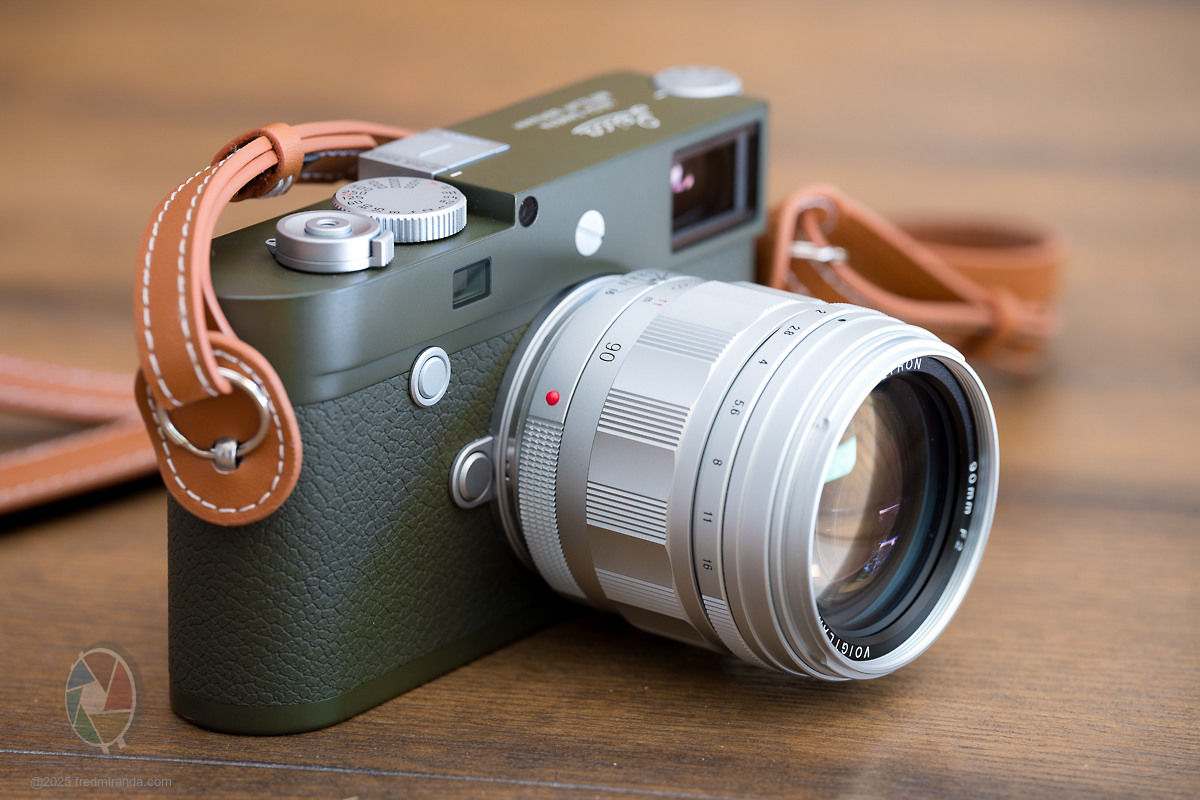
Here are a photo showing the M10-P paired with the Voigtlander 90mm f2 APO-Ultron, both in silver finish.. (Would look the same on the M11-P Safari)
watching the photo, I'm not sure I understand your sentence.
The camera body doesn't look silver finish to me but rather green...
pmeheut wrote:
Even more because of its diverse political opinion depending on the angle
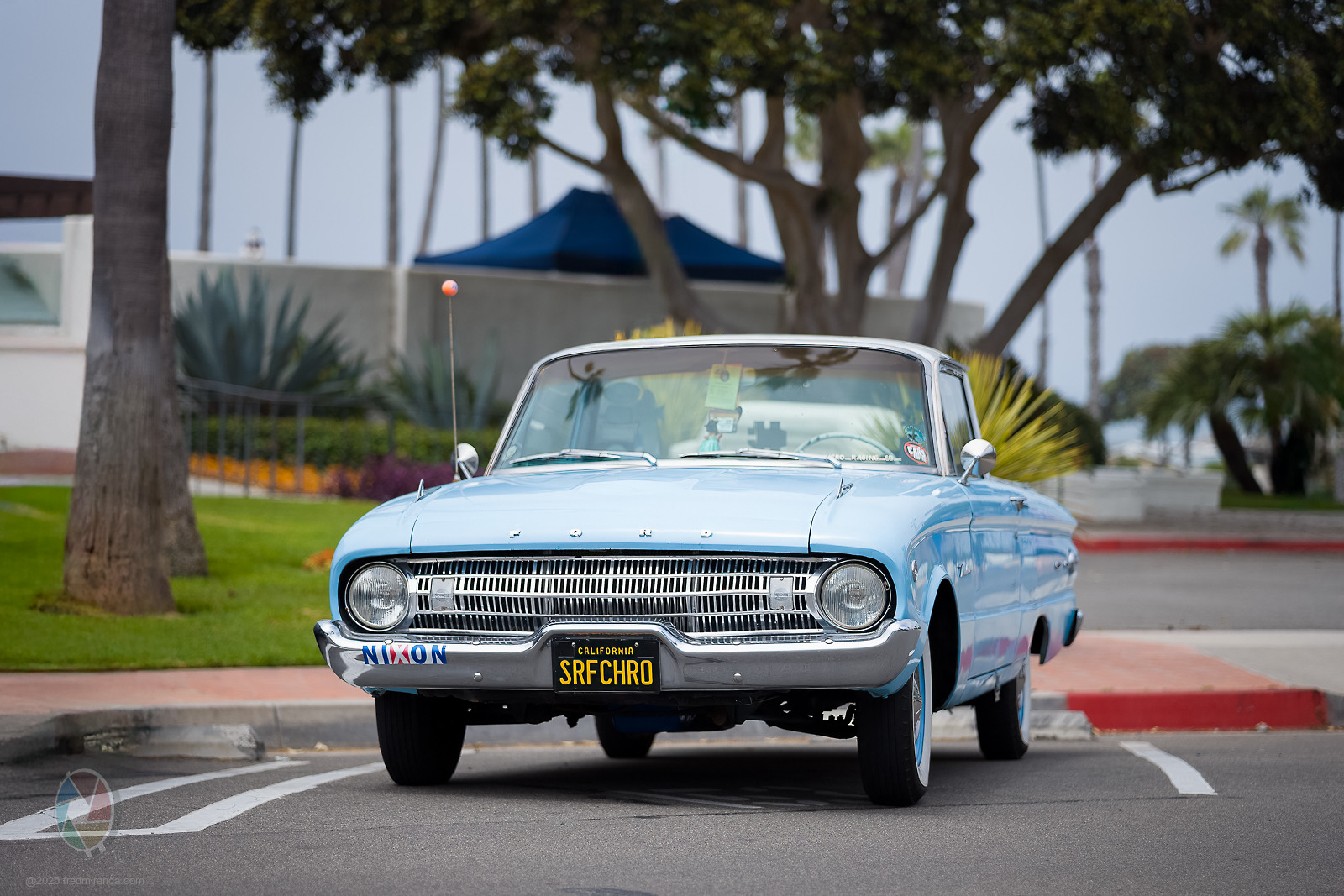
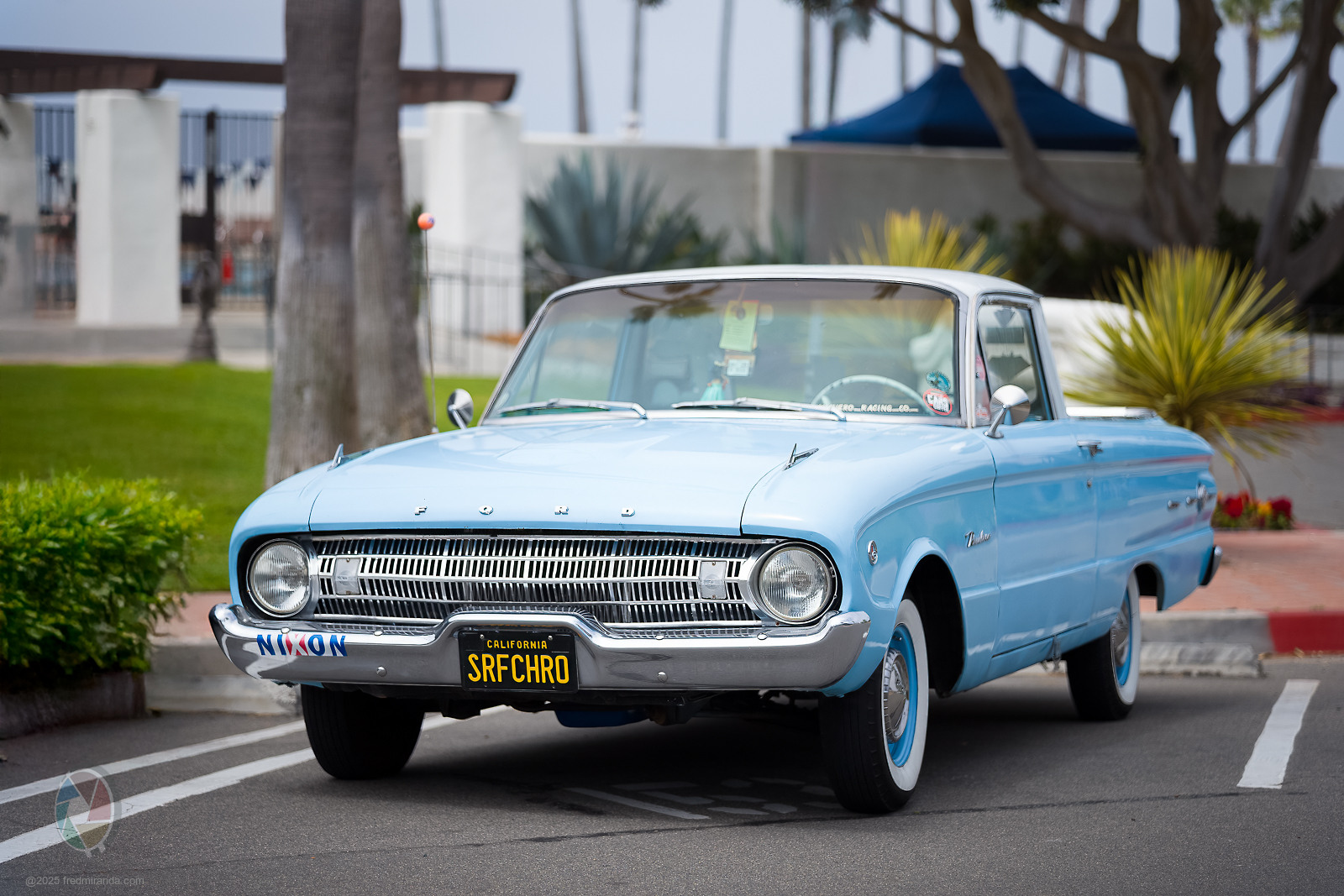
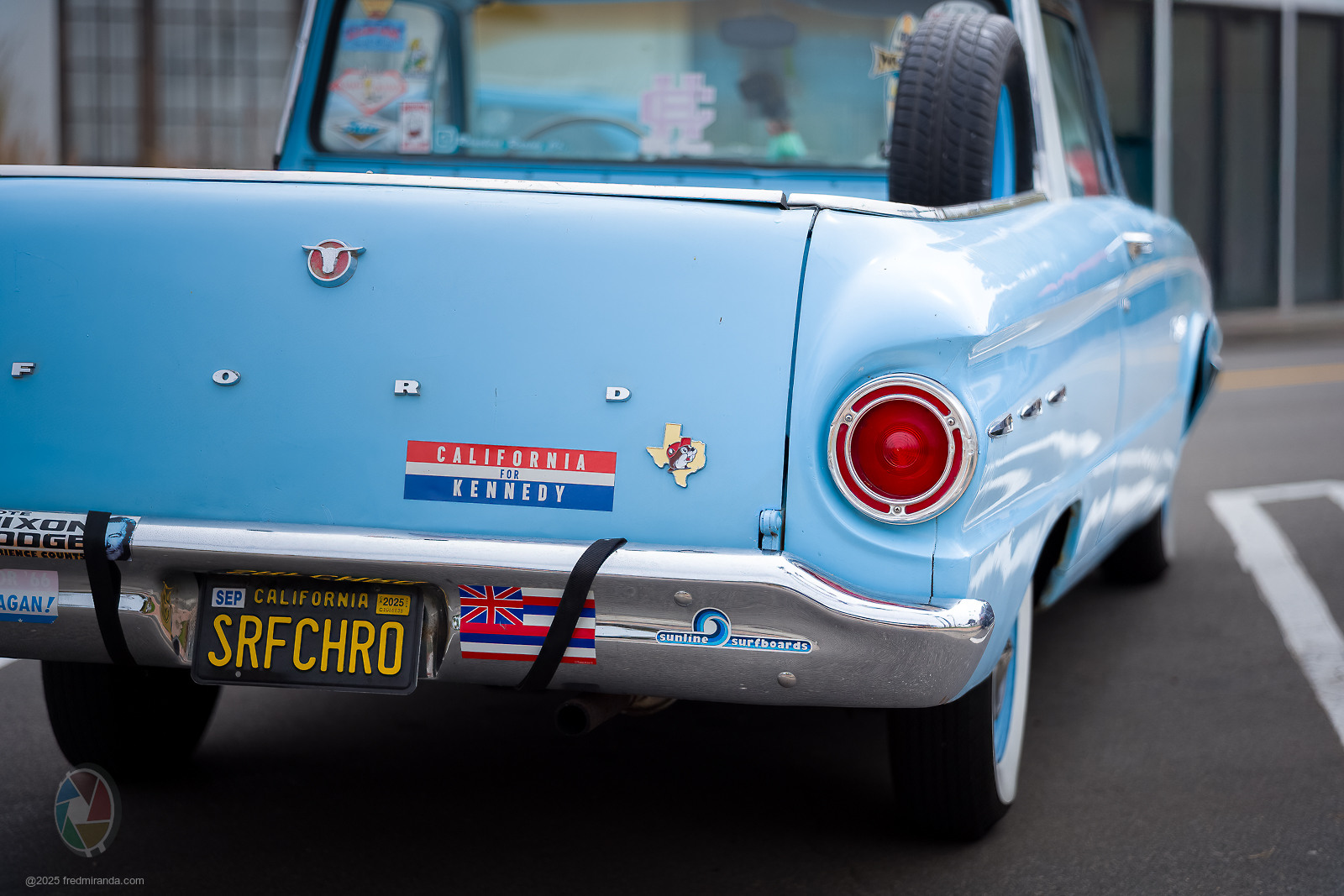
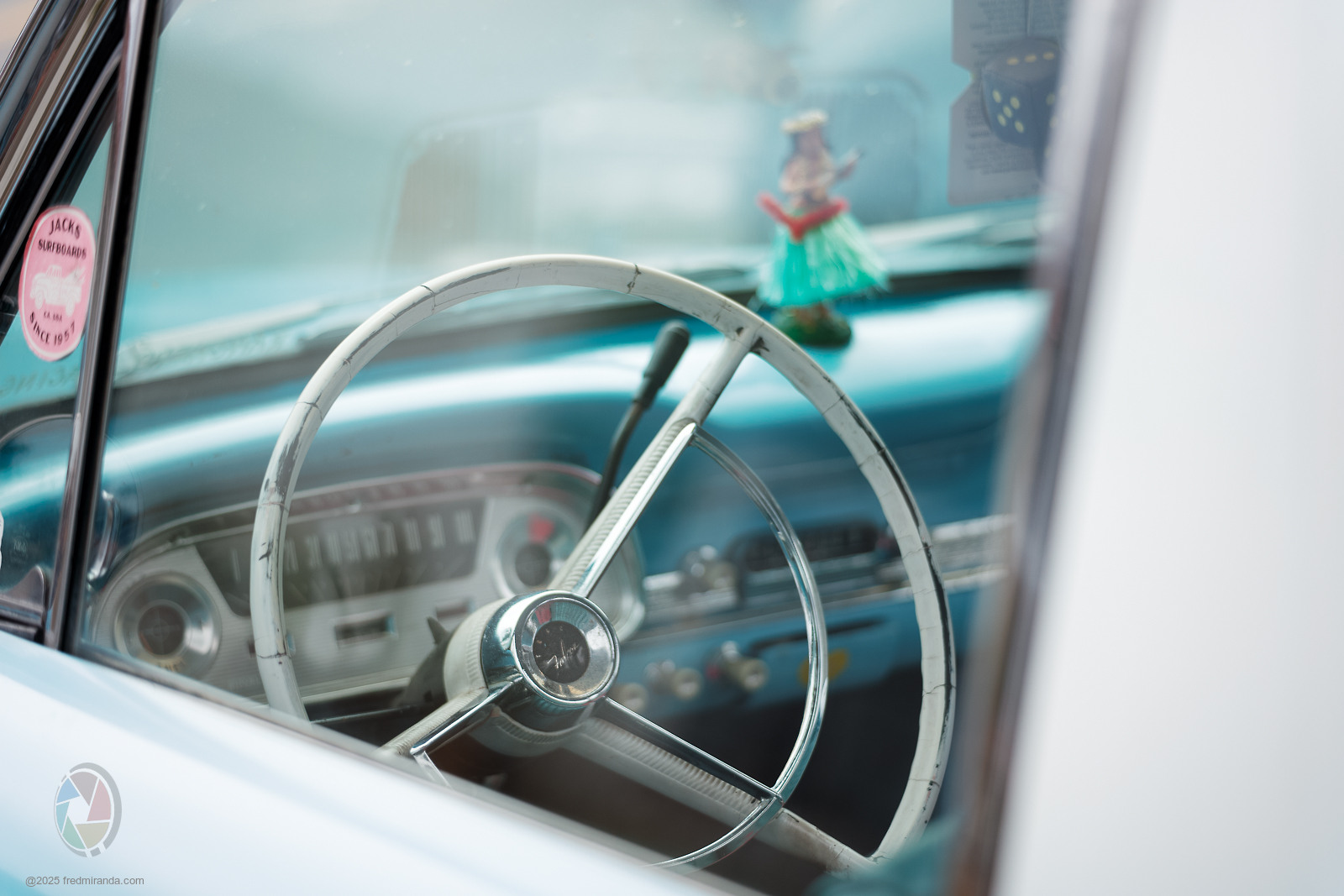
It belongs to someone who lives in San Clemente, CA where Nixon had a retreat outside of Washington. He spent so much time here that it became known as the Western White House. That might explain the many Nixon stickers on the car. It is interesting to see Kennedy stickers too.
Jun 21, 2025 at 11:24 AM
Steve Spencer Offline • • • • • • • Upload & Sell: Off
Fred Miranda wrote:
It belongs to someone who lives in San Clemente, CA where Nixon had a retreat outside of Washington. He spent so much time here that it became known as the Western White House. That might explain the many Nixon stickers on the car. It is interesting to see Kennedy stickers too.
In today's polarized political climate in which California is clearly a blue state, it is hard to remember it wasn't always so. Between 1952 and 1972 there were six presidential elections. Nixon was on the ballot as president or vice president in 5 of those 6 elections and in all five in which Nixon was a candidate the Republicans (Eisenhower or Nixon) won in California. In fact, between 1952 to 1988 there were ten presidential elections and the Republicans won in California in nine of those ten elections. Clinton won California in 1992. It was the first Democratic victory in California in 28 years and only the second Democratic victory in 40 years. Since then California has been a Democratic stronghold, but really it was a stronghold for Republicans just as long before that.
Steve Spencer wrote:
In today's polarized political climate in which California is clearly a blue state, it is hard to remember it wasn't always so. Between 1952 and 1972 there were six presidential elections. Nixon was on the ballot as president or vice president in 5 of those 6 elections and in all five in which Nixon was a candidate the Republicans (Eisenhower or Nixon) won in California. In fact, between 1952 to 1988 there were ten presidential elections and the Republicans won in California in nine of those ten elections. Clinton won California in 1992. It was the first Democratic victory in California in 28 years and only the second Democratic victory in 40 years. Since then California has been a Democratic stronghold, but really it was a stronghold for Republicans just as long before that....Show more →
Yes, it marked a major shift in demographics. I believe Reagan was the last presidential candidate to win the state in a national election.
Jun 21, 2025 at 04:00 PM
Steve Spencer Offline • • • • • • • Upload & Sell: Off
Fred Miranda wrote:
Yes, it marked a major shift in demographics. I believe Reagan was the last presidential candidate to win the state in a national election.
Close, George H W Bush won California in 1988 (he was Reagan's Vice President at the time), but his son never won the state. Yes, there was a major shift in CA politics and I love the picture of that car because it kind of captures that.
Has anyone tried the 90mm apo-ultron or apo-skopar on film? At landscape distances, would the difference in sharpness be noticeable wide open, let alone at f5.6 on down?
I still can't get over the fact that this lens would be the perfect short tele for my A7cR, especially in the Leica-M mount which I'd love to adapt via the Techart AF thing
Maximilian wrote:
I still can't get over the fact that this lens would be the perfect short tele for my A7cR, especially in the Leica-M mount which I'd love to adapt via the Techart AF thing
There is some "induced" FC when using this lens on the stock thicker Sony sensor but honestly it is not very noticeable. The area you focus on will still be sharp even if it’s off-center. I use the Voigtlander 90mm f/2 APO-Ultron on the A7CR and my camera is thin-sensor modded. You are right it works well with the AF adapter since it is much lighter than the Leica version.