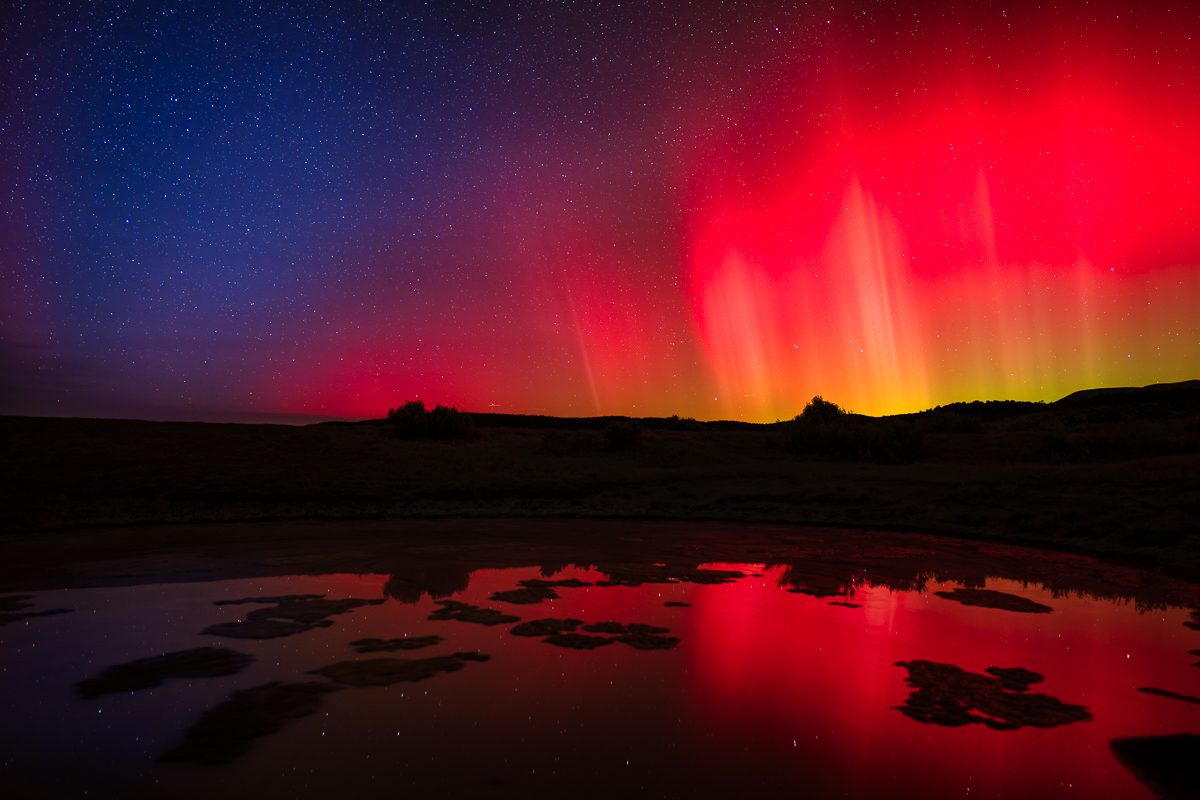
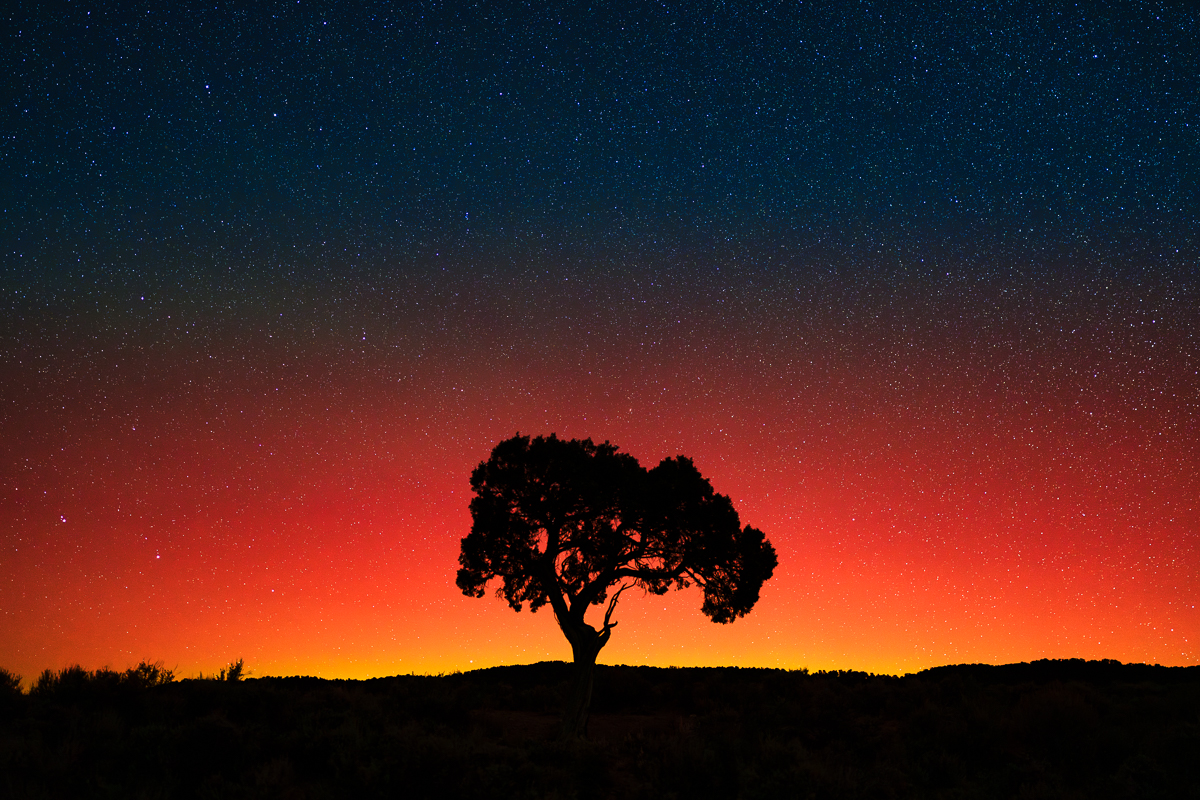
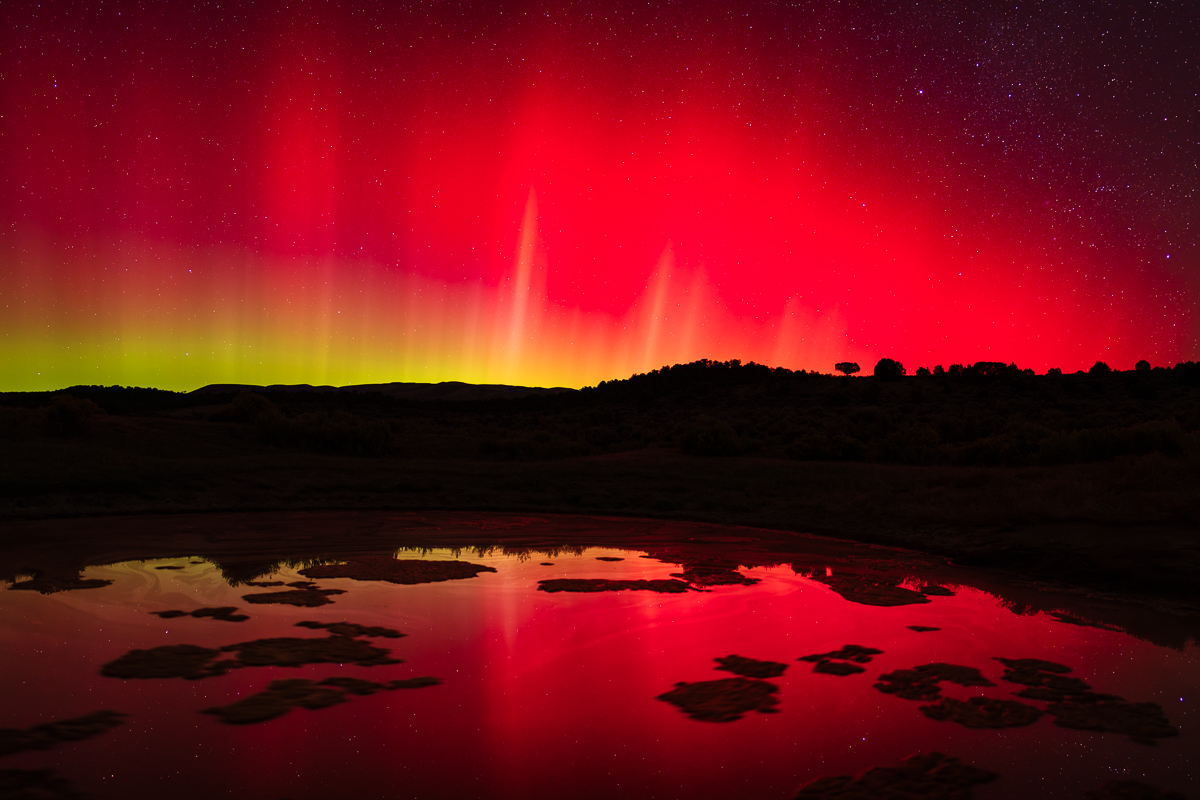
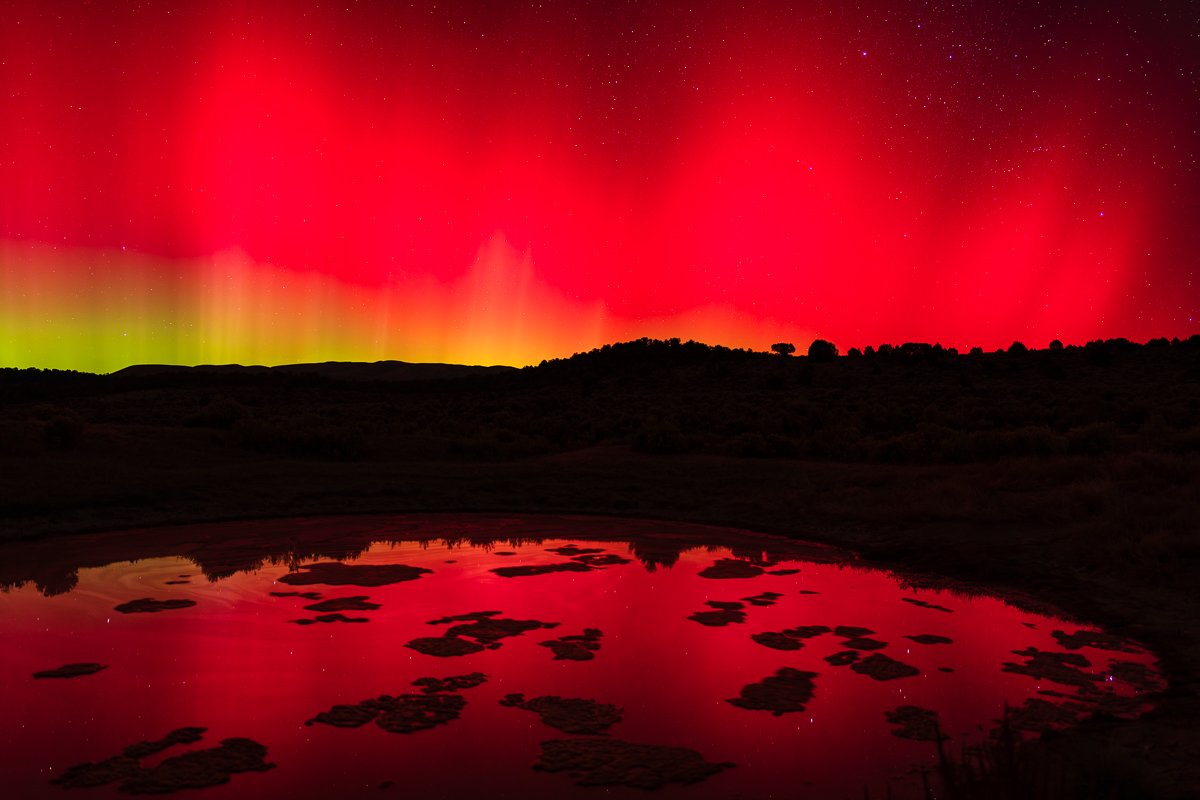
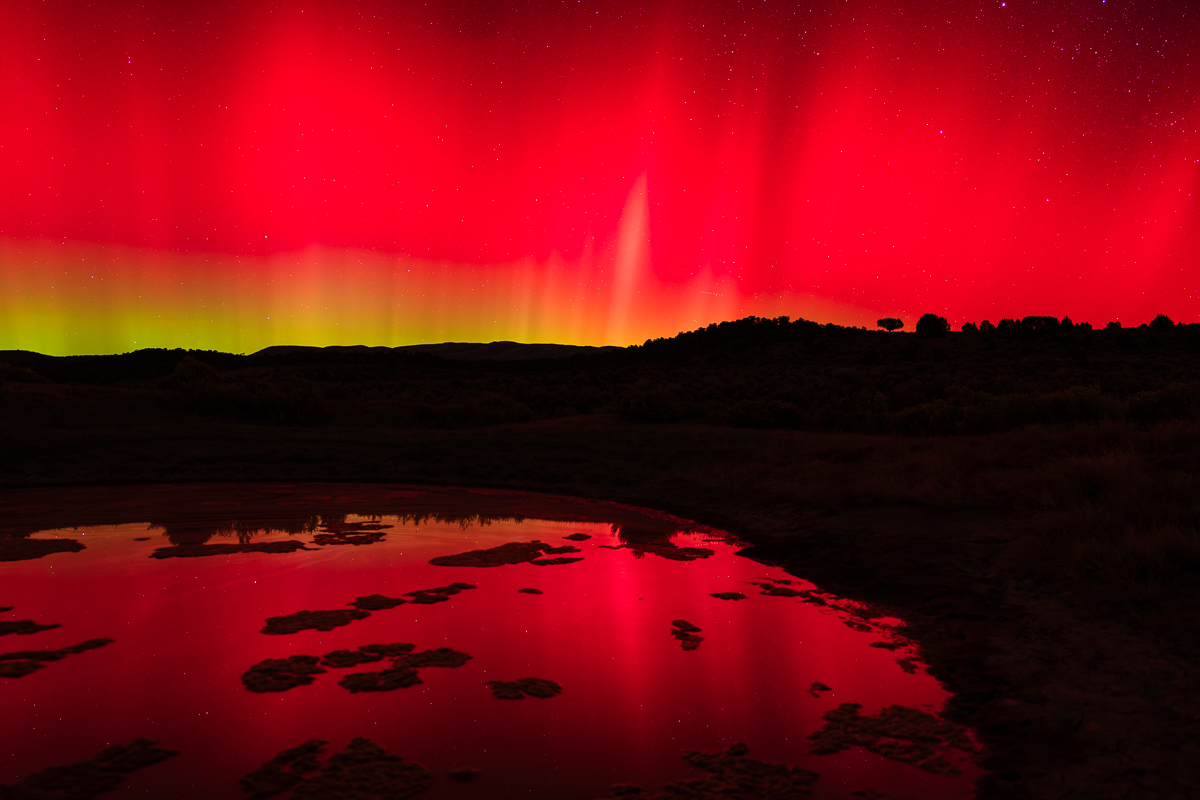
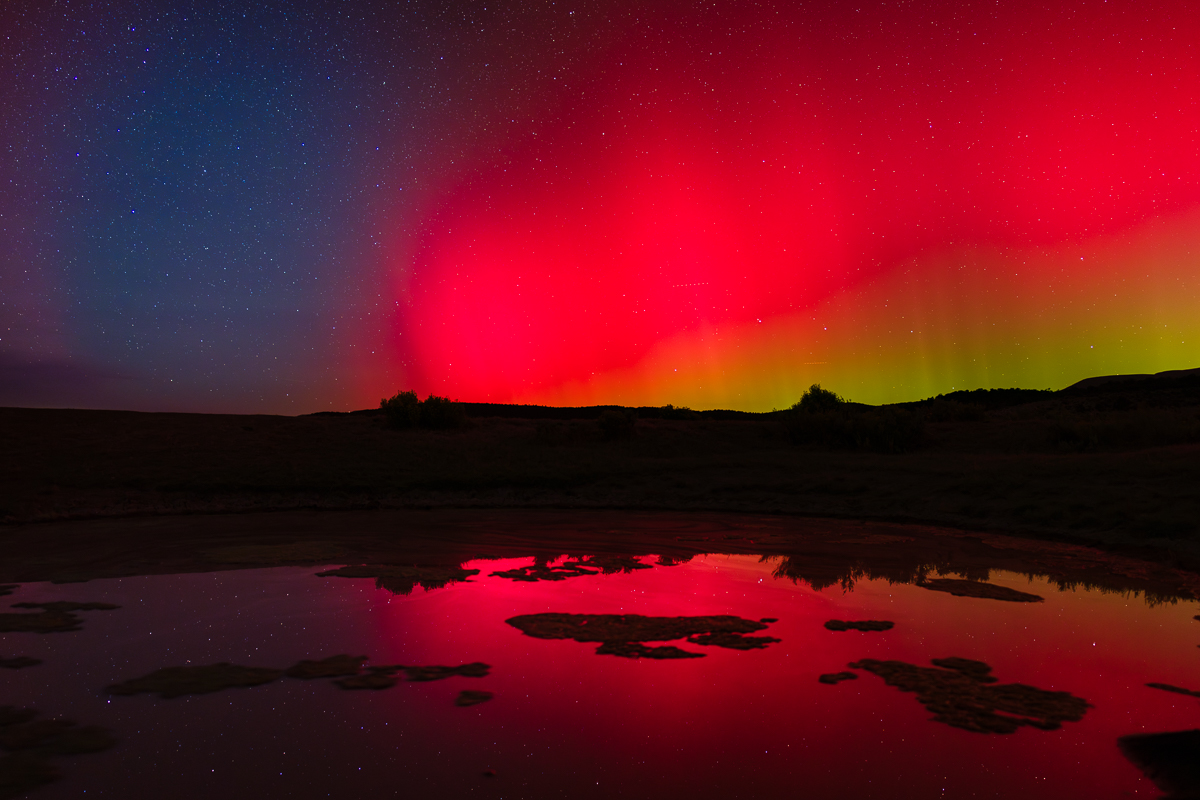
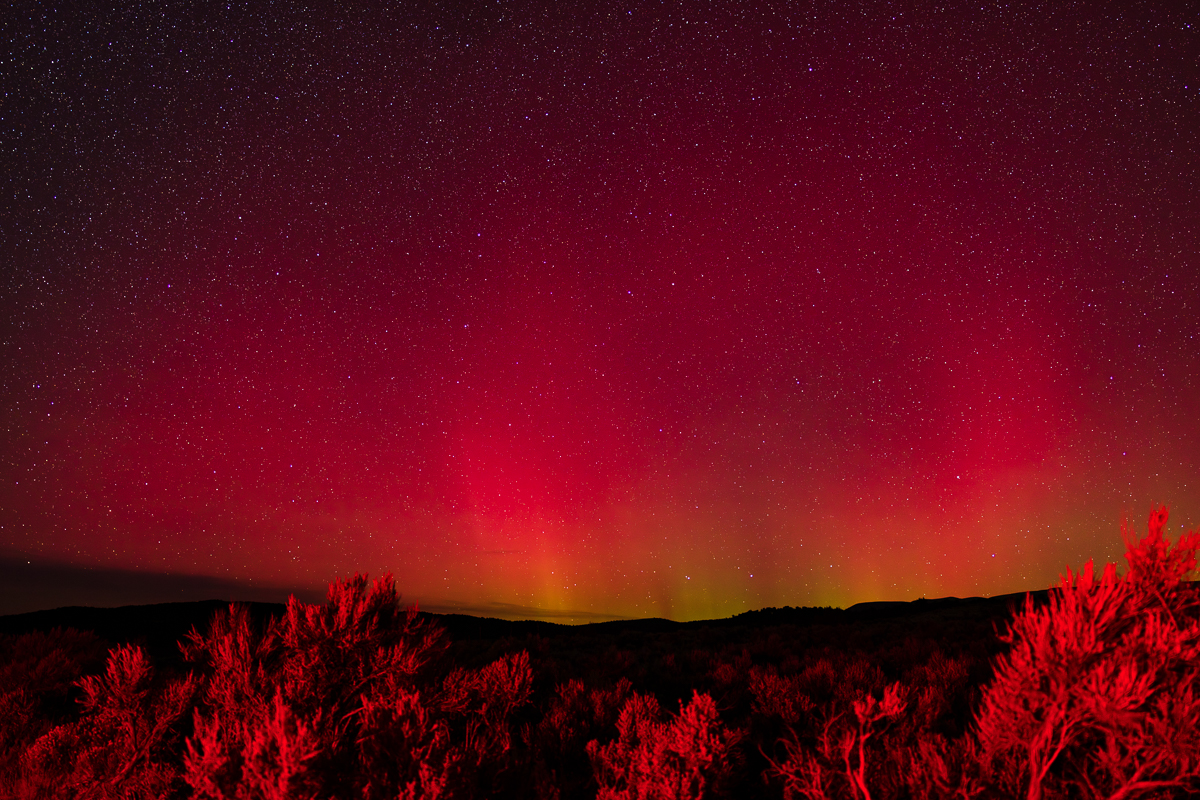
A couple evenings ago, I started receiving messages from friends and alerts on my aurora app that there was potential for some high geomagnetic activity in the area so headed to a dark spot with a small pond to capture interesting reflections and the night sky to the north. It ended up being very intense and dramatic - and the best aurora I've ever seen!
ILCE-7RM5FE 24mm F1.4 GM lens24mmf/1.410s800 ISO0.0 EV
ILCE-7RM5FE 35mm F1.4 GM lens35mmf/1.610s1000 ISO0.0 EV
ILCE-7RM5FE 24mm F1.4 GM lens24mmf/1.410s1000 ISO0.0 EV
ILCE-7RM5FE 24mm F1.4 GM lens24mmf/1.48s800 ISO0.0 EV
ILCE-7RM5FE 24mm F1.4 GM lens24mmf/1.410s800 ISO0.0 EV
ILCE-7RM5FE 24mm F1.4 GM lens24mmf/1.410s1250 ISO0.0 EV
ILCE-7RM5FE 24mm F1.4 GM lens24mmf/1.410s800 ISO0.0 EV
Thanks Al! I’m not sure if it’s the best app out there but it seems to be working fine so far. It’s just called “Aurora” and got it from the Apple App Store. It has a live map view and predicts the % chance you will see the aurora in your area. I also allowed for push notifications to alert me of potential activity.
Al Trujillo wrote:
Those are beautiful!! But are you sure those lights aren't coming from Casa Bonita??
J/K...I need to get out. Can you share info on your Aurora App??
adventure_photo wrote:
Thanks Al! I’m not sure if it’s the best app out there but it seems to be working fine so far. It’s just called “Aurora” and got it from the Apple App Store. It has a live map view and predicts the % chance you will see the aurora in your area. I also allowed for push notifications to alert me of potential activity.
Were you using a headlamp with red light on that last one? Crazy red foreground. That lake has Aurora and Astrophotography written all over it. Love that patterns in the water.
Thank you Bob, the red lights were from my vehicle. My family was warming up in there and someone pressed the brake light while I was exposing the shot. I preferred this one with the red light over the other dark ones I captured, which seemed to add more color and depth I think.
Hathaway wrote:
Were you using a headlamp with red light on that last one? Crazy red foreground. That lake has Aurora and Astrophotography written all over it. Love that patterns in the water.
Thank you! I have only had the opportunity to photograph the aurora on a few occasions and I have never seen the intense reds before which I thought looked amazing. It has mostly been the green or magenta hues I’ve seen. Here is some interesting information I found online from a UK source about the different colors:
“Different gases give off different colours when they are heated. The same process is also taking place in the aurora.
The two primary gases in the Earth’s atmosphere are nitrogen and oxygen, and these elements give off different colours during an aurora display.
The green we see in the aurora is characteristic of oxygen, while hints of purple, blue or pink are caused by nitrogen.
“We sometimes see a wonderful scarlet red colour, and this is caused by very high altitude oxygen interacting with solar particles,” adds astronomer Tom. “This only occurs when the aurora is particularly energetic.”
keepclicking wrote:
Those are some colors and you captured is well. One day I will have to experience this show.
Wow, love the first and the second images! I haven't experienced auroras before, are they this saturated in color? I have seen green ones on the internet, but the reds here are so beautiful! Thanks for sharing!
mskb01 wrote:
Wow, love the first and the second images! I haven't experienced auroras before, are they this saturated in color? I have seen green ones on the internet, but the reds here are so beautiful! Thanks for sharing!
Thank you! I have never seen anything like this before, it was so beautiful. Normally, the aurora that I've witnessed can be pretty faint and sometimes difficult to see with the naked eye, but in this case I could see beams of light and the color (which looked more magenta/pink to my naked eye), but the camera sensor really picked it up and amplified it. From what I've learned red auroras occur at higher altitudes when charged solar particles interact with oxygen and emit red at a high altitude, while green ones occur when charged particles interact with oxygen at lower altitudes emitting green. Red I think is considered the rarest. Very grateful to have been there to capture it!
adventure_photo wrote:
Thank you! I have never seen anything like this before, it was so beautiful. Normally, the aurora that I've witnessed can be pretty faint and sometimes difficult to see with the naked eye, but in this case I could see beams of light and the color (which looked more magenta/pink to my naked eye), but the camera sensor really picked it up and amplified it. From what I've learned red auroras occur at higher altitudes when charged solar particles interact with oxygen and emit red at a high altitude, while green ones occur when charged particles interact with oxygen at lower altitudes emitting green. Red I think is considered the rarest. Very grateful to have been there to capture it!...Show more →
Incredible set, especially considering you're in the lower 48. Never saw the reds in Alaska when I lived there, but we had the more surreal blues and greens.
These are amazing! Thanks so much for sharing! Very nicely done.
lynn2015 wrote:
Incredible set, especially considering you're in the lower 48. Never saw the reds in Alaska when I lived there, but we had the more surreal blues and greens.
These are amazing! Thanks so much for sharing! Very nicely done.
That's because these really aren't true Aurora photos. I doubt much red could be seen with the naked eye, if any at all. Pleasing photos to look at but not a true representation of aurora.