Voigtlander 50mm f/2.2 Color-Skopar Review
p.1 #1Voigtlander 50mm f/2.2 Color-Skopar Review
|

The Voigtlander 50mm f/2.2 Color-Skopar is in stock:
Cameraquest | B&H Photo
Review Quick Links:
- About the lens
- Infinity Resolution and Contrast on Leica M10-R (41MP)
- Infinity Resolution and Contrast on Sony A7R II UT (42MP)
- Infinity Resolution and Contrast: Voigtlander 50/2.2 Color-Skopar vs Leica 50/2 Summicron
- Field Curvature
- Sunstar rendering
- Distortion
- Minimal Focus Distance: Resolution and Contrast
- Rendering
- Flare Resistance
- Chromatic aberration control
- Final Thoughts
- Samples 1 2 3 4
Voigtlander 50mm f/2.2 Color-Skopar sample shots contributed by FM members:
- @Desmolicious: Sample 1,2,3,4,5,6,7
- @BrandonSi: Sample 1,2
- @mark1958: Sample 1
- @hmzimelka: Sample 1,2,3
- @Matt White: Sample 1
- @junglialoh: Sample 1, 2
- @Juha Kannisto: Sample 1
Voigtlander 50mm f/2.2 Color-Skopar - Intro:
Is the Voigtlander 50mm f/2.2 Color-Skopar the most compact high-performance lens in its class?
 |
||
 |
||
|
Cosina has revealed the impressively compact Voigtlander 50mm f/2.2 Color-Skopar lens, which was announced back in February 2024. I had the privilege of testing the first prototype. Similar to the Voigtlander 28mm f/2.8 Color-Skopar, it places a strong emphasis on portability and image quality. Although I will only scrutinize this lens in terms of resolution, contrast, and color aberration once I receive a production model, my initial tests indicate it is a high-performing lens with modern rendering and very good control of color errors. This makes it an attractive choice for photographers seeking a modern, ultra-compact normal lens option.
|
||
 |
||
|
In this review, I'll explore the technical aspects of the Voigtlander 50mm f/2.2 Color-Skopar, testing its resolution, contrast, and optical aberrations. I will also compare its aesthetic rendering qualities with some of the leading 50mm lenses available, such as the Voigtlander 50mm f/2 APO-Lanthar.
|
||
 |
||
|
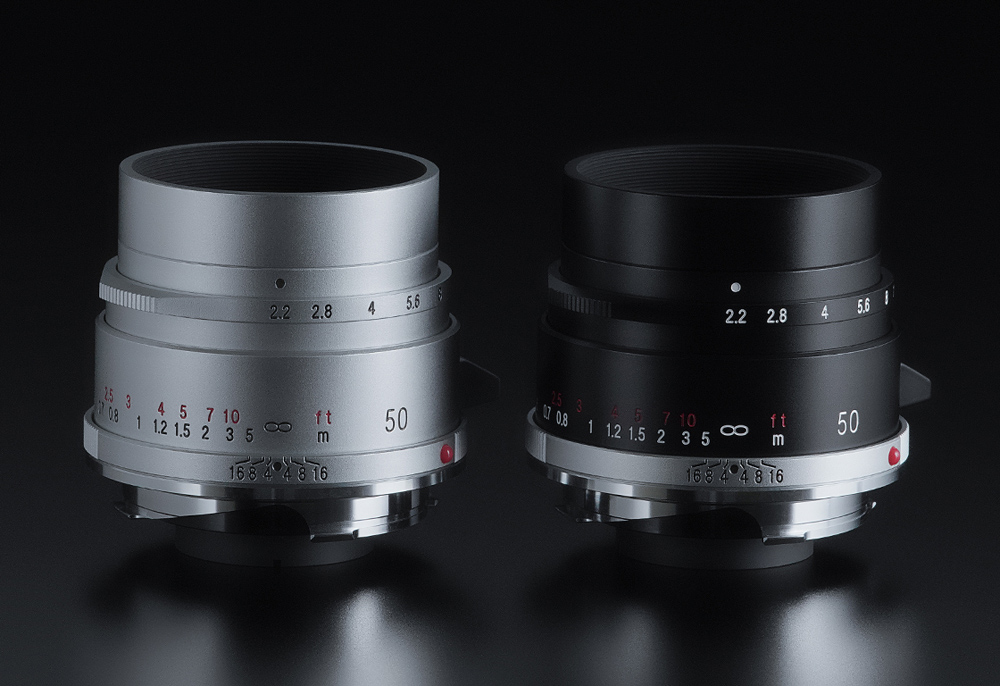
The Voigtlander 50mm f/2.2 Color-Skopar is available in both black anodized and silver finishes. Its aluminum barrel makes it impressively lightweight at only 135 grams, and it is ultra-compact with an overall length from the mount surface of just 30mm.
|
||
 |
||
|
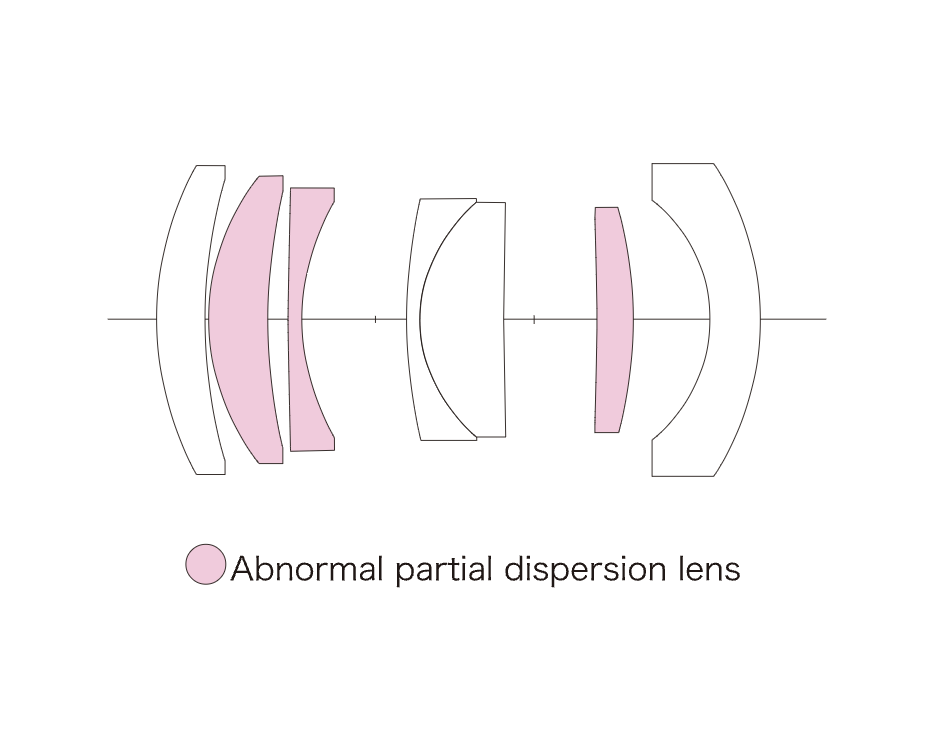
The optical design consists of 7 elements in 6 groups, including 3 elements of anomalous partial dispersion glass, and surprisingly, no aspherical elements, which usually benefit rendering. Interestingly, the optical design appears to be a combination of Planar and Sonnar designs.
|
||
 |
||
|
Unusually for a 50mm f/2 lens, Cosina has made the new Voigtlander 50mm f/2.2 Color-Skopar capable of focusing down to 0.5m. This expands the lens's flexibility when using live view for close-up shots. When shooting with the rangefinder, M10 and M11 series cameras allow the lens to be focused down to about 0.62m using the rangefinder.
|
||
 |
||
|
Like previous Cosina lenses, the Voigtlander 50mm f/2.2 Color-Skopar features an all-metal design and a robust helicoid unit. The focus ring operates smoothly, allowing for precise adjustments. Its compact screw-in hood doesn't interfere with the 50mm framelines, which is great for rangefinder shooters. The aperture ring rotates firmly with clear half-stop indentations. Its small size, ideal balance, and lightweight design make it an excellent companion for Leica M bodies, especially for those seeking a normal lens for rangefinder focusing.
The aperture mechanism is equipped with 10 blades offering 10-point sunstars one of two stops from wide open.
|
||
 |
||
|
I've noticed that the focusing tab on the new CV 50/2.2 is slightly larger than on any previous Cosina lens. It's as thin as the Voigtlander 35mm f/1.4 Nokton but noticeably wider, which enhances focusing ease. Despite being a prototype, I appreciate the smooth rotation of the focusing ring and how well the lens focus is perfectly aligned with my rangefinder. If there are any changes when I receive the production model, I'll be sure to update you.
|
||
 |
||
|
Let's take a closer look at the full specifications of the Voigtlander 50mm f/2.2 Color-Skopar:
Voigtlander Voigtlander 50mm f/2.2 Color-Skopar Specifications:
- Focal Length: 50mm
- Maximum Aperture: f/2.2
- Minimum Aperture: f/16
- Angle of View: 47.3°
- Minimum Focus Distance: 0.5 m
- Optical Design: 6 groups 7 elements
- Special Glass: 7 elements in 6 groups, including 3 elements of anomalous partial dispersion glass
- Filter Size: 39mm
- Aperture blades: 10 (straight)
- Focus throw: ~120 degrees
- Dimensions (ø x L): φ51.4×30.0mm
- Weight: 135 grams (142g with hood)
- Hood: Screw-in hood included
|
||
 |
||
|
It's worth noting that the Voigtlander 50mm f/2.2 Color-Skopar's black finish was altered from the initial February announcement. The lower part of the lens with the distance markings is no longer black anodized like the rest of the lens barrel. It's now silver, giving the lens a unique appearance.
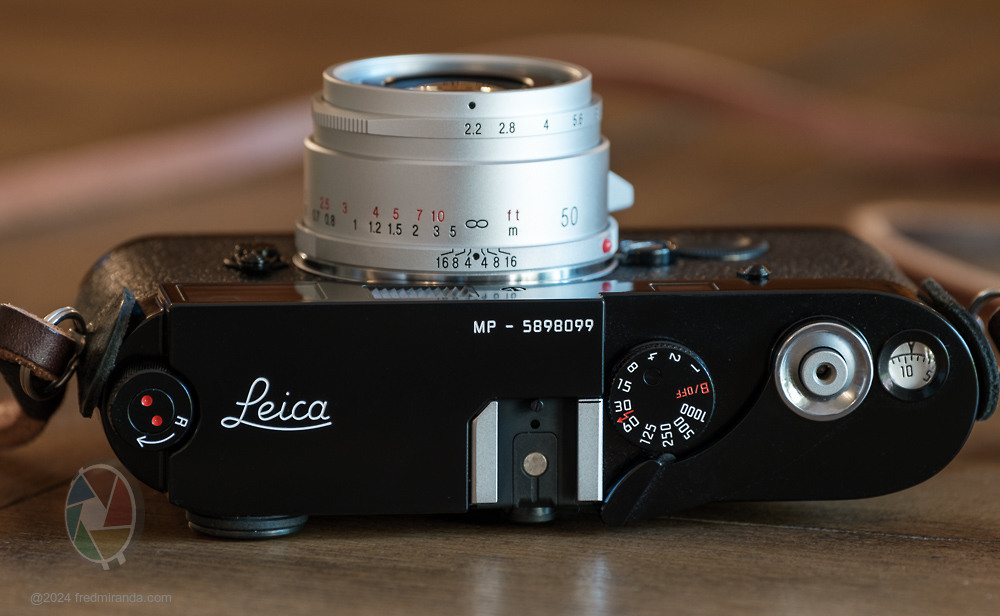
When I first saw the updated image of the CV 50/2.2 posted by Cosina, I wasn't really fond of it, but I had a change of heart when I saw it mounted on the camera. The silver section of the lens matches the Leica M silver mount, providing a pleasant aesthetic look.
|
||
 |
||
|
Jun 27, 2024 at 01:00 PM
p.1 #2Voigtlander 50mm f/2.2 Color-Skopar Review
I won't be scrutinizing the new Voigtlander 50/2.2 Color-Skopar until I receive the production model, but I will post image samples to demonstrate how the lens renders.
Back to Quick Links
Samples 1
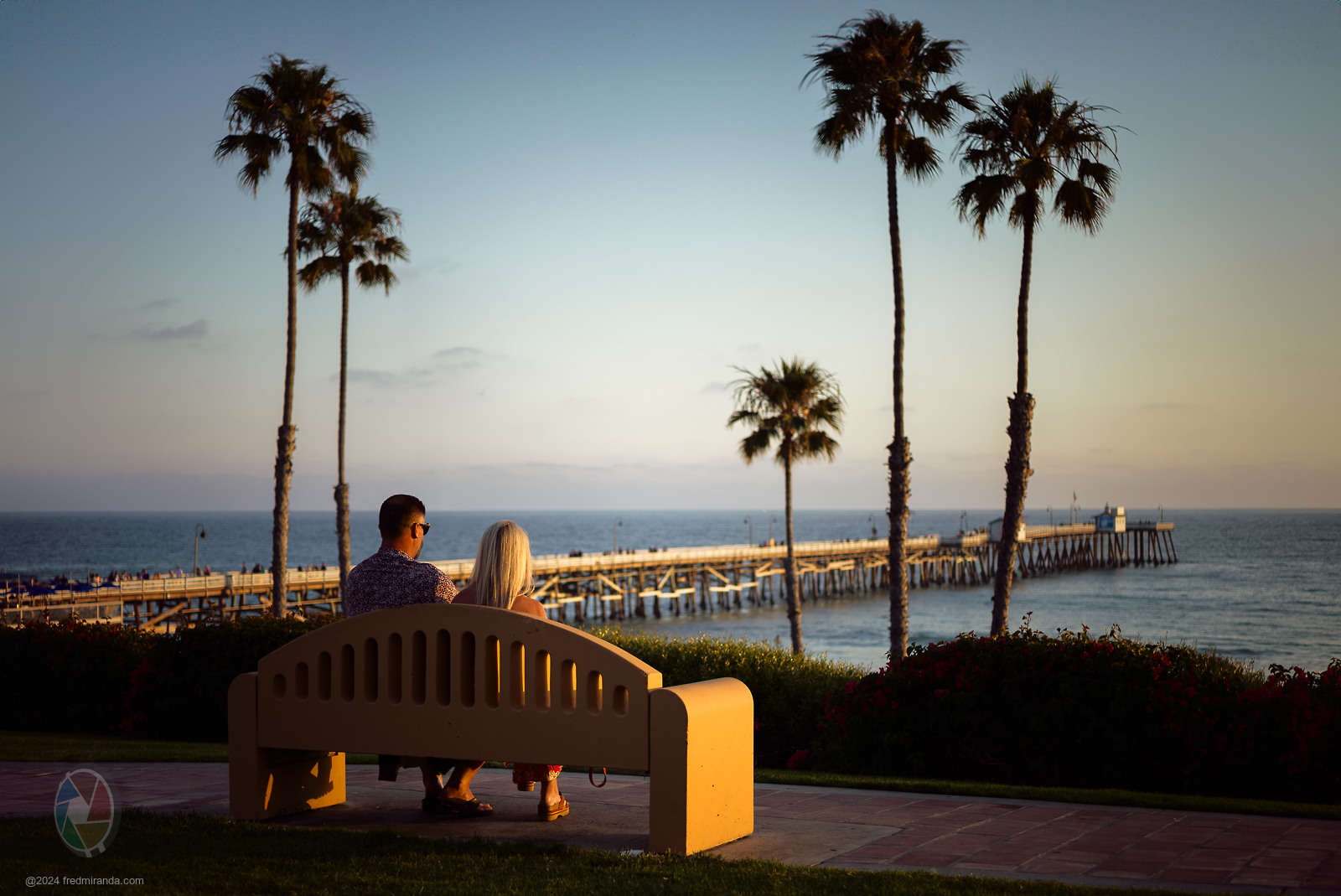
At various distances, mostly wide open.
Back to Quick Links
Samples 1
At various distances, mostly wide open.
 |
||
 |
||
|
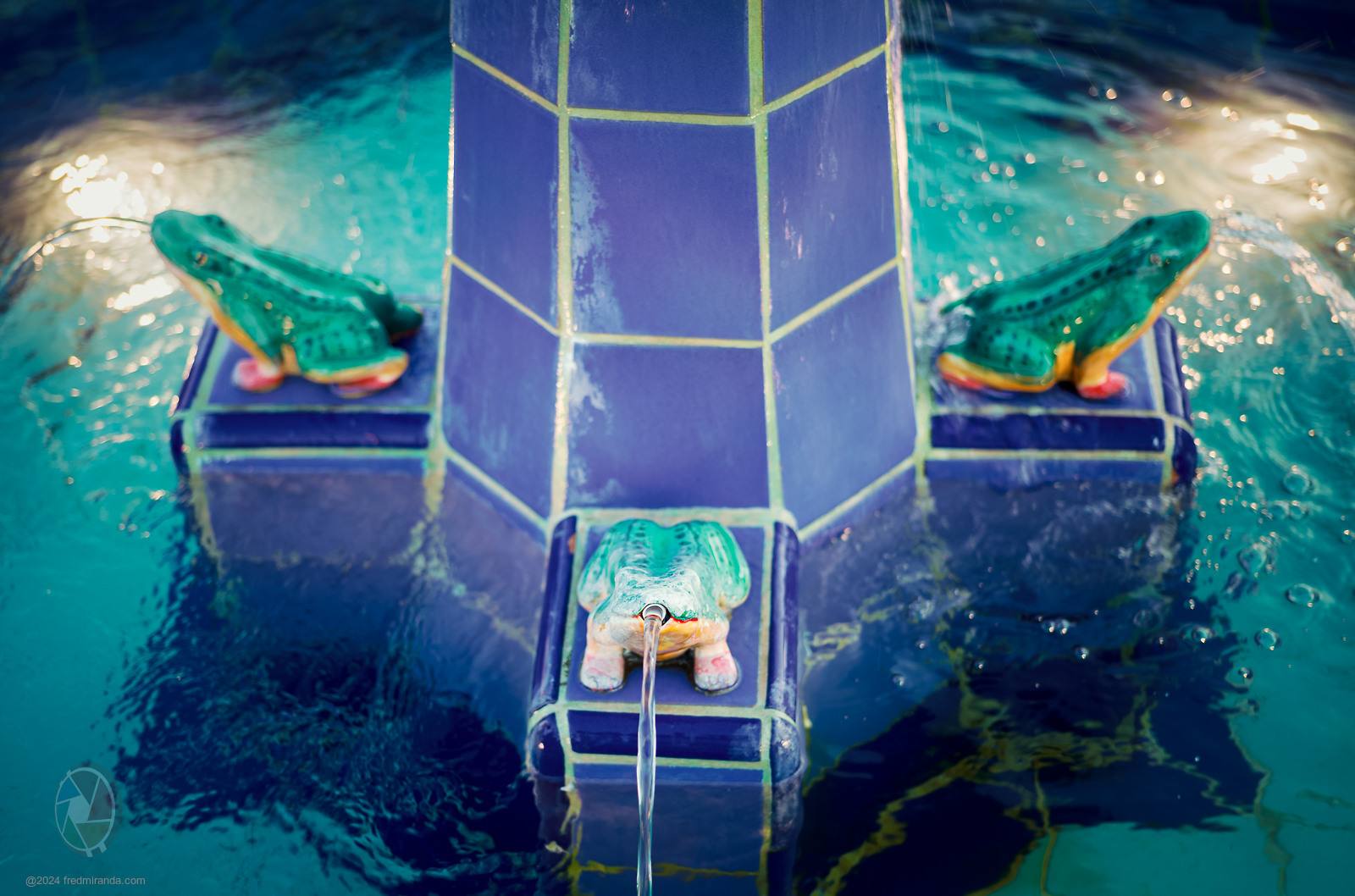
LEICA M10-R f/1.2 1/750s 100 ISO 0.0 EV
|
||
 |
||
|
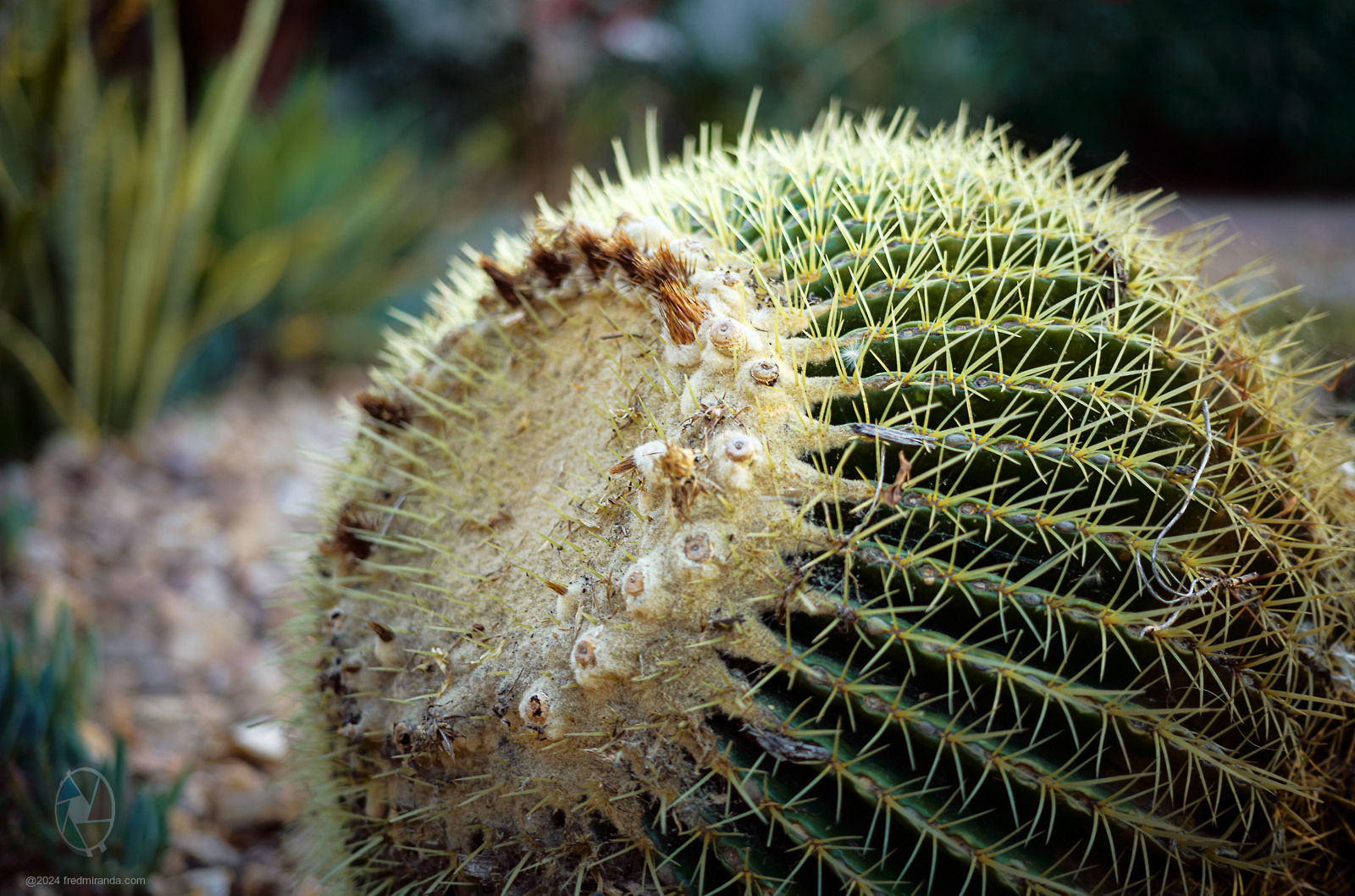
LEICA M10-R f/2.4 1/90s 100 ISO 0.0 EV
|
||
 |
||
|
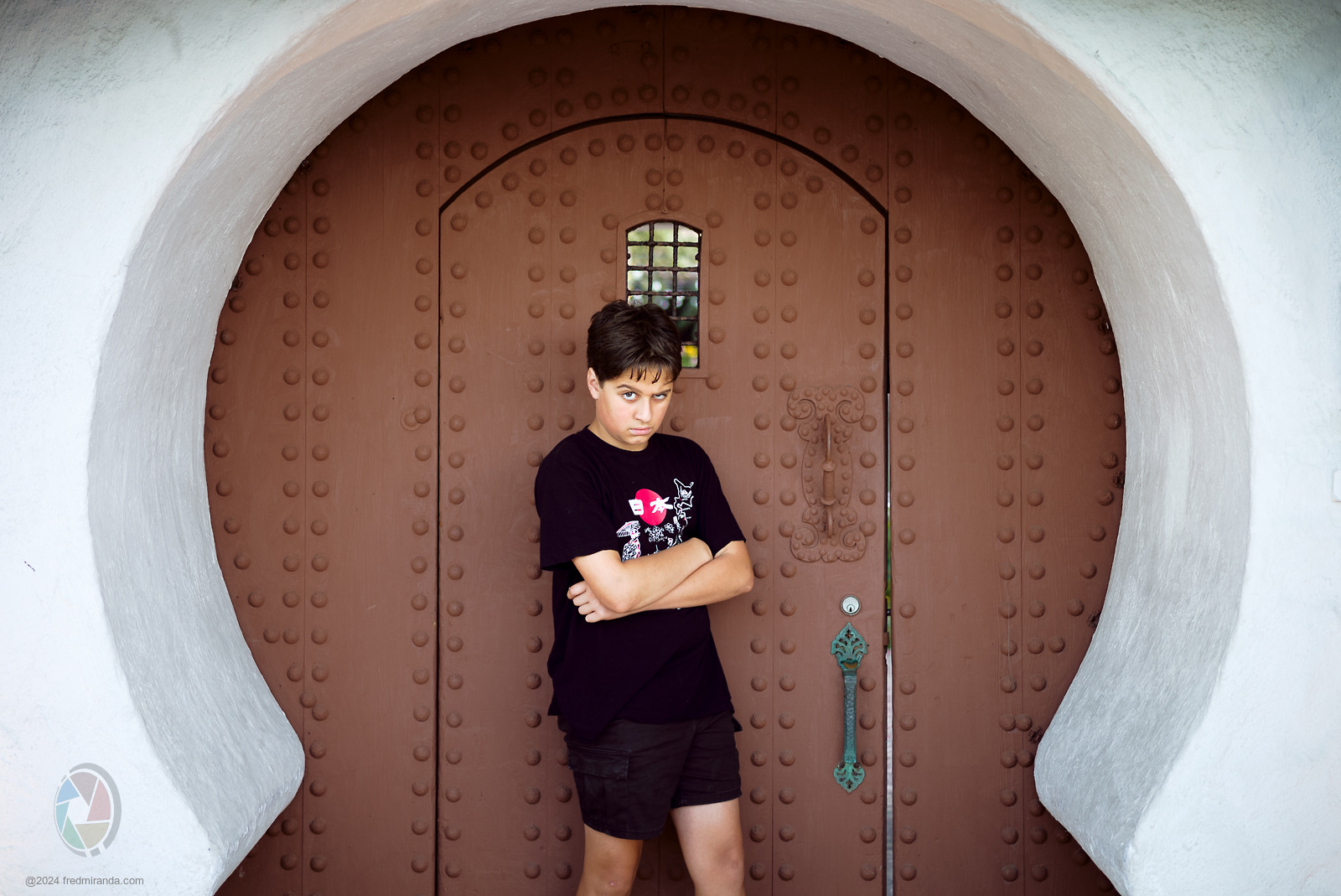
LEICA M10-R f/2.0 1/60s 100 ISO 0.0 EV
|
||
 |
||
|
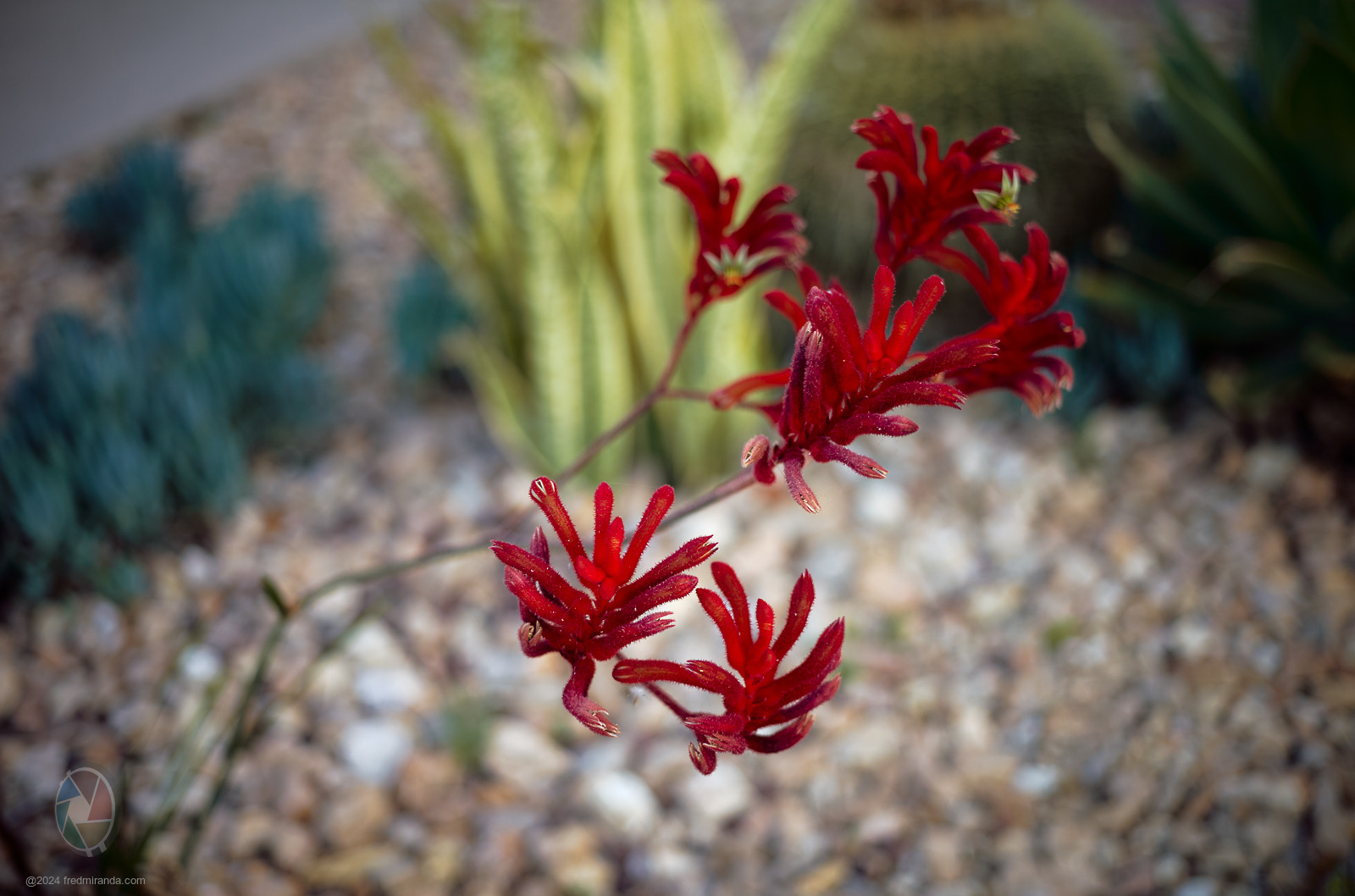
LEICA M10-R f/2.8 1/60s 200 ISO 0.0 EV
|
||
 |
||
|
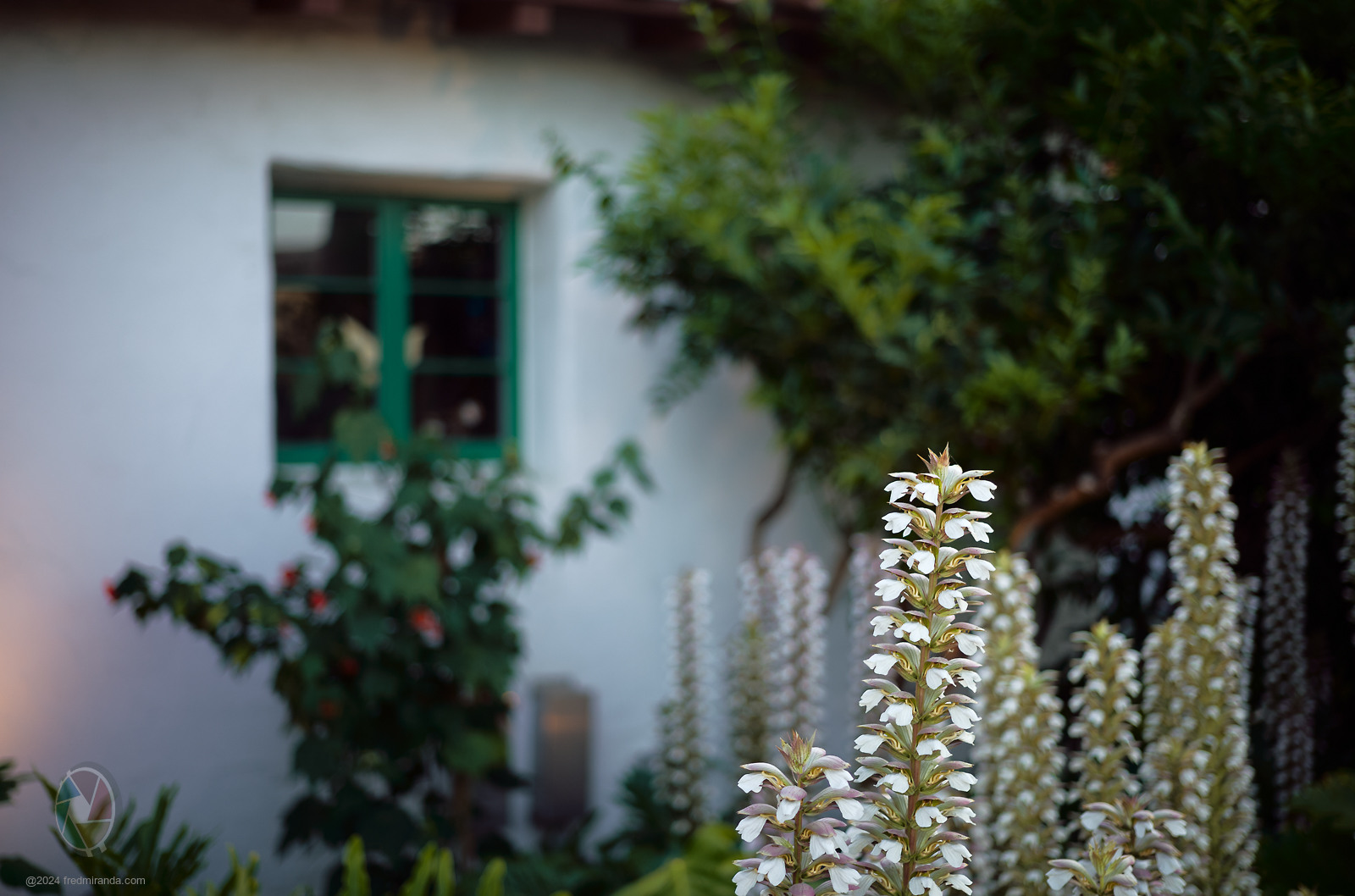
LEICA M10-R f/2.4 1/90s 100 ISO 0.0 EV
|
||
 |
||
|
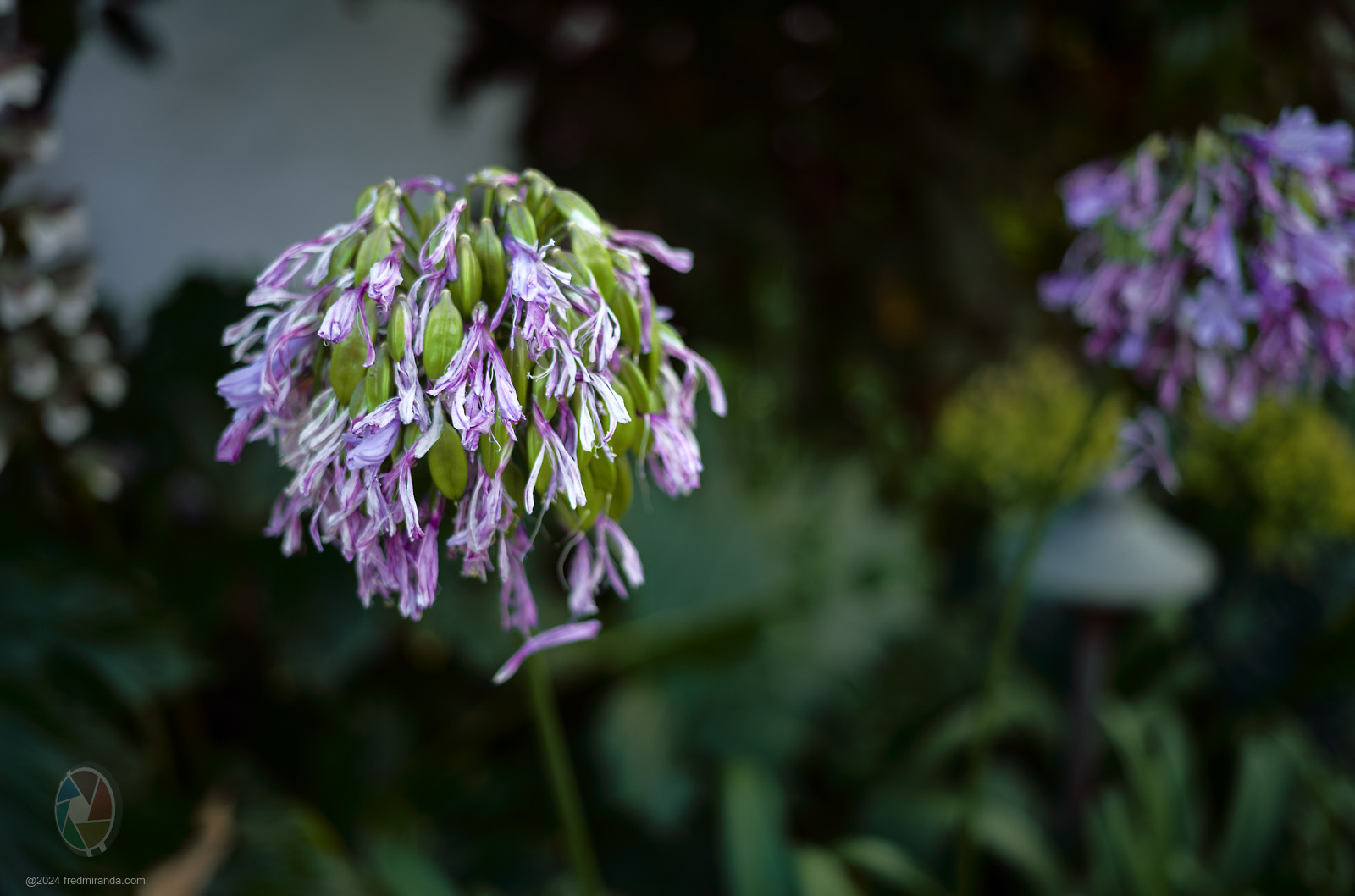
LEICA M10-R f/2.4 1/90s 100 ISO 0.0 EV
|
||
 |
||
|
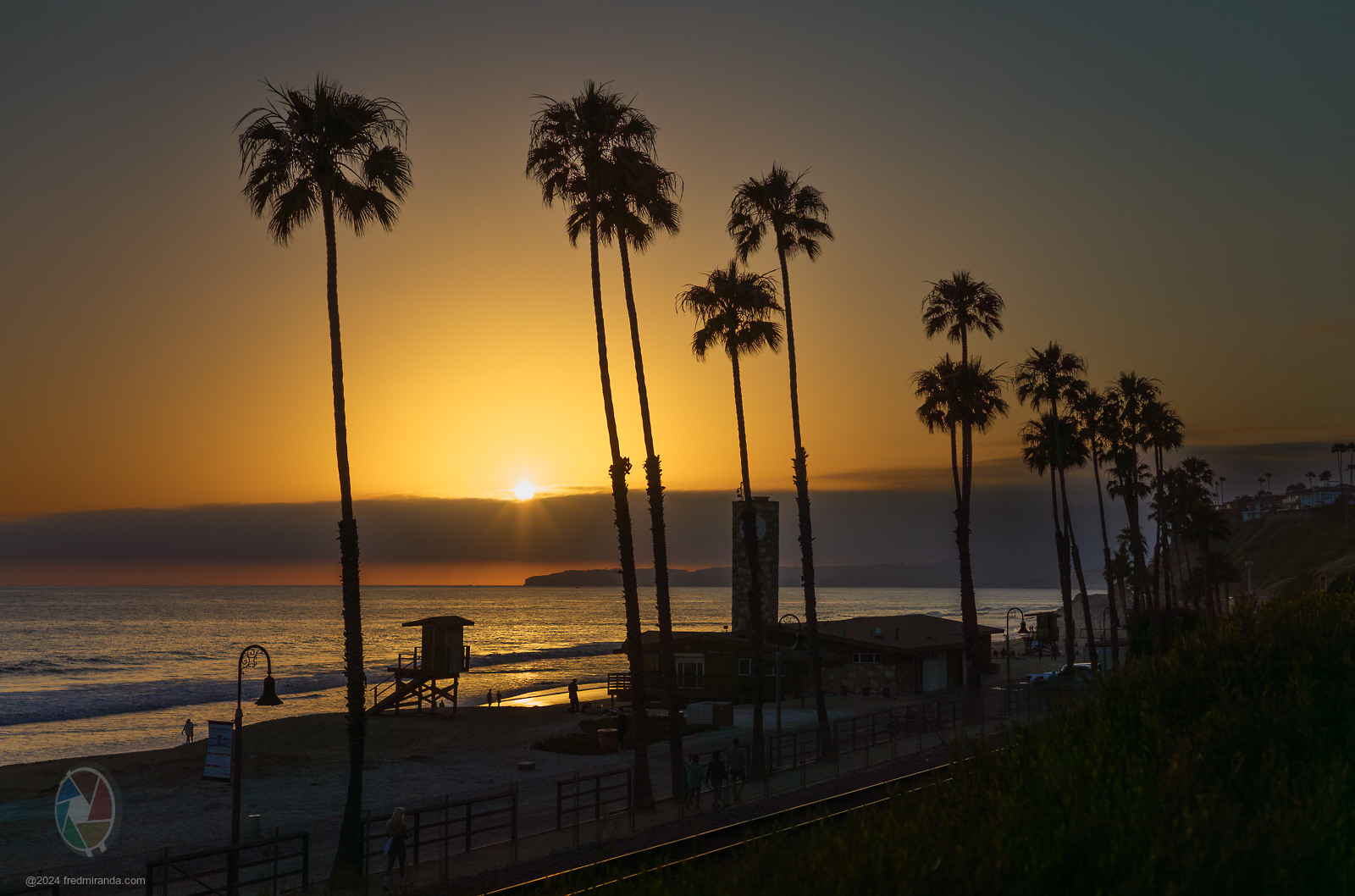
LEICA M10-R f/2.4 1/60s 125 ISO 0.0 EV
|
||
 |
||
|
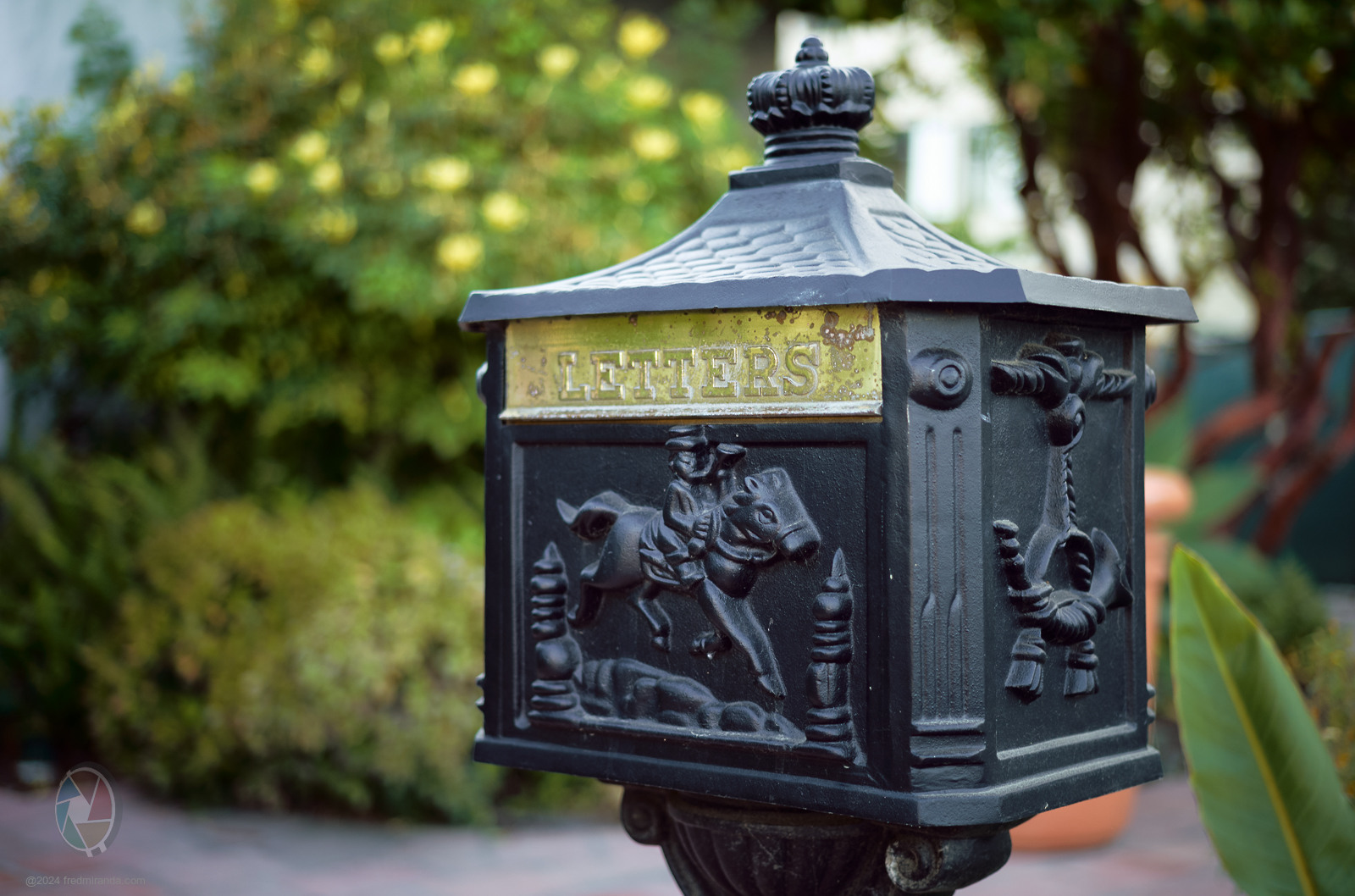
LEICA M10-R f/1.0 1/4000s 100 ISO 0.0 EV
|
||
 |
||
|
LEICA M10-R f/1.4 1/60s 250 ISO 0.0 EV
Jun 27, 2024 at 01:46 PM
p.1 #3Voigtlander 50mm f/2.2 Color-Skopar Review
Yes, the front 5 elements look like a Bertele design. Any Sonnar-heads out here have an opinion on the rendering?
Jun 27, 2024 at 02:57 PM
p.1 #4Voigtlander 50mm f/2.2 Color-Skopar Review
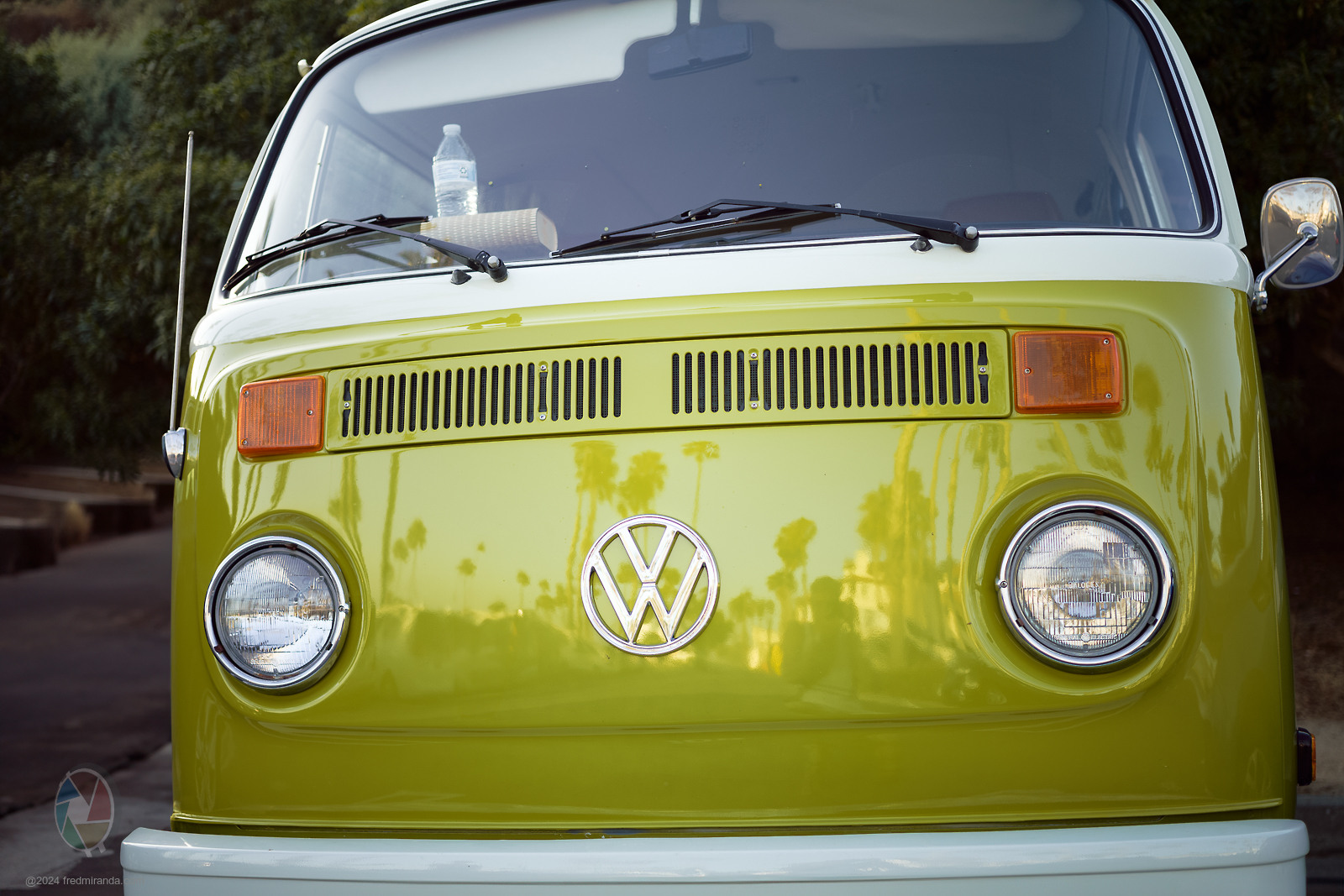
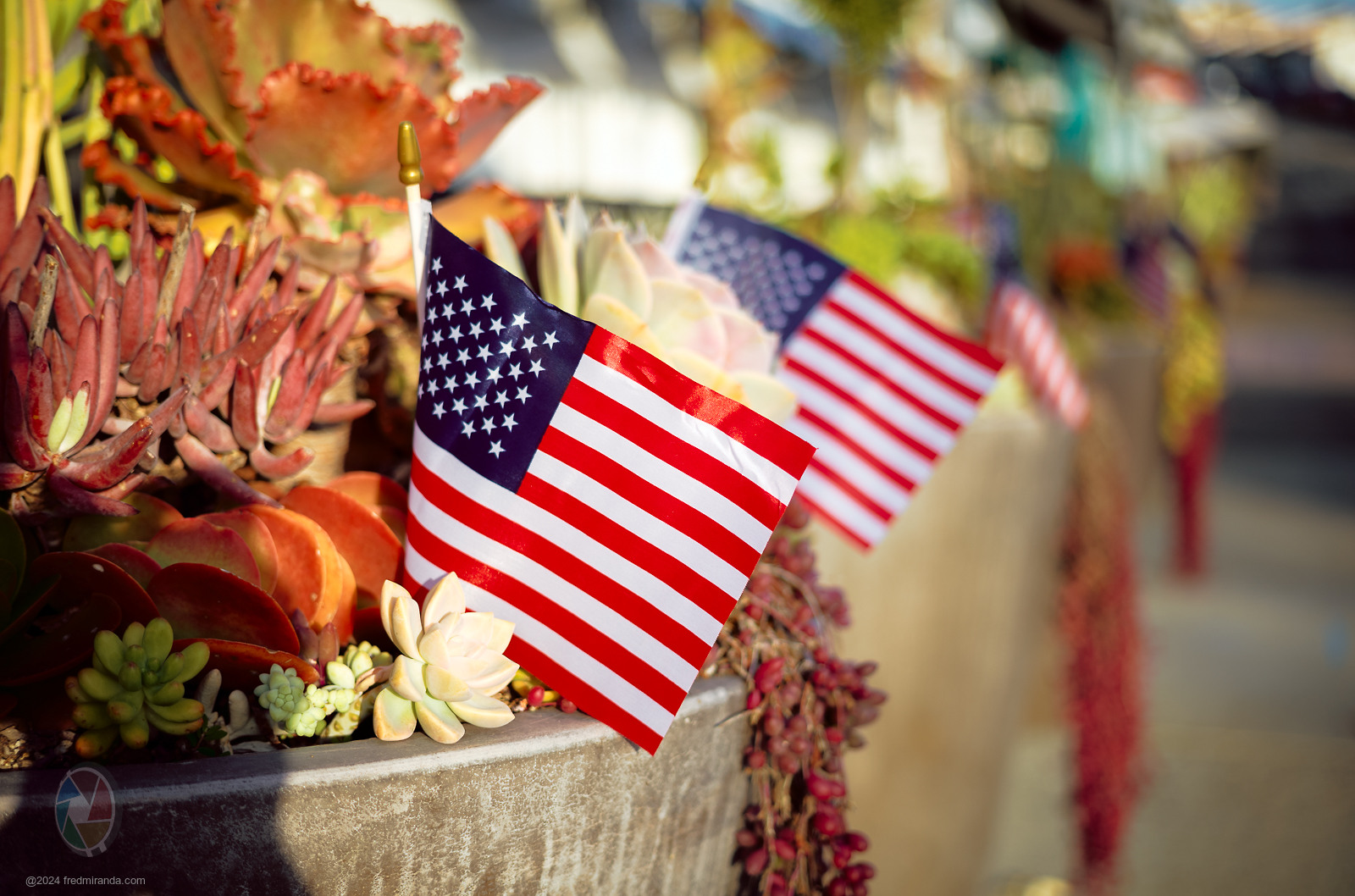
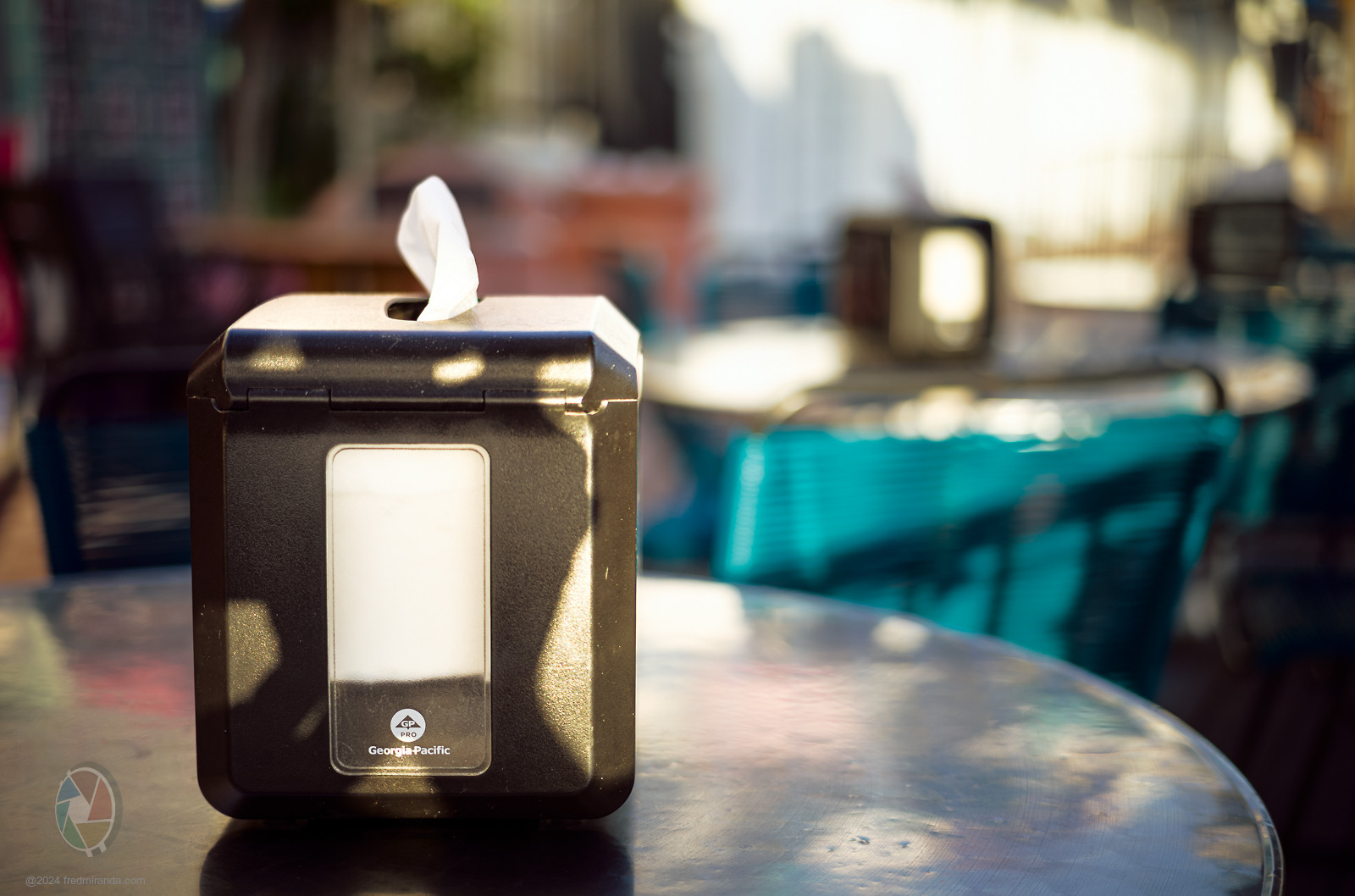
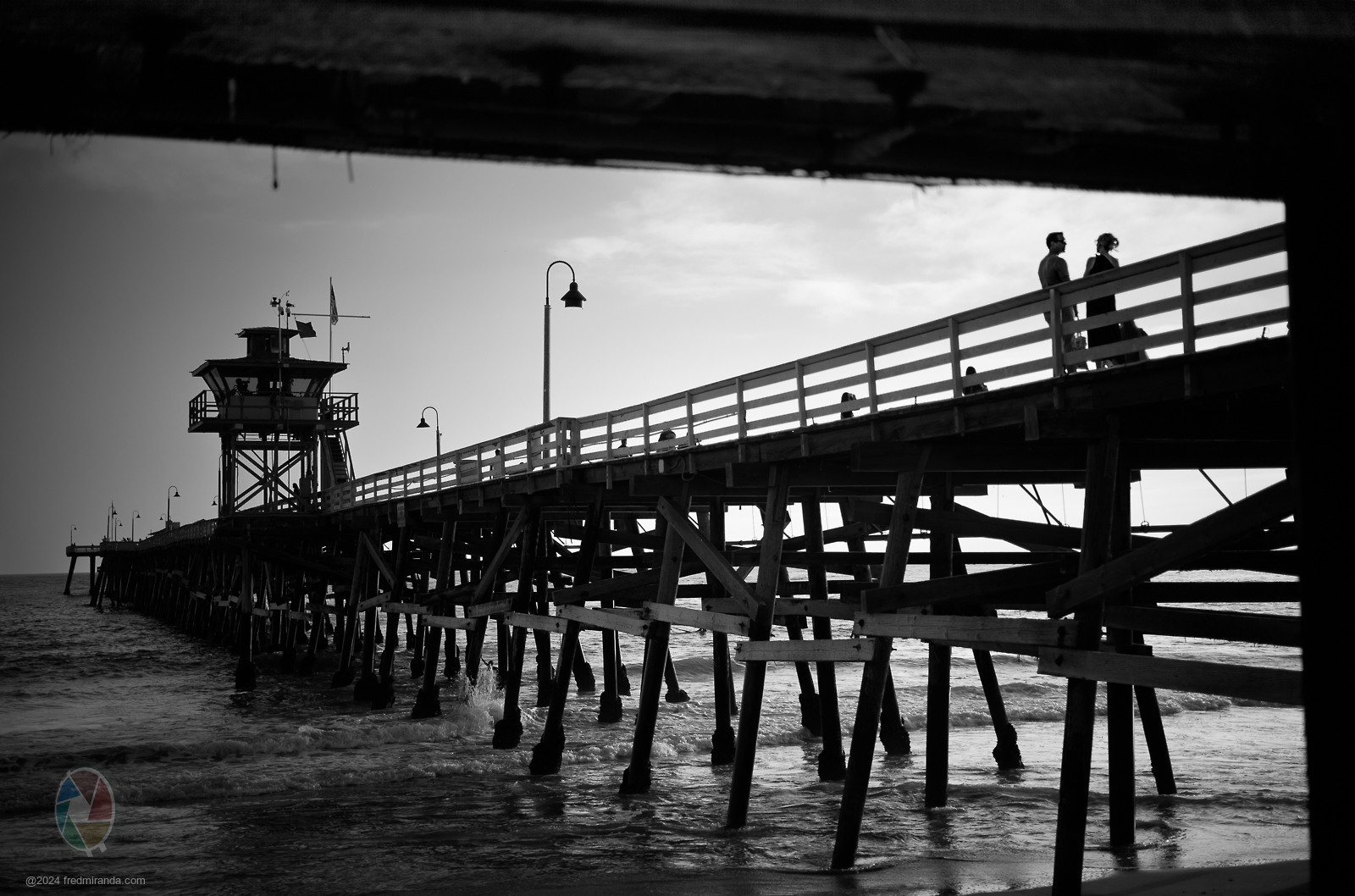
Back to Quick Links
Samples 2
At various distances, mostly wide open.
|
||
 |
||
|
LEICA M10-R f/2.0 1/250s 100 ISO 0.0 EV
|
||
 |
||
|
LEICA M10-R f/2.0 1/500s 100 ISO 0.0 EV
|
||
 |
||
|
LEICA M10-R f/1.7 1/350s 100 ISO 0.0 EV
|
||
 |
||
|
LEICA M10-R f/1.2 1/4000s 100 ISO 0.0 EV
|
||
 |
||
|
LEICA M10-R f/2.4 1/2000s 100 ISO 0.0 EV
|
||
 |
||
|
LEICA M10-R f/4.8 1/750s 100 ISO 0.0 EV
Jun 27, 2024 at 03:36 PM
p.1 #5Voigtlander 50mm f/2.2 Color-Skopar Review
ottokbre wrote:
Yes, the front 5 elements look like a Bertele design. Any Sonnar-heads out here have an opinion on the rendering?
I think Cosina successfully integrates both design styles into one lens. The Sonnar style is more prominent in the rendering compared to the Planar. Upon further evaluation, what stands out is the smooth rendering with minimal outlining up close (up to about 1.5 meters) and a more defined structure in the transition zone beyond 2 meters. When shooting wide open, there is noticeable vignetting, resulting in cat's-eye-shaped highlights due to optical vignetting.
As a reference to a well-known Cosina lens, the Voigtlander 50/2 APO-Lanthar exhibits lower chromatic aberration, which is not surprising. However, it has a smoother transition zone and higher optical vignetting compared to the CV 50/2.2 Color-Skopar. Therefore, the latter is a lens with more character.
Typically, Planar designs show more outlining, though I noticed this mainly in the transition zone when subjects are focused at mid to long distances.
Overall, I find that the Voigtlander 50/2.2 Color-Skopar benefits from the Sonnar design for its sharpness and bokeh characteristics in the center. It incorporates elements of a more symmetrical Planar design to enhance edge-to-edge sharpness and reduce aberrations, though the Zeiss 50/1.5 Sonnar exhibits more prominent outlining when wide open.
What do you think? I haven't posted images at 100% magnification since this isn't a production unit, but I find the rendering very pleasant in most situations. I tried to induce lens flare, but it performs well there. There is some chromatic aberration, but I believe it performs above average (to be determined...).
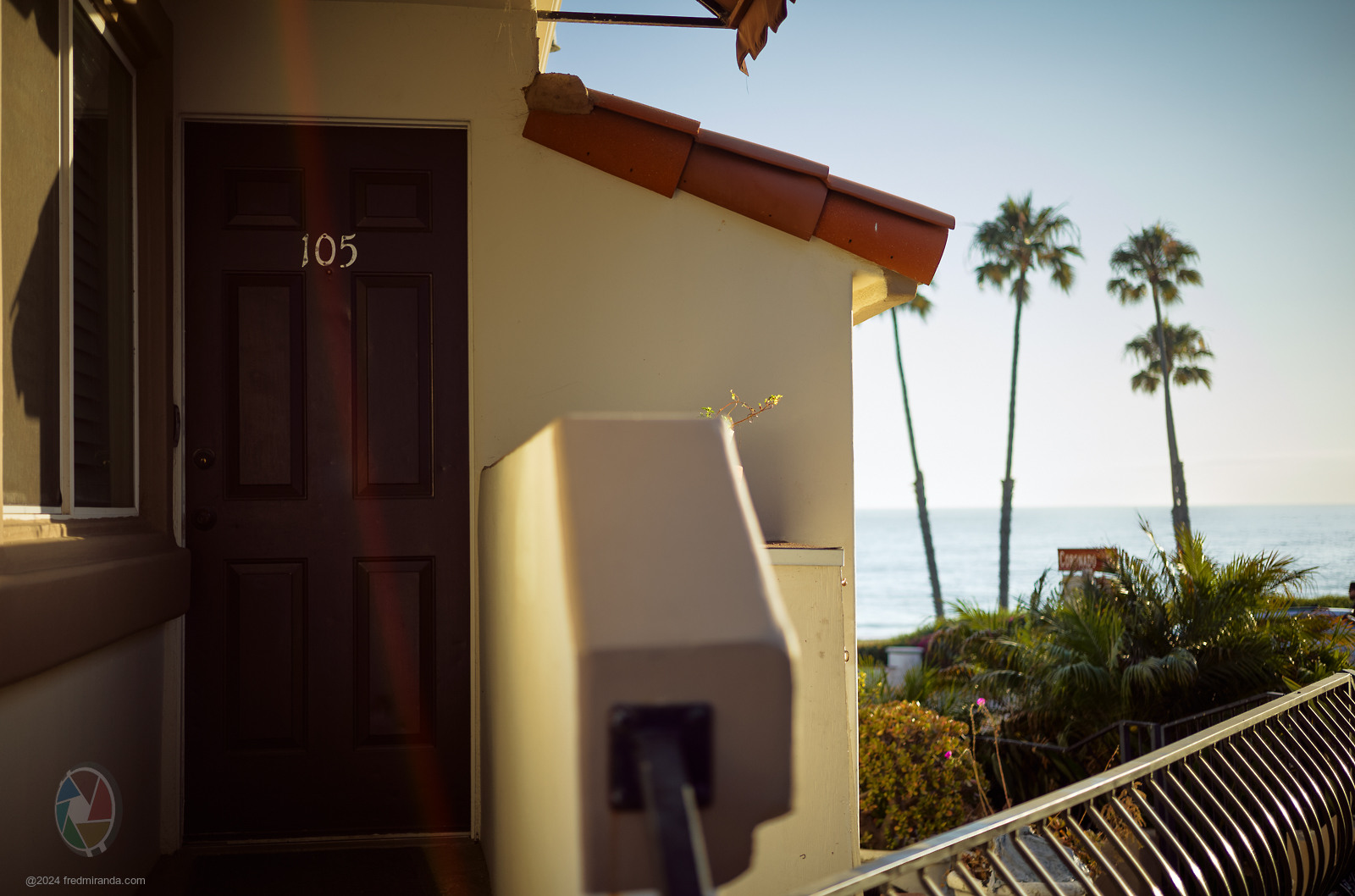
Here's the worst-case image I've encountered so far: the sun was low from the left side, causing some ghosting, although I didn't have the hood attached. Here you can also see vignetting wide open and some axial chromatic aberration in very high contrast light transitions. Despite these issues, the image is still pleasant to my eyes.
It's important to mention that all samples were taken with the Leica M10-R, focused using the rangefinder, and with in-camera lens correction set to "Off".
Shot wide open showing worse case so far for vignetting, flare and LoCA. Lens focused on the '105' number.
Yes, the front 5 elements look like a Bertele design. Any Sonnar-heads out here have an opinion on the rendering?
I think Cosina successfully integrates both design styles into one lens. The Sonnar style is more prominent in the rendering compared to the Planar. Upon further evaluation, what stands out is the smooth rendering with minimal outlining up close (up to about 1.5 meters) and a more defined structure in the transition zone beyond 2 meters. When shooting wide open, there is noticeable vignetting, resulting in cat's-eye-shaped highlights due to optical vignetting.
As a reference to a well-known Cosina lens, the Voigtlander 50/2 APO-Lanthar exhibits lower chromatic aberration, which is not surprising. However, it has a smoother transition zone and higher optical vignetting compared to the CV 50/2.2 Color-Skopar. Therefore, the latter is a lens with more character.
Typically, Planar designs show more outlining, though I noticed this mainly in the transition zone when subjects are focused at mid to long distances.
Overall, I find that the Voigtlander 50/2.2 Color-Skopar benefits from the Sonnar design for its sharpness and bokeh characteristics in the center. It incorporates elements of a more symmetrical Planar design to enhance edge-to-edge sharpness and reduce aberrations, though the Zeiss 50/1.5 Sonnar exhibits more prominent outlining when wide open.
What do you think? I haven't posted images at 100% magnification since this isn't a production unit, but I find the rendering very pleasant in most situations. I tried to induce lens flare, but it performs well there. There is some chromatic aberration, but I believe it performs above average (to be determined...).
Here's the worst-case image I've encountered so far: the sun was low from the left side, causing some ghosting, although I didn't have the hood attached. Here you can also see vignetting wide open and some axial chromatic aberration in very high contrast light transitions. Despite these issues, the image is still pleasant to my eyes.
It's important to mention that all samples were taken with the Leica M10-R, focused using the rangefinder, and with in-camera lens correction set to "Off".
|
||
 |
||
|
Shot wide open showing worse case so far for vignetting, flare and LoCA. Lens focused on the '105' number.
LEICA M10-R f/2.8 1/750s 100 ISO 0.0 EV
Jun 27, 2024 at 03:59 PM
p.1 #6Voigtlander 50mm f/2.2 Color-Skopar Review
Here is a side-by-side size comparison of my favorite ~50/2 lenses with the new Voigtlander 50/2.2 Color-Skopar:
From left to right:
Voigtlander 50mm f/2 "APO-Lanthar", LLL 50/2 "SP2", Voigtlander 50/2.2 "Color-Skopar", MS Optics 57/2 "Petz", Leica 50/2 "Rigid".
From left to right:
Voigtlander 50mm f/2 "APO-Lanthar", LLL 50/2 "SP2", Voigtlander 50/2.2 "Color-Skopar", MS Optics 57/2 "Petz", Leica 50/2 "Rigid".
|
||
 |
||
|
Jun 27, 2024 at 04:28 PM
p.1 #7Voigtlander 50mm f/2.2 Color-Skopar Review
ottokbre wrote:
Yes, the front 5 elements look like a Bertele design. Any Sonnar-heads out here have an opinion on the rendering?
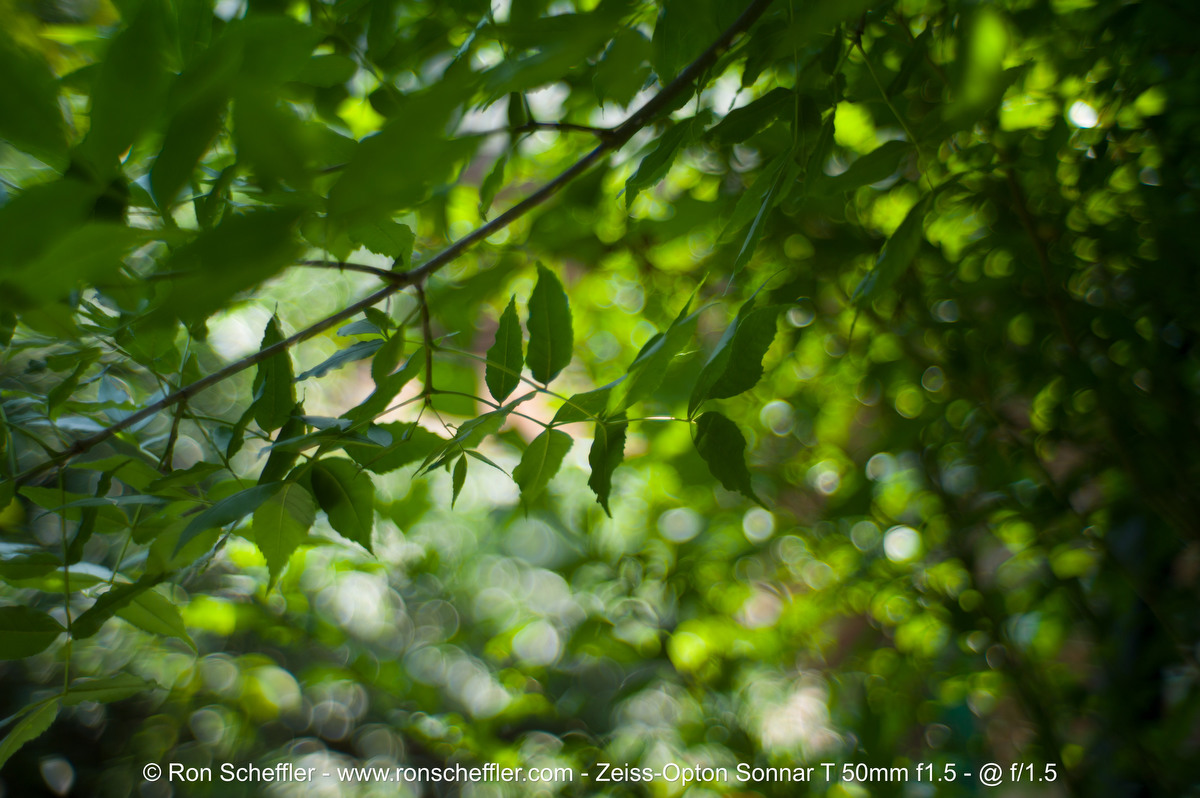
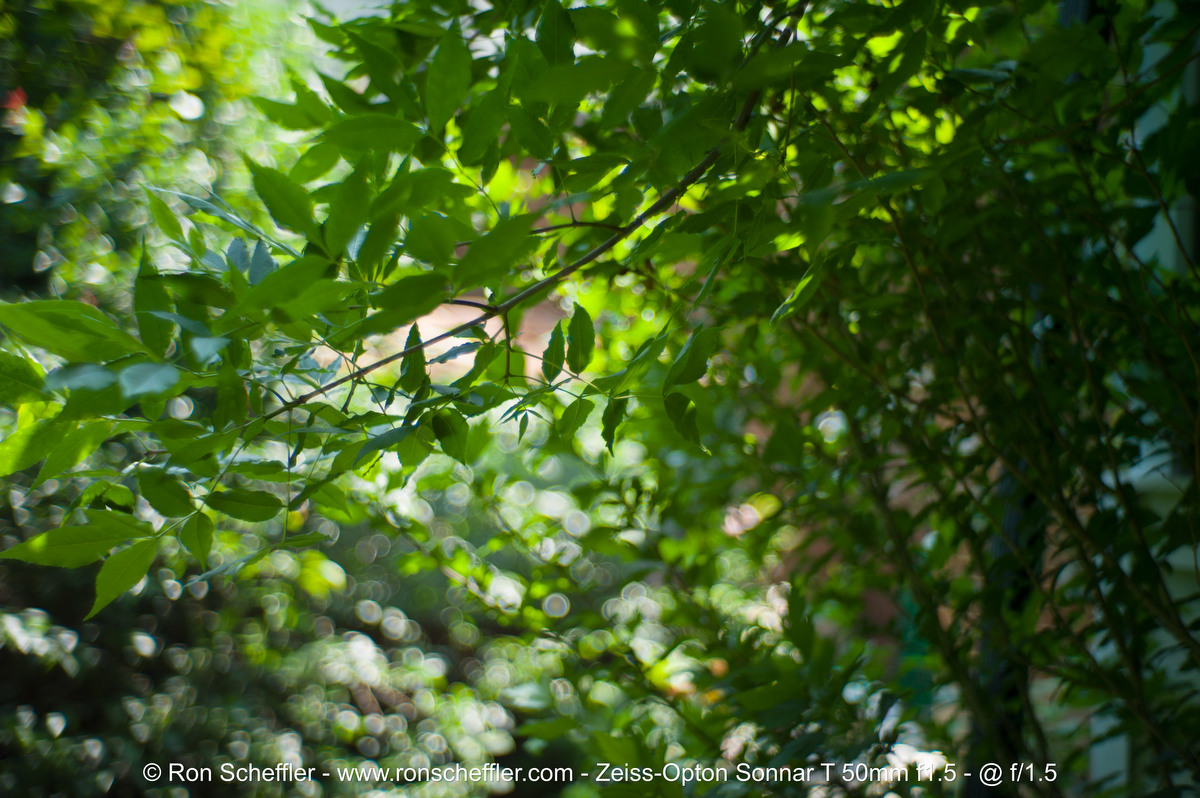
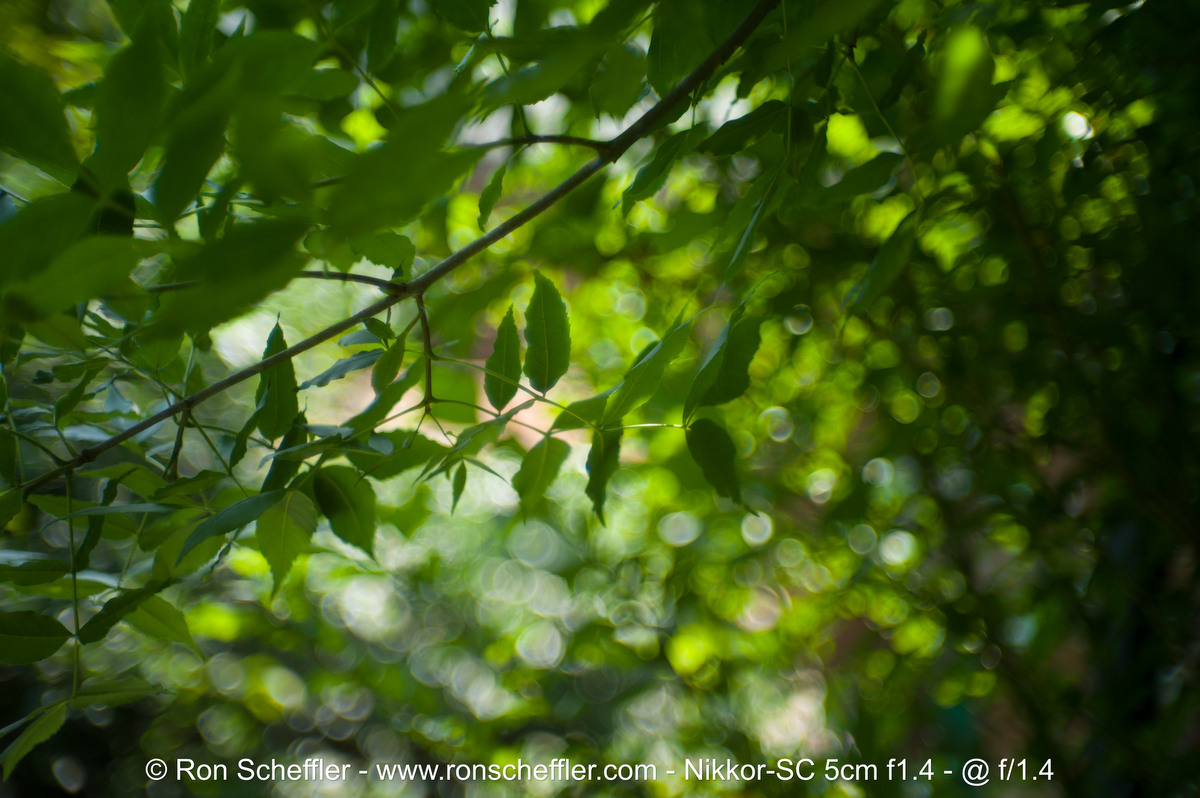
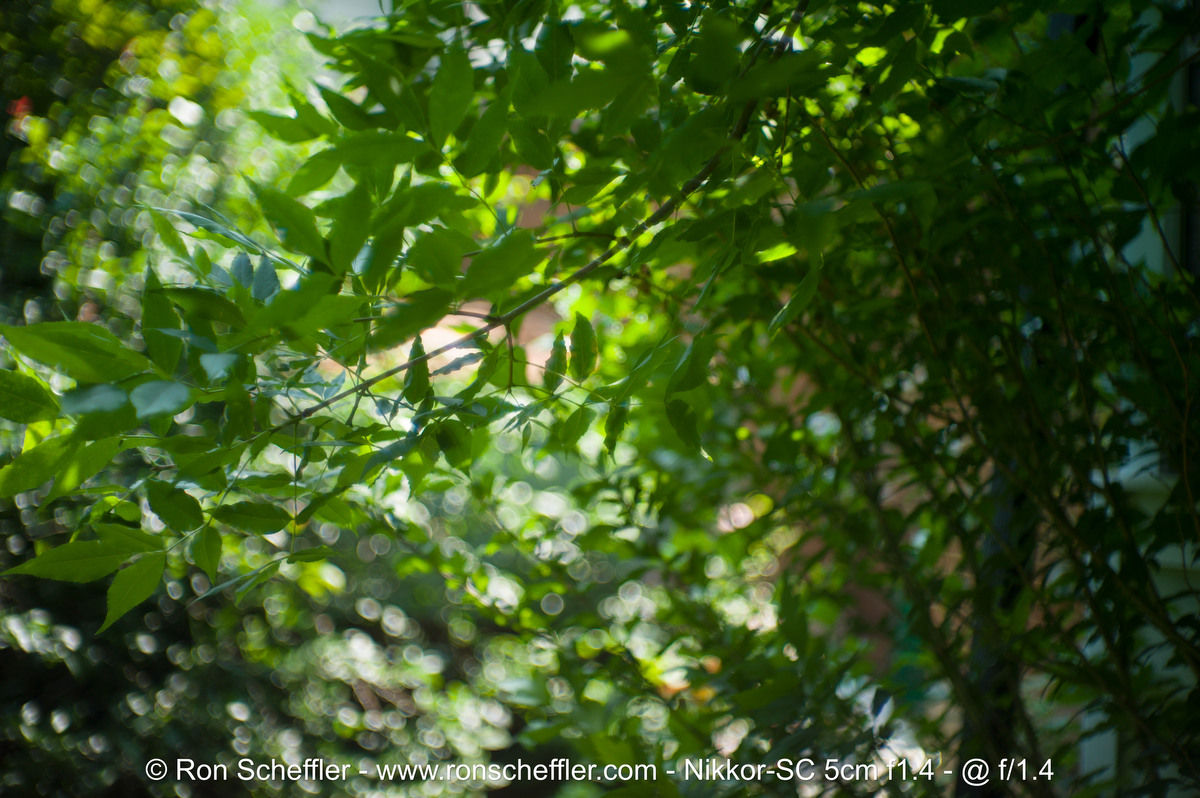
It's not hard-edged or as busy/energetic as the Sonnars I have wide open. In some respects, its bokeh is quite modern in that bokeh balls are even and with soft edges, yet as Fred mentioned, there's still some structure. These definitely look better than my first impressions based on the official Cosina/Voigtlander samples, at least with near distance focus and reasonable background separation.
Some vintage Sonnar examples at roughly 1.0 and 1.5m focusing distances:
Edited on Jun 28, 2024 at 12:18 AM · View previous versions
Yes, the front 5 elements look like a Bertele design. Any Sonnar-heads out here have an opinion on the rendering?
It's not hard-edged or as busy/energetic as the Sonnars I have wide open. In some respects, its bokeh is quite modern in that bokeh balls are even and with soft edges, yet as Fred mentioned, there's still some structure. These definitely look better than my first impressions based on the official Cosina/Voigtlander samples, at least with near distance focus and reasonable background separation.
Some vintage Sonnar examples at roughly 1.0 and 1.5m focusing distances:
Edited on Jun 28, 2024 at 12:18 AM · View previous versions
Jun 27, 2024 at 04:33 PM
p.1 #8Voigtlander 50mm f/2.2 Color-Skopar Review
Fred Miranda wrote:
When I first saw the updated image of the CV 50/2.2 posted by Cosina, I wasn't really fond of it, but I had a change of heart when I saw it mounted on the camera. The silver section of the lens matches the Leica M silver mount, providing a pleasant aesthetic look.
The design aesthetic is moving in the direction of what Leicaphiles call "Panda". C/V offers lenses with that full treatment, e.g. 50/3.5 Heliar. Makes easy pairing with chrome or black bodies if you own both.
Jun 27, 2024 at 05:03 PM
p.1 #9Voigtlander 50mm f/2.2 Color-Skopar Review
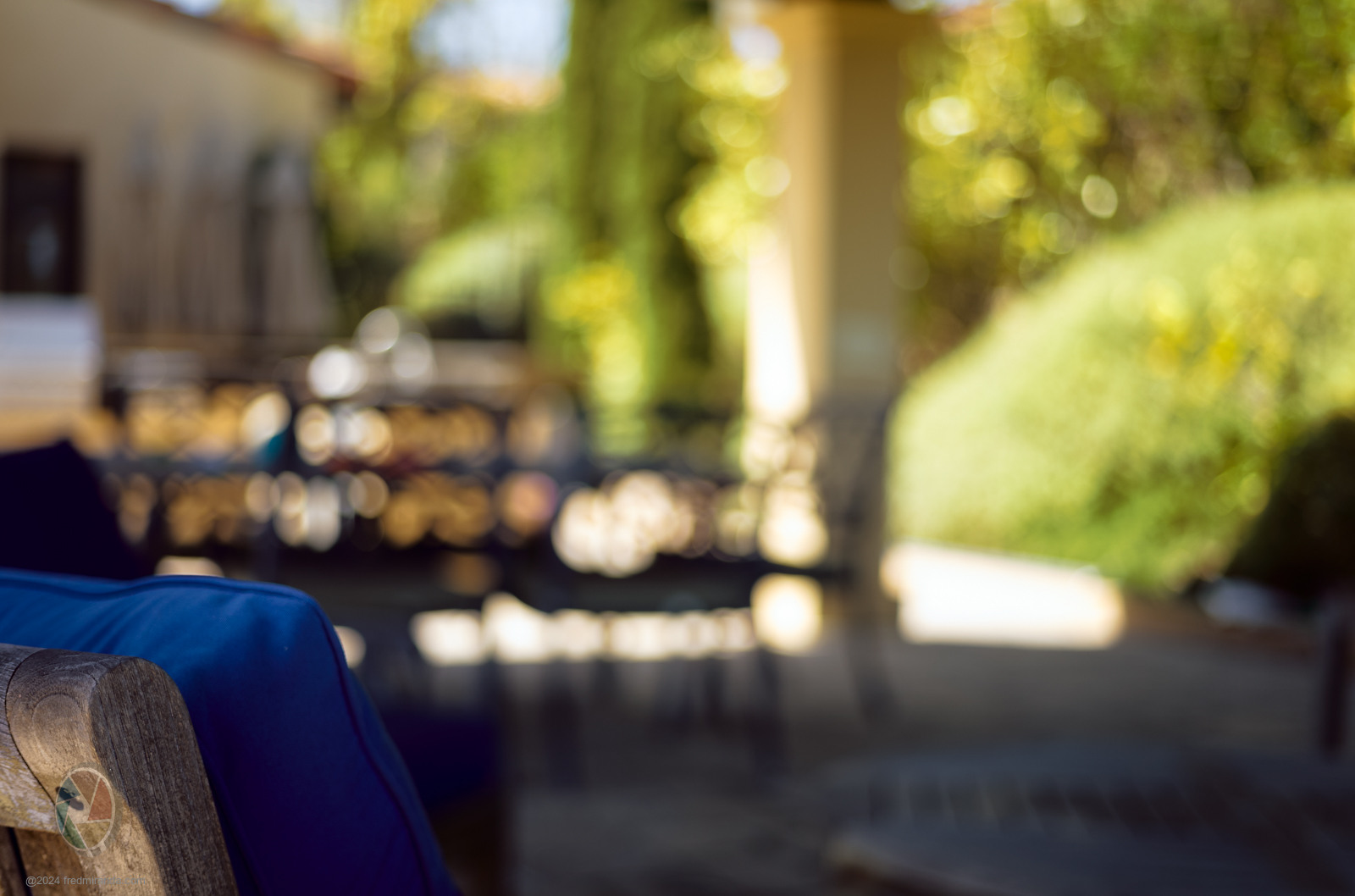
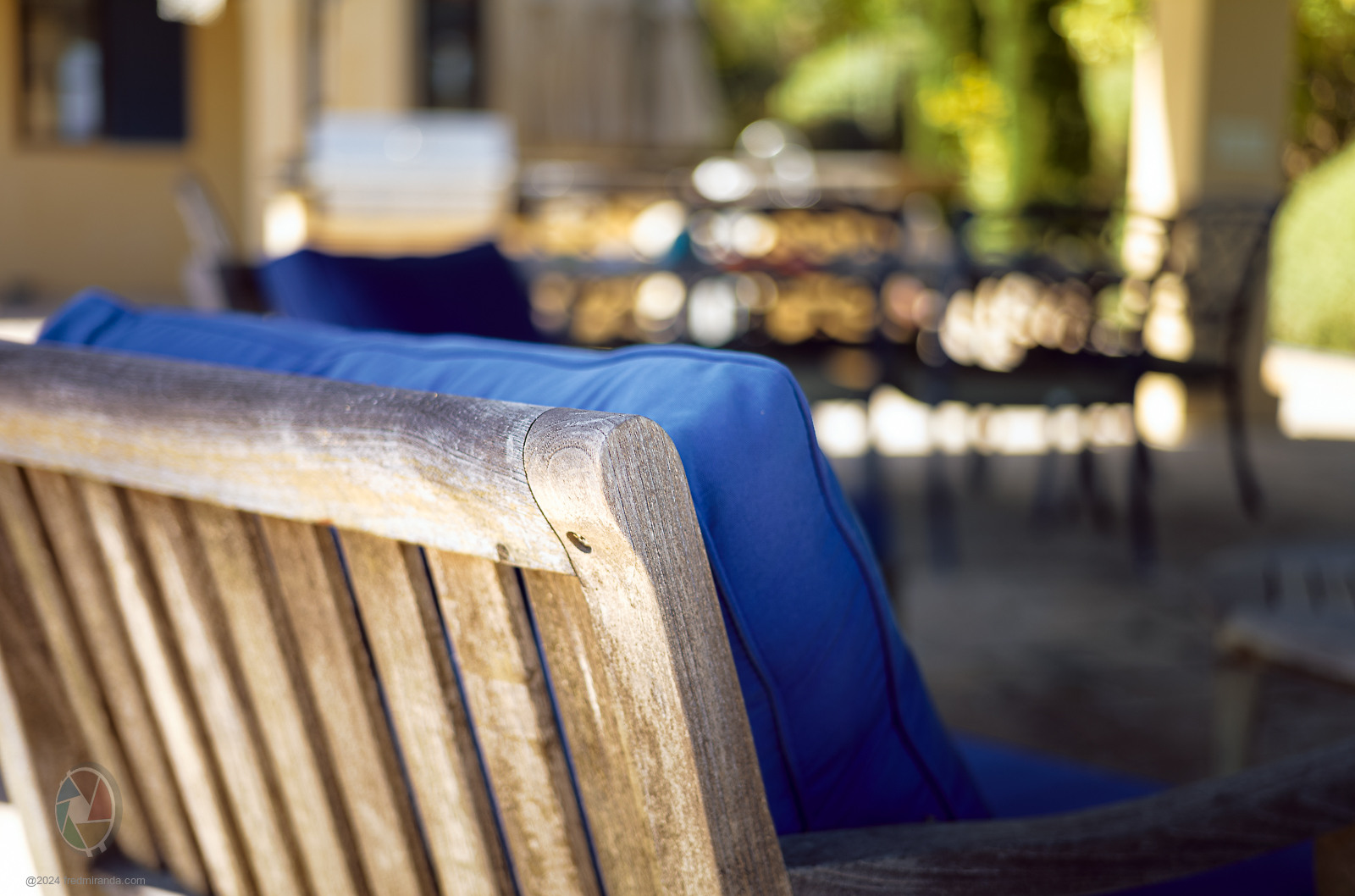
The best in-camera profile I've found so far is the "Summicron 1:2/50 Leitz." It greatly minimizes the vignetting of the CV 50/2.2.
Here are two samples showing this lens detection:
Here are two samples showing this lens detection:
|
||
 |
||
|
LEICA M10-R Summicron 1:2/50 Leitz lens 50mm f/2.4 1/250s 100 ISO +0.3 EV
|
||
 |
||
|
LEICA M10-R Summicron 1:2/50 Leitz lens 50mm f/2.0 1/180s 100 ISO +1.3 EV
Jun 27, 2024 at 05:28 PM
p.1 #10Voigtlander 50mm f/2.2 Color-Skopar Review
Slap that puppy onto your MP and shoot a roll through it.
Give the people what they want - even Ron is shooting film again!
Give the people what they want - even Ron is shooting film again!
Jun 27, 2024 at 10:48 PM
|
p.1 #11Voigtlander 50mm f/2.2 Color-Skopar Review
Desmolicious wrote:
Slap that puppy onto your MP and shoot a roll through it.
Give the people what they want - even Ron is shooting film again!
One shot and I'm done - my first since ~2002. Now back to the cold yet familiar embrace of digital.
Slap that puppy onto your MP and shoot a roll through it.
Give the people what they want - even Ron is shooting film again!
One shot and I'm done - my first since ~2002. Now back to the cold yet familiar embrace of digital.
Jun 28, 2024 at 12:16 AM
p.1 #12Voigtlander 50mm f/2.2 Color-Skopar Review
Like what I see based on these sample images. Would be interested to see how it compares to my Zeiss 50mm f2 Planar.
Jun 28, 2024 at 02:20 AM
p.1 #13Voigtlander 50mm f/2.2 Color-Skopar Review
The problem I have w the 50 2.2 is I already have the 50 1.5 II. That lens is also tiny especially given the speed and I really should use it more. I kinda forget I have it!
But as it is made of brass it is a bit of a chunker. Super light weight does seem nice.
But as it is made of brass it is a bit of a chunker. Super light weight does seem nice.
Jun 28, 2024 at 08:59 AM

p.1 #14Voigtlander 50mm f/2.2 Color-Skopar Review
I think this 50/2.2 paired with the equally tiny 28/2.8 would be a fantastic travel kit with my M10. I already have the 28 so I just need Cosina to release the 50 to the masses so I can find a way to justify yet another lens. 
Jun 28, 2024 at 09:08 AM
p.1 #15Voigtlander 50mm f/2.2 Color-Skopar Review
SNJOps wrote:
Like what I see based on these sample images. Would be interested to see how it compares to my Zeiss 50mm f2 Planar.
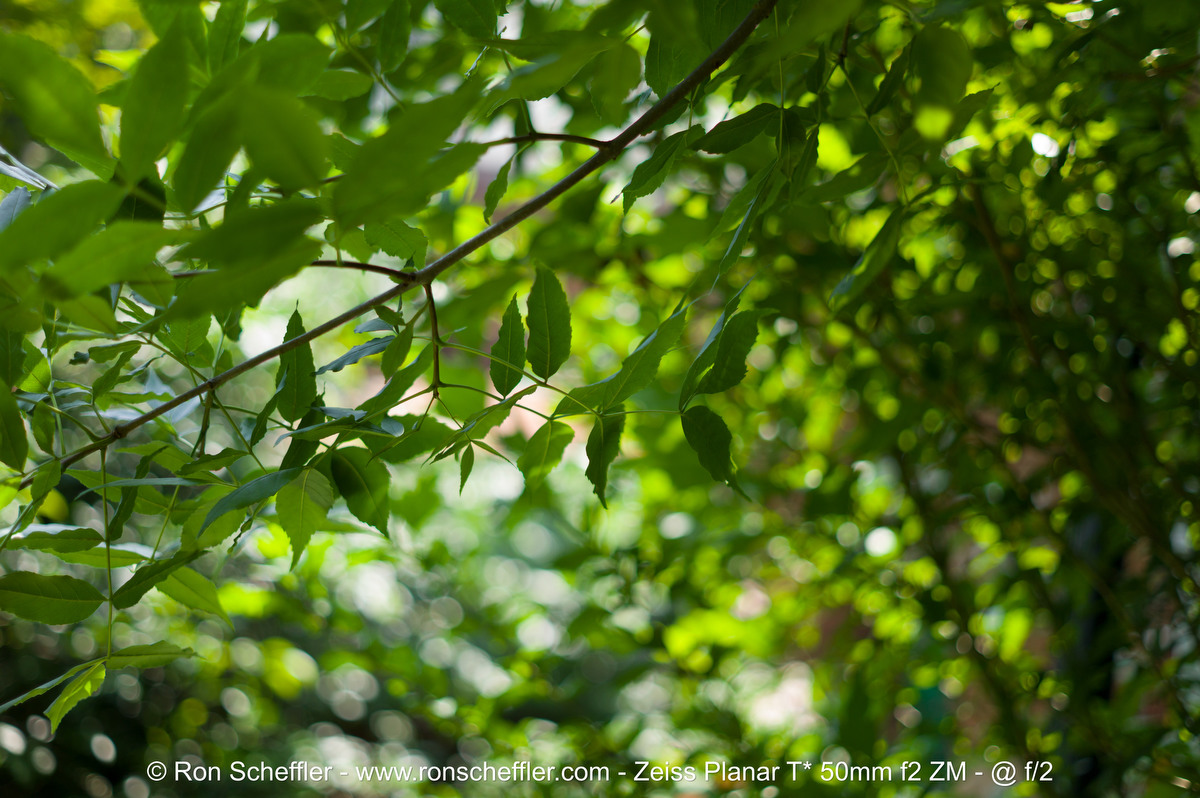
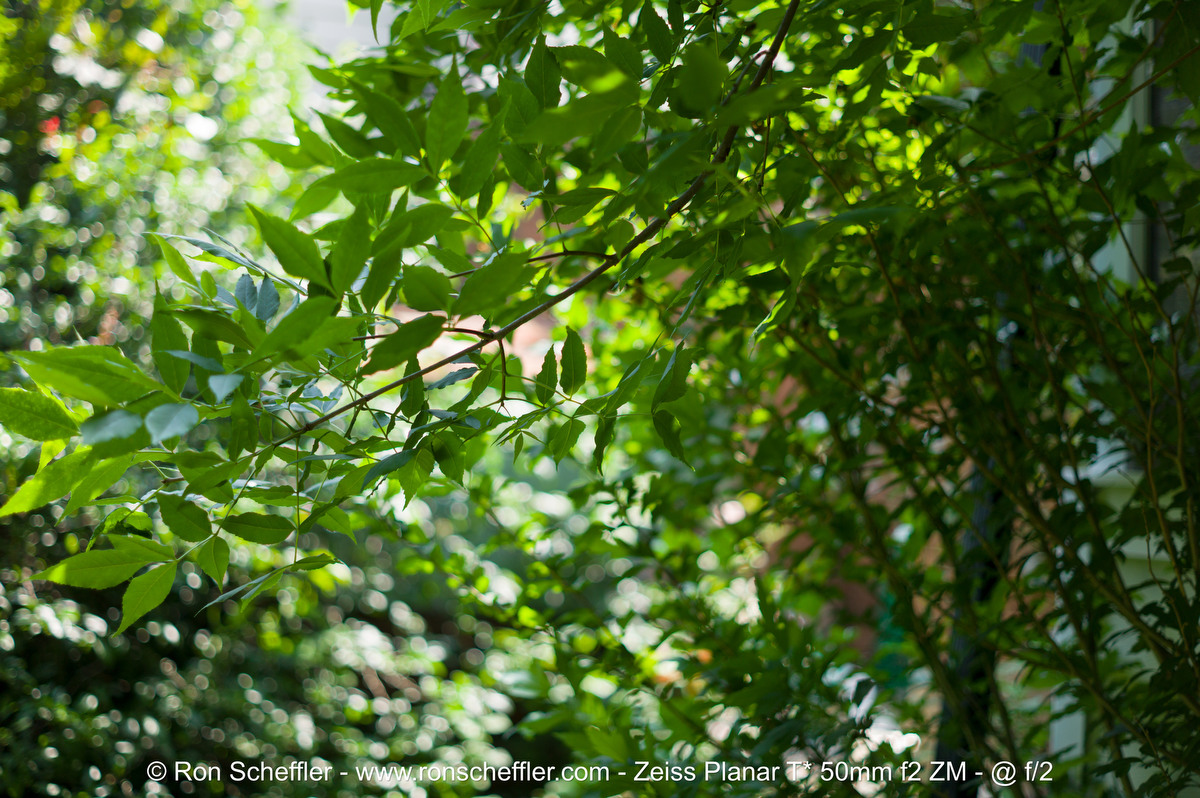
Here are a couple ZM Planar photos shot at the same time as the Sonnar photos above to give you some idea about bokeh. The ZM appears to be closer to the new VM in this respect, but the ZM is certainly a larger/longer lens.
Like what I see based on these sample images. Would be interested to see how it compares to my Zeiss 50mm f2 Planar.
Here are a couple ZM Planar photos shot at the same time as the Sonnar photos above to give you some idea about bokeh. The ZM appears to be closer to the new VM in this respect, but the ZM is certainly a larger/longer lens.
Jun 28, 2024 at 10:28 AM
p.1 #16Voigtlander 50mm f/2.2 Color-Skopar Review
matthewm wrote:
I think this 50/2.2 paired with the equally tiny 28/2.8 would be a fantastic travel kit with my M10. I already have the 28 so I just need Cosina to release the 50 to the masses so I can find a way to justify yet another lens.
CV's 40mm 2.8 is even tinier and matches even better to the 28 2.8 v1!
I think this 50/2.2 paired with the equally tiny 28/2.8 would be a fantastic travel kit with my M10. I already have the 28 so I just need Cosina to release the 50 to the masses so I can find a way to justify yet another lens.
CV's 40mm 2.8 is even tinier and matches even better to the 28 2.8 v1!
Jun 28, 2024 at 10:57 AM
p.1 #17Voigtlander 50mm f/2.2 Color-Skopar Review
rscheffler wrote:
Give the people what they want - even Ron is shooting film again!One shot and I'm done - my first since ~2002. Now back to the cold yet familiar embrace of digital.
Ron. You'll never be done. You may think you're done with it, years later, there you are again, shooting film.
Edited on Jul 19, 2024 at 01:11 AM · View previous versions
Desmolicious wrote
Slap that puppy onto your MP and shoot a roll through it.Give the people what they want - even Ron is shooting film again!
Ron. You'll never be done. You may think you're done with it, years later, there you are again, shooting film.
Edited on Jul 19, 2024 at 01:11 AM · View previous versions
Jun 28, 2024 at 10:59 AM
p.1 #18Voigtlander 50mm f/2.2 Color-Skopar Review
Desmolicious wrote:
Slap that puppy onto your MP and shoot a roll through it.
Give the people what they want - even Ron is shooting film again!
I didn't have the opportunity to shoot with the MP, as I only had the lens for a couple of days. It already went back yesterday.
I should receive a production model to continue this review as soon as it's available.
Jun 28, 2024 at 07:36 PM
p.1 #19Voigtlander 50mm f/2.2 Color-Skopar Review
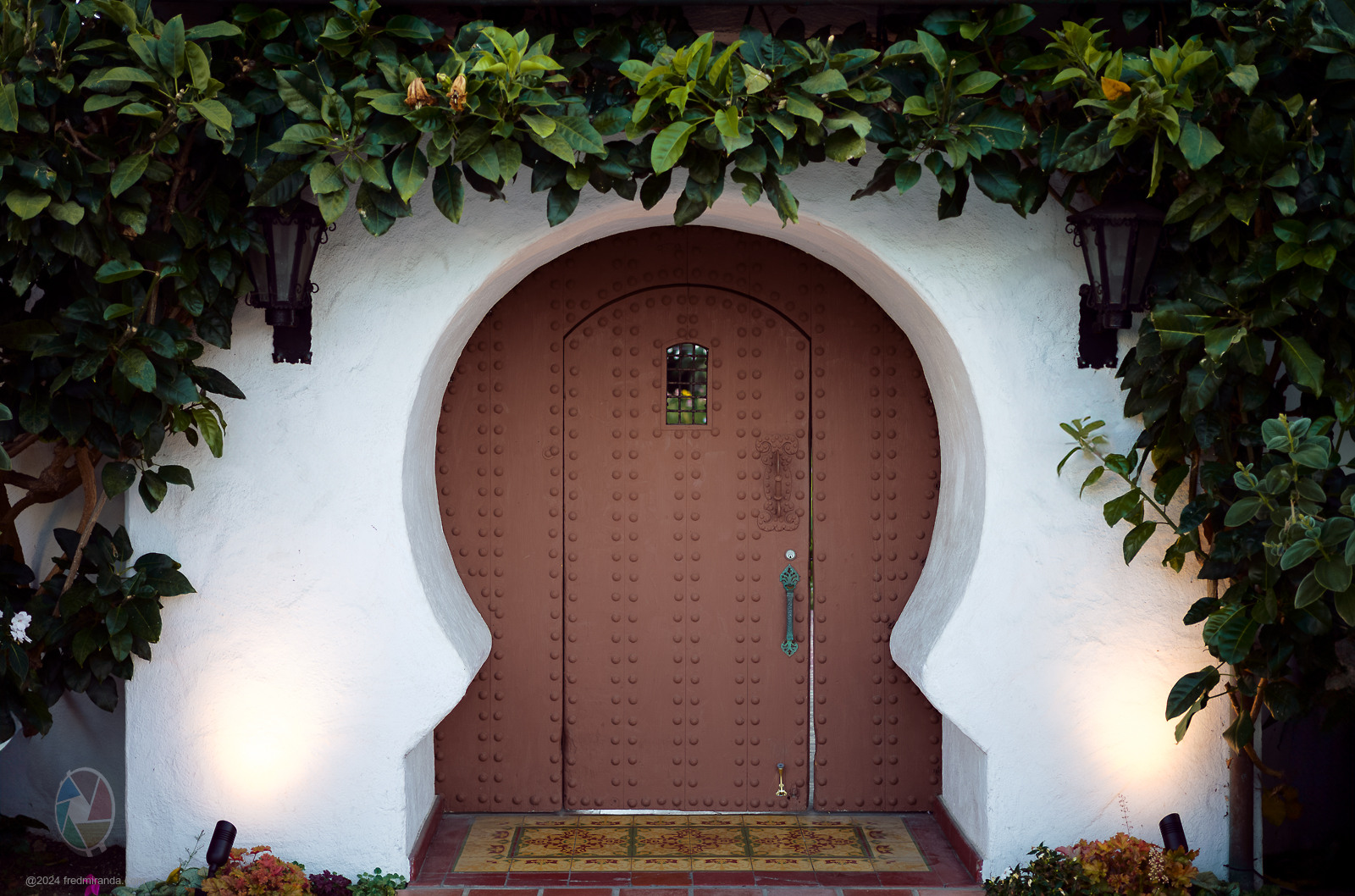
A few more samples from yesterday:
|
||
 |
||
|
LEICA M10-R f/2.4 1/60s 100 ISO 0.0 EV
|
||
 |
||
|
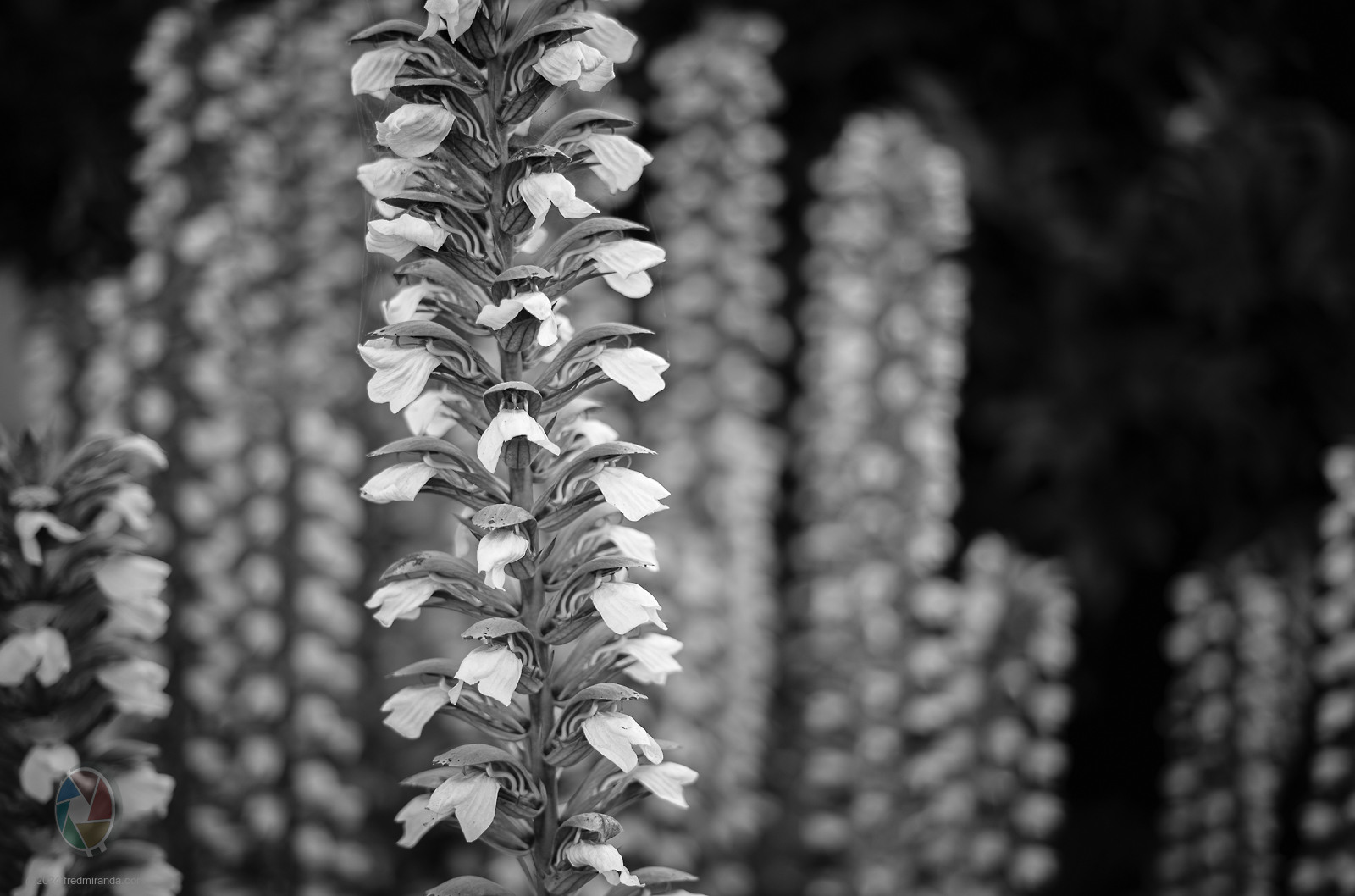
LEICA M10-R f/1.7 1/90s 100 ISO 0.0 EV
|
||
 |
||
|
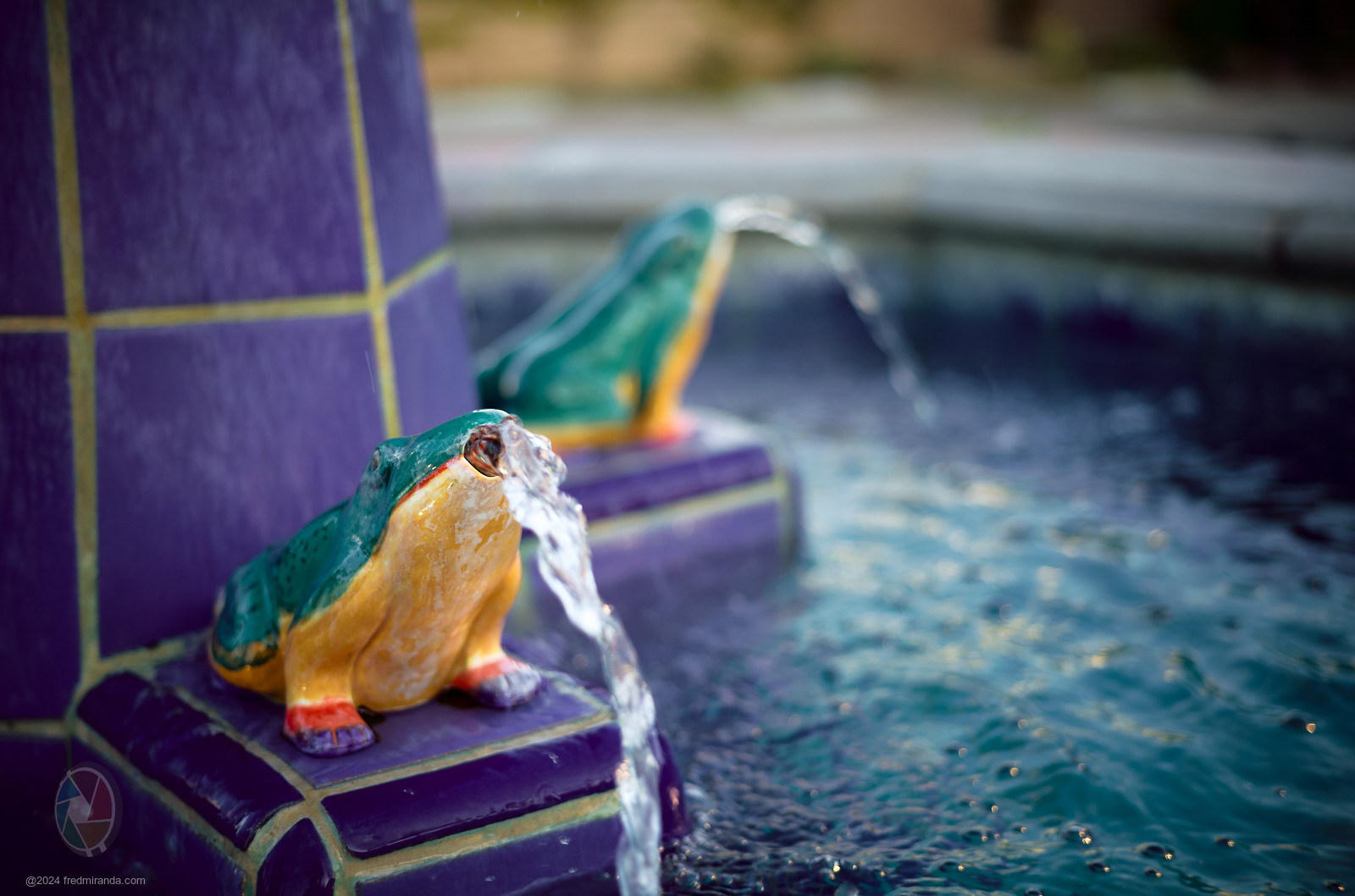
LEICA M10-R f/2.4 1/125s 100 ISO 0.0 EV
|
||
 |
||
|
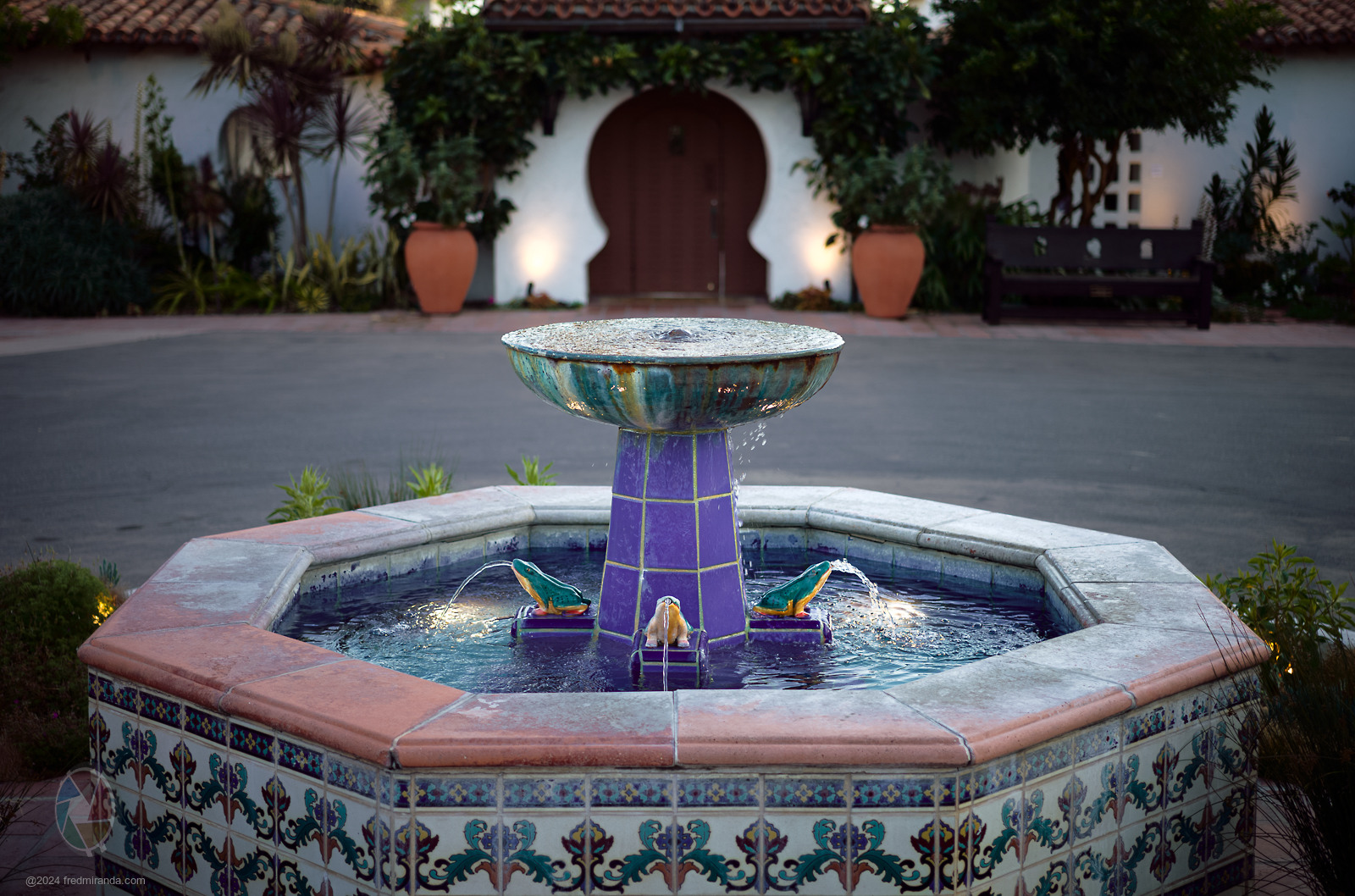
LEICA M10-R f/2.4 1/180s 100 ISO 0.0 EV
|
||
 |
||
|
LEICA M10-R f/2.0 1/250s 100 ISO 0.0 EV
|
||
 |
||
|
LEICA M10-R f/2.8 1/350s 100 ISO -0.3 EV
Jun 28, 2024 at 08:13 PM
p.1 #20Voigtlander 50mm f/2.2 Color-Skopar Review
Fred Miranda wrote:
The best in-camera profile I've found so far is the "Summicron 1:2/50 Leitz." It greatly minimizes the vignetting of the CV 50/2.2.
Here are two samples showing this lens detection:
Would be curious to see a "same shot" side by side or overlay of the natural vignetting vs. the profiled vignetting when you do your production version review.
Could be a decent little "nifty fifty" to have in the bag, accepting that there's gonna be some tradeoff to achieve that size.
Jun 29, 2024 at 05:49 AM