csdog08 wrote:
Never tried shooting space photos but these are really nice. I like the color patterns you captured.
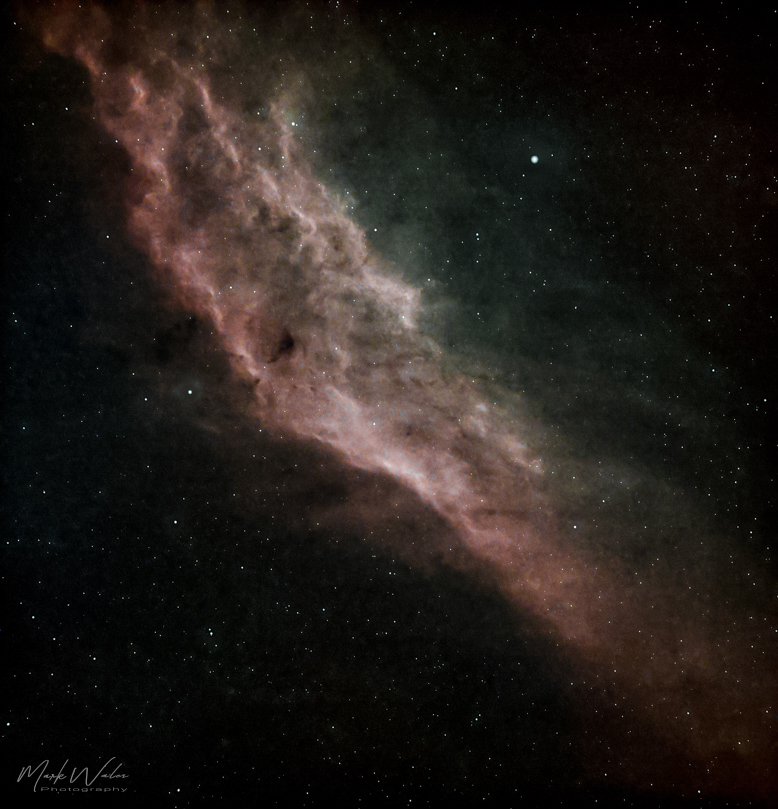
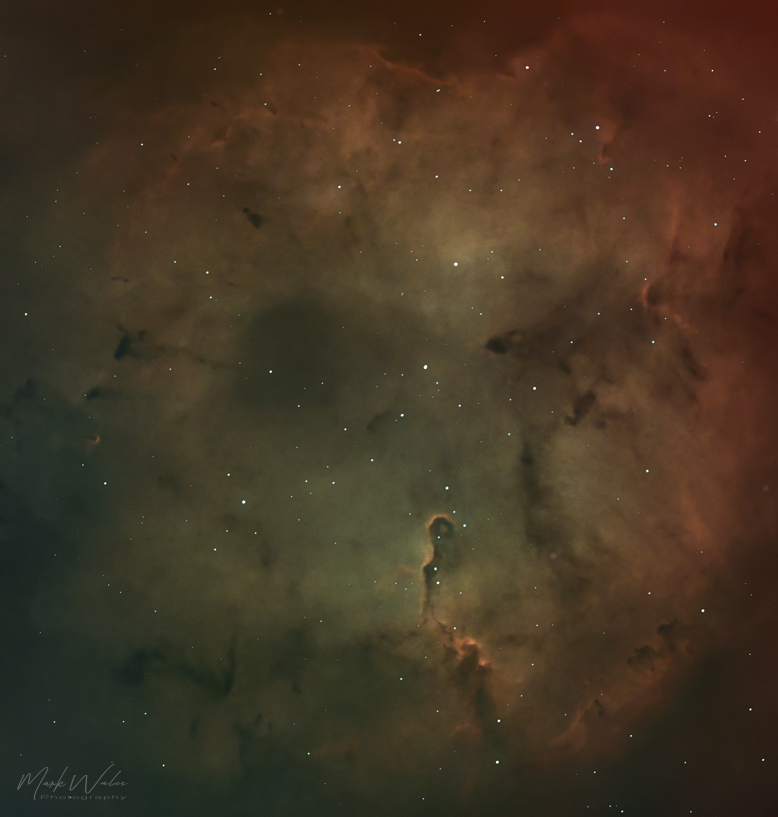
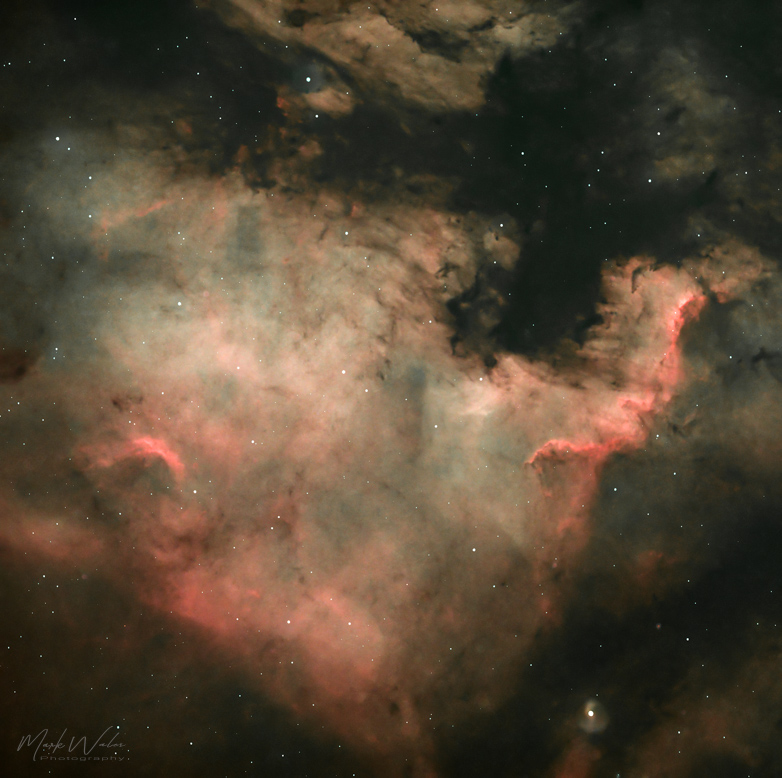
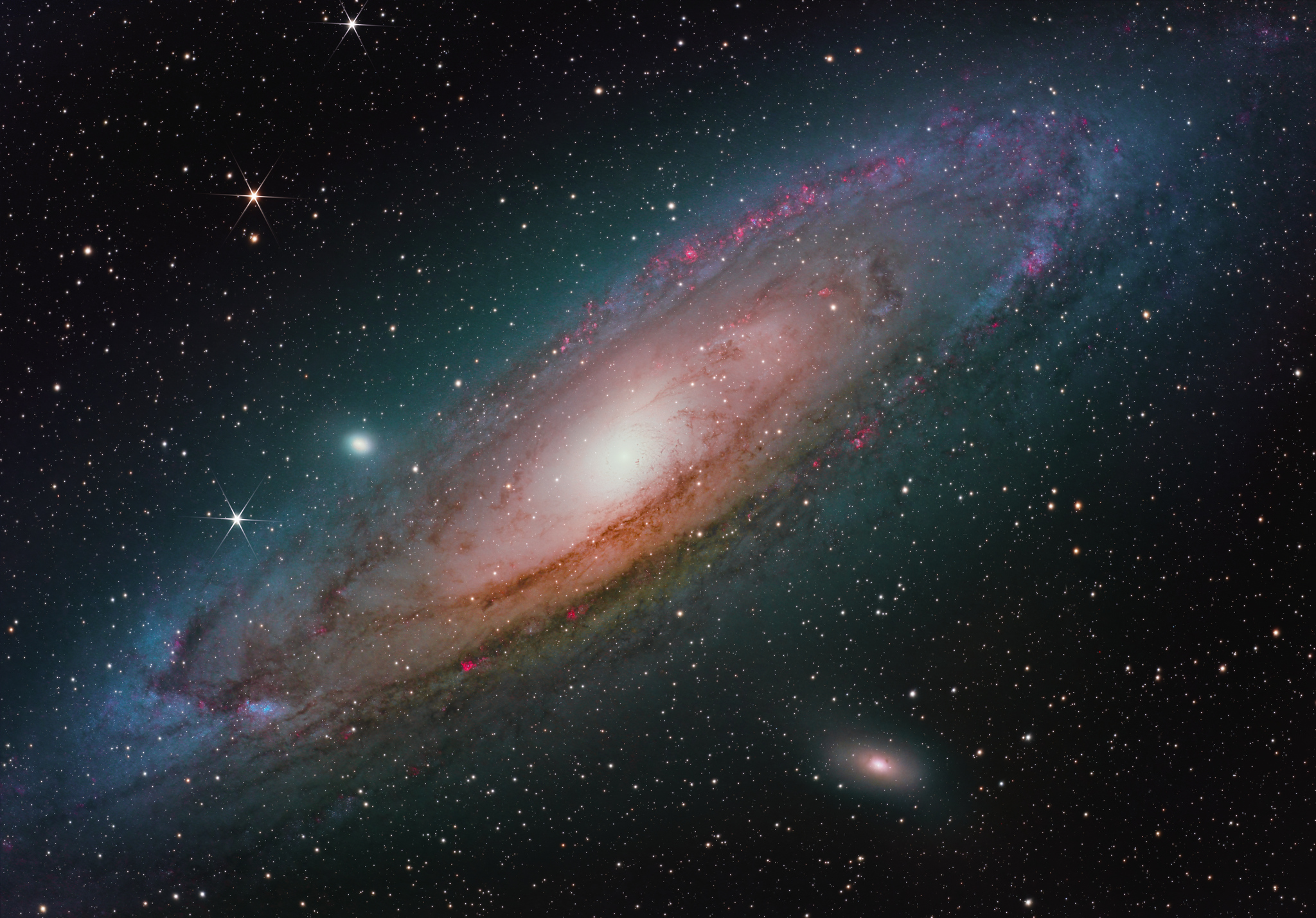
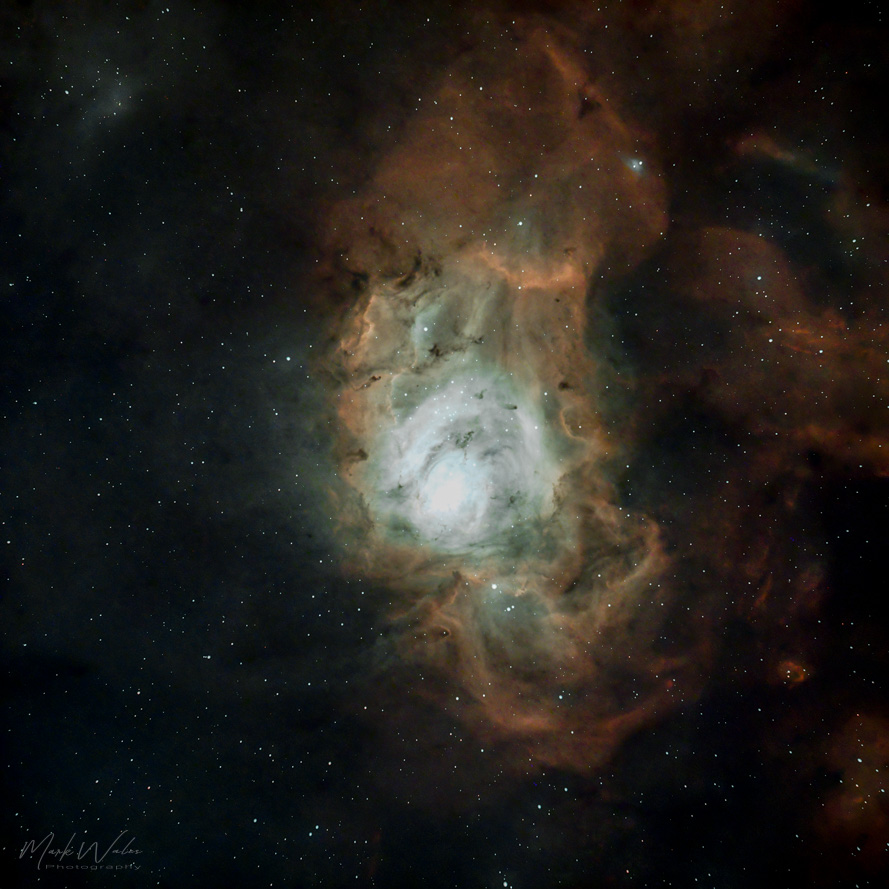
The filter used only allows certain wave lengths of light through to the sensor in this case it's an Optolong L-Enhance narrowband filter that allows Hydrogen Alpha, Hydrogen Beta and Oxygen III that give them the colors.
that is very cool. What equipment did you use, and when you say 8 hours worth of data, does that mean you took a series of long exposures using a tracking device and stacked them?
Thank You! I use exposures of ~120 seconds each and then stack them together in PixInsight. Youtube has many many videos of how it's done. I do it over several clear nights.
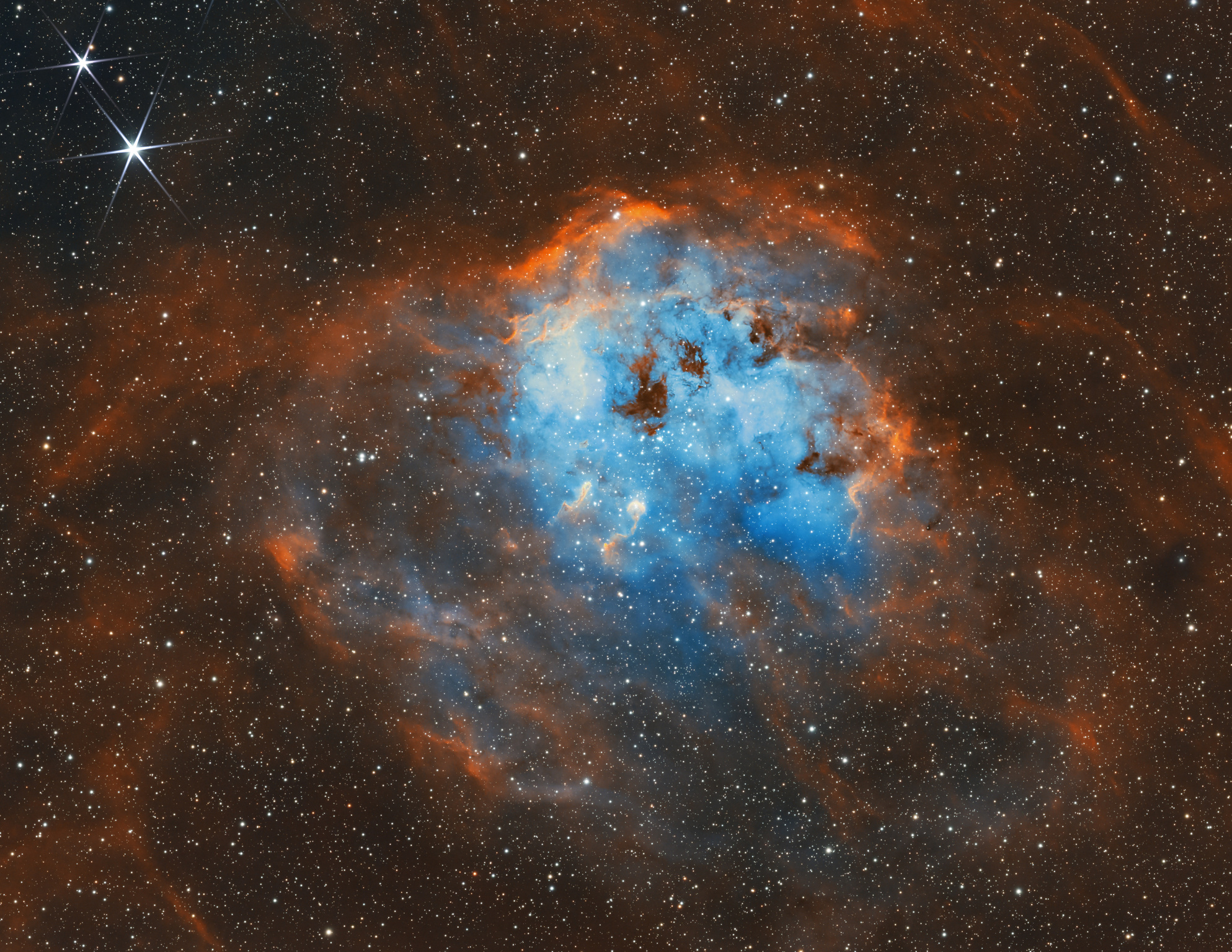
In the Tadpole image there are:
Ha 139×120″ 4h 38′
Oiii 144×120″ 4h 48′
Sii 141×120″ 4h 42′
Blue 35×60″ 35′
Green 35×60″ 35′
Red 35×60″ 35′
Leah Hallett wrote:
Thank You! I use exposures of ~120 seconds each and then stack them together in PixInsight. Youtube has many many videos of how it's done. I do it over several clear nights.
In the Tadpole image there are:
Ha 139×120″ 4h 38′
Oiii 144×120″ 4h 48′
Sii 141×120″ 4h 42′
Blue 35×60″ 35′
Green 35×60″ 35′
Red 35×60″ 35′
Leah, thanks for this breakdown. I'm assuming M_Wales is doing something similar (and apologies - not trying to hijack thread) to get the results. Seems like a lot of work, but the results make me think you're both sitting on the Space Telescope in space suits taking these . Really spectacular.
I'm using a ZWO ASI533MC Pro one shot color camera that has a micro 4/3 size sensor and I make small images to post, if I'm going to print them to display I make them much larger..
Leah Hallett wrote:
Thank You! I use exposures of ~120 seconds each and then stack them together in PixInsight. Youtube has many many videos of how it's done. I do it over several clear nights.
In the Tadpole image there are:
Ha 139×120″ 4h 38′
Oiii 144×120″ 4h 48′
Sii 141×120″ 4h 42′
Blue 35×60″ 35′
Green 35×60″ 35′
Red 35×60″ 35′
Beautiful images Leah... I just started using Pixinsight this past week and very happy with the results...
gerov wrote:
that is very cool. What equipment did you use, and when you say 8 hours worth of data, does that mean you took a series of long exposures using a tracking device and stacked them?
Thank you,
Gero
I mostly take 3 min. exposures and using a ZWO ASIAIR I set up and auto run in the software to take however many I have time for or the target will still be visible.
Using an equatorial mount with guiding it will track the target across the night sky. Guiding is preformed by a smaller scope with a second astro camera that tracks a star in the area of the target you are shooting and sends pulses to the mount to keep the imaging scope/camera always centered on the target during these long exposures...
That 8 hours data is 160, 3 min. images stacked together..
Out curiosity and fascination, why do you need to stack so many individual images to come up with this result (notwithstanding the need to take X number of images per filter)?
Stacking, I am told, balances out noise and increases faint light/signal to bring out much more detail. I don’t know exactly/technically how PixInsight and other stacking programs do this. If you look up Adam Block on YouTube he is very knowledgeable and probably has a video to explain how it works technically!