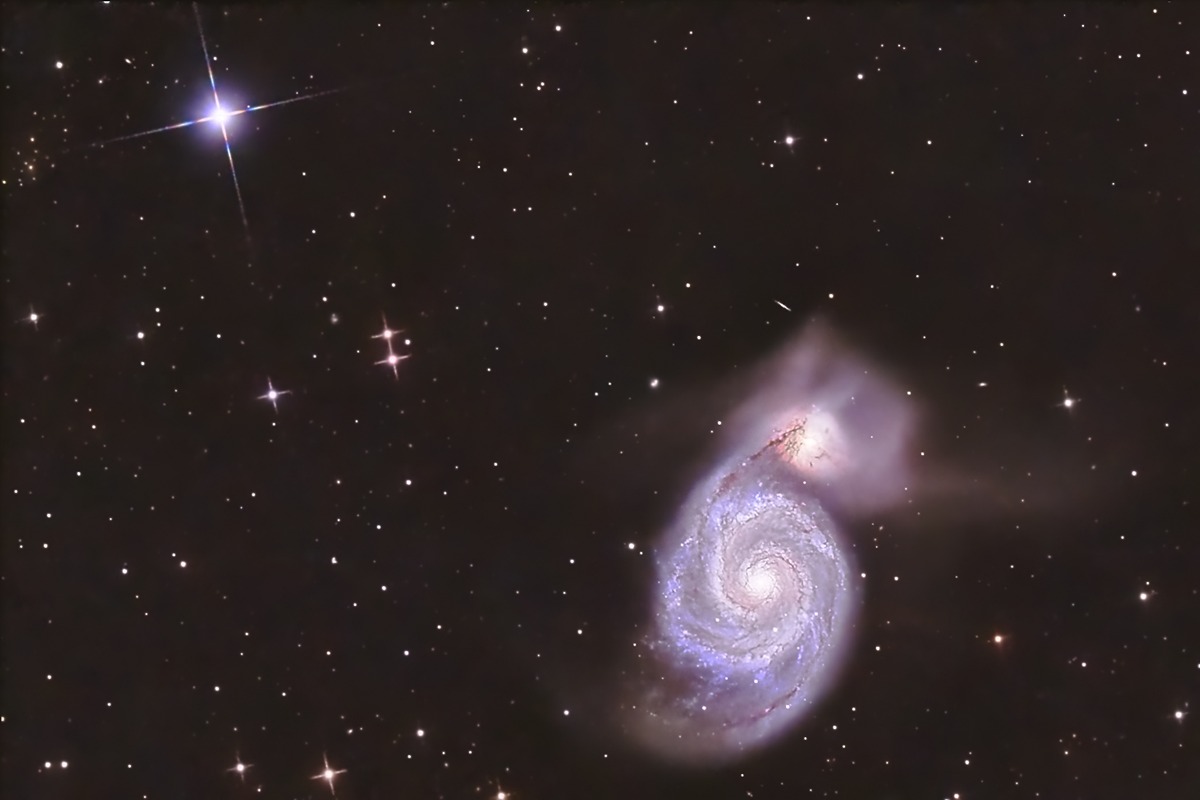
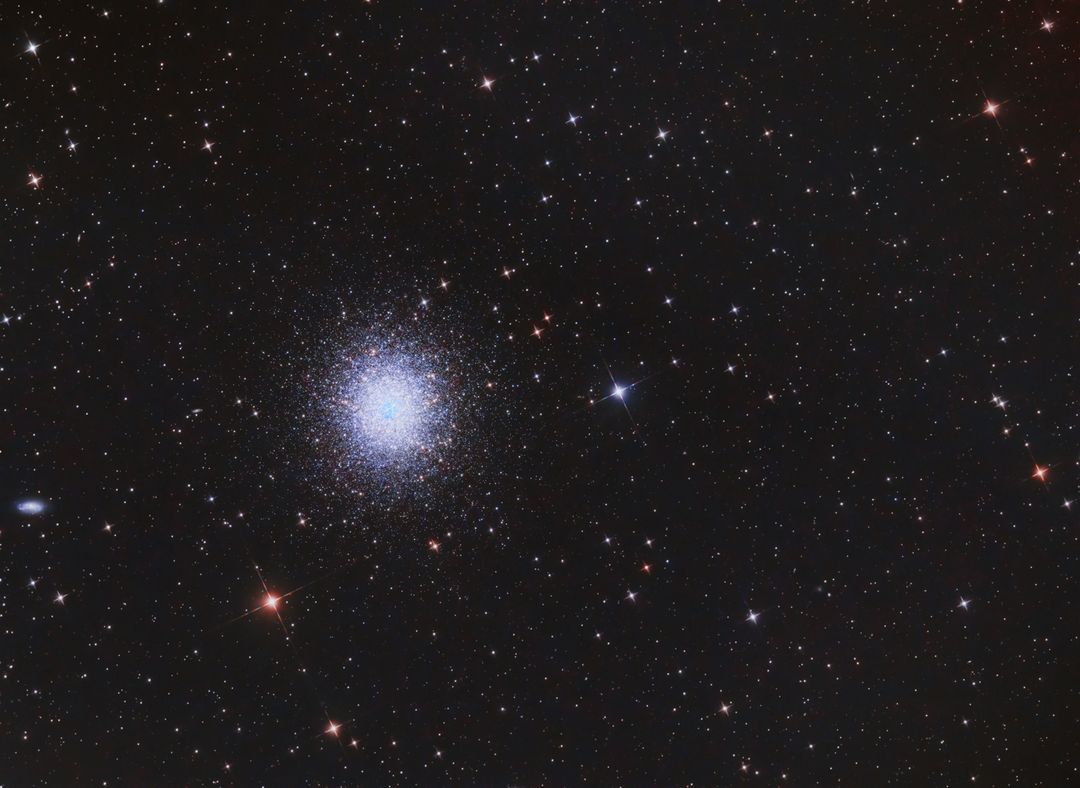
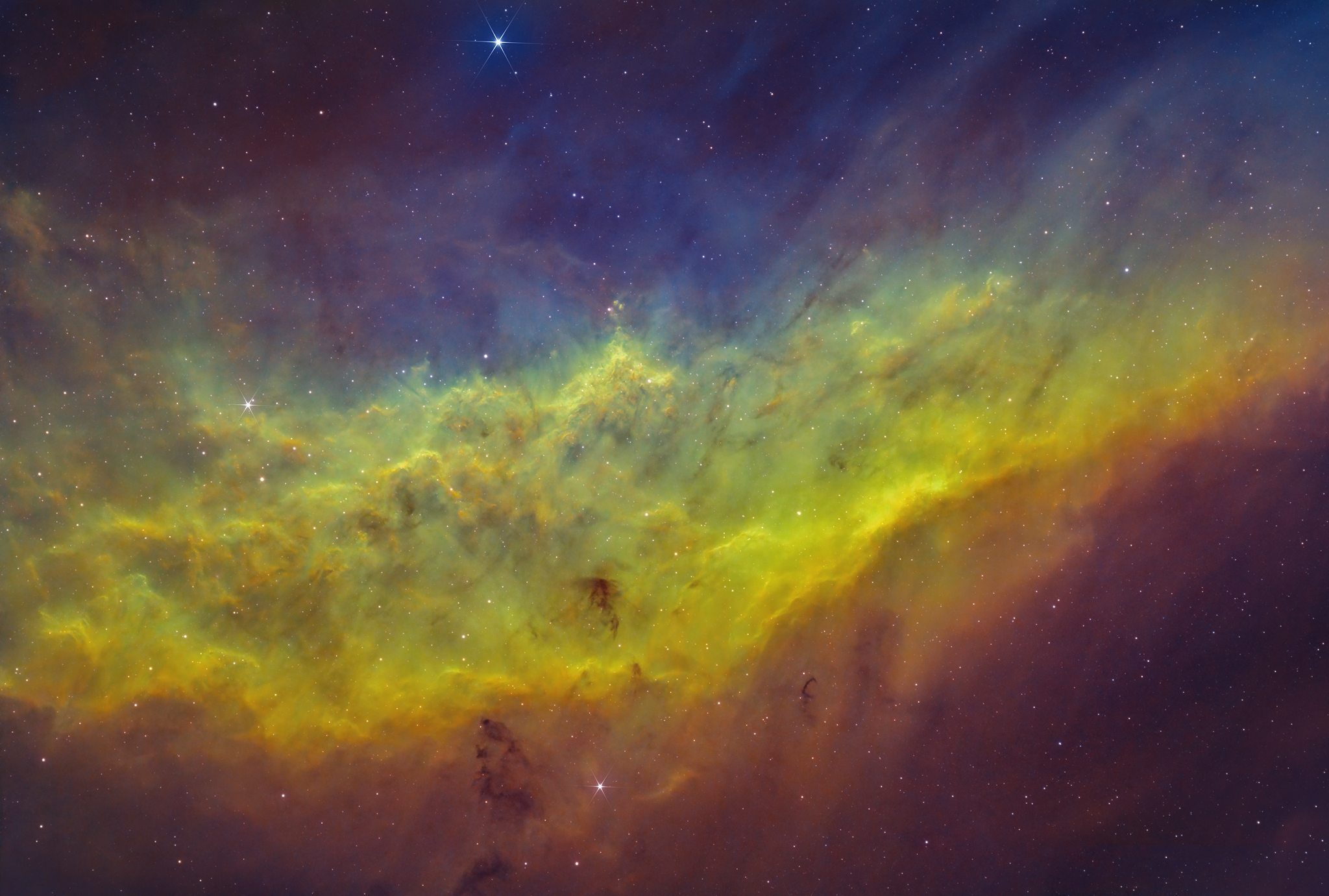
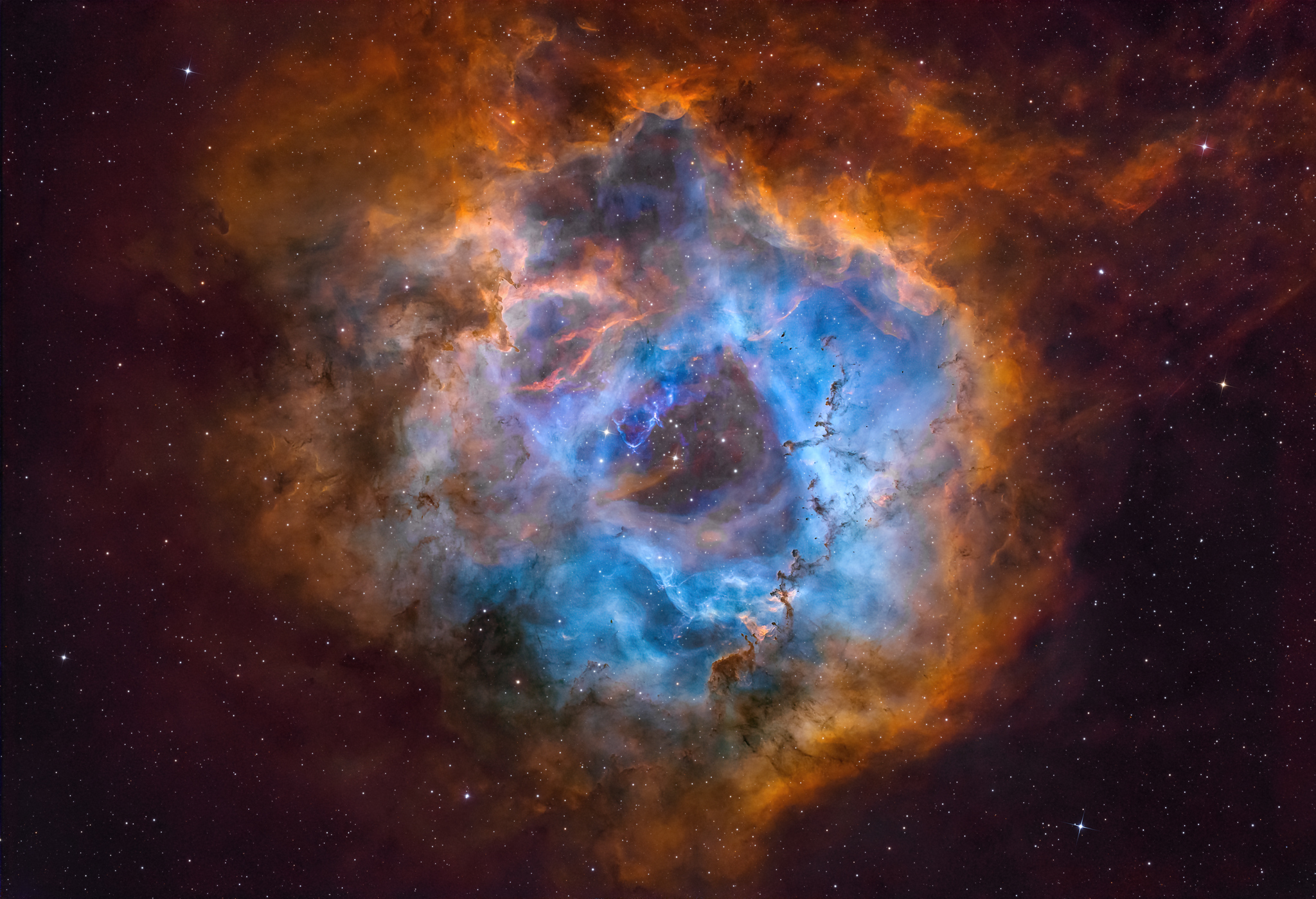
OMG tennclay.......Those are frikkin amazing...My head boggles every time looking at these and how all of you get these...It is a lot of hard work...These are amazing, this page and last page.
I left astrophotography for over a decade and just got back into it last year. It used to be much much harder! Now with mini computers and very sophisticated sequencing software, data acquisition is easier now, in my mind. I can kick off a sequence and go to bed unless the weather is iffy.
Processing is still a challenge, but I’m learning!
I mostly use a Takahashi epsilon 160ed, zwo AM5 mount, an ASI 2600MC, and a pair of Ha/OIII and SII/OIII narrow band filters (since I use a One Shot Color camera) and control it through NINA and a mini computer- I also have an ASI Air computer that I use occasionally.
The challenges are endless, but I find the hobby rewarding.
Birdied's featured post on water droplets reminded me of this thread, so I'm going to give it a lift back to the top in hopes that you all have some more of these spectacular images to share.
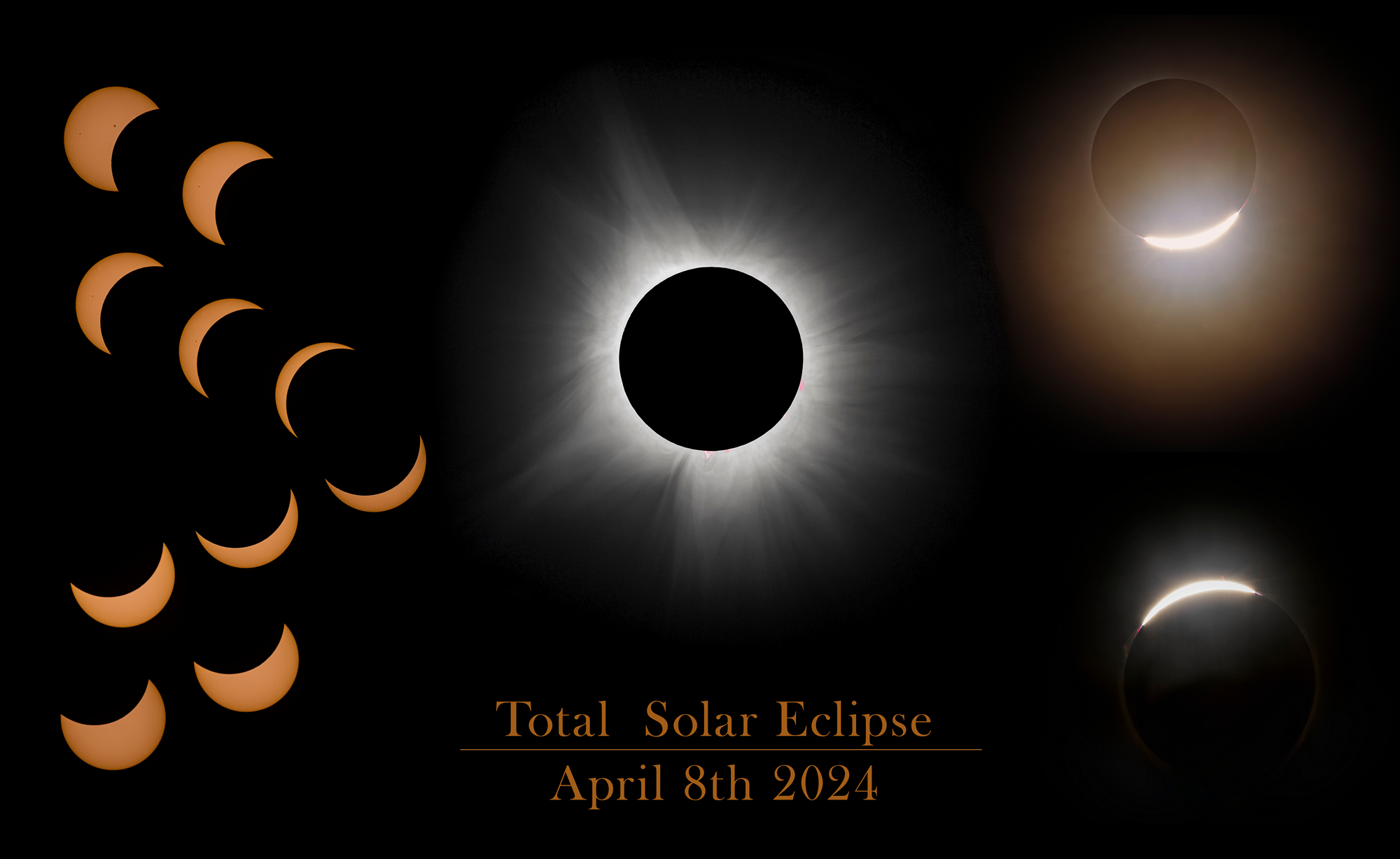
Canon R5, Canon RF 100-500mm F4.5-7.1 L IS USM, Canon RF 1.4x, Baader AstroSolar filter on an old Manfrotto 3011 Tripod with a cheap ebay no-name Gimbal Head. Image stabilization off. Electronic First Curtain shutter. Daylight white balance. Manual Mode. Fine Detail Picture Style.
I used the Canon Connect App on my iPhone to change ISO, release the shutter, and manually bracketed shots. Should have used My AM5 tripod to track the sun. I had to manually re-center too often. The key shots you want are over and gone way too fast right as you have to remove the solar filter. I lost focus when I removed the solar filter and I overexposed in my bracketing.
The quality of the photos here, a reflection of the patient time spent and sheer artistry of the presenters, is simply mind-boggling, along the same scale as the objects they have photographed.
Thanks for sharing, and @Leah Hallett, toot away, and make it a train horn. Just love all your imagery.
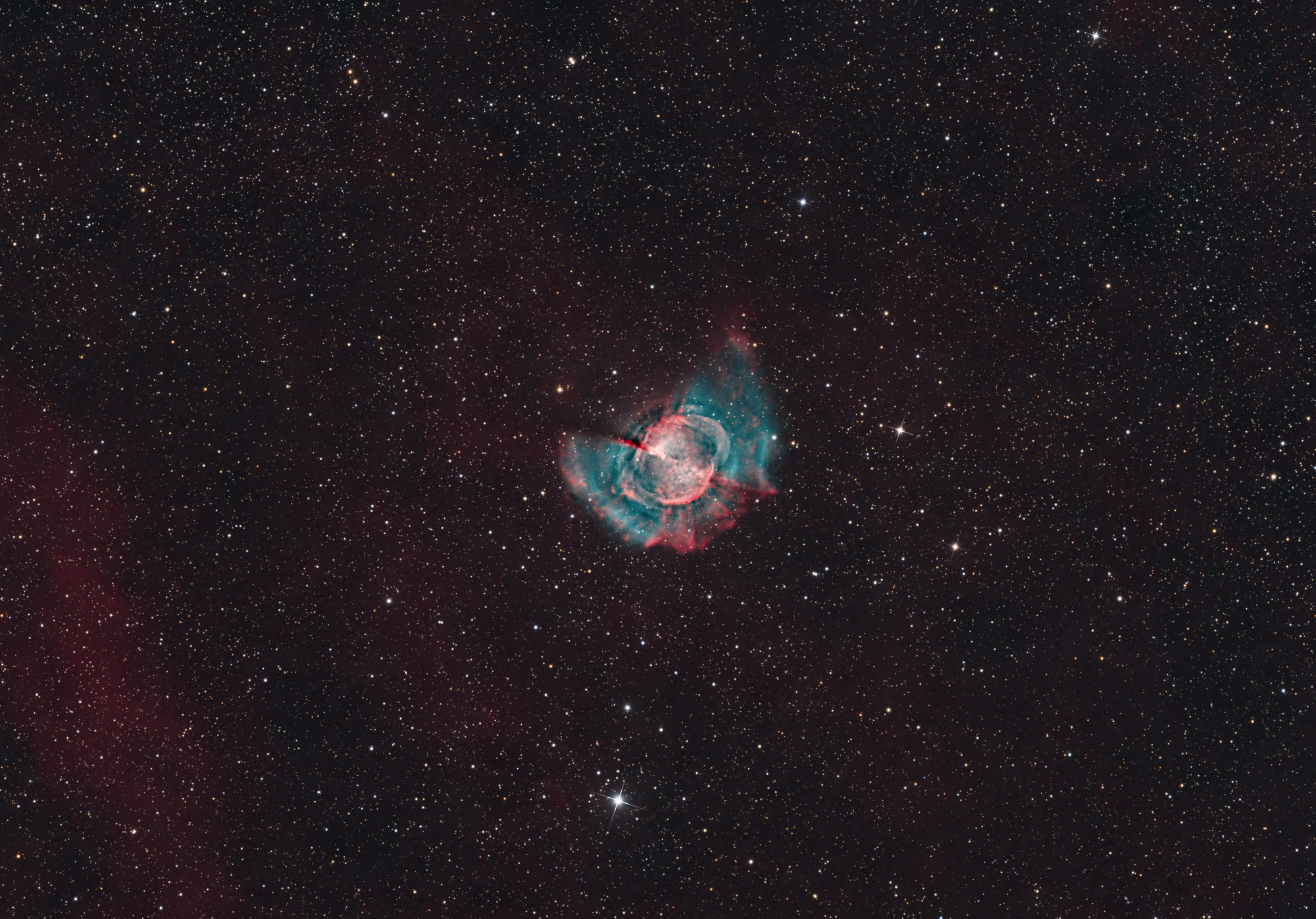
To all those who contributed, I sure am glad I brought this back to the top at the end of May, the image here are simply breathtaking. Leah, that Dumbbell Nebula looks more like a beautiful butterfly.
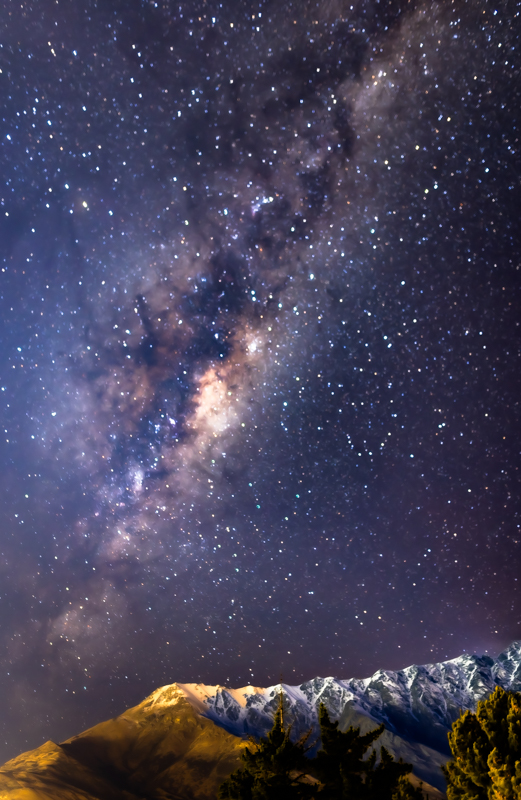
While not technically deep space, I feel myself being pulled into the deep space quicksand as this image that I captured in New Zealand in early July nudged me into getting my first tracker, and now I'm trying to figure out what I need to be able to use my EF500 or 800 to reach way further...
This was taken with my R5 and a Sigma 24 1.4, and I recognize that in comparison to other images, the stars aren't nearly as sharp. Quoting Ted Lasso - call it a work in progmess...
Canon EOS R524mm F1.4 DG HSM | Art 015 lens24mmf/1.630s800 ISO0.0 EV