Keahi08 wrote:
I like it. I see Boos is expanding it's use case. Can you scan 120 with the 90mm?
I should be able to. This was Negative Supply’s first copy stand so it’s open between the support legs, that’s why I added the block. If I was to do 120, I would remove the block and take the camera up to the high point on the column. At first I was concerned the 90 would be too long for 35 and tried a Sigma ART 70 macro but the FE90 is so much better, I sold the Sigma.
lifeandmylens wrote:
I'm obviously super new to this whole thing, but I researched it and decided to keep the bulk of the film in the fridge. I leave 2-3 rolls out of each stock in my camera cabinet.
Same here. From what I've read, storing film in the fridge can actually help maintain its quality, especially if you won't be using it for a while. However, when planning to store it for a really long time, the freezer could be an even better option to preserve it well.
Fred Miranda wrote:
Same here. From what I've read, storing film in the fridge can actually help maintain its quality, especially if you won't be using it for a while. However, when planning to store it for a really long time, the freezer could be an even better option to preserve it well.
Also storing my original (not self-rolled) film rolls in the fridge. I shine away from using the freezer since I am afraid some condensation might occur when defrosting.
But even when stored in the fridge, it is not a bulletproof way to avoid chemical decomposition either. I got several packs of Polaroid films which were stored inside a fridge over the course of a decade. They were unusable - the chemicals decomposed between the film layers.
He's not so much saying that film stored long-term doesn't need to be refrigerated. He's saying that you shouldn't stock up on film but rather just buy what you're likely to use in the next few months. And that film won't need to be refrigerated.
Even my local film store now leaves most of their film out on the shelves, unrefrigerated, since stock moves pretty quickly. Slower-moving color film stocks and the back inventory are in a fridge.
He's not so much saying that film stored long-term doesn't need to be refrigerated. He's saying that you shouldn't stock up on film but rather just buy what you're likely to use in the next few months. And that film won't need to be refrigerated.
Even my local film store now leaves most of their film out on the shelves, unrefrigerated, since stock moves pretty quickly. Slower-moving color film stocks and the back inventory are in a fridge.
He says you shouldn't stock up on film... but I stock up on it because that way I know I always have a supply when I need it, never have to worry about it being out of stock - this happens often, and never have to worry about price gouges/hikes.
My freezer is my film store, and I like that.
Today is no longer like five years ago when it was always available.
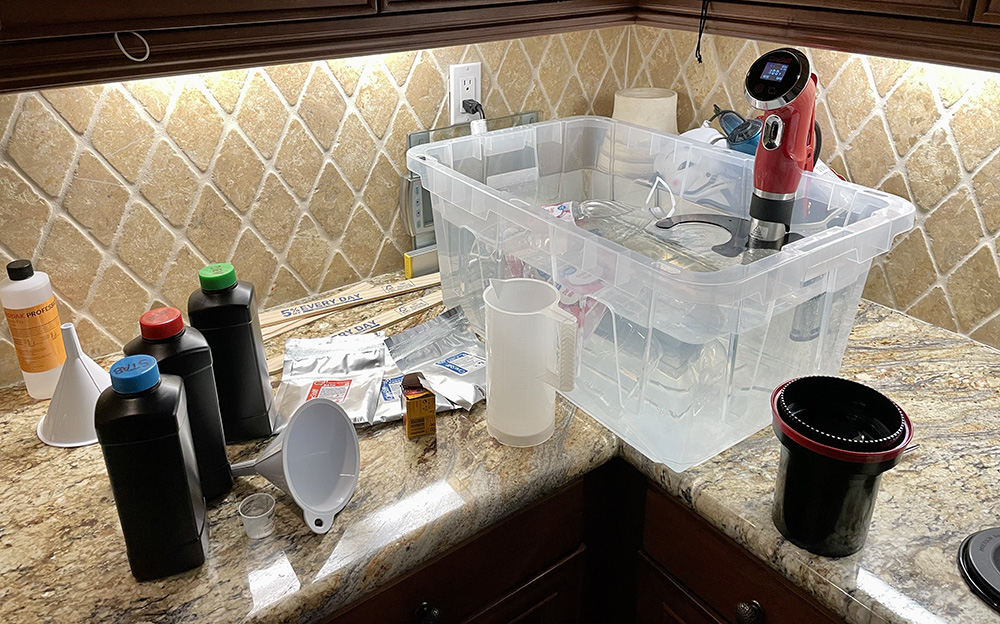
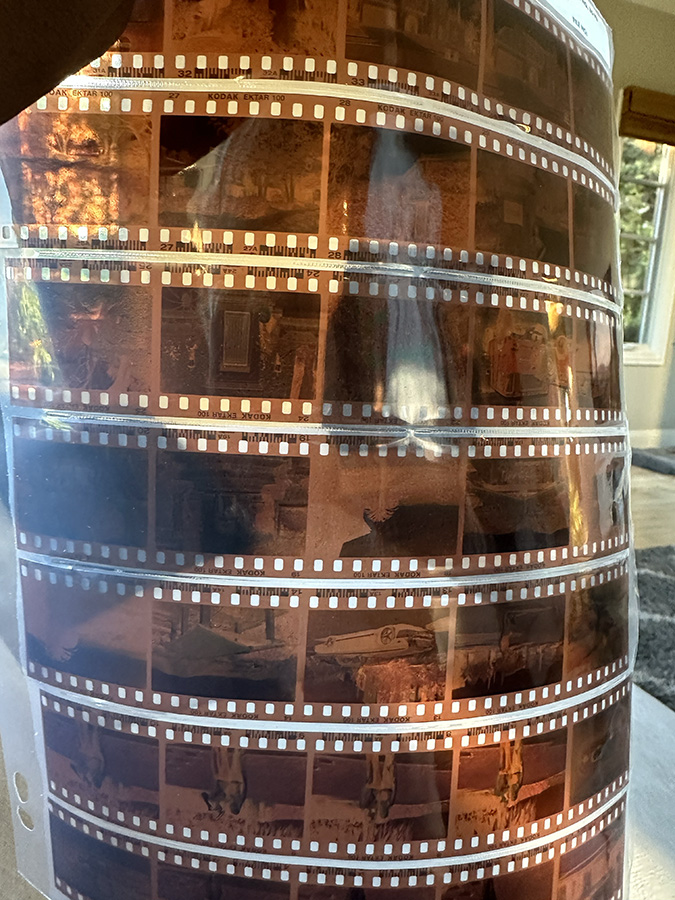
I just developed my first color negative film roll! It's drying right now. I didn't have any rehearsal, so it was a bit tense to do it for the first time, but everything went smoothly. No issues at all. Well, I haven't scanned the images yet, but it looks like it worked. 👍
Fred Miranda wrote:
I just developed my first color negative film roll! It's drying right now. I didn't have any rehearsal, so it was a bit tense to do it for the first time, but everything went smoothly. No issues at all. Well, I haven't scanned the images yet, but it looks like it worked. 👍
PS: That water container way to big!
I spend ~$200 for all the accessories.
That’s awesome! Curious to see how it turns out! How does your wife feel about this? Haha
During the pandemic I did about six rolls in a C41 kit. It was my first (and only) time with C41 chemicals. But it was film I had been carrying around since 2005 or so.
I used an electric water kettle to bump the temps up of the basin water. I was constantly checking development temps and tapped the dev time / temp table above my work space.
Fred Miranda wrote:
I just developed my first color negative film roll! It's drying right now. I didn't have any rehearsal, so it was a bit tense to do it for the first time, but everything went smoothly. No issues at all. Well, I haven't scanned the images yet, but it looks like it worked. 👍
PS: That water container way to big!
I spend ~$200 for all the accessories.
Awesome! I am but a simple hipster doofus, and only develop B&W at home.
Also you'll soon find out some film curls way more than others! Ektar being a curler. ProImage is flat, C200 is flat, Kentmere is flat, Lomo Babylon curls like a pretzel..
Obviously flat is much easier to handle and scan.
Desmolicious wrote:
Also you'll soon find out some film curls way more than others! Ektar being a curler. ProImage is flat, C200 is flat, Kentmere is flat, Lomo Babylon curls like a pretzel..
Obviously flat is much easier to handle and scan.
Yes, I noticed that the Ektar film was quite curly! When I was drying it, I took care to put a weight at the bottom. After cutting it, I placed it in a plastic preserver sheet for safekeeping.
Desmolicious wrote:
Awesome! I am but a simple hipster doofus, and only develop B&W at home.
I believe color and black-and-white are quite similar. This time, I used the CineStill dry kit, which only needs developer and blix, no stabilizer. For black-and-white, I'd follow a similar process but use only the CineStill DF96 Monobath powder kit.
It seems that when pushing black-and-white film with the Monobath, you need a higher temperature instead of extending the time. For a 2-stop push, you'd still need 102 degrees temperature (10 degrees for every 1-stop push), so same temperature as C41.
Fred Miranda wrote:
I just developed my first color negative film roll! It's drying right now. I didn't have any rehearsal, so it was a bit tense to do it for the first time, but everything went smoothly. No issues at all. Well, I haven't scanned the images yet, but it looks like it worked. 👍
PS: That water container way to big!
I spend ~$200 for all the accessories.
You probably knew but - very little goes a long way for that fixer. It was a mess the first time when I heavy handed it.
Now, I just mix some up in a gallon of distilled water (2-3 drops) and it works perfectly.
stockshas wrote:
You probably knew but - very little goes a long way for that fixer. It was a mess the first time when I heavy handed it.
Now, I just mix some up in a gallon of distilled water (2-3 drops) and it works perfectly.
I'm new to this...Is Photo-Flo a fixer? I used it (1ml to 200ml water) and I didn't get any streaks on the negatives after it dried.
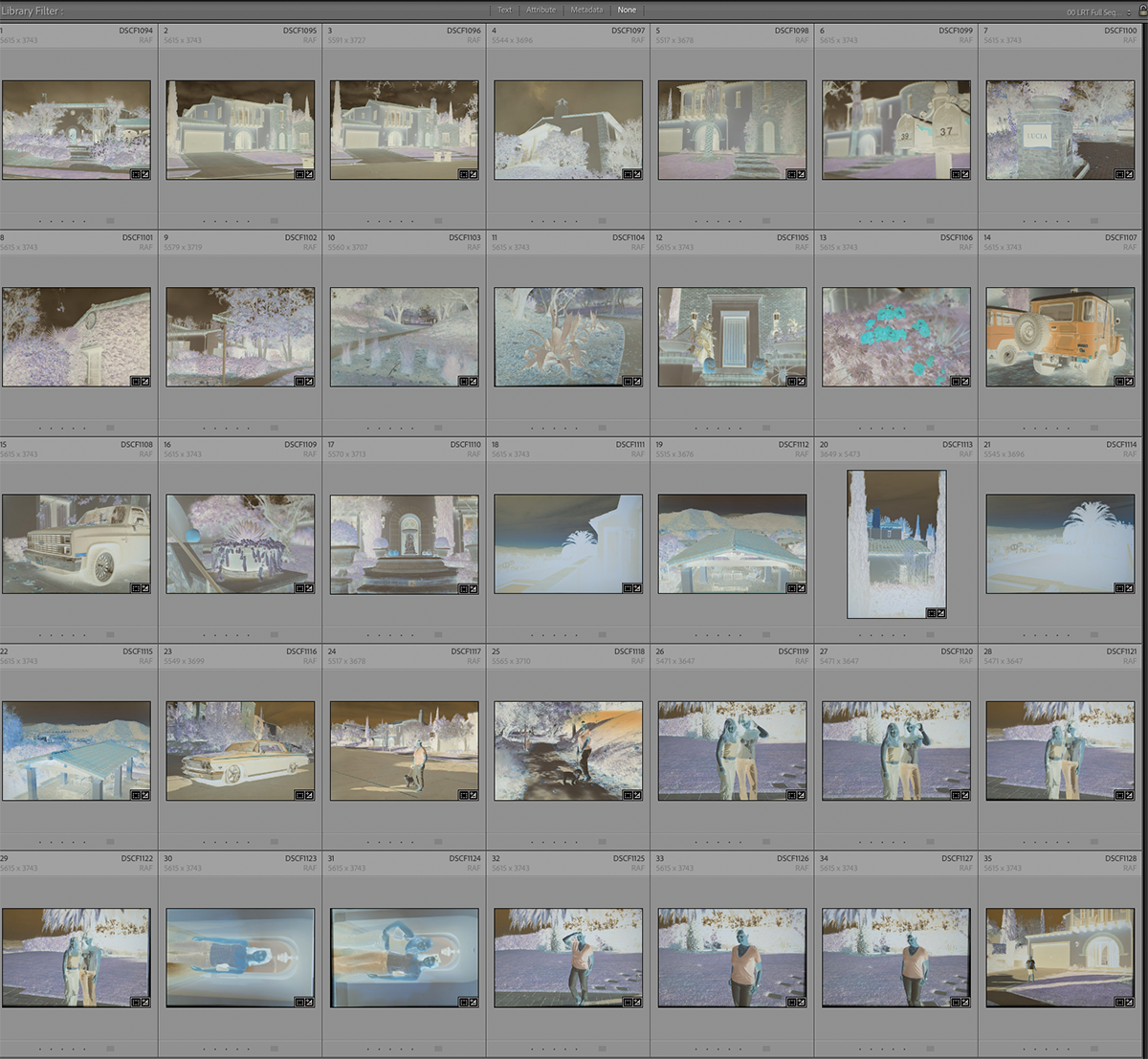
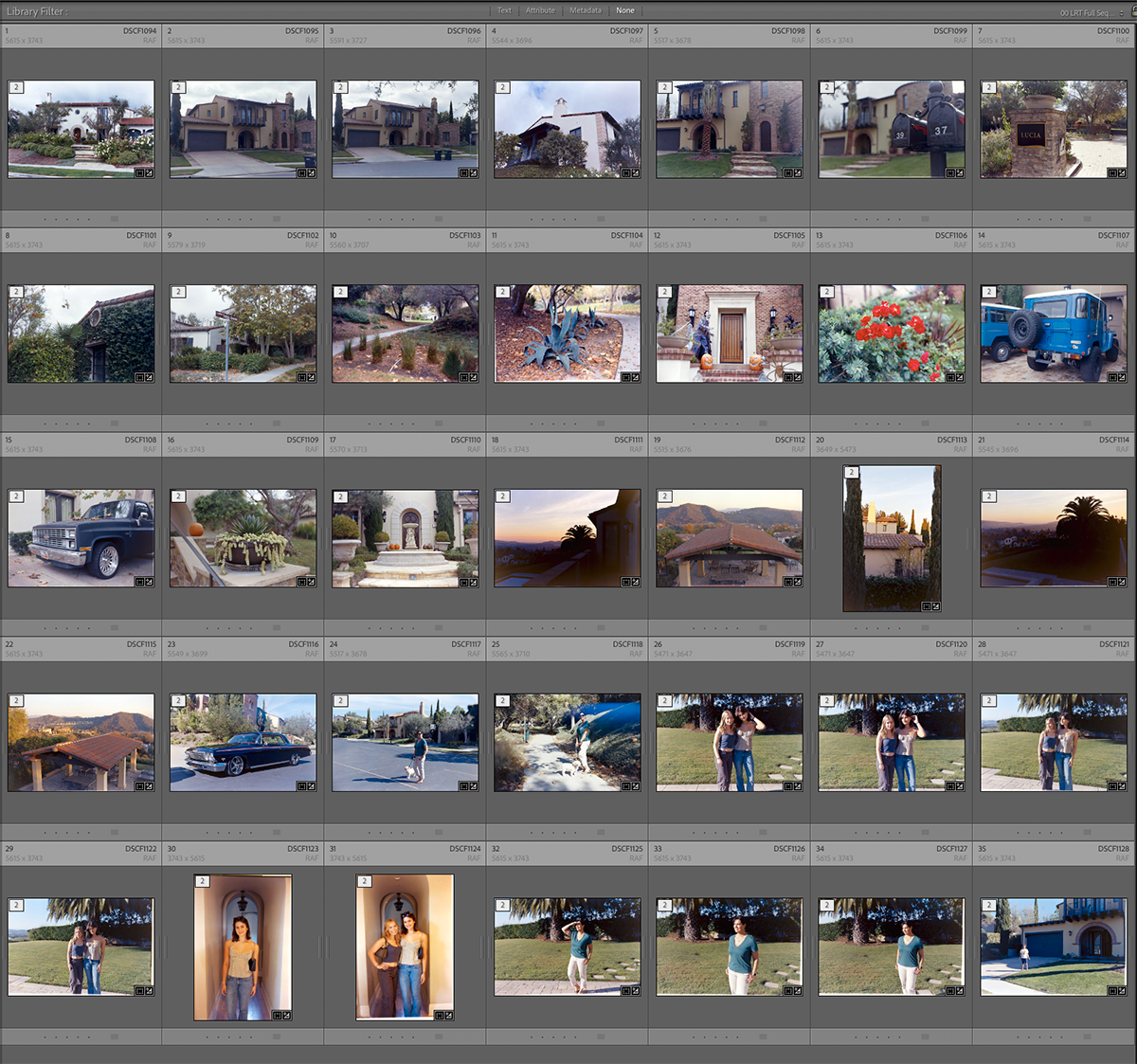
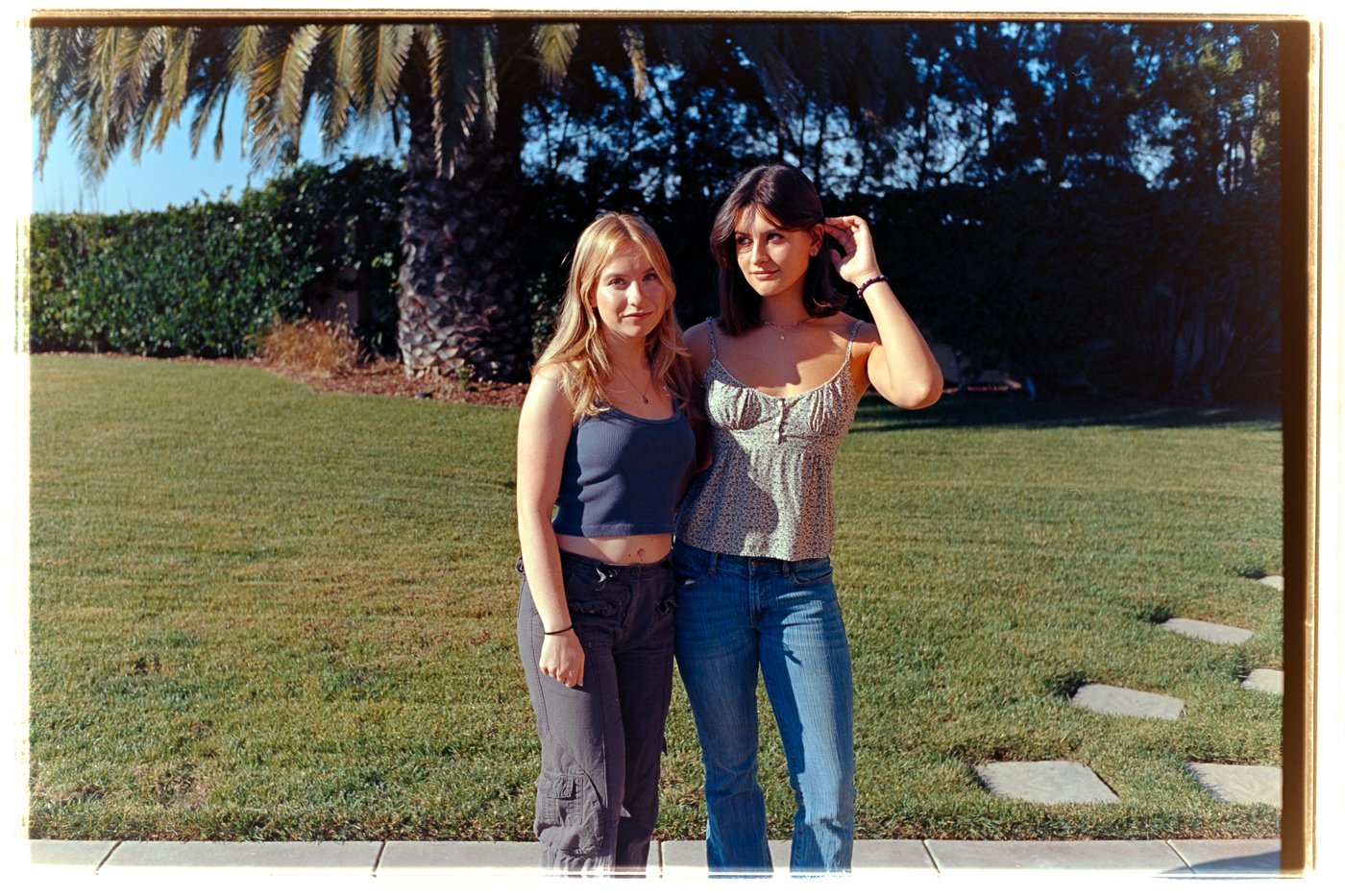
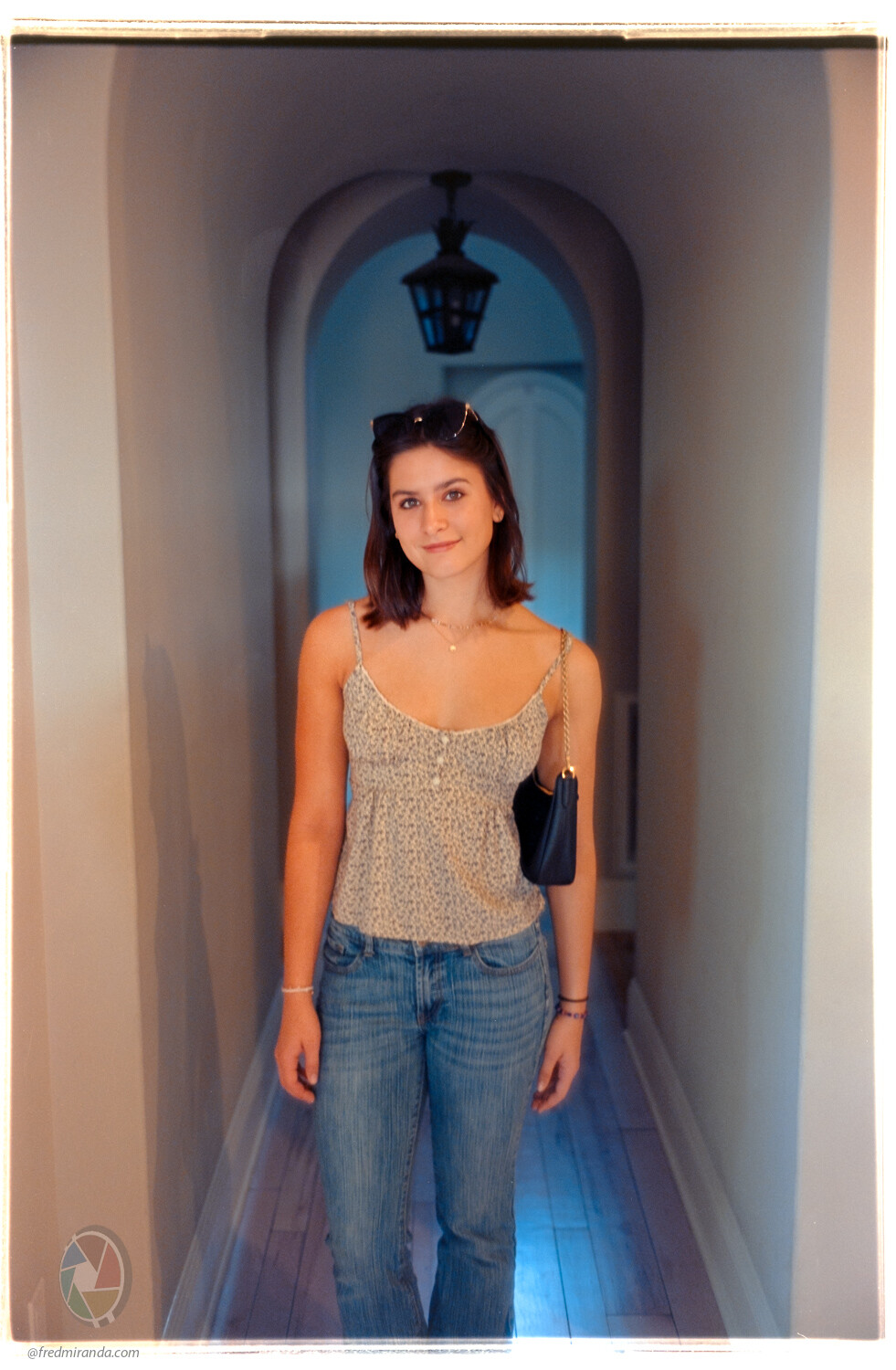
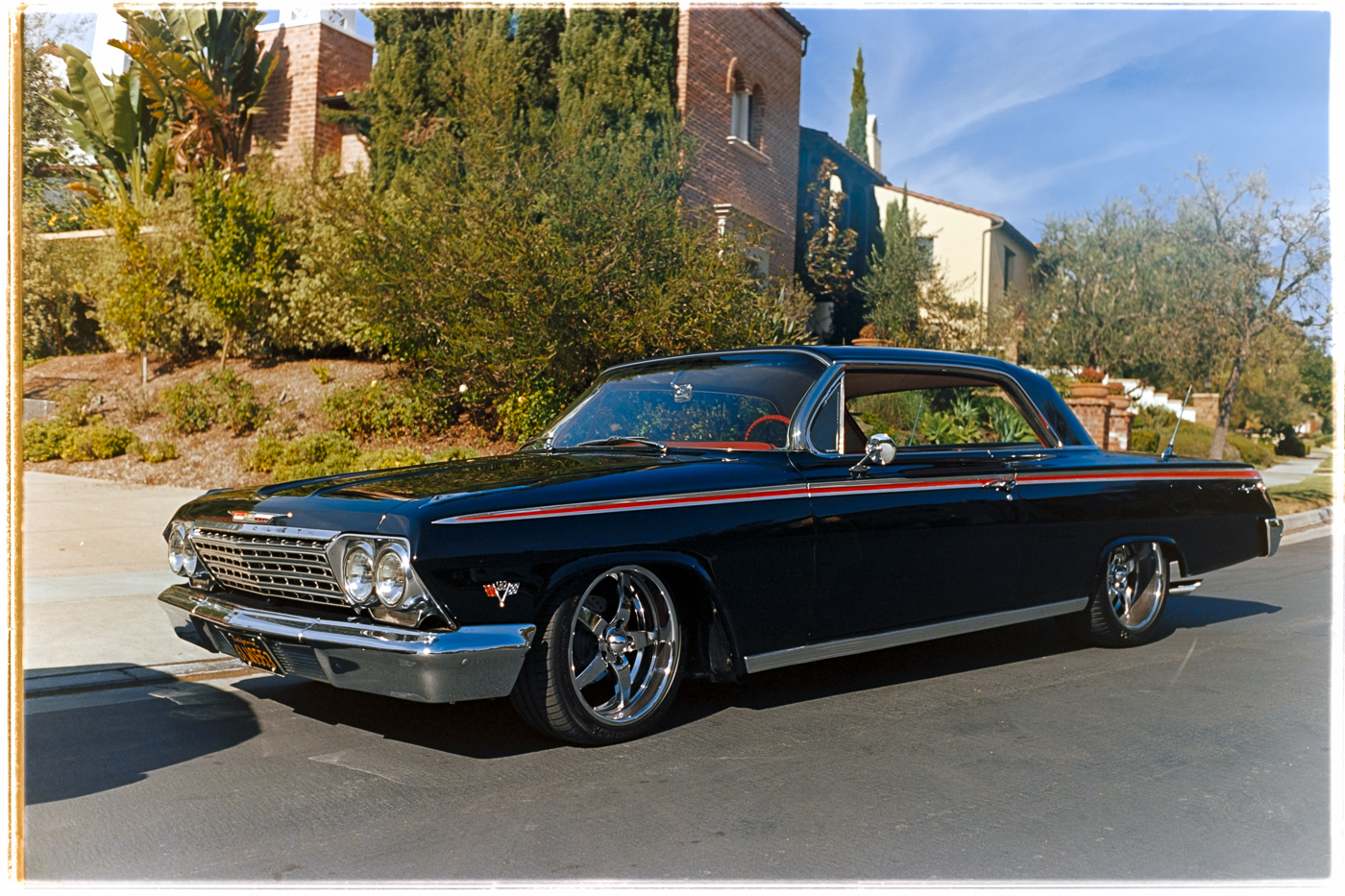
I've scanned all the images, and I'm thrilled with the results. The entire process went really well. It was my first time using NegativeLabPro, and I stuck to the default settings. I was a bit worried about my exposures because I shot with the M2 without a meter, but surprisingly, most of them turned out well exposed!
Fred Miranda wrote:
I'm new to this...Is Photo-Flo a fixer? I used it (1ml to 200ml water) and I didn't get any streaks on the negatives after it dried.
Yes, that’s the one. Glad it worked well. If it starts getting streaky use distilled water.
Also Ektar 100 looks really nice on cloudy days which may be hard to find considering you are in California 😉