p.73 #1 · Official Nikon Z 180-600mm f5.6-6.3 VR Image Thread
OwlsEyes wrote:
Hi and thanks...
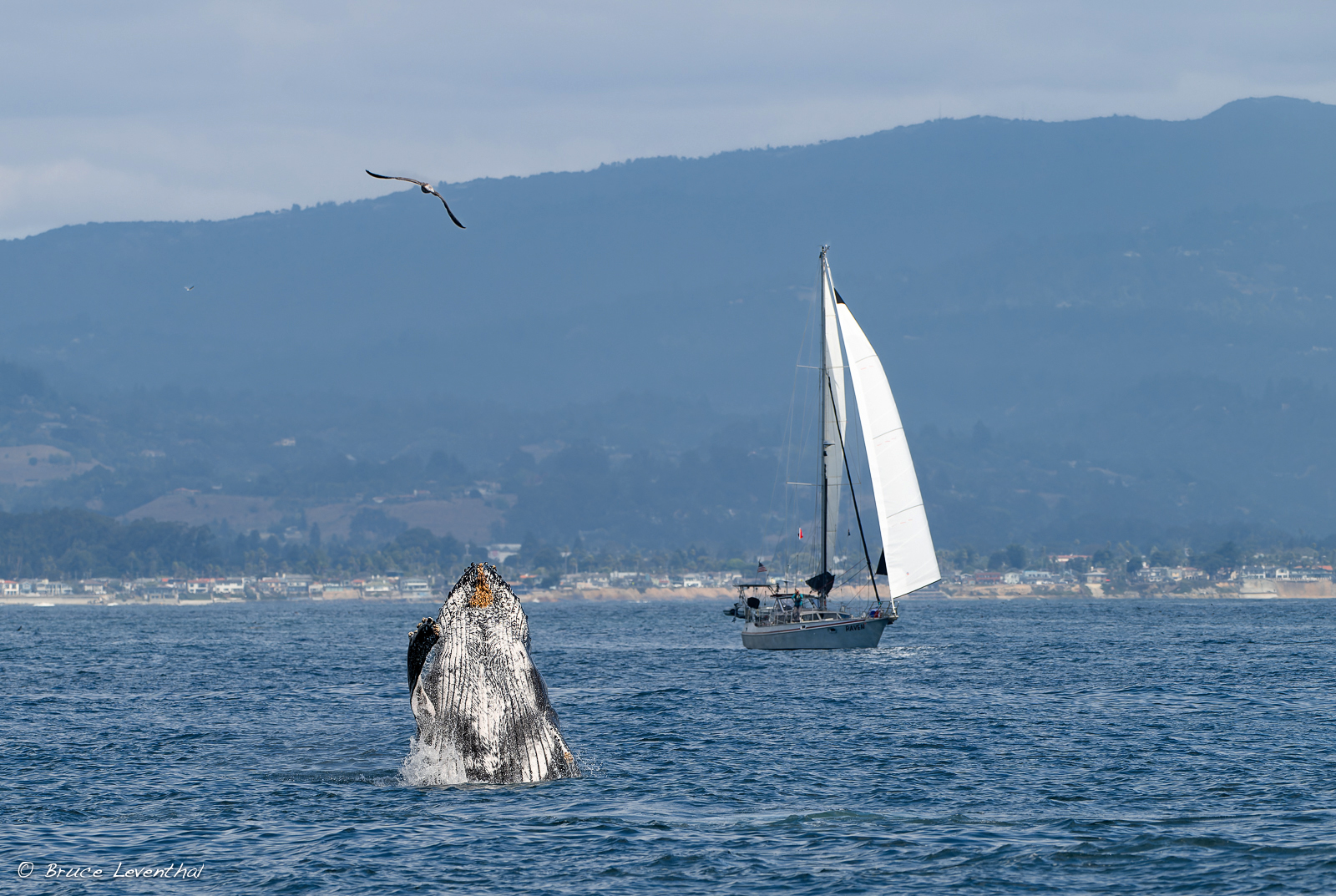
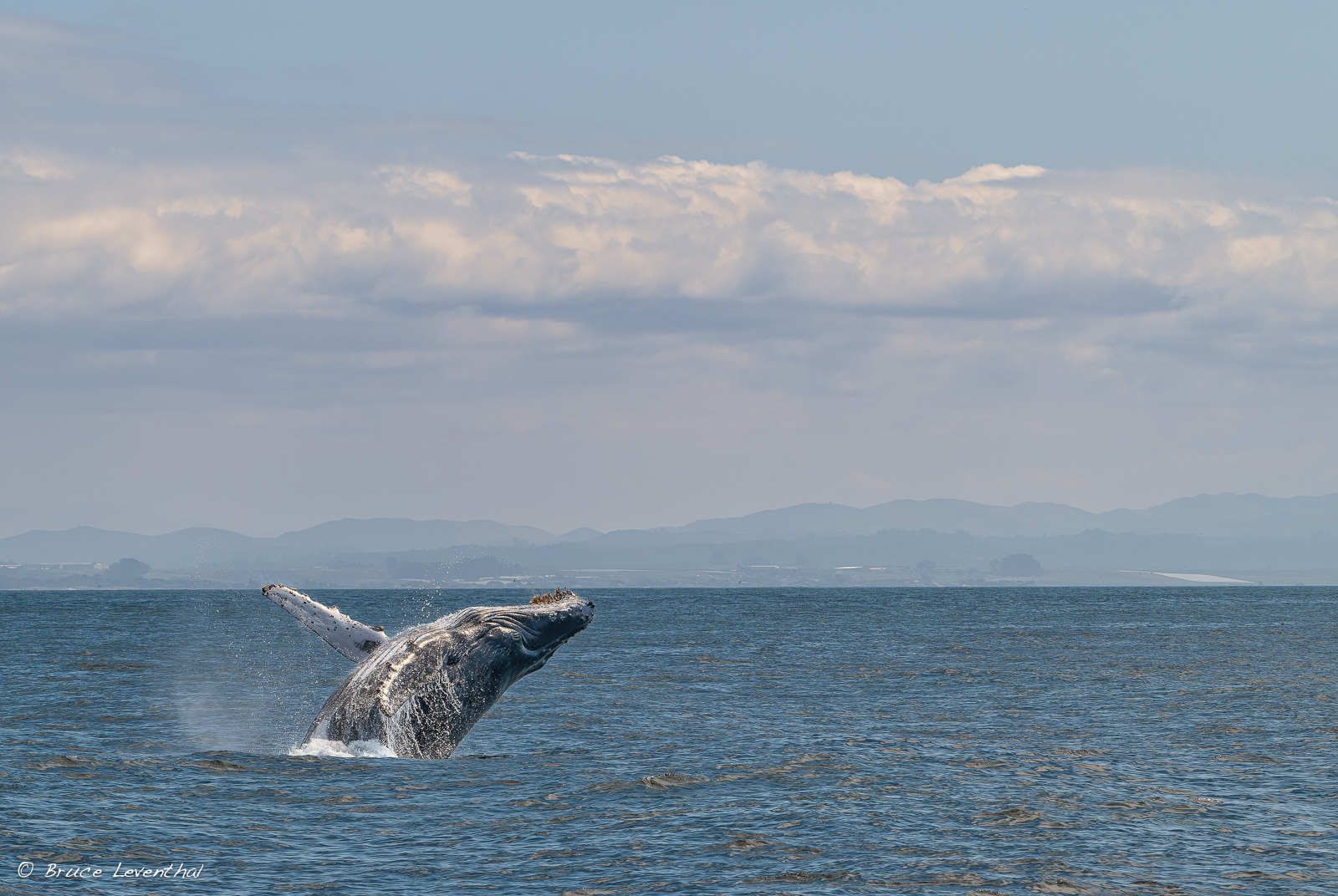
The image is not cropped for size, just a little off the right to make a better composition. I actually just wrote an article for Nature Photography Magazine about how to photograph whales and marine mammals. After years of doing this, I've found that I need to zoom out and use a high resolution sensor. I can then do small tweaks later to make the image compositionally interesting. It is vey hard to predict when a breach occurs. To be honest, you need a really good captain and naturalist, as they see a lot of breaches and get a sense of where you should be looking. In addition, you need to shoot at your maximum burst rate and just accept that you will be dumping thousands of images to get a keeper.
Where did you go whale watching?
I'm heading out next week, and probably once a week through October. September and October are interesting in my area.
Thanks for the tips! I'm sure you posted this already but would you mind sharing your article link?
My trip was around the San Juans in the PNW. It was a great trip out and encountered transient orcas and a humpback - they both put on a nice show for us. That's awesome you get out so frequently. I'd love to do it more often too, even independently of photography. Whales are good for the soul.
p.73 #2 · Official Nikon Z 180-600mm f5.6-6.3 VR Image Thread
argonphoto wrote:
Thanks for the tips! I'm sure you posted this already but would you mind sharing your article link?
My trip was around the San Juans in the PNW. It was a great trip out and encountered transient orcas and a humpback - they both put on a nice show for us. That's awesome you get out so frequently. I'd love to do it more often too, even independently of photography. Whales are good for the soul.
Hi... agree with you about photographing marine mammals.
I love being at sea. I was a field ecologist in the Bering Sea and for the Scripps Institute in the mid and late 1980's. I spent a lot of time on research vessels or islands collecting data. I love the ocean experience and the sense of endlessness.
Regarding my article... it went off to the editors last week and won't be published until they release their Autumn/Winter Issue. Nature Photography magazine has been around for over 30 years, but as with most periodicals, this one is dying. I'll try to remember to send you the article link when it finally comes out.
p.73 #9 · Official Nikon Z 180-600mm f5.6-6.3 VR Image Thread
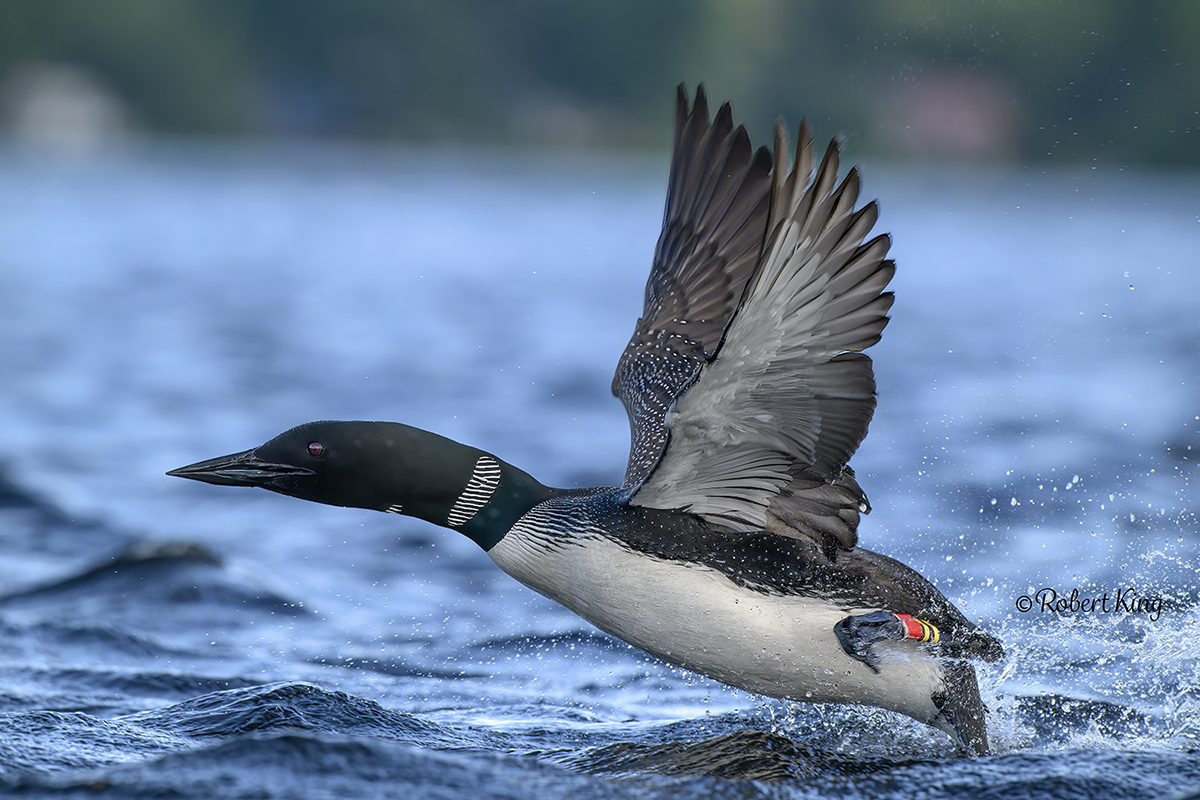
This Common Loon surprised me when it surfaced and began taking flght across my bow. I did not see the leg band untill reviewing the images
For a long time I did not like seeing these gaudy bands on loons. But the *only* way biologists can identify *any* animal as a specific individual is by marking it in some way. I love watching and photovideoing loons.. When resting, banded or not, loons sometimes raise a leg up and wag/wave or shake it. These color bands have a big advantage over aluminum band/rings; they allow the biologists to identify individuals from quite long distances with binoculars.
Your thoughts welcome
NIKON Z 8NIKKOR Z 180-600mm f/5.6-6.3 VR lens600mmf/8.01/2000s3200 ISO+0.7 EV
p.73 #11 · Official Nikon Z 180-600mm f5.6-6.3 VR Image Thread
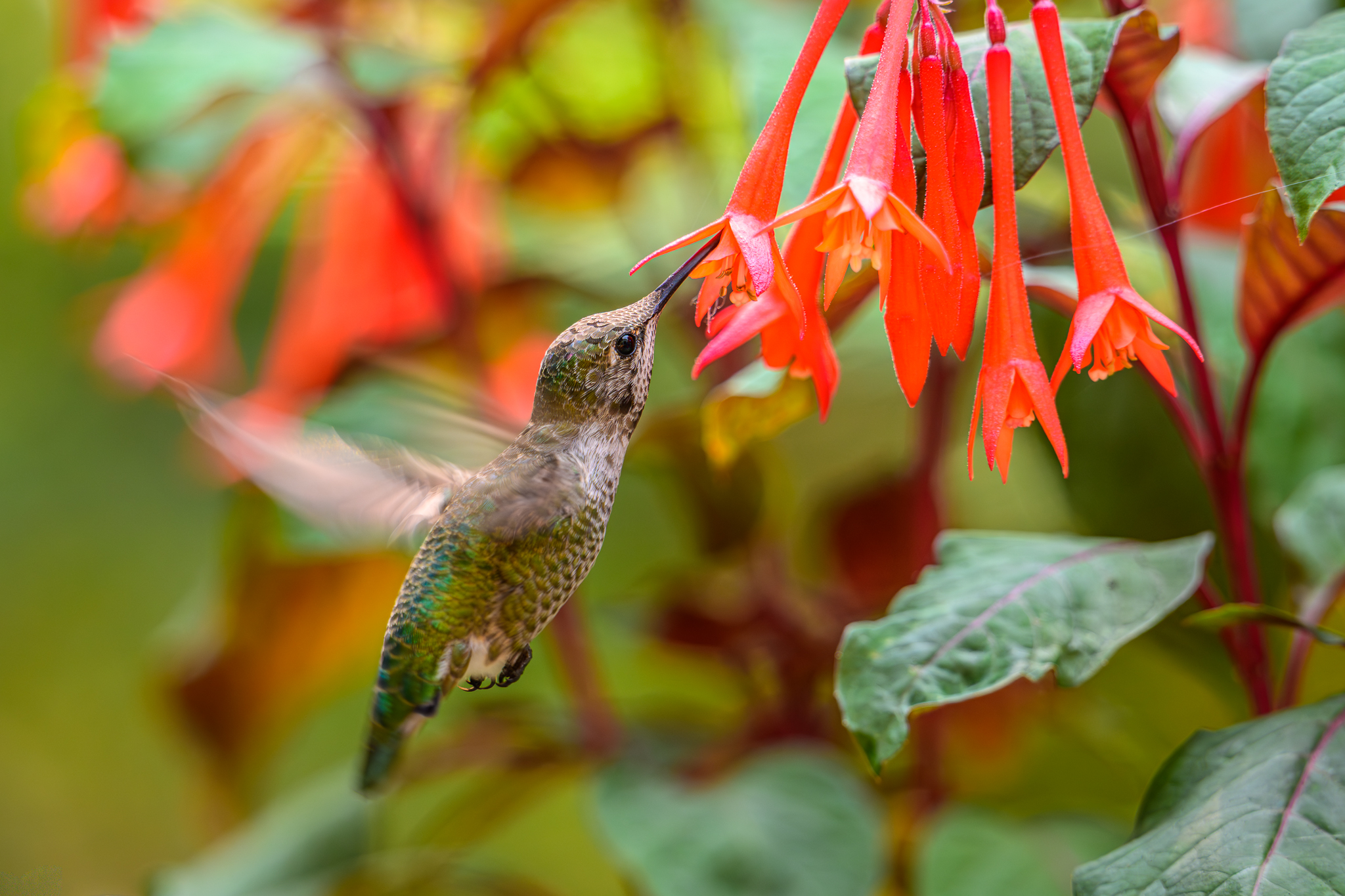
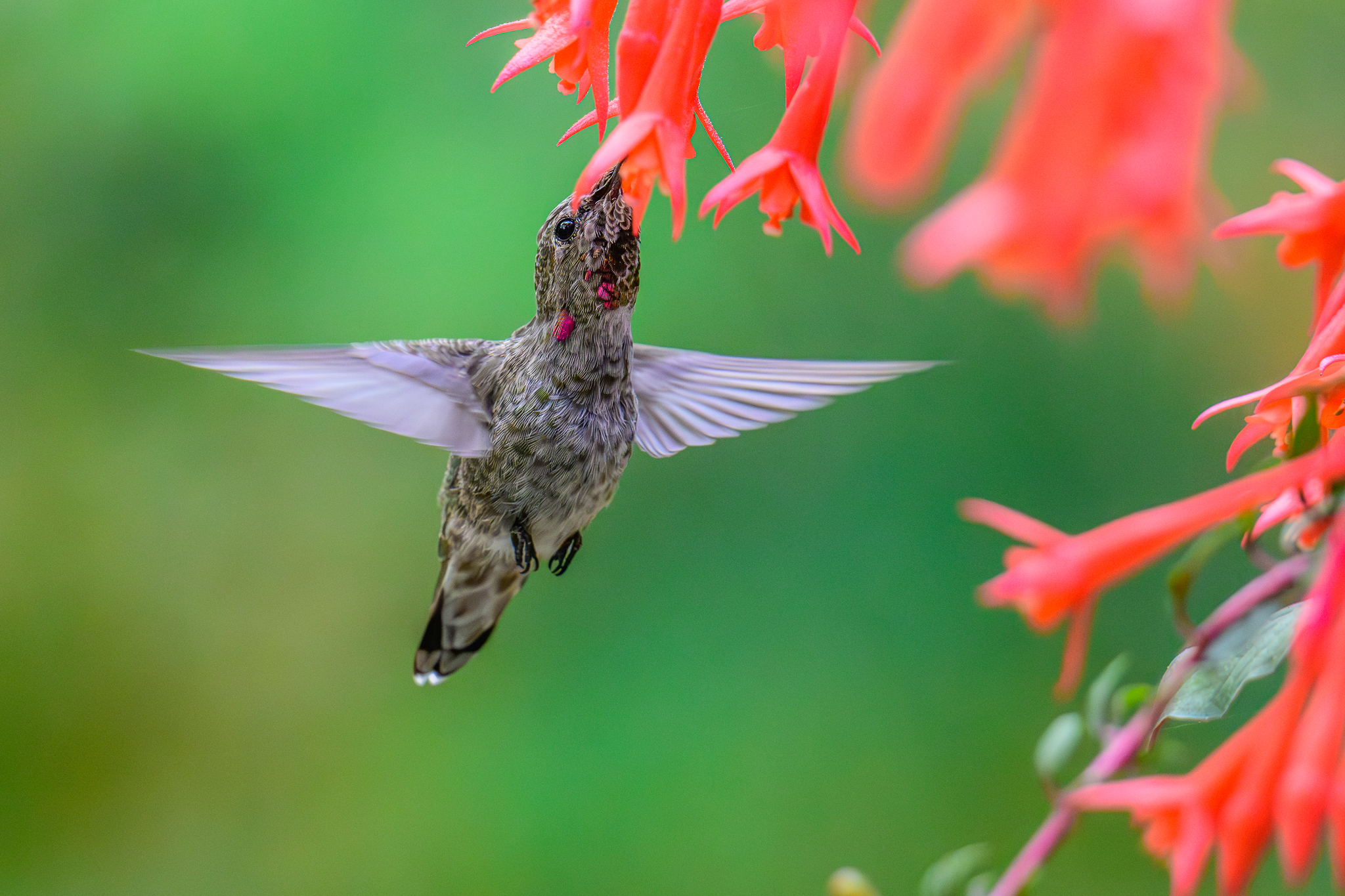
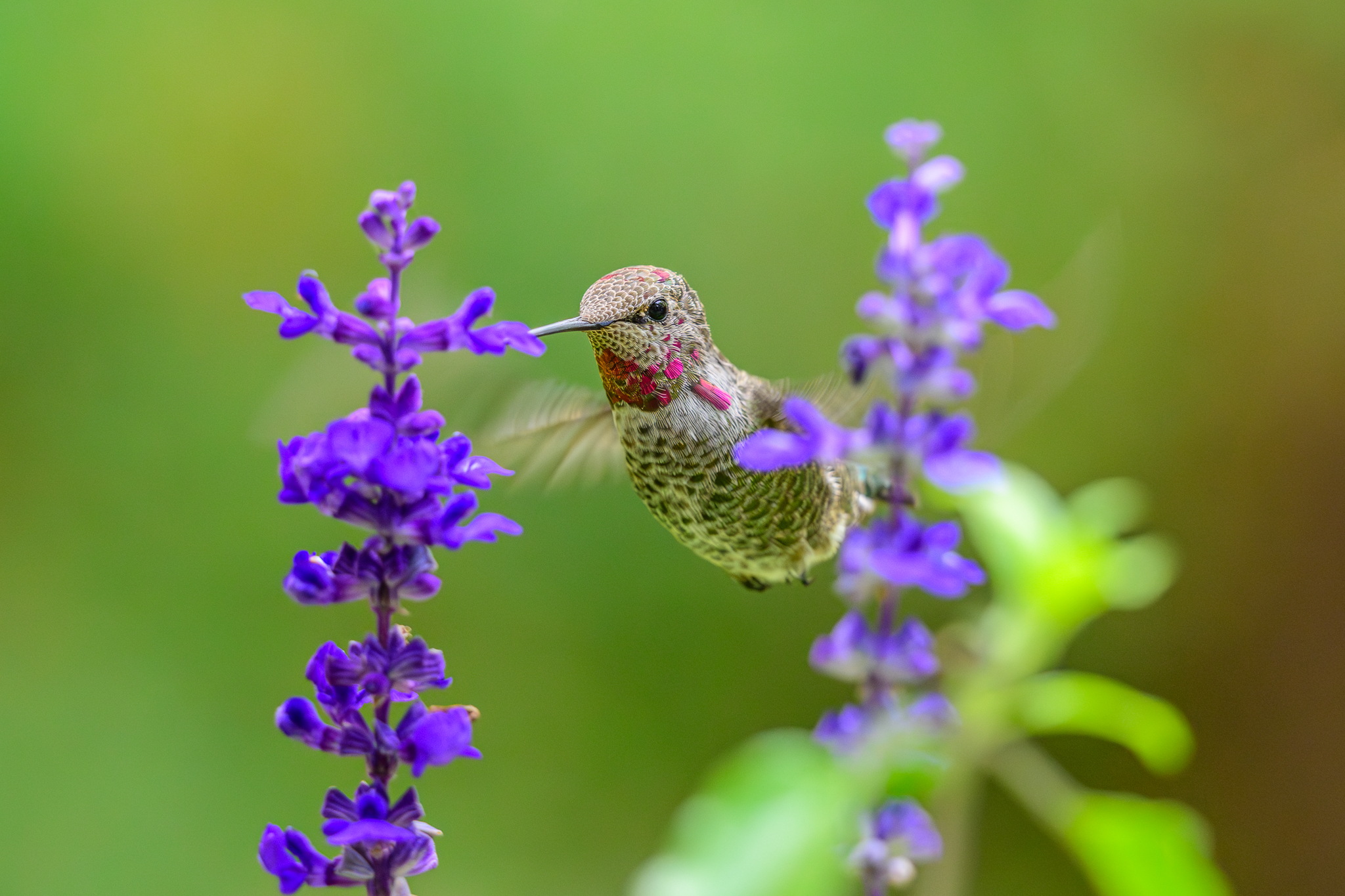
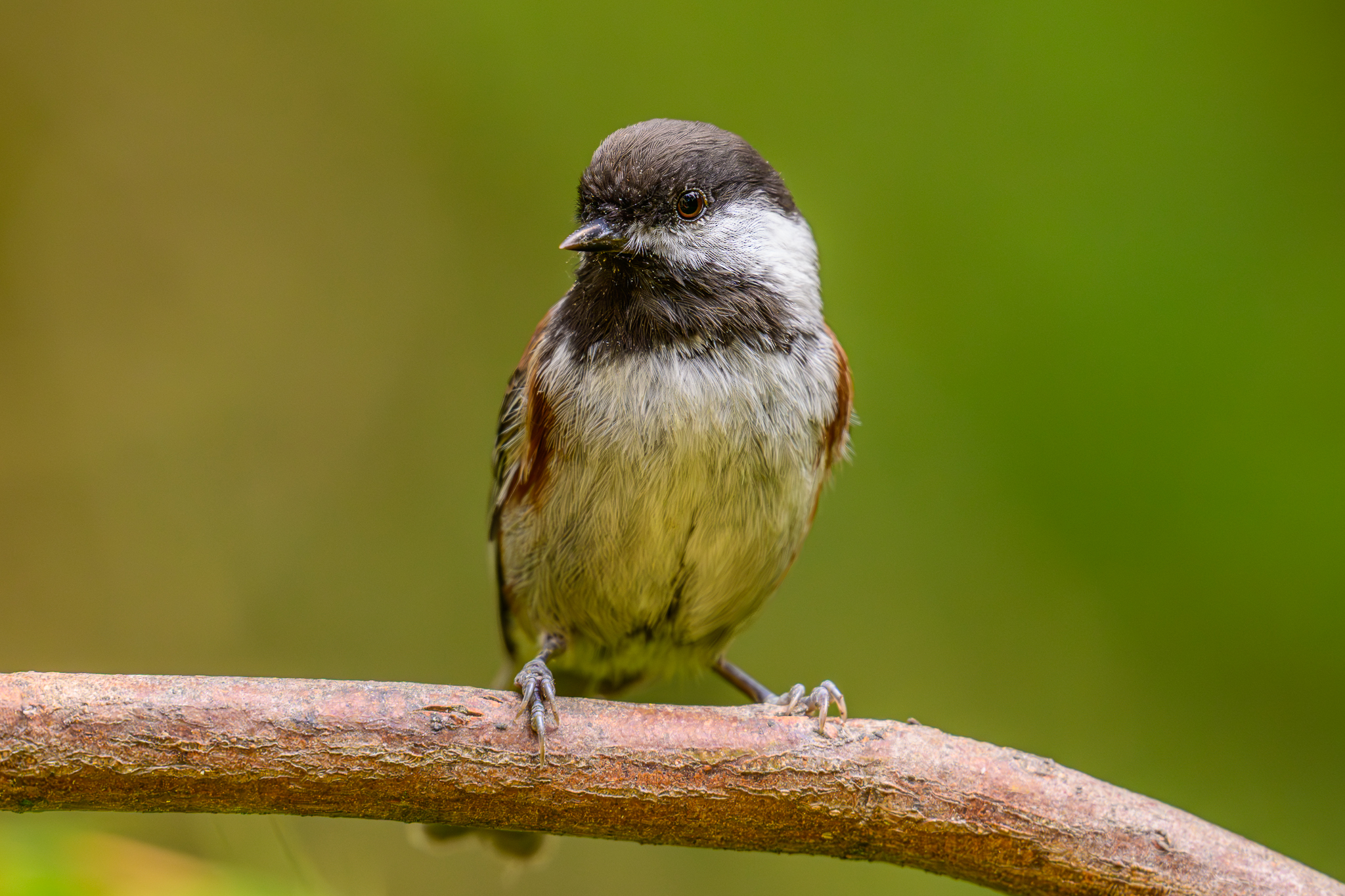
More hummingbirds. It was still fairly dark yesterday morning when I shot these - the AF-C hit rate with the Z9 and 180-600 dropped to about 20-30% at these light levels.
Anna's Hummingbird (Calypte anna)
NIKON Z 9NIKKOR Z 180-600mm f/5.6-6.3 VR lens390mmf/6.01/800s10000 ISO0.0 EV
Anna's Hummingbird (Calypte anna)
NIKON Z 9NIKKOR Z 180-600mm f/5.6-6.3 VR lens310mmf/6.01/500s6400 ISO0.0 EV
p.73 #13 · Official Nikon Z 180-600mm f5.6-6.3 VR Image Thread
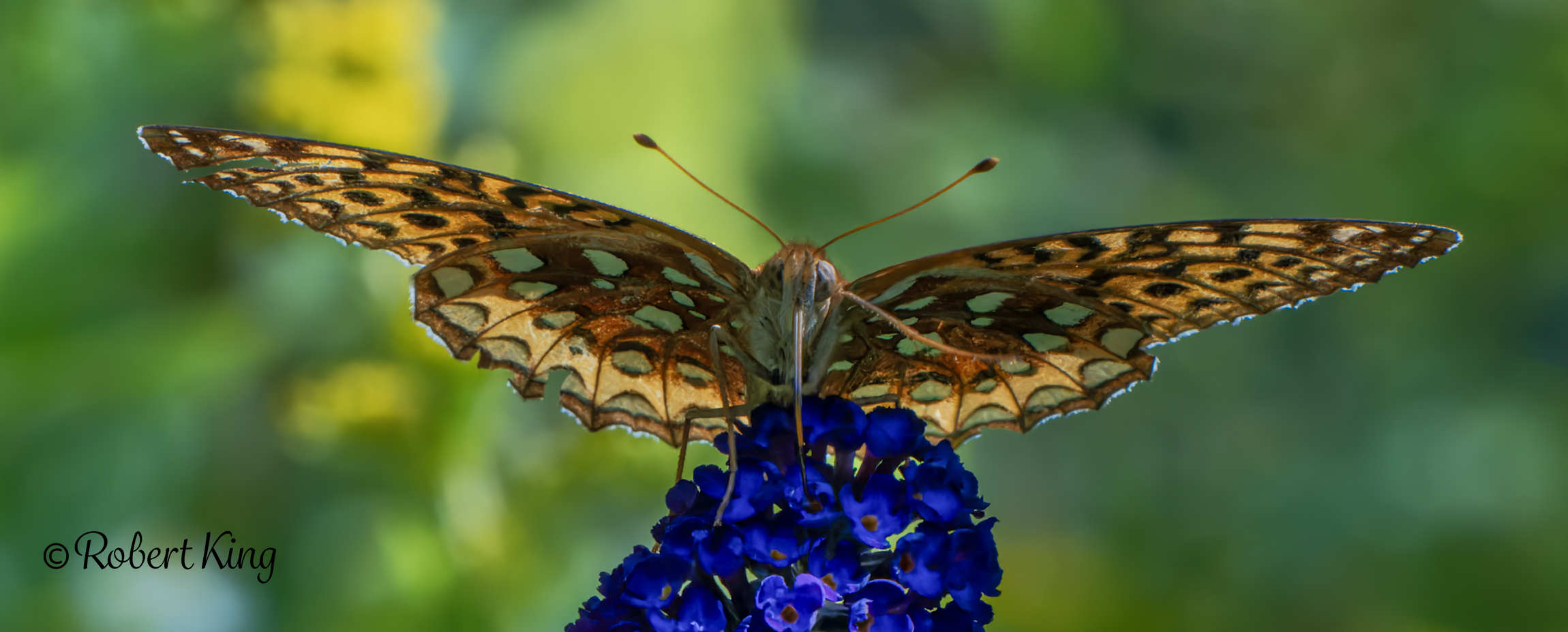
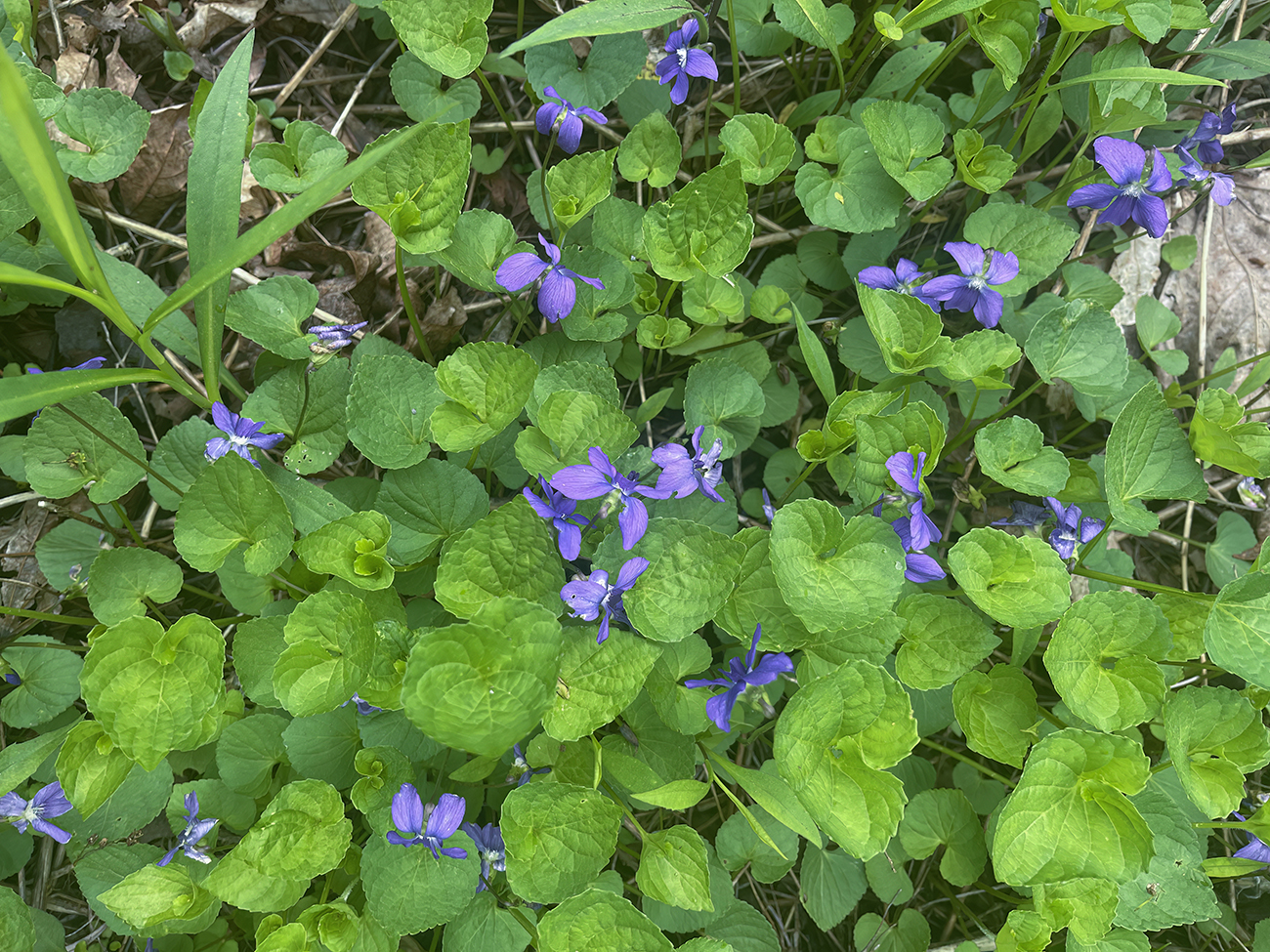
the relationship between the Great Spangled Fritillary (GSF) and the lowly violet.
You already know the female Monarch will only lay her eggs on the leaves of Milkweed species (the host plants) and the Monarch caterpillars will only eat Milkweed leaves.
And so it is that the violet is the Host Plant for some of the Fritillaries.
To many folks the violet as ground cover is a nuisance. I once felt that way too, but that changed when I encountered the GSF laying her eggs in the leaf litter. So I did some snooping on the net. Here is a Xerces link that explains the violet’s importance to the Fritillaris. https://xerces.org/blog/plants-for-pollinators-violets
To see the GSF butterfly, I now welcome the violet
I got lucking this morning with #1 image. Night temps are in the 50’s and soon the first frost will kill. Last night was rough on all of them. I was surprised this one even showed.
Love this zoom lens and the Z8’s 45 megapixels.
This GSF only sticks around for minutes. I always missed it…. except this morning. This time I was ready and shot short 20 fps bursts.
NIKON Z 8NIKKOR Z 180-600mm f/5.6-6.3 VR lens360mmf/16.01/2000s2000 ISO-1.7 EV
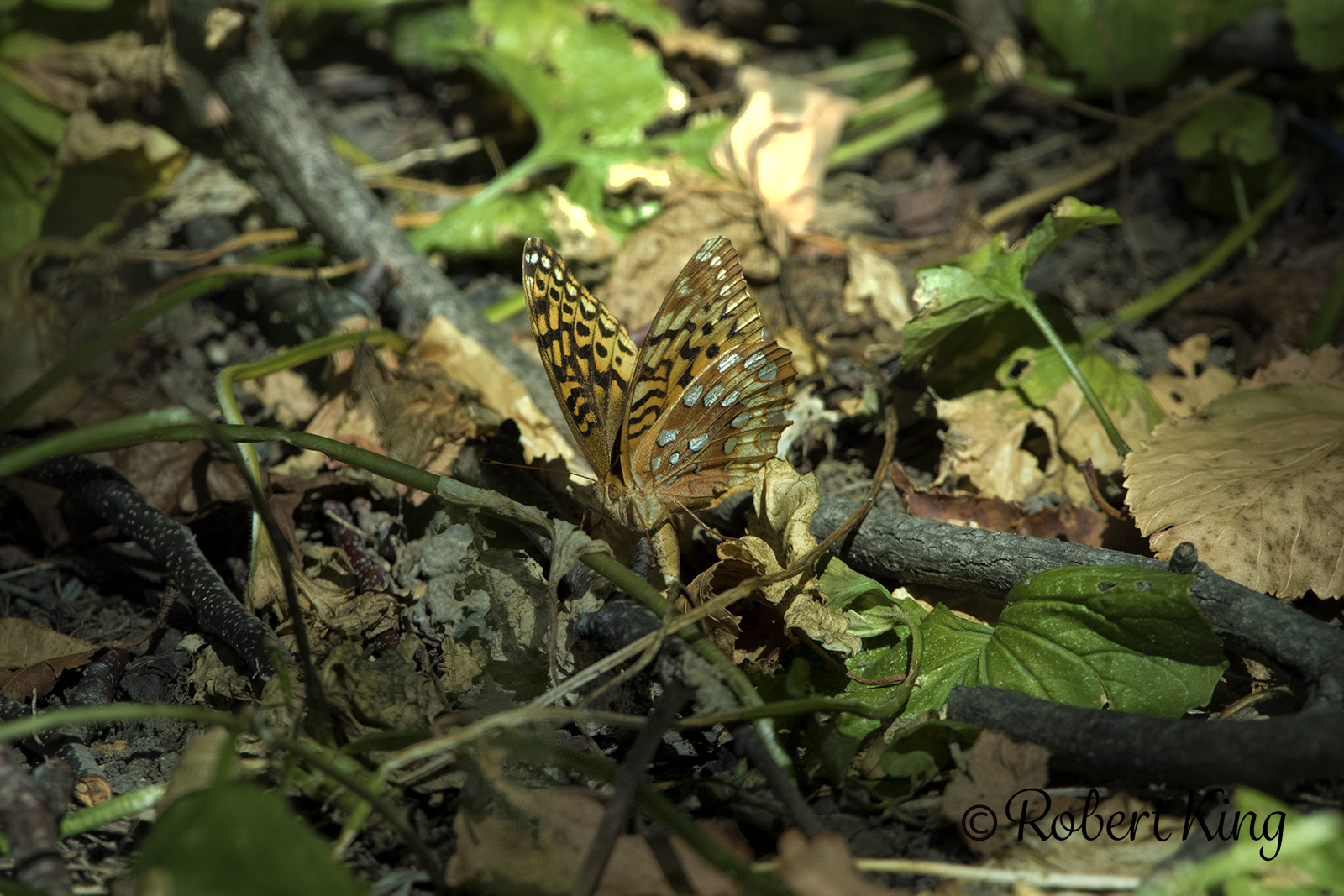
This image was taken years ago. This is when I learned that the GSF lays her eggs in leaf/ground litter
NIKON D500200.0-500.0 mm f/5.6 lens500mmf/8.01/2000s1000 ISO0.0 EV
iPhone 12 Pro MaxiPhone 12 Pro Max back triple camera 5.1mm f/1.6 lens5mmf/1.61/364s32 ISO0.0 EV
p.73 #18 · Official Nikon Z 180-600mm f5.6-6.3 VR Image Thread
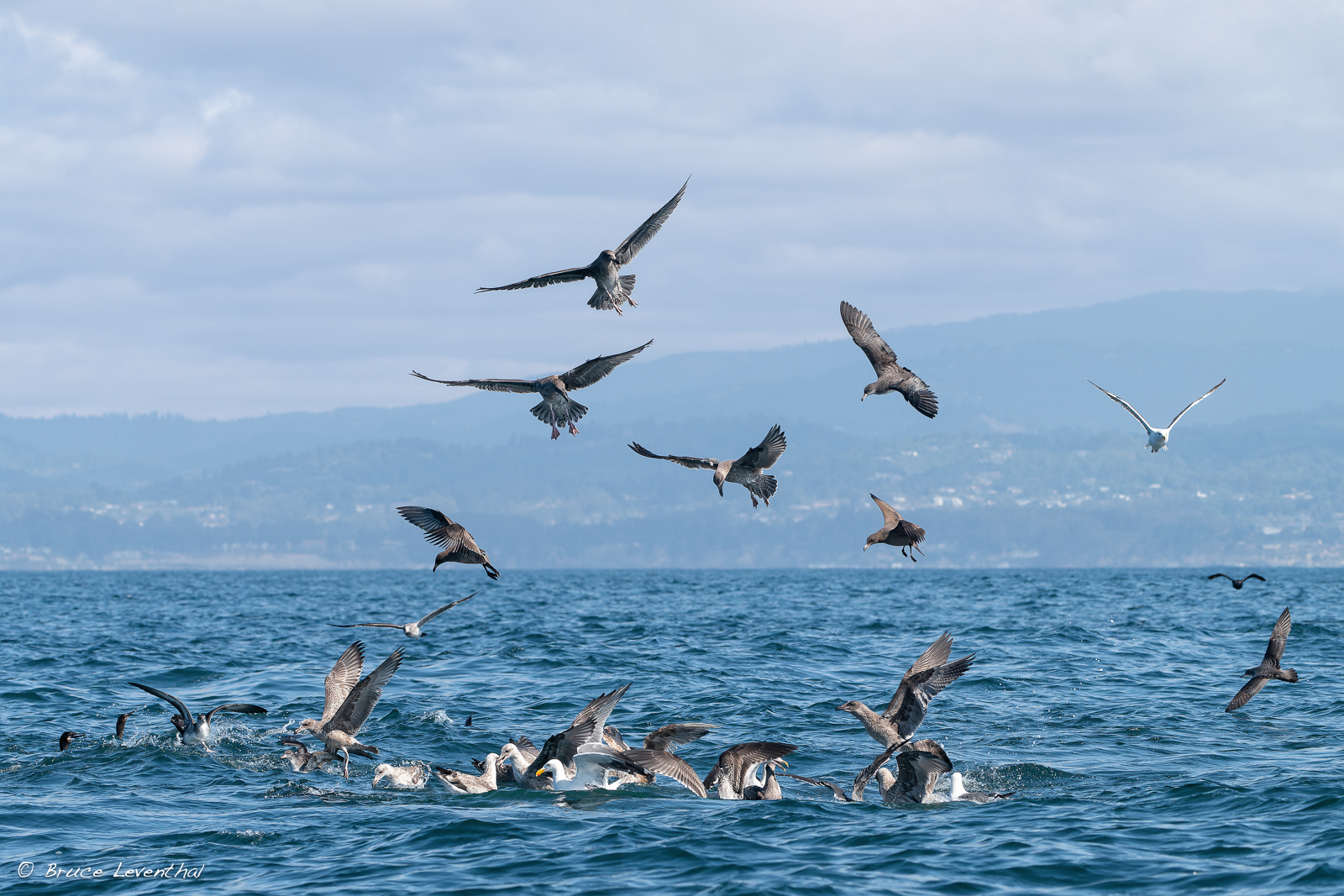
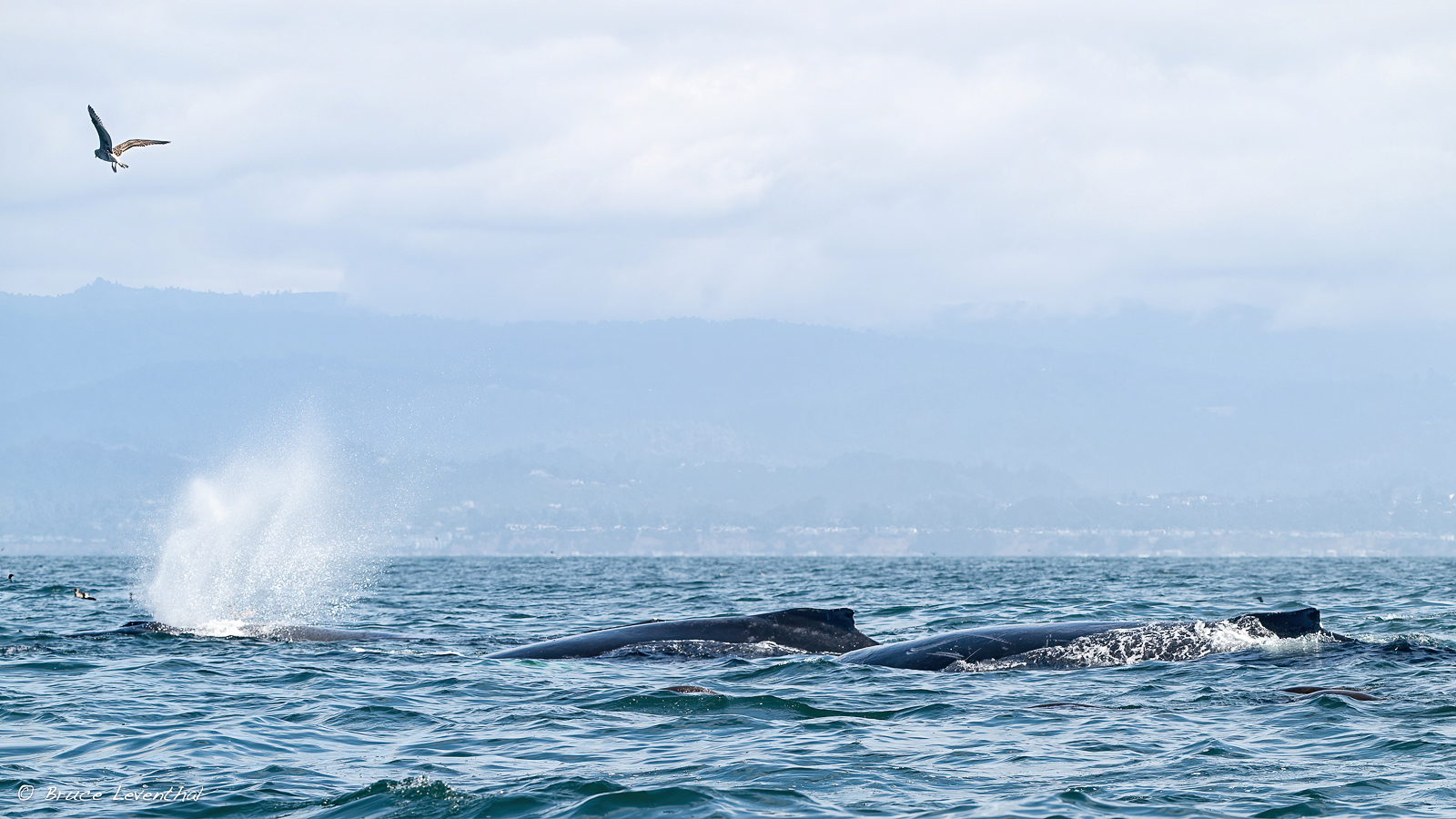
The end of August initiates the return of whales to the Monterey Bay... I've been out twice in the last two weeks.
These four images were from my trip into the bay on Thursday.
The 180-600 and Z8 continue to be my tools of choice when trying to photograph whales from kayaks and small motor boats.
cheers,
bruce
NIKON Z 8NIKKOR Z 180-600mm f/5.6-6.3 VR lens180mmf/8.01/1600s400 ISO-0.3 EV
NIKON Z 8NIKKOR Z 180-600mm f/5.6-6.3 VR lens180mmf/8.01/1600s500 ISO0.0 EV
NIKON Z 8NIKKOR Z 180-600mm f/5.6-6.3 VR lens310mmf/8.01/1600s320 ISO-0.3 EV
NIKON Z 8NIKKOR Z 180-600mm f/5.6-6.3 VR lens180mmf/8.01/1600s200 ISO-0.3 EV
p.73 #19 · Official Nikon Z 180-600mm f5.6-6.3 VR Image Thread
OwlsEyes wrote:
The end of August initiates the return of whales to the Monterey Bay... I've been out twice in the last two weeks.
These four images were from my trip into the bay on Thursday.
The 180-600 and Z8 continue to be my tools of choice when trying to photograph whales from kayaks and small motor boats.