Fred Miranda wrote:
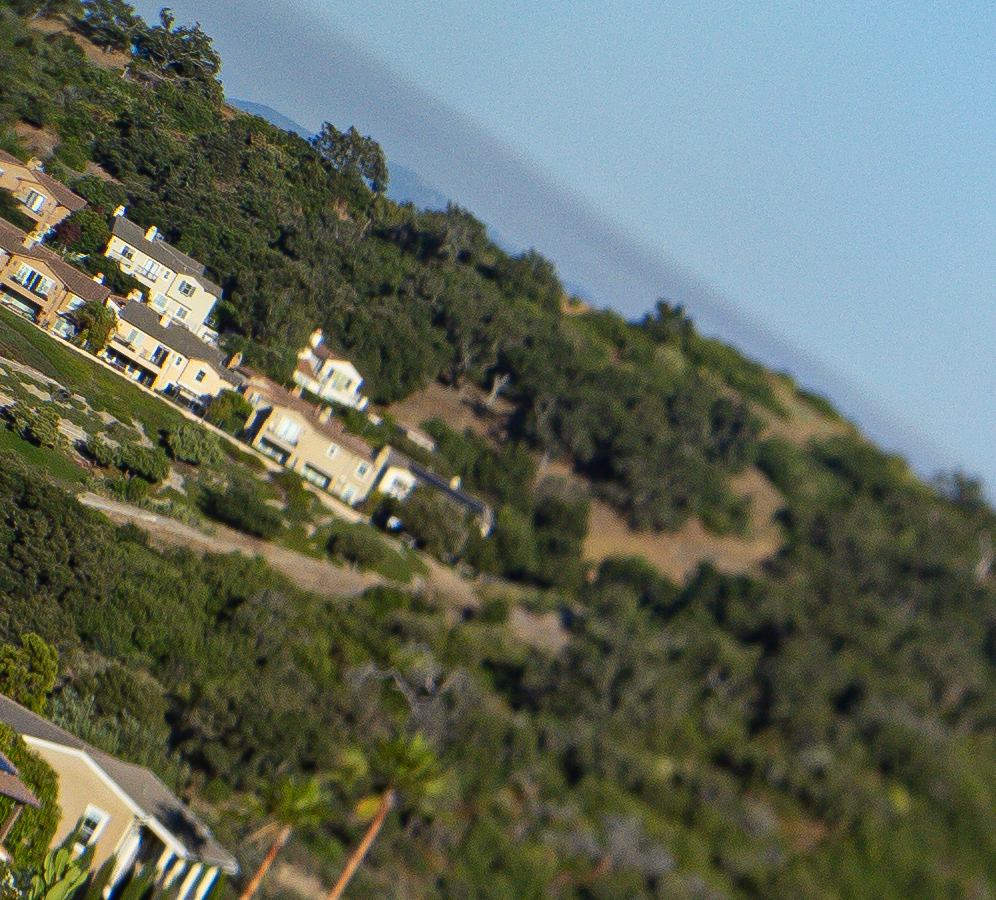
The MS Optics 28mm f/1.7 Apoqualia boasts the widest field curvature shape I've encountered so far. When focused at infinity, the corners are only sharp when focusing on that area. So center at hard stop infinity and corners at 1m.
On the other hand, when focusing on the center, the corners appear blurry even at wider apertures, and they do not reach satisfactory sharpness at the very edges even at f/8. Working with this lens presents an intriguing challenge, as it require adjustments to the image background, lighting, and aperture to yield good results. Personally, I find this challenge enjoyable. Through experimentation so far, I have found that the lens tends to be more predictable at f/2.5.
Here is the shape at around 2m distance:
BTW, towards infinity the shape does not flatten, it actually gets even more curved making the edges completely out of focus at hard stop....Show more →
The previous 28mm 2.0 and also the Brightin Star 28mm 2.8 Show a very similar field curvature pattern.
BastianK wrote:
The previous 28mm 2.0 and also the Brightin Star 28mm 2.8 Show a very similar field curvature pattern.
Hi Bastian, I'm not particularly fond of the extreme field curvature and focus shift exhibited by this lens. The field curvature greatly affects the rendering quality, and it becomes quite challenging to compose images while minimizing the effect. When shooting with my MS 28/1.7 Apoqualia wide open on my M10, the alignment is flawless, but I prefer using it at f/2.5-3.2 just to mitigate the field curvature and high astigmatism. However, focus shift is another prominent issue, which requires me to compensate when focusing, otherwise the subject goes OOF at any distance.
Although I truly enjoy shooting with these compact lenses, I find it quite challenging to use them on an RF camera, the system they were initially designed for. Nevertheless, I appreciate the unique character and aesthetic of the images they produce, so I get why so many FM members prefer to adapt MS Optics lenses for their mirrorless cameras. However, I would think a thicker sensor would make these issues even worse, not sure.
Fred Miranda wrote:
Hi Bastian, I'm not particularly fond of the extreme field curvature and focus shift exhibited by this lens. The field curvature greatly affects the rendering quality, and it becomes quite challenging to compose images while minimizing the effect. When shooting with my MS 28/1.7 Apoqualia wide open on my M10, the alignment is flawless, but I prefer using it at f/2.5-3.2 just to mitigate the field curvature and high astigmatism. However, focus shift is another prominent issue, which requires me to compensate when focusing, otherwise the subject goes OOF at any distance.
Although I truly enjoy shooting with these compact lenses, I find it quite challenging to use them on an RF camera, the system they were initially designed for. Nevertheless, I appreciate the unique character and aesthetic of the images they produce, so I get why so many FM members prefer to adapt MS Optics lenses for their mirrorless cameras. I would think a thicker sensor would make these issues even worse, not sure. ...Show more →
In my opinion there are some good lenses and some not so good ones - from a partly objective point of view.
The 28mm 2.0, the 50mm 1.1 and especially the 35mm 1.3 Slim are those I wasn't overly happy with.
24mm 2.0, 35mm 1.4 and 135mm 2.4 perform very differently, by which I mean better.
From my limited time with the MS Optics 28mm f/1.7 Apoqualia lens I can already tell that it pushes the boundaries of optical design, intentionally under-correcting aberrations to achieve its pancake design. These imperfections include extreme field curvature, prominent focus shift, high coma, astigmatism, and notable spherical aberration, which results in a unique glow effect.
The characteristics of the MS Optics 28mm f/1.7 Apoqualia lens may not be appealing to photographers who prefer modern lenses that extensively correct for these imperfections. However, for those seeking a lens with a distinct rendering, the MS Optics 28mm f/1.7 Apoqualia offers that option. Its true pancake size sets it apart as the most fast 28mm lenses available, and it also exhibits low distortion and low CA enhancing its overall usability.
When closing down the lens aperture to f/2 or smaller, its performance gets better, and some of the imperfections become less noticeable. The corners do not sharpen up even at f/8 due to the massive field curvature. To make matters worse, if you're using a rangefinder for focusing, you'll encounter noticeable focus shift which will decrease sharpness on your focused area. So, one needs to compensate for that which requires practice.
Personally, I have not been able to achieve satisfactory results from the MS Optics 28mm f/1.7 Apoqualia lens just yet. However, my testing has been limited to harsh lighting conditions thus far. It's possible that the lens may perform differently under more favorable lighting scenarios, where its distinct character may become more appealing. I will continue trying and have been enjoying the process, but I'm not sure if this lens if for my taste.
I did a long walk around Hiroo with my A7C and the new Apoqualia 28/1.7 today, the weather was quite favorable for photography (sunny and 36 C). I used CV VM-E close focus adapter II and I also took some close-up shots of various flowers utilizing the helicoid adapter for even closer focusing.
I applied my favorite film style preset in C1 Pro on these.
Far distance shots were taken at f8 and close-range shots at f1.7 & f2.8.
I'm enjoying the lens a lot on my Sony and there the focus shift doesn't cause trouble for focusing. I think f1.7 is a bit challenging to use except for extreme close-ups though as it's a bit extreme in terms of rendering. My earlier versions of the lens, i.e. 28/2-II and 28/2-III are a bit easier wide open since their f2 aperture is already quite a bit less dreamy and extreme than the f1.7 with the new lens. At stopped down apertures all those versions behave quite similarly.
Juha Kannisto wrote:
I did a long walk around Hiroo with my A7C and the new Apoqualia 28/1.7 today, the weather was quite favorable for photography (sunny and 36 C). I used CV VM-E close focus adapter II and I also took some close-up shots of various flowers utilizing the helicoid adapter for even closer focusing.
I applied my favorite film style preset in C1 Pro on these.
Far distance shots were taken at f8 and close-range shots at f1.7 & f2.8.
I'm enjoying the lens a lot on my Sony and there the focus shift doesn't cause trouble for focusing. I think f1.7 is a bit challenging to use except for extreme close-ups though as it's a bit extreme in terms of rendering. My earlier versions of the lens, i.e. 28/2-II and 28/2-III are a bit easier wide open since their f2 aperture is already quite a bit less dreamy and extreme than the f1.7 with the new lens. At stopped down apertures all those versions behave quite similarly....Show more →
I particularly appreciate the lens' rendering when shooting wide open at close distances. The extreme field curvature is less obvious, and the blur effectively masks some of the transitional structures. Your samples showcase this beautifully, and I always enjoy seeing Tokyo! :-)
To demonstrate the extreme field curvature shape, I experimented with focusing on the corner area. Surprisingly, even at f/1.7, I achieved great sharp results in that specific area. However, this sharpness is confined to a small portion of the corners, and beyond that area, the image becomes increasingly blurred, including the mid and center regions. Similarly, when I shifted the focus to the center, the corners became completely out of focus. Technically, the corners show strength in terms of sharpness, but the extreme FC makes it challenging to maintain consistent sharpness across the entire image field.
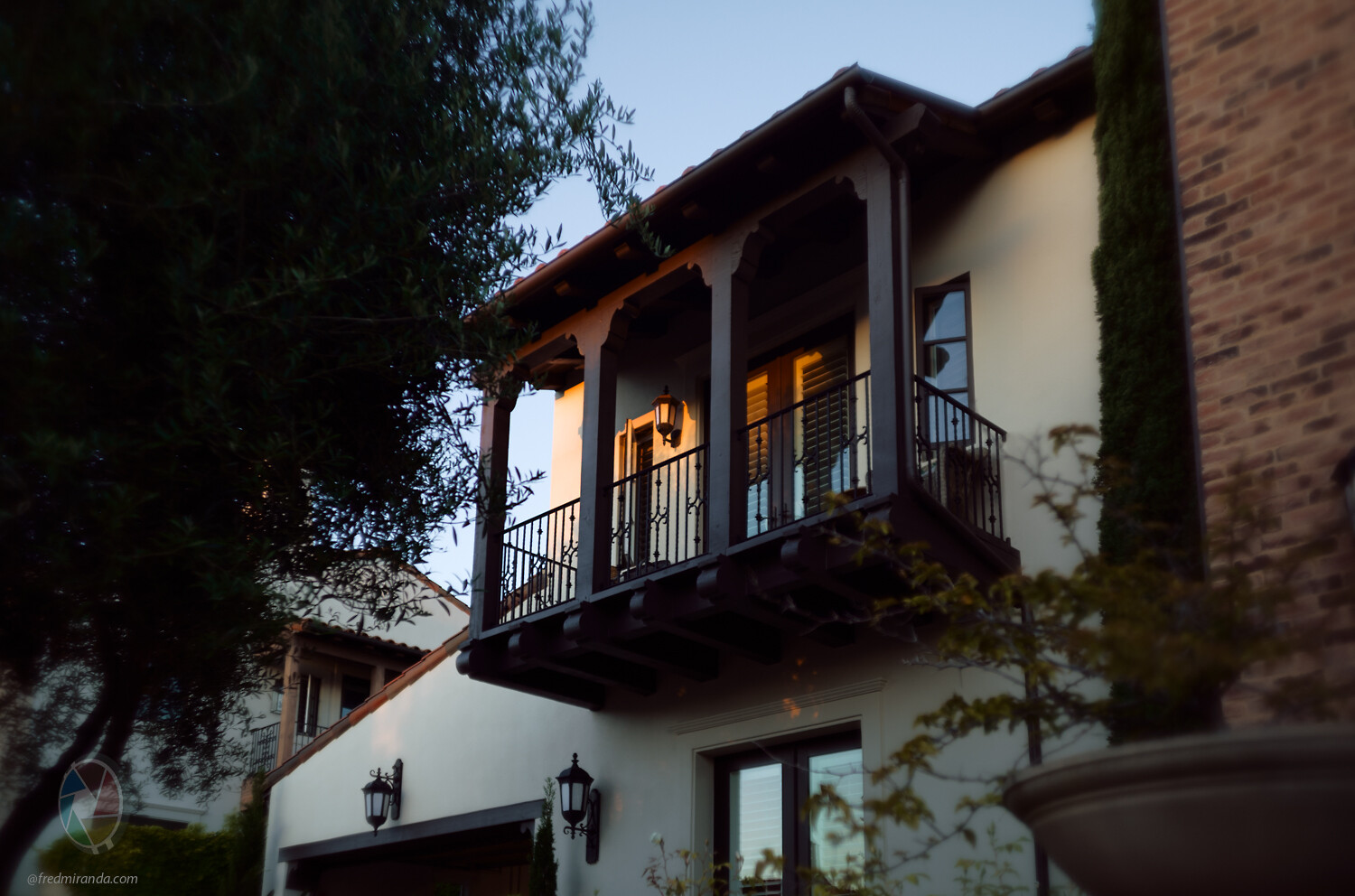
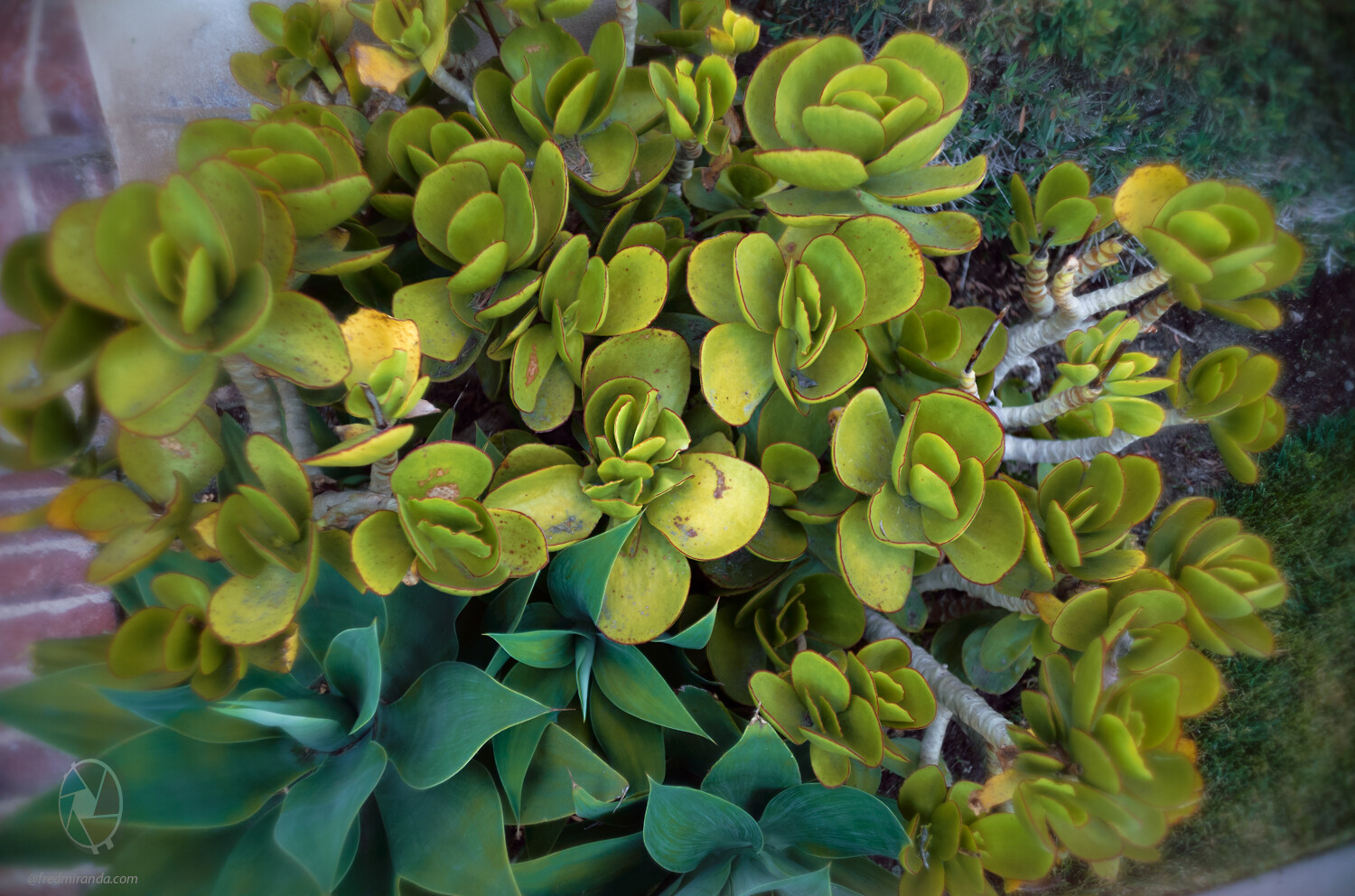
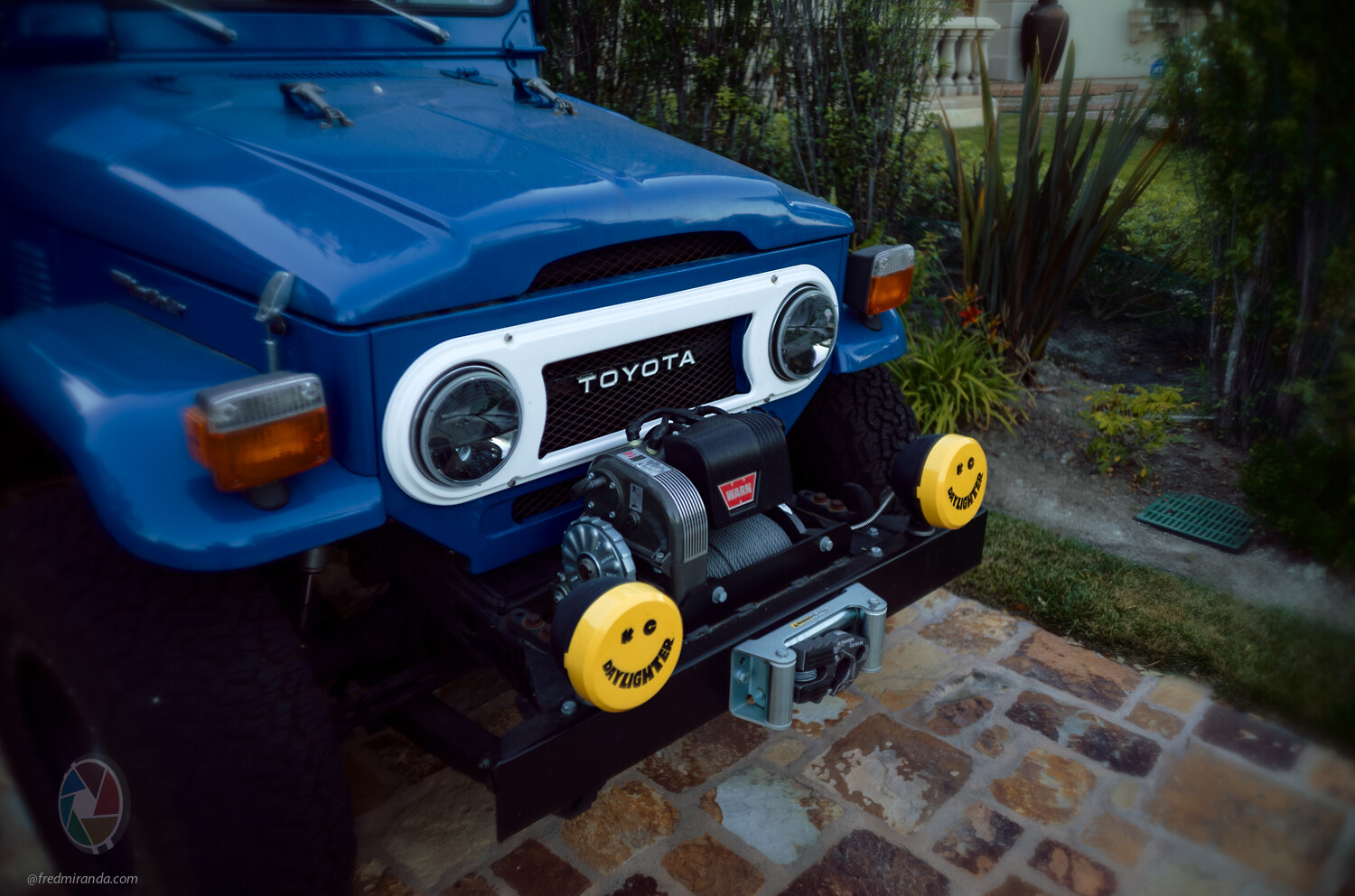
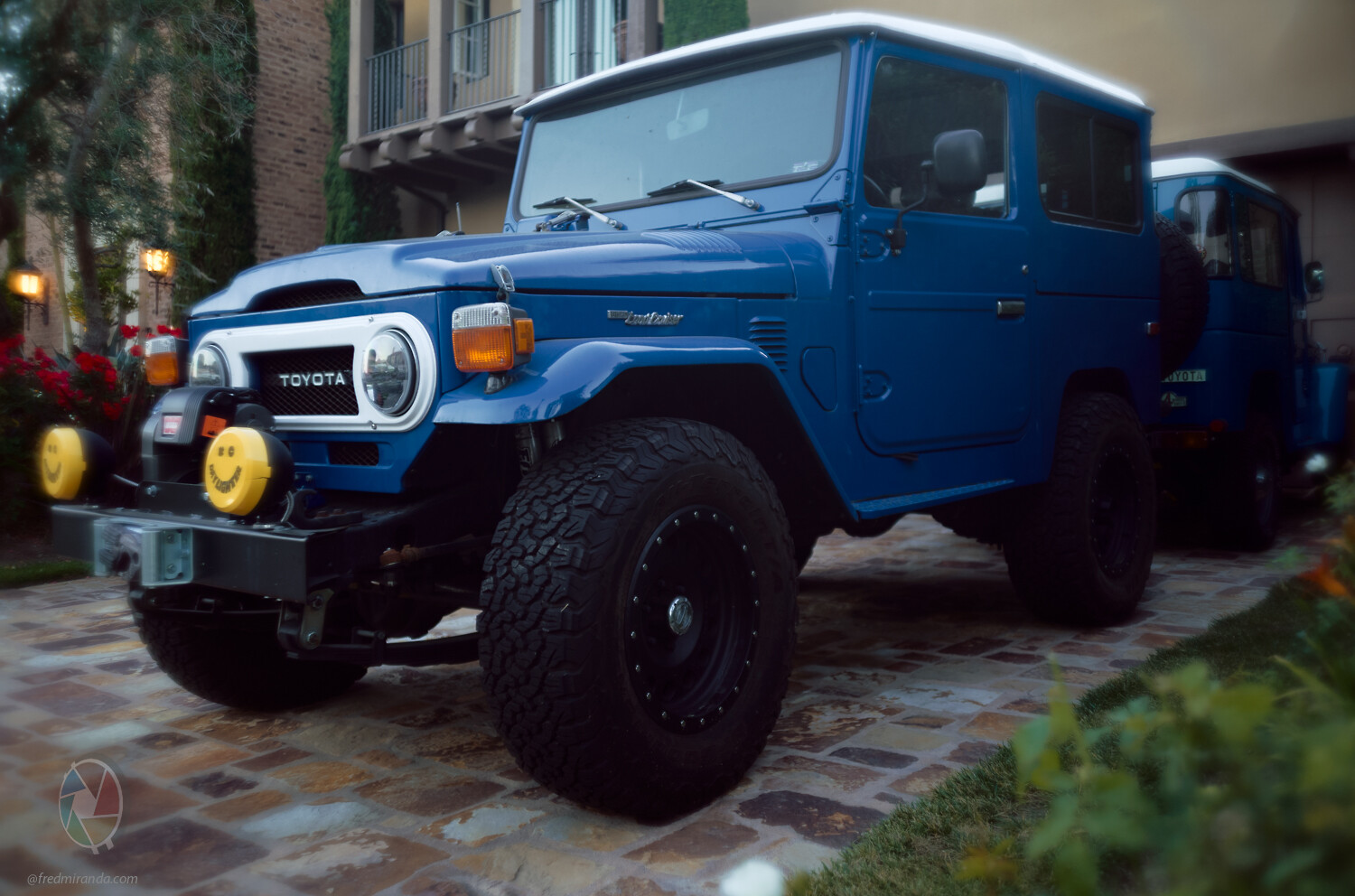
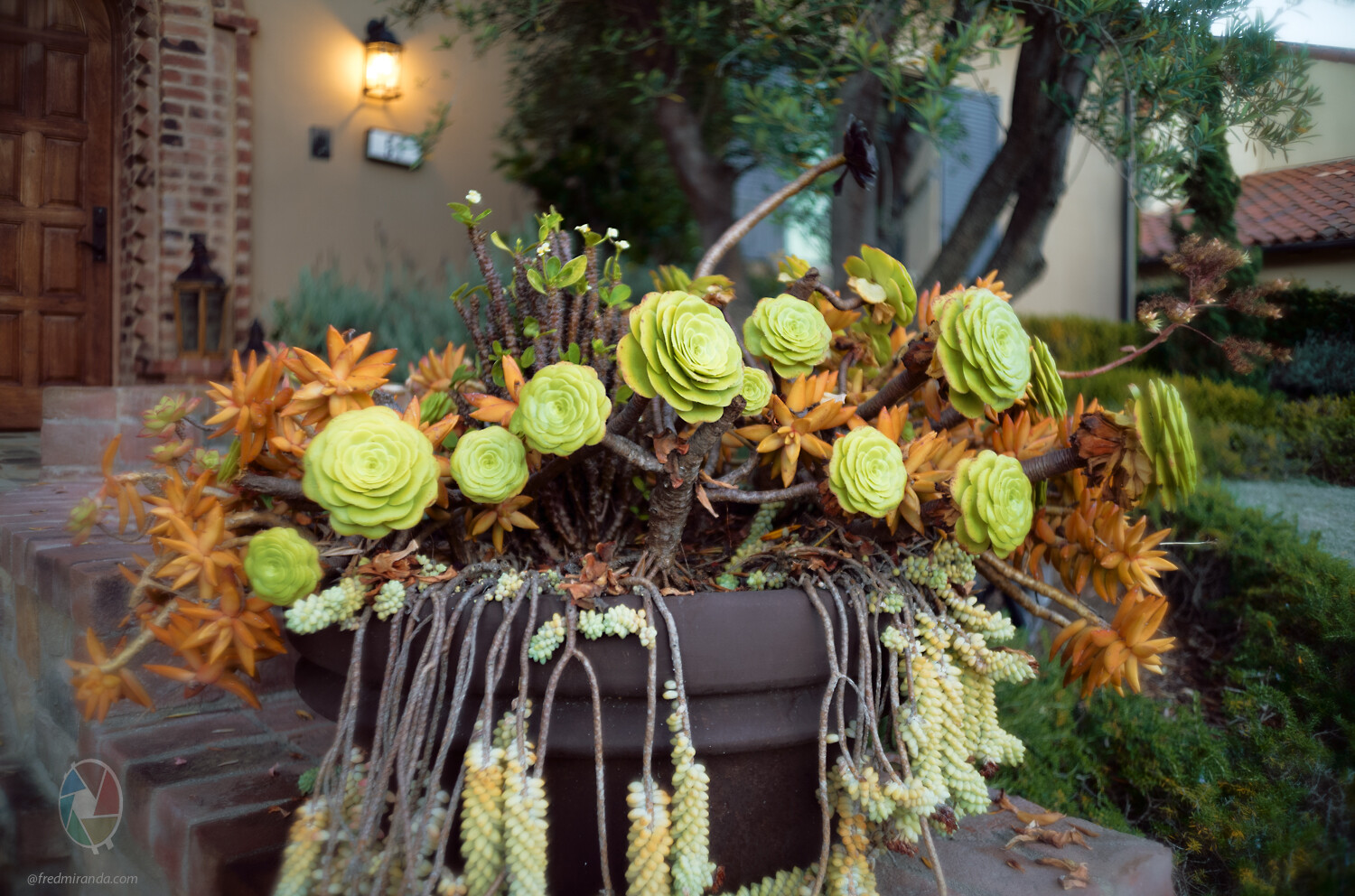
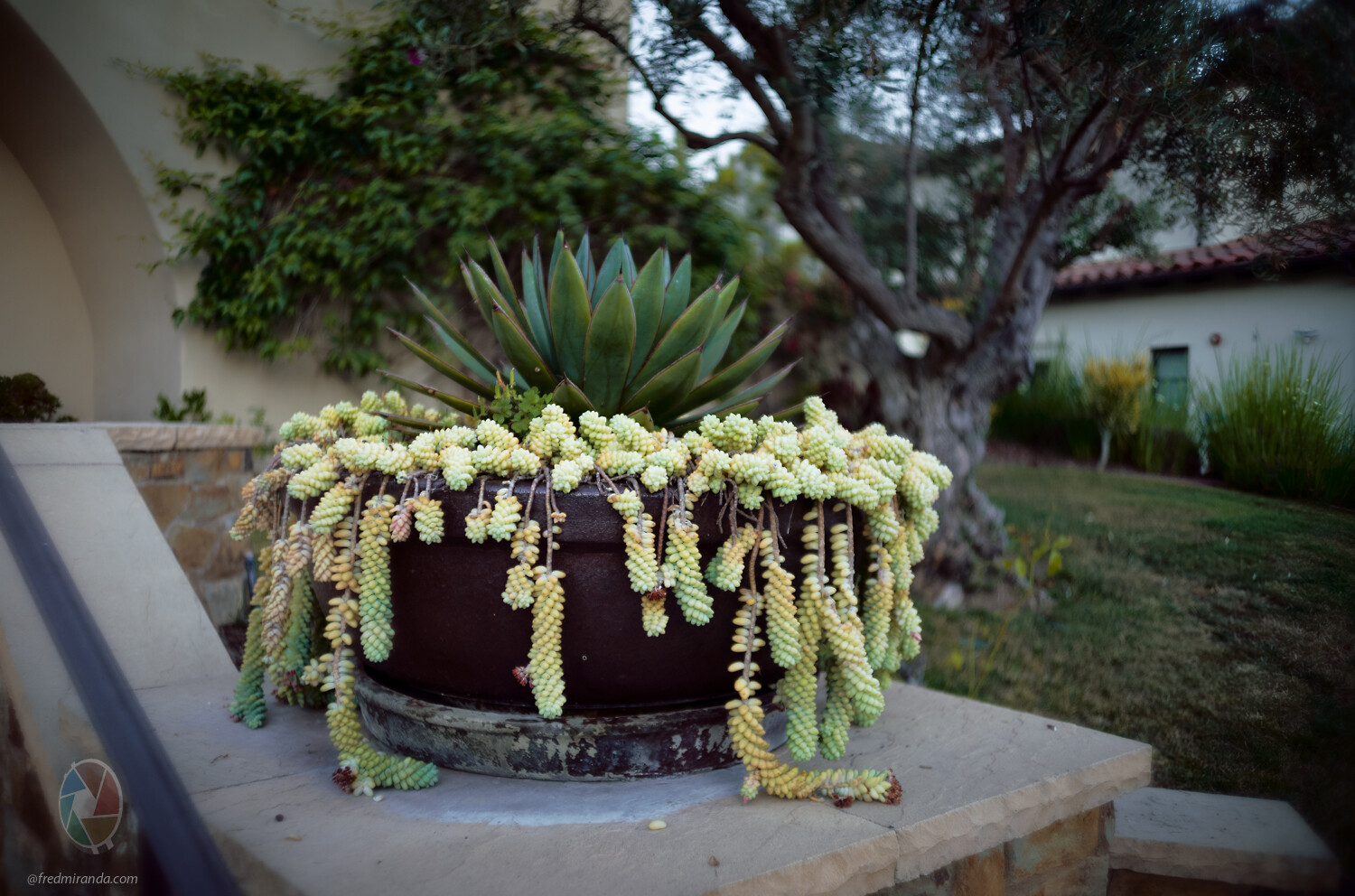
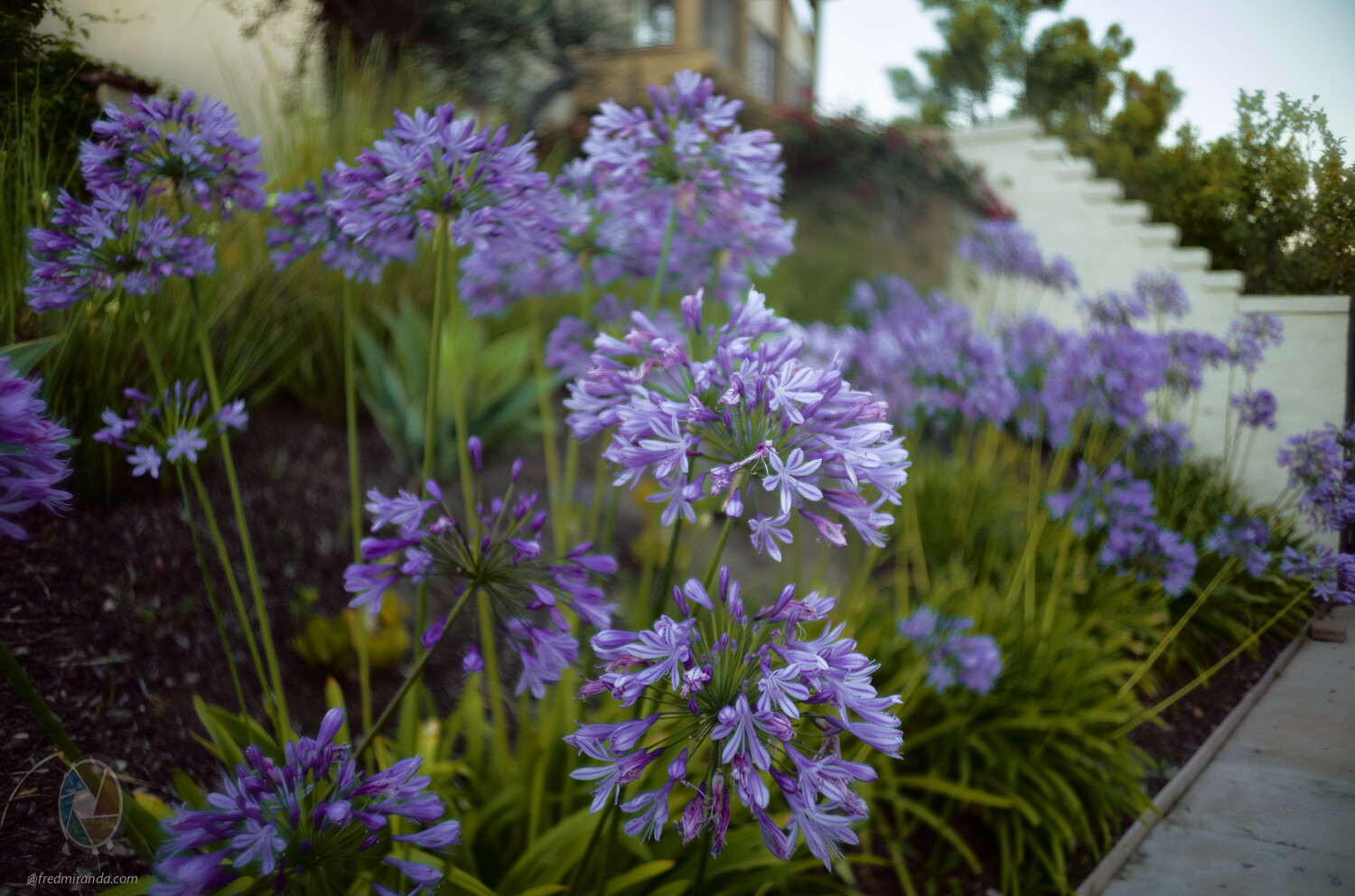
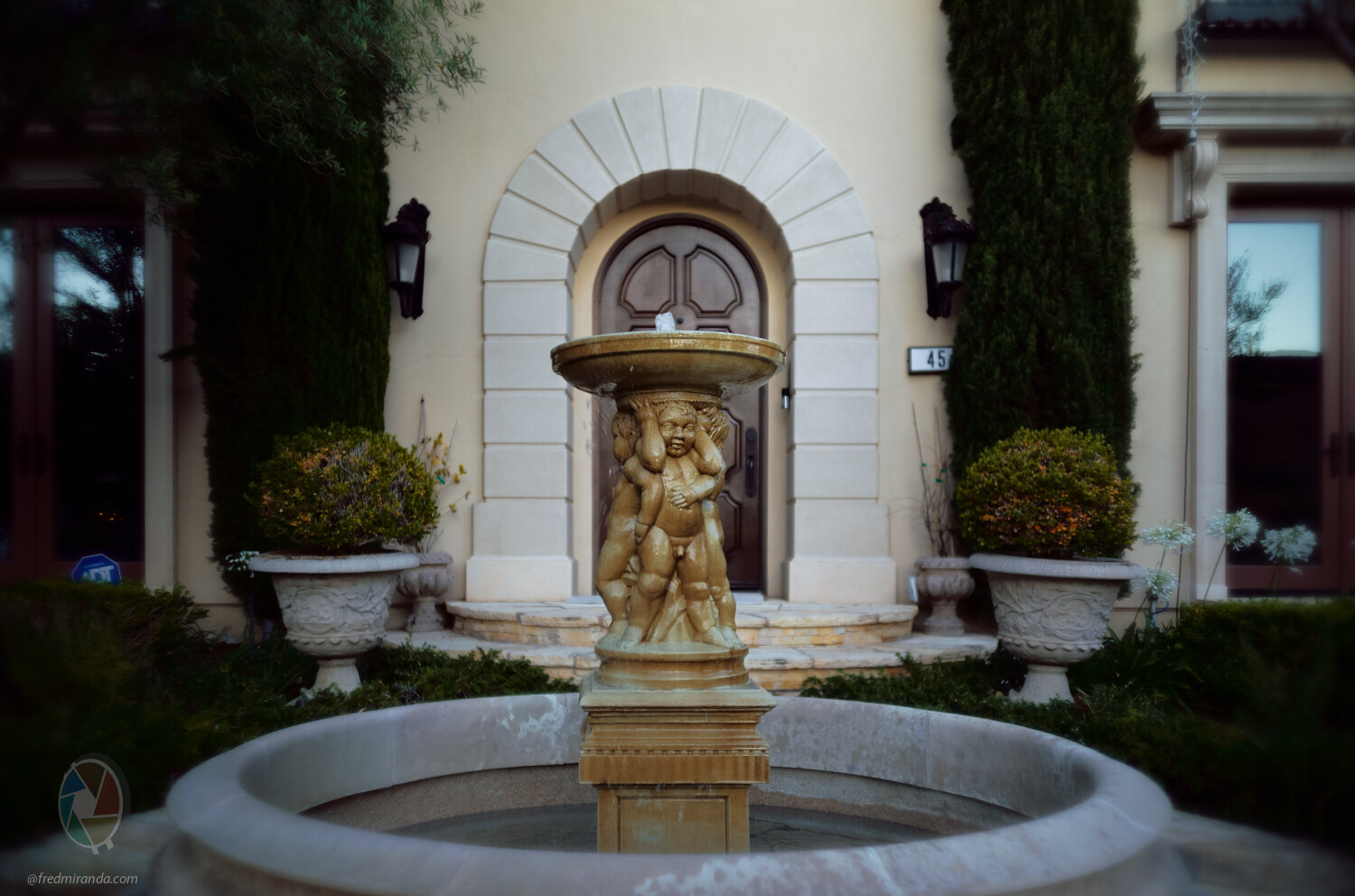
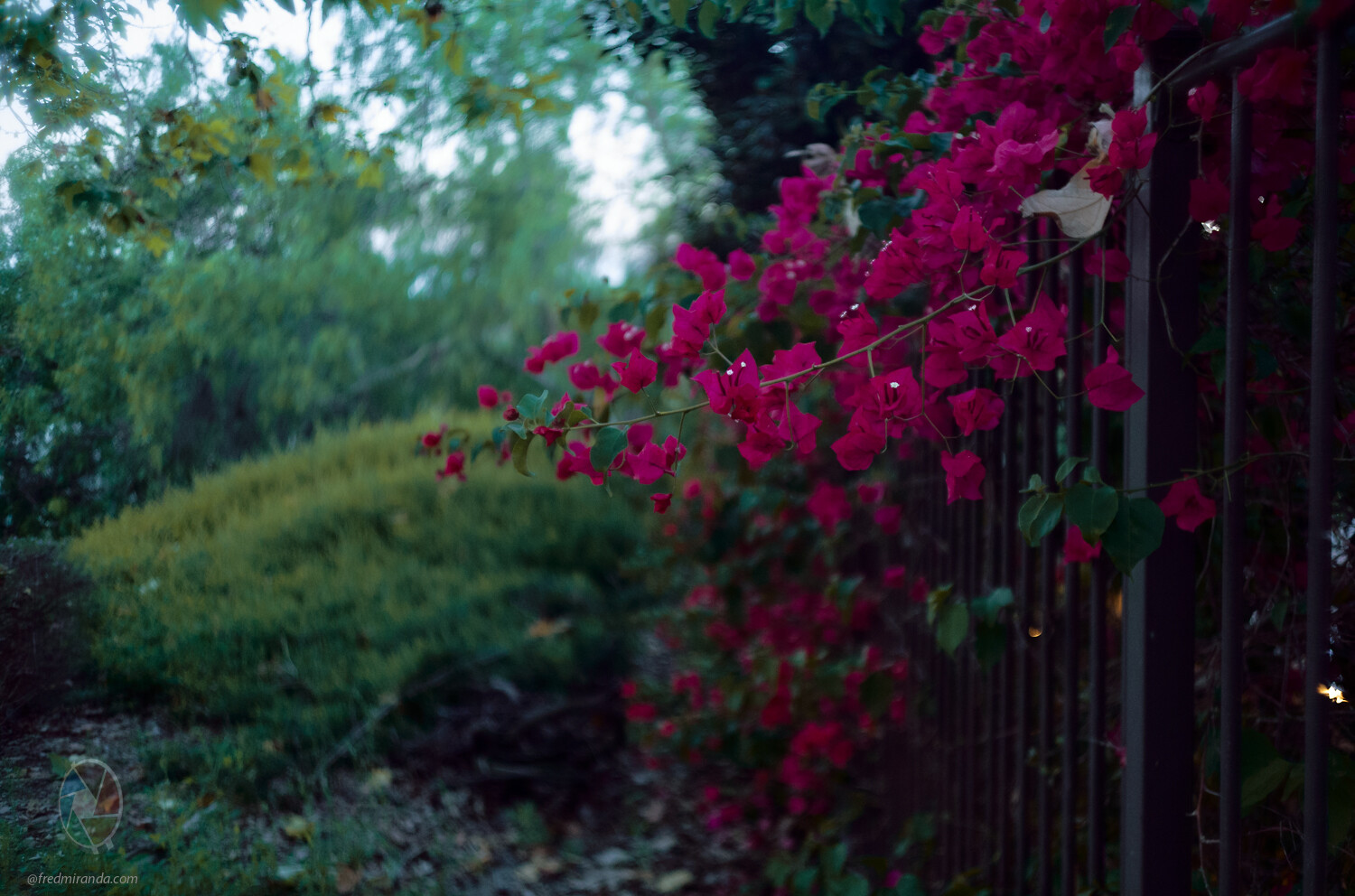
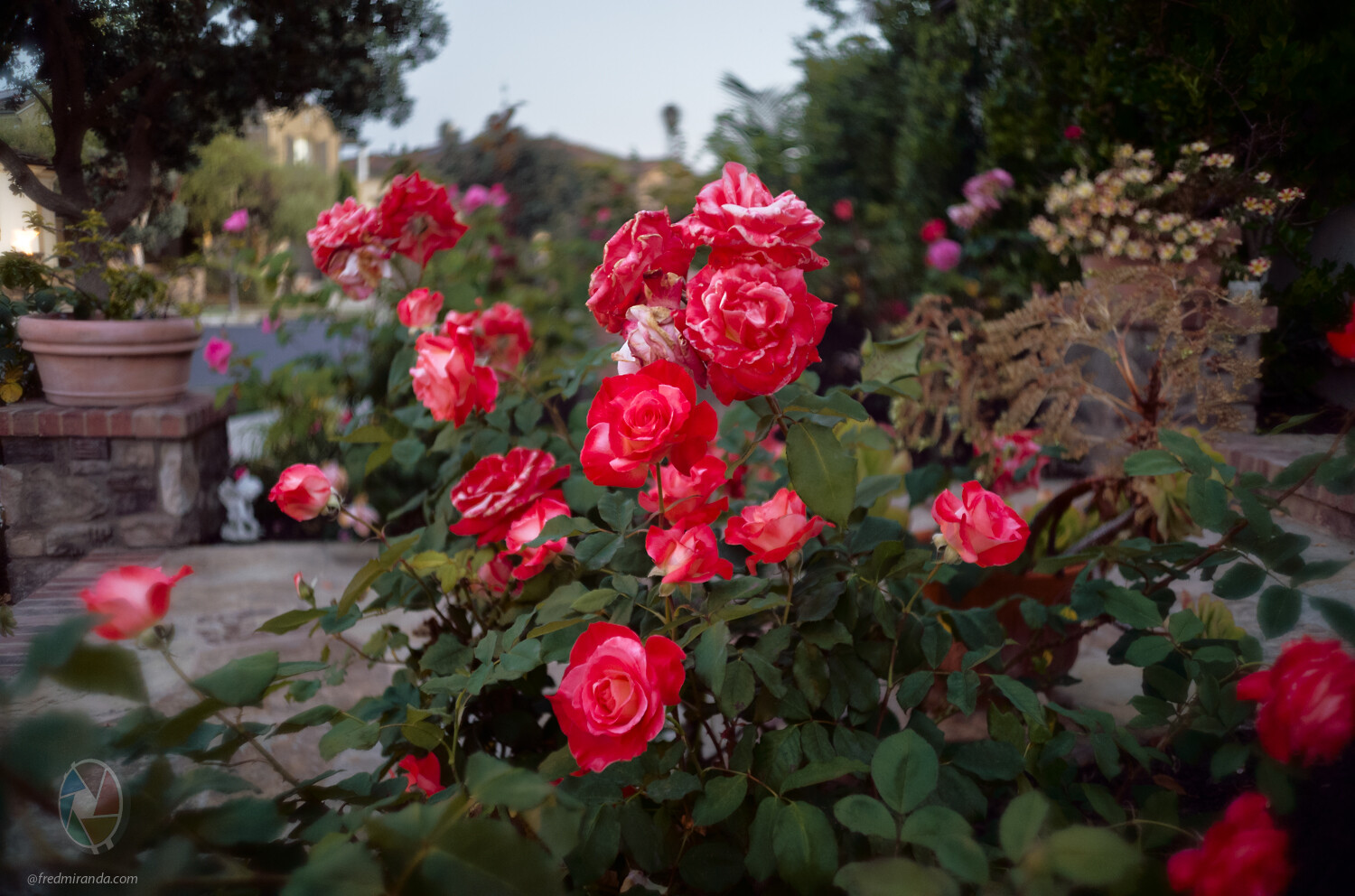
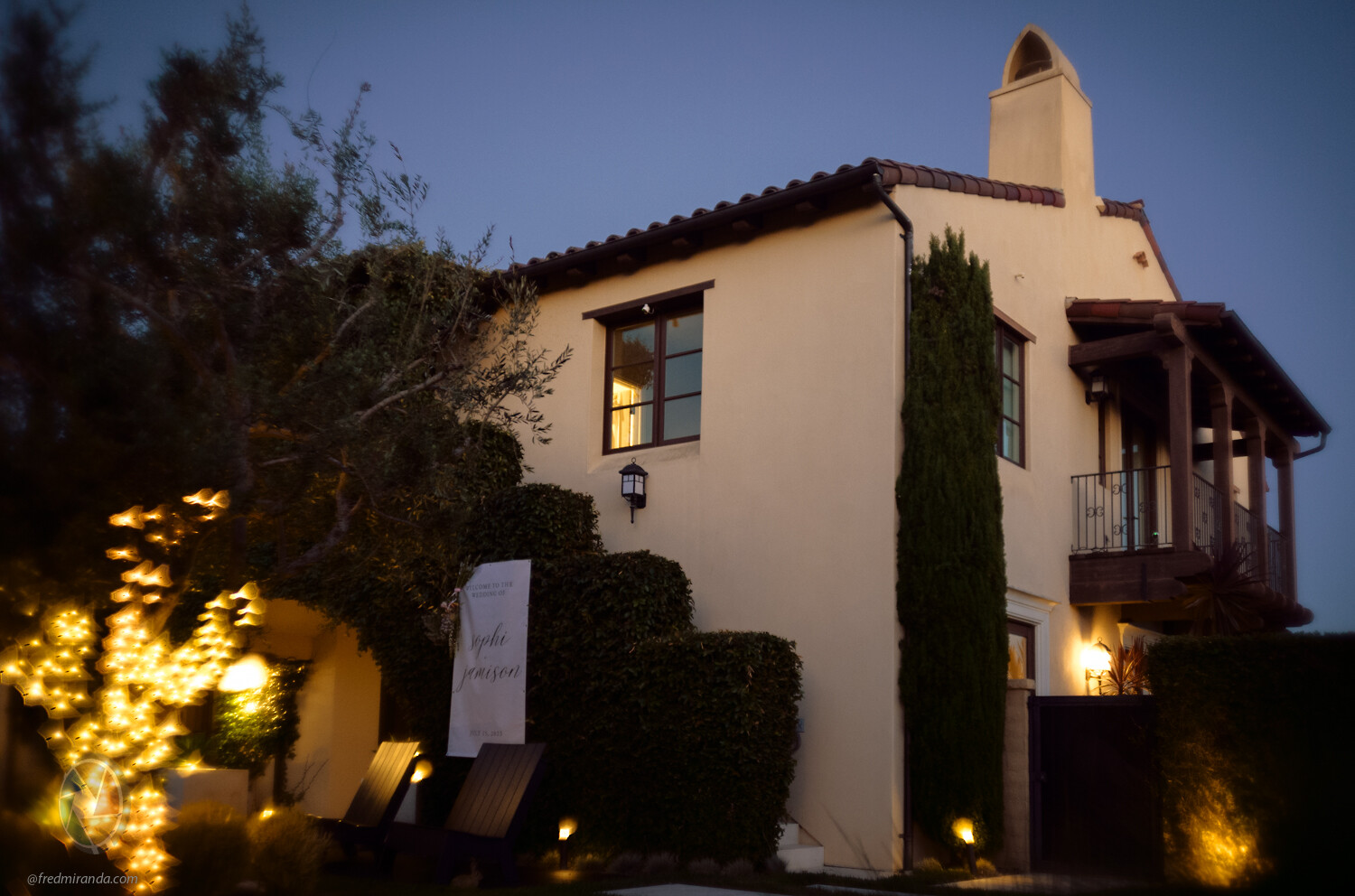
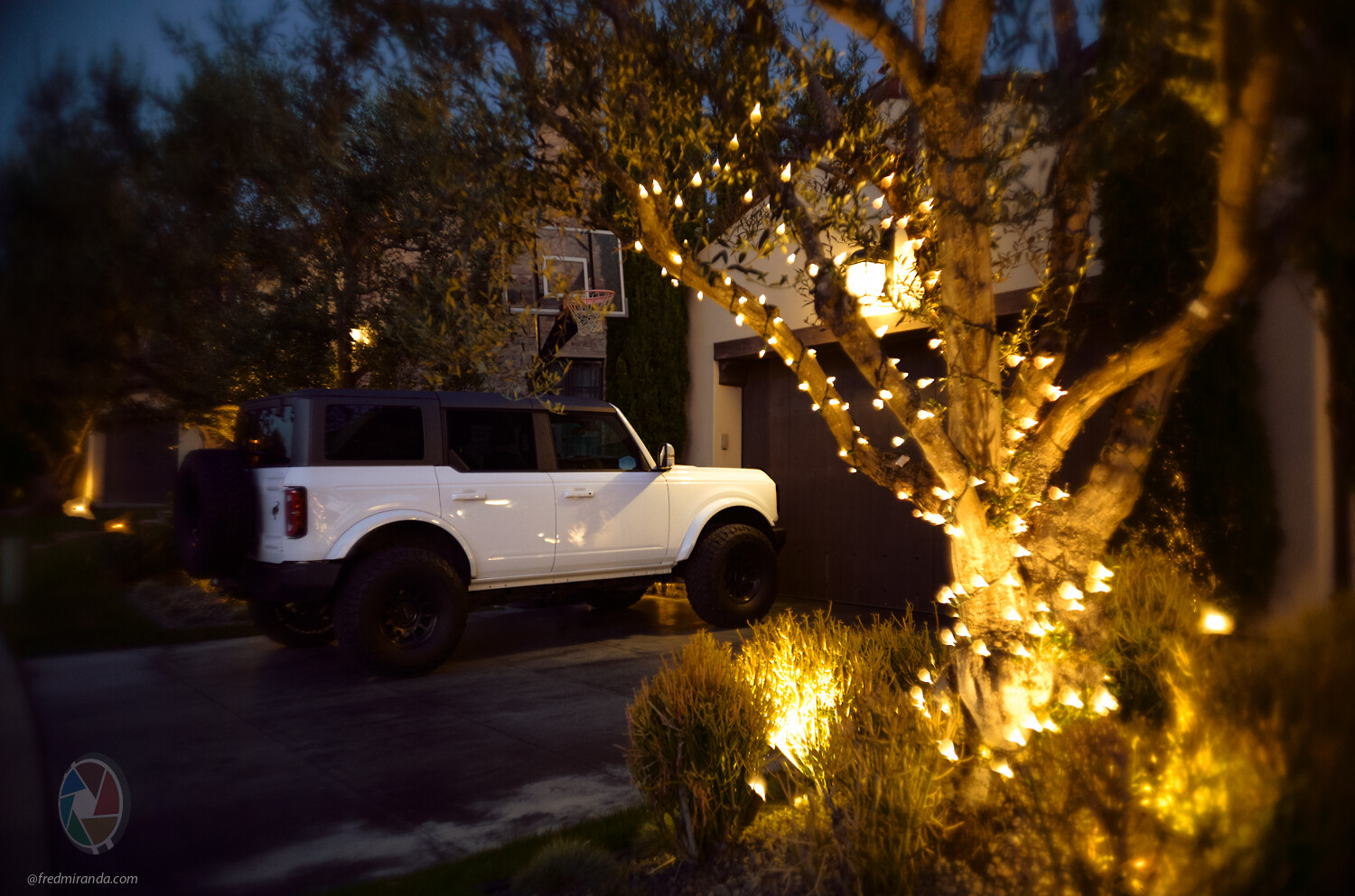
I have captured some images during today's sunset. The Apoqualia 28/1.7 has I used has a unique visual style. I'm curious to know your opinion on it. Field curvature is pretty wild and things don't look quite right to me.
For all the photos, I set the aperture to f/2, aligning it perfectly with my M10-R's rangefinder. Personally, I find the images taken at this aperture more appealing compared to those taken at f/1.7, as I believe the lens performs better at f/2-2.8 with a bit less FC and higher resolution.
LEICA M10-RMS Optics 28mm f/1.7 Apoqualia lens28mmf/2.81/180s100 ISO-0.3 EV
LEICA M10-RMS Optics 28mm f/1.7 Apoqualia lens28mmf/2.81/60s250 ISO-0.3 EV
LEICA M10-RMS Optics 28mm f/1.7 Apoqualia lens28mmf/2.81/60s125 ISO-0.3 EV
LEICA M10-RMS Optics 28mm f/1.7 Apoqualia lens28mmf/2.81/60s200 ISO-0.3 EV
LEICA M10-RMS Optics 28mm f/1.7 Apoqualia lens28mmf/2.81/60s250 ISO0.0 EV
LEICA M10-RMS Optics 28mm f/1.7 Apoqualia lens28mmf/2.81/60s250 ISO0.0 EV
LEICA M10-RMS Optics 28mm f/1.7 Apoqualia lens28mmf/2.81/60s250 ISO0.0 EV
LEICA M10-RMS Optics 28mm f/1.7 Apoqualia lens28mmf/2.81/60s160 ISO0.0 EV
LEICA M10-RMS Optics 28mm f/1.7 Apoqualia lens28mmf/2.81/60s1250 ISO0.0 EV
LEICA M10-RMS Optics 28mm f/1.7 Apoqualia lens28mmf/2.81/30s400 ISO0.0 EV
LEICA M10-RMS Optics 28mm f/1.7 Apoqualia lens28mmf/2.81/30s1250 ISO0.0 EV
LEICA M10-RMS Optics 28mm f/1.7 Apoqualia lens28mmf/2.81/30s2500 ISO0.0 EV
Fred Miranda wrote:
I have captured some images during today's sunset. The Apoqualia 28/1.7 has I used has a unique visual style. I'm curious to know your opinion on it. Field curvature is pretty wild and things don't look quite right to me.
For all the photos, I set the aperture to f/2, aligning it perfectly with my M10-R's rangefinder. Personally, I find the images taken at this aperture more appealing compared to those taken at f/1.7, as I believe the lens performs better at f/2-2.8 with a bit less FC and higher resolution.
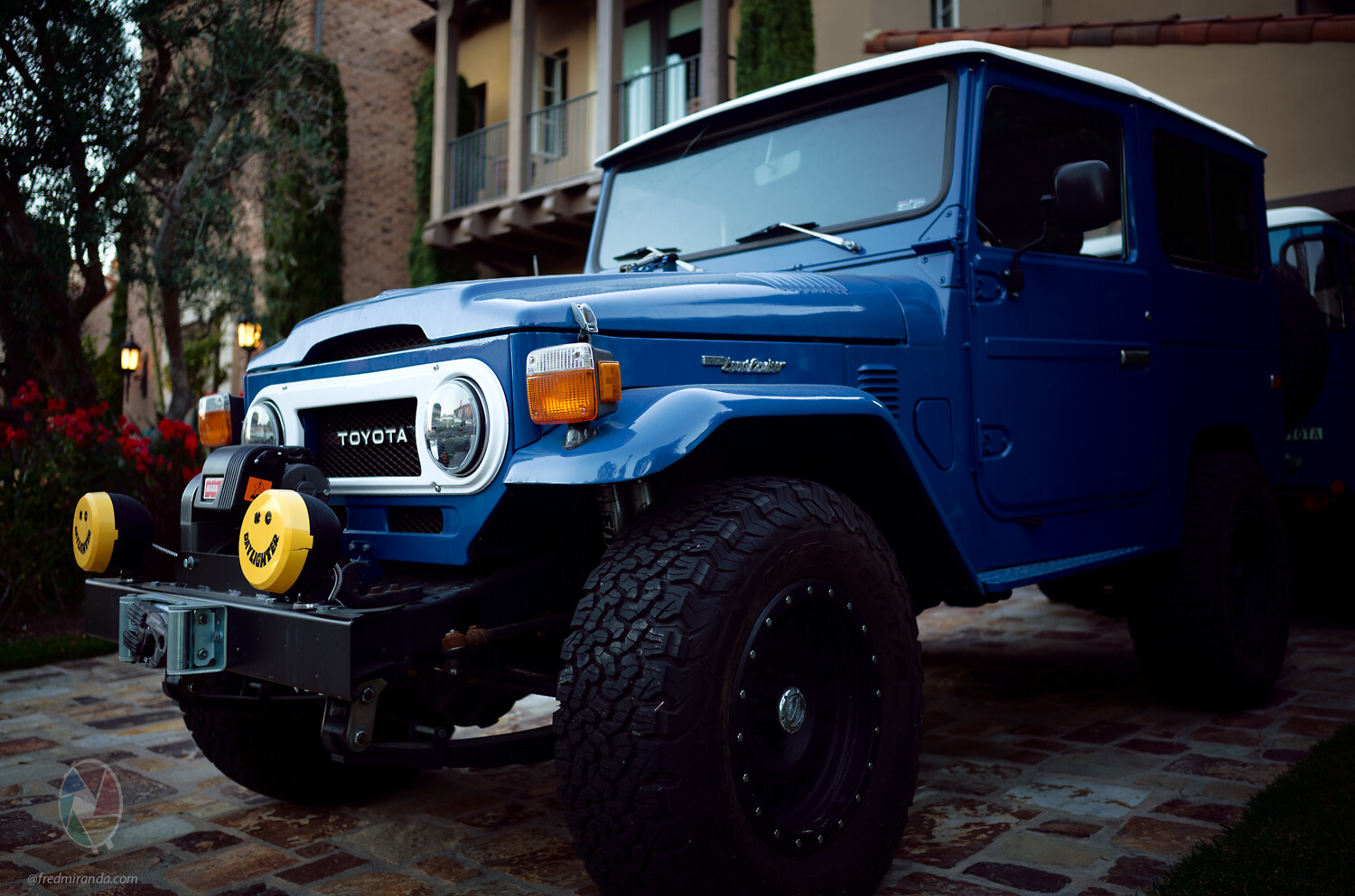
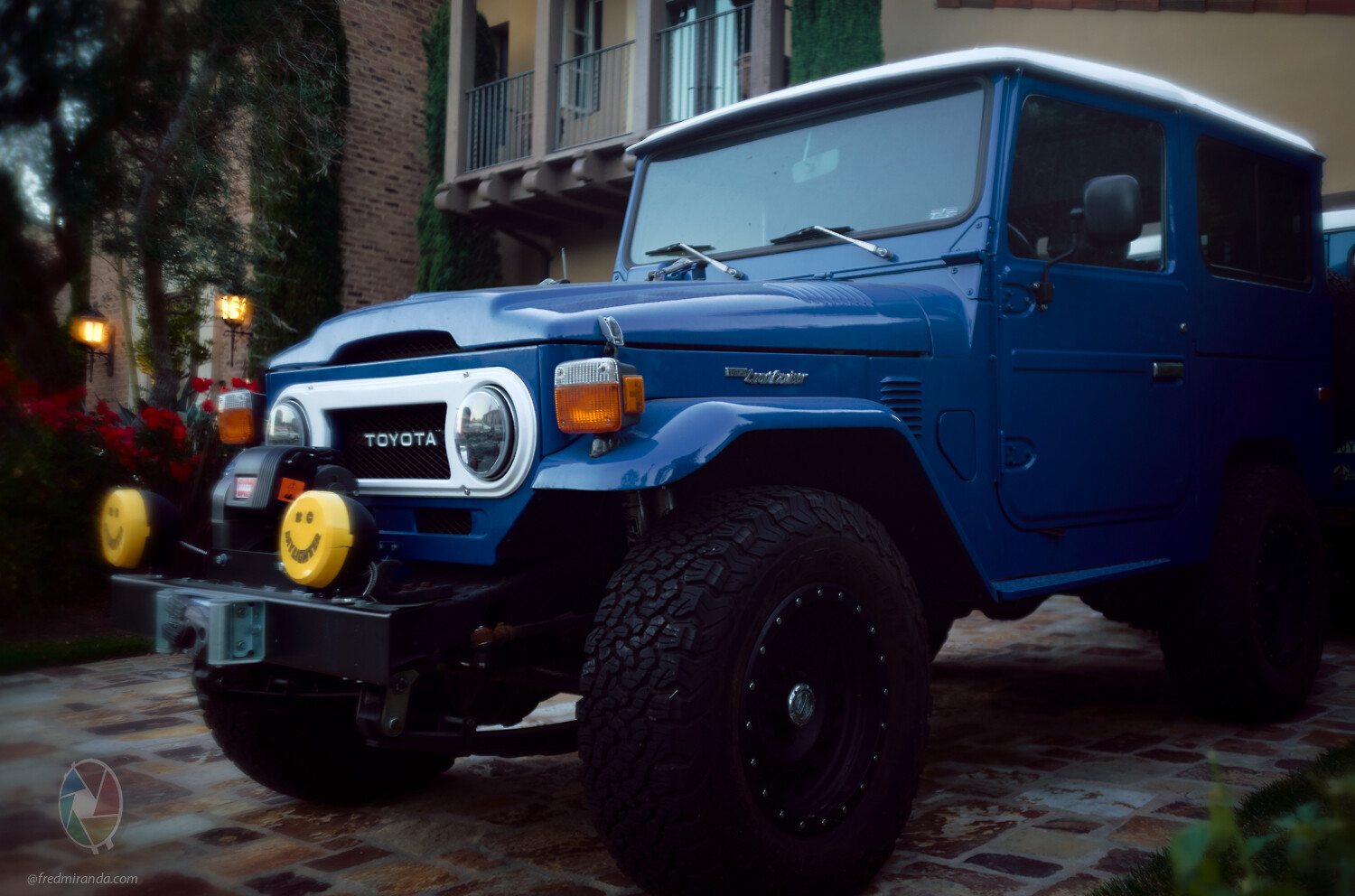
There's a weirdness to the images where it works on some but not on others. And even on the ones where it works, one is tripped up but what seems to be random areas of sharpness across the image area!
More importantly, are those matching Land Cruisers parked end to end? Or is that just another optical trick this lens is playing on us?
I applied my favorite film style on C1 Pro on these again. Again shot everything at f8, f1.7 and f2.8. Those seem to be my 3 favorite apertures to use with this lens.
BastianK wrote:
The previous 28mm 2.0 and also the Brightin Star 28mm 2.8 Show a very similar field curvature pattern.
@BastianK,
Based on your review, I am considering the MS Optics 24/2 lens. Can you provide a comparison between the FC and the Apoqualia 28/2? I noticed that you share my dislike for the rendering effect of the Apoqualia. Would I experience a similar effect with the MS Optics 24/2, or is the FC version more subdued in this regard?
Here's a comparison of the MS Apoqualia 28/2 and the Voigt Ultron 28/2 lenses, capturing the same scene on different days but at the same time of day. Both lenses offer unique rendering characteristics.
I'm curious to know which one you prefer and why? Both shot wide open at f/2.
LEICA M10-RVoigtlander 28mm f/2 II Ultron lens28mmf/2.01/30s125 ISO0.0 EV
LEICA M10-RMS Optics 28mm f/1.7 Apoqualia lens28mmf/2.81/60s200 ISO-0.3 EV
Fred Miranda wrote:
@BastianK@,
Based on your review, I am considering the MS Optics 24/2 lens. Can you provide a comparison between the FC and the Apoqualia 28/2? I noticed that you share my dislike for the rendering effect of the Apoqualia. Would I experience a similar effect with the MS Optics 24/2, or is the FC version more subdued in this regard?
I would not call the 24mm 2.0 field-curvature-free, but the situation is indeed much better compared to the 28s.
These are all pictures taken at f/2.0 where I think one can see that:
Contrary to the 28 it also sharpens up nicely across frame already at f/8.0,
so I often use it for landscape/architecture, as you have probably already seen in the review.
Contrary to the 28 it also sharpens up nicely across frame already at f/8.0,
so I often use it for landscape/architecture, as you have probably already seen in the review.
In my opinion, the 24/2 lens does not appear to have the same type of field curvature as the 28/2 lens, even though both lenses seem to exhibit high field curvature. That's why I am interested in understanding the distinction between them. I have a preference for the 28mm lens, but I would be open to considering the 24mm lens if the image corners resemble the ones you shared.
How about RF alignment? Is your copy somewhat aligned or you found a way to adjust it? I do like the rendering from the 24mm with the outlining, comma and all.
Desmolicious wrote:
It's strange. One would think it would be harder to make a decent performing 24mm pancake than the 28mm.
Since I used both I have been wondering about that...
Fred Miranda wrote:
In my opinion, the 24/2 lens does not appear to have the same type of field curvature as the 28/2 lens, even though both lenses seem to exhibit high field curvature. That's why I am interested in understanding the distinction between them. I have a preference for the 28mm lens, but I would be open to considering the 24mm lens if the image corners resemble the ones you shared.
How about RF alignment? Is your copy somewhat aligned or you found a way to adjust it? I do like the rendering from the 24mm with the outlining, comma and all.
It is properly aligned in the 1.0 m to infinity range.
The 0.8 and 0.6 m distances are in a different color, so I think it is by design that the alignment works only down to 1.0 m.
I did not find an obvious way to adjust the alignment. There are some holes where a camera spanner could be attached, but I didn't dare to try as it also wasn't necessary.
BastianK wrote:
Since I used both I have been wondering about that...
It is properly aligned in the 1.0 m to infinity range.
The 0.8 and 0.6 m distances are in a different color, so I think it is by design that the alignment works only down to 1.0 m.
I did not find an obvious way to adjust the alignment. There are some holes where a camera spanner could be attached, but I didn't dare to try as it also wasn't necessary.
Definitely. I've noticed this with my other MS Optics lenses, like the new 57mm Petz. When you see the red marking, it usually means that the rangefinder won't line up properly, even if it's still connected. It's good to know that your lens was aligned correctly with your rangefinder. If there are any alignment problems, there are ways to adjust it but every lens has a different method.