POST your IMAGES SCANNED from slides or film.
p.12 #1POST your IMAGES SCANNED from slides or film.
Adult and juvenile South American Coati:
 The South American coati by Jose, on Flickr
Scanned slide (Fujichrome RDP ISO 100) from March 1994, taken with Nikon FM2 + Nikkor 200mm f4 ai + monopod, at f/11 and 1/125s. Scanned with Nikon CoolScan IV ED.
 Nasua nasua juvenile with Nikkor 180mm f/2.8 AIS ED by Jose, on Flickr
November 2000, gallery forest border in the Cerrado Region.
F90x + 180mm f/2.8 ais ED hand held + SB-28 as fill flash, Fujichrome Provia RDP III ISO 100.
Digital dupe using D7000 + 20mm extension tube + 55mm f/3.5 micro @f/8 and ISO 160 +ES-1 slide copying adapter, flash + diffuser behind slide.
The South American coati by Jose, on FlickrScanned slide (Fujichrome RDP ISO 100) from March 1994, taken with Nikon FM2 + Nikkor 200mm f4 ai + monopod, at f/11 and 1/125s. Scanned with Nikon CoolScan IV ED.
Nasua nasua juvenile with Nikkor 180mm f/2.8 AIS ED by Jose, on FlickrNovember 2000, gallery forest border in the Cerrado Region.
F90x + 180mm f/2.8 ais ED hand held + SB-28 as fill flash, Fujichrome Provia RDP III ISO 100.
Digital dupe using D7000 + 20mm extension tube + 55mm f/3.5 micro @f/8 and ISO 160 +ES-1 slide copying adapter, flash + diffuser behind slide.
Apr 26, 2023 at 04:41 AM
p.12 #2POST your IMAGES SCANNED from slides or film.
asiostygius wrote:
Adult and juvenile South American Coati:
https://live.staticflickr.com/715/31643257512_7bfb9f3c4a_b.jpgThe South American coati by Jose, on Flickr
Scanned slide (Fujichrome RDP ISO 100) from March 1994, taken with Nikon FM2 + Nikkor 200mm f4 ai + monopod, at f/11 and 1/125s. Scanned with Nikon CoolScan IV ED.
https://live.staticflickr.com/8215/8446234062_9b29ee3381_b.jpgNasua nasua juvenile with Nikkor 180mm f/2.8 AIS ED by Jose, on Flickr
November 2000, gallery forest border in the Cerrado Region.
F90x + 180mm f/2.8 ais ED hand held + SB-28 as fill flash, Fujichrome Provia RDP III ISO 100.
Digital dupe using D7000 + 20mm extension tube + 55mm f/3.5 micro @f/8 and ISO 160 +ES-1 slide copying adapter, flash...Show more →
Just wonderful pics~!
Apr 26, 2023 at 10:44 AM

RoamingScott
Offline
Activity
[X]
Details
p.12 #4POST your IMAGES SCANNED from slides or film.
Sending a man to space and recovering him, a story in 4 parts. Yashica T4 on Portra 400.


Apr 26, 2023 at 12:36 PM
p.12 #5POST your IMAGES SCANNED from slides or film.
RoamingScott wrote:
Sending a man to space and recovering him, a story in 4 parts. Yashica T4 on Portra 400.
Love this. And Portra has such beautiful tonal range.
Sending a man to space and recovering him, a story in 4 parts. Yashica T4 on Portra 400.
Love this. And Portra has such beautiful tonal range.
Apr 26, 2023 at 04:18 PM
RoamingScott
Offline
Activity
[X]
Details
p.12 #6POST your IMAGES SCANNED from slides or film.
Ross Martin wrote:
Love this. And Portra has such beautiful tonal range.
Thanks Ross...honestly it's a stock I can't quite get my head around. I do enjoy the skin tones, but I tend to really dislike the highlights, preferring Gold 200 there...but don't really like the Gold skin tones. There's no free lunch!
I'm starting to shoot certain stocks by time of year...Gold is perfect for May-September, C200/Superia400 for the fall, and Portra over the winter...at least that's what I've settled on so far.
RoamingScott wrote
Sending a man to space and recovering him, a story in 4 parts. Yashica T4 on Portra 400.Thanks Ross...honestly it's a stock I can't quite get my head around. I do enjoy the skin tones, but I tend to really dislike the highlights, preferring Gold 200 there...but don't really like the Gold skin tones. There's no free lunch!
I'm starting to shoot certain stocks by time of year...Gold is perfect for May-September, C200/Superia400 for the fall, and Portra over the winter...at least that's what I've settled on so far.
Apr 26, 2023 at 06:47 PM
p.12 #7POST your IMAGES SCANNED from slides or film.
My grandfather.
Hasselblad 500cm + 80mm Zeiss / TMAX 100 / 1997
Hasselblad 500cm + 80mm Zeiss / TMAX 100 / 1997
 |
||
 |
||
|
May 02, 2023 at 12:21 PM


p.12 #10POST your IMAGES SCANNED from slides or film.
Some additional bug close ups:
 Resting grasshopper during the night by Jose, on Flickr
Fujichrome Velvia RVP ISO 50 from November 2002, Prata-MG, Brazilian savannah.
F90x + Tamron SP 1.4x TC + Micro-Nikkor 60mm f/2.8 AF-D (=84mm f/4) + SB28 flash.
Digital dupe by V1 + FT1 + 8mm extension tube + Nikkor 28mm f/2.8 ai-s @ f/5.6 + ES1 slide copying adapter. ~40% cropped (4/10MP).
 Puss caterpillar (Megalopygidae) by Jose, on Flickr
FM2 + Micro-Nikkor 55mm f/2.8 ai-s @f/22 handheld + Circular flash; Fujichrome RDPII ISO 100, March 1995.
Digital dupe using D610 (at ISO 100) + PB-6 bellows + Micro-Nikkor 55mm f/2.8 ai @f/8 + PS-6 slide copying adapter + SC-17 cable/SB 400 flash behind slide.
 Grasshopper with Nikkor 55mm f/3.5 micro by Jose, on Flickr
February 2000. Nikon FM2 + Nikkor 55mm f/3.5 handheld, Fujichrome RDPII (ISO 100).
Dupe: D7000 + 20mm extension tube+55mm f/2.8 ais micro + Slide Copying Adapter ES-1. ISO 100.
Resting grasshopper during the night by Jose, on FlickrFujichrome Velvia RVP ISO 50 from November 2002, Prata-MG, Brazilian savannah.
F90x + Tamron SP 1.4x TC + Micro-Nikkor 60mm f/2.8 AF-D (=84mm f/4) + SB28 flash.
Digital dupe by V1 + FT1 + 8mm extension tube + Nikkor 28mm f/2.8 ai-s @ f/5.6 + ES1 slide copying adapter. ~40% cropped (4/10MP).
Puss caterpillar (Megalopygidae) by Jose, on FlickrFM2 + Micro-Nikkor 55mm f/2.8 ai-s @f/22 handheld + Circular flash; Fujichrome RDPII ISO 100, March 1995.
Digital dupe using D610 (at ISO 100) + PB-6 bellows + Micro-Nikkor 55mm f/2.8 ai @f/8 + PS-6 slide copying adapter + SC-17 cable/SB 400 flash behind slide.
Grasshopper with Nikkor 55mm f/3.5 micro by Jose, on FlickrFebruary 2000. Nikon FM2 + Nikkor 55mm f/3.5 handheld, Fujichrome RDPII (ISO 100).
Dupe: D7000 + 20mm extension tube+55mm f/2.8 ais micro + Slide Copying Adapter ES-1. ISO 100.
May 06, 2023 at 07:18 AM
|


p.12 #15POST your IMAGES SCANNED from slides or film.
 000260960005 by Maryland Photos, on Flickr
Super Ikonta, TMax 400
Jul 01, 2023 at 03:36 PM
p.12 #16POST your IMAGES SCANNED from slides or film.
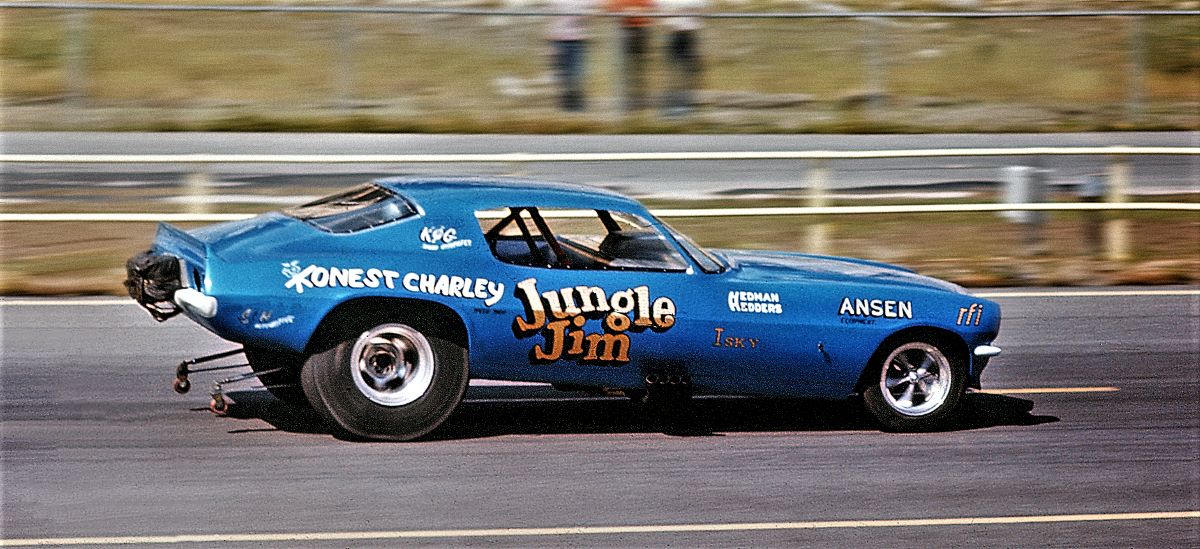
Jungle Jim Liberman in his funny car at New England Dragway, Epping, New Hampshire, summer of 1970. I was a 19-year-old private in the Army Security Agency stationed at Ft. Devens, MA. Shot this with a Nikkormat FTn and 50mm/2 at a National Hot Rod Association event. Scanned from an Ektachome 400 slide.
Jul 01, 2023 at 04:37 PM
p.12 #17POST your IMAGES SCANNED from slides or film.
I have enjoyed looking at this thread since it was started, and so I finally went through my old slides last week, and copied a few with a Sony A7RIV, Nikon bellows and slide holder, 90mm Etendue Mejiro lens, and a Vivitar 283 flash (an appropriately archaic light source).
I photographed these birds while living in Hawaii during the late-1980s, all but the "Ulili on Kodachrome 64, using a Nikon F4 and a 400mm f/3.5 lens, except the Francolin, for which I used a 300mm f/4.5.
The 'Apapane is indigenous; the 'Ulili, is migratory, the Yellow-fronted Canary was introduced from Africa in the 1960's, and the Grey Francolin was also introduced in the 1960's, from India.
--------------------------------------------------------------------------------------------
Upon looking at these images again this morning, I realized a few things:
1 - I forgot to mention that they had been cropped to a 4:3 ratio
2 - The "Ulili was taken on Velvia RVP, and the original slide is more subdued in color and contrast than the image posted
3 - All the other images would also benefit from more conservative adjustments after capture. In the future, I'll keep the original slides near my workstation for reference while working on their digital siblings.
4 - I need to clean my sensor; there is a spot that appears constantly on the lower right of each image.
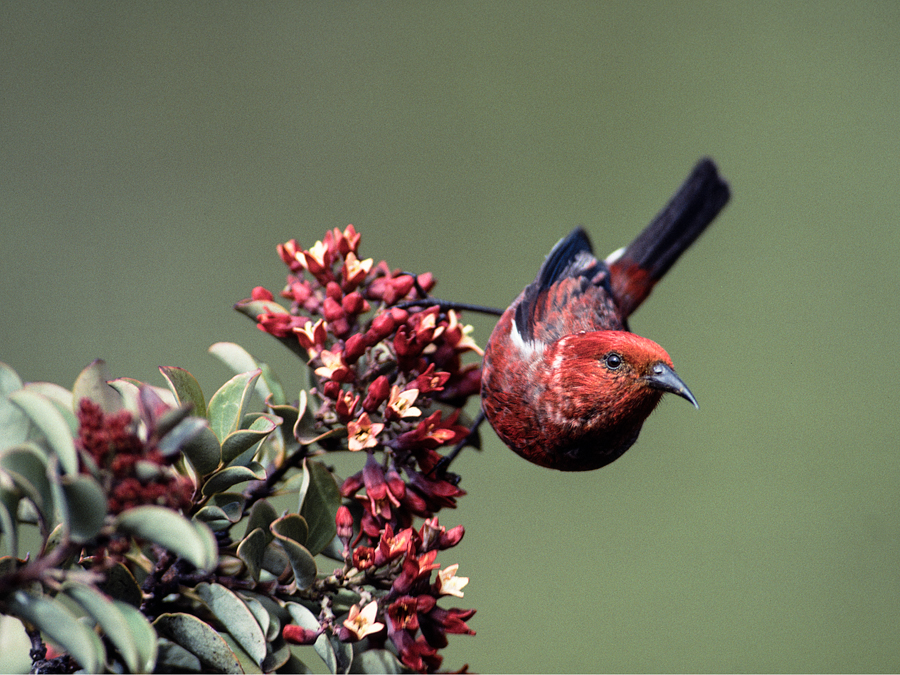
'Apapane on native sandalwood, Haleakala, Maui
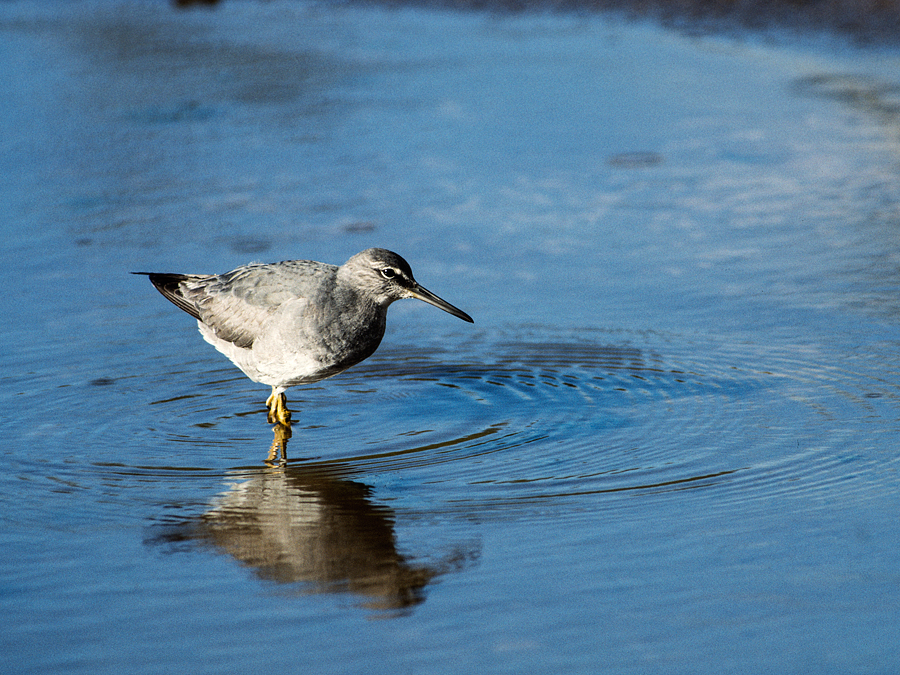
'Ulili, or Wandering Tattler. on Kanaha Pond, Maui
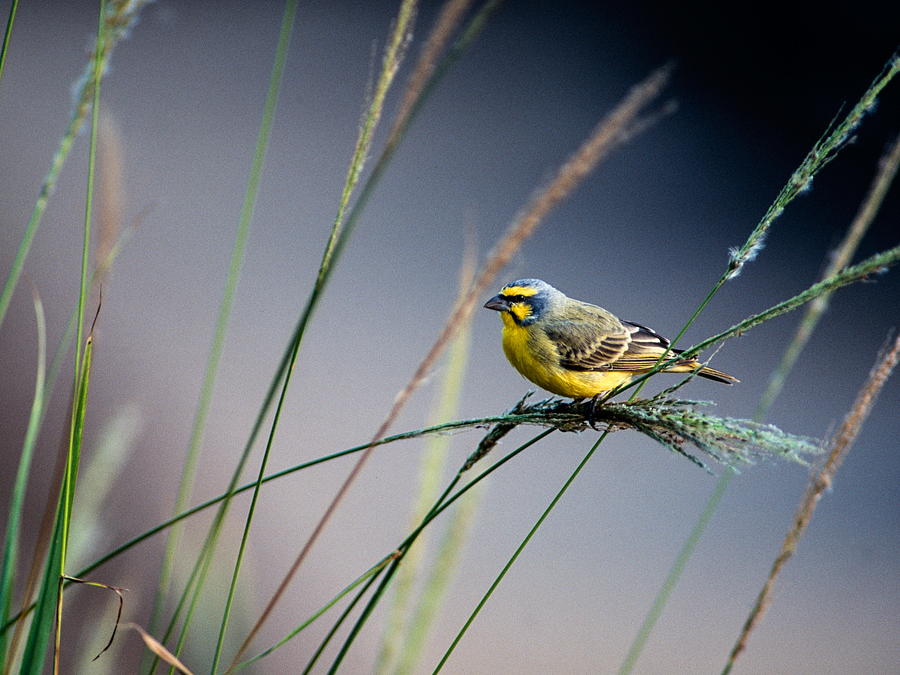
Yellow-fronted Canary, Kapiolani Community College, Oahu
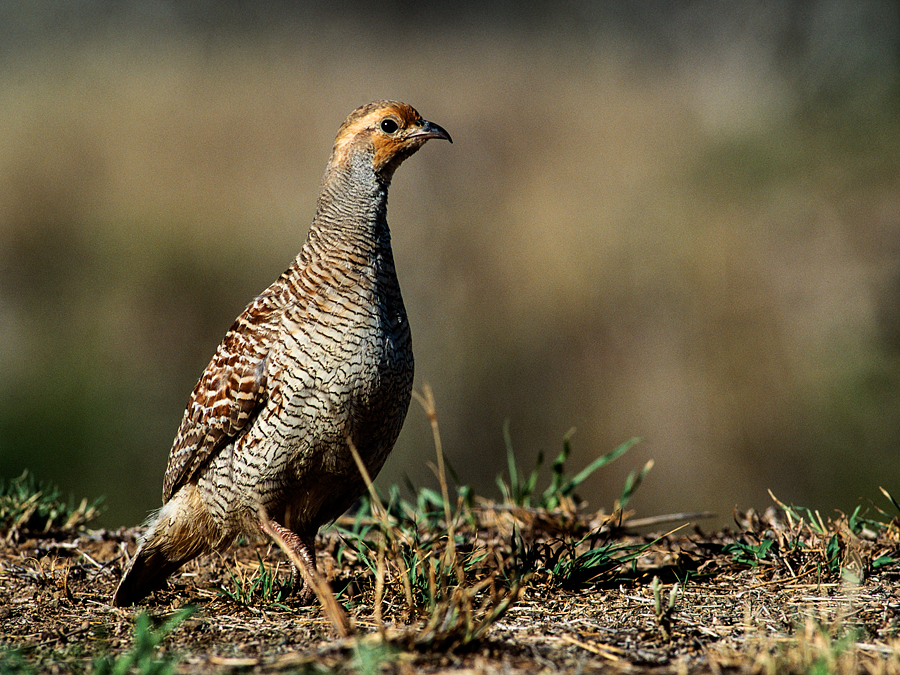
Grey Francolin, Diamond Head Crater
I photographed these birds while living in Hawaii during the late-1980s, all but the "Ulili on Kodachrome 64, using a Nikon F4 and a 400mm f/3.5 lens, except the Francolin, for which I used a 300mm f/4.5.
The 'Apapane is indigenous; the 'Ulili, is migratory, the Yellow-fronted Canary was introduced from Africa in the 1960's, and the Grey Francolin was also introduced in the 1960's, from India.
--------------------------------------------------------------------------------------------
Upon looking at these images again this morning, I realized a few things:
1 - I forgot to mention that they had been cropped to a 4:3 ratio
2 - The "Ulili was taken on Velvia RVP, and the original slide is more subdued in color and contrast than the image posted
3 - All the other images would also benefit from more conservative adjustments after capture. In the future, I'll keep the original slides near my workstation for reference while working on their digital siblings.
4 - I need to clean my sensor; there is a spot that appears constantly on the lower right of each image.
© davidam
'Apapane on native sandalwood, Haleakala, Maui
© davidam
'Ulili, or Wandering Tattler. on Kanaha Pond, Maui
© davidam
Yellow-fronted Canary, Kapiolani Community College, Oahu
© davidam
Grey Francolin, Diamond Head Crater
Jul 01, 2023 at 07:37 PM
p.12 #18POST your IMAGES SCANNED from slides or film.
Another set from Hawaii in the late 1980's/early 1990's, also copied using A7RIV, 90mm Etendue Mejiro with bellows, ES-1, and Vivitar 283 flash.
The anemonefish was taken at Waikiki Aquarium, with an F4,105mm f/4 MicroNikkor, SB-24 Flash, and an MF23 back. The aquarium had a great diversity of tropical fish, and I was able to come in early before opening hours, and before there was any danger of fingerprints on the glass.
I would wear dark clothes, slipped a piece of black construction paper over the lens to block any reflections from the camera body or grip, and used the off-camera flash at 45 degrees to the glass surface. I set the lens to the magnification I wanted using its locking knob (a feature I really liked), moved back and forth while looking through the viewfinder, and used the Freeze Focus function of the camera back to trigger the camera the moment the fish was in focus (another capability I miss). I had far better results at the aquarium than I did with my attempts with an FE2 and Ikelite housing in the ocean.
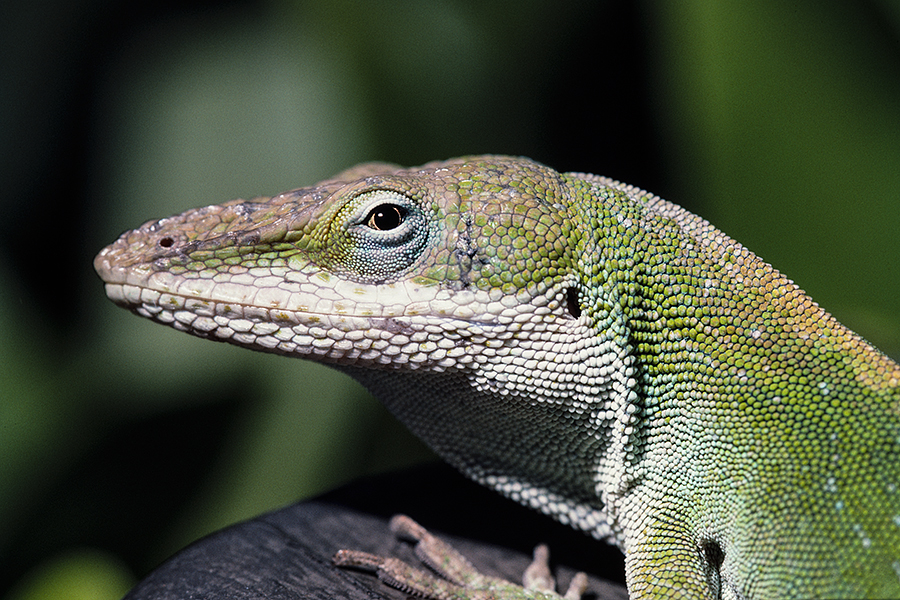
Green Anole, Kahului, Maui (FE2, 105mm f/4 Micro-Nikkor, Kodachrome 64)
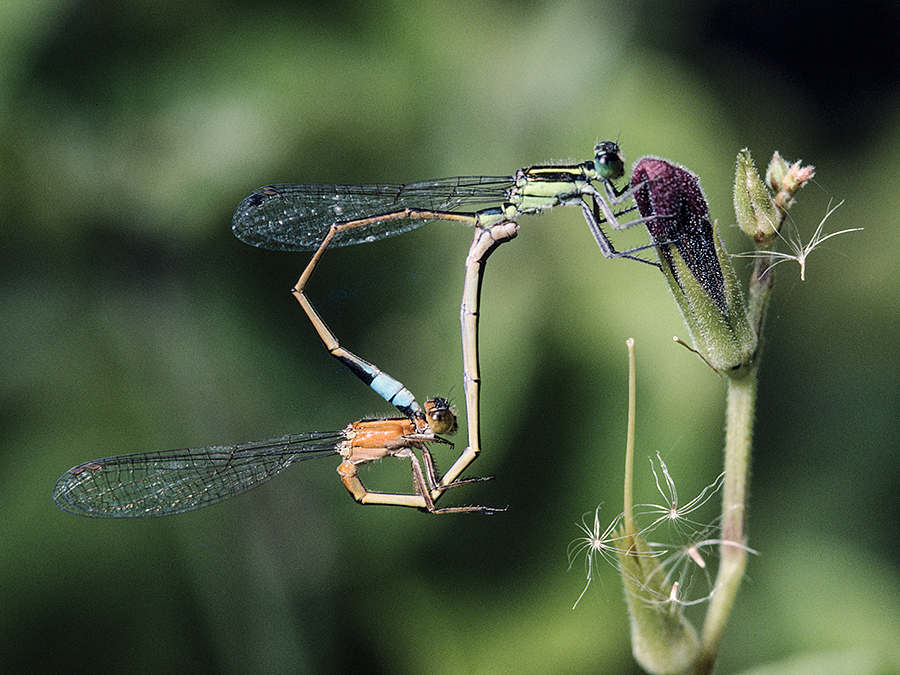
Rambur's Forktail Damselflies, Kanaha Pond, Maui (FE2, 105 f/4 Micro-Nikkor, K64)
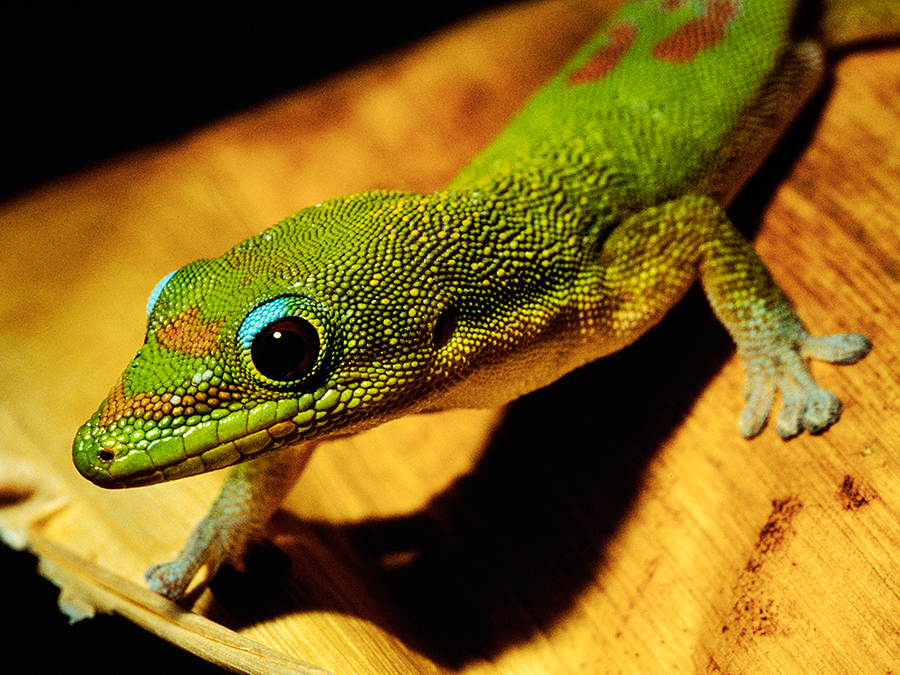
Gold Dust Day Gecko, Kaimuki, Oahu (F4, 180mm f/5.6 Sigma Macro, Velvia 50)
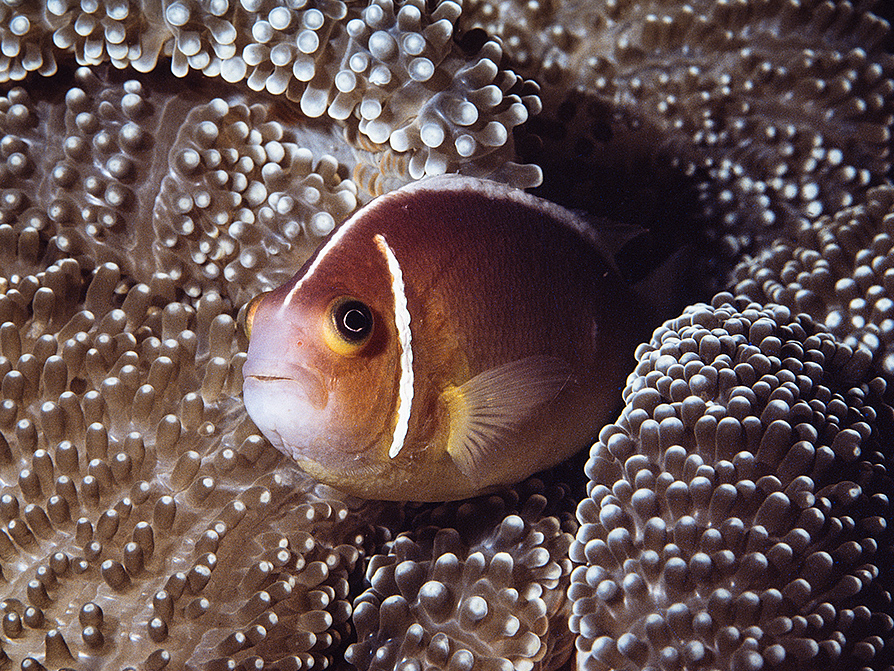
Anemonefish, Waikiki, Oahu (F4, 105mm f/4 M-N, SB-24, Velvia 50)
Edited on Jan 28, 2024 at 07:43 AM · View previous versions
The anemonefish was taken at Waikiki Aquarium, with an F4,105mm f/4 MicroNikkor, SB-24 Flash, and an MF23 back. The aquarium had a great diversity of tropical fish, and I was able to come in early before opening hours, and before there was any danger of fingerprints on the glass.
I would wear dark clothes, slipped a piece of black construction paper over the lens to block any reflections from the camera body or grip, and used the off-camera flash at 45 degrees to the glass surface. I set the lens to the magnification I wanted using its locking knob (a feature I really liked), moved back and forth while looking through the viewfinder, and used the Freeze Focus function of the camera back to trigger the camera the moment the fish was in focus (another capability I miss). I had far better results at the aquarium than I did with my attempts with an FE2 and Ikelite housing in the ocean.
© davidam
Green Anole, Kahului, Maui (FE2, 105mm f/4 Micro-Nikkor, Kodachrome 64)
© davidam
Rambur's Forktail Damselflies, Kanaha Pond, Maui (FE2, 105 f/4 Micro-Nikkor, K64)
© davidam
Gold Dust Day Gecko, Kaimuki, Oahu (F4, 180mm f/5.6 Sigma Macro, Velvia 50)
© davidam
Anemonefish, Waikiki, Oahu (F4, 105mm f/4 M-N, SB-24, Velvia 50)
Edited on Jan 28, 2024 at 07:43 AM · View previous versions
Jul 03, 2023 at 10:09 AM
p.12 #19POST your IMAGES SCANNED from slides or film.
Several 120 film slides and one 35 print film images scanned on a Epson flatbed scanner.
1. The Daylight, Phoenix Arizona, Hasselblad 500C, 65MM lens. Fujichrome. Late 1970s.
2. C124 Globemaster, South East Asia, Yashica LM, Ektachrome 64 ?, 1964. VN War, my aircraft that day.
3. The Concorde. Phoenix Airport, Hasselblad ELM, 500 Tessar, gun stock, Fujichrome 100.
4. Same as three.
4. CAF B-17 Sentimental Journey, Mirana Air Base Arizona, Widelux 35MM, Kodacolor print, 1980S.
Harry Palmer
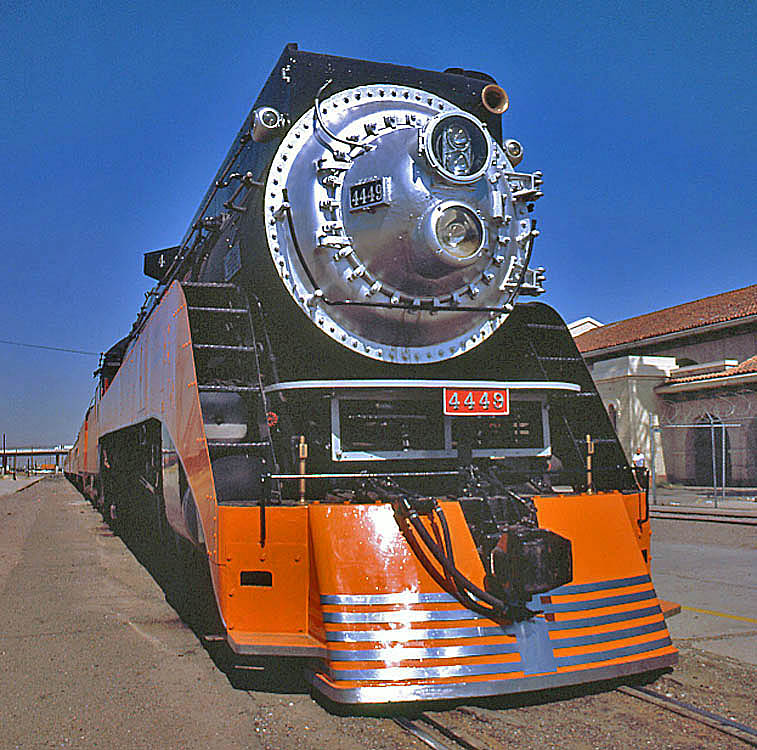
The Daylight.
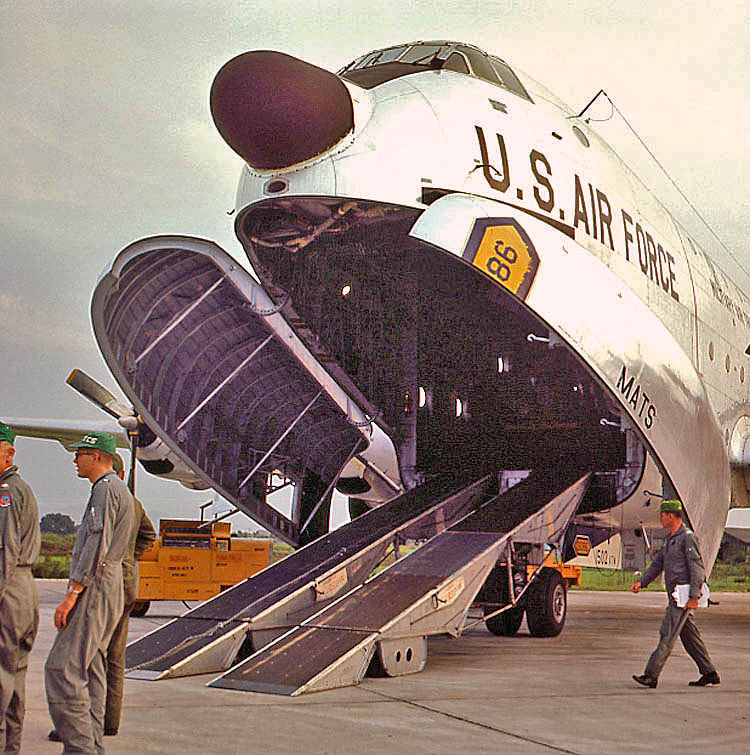
C-124 Globemaster.
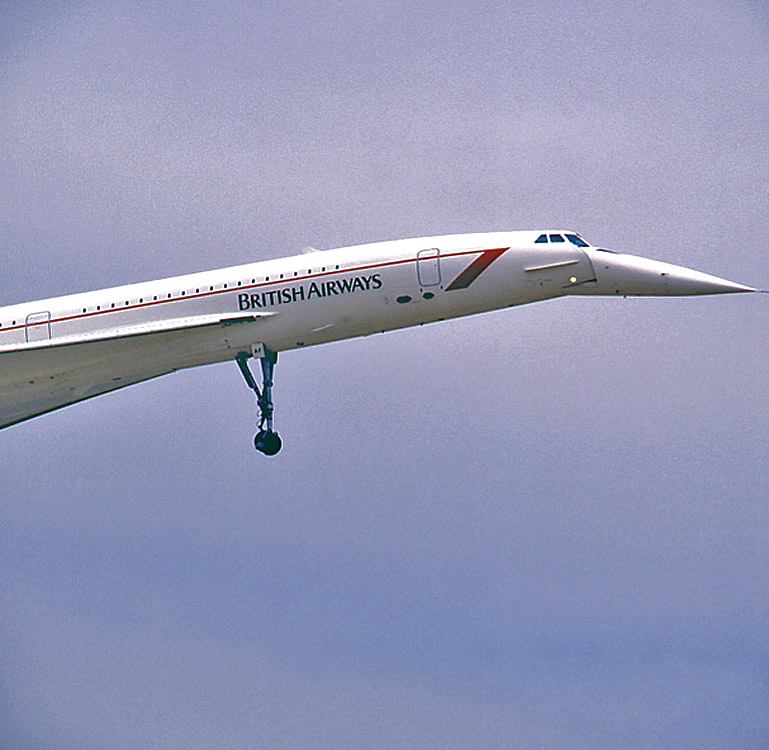
Concorde passing by.
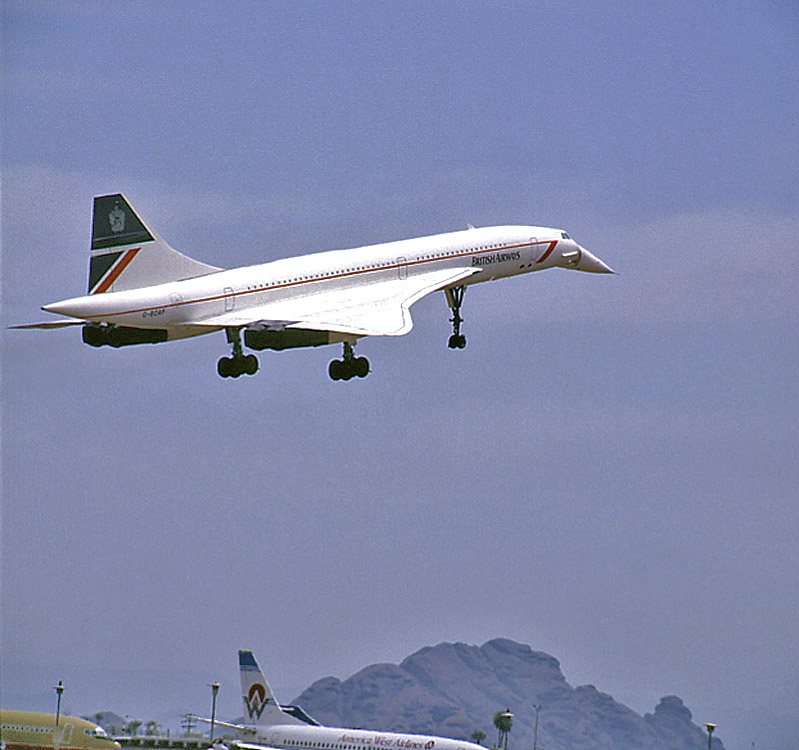
Concorde short final.
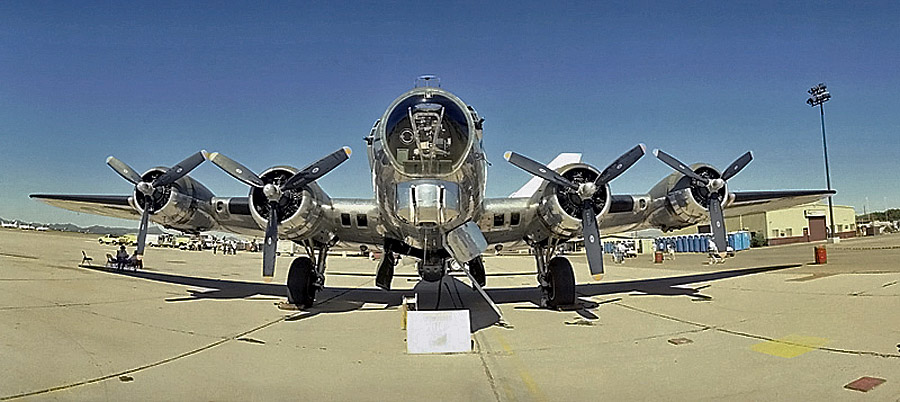
B-17 Sentimental Journey.
Edited on Jul 15, 2023 at 10:41 AM · View previous versions
1. The Daylight, Phoenix Arizona, Hasselblad 500C, 65MM lens. Fujichrome. Late 1970s.
2. C124 Globemaster, South East Asia, Yashica LM, Ektachrome 64 ?, 1964. VN War, my aircraft that day.
3. The Concorde. Phoenix Airport, Hasselblad ELM, 500 Tessar, gun stock, Fujichrome 100.
4. Same as three.
4. CAF B-17 Sentimental Journey, Mirana Air Base Arizona, Widelux 35MM, Kodacolor print, 1980S.
Harry Palmer
The Daylight.
EPSON Perfection 4490
C-124 Globemaster.
EPSON Perfection 4490
Concorde passing by.
EPSON Perfection 4490
Concorde short final.
EPSON Perfection 4490
B-17 Sentimental Journey.
Edited on Jul 15, 2023 at 10:41 AM · View previous versions
Jul 04, 2023 at 04:17 PM
p.12 #20POST your IMAGES SCANNED from slides or film.
Insects in Austin,Texas, mid-1990's, both with F4 and Velvia 50.
The pipevine swallowtail caterpillar is attempting to keep cool by climbing the fence, and getting away from the baking summer soil in the cemetery. The caterpillars of this butterfly range from a velvety black, found in shady areas and in cooler months,to a brick orange when it's hot. The dragonfly is also avoiding overheating, by assuming the "obelisk" vertical handstand position.
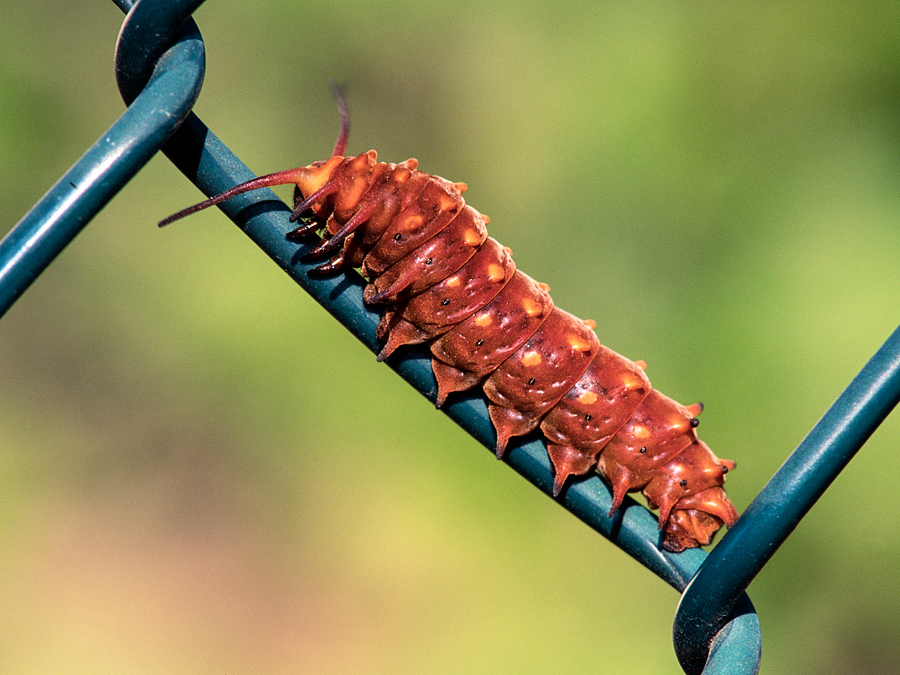
Pipevine Swallowtail, Oakwood Cemetery 105mm f/4 Micro-Nikkor
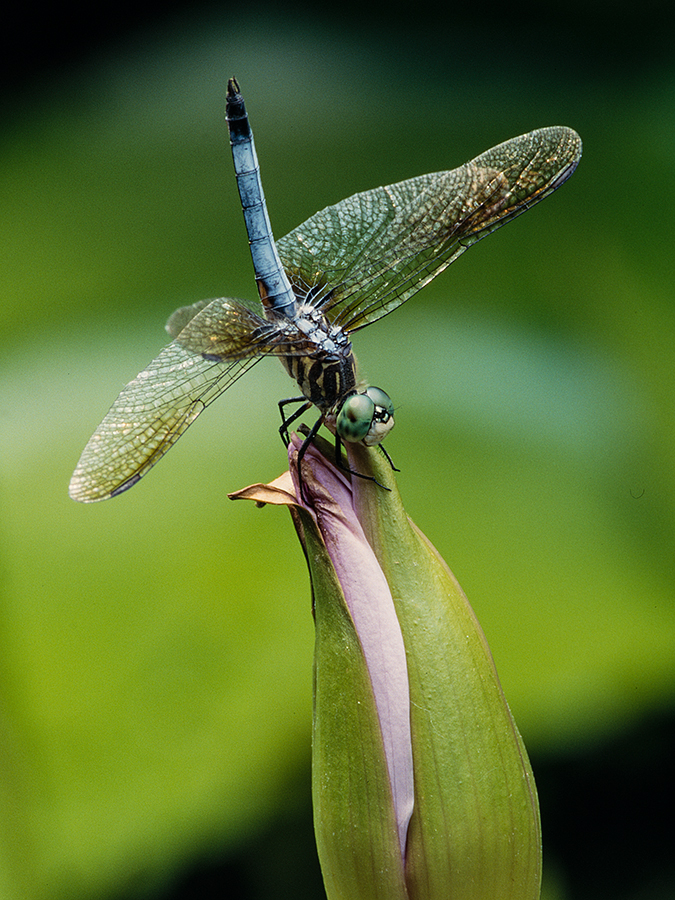
Blue Dasher Dragonfly, Zilker Botanical Gardens 300mm f/4.5
Edited on Jan 28, 2024 at 07:40 AM · View previous versions
The pipevine swallowtail caterpillar is attempting to keep cool by climbing the fence, and getting away from the baking summer soil in the cemetery. The caterpillars of this butterfly range from a velvety black, found in shady areas and in cooler months,to a brick orange when it's hot. The dragonfly is also avoiding overheating, by assuming the "obelisk" vertical handstand position.
© davidam
Pipevine Swallowtail, Oakwood Cemetery 105mm f/4 Micro-Nikkor
© davidam
Blue Dasher Dragonfly, Zilker Botanical Gardens 300mm f/4.5
Edited on Jan 28, 2024 at 07:40 AM · View previous versions
Jul 05, 2023 at 02:43 PM