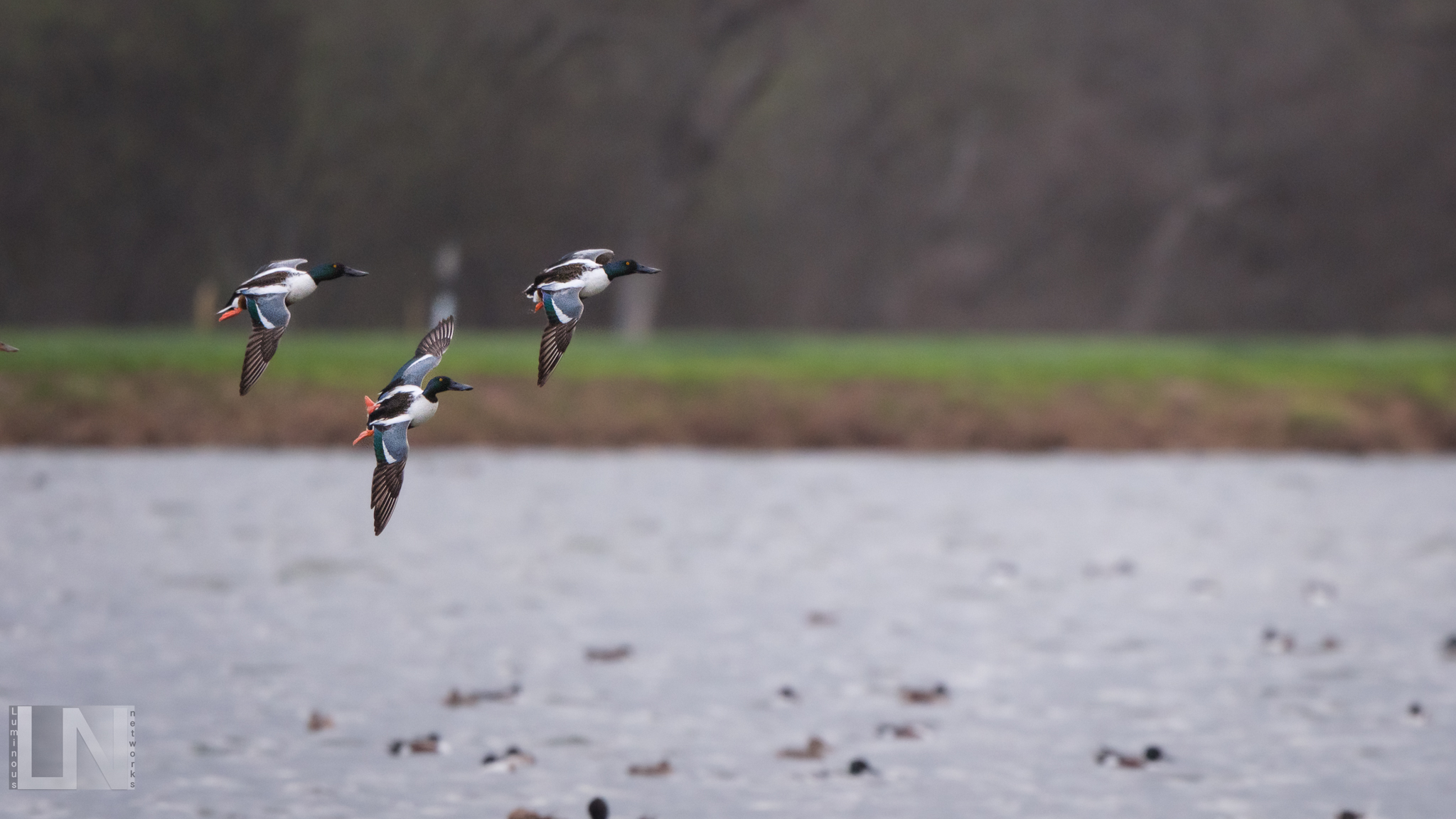
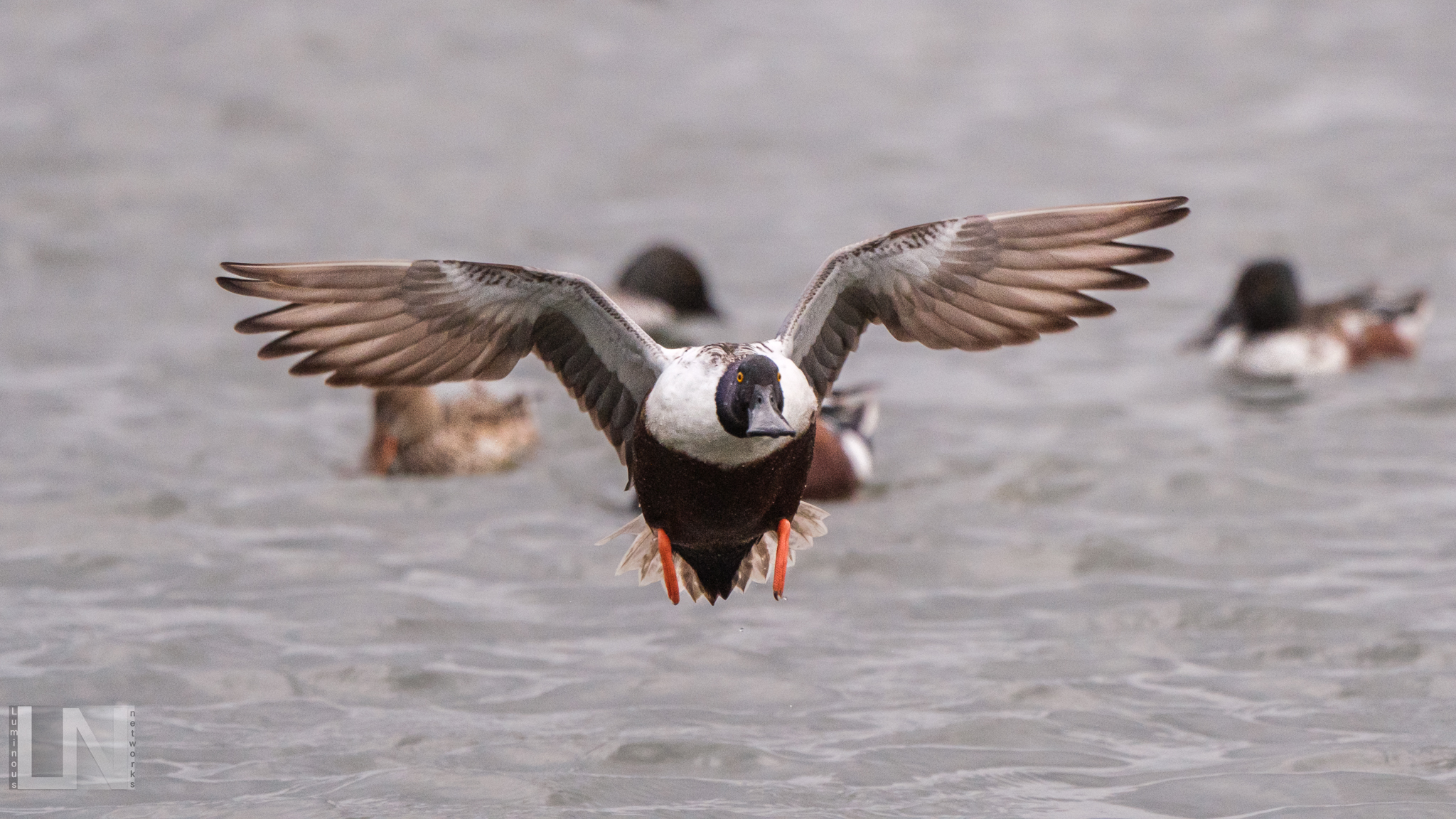
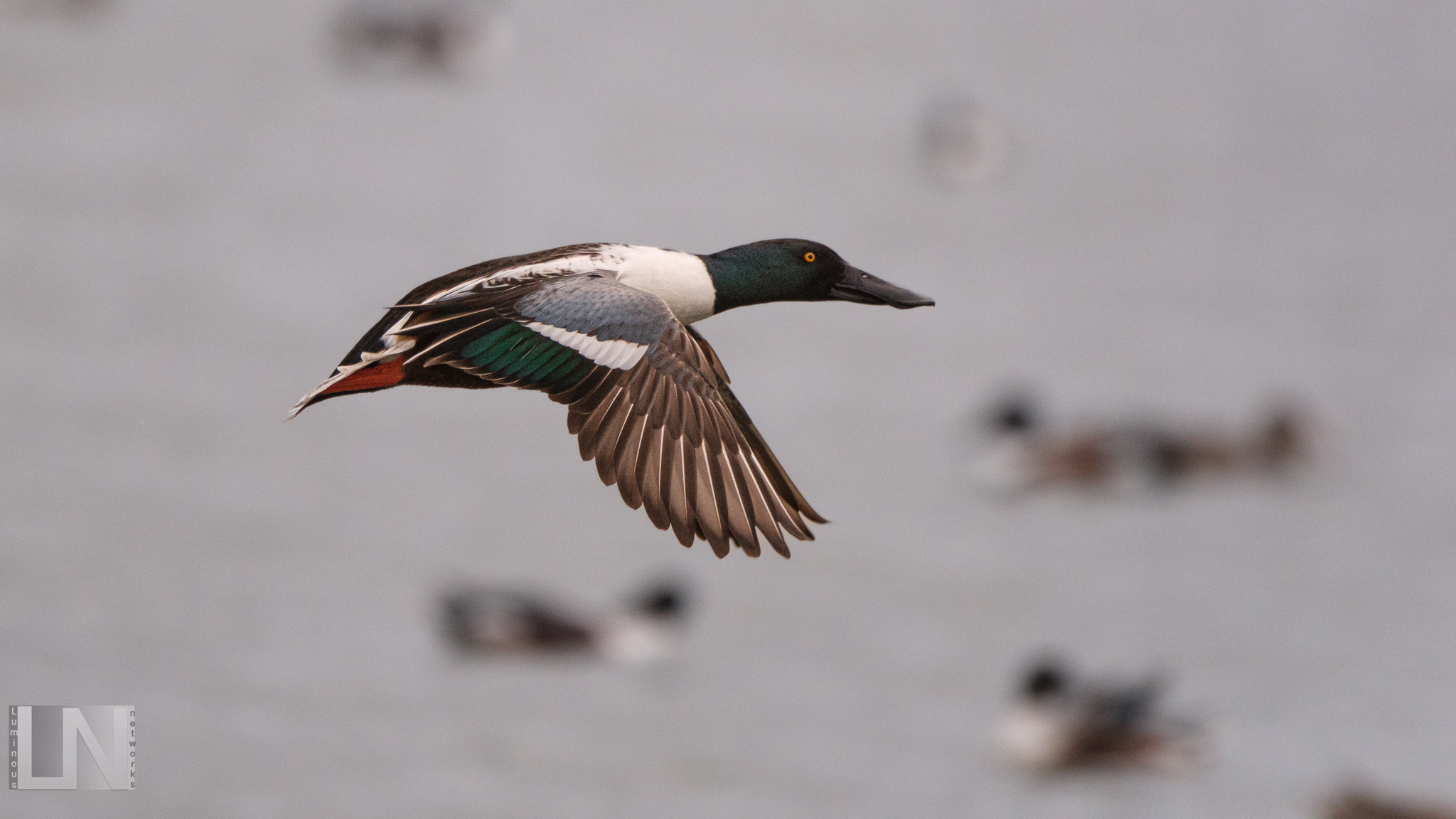
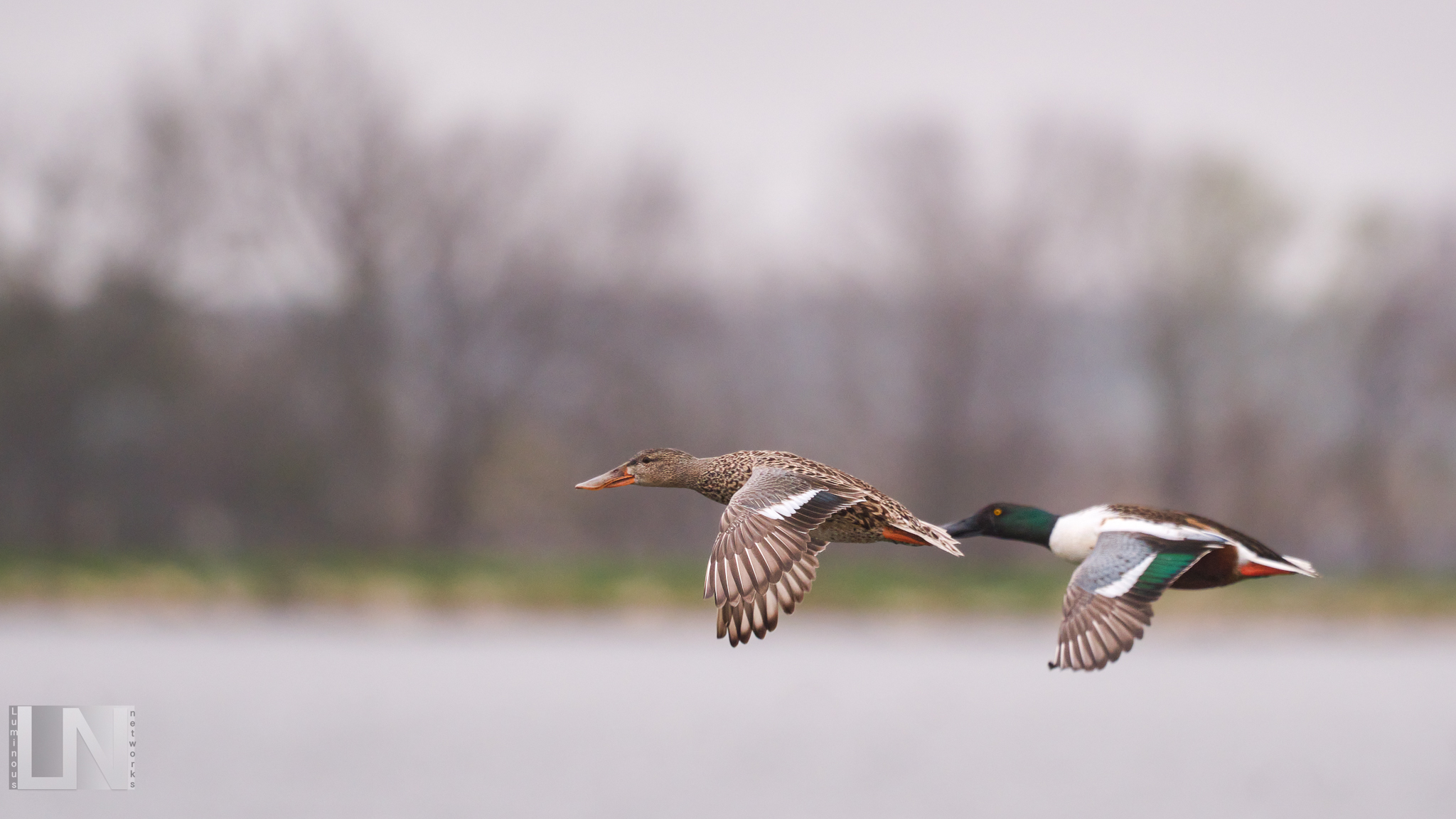
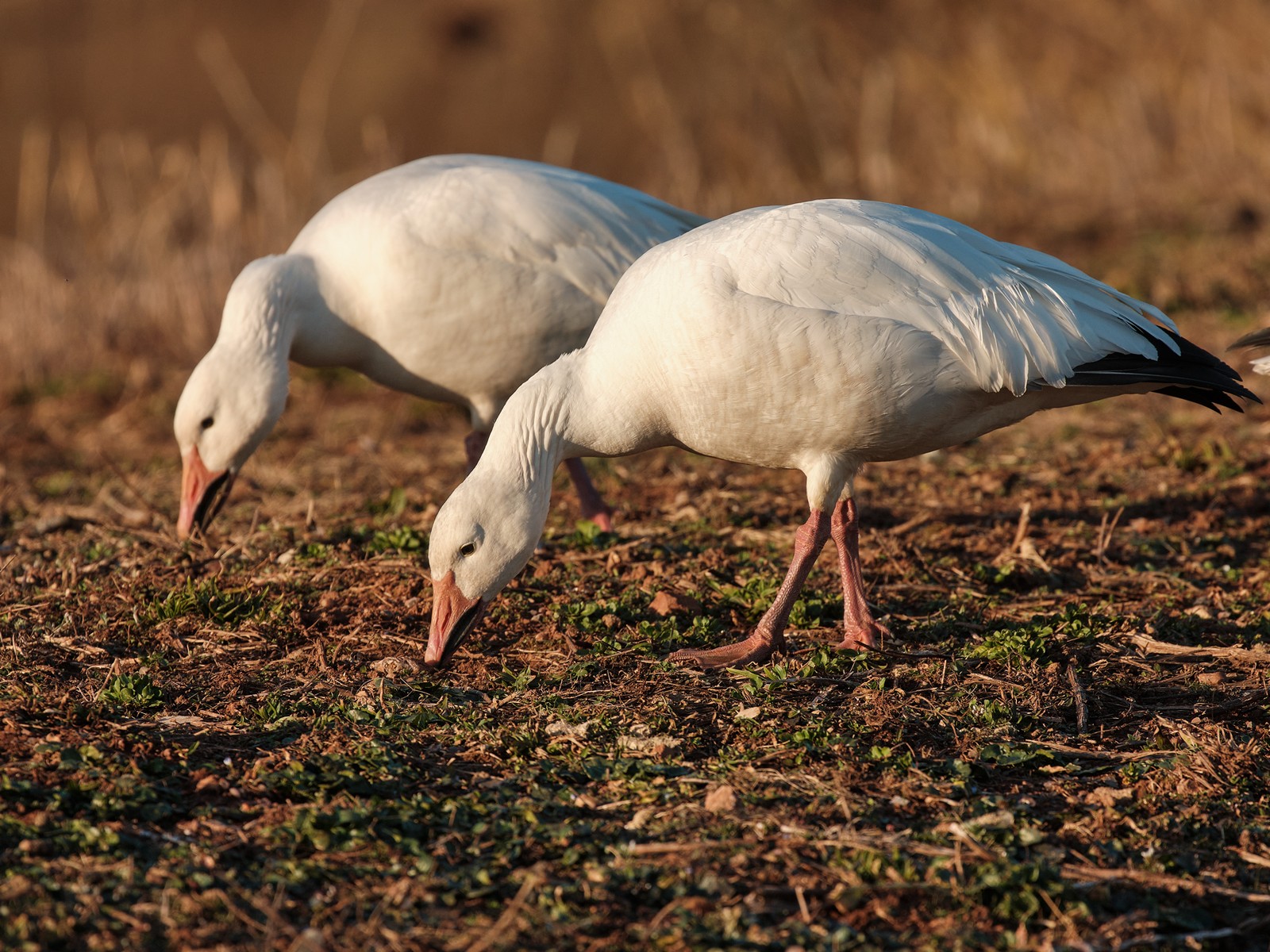
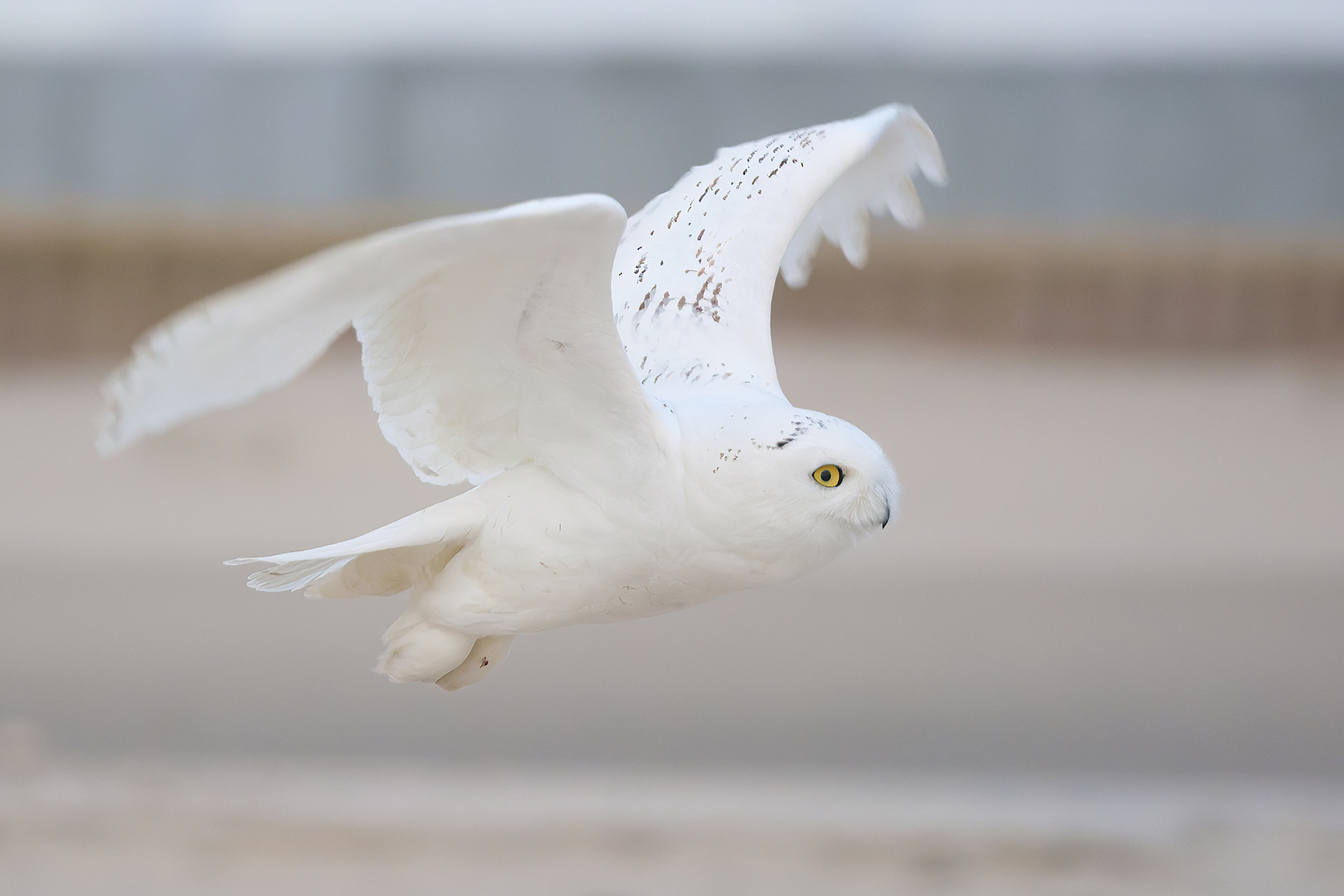
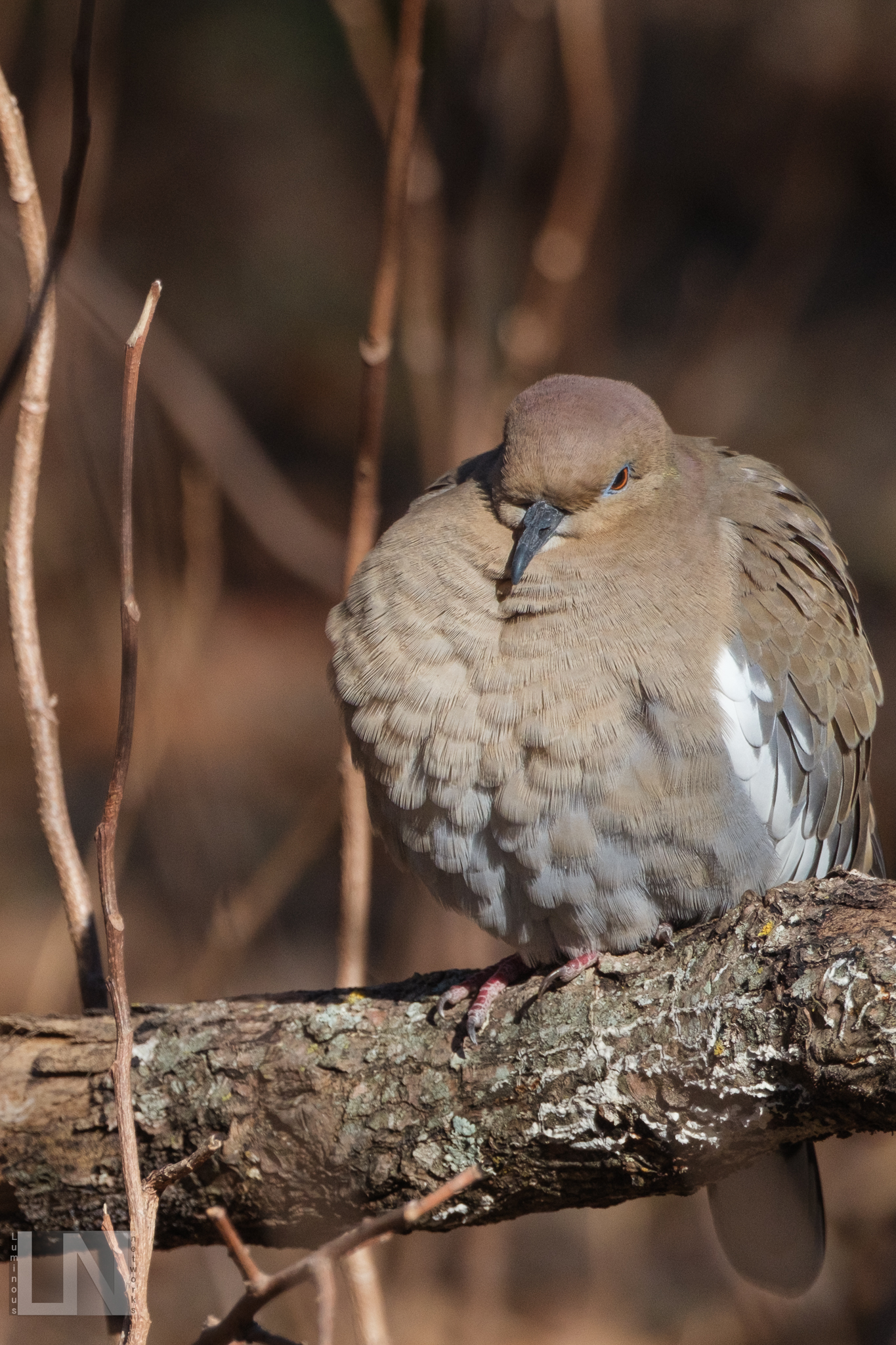
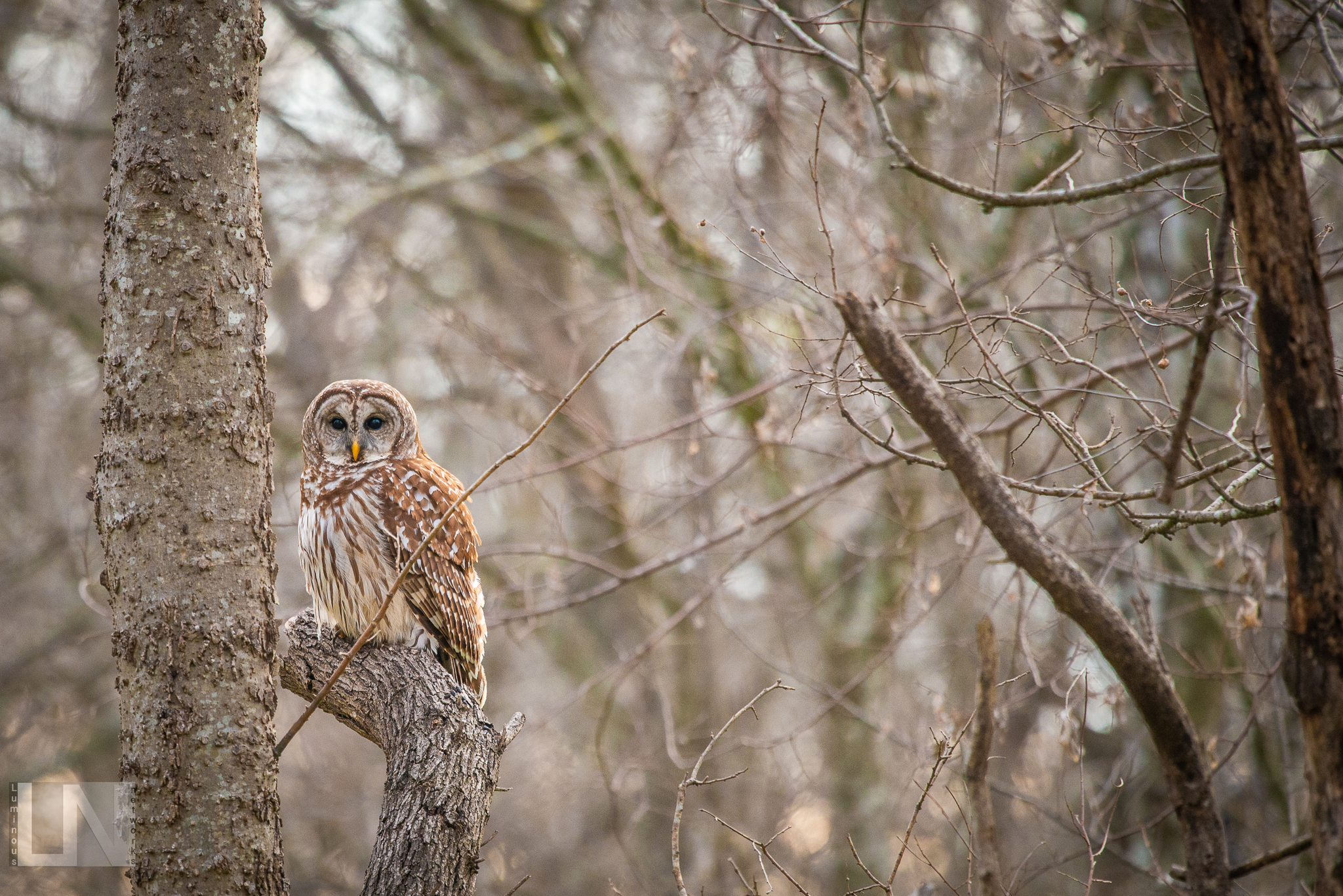
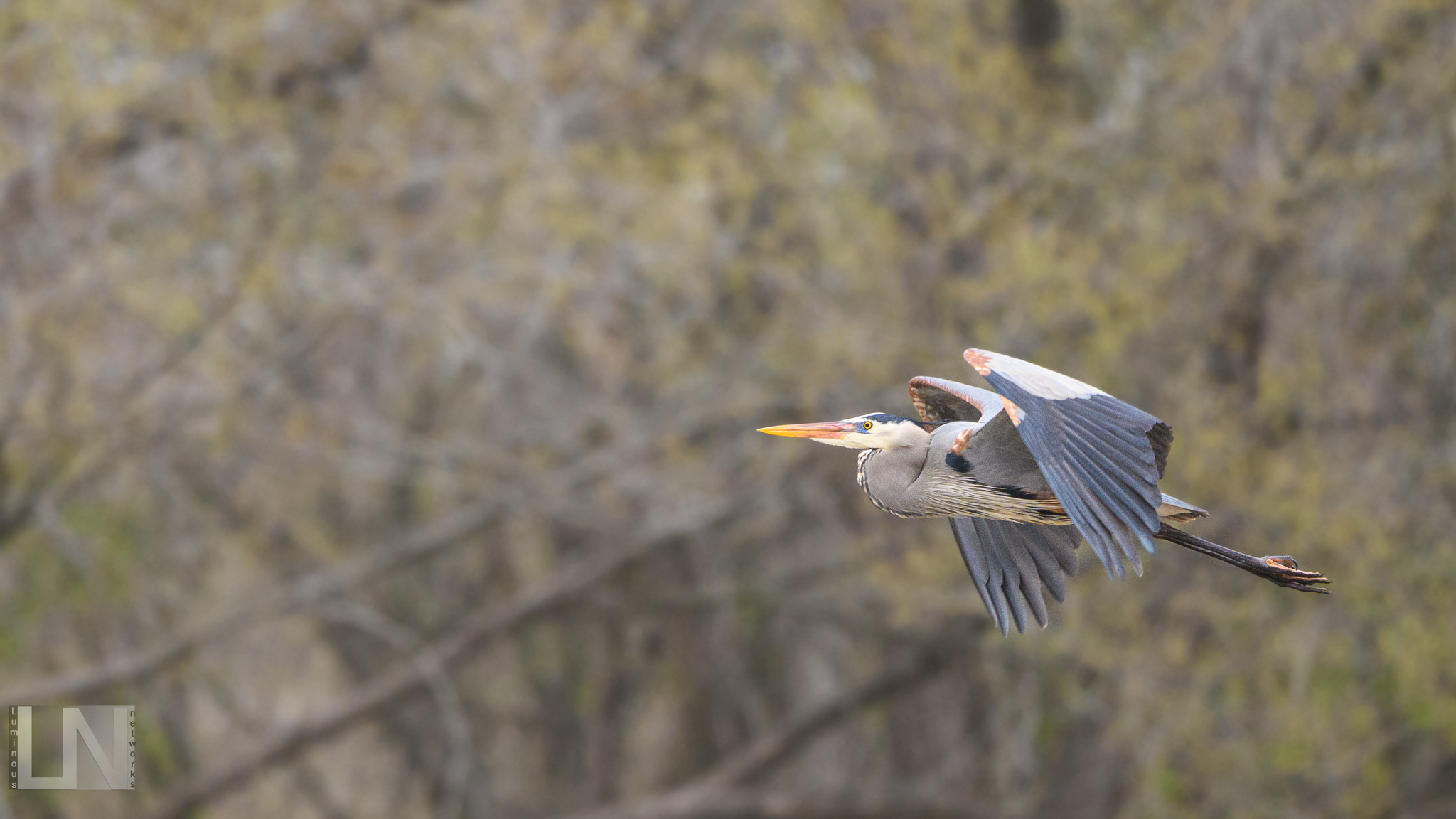
You have to crank the SS up to get sharp BIF shots, even more so with the higher pixel density X-H2, as I have discovered.
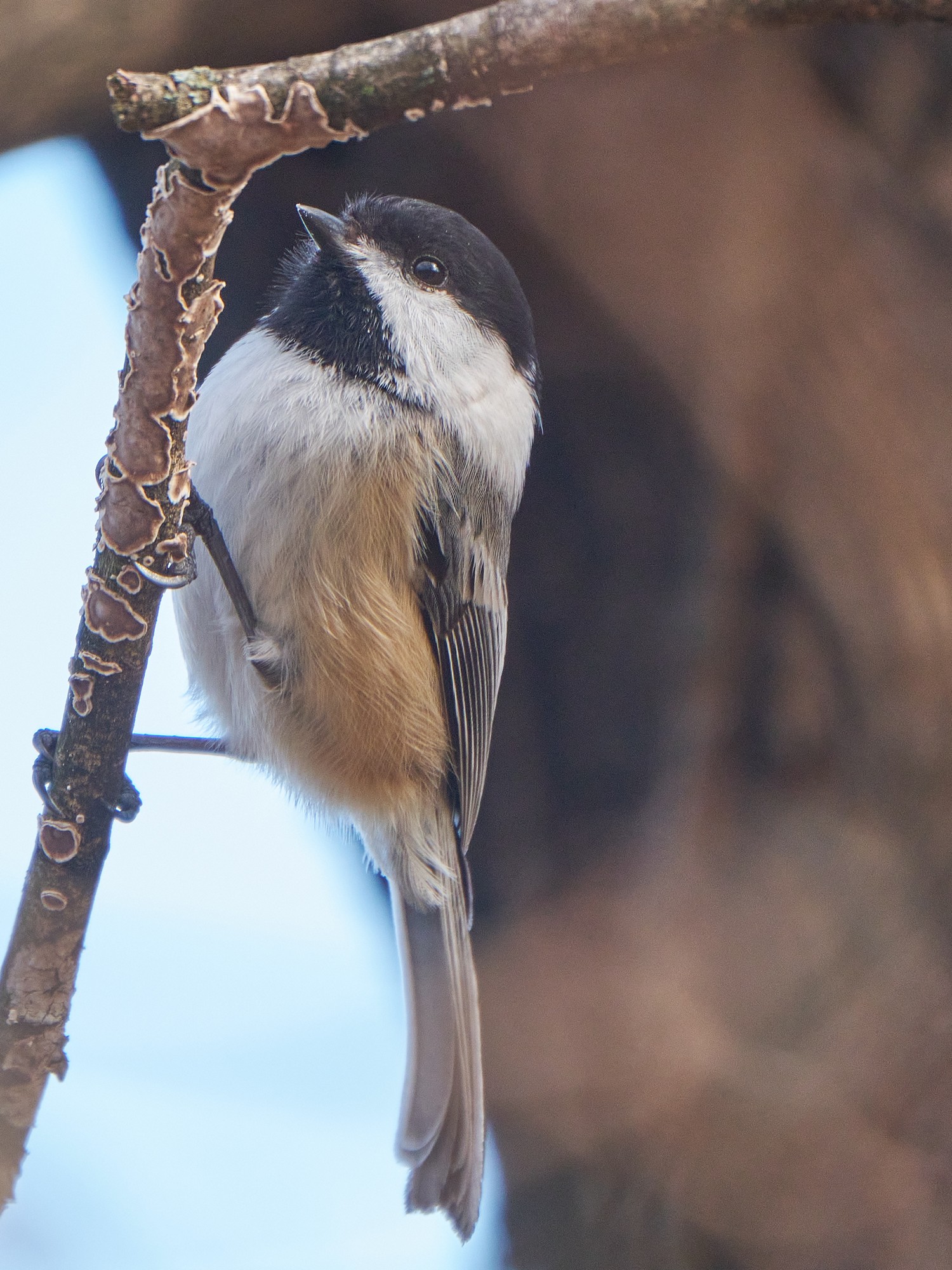
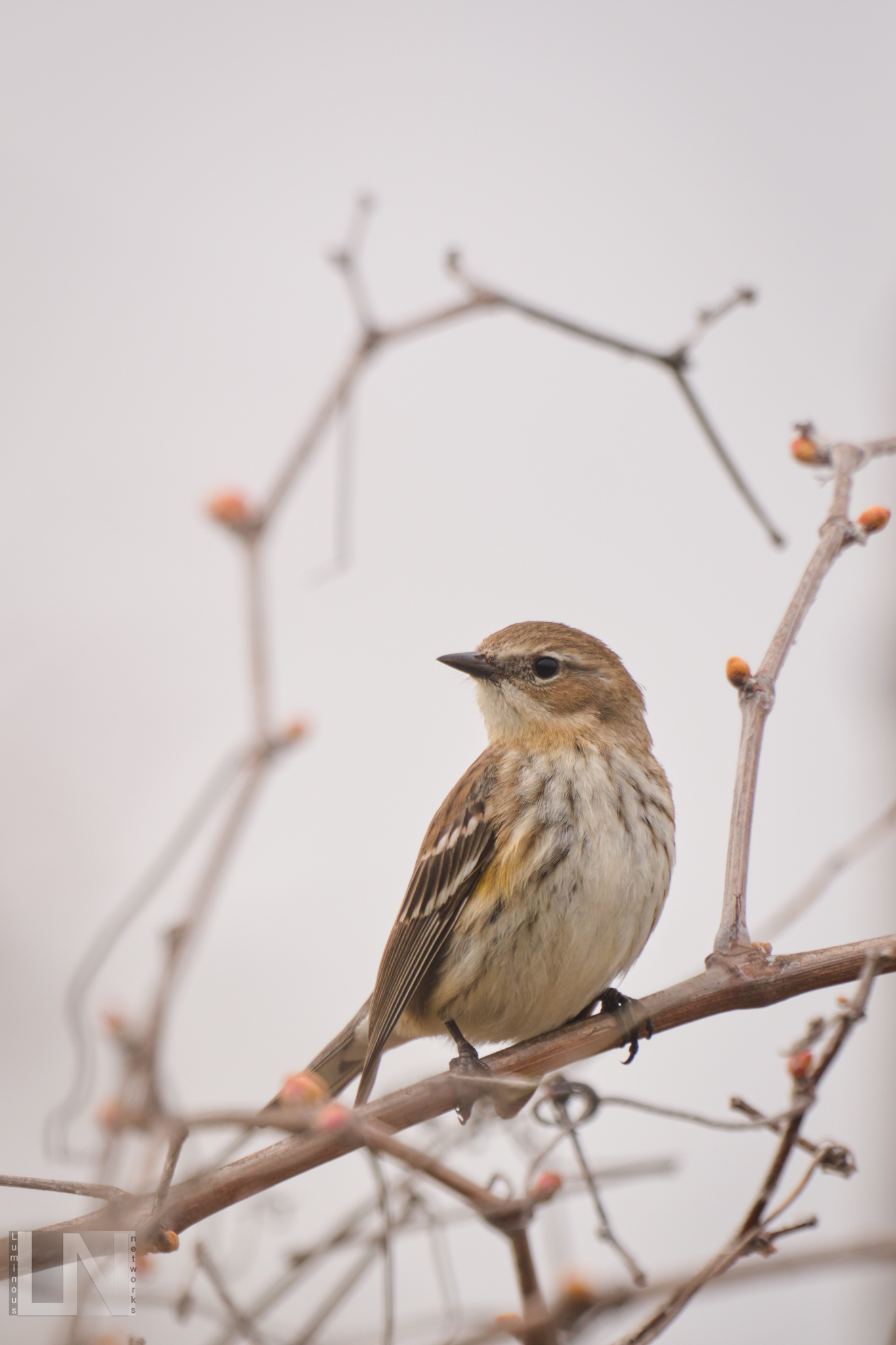
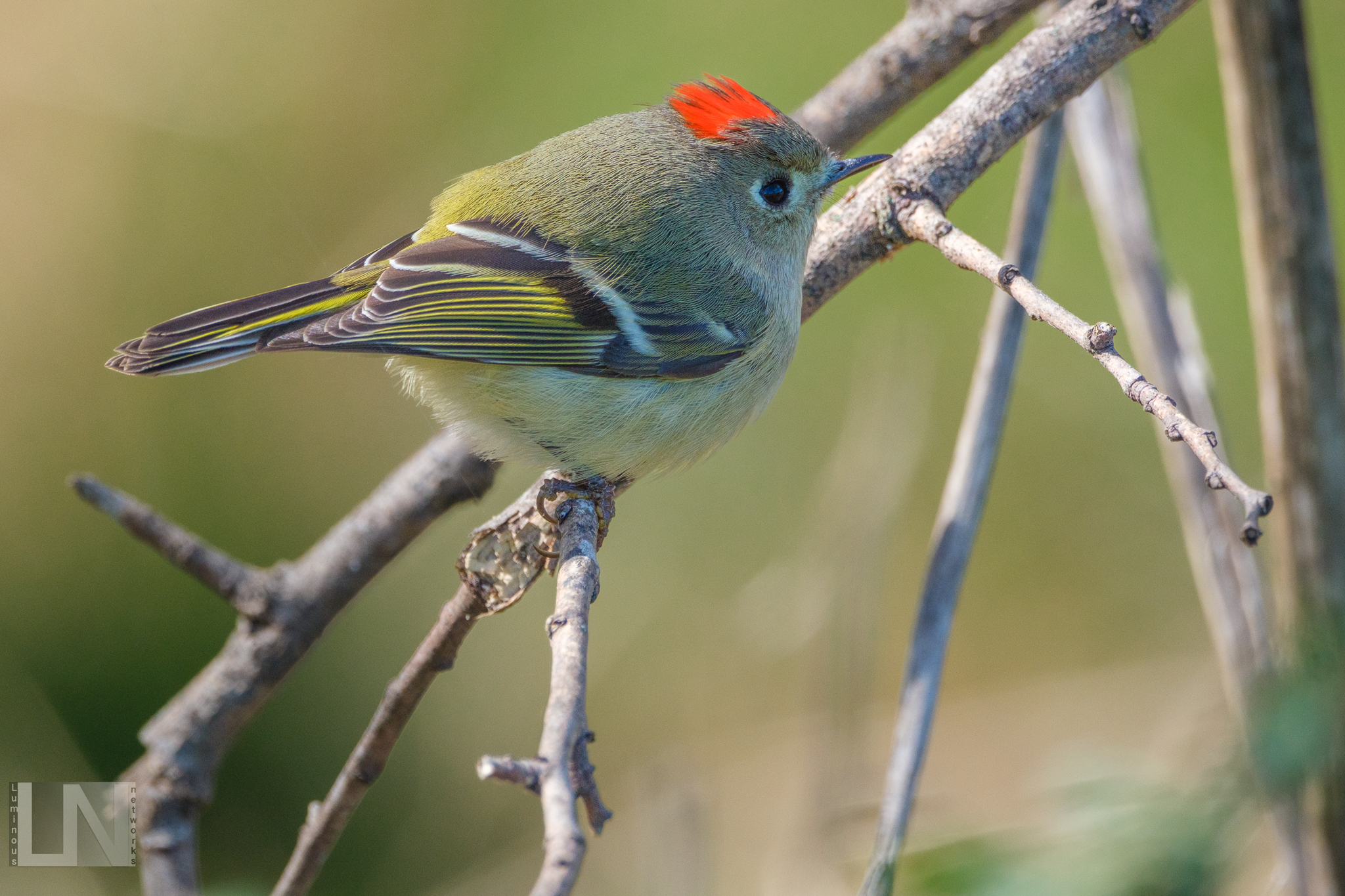
Just to show what you can get with the much-maligned Fuji 100-400 and the X-H2, a common backyard visitor... This guy was within about 5m and the original is about 8MP. Subject Detection and the AF latched on pretty quickly since they don't believe in hanging around long.
The Fuji 100-400 plus either the X-H1 or X-H2 are a pretty light combo; I have engineered an extension that fits on the tripod foot so I can holster the whole thing in my front jeans pocket and use the extension as a support for the tele lens. The Canon 100-400 Mk2 is a bit sharper IMO, and about as quick to focus using the Fringer EF-FX adapter, but is nearly a pound heavier when you add in the adapter.
That is why I am trying to get the Nikkor 500mm PF to work as it should, it is not much heavier than the Fuji 100-400 and still f/5.6.
tried the new to me 1.7TCii with the 300PF today , it's been pretty dark and cloudy here the last few days , so I'm not 100 percent sure the slow down in AF , and softness was all the TC's fault. Windy day , shooting on a cliff doesn't help either.
I'll try again when the sun decides to come back to TX.
X-T5NIKON AF-S NIKKOR 300mm f/4E PF ED VR + 1.7X lens500mmf/6.31/500s250 ISO-0.3 EV
Russ Becker wrote:
Nice shot of a winter Yellow-Rumped. I have actually seen those up here in Central PA in December, and once in February,
Other than testing, why would you want to use the 300mm PF with an extender when you have the 500mm PF? Is that combo lighter?
it's physically smaller and lighter , wanted to see if I could get away with just the 300 and TC's rather than lug the 500 on long hikes. The 500 is a much better lens.
Hello...
I keep returning to this thread because I am interested in the performance of the Fuji 150-600mm lens. As I scan the thread, I see that most people are adapting Nikon PF lenses rather than using the native Fuji glass. This observation shocks me because Fuji has 3 lenses that seem to be ideal for most wildlife situations. Specifically, they have a 200 f/2 that takes a high-end 1.4x, a 100-400, and 150-600. The 150-600 seems like a near ideal lens for anything but dawn and dusk photography. The internal zoom should make it well balanced and moisture resistant.
My question is not trivial, as I really like the form factor of the XH-series bodies. They remind me of my old Contax ST, which was probably my all time favorite camera. I am a Nikon shooter with a simple 3 lens kit, but my gear includes desirable lenses like the 400 f4.5 and 800PF.
The 150-600 piques my interest, as I often wish for one lens that can be used for general wildlife work and a second for unique lowlight situations.
As a general nature photographer who shoots wildlife and landscapes, I could imagine carrying a bag with a pair of XH2s bodies each mounted to the 150-600 and 200 f2, and a GF 50R w/ 32-64 or 120 macro. This kit would be lighter than mine, and with the crop factor get me out to a 900mm FOV w/ and XH2s.
So, is the 150-600 a "dog" for wildlife? Does it not resolve feather detail?... It seems strange that many choose to adapt rather than sacrifice one stop of light for the potential of a tighter field of view
Thanks for sharing your experience or insight.
bruce
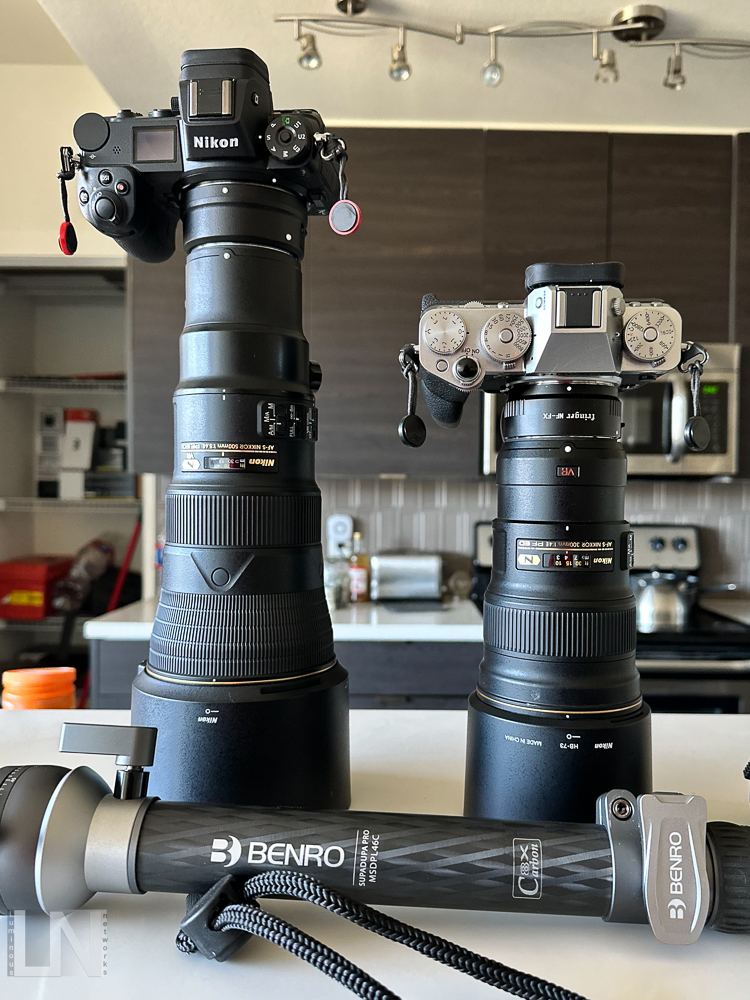
Not that familiar with Nikon Z series cameras, is that a Z7II with an extender and the 500mm PF on the left? Its obvious that the X-T5 + adapter + 1.7X + 300mm PF is a much smaller rig.
This is the advantage, IMO, of APS-C over FF when shooting small birds; pixels per solid angle. I have never been interested in FF, decided instead to buy into the Fuji GF system for subjects other than small birds (not that I haven't used the APS-C cameras for these as well). There are a lot urban legends flying around regarding the virtues of FF over APS-C, all of which apply to MF over FF. Regardless, it is up to each photographer to choose what he/she is comfortable with, there aren't any bad choices.
OwlsEyes wrote:
Hello...
I keep returning to this thread because I am interested in the performance of the Fuji 150-600mm lens. As I scan the thread, I see that most people are adapting Nikon PF lenses rather than using the native Fuji glass. This observation shocks me because Fuji has 3 lenses that seem to be ideal for most wildlife situations. Specifically, they have a 200 f/2 that takes a high-end 1.4x, a 100-400, and 150-600. The 150-600 seems like a near ideal lens for anything but dawn and dusk photography. The internal zoom should make it well balanced and moisture resistant.
My question is not trivial, as I really like the form factor of the XH-series bodies. They remind me of my old Contax ST, which was probably my all time favorite camera. I am a Nikon shooter with a simple 3 lens kit, but my gear includes desirable lenses like the 400 f4.5 and 800PF.
The 150-600 piques my interest, as I often wish for one lens that can be used for general wildlife work and a second for unique lowlight situations.
As a general nature photographer who shoots wildlife and landscapes, I could imagine carrying a bag with a pair of XH2s bodies each mounted to the 150-600 and 200 f2, and a GF 50R w/ 32-64 or 120 macro. This kit would be lighter than mine, and with the crop factor get me out to a 900mm FOV w/ and XH2s.
So, is the 150-600 a "dog" for wildlife? Does it not resolve feather detail?... It seems strange that many choose to adapt rather than sacrifice one stop of light for the potential of a tighter field of view
Thanks for sharing your experience or insight.
bruce...Show more →
I doubt that the Fuji 150-600 is a bad choice, but it has a max aperture of f/8, which is slow. I have a Fuji 100-400 and a Canon 100-400 Mk2; the Canon is a bit sharper than the Fuji at the long end, and focuses just as fast and accurately as the Fuji when using the Fringer EF-FX adapter (don't talk to me about the Fringer NF-FX adapter); the Fuji is about a pound lighter. I regularly shoot the Canon 100-400 Mk2 with a Fuji 1.4X extender, and set the camera to 560mm at f/9 and get quite good results -- but a hair less sharp than the Nikkor 500mm PF can deliver at f/5.6. That is the attraction of the 500mm PF, a unique piece of glass that is still not too heavy.
The problem with all of these tele zooms is that you shoot 90 per cent of the time at the long end, with a lens that is NOT optimized for the long end. If the Fuji 150-600 were instead a 300-600 f/6.3, that might be a different story -- the smaller zoom range would allow better optimization of the optics for the long end without suffering as much at the short end. I note that the Fuji GF zooms all have a small range of about 2X; Fuji is optimizing IQ at the expense of range.
I have not seen a small bird image, taken with the Fuji 150-600, posted anywhere that I thought was better than I can get with the Canon 100-400 Mk2 + Fuji extender, which is operating at a comparable exposure value. So why get the Fuji? The only real advantage for me would be the reduction in weight and potential gain in focusing speed.
I wish Fuji would make a 400mm f/4.5 with a built-in 1.4X extender; that would be a very tempting piece of glass.
OwlsEyes wrote:
My question is not trivial, as I really like the form factor of the XH-series bodies. They remind me of my old Contax ST, which was probably my all time favorite camera. I am a Nikon shooter with a simple 3 lens kit, but my gear includes desirable lenses like the 400 f4.5 and 800PF.
The 150-600 piques my interest, as I often wish for one lens that can be used for general wildlife work and a second for unique lowlight situations.
As a general nature photographer who shoots wildlife and landscapes, I could imagine carrying a bag with a pair of XH2s bodies each mounted to the 150-600 and 200 f2, and a GF 50R w/ 32-64 or 120 macro. This kit would be lighter than mine, and with the crop factor get me out to a 900mm FOV w/ and XH2s.
So, is the 150-600 a "dog" for wildlife? Does it not resolve feather detail?... It seems strange that many choose to adapt rather than sacrifice one stop of light for the potential of a tighter field of view
Thanks for sharing your experience or insight.
bruce...Show more →
I adapt mainly for size/weight , the added light doesn't hurt either as you know.I also shoot Nikon (D800e, Z6), so to me I am able to use the lenses on both systems , although they focus a bit better on the Nikon bodies. Nothing wrong wit the 150-600 if you have the light. I regret letting it go , but I like the size of the 300PF most. I'm only 3 months into shooting birds , but spend a lot of time hiking with two crazy dogs , so the smaller the better.
X-T5XF150-600mmF5.6-8 R LM OIS WR lens600mmf/8.01/500s1000 ISO0.0 EV
X-T5Fujifilm Fujinon XF150-600mmF5.6-8 R LM OIS WR lens502mmf/7.11/2000s1600 ISO0.0 EV
X-T5XF150-600mmF5.6-8 R LM OIS WR lens502mmf/7.11/1000s800 ISO-0.7 EV
NIKON D800E300.0 mm f/4.0 lens300mmf/4.01/320s900 ISO-0.3 EV
NIKON Z 6500.0 mm f/5.6 lens500mmf/5.61/2000s5000 ISO0.0 EV
I thought I responded to this, but it appears that I did not.
I am not sure that the difference between f6.3 and f8 is significant enough to discount one lens over another. Heck Canon's well-regarding 100-500 is a maximum of f7.1. The increased benefits of stacked CMOS sensors have reduced the negative AF consequence of slow lenses. At f6.3 my 800PF is fast enough for a lot of work. Its limit is that it is stuck at 800mm. At the moment I am having a love affair with the 800PF and Z9, but I know that once the novelty wears out, I'll be wishing for a more flexible alternative.
To the points, with its 24MP sensor the 150-600 has a 275-900mm field of view... pretty amazing for $2000. Add in a 200 f2 w/ 1.4x and you have a 440 f2.8 on a second body.
With my full frame kit I gain some bokeh advantages, but the Fuji has weight and flexibility advantages.
I look forward to seeing more work with the 150-600, but finding it is more difficult than I'd expect.
BTW, thanks for posting the samples you have posted....
As for me, I doubt I will do much of anything in the way of moving away from Nikon... I just have been curious about the Fuji system ever since I realized that it has some of the Contax ethos that I once loved.
regards,
bruce
If you can live with 600 F4 , then all you need is the 200mm F2 and both TC's . That's a pretty compact kit , but to big for me to drag around. I don't have the stacked sensor, and the rolling shutter on the X-T5 is pretty bad. So for me 30k actuations later , it's mechanical shutter only , and since defraction sets in around F8 on the high density sensor, I try to avoid it.
As for Bokeh , there's plenty if you're close enough even at F8. You already know this , imagine if that 800 where an F4 .. size aside , the depth of field would be razor thin.
JustShootMe wrote:
If you can live with 600 F4 , then all you need is the 200mm F2 and both TC's .
I assume you mean 400mm f/4. Based on my 8 days with the X-H2, you probably can live with 400mm rather than using longer glass; the greatly increased pixel density is equivalent to another 100mm in reach -- if you nail focus.
Russ Becker wrote:
I assume you mean 400mm f/4. Based on my 8 days with the X-H2, you probably can live with 400mm rather than using longer glass; the greatly increased pixel density is equivalent to another 100mm in reach -- if you nail focus.
600 F4 full frame equivalent is what I mean because of the 1.5 crop
OwlsEyes wrote:
Hello...
I keep returning to this thread because I am interested in the performance of the Fuji 150-600mm lens. As I scan the thread, I see that most people are adapting Nikon PF lenses rather than using the native Fuji glass. This observation shocks me because Fuji has 3 lenses that seem to be ideal for most wildlife situations. Specifically, they have a 200 f/2 that takes a high-end 1.4x, a 100-400, and 150-600. The 150-600 seems like a near ideal lens for anything but dawn and dusk photography. The internal zoom should make it well balanced and moisture resistant.
My question is not trivial, as I really like the form factor of the XH-series bodies. They remind me of my old Contax ST, which was probably my all time favorite camera. I am a Nikon shooter with a simple 3 lens kit, but my gear includes desirable lenses like the 400 f4.5 and 800PF.
The 150-600 piques my interest, as I often wish for one lens that can be used for general wildlife work and a second for unique lowlight situations.
As a general nature photographer who shoots wildlife and landscapes, I could imagine carrying a bag with a pair of XH2s bodies each mounted to the 150-600 and 200 f2, and a GF 50R w/ 32-64 or 120 macro. This kit would be lighter than mine, and with the crop factor get me out to a 900mm FOV w/ and XH2s.
So, is the 150-600 a "dog" for wildlife? Does it not resolve feather detail?... It seems strange that many choose to adapt rather than sacrifice one stop of light for the potential of a tighter field of view
Thanks for sharing your experience or insight.
bruce...Show more →
Hi Bruce,
I've tried the Fuji XF 150-600 on an X-H2s both of which came out after I already owned the Nikon 500PF and was using the 500PF on an X-T3. The Fuji 150-600 is a very sharp fast focusing lens that tracks well except during the magic hours due to the f8 aperture. During this time of day, about 50% of the time focus will not be achieved and you have to try again. This is in contrast to the Nikon 500 PF on the X-H2s which has no trouble in the attractive light of the magic hours. The 100-400 on my X-T3 was fine for birds in flight till I added the 1.4x TC and then tracking was not reliable. It is a nice lens not quite as sharp as the 150-600 yet adequate.
Out hiking when I want to do both landscapes and wildlife I carry my X-H2s with 500 PF with a cross body strap and my X-T3 with 10-24mm around my neck or cross body. If I want a lighter load, I replace the 500 PF with the Fuji 70-300 and carry a 1.4x TC. I plan to replace the X-T3 with a second X-H2s to have a consistent interface and perfect backup. I usually shoot wildlife off a carbon fiber tripod with gimble head and have the battery grip so that I don't have to think about batteries. Please feel free to ask questions either in this thread or via PM.
I've tried the Fuji XF 150-600 on an X-H2s both of which came out after I already owned the Nikon 500PF and was using the 500PF on an X-T3. The Fuji 150-600 is a very sharp fast focusing lens that tracks well except during the magic hours due to the f8 aperture. During this time of day, about 50% of the time focus will not be achieved and you have to try again. This is in contrast to the Nikon 500 PF on the X-H2s which has no trouble in the attractive light of the magic hours. The 100-400 on my X-T3 was fine for birds in flight till I added the 1.4x TC and then tracking was not reliable. It is a nice lens not quite as sharp as the 150-600 yet adequate.
Out hiking when I want to do both landscapes and wildlife I carry my X-H2s with 500 PF with a cross body strap and my X-T3 with 10-24mm around my neck or cross body. If I want a lighter load, I replace the 500 PF with the Fuji 70-300 and carry a 1.4x TC. I plan to replace the X-T3 with a second X-H2s to have a consistent interface and perfect backup. I usually shoot wildlife off a carbon fiber tripod with gimble head and have the battery grip so that I don't have to think about batteries. Please feel free to ask questions either in this thread or via PM.
Morris
...Show more →
Thanks for the information Morris... this is very valuable input.
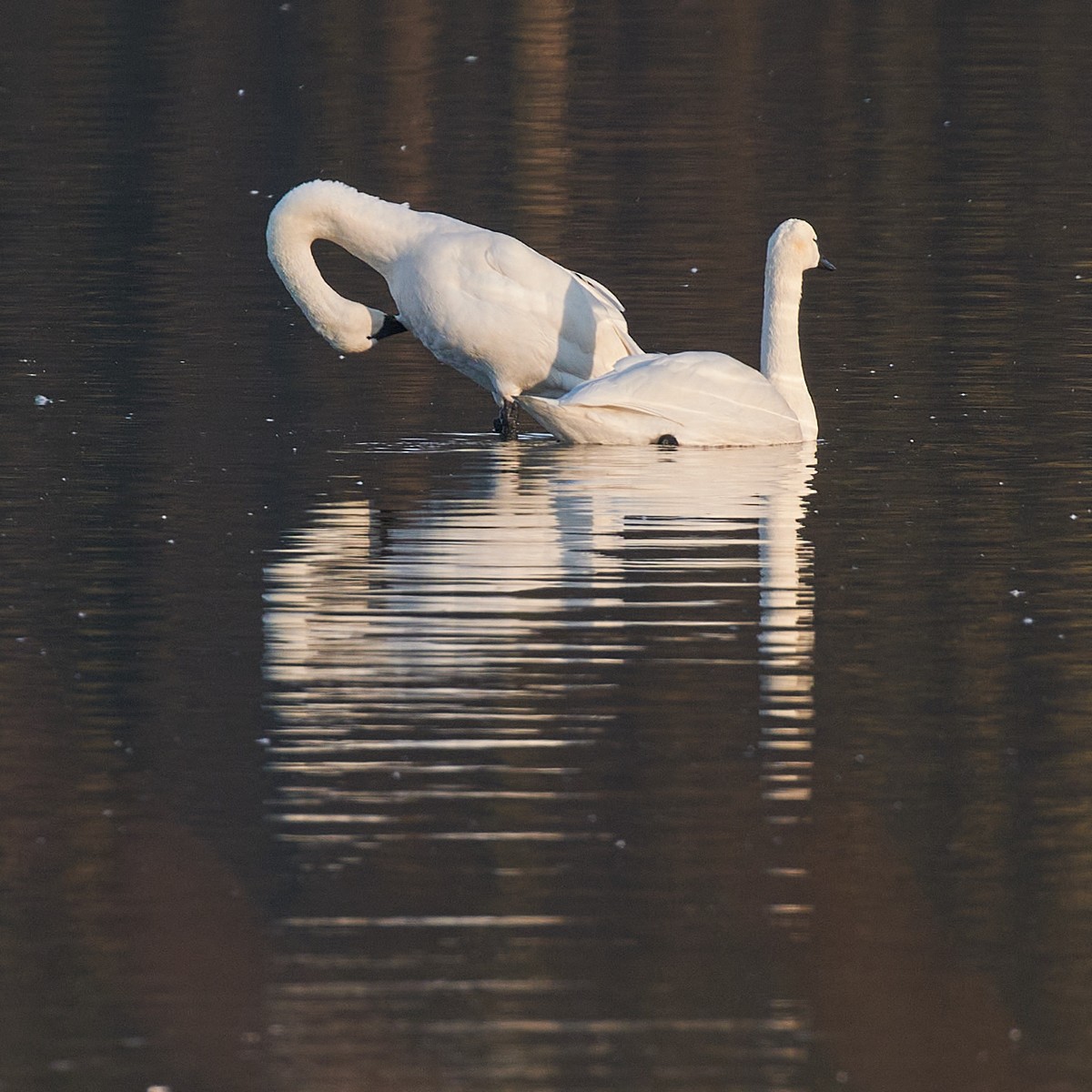
As I've stated before, I'm pretty deep into the Nikon system. I, however, miss the flexibility of a high quality zoom lens. While I no longer own it, I shot almost a decade with a D500 and 200-400 f4VR. While the bugger was heavy, the capacity to zoom made the lens very useful whenever distant subjects approached. This is quite common for me when photographing swan flight and deer at a local state park.
I am currently shooting w/ a Z9 w/ an 800PF and Z6II w/ a 400mm f4.5. The 400 f4.5 is brilliant for its size and speed. While I'd love to have a 2nd Z9 for redundant interface, I am not excited about buying another very expensive body.
My interest in Fuji relates to the mix of flexibility and weight savings... the 200mm f2 w/ 1.4x makes for a great lowlight option and the 150-600 allows for distant shooting. It is disappointing to hear that the lens is challenged during morning/evening light, as I do 90% + of my shooting around sunrise (+/- 60 minutes) and during overcast/low contrast periods.
OwlsEyes wrote:
Thanks for the information Morris... this is very valuable input.
As I've stated before, I'm pretty deep into the Nikon system. I, however, miss the flexibility of a high quality zoom lens. While I no longer own it, I shot almost a decade with a D500 and 200-400 f4VR. While the bugger was heavy, the capacity to zoom made the lens very useful whenever distant subjects approached. This is quite common for me when photographing swan flight and deer at a local state park.
I am currently shooting w/ a Z9 w/ an 800PF and Z6II w/ a 400mm f4.5. The 400 f4.5 is brilliant for its size and speed. While I'd love to have a 2nd Z9 for redundant interface, I am not excited about buying another very expensive body.
My interest in Fuji relates to the mix of flexibility and weight savings... the 200mm f2 w/ 1.4x makes for a great lowlight option and the 150-600 allows for distant shooting. It is disappointing to hear that the lens is challenged during morning/evening light, as I do 90% + of my shooting around sunrise (+/- 60 minutes) and during overcast/low contrast periods.
I've tried the Nikon 200-400mm f4 with a D200. It's a small amount sharpen than the original 80-400 VR yet focused much faster. For 200mm I adapted a used Canon 200mm f2.8 L as I did not want to pay what Fuji wants for a lens I don't use that often. The Fuji 100-400 and 70-300 both focus fine during the magic hours with out a TC and both track well. It's another option to get you a zoom. Sometimes I use the 70-300 on one body and the 500 PF on another. The Z9 subject detection is a touch better than the X-H2s as is it's tracking yet the X-H2s gets the job done. The X-H2s may improve just as the Z9 has with firmware updates though one should never count on this.