Do you have any examples of photos that show "zeiss colors"?
Being somewhat new to photography, I never used the CY lenses, ZF lenses, or ZM lenses. So I don't really know what people mean when they talk about "zeiss colors".
Minatureman13 wrote:
Do you have any examples of photos that show "zeiss colors"?
Being somewhat new to photography, I never used the CY lenses, ZF lenses, or ZM lenses. So I don't really know what people mean when they talk about "zeiss colors".
I'd appreciate some examples if you have any.
I can’t give you any.
Why? Because (mostly) I profile each lens/body combo, rather just a generic one for the body.
So every lens from every maker has the same colour to begin with, which makes PP much easier.
Zeiss colors can vary, but punchy micro contrast is sort of the hallmark. Depending on the light some can be recreated in post processing, some not. The Zeiss Loxia 25mm I have seems to have the look. I think it is a combination of things not just color. Saturation of color is garish while Zeiss seems to do it in other ways.
Minatureman13 wrote:
Being somewhat new to photography, I never used the CY lenses, ZF lenses, or ZM lenses. So I don't really know what people mean when they talk about "zeiss colors".
I use Nikon cameras (MILC & DSLR) and Nikkor lenses. I own four Zeiss ZF lenses (21/2.8, 35/2, 100/2 & 135/2).
I like Nikkor colors. So I can't say "Zeiss colors are better". For sure, I can say Zeiss ZF lenses are better. Better performance w/open, sharper at optimal apertures, with smoother transitions between plane of focus and o-o-f planes, more even performance across the frame. These characteristics lead to cleaner images.
MARKFER wrote:
Zeiss colors can vary, but punchy micro contrast is sort of the hallmark. Depending on the light some can be recreated in post processing, some not. The Zeiss Loxia 25mm I have seems to have the look. I think it is a combination of things not just color. Saturation of color is garish while Zeiss seems to do it in other ways.
The Zeiss Loxia 25mm is a typical Zeiss lens, and one of the best i.m.o. More than anything, images from this lens just look good by default and require very little post processing to make them "pop" or saturate them or prevent them from looking flat.
I have used Zeiss classic and Zeiss Loxia lenses for years, and I always have difficulty truly liking other lenses. Even now I have the Sony 35GM, and see its merits and stunning resolving power, I tend to grab the Loxia 25 and crop in, because the images it produces just draw me in, and with the 35GM, I often still have to fiddle with them to get myself to like them. And the 35GM is perceived as the most "Zeiss like" Sony lens by some.
It's about many things, true to life and vibrant color, high (micro) contrast, great transistions and depth, great detail right into the deep shadows, and never flat or boring, especially that, never boring. Portraits, city scapes, and especially landcapes and low light shots, they all look good.
It is a shame Zeiss seems to have exited the consumer camera market, but I will hang on to the Loxia 25 as my standard wide lens for a long time.
Trying to show online would be difficult due to image compression/processing etc. You can look at various Zeiss threads on this forum and get an idea of what people mean. The general consensus among Zeiss fans (count me as one--I have all 5 Batis) is that Zeiss lenses render colors with more depth, saturation and vibrance that other lens designs. It is not an artificial rendition, but more like the lens removes all things that would cover up or impair color and allow the color you see to come through richly in the capture. This is also related to their excellent contrast/microcontrast which makes the bright colors stand out from more drab surroundings--some people call this "pop." Why they have this characteristic color cannot be pinned down, but could be many reasons including the glass selected, the T multicoating, internal flare suppression to so colors are not masked, etc.
Of course, if you set up your processing to eliminate color variations between lenses and make them all look "the same" then this will not really be a factor. Personally, I want to make other lenses look more like by Zeiss ones.
Minatureman13 wrote:
Do you have any examples of photos that show "zeiss colors"?
Being somewhat new to photography, I never used the CY lenses, ZF lenses, or ZM lenses. So I don't really know what people mean when they talk about "zeiss colors".
I'd appreciate some examples if you have any.
Zeiss marketing defines Zeiss colors as something similar to "true to life" I am not sure what others mean on the forums when they talk about Zeiss Colors as different Zeiss series are color matched among the same series but not necessity matched across different Zeiss series. The definition is probably in the eye of the beholder.
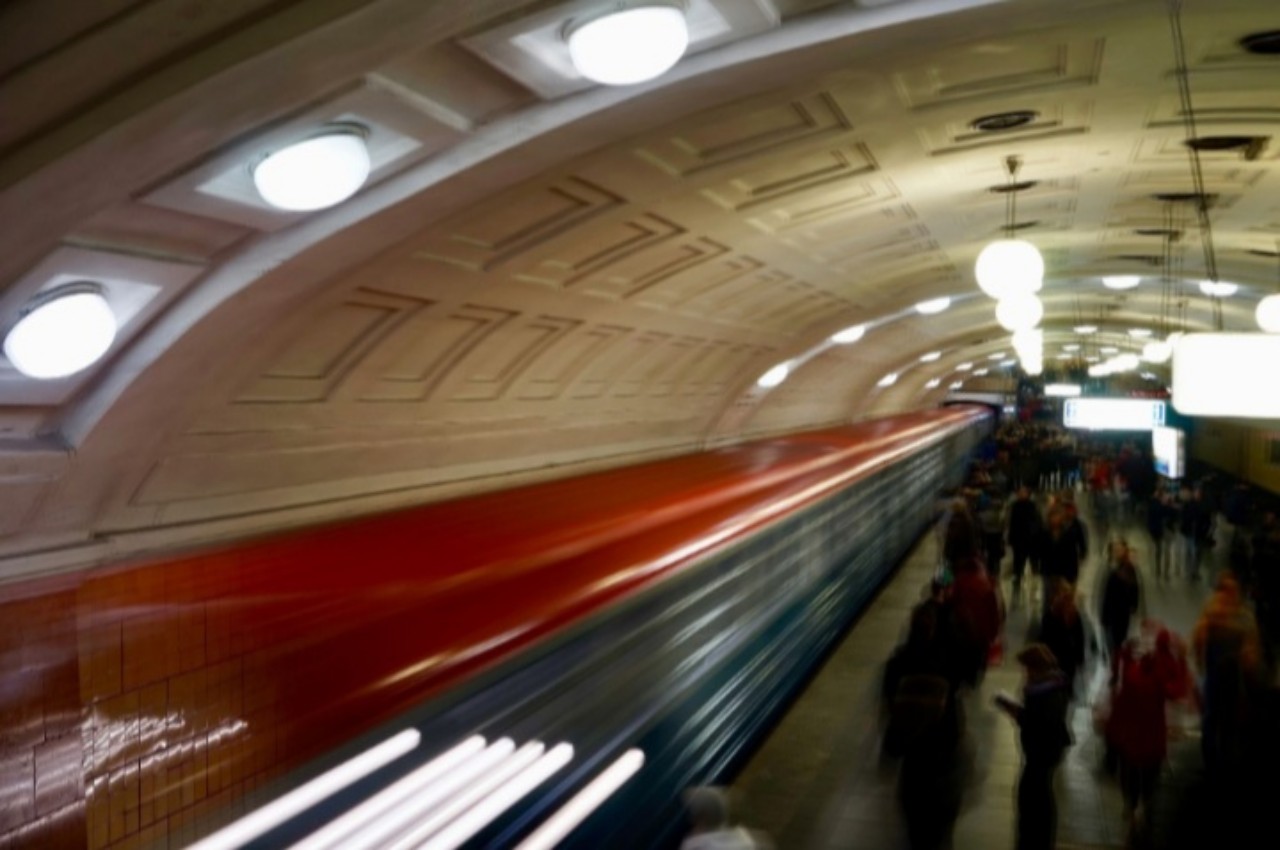
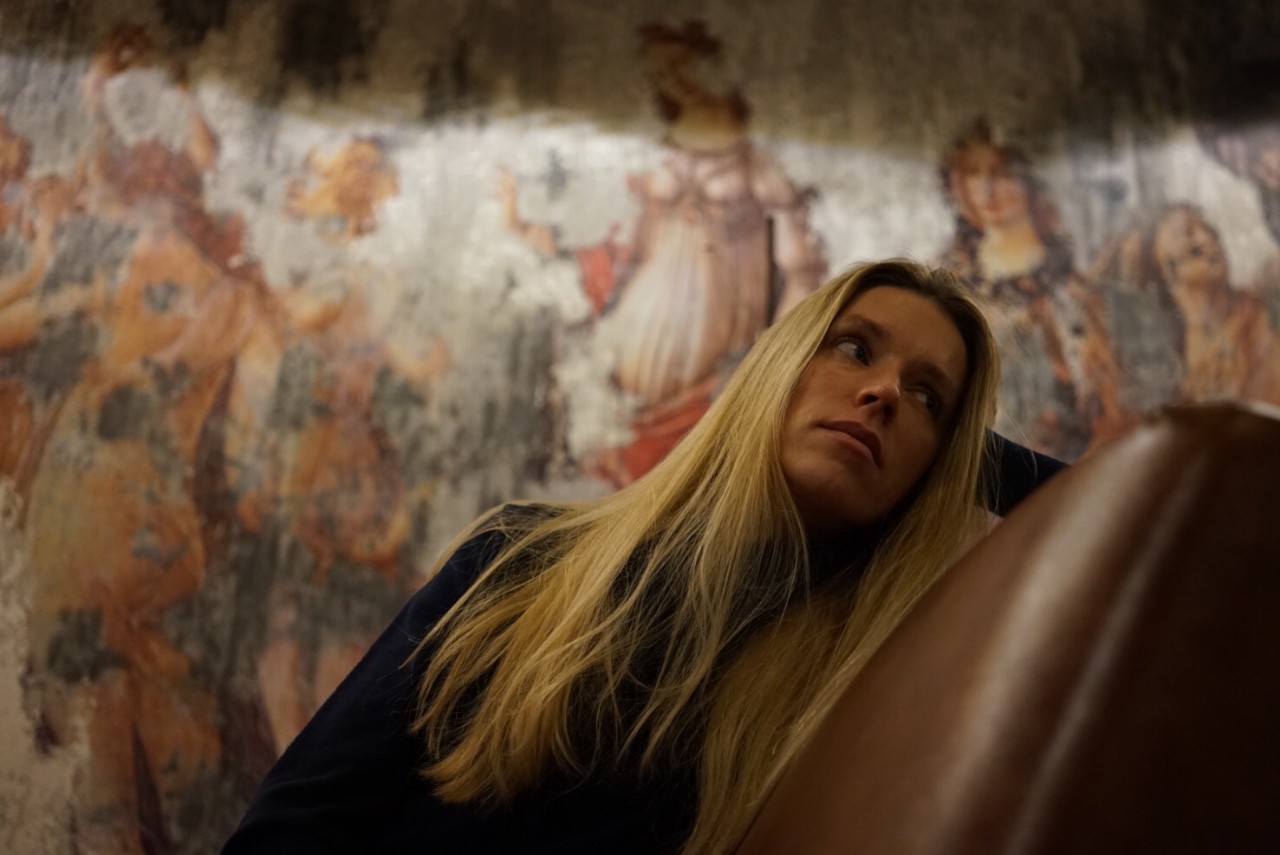
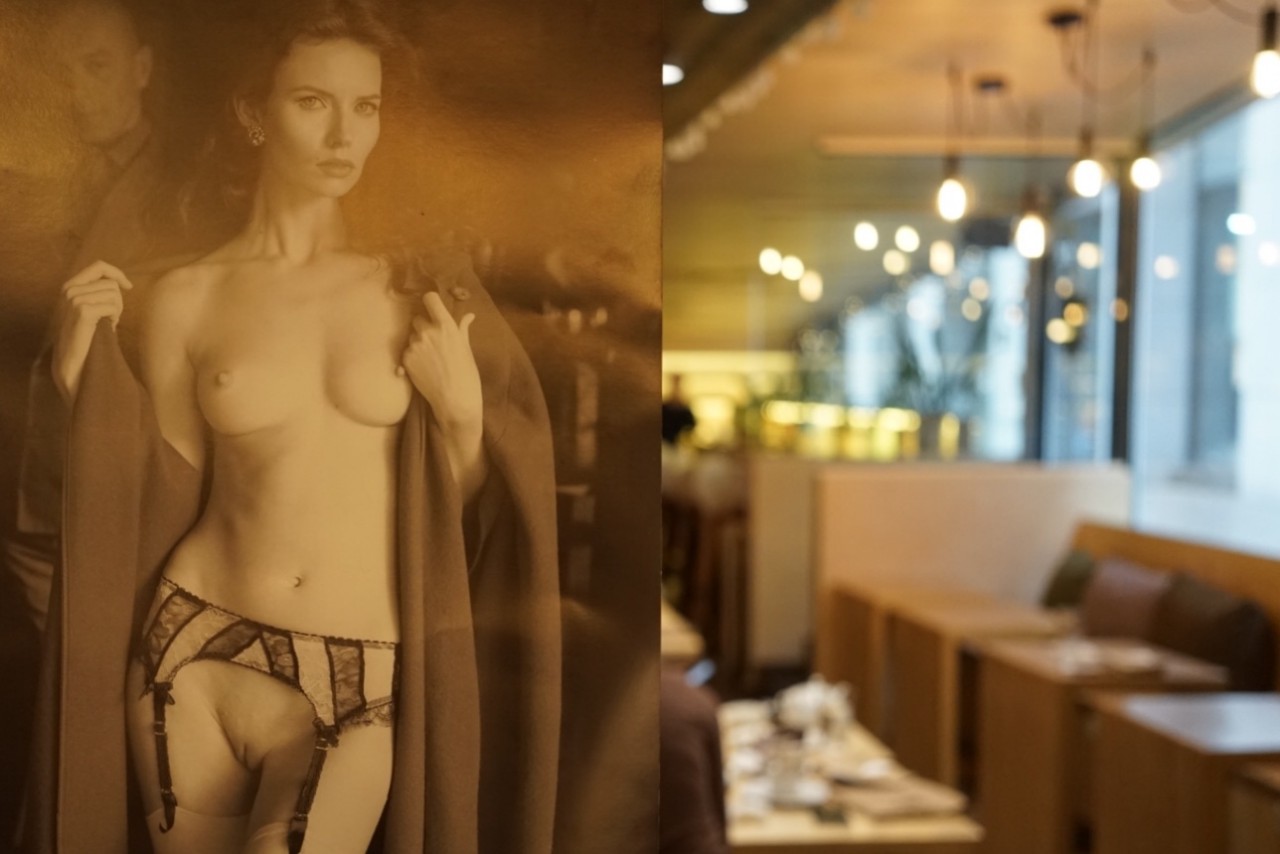
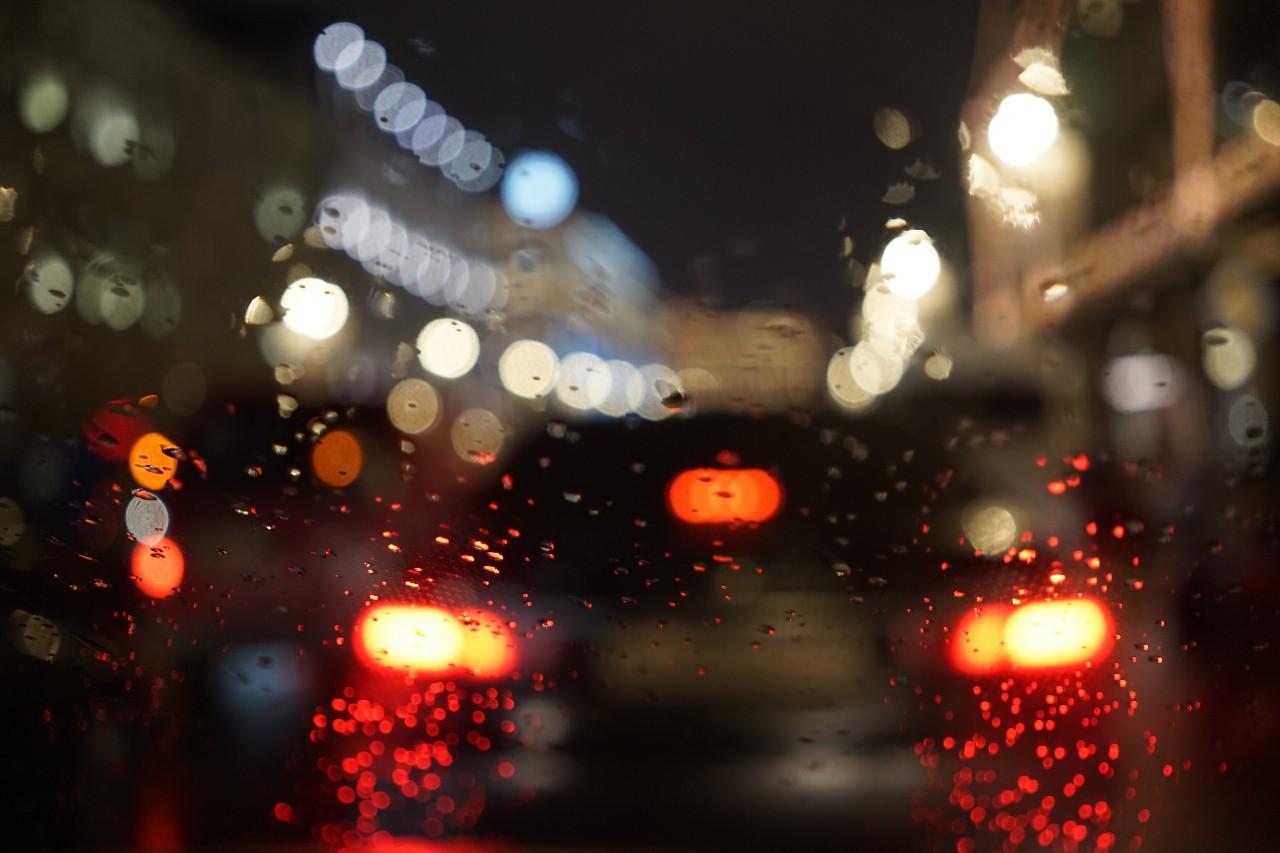
I have no idea what does "Zeiss colours and microcontrast" mean, but I am in deep love with my both Zeiss FE lenses - below are examples of jpgs SOOC without any post-procession of a tiny beauty Zeiss 35 2.8 FE.
I prefer my Zeiss 50 1.4 FE to Sony 50GM (with all my due respect to 50GM), you can see examples in my last few (4?) posts - series with my child from Wien museums are on Zeiss 50 1.4.
I also adore old Zeiss manual focus glass, but this is totally different story.
Cheers,
Alex.
P.S. All this files are not chosen, I just have those random files in my phone.
But colours of the majority of those jps are just perfect, no need for post-procession at all.
The last one is simply adore.
Zeiss 35 2.8 FE is tiny beauty!
IslandMed wrote:
I have no idea what does "Zeiss colours and microcontrast" mean, but I am in deep love with my both Zeiss FE lenses - below are examples of jpgs SOOC without any post-procession of a tiny beauty Zeiss 35 2.8 FE.
I prefer my Zeiss 50 1.4 FE to Sony 50GM (with all my due respect to 50GM), you can see examples in my last few (4?) posts - series with my child from Wien museums are on Zeiss 50 1.4.
I also adore old Zeiss manual focus glass, but this is totally different story.
Cheers,
Alex.
P.S. All this files are not chosen, I just have those random files in my phone.
But colours of the majority of those jps are just perfect, no need for post-procession at all.
The last one is simply adore.
Zeiss 35 2.8 FE is tiny beauty!...Show more →
Good lenses but not, in the context of the OP's request, "Zeiss lenses".
CY lenses tend to transmit reds and greens very efficiently. It was fairly common on my Canon 5D2 to totally saturate those colors with CY lenses, when shooting the exact same subject in the same light with Canon lenses resulted in middle intensity reds and greens. Note that this was not a color shift (white balance) issue that you can sometimes get from old lenses. This was a color intensity difference.
The ZE/ZF line trended to having this increased intensity in more the blue-green range. Taking an image from my 35/1.4 of the ocean gives vibrant blue-green, while many other lenses in the same scene would look noticeably less saturated.
My Sony Zeiss 50/1.4 had very saturated colors generally, such that my default Lightroom workflow was to reduce saturation by 5. I now have the GM but often miss the drawing of the ZA.
I have used many Zeiss lenses and have liked or loved most of them, but the color saturation they bring is among the least important reasons to me for any of that, as replicating that component of “the look” was as simple as moving the global (or a specific color’s) saturation.
Instead, what is most unique about them to me is the clarity / microcontrast / [ the dreaded ] 3D look to the images in even moderately interesting light. You can get there with other glass, but more planets have to align for it to happen.
I will never sell my Contax 100/2 for this reason, and I have repurchased the ZE/ZF 35/1.4 twice, the ZE/ZF 50/2 once. All three are just phenomenal lenses.
You gotta try them out to find out. I could tell you that a 2017 cab has more tannins or tastes sweeter than the same one from 2019, but there’s objectivity and subjectivity to it. Colors are colors, but calibration or type of phone screens and monitors, compression algorithms, etc all play a role in how we interpret color, let alone our own biological differences in eyes and our subjective ability to communicate a shared definition of color.
There’s an objective way to do this as mentioned above, but I don’t think many of us have sat down to do that. From my experience, I can (not confidently) say that I’ve found Zeiss lenses to be warmer than Sigma lenses, Zeiss lenses to have a ton of saturation out of the gate (my Loxia 21 is the only lens I’ve ever had to reduce saturation while editing for taste), and that I do love the overall Zeiss image signature (colors, out of focus rendering, contrast, etc) a lot.
So I don't really know what people mean when they talk about "zeiss colors".
It's something people just seem to feel they have to say when owning a Zeiss lens: it's part of the requirement. Not sure why. I'm not even sure that considering "Zeiss lenses" overall is possible, since there are different sets for different cameras brands (Contax original, Hasselblad, Contax/Yashica, ZE, Sony, Rollei etc etc.) and different vintages. I think there is much more mileage about thinking about different sensor outputs or, in the old days, film than different lens brands.
Minatureman13 wrote:
Do you have any examples of photos that show "zeiss colors"?
Being somewhat new to photography, I never used the CY lenses, ZF lenses, or ZM lenses. So I don't really know what people mean when they talk about "zeiss colors".
I'd appreciate some examples if you have any.
There are picture threads of all Zeiss lenses mentioned above in the alternative forum here on FM
Profiles are reference points, blunt instruments at the best of times. I can't imagine profiling out the rendering common to Carl Zeiss lenses. Each brand has its brand house style and some are to the liking of their supporters, and some have simply gotten used to what they see. And 8% of men are colour blind, so it's largely guesswork for them. You don't even know which ones they are .. but it's one in twelve!
The differences between Contarex-Contax (CY)-ZEF-Milvus-Otus-Loxia-Batis are really nuances inside an overall family style. There is a much greater colour difference between brands than in ranges inside the CZ sanctioned releases. It's been talked about here for as long as I've been visiting chez Fred, lots of good threads to be found.
I omitted ZM because CZ were trying to please Leica users, who have their own colour preferences, at least the ones not working in black and white. They felt much more prepared to impose the Zeiss look in ZEF and Sony A/E because it became obvious users were looking for that rendering style and favoured it over the own brand look of C/N/S.
If you are looking for the Zeiss look (in a world in which CZ has chosen not to participate), Voigtlander is the word. They made almost all the 21C Zeiss lenses, from top to middle - with Zeiss there is no bottom. As Grenache said, they work better in difficult light conditions. Colours don't block up as easily. Mike Johnston used the term 'microcolor' to describe this look - an intimate blend of microcontrast and microcolour (a finely tone separated colour response).
Colour may be (and probably is) a learned experience. In fact, tonality may also be so. The best F1/MotoGp exponents have incredible depth perception and tonal separation. Why? Because at 300 kph their lives depend on this special skill! Experienced off-track bushwalkers learn to see nuances in the countryside, because their lives can depend on it. If you want to destroy colour perception, live in a monochrome home in a monochrome steel-glass city, with smog filled skies. Sad but probably true.
There are lots of Zeiss imges scattered throughout the site's image threads. Most in recent times will be from Loxias and Batises. Many of the most prolific image posters use older CZ lenses as well. Most people tend to associate CZ lenses with landscapes and open nature subjects, but I've found that portraits are very special as well, so I'll post a couple of links for those new to the phenomenon:
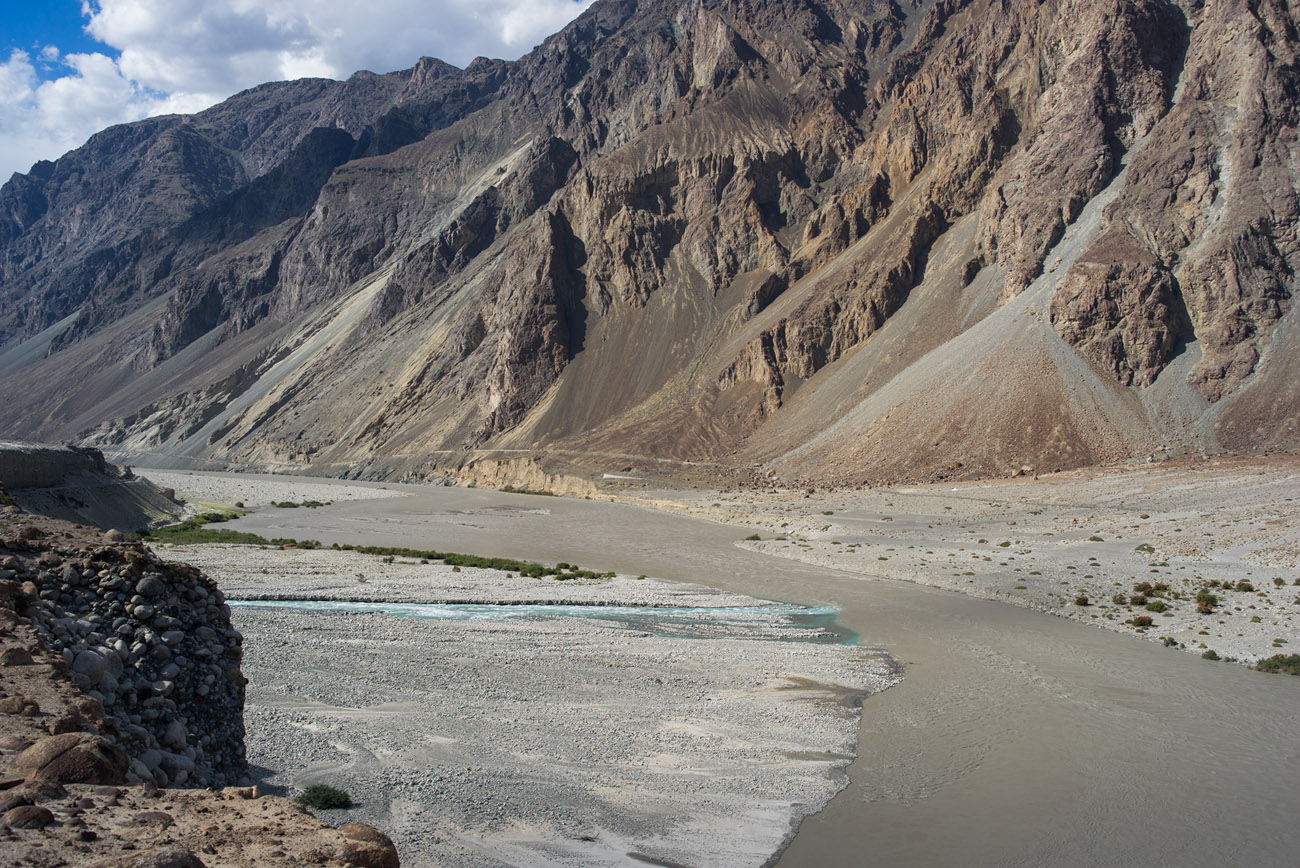
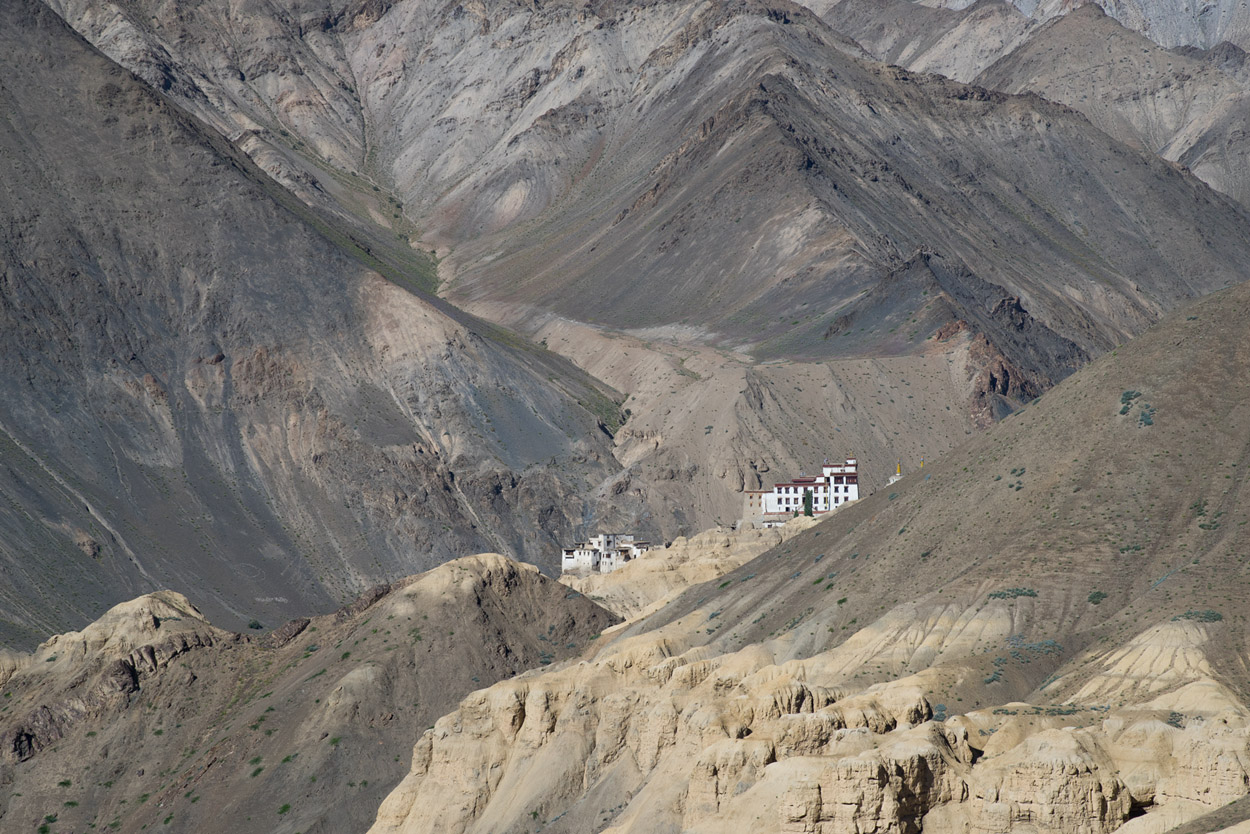
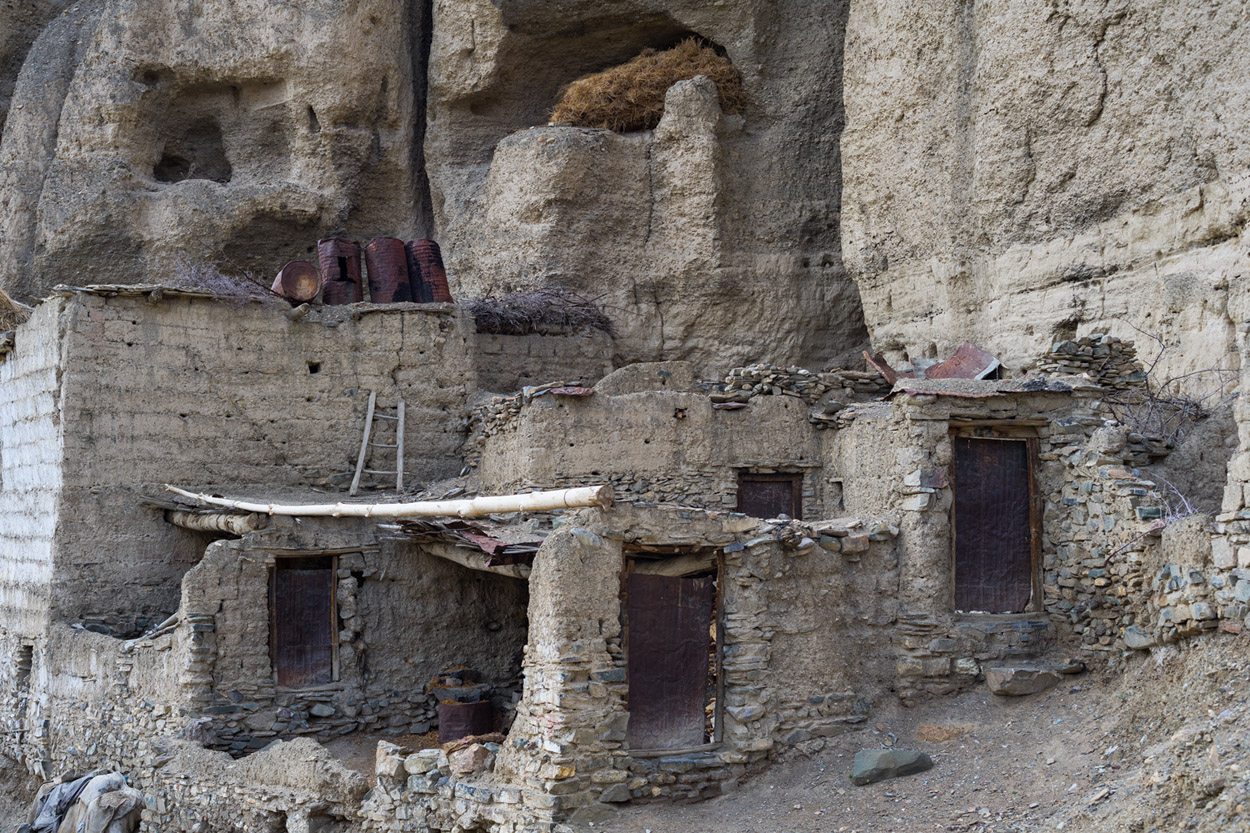
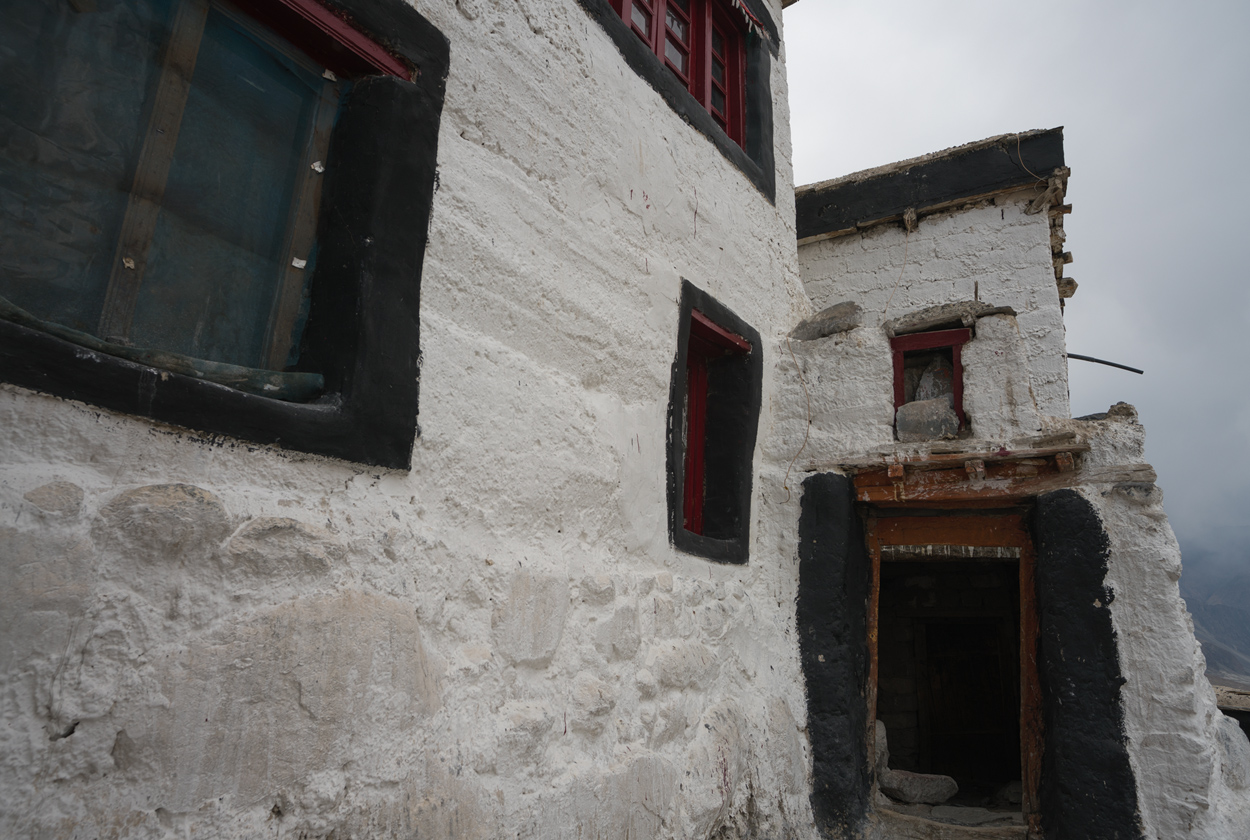
Some pretty typical images from very high altitude environments below. I chose these from the tens of thousands of such images to show how a plain colour tone subject can be 'broken up' by these wonderful lenses.
New to photography.... What about colour space, gamut, profiles?
Maybe you are already aware, maybe not: depending on many factors, when viewing an image on a display, it could appear significantly different to what it really is. View the same image on the same device months later and it will probably be different again. View at the same time but with a different browser, editor or viewing software and it will probably be different again.
Choderboy wrote:
New to photography.... What about colour space, gamut, profiles?
Maybe you are already aware, maybe not: depending on many factors, when viewing an image on a display, it could appear significantly different to what it really is. View the same image on the same device months later and it will probably be different again. View at the same time but with a different browser, editor or viewing software and it will probably be different again.
Not if you have a colour managed workflow. If not...then your are viewing a crap shoot.