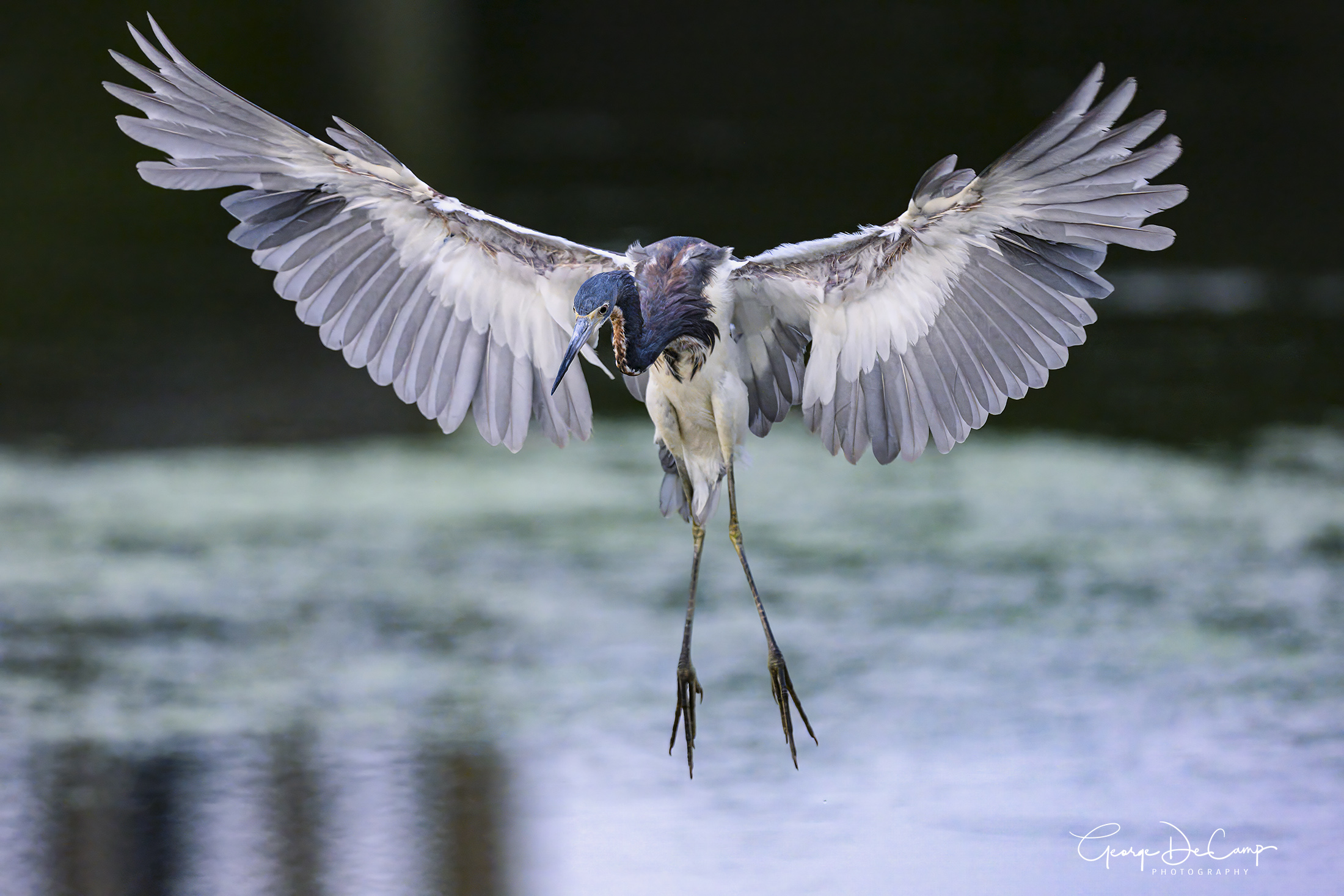
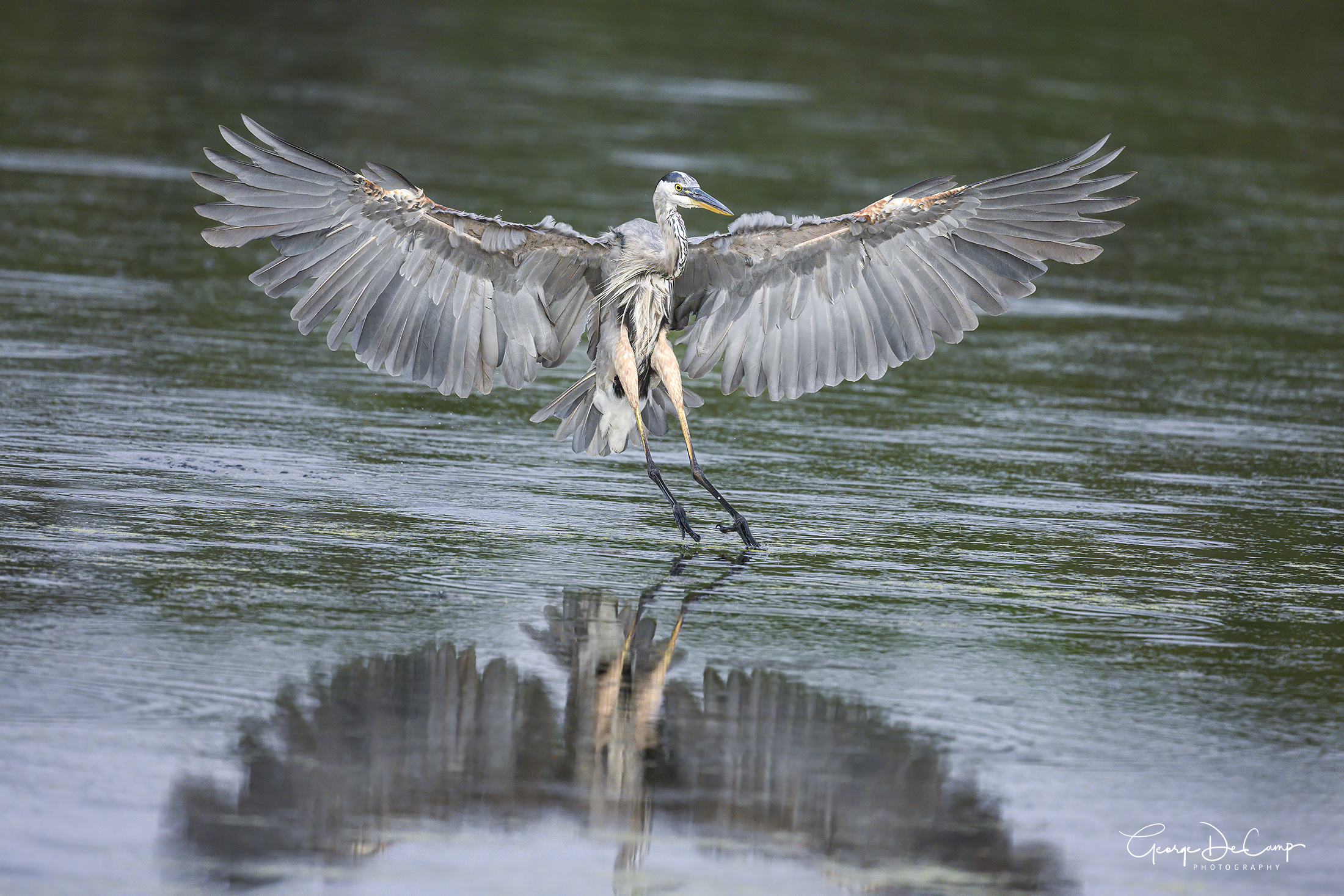
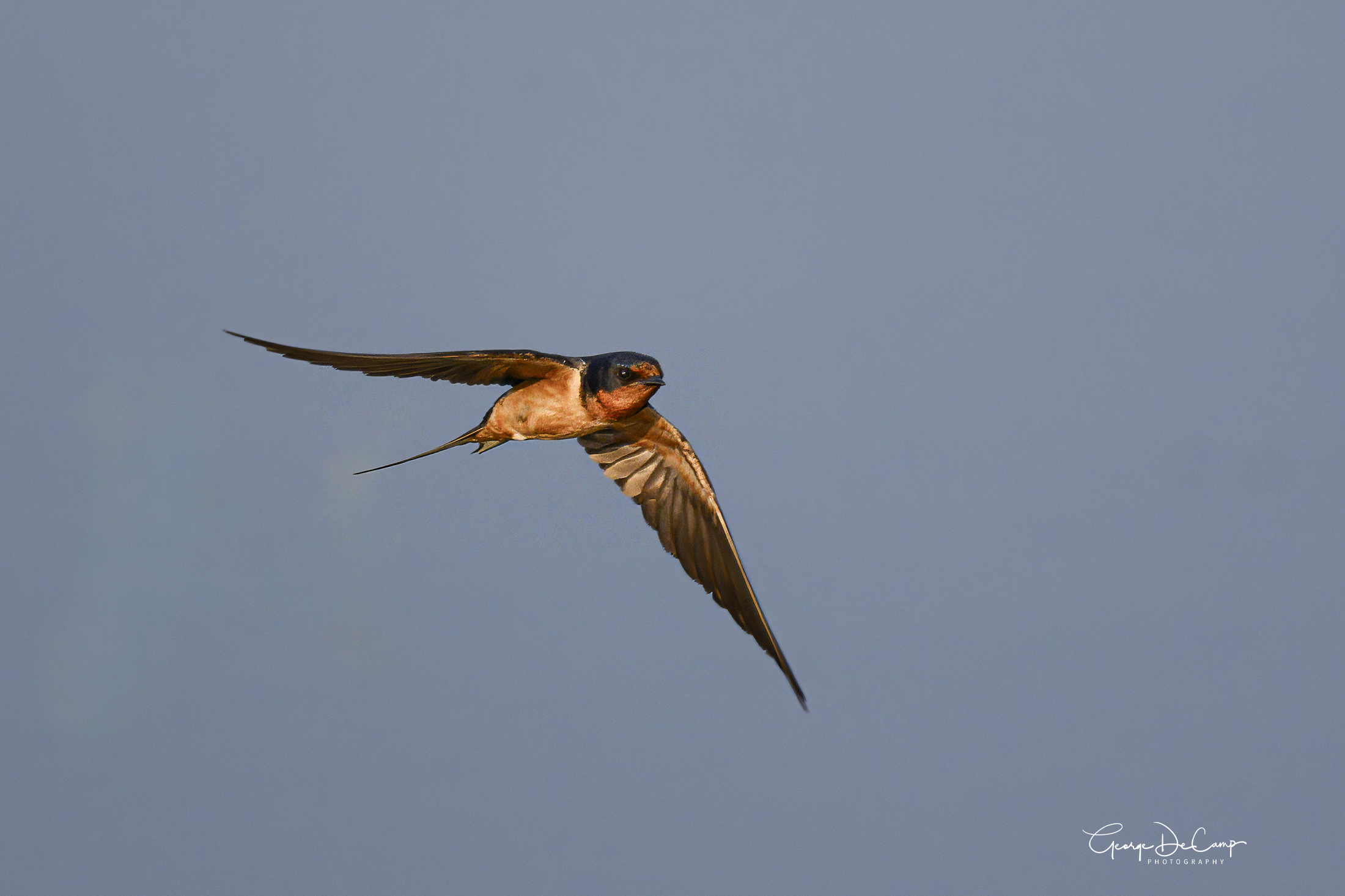
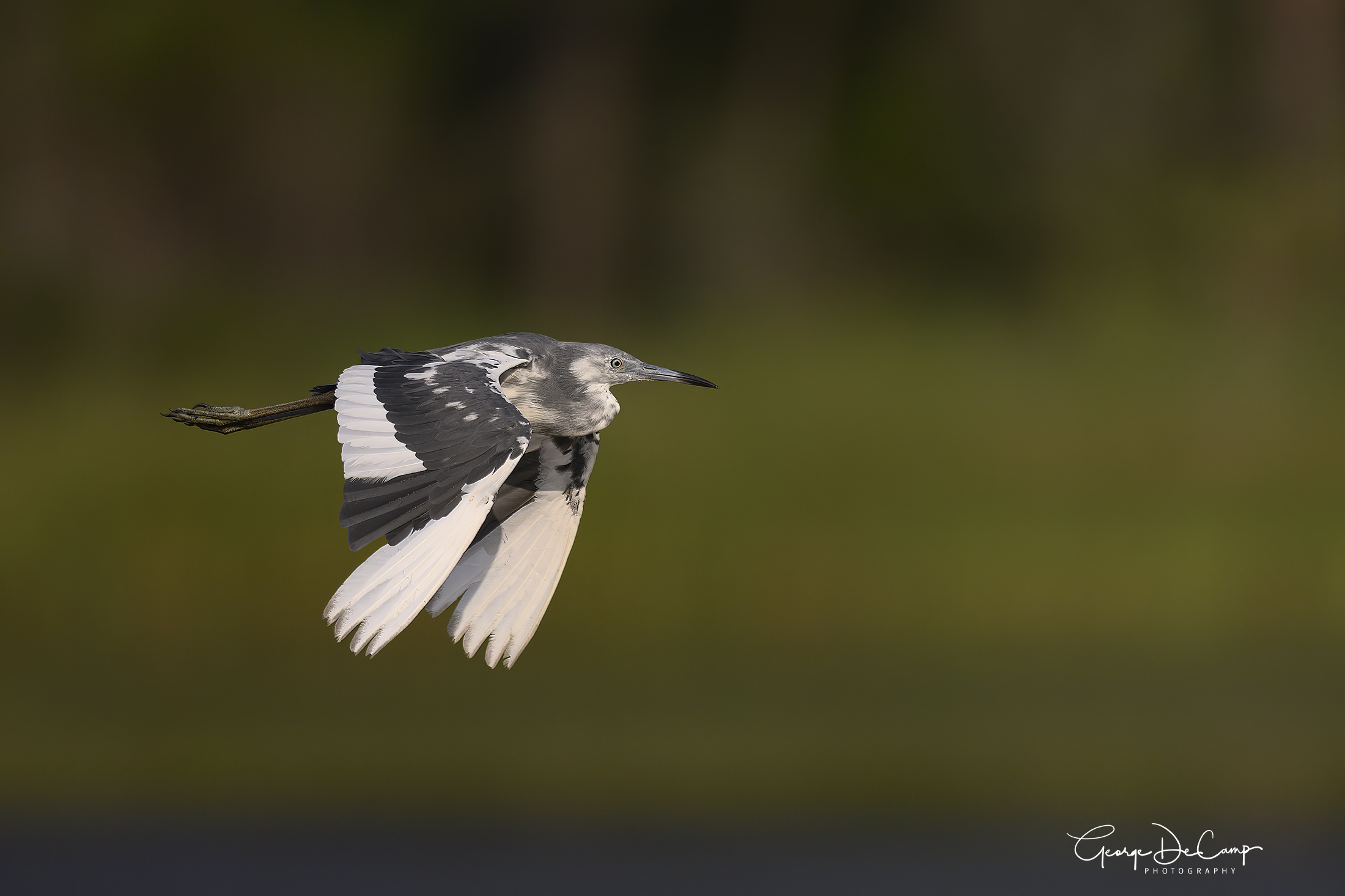
p.85 #2 · Official 800PF image and discussion thread
Alistair1 wrote:
I am not convinced by those PL results. They are something of an outlier compared to the results of other reviewers. Shooting any 800mm lens takes some getting used used to.
I agree, that PL review on the 800PF is very strange, it's certainly an outlier and doesn't jive with any other professional reviews, my own experience, and I am guessing the experience of most others here. The samples they used in the review are quite frankly just bad - I am not sure what is going on there as I've never seen anything like that from my copy of the lens or all the wonderful images posted here. Maybe they ran into some atmospheric issues that they blamed on the lens - you can see heat haze clearly in a few of the samples. The 800PF is the sharpest of the PF trio from what I have seen anyway, and outperforms both the 400TC and 600TC when used with TC's to match the 800mm focal length. Thom Hogan's review says it's "about as good as I've ever seen 800mm" and he is hyper-critical of everything Nikon. Definitely something off with that PL review.
p.85 #16 · Official 800PF image and discussion thread
JustShootMe wrote:
Ok I need Kayak … guide me , how do you carry your gear in the kayak ? Do you use a waterproof bag ? Are you using one of the short fishing kayaks ?
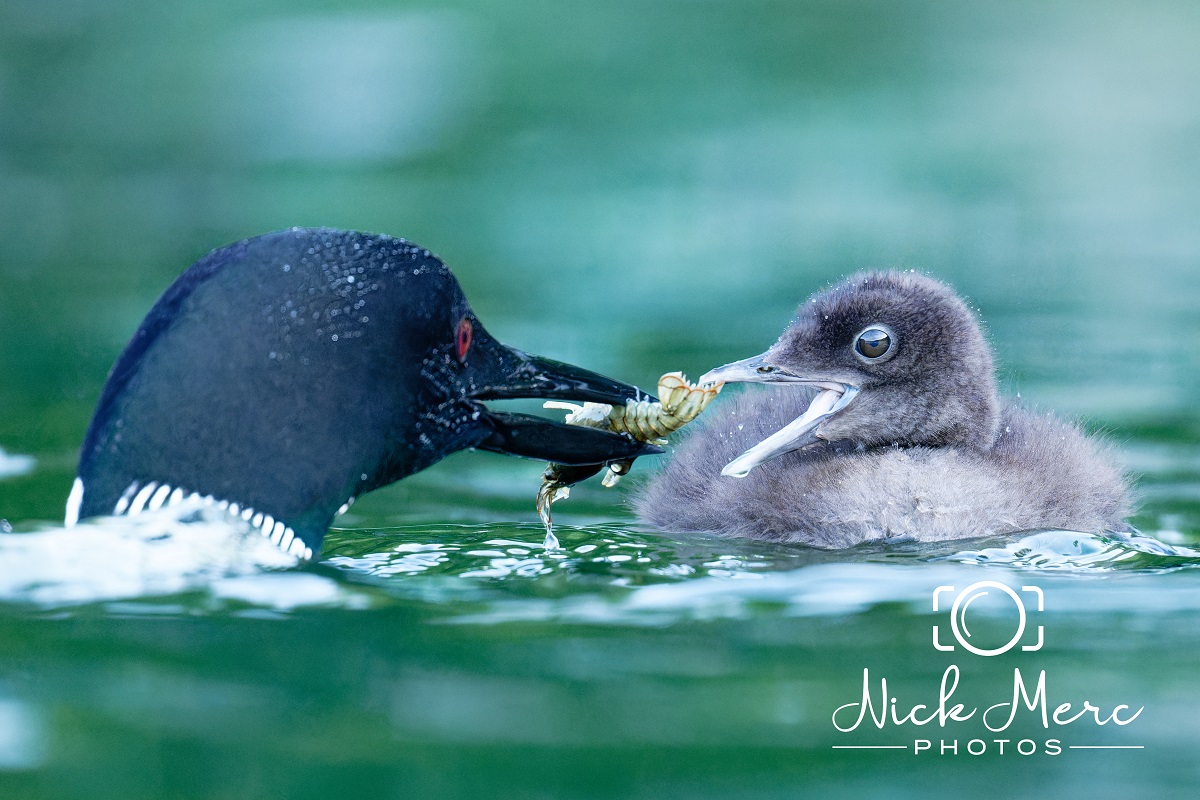
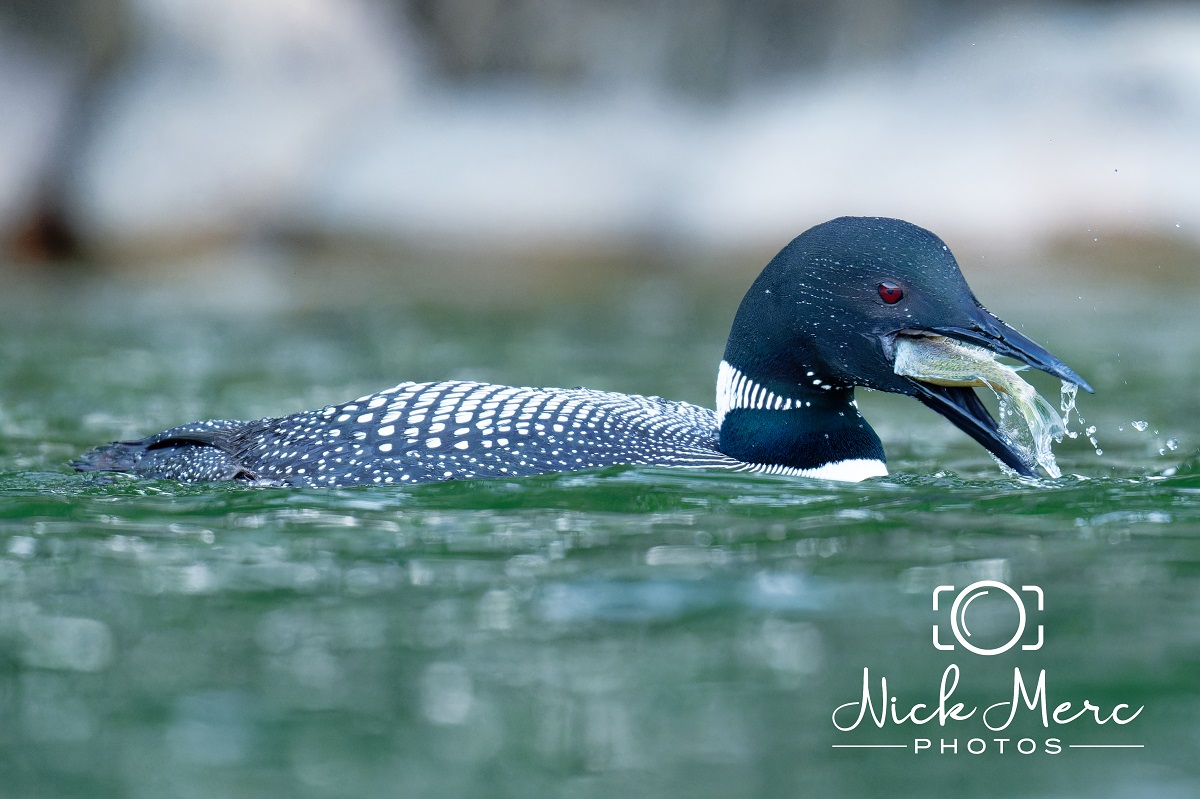
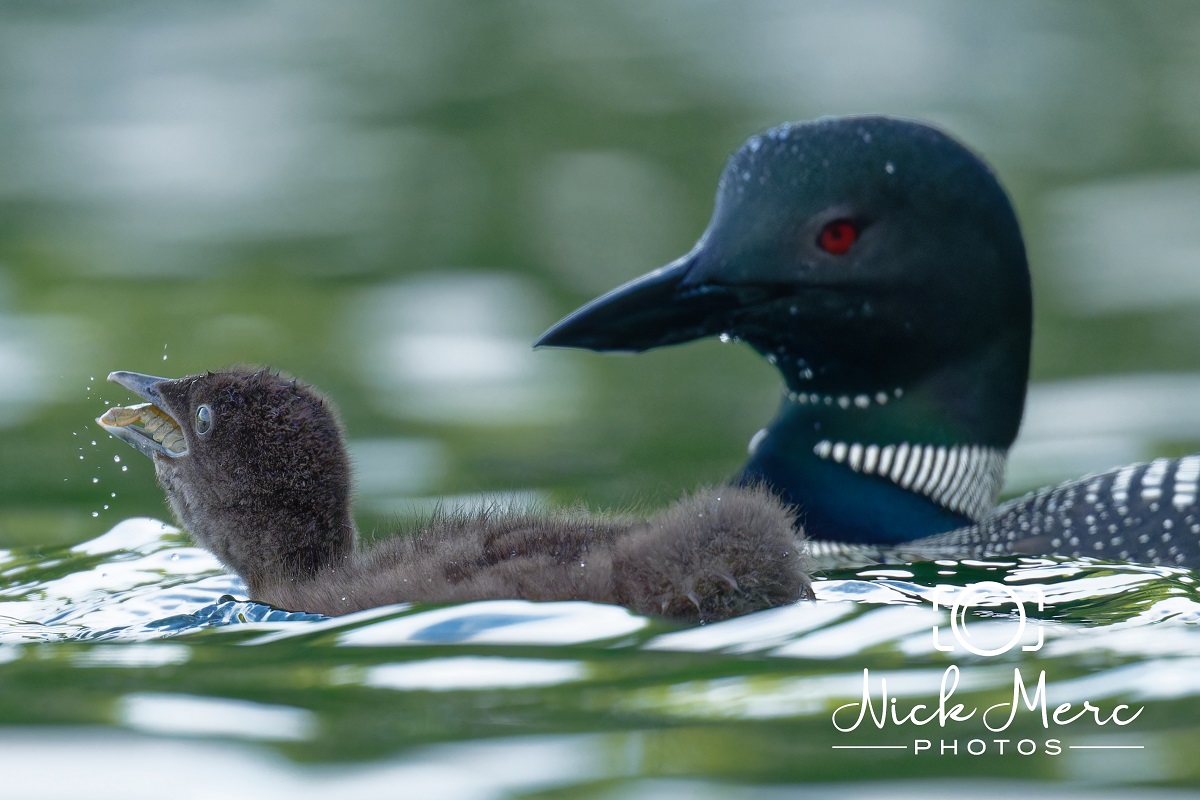
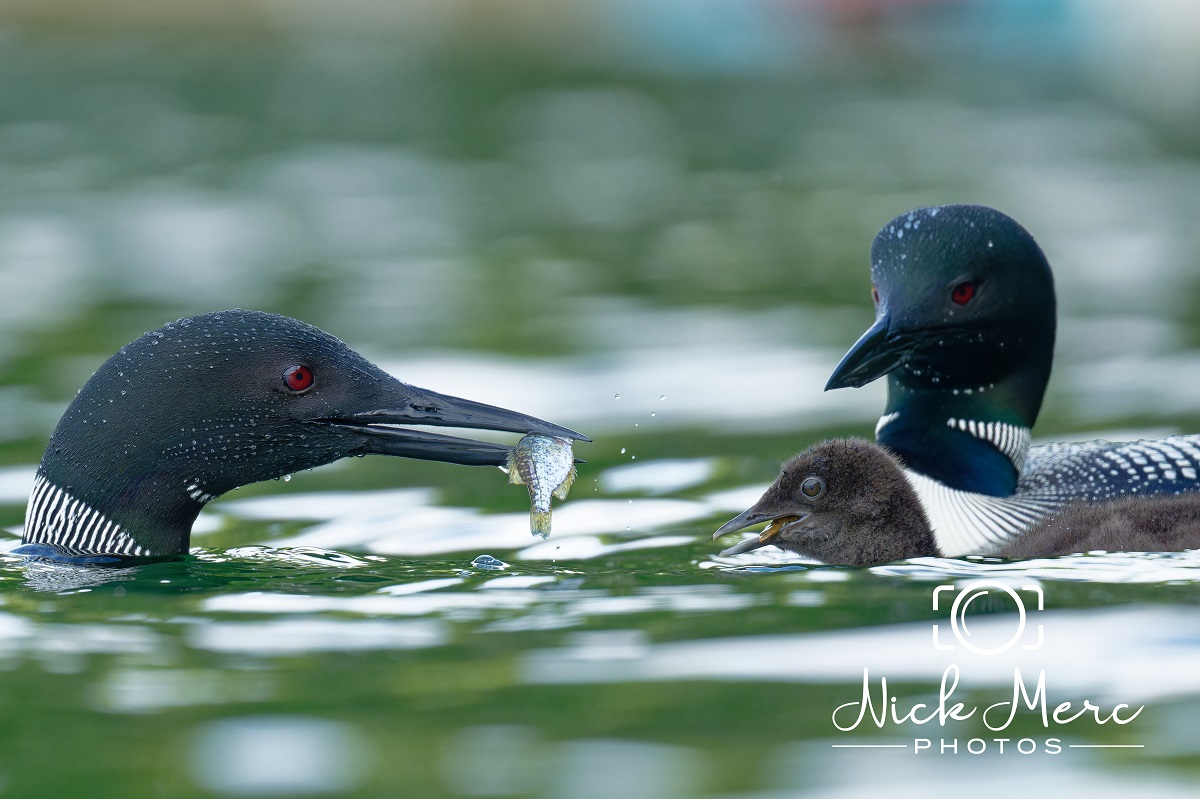
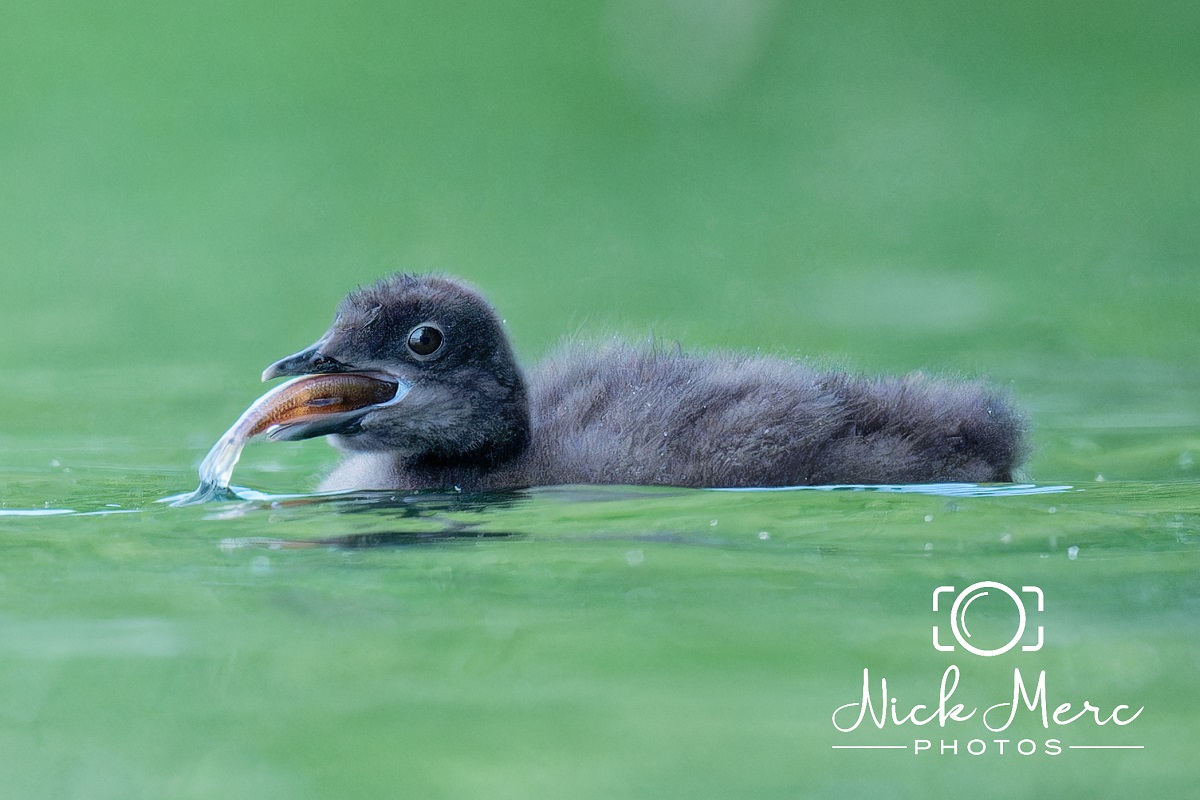
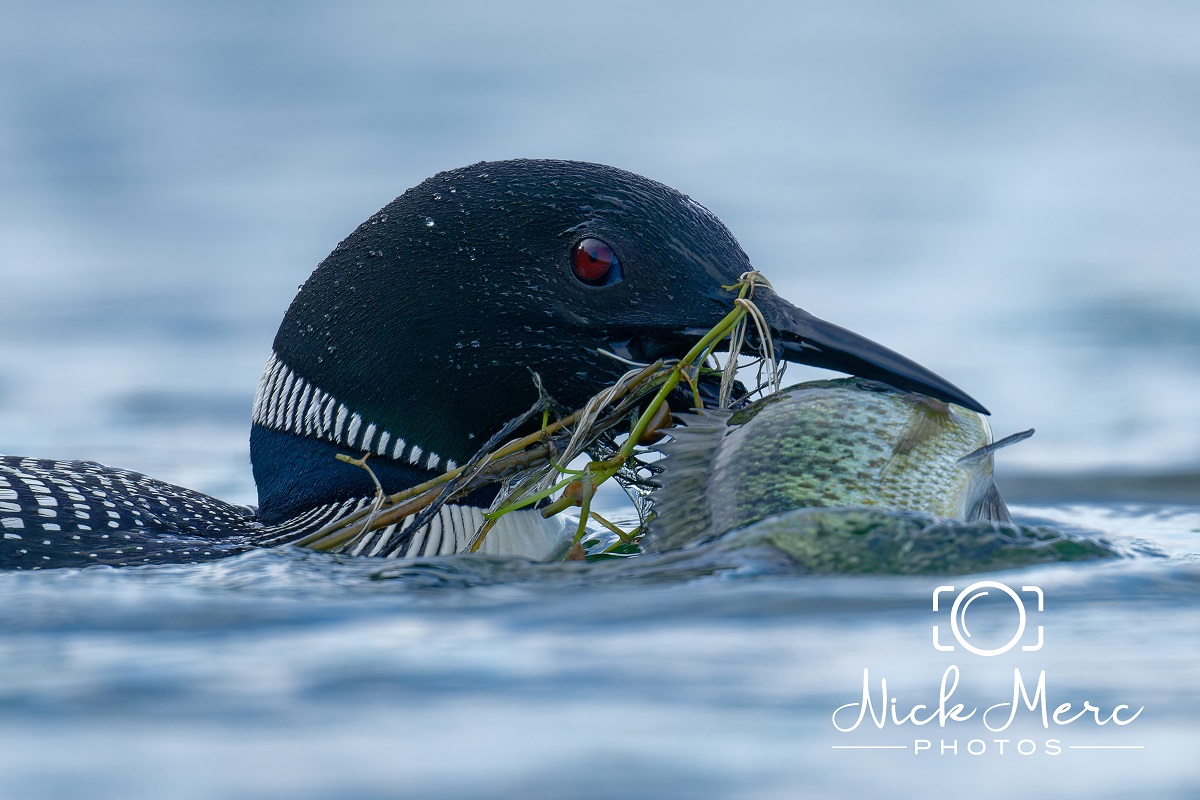
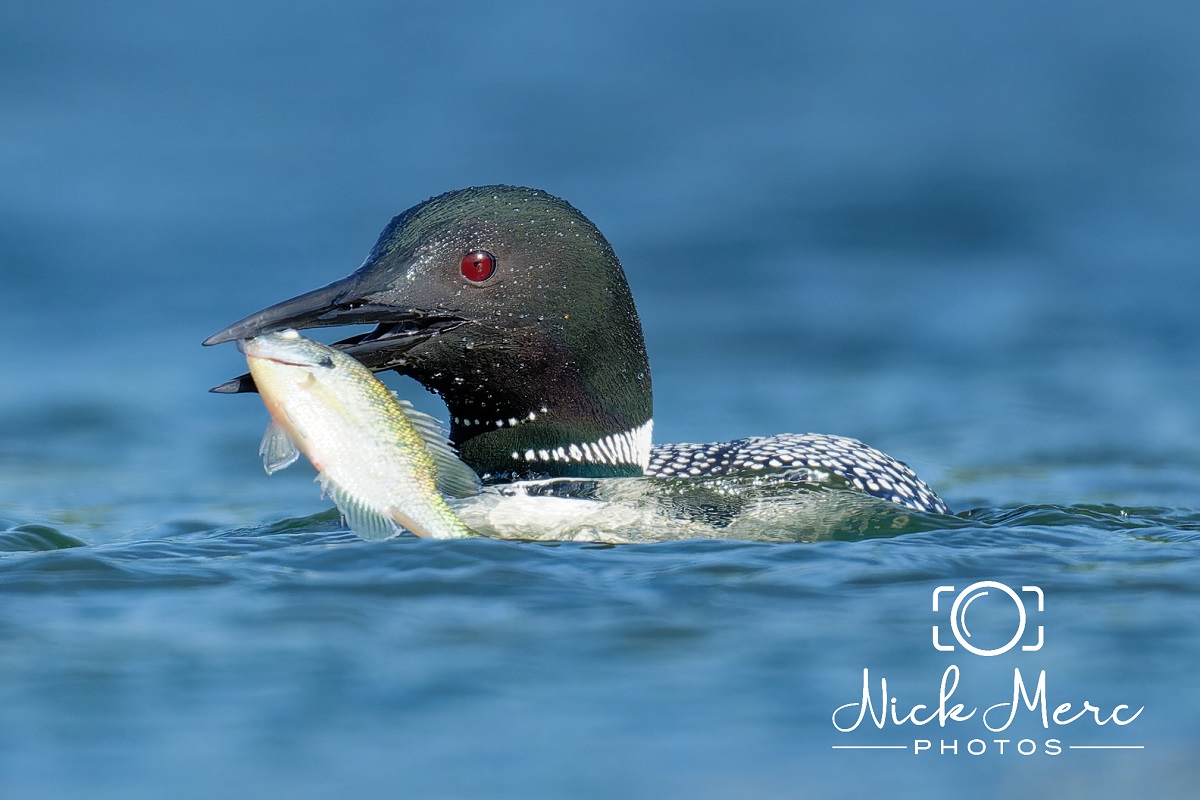
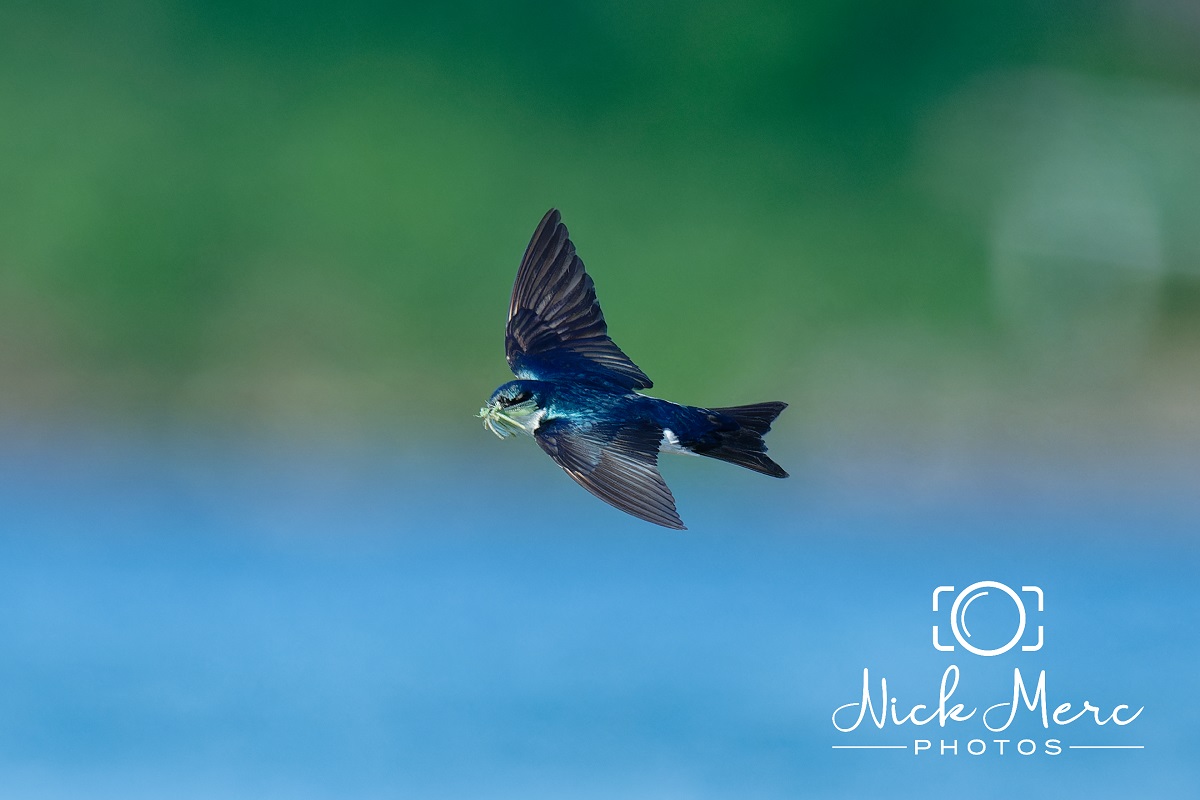
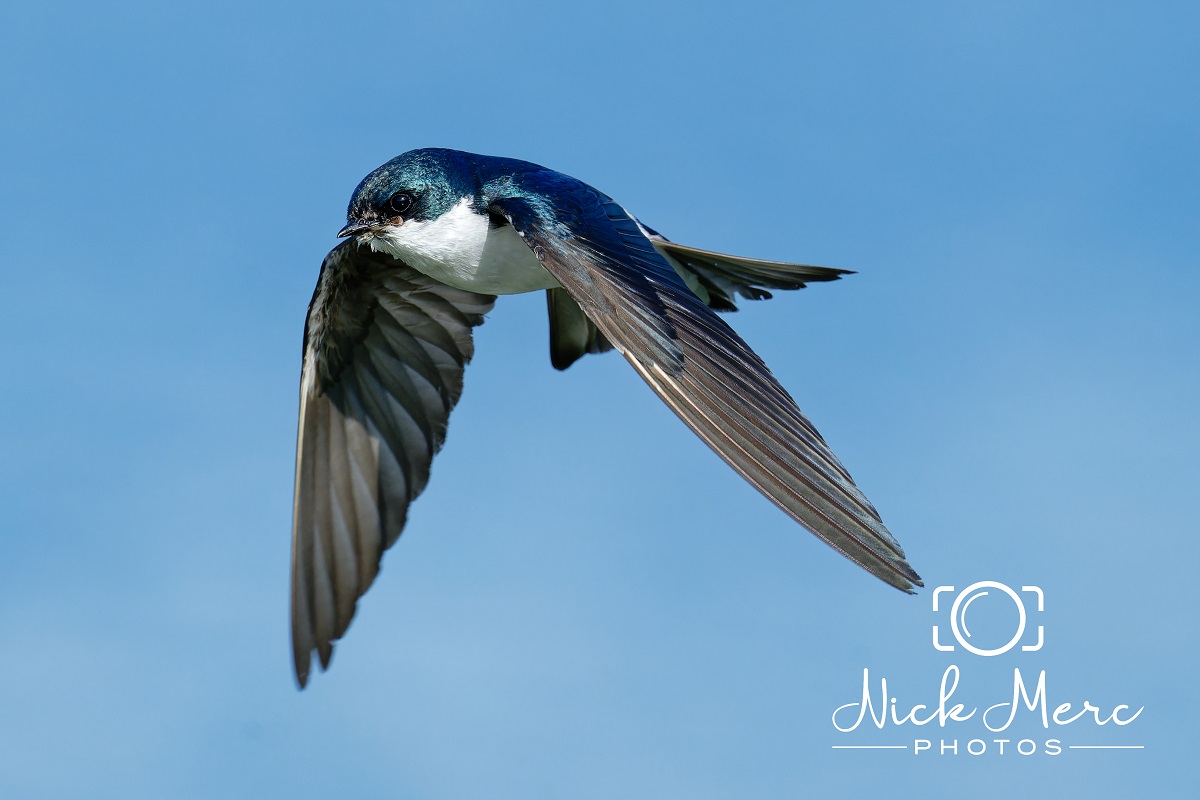
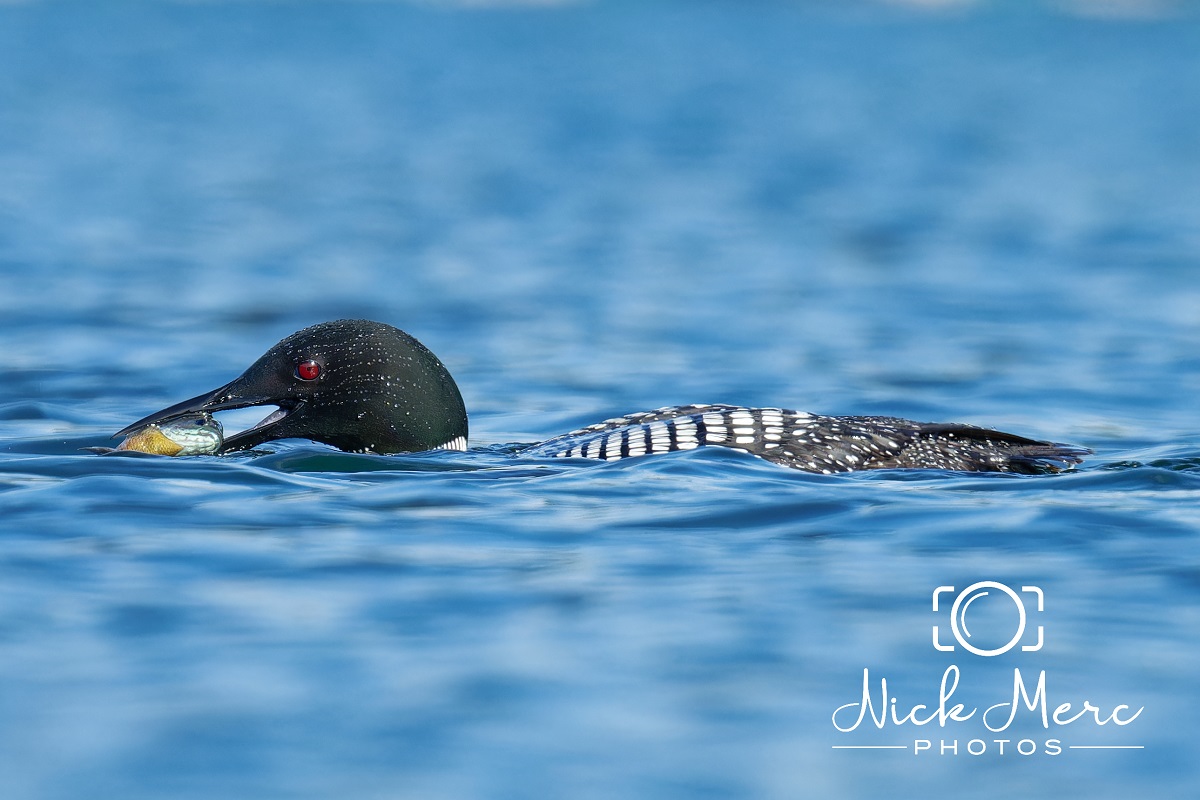
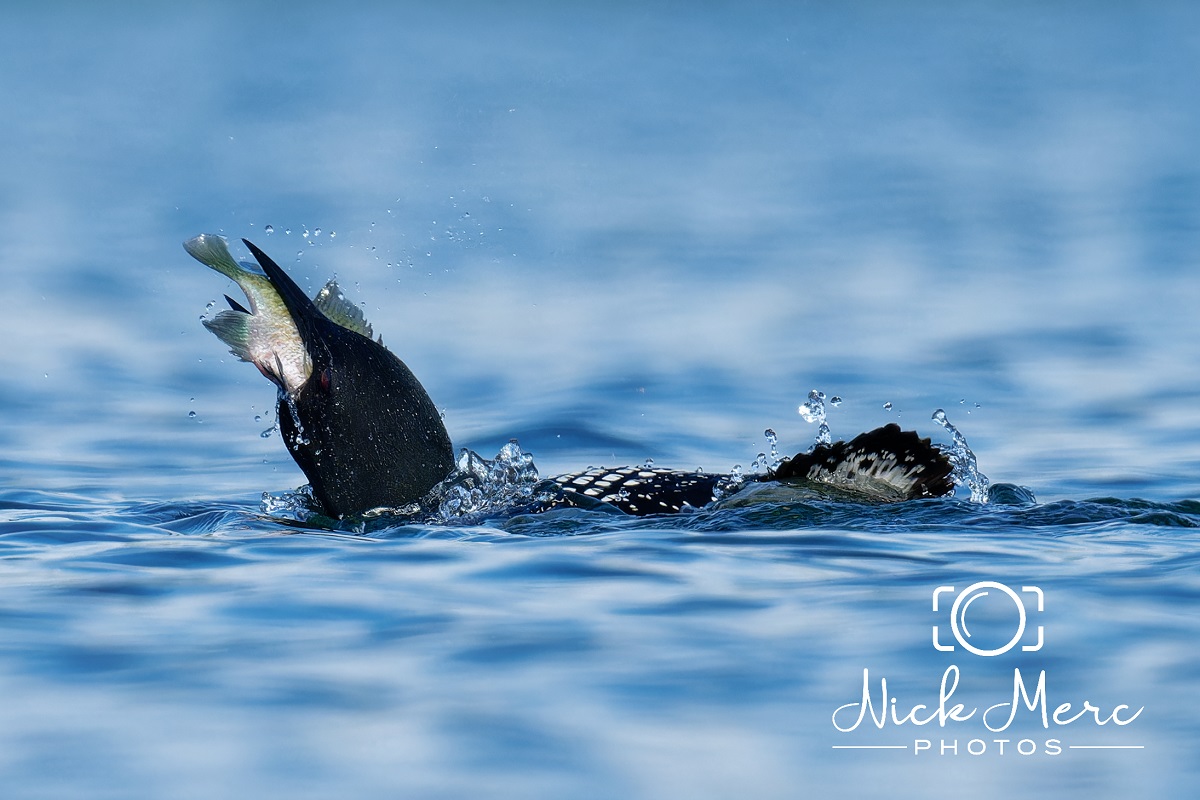
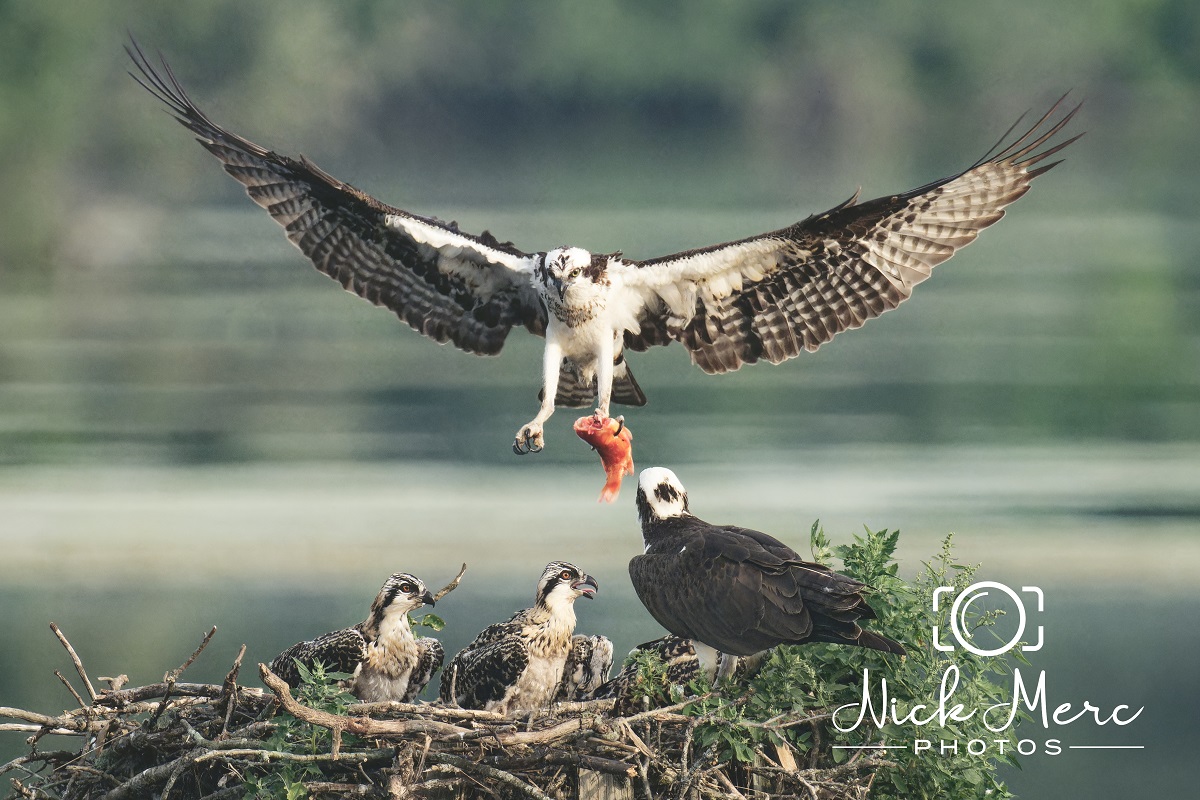
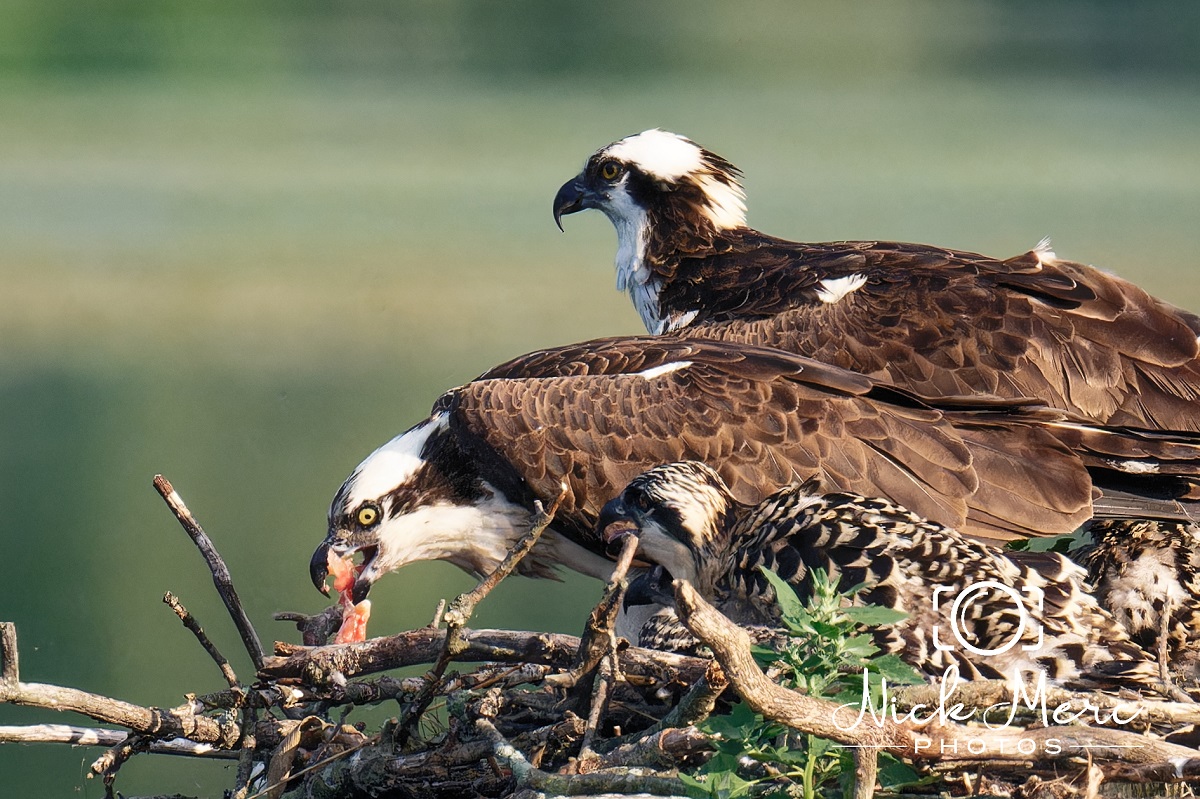
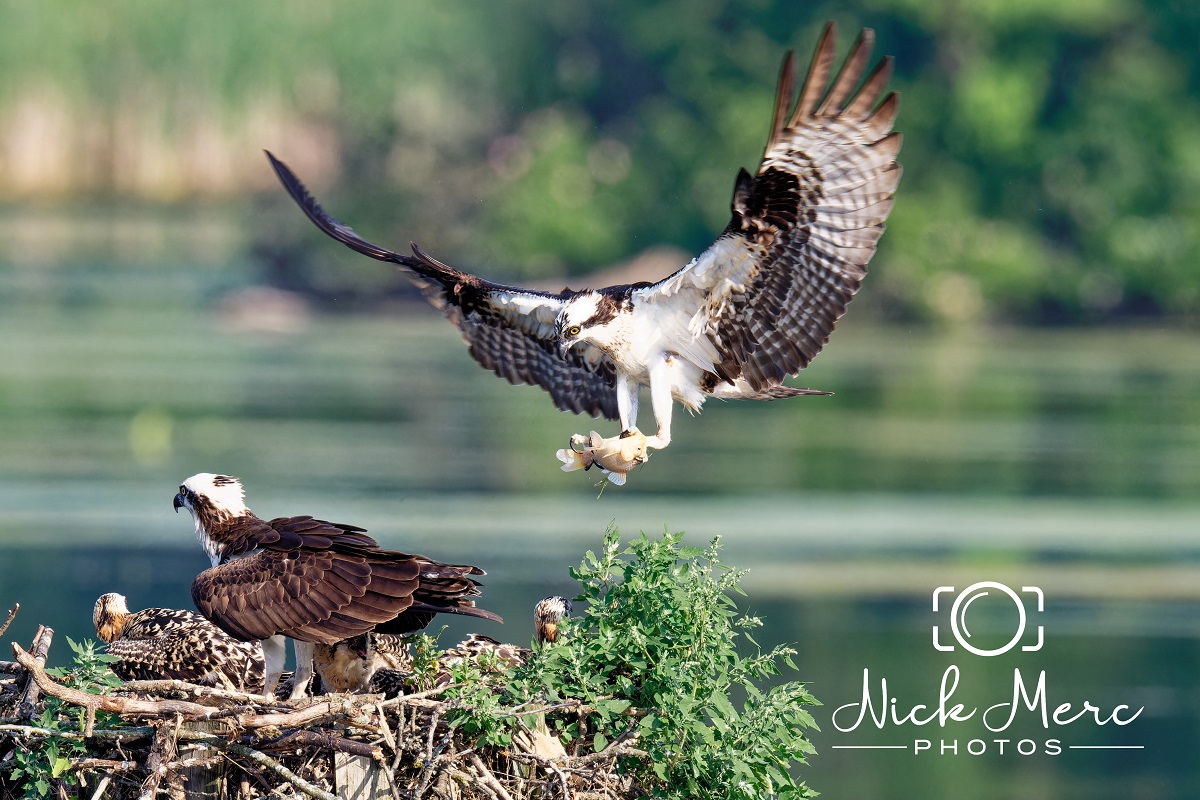
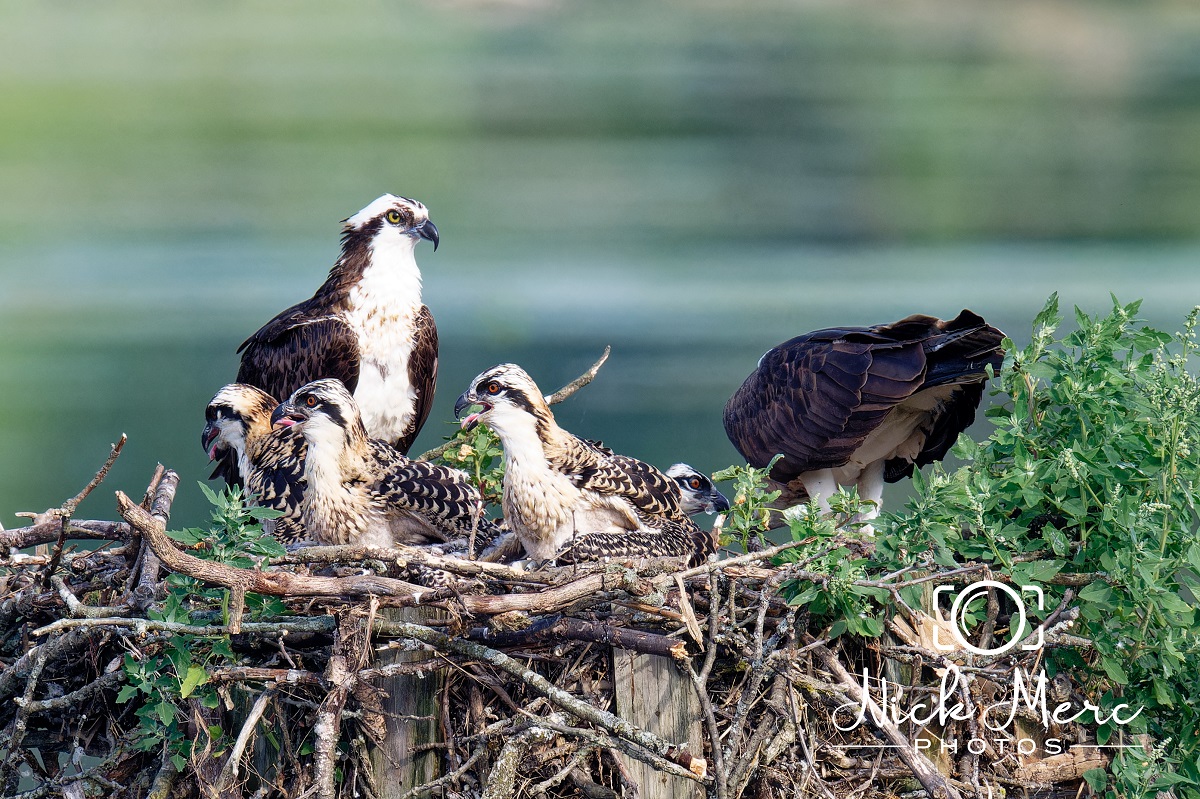
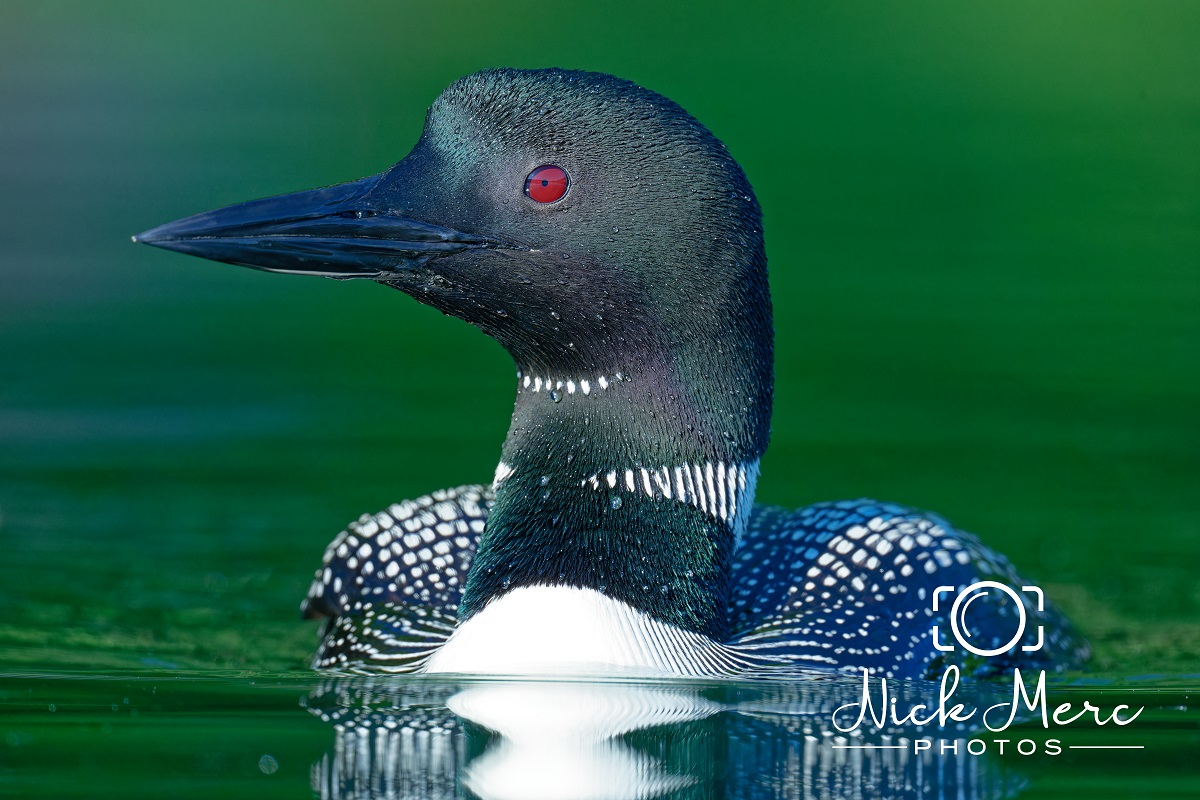
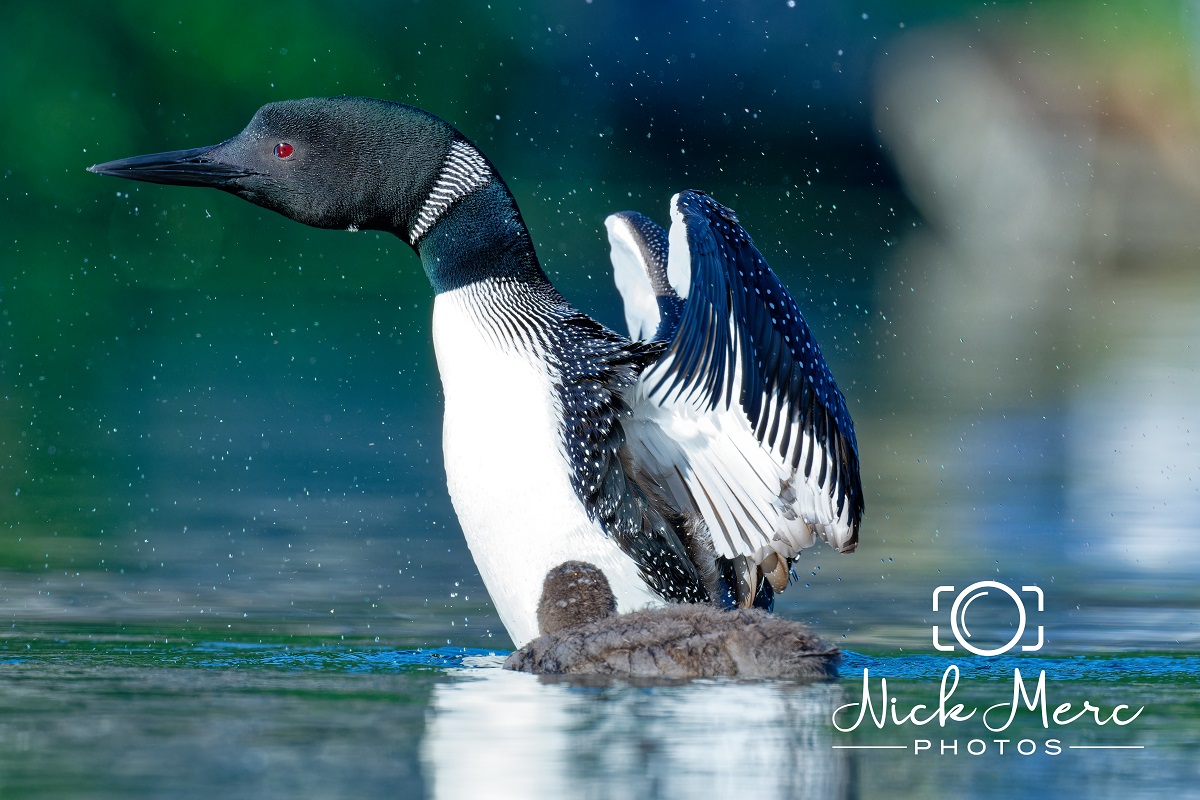
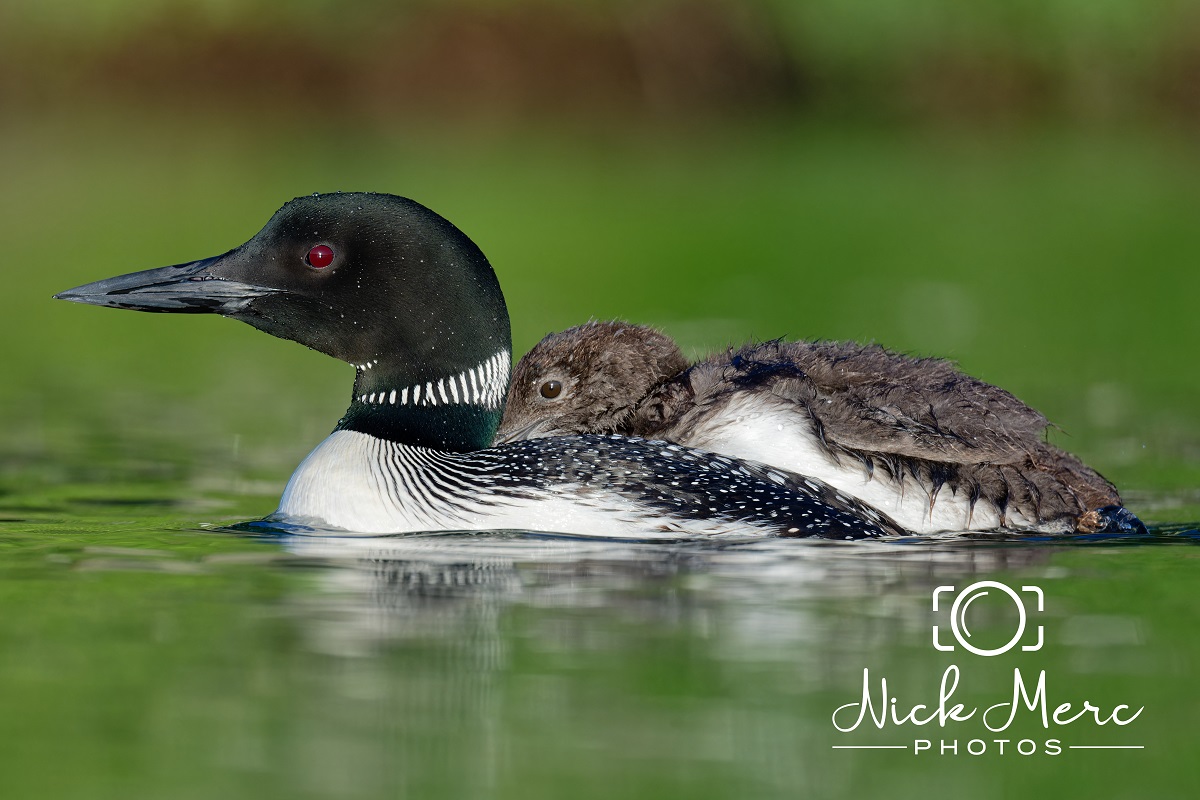
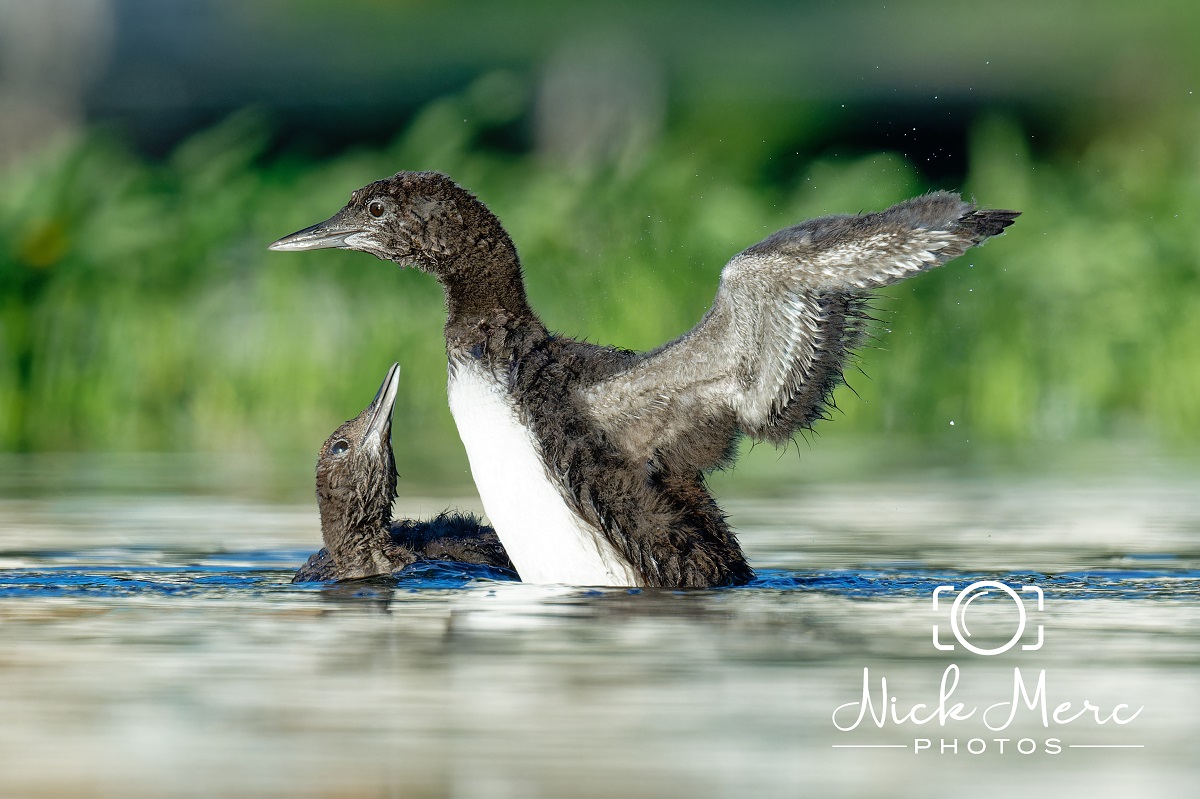
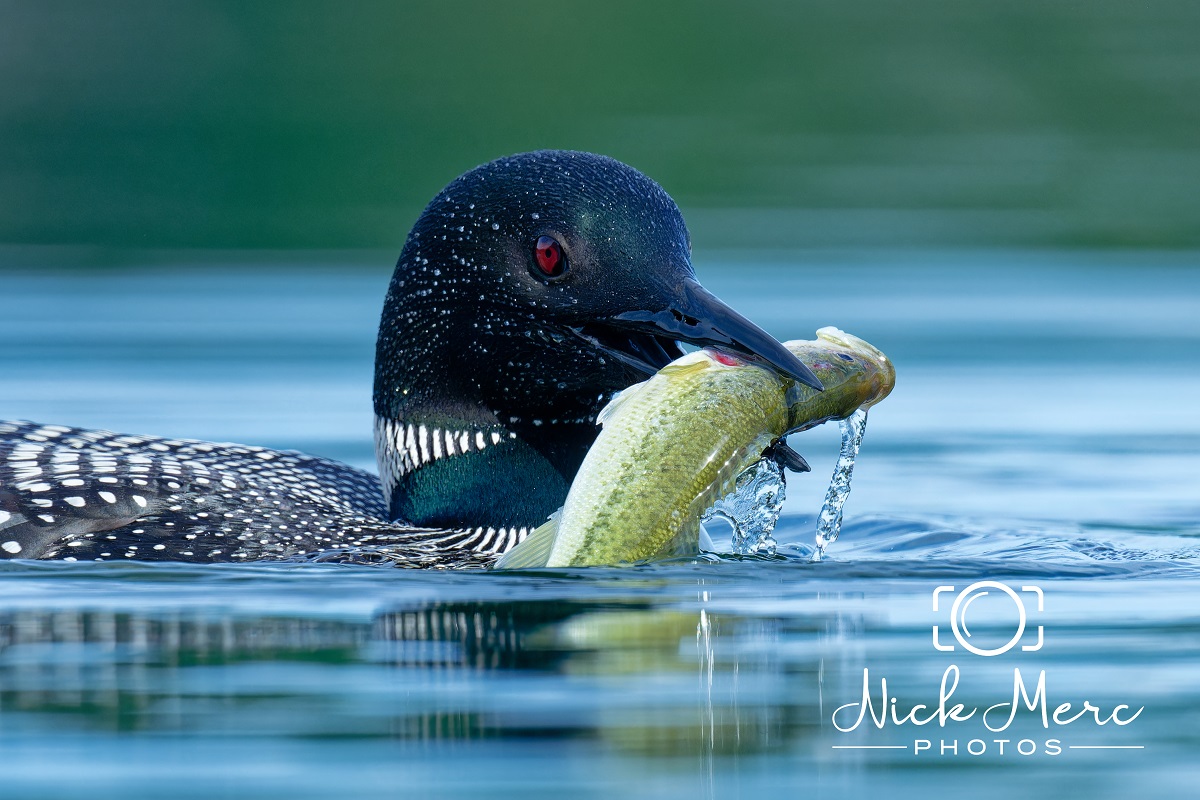
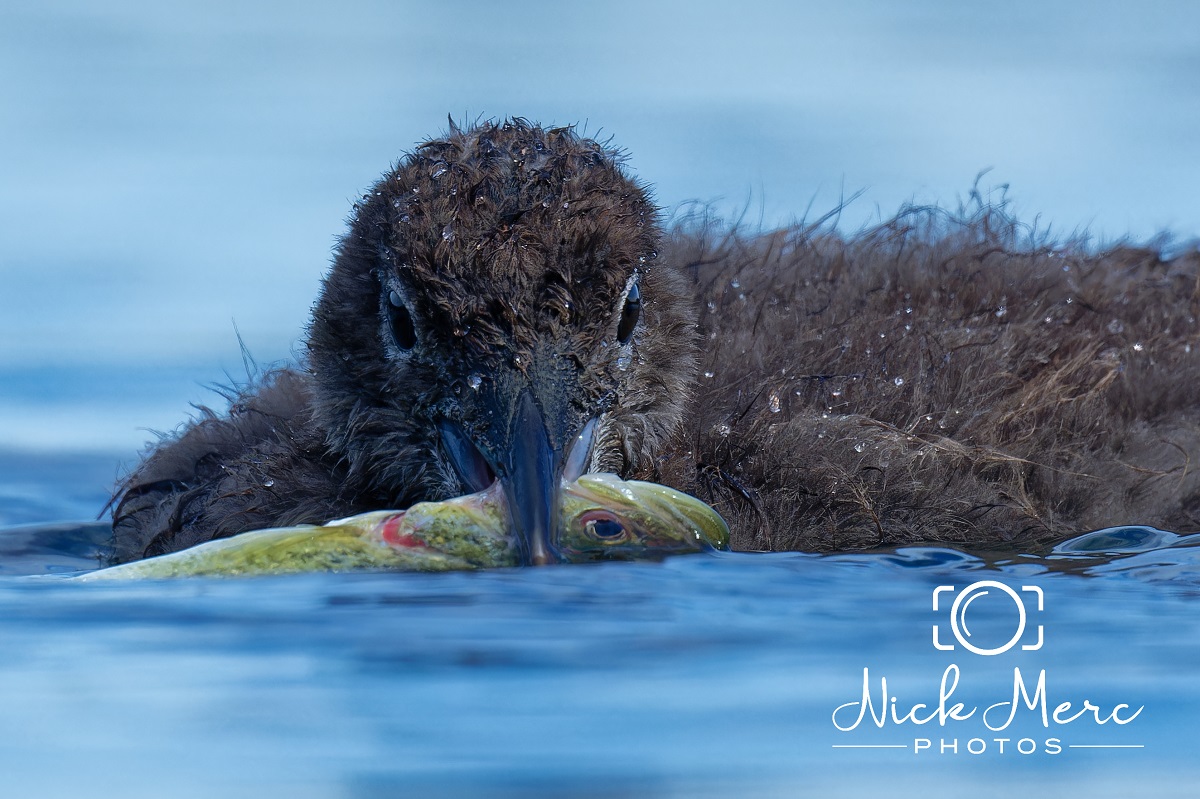
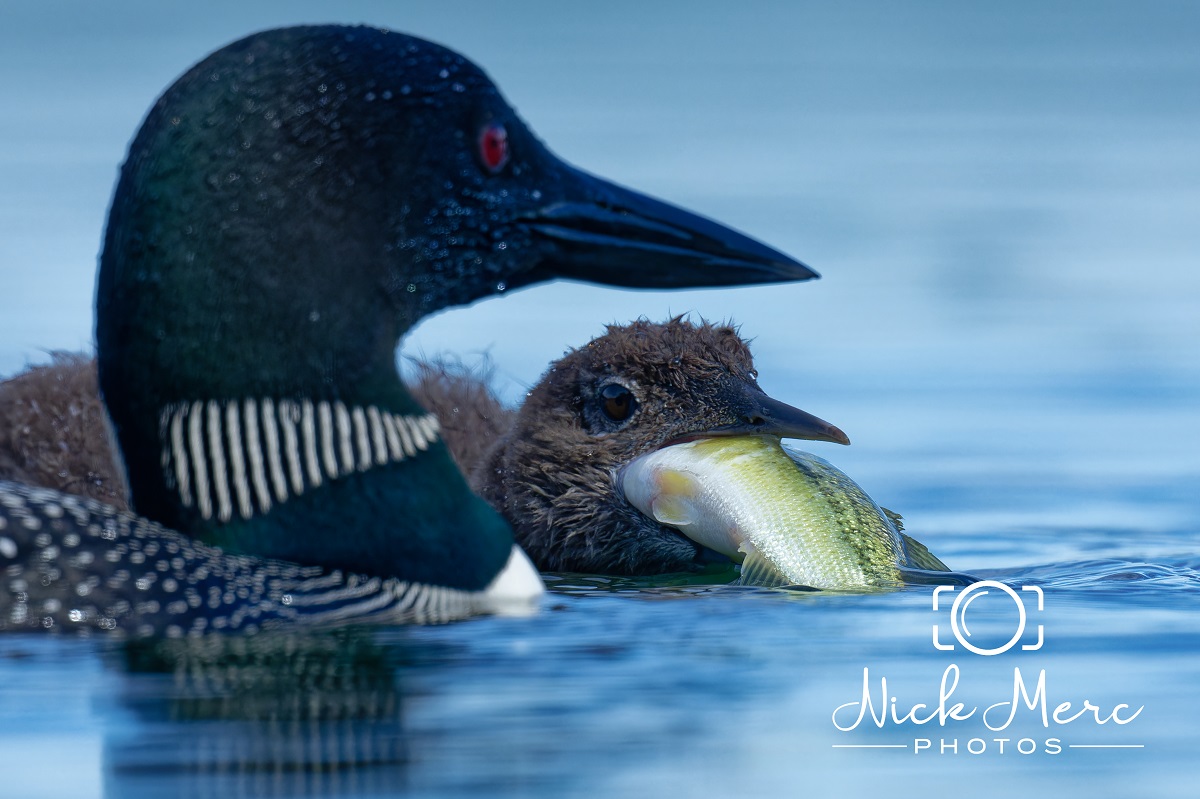
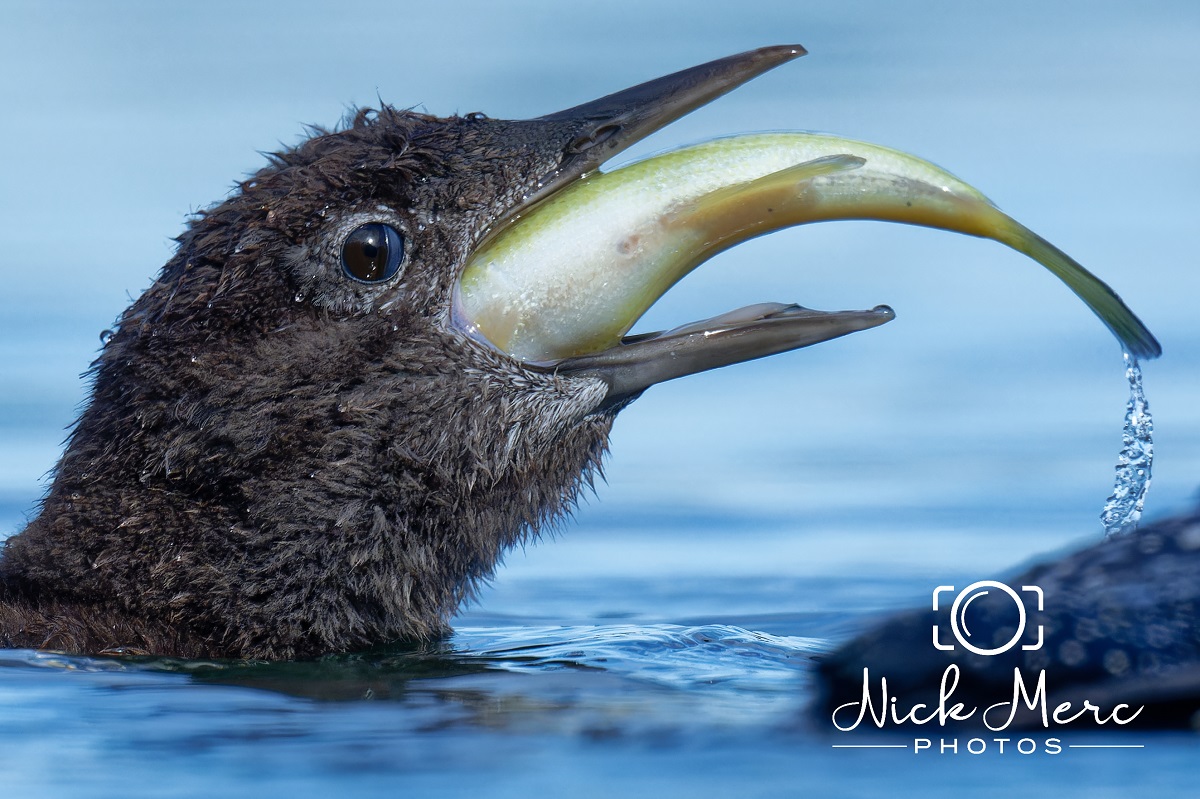
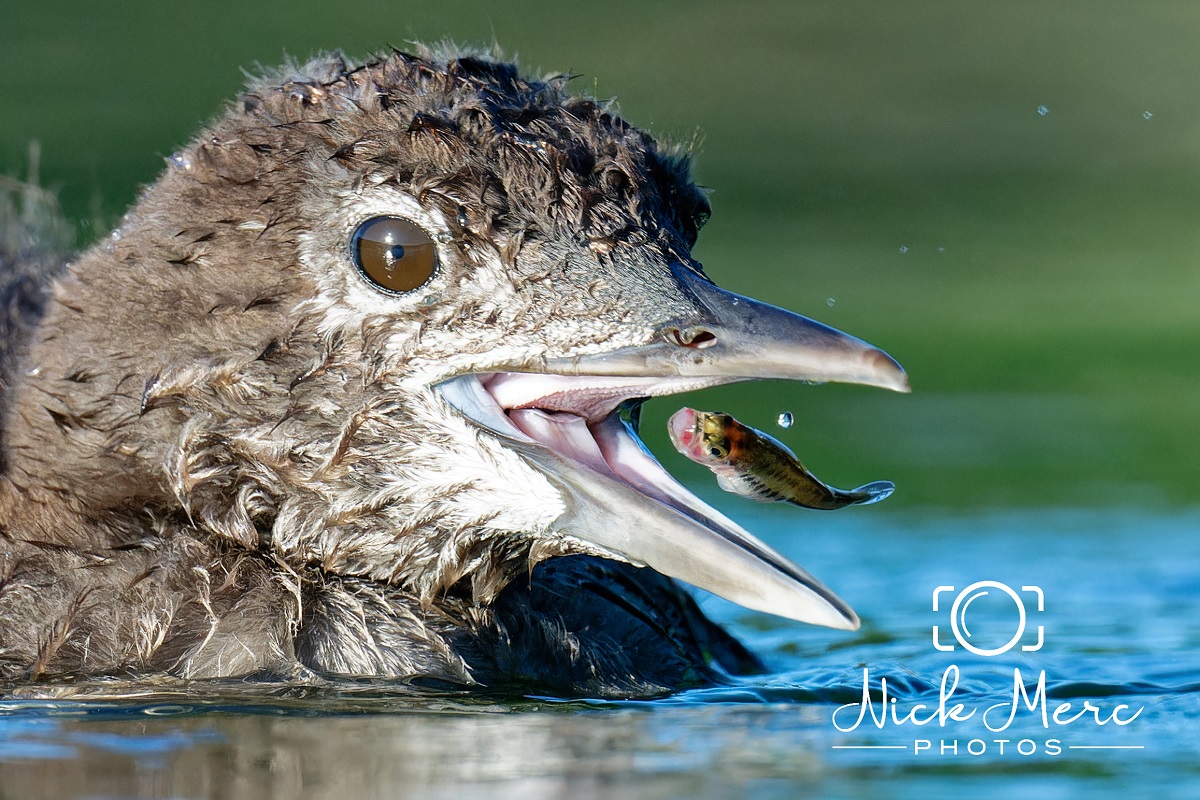
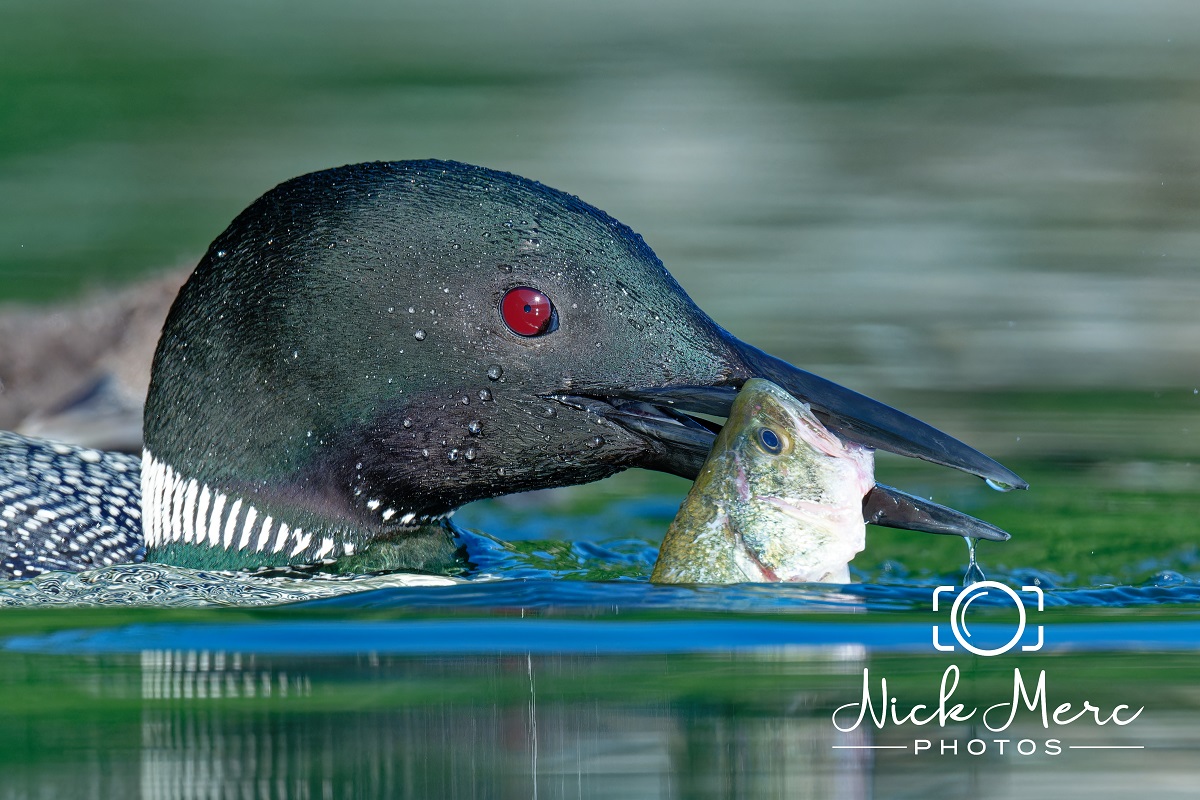
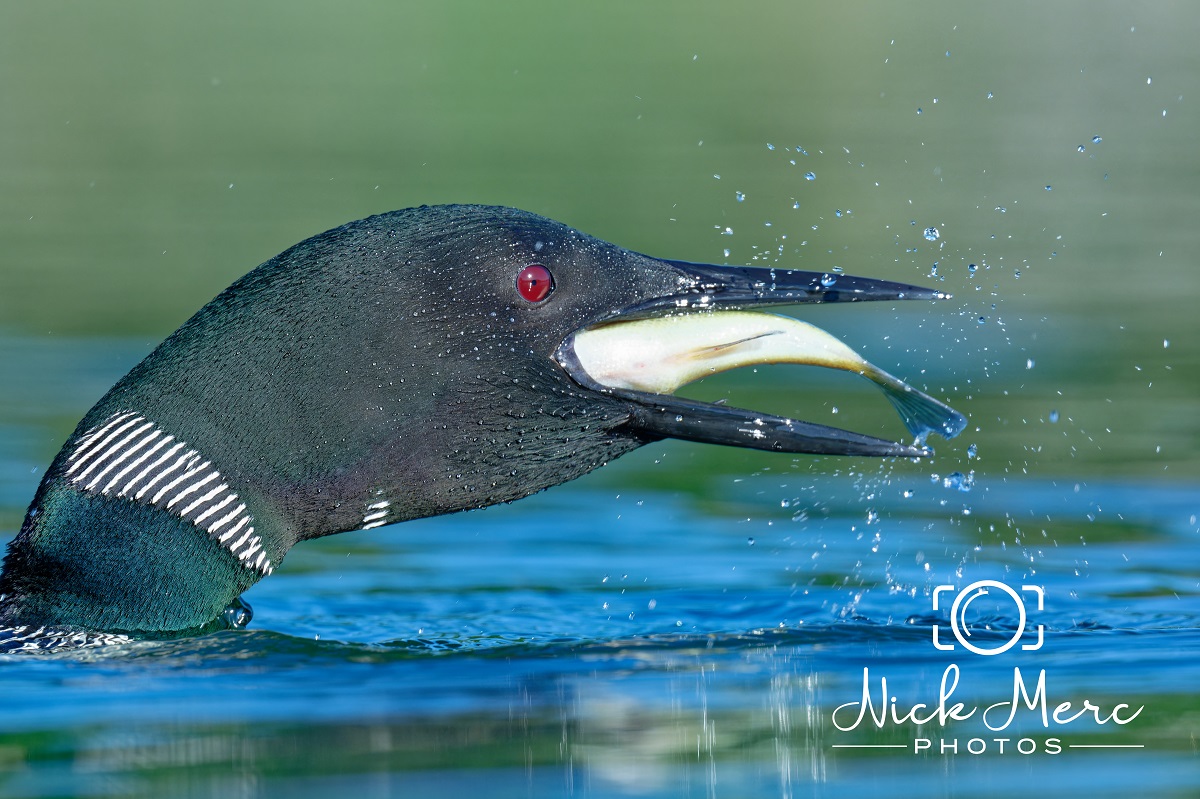
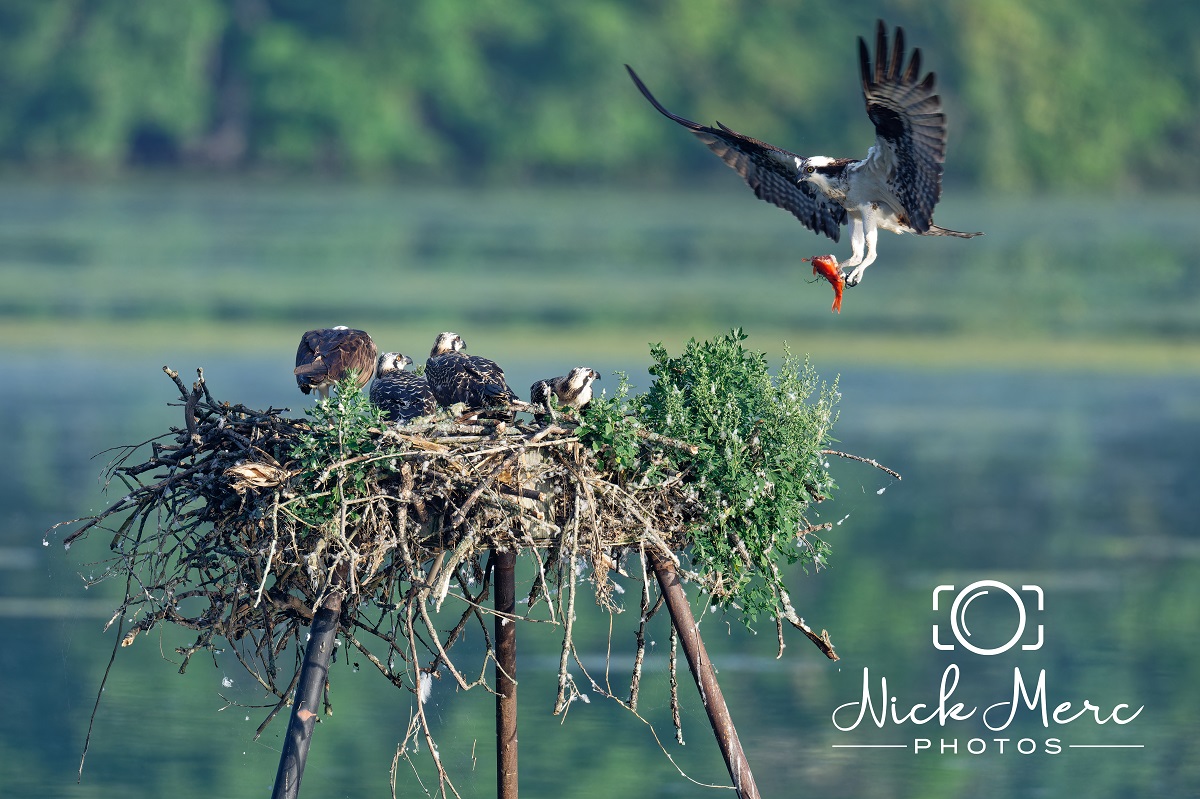
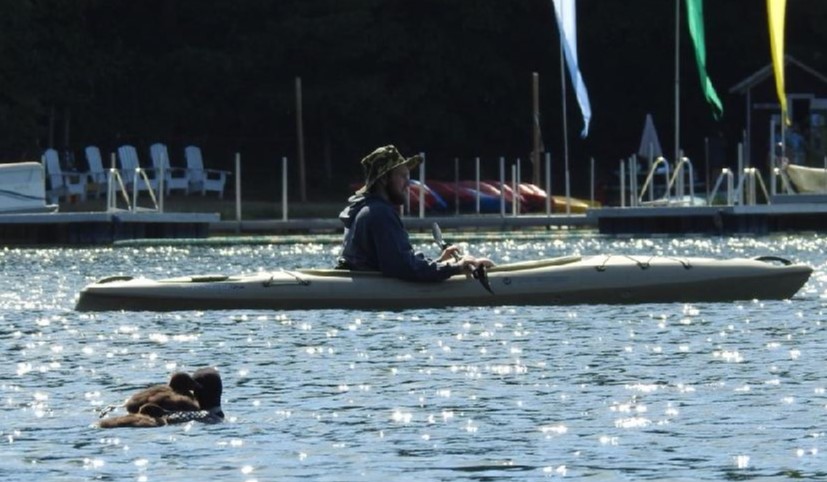
Important to note - the Osprey pics are standing just outside my car, right next to a fairly busy road. The loon pics are the ones from a kayak.
I started kayaking for the first time ever in my life last year. a close friend convinced me to go out and "risk" my R5 + RF 100-500, which I thought was crazy at the time (~$5K)! Shortly after, she convinced me to bring the R5 + RF 600 F4! Even crazier!
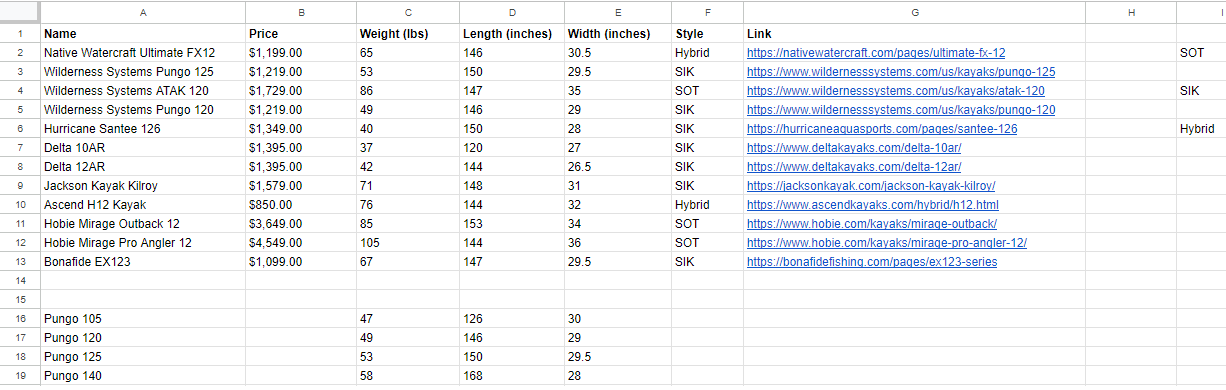
I made sure to spend enough money on a quality kayak. I am a big fan of the Wilderness System Pungo Kayaks. They retail for around $1200 or something, but I've found them used as cheap as $250. They are stable, and hold my weight well.
I looked at numerous kayaks, prices, weights, etc. and the Pungo 125 is my kayak of choice.
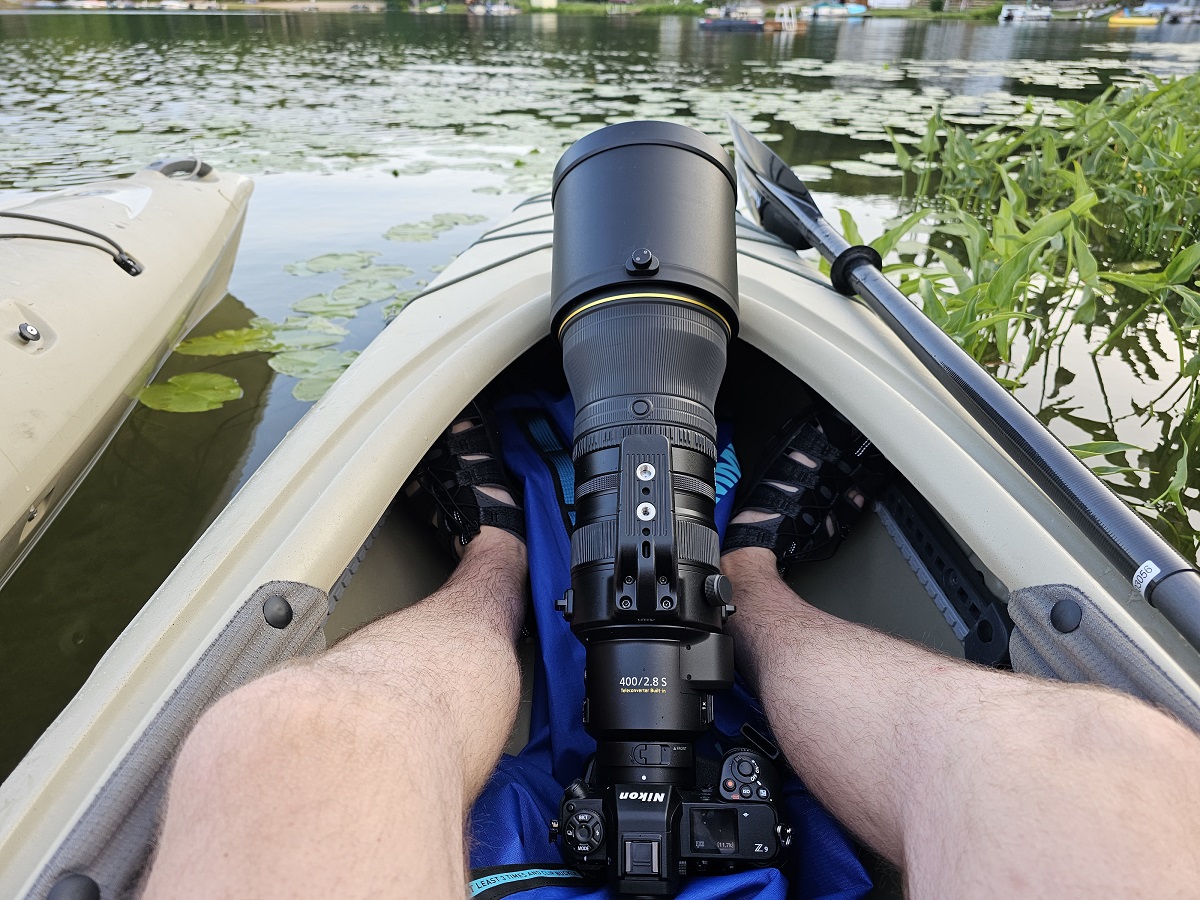
The most dangerous part of kayaking with camera gear, is getting into and exiting the kayak. I use a 55L dry bag to keep the camera and lens inside of when loading, and when paddling to my location. The camera only comes out when I am near the loons. At that point, I just rest it inside the kayak
p.85 #17 · Official 800PF image and discussion thread
nmerc_photos wrote:
Important to note - the Osprey pics are standing just outside my car, right next to a fairly busy road. The loon pics are the ones from a kayak.
I started kayaking for the first time ever in my life last year. a close friend convinced me to go out and "risk" my R5 + RF 100-500, which I thought was crazy at the time (~$5K)! Shortly after, she convinced me to bring the R5 + RF 600 F4! Even crazier!
I made sure to spend enough money on a quality kayak. I am a big fan of the Wilderness System Pungo Kayaks. They retail for around $1200 or something, but I've found them used as cheap as $250. They are stable, and hold my weight well.
I looked at numerous kayaks, prices, weights, etc. and the Pungo 125 is my kayak of choice.
The most dangerous part of kayaking with camera gear, is getting into and exiting the kayak. I use a 55L dry bag to keep the camera and lens inside of when loading, and when paddling to my location. The camera only comes out when I am near the loons. At that point, I just rest it inside the kayak
Are the sit in kayaks more stable ? I have done a little research in the past and a lot of folks use the sit on top kayaks with the paddle drive , that may be overkill for me , I don't plan on going very far , there's not a ton of water here that I would dare venture into, just trying to get away from the more populated areas for better opportunities.
p.85 #18 · Official 800PF image and discussion thread
JustShootMe wrote:
Are the sit in kayaks more stable ? I have done a little research in the past and a lot of folks use the sit on top kayaks with the paddle drive , that may be overkill for me , I don't plan on going very far , there's not a ton of water here that I would dare venture into, just trying to get away from the more populated areas for better opportunities.
I don't know that SIK offer more stability. I like them for a few reasons:
#1 - it sits you lower in the water, which gives better perspective on your subject
#2 - it covers more of your legs, so less sunburn
#3 - the "ridges" are higher, which means that less water gets into the kayak. SOT kayaks are designed with the idea that water will come into the kayak often, and then will drain out. if I have all my gear exposed in the cockpit, it's important to me that water isn't getting in at all.
I read a lot of reviews about the SOT kayaks as well as peddle drive, and decided they weren't for me. Peddle drive looked nice in theory, but those kayaks often weigh 80lbs+, and I have no issue with just paddling inbetween shots. Often times I bring an anchor and can just sit in one spot for most of a session as the birds fish all around me.
p.85 #19 · Official 800PF image and discussion thread
nmerc_photos wrote:
Important to note - the Osprey pics are standing just outside my car, right next to a fairly busy road. The loon pics are the ones from a kayak.
I started kayaking for the first time ever in my life last year. a close friend convinced me to go out and "risk" my R5 + RF 100-500, which I thought was crazy at the time (~$5K)! Shortly after, she convinced me to bring the R5 + RF 600 F4! Even crazier!
I made sure to spend enough money on a quality kayak. I am a big fan of the Wilderness System Pungo Kayaks. They retail for around $1200 or something, but I've found them used as cheap as $250. They are stable, and hold my weight well.
I looked at numerous kayaks, prices, weights, etc. and the Pungo 125 is my kayak of choice.
The most dangerous part of kayaking with camera gear, is getting into and exiting the kayak. I use a 55L dry bag to keep the camera and lens inside of when loading, and when paddling to my location. The camera only comes out when I am near the loons. At that point, I just rest it inside the kayak
This is an interesting post for me. And I have a question. I also have the 125 Pungo. I've had it out on the water just once. My trouble was getting out of the thing (age!). I could not get out of it. But I will figure a way to do it. Probably a rope tied to the front handle and extending back to me.
My question. Do your loons tolerate the sight of a blade out of water and high? I thought about splitting the paddle into pieces and then tethering it to the kayak, but I think the single tube will fill with water. Then there is my ash canoe paddle tethered to the kayak. Have not tried either idea yet. I've been. paddling all my life but I am wondering how to best maneuver near them. Hopefully you can help with advice. Thanks.
Up until this Pungo 125 I've been using my canoe and the Minn-Kota electric motor for years. I can gently and very slowly slide around with the motor on super low.... but it is difficult to steer because it is a side-mounted motor. It is too heavy in recent years.
p.85 #20 · Official 800PF image and discussion thread
bs kite wrote:
This is an interesting post for me. And I have a question. I also have the 125 Pungo. I've had it out on the water just once. My trouble is getting out of the thing (age!). I could not get out of it. But I will figure a way to do it. Probably a rope tied to the front handle and extending back to me.
My question. Do your loons have no problem tolerating the sight of the blade that its out of water and high?
Up until this Pungo 125 I've been using my canoe and the Minn-Kota electric motor for years. I can gently and very slowly slide around with the motor on super low.... but it is difficult to steer because it is a side-mounted motor. It is too heavy in recent years.
I have lent my Pungo 125s and 140s to older retired friends, and they have had the same issue getting out. So you are not alone there! A sit on top kayak would in theory be easier to get in and out of.
When I'm exiting mine, I usually swing my body so that both of my legs are outside the kayak on the left side, and then I push out and stand up.
What do you mean by "Do your loons have no problem tolerating the sight of the blade that its out of water and high?"? Blade meaning kayak paddle?
In general - after about the first week of birth when the babies are very new, the loons are very tolerant of everything. This is an all sports lake, so they are subjected to jet skis, pontoons, bass boats, speed boats, kayaks, paddleboards, etc. I think they recognize that most humans are not a threat, and they don't mind.