This topic is in the 2022 archive. You can read it and like its posts here. It is read only.
Archive 2022Do you take advantage of Sony's Dual Gain ISO ?
p.2 #1Do you take advantage of Sony's Dual Gain ISO ?
Thank you for posting this. Now I have set the auto ISO range to 500-10000 .
.Mar 30, 2022 at 04:49 PM
p.2 #2Do you take advantage of Sony's Dual Gain ISO ?
I take advantage of dual gain whenever I feel there's a benefit.
If I'm just taking random photos, then I just use auto ISO with the full native range.
edit:
In addition to the HCG switch point, I also take advantage of the ISO invariance.
I have an A1, so 100 and 500 are the ISOs to use for stills (avoid 320 and 400). When using manual settings, I tend to stick to those, and underexpose if required. At night, I first take a shot at high ISO to see the end result, then another at 500 which often looks better once pushed in post. For video the benefit is more substantial; I use S-log3, and the noise cleans up a lot at 4000 - I wouldn't use 2500 and 3200 at all.
Edited on Mar 31, 2022 at 07:44 AM · View previous versions
Mar 30, 2022 at 06:05 PM
p.2 #3Do you take advantage of Sony's Dual Gain ISO ?
Douglas L wrote:
Thank you for posting this. Now I have set the auto ISO range to 500-10000.
Hmm...I can see the potential problem of setting the auto ISO to 500 and above for my usage. When I shoot birds or fighter jets in flight, I use manual shutter speed (say 1/3200 or 1/2500), manual aperture, and auto ISO. In bright light if the min. ISO is 500, and I don't have time or forget to adjust the shutter speed or the aperture, the shot will be over exposed.
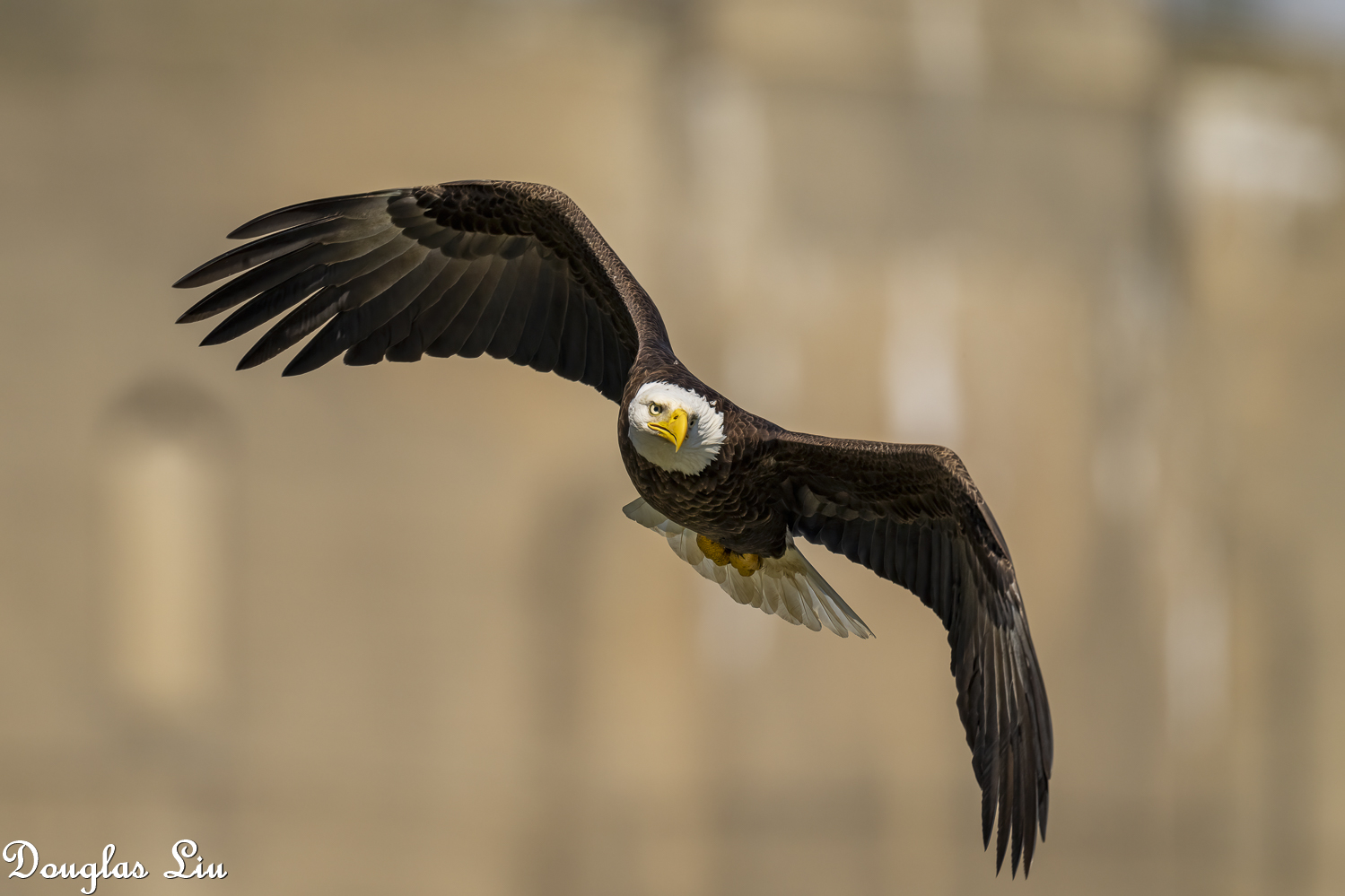
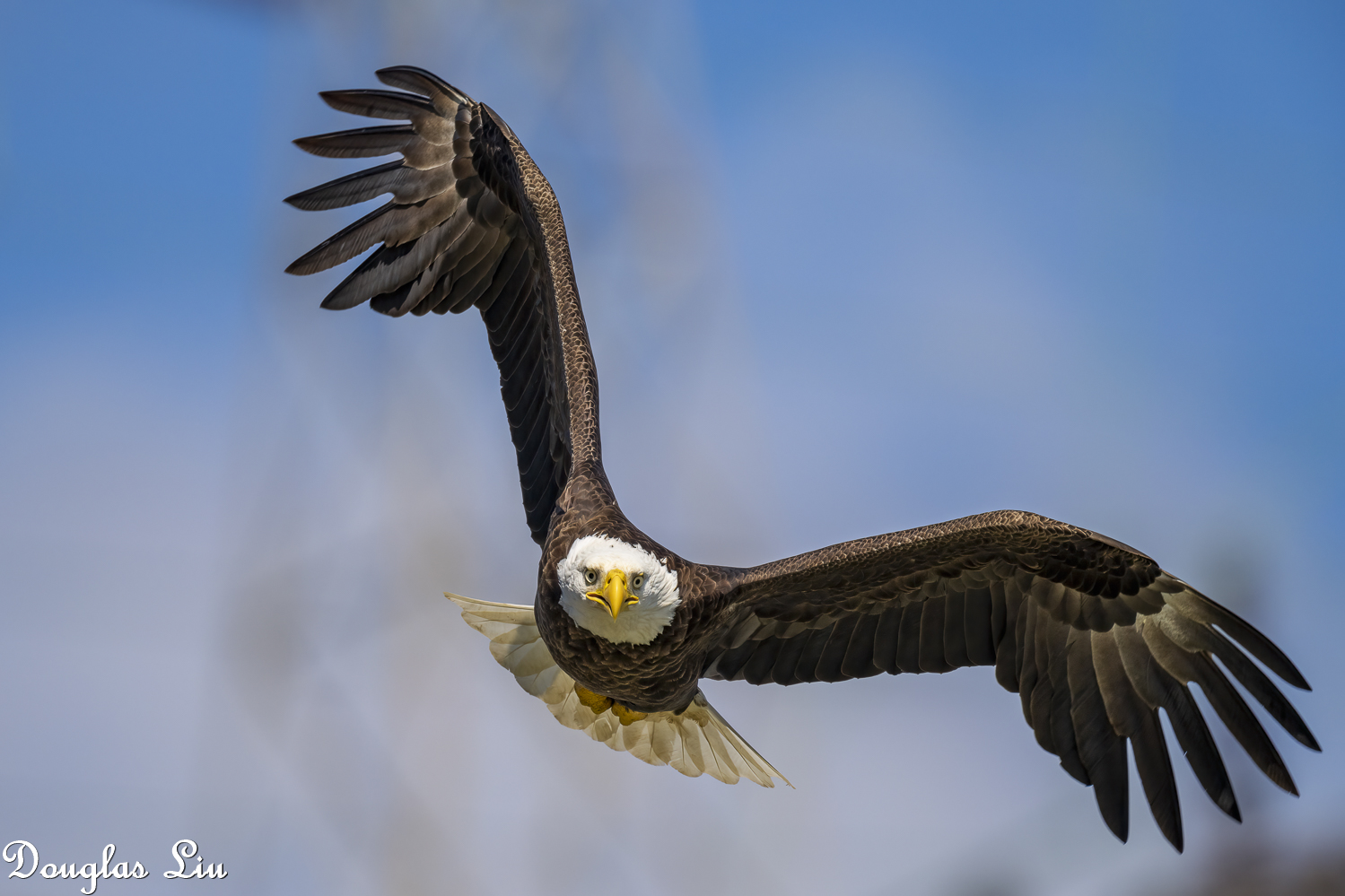
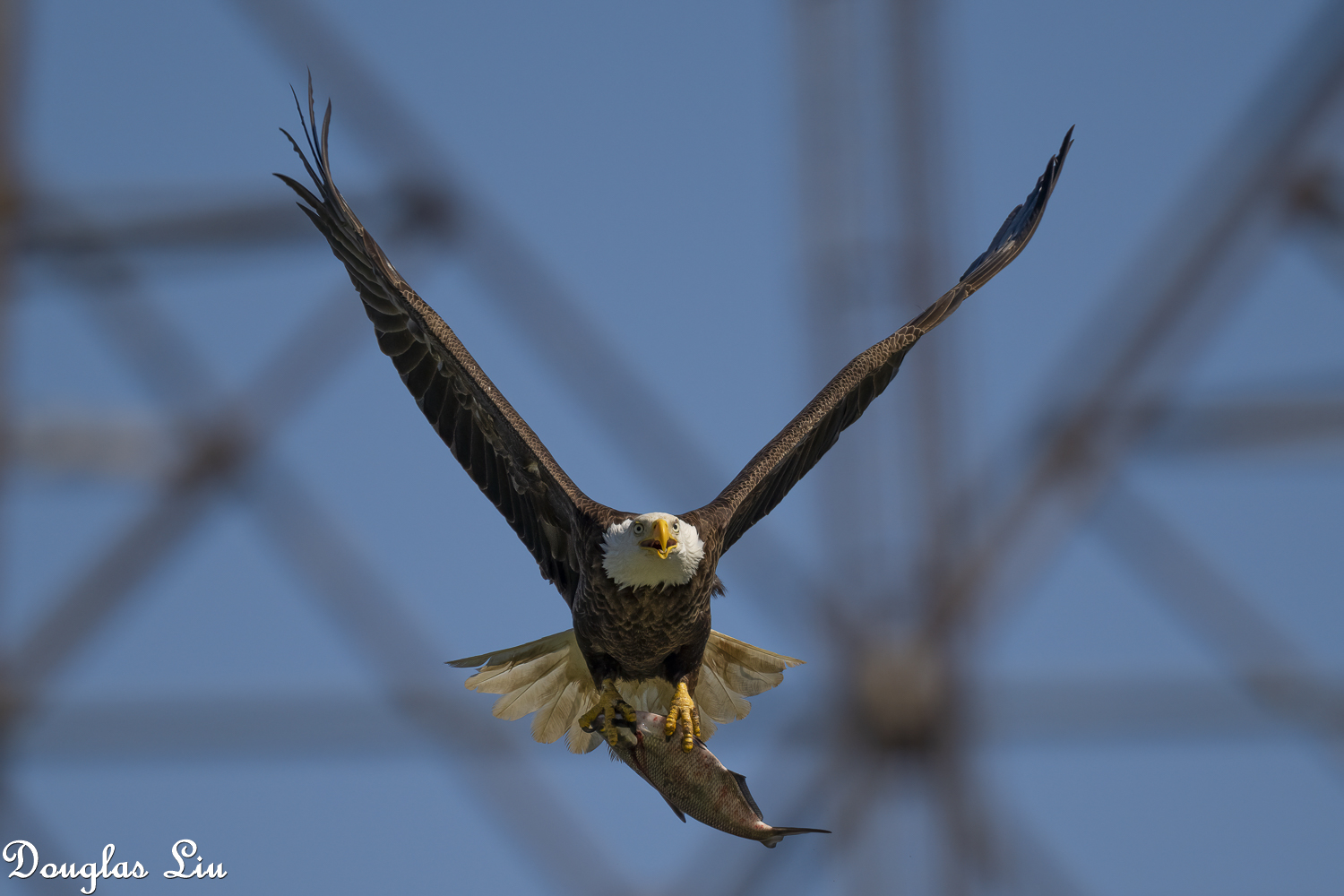
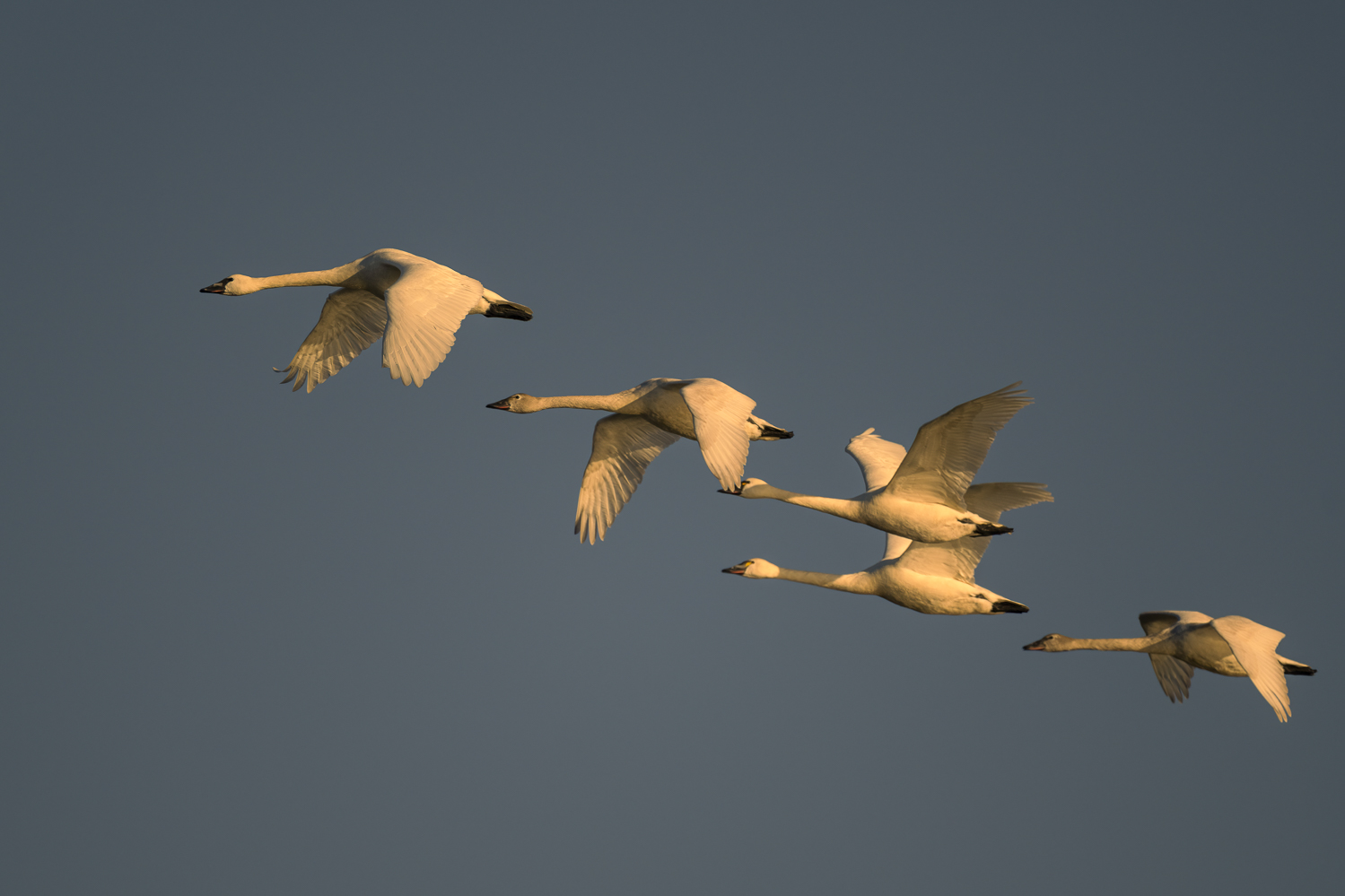
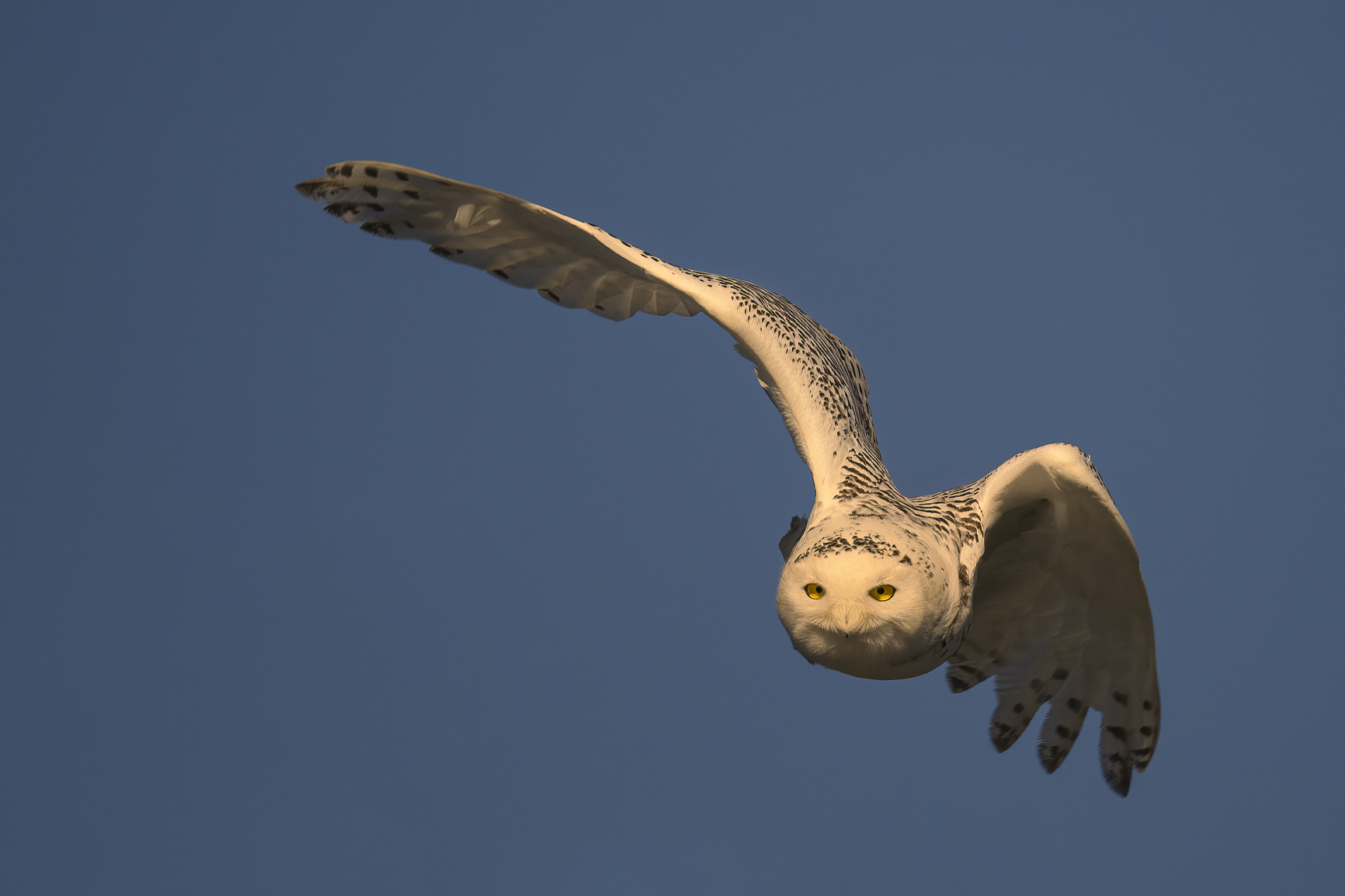
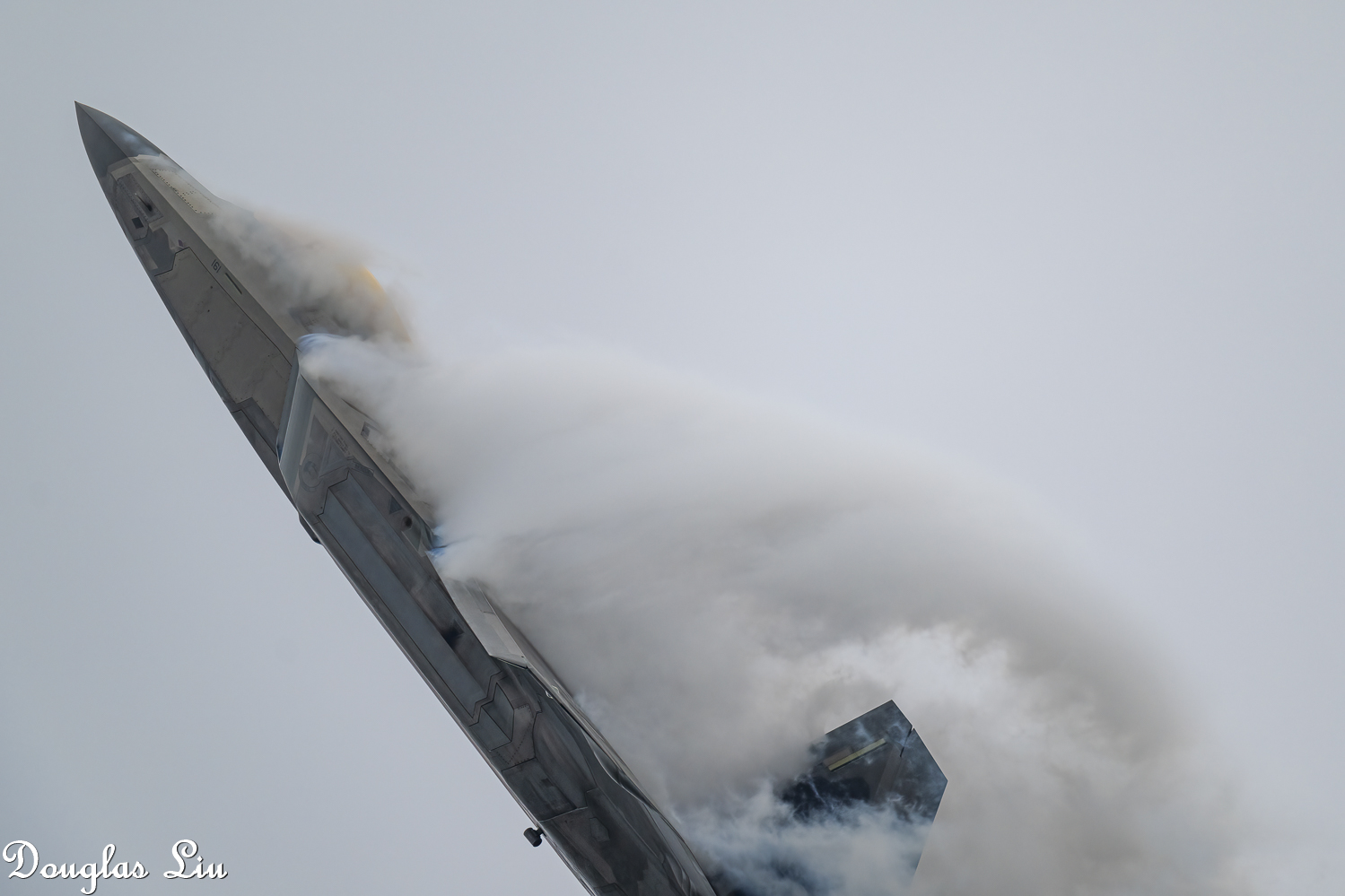
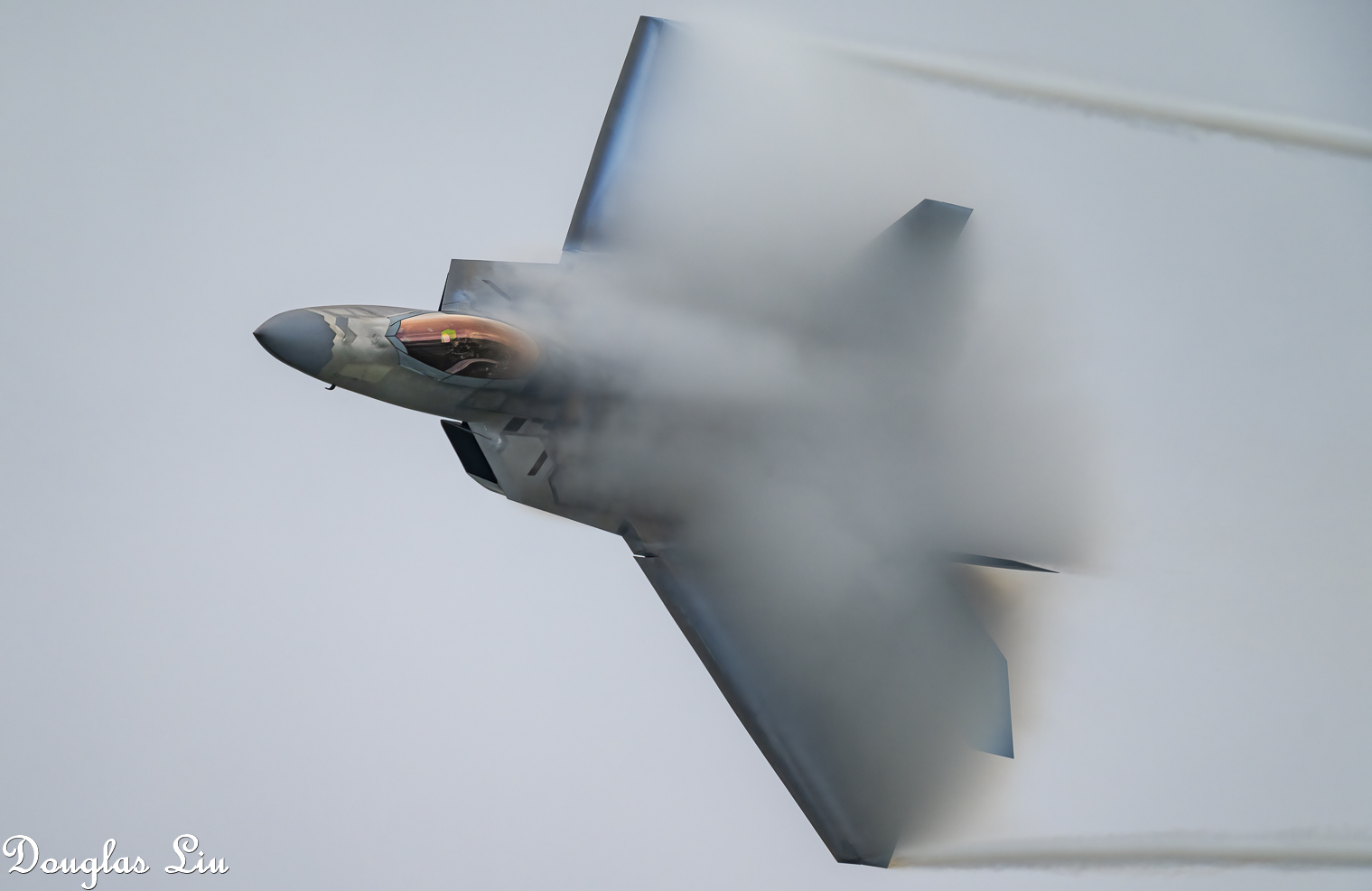
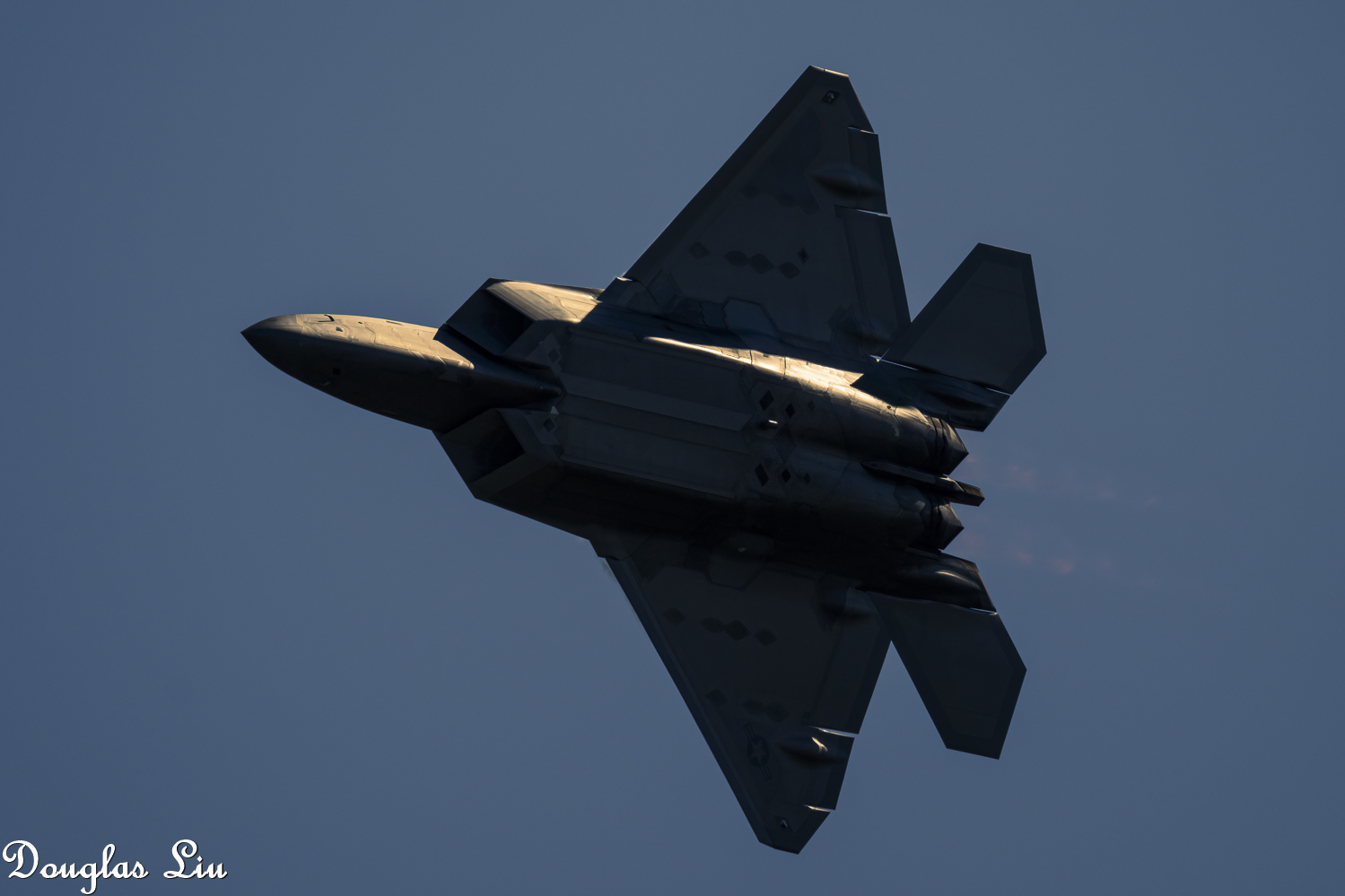
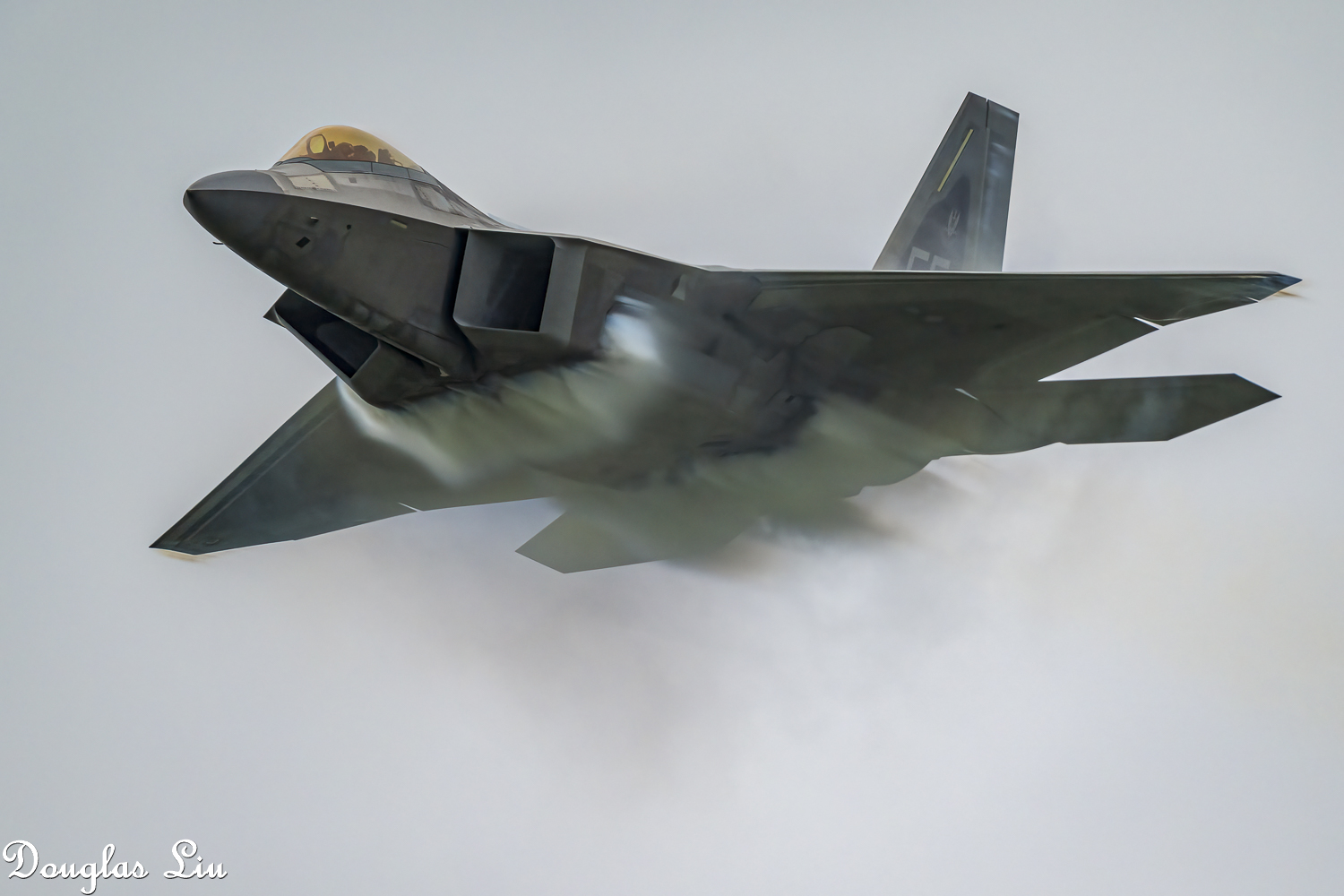
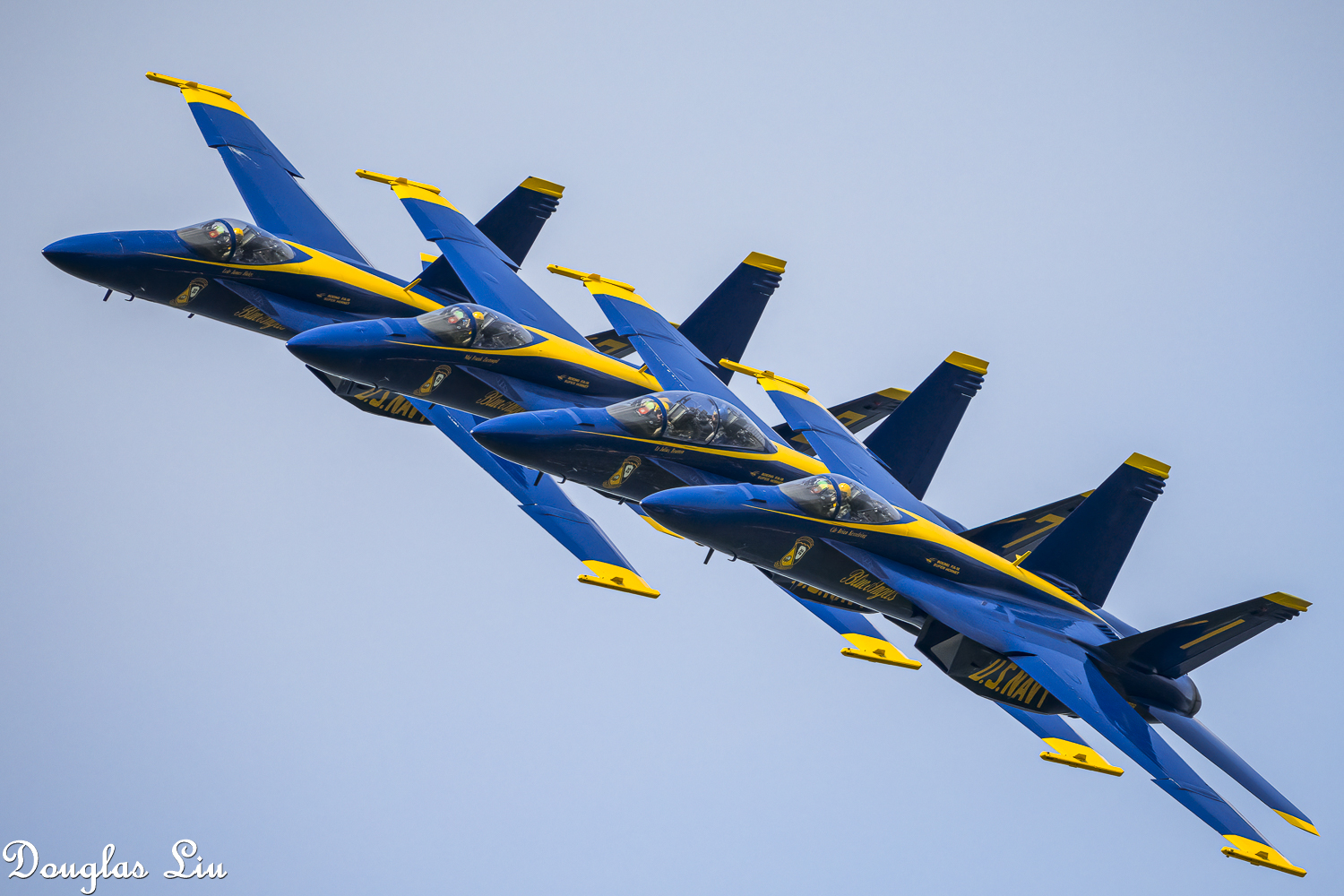
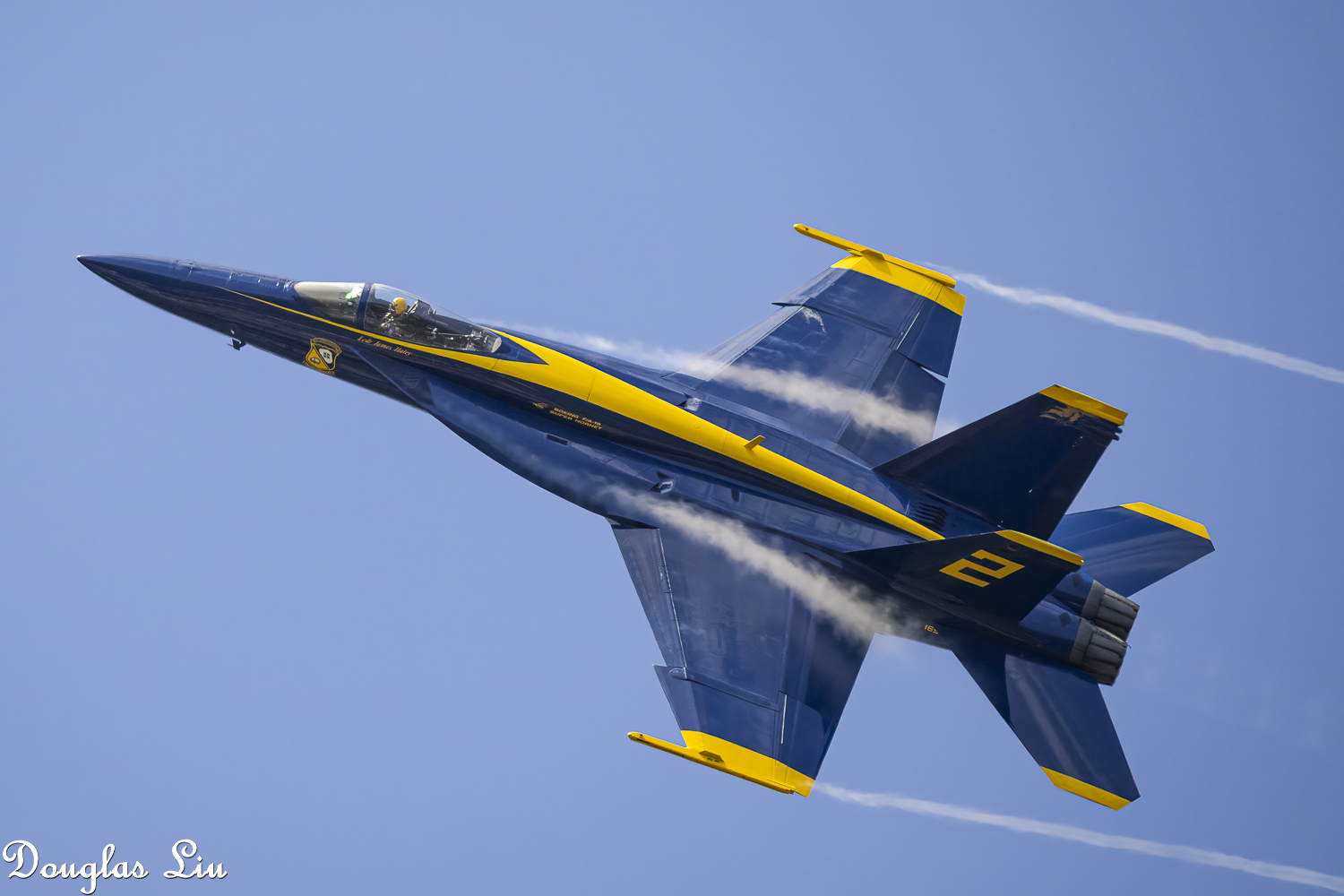
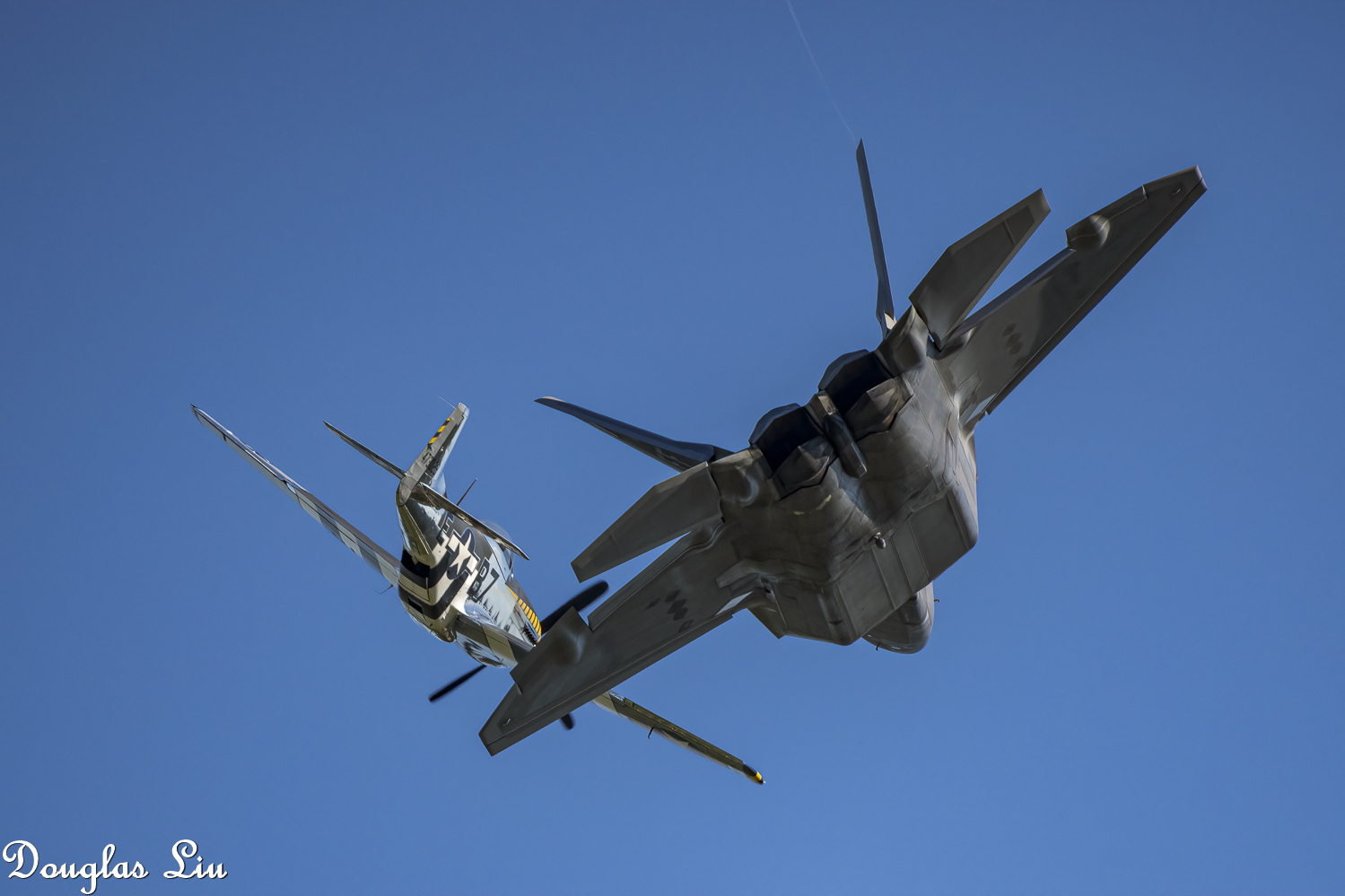
The pictures below were all shot under ISO 500, they would have been over exposed if the floor of the auto ISO range had been 500. In the midst of action, I know I will forget to adjust the shutter speed or aperture accordingly.
Thank you for posting this. Now I have set the auto ISO range to 500-10000
.Hmm...I can see the potential problem of setting the auto ISO to 500 and above for my usage. When I shoot birds or fighter jets in flight, I use manual shutter speed (say 1/3200 or 1/2500), manual aperture, and auto ISO. In bright light if the min. ISO is 500, and I don't have time or forget to adjust the shutter speed or the aperture, the shot will be over exposed.
The pictures below were all shot under ISO 500, they would have been over exposed if the floor of the auto ISO range had been 500. In the midst of action, I know I will forget to adjust the shutter speed or aperture accordingly.
 |
||
 |
||
|
|
||
 |
||
|
|
||
 |
||
|
|
||
 |
||
|
|
||
 |
||
|
Mar 31, 2022 at 04:10 AM
p.2 #4Do you take advantage of Sony's Dual Gain ISO ?
Gorgeous shots Douglas.
Mar 31, 2022 at 04:28 AM
p.2 #5Do you take advantage of Sony's Dual Gain ISO ?
Frogfish wrote:
Gorgeous shots Douglas.
Thank you Kevin! Hope the new COVID restriction in Shanghai is not affecting you too much.
I just took a quick look at some of the airshow pictures from last year, a fair number were shot at auto ISO below 500. They would have been over exposed too if the auto ISO floor had been set to 500.
I think FOR MY usage, I better set the auto ISO floor to 100, and increase the shutter speed to get the ISO above 500 if needed, it's a lot easier to change the shutter speed than the ISO. It's good to know that ISO 500 is better than ISO 160-400 in the A1, and I will make a mental note of that and adjust the ISO to above 500 whenever practical.
|
||
 |
||
|
|
||
 |
||
|
|
||
 |
||
|
|
||
 |
||
|
|
||
 |
||
|
|
||
 |
||
|
|
||
 |
||
|
Mar 31, 2022 at 05:17 AM
p.2 #6Do you take advantage of Sony's Dual Gain ISO ?
Douglas L wrote:
.Hmm...I can see the potential problem of setting the auto ISO to 500 and above for my usage. When I shoot birds or fighter jets in flight, I use manual shutter speed (say 1/3200 or 1/2500), manual aperture, and auto ISO. In bright light if the min. ISO is 500, and I don't have time or forget to adjust the shutter speed or the aperture, the shot will be over exposed.
The pictures below were all shot under ISO 500, they would have been over exposed if the floor of the auto ISO range had been 500. In the midst...Show more →
If I use this approach with the A1, I usually set the ISO to 500. Not Auto ISO starting at ISO 500. I use Aperture Priority with the ISO set to 500. Easy to test ISO 500 with AP to see if the ambient light results in fast enough shutter speeds for BIF before you begin shooting.
Of course you can use whatever approach works best for you and then clean up any noise if needed in post. What I have learned to do to maximize DR and less noise using dual gain ISO setting is just one approach to consider.
Douglas L wrote
Thank you for posting this. Now I have set the auto ISO range to 500-10000.The pictures below were all shot under ISO 500, they would have been over exposed if the floor of the auto ISO range had been 500. In the midst...Show more →
If I use this approach with the A1, I usually set the ISO to 500. Not Auto ISO starting at ISO 500. I use Aperture Priority with the ISO set to 500. Easy to test ISO 500 with AP to see if the ambient light results in fast enough shutter speeds for BIF before you begin shooting.
Of course you can use whatever approach works best for you and then clean up any noise if needed in post. What I have learned to do to maximize DR and less noise using dual gain ISO setting is just one approach to consider.
Mar 31, 2022 at 05:28 AM
p.2 #7Do you take advantage of Sony's Dual Gain ISO ?
Douglas L wrote:
Thank you Kevin! Hope the new COVID restriction in Shanghai is not affecting you too much.
I just took a quick look at some of the airshow pictures from last year, a fair number were shot at auto ISO below 500. They would have been over exposed too if the auto ISO floor had been set to 500.
I think FOR MY usage, I better set the auto ISO floor to 100, and increase the shutter speed to get the ISO above 500 if needed, it's a lot easier to change the shutter speed than the ISO. It's good to know...Show more →
More stunning shots Douglas !
Haha well my wife and I have had about 8 PCR or lateral flow tests in the past 14 days of on/off/on again lockdowns (we were let out for 2 hours to buy food today - yay) ! Another test tomorrow morning, sigh. Pointless. At least we have a lovely large garden and the wonderful mosquito-less Spring weather has been awesome, I feel sorry for those stuck in apartments.
I've also had tons of time to work on the new Kaleidoscope Shanghai (see Instagram) magazine (hard copy & PDF subscriptions) and my book, Sleeping with a Million Ghosts (refers to sleeping on the Great Wall), without being distracted by new shoots
Frogfish wrote
Gorgeous shots Douglas.I just took a quick look at some of the airshow pictures from last year, a fair number were shot at auto ISO below 500. They would have been over exposed too if the auto ISO floor had been set to 500.
I think FOR MY usage, I better set the auto ISO floor to 100, and increase the shutter speed to get the ISO above 500 if needed, it's a lot easier to change the shutter speed than the ISO. It's good to know...Show more →
More stunning shots Douglas !
Haha well my wife and I have had about 8 PCR or lateral flow tests in the past 14 days of on/off/on again lockdowns (we were let out for 2 hours to buy food today - yay) ! Another test tomorrow morning, sigh. Pointless. At least we have a lovely large garden and the wonderful mosquito-less Spring weather has been awesome, I feel sorry for those stuck in apartments.
I've also had tons of time to work on the new Kaleidoscope Shanghai (see Instagram) magazine (hard copy & PDF subscriptions) and my book, Sleeping with a Million Ghosts (refers to sleeping on the Great Wall), without being distracted by new shoots
Mar 31, 2022 at 05:52 AM
p.2 #8Do you take advantage of Sony's Dual Gain ISO ?
LBJ2 wrote:
When I went shooting with my a7III, and my a9, my shots at iso 500 would always take more work in processing.
I now understand whyYou read up on stuff when you are buying the camera then it gets filed away with the package lol, I have something in the back of my head that remembers that on my A9 if you are pushing the iso you may as well go strength to 640 as it’s cleaner than 200 to 640 due to this factor, then it’s linear after that, I will have to Google it now to make sure I am not making it up,ISO 640 was almost always my go-to setting for A9 BIF outings.
For me it has been more like ISO6400 At least in wintertime. Nordic winter is dark.
I use the dual more in landscape type of photography with A7r3. It gives slight improvement when light is not enough but I must avoid long shutter times.
I do not take it the dual gain too seriously. For an example in portraits etc image quality is anyway good enough at the low(ish) ISO. As said, a landscape can be more critical.
Uncle Chip wrote
davev wrote
I had heard about the duel gain iso, although I understood it, I never changed the way I shot.When I went shooting with my a7III, and my a9, my shots at iso 500 would always take more work in processing.
I now understand why
For me it has been more like ISO6400
At least in wintertime. Nordic winter is dark.I use the dual more in landscape type of photography with A7r3. It gives slight improvement when light is not enough but I must avoid long shutter times.
I do not take it the dual gain too seriously. For an example in portraits etc image quality is anyway good enough at the low(ish) ISO. As said, a landscape can be more critical.
Mar 31, 2022 at 11:40 AM

p.2 #9Do you take advantage of Sony's Dual Gain ISO ?
Douglas L wrote:
Thank you Kevin! Hope the new COVID restriction in Shanghai is not affecting you too much.
I just took a quick look at some of the airshow pictures from last year, a fair number were shot at auto ISO below 500. They would have been over exposed too if the auto ISO floor had been set to 500.
I think FOR MY usage, I better set the auto ISO floor to 100, and increase the shutter speed to get the ISO above 500 if needed, it's a lot easier to change the shutter speed than the ISO. It's good to know...Show more →
Doug, what I will be doing starting tomorrow on a planned birding trip is to use the AF-On button for regular shooting with Auto-ISO and fast shutter speed (set normally to 1/2000sec), like what I have been doing but I will change my Custom Recall Hold setting (programmed in onto the AE-L buttton) for mostly perched conditions to reflect ISO 500 as the base ISO. I had set the base ISO at 320 up to this point. I will get a faster shutter speed that way, too, which is always great to minimize movement further. I realize that your “iron birds” do not perch however .
Frogfish wrote
Gorgeous shots Douglas.I just took a quick look at some of the airshow pictures from last year, a fair number were shot at auto ISO below 500. They would have been over exposed too if the auto ISO floor had been set to 500.
I think FOR MY usage, I better set the auto ISO floor to 100, and increase the shutter speed to get the ISO above 500 if needed, it's a lot easier to change the shutter speed than the ISO. It's good to know...Show more →
Doug, what I will be doing starting tomorrow on a planned birding trip is to use the AF-On button for regular shooting with Auto-ISO and fast shutter speed (set normally to 1/2000sec), like what I have been doing but I will change my Custom Recall Hold setting (programmed in onto the AE-L buttton) for mostly perched conditions to reflect ISO 500 as the base ISO. I had set the base ISO at 320 up to this point. I will get a faster shutter speed that way, too, which is always great to minimize movement further. I realize that your “iron birds” do not perch however
. Mar 31, 2022 at 11:53 AM
p.2 #10Do you take advantage of Sony's Dual Gain ISO ?
Frogfish wrote:
Thank you Kevin! Hope the new COVID restriction in Shanghai is not affecting you too much.
I just took a quick look at some of the airshow pictures from last year, a fair number were shot at auto ISO below 500. They would have been over exposed too if the auto ISO floor had been set to 500.
I think FOR MY usage, I better set the auto ISO floor to 100, and increase the shutter speed to get the ISO above 500 if needed, it's a lot easier to change the shutter speed than the ISO. It's good to know that ISO 500 is better than ISO 160-400 in the A1, and I will make a mental note of that and adjust the ISO to above 500 whenever practical.More stunning shots Douglas !
Haha well my wife and I have had about 8 PCR or lateral flow tests in the past 14 days of on/off/on again lockdowns (we were let out for 2 hours to buy food today - yay) ! Another test tomorrow morning, sigh. Pointless. At least we have a lovely large garden and the wonderful mosquito-less Spring weather has been awesome, I feel sorry for those stuck in apartments.
I've also had tons of time to work on the new Kaleidoscope Shanghai (see Instagram) magazine (hard copy & PDF subscriptions) and my book, Sleeping with a Million...Show more →
Thank you Kevin! All the best with situation in Shanghai, hope it will be over soon!
---------------------------------------------
AGeoJO wrote:
Thank you Kevin! Hope the new COVID restriction in Shanghai is not affecting you too much.
I just took a quick look at some of the airshow pictures from last year, a fair number were shot at auto ISO below 500. They would have been over exposed too if the auto ISO floor had been set to 500.
I think FOR MY usage, I better set the auto ISO floor to 100, and increase the shutter speed to get the ISO above 500 if needed, it's a lot easier to change the shutter speed than the ISO. It's good to know that ISO 500 is better than ISO 160-400 in the A1, and I will make a mental note of that and adjust the ISO to above 500 whenever practical.Doug, what I will be doing starting tomorrow on a planned birding trip is to use the AF-On button for regular shooting with Auto-ISO and fast shutter speed (set normally to 1/2000sec), like what I have been doing but I will change my Custom Recall Hold setting (programmed in onto the AE-L buttton) for mostly perched conditions to reflect ISO 500 as the base ISO. I had set the base ISO at 320 up to this point. I will get a faster shutter speed that way, too, which is always great to minimize movement further. I realize that your “iron...Show more →
Joshua, sounds like a plan! Good thing is that the newer Sony cameras are so customizable. Right now I have the auto ISO range set at 100-10000. I have the AF-On button to activate "wide" focus, the AEL button to activate large spot (tracking) focus. IF I notice the ISO is floating between 160-500, I will just use my index finger to increase the shutter speed to force the ISO above 500, should be pretty simple.
LBJ gave a very good advice, check the ambient light results before shooting, to have a general idea to to what the ideal exposure should be. Talking about "iron birds", There will be 3 airshows nearby (meaning less than 250 miles) in May that I will go to. Next week I will get to try out the new settings for the SpaceX launch at the Kennedy Space Center and birds in Florida, nowhere near as exotic as your south America birding trips.
Douglas L wrote
Frogfish wrote
Gorgeous shots Douglas.I just took a quick look at some of the airshow pictures from last year, a fair number were shot at auto ISO below 500. They would have been over exposed too if the auto ISO floor had been set to 500.
I think FOR MY usage, I better set the auto ISO floor to 100, and increase the shutter speed to get the ISO above 500 if needed, it's a lot easier to change the shutter speed than the ISO. It's good to know that ISO 500 is better than ISO 160-400 in the A1, and I will make a mental note of that and adjust the ISO to above 500 whenever practical.
Haha well my wife and I have had about 8 PCR or lateral flow tests in the past 14 days of on/off/on again lockdowns (we were let out for 2 hours to buy food today - yay) ! Another test tomorrow morning, sigh. Pointless. At least we have a lovely large garden and the wonderful mosquito-less Spring weather has been awesome, I feel sorry for those stuck in apartments.
I've also had tons of time to work on the new Kaleidoscope Shanghai (see Instagram) magazine (hard copy & PDF subscriptions) and my book, Sleeping with a Million...Show more →
Thank you Kevin! All the best with situation in Shanghai, hope it will be over soon!
---------------------------------------------
AGeoJO wrote:
Douglas L wrote
Frogfish wrote
Gorgeous shots Douglas.I just took a quick look at some of the airshow pictures from last year, a fair number were shot at auto ISO below 500. They would have been over exposed too if the auto ISO floor had been set to 500.
I think FOR MY usage, I better set the auto ISO floor to 100, and increase the shutter speed to get the ISO above 500 if needed, it's a lot easier to change the shutter speed than the ISO. It's good to know that ISO 500 is better than ISO 160-400 in the A1, and I will make a mental note of that and adjust the ISO to above 500 whenever practical.
Joshua, sounds like a plan! Good thing is that the newer Sony cameras are so customizable. Right now I have the auto ISO range set at 100-10000. I have the AF-On button to activate "wide" focus, the AEL button to activate large spot (tracking) focus. IF I notice the ISO is floating between 160-500, I will just use my index finger to increase the shutter speed to force the ISO above 500, should be pretty simple.
LBJ gave a very good advice, check the ambient light results before shooting, to have a general idea to to what the ideal exposure should be. Talking about "iron birds", There will be 3 airshows nearby (meaning less than 250 miles) in May that I will go to. Next week I will get to try out the new settings for the SpaceX launch at the Kennedy Space Center and birds in Florida, nowhere near as exotic as your south America birding trips.
Mar 31, 2022 at 07:44 PM
p.2 #11Do you take advantage of Sony's Dual Gain ISO ?
I definitely use dual gain for wildlife and have for a while.
I usually start early in the morning and almost always use full manual. When in full manual I almost always shoot wide open the whole time. Shutter starts off set to the slowest I think I can get away with enough of the time for the anticipated action. ISO starts out at whatever is required for correct enough exposure. This is usually a shutter of ~1/2000 and an ISO of ~3200 to start the day depending on time and weather. As the morning gets brighter, I decrease ISO and raise the SS. When ISO eventually drops to 500 (A1), I no longer drop the ISO anymore and instead just keep raising the shutter speed. This leads to some shots in bright light at ridiculous high shutter speeds and ISO 500. It is not uncommon for me to be at a shutter of ~1/10000 and ISO 500.
I do use manual with auto ISO sometimes. For that I just have the range set from ISO 100-10000 and don't worry too much about it. I would rather have the right ISO be available rather than completely blow an exposure in that situation.
Mar 31, 2022 at 10:51 PM
p.2 #12Do you take advantage of Sony's Dual Gain ISO ?
I'll have to be deliberate next time I'm out shooting wildlife and see if I notice a difference. The noise and DR are so good on the lower MP Sony bodies that I've never given ISO too much attention as long as it wasn't climbing out of control. None of my results are nearly as good as Douglas' of course, but for my own purposes it hasn't slowed me down to ignore it in normal early morning light.
Apr 01, 2022 at 09:48 AM
p.2 #13Do you take advantage of Sony's Dual Gain ISO ?
I also use dual gain and have ISO AUTO set to start from 500 when looking at birds with the A1+200-600
This is to avoid the ISO falling into the 200 - 400 range on the one hand, and to avoid deciding the SS while shooting in the A mode, on the other hand. I also have the SS 1/3200 and the related settings programmed to be recalled at a push of a button for those situations when my current SS on camera is not fast enough. On a sunny day and at f/6.3 the SS is naturally at or around 1/2000.
This is to avoid the ISO falling into the 200 - 400 range on the one hand, and to avoid deciding the SS while shooting in the A mode, on the other hand. I also have the SS 1/3200 and the related settings programmed to be recalled at a push of a button for those situations when my current SS on camera is not fast enough. On a sunny day and at f/6.3 the SS is naturally at or around 1/2000.
Apr 01, 2022 at 11:15 AM
p.2 #14Do you take advantage of Sony's Dual Gain ISO ?
I wish this post could be a sticky...it's one of the most valuable I've read! Based on my years of shooting Nikon pro DSLRs, ISO 400 was my default setting. But according to the Photonstophotos.net site, 400 is noisier than any ISO below 2000 on my A1, and I'll certainly be avoiding it from now on.
Thanks for this!
Thanks for this!
Apr 01, 2022 at 11:18 AM
p.2 #15Do you take advantage of Sony's Dual Gain ISO ?
I use the A7SIII as a hybrid shooter
For video, I use the dual ISO switch at 12800 in S-LOG3 daily and very conciously. Fantastic in the results, very complex in everyday use in combination with ND filters. The second gain circuit is a tremendous gain, nutch nutch.
For photo, I was not aware that there is a second ISO. So I too, thought 'most important video I have seen in years, this will change my photography with the A7SIII forever'.
Made the test. Did everything as described. Result exactly as shown here. Excitement through the roof.
For the A7SIII, doing this test, the second gain kicks in at 1600. The difference in noise between 1250 and 1600 is tremendous with this black lens cap method. The noise of 1600 is roughly like 160. And 10.000 looks like 1000. You get the picture, nutch nutch.
Hooray! But wait, riddle me this....
I looked through all my pictures I did over the last year. And filtered all with 1250 and 1600 ISO. I looked for images that are literally identical in content, but just differ in these two ISO values.
The real world pictures with ISO 1250 and 1600 look IDENTICAL in noise. IDENTICAL. Huh ?
(Identical in the sense that I wouldn't stand a blind AB test. Might differ the expected factual few percent from 1250 to 1600)
5 stops overexposed in Lightroom, just like I did in the test. Looking at crushed shadows in the picture. Removed all noise reduction in LR.
IDENTICAL.
I don't understand. Help me understand.
Edited on Apr 01, 2022 at 03:50 PM · View previous versions
For video, I use the dual ISO switch at 12800 in S-LOG3 daily and very conciously. Fantastic in the results, very complex in everyday use in combination with ND filters. The second gain circuit is a tremendous gain, nutch nutch.
For photo, I was not aware that there is a second ISO. So I too, thought 'most important video I have seen in years, this will change my photography with the A7SIII forever'.
Made the test. Did everything as described. Result exactly as shown here. Excitement through the roof.
For the A7SIII, doing this test, the second gain kicks in at 1600. The difference in noise between 1250 and 1600 is tremendous with this black lens cap method. The noise of 1600 is roughly like 160. And 10.000 looks like 1000. You get the picture, nutch nutch.
Hooray! But wait, riddle me this....
I looked through all my pictures I did over the last year. And filtered all with 1250 and 1600 ISO. I looked for images that are literally identical in content, but just differ in these two ISO values.
The real world pictures with ISO 1250 and 1600 look IDENTICAL in noise. IDENTICAL. Huh
?(Identical in the sense that I wouldn't stand a blind AB test. Might differ the expected factual few percent from 1250 to 1600)
5 stops overexposed in Lightroom, just like I did in the test. Looking at crushed shadows in the picture. Removed all noise reduction in LR.
IDENTICAL.
I don't understand. Help me understand.
Edited on Apr 01, 2022 at 03:50 PM · View previous versions
Apr 01, 2022 at 03:36 PM
p.2 #16Do you take advantage of Sony's Dual Gain ISO ?
LBJ2 wrote:
When I went shooting with my a7III, and my a9, my shots at iso 500 would always take more work in processing.
I now understand whyYou read up on stuff when you are buying the camera then it gets filed away with the package lol, I have something in the back of my head that remembers that on my A9 if you are pushing the iso you may as well go strength to 640 as it’s cleaner than 200 to 640 due to this factor, then it’s linear after that, I will have to Google it now to make sure I am not making it up,ISO 640 was almost always my go-to setting for A9 BIF outings.
I regularly use ISO 640 on my A9. I have other cameras that I typically use at lower ISOs, so I almost never use anything lower than ISO 640.
Uncle Chip wrote
davev wrote
I had heard about the duel gain iso, although I understood it, I never changed the way I shot.When I went shooting with my a7III, and my a9, my shots at iso 500 would always take more work in processing.
I now understand why
I regularly use ISO 640 on my A9. I have other cameras that I typically use at lower ISOs, so I almost never use anything lower than ISO 640.
Apr 01, 2022 at 03:49 PM
p.2 #17Do you take advantage of Sony's Dual Gain ISO ?
TGPhotography wrote:
I definitely use dual gain for wildlife and have for a while.
I usually start early in the morning and almost always use full manual. When in full manual I almost always shoot wide open the whole time. Shutter starts off set to the slowest I think I can get away with enough of the time for the anticipated action. ISO starts out at whatever is required for correct enough exposure. This is usually a shutter of ~1/2000 and an ISO of ~3200 to start the day depending on time and weather. As the morning gets brighter, I decrease ISO and...Show more →
Keep in mind there's a tradeoff between the lower read noise from using the dual-gain ISO (ISO 500 for your A1) and increased shot noise from using a faster shutter speed (less light on sensor). Read noise dominates in the very deep shadows, whereas shot noise is seen starting in the lower midtones and up. Lower read noise means less deep shadow noise, which is helpful when exposing for highlights, which shifts the captured shadows lower, which are then brought back up in post. In other words, a high DR scene like a dark bird on a bright background. However, ISO 100 still has greater DR than ISO 500 on the A1, and lower shot noise (midtones+) as well from the slower shutter speed (2.3EV more light). In other words, if the lighting permits shooting @ ISO 100 for your required shutter speed then you definitely want to use it. Even ISO 200 has greater DR than ISO 500 - slightly higher read noise but offset by the greater sensor well capacity.
It's really at ISO 250-320 where you want to make the switch to ISO 500, where you can then leave it for maximum DR.
Apr 01, 2022 at 06:16 PM
p.2 #18Do you take advantage of Sony's Dual Gain ISO ?
Bokehddicted wrote:
I use the A7SIII as a hybrid shooter
For video, I use the dual ISO switch at 12800 in S-LOG3 daily and very conciously. Fantastic in the results, very complex in everyday use in combination with ND filters. The second gain circuit is a tremendous gain, nutch nutch.
For photo, I was not aware that there is a second ISO. So I too, thought 'most important video I have seen in years, this will change my photography with the A7SIII forever'.
Made the test. Did everything as described. Result exactly as shown here. Excitement through the roof.
For the A7SIII, doing this test, the...Show more →
When you take a photo with the lens cap on and then push the exposure in post the noise that's visible is read noise, which is electronic noise caused by the process of reading out pixels from the sensor. This noise is mostly visible at very low signal levels so the benefit from the dual-gain ISO step is much easier to see for the lens cap test, which has zero signal from light.
Real-world photos aren't completely black like the lens cap test. Astrophotography would be the closest you might get to that. More typical photos have higher signal levels from light sources in the scene (even in the deep shadows) and for that another source of noise source is shot noise, which is noise caused by the variation of the number of photons reaching the sensor at any given pixel. In real-world photos you'll be seeing a combination of shot and read noise, which makes differences in read noise from the dual-gain step less obvious.
Apr 02, 2022 at 02:49 AM