|
BidinTime
Offline
• •
[X]
|
 p.1 #18 · Has anyone done hummingbird multiflash photography with Olympus? p.1 #18 · Has anyone done hummingbird multiflash photography with Olympus? | |
GrandNagus50 wrote:
Ok, my comments here are not intended to start a big fight, just to suggest a different point of view from the previous few posts.
Let's face it: taking photos of birds disturbs them, almost inevitably. Unless we always hide in blinds or else have developed cloaks of invisibility, our presence with our rigs makes birds nervous and the closer we get the more likely they are to flee from us. We all become quite familiar with the "alert distance" for different kinds of birds. At best they tolerate our presence warily. We can rationalize that our creation of beautiful bird images promotes bird welfare somehow, but really, we are exploiting them for our own benefit, not theirs.
Within this context, people using electronic fill flash in daylight situations seems like a very small threat to bird welfare. Birds in the field and at feeding setups are largely focused on feeding or on interacting with other birds, they are not staring at our flash units and the flashes are peripheral to their awareness usually (not always; yes, we all have seen birds exhibit the startle response, but even then they usually come to ignore the flash after a few repetitions). The research that has been done on this subject has concluded that daylight fill flash with a single flash is not harmful to the birds (see, for example, https://www.naturettl.com/does-flash-photography-harm-animals/). It is pointed out here that many animals respond more negatively the mirror slap of a DSLR than to flash; should we ban the usage of DSLRs for bird photography? Actually, in group blind situations people using silent mirrorless cameras seem increasingly prone to being irritated by the 'rat-tat-tat' of DSLRs, especially if they are trying to take video.
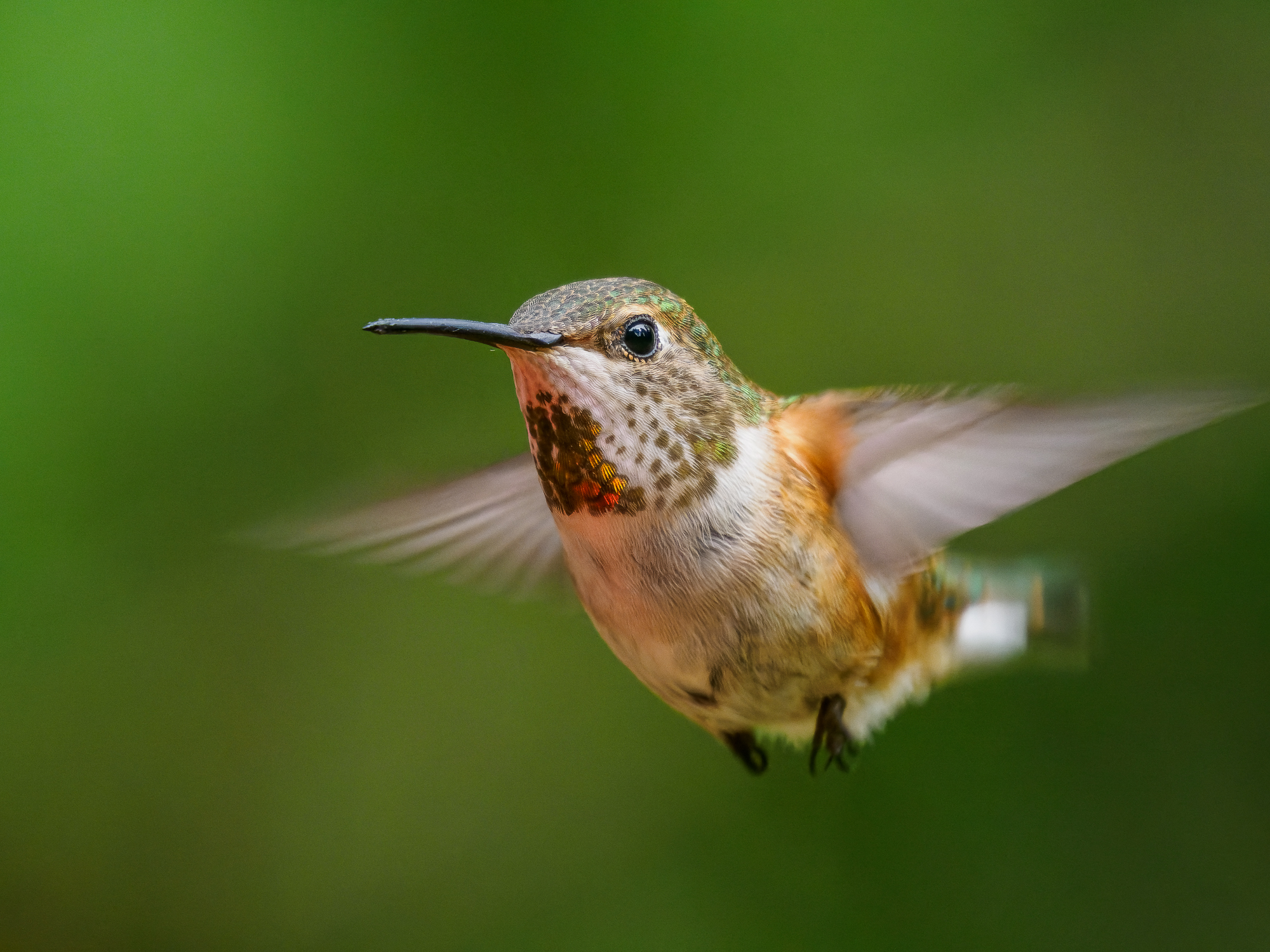
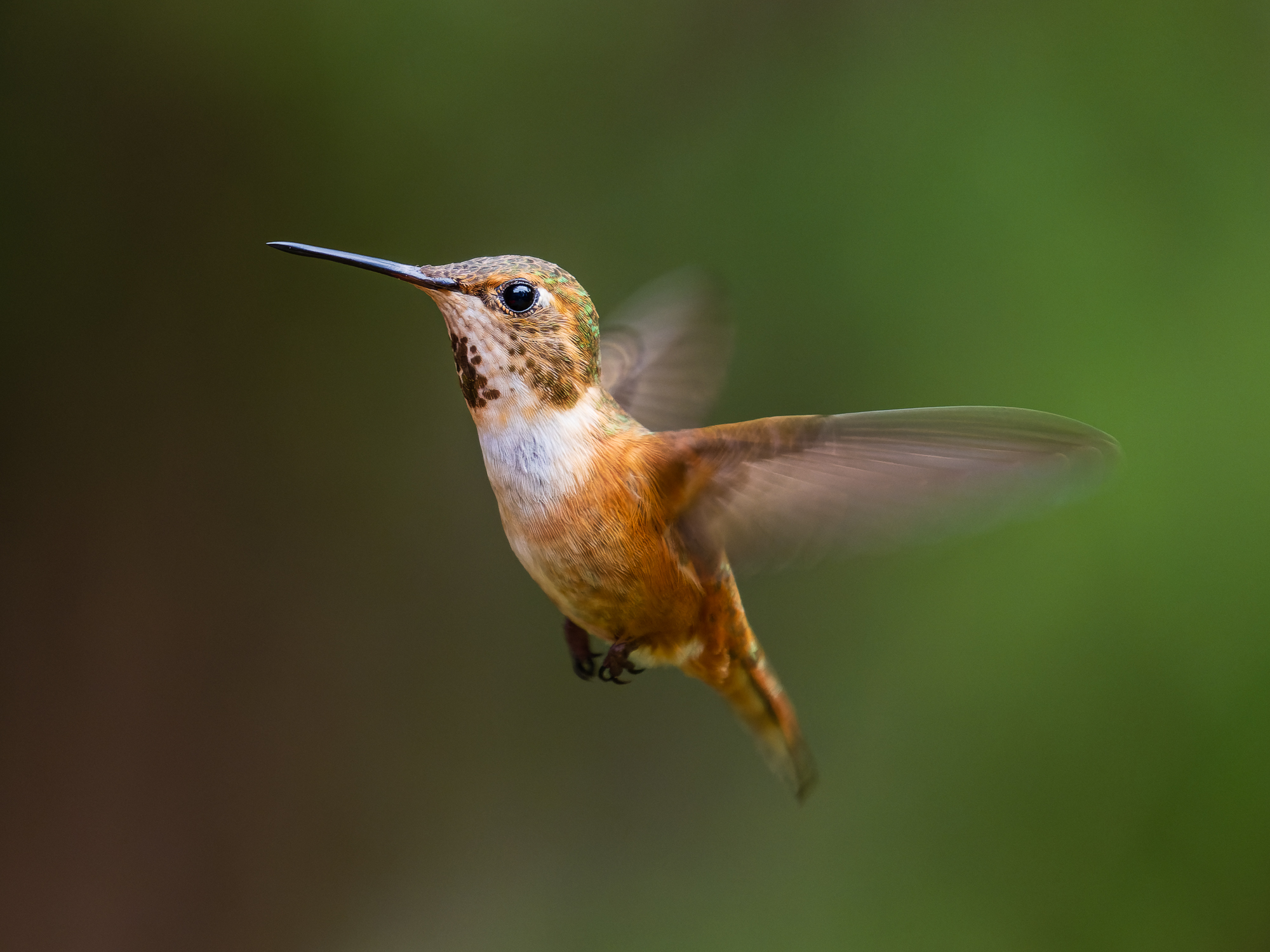
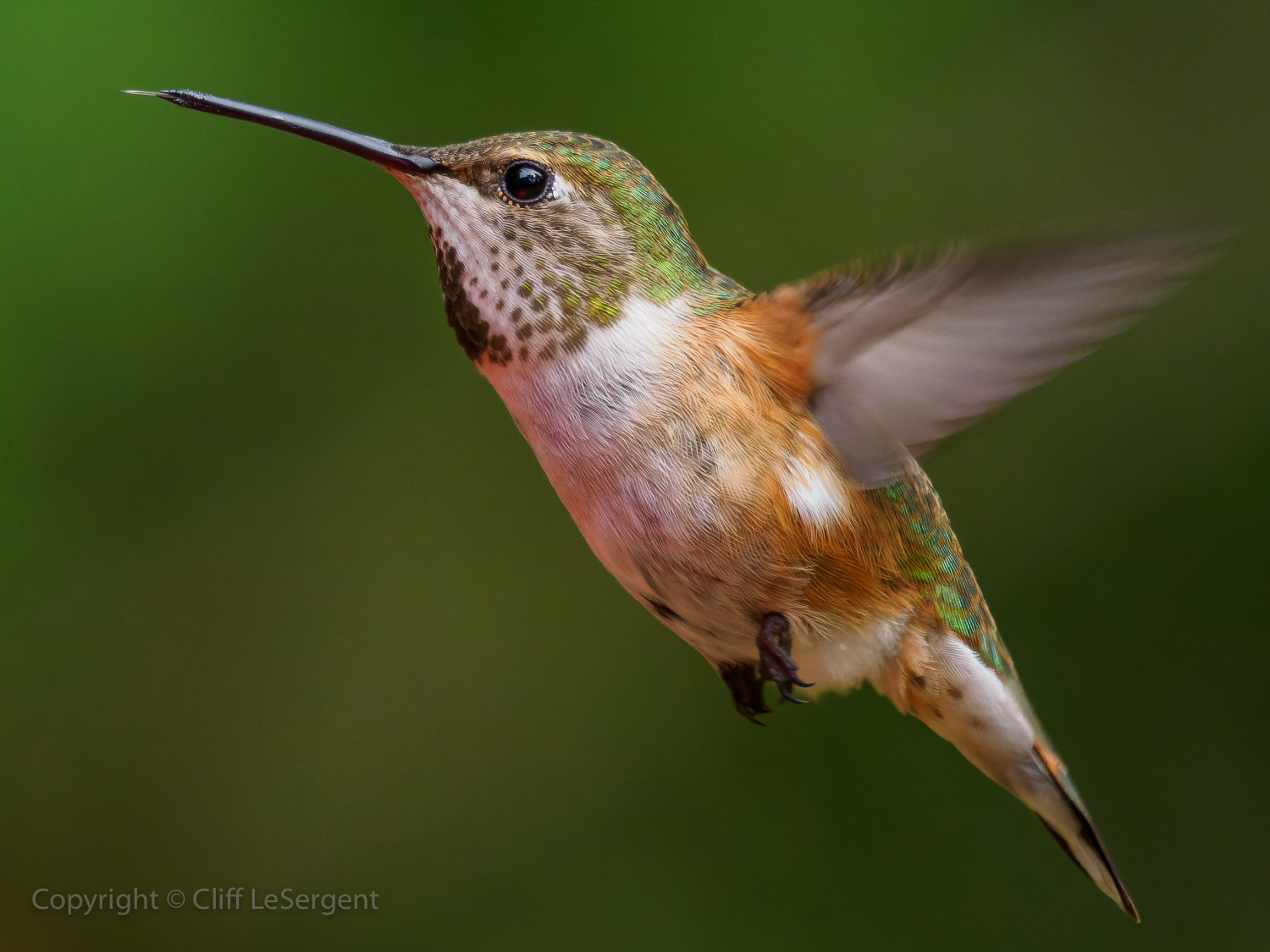
I would argue that hummingbird multiflash is not particularly harmful to them, either. Hummingbirds are pugnacious by nature and the biggest issue in these setups is the artificially cultivated aggression between birds trying to access and dominate the food source. The setups are (in all cases I know of) quite temporary and I doubt they affect the birds long-term. The case cited of a bird hitting a window is of concern, but who has not seen birds hit windows without any role played by a camera flash? Who can be sure that the flash in the bird's eyes was the reason it hit the window at all? Birds hitting windows is a big concern quite separately from fill flash use.
I do think that using flash at night on owls and nightjars and such is ethically questionable and I don't do it myself. What concerns me here is the vehemence of the condemnation of people using flash when the evidence for the harm done is anecdotal and flimsy, and then the associated trip down the slippery slope where this practice is (it seems) equated with all forms of artificial baiting. It is even suggested (maybe I am misinterpreting) that people setting up feeders in their yards is bad because it is "artificial," this within the context of all of the harm humans have done to birds' habitats and food sources otherwise.
We all make our individual ethical choices, but I think we might be more tolerant of choices made by other people, especially in cases where the alleged harm to wildlife is questionable. ...Show more →
Great example of whatsboutism. The topic is artificial lighting on birds. Not feeders, windows, or climate change. You're free to start another thread on those distractions, if you wish.
As far as I'm concerned, whitewashing harm (or even potential harm) to wildlife or the environment has no "opposing point of view." It's as invalid as accepting that "the earth could be flat but we really don't know." Although flat-earthers don't cause harm, unless you hurt yourself laughing at them.
There is absolutely no way that science can determine that flash is safe to use on any birds. We know that flash on us humans is a distraction, even when we know the causes and are prepared.
Birds walk a thin line for survival every minute of every day. Even a slight distraction can cause them to miss a feeding or mating opportunity, or be at risk from predators.
If you use flash on a bird and it eventually dies as a result, you won't know. You'll be at your computer doing post. BTW, birds in the wild seldom recover from their injuries. They just die or are more quickly/easily killed by predators.
Your "research" cites a photography website, not a birding site. What do you think they're going to say?
The Audubon Society says to use flash "sparingly" on birds, and not at all on nocturnal hunters. The Audubon Society has contests sponsored by companies that sell camera equipment, including flashes. IMO, that's why there is not a total recommendation against using flash. It's definitely a conflict of interest.
You're free to twist yourself onto knots to justify your actions. People do that all the time to continue poor behavior.
As an ethical nature photographer I feel it's important to learn about my subjects and use techniques that do no harm. Learning about your subjects is a great way to improve your photography, too.
Your bird pictures don't do anything whatsoever that helps the birds. Absolutely nothing. So why not do what you can to prevent harm?
If you take care to ensure birds' survival then it may not be as hard to find them.
|
| Apr 07, 2022 at 10:56 PM |
| |
|
 |