This squirrel came running towards me with a mouthful of nesting/den material. It then ran up a large fir tree that was just 5 feet away from me. Squirrels use old cavities in trees that are often abandoned by woodpeckers, but they will also build nests out on branches.
Just saw it coming at the last second, so it was underexposed by a couple of shots, even at ISO 12,800. Heavy crop,
Canon EOS R6m2RF100-400mm F5.6-8 IS USM + EXTENDER RF1.4x lens560mmf/11.01/1000s12800 ISO+1.0 EV
I rented the TC 1.4 yesterday but I'm not really convinced by the quality. If I compare my results with the photo of the Kingfisher it almost looks like a different lens. The R5 makes a lot of difference in this case I think. I'll keep my options open for now and will probably try out a RF 600 or 800 F11. Also consider the Sigma 150-600 but it's so heavy.
Imagemaster wrote:
This squirrel came running towards me with a mouthful of nesting/den material. It then ran up a large fir tree that was just 5 feet away from me. Squirrels use old cavities in trees that are often abandoned by woodpeckers, but they will also build nests out on branches.
Just saw it coming at the last second, so it was underexposed by a couple of shots, even at ISO 12,800. Heavy crop,
Ab_1959 wrote:
I must be doing something wrong here, my R6 and 100-400 can't be so much different....I hope
Most of the posters on FM are VERY good at what they do. That is the value of the forum to me at least because I can see how much further I have to go. Having said that what you also don't see is all the discarded images.
I think he’s questioning the height of the perch in the tree because it could perceived that you said the perch is 250ft up the tree, but I think you meant you were 250ft above sea level.
The perch IS 250 feet up in the tree. There are many Douglas Firs around here that height and higher.
Coast Douglas-fir (Pseudotsuga menziesii menziesii) commonly reach 250 feet tall and 5 to 7 feet wide, though maximum heights can reach well over 300 feet and diameters can reach 15 to 18 feet.
jpeter wrote:
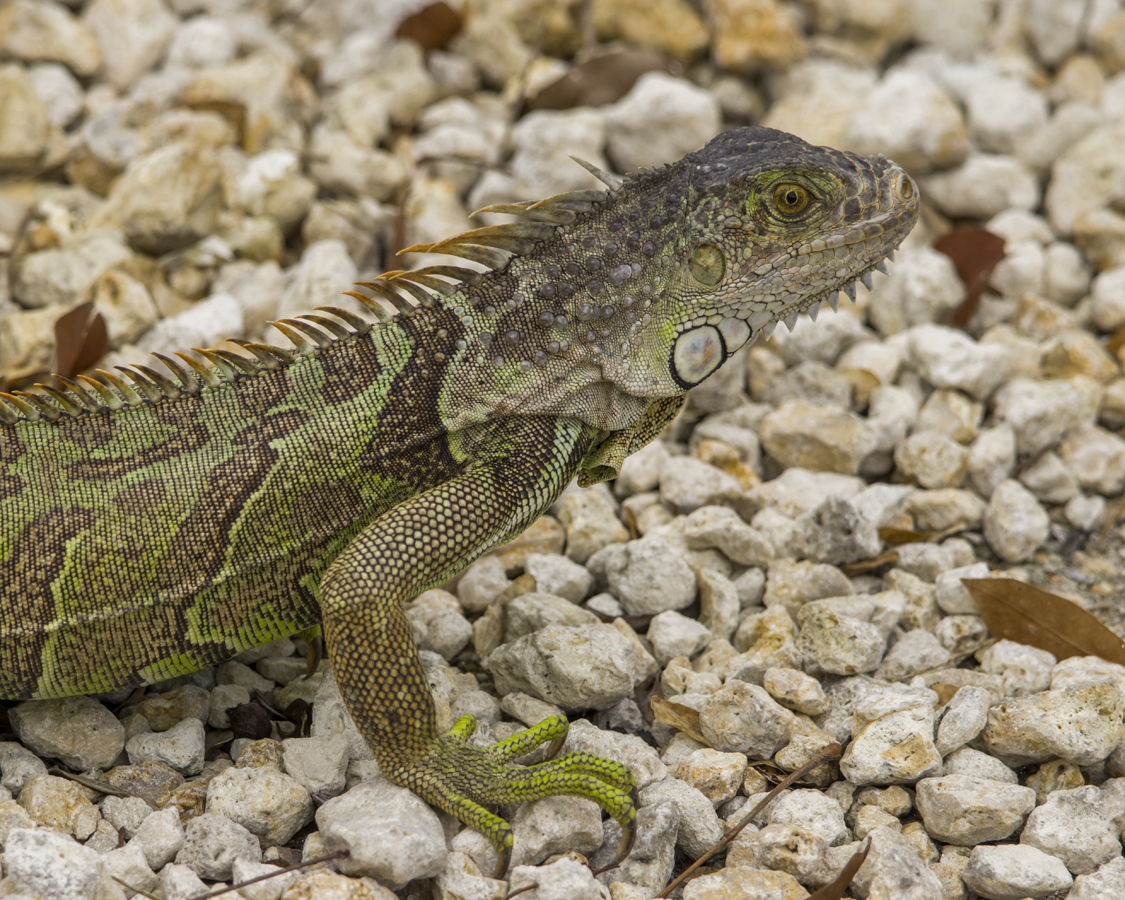
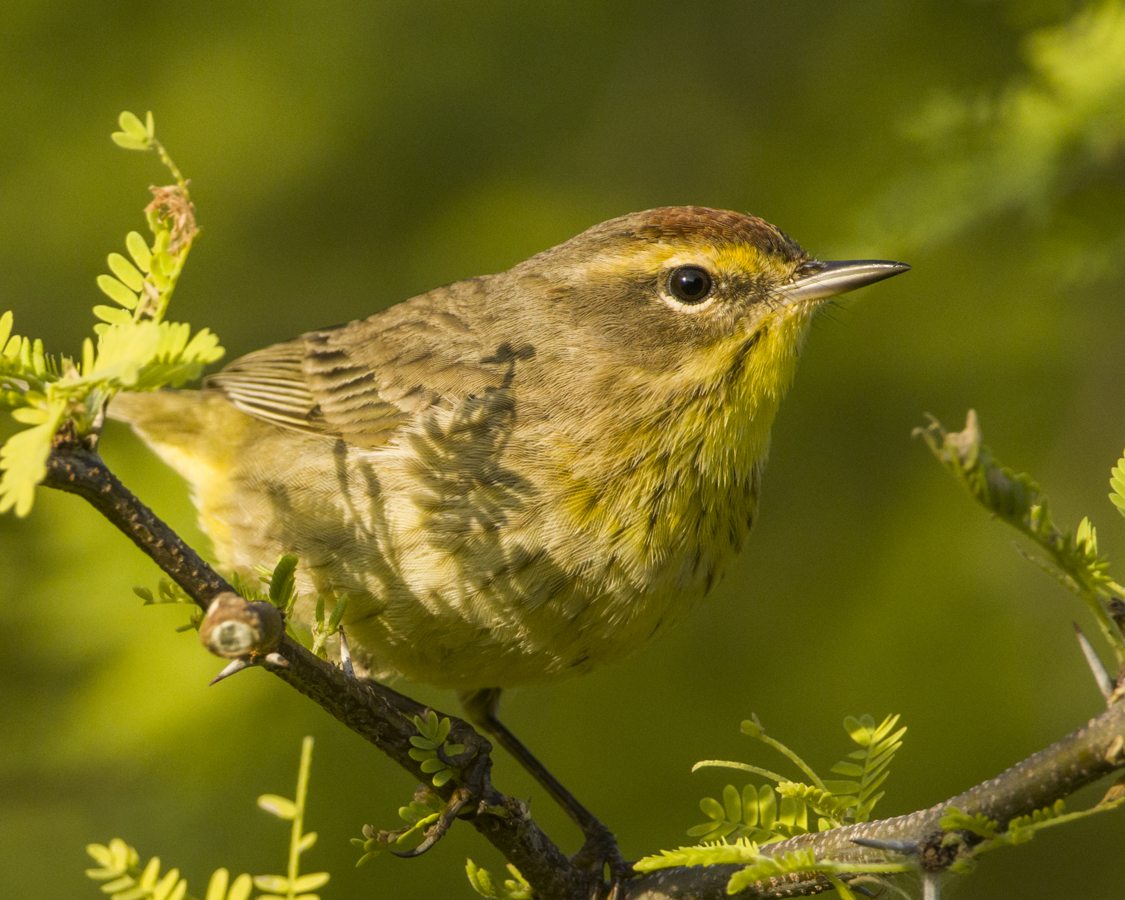
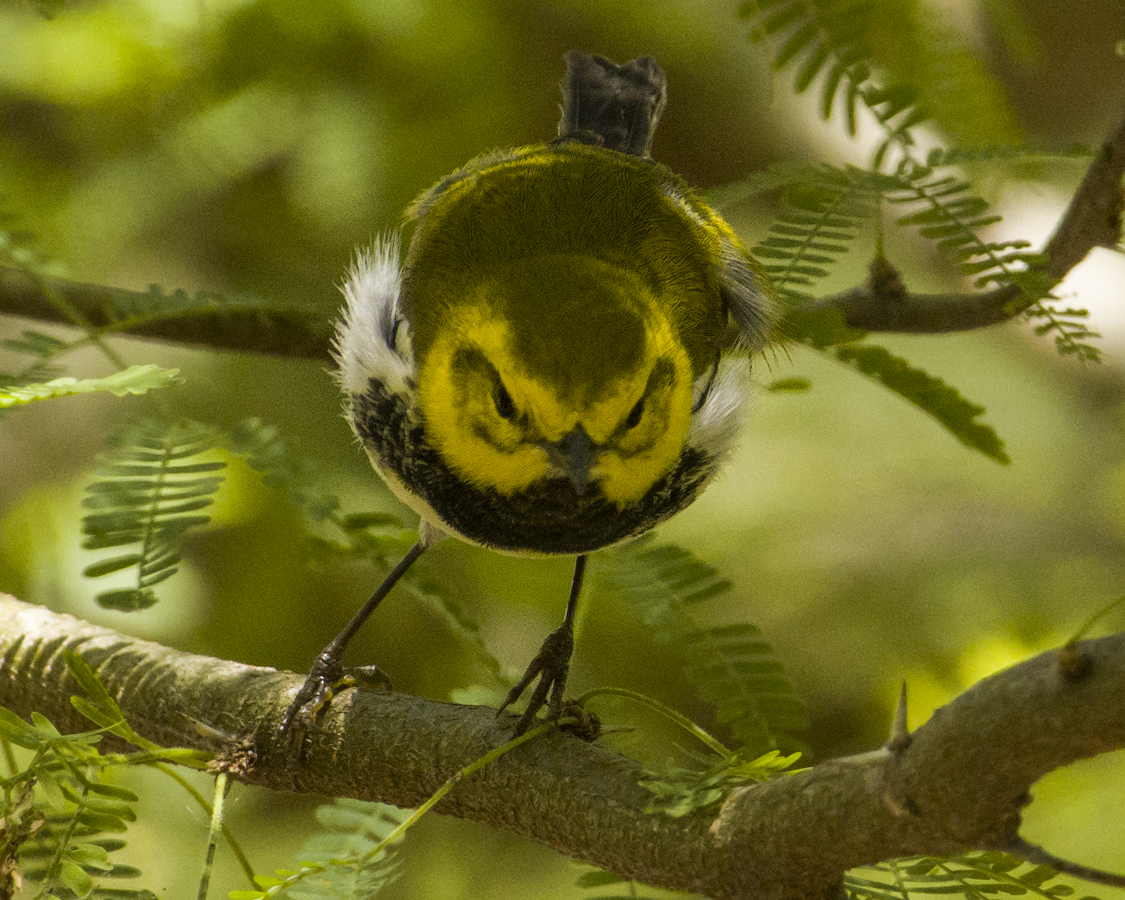
A few from last week in Key West. I was complaining about the AF performance on another thread but did get some good shots. F8 is hard to get used to.
Something wrong with your gear or technique. Nothing hard about shooting at f8. With your R5 you should be getting better shots than these that were taken with a M4/3 camera and a 100-400 that is no better than your 100-400.
Imagemaster wrote:
Something wrong with your gear or technique. Nothing hard about shooting at f8. With your R5 you should be getting better shots than these that were taken with a M4/3 camera and a 100-400 that is no better than your 100-400.
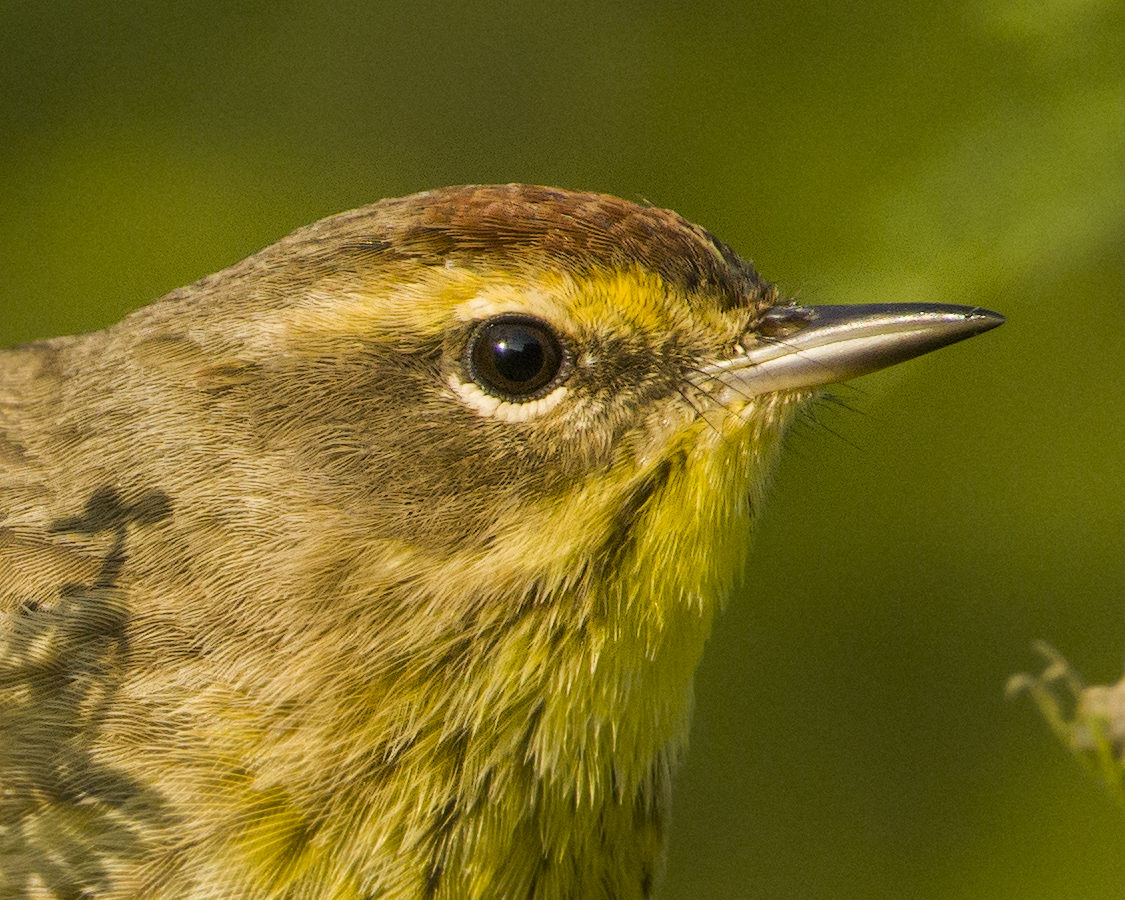
100pct crop of the the Palm Warbler. It's in focus. Black throated shot it grabbed the focus of the white tuft, I do like the perspective of the shot so I posted it.
The comment about f8 is basically some frustration in shooting in some dark environments. Under the canopy early in the AM was tough. I used the lens while ski touring in Wyoming for a month this year. No real complaints, even the gray days are bright enough.
Alot of warblers shots I end up having to use manual focus. MF is tough for me on that lens. Seems super laggy, need to rotate focus slowly. Center point AF seemed to behave in the same manner, not quick, lots of overshoots. Animal detect AF is pretty decent if the bird is close enough and the algorithm deosn't geet fooled by some interesting feature on the bird.
This lens sure is small and I like it for that. It's a SometimesLike-Hate relationship.
Jay
Canon EOS R5RF100-400mm F5.6-8 IS USM lens400mmf/8.01/1500s1250 ISO-0.5 EV
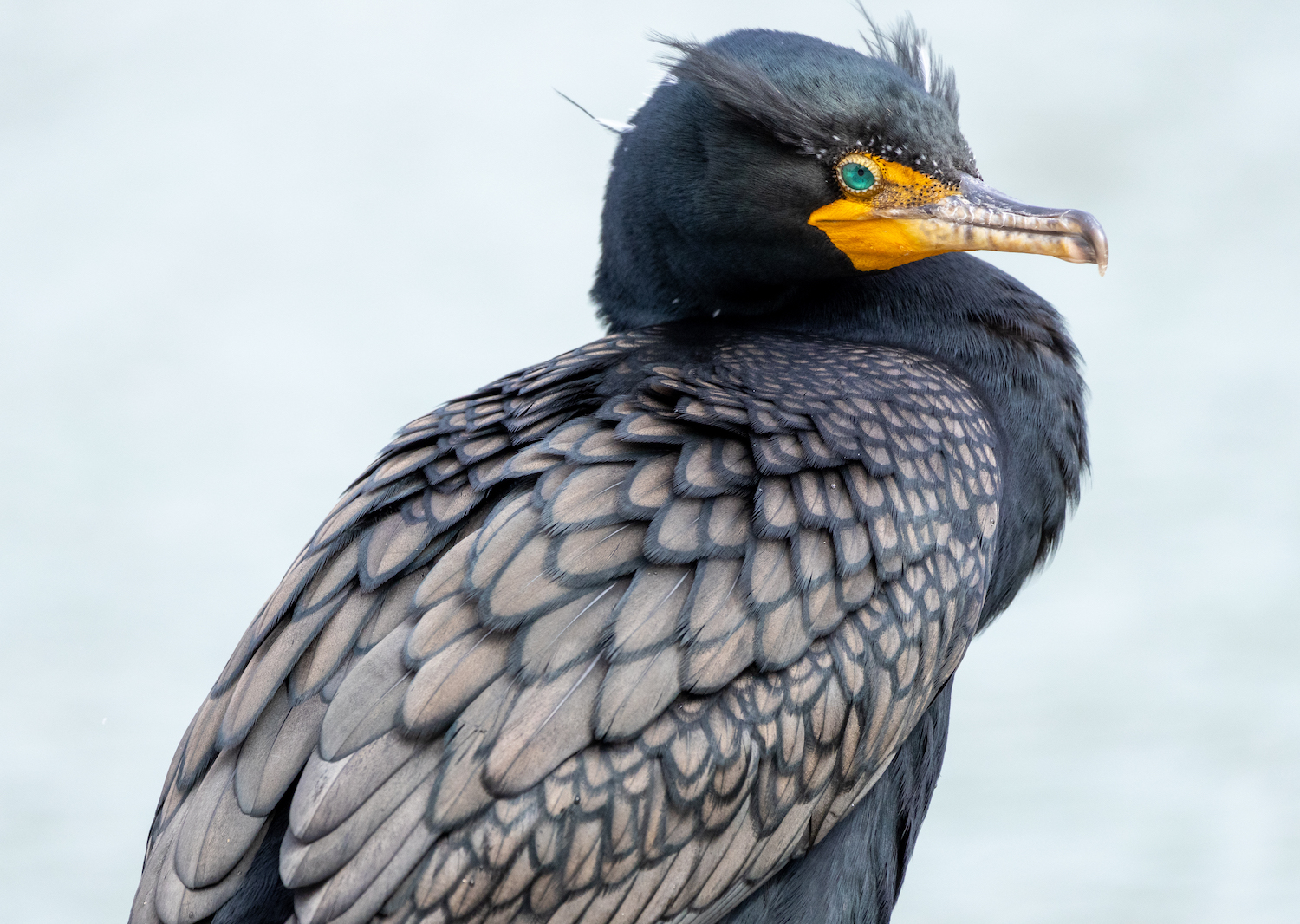
I'm really loving the 100 to 400 mm. So versatile and lightweight! Here's one of my favorite recent shots of a double crested Cormorant at Golden Gate Park.
Canon EOS R10RF100-400mm F5.6-8 IS USM lens400mmf/8.01/640s1000 ISO+1.0 EV