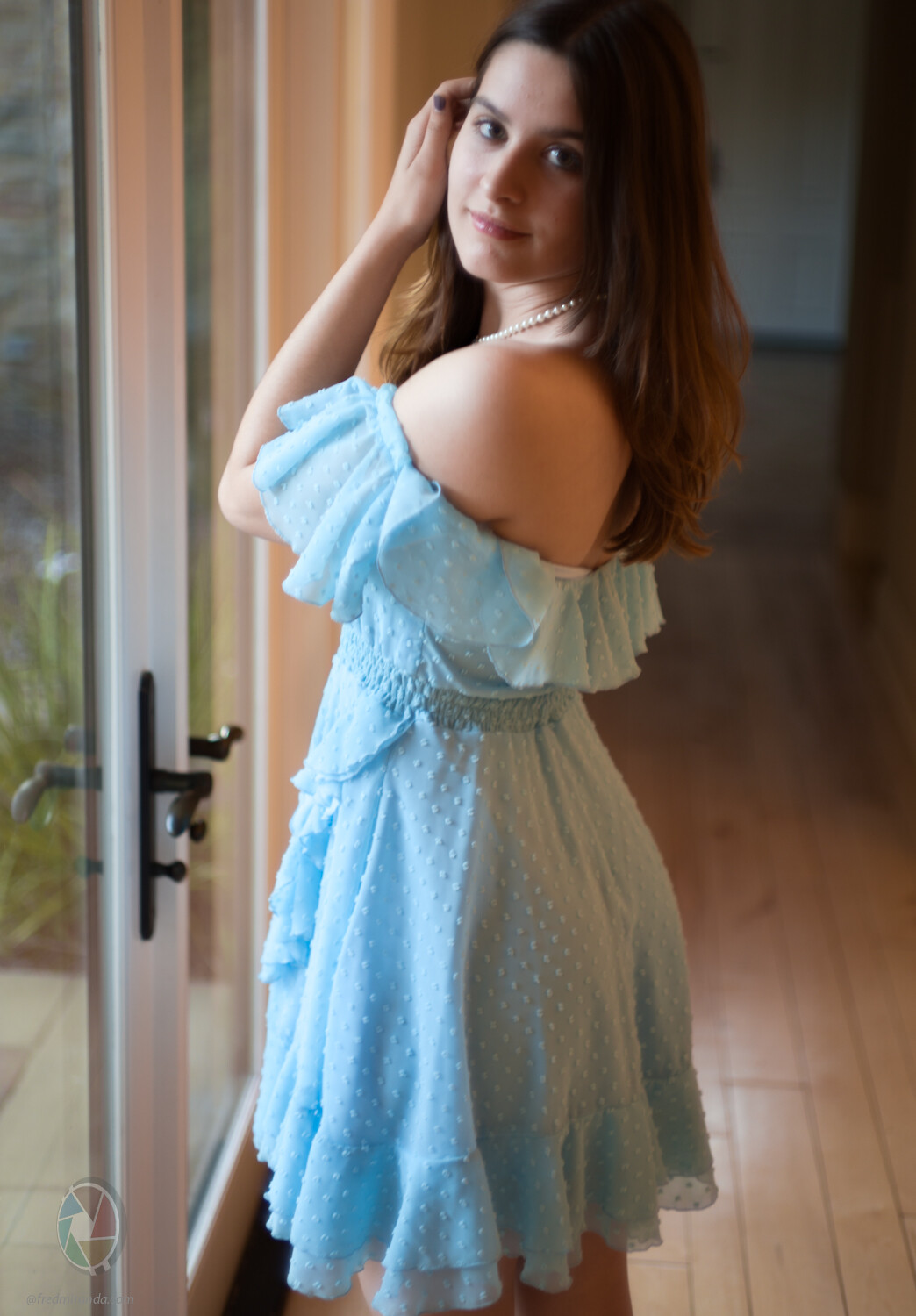
I have had the Heliar, the Elcan and the 50 apo but never the Nokton...
I never really thought about how they balanced on camera (and I use a modded Sony) so I am not sure how much help I can offer but...
I feel that they are very different lenses. I think many could argue a case for having all of them...
Elcan - lovely classic rendering, small, well made but maybe industrial not jewel-like. I just didn't find it that interesting. Could be a great everyday lens...
Heliar - amazing, soft & glowy. Quite sharp stopped down. Couldn't recommend it as an everyday lens but it is highly recommended for its strengths.
APO - amazing. Sharp & smooth. Incredible with flare - sunlight. Not for me.
I'd vote for a Summicron 50mm - I love them - I don't think they are very 'glamorous' so don't get much attention but they make beautiful images...Small & light - very capable.
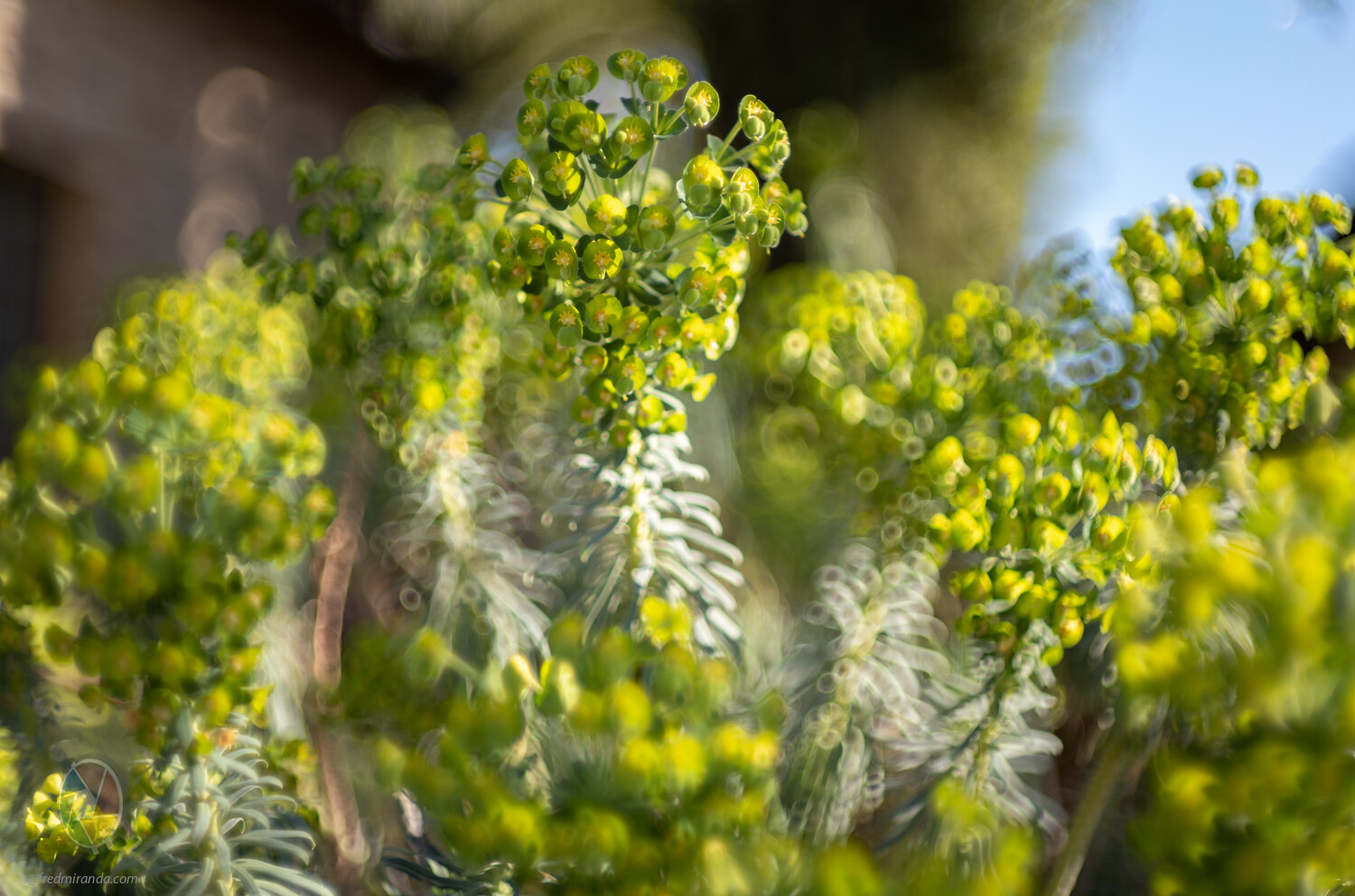
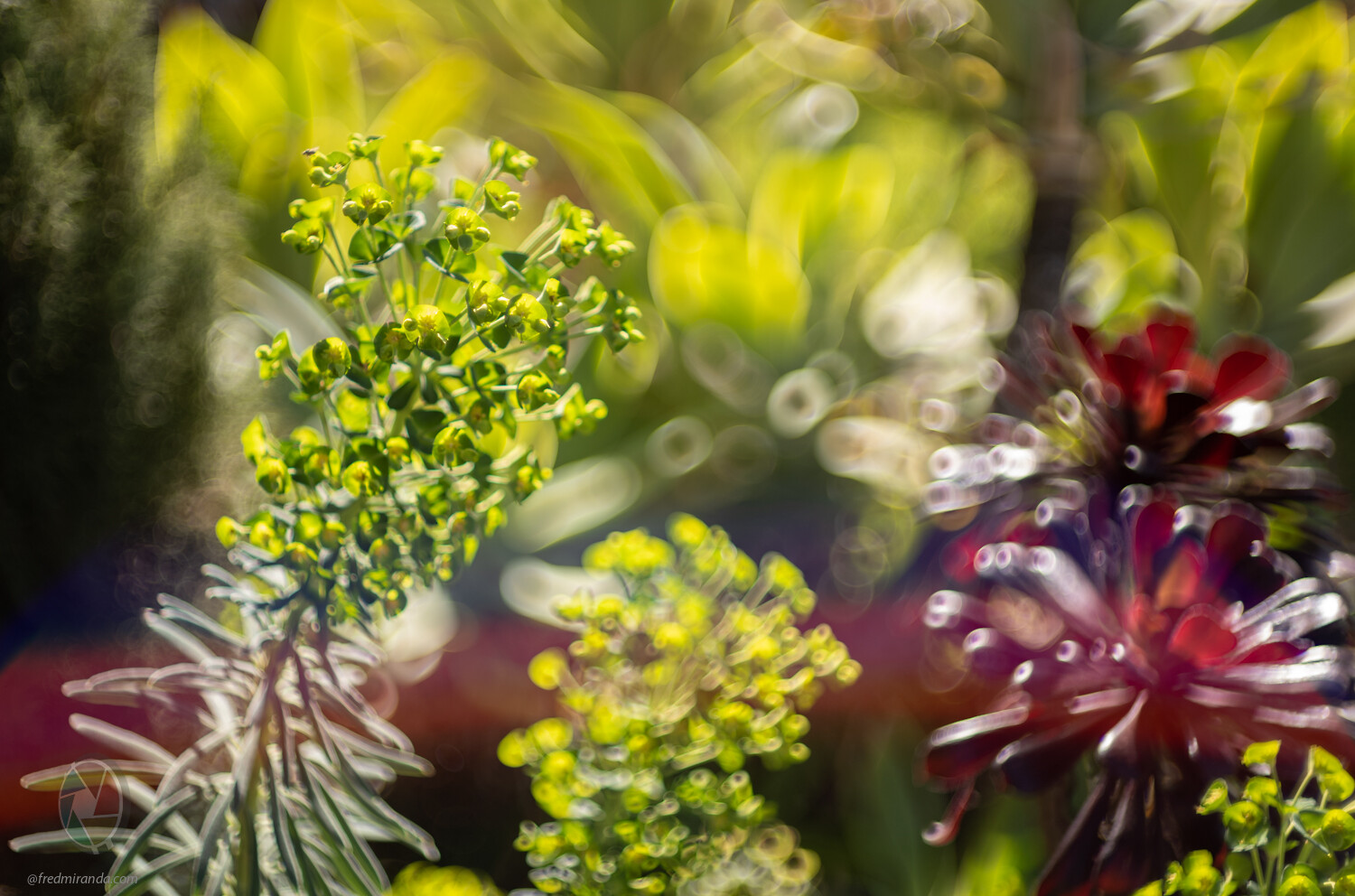
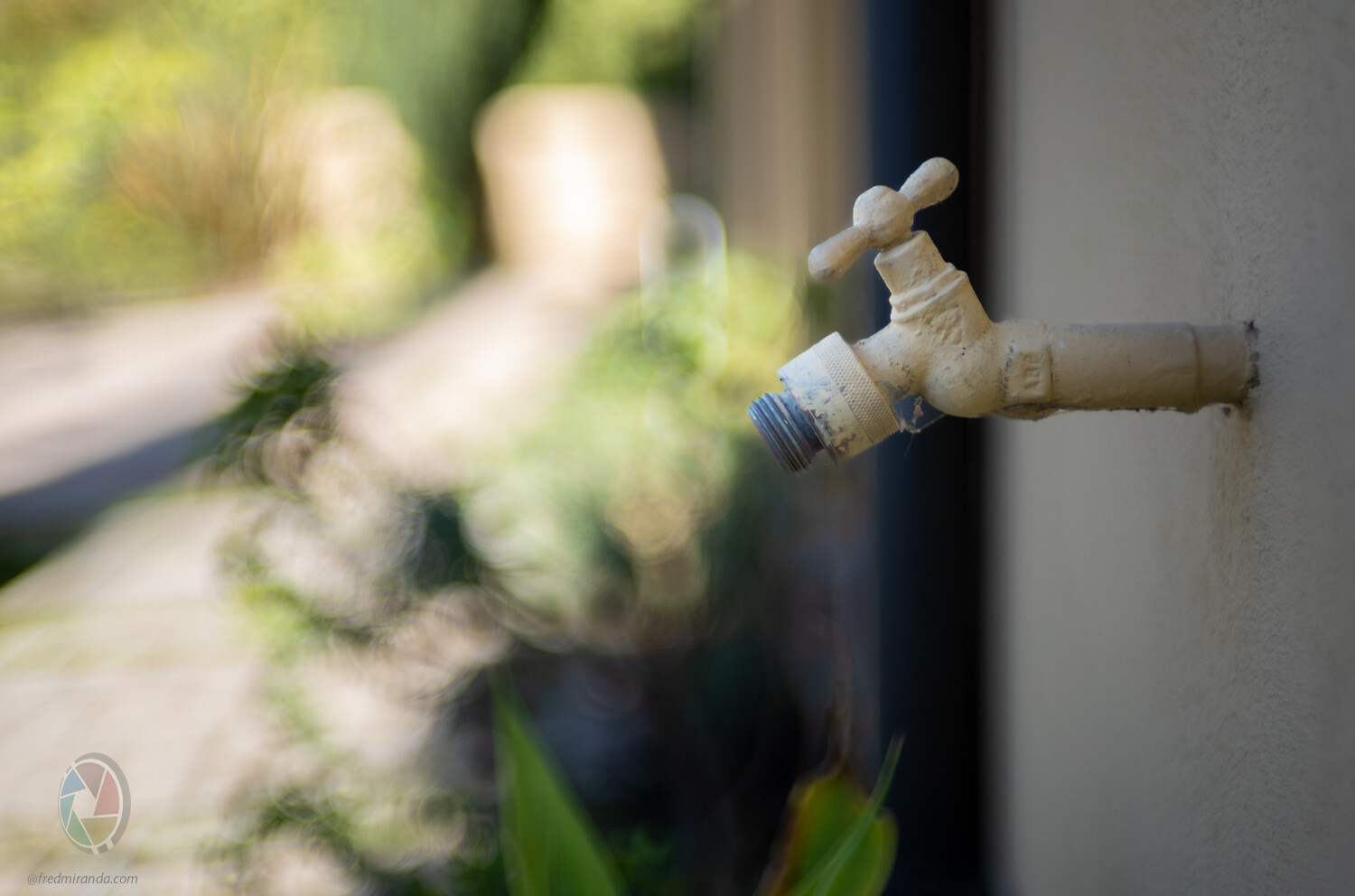
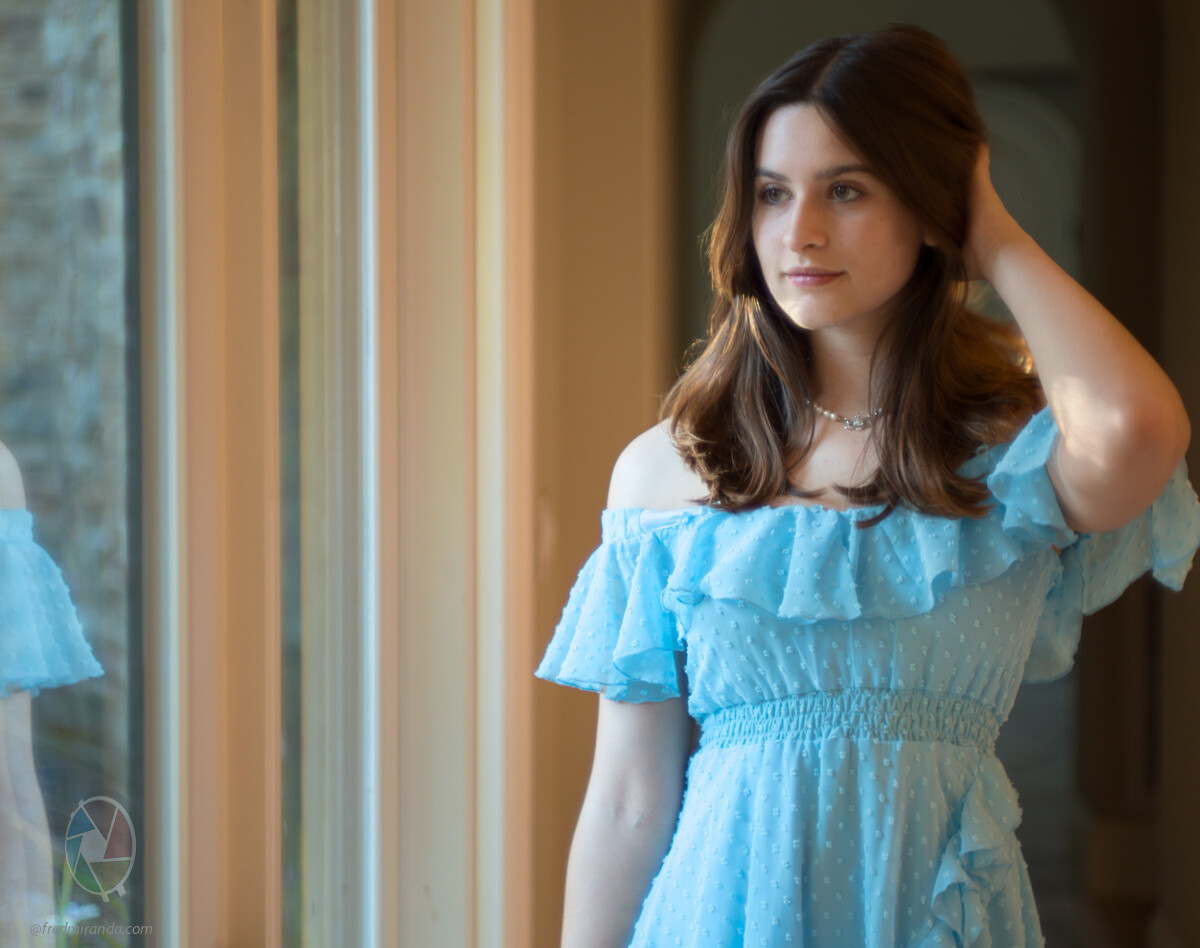
Just for fun, I tried the Leica Thambar's center spot filter on the Voigtlander 50/1.5 Heliar today. Just some snaps. Rendering gets even more unique with donut shape specular highlights...
The soft focus effect of the Thambar is achieved by the deliberate preservation of a spherical flaw, which is normally corrected using complex optical calculations. Spherical aberration is caused by the lens’ perimeter rays – which is why it is minimised by stopping down. The Thambar’s screw-on center spot filter consequently offers the opposite effect to stopping down, as it blocks the axial rays and only allows the perimeter rays to pass.
Have you tried a classic diffusion filter (like black pro mist) with the Heliar ?
Thank you !
I start to see it with the lens stopped down to f/5.6 and smaller. I only used the Leica center spot filter on the CV 50/1.5 Heliar for the effect on rendering. I think it's quite unique and reminiscent of the Thambar look.
I gotta say, that is one CV lens I'm not impressed with. It's really expensive for a one trick pony for an effect you can get with a diffusion filter.
I was just playing with my 7Artisans 50 1.1, and that is a lens that goes from old school Hollywood glamour at 1.1 to sharp by f2. It really acts like 2 lenses in one. Plus you can pick up a like new one for about $200-$225.
Here adapted on my Fuji Xpro3 where it becomes a 75mm equivalent lens.
Classic Neg preset @1.1
Astia preset @ between 1.4-2 (not exactly sure as it is clickless and I stopped down w camera to eye)
Desmolicious wrote:
I gotta say, that is one CV lens I'm not impressed with. It's really expensive for a one trick pony for an effect you can get with a diffusion filter.
I was just playing with my 7Artisans 50 1.1, and that is a lens that goes from old school Hollywood glamour at 1.1 to sharp by f2. It really acts like 2 lenses in one. Plus you can pick up a like new one for about $200-$225.
Here adapted on my Fuji Xpro3 where it becomes a 75mm equivalent lens.
It's a soft focus, character lens so it makes sense that you are not impressed by its resolution and contrast performance.
I would definitely not consider it an all-round lens.
In defense of the Heliar, I don't believe it's as simple an effect as adding a diffusion filter. From what I've seen, its effect can be tuned by manipulating camera to subject distance and aperture. Quality of light is also a factor, as is subject content. The images that struck me the most were actually Juha's higher contrast urban Tokyo scenes. The lens's somewhat muted aberrations when stopped down a bit seemed effective in taking some of the edge off hard, angular subject content while not becoming overly dreamy, complementing the smoothness of various light reflective glass, mirrored and metal surfaces. It seems kind of unintuitive, since we perhaps often consider soft focus effects and diffuse light as being the most complementary.
It would be interesting to see a direct comparison against a variety of vintage Sonnar lenses, and also the 7A 50/1.1. Maybe it's just my imagination getting carried away and the differences are insignificant.
rscheffler wrote:
In defense of the Heliar, I don't believe it's as simple an effect as adding a diffusion filter.
Hi Ron,
I often use diffuse filters in 'modern' lenses and I think it's a different effect. The Heliar is soft focus lens (especially at mid and long distance) with a distinctive rendition. It's different than anything I've seen because it performs better at close distance.
Aside from its unique look wide open, it's a competent lens starting at f/2 and smaller.
At about 0.5m handheld. Another example of rendering. FM's review was correct to point out the unique quality of the close focusing, and it's something to be mindful of depending on what you want.
And I'll add that it's strange, so very strange, to design a lens that has a distinct quality at at focus distance that you have a good chance of never discovering.
YumMango wrote:
And I'll add that it's strange, so very strange, to design a lens that has a distinct quality at at focus distance that you have a good chance of never discovering.
I may be strange, but testing a lens at MFD is one of the first things I do.
YumMango wrote:
Obviously, I need to start doing this!
With most non-aspherical designs without a floating system, performance is degraded as the subject is focused towards MFD. I never saw the opposite happening and that's quite unique of the Voigtlander 50/1.5 Heliar design.
Also, the rendering gets busier at close distance with more noticeable bokeh outlining. This is a plus for those looking for this character. All this without any onion pattern.
Fred Miranda wrote:
With most non-aspherical designs without a floating system, performance is degraded as the subject is focused towards MFD. I never saw the opposite happening and that's quite unique of the Voigtlander 50/1.5 Heliar design.
Also, the rendering gets busier at close distance with more noticeable bokeh outlining. This is a plus for those looking for this character. All this without any onion pattern.
Of course old school macro lenses are the exception: they were no-floating and non-aspherical and optimised for a higher magnification (often 1:10 on the basis that it would then be acceptable at MFD and acceptable at infinity, even though in both cases worse than at 1:10).
With a non floating lens the exact magnification it's optimised for is just a design choice, usually it was infinity just because of how designers imagine the lens would be used, but not always (some older portrait lenses seem to have been optimised for about 2 metres).
DavidBM wrote:
Of course old school macro lenses are the exception: they were no-floating and non-aspherical and optimised for a higher magnification (often 1:10 on the basis that it would then be acceptable at MFD and acceptable at infinity, even though in both cases worse than at 1:10).
With a non floating lens the exact magnification it's optimised for is just a design choice, usually it was infinity just because of how designers imagine the lens would be used, but not always (some older portrait lenses seem to have been optimised for about 2 metres).
Good point David.
What is unique about the 50/1.5 Heliar is that it's not a macro lens but it was optimized for close focus.
Fred Miranda wrote:
Good point David.
What is unique about the 50/1.5 Heliar is that it's not a macro lens but it was optimized for close focus.
Yep; I wonder if it is designed that way for portrait use at say 1:20 like some of the older DSLR portrait lenses? Or is optimised even closer, like near MFD?
DavidBM wrote:
Yep; I wonder if it is designed that way for portrait use at say 1:20 like some of the older DSLR portrait lenses? Or is optimised even closer, like near MFD?
The furthest one focuses "from" MFD, the higher the SA. Very unique design that works the opposite way one would predict.
Today, I tested it side by side to the Leica 35/1.4 Lux 'pre-asph' v2 and aside from the FL difference, they are actually close in character from 1m and further. They are both low in contrast and glowy. The Leica yields slight more glow wide open but the Voigtlander comes close.