Sonnar-7 wrote:
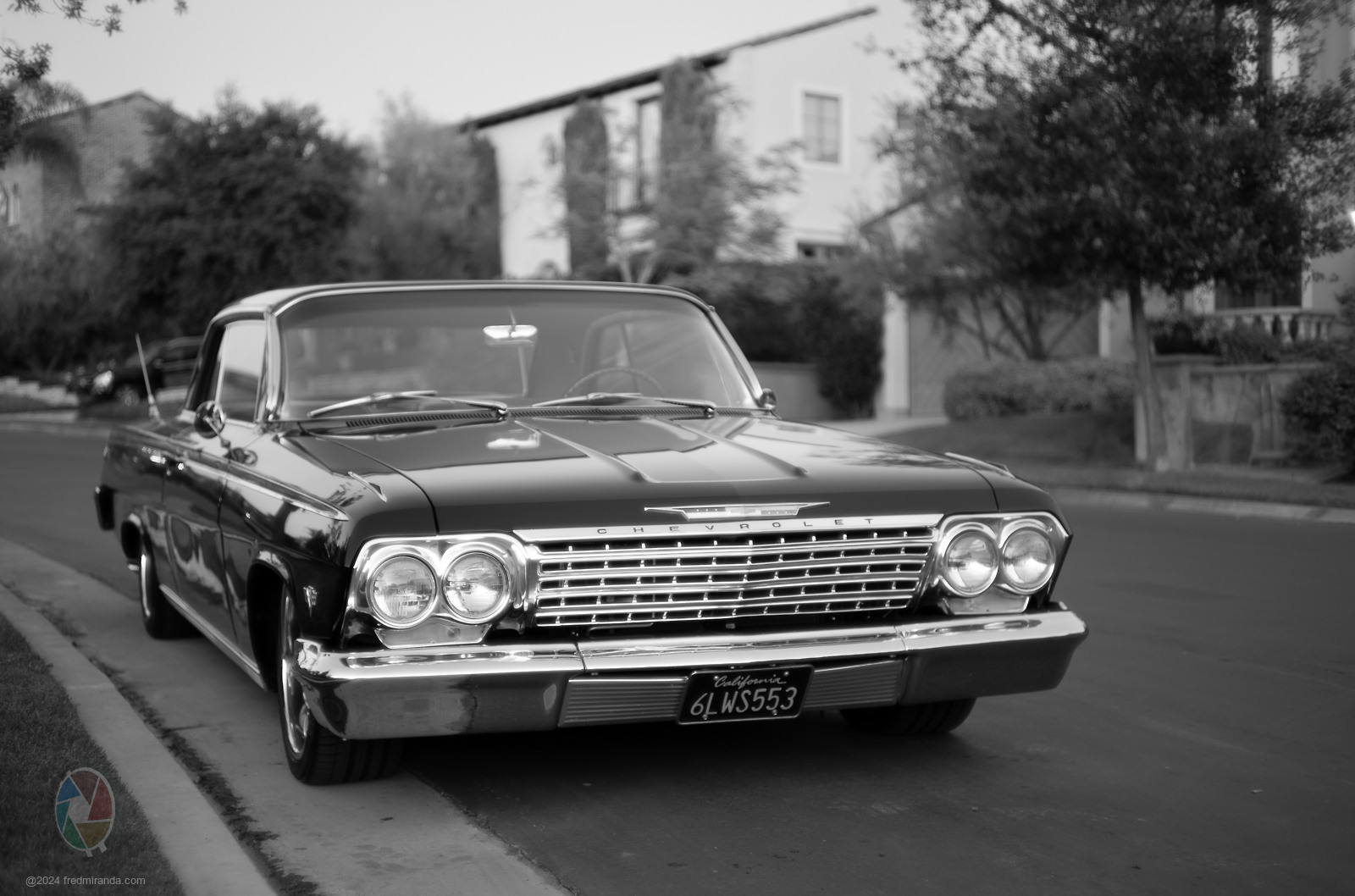
I didn’t use it much those last months, I will get back to it, it is still a favorite of mine but I remember shooting it most often if not always wide open on the Z6 and Zf, on the M9 not so much, a fast shutter does help a lot with character lenses.
I did notice the improvement you mentioned at 1.7 when you wrote about it at the time where you had it modified.
I wanted to add a bit of indentation at f/1.7, but it was too difficult, so we decided against it. It's not a problem, though, because I can keep it between wide open and f/2. I believe this is the sweet spot for this lens. It still maintains its character while noticeably improving resolution.
phinix wrote:
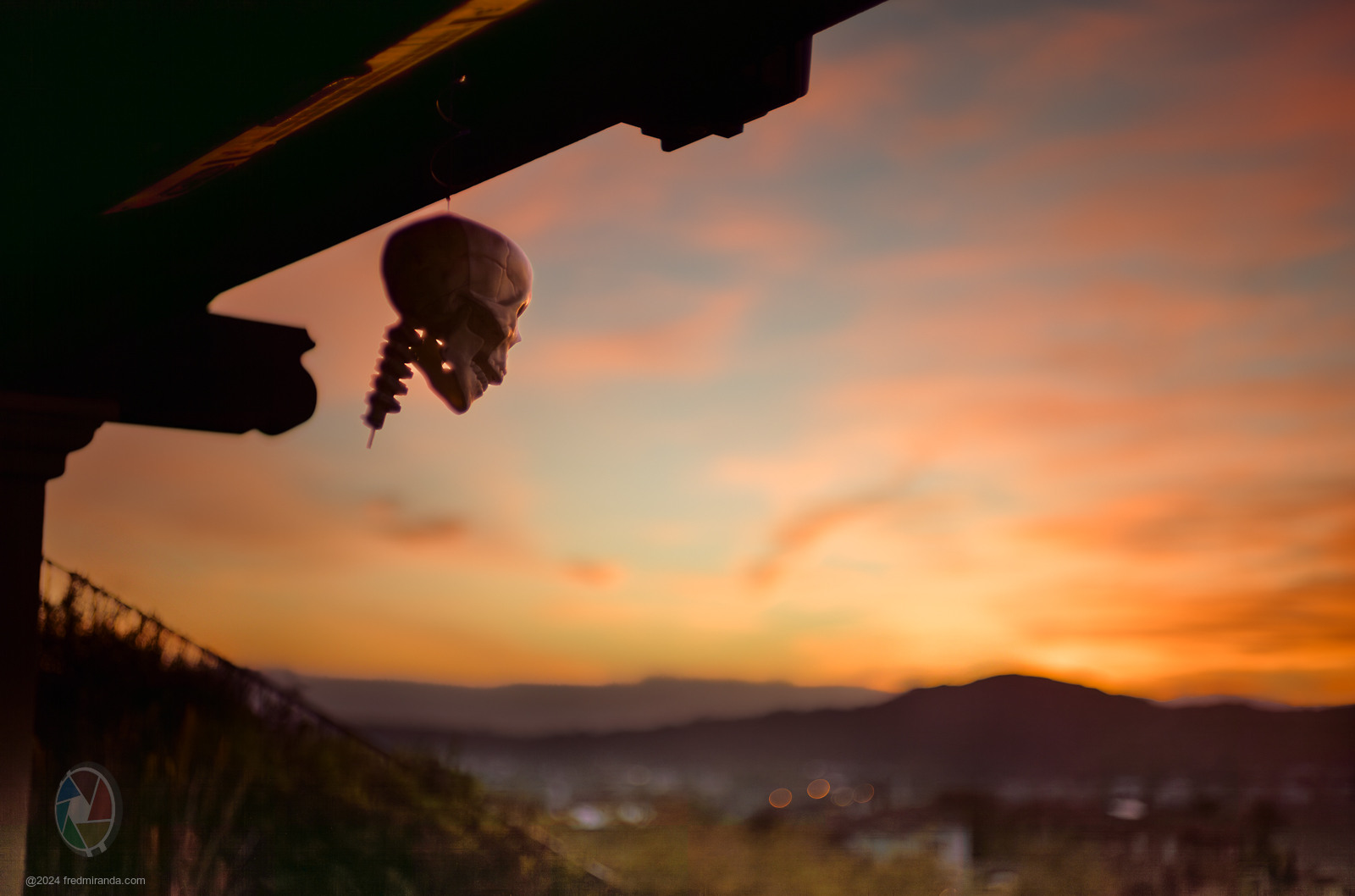
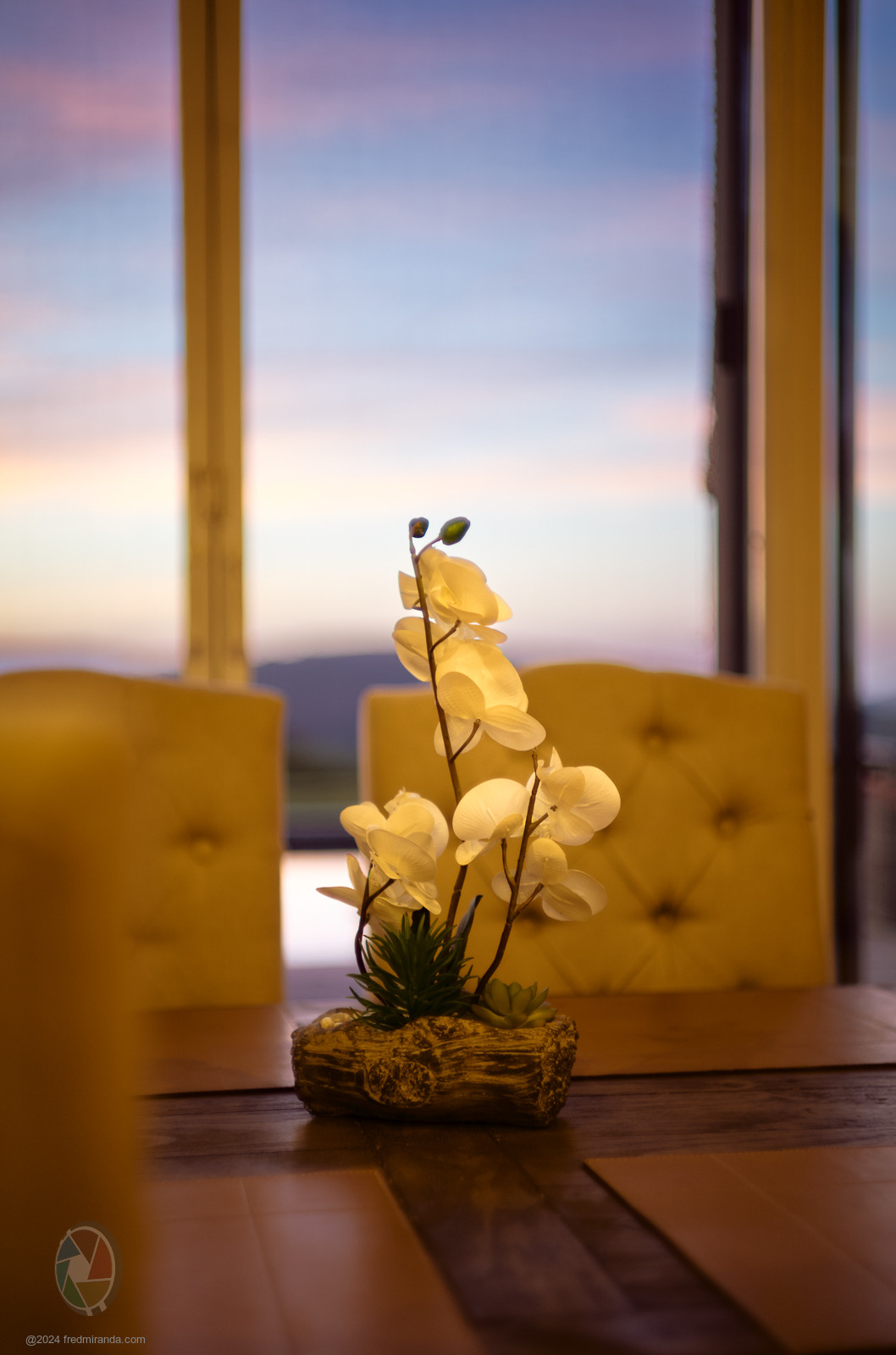
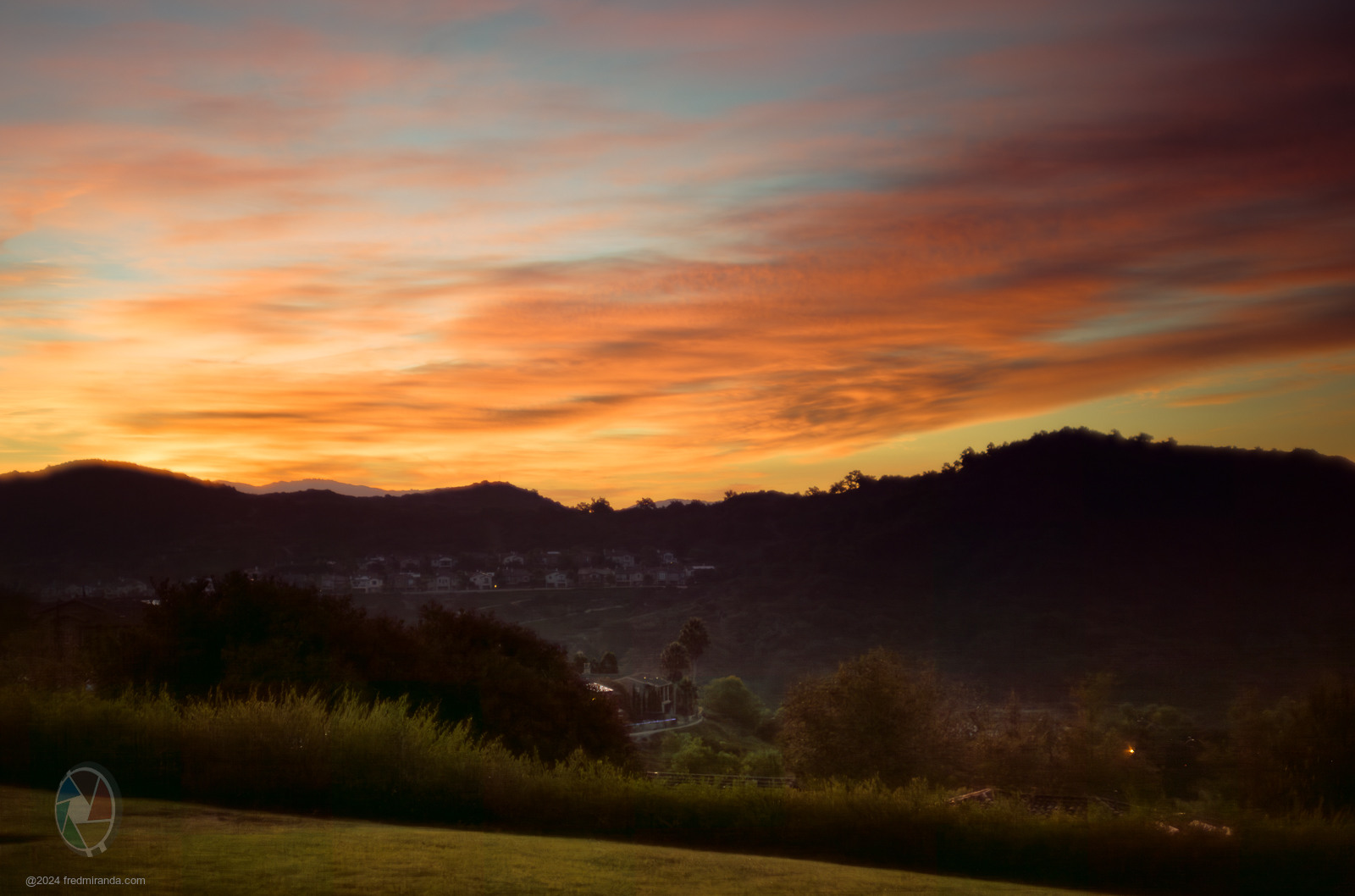
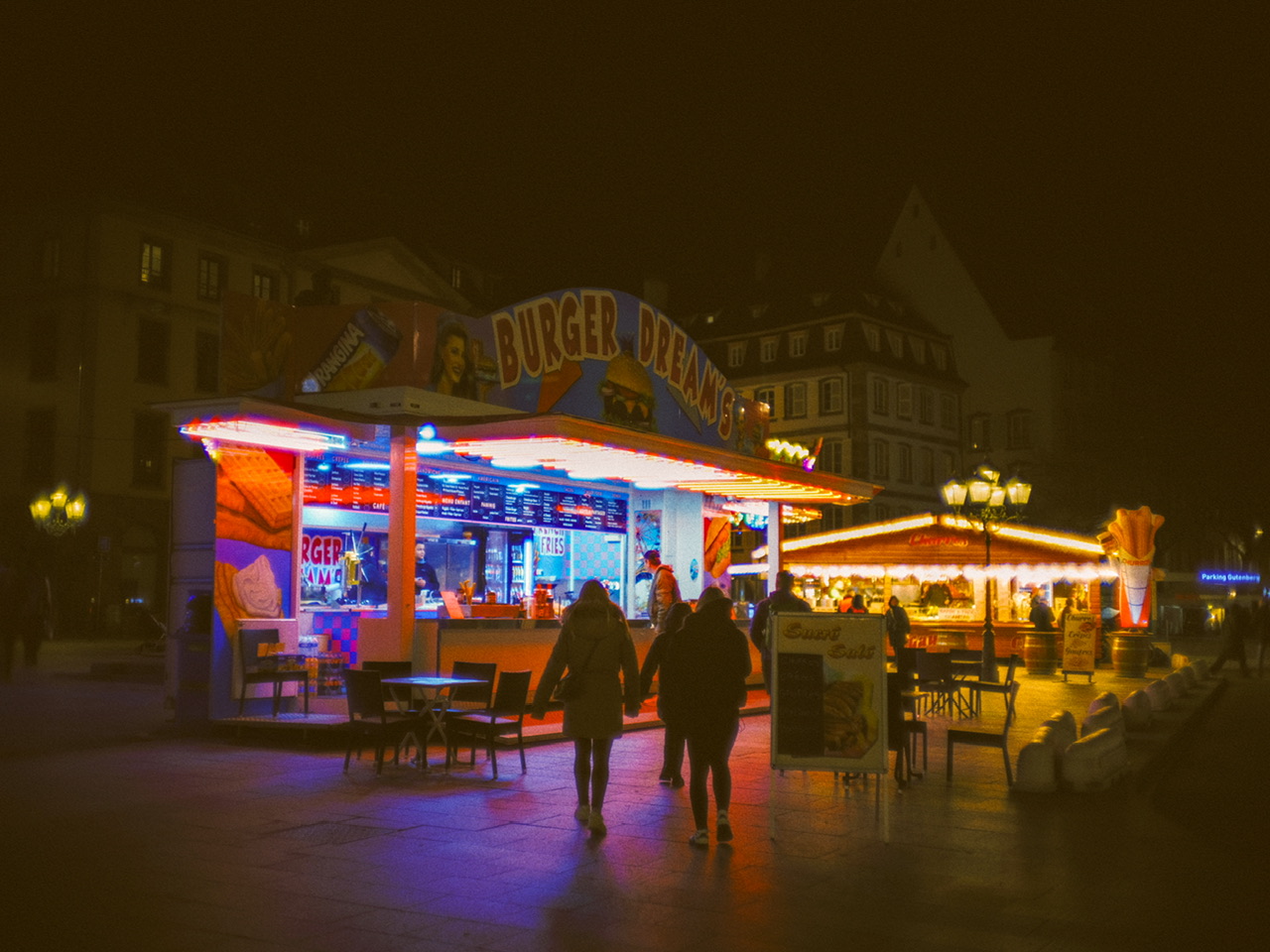
Is this Heliar always so dreamy wide open?
It depends on the lighting conditions. When shooting in soft, low-contrast lighting, there will be less glow, and spherical aberration will be less pronounced. In high-contrast light, the effect becomes more noticeable.
Also, when you shoot with the CV 50/1.5 Heliar at close distances, aberration is much better controlled. This is the opposite of what you experience with many other lenses, resulting in sharper, more contrasty images up close compared to shooting at longer distances.
Fred Miranda wrote:
It depends on the lighting conditions. When shooting in soft, low-contrast lighting, there will be less glow, and spherical aberration will be less pronounced. In high-contrast light, the effect becomes more noticeable.
Also, when you shoot with the CV 50/1.5 Heliar at close distances, aberration is much better controlled. This is the opposite of what you experience with many other lenses, resulting in sharper, more contrasty images up close compared to shooting at longer distances.
Wow, yeah, sounds like direct opposite to other lens.
I love the soapy bubble bokeh balls of those classic lens, but would prefer less glowy wide open.
Do you think CV 50/1.5 II Nokton would be better option to achieve this?
phinix wrote:
Wow, yeah, sounds like direct opposite to other lens.
I love the soapy bubble bokeh balls of those classic lens, but would prefer less glowy wide open.
Do you think CV 50/1.5 II Nokton would be better option to achieve this?
The CV 50/1.5 II produces specular highlights with a smoother appearance and less defined structure. If you prefer bokeh balls with more defined outlines, similar to the 'soapy bubble effect,' the 50/1.5 Heliar would be a better choice for you.
I’ve compared the Voigtlander 50mm f/1.5 Heliar, a very popular lens in Japan, to the Leica 50mm f/1.5 Summarit. While their rendering is quite similar, each lens has its own unique characteristics. The Summarit’s resolution, contrast and draw are almost identical to the 50/1.4 Summilux version 1, though the Summilux has better flare resistance. The Voigtlander 50mm f/1.5 Heliar’s rendering seems to fall somewhere between Summilux versions 1 and 2, with improved flare performance over both Leica versions, despite being single-coated. The big advantage for the Voigtlander is the close-focus feature (0.5m).
I’ll post some side-by-side comparisons of the Summarit and Heliar here in the thread.
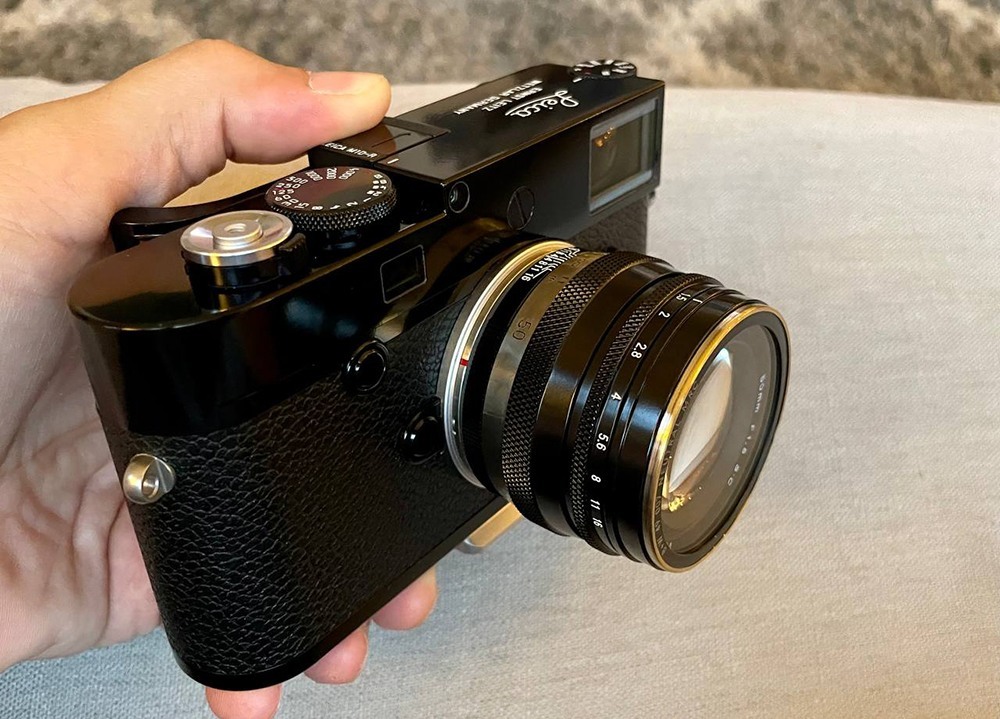
The Voigtlander 50mm f/1.5 Heliar is a great match for the M10-R Black Paint. Cosina designed it with weight in mind, using brass for some external parts and giving it a glossy black finish. I believe both the focusing and aperture rings are made from brass as well.
Fred Miranda wrote:
I’ve compared the Voigtlander 50mm f/1.5 Heliar, a very popular lens in Japan, to the Leica 50mm f/1.5 Summarit. While their rendering is quite similar, each lens has its own unique characteristics. The Summarit’s resolution, contrast and draw are almost identical to the 50/1.4 Summilux version 1, though the Summilux has better flare resistance. The Voigtlander 50mm f/1.5 Heliar’s rendering seems to fall somewhere between Summilux versions 1 and 2, with improved flare performance over both Leica versions, despite being single-coated. The big advantage for the Voigtlander is the close-focus feature (0.5m).
I’ll post some side-by-side comparisons of the Summarit and Heliar here in the thread.
The Voigtlander 50mm f/1.5 Heliar is a great match for the M10-R Black Paint. Cosina designed it with weight in mind, using brass for some external parts and giving it a glossy black finish. I believe both the focusing and aperture rings are made from brass as well....Show more →
What’s the filter you have on the Heliar, is it brass that you peeled off the paint?
Now knowing that a good Summarit compares favorably to a V1 Summilux, I regret selling mine even more, it was banged up but the optics were great.
Sonnar-7 wrote:
What’s the filter you have on the Heliar, is it brass that you peeled of the paint?
Now knowing that a good Summarit compares favorably to a V1 Summilux, I regret selling mine even more, it was banged up but the optics were great.
Yes, you'll see very similar results. The 50mm f/1.4 Summilux Version 2 improved in resolution and contrast, but the rendering is also more refined and corrected.
I use a standard B+W UV filter that I sanded down to nearly touch the glass. It does expose the brass finish, but this process makes the filter thinner than "ultra-thin".
Fred Miranda wrote:
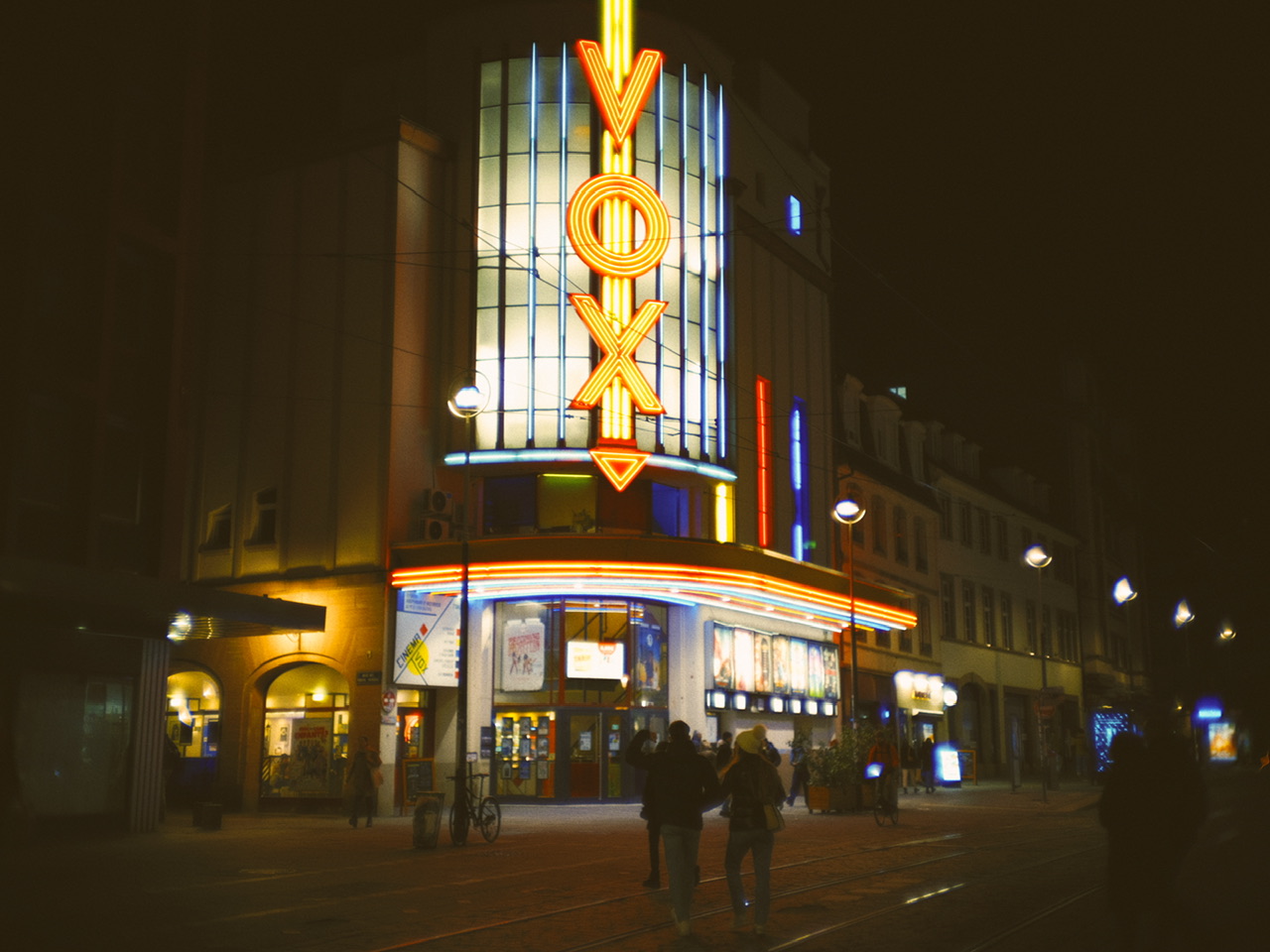
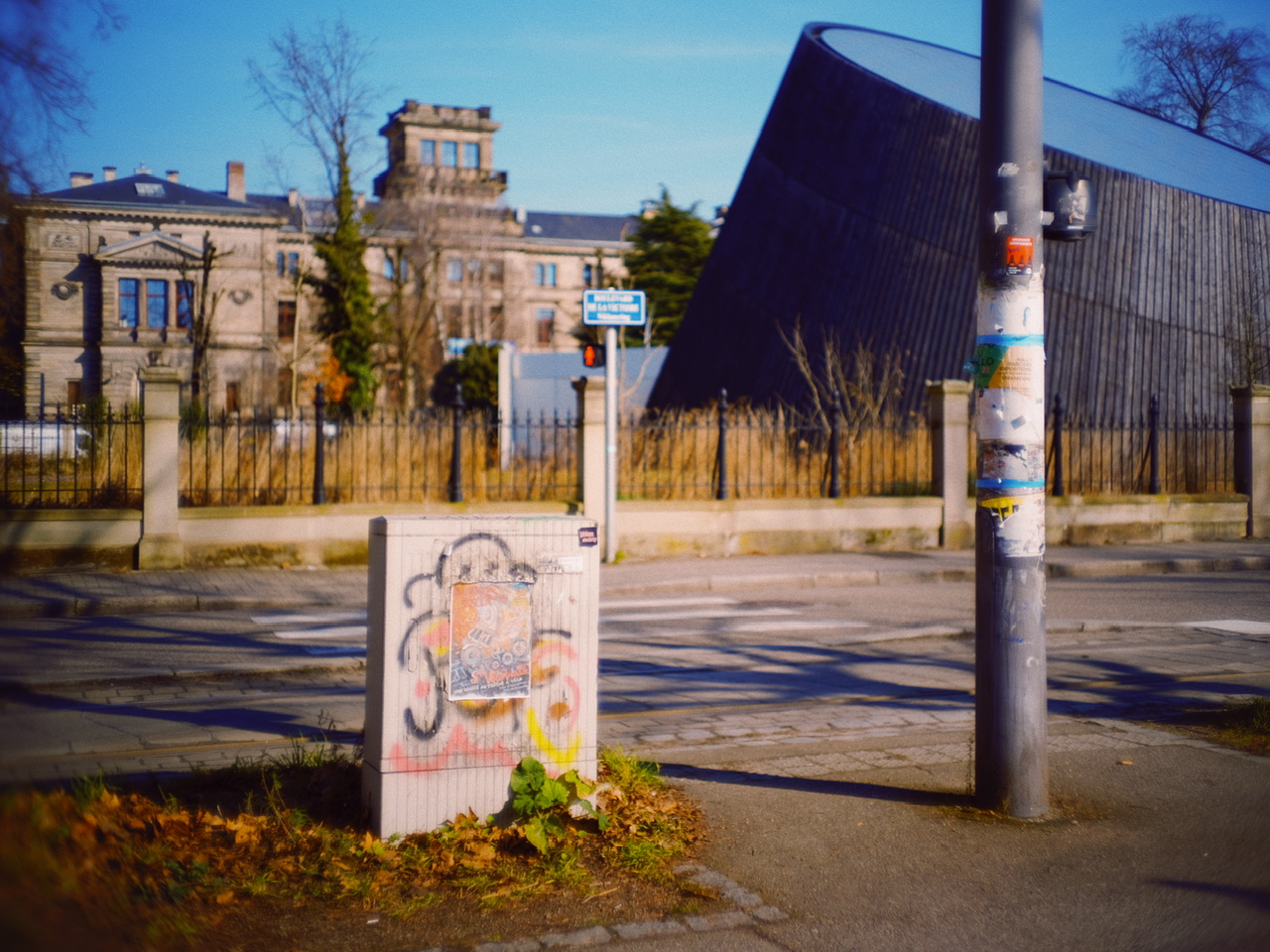
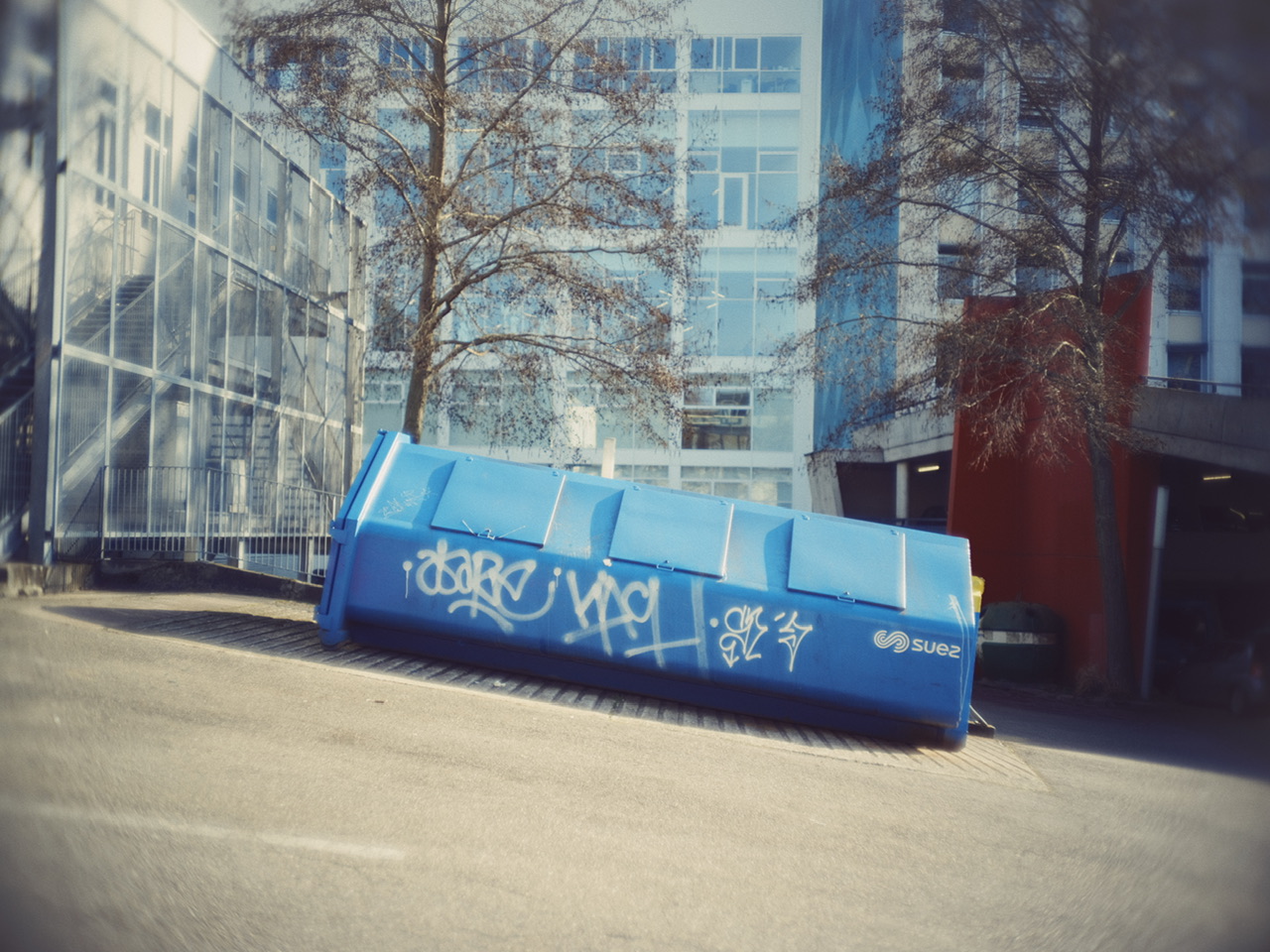
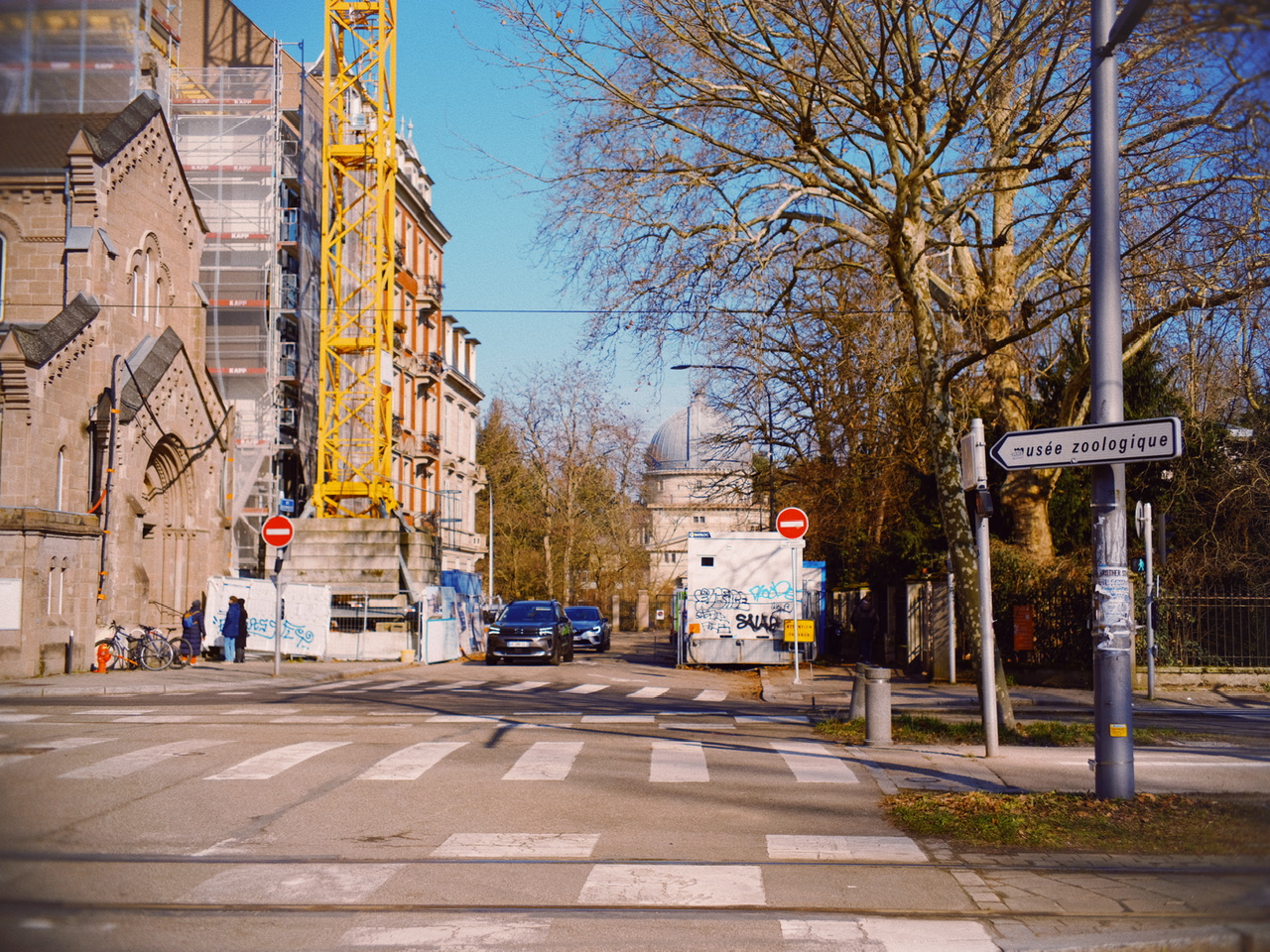
Nice images! Maybe you’ve mentioned it before, but just to confirm, is there no cropping?
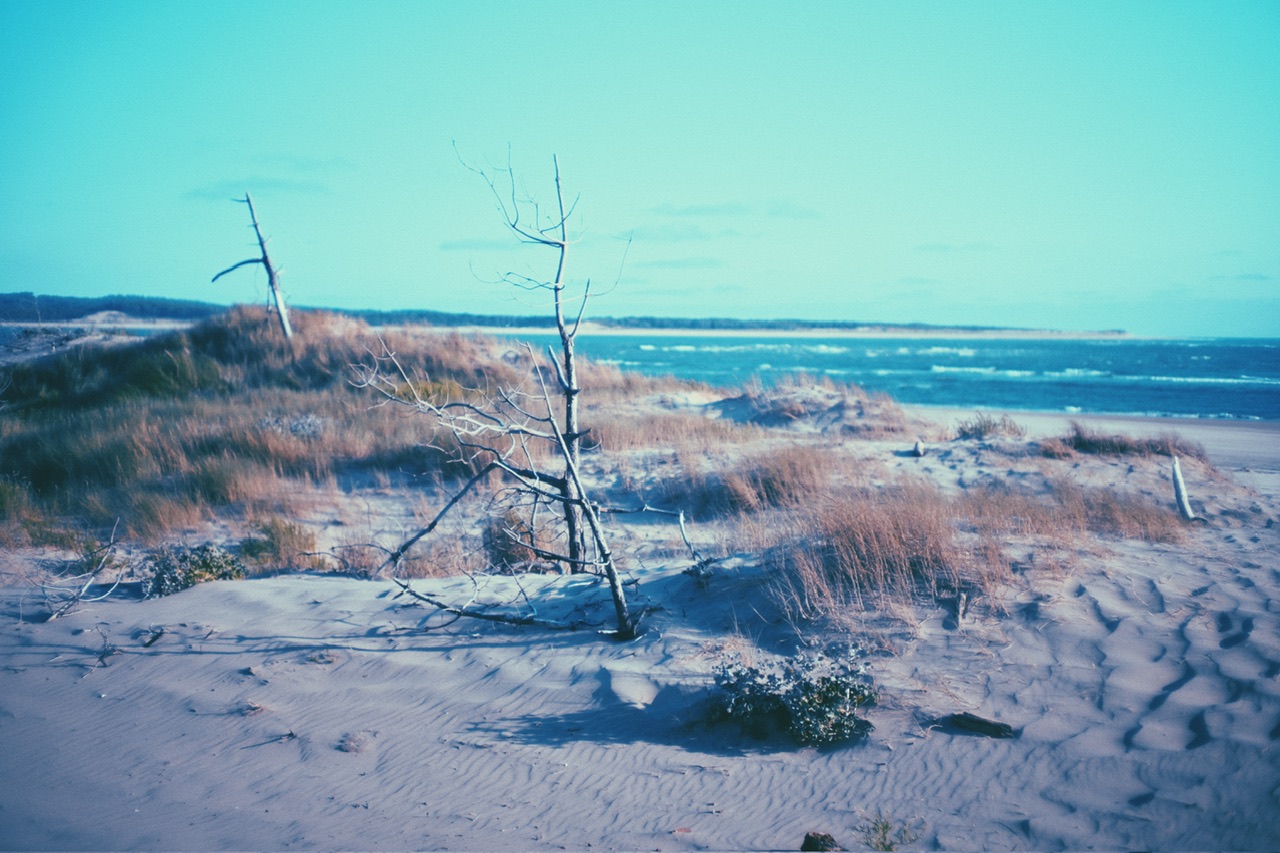
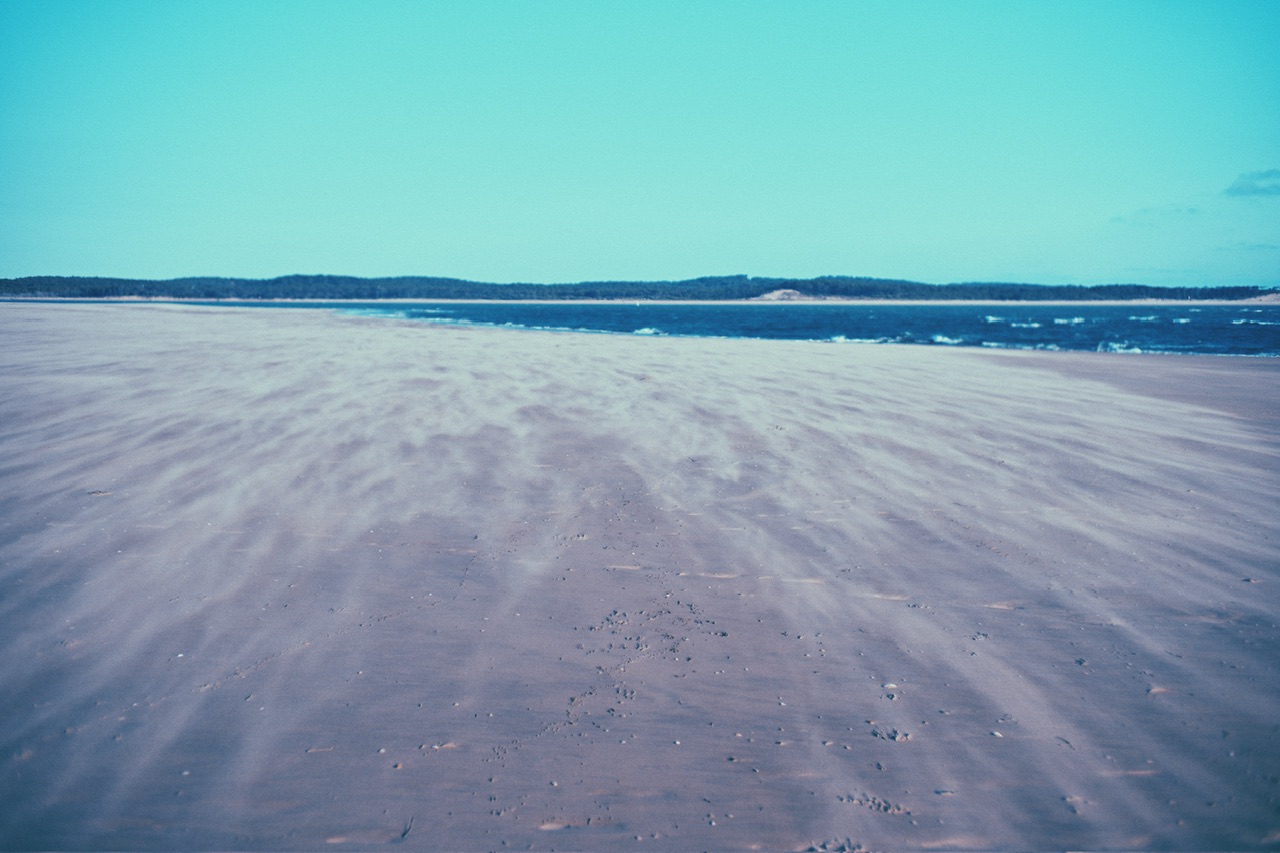
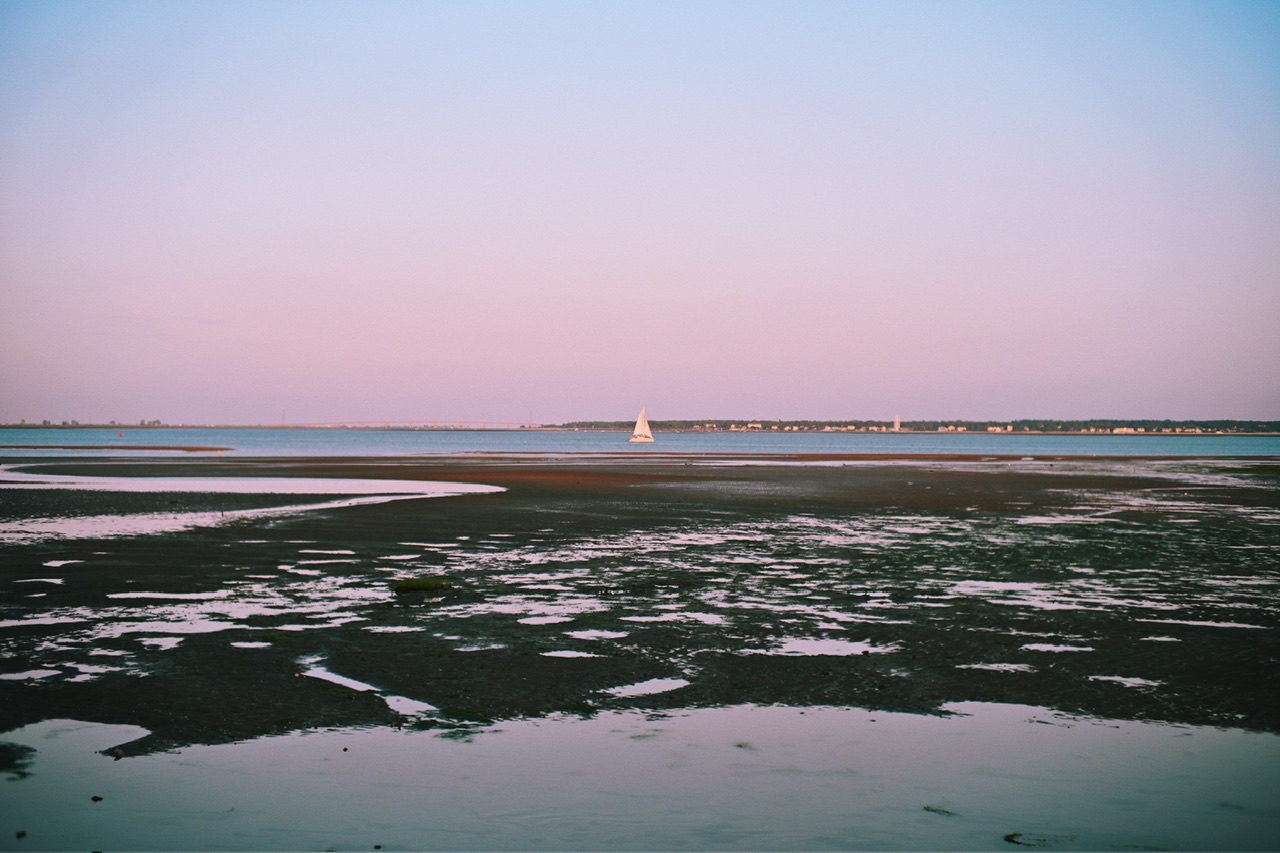
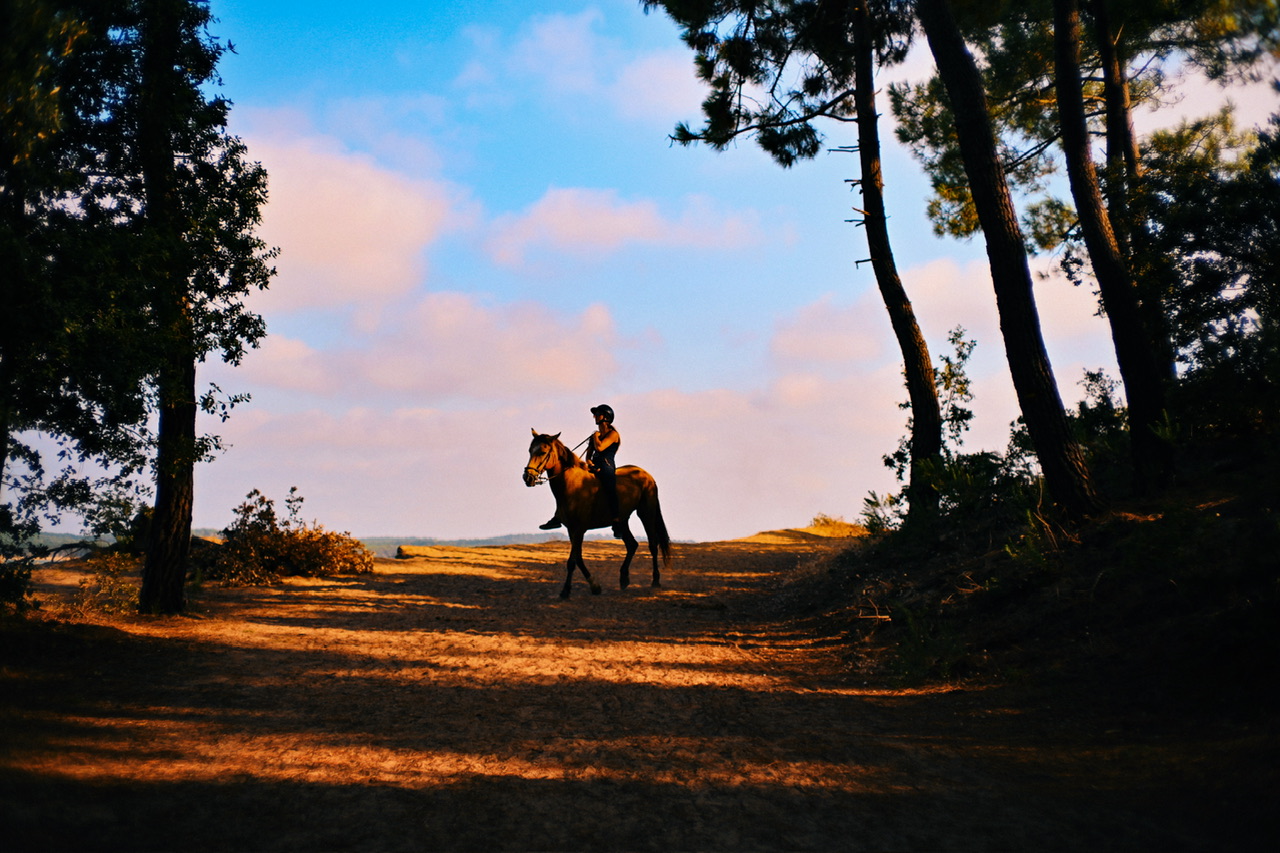
Thank you! I forgot to mention it, I just acquired the camera (it was an impulse/thoughtful/carpe diem decision I’m still pondering/debating with)and still don’t know a thing about it. I’m just making my first shots with it.
The Heliar was one of the least worst lens, to my surprise, to pair with the GFX in testing it at home.
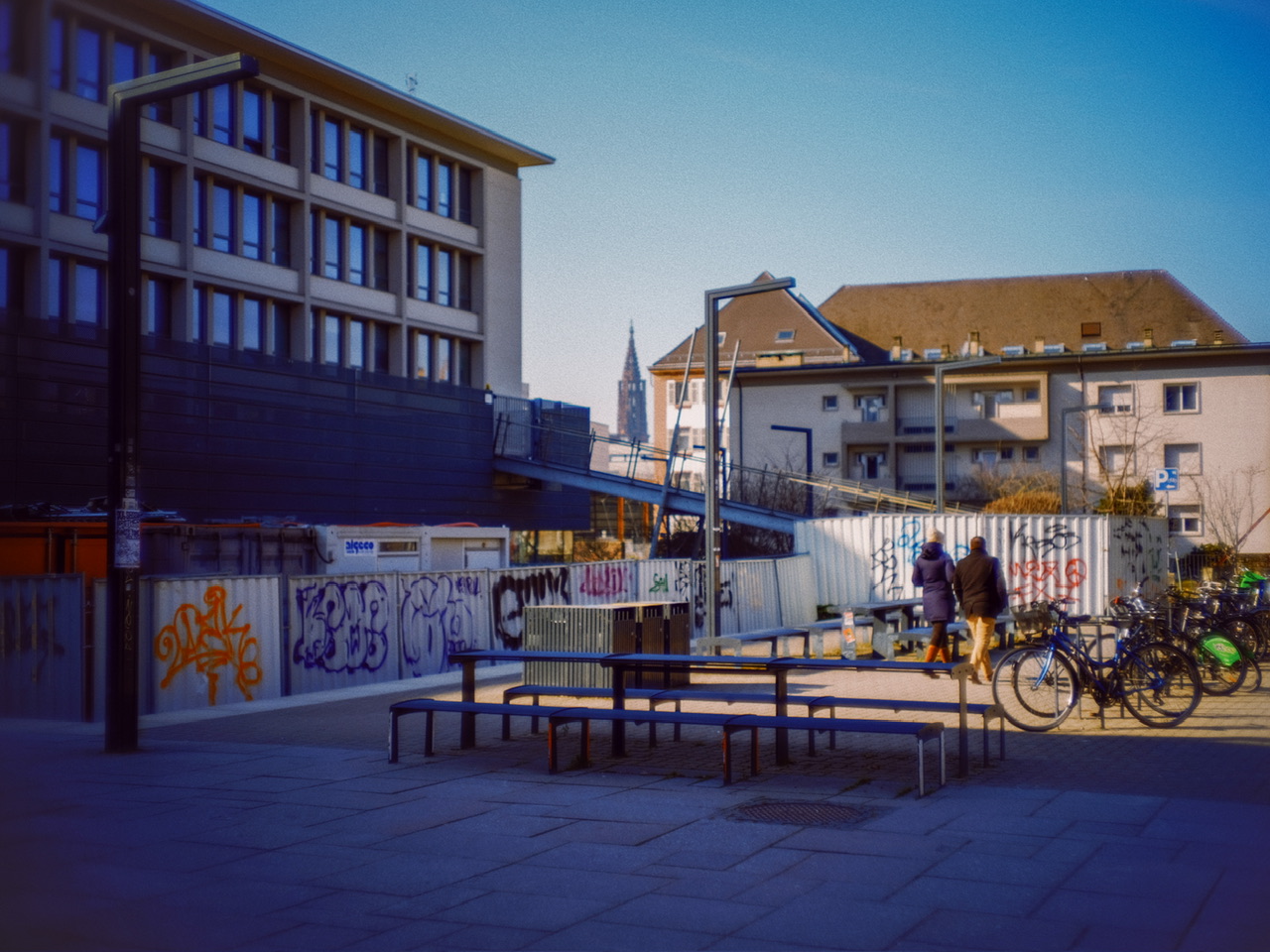
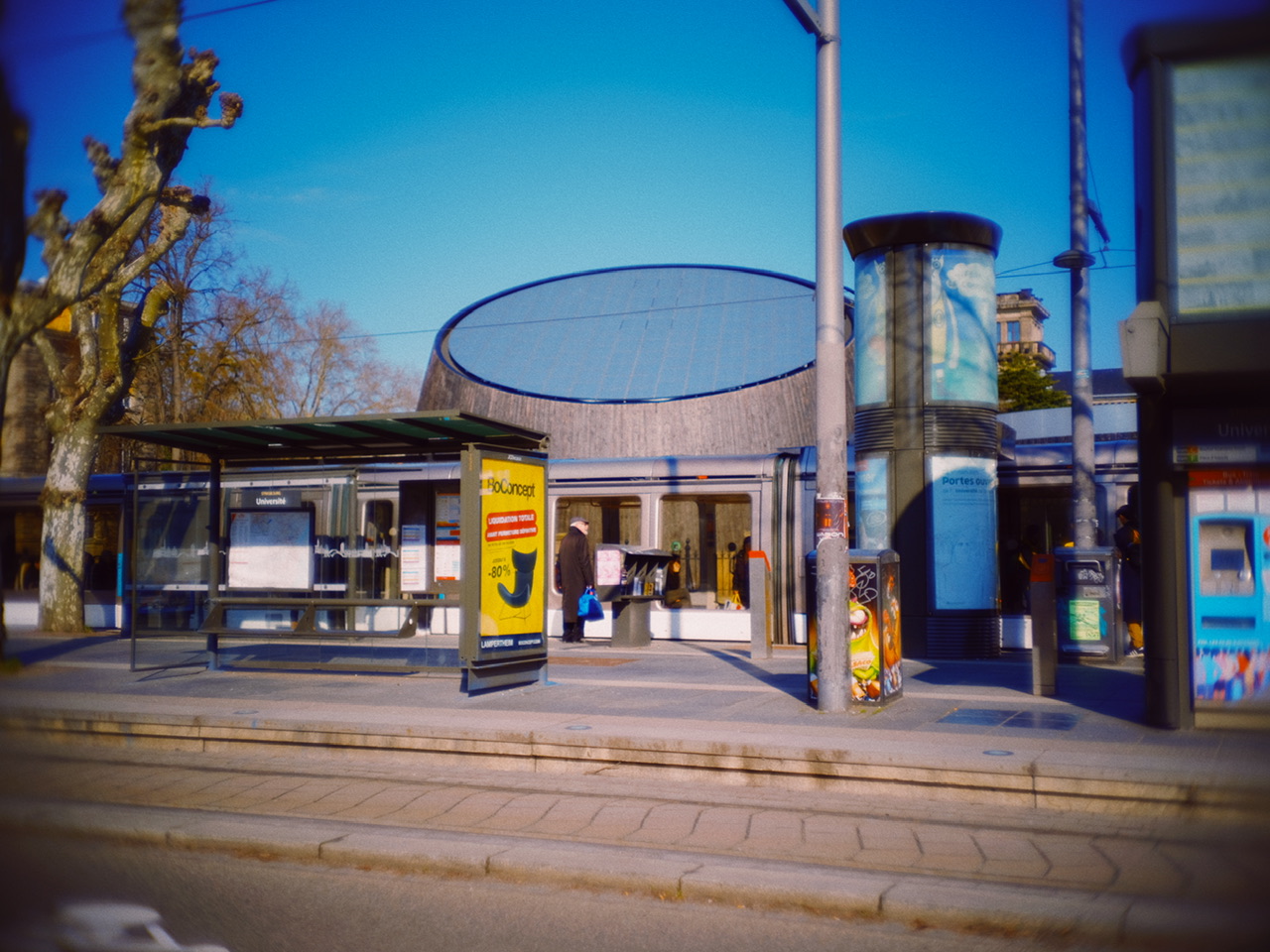
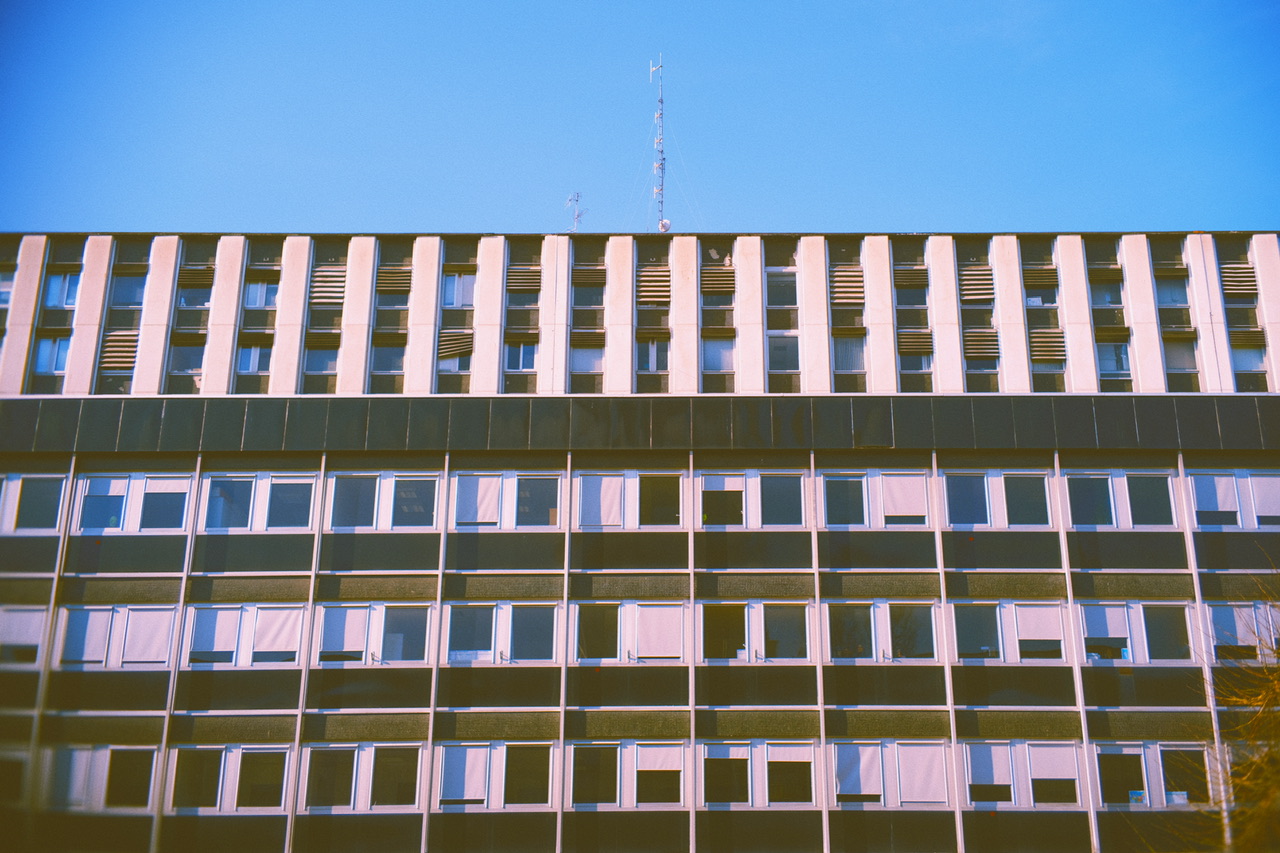
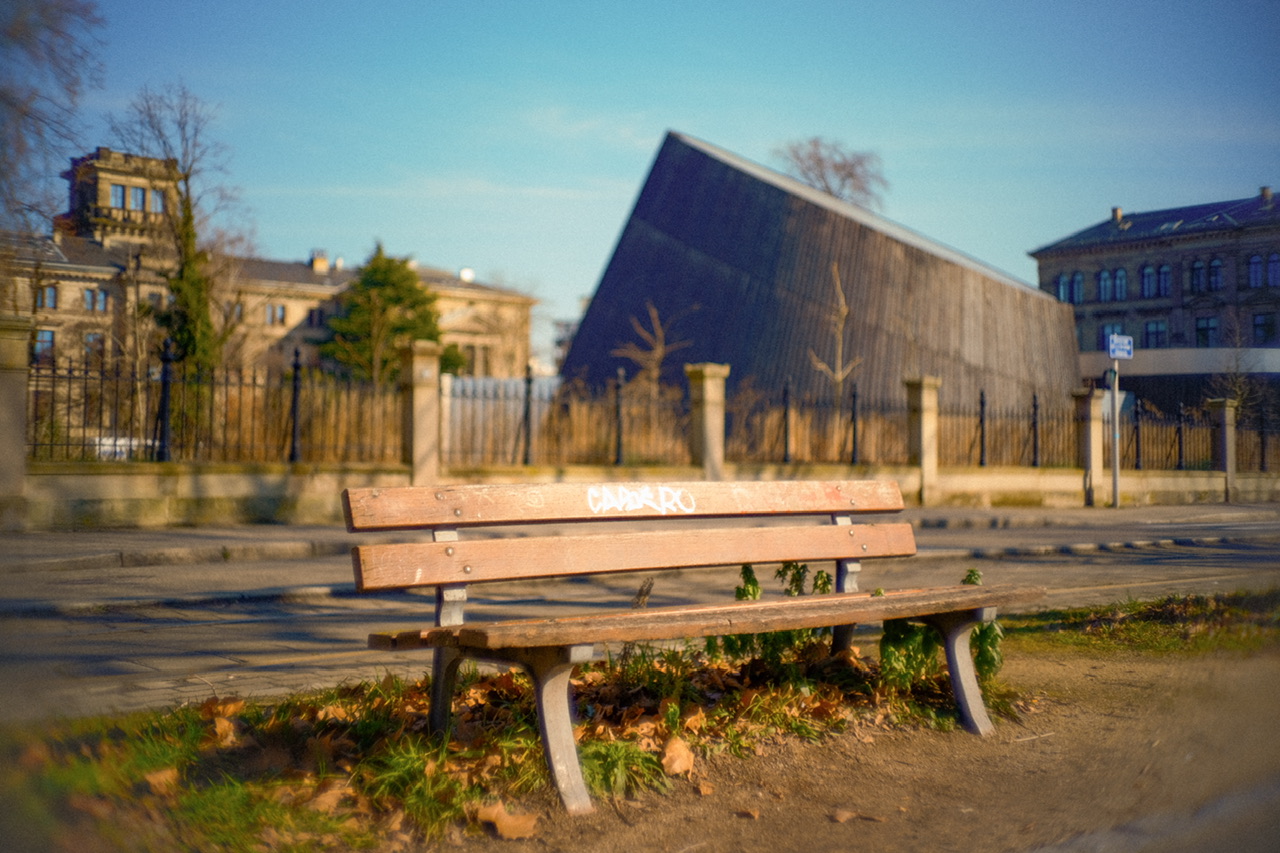
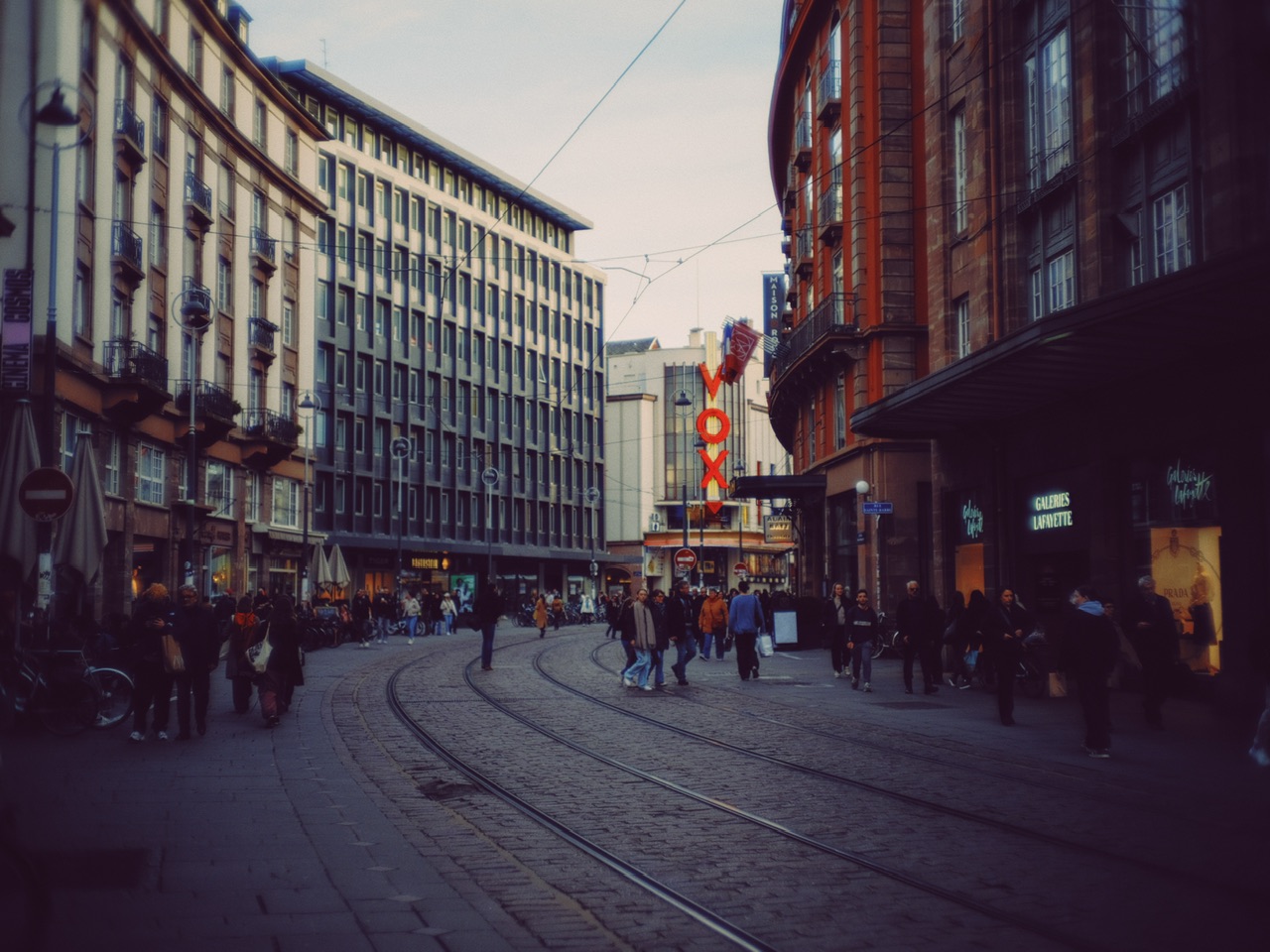
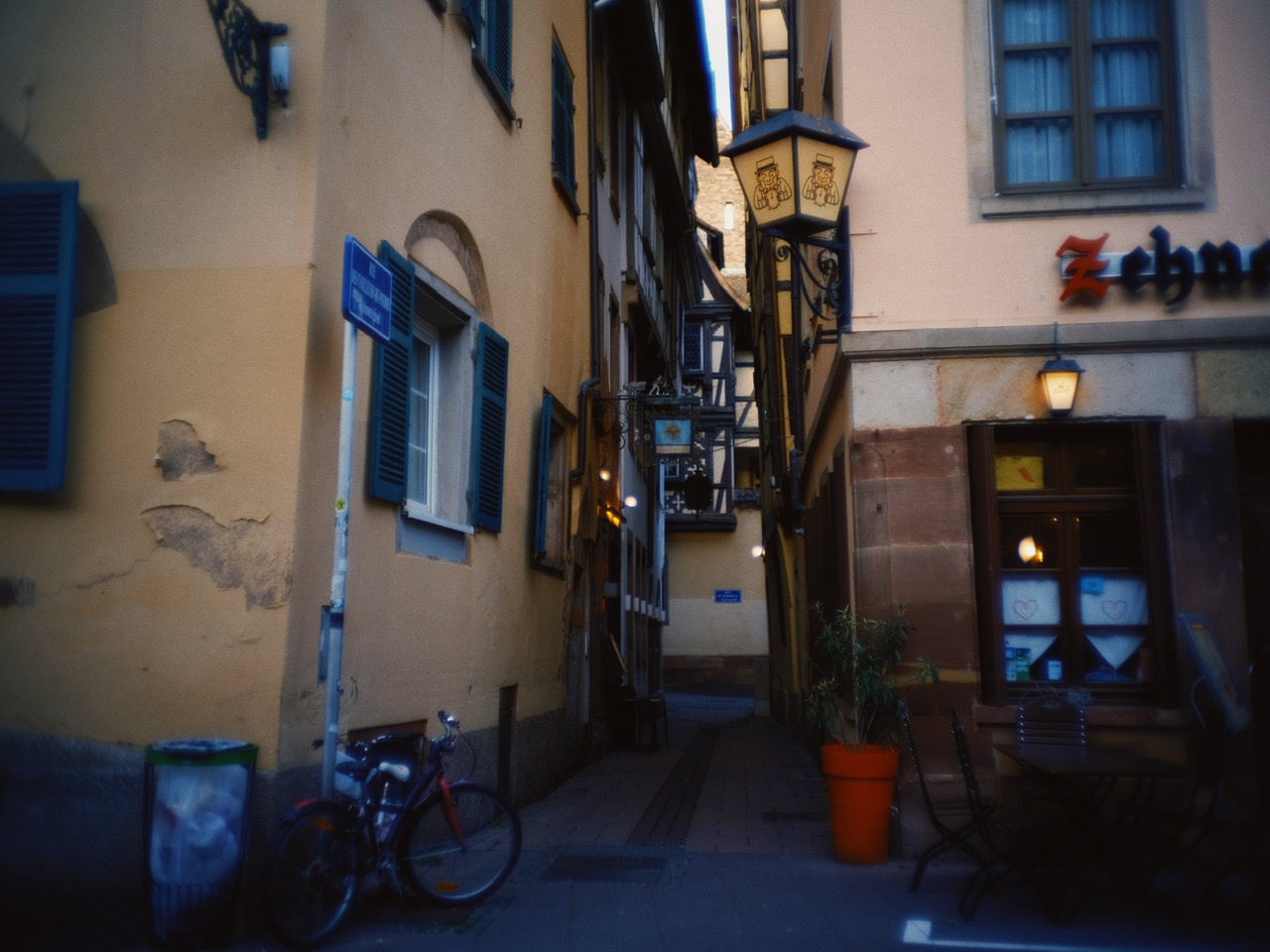
The first night shots are without crop.
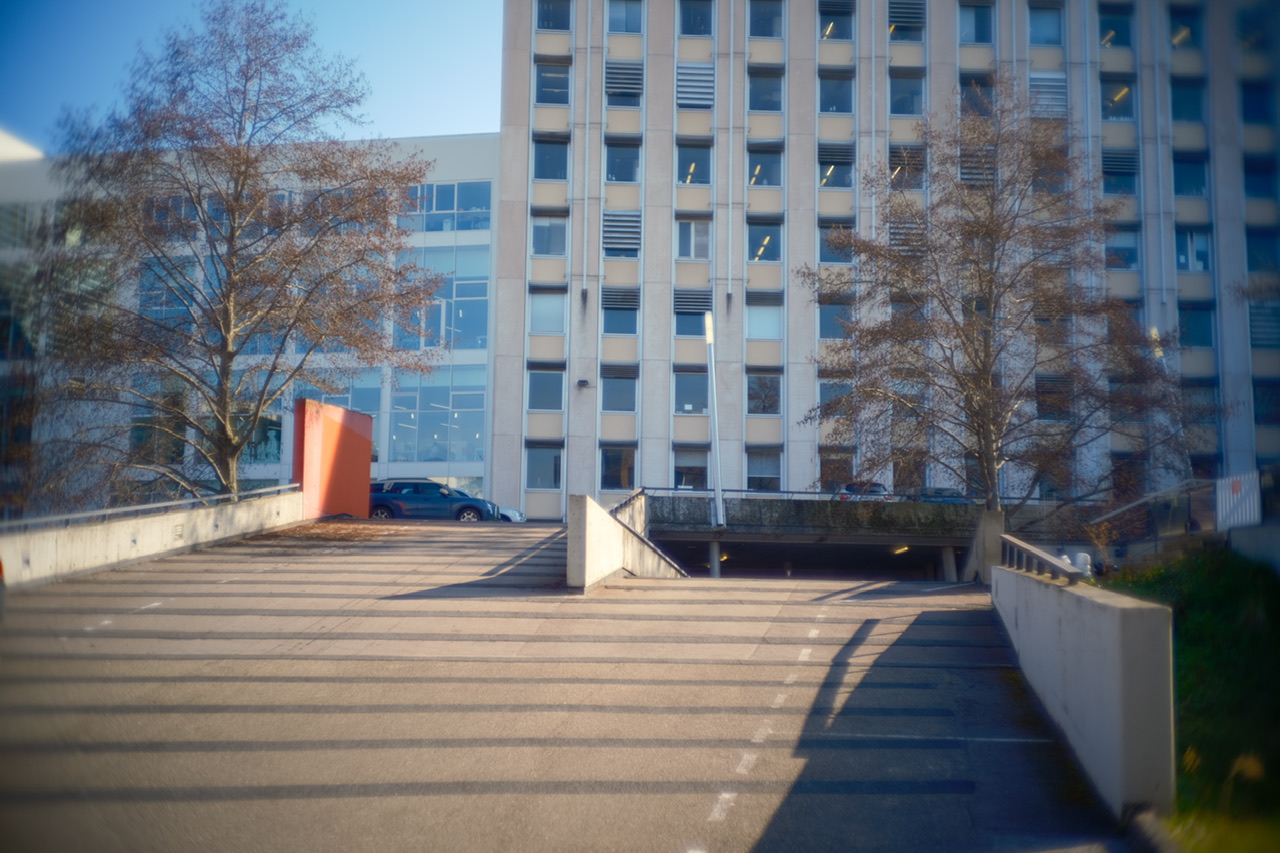
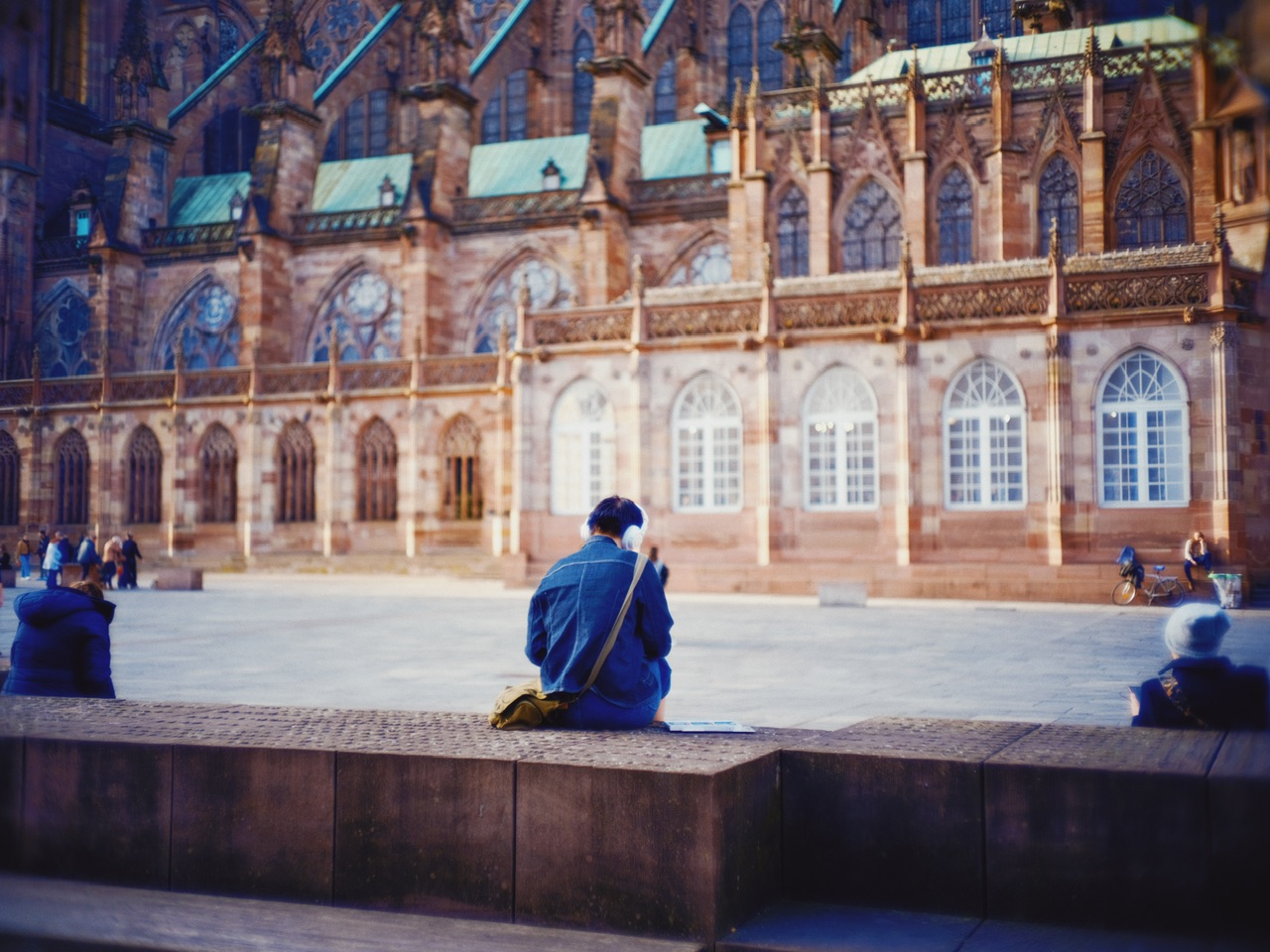
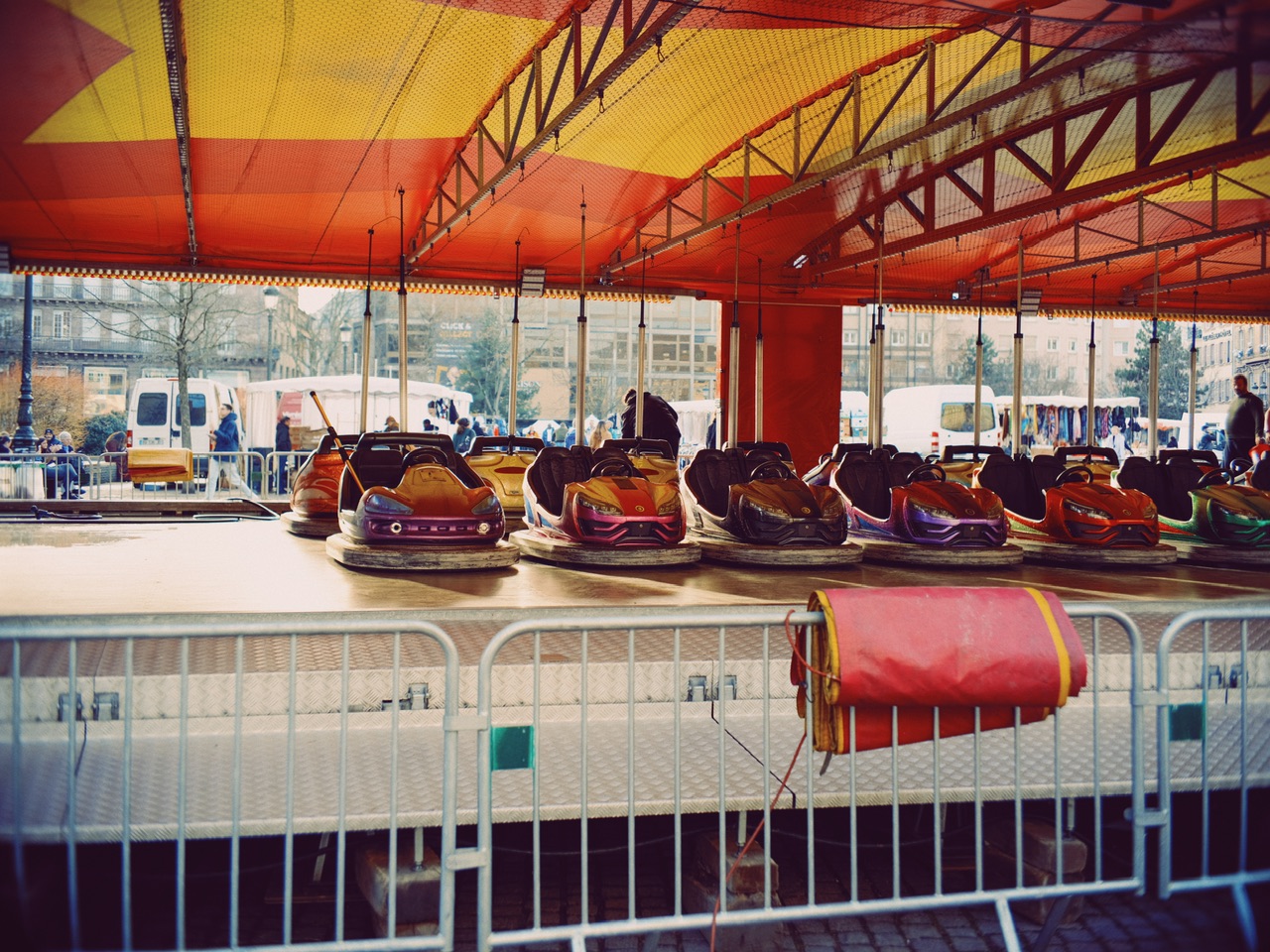
The daylight shots are with some cropping(not a lot though), I had to since the corners were quite messy even to my taste, some vignette and smears. It did a bit worse than I thought after my initial tests. Now, the sun was quite strong and the light not so pretty. I began to wonder if my lens hood might have participated to the vignette.
I did notice that the vignette tends to disappear at more close distance quite easily with the Heliar.
Sonnar-7 wrote:
Thank you! I forgot to mention it, I just acquired the camera (it was an impulse/thoughtful/carpe diem decision I’m still pondering/debating with)and still don’t know a thing about it. I’m just making my first shots with it.
The Heliar was one of the least worst lens, to my surprise, to pair with the GFX in testing it at home.
The first night shots are without crop.
The daylight shots are with some cropping(not a lot though), I had to since the corners were quite messy even to my taste, some vignette and smears. It did a bit worse than I thought after my initial tests. Now, the sun was quite strong and the light not so pretty. I began to wonder if my lens hood might have participated to the vignette.
I did notice that the vignette tends to disappear at more close distance quite easily with the Heliar. ...Show more →
Not showing hard vignetting on medium format is already impressive, even if it only holds true at close distances.
The Voigtlander 50mm f/1.5 is a fascinating lens. It takes inspiration from the original 1900s Heliar design with 5 elements in 3 groups (three single elements + one cemented doublet), but it pushes the formula further with a faster f/1.5 aperture and a 6-element, 3-group structure, where all three groups are cemented doublets. Cosina still classifies it as a Heliar, but I believe the discontinued Voigtländer 50mm f/3.5 Heliar (with its classic 5-element, 3-group layout) stays truer to the original design.
Interestingly, the new Voigtlander 50mm f/3.5 APO-Lanthar has an entirely different optical formula but delivers similar resolution, contrast, and rendering to the older 50mm f/3.5 Heliar (even similar axial CA correction since it's a f/3.5 lens). That lens was truly ahead of its time!
Fred Miranda wrote:
Not showing hard vignetting on medium format is already impressive, even if it only holds true at close distances.
The Voigtlander 50mm f/1.5 is a fascinating lens. It takes inspiration from the original 1900s Heliar design with 5 elements in 3 groups (three single elements + one cemented doublet), but it pushes the formula further with a faster f/1.5 aperture and a 6-element, 3-group structure, where all three groups are cemented doublets. Cosina still classifies it as a Heliar, but I believe the discontinued Voigtländer 50mm f/3.5 Heliar (with its classic 5-element, 3-group layout) stays truer to the original design.
Interestingly, the new Voigtlander 50mm f/3.5 APO-Lanthar has an entirely different optical formula but delivers similar resolution, contrast, and rendering to the older 50mm f/3.5 Heliar (even similar axial CA correction since it's a f/3.5 lens). That lens was truly ahead of its time!...Show more →
That Heliar is indeed an interesting lens(the design of it is quite unique as you mentioned), it’s quite a rollercoaster too, each time I feel I am bored or disappointed by it I discover something useful and new to experiment with it.
I wonder if I should try the old Heliar on the GFX, it seems that the less elements and groups in the design the less likely it is to vignette.
I tried a few lenses and so far the less worse are the Heliar 50mm 1.5, the Sonnar ZM(it does vignette more than I read it would, a bit disappointed with this one), the Topcor 5cm f2 and the Elcan but it vignette quite a bit at longer distances(although I read somewhere that it should not vignette or very little but it was about the original Elcan, maybe the LLL is not identical.)
I read the Xenon did alright too but I don’t have my Summarit anymore, Idon’t think it should work but I’m curious now that I read that about the Xenon.
The Heliar 75mm 1.8 is said to work too, it might give me cause to finally get it.
Back to the Heliar 50mm 1.5, I’ll do more tests with it(maybe Voigtlander might make a giant GFX version of the lens.)