Congratulations to shibutg for winning Feature Thread of the Week with 26 votes - View Previous Winners
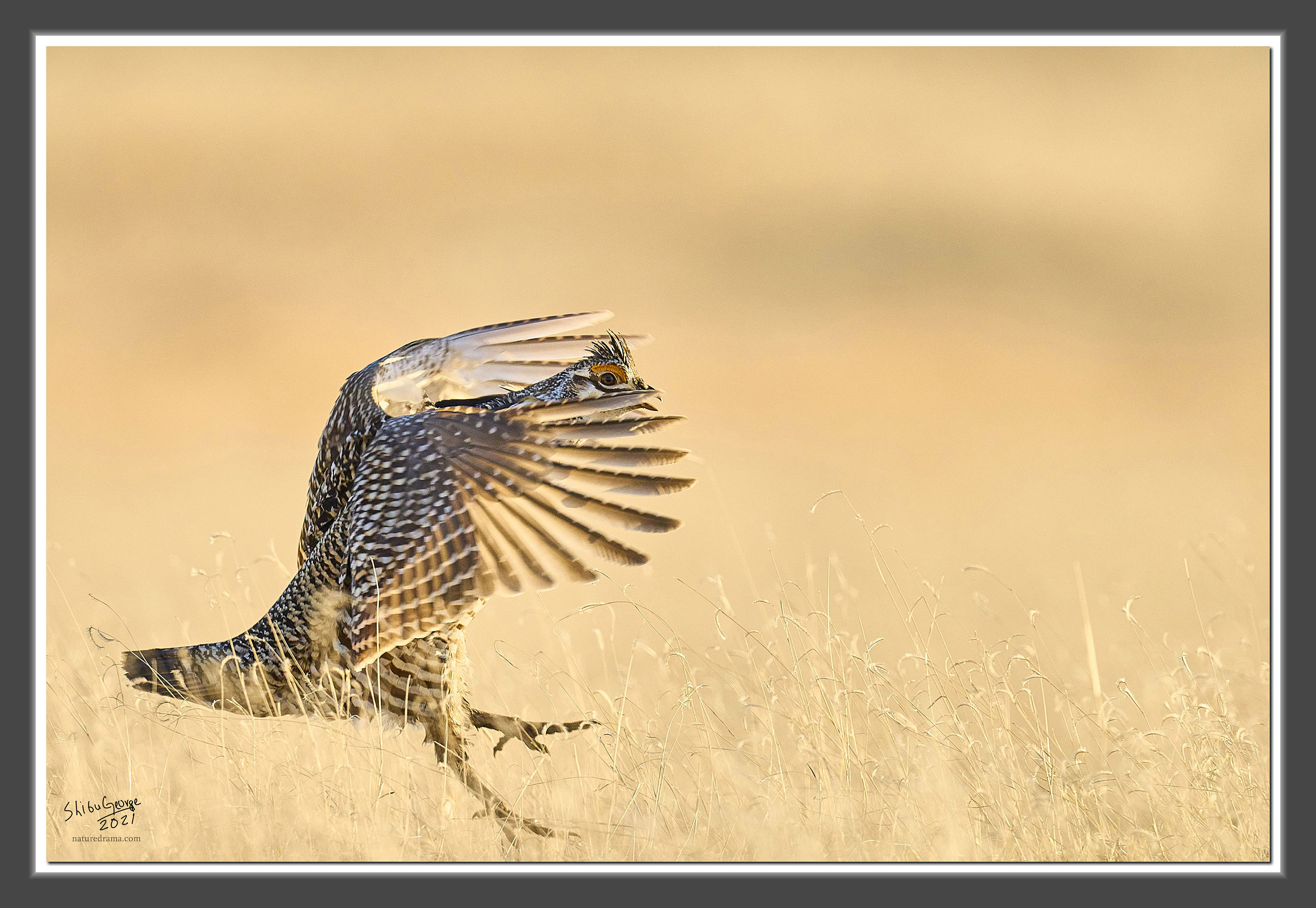
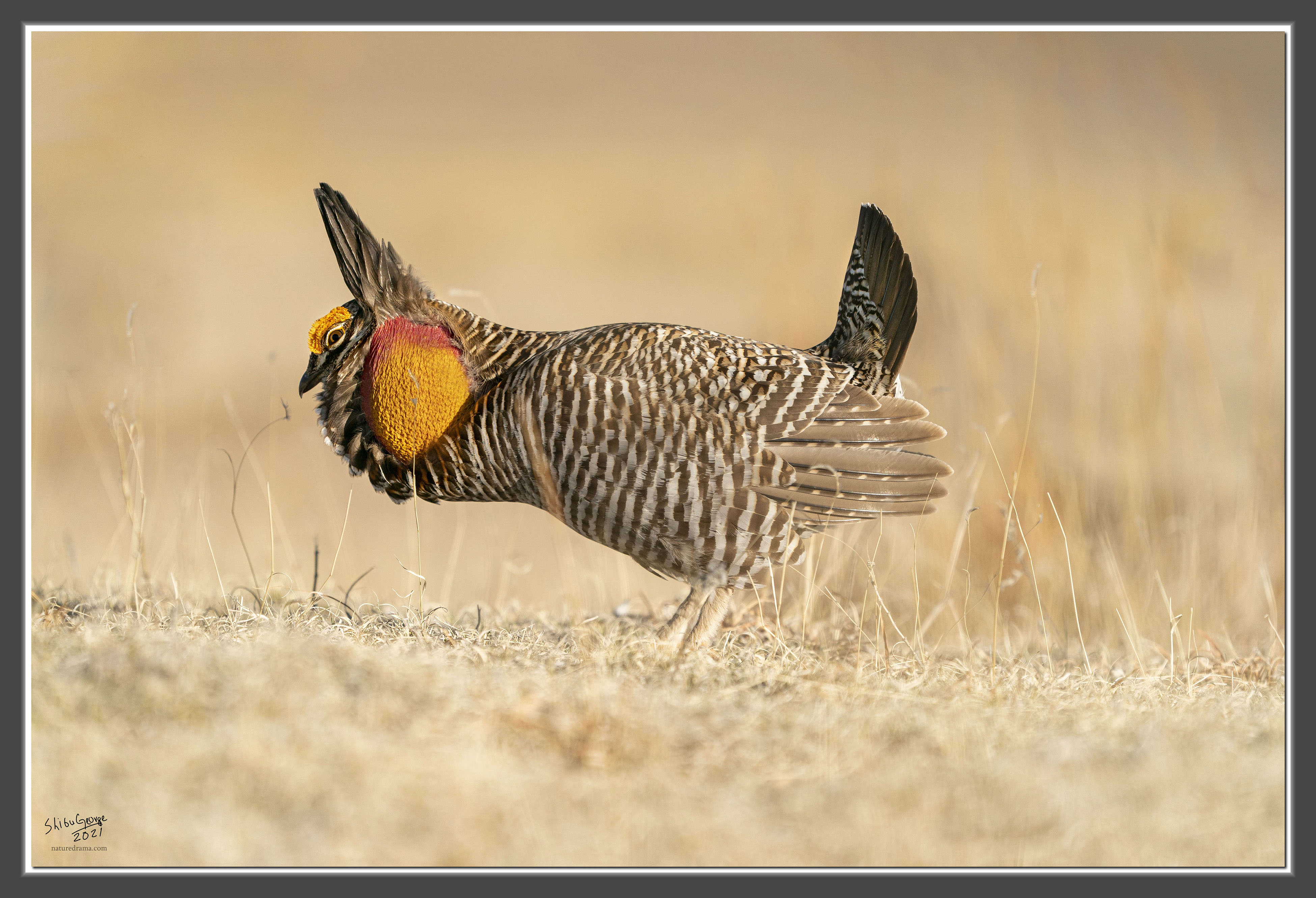
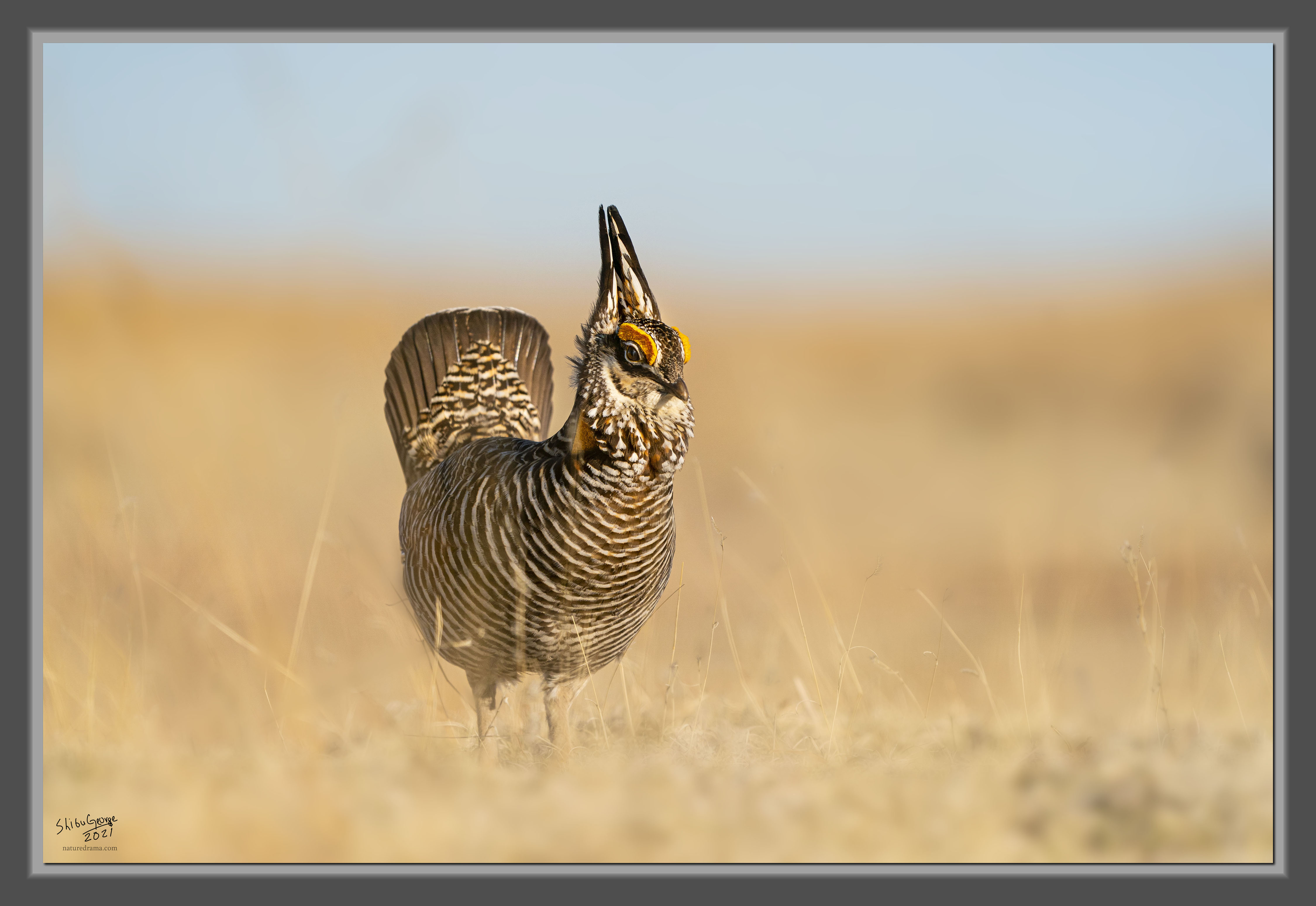
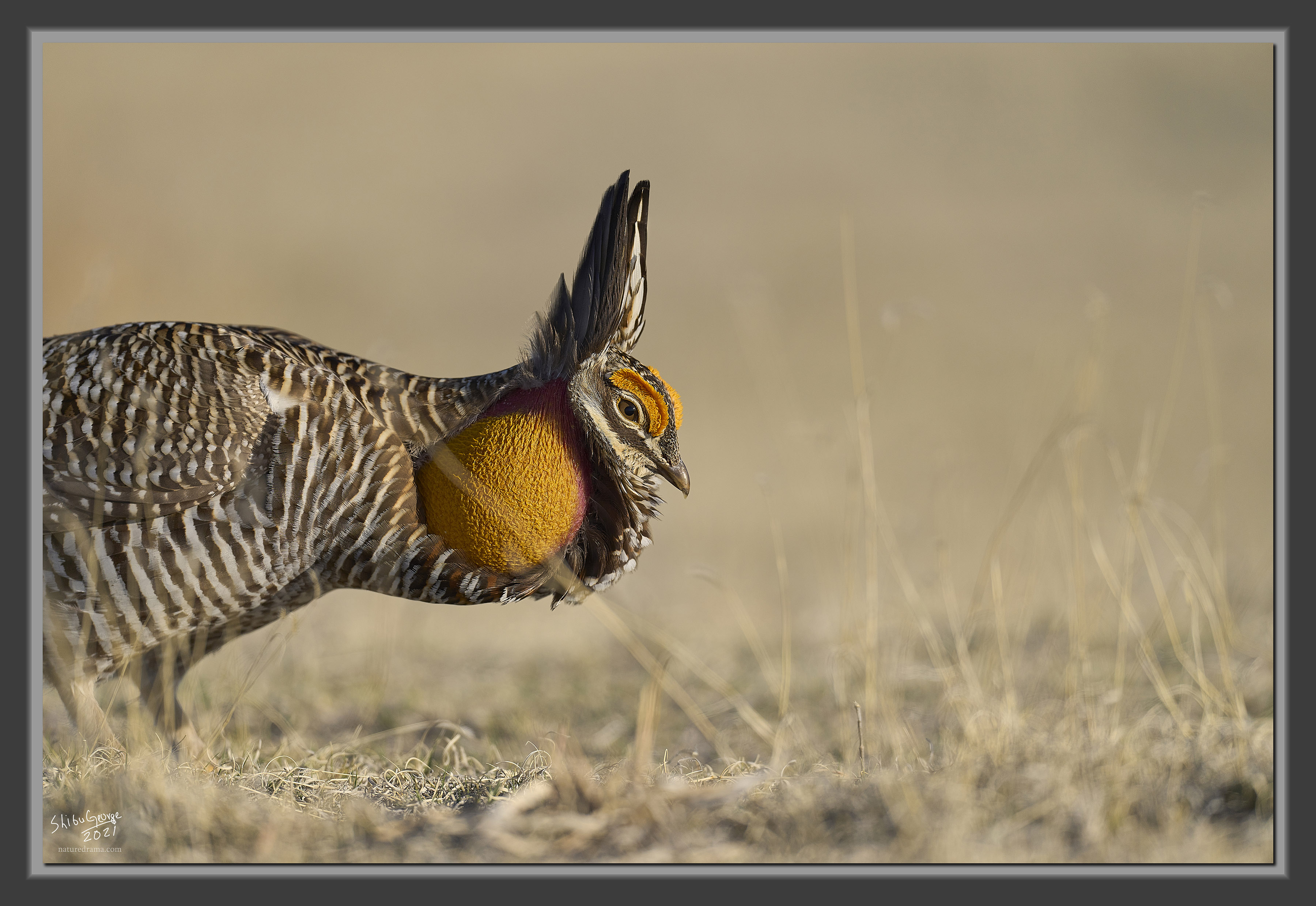
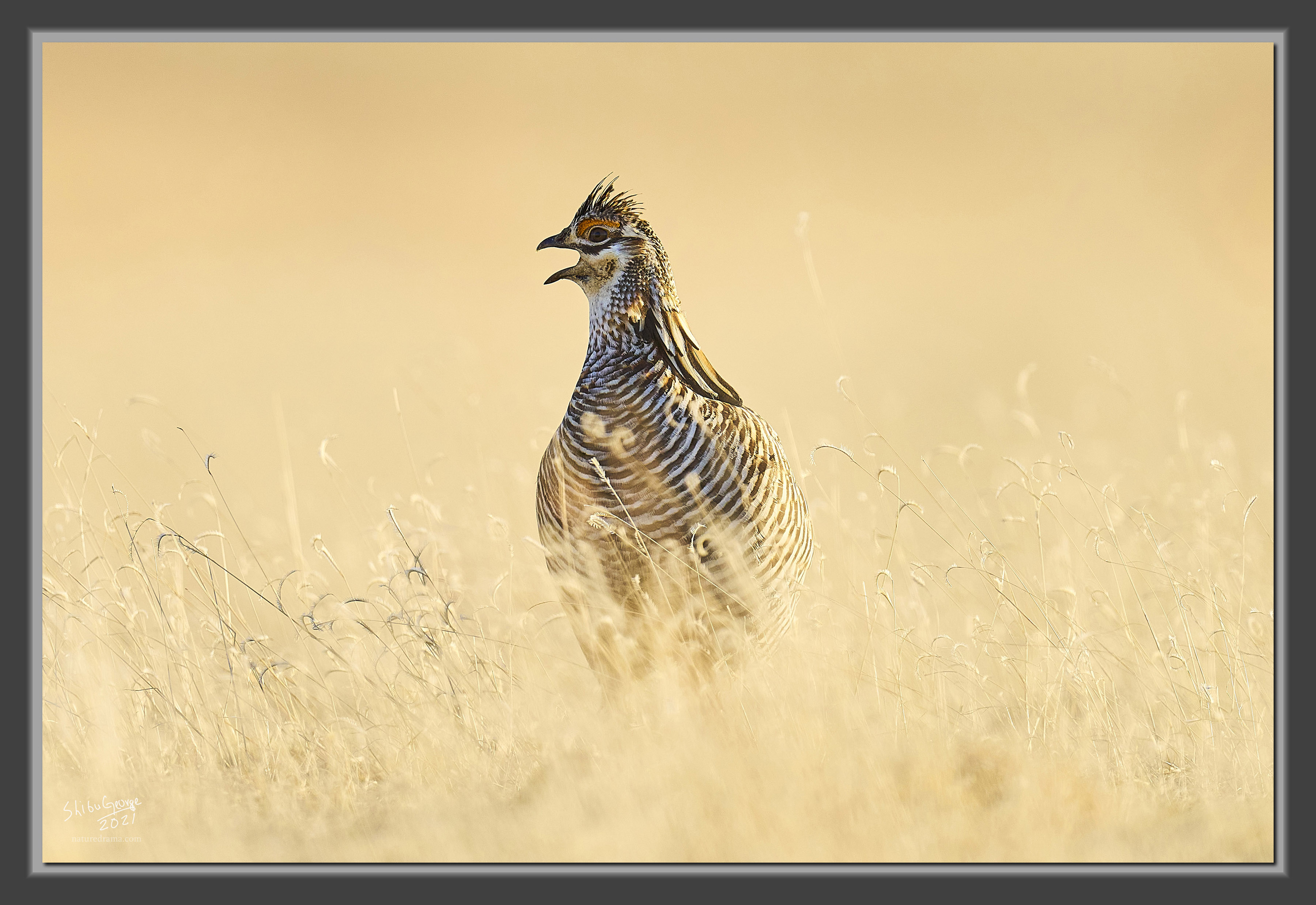
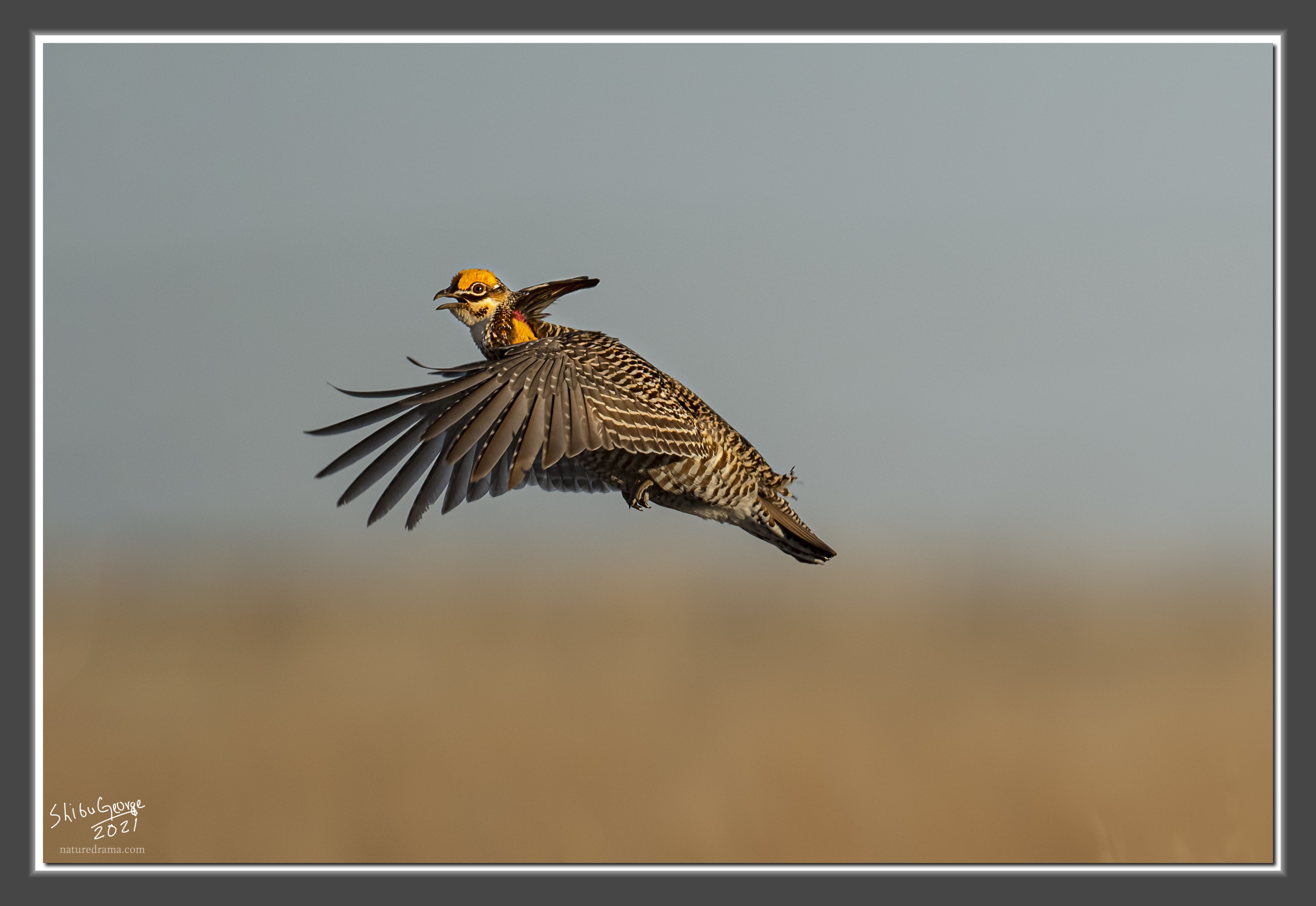
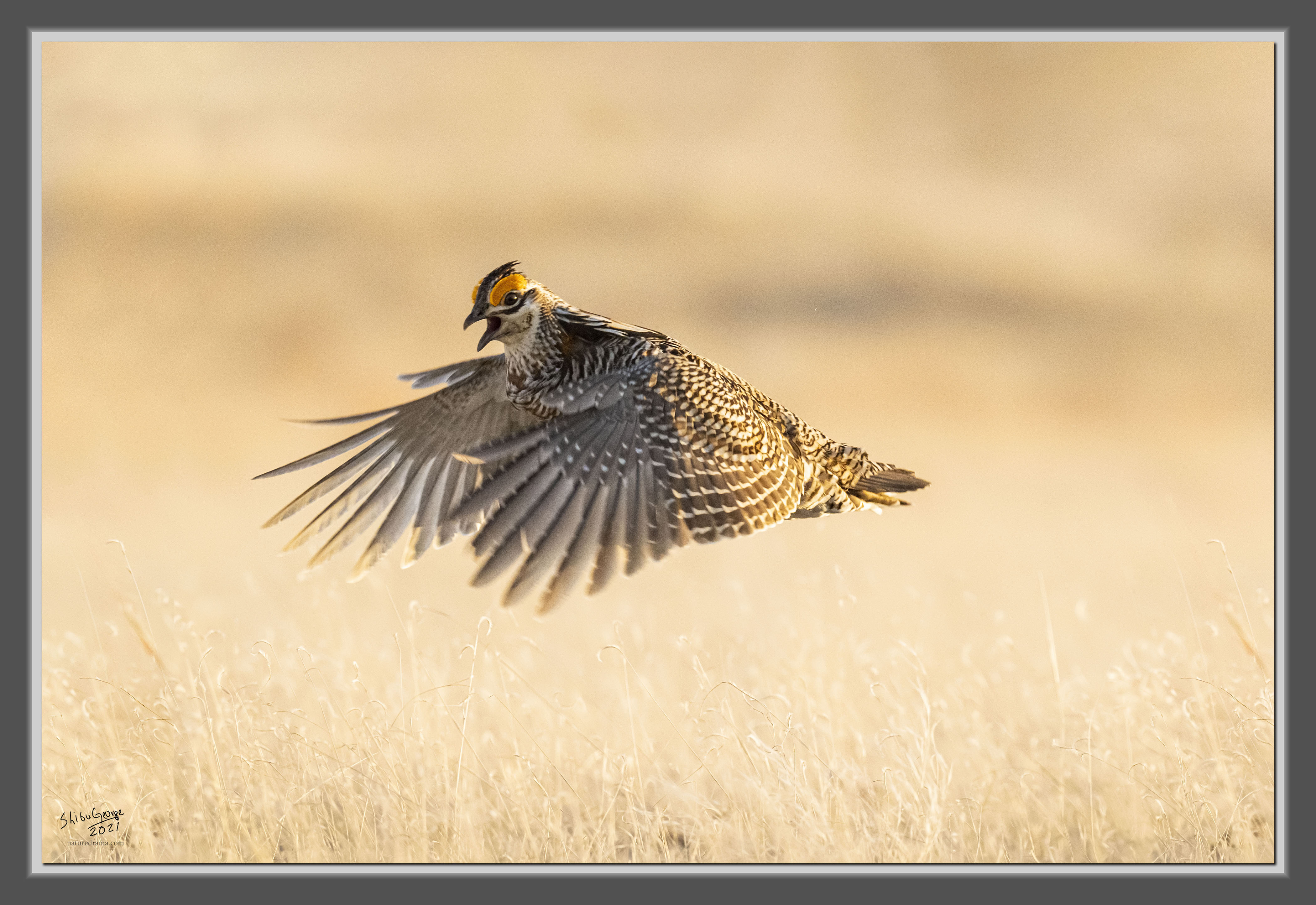
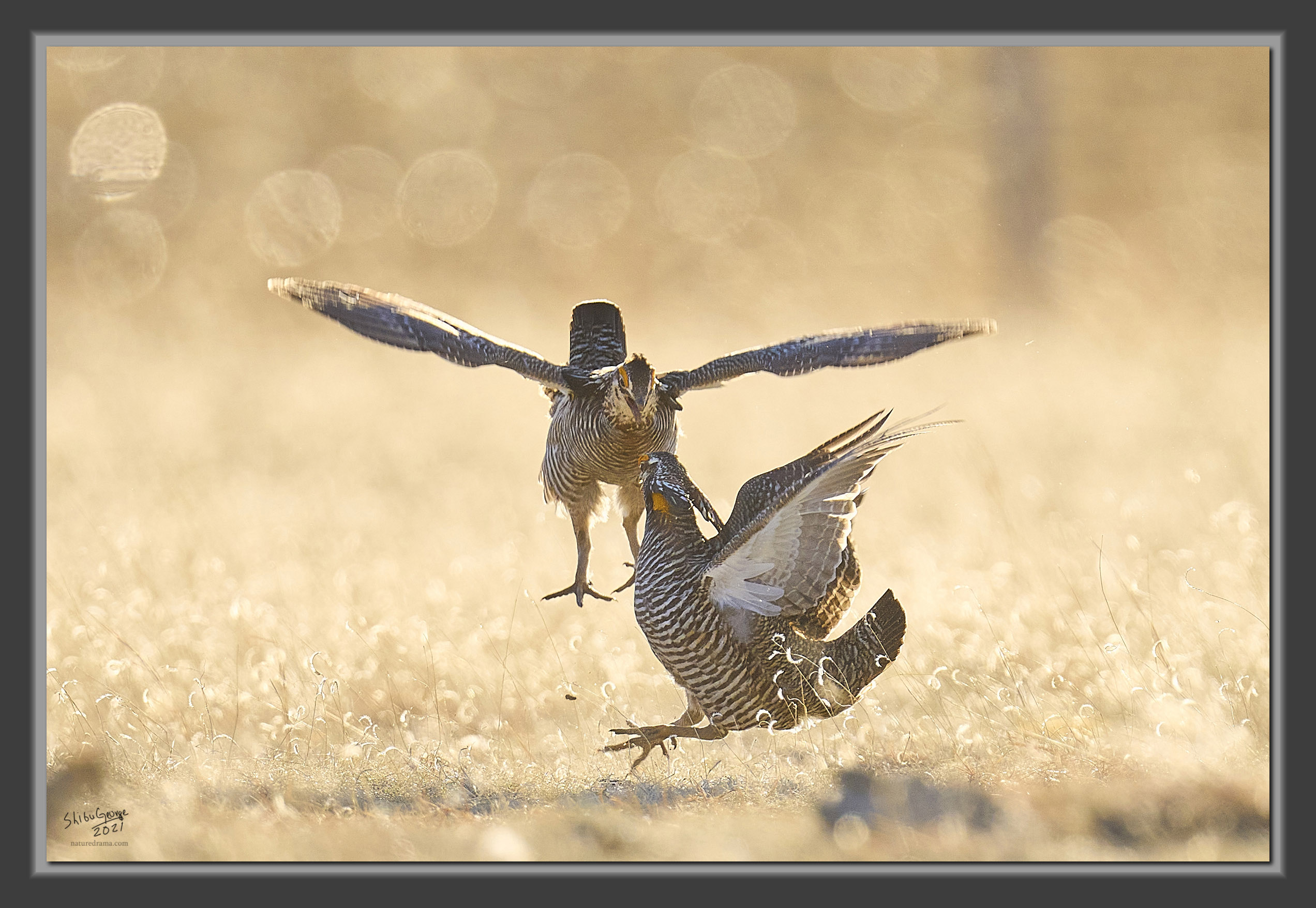
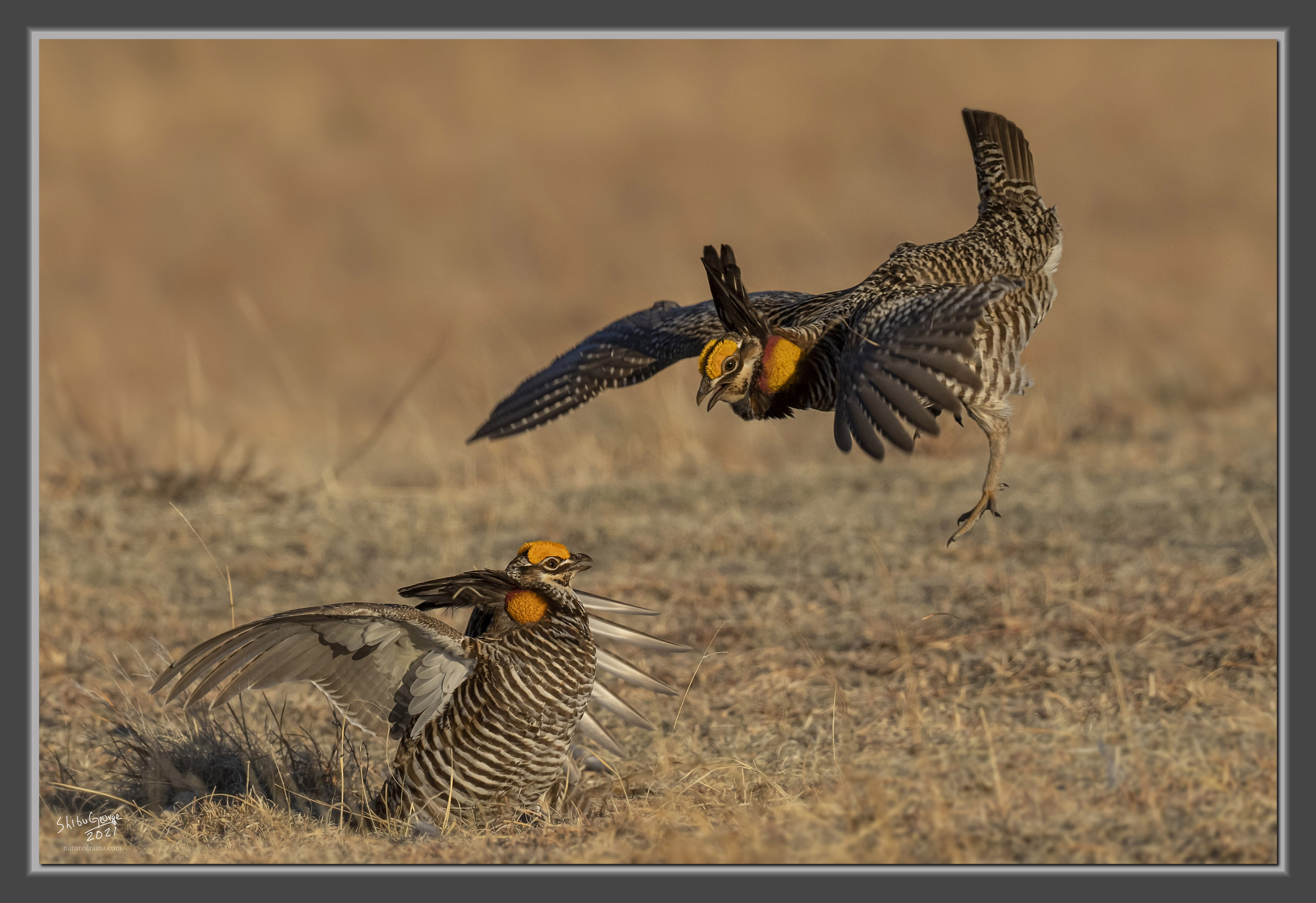
Recently I had a trip to Eastern Colorado for photographing Greater Prairie Chickens from their Leks. There I met a Rancher (one of the nicest guys I ever met) who owns more than 100k acers there, there are several Leks in his property. He showed me few good photography friendly and accessible Leks in his property and let me shoot mornings and evenings (for free) there.
In Colorado, between 1973 and 1993 Greater Prairie Chickens were listed by the state as an endangered species. In 1993, the birds were delisted to threatened and in 1998 they were delisted to a special concern/nongame status. In Eastern Colorado (that is the only area you can find them in Colorado), by around 1960 their number declined significantly due to hunting and food shortage in Winter. Farming (Corn) in Eastern Colorado started around 1960 and farmers started to leave certain amount of corn on the ground for these birds to survive the winter food shortage, this tremendously helped the numbers to get back to healthy again. There are several Leks in the area now. In this area, the biggest threat they have now is hailstorms, since they live in prairies there are no protection from hailstorms and relatively younger ones are the most affected.
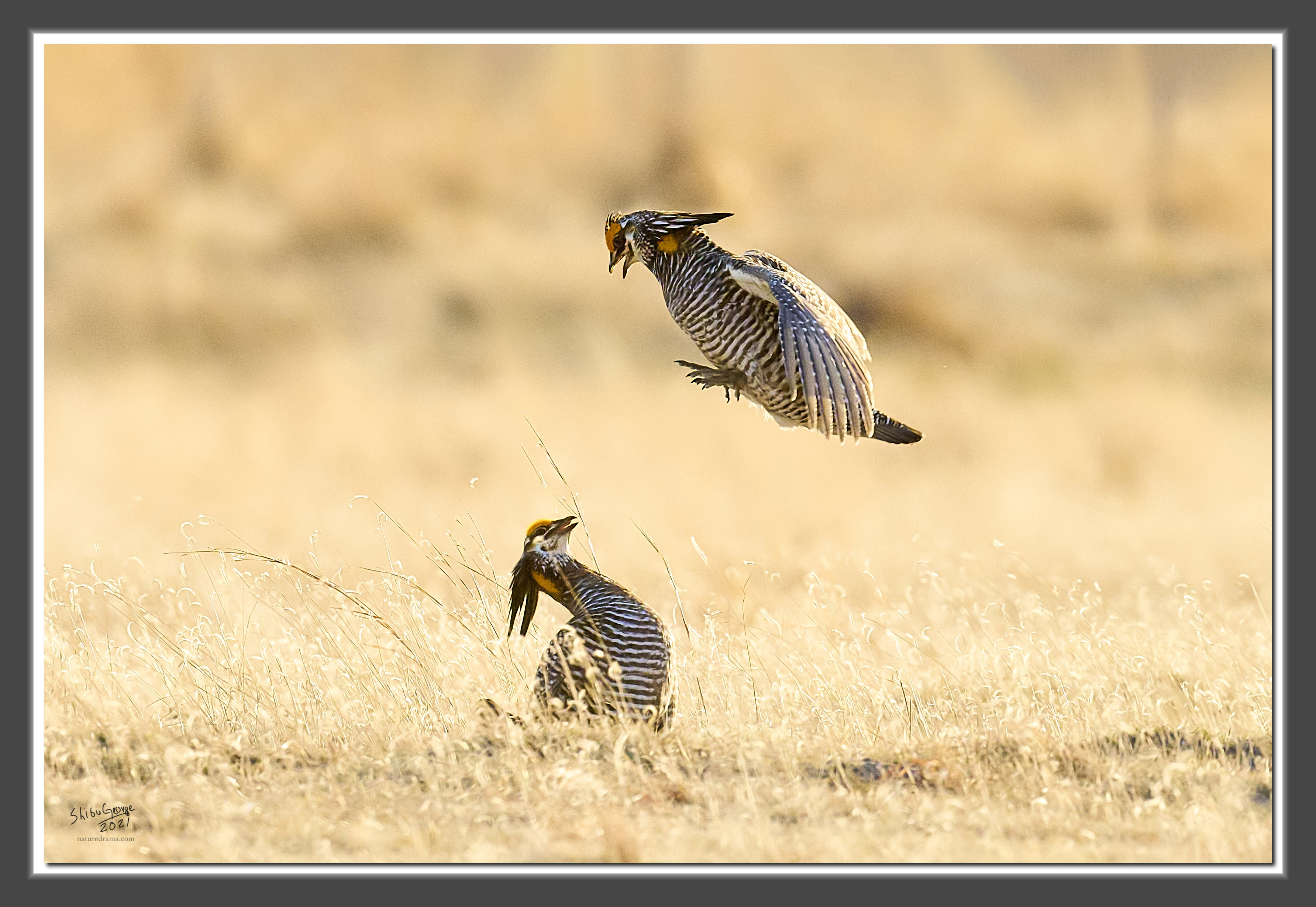
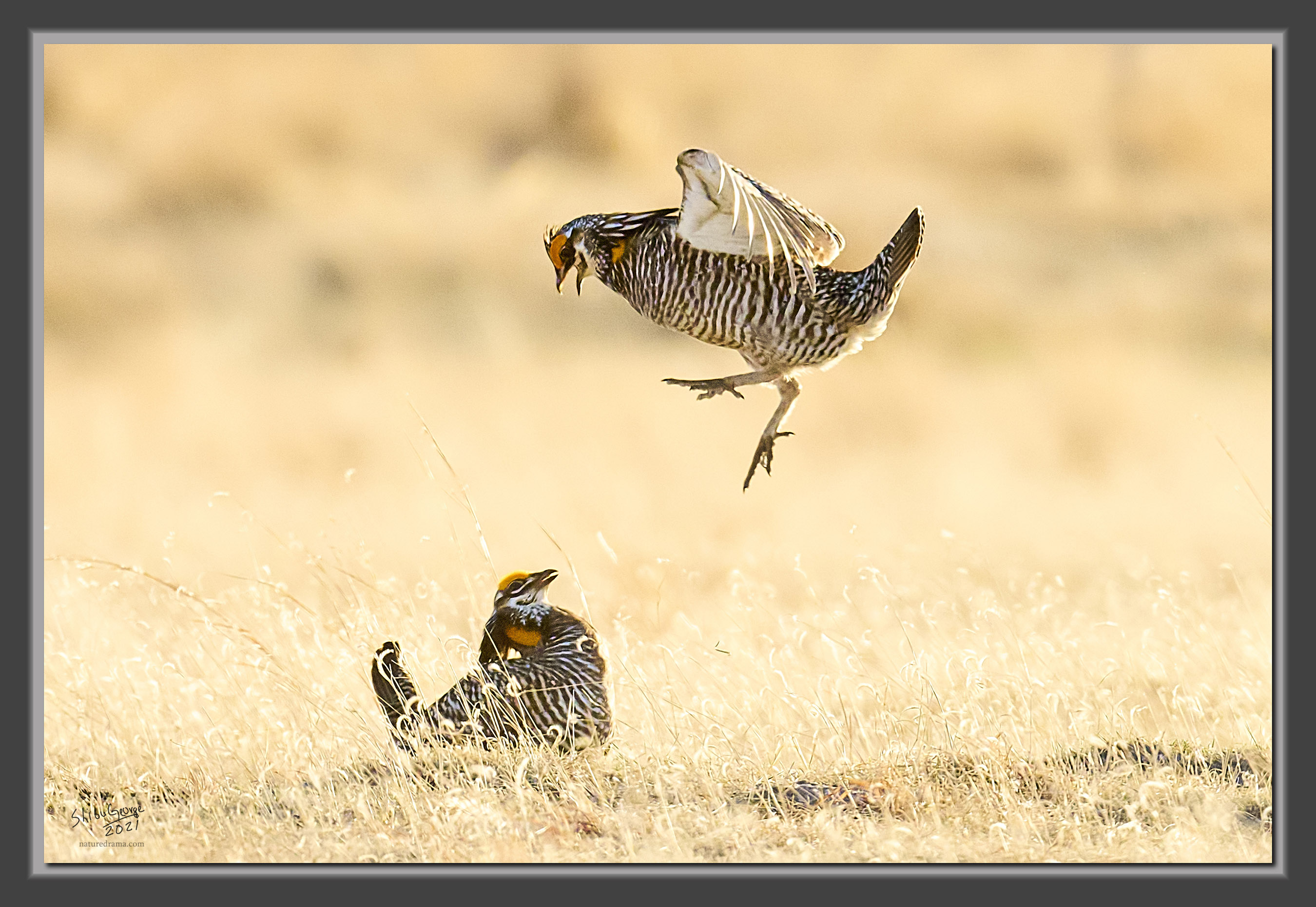
Leks I saw are native tall-grass prairies, had about 20 to 35 birds gather in morning and evenings, they are very skittish and fly away from the leks as soon they see us. I set up blinds before they arrive and noticed they fly away immediately if they are disturbed by our presence, they will come back if you hide behind the blinds without visible movements. In these leks, the male Prairie Chickens try to impress the female with their dancing skills and display of colored sacks. In the Leks, they will cackle, jump and stomp their feet, sometimes scuffling with a rival. Then they will inflate their bright orange and purple neck sacks and emit an eerie booming sound. From an active lek, the booming sound is audible at least a mile away if there are no other interference.
Overall, it was a tremendous experience with lot of fun and it was very relaxing just to listen their “boom,” “cackle,” “whine” and “whoop.”
Fred Amico wrote:
Excellent set, Shibu, and I learned a new word, as I didn't know what a Lek was.
Thanks Fred, I also learned it recently
---------------------------------------------
armd wrote:
Marvelous images.
Thanks!
---------------------------------------------
kdacharya wrote:
What an experience it was. Lovely images to boot, so happy for you, Shibu. Voted for sure
Thanks KD!
---------------------------------------------
morris wrote:
Super series Shibu. Each is a stand out in it's own way
Morris
Thanks Morris
---------------------------------------------
cocodrillo wrote:
Lovely series and what a spectacular bird!
dallvr wrote:
Great photos of beautiful birds! I enjoyed your account of the conservation measures that brought this species back from the brinks of extinction.
Nice work at ground level and great work on the paired up ones! Love the washed neutral BG color with the color and patterning of the Prairie Chickens.
Karl Witt wrote:
Nice work at ground level and great work on the paired up ones! Love the washed neutral BG color with the color and patterning of the Prairie Chickens.