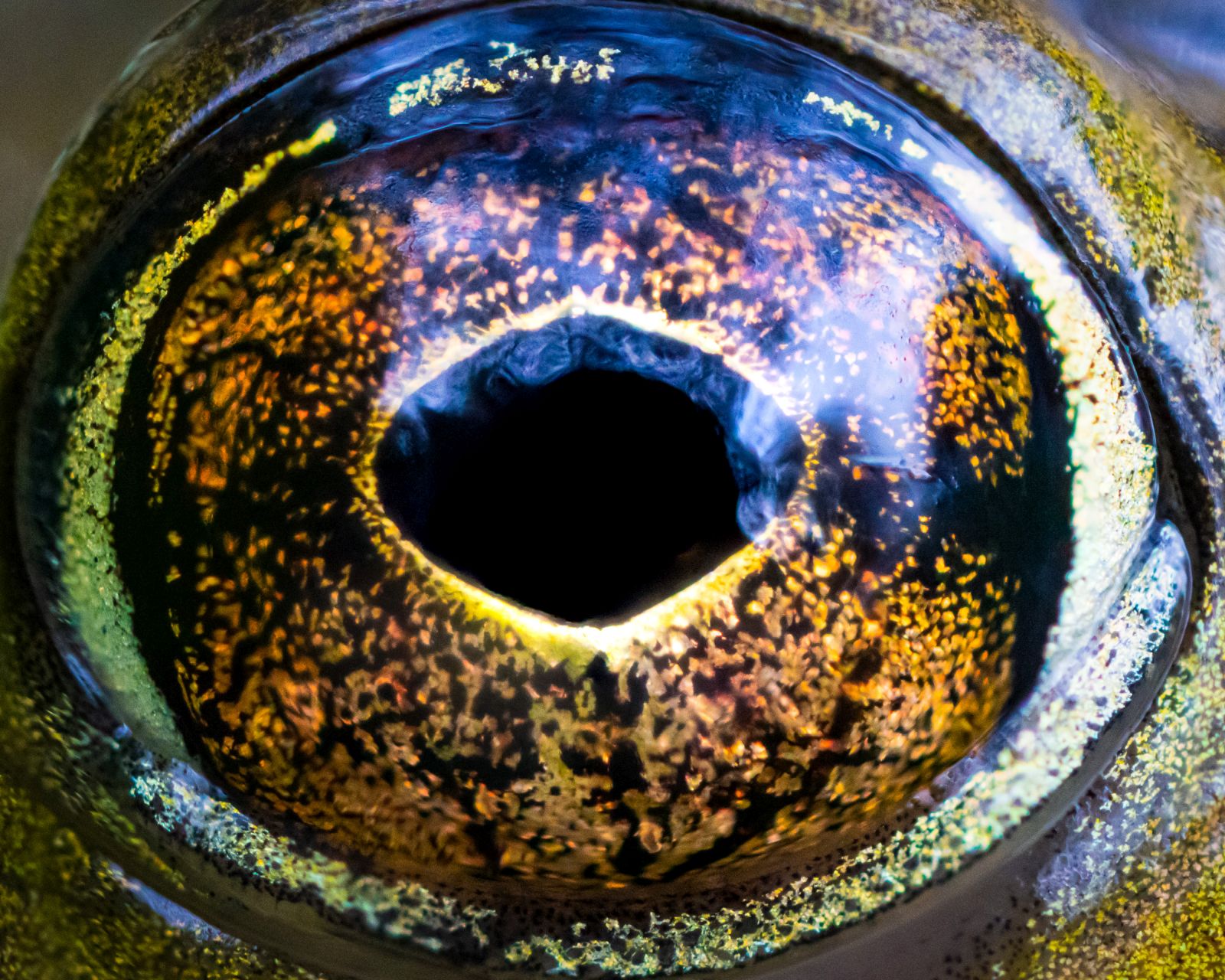
I'm not a bird shooter or a macro shooter but here I present a macro shot of a frogs eye. Caught this guy swimming in my pool. Placed him on a jade plant and proceeded to get very close. He (or was it a she) behaved quite well before hopping off into the backyard somewhere. Of course this does not showcase the amazing features of the A1 but I did use the A1 to take the photo.
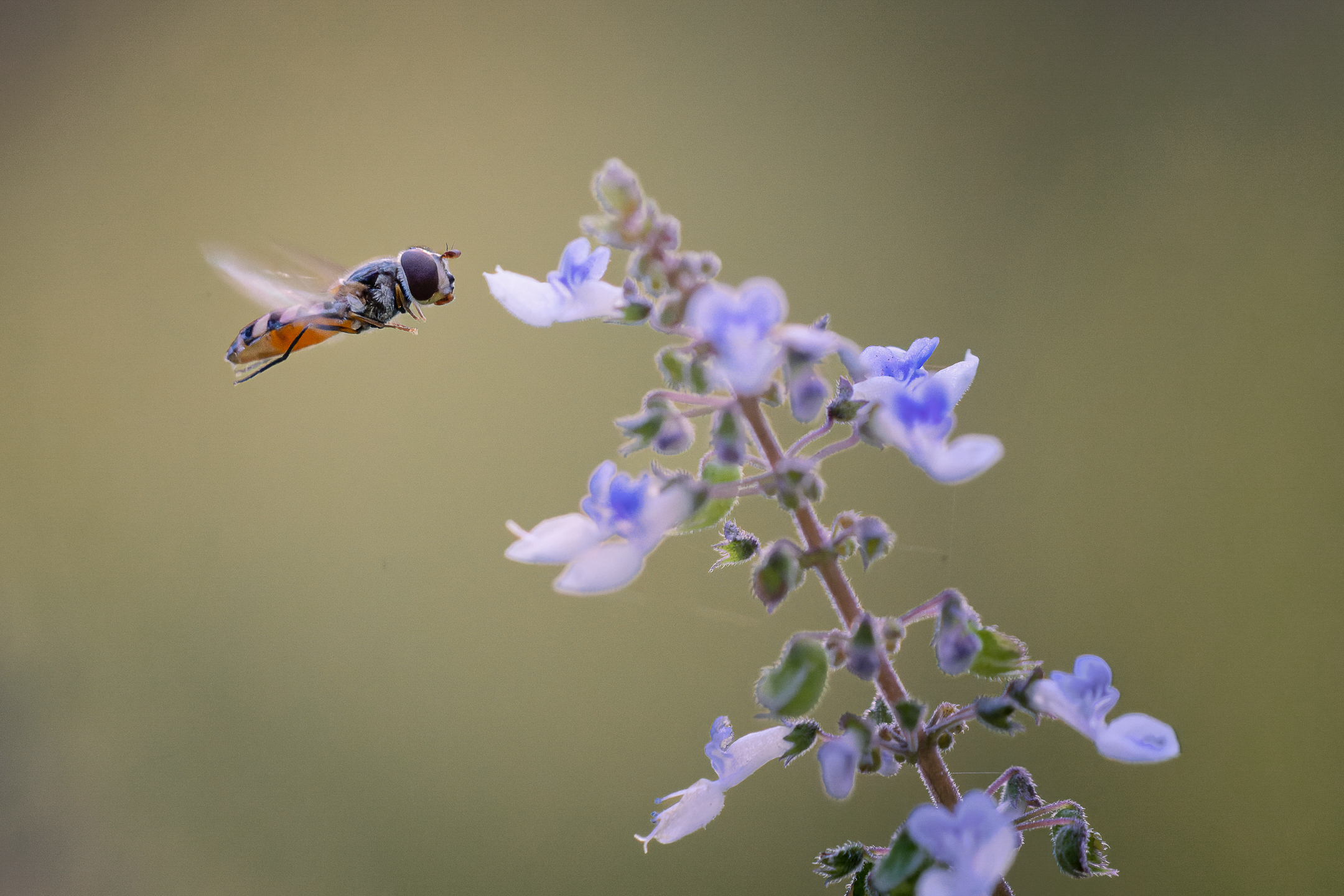
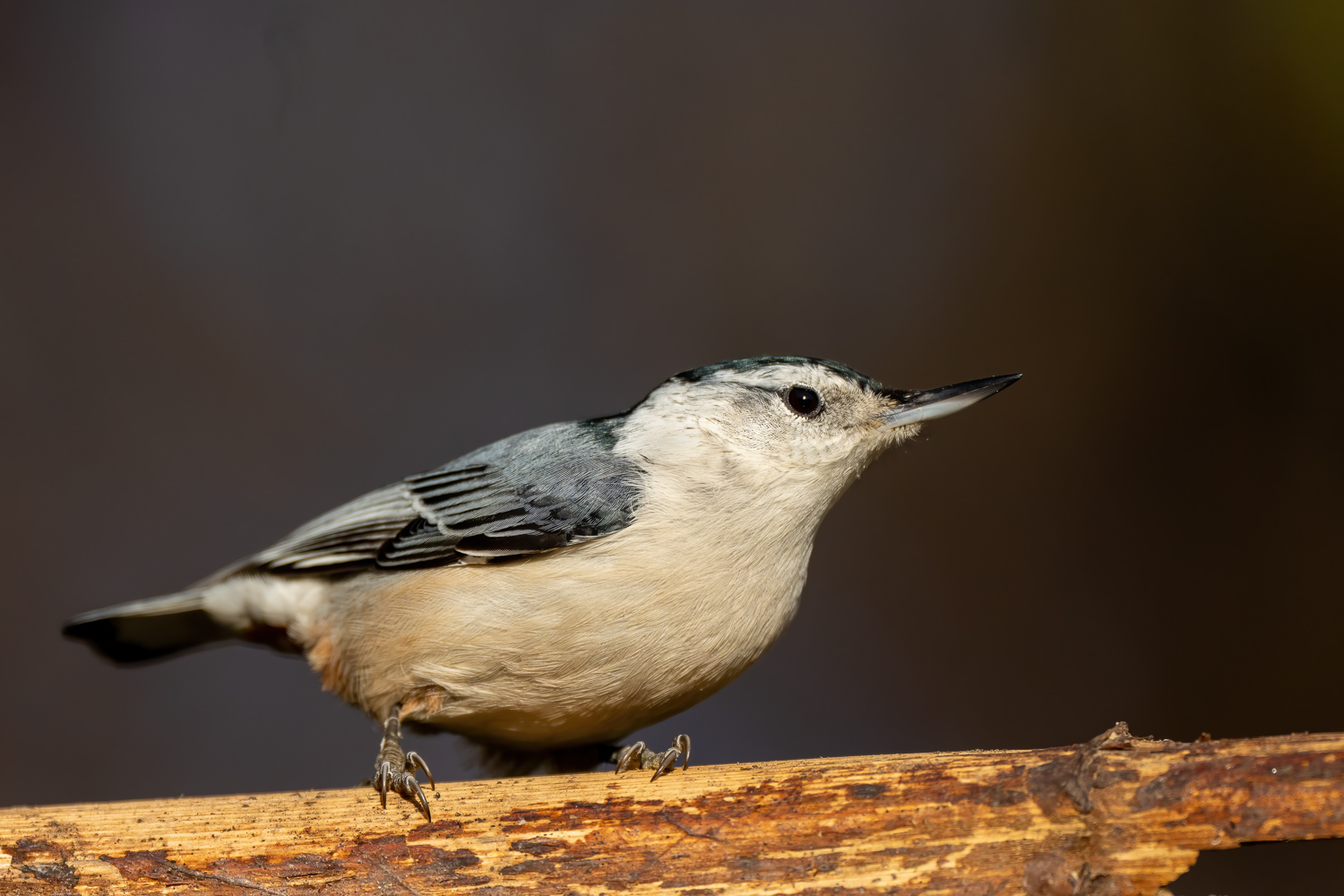
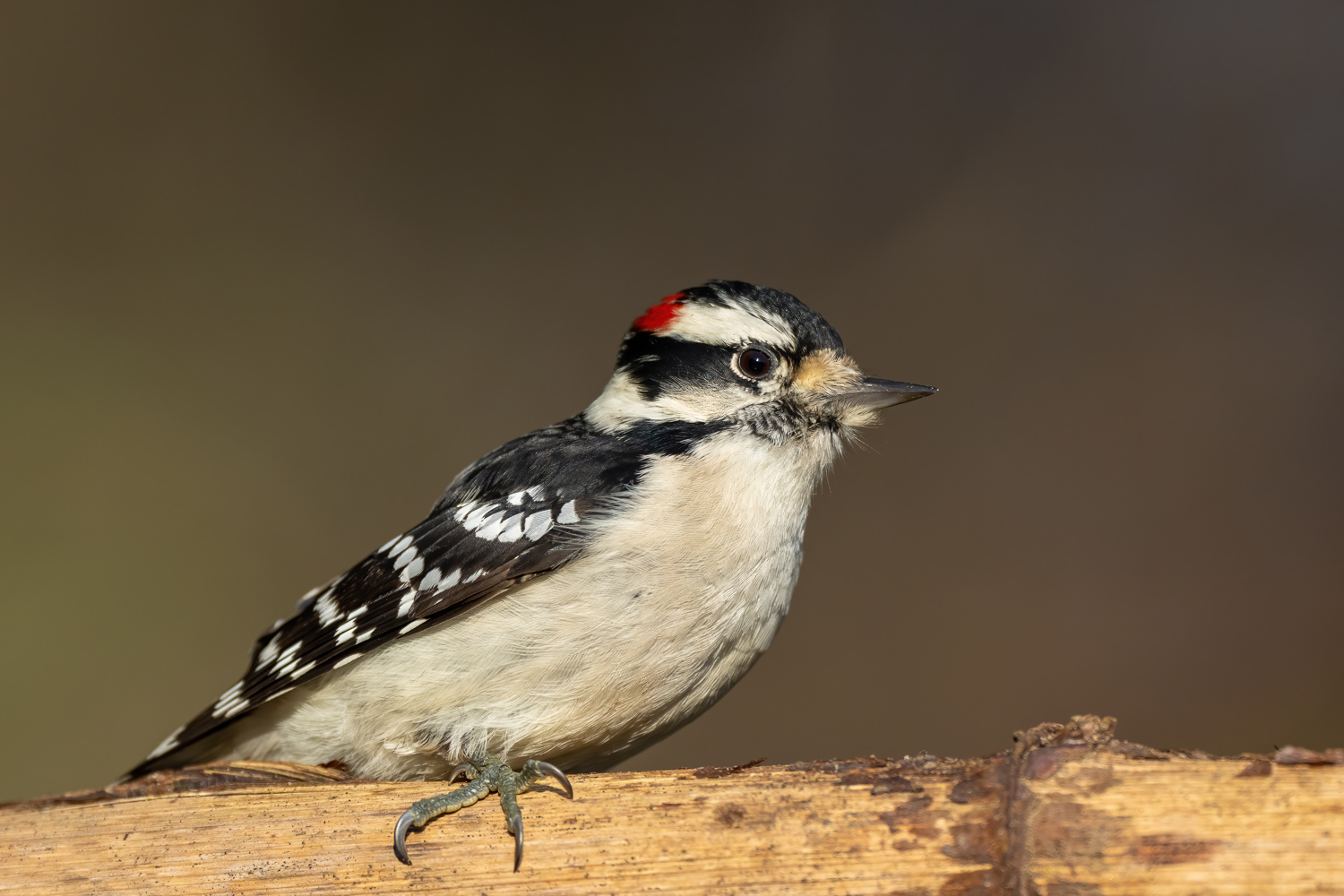
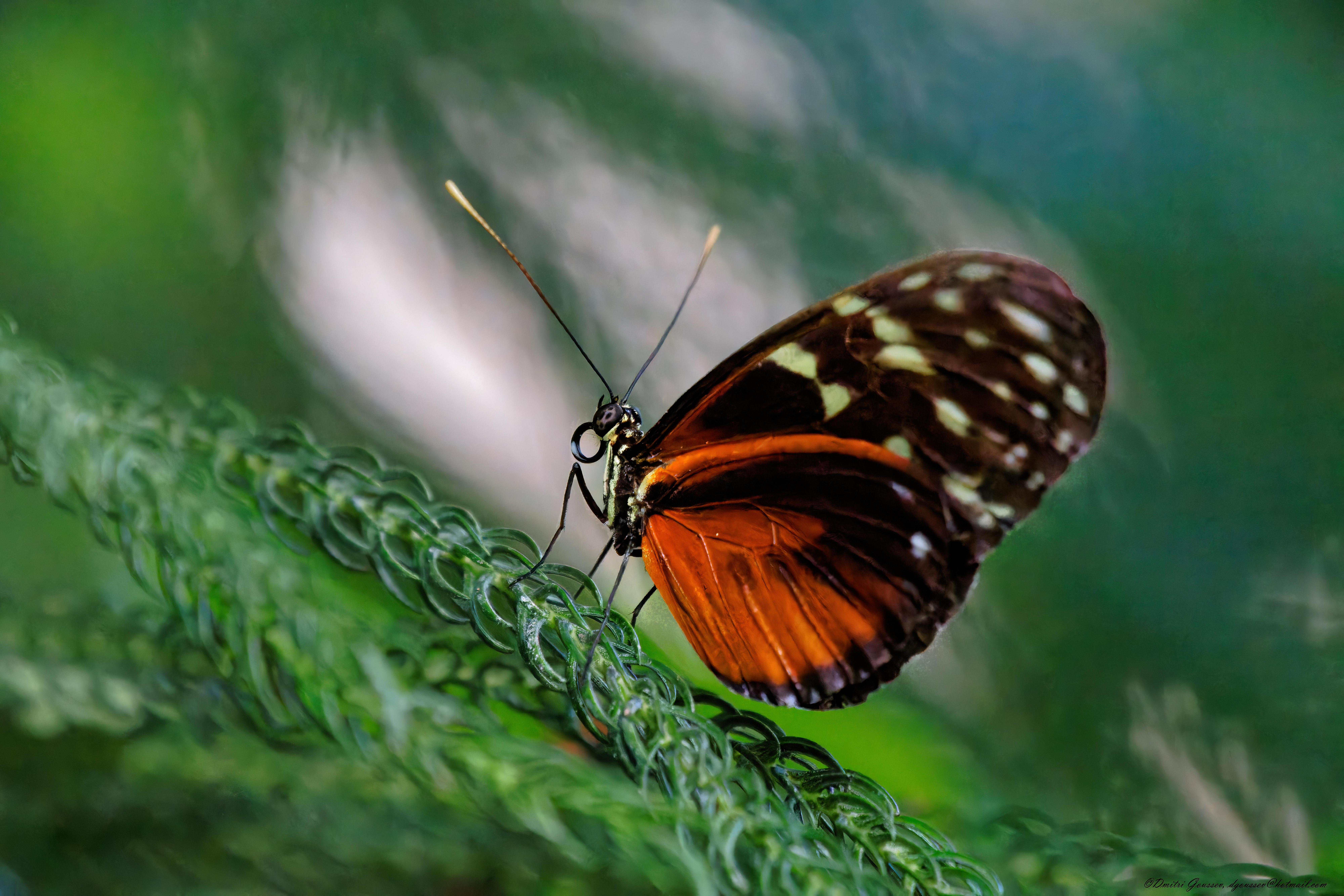
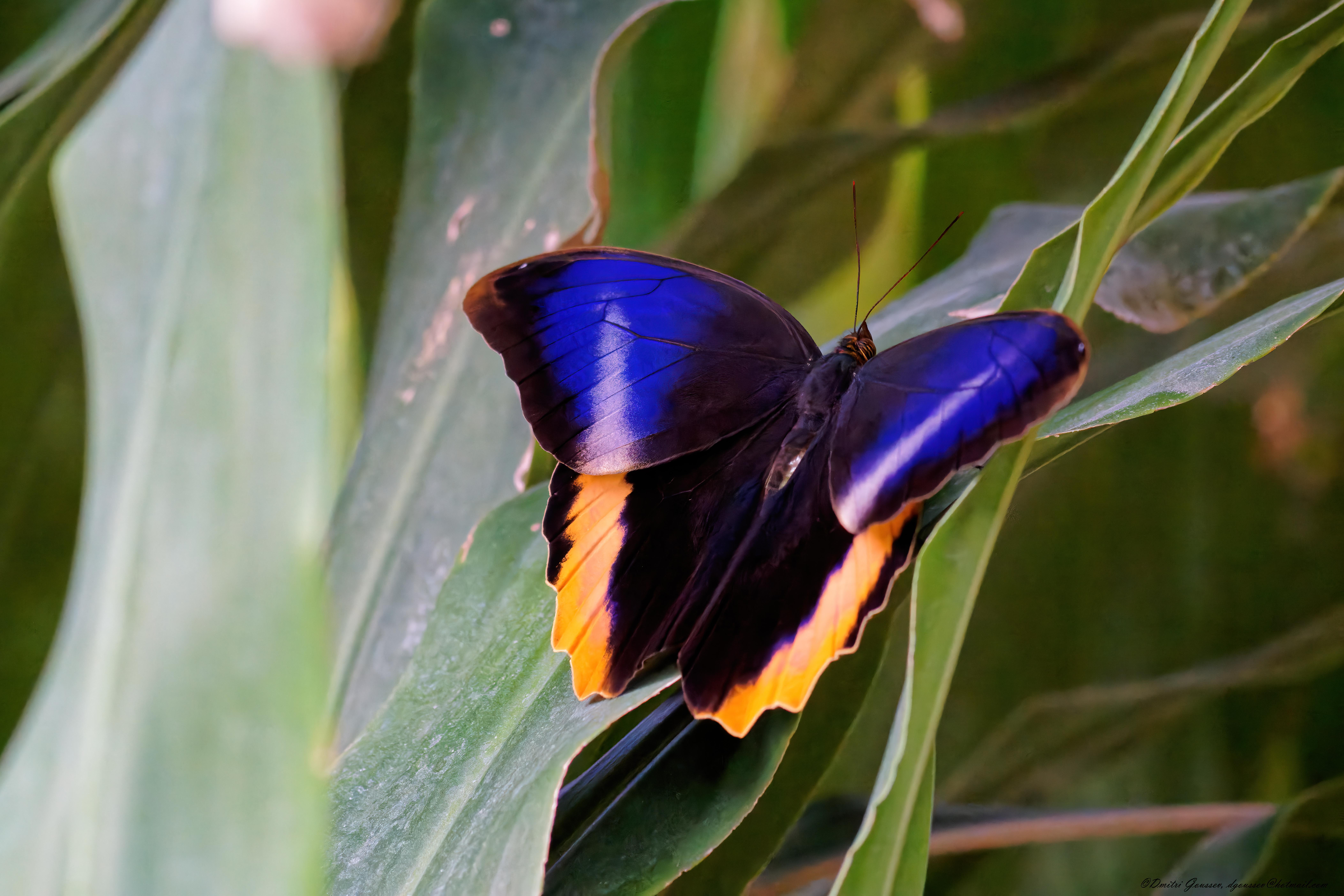
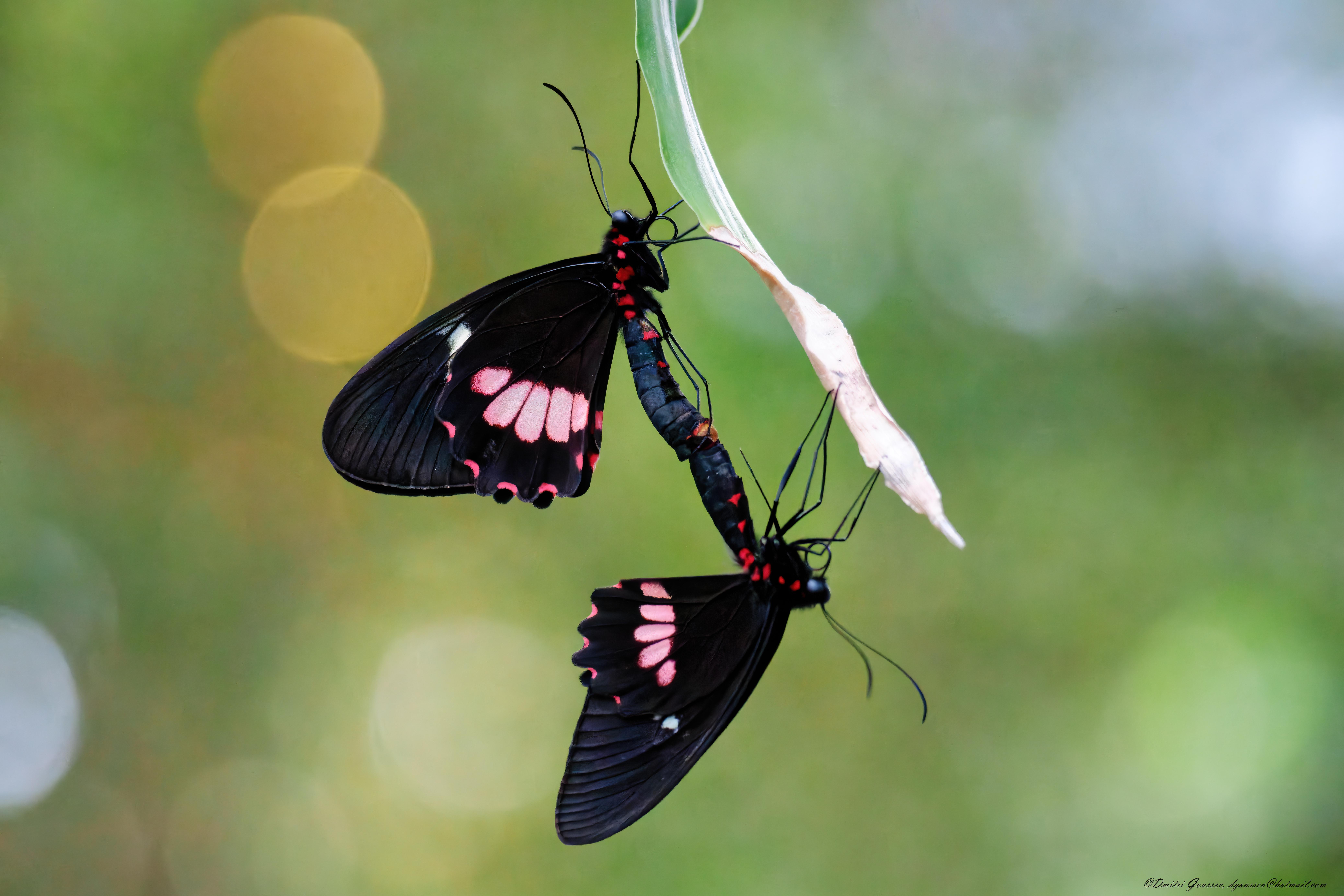
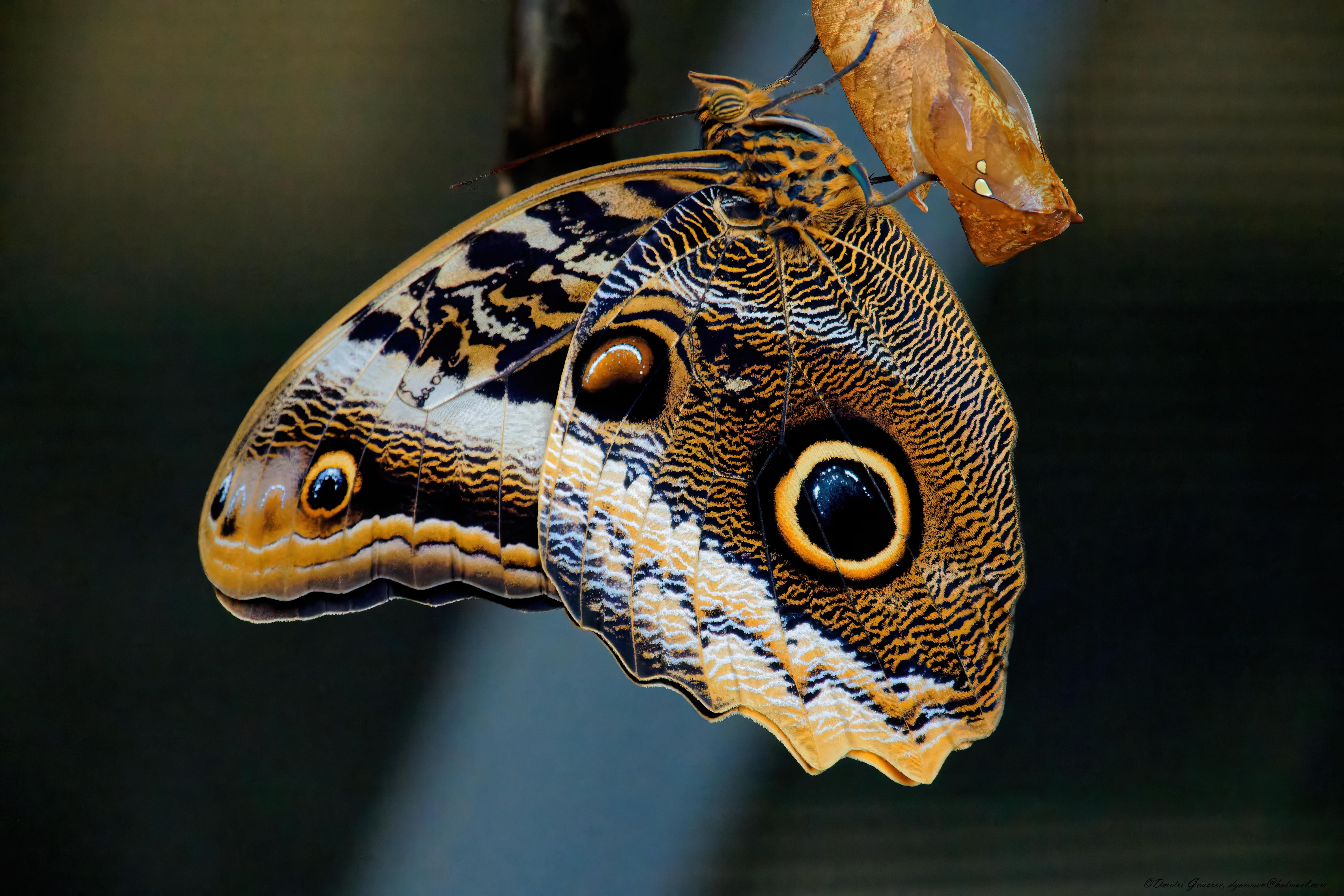
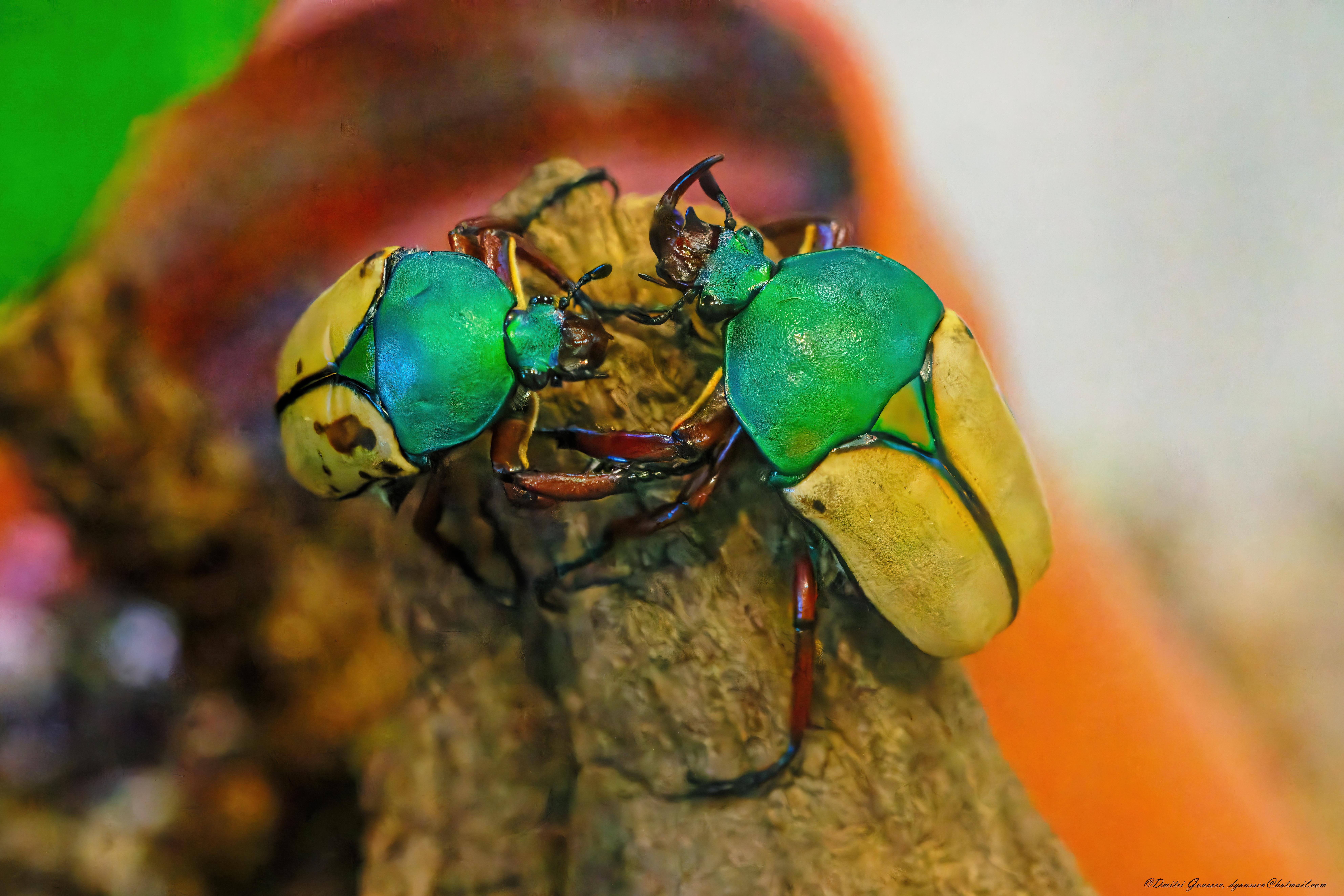
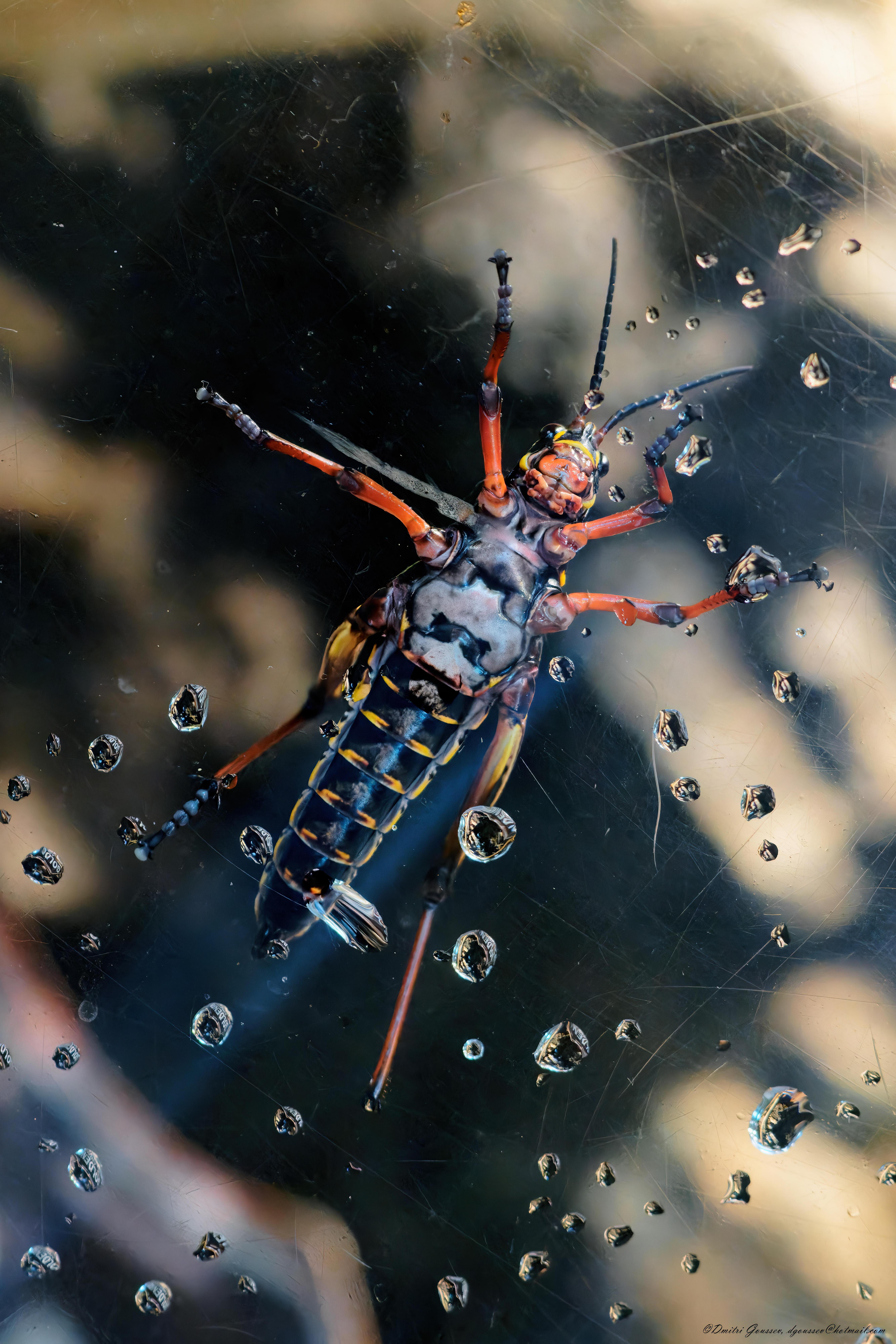
A few pictures from the yesterday's visit to the nearby Cambridge Butterfly Conservatory.
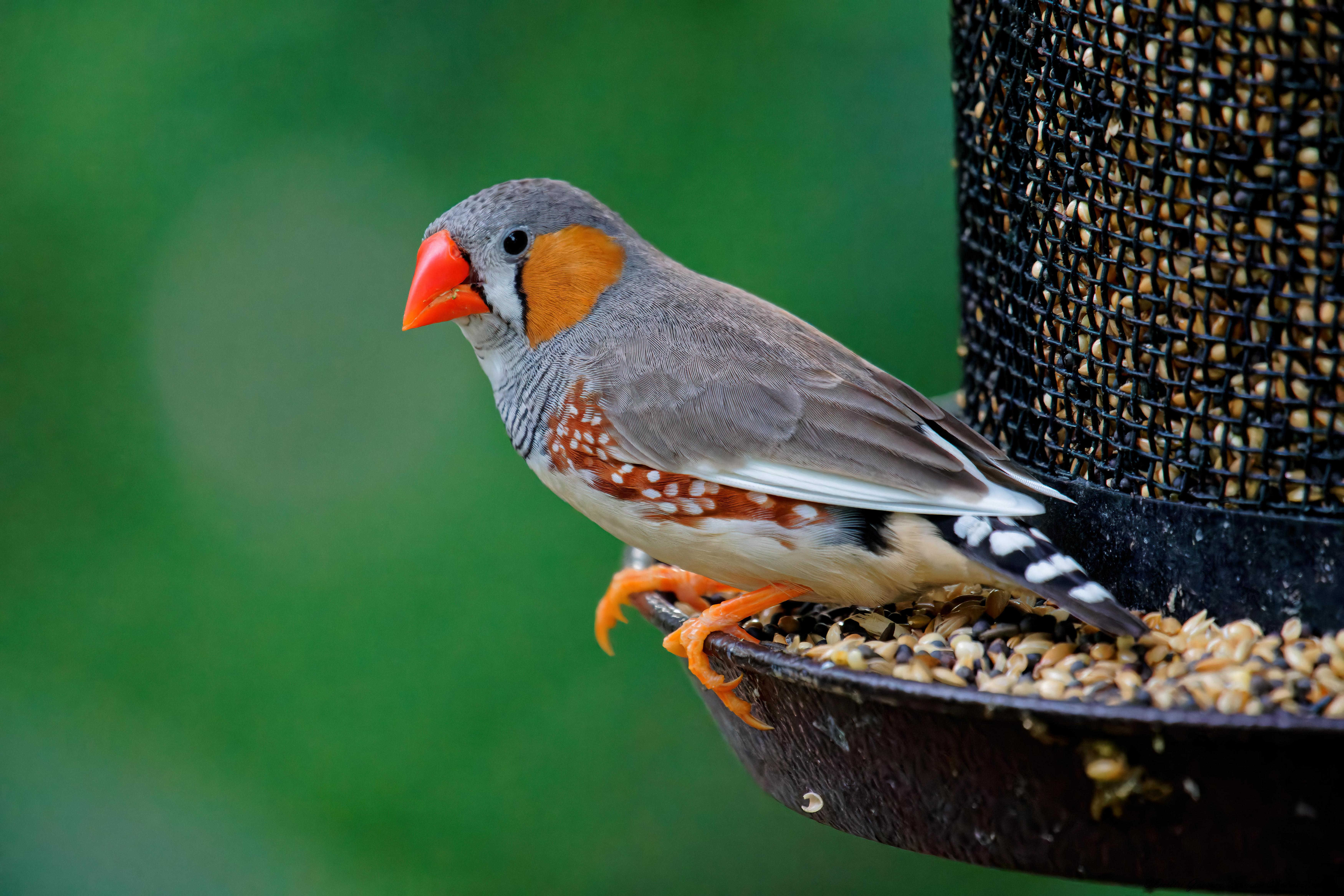
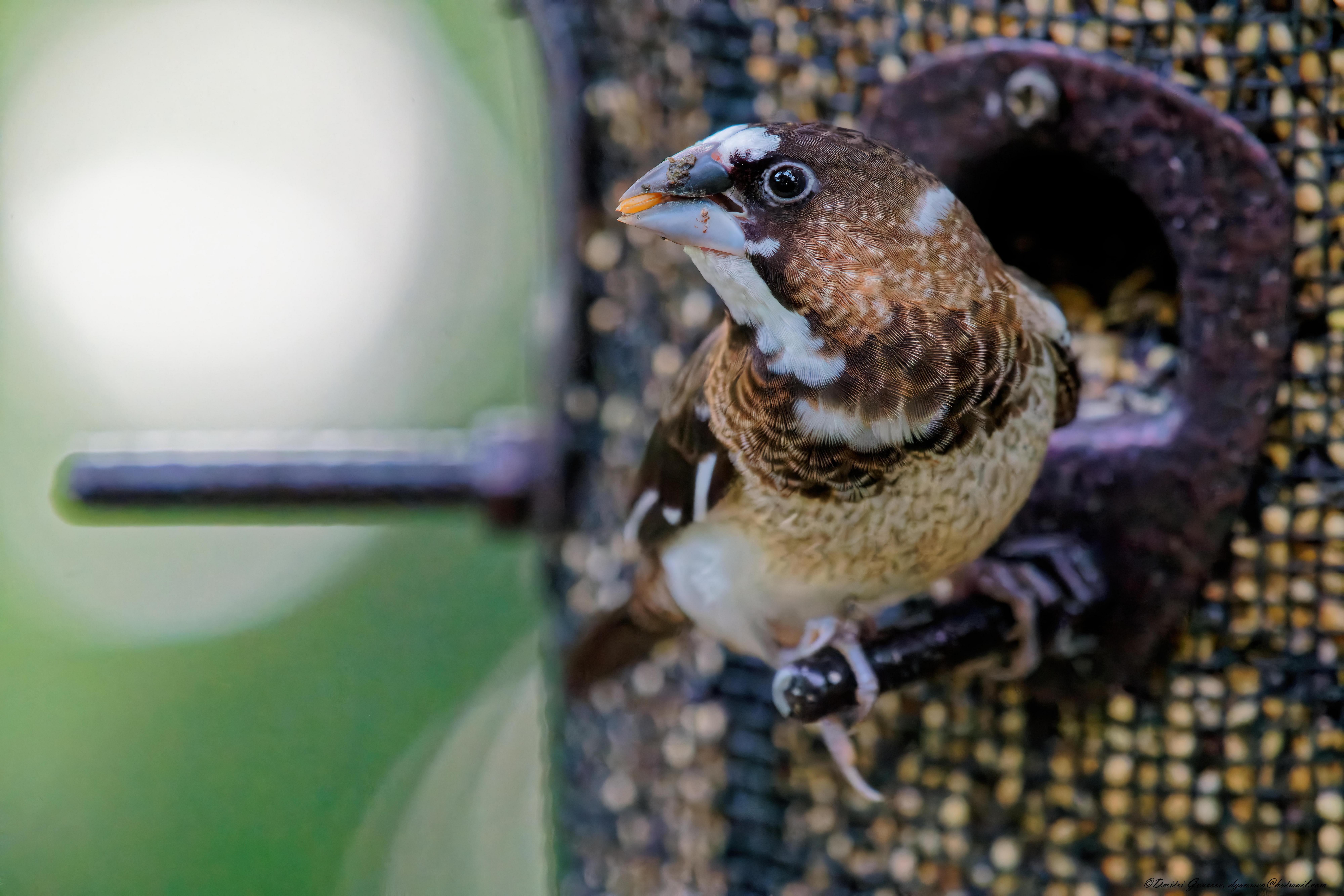
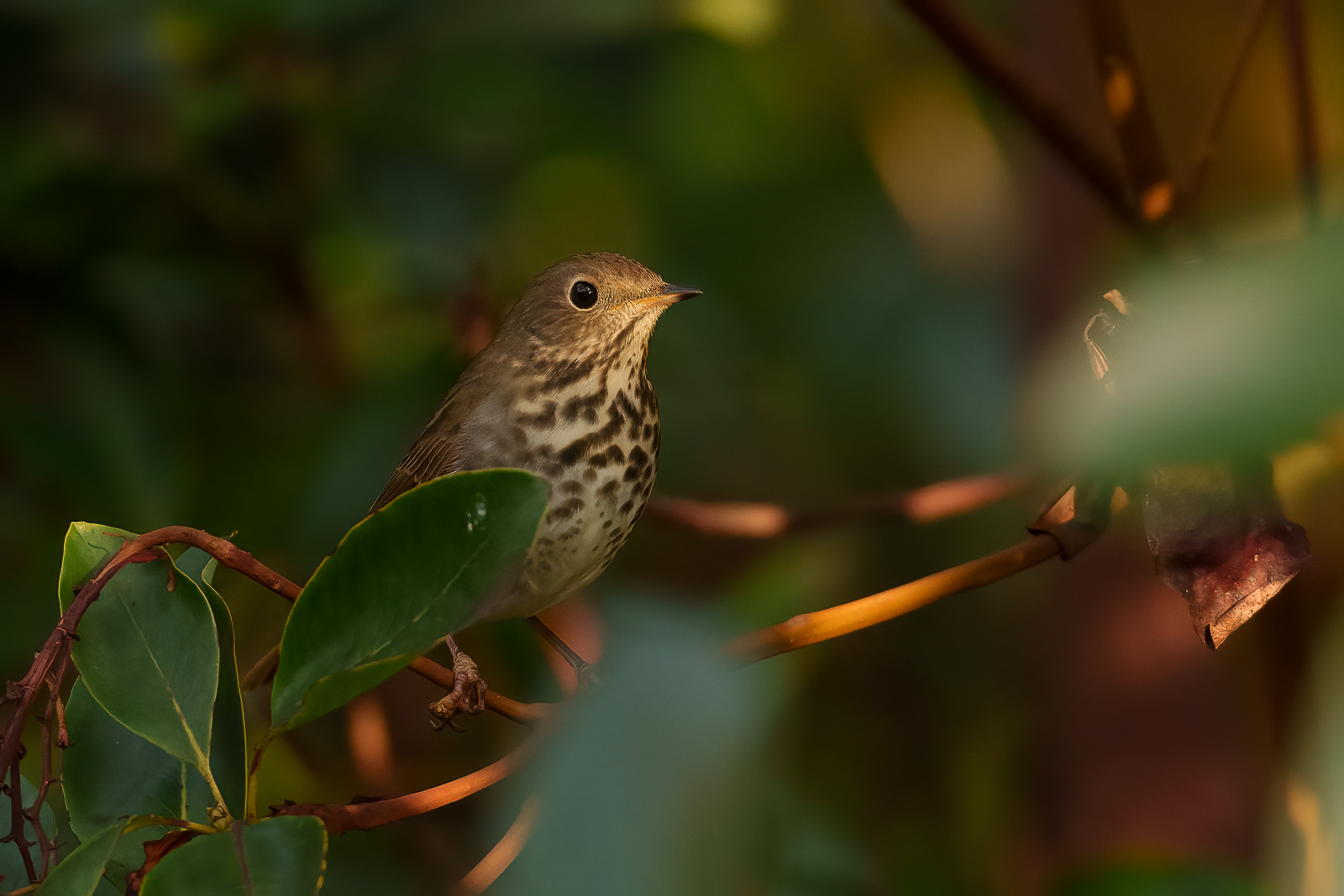
The ISO values are relatively high in these low-light images.
How are you processing these extreme high ISO shots? They look lovely and very little noise to be seen.
Thank you!
I use an approach extensively tested and refined over the last 6 months. What I do may sound unusual and can possibly be ridiculed. The reality is that no single program I know is capable of denoising A1 images at ISO 16,000 - 32,000 satisfactorily. Therefore, I use two programs. First, DxO Photolab (the latest version) is used for all corrections and DeepPRIME denoising. When ISO is 16,000 - 32,000, the Luminance must be set to 80 - 90. The corrected image is exported as a TIFF file. The second step is taking the TIFF file to Topaz DeNoise. In the latest version of Topaz DeNoise, I most like the "Low Light - Auto" option. The output from Topaz is the conventional JPG, Quality = 7 seems to be adequate for most of my purposes.
The resulting images are quite satisfactory when (1) the subject is in focus (naturally) and (2) when the subject reasonably fills the frame. There is certain image degradation at high ISO, however, when the subject fills the frame, the loss of detail is minimal and can be not noticeable for most practical uses. It is for this reason that I use the 100-400 GM lens with the x2 TC and not x1.4TC. Filling the frame is more important to me than gaining one stop of light.
Should it happen that the subject occupies only a relatively small area in the frame, and the image must be significantly cropped, there is still a chance of obtaining a useable product if the JPG (obtained using the above approach) is fed to Topaz Gigapixel, and upscaled back to 50 MP. There is added denoising, sharpening, and overall refining that happens in Gigapixel. It is worth trying when dealing with aggressively cropped high ISO images.