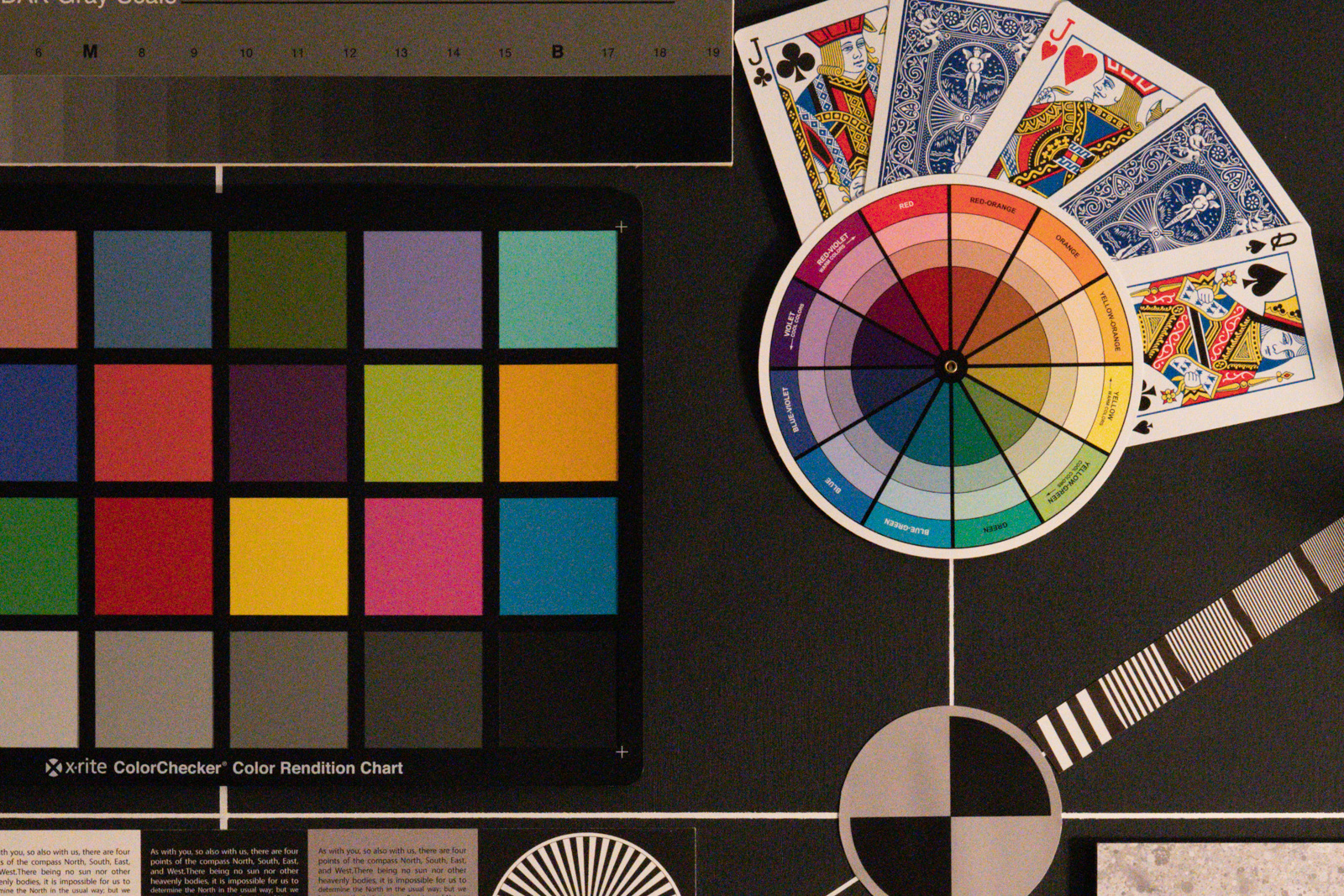
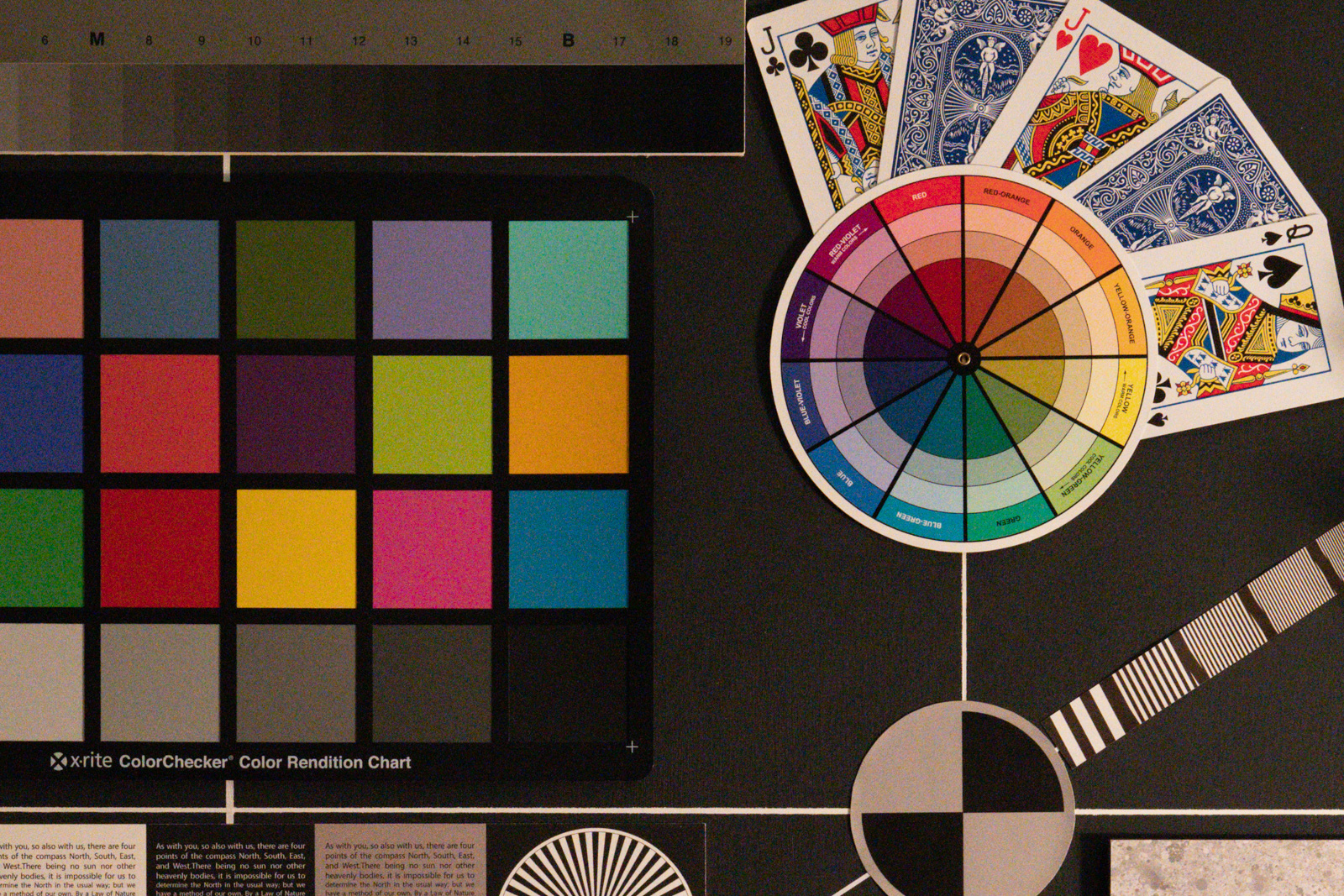
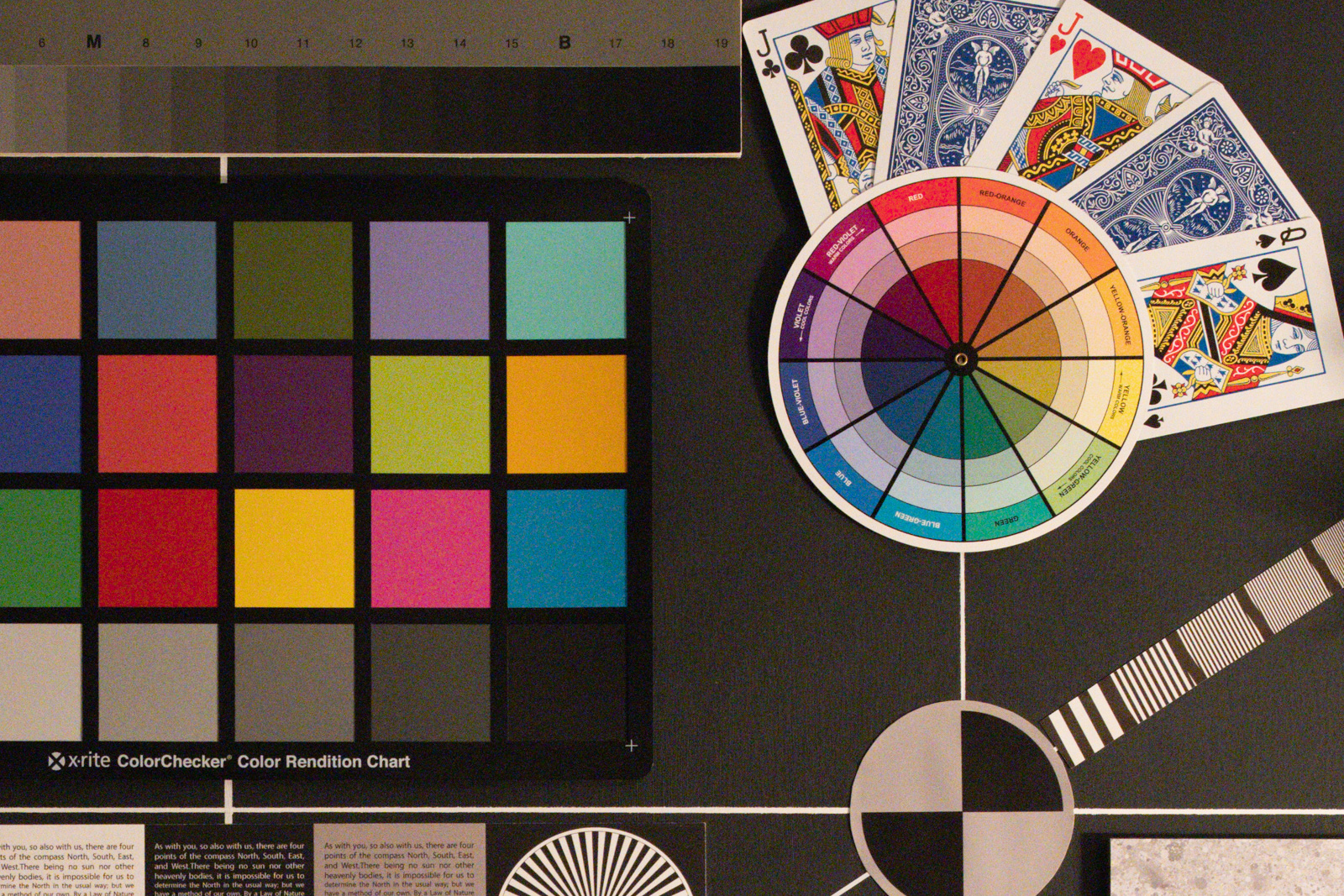
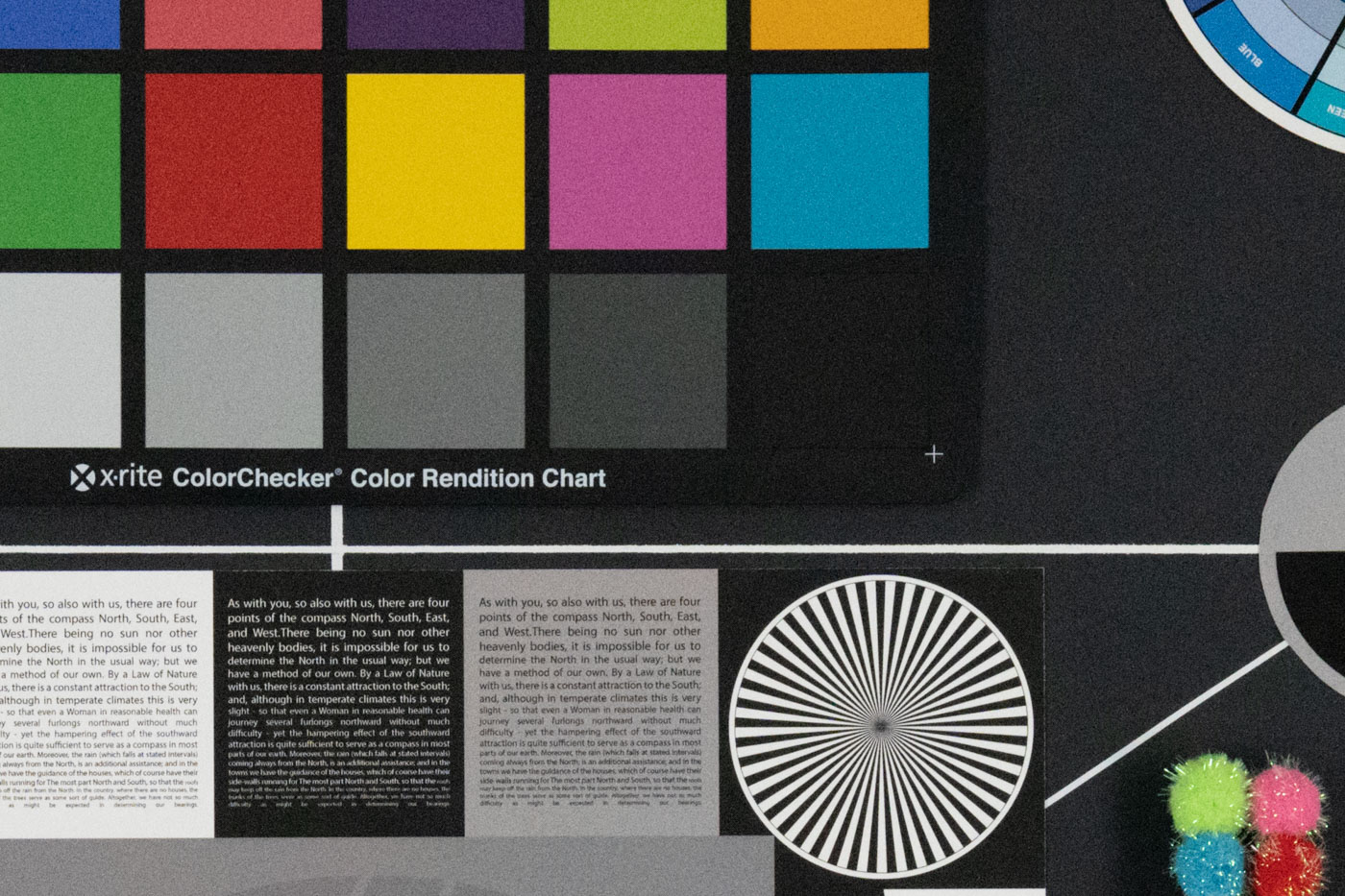
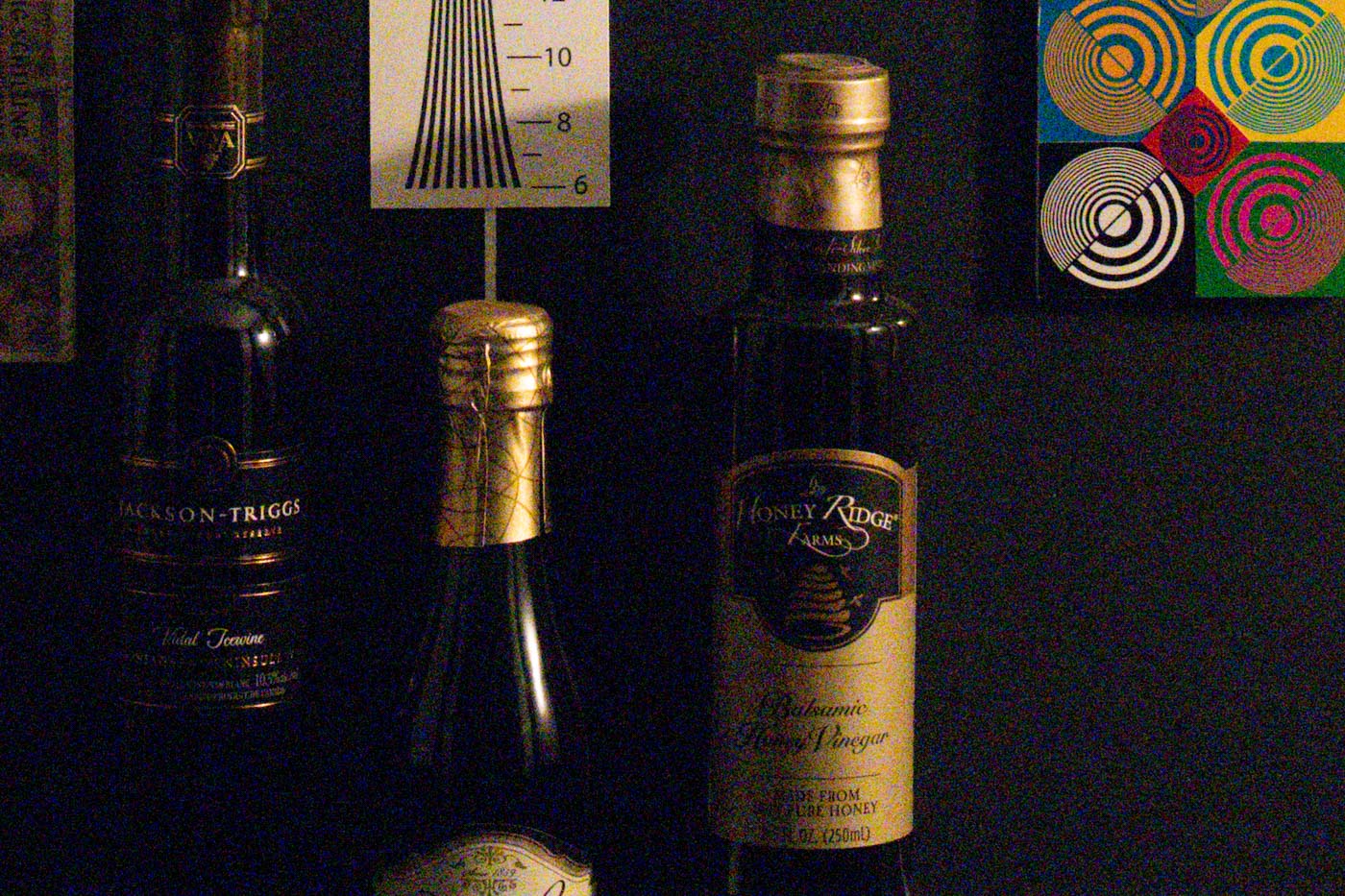
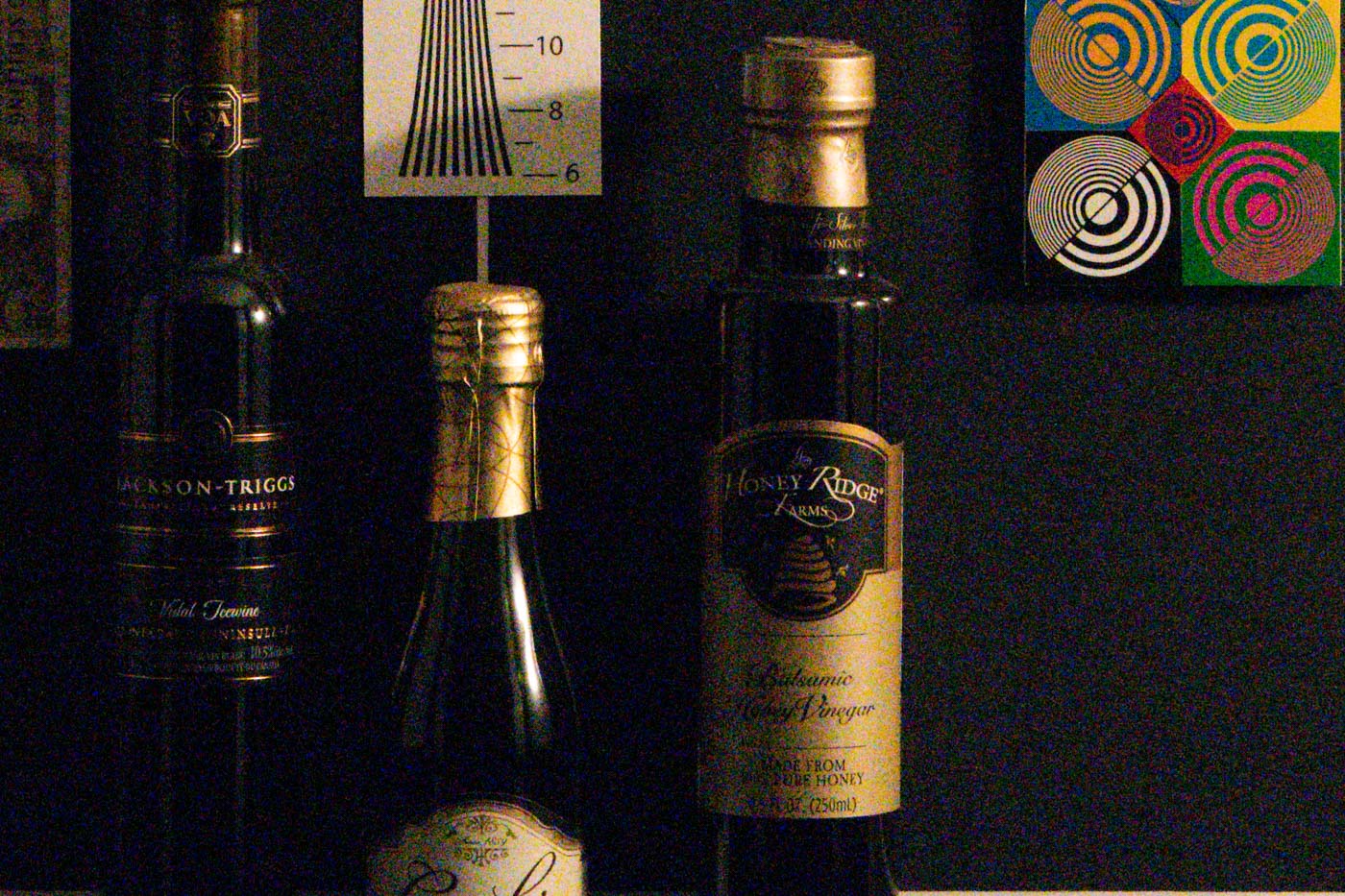
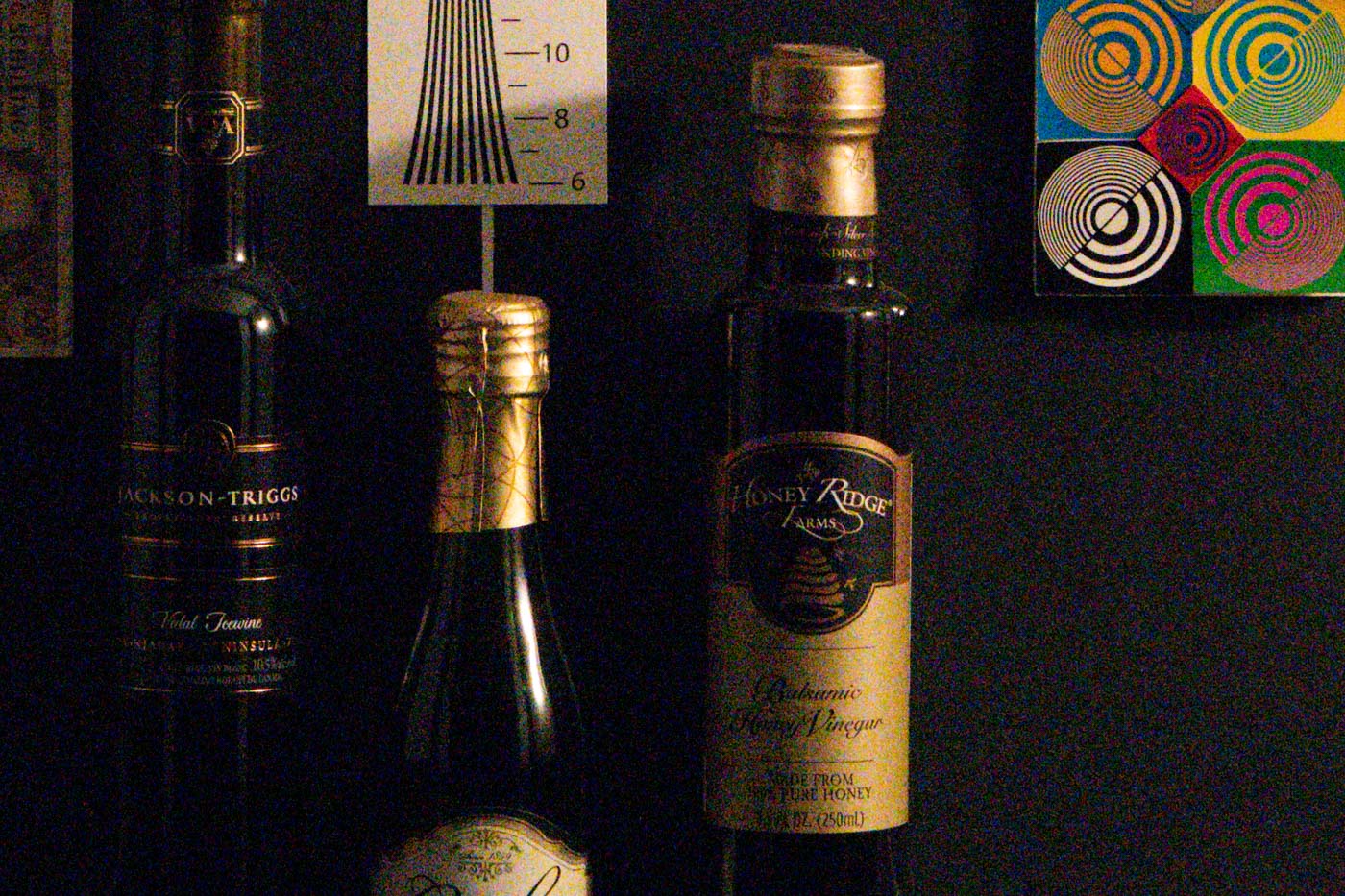
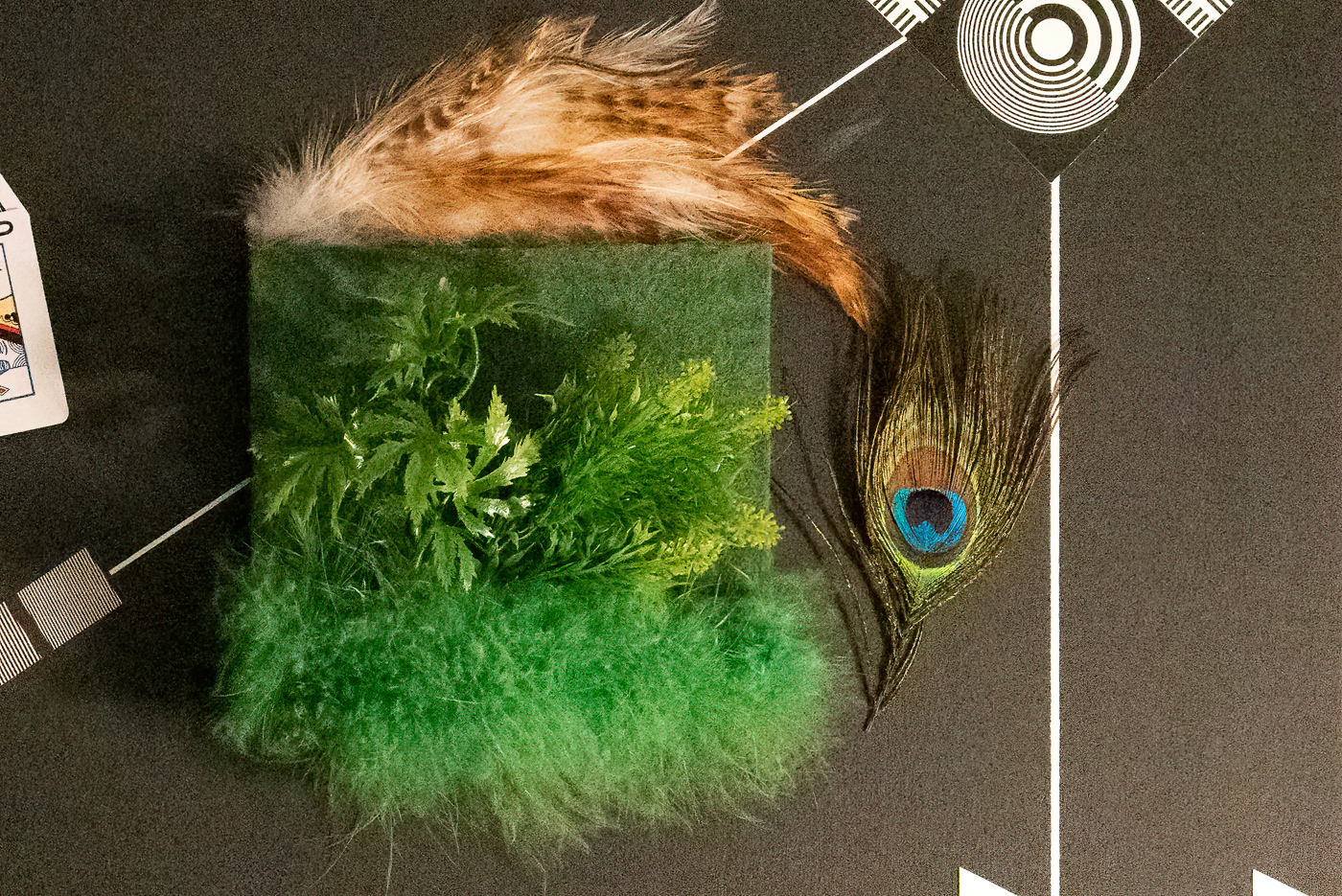
I'm sure dpreview try to do a good job, but I just don't trust the adjustments they do to the files before they post them in the comparison tool (brightness, WB etc). I prefer to wait until there is full support so as I can open both A1 and R5 files on ACR/Lightroom.
If you download the R5 jpegs converted from raw you will realise that brightness/curves/noise/saturation are night and day compared to what you get if you open the raw files in default settings and 0 noise reduction.
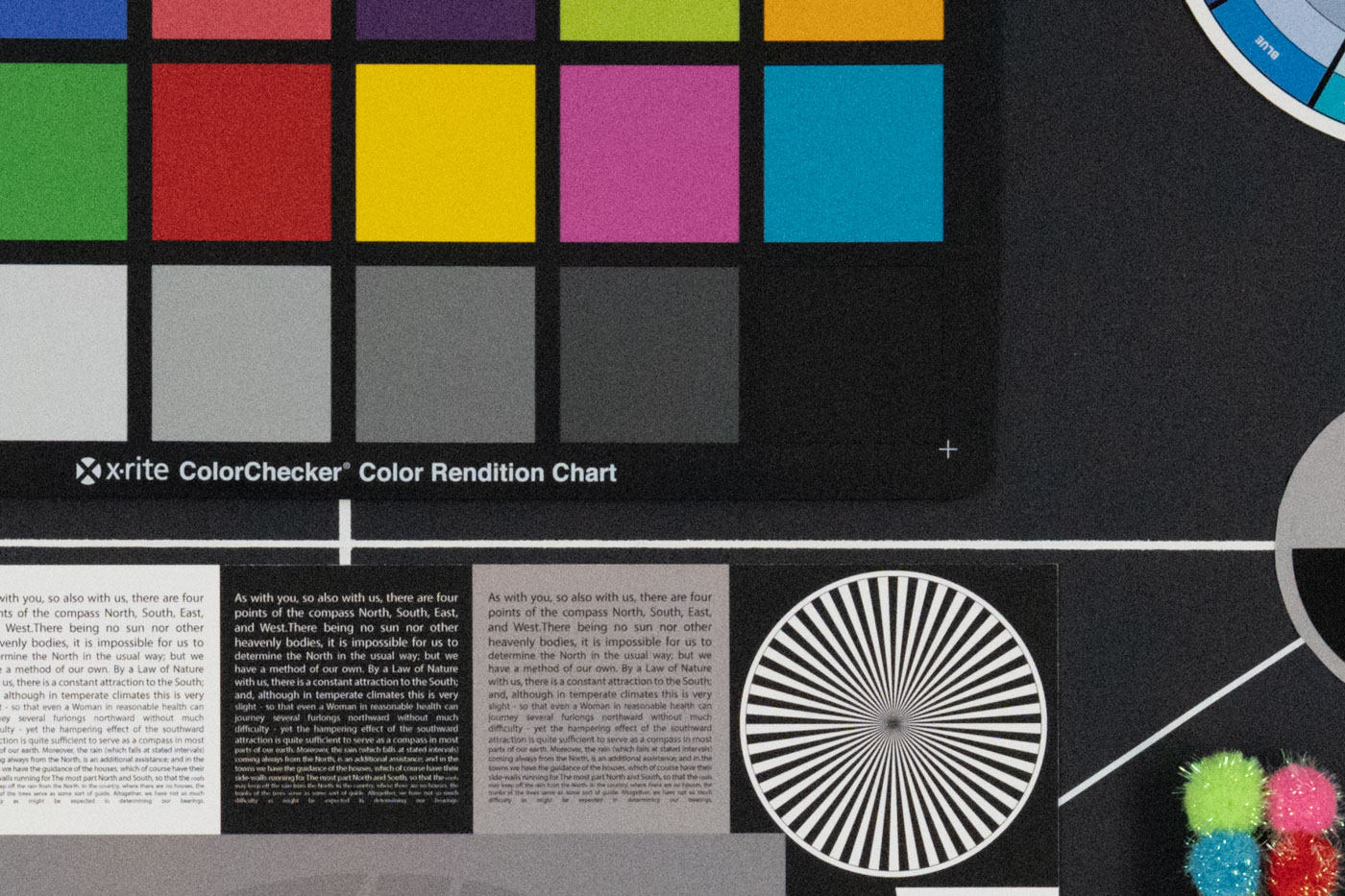
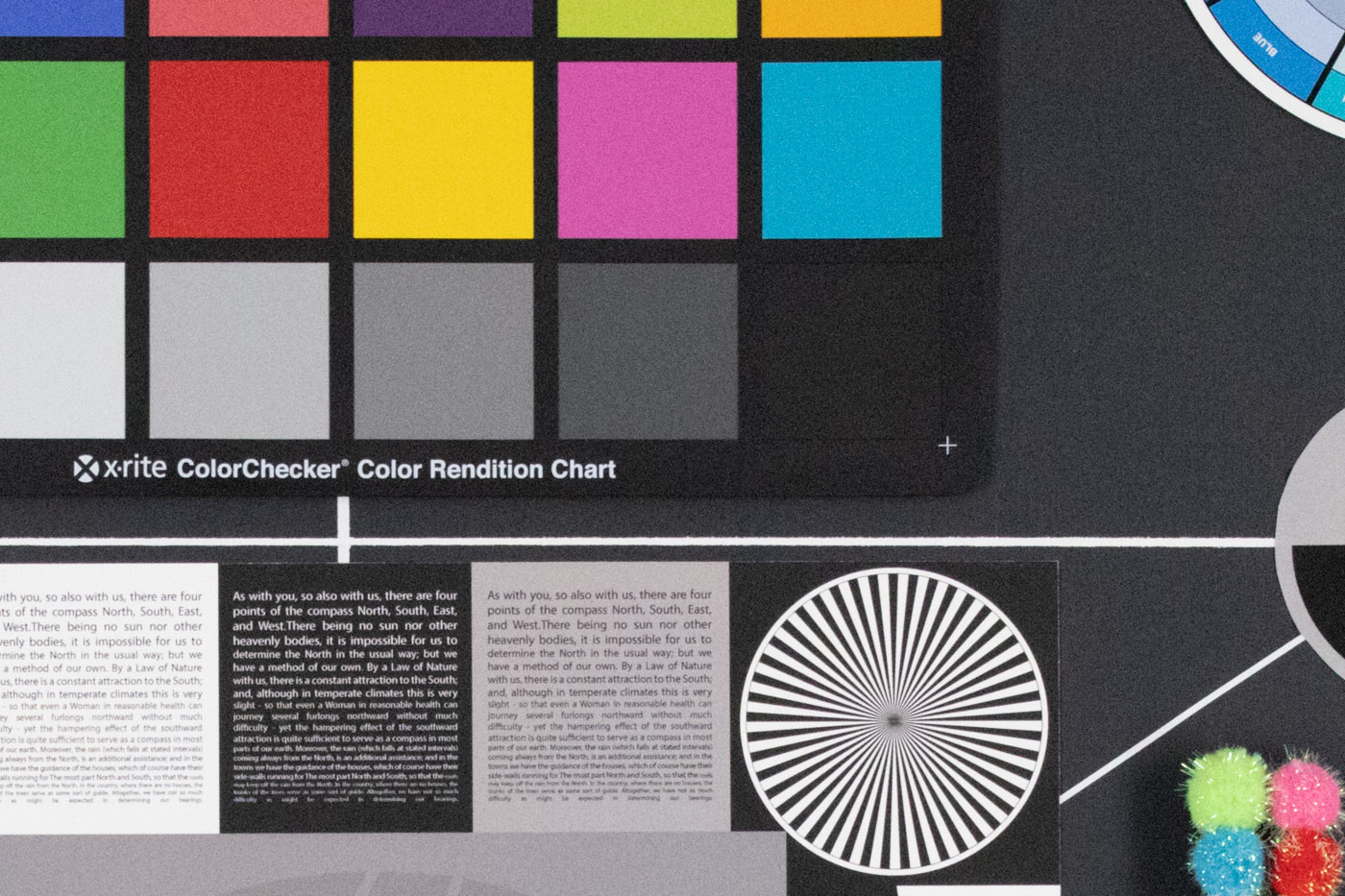
This is what I mean. On the left is the comparison tool file, on the right the ACR default with 0 NR:
I wouldn't get too excited or disappointed before I'm able to open both A1 and R5 files on the same raw developer.
But so far by using raw therapee, imaging edge and capture one on the exif-hacked files the German guy posted, the A1 looks a lot better than A7RIV for sure.
To me, for high ISO low light stuff it seems to slot right in between the R3 and R4.
I already sold my R3, and the M3 goes next.
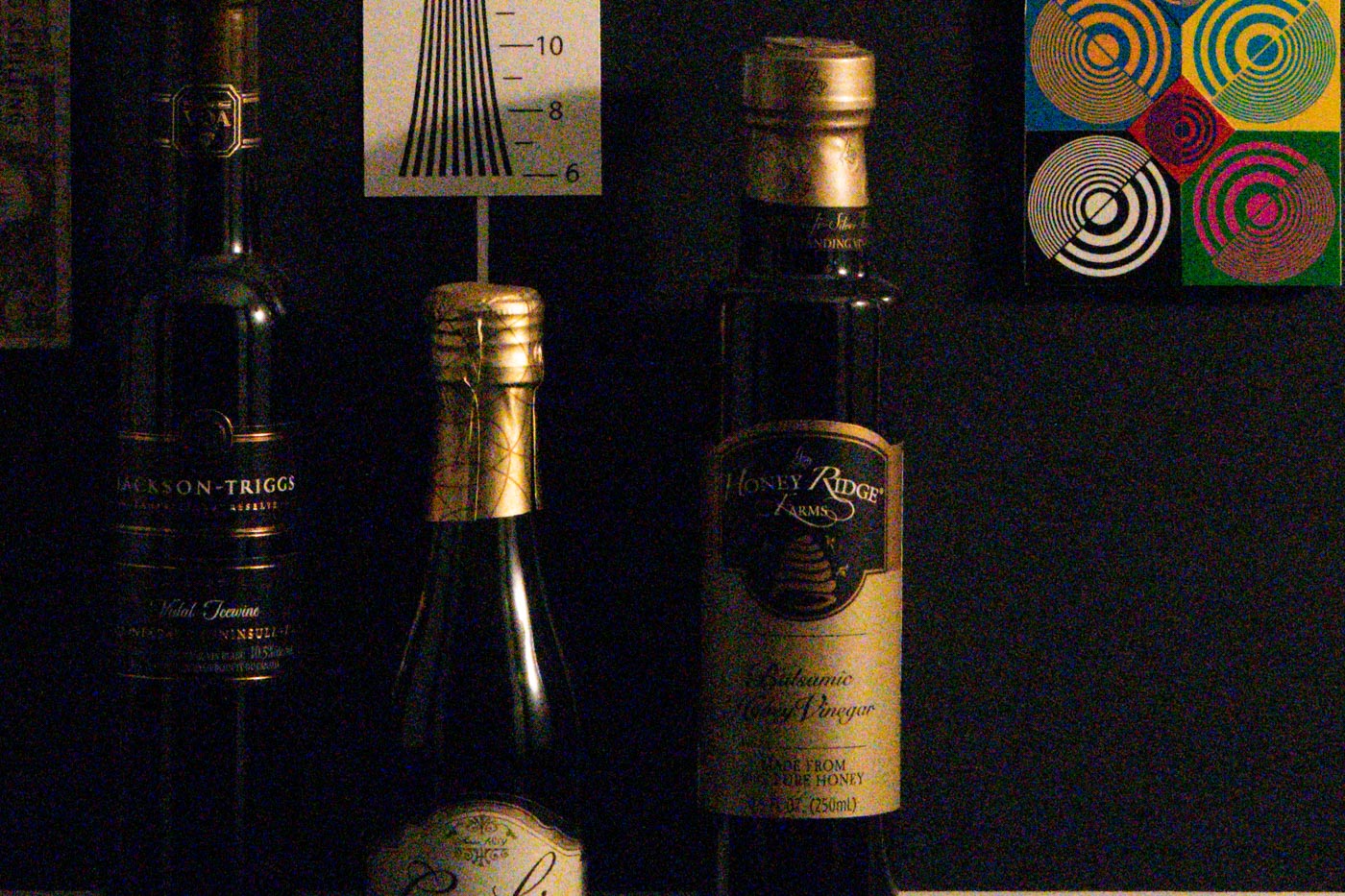
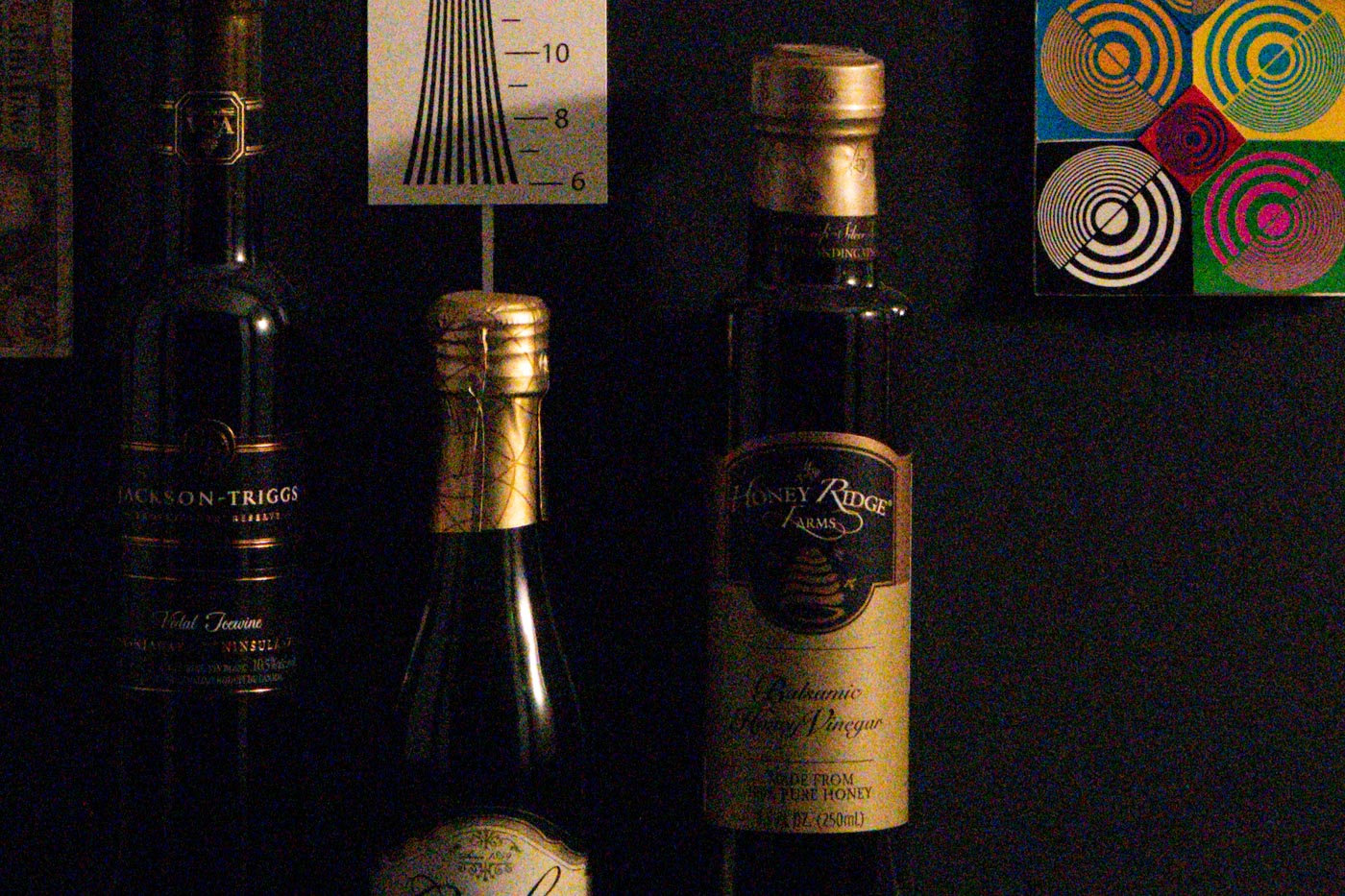
Thanks for finding this. I downloaded the ISO 100 low light scene for the A1, A7R3, and A7R4 (strangely the R5 download button links to an MP4 file). I put all three in RawTherapee, added 4.5 stops of EC to look into the shadows, and used the same color checker square for white balance. I took the crops below from the same section where the shadows are dark along with some specular highlights. I re-sized very slightly larger A1 and larger A7R4 files to the A7R3's height:
To my eye, the shadow noise is a bit stronger than the A7R4 and there's a slightly larger gap vs. the A7R3, the last of which also seems to be a bit brighter and therefore maybe more sensitive to light at this setting. There are landscape shooters who will find this sufficient, especially those coming from the A9 series. For me, assuming I did this accurately, it's a bit disappointing as I was hoping they had improved their stack sensor tech enough to equal the A7R3. Technically that may be unrealistic at the moment, but the marketing folks of course pushed the message that it's 15 stops of DR (same as what Sony said for the A7R3 and A7R4). It would have been nice to see a step forward here and not only in the other areas (AF, frame rate, etc.).
Let's of course see what happens when ACR can open the files and in the eventual ISO Invariance tests.
ketang wrote:
Thanks for finding this. I downloaded the ISO 100 low light scene for the A1, A7R3, and A7R4 (strangely the R5 download button links to an MP4 file). I put all three in RawTherapee, added 4.5 stops of EC to look into the shadows, and used the same color checker square for white balance. I took the crops below from the same section where the shadows are dark along with some specular highlights. I re-sized very slightly larger A1 and larger A7R4 files to the A7R3's height:
To my eye, the shadow noise is a bit stronger than the A7R4 and there's a slightly larger gap vs. the A7R3, the last of which also seems to be a bit brighter and therefore maybe more sensitive to light at this setting. There are landscape shooters who will find this sufficient, especially those coming from the A9 series. For me, assuming I did this accurately, it's a bit disappointing as I was hoping they had improved their stack sensor tech enough to equal the A7R3. Technically that may be unrealistic at the moment, but the marketing folks of course pushed the message that it's 15 stops of DR (same as what Sony said for the A7R3 and A7R4). It would have been nice to see a step forward here and not only in the other areas (AF, frame rate, etc.).
Let's of course see what happens when ACR can open the files and in the eventual ISO Invariance tests.
The A1 is still zoomed in a bit more than the other two. I would wait for Dpreview's comparison tool but the performance you show here looks fantastic for a stacked sensor. I think your expectations were unrealistic beforehand. I don't see, too, why you blame the marketing department.
The A7r3 sensor is the reference in opinion right now, but given that a stacked sensor with such a high readout speed is able to be so close is fantastic. If shooting only landscapes, I don't see, however, why one should want to go with the A1 providing features one doesn't need or use? An A7r3 or A7riv would be the better choice in my opinion.
It doesn't look like the A1 has an AA filter. Check out the black and white print image just to the left of the Beatles patch in the dpreview image (RAW). Lots of moire.
Holger wrote:
The A1 is still zoomed in a bit more than the other two. I would wait for Dpreview's comparison tool but the performance you show here looks fantastic for a stacked sensor. I think your expectations were unrealistic beforehand. I don't see, too, why you blame the marketing department.
The A7r3 sensor is the reference in opinion right now, but given that a stacked sensor with such a high readout speed is able to be so close is fantastic. If shooting only landscapes, I don't see, however, why one should want to go with the A1 providing features one doesn't need or use? An A7r3 or A7riv would be the better choice in my opinion....Show more →
Thanks for the reply. The difference in the position is DPReview seemed to frame the A1 shot a tad higher. I don't think that will account for a significant difference, but noted. I do want to see more tests. I wouldn't say I expected the stacked sensor to perform at the same level, but I hoped it would given it seems to be a new generation for the technology.
As for marketing, well that's not only because the website lists this DR measurement as a key feature under image quality, but also because I heard it repeated from the Sony guys in the preview videos that one of the reasons this is an A1 rather than and A9 III is that shooters won't have to carry both an A9 and A7RIV and instead this can replace both. This was also offered as a justification for the higher price. It can still be a great camera and not have equal DR, but I actually like a number of the camera's other features for landscape use in addition to wanting it for other applications and it would have been nice to see greater parity on this point of comparison.
Here are the A7RIV, R5 and A1 RAW files sent into LR (Prerelease) and exported with no sharpening or either type of NR applied. I have had to limit their file size to post on FM and output at the same dimensions.
Your results are quite different than what you get from their comparison tool IMO. Online the R5 had a clear advantage on noise, maybe up to 2 stops (the tool was also acting funky for me, and eventually I started getting an error that they used up all their bandwidth so I'll try again later.
In comparison with the a7RIV I'm still onboard with calling it one stop better which is fantastic IMO. Even with their tool showing it losing to the R5 on pure amount of noise the detail still was better on at a1. Really not sure..... need camera. Sony, please read and send one to me.
arbitrage wrote:
Here are the A7RIV, R5 and A1 RAW files sent into LR (Prerelease) and exported with no sharpening or either type of NR applied. I have had to limit their file size to post on FM and output at the same dimensions.
buffalowolff wrote:
Your results are quite different than what you get from their comparison tool IMO. Online the R5 had a clear advantage on noise, maybe up to 2 stops (the tool was also acting funky for me, and eventually I started getting an error that they used up all their bandwidth so I'll try again later.
In comparison with the a7RIV I'm still onboard with calling it one stop better which is fantastic IMO. Even with their tool showing it losing to the R5 on pure amount of noise the detail still was better on at a1. Really not sure..... need camera. Sony, please read and send one to me.
"Online the R5 had a clear advantage on noise, maybe up to 2 stops"
No way the R5 is two stops ahead! The a1 is better in my opinion, if only slightly. Look at the shadow region here.
buffalowolff wrote:
Your results are quite different than what you get from their comparison tool IMO. Online the R5 had a clear advantage on noise, maybe up to 2 stops (the tool was also acting funky for me, and eventually I started getting an error that they used up all their bandwidth so I'll try again later.
In comparison with the a7RIV I'm still onboard with calling it one stop better which is fantastic IMO. Even with their tool showing it losing to the R5 on pure amount of noise the detail still was better on at a1. Really not sure..... need camera. Sony, please read and send one to me.
"These files are processed using the Adobe Camera Raw with noise reduction minimized and with shadows brightened to reveal the difference in shadow performance. All Raw images are white balanced during processing."
Brightness adjustments create discrepancies. And I never rely on them.
As you can see with my LR results, the R5 files are brighter at the RAW level.
I'm not sure what would be fair to try and equalize the results?
Here are two different versions of the area Holger pointed out. First set is no exposure adjustments...R5 is 1/3 stop lighter. 2nd set is A1 and A7RIV brought up 0.3 EV in LR.
arbitrage wrote:
As you can see with my LR results, the R5 files are brighter at the RAW level.
I'm not sure what would be fair to try and equalize the results?
Here are two different versions of the area Holger pointed out. First set is no exposure adjustments...R5 is 1/3 stop lighter. 2nd set is A1 and A7RIV brought up 0.3 EV in LR.
Again all processing is off.
ISO performance would not be a strong differentiator for those cameras for me. They are all good keeping in mind that this is iso 25600, something I would never use.
Yeah, pebkac..... I was looking at the EOS R not the R5 (and amazed how much difference in size such a little MP difference made).
Holger wrote:
"Online the R5 had a clear advantage on noise, maybe up to 2 stops"
No way the R5 is two stops ahead! The a1 is better in my opinion, if only slightly. Look at the shadow region here.
Thank you. I watched the video after posting this from big TV. From phone it was impossible to get any idea.
A stop better than RIV is unrealistic IMHO. Higher MP will give more details compared A9II for sure. But not sure if it will be equal to A9II viewed at 100% (per pixl). In theory it will be between A7RIII and A7RIV. Reading some comments below, looks like that's case. For last 4-5 years there's no magic happening in sensor tech.
buffalowolff wrote:
No german for me either, but if you watch it anyway you can figure out whats going on. To me at least the a1 looks really good in this test. The noise looks to be about a full stop-ish better than the RIV (the RIV is slightly more pixels, so cut it some slack there). Compared to the a9 it looks very good, won't say 'better' but it is double the pixels. When mine comes I'll do the same thing I did when I got the 600F4.... I will tie my daughters troll doll to a post and take pictures of it since the hair is pretty similar to the feathers and fur I care about :-) . If it were no worse than the RIV I'd be happy assuming the AF is what we expect. Seeing it looks noticeably better makes me happy.
I have been playing a bit with the ISO 100 files from dpreview and pushed they to the extreme and my preliminary conclusion is that the A7r III have a touch lower luma noise in the pushed shadows than the A1 but nothing I would get stressed out about. I find the A1 a touch cleaner per luma noise than the A7r IV when pushed actually, also at ISO 100. Still looking forward to final optimized support for the files.