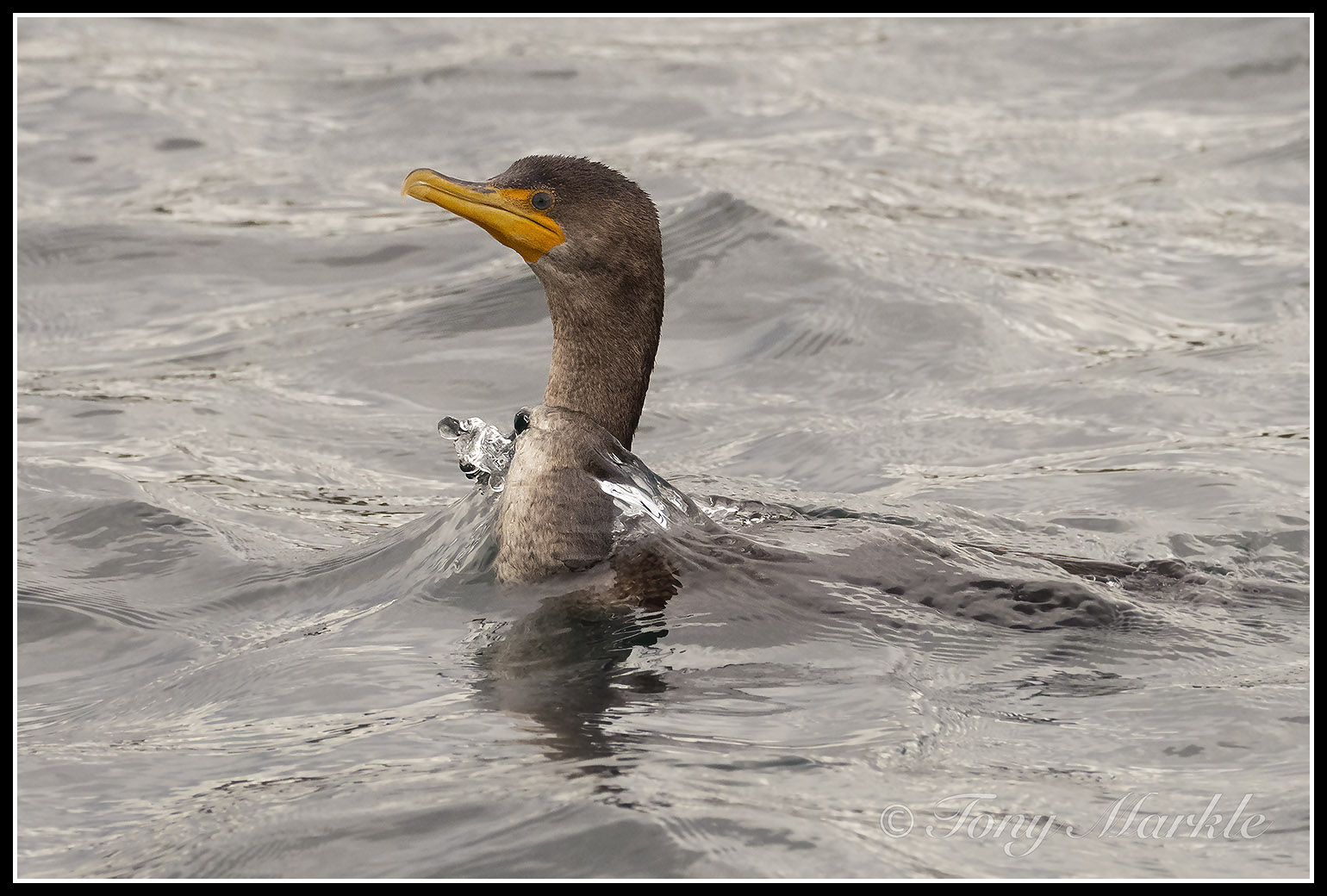
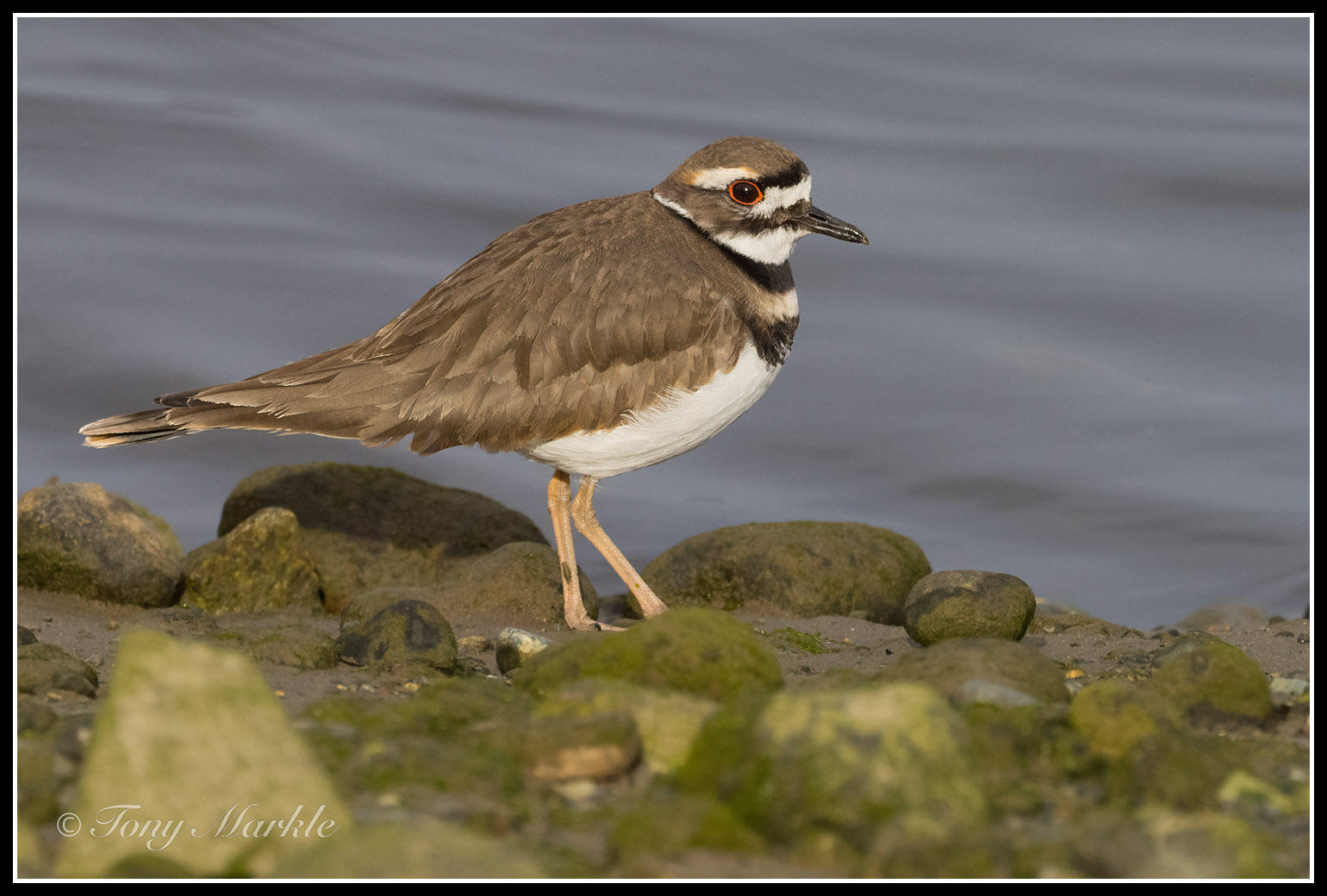
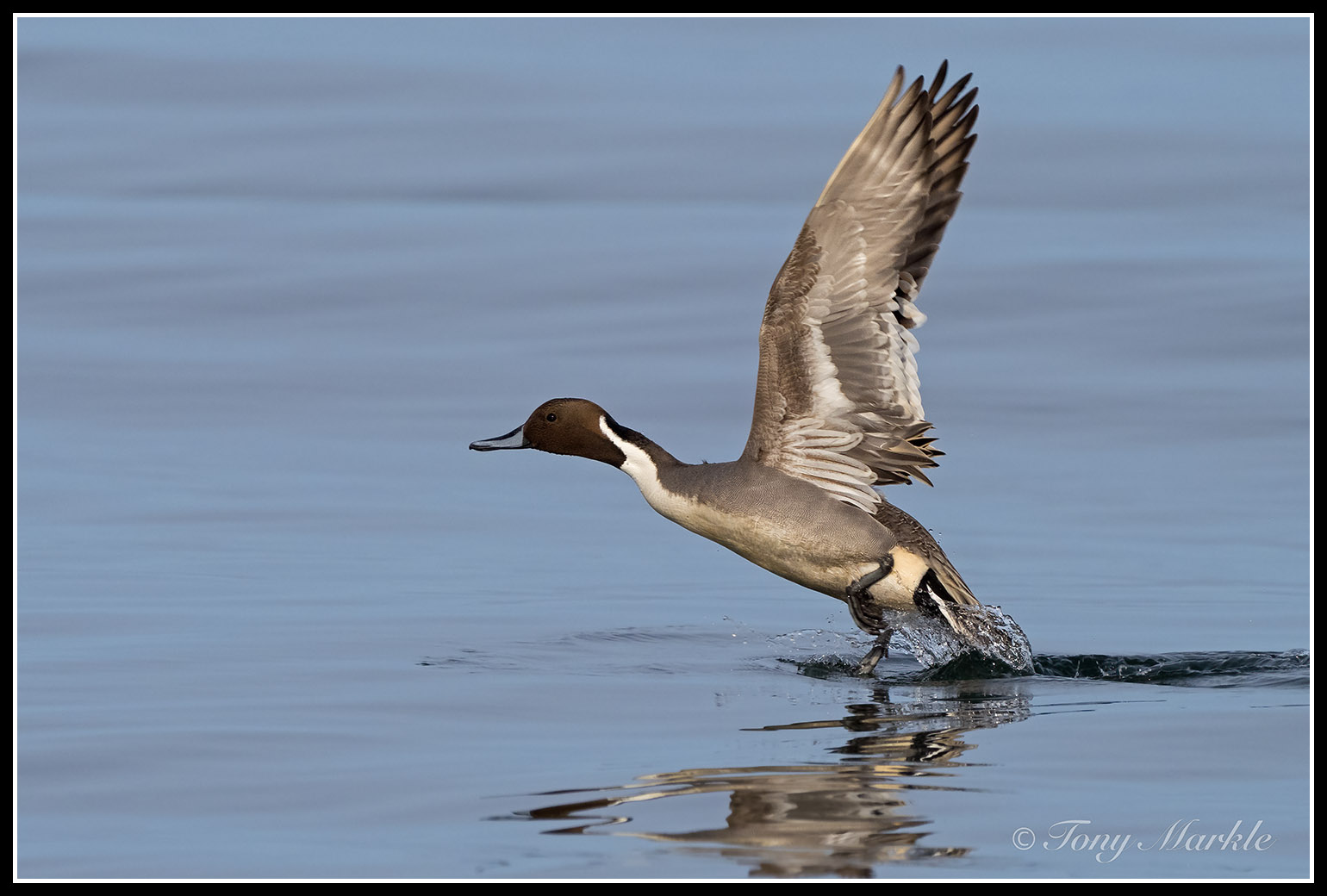
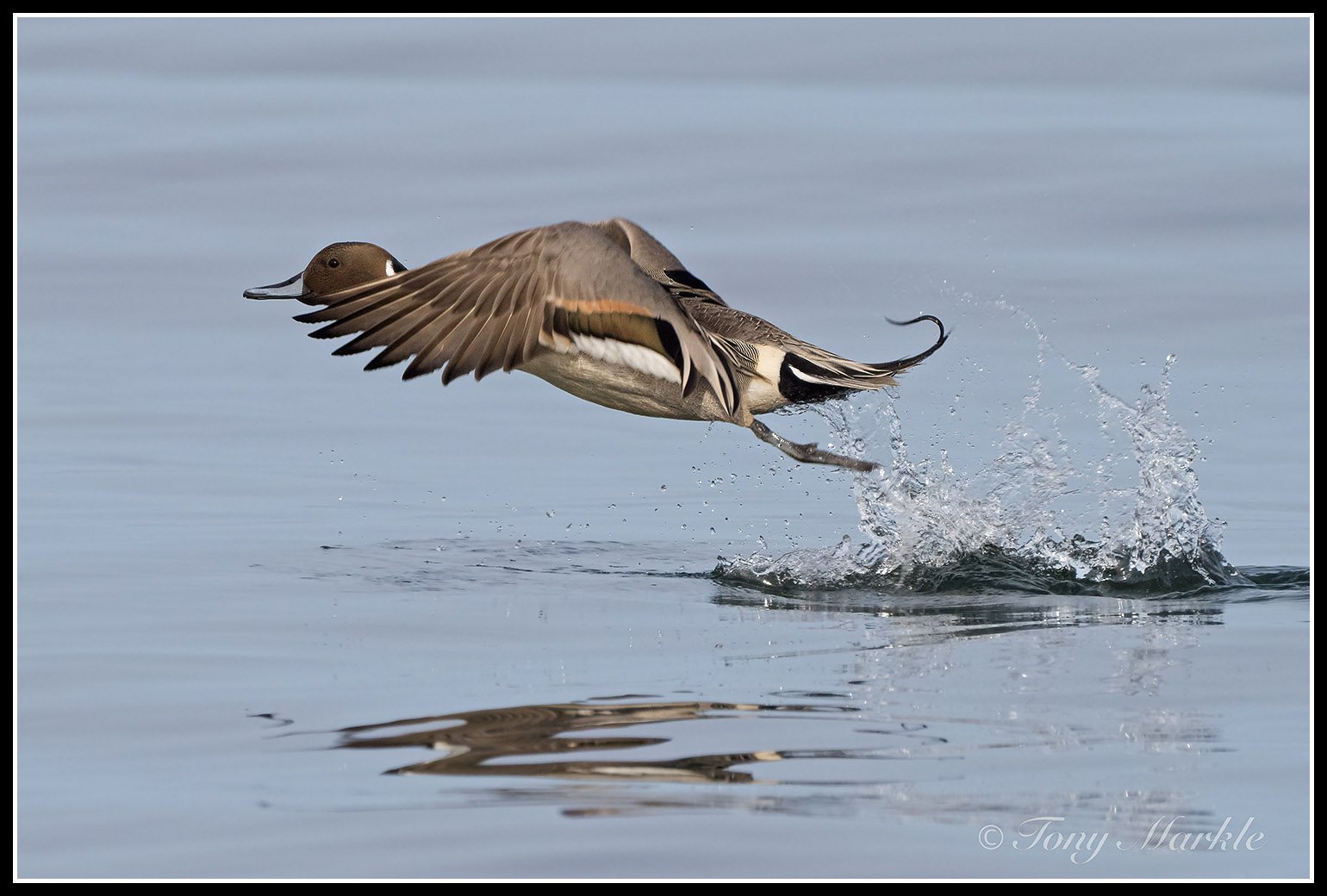
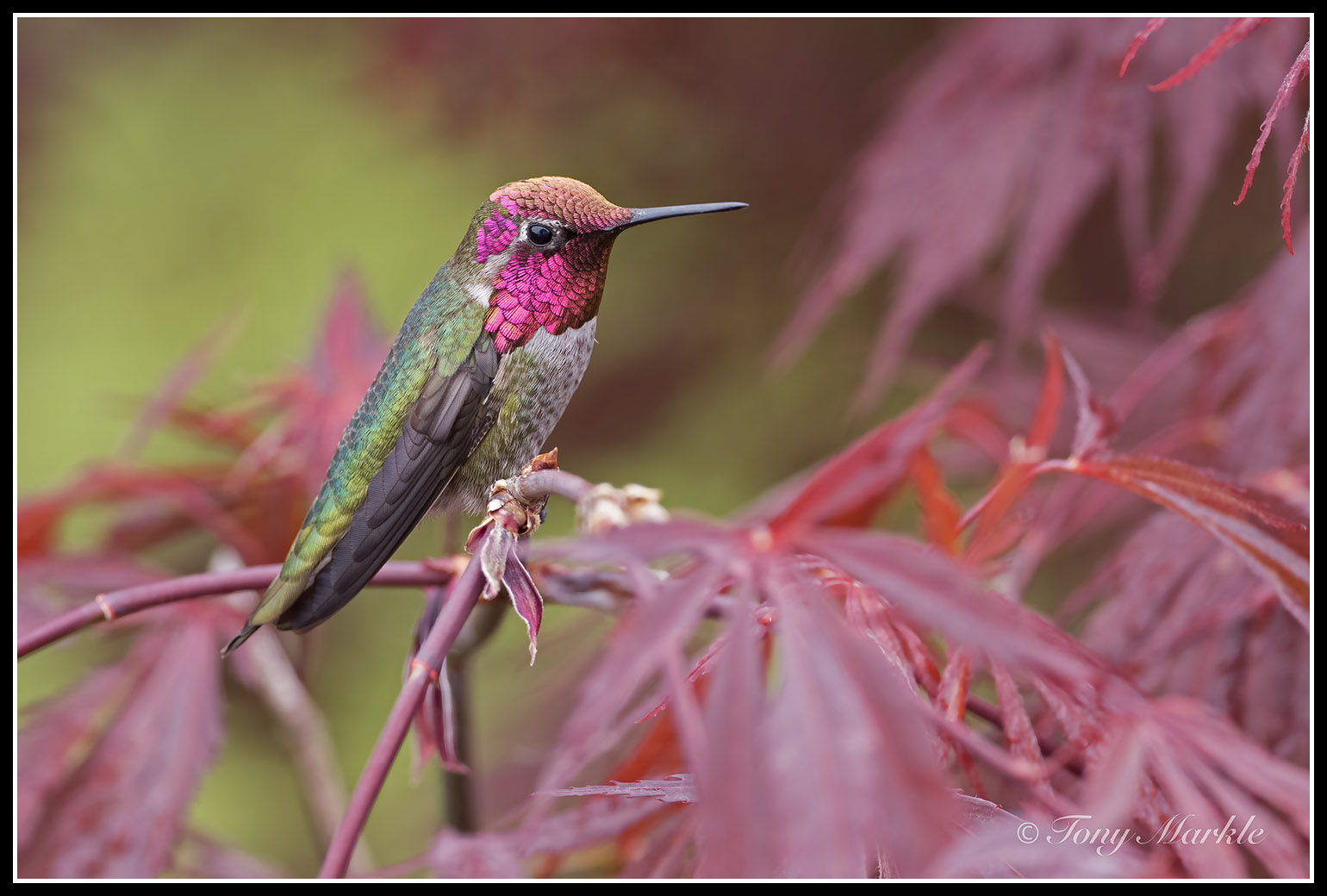
This guy showed up in our backyard from no where, saw it for the first time since we are staying here, this was the closest I could get. I thought smaller subject would be more challenging to track and the ones filling the frame so was reasonably happy to see its tracking
I am also trying R5, it’s animal AF is ridiculously good, most of the time it is recognizing small birds even in busy trees and in BIF I am getting my best success rate. I love Olympus kit size, ruggedness and agility it offers but after using R5 it’s hard to resist...oops that’s probably a topic for other thread. I almost forgot this is an image thread
galenapass wrote:
Try getting a little closer than that to really test BIF. For subjects that small in the frame you don't need any AI to keep things in focus. For example, out of an ~8 frame series this was the only shot with critical focus (EM1x pre bird AI). It is when the subject begins to fill the frame where things get more difficult and AFC is tested.
Sagar wrote:
This guy showed up in our backyard from no where, saw it for the first time since we are staying here, this was the closest I could get. I thought smaller subject would be more challenging to track and the ones filling the frame so was reasonably happy to see its tracking
I am also trying R5, it’s animal AF is ridiculously good, most of the time it is recognizing small birds even in busy trees and in BIF I am getting my best success rate. I love Olympus kit size, ruggedness and agility it offers but after using R5 it’s hard to resist...oops that’s probably a topic for other thread. I almost forgot this is an image thread
At 50 fit with a m4/3 sensor you have almost 2 feet of DOF (@f8, 300mm...just as an example). Even if the animal AF is not working and only focuses close to the bird as a whole it may look like it is working because of the DOF. The closer the subject gets, the more shallow the DOF and precise focus is more important for critically sharp eyes. That is why a lot of YT talking heads that test AFC AI at long distances are getting great results (% wise), because of distance, aperture and DOF....but may have little to do with precise AFC and eye/animal focus. Look at it this way, the best AFC tracking happens with a 24mm stopped down to f8... I get perfectly sharp eyes every time. That must mean the bird AF is working great...right?
Have to admit I am really interested in the R5 now that Sony is charging $6500 for their newest camera.
[Edit] - I am not saying you are wrong, just throwing out there a sense of caution when testing with distant subjects.
Sagar wrote:
This guy showed up in our backyard from no where, saw it for the first time since we are staying here, this was the closest I could get. I thought smaller subject would be more challenging to track and the ones filling the frame so was reasonably happy to see its tracking
I am also trying R5, it’s animal AF is ridiculously good, most of the time it is recognizing small birds even in busy trees and in BIF I am getting my best success rate. I love Olympus kit size, ruggedness and agility it offers but after using R5 it’s hard to resist...oops that’s probably a topic for other thread. I almost forgot this is an image thread
Thats a good catch in excitement I completely forgot about DoF effect of m43. Now I get what you mean. Is it fair to say with RF100-500 at 7.1/500mm vs effective numbers of F8/600mm in Olympus I think DoF is in nearby territory
galenapass wrote:
At 50 fit with a m4/3 sensor you have almost 2 feet of DOF (@f8, 300mm...just as an example). Even if the animal AF is not working and only focuses close to the bird as a whole it may look like it is working because of the DOF. The closer the subject gets, the more shallow the DOF and precise focus is more important for critically sharp eyes. That is why a lot of YT talking heads that test AFC AI at long distances are getting great results (% wise), because of distance, aperture and DOF....but may have little to do with precise AFC and eye/animal focus. Look at it this way, the best AFC tracking happens with a 24mm stopped down to f8... I get perfectly sharp eyes every time. That must mean the bird AF is working great...right?
Have to admit I am really interested in the R5 now that Sony is charging $6500 for their newest camera.
[Edit] - I am not saying you are wrong, just throwing out there a sense of caution when testing with distant subjects. ...Show more →
Now I am a total beginner in BiF and bird photography so all my observations are coming from that prospective
With R5/R6 at 500mm and f7.1, to retain 1/2000+ shutter speed I have to shoot nearly at my highest setting of ISO vs Olympus I can still shoot at f4 and lower ISO with effective FL of 600 but DoF of f8.
Olympus even with EM1X is much nimble kit with easier to carry and handle. EM1X body is so perfect, like custom made for my hands, all buttons fall in right place, still compact with vertical grip, very rugged. Canon on the other hand doesn't give the same feeling while technically may be weather sealed and all that.
Where Canon shines is its Animal AF. In my experience Canon Animal AF is just in different class altogether, even with my beginner skills nearly every shot with Canon is in focus. AF is very sticky and correctly follows the subjects nearly all the time. I can even use it to find birds in the tree branches, scanning through tree branches to see if camera can find the bird and it does most of the time.
Olympus on the other hand while tracks the birds correctly most of the time, it struggles in focusing on it and many times may mis-focus. Meaning it will correctly put white box around bird but struggle to AF the bird inside that white box. This happens many times specially as setup becomes busier. And I am talking about big and slower birds like cranes, ducks etc.
I really like shooting with Olympus but wether to compromise on its AF capabilities and uncertain future or compromise with big size, tactile feel and certain future is the question.
galenapass wrote:
I for one would be very interested to hear that comparison (EM1x vs. R5).
Sagar wrote:
Now I am a total beginner in BiF and bird photography so all my observations are coming from that prospective
With R5/R6 at 500mm and f7.1, to retain 1/2000+ shutter speed I have to shoot nearly at my highest setting of ISO vs Olympus I can still shoot at f4 and lower ISO with effective FL of 600 but DoF of f8.
Olympus even with EM1X is much nimble kit with easier to carry and handle. EM1X body is so perfect, like custom made for my hands, all buttons fall in right place, still compact with vertical grip, very rugged. Canon on the other hand doesn't give the same feeling while technically may be weather sealed and all that.
Where Canon shines is its Animal AF. In my experience Canon Animal AF is just in different class altogether, even with my beginner skills nearly every shot with Canon is in focus. AF is very sticky and correctly follows the subjects nearly all the time. I can even use it to find birds in the tree branches, scanning through tree branches to see if camera can find the bird and it does most of the time.
Olympus on the other hand while tracks the birds correctly most of the time, it struggles in focusing on it and many times may mis-focus. Meaning it will correctly put white box around bird but struggle to AF the bird inside that white box. This happens many times specially as setup becomes busier. And I am talking about big and slower birds like cranes, ducks etc.
I really like shooting with Olympus but wether to compromise on its AF capabilities and uncertain future or compromise with big size, tactile feel and certain future is the question.
Thanks a ton to everyone who has shared images on this thread. It was extremely useful.
I'll be receiving a trail M1X and 300 f4 for a couple of days next week. I'm planning to try it for perched birds and BIF against the sky as well as BIF against trees.
Are there any special settings that I should apply (e.g. do I need to use anti shutter shock?, IS on or off if using handheld?). I won't be using a TC.