p.4 #1 · Voigtlander 50mm f/1.5 II Aspherical Review
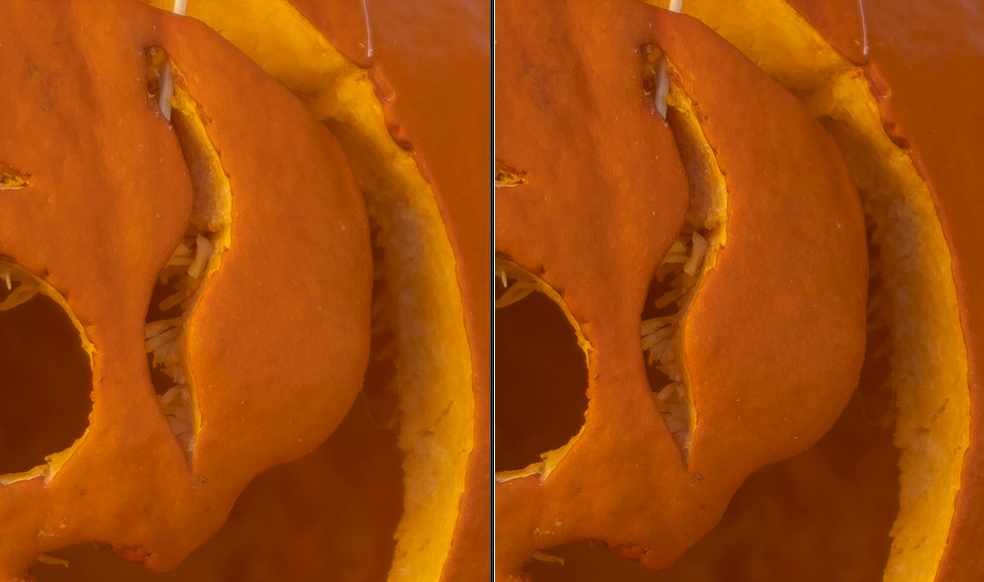
Ring Flare
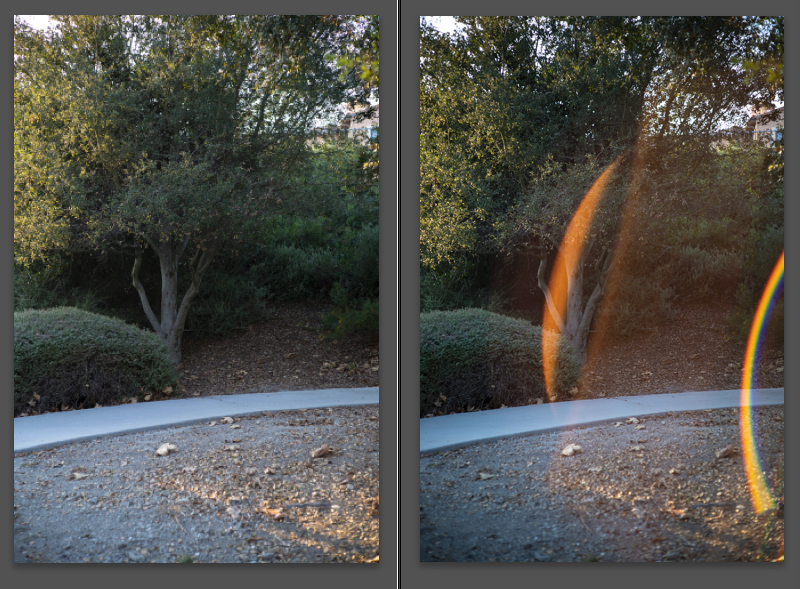
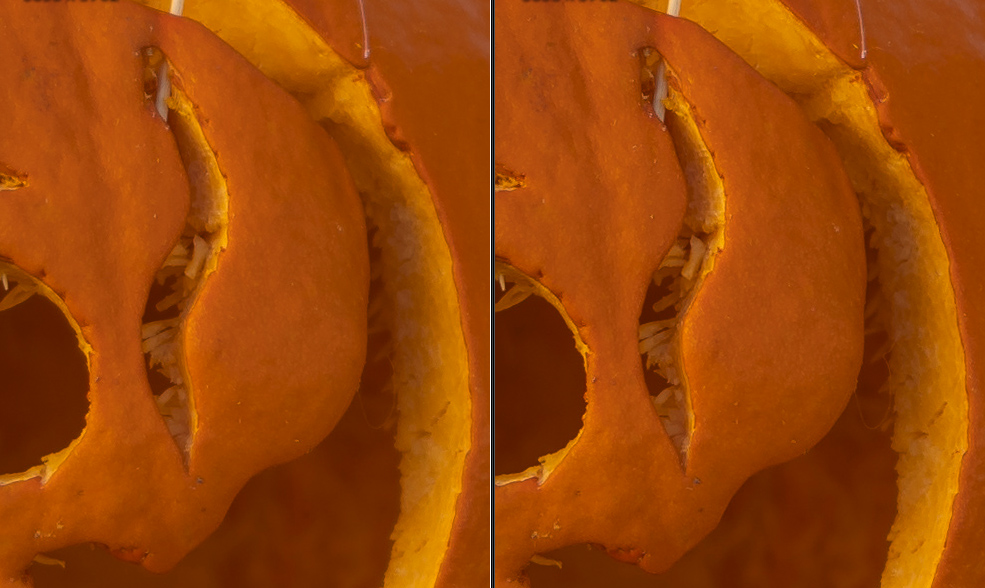
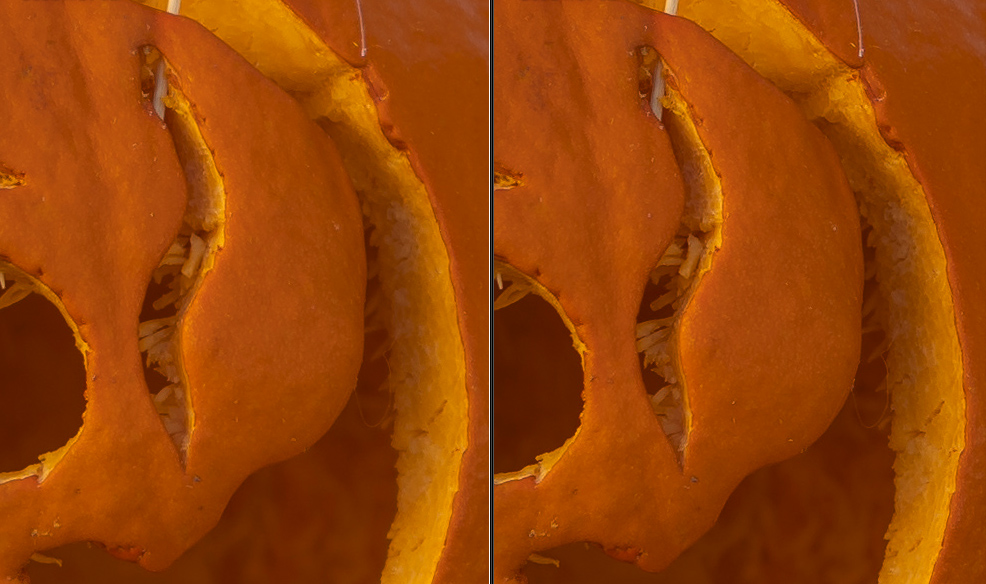
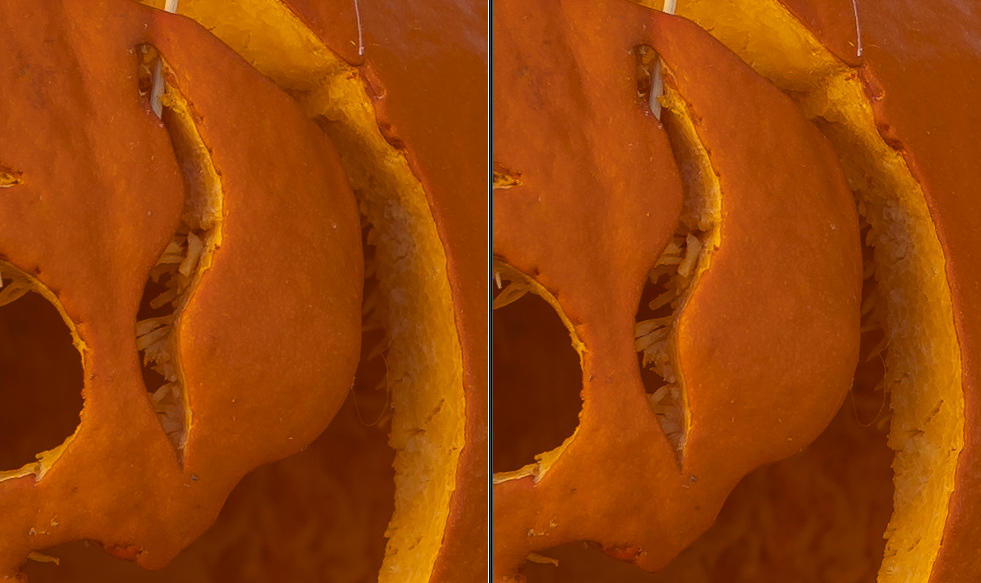
Lenses with chrome filter threads are susceptible to ring flare and that's not an exception for the Voigtlander Nokton 50mm f/1.5 II.
When the sun or light source is located at a wide angle to the lens, ring flare may be apparent in images, especially at wider apertures.
The solution is to use a lens hood which will block reflections from the chrome ring.
Hood (LEFT) | No Hood (RIGHT)
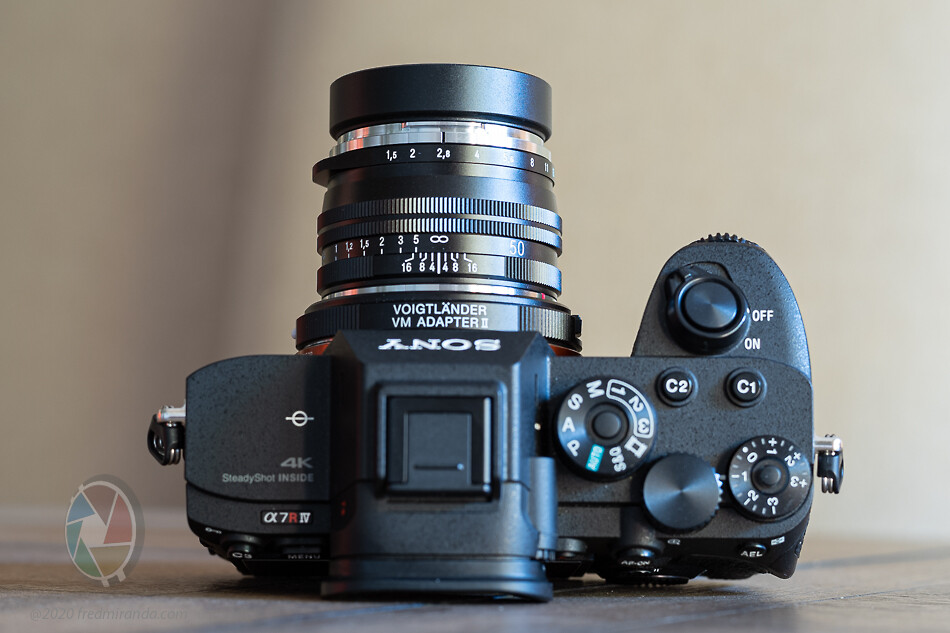
Voigtlander sells the optional LH-6 hood for this lens but any black (matte) hood will do the job. I'm using an inexpensive third party metal hood for now.
Here is how it looks on the Sony A7R IV:
Sony A7R IV with Voigtlander 50mm f/1.5 II + third party metal hood
p.4 #3 · Voigtlander 50mm f/1.5 II Aspherical Review
It can happen when product managers value appearances over functionality. The design staff do the serious work of removing internal reflections to reduce stray light, and they work to optimise the light path, then the marketing people take over and make the lens 'attractive'. Australian buyers of this lens get the (very expensive) LH-6 hood thrown in to the deal, at present.
p.4 #4 · Voigtlander 50mm f/1.5 II Aspherical Review
philip_pj wrote:
It can happen when product managers value appearances over functionality. The design staff do the serious work of removing internal reflections to reduce stray light, and they work to optimise the light path, then the marketing people take over and make the lens 'attractive'. Australian buyers of this lens get the (very expensive) LH-6 hood thrown in to the deal, at present.
For the chrome ring reflection...I will test if adding a simple UV filter (black) to see if it prevent this ill-effect. Using the dedicated or third party hood is the best solution for both ring reflecting and incident light causing flare though.
p.4 #5 · Voigtlander 50mm f/1.5 II Aspherical Review
Or a step up ring if the intent is to not use a hood. 43-46 would probably be one to have anyway for those with a collection of Leica M lenses, since 46mm is a standard Leica filter size.
The Voigtlander looks better in the 2m midfield, especially at f/2.8, where I find the Lux ASPH degrades a fair amount. But the Voigtlander seems to have more focus shift, as seen in the barcode photos, but also the f/2.8 70cm crop. The Lux ASPH also shows focus shift, but not as much.
I would have liked a focusing tab on the Voigtlander. Maybe your copy's focus resistance will loosen with use.
Please report back about more subjective things like rendering/character after you've used it a while, compared to the Lux ASPH.
Regarding your comment about the 50 Lux ASPH focus ring resistance: I also have the silver version. Yes, It's heavy. It's also been my most mechanically problematic Leica lens. Some of this is probably due to how I handle it, but it has required tuneups by Leica every few years. The focus ring resistance slowly degrades from well dampened to very loose, at which point the tightness of the lens body also declines and images become softer at f/1.4. Right now I notice a bit of wobble in the lens body, so am guessing it's about 2/3 of the way towards needing another tuneup. Maybe next time I'll try DAG instead.
p.4 #13 · Voigtlander 50mm f/1.5 II Aspherical Review
rscheffler wrote:
My quick takeaway:
The Voigtlander looks better in the 2m midfield, especially at f/2.8, where I find the Lux ASPH degrades a fair amount. But the Voigtlander seems to have more focus shift, as seen in the barcode photos, but also the f/2.8 70cm crop. The Lux ASPH also shows focus shift, but not as much.
I would have liked a focusing tab on the Voigtlander. Maybe your copy's focus resistance will loosen with use.
Please report back about more subjective things like rendering/character after you've used it a while, compared to the Lux ASPH.
Regarding your comment about the 50 Lux ASPH focus ring resistance: I also have the silver version. Yes, It's heavy. It's also been my most mechanically problematic Leica lens. Some of this is probably due to how I handle it, but it has required tuneups by Leica every few years. The focus ring resistance slowly degrades from well dampened to very loose, at which point the tightness of the lens body also declines and images become softer at f/1.4. Right now I notice a bit of wobble in the lens body, so am guessing it's about 2/3 of the way towards needing another tuneup. Maybe next time I'll try DAG instead....Show more →
What's the focus throw on the Lux? With the Voigtlander 50/1.2 II is ~90 degrees and I find the slight extra focus ring resistance a plus. Every tiny turn makes a noticeable difference in accuracy.
p.4 #16 · Voigtlander 50mm f/1.5 II Aspherical Review
I received my copy of the all-black, MC version of the lens yesterday, and had a quick chance to take some VERY unscientific shots, of my (mostly) patient wife. I was curious to see how the lens rendered people, since that tends to be my favorite subject, but generally I wanted to see the changes in resolution, focus fall-off, vignetting, and bokeh, from f/1.5 to f/2.8. These were all taken on an M10 with the Leica Summilux 50mm f/1.4 ASPH profile applied. Otherwise they are straight out of camera, with no other adjustments other than the Adobe Color profile in LR.
Even sitting down my wife tends not to be very still, so I wouldn't use these to judge focus shift by; others' tests above demonstrate that better. A few things I've noticed though: I find the color from this lens very pleasing and "punchy." I'm going to be using this on color film next, and then black & white. I used to own the LTM version of the Nokton 50 1.5 v1, and eventually sold it because while the resolution was great, I found the resulting images a bit "flat" looking. To my eye this version is definitely different. It has a good amount of that Zeiss-like 3D pop which I love, in many of the images I've seen from this so far (at some point I'd like to compare its rendering to the Zeiss C-Sonnar, though I'm not sure when I'll actually get a chance to do that). I'm excited to keep digging into its properties, but I'm really enjoying it so far, and it's also incredibly compact and portable!
p.4 #17 · Voigtlander 50mm f/1.5 II Aspherical Review
From those photos in the link above, I feel like f/2 is the sweet spot. Not quite as glowy but still a touch of SA and less cats eyes in the background. f/2.4 is also nice. From f/2.8 on I guess the lens will be pretty much as sharp as it gets with just DoF and background separation changing as one stops down.
Fred Miranda wrote:
What's the focus throw on the Lux? With the Voigtlander 50/1.5 II is ~90 degrees and I find the slight extra focus ring resistance a plus. Every tiny turn makes a noticeable difference in accuracy.
50 Lux ASPH is slightly more than 90 degrees. Maybe around 100 or 105? Its focus action is pretty 'fast,' which is useful for quickly adjusting focus, follow focusing, etc. I can't think of any instances where I've felt it was too difficult to nail focus. Looking at a couple other lenses, the 90AA is nearly 180 degrees. This makes sense for a fast, long lens and I find it pretty easy to focus accurately. Conversely, the 90/4 Macro is only around 90 degrees and I find it's more difficult. As a slower lens, DoF is not as shallow, so there is a touch more leeway. 28 Lux and 21 SEM have very similar throw to the 50 Lux ASPH, which I think makes sense so that focus racking is a consistent experience. CV35/1.7M to 70cm seems slightly less than 90 degrees and all the way to 50cm MFD is probably around 100-110 degrees.
p.4 #18 · Voigtlander 50mm f/1.5 II Aspherical Review
rscheffler wrote:
Is that the M or FE version? For a fast lens, it would have been better to offer a slightly longer throw.
50 Lux ASPH is slightly more than 90 degrees. Maybe around 100 or 105? Its focus action is pretty 'fast,' which is useful for quickly adjusting focus, follow focusing, etc. I can't think of any instances where I've felt it was too difficult to nail focus. Looking at a couple other lenses, the 90AA is nearly 180 degrees. This makes sense for a fast, long lens and I find it pretty easy to focus accurately. Conversely, the 90/4 Macro is only around 90 degrees and I find it's more difficult. As a slower lens, DoF is not as shallow, so there is a touch more leeway. 28 Lux and 21 SEM have very similar throw to the 50 Lux ASPH, which I think makes sense so that focus racking is a consistent experience. CV35/1.7M to 70cm seems slightly less than 90 degrees and all the way to 50cm MFD is probably around 100-110 degrees....Show more →
Sorry I meant 50/1.5 II, not 50/1.2 II (corrected on my post).
The Voigtlander Nokton 75mm f/1.5's focus throw has bit more than 90 degrees travel (perhaps similar to the Leica 50 Lux's with an extra 15 degrees) but I find that its focus action similar is to the 50mm f/1.5 II's where as you described, it's 'fast' where a tiny rotation makes a difference in focus precision.
p.4 #19 · Voigtlander 50mm f/1.5 II Aspherical Review
APO-Lanthar 50/2 is around 125 degrees and both the Voigtlander 75s (1.5 and 2.5) are around 95 degrees. Loxia 85mm is 220 degrees. All depending on usage intent.
Street portraits require a fast 'general ballpark' gain followed by fine tune/shoot. The L85 required a 'preset' on the ring before raising to the eye, or an extra second or so.
p.4 #20 · Voigtlander 50mm f/1.5 II Aspherical Review
Good to know about the 75/1.5. For a fast lens, I think 90 degrees is too fast.
IMO for 'quick shot' situations, a focusing tab is beneficial because you can already approximate focusing distance based on where you feel the focusing tab is, as you raise the camera to your eye, then fine tune focus, if needed. No need to look at the scale or rack the lens to find the end points. I guess for people like me, the TAAB lens tab might be an option for the 50/1.5: https://www.lenstab.com
Fred Miranda wrote: Sony vs Leica: Color and OOF background rendering at 1.3m
RAWs straight out of the camera using Lightroom daylight WB for both.
First thing I noticed: the Leica blew out the highlights pretty badly!
Background differences between Sony and Leica are difficult to nail down. Some of it might be difference in framing and therefore different placement in the frame of specific OOF highlight bokeh balls. I have the feeling the bokeh is slightly harsher on Sony, but this might be mitigated somewhat by the closer focusing distance. IOW, it probably changes/worsens (based on the blue car photos) at farther distances.
Based on these and astrobuoy's, my feeling is at nearer subject distances with moderate background separation, bokeh will be decent. Likely at farther subject distances with less dramatic background separation, bokeh swirl will probably become more apparent. But this is a challenge for many lenses.
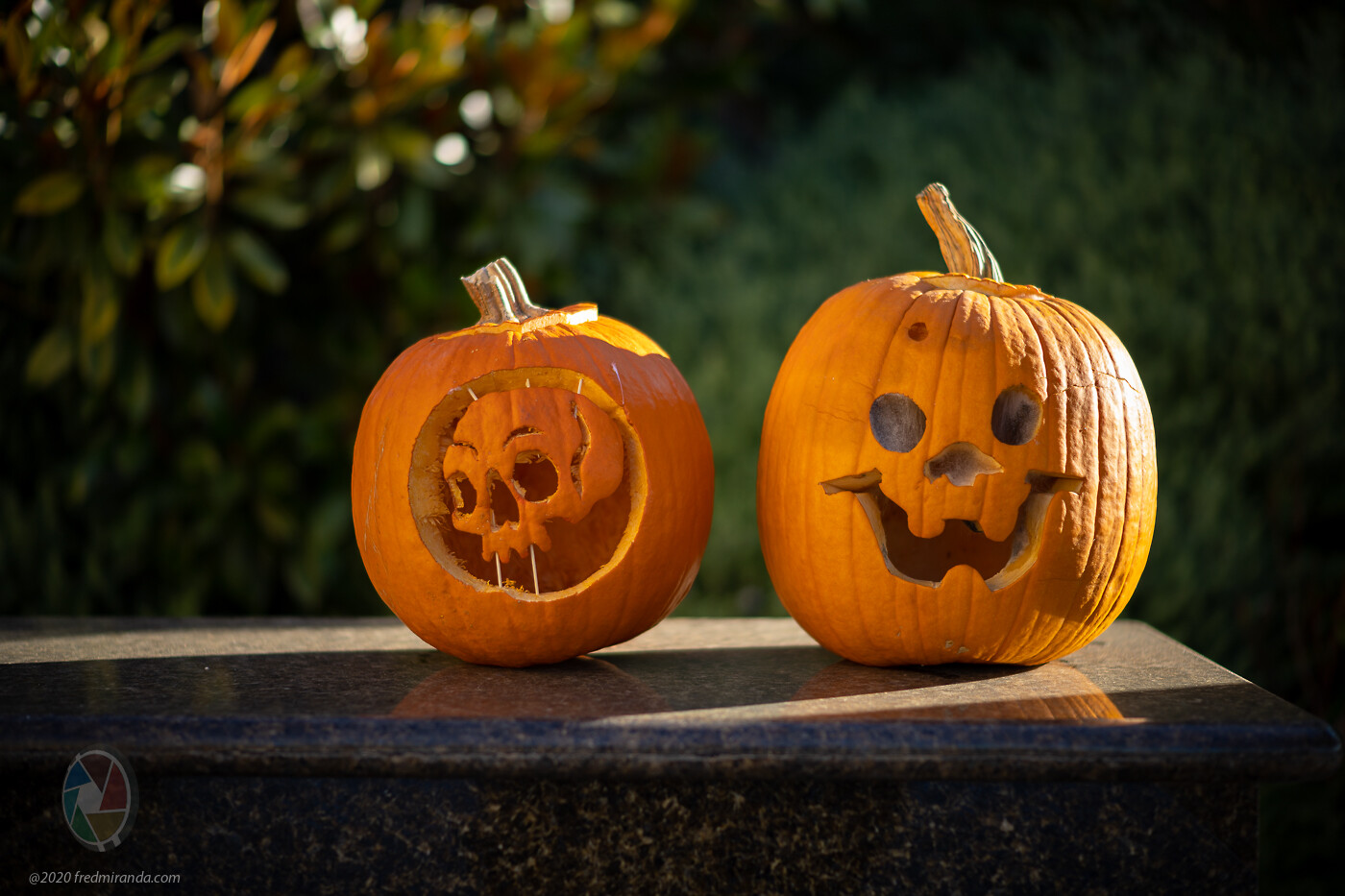
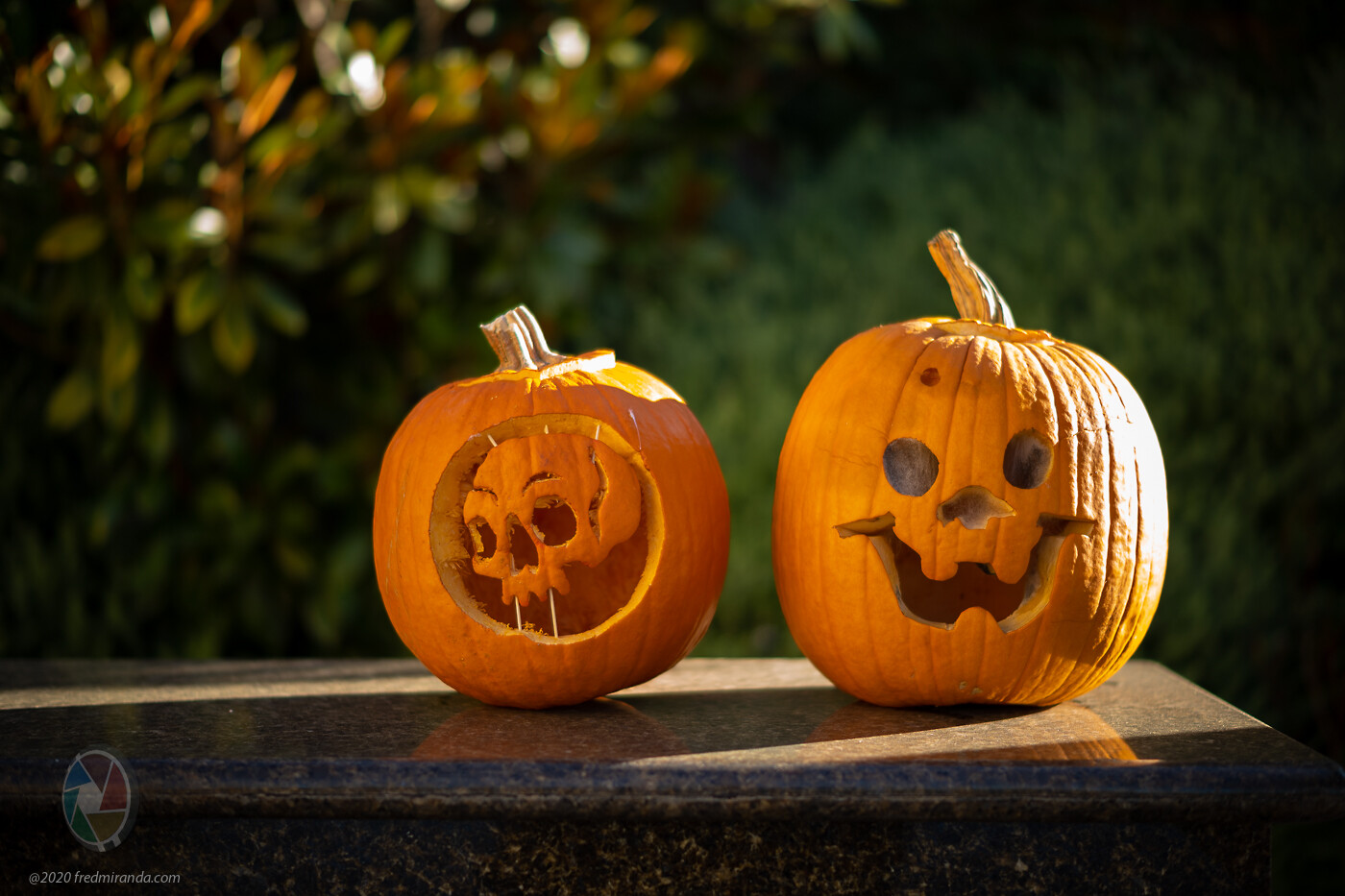
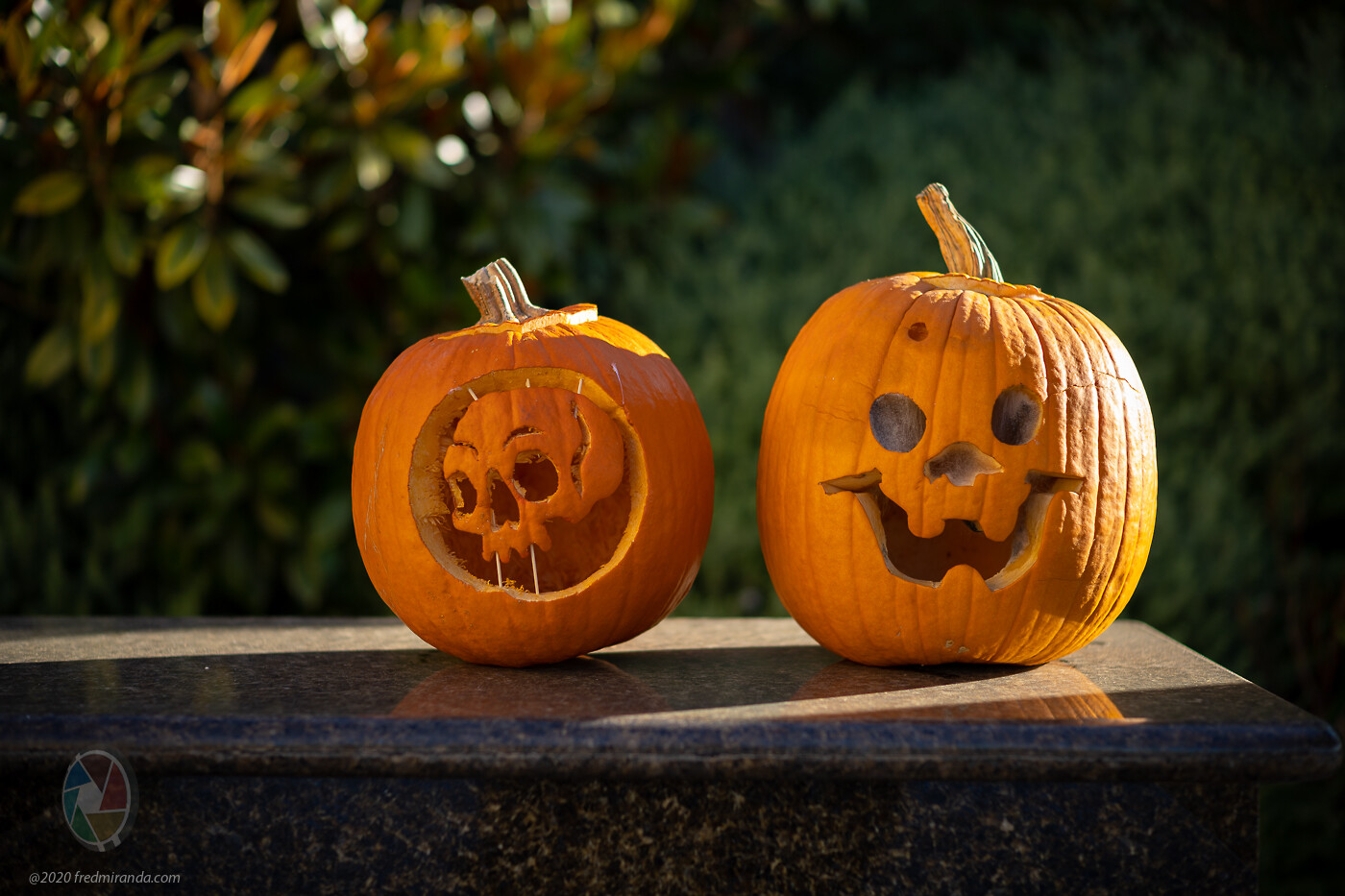
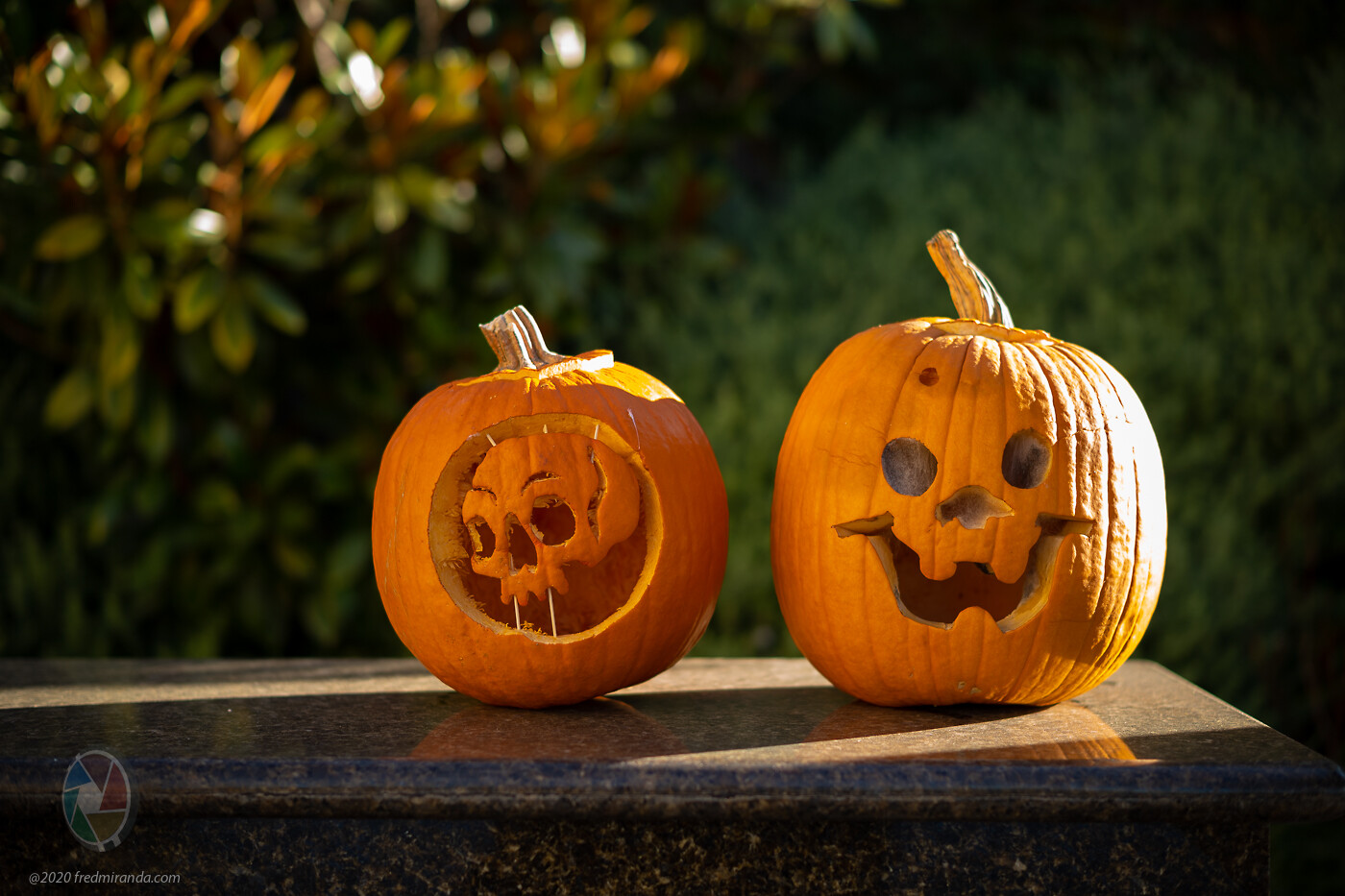
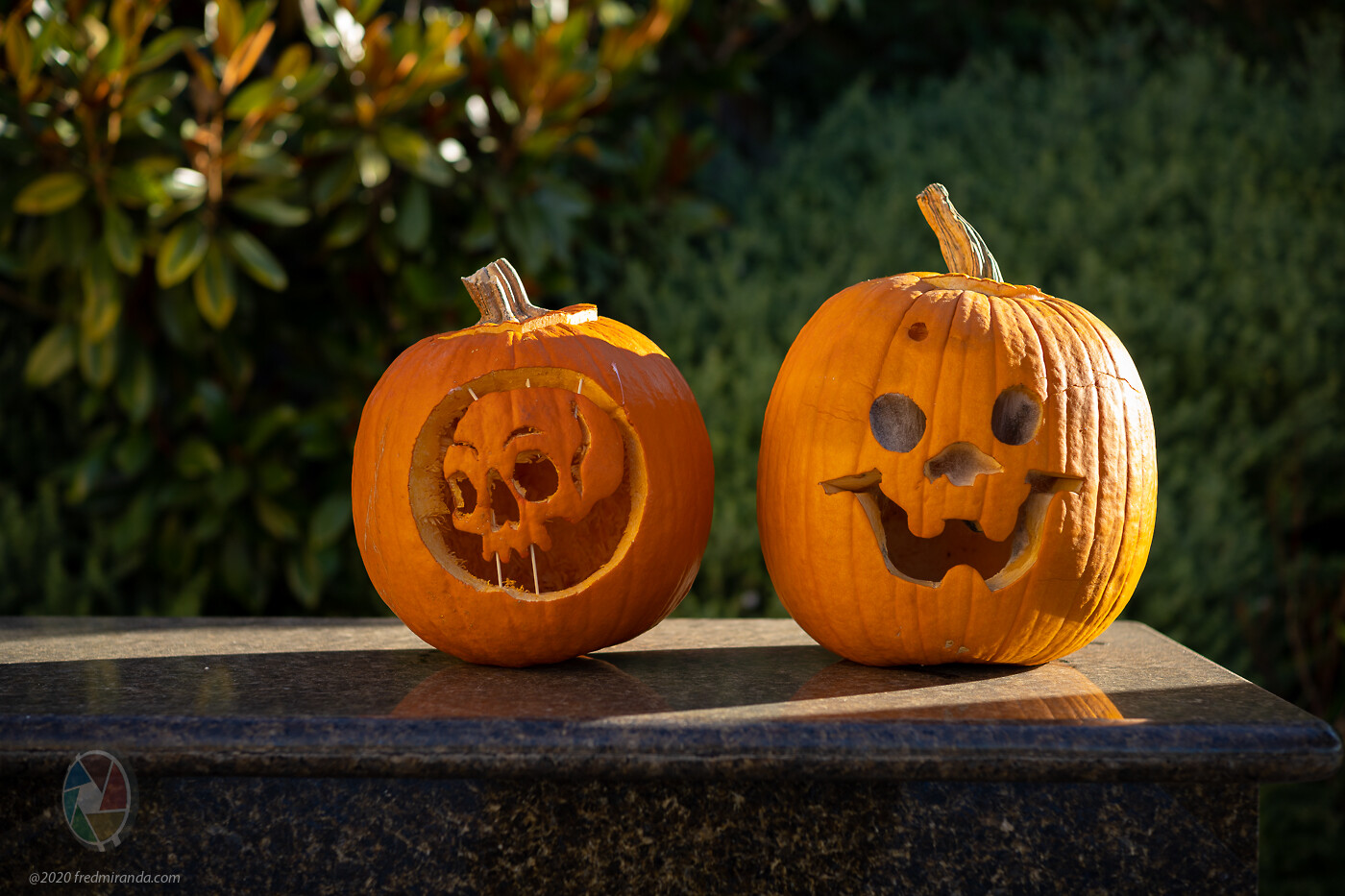
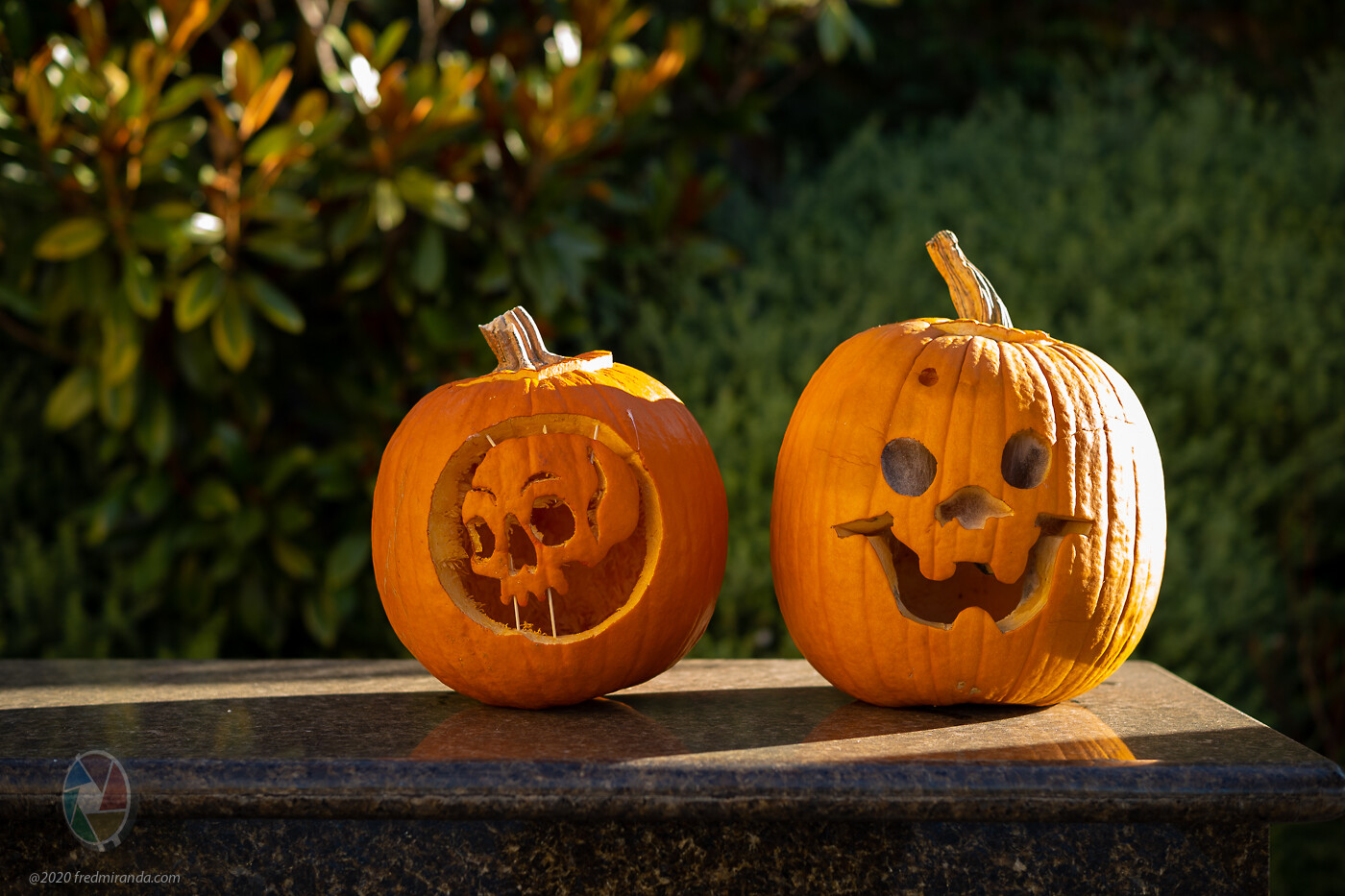
The central 'hotspot' at f/1.5 disappears at f/2 and flipping between the two, it makes a pretty big difference to the feel of the image. The pumpkin images almost seem to pop, as if distortion changes between f/1.5 and f/2. But really I think it's just the edges sharpening and SA reducing at f/2. In the photos of astrobuoy's wife, I like the effect of shadow fill at wide open that perhaps slightly extra light combined with SA causes. At f/2 and further stopped down, the shadows on her face are heavier and IMO less pleasing. Though I still think f/2 is probably the balance point between some SA, a bit more sharpness and less cats eyes effect in the background.