p.13 #1 · Voigtlander 50mm f/1.5 II Aspherical Review
astrobuoy wrote:
If you'd like you can see the full-sized images to compare here.
I feel like they're pretty close, though there are slight differences in the way they draw. First, unlike the two round-ups I've seen, my Sonnar is plenty sharp to my eye (though I don't really do resolution tests, so take that with a grain of salt I guess). I don't know if anyone would agree, and I don't know if I quite have the words, but in general I think the Nokton renders a bit "flatter" and more even, while there's a kind of "roundness," if that makes sense, to the Sonnar images that I can't put my finger on. The Nokton definitely vignettes more when it's open, and the bokeh is a little busier and more nervous, while the Sonnar is very creamy. And the focus transition in the Sonnar images looks very gentle and smooth to me.
And yet, I like them both. This hasn't helped me decide which one I'd keep, as I think they each do something a little different, and I find myself reaching for either one depending on the day. I think I'll just keep shooting and perhaps make a decision further down the line....Show more →
Thank you so much for the photo comparison, they look great! I also do like the ones taken by Sonnar a bit more but Nokton doesn't look bad at all. I ended up purchasing Nokton simply because I will be mainly using the lens on digital and Sonnar's focus shift will be annoying. If I only shoot film I'll probably go with Sonnar. Anyway, both are great lens!
p.13 #4 · Voigtlander 50mm f/1.5 II Aspherical Review
astrobuoy wrote:
If you'd like you can see the full-sized images to compare here.
I feel like they're pretty close, though there are slight differences in the way they draw. First, unlike the two round-ups I've seen, my Sonnar is plenty sharp to my eye (though I don't really do resolution tests, so take that with a grain of salt I guess). I don't know if anyone would agree, and I don't know if I quite have the words, but in general I think the Nokton renders a bit "flatter" and more even, while there's a kind of "roundness," if that makes sense, to the Sonnar images that I can't put my finger on. The Nokton definitely vignettes more when it's open, and the bokeh is a little busier and more nervous, while the Sonnar is very creamy. And the focus transition in the Sonnar images looks very gentle and smooth to me.
And yet, I like them both. This hasn't helped me decide which one I'd keep, as I think they each do something a little different, and I find myself reaching for either one depending on the day. I think I'll just keep shooting and perhaps make a decision further down the line....Show more →
You should continue using both & share them on the Leica M thread! Great stuff!!
p.13 #5 · Voigtlander 50mm f/1.5 II Aspherical Review
I bought the CV 58mm F1.4 SLIIS AIS Nikon mount from Cameraquest and adapted it to E mount. It is, of course, larger than the Leica mount 50mm F1.5 lens but is made for thicker DSLR sensors. It has a fully automatic aperture for S/A/P and Auto AF unlike the smaller, superb FE mount CV 50mm F2.0 APO for twice the price. I believe Cameraquest has stock as of this writing (8/21).
p.13 #6 · Voigtlander 50mm f/1.5 II Aspherical Review
From 50mm M aficionado Flavio Bosi's mega comparison:
"So, what did I choose? My final choice was between two lenses: the Nokton 1.2 and the Nokton 1.5 II. They are equally fantastic lenses. They don’t compromise in optical quality, handling and build quality. And they are priced right.
If you need/want speed at any cost the Nokton 1.2 is just unbeatable: so much quality in so small a package for the speed. If you want portability and lightness without compromising in speed the Nokton 1.5 II is the choice.
I went for portability and lightness. When I said that if they made a lens with the optics of the Nokton 1.5 and the barrel/ergonomics of the Sonnar 1.5 it would be my desert island lens I meant it. they did that and more: the optical quality is better, the ergonomics almost there. The Nokton 1.5 II is my desert island lens."
"Let’s stop worshipping the Leica lenses because of their price or their heritage. They are not the top of the heap anymore and the prices don’t reflect the quality compared to the competition."
p.13 #7 · Voigtlander 50mm f/1.5 II Aspherical Review
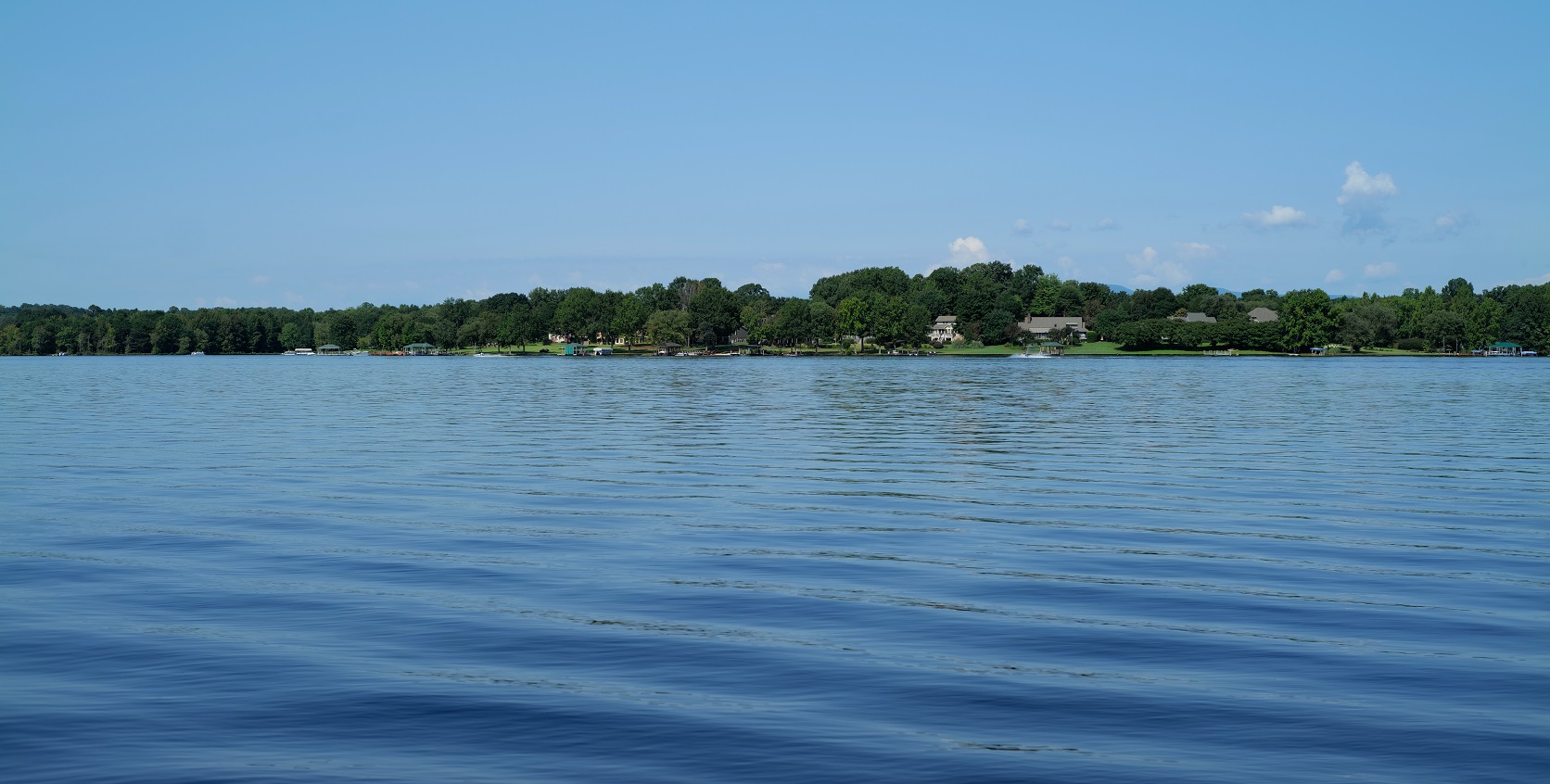
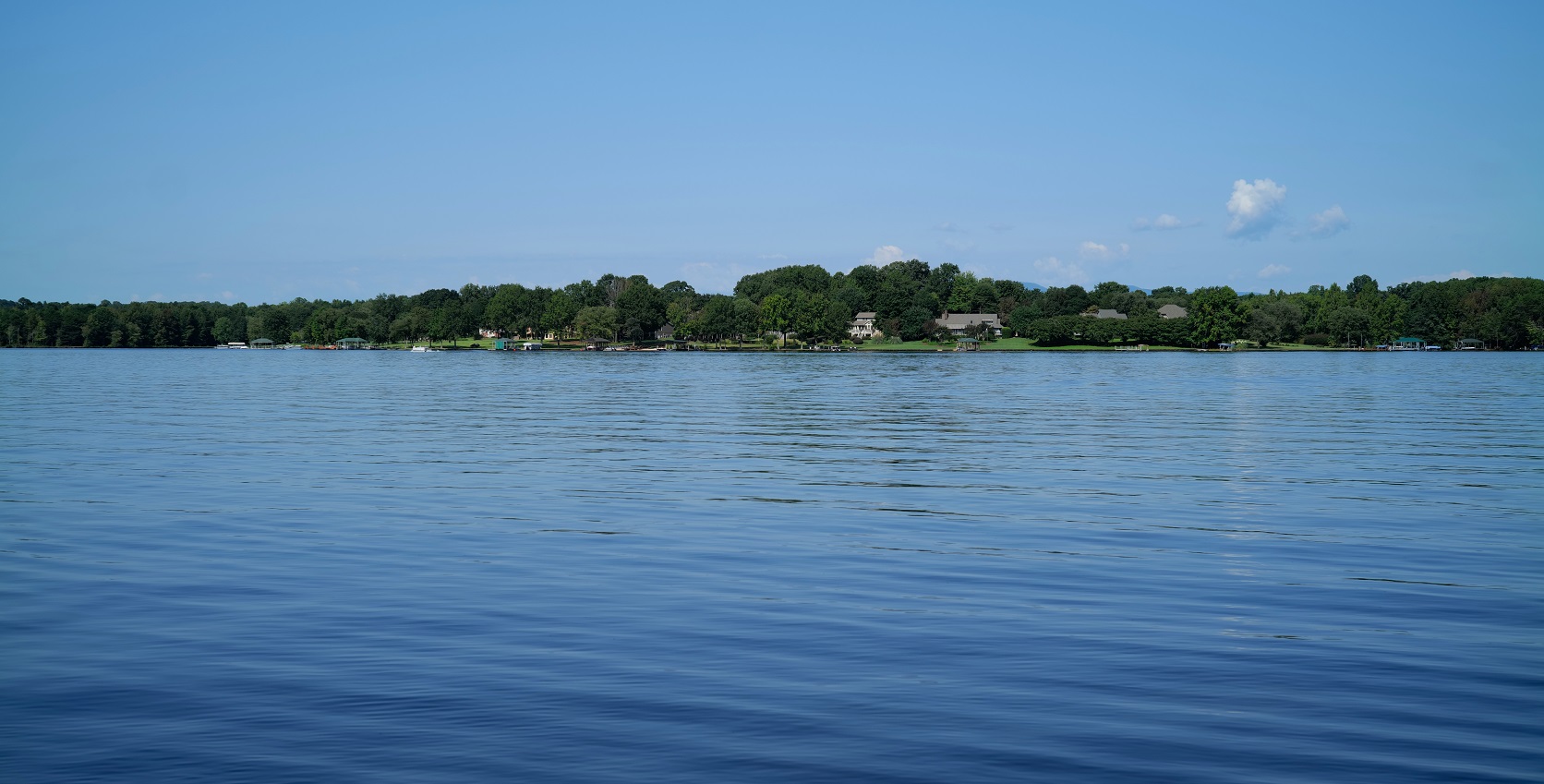
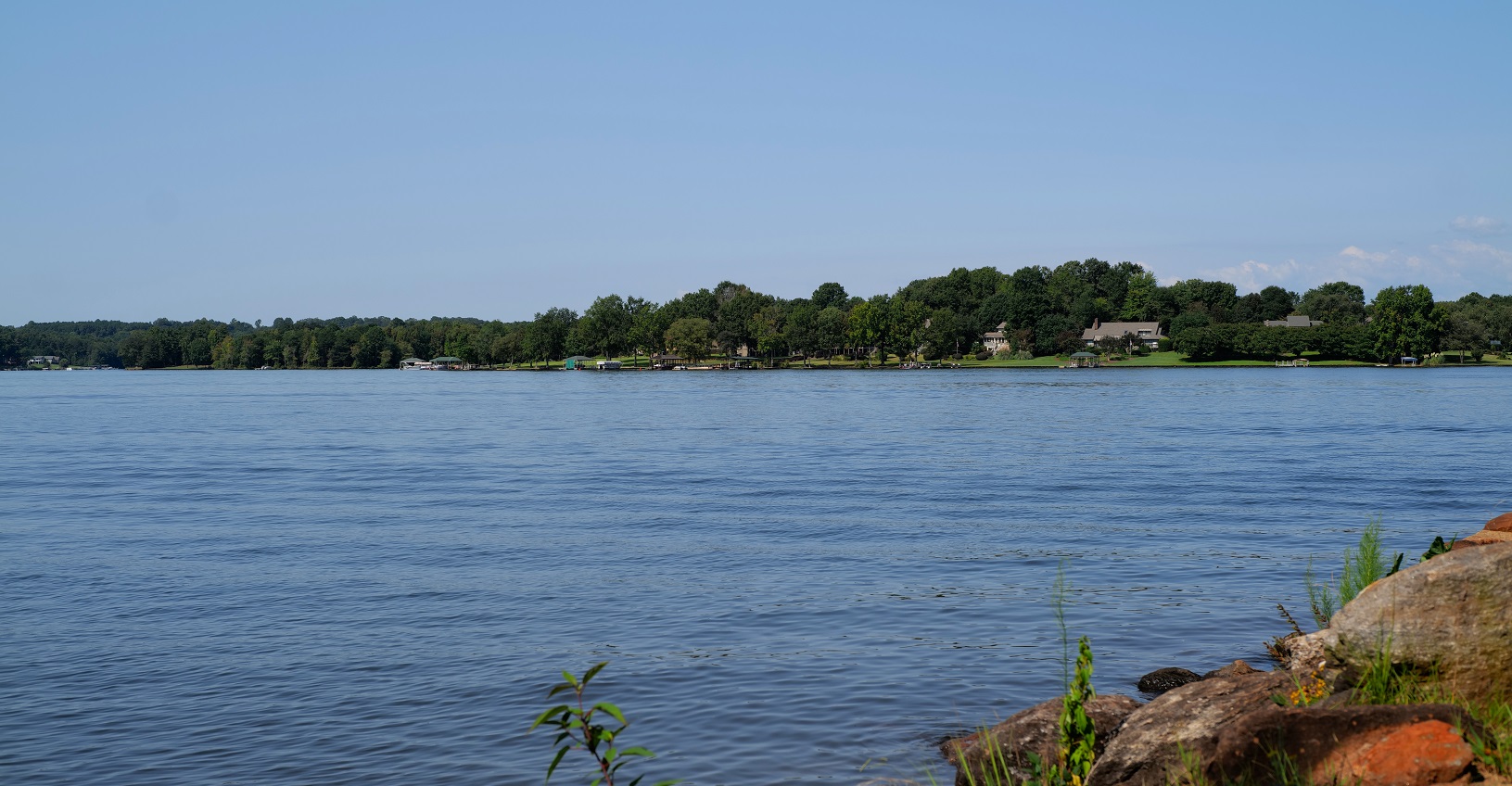
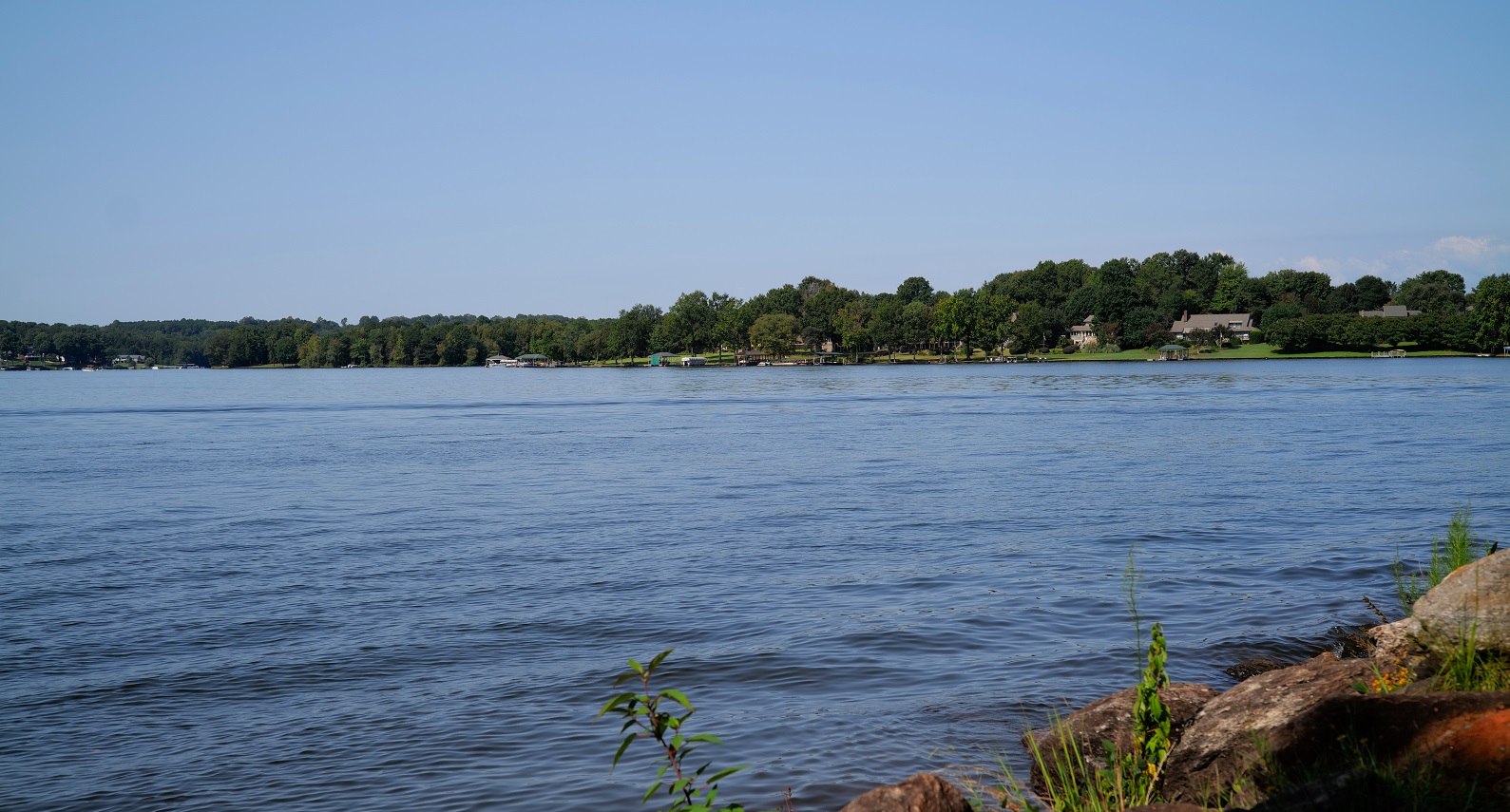
A comparison between VM 50/1.5 MC I and VM 50/1.5 MC II Nikel
1st VM 50/1.5 MC I
2nd VM 50/1.5 MC II Nikel
3rd VM 50/1.5 MC I
4th VM 50/1.5 MC II Nikel
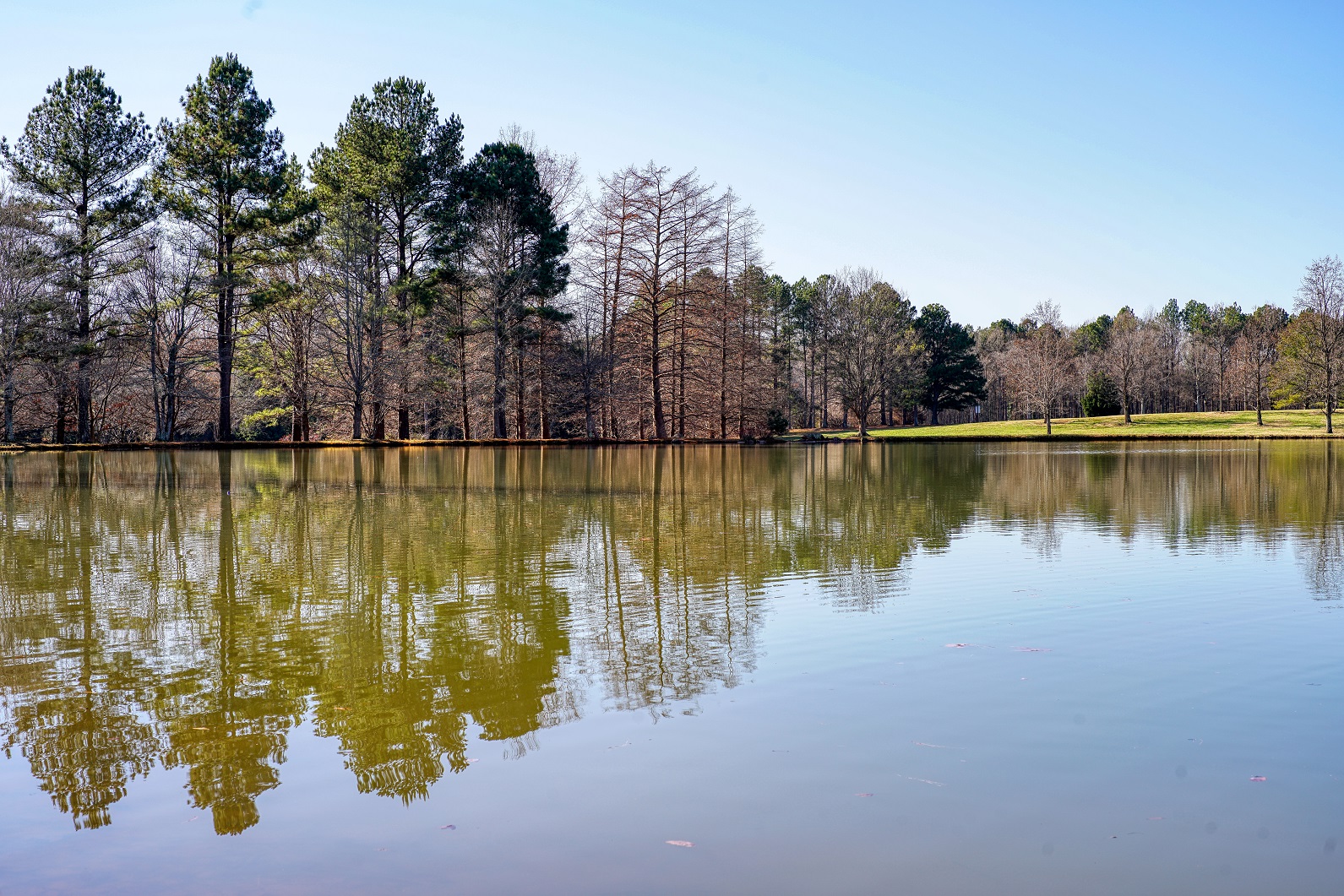
Taken at Lake Bowen Park, Spartanburg in September 11, 2021
Version 2 shows more contrast.
At F5.6 Both of them similar sharpness at center and middle zone.
At corner, Version 1 is slightly sharper than version 2 in S1R camera
p.13 #9 · Voigtlander 50mm f/1.5 II Aspherical Review
philip_pj wrote:
From 50mm M aficionado Flavio Bosi's mega comparison:
"So, what did I choose? My final choice was between two lenses: the Nokton 1.2 and the Nokton 1.5 II. They are equally fantastic lenses. They don’t compromise in optical quality, handling and build quality. And they are priced right.
If you need/want speed at any cost the Nokton 1.2 is just unbeatable: so much quality in so small a package for the speed. If you want portability and lightness without compromising in speed the Nokton 1.5 II is the choice.
I went for portability and lightness. When I said that if they made a lens with the optics of the Nokton 1.5 and the barrel/ergonomics of the Sonnar 1.5 it would be my desert island lens I meant it. they did that and more: the optical quality is better, the ergonomics almost there. The Nokton 1.5 II is my desert island lens."
"Let’s stop worshipping the Leica lenses because of their price or their heritage. They are not the top of the heap anymore and the prices don’t reflect the quality compared to the competition."
p.13 #12 · Voigtlander 50mm f/1.5 II Aspherical Review
DaveFP
The focus shift is only relevant for Rangefinder focusing (M-mount) where you don't focus through the lens...the rangefinder will suggest that the lens is in focus when in reality it is not perfectly in focus at certain f-stops...relevant primarily at wider f-stops since as you stop down 5.6 and beyond, the DOF will compensate for any shifts
p.13 #13 · Voigtlander 50mm f/1.5 II Aspherical Review
leolab wrote:
DaveFP
The focus shift is only relevant for Rangefinder focusing (M-mount) where you don't focus through the lens...the rangefinder will suggest that the lens is in focus when in reality it is not perfectly in focus at certain f-stops...relevant primarily at wider f-stops since as you stop down 5.6 and beyond, the DOF will compensate for any shifts
I don't understand.
If you are using the rangefinder optic to focus why would the aperture be wide open?
To what advantage?
Why isn't the aperture at the metered opening?
IOW - how does a rangefinder benefit from an auto-aperture lens?
Edit - and aren't these lenses fully manual? ......
p.13 #14 · Voigtlander 50mm f/1.5 II Aspherical Review
With a rangefinder camera the lens is always at the shooting aperture. There are no auto aperture rangefinder lenses. When you focus a rangefinder camera, you do not view through the lens, nor does the rangefinder mechanism view through the lens. It's a completely separate optical system that is mechanically linked to the focus helicoid of the lens and is calibrated in such a way that it will estimate, with high precision, the correct point of focus when used with properly calibrated lenses.
But the rangefinder mechanism can only be calibrated to one correct, optimum, focus. If a lens does not focus shift, then rangefinder calibration will correctly correspond with the correct focus of that lens at all aperture values. But if the lens focus shifts, then the calibration can only be for one point along that shift. If the calibration is for wide open, then images shot a stop or two down, will be progressively more back focused until depth of field is deep enough to cover the focus shift.
As a rangefinder photographer, you need to know about this and if not shooting at the optimum calibration aperture of a lens that focus shifts, you have to intentionally 'mis-focus' the rangefinder to compensate for the shift. With some practice, it's not difficult to do and really not a big deal. It just means a little more work and thinking by the photographer, which is anyway a prerequisite for using a rangefinder camera given they typically have very few safeguards to keep you from screwing up if not paying attention, or if ignorant of certain technical details.
This is why some lenses, such as the Sonnar 50/1.5, were rangefinder calibrated at f/2.8. Shooting wide open you would get slight front focus that would be somewhat masked by the 'thick' wide open plane of focus due to the considerable SA 'glow' of that lens. The rangefinder would perfectly correspond with exact focus at f/2.8 and there would be no shift. By f/5.6 back focus would be masked by depth of field. This was also during the film era when such focus shift was not as noticeable in part because images were typically enlarged 4-8x compared to zooming in 100% at 24, 36, 60MP, etc. (more like viewing a 16x20, and larger, up close).
Notably, Zeiss initially shipped the ZM50/1.5 Sonnar from the 2000s rangefinder calibrated for f/2.8 because it was designed to accompany their Zeiss Ikon rangefinder film camera. But after the Leica M9 was released in 2009 and the immense demand for M mount lenses that accompanied it, and the tendency for digital photographers to shoot wide open and expect perfect focus, Zeiss changed the calibration to f/1.5. The consequence for wide open rangefinder calibration with that lens is that when stopped down a couple stops, back focus is very noticeable on digital and it's necessary to know how much to mis-focus the rangefinder to get optimum sharpness of the intended point of focus.
Of course if you're shooting on mirrorless it has no relevance to you and you just focus with the EVF at the shooting aperture.
p.13 #15 · Voigtlander 50mm f/1.5 II Aspherical Review
rscheffler wrote:
With a rangefinder camera the lens is always at the shooting aperture. There are no auto aperture rangefinder lenses. When you focus a rangefinder camera, you do not view through the lens, nor does the rangefinder mechanism view through the lens. It's a completely separate optical system that is mechanically linked to the focus helicoid of the lens and is calibrated in such a way that it will estimate, with high precision, the correct point of focus when used with properly calibrated lenses.
But the rangefinder mechanism can only be calibrated to one correct, optimum, focus. If a lens does not focus shift, then rangefinder calibration will correctly correspond with the correct focus of that lens at all aperture values. But if the lens focus shifts, then the calibration can only be for one point along that shift. If the calibration is for wide open, then images shot a stop or two down, will be progressively more back focused until depth of field is deep enough to cover the focus shift.
As a rangefinder photographer, you need to know about this and if not shooting at the optimum calibration aperture of a lens that focus shifts, you have to intentionally 'mis-focus' the rangefinder to compensate for the shift. With some practice, it's not difficult to do and really not a big deal. It just means a little more work and thinking by the photographer, which is anyway a prerequisite for using a rangefinder camera given they typically have very few safeguards to keep you from screwing up if not paying attention, or if ignorant of certain technical details.
This is why some lenses, such as the Sonnar 50/1.5, were rangefinder calibrated at f/2.8. Shooting wide open you would get slight front focus that would be somewhat masked by the 'thick' wide open plane of focus due to the considerable SA 'glow' of that lens. The rangefinder would perfectly correspond with exact focus at f/2.8 and there would be no shift. By f/5.6 back focus would be masked by depth of field. This was also during the film era when such focus shift was not as noticeable in part because images were typically enlarged 4-8x compared to zooming in 100% at 24, 36, 60MP, etc. (more like viewing a 16x20, and larger, up close).
Notably, Zeiss initially shipped the ZM50/1.5 Sonnar from the 2000s rangefinder calibrated for f/2.8 because it was designed to accompany their Zeiss Ikon rangefinder film camera. But after the Leica M9 was released in 2009 and the immense demand for M mount lenses that accompanied it, and the tendency for digital photographers to shoot wide open and expect perfect focus, Zeiss changed the calibration to f/1.5. The consequence for wide open rangefinder calibration with that lens is that when stopped down a couple stops, back focus is very noticeable on digital and it's necessary to know how much to mis-focus the rangefinder to get optimum sharpness of the intended point of focus.
Of course if you're shooting on mirrorless it has no relevance to you and you just focus with the EVF at the shooting aperture....Show more →
Thanks Ron; I appreciate the detailed response. I now understand the context.
I was scratching me head over how these M lenses could exhibit focus shift (on a Sony) when none of my all-manual lenses do (when focused at the taking aperture).
p.13 #16 · Voigtlander 50mm f/1.5 II Aspherical Review
leolab wrote:
DaveFP
The focus shift is only relevant for Rangefinder focusing (M-mount) where you don't focus through the lens...the rangefinder will suggest that the lens is in focus when in reality it is not perfectly in focus at certain f-stops...relevant primarily at wider f-stops since as you stop down 5.6 and beyond, the DOF will compensate for any shifts
p.13 #17 · Voigtlander 50mm f/1.5 II Aspherical Review
BTW, here is my slightly tuned version: smaller hood and & red dot dome (removable).
Excellent lens; it replaced my Leica 50/1.4 asph. Smaller, lighter and at least as good as far as I'm concerned.
Did I forgot much cheaper but still very well built? Cheers to Voigt.
p.13 #18 · Voigtlander 50mm f/1.5 II Aspherical Review
(posted this in the Heliar review page too)
Can anyone compare the Heliar with Voigtlander Nokton 50mm f/1.5 II Aspherical (Vintage Line)? I recently got a Voigtlander 50mm APO and while it's a great lens I don't really like how it balances on camera. Looking at either the Heliar or Nokton Vintage Line... If I understand correctly the Heliar will have a much more dreamy look at 1.5 whereas the Nokton Vintage Line will have a bit more pop at 1.5?
If anyone has owned both can you comment on how the lenses compare and which one you like better and why?
EDIT: Also considering the Light Lens Lab 50mm Elcan repro since it also looks very lightweight.
p.13 #19 · Voigtlander 50mm f/1.5 II Aspherical Review
tangfj wrote:
(posted this in the Heliar review page too)
Can anyone compare the Heliar with Voigtlander Nokton 50mm f/1.5 II Aspherical (Vintage Line)? I recently got a Voigtlander 50mm APO and while it's a great lens I don't really like how it balances on camera. Looking at either the Heliar or Nokton Vintage Line... If I understand correctly the Heliar will have a much more dreamy look at 1.5 whereas the Nokton Vintage Line will have a bit more pop at 1.5?
If anyone has owned both can you comment on how the lenses compare and which one you like better and why?
EDIT: Also considering the Light Lens Lab 50mm Elcan repro since it also looks very lightweight.
The 50/1.5 Heliar has definitely more character and is softer than the 50/1.5 Nokton at any aperture. I consider it a soft focus lens with unique rendering similar to something like the Leica 90/2.2 Thambar.
It's a bit surprising since those were not so old. Anyhow, the MC versions are not discontinued so perhaps there wasn't enough demand for the SC versions and Cosina trimmed the lineup.