DavidBM wrote:
The 1.8/55 is perhaps the least exciting 50 I own: there’s nothing it’s the best at. But it’s also the one I would keep if I could only have one, because it does everything well enough!
+2
I have owned the 55 1.8 since it was first released in late 2013. I always liked the compromises between optical and AF performance and size/weight Sony struck with that lens.
That's the reason why I have never seriously contemplated selling it, even though it's hardly my most frequently used lens, but I never felt it got in the way of me getting decent pictures. Then again, I happily admit that my lens evaluation standards are probably low compared to many other FM'ers.
I guess, we all can agree that it's not perfect (and I understand the dislike for the CA), but then again making a better corrected lens AF 55 1.8 lens would certainly involve another set of compromises regarding price and size, which have been directed at many other Sony lenses.
I guess we all appreciate Fred's thorough and insightful tests. I don't question the comparison, but at least to me, the 55 1.8 and 50 APO are two very different beasts. I don't see them as competitors, but rather as potentially complementary pieces of a lens kit. I get that everybody has different needs/wants and for some switching from AF to MF isn't a big deal, but to me the CV couldn't replace the 55 1.8, because I need the AF.
I was in the same position as you just a week ago, except my decision is whether to get the 50 1.2/50 APO to accompany the 40 1.2
My thought are:
The 40 1.2 has a flexibility advantage in focal length and background control.
I find it has a more pleasing bokeh, even at F2. (50APO has significantly better bokeh balls though)
I know bokeh is subjective and depends on a lot of factors but so far the 50APO occasionally makes me think the bokeh gets too structured, while I rarely find that in my entire 40 1.2 shooting experience.
The 50APO is sharper, very good micro contrast, and has far less optic flaws.
It also offers a closer MFD which makes it a good walk around lens also. (and not just that, the MFD it shoot at has very little optic flaws, while the 40 is noticeably weaker at MFD especially with close focus adapter.)
IMO
50APO is a much better choice for landscape, static subjects and the B&W files it generate is beautiful.
The 40 1.2 on the other hand is better at other situations.
Sometimes you just get that amazing subject separation under the right condition that still leave me in awe.
I feel like I am a different kind of shooter than most users here, I am sure if I ask what is the top 2 issues with the 40,
people would say it's the purple fringing and the CA.
But for me, it's the not as perfect sunstars and the rather obvious onion ring.
I do a lot of post processing, and this is why I don't care nearly as much as the optic flaws.
The thing that really matters to me is the creativity and the overall rendering of the photo.
Anyway I know I am posting the link over and over again, I really hope these are useful for people to use.
Two things that help to substantially minimize the chromatic abberration for the 55mm f1.8 in my experience are: (1) stop down to at least f2.5 (between f2 and f2.8); and (2) in Capture One 20 increase color noise reduction to at least 75, and also compare to 100 (default setting is 50). . . . That said, I have a Voigtlander 50mm f2 APO on order and plan on keeping both lenses.
Kildras wrote:
I was in the same position as you just a week ago, except my decision is whether to get the 50 1.2/50 APO to accompany the 40 1.2
My thought are:
The 40 1.2 has a flexibility advantage in focal length and background control.
I find it has a more pleasing bokeh, even at F2. (50APO has significantly better bokeh balls though)
I know bokeh is subjective and depends on a lot of factors but so far the 50APO occasionally makes me think the bokeh gets too structured, while I rarely find that in my entire 40 1.2 shooting experience.
The 50APO is sharper, very good micro contrast, and has far less optic flaws.
It also offers a closer MFD which makes it a good walk around lens also. (and not just that, the MFD it shoot at has very little optic flaws, while the 40 is noticeably weaker at MFD especially with close focus adapter.)
IMO
50APO is a much better choice for landscape, static subjects and the B&W files it generate is beautiful.
The 40 1.2 on the other hand is better at other situations.
Sometimes you just get that amazing subject separation under the right condition that still leave me in awe.
I feel like I am a different kind of shooter than most users here, I am sure if I ask what is the top 2 issues with the 40,
people would say it's the purple fringing and the CA.
But for me, it's the not as perfect sunstars and the rather obvious onion ring.
I do a lot of post processing, and this is why I don't care nearly as much as the optic flaws.
The thing that really matters to me is the creativity and the overall rendering of the photo.
Anyway I know I am posting the link over and over again, I really hope these are useful for people to use.
Kildras wrote:
I was in the same position as you just a week ago, except my decision is whether to get the 50 1.2/50 APO to accompany the 40 1.2
My thought are:
The 40 1.2 has a flexibility advantage in focal length and background control.
I find it has a more pleasing bokeh, even at F2. (50APO has significantly better bokeh balls though)
I know bokeh is subjective and depends on a lot of factors but so far the 50APO occasionally makes me think the bokeh gets too structured, while I rarely find that in my entire 40 1.2 shooting experience.
The 50APO is sharper, very good micro contrast, and has far less optic flaws.
It also offers a closer MFD which makes it a good walk around lens also. (and not just that, the MFD it shoot at has very little optic flaws, while the 40 is noticeably weaker at MFD especially with close focus adapter.)
IMO
50APO is a much better choice for landscape, static subjects and the B&W files it generate is beautiful.
The 40 1.2 on the other hand is better at other situations.
Sometimes you just get that amazing subject separation under the right condition that still leave me in awe.
I feel like I am a different kind of shooter than most users here, I am sure if I ask what is the top 2 issues with the 40,
people would say it's the purple fringing and the CA.
But for me, it's the not as perfect sunstars and the rather obvious onion ring.
I do a lot of post processing, and this is why I don't care nearly as much as the optic flaws.
The thing that really matters to me is the creativity and the overall rendering of the photo.
Anyway I know I am posting the link over and over again, I really hope these are useful for people to use.
Kildras wrote:
Hmm maybe it's the focal length difference and how much I can get the subject in MFD that makes it closer than it seems.
Neither way, I find in terms of MFD performance, the 50APO is significantly better
I do agree with that - the 50 APO is visibly better at MFD than the 40 1.2 (although MFD performance with the 40 1.2 has always been recognized as a deficiency)
I have owned the 55 1.8 since it was first released in late 2013. I always liked the compromises between optical and AF performance and size/weight Sony struck with that lens.
That's the reason why I have never seriously contemplated selling it, even though it's hardly my most frequently used lens, but I never felt it got in the way of me getting decent pictures. Then again, I happily admit that my lens evaluation standards are probably low compared to many other FM'ers.
I guess, we all can agree that it's not perfect (and I understand the dislike for the CA), but then again making a better corrected lens AF 55 1.8 lens would certainly involve another set of compromises regarding price and size, which have been directed at many other Sony lenses.
I guess we all appreciate Fred's thorough and insightful tests. I don't question the comparison, but at least to me, the 55 1.8 and 50 APO are two very different beasts. I don't see them as competitors, but rather as potentially complementary pieces of a lens kit. I get that everybody has different needs/wants and for some switching from AF to MF isn't a big deal, but to me the CV couldn't replace the 55 1.8, because I need the AF....Show more →
---------------------------------------------
Kildras wrote:
Hmm maybe it's the focal length difference and how much I can get the subject in MFD that makes it closer than it seems.
Neither way, I find in terms of MFD performance, the 50APO is significantly better
---------------------------------------------
saxguy wrote:
I do agree with that - the 50 APO is visibly better at MFD than the 40 1.2 (although MFD performance with the 40 1.2 has always been recognized as a deficiency)
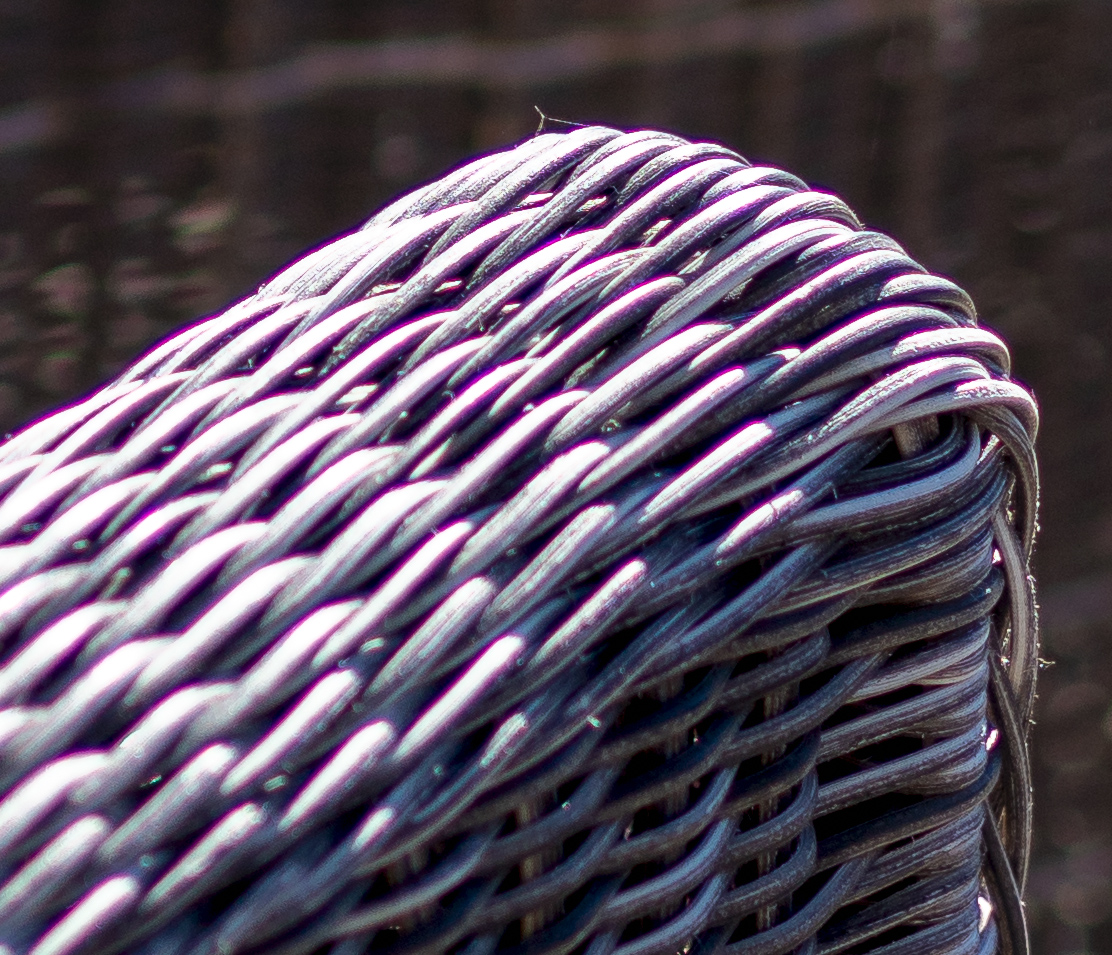
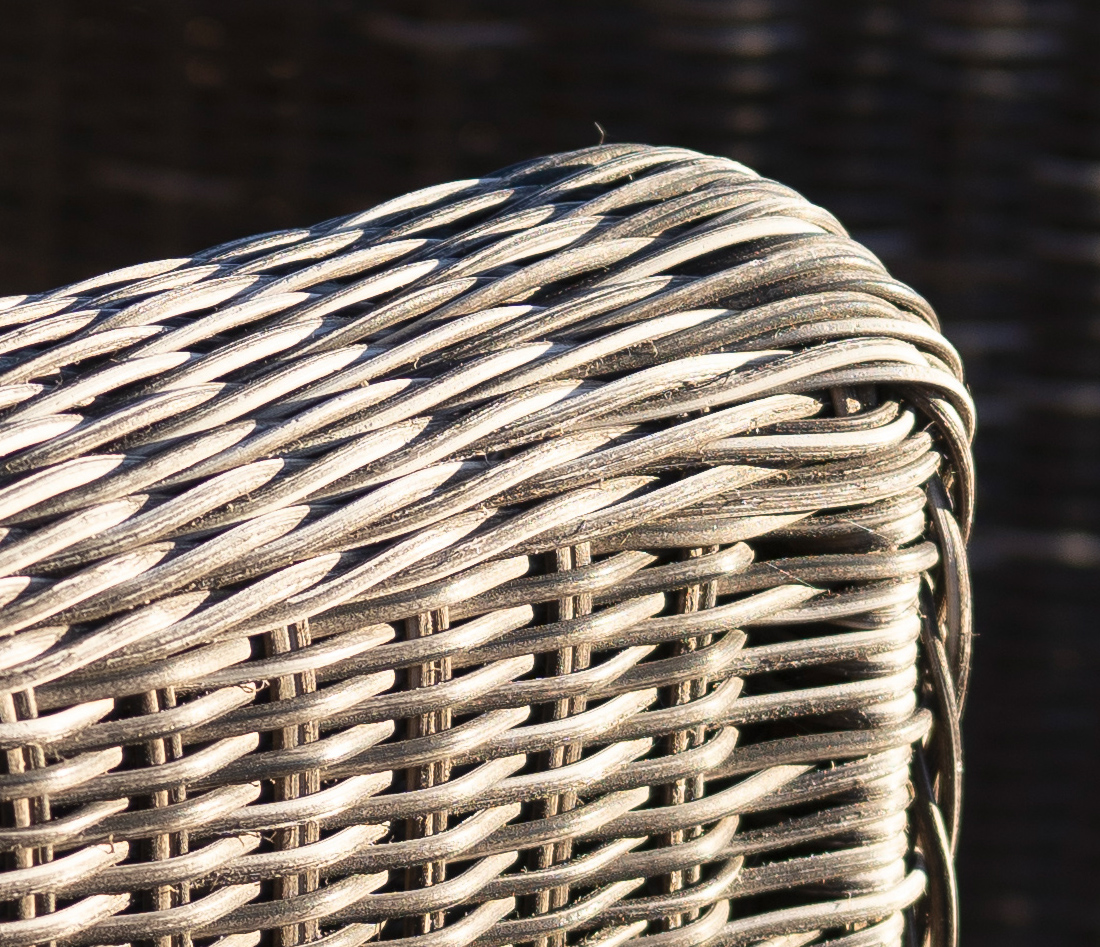
The 55/1.8 ZA and 50/2 APO have some similarities like strong resolution performance across the field and compactness but also differ in many aspects of IQ. Aside from AF vs MF, color aberration correction is the main difference between these two in my opinion.
Depending on the scene, the 55/1.8 can show very noticeable color fringing (LoCA) and lateral CA as well. On the other hand, the 50/2 APO is very well corrected for CA.
This was taken about an hour apart from each other so lighting changed a bit but it clearly shows this difference in the form of purple fringing which is LoCA on the focus plane. Under high contrast lighting it's really night and day between these two lenses.
A very graphic display of the comparison, Fred. The most I've seen is a kind of crimson edge glow to specular highlights, and these really need to be provoked by strong light even to appear. That and some blue intrusion in the colour of twigs against the bright sky.
This set above also shows the Voigtlander bokeh effect in the background cane motifs. My sense of the 55/1.8 bokeh is that it drops off fast then remains as a soft and pleasant overlay to the scene. Here, it is beginning to ball up, and the extra 5mm helps this. The AL retains the cane weave into the darkness, again largely free of colour issues. It's a fine low light lens, another APO characteristic.
No lens is for everyone (no MF lens is), but many will welcome this new addition. BTW, do you know its exact focal length?
Fred Miranda wrote:
---------------------------------------------
---------------------------------------------
The 55/1.8 ZA and 50/2 APO have some similarities like strong resolution performance across the field and compactness but also differ in many aspects of IQ. Aside from AF vs MF, color aberration correction is the main difference between these two in my opinion.
Depending on the scene, the 55/1.8 can show very noticeable color fringing (LoCA) and lateral CA as well. On the other hand, the 50/2 APO is very well corrected for CA.
This was taken one hour apart from each other so lighting changed a bit but it clearly shows this difference in the form of purple fringing which is LoCA on the focus plane. I will compare them again side by side when I get a chance.
Now seriously. Beyond the joke, one may notice that in my pic I managed to get more purple on more distant chairs (which is against what LoCA usually does). This is because the sun has excited some LaCA (purple fringing) on the better lit chairs. So if you look at the scene expecting that closer chairs are more purple and more distant chairs are greener, it is quite disorienting.
So I'm wondering in Fred's picture, how much is LoCA and how much is purple fringing.
Fred Miranda wrote:
---------------------------------------------
---------------------------------------------
The 55/1.8 ZA and 50/2 APO have some similarities like strong resolution performance across the field and compactness but also differ in many aspects of IQ. Aside from AF vs MF, color aberration correction is the main difference between these two in my opinion.
Depending on the scene, the 55/1.8 can show very noticeable color fringing (LoCA) and lateral CA as well. On the other hand, the 50/2 APO is very well corrected for CA.
This was taken one hour apart from each other so lighting changed a bit but it clearly shows this difference in the form of purple fringing which is LoCA on the focus plane. I will compare them again side by side when I get a chance.
Not that I'm defending the ZA, since Sony's own auto-corrections only bring the color aberrations up to acceptable, but the differences in those shots (framing, WB, time of day) heavily favor the CV.
Fred Miranda wrote:
---------------------------------------------
---------------------------------------------
The 55/1.8 ZA and 50/2 APO have some similarities like strong resolution performance across the field and compactness but also differ in many aspects of IQ. Aside from AF vs MF, color aberration correction is the main difference between these two in my opinion.
Depending on the scene, the 55/1.8 can show very noticeable color fringing (LoCA) and lateral CA as well. On the other hand, the 50/2 APO is very well corrected for CA.
This was taken about an hour apart from each other so lighting changed a bit but it clearly shows this difference in the form of purple fringing which is LoCA on the focus plane. Under high contrast lighting it's really night and day between these two lenses.
freaklikeme wrote:
Not that I'm defending the ZA, since Sony's own auto-corrections only bring the color aberrations up to acceptable, but the differences in those shots (framing, WB, time of day) heavily favor the CV.
Of course, that was not a direct comparison. However, it still represents their behavior in high contrast light even without comparing them. I will do a side by side when the weather cooperates.
DavidBM wrote:
Are you sure these are both at f2 Fred? The DOF on the CV shot looks much greater, more so than explained by the small difference in focal length.
Actually f/1.8. So both were wide open. I will put them side by side to fairly compare their color aberration correction but I think we already know the results.
Personally, I just exchanged my FE 50/1.4 for the FE 55/1.8 to use with my FE 24/1.4 as a lighter AF duo.
vdo1 wrote:
This is because the sun has excited some LaCA (purple fringing) on the better lit chairs. So if you look at the scene expecting that closer chairs are more purple and more distant chairs are greener, it is quite disorienting.
So I'm wondering in Fred's picture, how much is LoCA and how much is purple fringing.
I don't think purple fringing is related to lateral CA. Purple fringing goes away when stopping down the lens but lateral CA does not. I think it's more related to longitudinal CA and shows up under high contrast around the plane of focus.
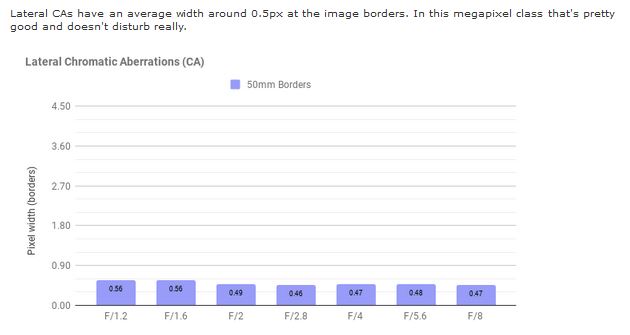
Yes, that's right, to my knowledge anyway. LoCA is aperture-sensitive, another reason to use the 55 at a stop down or so. Lateral fringing may be consistent through the aperture range (see illustration). Leica worked very hard to eradicate LoCA and still uses s/w correction to control for fringing in the SL series.
"In a perfect world scenario, you won’t see any axial CAs thus color fringing on the Z-axis. However, only a handful of fast lenses are correcting the issue effectively. The Canon RF 50mm f/1.2 USM L is actually ALMOST there. At f/1.2 you should be able to spot the usual purplish color fringing in front of the focus point and a greenish halo beyond. However, the fringing is almost gone at f/1.6 already - which is very impressive."
The fly in the very fast lens ointment is that users buy them to use wide open (their raison d'etre), where most show some LoCA. Klaus's 'perfect world scenario' is APO, and even then it may not cover the whole frame. It's one reason why Leica uses a battery of f2 lenses for its APO series - though the f1.4 75 SL Lux (and some others) can get close enough to be called APO.
Courtesy of Optical Limits (this is 30mp, not 42mp or 61mp)
Fred Miranda wrote:
Of course, that was not a direct comparison. However, it still represents their behavior in high contrast light even without comparing them. I will do a side by side when the weather cooperates.
Not to be argumentative, but I think the blown highlights, too-cool WB, and heavy magenta tint are making the ZA look worse than it really is.
freaklikeme wrote:
Not to be argumentative, but I think the blown highlights, too-cool WB, and heavy magenta tint are making the ZA look worse than it really is.
The 55/1.8 shot was a bit overexposed but I used Daylight WB for both. It was different lighting and I will post a better comparison.
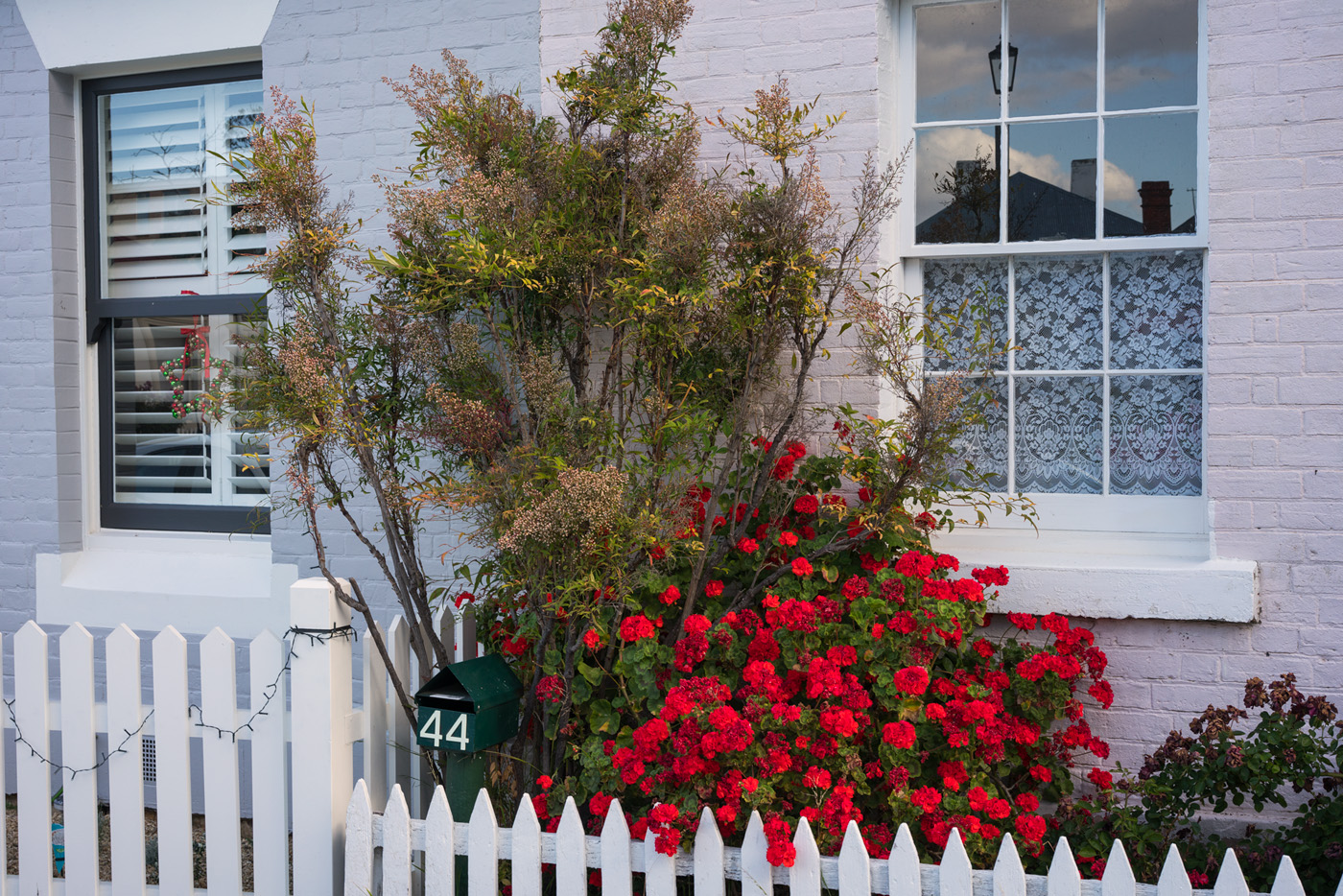
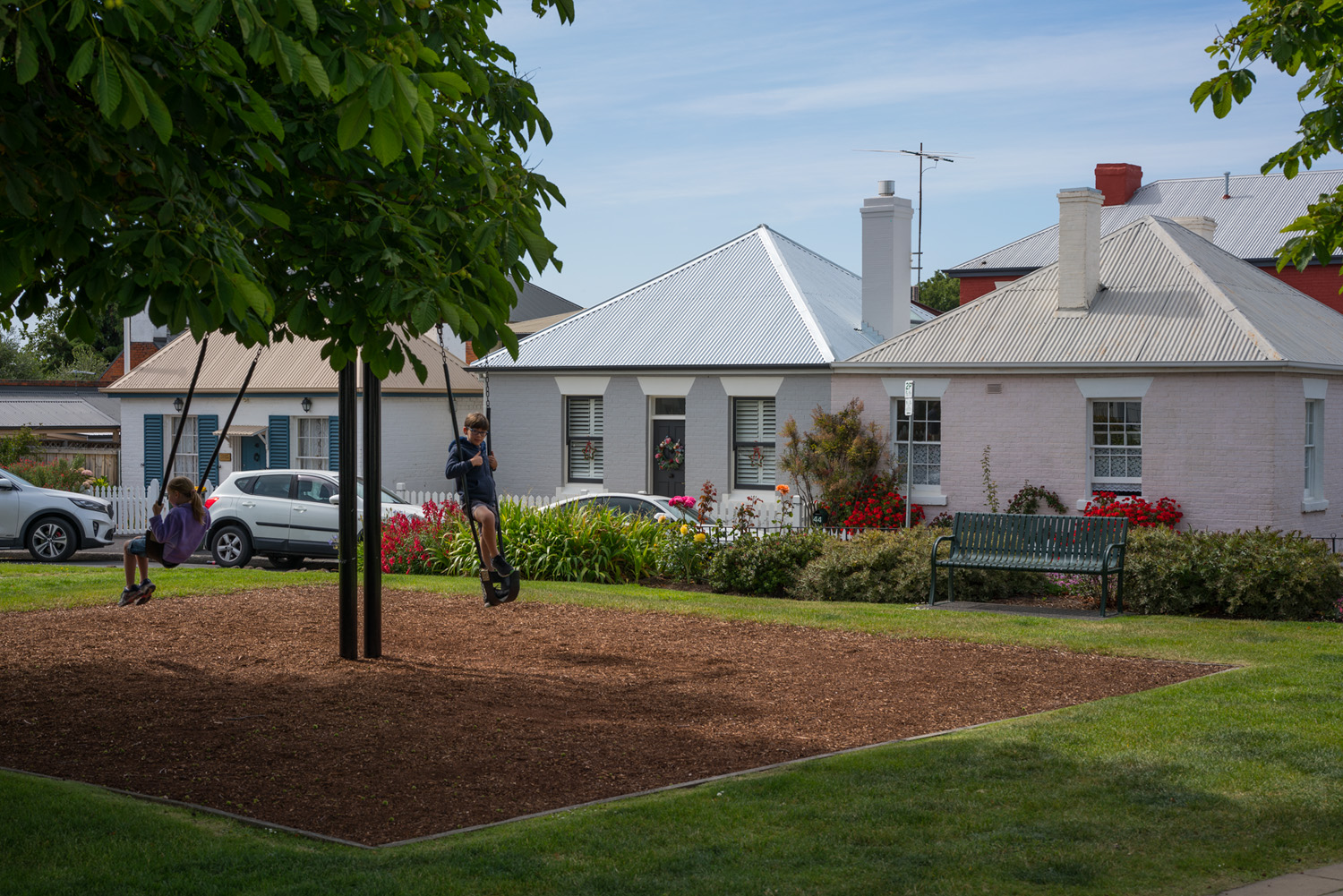
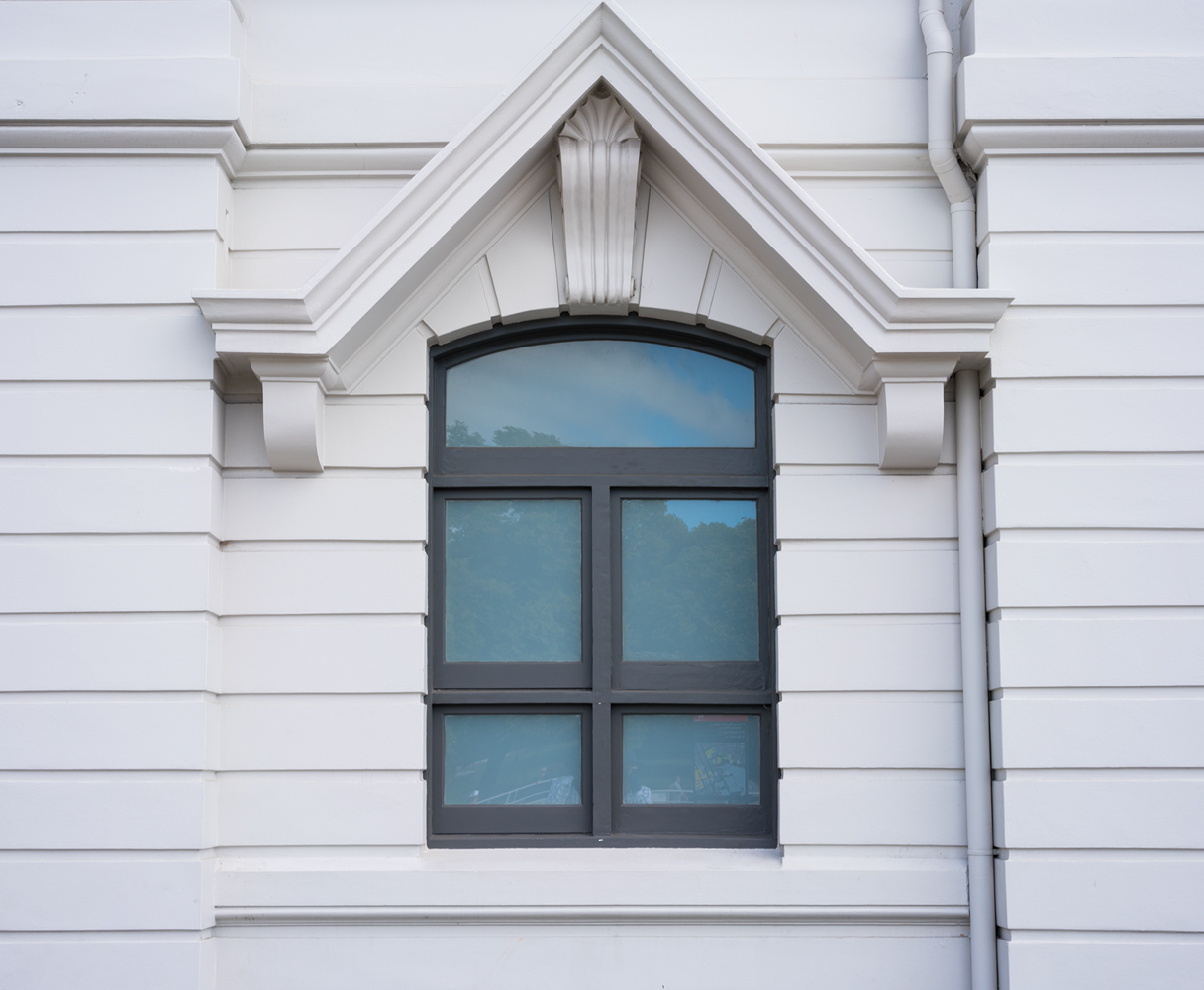
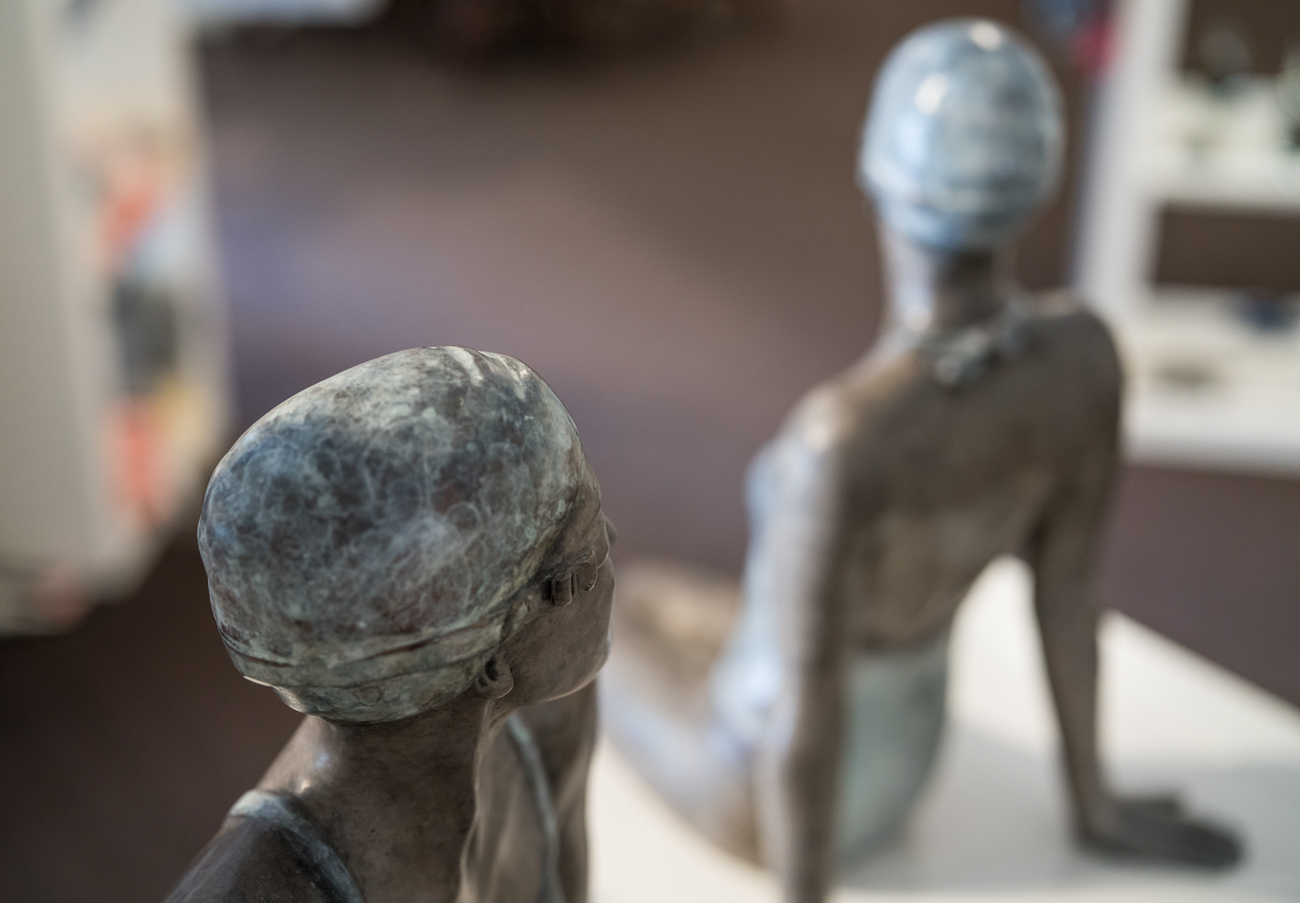
Putting aside the colour correction (the 55 is very good in most non-torture cases), there are several more important features of this one to me: the ability to portray subtle colour tones and the overall accuracy of colour in different light levels, the focus fade/bokeh character, and what you might call the hyper-realism or transparency of images. It's a really subtle lens. You see a lot of colour balance shifts in some images, not as artefacts but because they are there in the scene. You see strong rich colours alongside near-perfect neutral tones. Any glass in any image, you'll see reflections. So it's a bit of a package deal.
subtle pink brickwork with mauve left side, strong reds
strong greens/reds plus subtle house bricks and high res roofs