The rocks are coated with colored stuff such as green moss and others and that comes through the water. You can see the green in the red rectangle you have drawn over the image you took.
keepcoding wrote:
No, I was referring to the general magenta / green tint in the waterfall image. I tried to illustrate it here:
realVivek wrote:
The rocks are coated with colored stuff such as green moss and others and that comes through the water. You can see the green in the red rectangle you have drawn over the image you took.
If you don't see the color shift then fine, lucky you. For me it is pretty obvious, and I am not talking about moss on the rocks.
I cranked up the saturation to better show what I mean. The red line shows where the focal plane roughly is. To the left there is a magenta tint, to the right a cyan tint.
keepcoding wrote:
If you don't see the color shift then fine, lucky you. For me it is pretty obvious, and I am not talking about moss on the rocks.
I cranked up the saturation to better show what I mean. The red line shows where the focal plane roughly is. To the left there is a magenta tint, to the right a cyan tint.
I don't think anyone not looking for it would see it in that case. But sure, if you search for it there are traces of CA in that image. Though they are more obvious in that resized image than the full sized image you can find here: Voigtlander_50mmf2_APO_Review-00906 by Phillip Reeve Data, on Flickr
realVivek wrote:
The rocks are coated with colored stuff such as green moss and others and that comes through the water. You can see the green in the red rectangle you have drawn over the image you took.
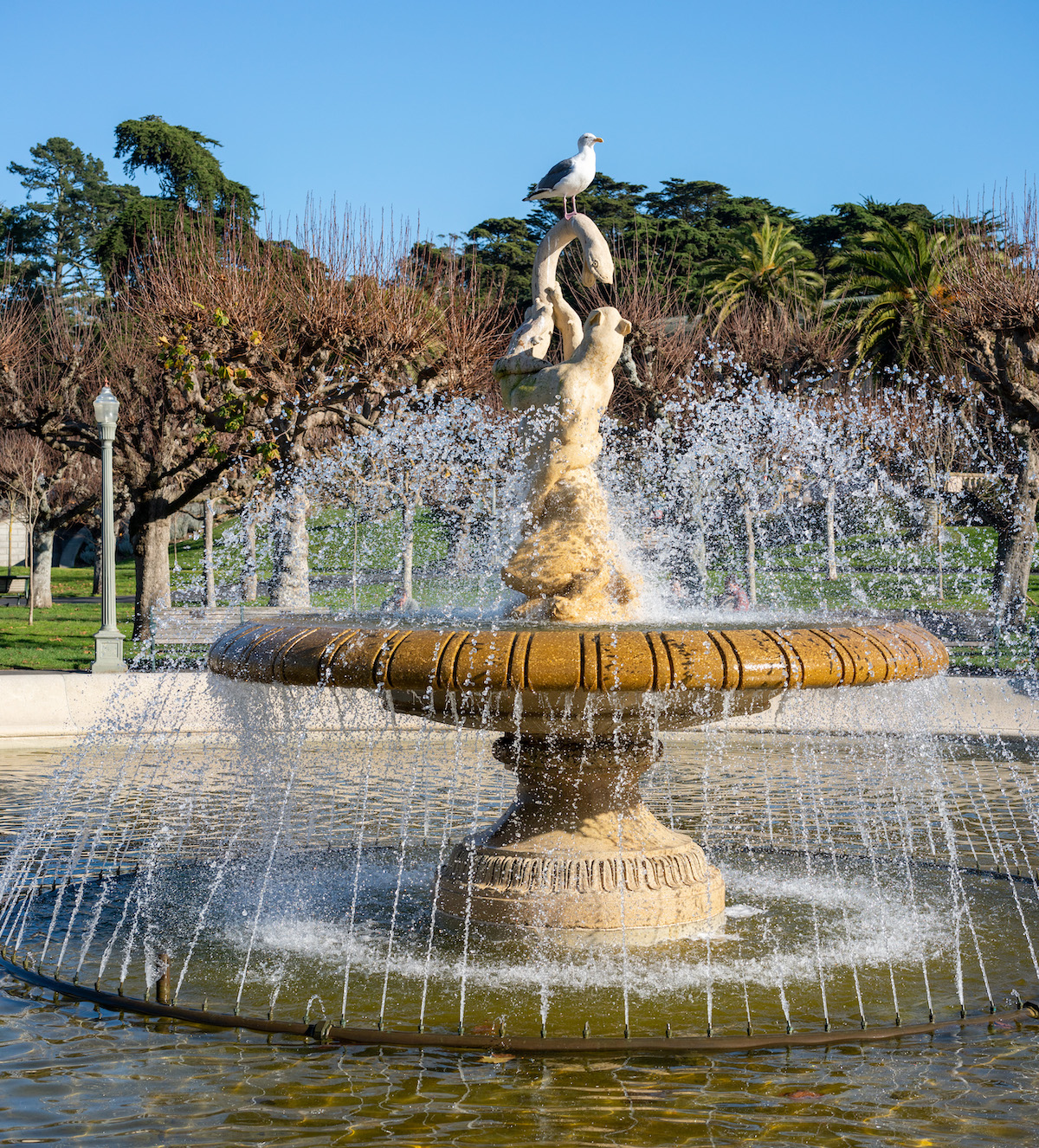
Would you think that the fountain at page 31 has moss too?
Gads. With all due respect, I really don't understand why so much attention is being paid to the presence of a limited amount of LoCA in this lens, especially considering all of its other superb qualities. Seems like a bit of perseveration is going on here.
There is zero question that it has some LoCA. I think my fountain shots in bright direct backlit sunlight proves this beyond a shadow of a doubt. So does the shot of the waterfall. These findings are unambiguous. The other fountain shots don't really show any LoCA because the lighting is flat and there is no backlighting. But this is helpful too, because it shows that to generate visible LoCA the conditions have to be fairly extreme. And even in extreme conditions the degree of LoCA is limited. The shots that show a bit of LoCA on small tree branches are real, but the severity of the finding is minimal and, IMHO, irrelevant. You have to go looking for it at 1:1 or larger to see it.
I don't own any of the other APO Lanthar lenses so I don't know how the 50 APO compares to the 65 or 110, but I can say that it is vastly better than most of my other non APO lenses. Heck, I see pretty obvious LoCA on my Sony Zeiss 35 1.4 with minimal provocation.
But I would argue that all of this is more or less irrelevant. If you want a lens that has zero LoCA, this isn't it. If you want a lens that has extremely low levels of LoCA which is only visible in extreme conditions and is more or less stellar in every other respect, you owe it to yourself to check this lens out. It is quite special. Don't let the fixation on LoCA in this thread frighten you away.
This lens is small, light, a joy to shoot with and makes beautiful, crispy sharp yet remarkably subtle images. I can more or less guarantee that you will be impressed.
keepcoding wrote:
If you don't see the color shift then fine, lucky you. For me it is pretty obvious, and I am not talking about moss on the rocks.
I cranked up the saturation to better show what I mean. The red line shows where the focal plane roughly is. To the left there is a magenta tint, to the right a cyan tint.
Look at the the direction of the sun's illumination by looking at the shadows on the surroundings. Now look at the line you've drawn. Could you be seeing some sort of prismatic effect of the water based on this?
I have been following the topics on this lens since the lens was announced. While less LoCA is always better, I feel this lens has less LoCA than most 50mm lens, is very sharp, and has a great rendering.
The only thing that makes me hesitate a bit about buying this lens. Is I felt like there might be some color shift towards the corners, but if no one else is seeing it I will probably buy this lens in the next few months.
'I really don't understand why so much attention is being paid to the presence of a limited amount of LoCA in this lens'
Well you may ask. One clue is the number of previous posts and the lack of anything but a short sharp, direct criticism with no other statement. Remember, this is the only ongoing web resource for this lens at present. Do a search, see if I am right. 82,000 views for a lens that is not yet in many hands?
When it's hard to find many faults, any that are found will get the most attention. That is a possible reason, I won't be so bold as to say thought that it is definitely the case.
Most who have used the lens (myself included), haven't found this to be a big issue. Those who do, can speak with their wallet. I haven't heard of anyone returning the lens due to this.
This lens continues to amaze me. The tonal range is broad and subtle, which is saying a lot given the strong and commanding overall contrast and sharpness it has. The bokeh is very tame and pleasing to the eyes, it has a structure to it (being an f/2 lens) which I like. Actually reminds me a lot of Loxia 85 at appropriate distances. This Lanthar truly is sublime.
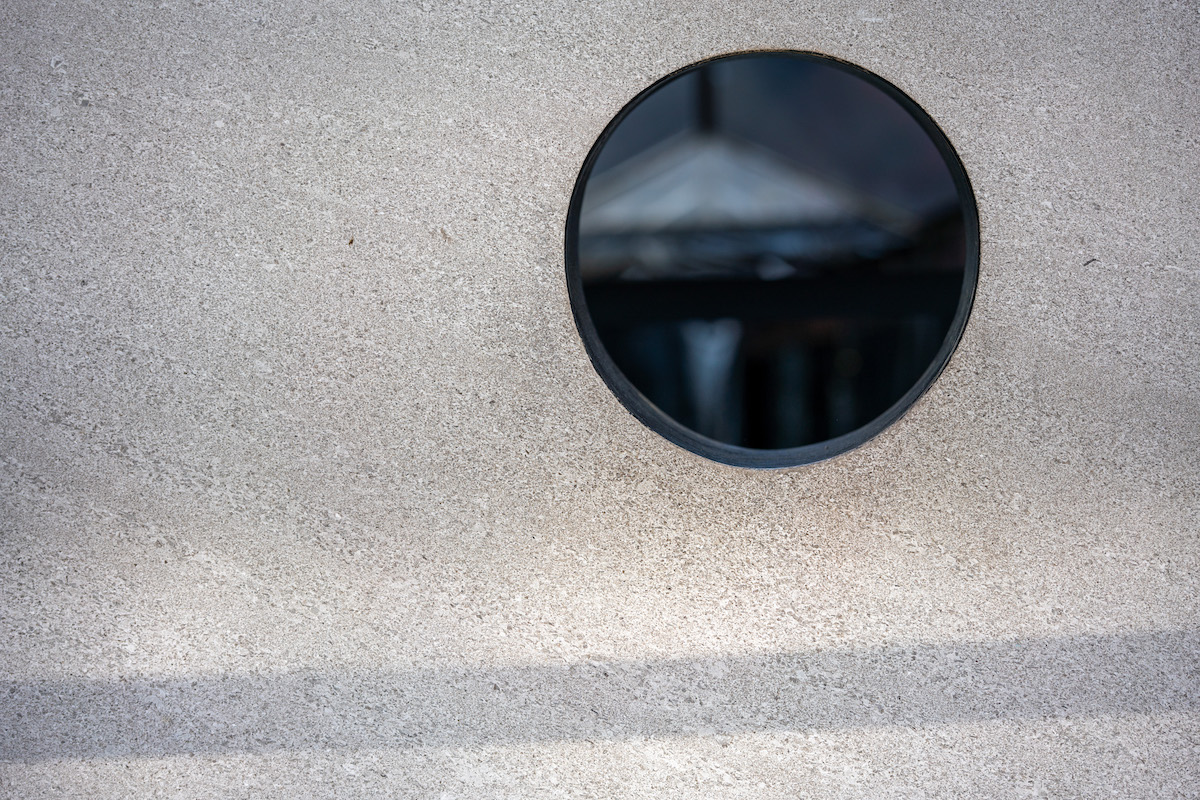
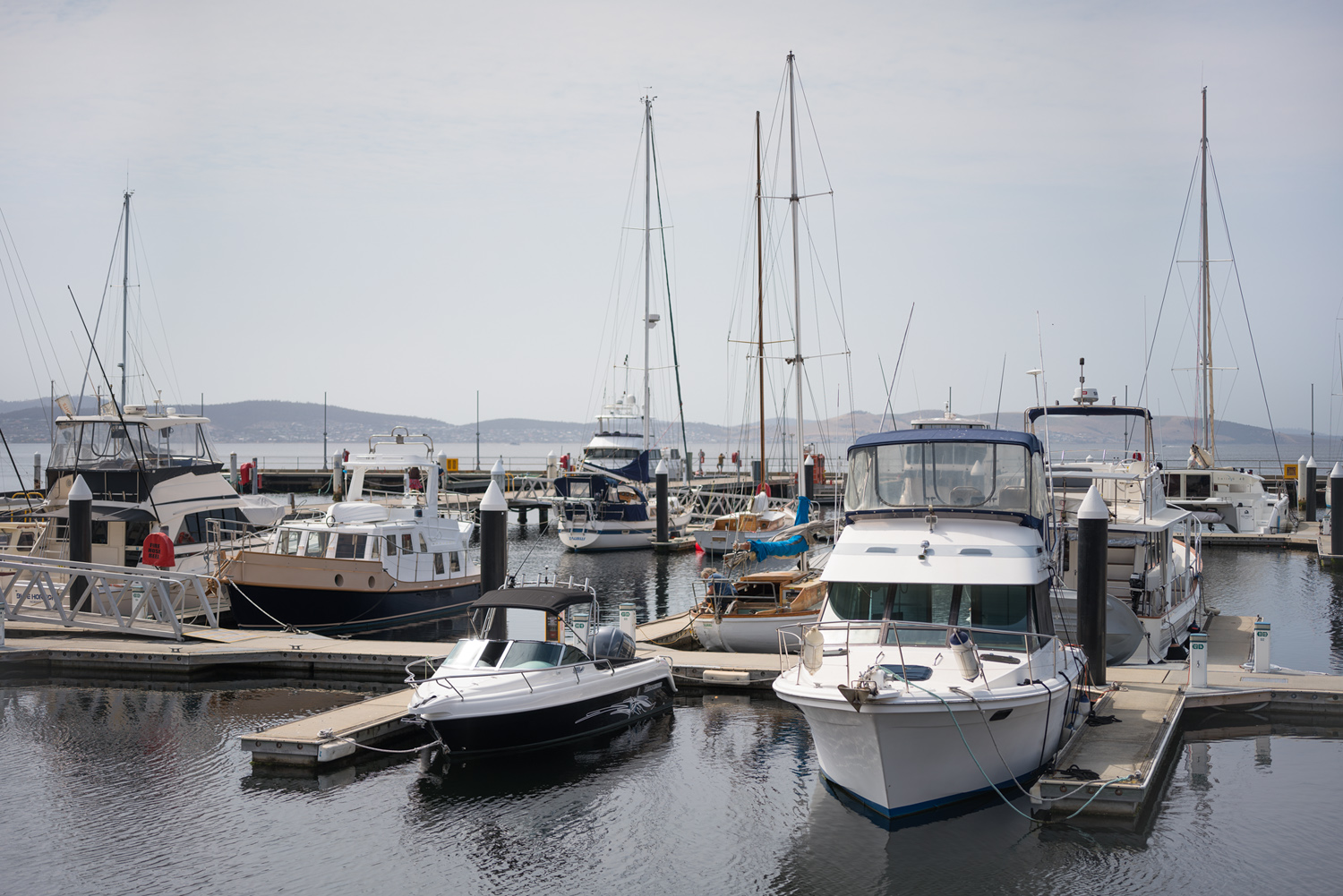
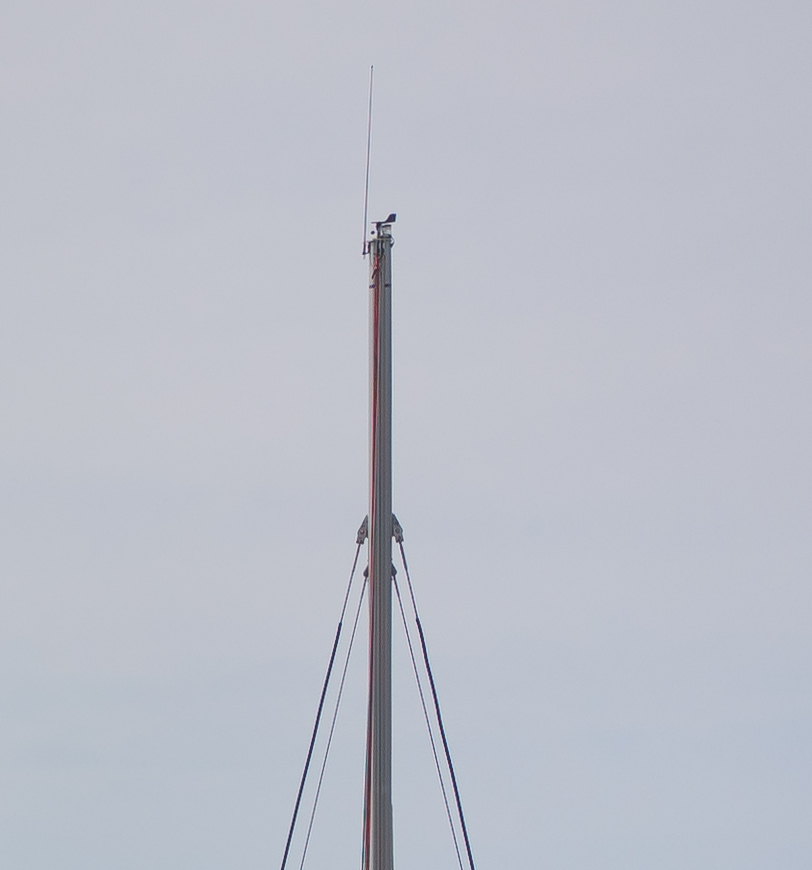
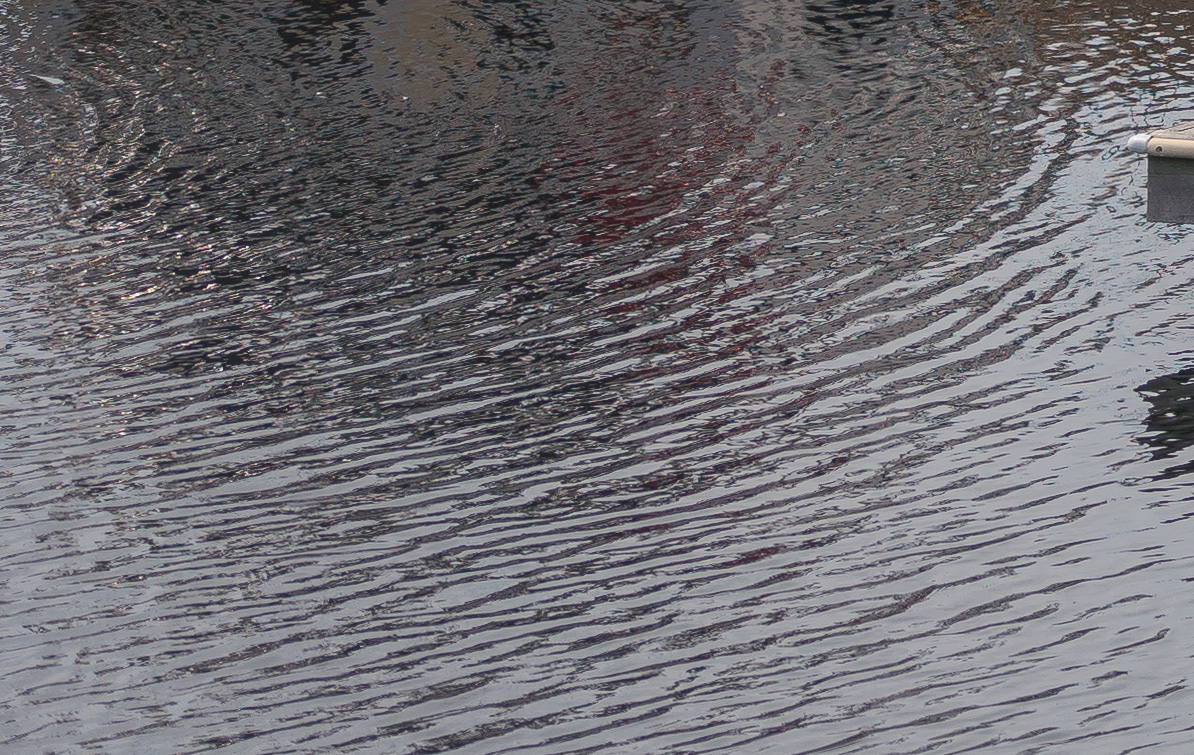
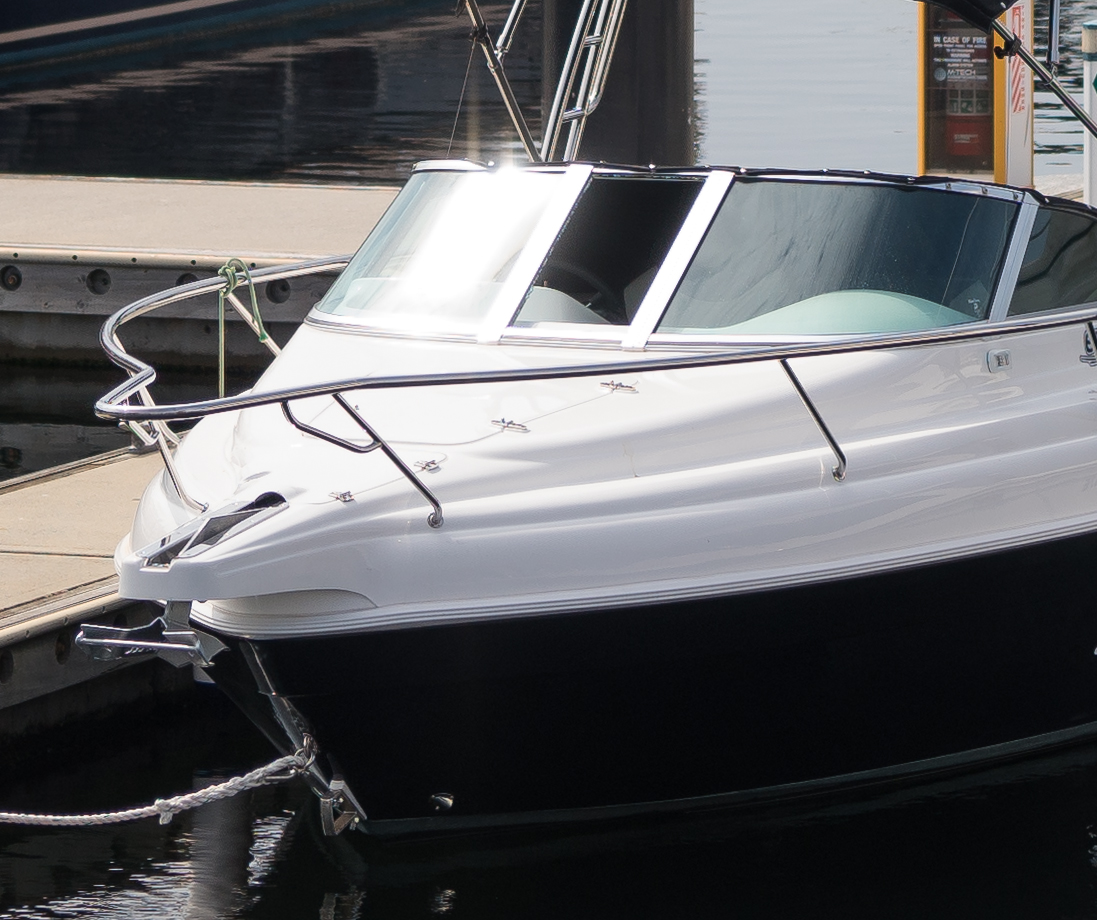
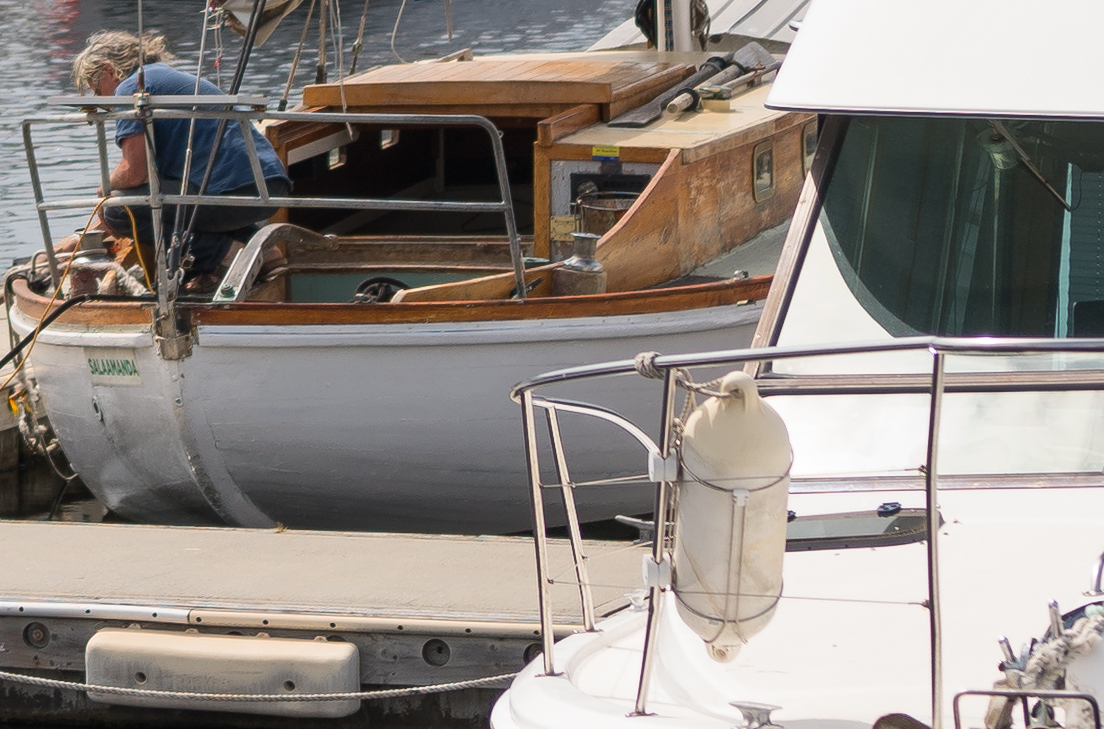
Looking really closely at my collected images, for LoCA and fringing etc. I found the ones that most tested for CA - most shot at f2/f2.8, in very hostile light (summer solstice in Australia) - images of boats. Boats have a lot of chrome, and are torture for digital cameras as is well-lit rippled water. #1. Adding that no CA mitigation was used, no editing. I don't even use profiles.