This topic is in the 2019 archive. You can read it and like its posts here. It is read only.
Archive 2019Pre-order: Voigtländer 50mm f/2 APO-LANTHAR
p.39 #1Pre-order: Voigtländer 50mm f/2 APO-LANTHAR
I do not and unfortunately I am not too keen to perform A /B tests. My interests are elsewhere and there is limited time.
You could consider renting one and comparing (https://www.lensrentals.com/rent/leica-50mm-f2-apo-summicron-asph).
I would definitely appreciate that.
Being in the US, like you, has it’s definite advantages.
saxguy wrote:
(Some wondered about this making into a Leica M mount and the size of the rear elements, etc. it appears that there will no issues.)It's not the size of the rear elements, it's the position that is the issue. Can't be sure, but that picture makes the element look very close to the rear flange, which is the problem for redesigning for a longer flange distance mount like M, even though it's not massively longer like an SLR mount.Do you have the 50 APO Cron? If this lens ever makes it to Leica Land, I'd love to see a side by side comparison.
I loved the 50 APO summicron-M when I had my SL. I imagine (all I can do is imagine at this point) that this will make me just as happy on the a7r iv
You could consider renting one and comparing (https://www.lensrentals.com/rent/leica-50mm-f2-apo-summicron-asph).
I would definitely appreciate that.
Being in the US, like you, has it’s definite advantages.
saxguy wrote:
realVivek wrote
Surely there are many Leica lenses with rear elements protruding into the camera. I have a few, myself.DavidBM wrote
realVivek wrote
Thank you, Barry! Yes, very helpful!(Some wondered about this making into a Leica M mount and the size of the rear elements, etc. it appears that there will no issues.)
I loved the 50 APO summicron-M when I had my SL. I imagine (all I can do is imagine at this point) that this will make me just as happy on the a7r iv
Dec 11, 2019 at 05:24 PM
p.39 #2Pre-order: Voigtländer 50mm f/2 APO-LANTHAR
Apologies folks, I think my previous sunstar shot was at f5.6
See below series (cross posted on review thread)
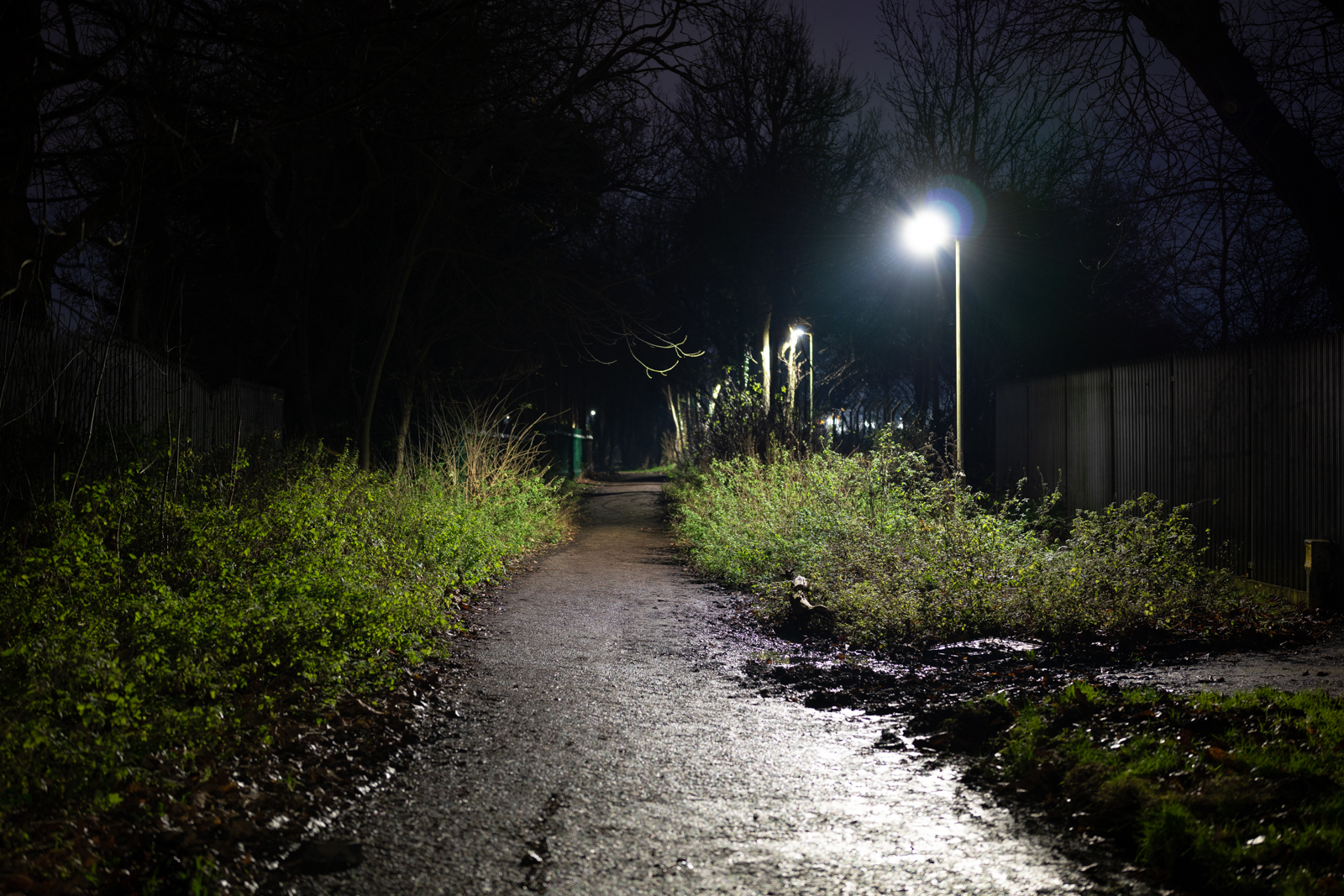
f2.0
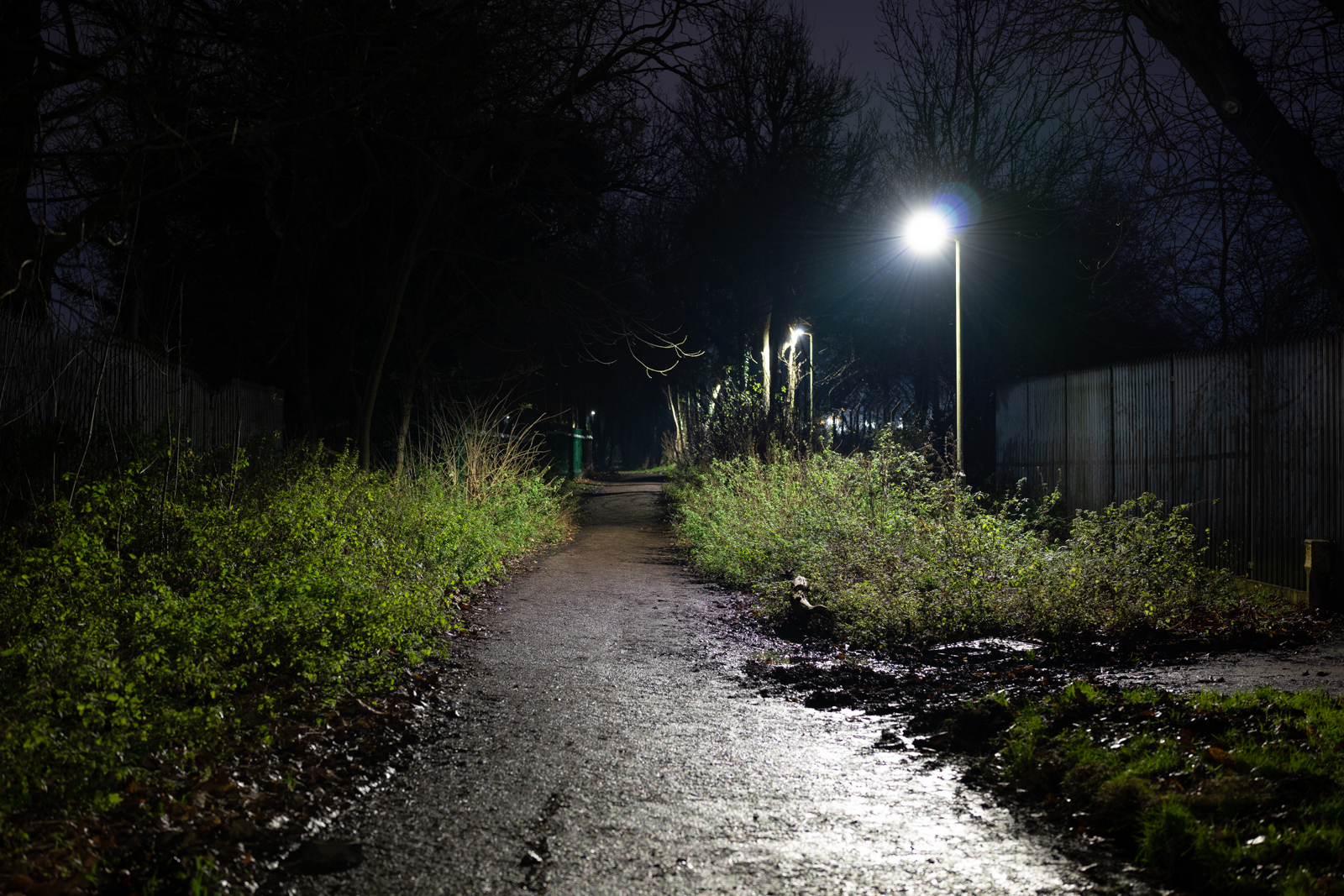
2.8
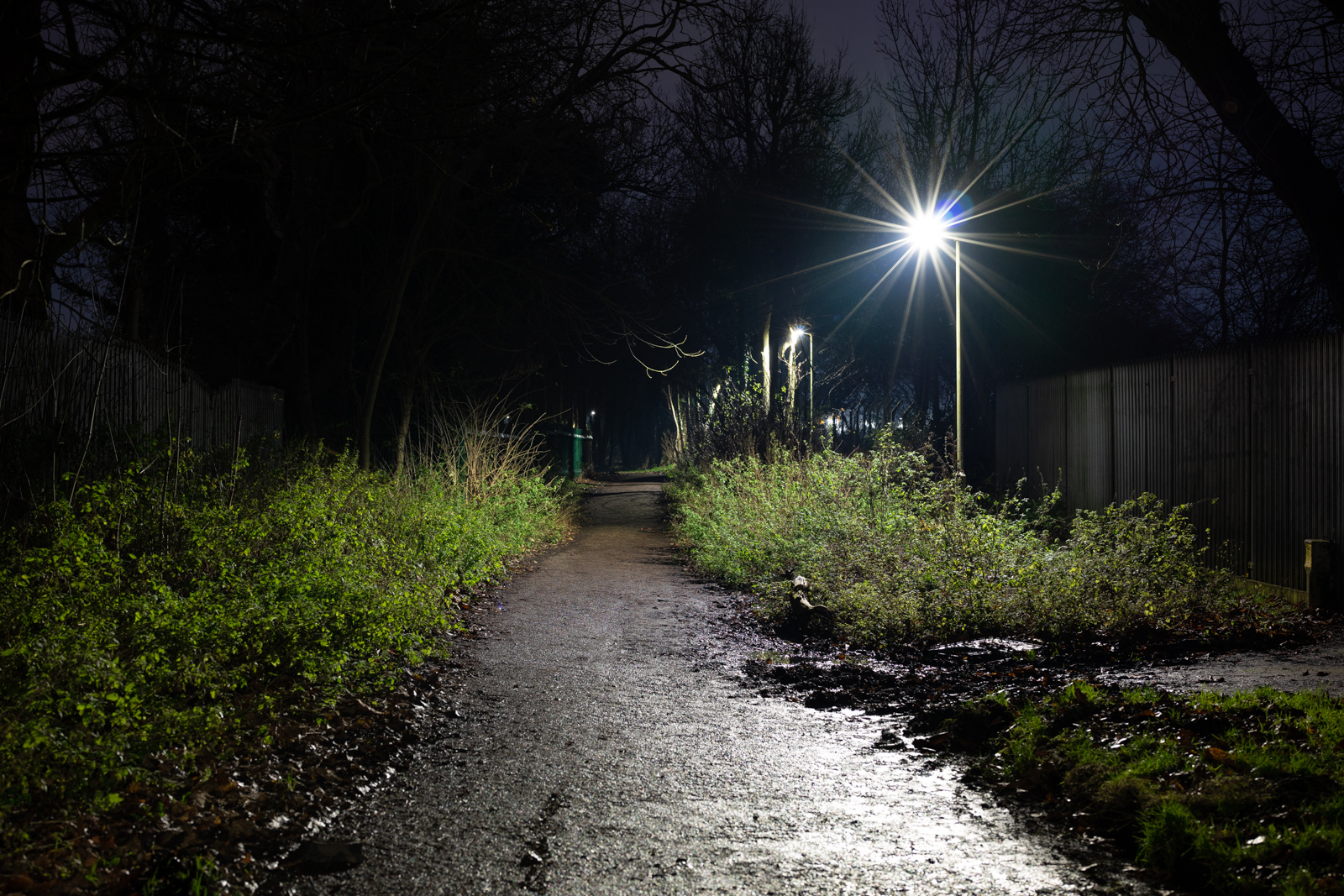
f4.0
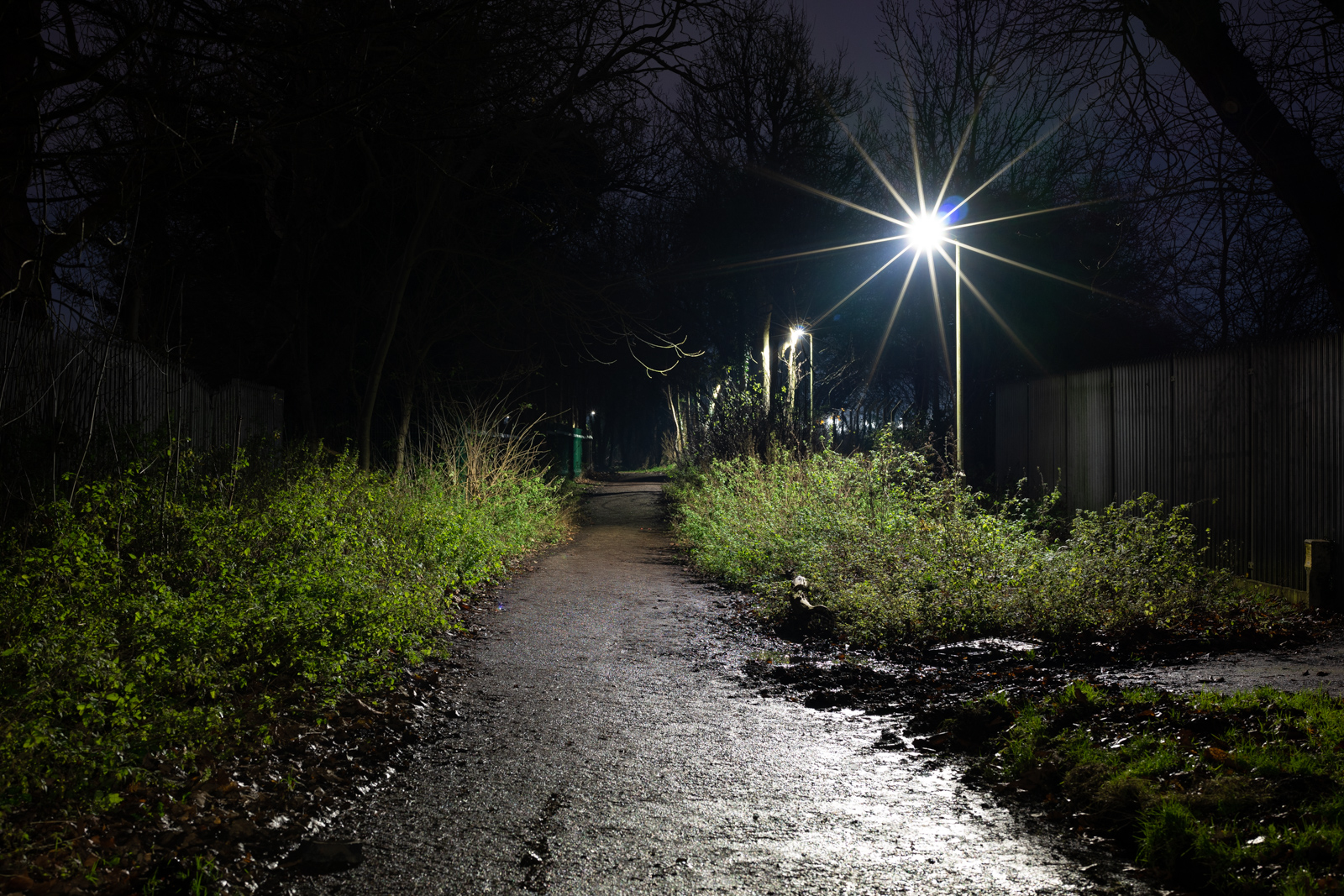
f5.6
See below series (cross posted on review thread)
f2.0
2.8
f4.0
f5.6
Dec 11, 2019 at 05:51 PM
p.39 #3Pre-order: Voigtländer 50mm f/2 APO-LANTHAR
Love the absence of sunstars at f/2 and f/2.8! 
johnahill wrote:
Apologies folks, I think my previous sunstar shot was at f5.6
See below series (cross posted on review thread)
johnahill wrote:
Apologies folks, I think my previous sunstar shot was at f5.6
See below series (cross posted on review thread)
Dec 11, 2019 at 06:48 PM
p.39 #4Pre-order: Voigtländer 50mm f/2 APO-LANTHAR
I'd prefer no sunstars until f5.6, so you could use it at f4 for landscapes without sunstars and at f5.6 with, but, alas, no lens is perfect.
Dec 11, 2019 at 07:06 PM
p.39 #5Pre-order: Voigtländer 50mm f/2 APO-LANTHAR
What up with the flare from the light? 
Dec 11, 2019 at 07:43 PM
p.39 #6Pre-order: Voigtländer 50mm f/2 APO-LANTHAR
pdmphoto wrote:
What up with the flare from the light?
Looks cool to me. Different colors than the usual purple and green.
What up with the flare from the light?
Looks cool to me. Different colors than the usual purple and green.
Dec 11, 2019 at 07:48 PM
p.39 #7Pre-order: Voigtländer 50mm f/2 APO-LANTHAR
genji wrote:
Love the absence of sunstars at f/2 and f/2.8!
See below series (cross posted on review thread)
f16 should also have no sunstar!
Love the absence of sunstars at f/2 and f/2.8!
johnahill wrote
Apologies folks, I think my previous sunstar shot was at f5.6See below series (cross posted on review thread)
f16 should also have no sunstar!
Dec 11, 2019 at 07:54 PM
p.39 #8Pre-order: Voigtländer 50mm f/2 APO-LANTHAR
pdmphoto wrote:
What up with the flare from the light?
That's a sensor reflection issue that I have with just about all my lenses on my A7RIII.
What up with the flare from the light?
That's a sensor reflection issue that I have with just about all my lenses on my A7RIII.
Dec 11, 2019 at 09:26 PM
p.39 #9Pre-order: Voigtländer 50mm f/2 APO-LANTHAR
No ghosts from the light though. This is about as tortuous of a test that one can do with a lens.
Dec 11, 2019 at 09:27 PM
p.39 #10Pre-order: Voigtländer 50mm f/2 APO-LANTHAR
Thanks! I'm kinda obsessed with this stuff, so please excuse a long response, but since you asked...
I have a standing, bi-weekly gig documenting life at a preschool, as well as a toddler at home, so I've had ample time to practice. This has led to a few other paid gigs, but it's mostly just a labor of love. I love the "sport" of street/candid photography, and I love the unpredictability of kids, so it's all good.
Beyond just "practice, practice, practice" there are a few more technical things that help. Basically, I try to use a single MF lens until I know its haptics without looking. Often, this means knocking against the infinity hard stop and pulling back to pre-specified distances until the throw becomes embedded into muscle memory where 1m and 2m are. Sometimes I lay in bed at night just doing this. That's probably weird, but hey.
When photographing moving subjects, a shutter speed of 1/250s is essential as a bare minimum, unless you want to deliberately show motion blur, or the subjects are getting tired out. >1/500 is ideal. Also, shallow DOF is awesome, but sometimes it's smarter to stop down to f/2.2 or so just to get some wiggle room and still retain OOF backgrounds. Other thing to do is set Creative Style to +1 or 2 Contrast, and *maximum* sharpness. This is faster than focus peaking or engaging focus magnify, because you will see a moire "shimmer" where things are truly in focus. Practice shooting in bursts of 3 to 5 frames without moving, or while tracking a moving subject. Try to pre-focus on a stationary object in a plane of focus where a subject is bound to step. Try to track not only laterally, but also incoming and outgoing subjects. Especially when working with kids, try to anticipate when subjects will be (more) still and devise non-intrusive ways to get them to look up, because nobody wants to see pics of the tops of heads. Most importantly, cull hard and immediately. It's already been proven that HCB's "Decisive Moment" was an ideal of sorts (see: https://erickimphotography.com/blog/debunking-the-myth-of-the-decisive-moment) - that even the guy who was a true master of capturing poignant moments in sublime compositions sometimes felt compelled to stage his results, or direct his subjects into a "re-do" of a shot, so I don't feel too dogmatic about any of this. As long as the results look natural and are reasonably in-focus, I'm happy.
Hope that helps.
Arty73 wrote:
nice candid photos, could you tell something about your mf technique?
Granted, I've never used an a9 with eye-af or anything, but I stand by MF, even for kids.
*Edit - oops, sorry should have re-sized those.
I'm not typical in that I'm basically a 4x5 shooter who converted to digital only 4 years ago. For the previous 20 years, I'd shot 4x5, 5x7, and a variety of medium format film, but no 35mm since the '90s. Of course all of these were manual focus only. When I converted to digital, I sold all of my film equipment at the same time, and it was quite an adjustment getting used to everything simultaneously! Eventually I did, but I retain many of my old ways. I always say that I treat all of my cameras as little view cameras; no, not viewing upside-down or with a darkcloth, but nearly always on a tripod, cable- or IR release, slow and precise composition, etc.
I've tried AF several times, and simply don't like it. I trust my own MF abilities to get more precise focus (proven multiple times by comparisons...results are close, but my manually focused examples are nearly always a little sharper at the point of focus), it makes so many things easier (such as selecting point of focus, keeping it there without the camera changing it, etc), and although it may not affect the final result, the pleasure and good feel of using a real MF lens such as Voigtlander or Zeiss.
Anyway, all of this really only applies to me. Someone else's needs will be different - maybe a little, maybe a lot. And that's how it should be, I think - variety is good, no?
https://erickimphotography.com/blog/debunking-the-myth-of-the-decisive-moment/already been proven that HCB's "Decisive Moment" was an idealalready been proven that HCB's "Decisive Moment" was an ideal
Edited on Dec 12, 2019 at 09:44 AM · View previous versions
I have a standing, bi-weekly gig documenting life at a preschool, as well as a toddler at home, so I've had ample time to practice. This has led to a few other paid gigs, but it's mostly just a labor of love. I love the "sport" of street/candid photography, and I love the unpredictability of kids, so it's all good.
Beyond just "practice, practice, practice" there are a few more technical things that help. Basically, I try to use a single MF lens until I know its haptics without looking. Often, this means knocking against the infinity hard stop and pulling back to pre-specified distances until the throw becomes embedded into muscle memory where 1m and 2m are. Sometimes I lay in bed at night just doing this. That's probably weird, but hey.
When photographing moving subjects, a shutter speed of 1/250s is essential as a bare minimum, unless you want to deliberately show motion blur, or the subjects are getting tired out. >1/500 is ideal. Also, shallow DOF is awesome, but sometimes it's smarter to stop down to f/2.2 or so just to get some wiggle room and still retain OOF backgrounds. Other thing to do is set Creative Style to +1 or 2 Contrast, and *maximum* sharpness. This is faster than focus peaking or engaging focus magnify, because you will see a moire "shimmer" where things are truly in focus. Practice shooting in bursts of 3 to 5 frames without moving, or while tracking a moving subject. Try to pre-focus on a stationary object in a plane of focus where a subject is bound to step. Try to track not only laterally, but also incoming and outgoing subjects. Especially when working with kids, try to anticipate when subjects will be (more) still and devise non-intrusive ways to get them to look up, because nobody wants to see pics of the tops of heads. Most importantly, cull hard and immediately. It's already been proven that HCB's "Decisive Moment" was an ideal of sorts (see: https://erickimphotography.com/blog/debunking-the-myth-of-the-decisive-moment) - that even the guy who was a true master of capturing poignant moments in sublime compositions sometimes felt compelled to stage his results, or direct his subjects into a "re-do" of a shot, so I don't feel too dogmatic about any of this. As long as the results look natural and are reasonably in-focus, I'm happy.
Hope that helps.
Arty73 wrote:
nice candid photos, could you tell something about your mf technique?
imagesfromobjects wrote
I grew up with autofocus available (80s and 90s) but still prefer manual. Most of my stuff is candids, and I almost always frame the subject off-center. For cases like this, manual is ideal. Recently I've been doing events, and manual lets you keep the focus on a subject, even when others may be running in front of them, or to very quickly frame off-center. Here are a couple examples of shots that I took using CV 40/1.2 that would have been harder for me to get with AF.Granted, I've never used an a9 with eye-af or anything, but I stand by MF, even for kids.
*Edit - oops, sorry should have re-sized those.
DannyBurkPhoto wrote
Just a guess, but I'm wondering whether the percentage of MF lovers is higher among those who've used it for many years (i.e. back when there were no AF lenses) compared to those who grew up using AF and/or digital from the start.I'm not typical in that I'm basically a 4x5 shooter who converted to digital only 4 years ago. For the previous 20 years, I'd shot 4x5, 5x7, and a variety of medium format film, but no 35mm since the '90s. Of course all of these were manual focus only. When I converted to digital, I sold all of my film equipment at the same time, and it was quite an adjustment getting used to everything simultaneously! Eventually I did, but I retain many of my old ways. I always say that I treat all of my cameras as little view cameras; no, not viewing upside-down or with a darkcloth, but nearly always on a tripod, cable- or IR release, slow and precise composition, etc.
I've tried AF several times, and simply don't like it. I trust my own MF abilities to get more precise focus (proven multiple times by comparisons...results are close, but my manually focused examples are nearly always a little sharper at the point of focus), it makes so many things easier (such as selecting point of focus, keeping it there without the camera changing it, etc), and although it may not affect the final result, the pleasure and good feel of using a real MF lens such as Voigtlander or Zeiss.
Anyway, all of this really only applies to me. Someone else's needs will be different - maybe a little, maybe a lot. And that's how it should be, I think - variety is good, no?
https://erickimphotography.com/blog/debunking-the-myth-of-the-decisive-moment/already been proven that HCB's "Decisive Moment" was an idealalready been proven that HCB's "Decisive Moment" was an ideal
Edited on Dec 12, 2019 at 09:44 AM · View previous versions
Dec 11, 2019 at 10:32 PM
p.39 #11Pre-order: Voigtländer 50mm f/2 APO-LANTHAR
imagesfromobjects wrote:
Often, this means knocking against the infinity hard stop and pulling back to pre-specified distances until the throw becomes embedded into muscle memory where 1m and 2m are. Sometimes I lay in bed at night just doing this. That's probably weird, but hey. Other thing to do is set Creative Style to +1 or 2 Contrast, and *maximum* sharpness. This is faster than focus peaking or engaging focus magnify, because you will see a moire "shimmer" where things are truly in focus.
If it makes you feel any better, back in the film days when I was but a carefree youth I had a 'piss drunk in the dark' test with all my cameras. I'd arrive home piss drunk (more often than I'd like to admit), grab my camera, turn off all the lights and see if I could identify every control and operate the camera smoothly. I figured if I could do it in that condition - piss drunk and in the dark - it should be no problem sober. That was generally true.
I'm also using the shimmer method...I find it more effective than peaking and faster than magnification.
Dec 11, 2019 at 11:09 PM
p.39 #12Pre-order: Voigtländer 50mm f/2 APO-LANTHAR
1. One of the largely unacknowledged but critical tests of MF lenses is how well they snap into reliable focus under the time pressure of street photography, and similar endeavours. One major advantage APO lenses have over lesser optics is the ultra high focal plane contrast and very often, the designed-in fade characteristics. Another related trait is the APO lenses' ability to produce clean, clear color in fine details, which also helps focus acquisition.
Regarding the above, Peter Karbe of Leica had this to say, referring to the APO-Summicron-50/2 M:
"The fall off has to be very fast! You point the lens and shoot, and where the focal plane is, the contrast should be high. The front and behind should fall off very fast. That is the difference between the older Summicron lenses and the APO-Summicron. Not in terms of sharpness but in terms of contrast behavior.“
https://www.overgaard.dk/leica-50mm-APO-Summicron-M-ASPH-f-20.html
2. Now, this view is corroborated by recent comments by the CV 50/2 AL lens designer:
“Ultra-high performance lenses are more troublesome than designing lenses with normal performance. If the resolution is high, the focus will rise. The width of the in-focus area will also be narrowed."
3. Sometimes a picture is worth many words. Here is the concept being illustrated using two high end Leica 75mm lenses, one APO, one not.
I mention this material because many will want this one, and many will want to use it for non-tripod work. We want to encourage using the lens for what is does so very well.
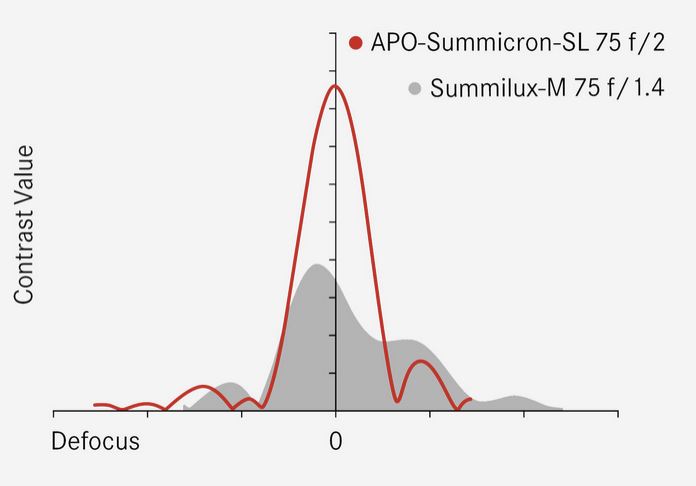
courtesy: Leica-SL/SL-Lenses/Prime-Lenses/APO-SUMMICRON-SL-50-f-2-ASPH
Regarding the above, Peter Karbe of Leica had this to say, referring to the APO-Summicron-50/2 M:
"The fall off has to be very fast! You point the lens and shoot, and where the focal plane is, the contrast should be high. The front and behind should fall off very fast. That is the difference between the older Summicron lenses and the APO-Summicron. Not in terms of sharpness but in terms of contrast behavior.“
https://www.overgaard.dk/leica-50mm-APO-Summicron-M-ASPH-f-20.html
2. Now, this view is corroborated by recent comments by the CV 50/2 AL lens designer:
“Ultra-high performance lenses are more troublesome than designing lenses with normal performance. If the resolution is high, the focus will rise. The width of the in-focus area will also be narrowed."
3. Sometimes a picture is worth many words. Here is the concept being illustrated using two high end Leica 75mm lenses, one APO, one not.
I mention this material because many will want this one, and many will want to use it for non-tripod work. We want to encourage using the lens for what is does so very well.
courtesy: Leica-SL/SL-Lenses/Prime-Lenses/APO-SUMMICRON-SL-50-f-2-ASPH
Dec 11, 2019 at 11:53 PM
p.39 #13Pre-order: Voigtländer 50mm f/2 APO-LANTHAR
Of course, the pictorial benefits of this 'narrow/ high focus' focal plane zone can be profound. From Leica re their SL range (with five of eight lenses being APO):
"..sharply focused objects show much higher contrast than objects that are out of focus. This means that objects “snap” more distinctly out of the foreground or background and more effectively isolate the subject. This creates a three-dimensional visual effect with very impressive apparent depth."
"..sharply focused objects show much higher contrast than objects that are out of focus. This means that objects “snap” more distinctly out of the foreground or background and more effectively isolate the subject. This creates a three-dimensional visual effect with very impressive apparent depth."
Dec 12, 2019 at 12:06 AM
p.39 #14Pre-order: Voigtländer 50mm f/2 APO-LANTHAR
philip_pj wrote:
1. One of the largely unacknowledged but critical tests of MF lenses is how well they snap into reliable focus under the time pressure of street photography, and similar endeavours. One major advantage APO lenses have over lesser optics is the ultra high focal plane contrast and very often, the designed-in fade characteristics. Another related trait is the APO lenses' ability to produce clean, clear color in fine details, which also helps focus acquisition.
Regarding the above, Peter Karbe of Leica had this to say, referring to the APO-Summicron-50/2 M:
"The fall off has to be very fast! You point the...Show more →
This is all true; and yet somehow the way Leica pitch it is misleading.
It's not as though having a very high contrast (=high MTF at some frequency; mtf after all measures contrast at different frequencies) focal plane and a relatively lower OOF contrast is somehow and **independent** design goal from having a high resolution lens.
Why? When you increase the resolution of a lens (without changing the aperture) you don't somehow make the OOF more in focus! So the MTF in the focal plane goes up, but the OOF doesn't, and so the contrast between them is increased just like in that diagram, and thus you get all snap crackle and pop. The Leica diagram just shows what happens when one design resolves such more than another: the much quicker fade off from the focal plane is an inevitable consequence (and sure may well be one of the more desirable visible features of high resolving lenses)
There's another phenomenon, where the global contrast of the OOF area is low due to uncorrected SA, which can make the difference seem greater, but that's a quite different thing, and not what that Leica diagram is showing, which is just what is inevitable with super high corrected lenses.
Dec 12, 2019 at 06:07 AM
p.39 #15Pre-order: Voigtländer 50mm f/2 APO-LANTHAR
I got mine today and did some shooting at lunch break and after work with my A9. The weather was pretty good. Mostly used f4 and f2. It works very nicely in low light at f2 for long distance shots too. The handling and weight are very nice and the hood is very light even if a bit long. Mine has optimal infinity pretty much at the center of the infinity symbol but hard infinity is further than that so need to pull back.
Some SOOC Jpeg samples:
https://photos.app.goo.gl/AN6jEUxMBAMRtKSG9
Some SOOC Jpeg samples:
https://photos.app.goo.gl/AN6jEUxMBAMRtKSG9
Dec 12, 2019 at 09:17 AM
p.39 #16Pre-order: Voigtländer 50mm f/2 APO-LANTHAR
Has anyone received shipping information from B&H yet?
Edit: I just got off the phone with them. The only information I have is that B&H has a follow up with CV the first week of January. The woman I spoke to made it seem like the earliest they would be shipping is second week of January. It was confirmed that my order would be in the first batch shipped.
Edit: I just got off the phone with them. The only information I have is that B&H has a follow up with CV the first week of January. The woman I spoke to made it seem like the earliest they would be shipping is second week of January. It was confirmed that my order would be in the first batch shipped.
Dec 12, 2019 at 09:34 AM
p.39 #17Pre-order: Voigtländer 50mm f/2 APO-LANTHAR
Under the Wow sign there are OOF highlights showing vestiges of onion rings. For me, not too objectionable but there may be some who would list it in their cons.
Juha Kannisto wrote:
I got mine today and did some shooting at lunch break and after work with my A9. The weather was pretty good. Mostly used f4 and f2. It works very nicely in low light at f2 for long distance shots too. The handling and weight are very nice and the hood is very light even if a bit long. Mine has optimal infinity pretty much at the center of the infinity symbol but hard infinity is further than that so need to pull back.
Some SOOC Jpeg samples:
https://photos.app.goo.gl/AN6jEUxMBAMRtKSG9
Dec 12, 2019 at 10:31 AM

p.39 #18Pre-order: Voigtländer 50mm f/2 APO-LANTHAR
realVivek wrote:
Under the Wow sign there are OOF highlights showing vestiges of onion rings. For me, not too objectionable but there may be some who would list it in their cons.
Some SOOC Jpeg samples:
https://photos.app.goo.gl/AN6jEUxMBAMRtKSG9
As with any lens with aspherical elements that doesn't have XA elements (including the Sony 35 f/1.8 ) there will be times and situations in which you will see onion rings with this lens, but fortunately the onion rings under the WOW sign are quite subtle and hardly noticeable.
Under the Wow sign there are OOF highlights showing vestiges of onion rings. For me, not too objectionable but there may be some who would list it in their cons.
Juha Kannisto wrote
I got mine today and did some shooting at lunch break and after work with my A9. The weather was pretty good. Mostly used f4 and f2. It works very nicely in low light at f2 for long distance shots too. The handling and weight are very nice and the hood is very light even if a bit long. Mine has optimal infinity pretty much at the center of the infinity symbol but hard infinity is further than that so need to pull back.Some SOOC Jpeg samples:
https://photos.app.goo.gl/AN6jEUxMBAMRtKSG9
As with any lens with aspherical elements that doesn't have XA elements (including the Sony 35 f/1.8
) there will be times and situations in which you will see onion rings with this lens, but fortunately the onion rings under the WOW sign are quite subtle and hardly noticeable. Dec 12, 2019 at 10:43 AM
p.39 #19Pre-order: Voigtländer 50mm f/2 APO-LANTHAR
I have no idea why you are obsessed with the 35/1.8 that you returned. 
Let go if you can.
There are no onion rings from that lens. Not in my use.
Let go if you can.
There are no onion rings from that lens. Not in my use.
Dec 12, 2019 at 10:48 AM
p.39 #20Pre-order: Voigtländer 50mm f/2 APO-LANTHAR
I'm not that allergic to onion rings personally, I hardly ever pay attention to them unless they really jump out. These seem quite subtle. Hadn't really noticed it until you mentioned it.
realVivek wrote:
Under the Wow sign there are OOF highlights showing vestiges of onion rings. For me, not too objectionable but there may be some who would list it in their cons.
Some SOOC Jpeg samples:
https://photos.app.goo.gl/AN6jEUxMBAMRtKSG9
realVivek wrote:
Under the Wow sign there are OOF highlights showing vestiges of onion rings. For me, not too objectionable but there may be some who would list it in their cons.
Juha Kannisto wrote
I got mine today and did some shooting at lunch break and after work with my A9. The weather was pretty good. Mostly used f4 and f2. It works very nicely in low light at f2 for long distance shots too. The handling and weight are very nice and the hood is very light even if a bit long. Mine has optimal infinity pretty much at the center of the infinity symbol but hard infinity is further than that so need to pull back.Some SOOC Jpeg samples:
https://photos.app.goo.gl/AN6jEUxMBAMRtKSG9
Dec 12, 2019 at 11:07 AM