technic wrote:
,,,,,,,,,, I find the standard DPP treatment is seldom optimal and some selective NR treatment gives better results.
.....
You are just assuming that results for DPP with the 90D will match the older versions of DPP and the older cameras. That is not what I found. The updated DPP with 90D files is a very noticeable improvement over the past results. I suggest you look for yourself before jumping to this conclusion.
bipock wrote:
I figured out the frame rate issue. Guess it helps if I read information rather than seeing a stated "burst rate" number and assuming that's the burst.
EDIT: I actually had to call CPS about it. As Canon did with the EOS R, they are stating the maximum FPS achievable in any mode. When using the OVF and using Servo, the frame rate is limited to a maximum of 7FPS. This is shown in the manual around page 150. LV is completely different as is OVF in One Shot.
For those wondering, I did a good bit of research before getting this body, watching several videos on it. Not one of them mentioned that in OVF you are limited to 7FPS, but it is definitely in the manual. Of course, the downside there is to have the manual, you have to have bought the camera, so you wouldn't know beforehand. Truthfully, the only way I noticed it is that I shoot a 1DxII at 10fps and the 90d just didn't sound right....Show more →
Page 150 in the manual does say that he maximum is 10 FPS with OVF, and 7 FPS in servo AF when in live view. Page 152 lists the conditions that may effect the maximum frames, such as requiring shutter speeds of at least 1/1000th, a fully charged battery, turning IS off, and disabling Flicker reduction.
The manual is available for download online for anyone interested.
TeamSpeed wrote:
DPP honors your camera settings, so whatever you have set for high ISO NR, that is what DPP will give you.
Camperjim wrote:
There are 3 choices: low, standard, high. I am using the default, standard, setting. The camera also has an option for multi-shot noise reduction. Four images are taken and merged. I have not tried that function.
When using DPP and the camera's standard noise reduction setting, the DPP sliders will adjust automatically for each image depending on the amount of noise present. I don't know if the software analyzes the noise or adjusts based on ISO settings. Regardless, it works well without the need for intervention or other software.
I don't think the noise in each image is relevant. That would require a massive processing load. The NR settings appear to be based on ISO and don't change from image to image that I'm seeing. For example, ISO 1000 defaults to 7.0 and 7.0 for luminance and chrominance and ISO 1600 defaults to 8.0 and 8.0. Maybe the settings increase at slow shutter speeds, but I did not test that.
EB-1 wrote:
I don't think the noise in each image is relevant. That would require a massive processing load. The NR settings appear to be based on ISO and don't change from image to image that I'm seeing. For example, ISO 1000 defaults to 7.0 and 7.0 for luminance and chrominance and ISO 1600 defaults to 8.0 and 8.0. Maybe the settings increase at slow shutter speeds, but I did not test that.
EBH
As you have seen, each model has its own ISO/NR level table that dictates the slider values. This is what every other model has had to date, and I am quite sure Canon didn't change the 90D to be something completely different.
Camperjim wrote:
You are just assuming that results for DPP with the 90D will match the older versions of DPP and the older cameras. That is not what I found. The updated DPP with 90D files is a very noticeable improvement over the past results. I suggest you look for yourself before jumping to this conclusion.
It won't matter, it may be better, but I can promise you there is a better way even than what Canon has baked into the 90D and DPP for its files.10 years of very high ISO processing via a variety of tools and models give me that confidence.
It seems like you are just happy enough with what you are getting, so you can just ignore my comments about how better the results can be.
I am just a bit OCD when it comes to these types of things and like to see how far I can really push a camera beyond its programming.
TeamSpeed wrote:
DPP honors your camera settings, so whatever you have set for high ISO NR, that is what DPP will give you.
Camperjim wrote:
There are 3 choices: low, standard, high. I am using the default, standard, setting. The camera also has an option for multi-shot noise reduction. Four images are taken and merged. I have not tried that function.
When using DPP and the camera's standard noise reduction setting, the DPP sliders will adjust automatically for each image depending on the amount of noise present. I don't know if the software analyzes the noise or adjusts based on ISO settings. Regardless, it works well without the need for intervention or other software.
EB-1 wrote:
I don't think the noise in each image is relevant. That would require a massive processing load. The NR settings appear to be based on ISO and don't change from image to image that I'm seeing. For example, ISO 1000 defaults to 7.0 and 7.0 for luminance and chrominance and ISO 1600 defaults to 8.0 and 8.0. Maybe the settings increase at slow shutter speeds, but I did not test that.
EBH
TeamSpeed wrote:
As you have seen, each model has its own ISO/NR level table that dictates the slider values. This is what every other model has had to date, and I am quite sure Canon didn't change the 90D to be something completely different.
Yes, we are on the same page. I meant to respond to the CamperJim, but messed up on the quotes.
tk lp wrote:
Page 150 in the manual does say that he maximum is 10 FPS with OVF, and 7 FPS in servo AF when in live view. Page 152 lists the conditions that may effect the maximum frames, such as requiring shutter speeds of at least 1/1000th, a fully charged battery, turning IS off, and disabling Flicker reduction.
The manual is available for download online for anyone interested.
The way I am reading the manual, you can shoot using the view finder at 10 fps in auto servo minus all the many limitations that affect most cameras. Using live view and auto servo drops you down to 7 fps.
bipock wrote:
From memory, pretty close in initial pick up, tracks better than the one I had. I was not a big fan of the 5D4 for anything moving quickly though.
Interesting, why do you say that? My 5dmkiv focuses accurately on most static subjects though it chokes on side/back lighting. Frequently, it won’t lock on the most simple subjects such as a large egret moving slowly across the frame and yet will capture an osprey in a quick dive in similar light. Prime lenses don’t make a difference and with a tc, forget it. The 7dmkii was equally bad; consistently inconsistent af. The only Canon body worth it’s salt were the 1d’s. So the big question is whether the 90d can focus as accurately as the dated Nikon D500?
armd wrote:
Interesting, why do you say that? My 5dmkiv focuses accurately on most static subjects though it chokes on side/back lighting. Frequently, it won’t lock on the most simple subjects such as a large egret moving slowly across the frame and yet will capture an osprey in a quick dive in similar light. Prime lenses don’t make a difference and with a tc, forget it. The 7dmkii was equally bad; consistently inconsistent af. The only Canon body worth it’s salt were the 1d’s. So the big question is whether the 90d can focus as accurately as the dated Nikon D500?
I never found the 5D4 to do well for action. Could have been me. Backlighting was a problem though and is a problem with the R. I agree on your summation of the 7D2.
I have never used the D500, so I can't comment on that. My gut says no, but again never tried it. It seemed to focus accurately, just a little slower on initial acquisition. If I did my part, the camera did its part. Water splashes didn't throw it off either.
Used the 5d4 for NBA ball two years and many other sports, after the proper AF case setup, no issues. Ditto with the 7d2. All this after having shot prior years with the 1d3 and 1d4.
Camperjim wrote:
You are just assuming that results for DPP with the 90D will match the older versions of DPP and the older cameras. That is not what I found. The updated DPP with 90D files is a very noticeable improvement over the past results. I suggest you look for yourself before jumping to this conclusion.
I worked in imaging technology for over 20 years and have a very good idea what these programs are doing or can do. You are assuming something - individual noise analysis and processing for each image - that is completely unrealistic for general PP programs like DPP. As others have mentioned, DPP uses standard settings that are the same for EVERY image with the same parameters (camera model, picture profile, ISO etc.).
I can do a lot of analysis on a particular image that is way beyond what current DPP can do; it just takes some thinking and additional PP time, so I prefer to avoid it when possible.
bipock wrote:
I figured out the frame rate issue. Guess it helps if I read information rather than seeing a stated "burst rate" number and assuming that's the burst.
EDIT: I actually had to call CPS about it. As Canon did with the EOS R, they are stating the maximum FPS achievable in any mode. When using the OVF and using Servo, the frame rate is limited to a maximum of 7FPS. This is shown in the manual around page 150. LV is completely different as is OVF in One Shot.
For those wondering, I did a good bit of research before getting this body, watching several videos on it. Not one of them mentioned that in OVF you are limited to 7FPS, but it is definitely in the manual. Of course, the downside there is to have the manual, you have to have bought the camera, so you wouldn't know beforehand. Truthfully, the only way I noticed it is that I shoot a 1DxII at 10fps and the 90d just didn't sound right....Show more →
Thanks for that info. Just to be clear the most frames per second of any 10fps camera in servo, is normally 9.
Andrew J wrote:
Thanks for that info. Just to be clear the most frames per second of any 10fps camera in servo, is normally 9.
+1 and that's when all settings and conditions are perfect in the universe and the planets are aligned with no solar flares.
The other day when I was out shooting with my 6DII+500mm II (not a speed demon @6.5fps max) I could clearly hear how much faster the 90D + 400 DO II was that another gentleman was using as we both banged off a several second burst on an Osprey fly-by. Just the sound of his 90D told me it was smoking my 6DII. And it was soooo much quieter too, which I really liked the sound of. Pun intended.
I think people want/wanted the 7DIII so badly that it is only natural for folks to be micro analyzing the max fps of the 90D.
Hell, I'm right there with them on this desire. But at the same time I can step back and look at the big picture and realize we're talking about a $1200 camera here not a $2500 or more body. Remember the 7DII was $1800 on release 5 years ago.
The other day, I read someone's snarky comment about this 90D being Canon's flagship cropper now. I have a very strong feeling this body is NOT going to be Canon's flagship crop body. Maybe in a SLR form it might be, but I think we have some exciting times ahead of us in the near future.
lighthound wrote:
+1 and that's when all settings and conditions are perfect in the universe and the planets are aligned with no solar flares.
The other day when I was out shooting with my 6DII+500mm II (not a speed demon @6.5fps max) I could clearly hear how much faster the 90D + 400 DO II was that another gentleman was using as we both banged off a several second burst on an Osprey fly-by. Just the sound of his 90D told me it was smoking my 6DII. And it was soooo much quieter too, which I really liked the sound of. Pun intended.
I think people want/wanted the 7DIII so badly that it is only natural for folks to be micro analyzing the max fps of the 90D.
Hell, I'm right there with them on this desire. But at the same time I can step back and look at the big picture and realize we're talking about a $1200 camera here not a $2500 or more body. Remember the 7DII was $1800 on release 5 years ago.
The other day, I read someone's snarky comment about this 90D being Canon's flagship cropper now. I have a very strong feeling this body is NOT going to be Canon's flagship crop body. Maybe in a SLR form it might be, but I think we have some exciting times ahead of us in the near future. ...Show more →
Just to be clear, since this is at least partly aimed at me, I am not over analyzing the frame rate. I actually grabbed that body because of the 10fps rate. Unfortunately, when using the OVF, my camera, under the circumstances listed in the manual and with the assistance of CPS, would never shoot even close to 10fps. In stunning coincidence though, I could get 10-11fps in Servo when using LV, which is supposed to be limited at 7 frames.
I'd have been happy with 10fps, maybe 9, but when you can't get it to fire above 7, then that doesn't work.
bipock wrote:
Just to be clear, since this is at least partly aimed at me, I am not over analyzing the frame rate. I actually grabbed that body because of the 10fps rate. Unfortunately, when using the OVF, my camera, under the circumstances listed in the manual and with the assistance of CPS, would never shoot even close to 10fps. In stunning coincidence though, I could get 10-11fps in Servo when using LV, which is supposed to be limited at 7 frames.
I'd have been happy with 10fps, maybe 9, but when you can't get it to fire above 7, then that doesn't work....Show more →
Brad, no "aiming" intended towards you or any specific person, just a general observation / thought. And yes, I hear you on the consistent 7 fps findings. This does seem odd to be that far off from the stated frame rates. That coupled with almost spot on frame rates in LV compared to the stated rate makes this even more confusing.
Perhaps I missed this but had you looked at your exif timestamps of a burst to count the fps? If so, did this show the same results?
bipock wrote:
EDIT: I actually had to call CPS about it. As Canon did with the EOS R, they are stating the maximum FPS achievable in any mode. When using the OVF and using Servo, the frame rate is limited to a maximum of 7FPS. This is shown in the manual around page 150. LV is completely different as is OVF in One Shot.
For those wondering, I did a good bit of research before getting this body, watching several videos on it. Not one of them mentioned that in OVF you are limited to 7FPS, but it is definitely in the manual. Of course, the downside there is to have the manual, you have to have bought the camera, so you wouldn't know beforehand. Truthfully, the only way I noticed it is that I shoot a 1DxII at 10fps and the 90d just didn't sound right....Show more →
Andrew J wrote:
Thanks for that info. Just to be clear the most frames per second of any 10fps camera in servo, is normally 9.
90D User Manual page 150:
"When you hold down the shutter button completely, you can shoot continuously at max. approx. 10 shots/sec. in viewfinder shooting or 11 shots/sec. in Live View shooting while you keep holding it down. When the AF operation is set to [Servo AF] in Live View shooting, the continuous shooting speed will be max. approx. 7.0 shots/sec."
My reading of this is that it is the Live View + Servo that is limited to 7 FPS. Viewfinder FPS would not be limited in this way. IMHO using Servo is a given in high speed shutter mode. If it is indeed limited to 7 FPS through the viewfinder then it is not better than the 80D.
Could someone test and see what the frame rate actually is in viewfinder + servo AF?
TeamSpeed wrote:
Used the 5d4 for NBA ball two years and many other sports, after the proper AF case setup, no issues. Ditto with the 7d2. All this after having shot prior years with the 1d3 and 1d4.
Care to elucidate? I found the 7d2 to be unreliable in AI servo and it tracked BIF poorly. Likewise, in single shot if I focused, defocused and refocused on a static subject the resulting AF were wildly inconsistent.
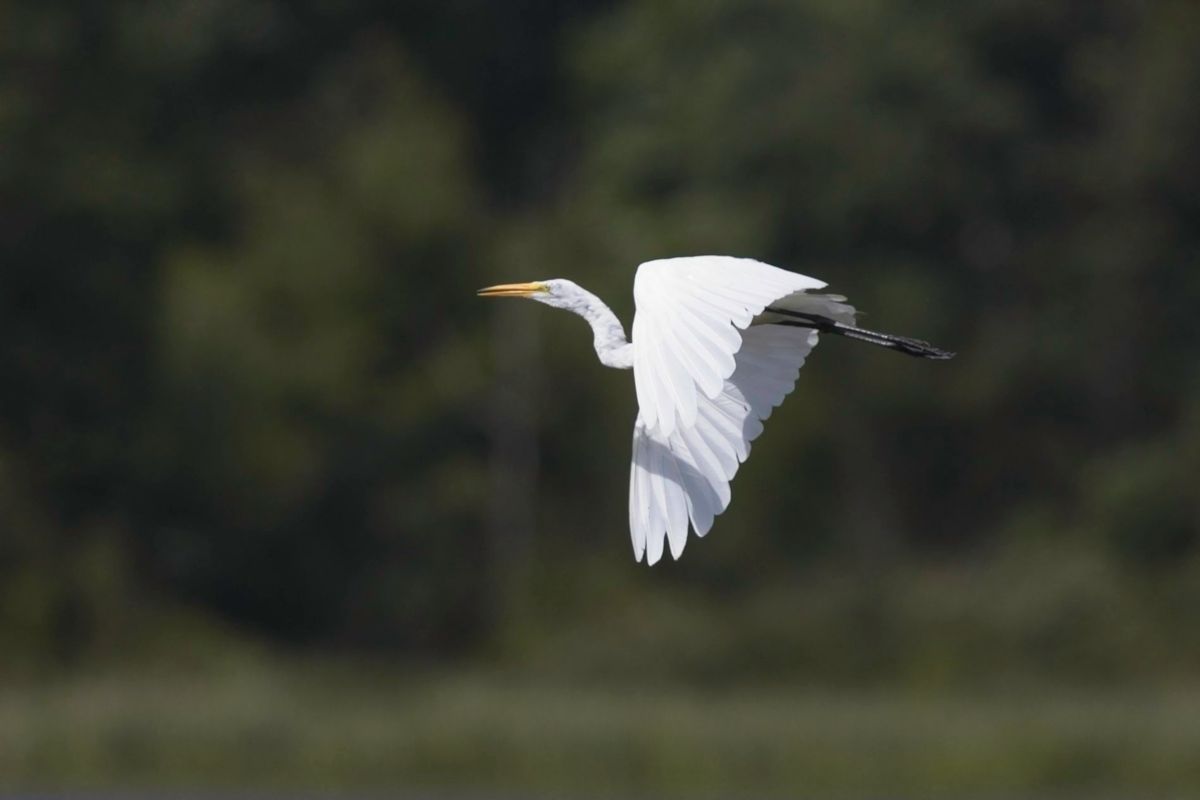
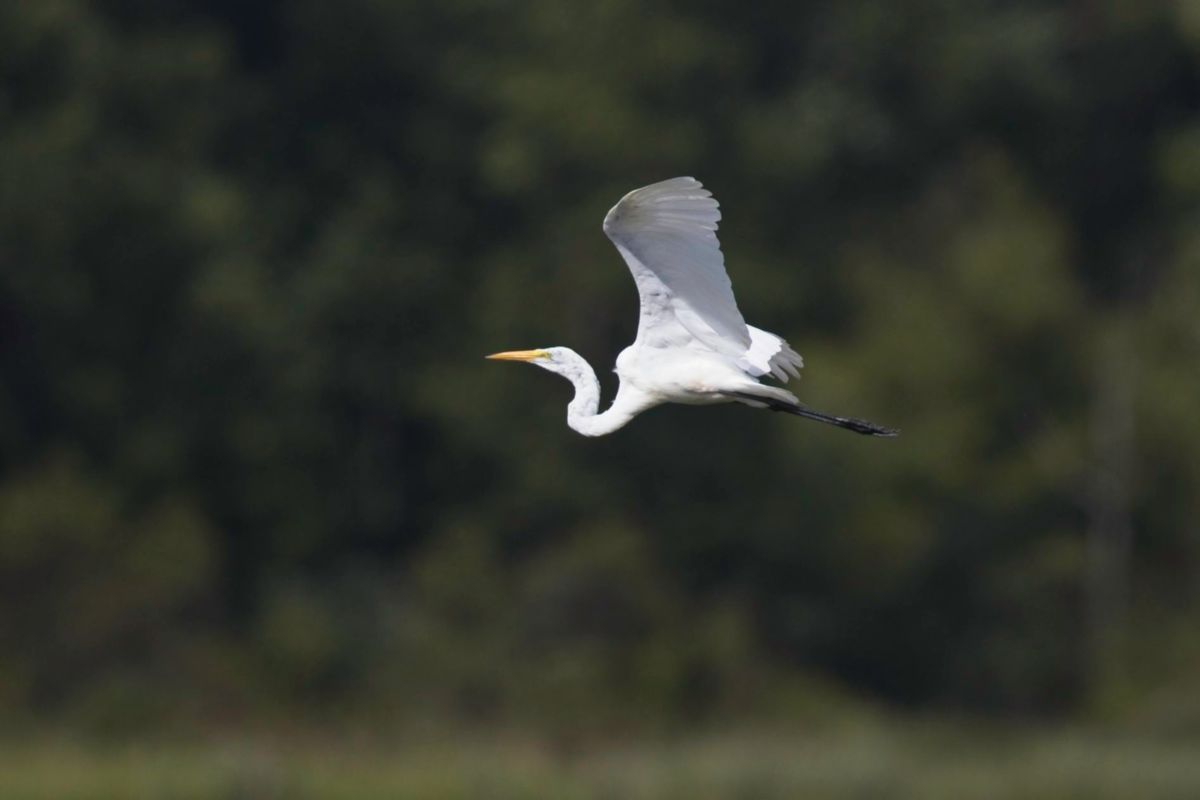
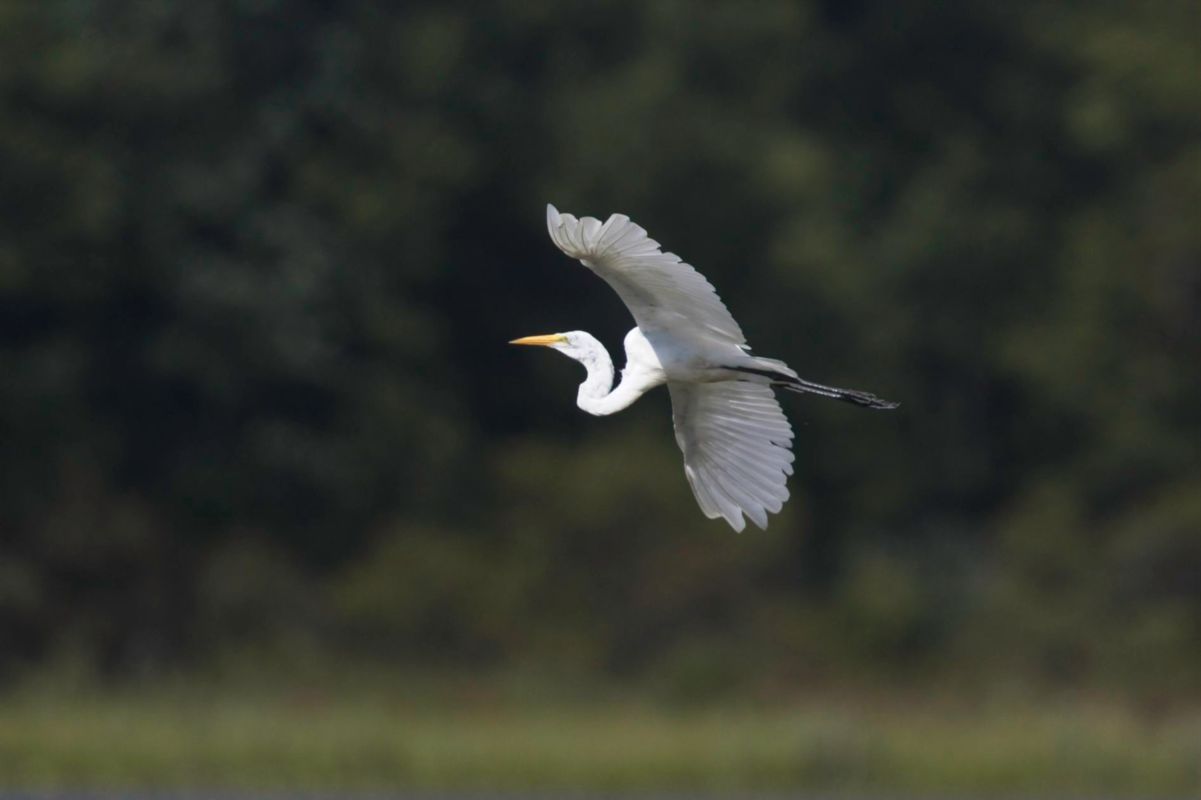
I've tried every case with the 5dmkiv including custom cases recommended by Art Morris and others and have never been able to achieve consistent tracking for BIF with the 5dmkIV with large stable primes including the 500 and 600 f/f lenses. At times it simply fails miserably and it is much worse with a 1.4x iii tc despite calibration. Here is an example of a series of successive shots with a 500 f/4 with a 1.4x iii tc where I was shooting a frog in the shadows (thus the higher ISO) when an egret popped up and lazily flew across my field of view. Straight OOC, default RAW conversion to .jpg no sharpening/adjustments applied other than crop of 25%. Perhaps there were a total of 10 shots in the burst and not one was in focus.
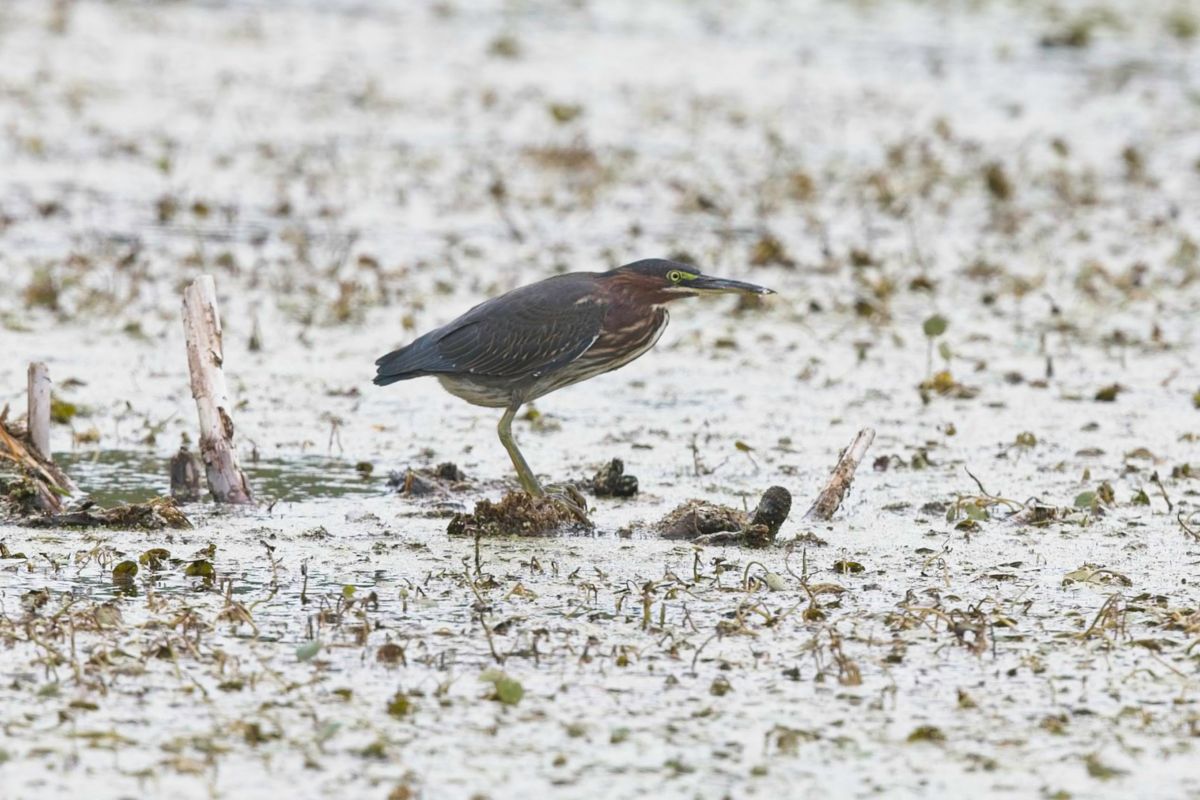
Also, I included another example of the wonky 5dmkiv af of a largely static subject a green heron (cropped 25%) where again despite appropriate calibration, with strong overcast light, the camera consistently FF'ed.
Camperjim wrote:
You are just assuming that results for DPP with the 90D will match the older versions of DPP and the older cameras. That is not what I found. The updated DPP with 90D files is a very noticeable improvement over the past results. I suggest you look for yourself before jumping to this conclusion.
More of an impression, I haven'treally tested it, but it seems like DPP has better NR on 24mp than 18. So it makes sense it may be even better on 32.5mp.
There are better tools, but sometimes I just use DPP, and, if needed, do NR and detail layers, and mask it. And DPP seems to have better chrominance (color) NR than the one that I like for luminance NR. DPP can kill noise pretty effectively, but the way it does it, you have to look out for the details going away. Although granted I haven'tused it on the 90D.
I generally play with the settings and see how much detail is getting killed by NR in DPP. It can vary a lot. Sometimes not bad at all, especially if it is just going on the Internet
TeamSpeed wrote:
DPP honors your camera settings, so whatever you have set for high ISO NR, that is what DPP will give you.
I still have to turn off NR in DPP, if I don't want it, even though I try to get rid of the in camera NR as much as possible. Does DPP turn up the NR settings depending on in camera settings?
bipock wrote:
The first thing I noticed was the shutter speed got a welcomed bump up to 1/1250, possibly 1/1600, over my 1DxII. This is something I noticed when I tested the A9, A73 and my EOS R (which can in no way do swimming even on it's best day). I've asked but have yet to get a good reasoning behind why I would see something along these lines.
I remember testing the 30D and 40D, and one 1/3 stop faster. I think it was the 30D? Perhaps something similar here.