p.22 #1 · Sigma 14-24mm f/2.8 DG DN first impressions
With Guy's old CV 15 and a sharp 24GM in my bag...this is a hard pass for me...but so tempting still. I like the size and sunstars of that combo (well, the 15's sunstars) to give them up for the 14-24, and I can't justify owning all 3 of them for what I shoot.
p.22 #2 · Sigma 14-24mm f/2.8 DG DN first impressions
gocolts wrote:
With Guy's old CV 15 and a sharp 24GM in my bag...this is a hard pass for me...but so tempting still. I like the size and sunstars of that combo (well, the 15's sunstars) to give them up for the 14-24, and I can't justify owning all 3 of them for what I shoot.
I have a good copy of the CV 15 and the CV 21mm 1.4. I read this thread with great interest. But at the end of the day. I will have to take a pass and keep the two CVs. Their sunstar and the easy use of filters are hard to ignore.
But I reserve the right to buy Fred's golden copy.
p.22 #3 · Sigma 14-24mm f/2.8 DG DN first impressions
Per @Fred Miranda, I ran some tests of the color shifting/color cast of the NiSi S5 Filters on my Sigma 14-24 f/2.8 DG DN Art lens.
Used in this test, NiSi S5 Filter Holder with the following filters:
1) NiSi Landscape NC CPL, 2) NiSi Pro IR ND64&CPL (6-stop ND + CPL combo), and the NiSi Pro IR ND1000(3.0) (10-Stop ND)
First set with the NiSi Landscape NC CPL Filter:
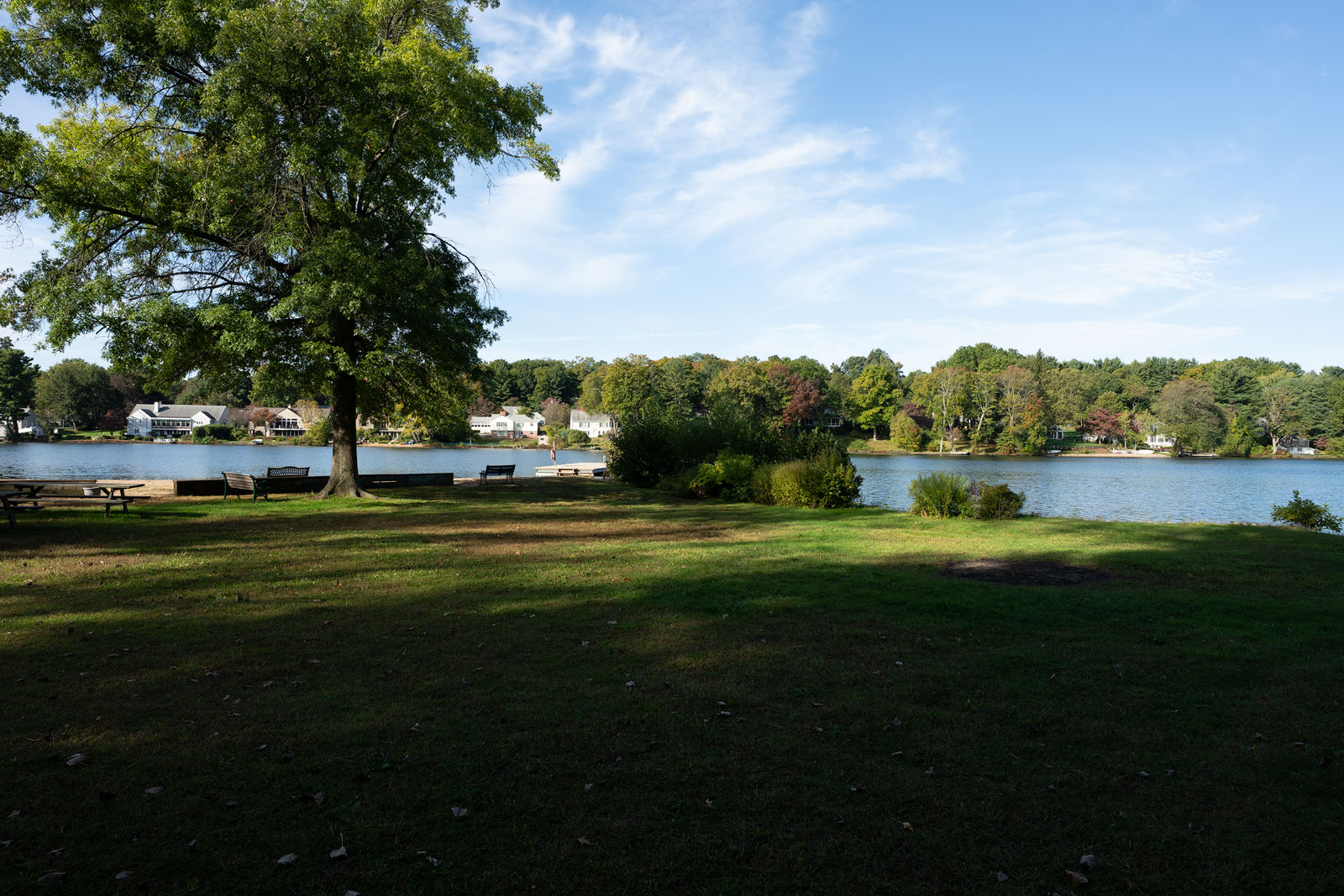
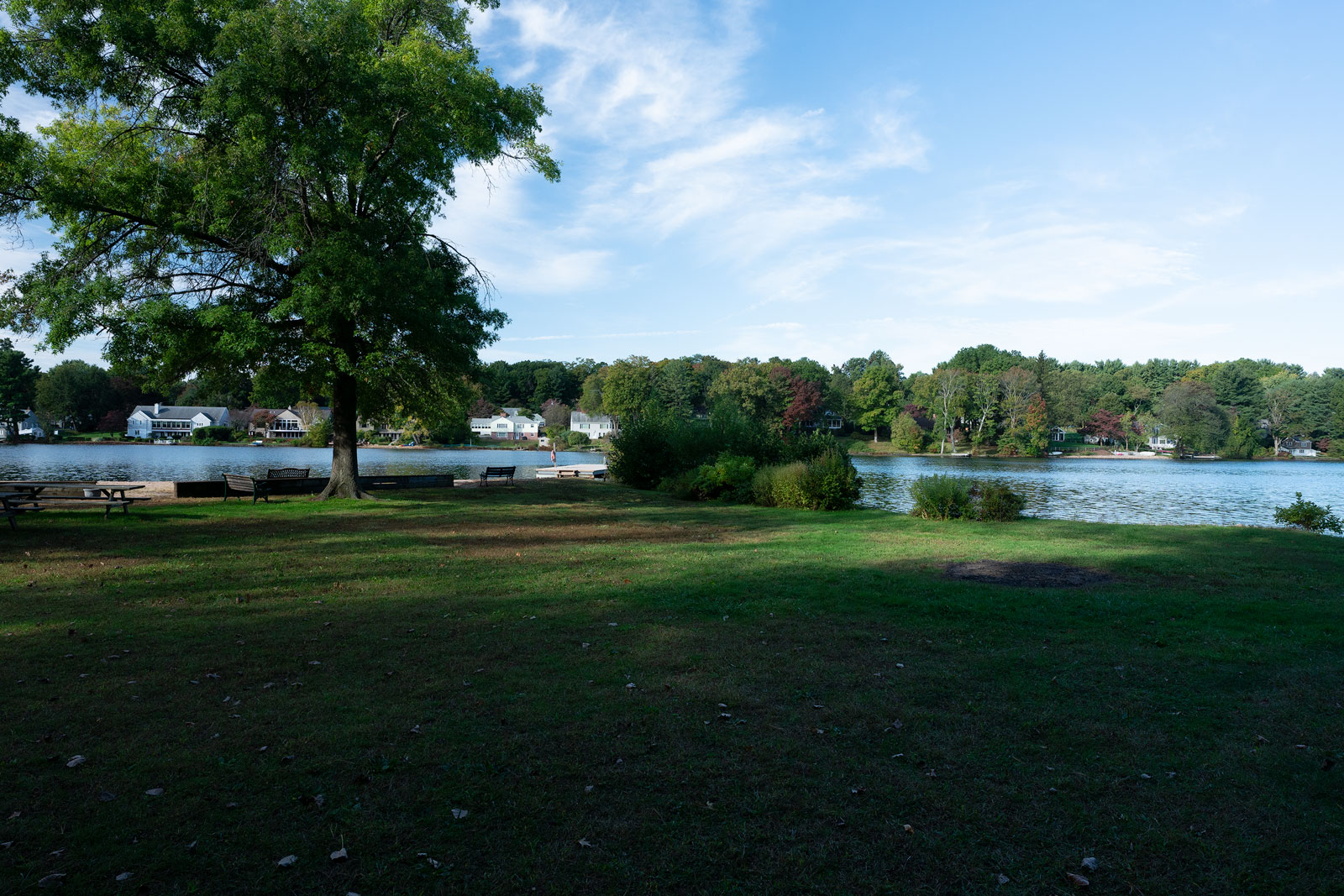
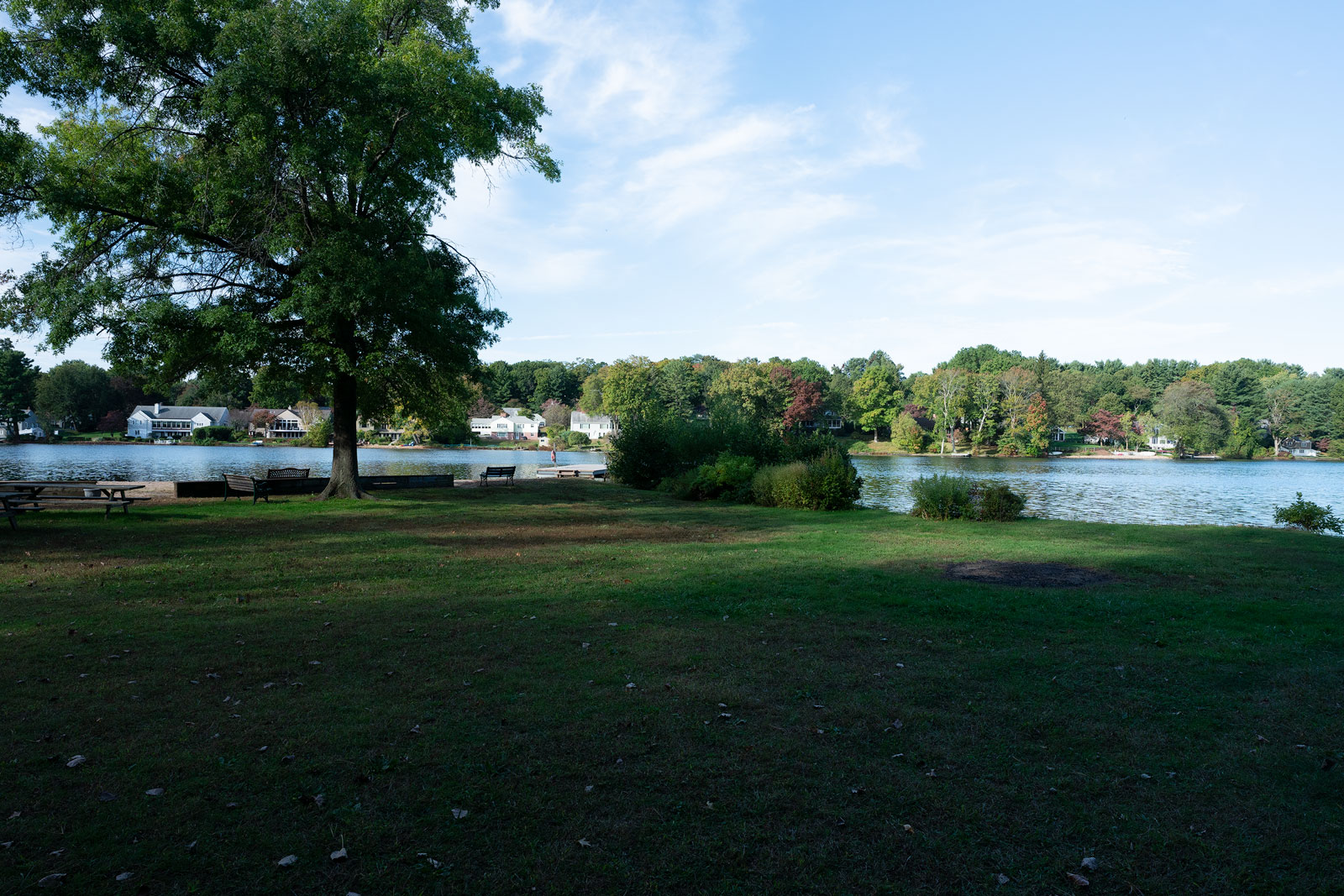
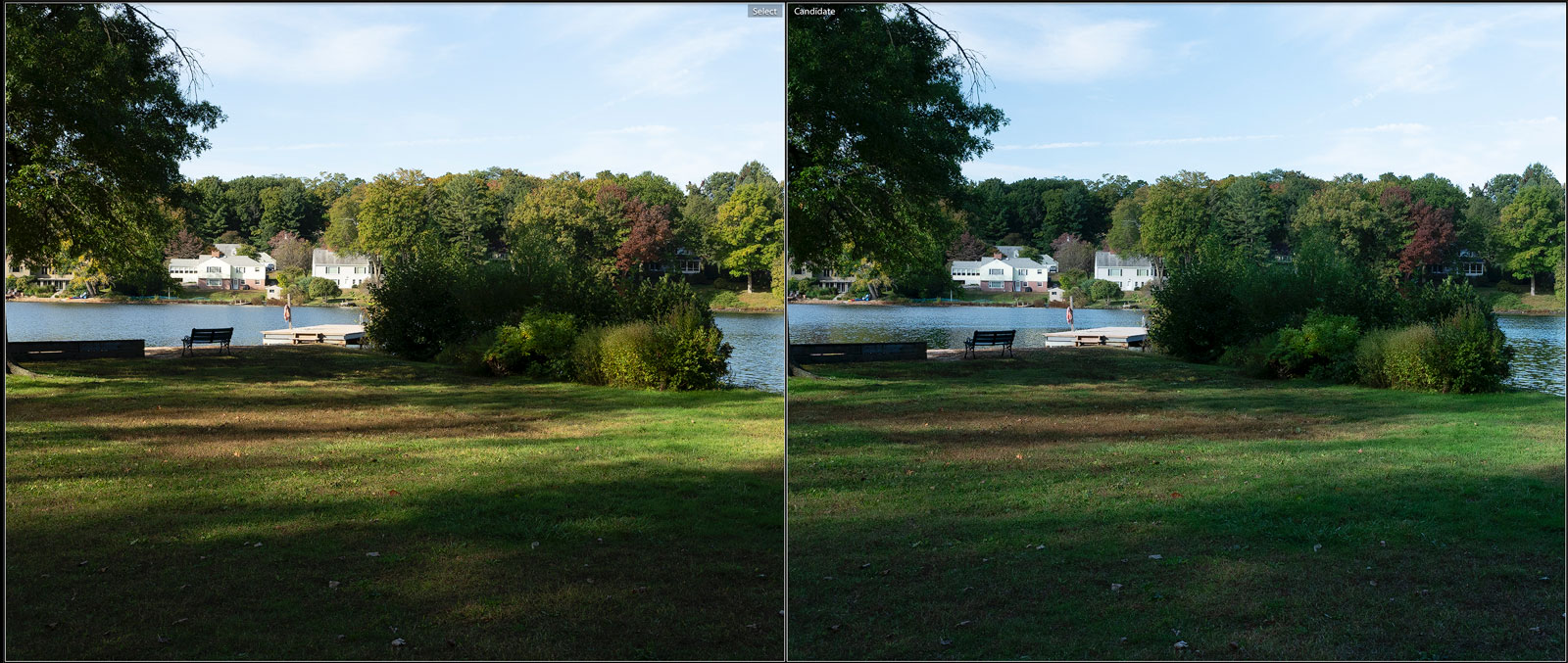
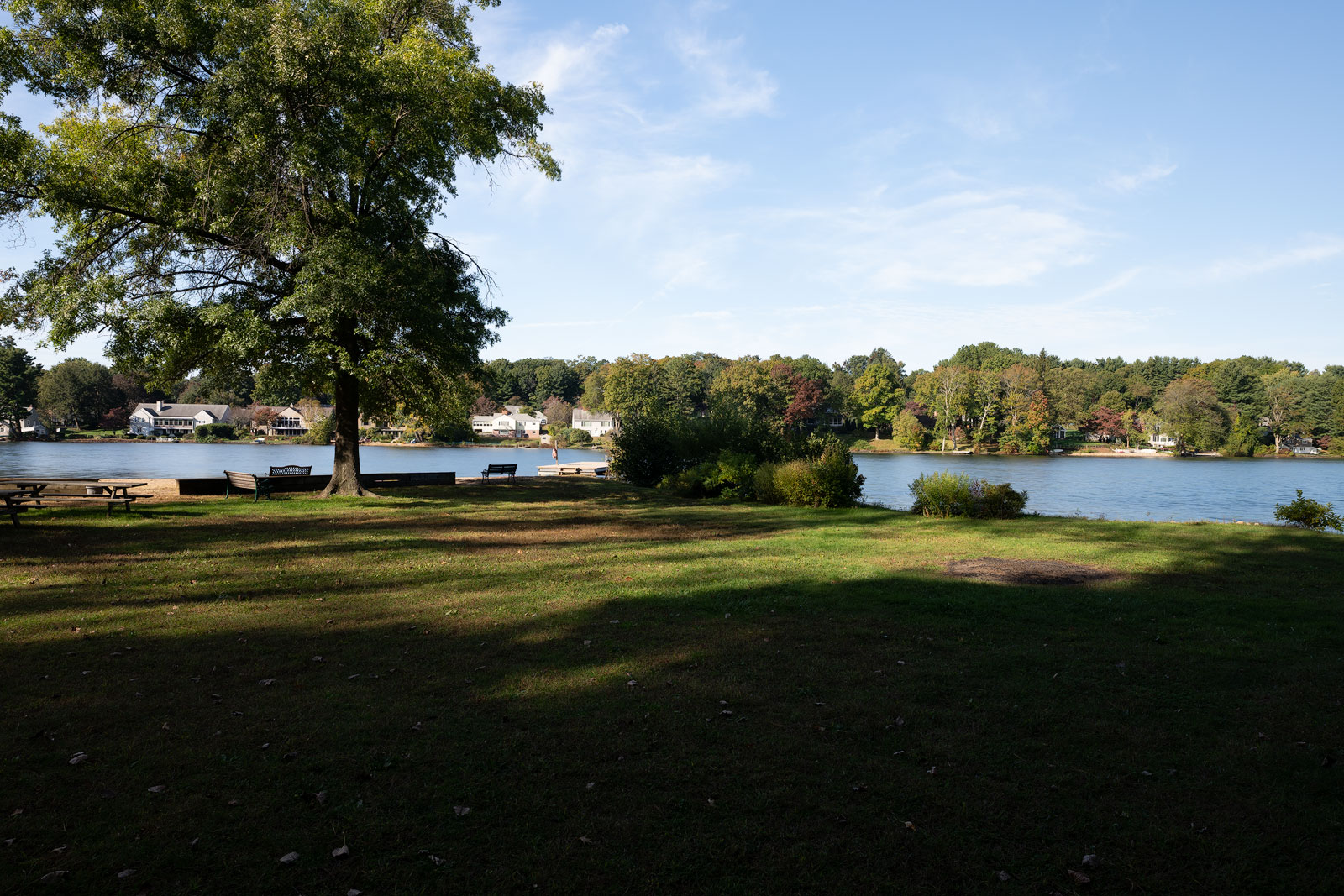
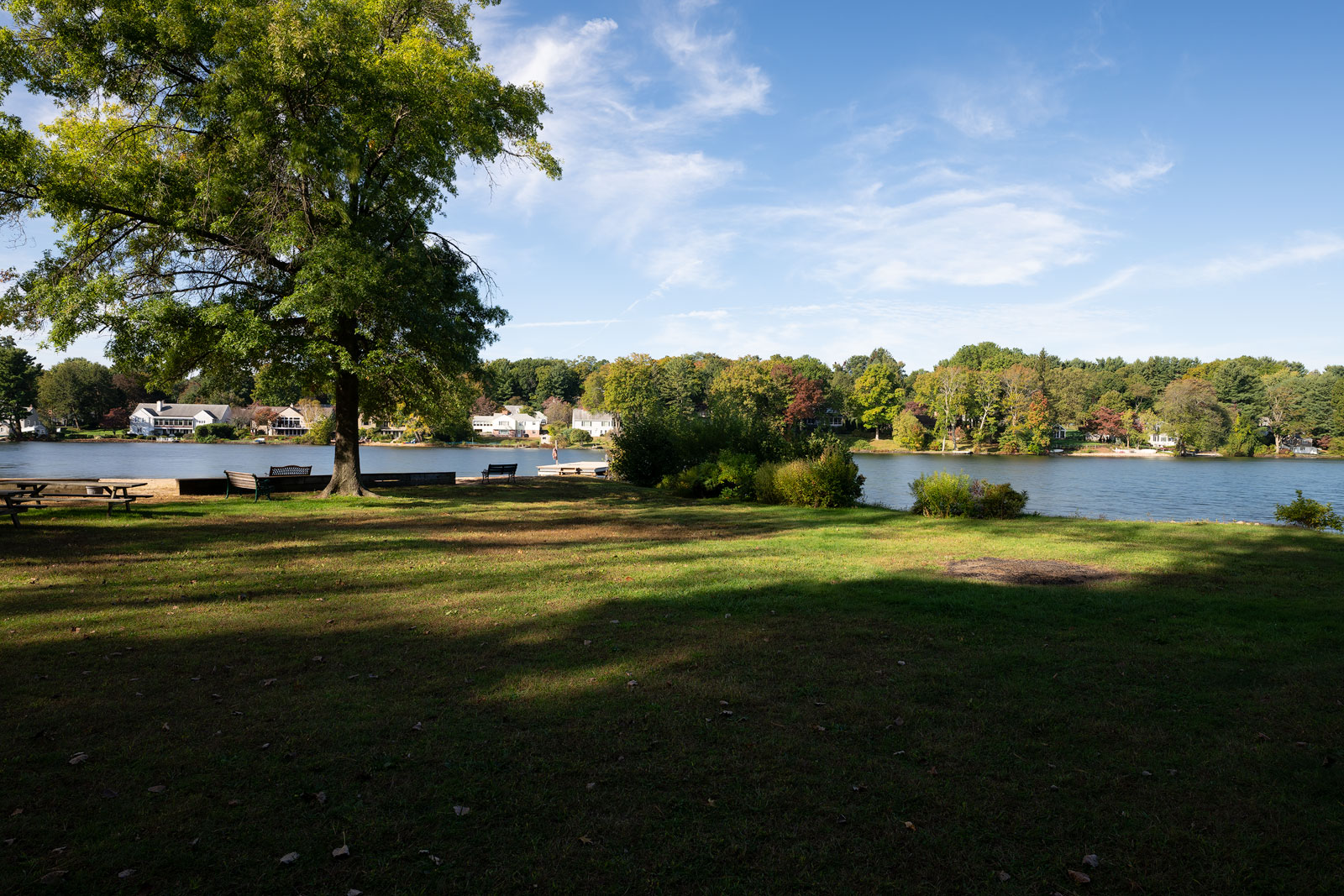
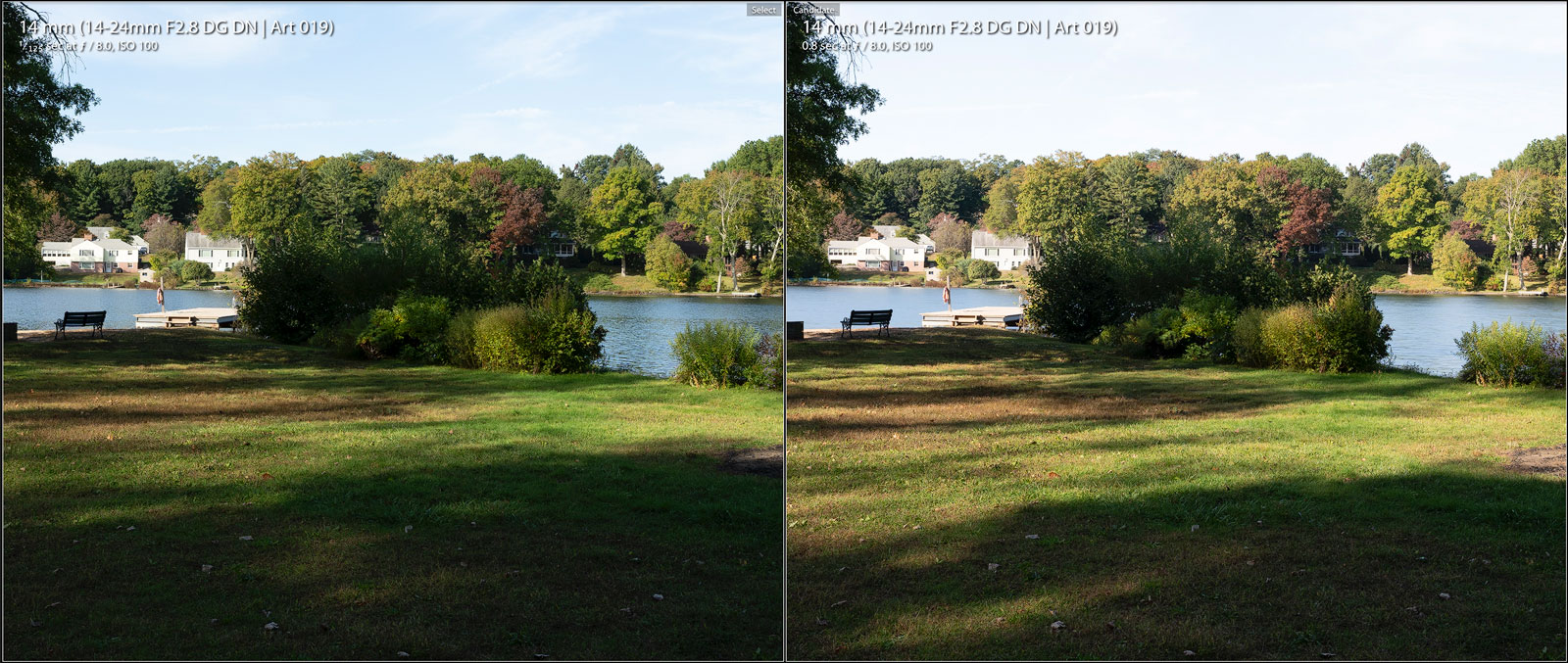
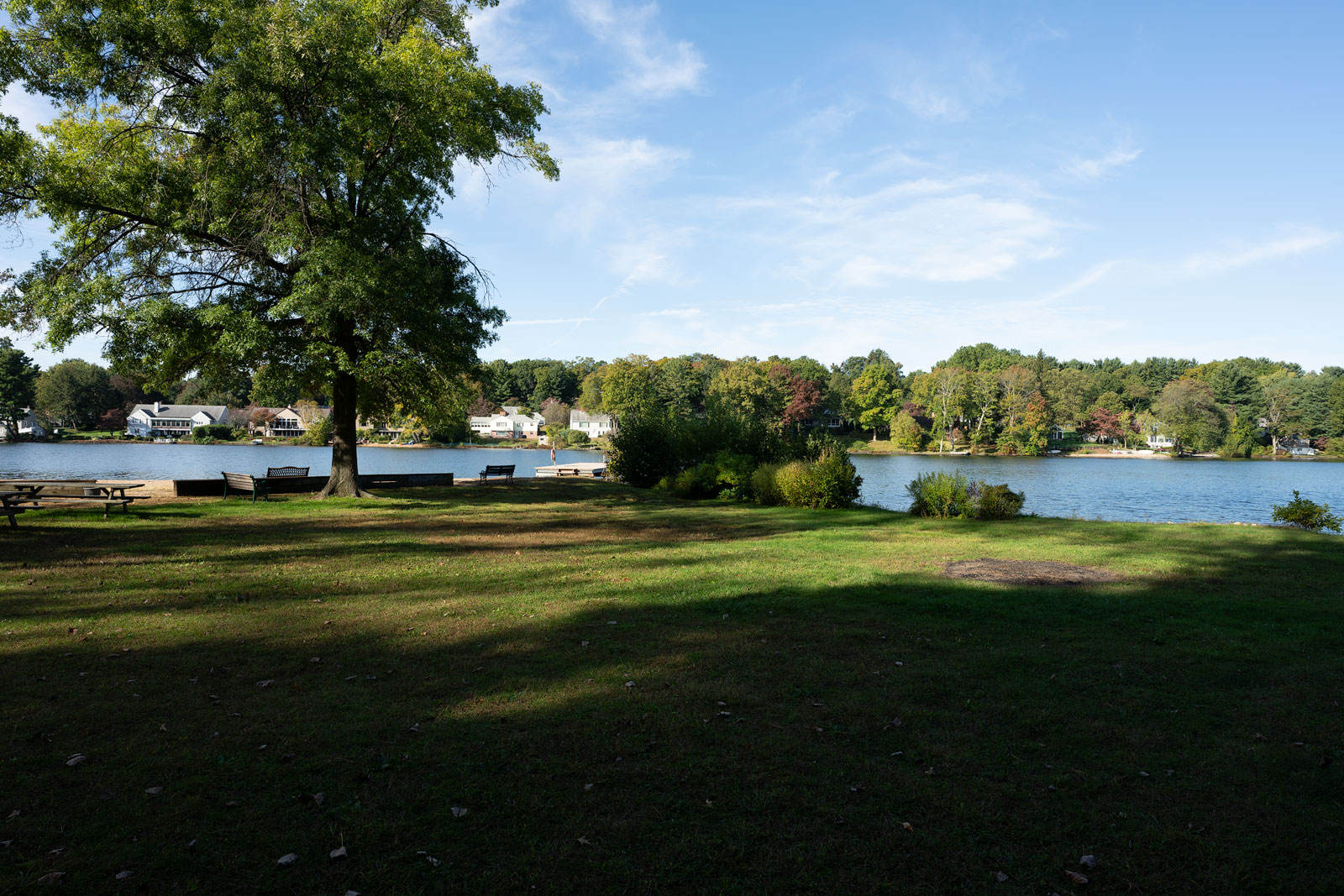
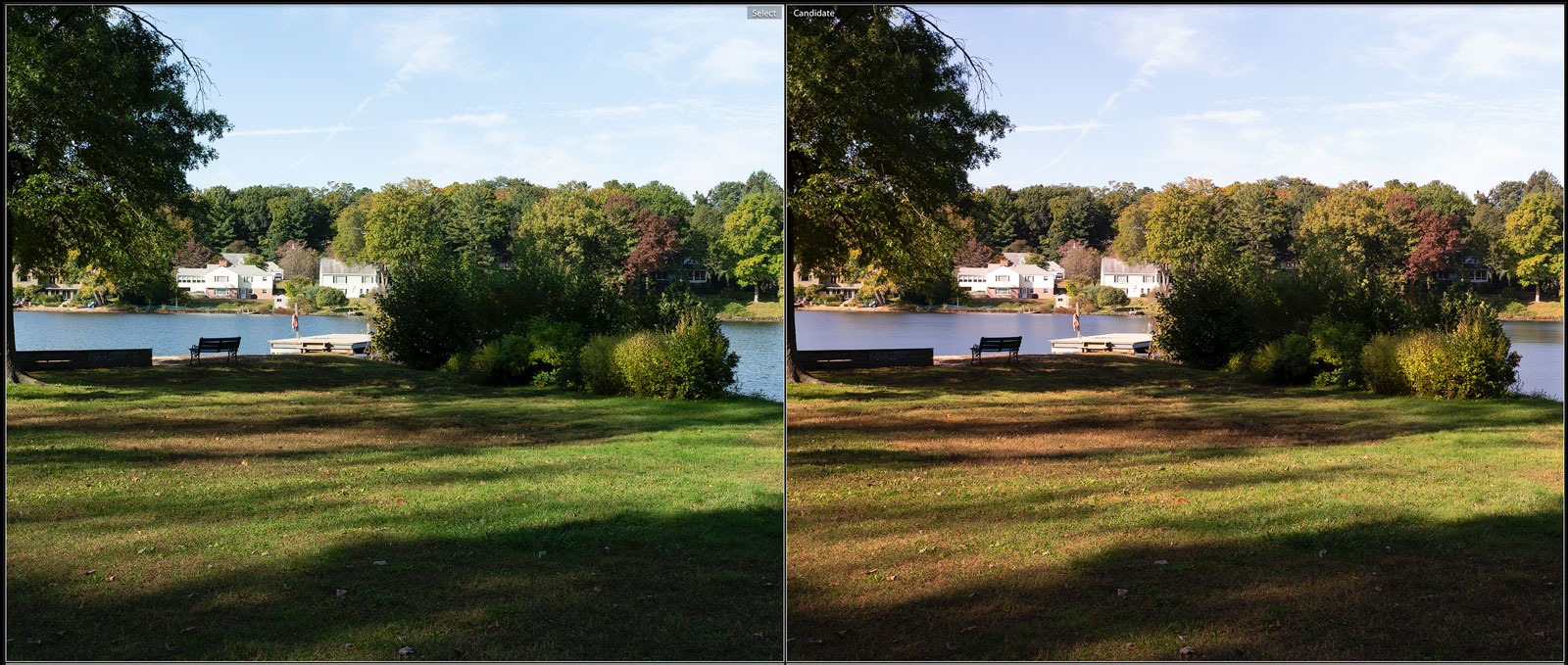
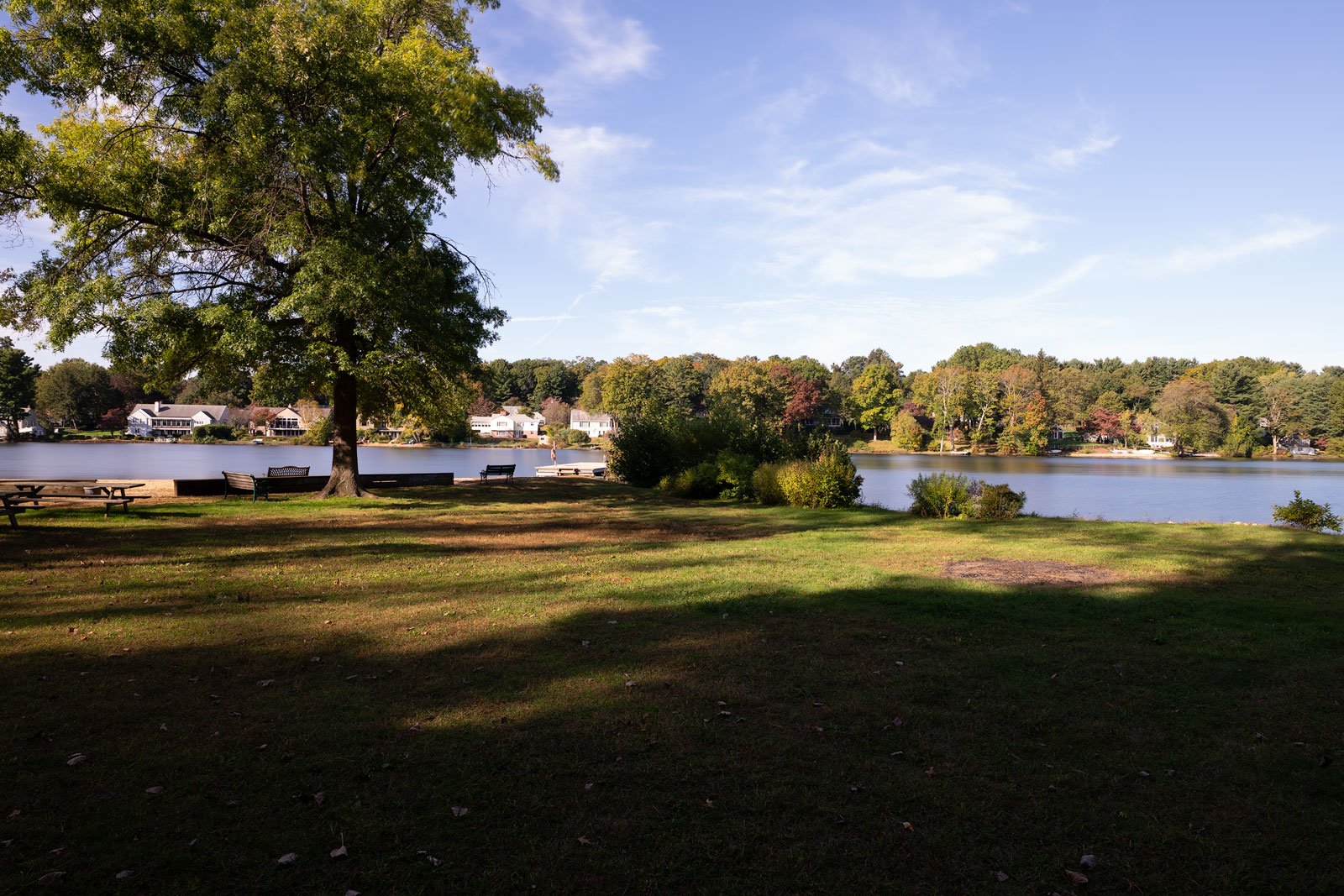
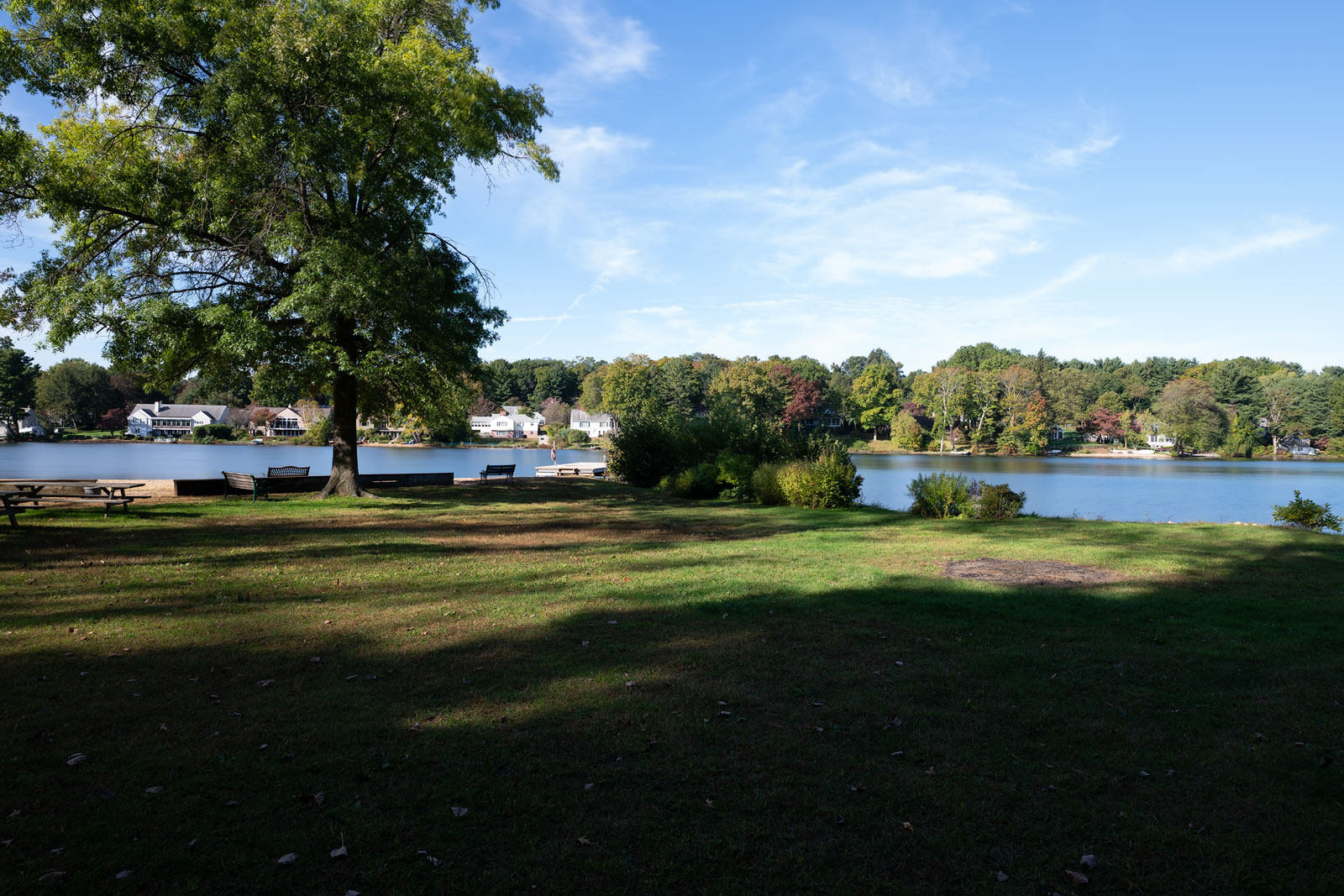
This filter is designed for Landscape Photographers to provide a CPL with a cooler more natural effect. You can see in the scene below this CPL does in fact tend to remove the warm color cast from this early morning scene. The base scene with no filter was shot with a “Daylight” white balance setting and with the CPL applied the warmer tones are cooled down a bit and the scene becomes more neutral. In effect the filter has removed the color cast but there is still some of the warmer glow on areas of the scene lit up by the early morning sunlight. This can be beneficial when a scene has a strong color cast to it but for this scene I would probably process it by adding back some warmer tones with some additional white balance adjustment. However, I can see where this more neutral effect can be advantageous in many scenes that may have some unwanted color cast. One other observation is that the NiSi Landscape NC CPL Filter reduces about 2-Stops of light when used on the lens.
First image - the Base scene with no filter applied
Second image - with the NiSi Landscape NC CPL and maximum polarizing effect
Third image - with the NiSi Landscape NC CPL and partial (approx. 1/2) polarizing effect
Fourth image – Screen shot of Without CPL (left side) compared to With maximum CPL (right side)
Base scene with no filter applied
NiSi Landscape NC CPL and maximum polarizing effect
NiSi Landscape NC CPL and partial (approx. 1/2) polarizing effect
Without CPL (left side) compared to With maximum CPL (right side)
p.22 #4 · Sigma 14-24mm f/2.8 DG DN first impressions
kdrk888 wrote:
I have a good copy of the CV 15 and the CV 21mm 1.4. I read this thread with great interest. But at the end of the day. I will have to take a pass and keep the two CVs. Their sunstar and the easy use of filters are hard to ignore.
But I reserve the right to buy Fred's golden copy.
Agree this one really has me baffled. I bought the IV without a passing thought. I may have become sensitive to weight and bulk
p.22 #6 · Sigma 14-24mm f/2.8 DG DN first impressions
Second set with the NiSi Pro IR ND64&CPL Filter:
This filter is a combination 6-Stop ND filter and CPL filter. On the NiSi S5 Filter system the CPL filters are rotated using one or both of the adjustment wheels on the side of the filter. This allows you to easily dial-in the strength of the polarizing effect on your scene. As can be seen in the images below there is very minimal color cast on the scene with the CPL rotated to minimal or no effect. The very slight warm cast may actually just be the impact of the exposure time difference and not necessarily a color cast. But even if this is the result of less than pure neutrality it is certainly not bad compared to other ND filters I’ve tested on other lenses. One other observation is that the NiSi Pro IR ND64&CPL Filter with minimal to no polarization effect results in a 6-Stop exposure difference and this remains the same even with more polarization strength dialed-in. Interestingly, It does not appear to increase the ND strength with a stronger polarizing effect.
6-Stop ND filter with little to no polarizing effect
6-Stop ND filter with maximum CPL effect
No filter (left side) and 6-Stop ND with minimal to no CPL effect (right side)
p.22 #8 · Sigma 14-24mm f/2.8 DG DN first impressions
Third set with the NiSi Pro IR ND1000(3.0) = 10-Stop ND:
This is the NiSi 10-Stop ND filter (has no CPL). The results of this test revealed that it is probably closer to 9-Stops of ND effect. The resulting exposure was just about exactly 1-Stop over exposed compared with the non-filtered image after adjusting the exposure for 10-Stops in camera. There is also a definite slight warming color cast to the image as well, as can be observed in the second image below and the fourth image (LR screen shot comparison). While this warming cast may work fine for some outdoor scenes like this one, I wanted to see just how much effort it would take to adjust the scene with the 10-Stop ND effect but without a color cast. The third image shows the results of adjusting just the Lightroom White Balance slider (from 5,500 to 4,395) and Tint slider (from +10 to -4), no other adjustments were made. This adjustment took literally seconds to make and the resulting color cast appears to be eliminated.
I have to say I’m very pleased with the results of these tests and the NiSi S5 Filter system for the Sigma 14-24 f/2.8 DG DN Art lens.
I ordered the Lee Filters, 1.2 ND (4-Stop) Gel Sheet and it should be delivered before the end of the week. I want to see how these rear ND filter in combination with the NiSi CPL’s and ND filters work. It would be great for instance to increase the ND effect of the 10-Stop NiSi filter using the rear filter in combination with it. There are times that a 14 Stop ND filter is useful. It would also make the NiSi Pro IR ND64&CPL Filter into a 10-Stop combination ND and CPL, which may be very handy with reflections and running water shots.
Base scene no filter
Compare No Filter and 10-Stop Filter with no White Balance adjustment
10-Stop Filter with no White Balance adjustment
10-Stop Filter with White Balance adjustment in Lightroom (5,500 to 4,395) Tint (+10 to -4)
p.22 #9 · Sigma 14-24mm f/2.8 DG DN first impressions
Chuck Coyne wrote:
Per @Fred Miranda@, I ran some tests of the color shifting/color cast of the NiSi S5 Filters on my Sigma 14-24 f/2.8 DG DN Art lens.
Used in this test, NiSi S5 Filter Holder with the following filters:
1) NiSi Landscape NC CPL, 2) NiSi Pro IR ND64&CPL (6-stop ND + CPL combo), and the NiSi Pro IR ND1000(3.0) (10-Stop ND)
First set with the NiSi Landscape NC CPL Filter:
This filter is designed for Landscape Photographers to provide a CPL with a cooler more natural effect. You can see in the scene below this CPL does in fact tend to remove the warm color cast from this early morning scene. The base scene with no filter was shot with a “Daylight” white balance setting and with the CPL applied the warmer tones are cooled down a bit and the scene becomes more neutral. In effect the filter has removed the color cast but there is still some of the warmer glow on areas of the scene lit up by the early morning sunlight. This can be beneficial when a scene has a strong color cast to it but for this scene I would probably process it by adding back some warmer tones with some additional white balance adjustment. However, I can see where this more neutral effect can be advantageous in many scenes that may have some unwanted color cast. One other observation is that the NiSi Landscape NC CPL Filter reduces about 2-Stops of light when used on the lens.
First image - the Base scene with no filter applied
Second image - with the NiSi Landscape NC CPL and maximum polarizing effect
Third image - with the NiSi Landscape NC CPL and partial (approx. 1/2) polarizing effect
Fourth image – Screen shot of Without CPL (left side) compared to With maximum CPL (right side) ...Show more →
Thank you so much for posting this Chuck! I see similar color deviation from the Lee gel. (It's also a cool cast)
I've been doing some presets to normalize ND color-cast and learned it's not as simple as a tint tweak. Tint and individual colors need to be adjusted as well.
p.22 #10 · Sigma 14-24mm f/2.8 DG DN first impressions
Fred it would be great to develop a set of color cast adjustment presets for both the gels and the NiSi filters. Although I didn’t find the color shifting to be that difficult to adjust. It would be a nice time savings when processing a lot of images after using a certain filter combination.
p.22 #11 · Sigma 14-24mm f/2.8 DG DN first impressions
You could do a passport shot and save that preset. In most cases it maybe a good profile to go by. Although time may effect it. I used to shoot one after I got my shot when I shot Medium Format. You could also do a LLC . I would have to explain that .
p.22 #12 · Sigma 14-24mm f/2.8 DG DN first impressions
GMPhotography wrote:
You could also do a LLC . I would have to explain that .
Would you shortly explain what that means? I googled it, but that phrase is not showing any usefull results.
That would be verry kind of you.
Thanks
p.22 #14 · Sigma 14-24mm f/2.8 DG DN first impressions
spirolino wrote:
Fred, have you already tried to stack the Lee 4 stops ND1.2 gel filters in order to get 8 or 12 stops exposure extension?
Thanks
I thought I had posted the 8-stop sample (two ND1.2 gels sandwiched)
Using 2 gels has an impact on field curvature at the wide range (especially 14mm) and introduces much higher color cast. So, I would not recommend it for the highest IQ.
p.22 #15 · Sigma 14-24mm f/2.8 DG DN first impressions
Berkrathes wrote:
Would you shortly explain what that means? I googled it, but that phrase is not showing any usefull results.
That would be verry kind of you.
Thanks
p.22 #18 · Sigma 14-24mm f/2.8 DG DN first impressions
It’s a very interesting technique. We used it on tech cams especially with stitching , rise and fall movements but very nice to level out the color balance correctly as well. But it does require to shoot a white translucent gel type over the lens. Kind of nerdy stuff.
But hey that sounds like FM anyway. I think you can do it also in LR
This is actually amazing especially the dust feature lol, thank you for posting. For the blank shot do you focus the image at the same distance as the shot you want to correct?
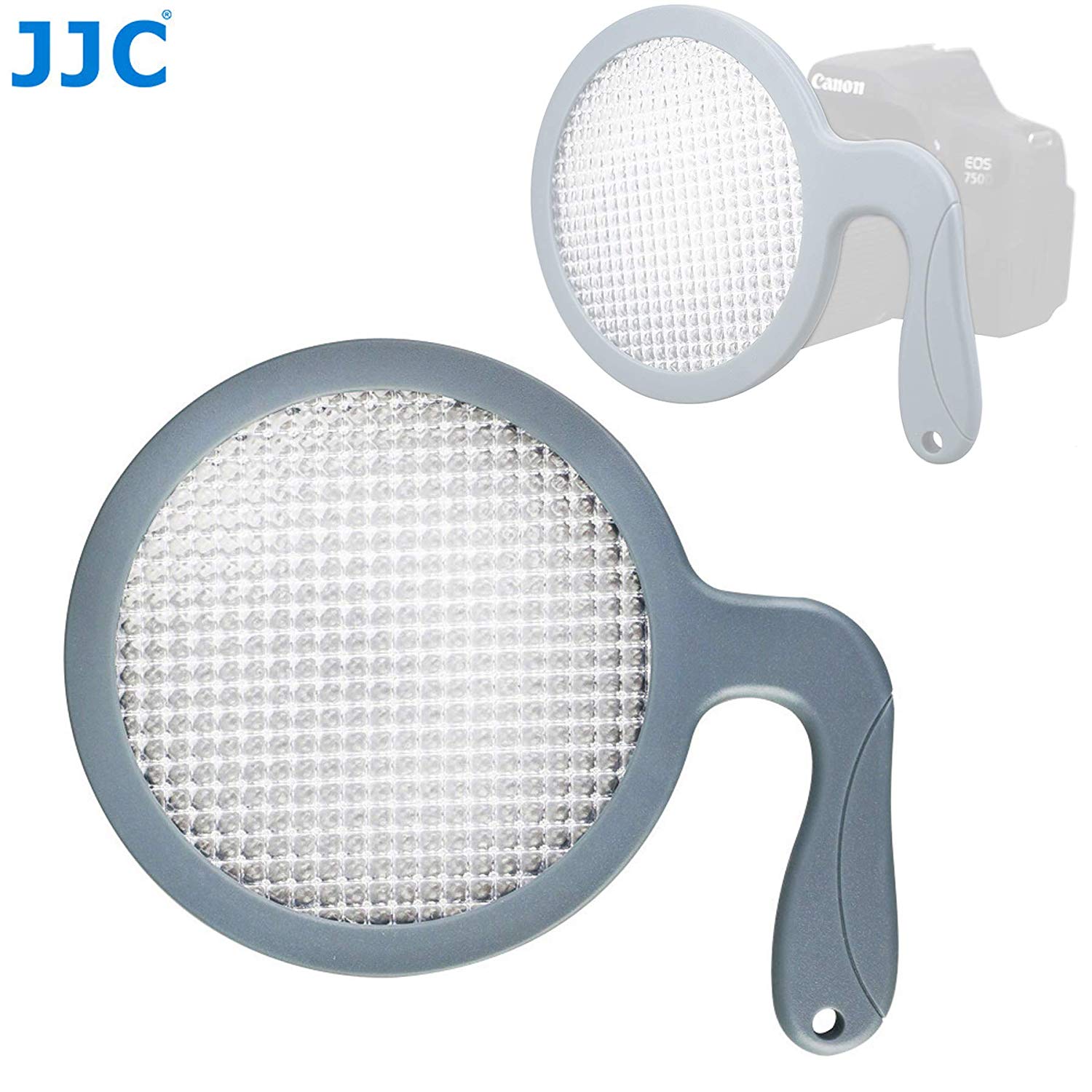
I have one of these thingies I never use but feel like would work for LCC.
p.22 #20 · Sigma 14-24mm f/2.8 DG DN first impressions
You put it right over your lens at the same working f stop as your working lens.
We are OT here but it’s a good lesson. We all know 4x5 tech cams at least I hope you are do. From what we know . I’m using this as a example because many don’t know tech cams as we call them. But basically you can do rise and fall with a lens and or even tilt a lens for DOF reasons. When you make these kinds of adjustments you are let’s say for lack of a better word stretch the limits of image circle . When that happens you will get casts and such in different parts of the frame. Basically it’s screwed up image quality wise. What the LCC DOES IS TAKE A NEUTRAL IMAGE OF THE WHITE TRANSLUCENT. Oops caps material and in post processes out all that color cast and such than you take that LCC and by software blend the two images. If you want to learn more on this . Maybe google capture one creating LCC . Lots of tutorials on a Phase One site. It’s very interesting.