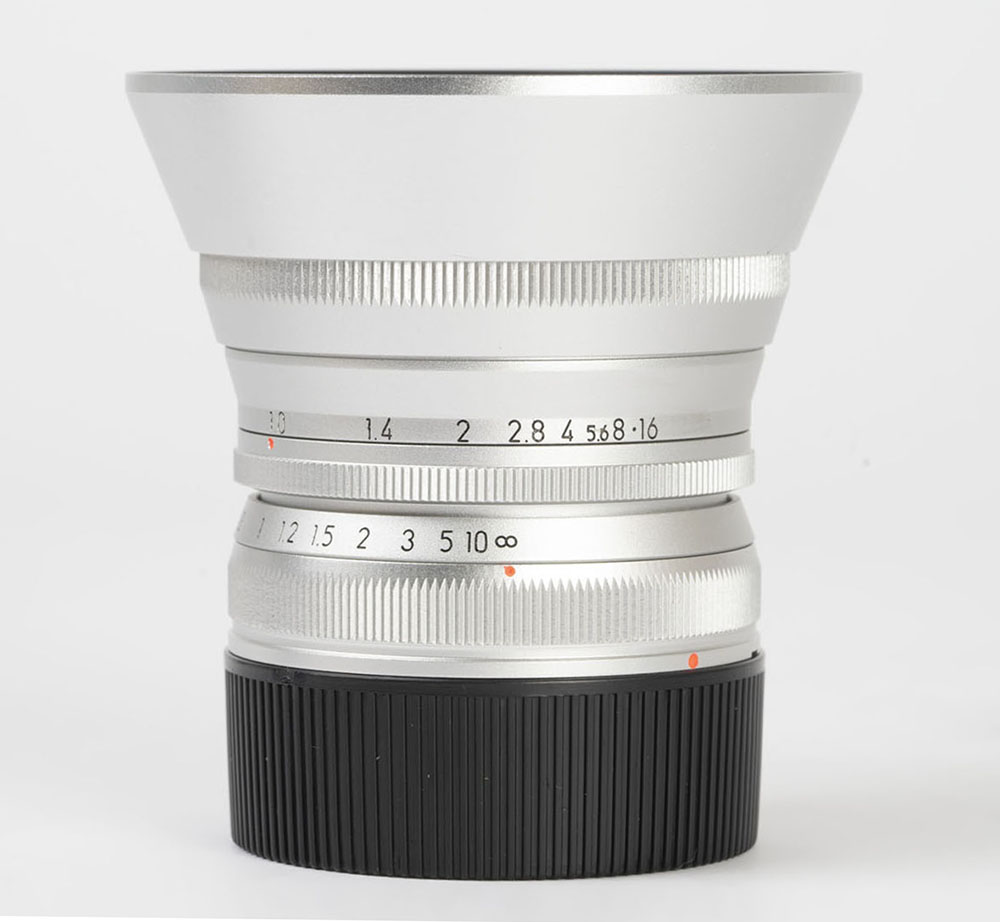
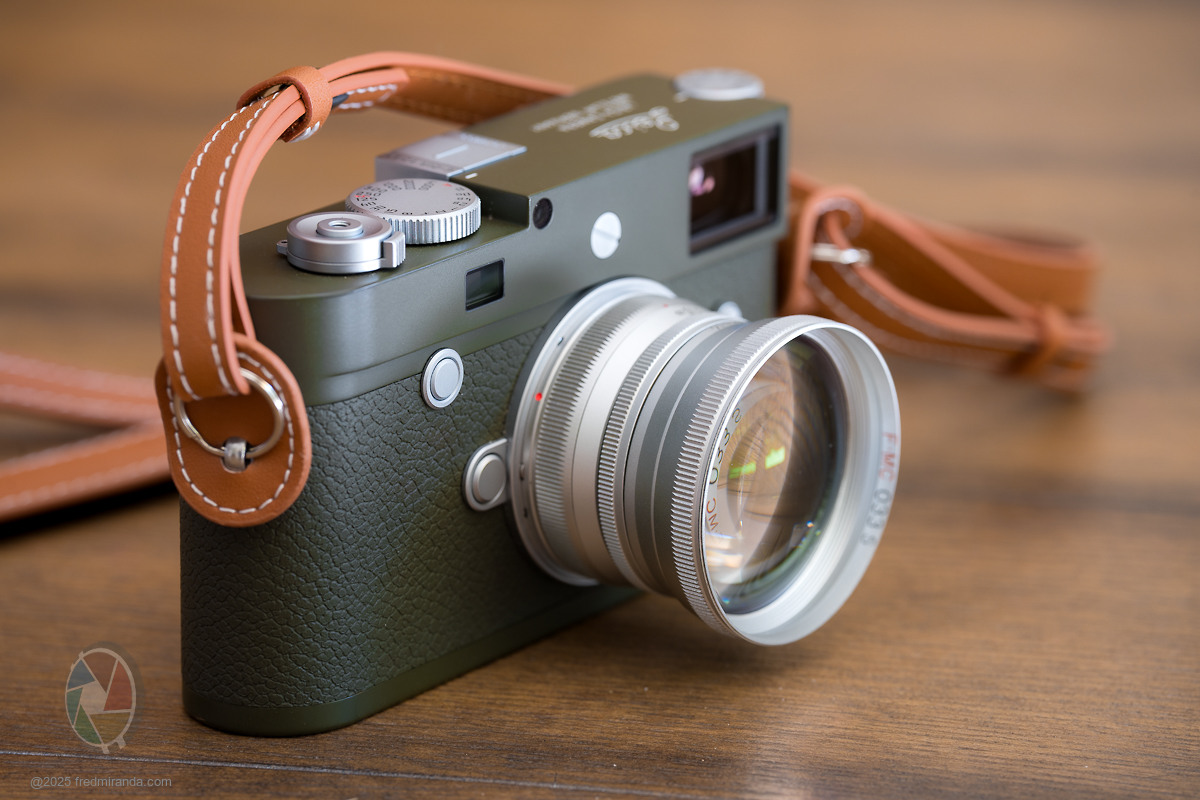
Faster than the MS Optics 50mm 1.1 Sonnetar, the MS Optics ISM 50mm 1.0 in M mount. But at only 178 grams (with hood), nice for travel. With Gauss type lens it does not have the sonnar qualities of the former, but apparently also not the tricky coma adjustment ring.
Specifications:
7 elements in 5 groups Gauss type
f1.05, 51.5mm with 10 full multi-coat surfaces
Minimum focusing at 0.8m
16 rounded aperture blades producing extra round bokeh
Filter size 55mm
Hood is using male to female adapter reverse adoption
Pretty cool, I’d like to try one out. But $1700 for me is a tough sell as a ‘character’ lens seeing I get that from a 7A 50 1.1 for $300.
Unlimited funds? Then I’ll take two!
Is anyone using a front cap with this lens? It seems like only a push-on cap would work since the filter threads are on the outside and will not hold a standard snap-on cap. I just picked one up and it came with the hood but no cap. Thanks in advance.
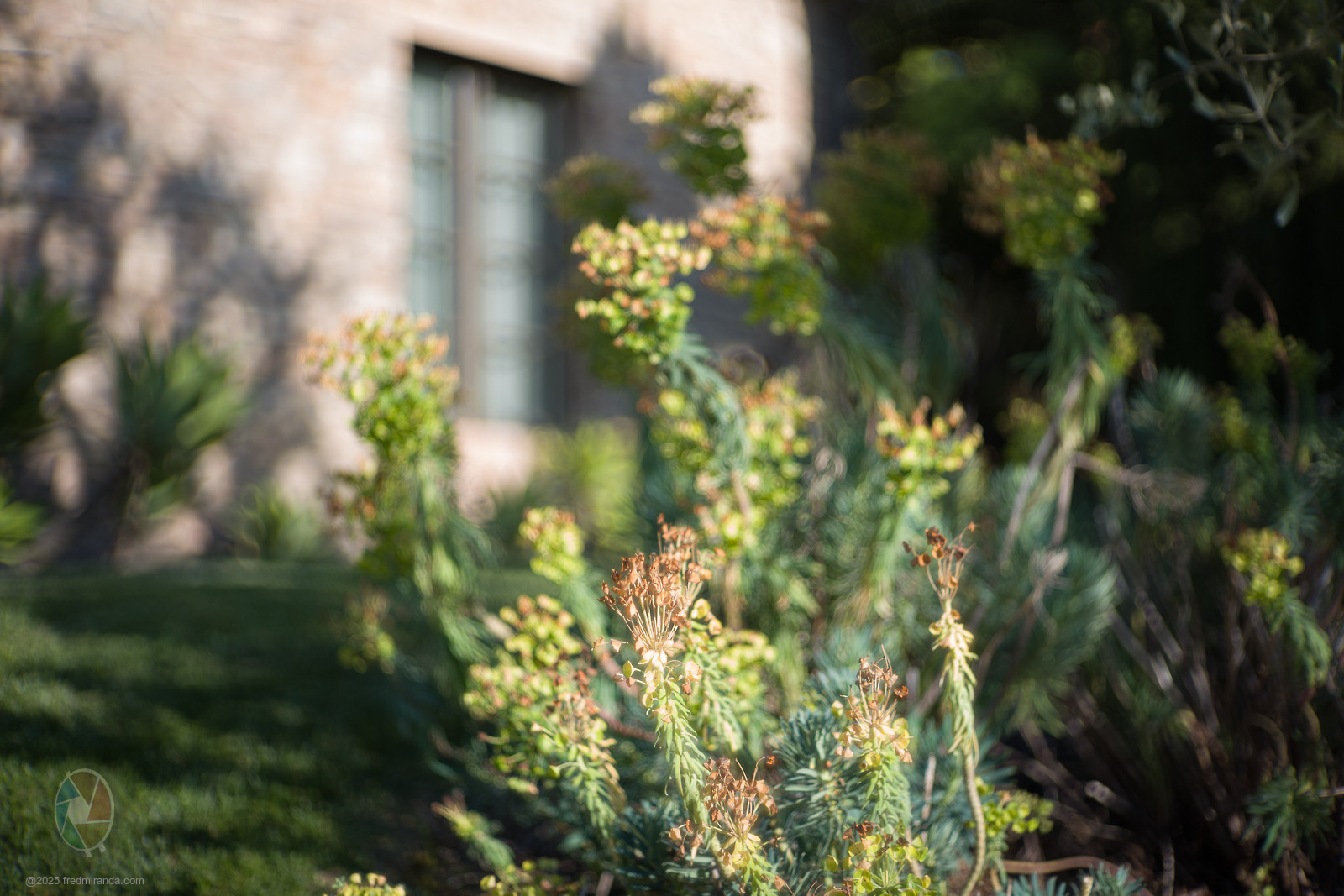
By the way, here are some samples. I am not seeing the same level of vignetting that Bastian showed in his review. Maybe he was using a UV filter or the hood added more vignetting. These shots are straight out of the camera with no vignetting correction, taken wide open at f1.0. The vignetting is definitely strong but still manageable, and noticeably less than what the Leica 50 f1 Noctilux produces.
LEICA M10-PMS-Optics 50mm f/1.0 ISM lens50mmf/1.01/4000s200 ISO0.0 EV
Here is a quick comparison I put together that probably explains the difference I am seeing in vignetting compared to the reviews I have read. Without any filter attached or lens hood, I do not see any mechanical vignetting. However, once I attach a 55mm UV filter in reverse, vignetting becomes visible. Below are sample images showing how a thicker standard filter compares to a thin filter, and how both differ from the lens without any filter, in terms of vignetting.
Thanks for posting this link. I like the results obtained with the Voigtlander Nokton 50mm f/1.0, and believe that it is not simply confirmation bias, due to my having the Nokton.
With the price being similar, I would select the larger Nokton, over the MS, regardless, because I know that its size does not bother me, and its handling qualites were a pleasant surprise. (As I have written before, a lens makes a wonderful “accessory grip” for an M camera, for me, because my right hand has not aged well.)
Desmolicious wrote:
Where would the old Nokton 50 1.1 fall in that line up?
The Voigtlander 50mm f1.1 Nokton is the closest match to the Leica 50mm f1 Noctilux in terms of bokeh structure, with an optical formula that is nearly identical. The Leica outputs different colors, has lower contrast and more veiling though.
Of course, lens rendering is highly subjective and depends on the type of image you are creating. To my eyes, the 2020 Voigtlander 50mm f1.0 Nokton delivers the most clinical and technically refined image. That can be a real strength for those looking for sharpness and smooth modern rendering. In that context, it stands out as the best performer among the 50mm f1 lenses. It's the sharpest and has the least distracting background blur. (aside from the exaggerated noticeable FC)
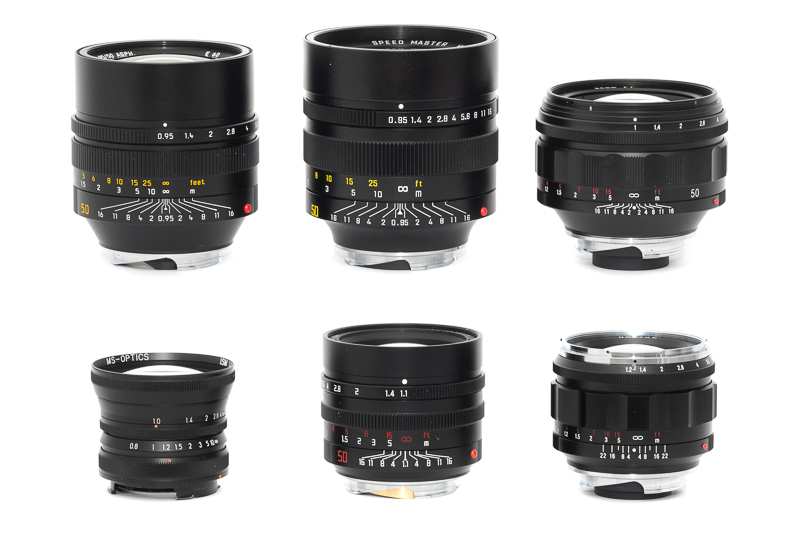
If you're looking for a lens with more character, the MS Optics 50mm f1 offers the most distinctive look. It combines overcorrection of SA in the out-of-focus areas with undercorrection at the focus plane when used wide open. It's like shooting with the new Voigtlander 75mm f/1.8 Heliar with SA ring and set it towards the "over" setting. I personally enjoy this rendering, which is why it is my favorite of the group. I also use the Leica 50mm f1 Noctilux, which sits somewhere in between the MS Optics and the Voigtlander in terms of correction and overall character.
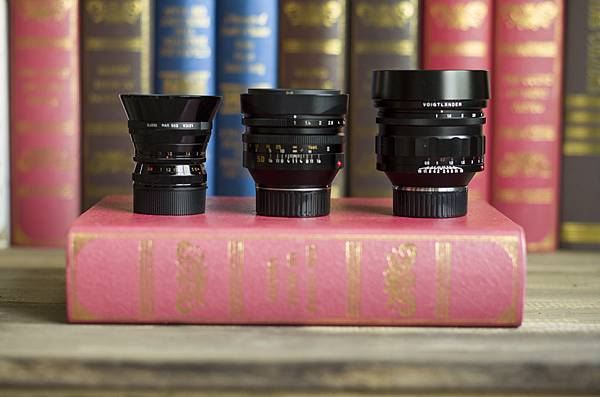
One thing worth pointing out is that the MS Optics lens is by far the smallest and lightest of the three, measuring only 40mm in length and weighing 170g. That's the lens I take when not willing to bring along the 600 grams Noct. If you appreciate the look it produces, there is nothing else like it on the market. From my testing, it delivers true f1 depth of field at mid-distance and at infinity, but at MFD, the background blur behaves more like a f1.2 to f1.4 lens in terms of bokeh specular highlight size and DOF.
Desmolicious wrote:
I have the 7A 50 1.1 which most definitely is a character lens! As well as the CV 50 1.1, and then other ‘regular’ 50s.
In terms of size alone, the only lens that comes close to the MS Optics 50mm f1 is the Voigtlander 40mm f1.2 Nokton. It is not a 50mm lens and it is not f1, but the overall dimensions are similar. However, it is not comparable in weight. Totally different output...
Fred Miranda wrote:
The Voigtlander 50mm f1.1 Nokton is the closest match to the Leica 50mm f1 Noctilux in terms of bokeh structure, with an optical formula that is nearly identical. The Leica outputs different colors, has lower contrast and more veiling though.
Of course, lens rendering is highly subjective and depends on the type of image you are creating. To my eyes, the 2020 Voigtlander 50mm f1.0 Nokton delivers the most clinical and technically refined image. That can be a real strength for those looking for sharpness and smooth modern rendering. In that context, it stands out as the best performer among the 50mm f1 lenses. It's the sharpest and has the least distracting background blur. (aside from the exaggerated noticeable FC)
If you're looking for a lens with more character, the MS Optics 50mm f1 offers the most distinctive look. It combines overcorrection of SA in the out-of-focus areas with undercorrection at the focus plane when used wide open. It's like shooting with the new Voigtlander 75mm f/1.8 Heliar with SA ring and set it towards the "over" setting. I personally enjoy this rendering, which is why it is my favorite of the group. I also use the Leica 50mm f1 Noctilux, which sits somewhere in between the MS Optics and the Voigtlander in terms of correction and overall character.
One thing worth pointing out is that the MS Optics lens is by far the smallest and lightest of the three, measuring only 40mm in length and weighing 170g. That's the lens I take when not willing to bring along the 600 grams Noct. If you appreciate the look it produces, there is nothing else like it on the market. From my testing, it delivers true f1 depth of field at mid-distance and at infinity, but at MFD, the background blur behaves more like a f1.2 to f1.4 lens in terms of bokeh specular highlight size and DOF....Show more →
I was a bit drawn by the Voigtlander 50mm f1 because I found its output to have some character, even though it’s sharp and lean toward more modern glass, it still looked like it flared, swirled and had some levels of outlines and gentle busyness in the bokeh. More on all those fronts than the CV 1.2 had(that one I used to own).
Do you feel it’s clinical and doesn’t really show these occurrences of more character?
Sonnar-7 wrote:
I was a bit drawn by the Voigtlander 50mm f1 because I found its output to have some character, even though it’s sharp and lean toward more modern glass, it still looked like it flared, swirled and had some levels of outlines and gentle busyness in the bokeh. More on all those fronts than the CV 1.2 had(that one I used to own).
Do you feel it’s clinical and doesn’t really show these occurrences of more character?
It really depends on what you are comparing it to. Among the lenses mentioned here, the Voigtlander 50mm f1.0 Nokton clearly stands out with the highest contrast, strongest resolution, and the smoothest rendering. There is a bit of swirl in the background, which is expected from such a fast lens showing high optical vignetting, but even at close distances, SA is well controlled due to the FLE design.
The f1.0 Nokton’s rendering reminds me of the f1.2 version (although slightly more structured), which I consider to have a more modern look, similar to the Leica 50mm f1.4 Summilux ASPH. On the other hand, if you compare it to something like the Sony 50mm f/1.2 GM then yes, the Nokton shows more character. It is not as perfectly corrected or as clinical, but its very high contrast and high blur gives a distinctive modern look. In the Voigtlander 50mm f1 Nokton review, I compared its rendering and performance to the Leica 50mm f0.95, the Leica 50mm f1, and the Voigtlander 50mm f1.2.
Based on your previous posts and the sample images you have shared, I think you would really appreciate the MS Optics 50mm f1 ISM. Unfortunately, it is quite difficult to find one these days.
Grenache wrote:
How do they call this a “lens?” Nothing appears in focus.
Thanks for your comment. I understand that this kind of rendering is not something everyone connects with... The MS-Optics 50mm f1.0 wide open has a very distinctive look with veiling, low contrast, and a softer presentation. That comes from being intentionally uncorrected in ways most modern lenses are not.
But things are actually in focus. If you look closely, there is fine detail there, just not delivered in the usual high contrast way. It is a different style of rendering, more about atmosphere and mood than clinical sharpness. Photography is all about expression and interpretation, and I respect that not every lens or look will resonate with everyone.
Here is one example, followed by a full 100% crop. It is not even from the center of the frame, yet the lens is still able to resolve fine detail clearly.
LEICA M10-PMS-Optics 50mm f/1.0 ISM lens50mmf/1.01/4000s200 ISO0.0 EV
Fred Miranda wrote:
Thanks for your comment. I understand that this kind of rendering is not something everyone connects with... The MS-Optics 50mm f1.0 wide open has a very distinctive look with veiling, low contrast, and a softer presentation. That comes from being intentionally uncorrected in ways most modern lenses are not.
But things are actually in focus. If you look closely, there is fine detail there, just not delivered in the usual high contrast way. It is a different style of rendering, more about atmosphere and mood than clinical sharpness. Photography is all about expression and interpretation, and I respect that not every lens or look will resonate with everyone.
Here is one example, followed by a full 100% crop. It is not even from the center of the frame, yet the lens is still able to resolve fine detail clearly....Show more →
Thanks, Fred. I understand your point and own some Meyer and Biotar lenses wherein there is a narrow region of focus and a lot of veiling or curvature outside of that. The zoomed in view you show indeed shows there are areas less blurry than others, but this looks like a lens built around the gimmick of being able to call it “f/1” but usable only at f/2?…rather than the Voigtlander, TTArtisan, etc, that perform reasonably well wide open and improve stopped down.
True, some of those mentioned are much more expensive.


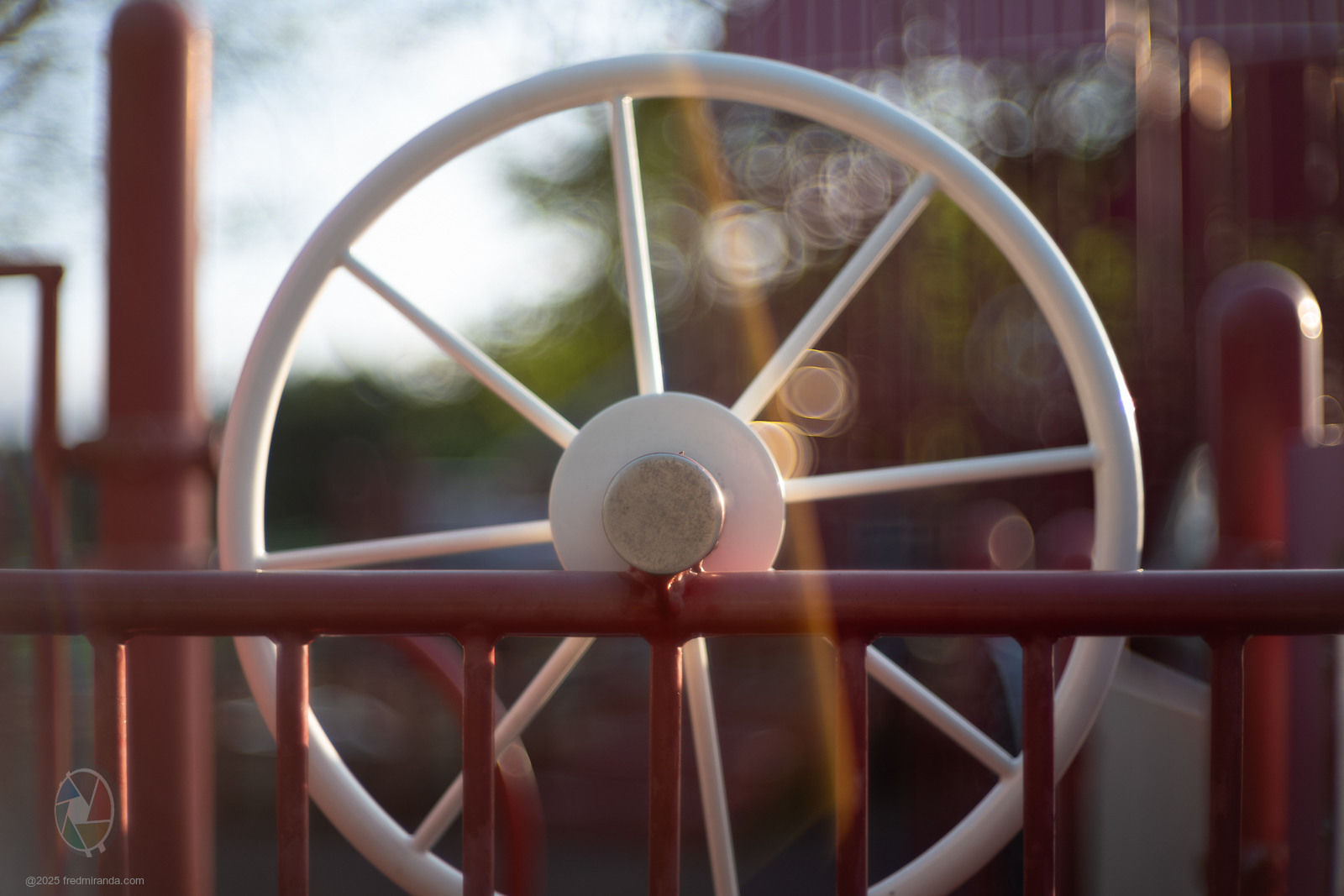
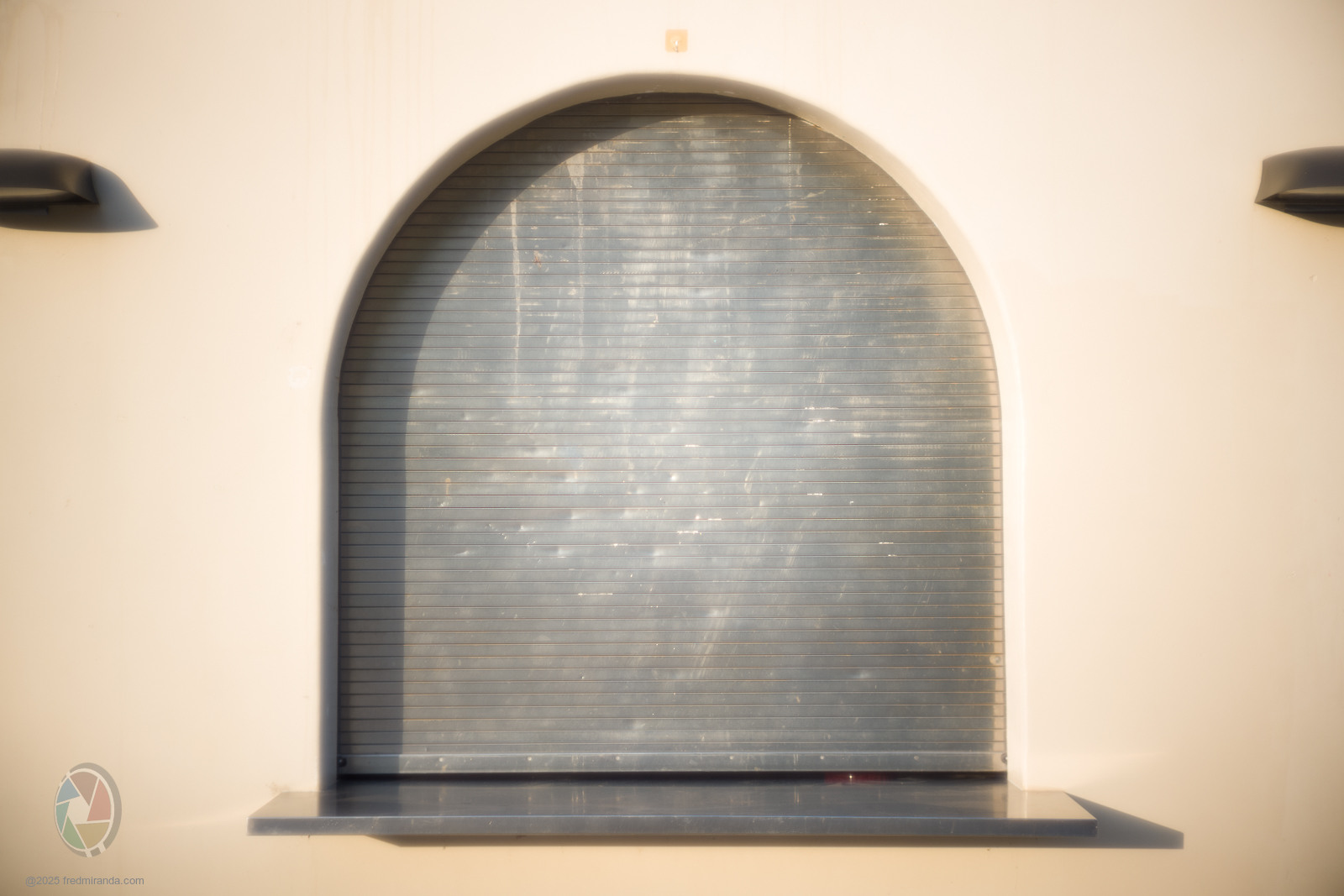

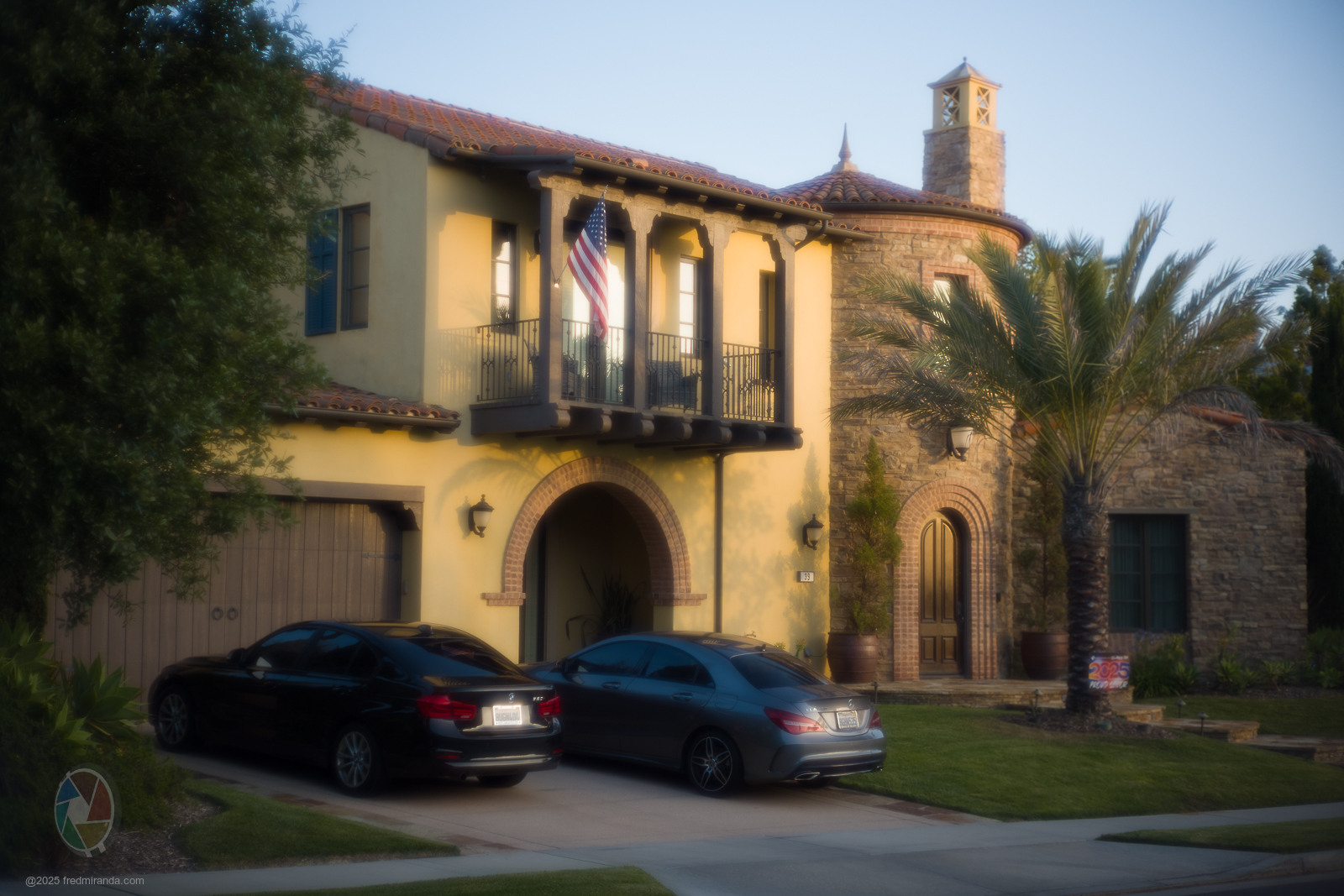
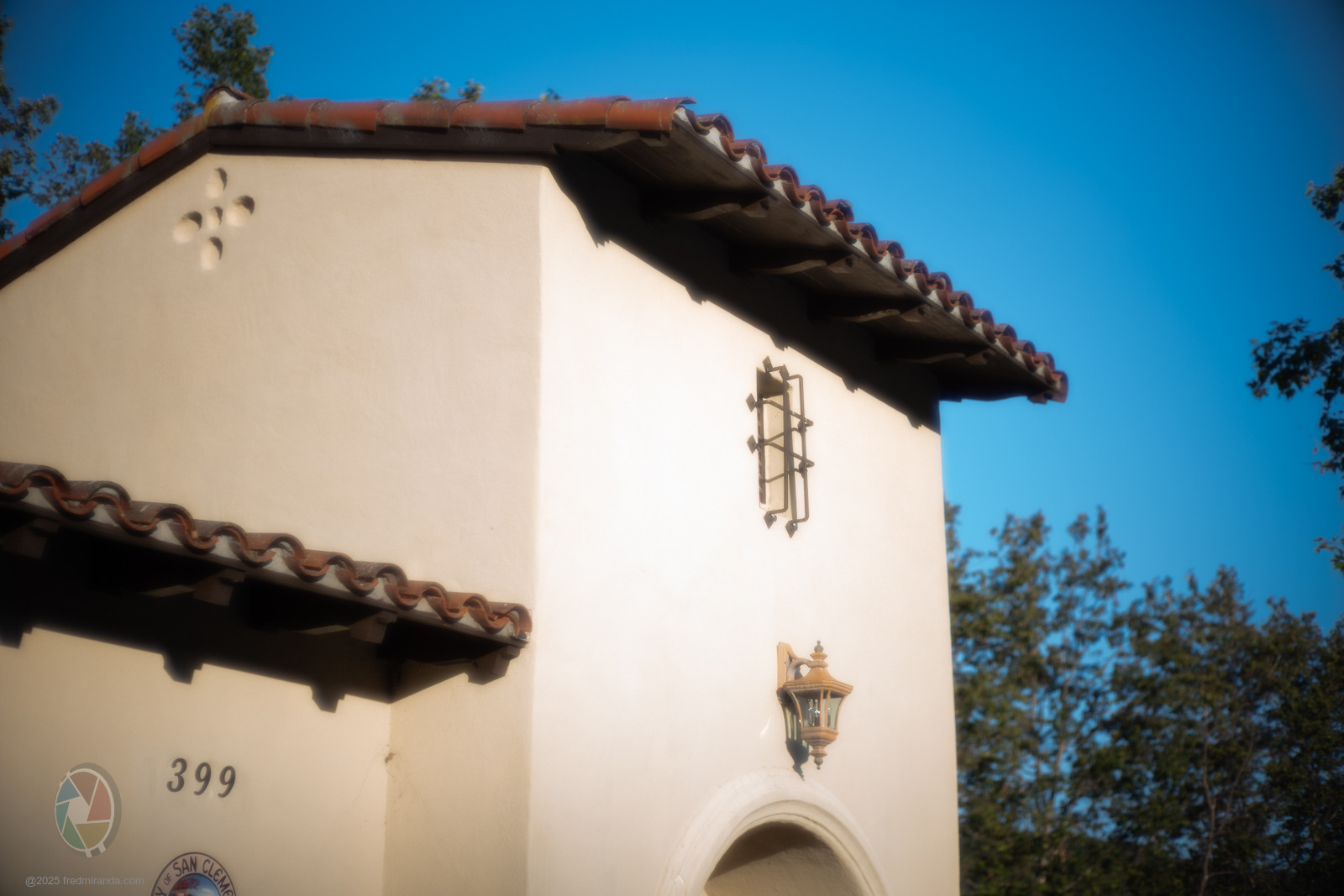


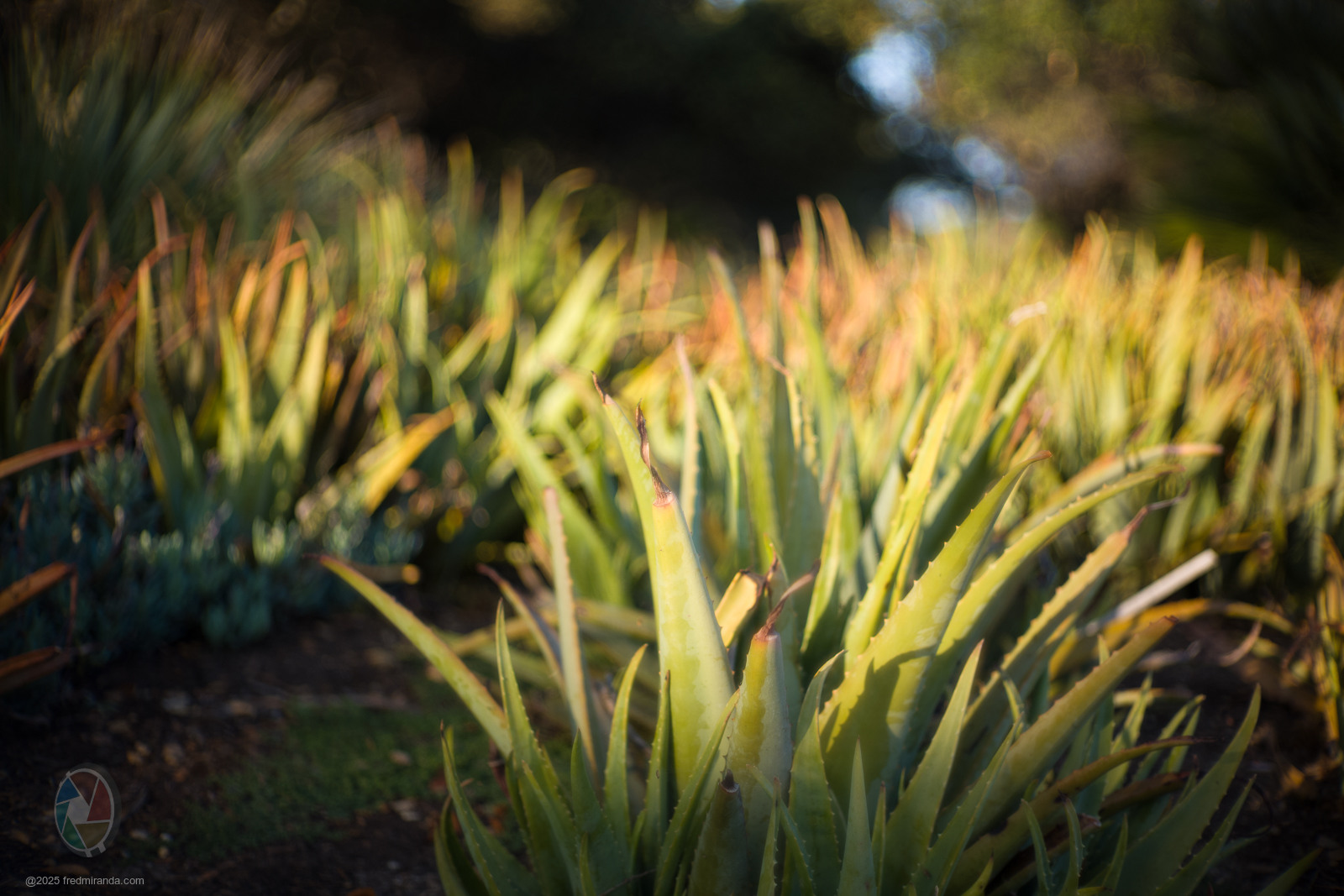
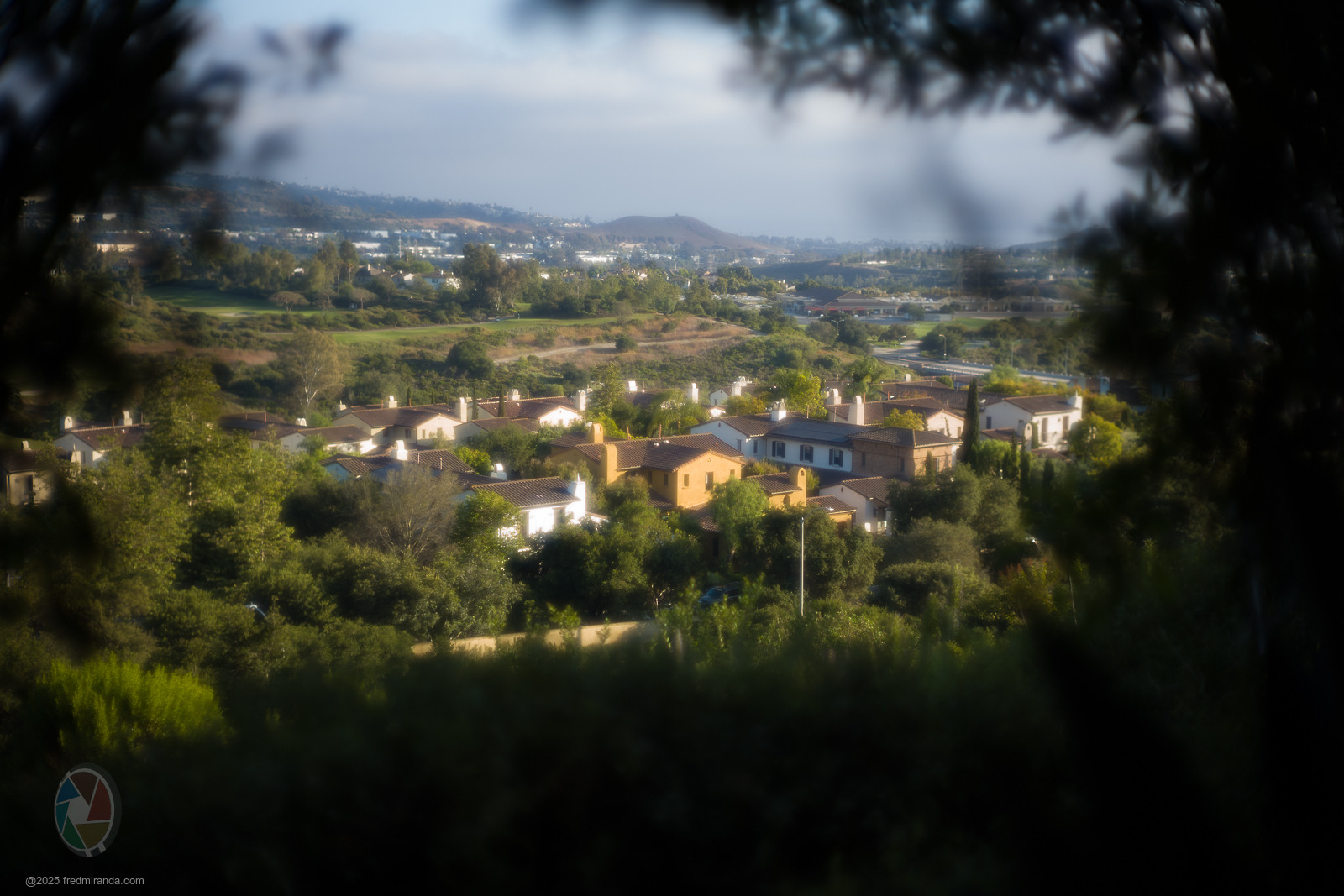

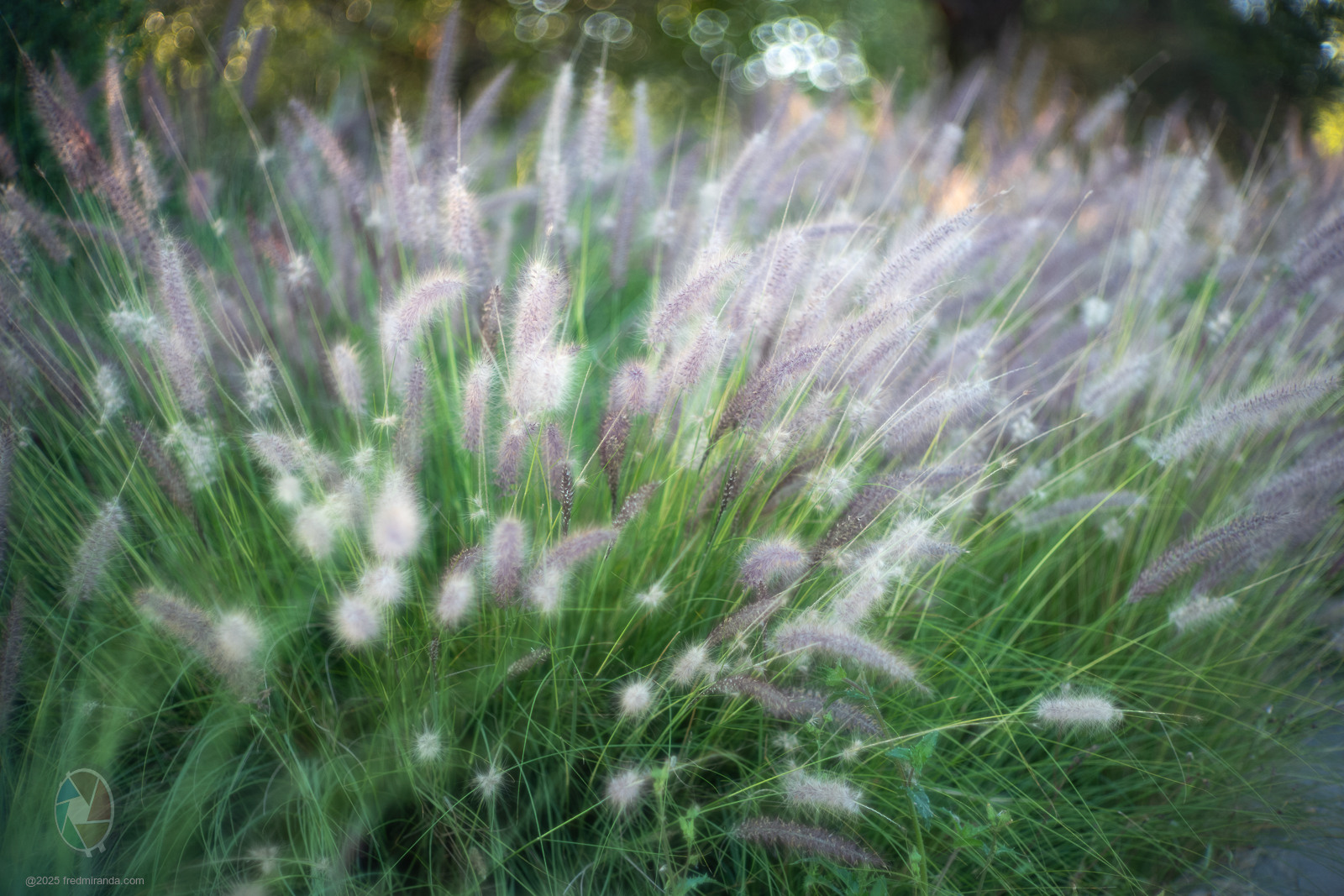

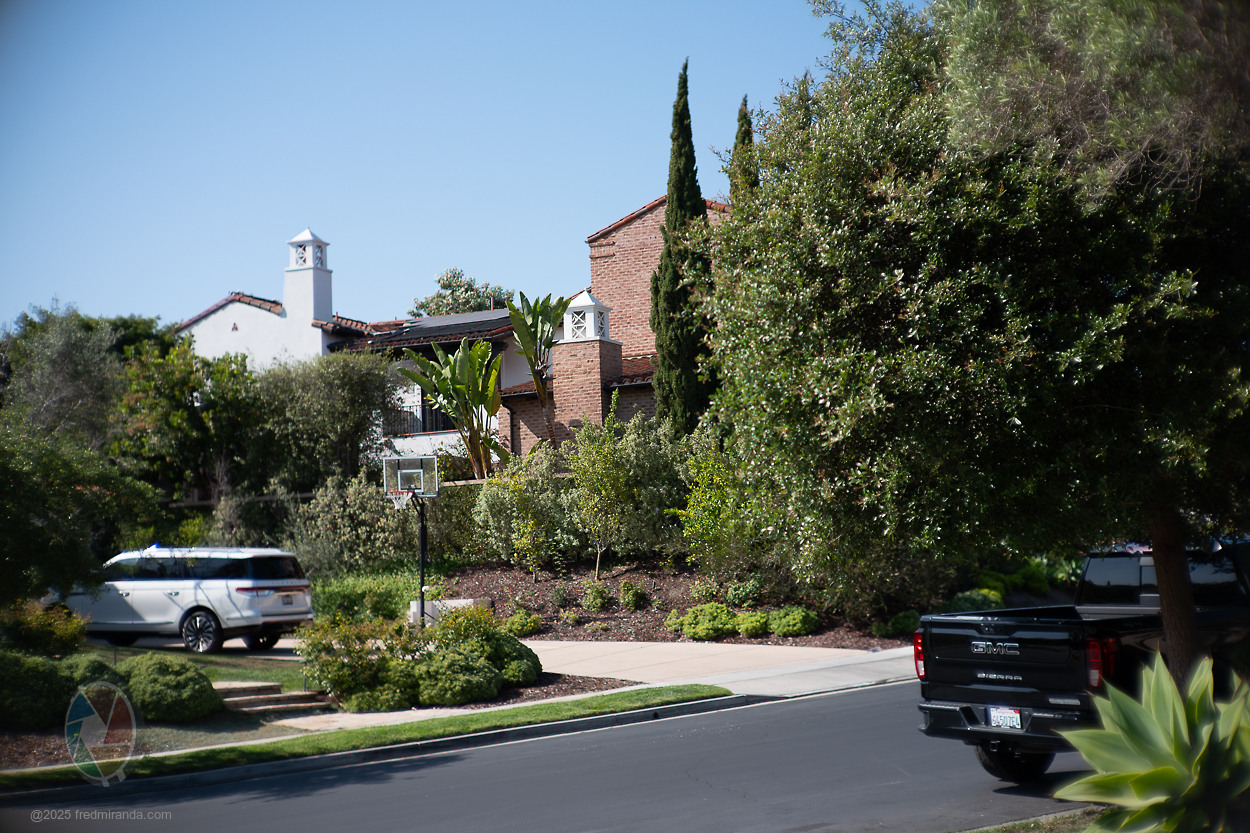
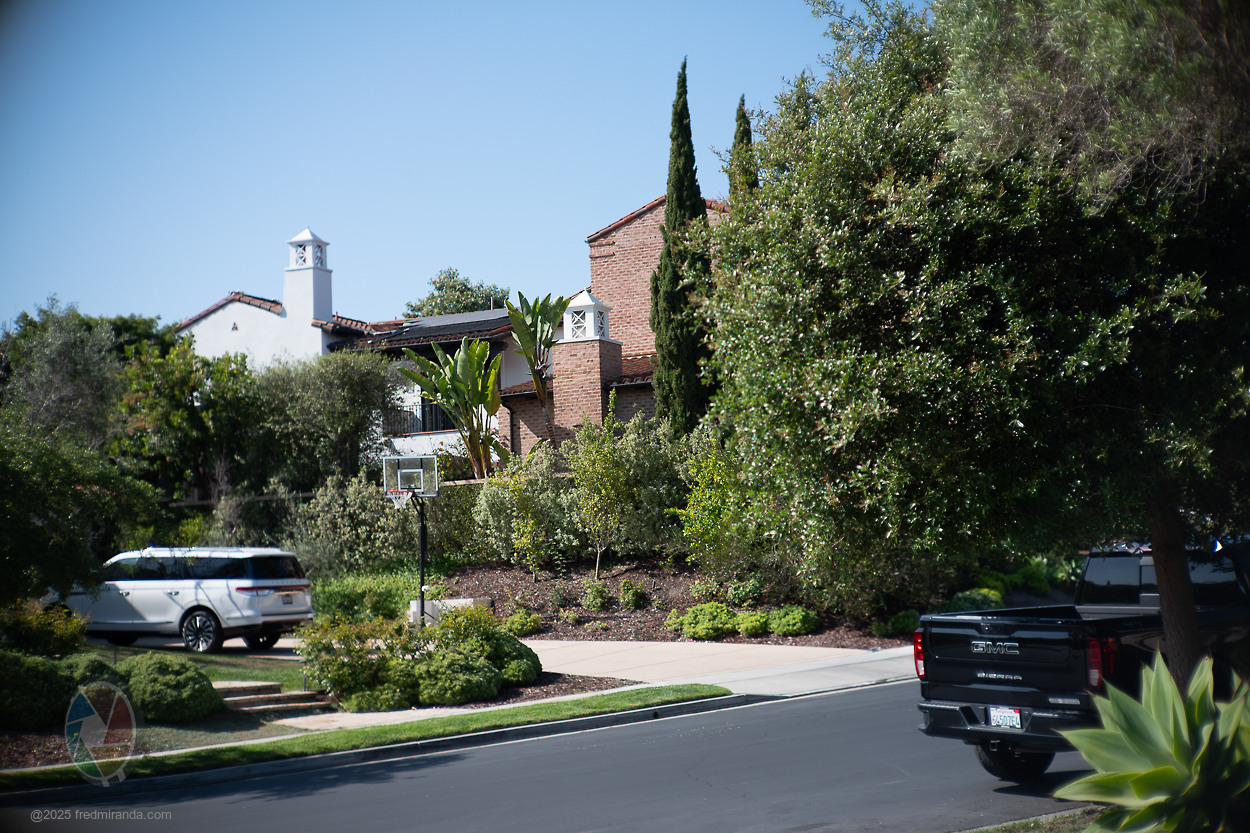
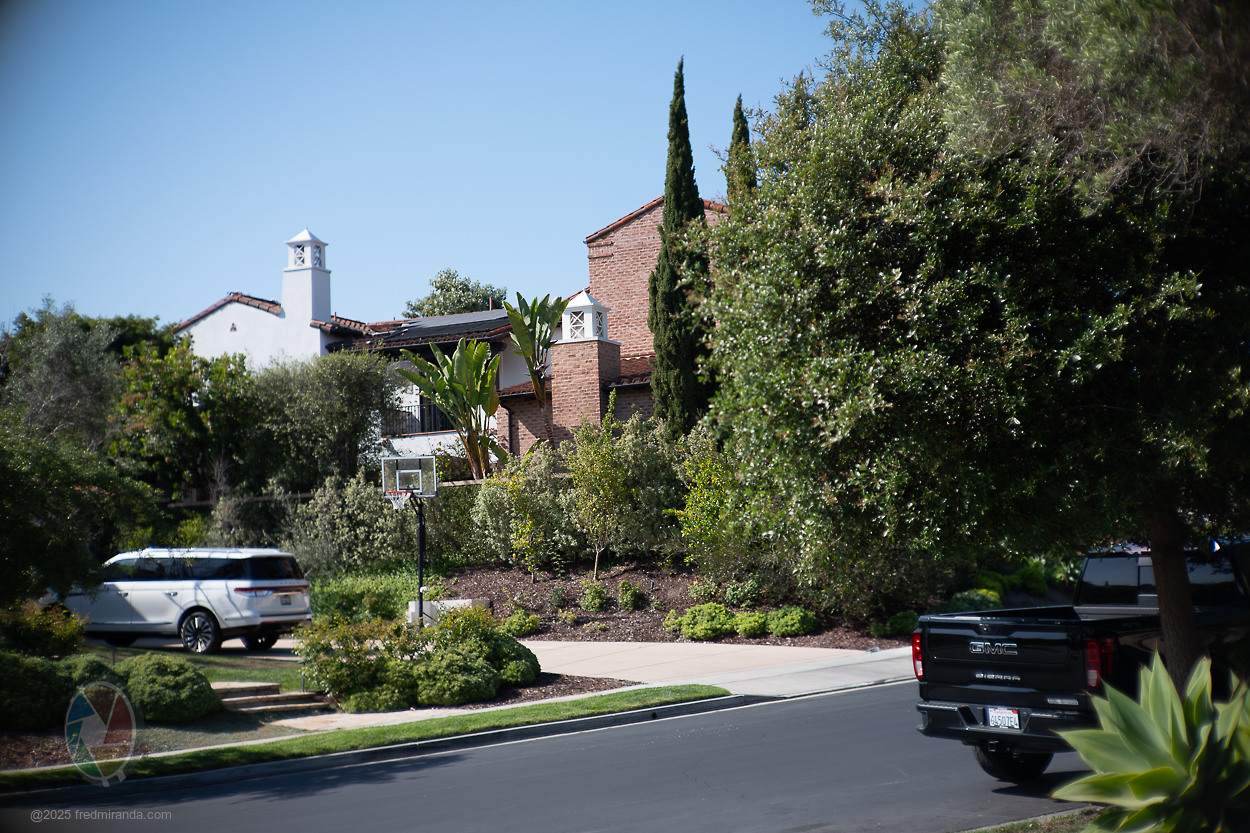
 If you look closely, there is fine detail there, just not delivered in the usual high contrast way. It is a different style of rendering, more about atmosphere and mood than clinical sharpness. Photography is all about expression and interpretation, and I respect that not every lens or look will resonate with everyone.