LeeRatters wrote:
Yes, I'm not denying it is a defect that needs to be fixed. I just wasn't sure if Eye-AF was needed or would even work at longer distances for things like group shots etc that's all. How big in the frame does the eye have to be to be detected?
Small groups. Six-eight feet easily with a 40mm. I personally haven't had experience with more, using a 35mm, but I would think it would go further.
I don't get it. I'm not a pro but even I know about CoC and DOF. If you do head shot you need to to use 135mm and yes eye-AF helps a lot. For head and shoulders you need at least 85mm and eye-AF is a big help. If you want to divorce your wife take her head shot with 35 or 40mm and post it on facebook. For a group shot use your 40 or 50mm but make sure you stop it down so everybody is in focus. And eye-AF is not going to do squat for you for a group shot. It is fun to test the lens for all kind of conditions even for ones that it will never be used like stacked focus at low light or head shot with wide angle lens.
Or you can just use the lens for what it supposed to be used and on remote possibility that you want somebody look like clown take a shot like you used to before Sony invented eye-AF. And I also agree with everybody who wants Zeiss to fix something so it works with all the features of Sony cameras and put description of stop down at close distance in advertising material.
But myself I'm happy with this lens just a way it is. I love everything about it for type of pictures I taken with it so far. I'm not going to use it for closeups , I have Sony 90mm macro for that. I have Batis 85 and 135mm for portraits. And if it is not wide enough I have 12-24 for ultra wide.
Interchangeable lens cameras are designed to be used with different lenses for a reason.
samosh wrote:
And eye-AF is not going to do squat for you for a group shot. It is fun to test the lens for all kind of conditions even for ones that it will never be used like stacked focus at low light or head shot with wide angle lens.
I don't get your point. Maybe you go on Flickr and look for all he lovely 35mm portraits there. Head shots and others.
samosh wrote:
Interchangeable lens cameras are designed to be used with different lenses for a reason.
Exactly. This allows you to shoot portraits with a 35/40mm lens in situations where you cannot use a 85mm. And maybe you miss the concept of a 40mm lens. It's a lens that basically is able to deliver decent results in various situations. Others might excel more when they are specialized and tailored to a particular field of application. But 40/50 mm are "universalits". Btw. I shot the Batis 40mm in different situations also being more than 1m away from the subject. Eye-AF failed dramatically.
I don't get your point. Maybe you go on Flickr and look for all he lovely 35mm portraits there. Head shots and others.
Exactly. This allows you to shoot portraits with a 35/40mm lens in situations where you cannot use a 85mm. And maybe you miss the concept of a 40mm lens. It's a lens that basically is able to deliver decent results in various situations. Others might excel more when they are specialized and tailored to a particular field of application. But 40/50 mm are "universalits". Btw. I shot the Batis 40mm in different situations also being more than 1m away from the subject. Eye-AF failed dramatically. ...Show more →
Clearly, zeitlos, you're just not getting it. samosh has helpfully explained the rules that determine which lens must be used for a portrait shot, depending on how much of the subject occupies the frame.
Head shot: 135mm
Head and shoulders: at least 85mm
Group shot: 40/50mm (stopped down!!!)
Failure to obey these rules risks making your subject look like a clown!
For some reason it seems you want to make environmental portraits of an individual with a normal to semi-wide angle lens, taking advantage of perspective to reveal the subject in relationship to their surroundings. This is wrong! Please get with the program and, if you're using your Batis 40 for portraits, do it correctly i.e. group shots only. (But don't forget to stop down.)
Wow, I’ve been following this lens release off and on and I’m surprised to see that this issue still exists. The premium that’s built into Zeiss lenses... “Because it’s a Zeiss!” is all fine and well, but a large plastic 40mm f/2 AF lens (that’s sorta macro-ish) for $1,300? And it was released into the wild with this kind of glitch? :/ It looks like a really useful, high performance lens, so I’m not out to bash it. But, simply out of principle I’d have a hard time parting with $1,300 for it now.
If Zeiss had gone totally bananas and launched it at the bargain basement, “practically giving it away” price of $999, not only would it be a much more exciting lens, but a snafu in the AF would also be much easier to give a pass to. Tamron’s initial AF issue on their 28-70mm f/2.8 FE lens wasn’t made into half the spectacle it could’ve been, and since Tamron got right on it, few will likely even remember.
Ah well, hopefully Tamron didn’t sign an iron clad non-compete with Zeiss it they did indeed design some of their Batis lenses, because I have a feeling Tamron has a bit of skill when it comes to super sharp f/2 optics. And I like they way they price their lenses as photographic tools, too.
genji wrote:
For some reason it seems you want to make environmental portraits of an individual with a normal to semi-wide angle lens, taking advantage of perspective to reveal the subject in relationship to their surroundings. This is wrong! Please get with the program and, if you're using your Batis 40 for portraits, do it correctly i.e. group shots only. (But don't forget to stop down.)
The only thing I agree with is that different focal lengths provide different faces (in terms of the form it produces). This really is no news I suppose.
As for the rest: Of course, if you want to stick to programs when taking pictures, do so. But don't expect your restrictions to convince others. This is absolutely up to the individuell photographer and the viewer of the pictures.
I am glad that people don't stick to rules and "programs" and instead make wonderful pictures, producing something new. Lots of the portraits here (https://www.pintaram.com/u/gosiajurasz) were taken using the fabulous Pentax 43mm 1.9.
Again, it teaches me that there is no "right" and "wrong" in photography.
But everyone as he/she pleases. That's not my point. Suggesting that we don't really need eye-af to work since you would/should never make a portrait other than group portraits at 40mm just doesn't make any sense to me. That's the only dispute here.
Edit: Just for the sake of clarity. My basic portrait lens is my Batis 85. However, shooting a portrait (even a head portrait) at 40mm is perfectly fine, depending on what you want and what situation you find yourself in.
See if I can clarify this better. I’ve been at this a long time and there are focal lengths of lenses that tend to determine subject distance, look,framing,compression and a variety of other standards that tend to be the normal usage pattern. For instance I use a 135 for head shots today but I also have used 200/300mm lenses for the same type of shot. So one could say there are certain rules to go by, but no one is going to throw you in jail if you deviate from those rules and photography is a rule breaking visual ART. These same type of shots can be done properly with little to less distortion if your framing your subject correctly and the environment is very much a part of the scene. I have shot many of high tech images of people with there work surroundings for annual report and marketing purposes and a 40mm is a great focal length for those type of images. The real trick here is being very careful how you are framing to eliminate as much facial distortion just by framing really well. So yes there are some hard fast suggested rules to follow but those rules can be broken. This comes down to more a skill issue on how you use your gear and what look you are after.
Now Eye AF. Folks I’ve been a Pro for decades this is maybe one of the most innovative technologies I have ever seen and Sony has it and I’ll never switch systems because of it. Why you may ask, well I’m a never trust auto anything kind of guy except your own skill. This is the one technology that actually does not rely on my skill, it’s that accurate and more important I actually trust it. Which is very rare for me to trust any automation. So one can downplay its usefulness and get along without it. That I can understand but it’s the most useful technology to date in a Sony system. For a lens that’s can’t use it is a lens I want to avoid for my AF.
Give you a real case scenario. Twice a year I do big runway shows that my wife and I produce. I shoot about 20k images per show. I have models walking the runway more like running to be honest. I’m shooting them with a 70-200 2.8 zoom in crop mode. AKA 300mm focal length from full body until they walk to the front of the runway which they are zooming themselves as they get closer to about waist up. I’m using Eye AF the whole time and I have used zone AFC in regular mode as well but my hit rate is far better with Eye AF. Now remember there walking at me which is the hardest on any AF system is coming to you. So Eye AF is a very powerful technology, so to be clear it’s a very welcome use case as a photographer. If I can rely on a technology that’s making my images sharp 95 percent of the time I’m going to take advantage of it. Because I can’t sell these shots if there out of focus.
What I’m reading here is someone defending their purchase. Honestly don’t do that hold Zeiss accountable for fixing the damn thing. Your doing no one any justice in the industry ,this is not about your use case but the industry at large. We need to call them on the carpet and voice our needs as a whole. This needs to be fixed be it you use it or not. It’s part of the cost of buying the lens, you want it to work at 100 percent not 75 percent or worse.
Yes you can get by without it but you are paying for it. It’s like having 2.5 seats in a 4 seater car.
My best advice on that is just being careful on your use when you do go outside the lines. But for creative stuff that maybe okay to is to exaggerate your look sometimes I think we view images from a technical point of view instead more of a ART point of view. Maybe better said don’t make it look like a accident but more a purpose if that makes sense
samosh wrote:
I don't get it. I'm not a pro but even I know about CoC and DOF. If you do head shot you need to to use 135mm and yes eye-AF helps a lot. For head and shoulders you need at least 85mm and eye-AF is a big help. If you want to divorce your wife take her head shot with 35 or 40mm and post it on facebook. For a group shot use your 40 or 50mm but make sure you stop it down so everybody is in focus. And eye-AF is not going to do squat for you for a group shot. It is fun to test the lens for all kind of conditions even for ones that it will never be used like stacked focus at low light or head shot with wide angle lens.
Or you can just use the lens for what it supposed to be used and on remote possibility that you want somebody look like clown take a shot like you used to before Sony invented eye-AF. And I also agree with everybody who wants Zeiss to fix something so it works with all the features of Sony cameras and put description of stop down at close distance in advertising material.
But myself I'm happy with this lens just a way it is. I love everything about it for type of pictures I taken with it so far. I'm not going to use it for closeups , I have Sony 90mm macro for that. I have Batis 85 and 135mm for portraits. And if it is not wide enough I have 12-24 for ultra wide.
Interchangeable lens cameras are designed to be used with different lenses for a reason. ...Show more →
The situation I had in my mind's eye for "small groups" was of my niece at her wedding interacting, in a variegated dim/bright interesting light with several friends, where I wanted her face and eyes in sharp focus with everything else a touch softer and the fairly lights behind her much softer. Eye-AF very useful there. Shot with a 35mm. I was probably 10-12 feet away.
Jan 19, 2019 at 09:06 AM
Steve Spencer Online • • • • • • • Upload & Sell: Off
zeitlos wrote:
The only thing I agree with is that different focal lengths provide different faces (in terms of the form it produces). This really is no news I suppose.
As for the rest: Of course, if you want to stick to programs when taking pictures, do so. But don't expect your restrictions to convince others. This is absolutely up to the individuell photographer and the viewer of the pictures.
I am glad that people don't stick to rules and "programs" and instead make wonderful pictures, producing something new. Lots of the portraits here (https://www.pintaram.com/u/gosiajurasz) were taken using the fabulous Pentax 43mm 1.9.
Again, it teaches me that there is no "right" and "wrong" in photography.
But everyone as he/she pleases. That's not my point. Suggesting that we don't really need eye-af to work since you would/should never make a portrait other than group portraits at 40mm just doesn't make any sense to me. That's the only dispute here.
Edit: Just for the sake of clarity. My basic portrait lens is my Batis 85. However, shooting a portrait (even a head portrait) at 40mm is perfectly fine, depending on what you want and what situation you find yourself in. ...Show more →
I think what you missed, and it is easy to do on the internet and even easier when English is not your native language, is that genji was being sarcastic. He was actually poking fun at samosh's position. It was a bit harsh, perhaps, because in my view samosh might well be right for his use of the lens and he is entitled to use it the way he wants (even if I think, as I do, that samosh is putting artificial constraints on how to use a 40mm lens), but that was what it seems clear to me that genji was doing.
I understand that some people want to hold Zeiss' feet to the fire and get a firmware fix that addresses eye AF and perhaps some other issues as well and dislike reports that may undermine that goal, but frankly I don't think forum posts are going to affect Zeiss' actions much if at all. If you want to take action to try to move Zeiss along there are a lot better ways to do so. Instead I think people should be able to talk from their different perspectives about how useful the lens would be to them. Yeah, people will have their biases. Some who bought the lens will be justifying their purchase. Some who bought the lens and returned it will be justifying their decision to return. Some who have not bought the lens and want this type of lens (like me) will have evaluations affected by their desire for the lens, and on and on. That is the way it always is and is nothing new for this lens. So, I say let people speak freely about their evaluations of the lens and how the lens fits their usage pattern.
Steve Spencer wrote:
I think what you missed, and it is easy to do on the internet and even easier when English is not your native language, is that genji was being sarcastic. He was actually poking fun at samosh's position. It was a bit harsh, perhaps, because in my view samosh might well be right for his use of the lens and he is entitled to use it the way he wants (even if I think, as I do, that samosh is putting artificial constraints on how to use a 40mm lens), but that was what it seems clear to me that genji was doing. ...Show more →
If that was the case I apologize for misunderstanding the post. As you mentioned, it’s not my mother tongue and I try to do my best to survive
I find 35 to be a great portrait lens.
Big and wide heads get slimmer with a 35. Its very flattering. 135 accentuates that fatness.
samosh wrote:
I don't get it. I'm not a pro but even I know about CoC and DOF. If you do head shot you need to to use 135mm and yes eye-AF helps a lot. For head and shoulders you need at least 85mm and eye-AF is a big help. If you want to divorce your wife take her head shot with 35 or 40mm and post it on facebook. For a group shot use your 40 or 50mm but make sure you stop it down so everybody is in focus. And eye-AF is not going to do squat for you for a group shot. It is fun to test the lens for all kind of conditions even for ones that it will never be used like stacked focus at low light or head shot with wide angle lens.
Or you can just use the lens for what it supposed to be used and on remote possibility that you want somebody look like clown take a shot like you used to before Sony invented eye-AF. And I also agree with everybody who wants Zeiss to fix something so it works with all the features of Sony cameras and put description of stop down at close distance in advertising material.
But myself I'm happy with this lens just a way it is. I love everything about it for type of pictures I taken with it so far. I'm not going to use it for closeups , I have Sony 90mm macro for that. I have Batis 85 and 135mm for portraits. And if it is not wide enough I have 12-24 for ultra wide.
Interchangeable lens cameras are designed to be used with different lenses for a reason. ...Show more →
Jan 19, 2019 at 10:39 AM
Steve Spencer Online • • • • • • • Upload & Sell: Off
nandadevieast wrote:
I find 35 to be a great portrait lens.
Big and wide heads get slimmer with a 35. Its very flattering. 135 accentuates that fatness.
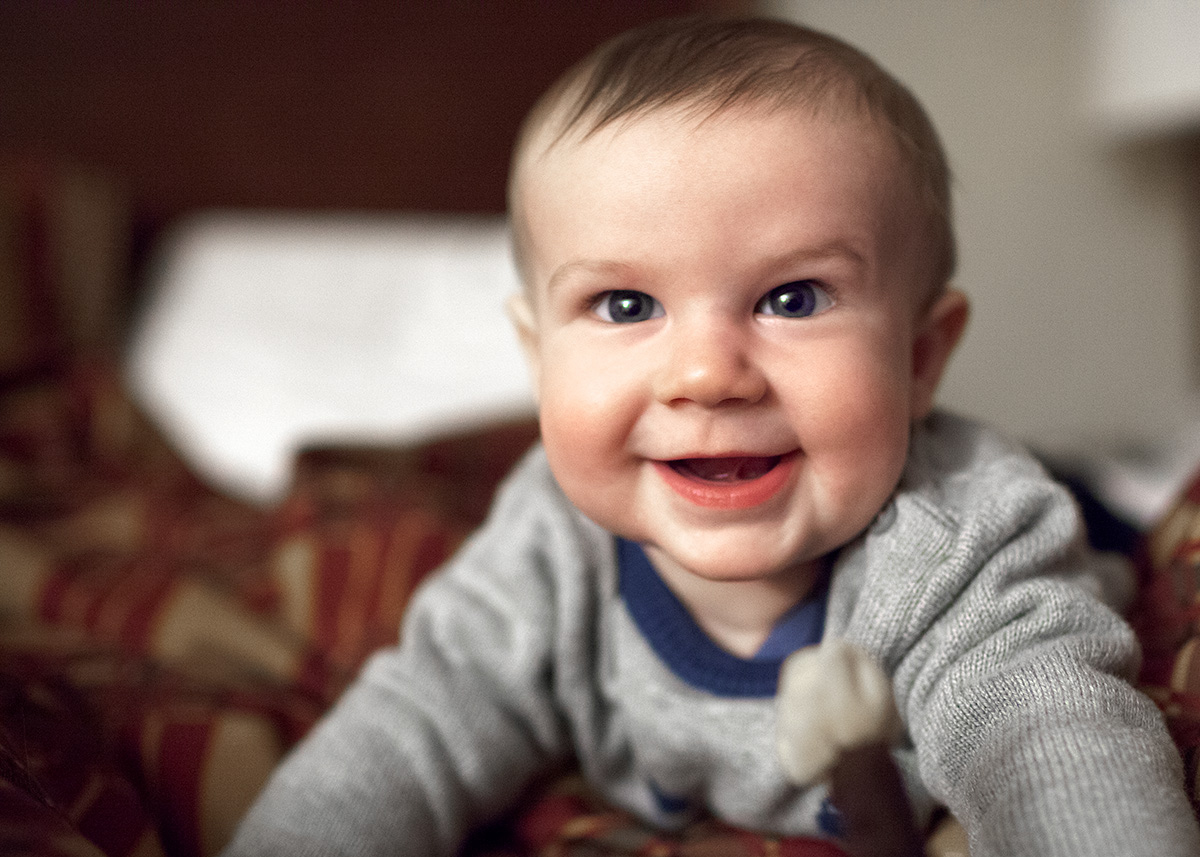
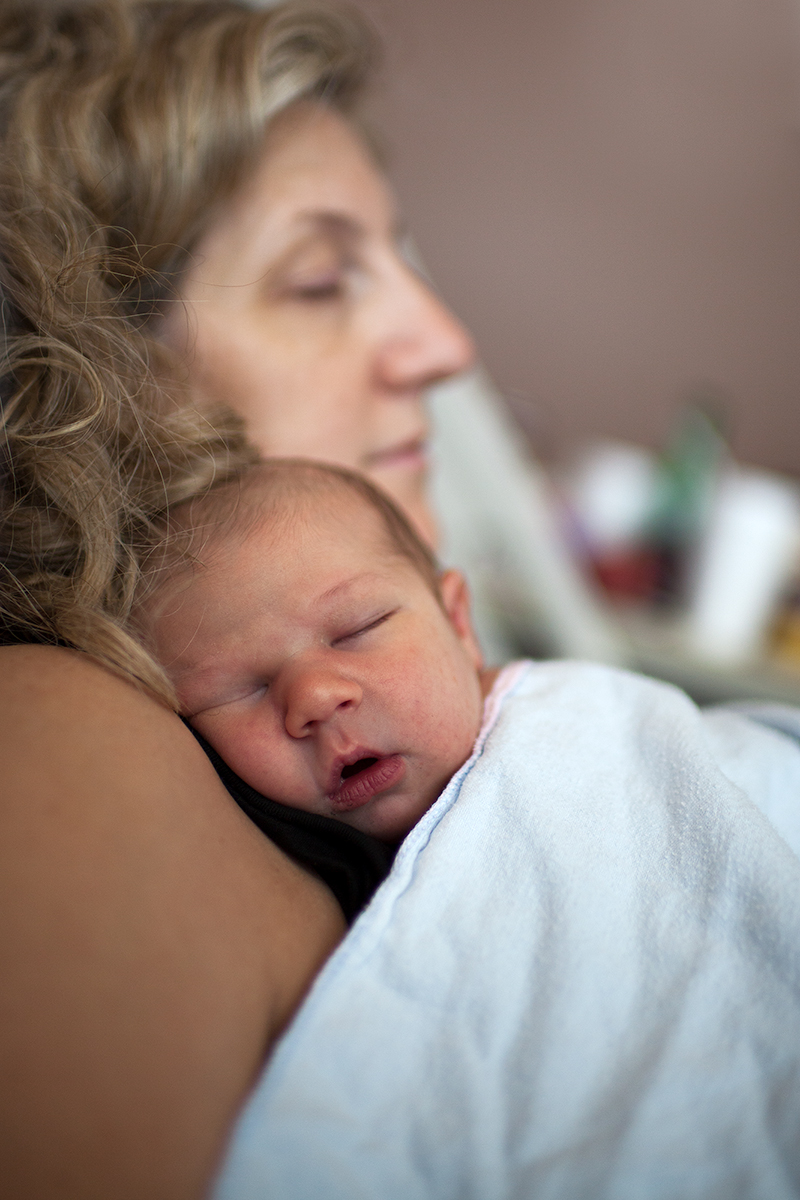
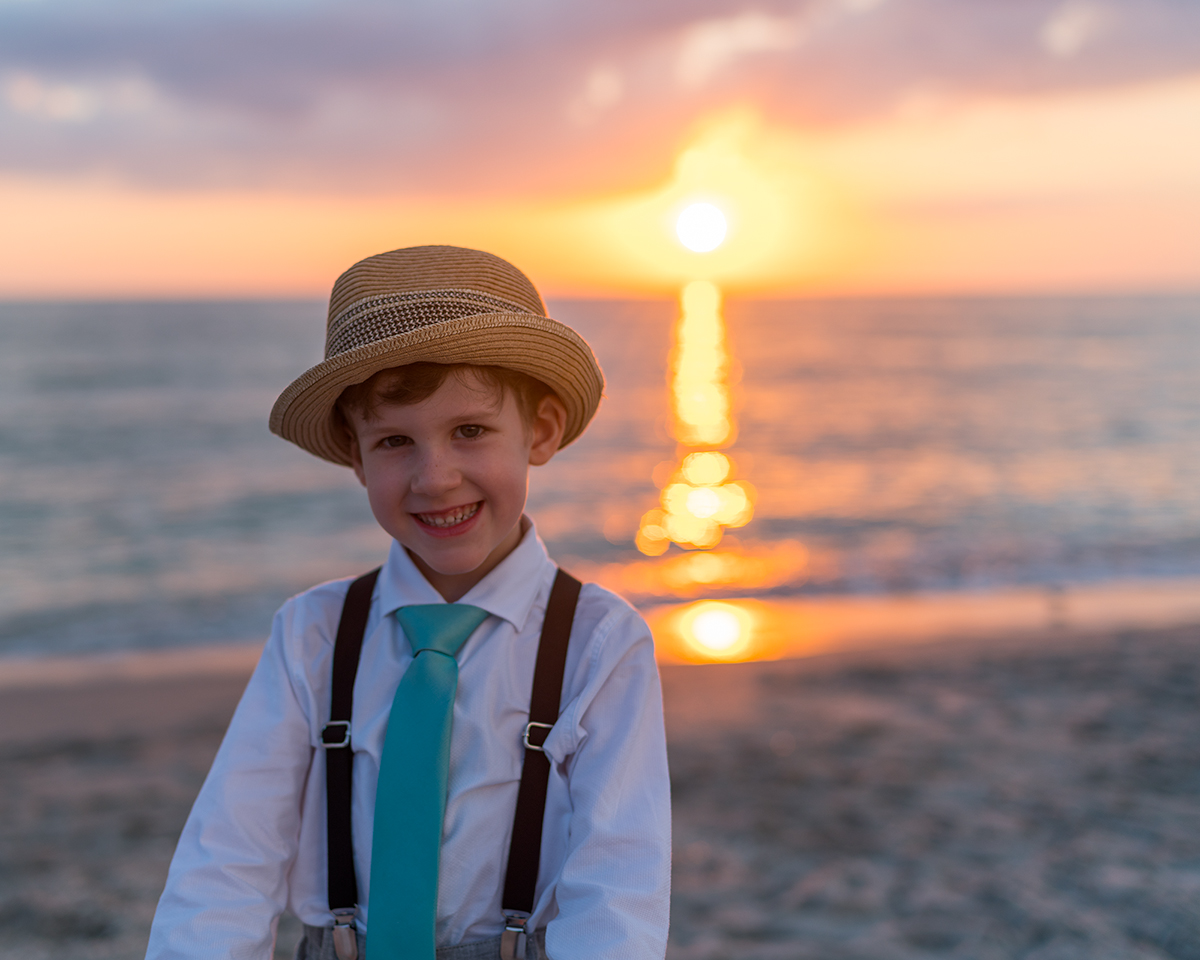
I find that 35 or 40 does tend to make noses look a bit bigger, so not always the most flattering especially close up. Of course that depends on your subject. One of my favorite shots of my son when he was a baby, which I will post below, was with a 35mm. And one of my favorite shots of all time was of my son sleeping on my wife's shoulder just after he was born, (I'll post that one too). Finally, I will post what I feel is my best image of my son last year taken with a 40, this one shows, I think, how this focal length can be used for environmental portraits. A 35 or 40 has proved a very versatile lens for me. It may not be the most flattering portrait lens, but it can produce some nice results and I use that focal length range quite a bit even for portraits.
Three portraits I took with 40/31 mm primes. Personally I see no reason why these pictures should not have been taken just because the focal length isn't fitting the "rules".
nandadevieast wrote:
I find 35 to be a great portrait lens.
Big and wide heads get slimmer with a 35. Its very flattering. 135 accentuates that fatness.
This is actually a very important point that I personally had never heard or reflected on before. It points to the way that a wider lens can, against all the usual advice, be used to make more flattering portraits of some faces than would be made with a longer lens.
Steve Spencer wrote:
I think what you missed, and it is easy to do on the internet and even easier when English is not your native language, is that genji was being sarcastic. He was actually poking fun at samosh's position. It was a bit harsh, perhaps, because in my view samosh might well be right for his use of the lens and he is entitled to use it the way he wants (even if I think, as I do, that samosh is putting artificial constraints on how to use a 40mm lens), but that was what it seems clear to me that genji was doing. ...Show more →
Steve, your criticism of my post is well taken.
I wasn't criticising samosh's rules, which are useful general guidelines but rather the doctrinaire, pedantic tone with which they were expressed. Irony and sarcasm are such an integral component of Australian humour that an Australian government website for overseas students planning to study here deems it necessary to provide the following explanation:
The conception of Australians as brash, harsh or even crude is simply a misunderstanding of Australian social codes, politeness markers and sense of humour.
Australian humour is incredibly dry, sarcastic and at times self-deprecating, and gleans its material from social values of openness and directness. Humour may come across as brash or even crude to those who aren’t used to it, but is really just a unique way of commandeering irony and sarcasm. Humour is a key part of Australian culture, and always comes from a place of good intent: to make people laugh.
However, you are correct to point out that ironic or sarcastic humour doesn't travel well on the internet and, more importantly, can create real misunderstanding for non-native English speakers. So, while I believe my post made an important point in a humorous way, I acknowledge that my tone invited misinterpretation. In future, for the reasons you've articulated, I'll do my best not to employ irony or sarcasm as a rhetorical device.


 not only would it be a much more exciting lens, but a snafu in the AF would also be much easier to give a pass to. Tamron’s initial AF issue on their 28-70mm f/2.8 FE lens wasn’t made into half the spectacle it could’ve been, and since Tamron got right on it, few will likely even remember.