saaketham wrote:
@bs kite@
We go there often enough that we got memberships 3 months ago. So lucky to live in the midwest. 🙂
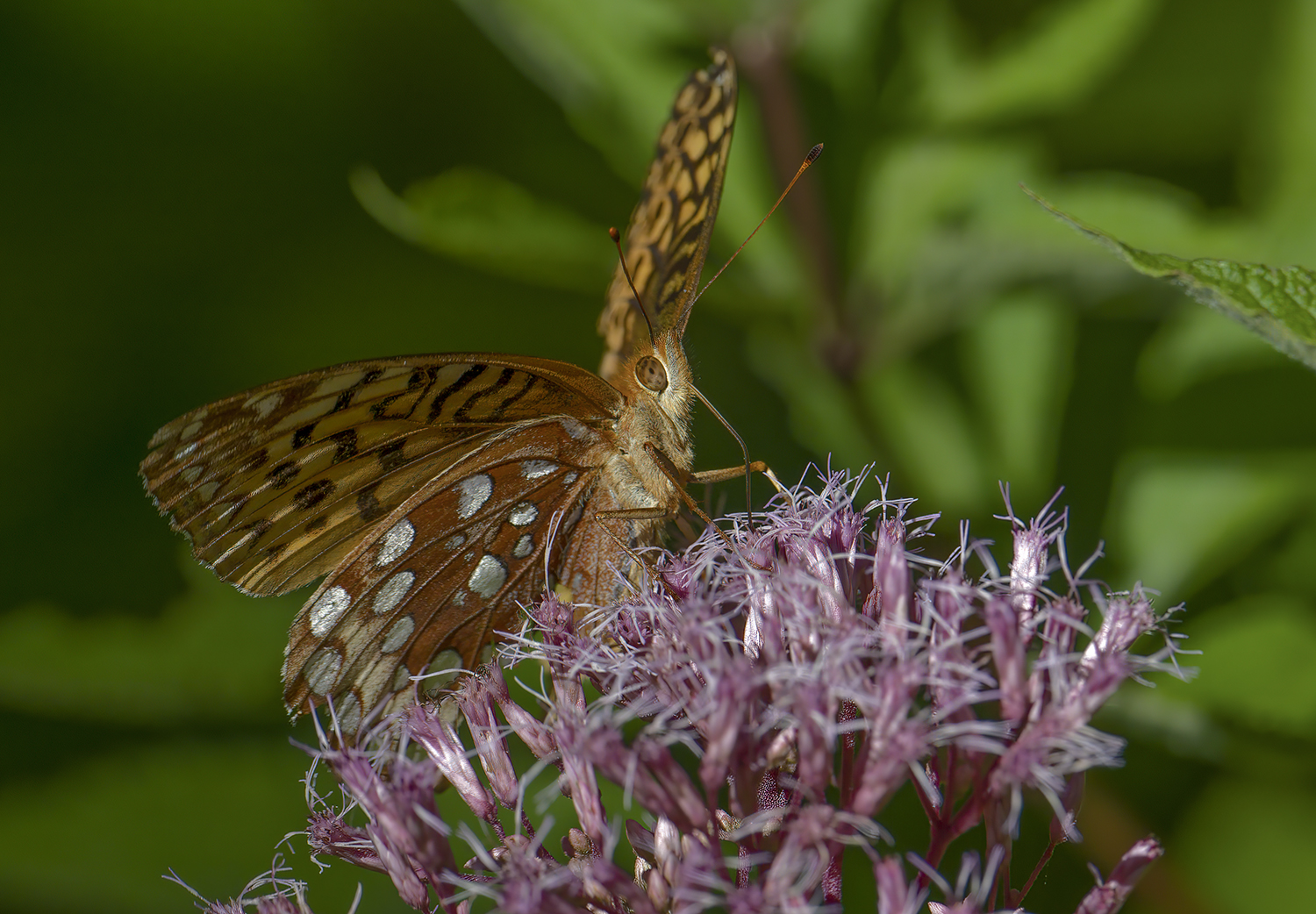
As for your butterfly, is it a black swallowtail?
My initial thought was an Eastern Giant Swallowtail (is that the name... not sure?). But honestly, I have not looked in a field guide yet. You could be right. I do not think it is the EGS because the black borders seem too bold.
I was in the St. Louis Dome in March 2021 helping with vaccines. I had a notion to go to the Missouri Botanical Gardens but....
Now I wish I knew you then. You could have been my guide for an hour or two in there.
Is it both outside and inside? If some of it is outside, surely it attracts butterflies. No?
Hope to see some of your images posted from there.
They have a tropical conservatory which is my favorite place there - lots of plants, trees and flowers that grow in the tropics.
The outside grounds is beautiful as well. Forest Park is also really beautiful.
If you're ever in St. Louis, please let me know.
There is definitely a correlation between cricket chirps (and frequency of the chirps) and temperature. Here is something from Farmer's Almanac. Not sure of its accuracy but I suspect it is close.
saaketham wrote:
They have a tropical conservatory which is my favorite place there - lots of plants, trees and flowers that grow in the tropics.
The outside grounds is beautiful as well. Forest Park is also really beautiful.
If you're ever in St. Louis, please let me know.
If it happens again I will definitely let you know. Thank you.
I certainly do know that the real time experience is much better than photos can convey, this is part of the reason I love to get out and enjoy nature so much. Photography is just a way to push me to go out and do it.
Yes, Spring is in a couple of days and the birds and animals are already "doing their thing". It's a good time to get out and about, if I can manage it.
I can't remember where I originally read it, but NWF also states that you should have the species native to your area for best results. I'm far from an expert, just something I happened across and it stuck. I may convert some of my backyard area and avoid the gaze of the city for a while
My city drives around every week looking to plant these 2 foot by 3 foot signs in your yard if the grass is unkempt. One week I got one, and just to measure how tall it was, I took a four pack of D cell batteries out there to measure.. it was as tall as the pack.
bs kite wrote:
Thank you for your kind comment on the imagery. I appreciate that.
I think that the municipality I pay taxes to is slack when it comes to exotic and nuisance species.
But that can be advantageous here, because people here convert lawns to wildflowers (if they desire to) or let lawns go into wildflowers, and the municipality can KTA's .......
Thank you for responding. Not sure I understand the comment about making sure the variety is from my area. My intent is not to challenge you on that, so you may choose not to explain that. And yes, there may often be a variety within any species, beyond the specific epithet. You are right.
Just wanted to post that second link below, from the NWF, listing all the native milkweeds. Now perhaps you know more about this and I would welcome any references you have.... or personal observations (personal observations are accepted in any technical nature paper )
NightOwl Cat wrote:
I can't remember where I originally read it, but NWF also states that you should have the species native to your area for best results. I'm far from an expert, just something I happened across and it stuck. I may convert some of my backyard area and avoid the gaze of the city for a while
My city drives around every week looking to plant these 2 foot by 3 foot signs in your yard if the grass is unkempt. One week I got one, and just to measure how tall it was, I took a four pack of D cell batteries out there to measure.. it was as tall as the pack.
I have a bunch of links saved on "butterfly gardening". I saved that one. I think you are right because National Wildlife Federation is highly credible. Thanks.
bs kite wrote:
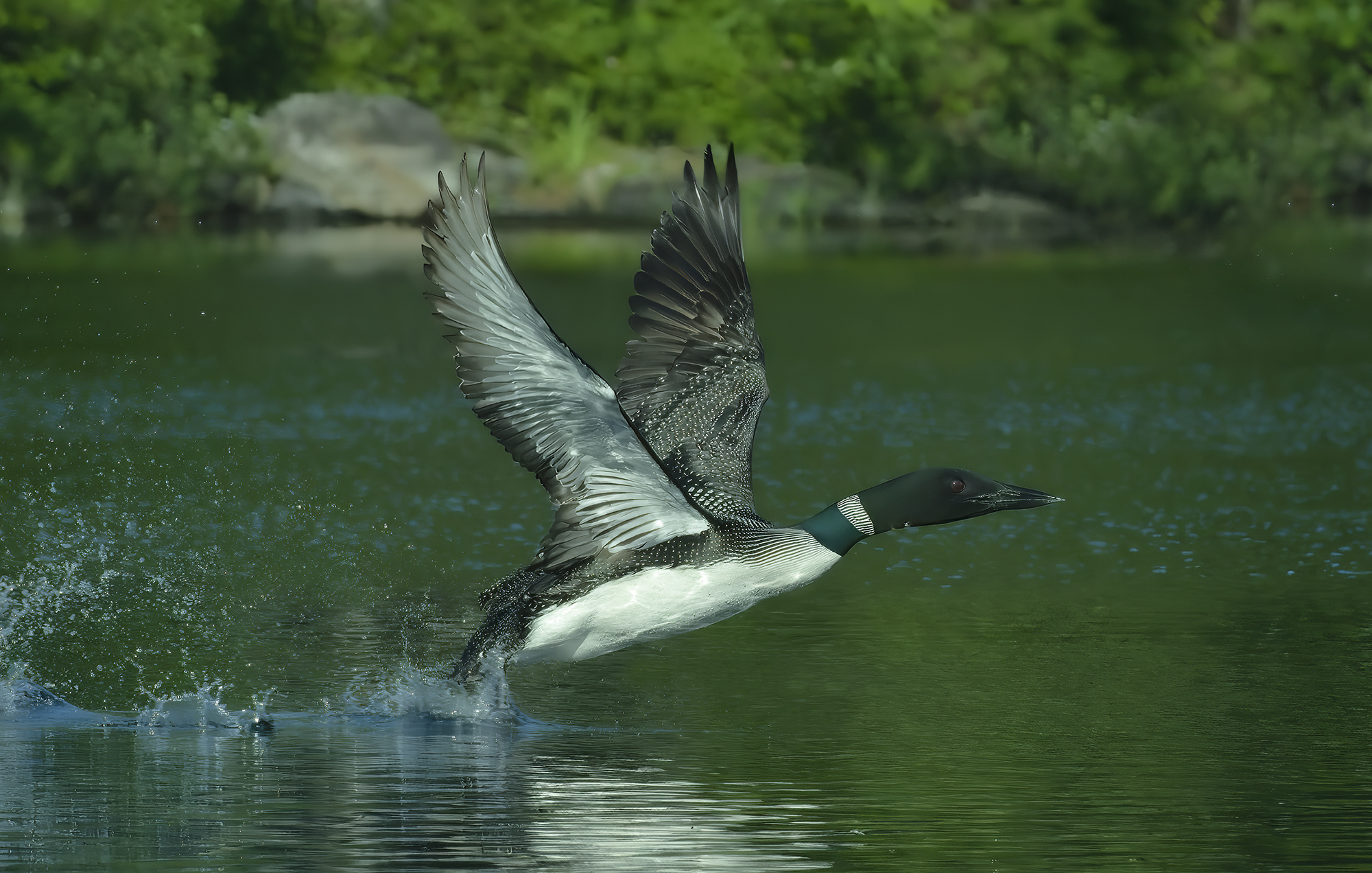
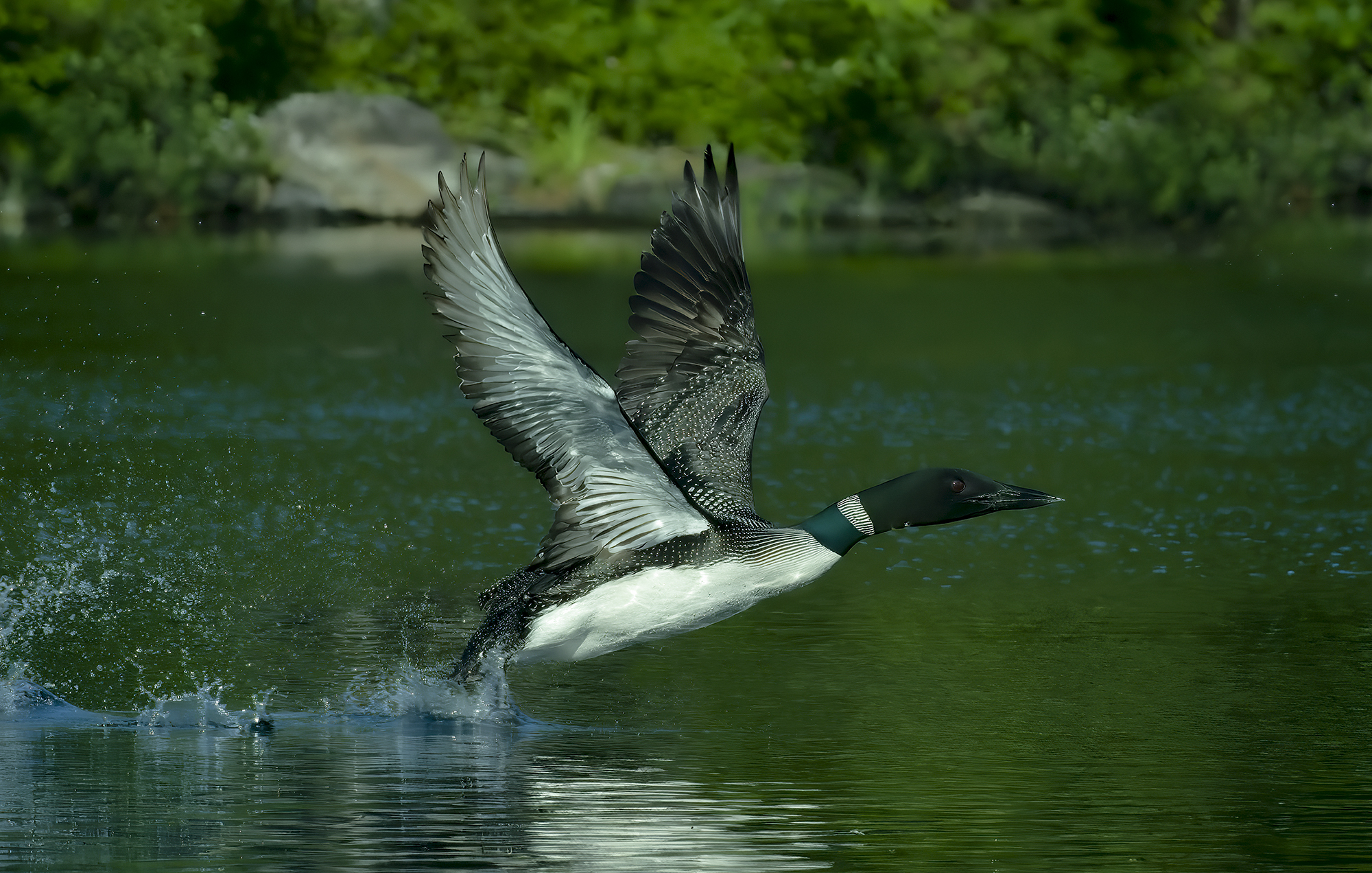
Here's 3 loon images from a basin loons love!
The 3rd image needs a point made. As you suspect, the parents have infinite patience with their chicks. Here, the parent approaches the first (of 2) chick with the crayfish.
But notice that the chick is out of the DOF. It is not even looking at the crayfish, probably because it is full at the moment. Its sibling is behind it and it accepted the crayfish. They must digest food very fast, because this chick that is not accepting the crayfish, will accept the next offering, which will happen in just a minute of so.
The parents need about 90 days to stuff () enough energy into their one or two chicks to develop them to the point where they are able to fly from the basin.
These two chicks on this basin hatched in the first week of July. I plan on getting to see them again next week, which will be about 60 days of development (like the 4th image I am guessing)
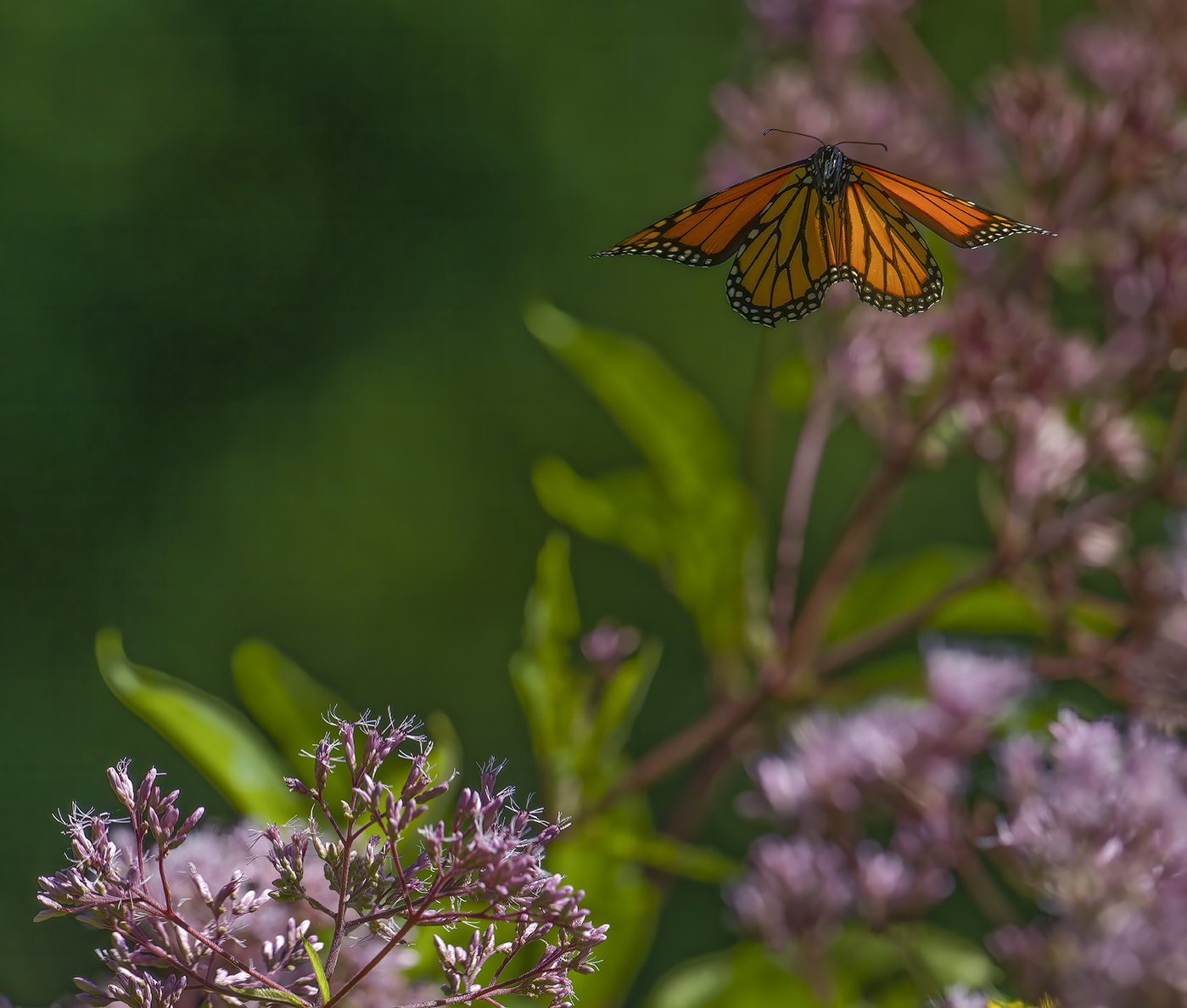
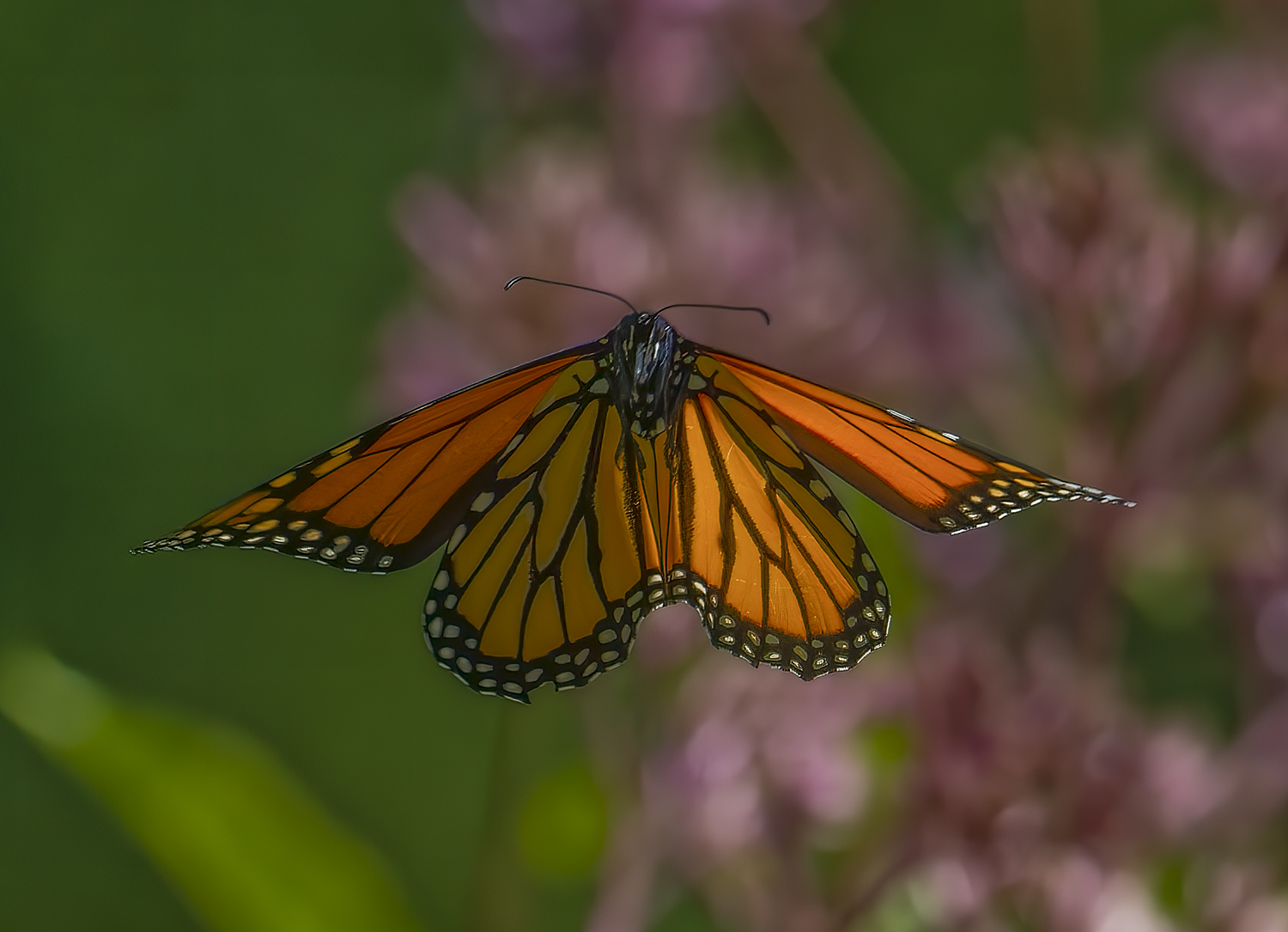
The International Union for Conservation of Nature "Red-listed" the Monarch last July (2022).
No government or organization can recover the Monarch. But the people of America, Canada and Mexico can. And it can happen relatively quickly. And the Monarch recovers, *all* the pollinators will benefit from its recovery.
A wildflower garden (a meadow!) can be started in just days and yield nectar-producing wildflowers in just weeks. Once the flowers open, the pollinators find them very quickly. However, this turns into a fascinating multi-year adventure. There’s a lot on the internet now, on how to recover/create a meadow. I saved a bunch of these references and will post a few here.
I believe there's a Continents-wide movement, to recover the Monarch. (America, Canada and Mexico).
______