NissanPatrol wrote:
The D500 and D850 some of the best cameras produced ever
Some times I ask my self why did I had to buy the Z9
I have the Z6ii, Z7 and D500......I can't tell you the number of times I've looked through the OVF of the D500 to have a peek at the shot I just took . So I definitely have Z9 envy at times but the D500 was and still is a great sports and wildlife camera.
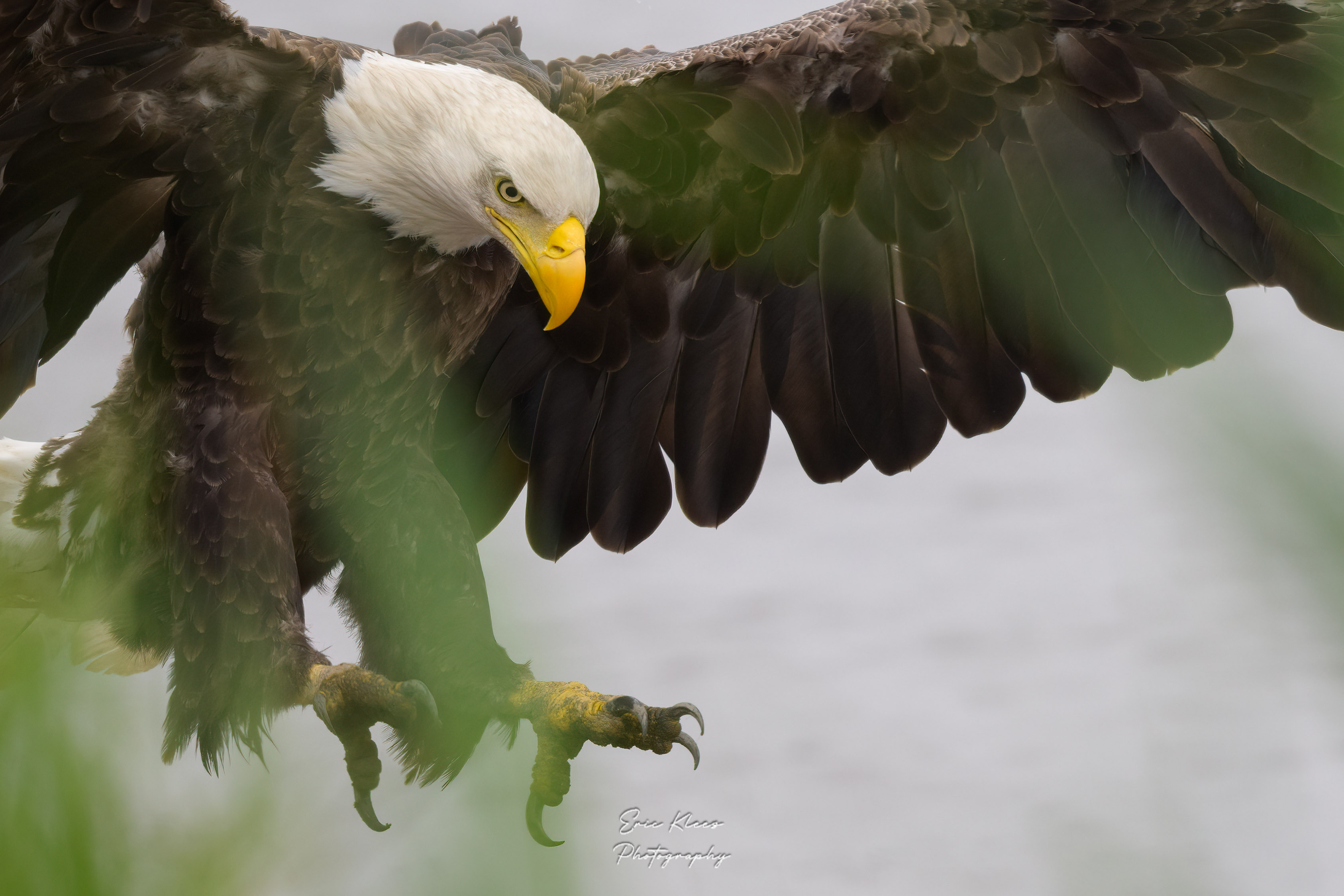
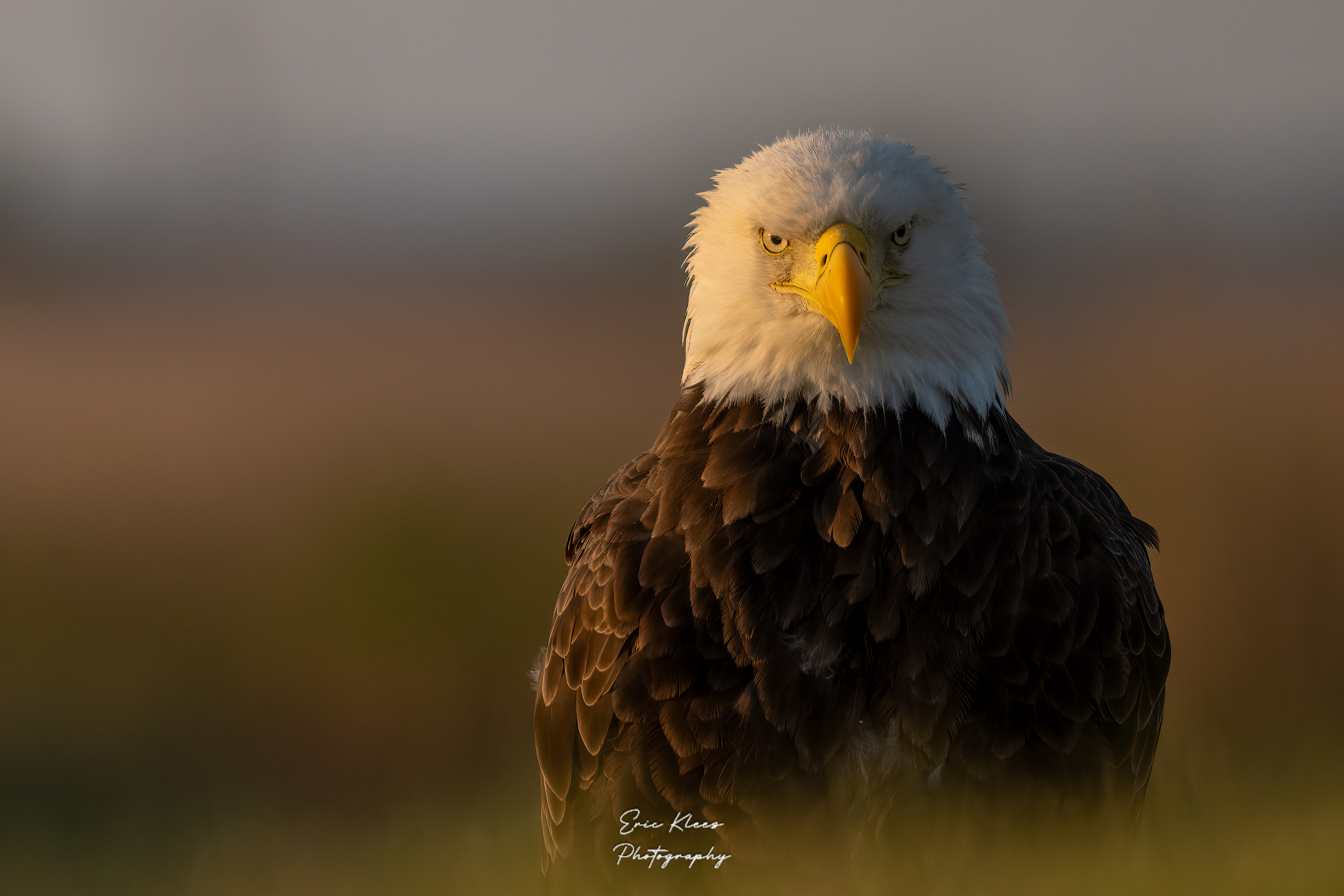
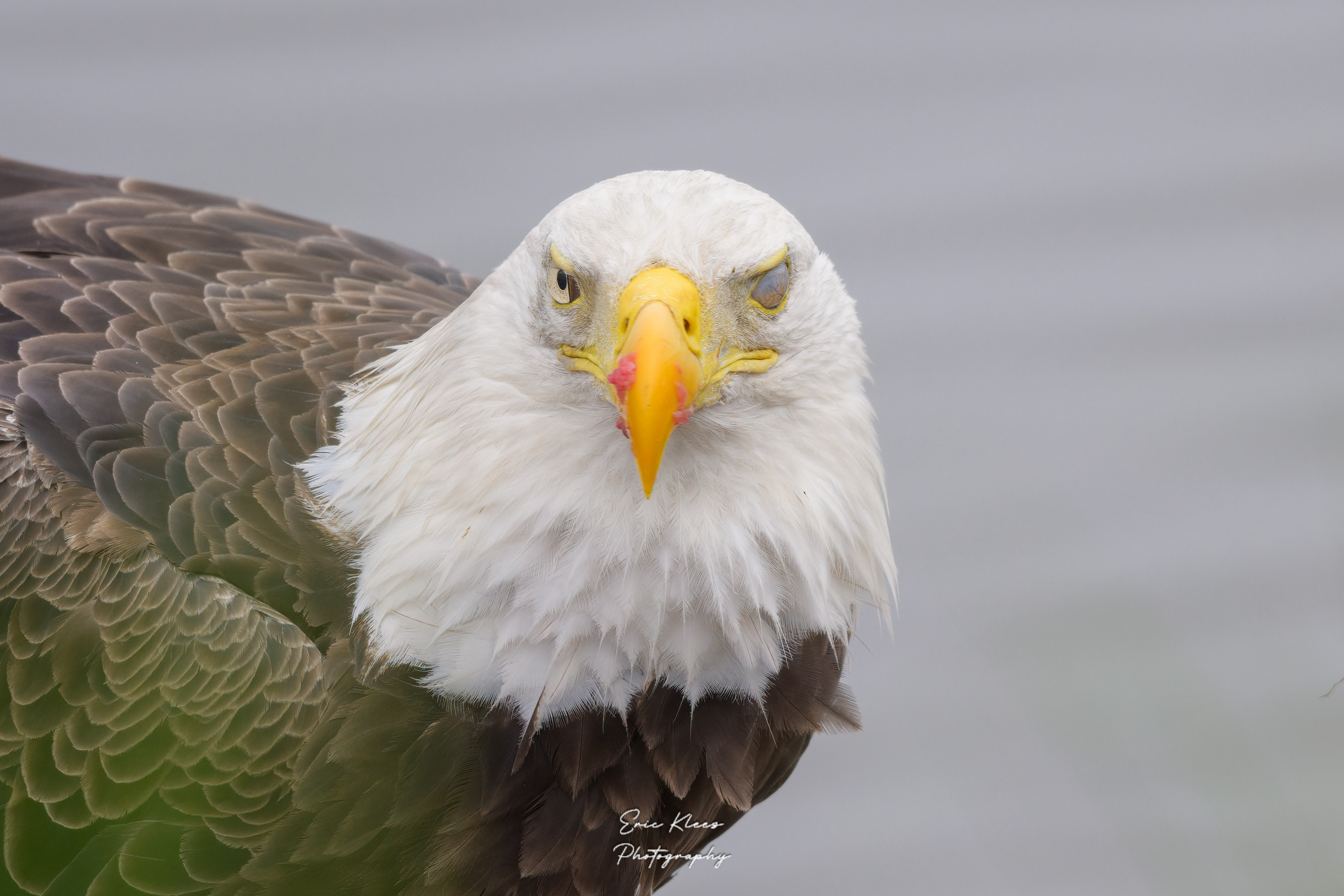
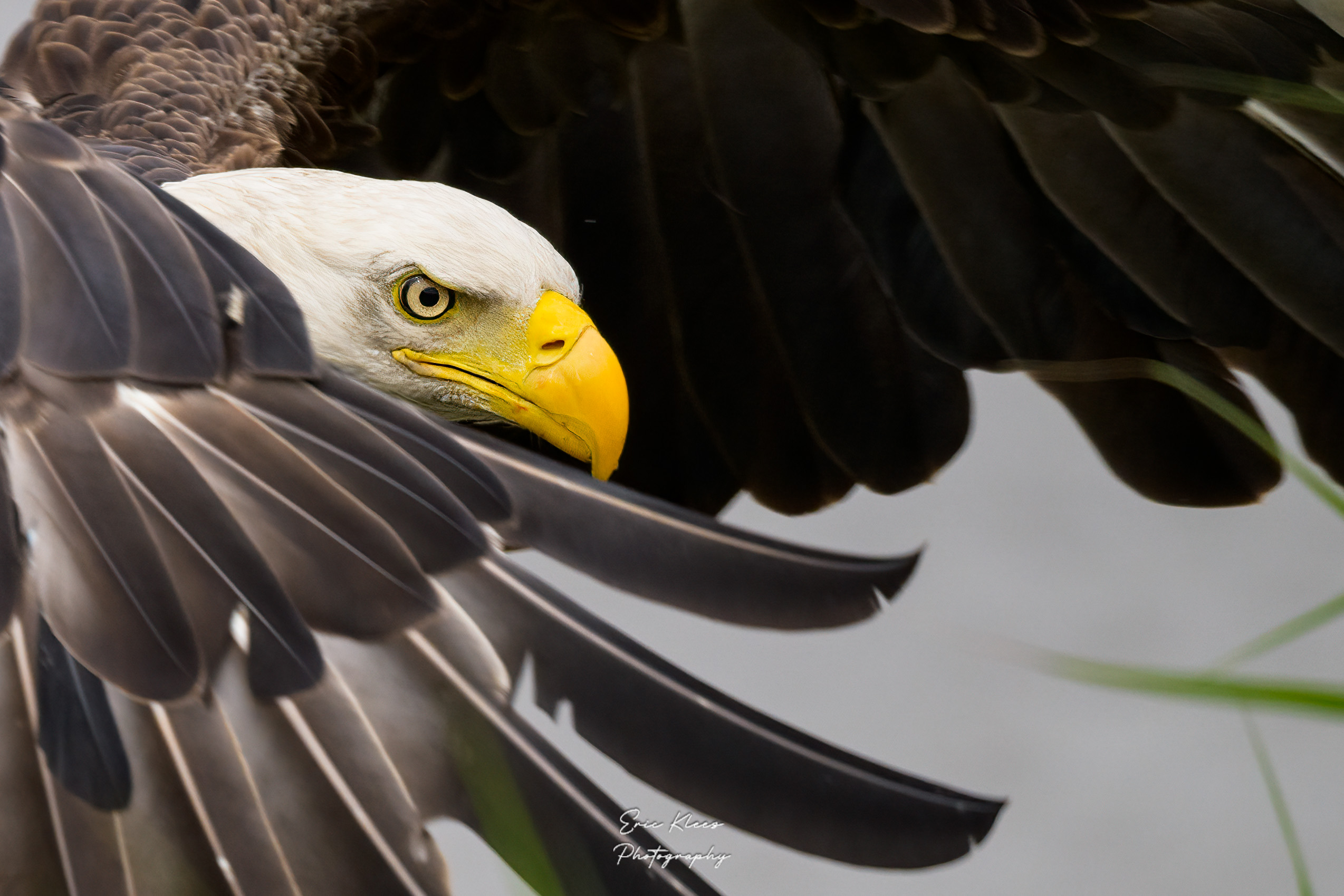
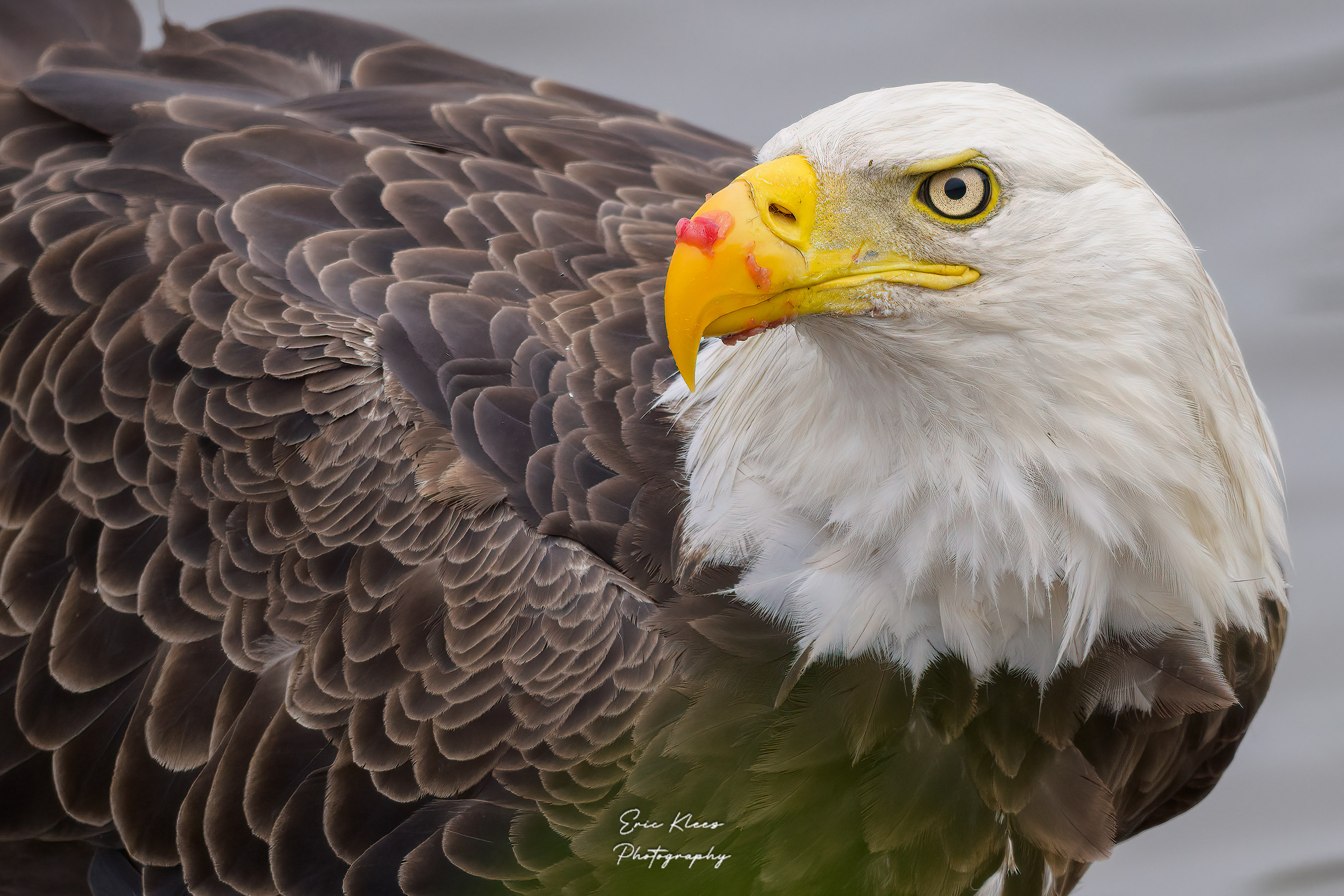
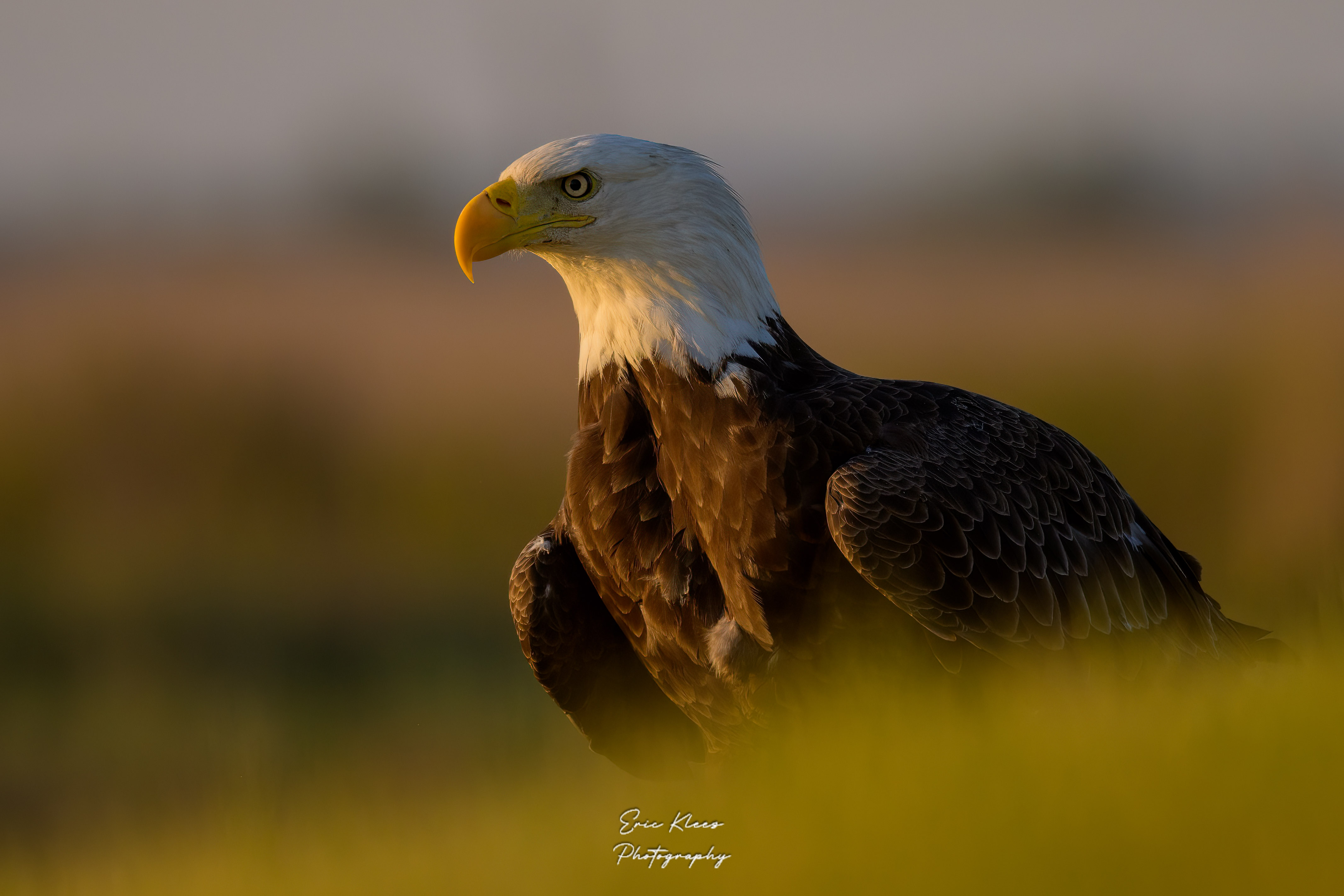
Back in May, there was an Eagle that was pretty tolerant of and would get to withing 50ish feet and would just sit down an the Eagle would walk to within 20-30 feet of me. Pretty cool experience for not being in Alaska
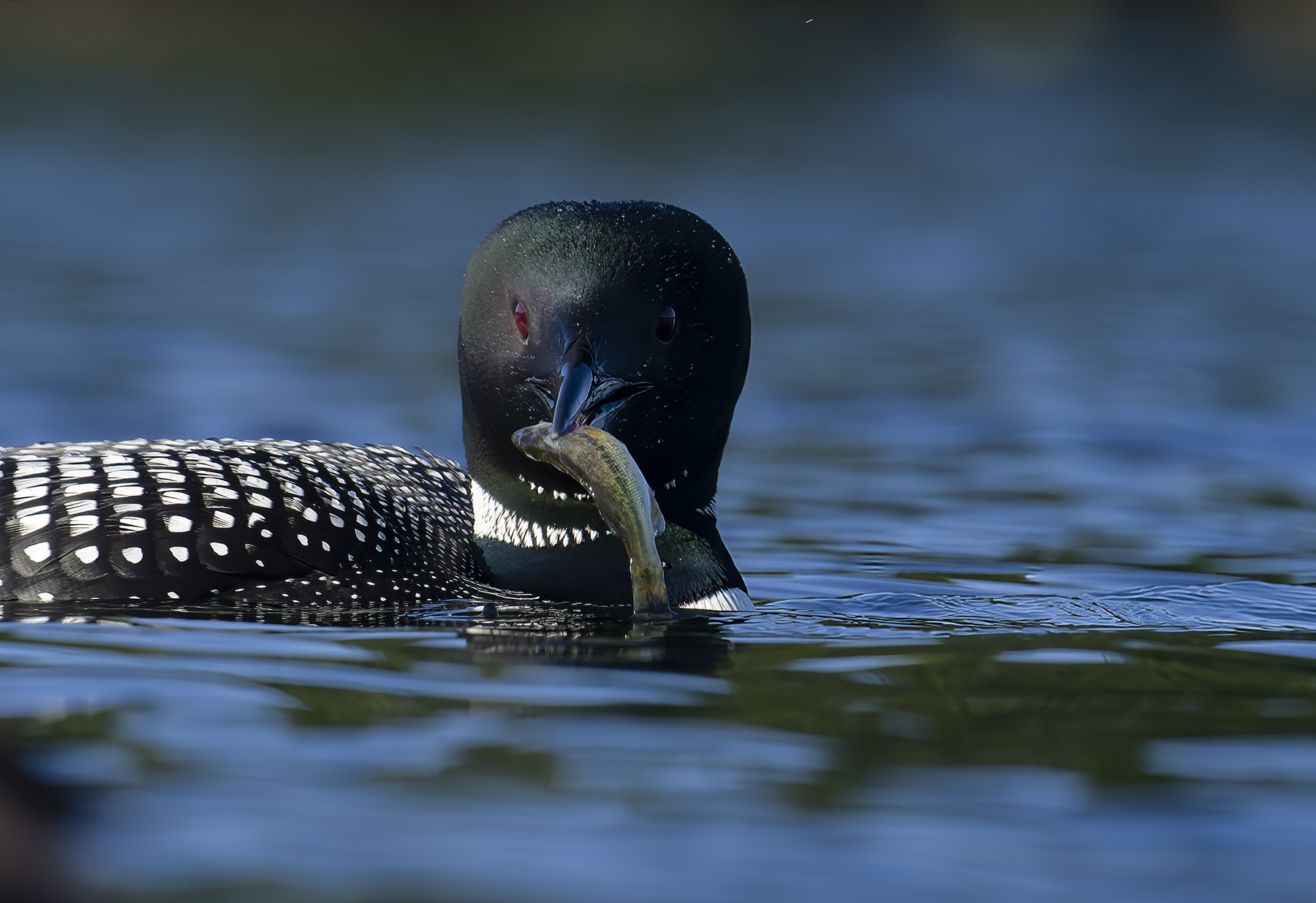
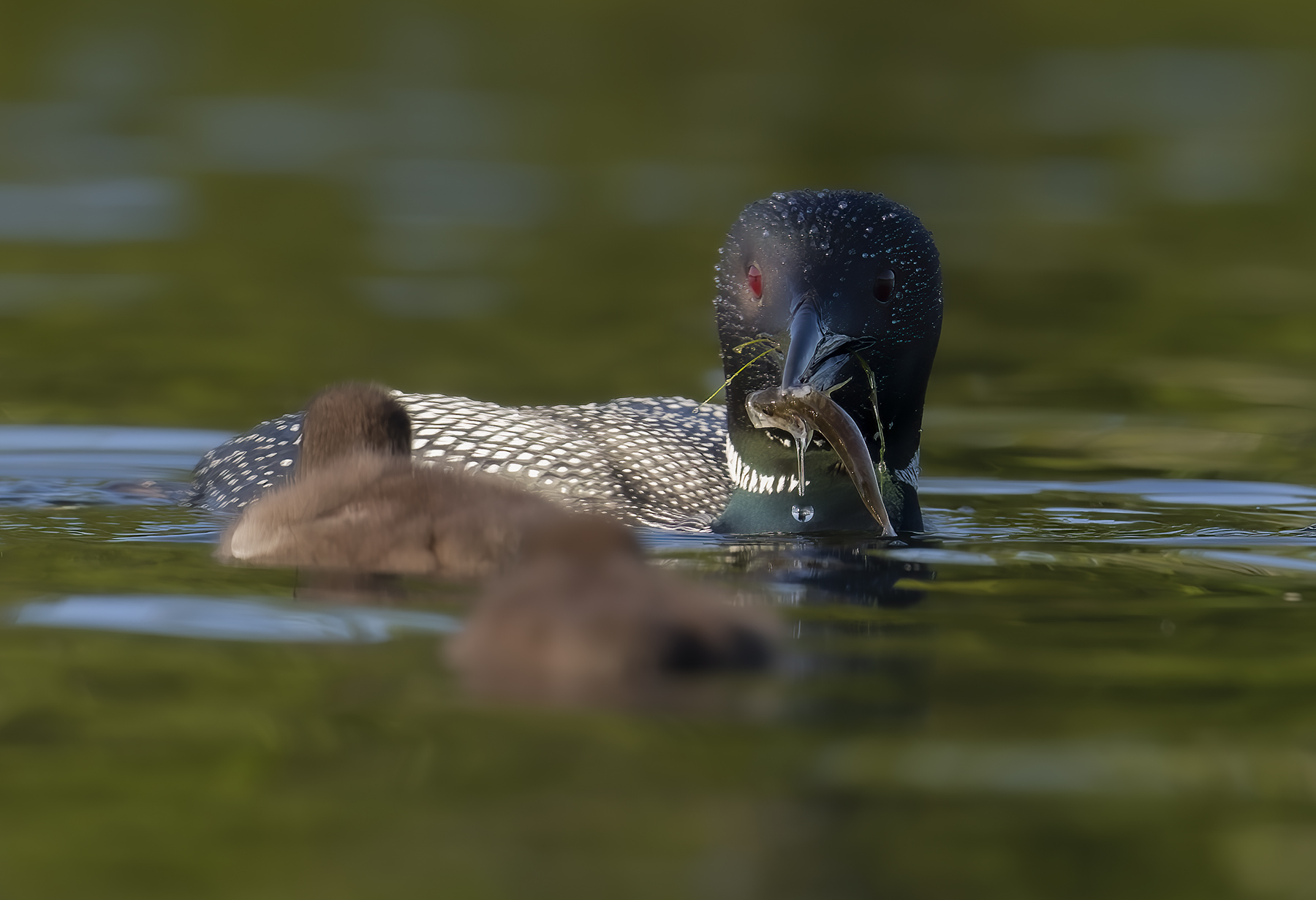
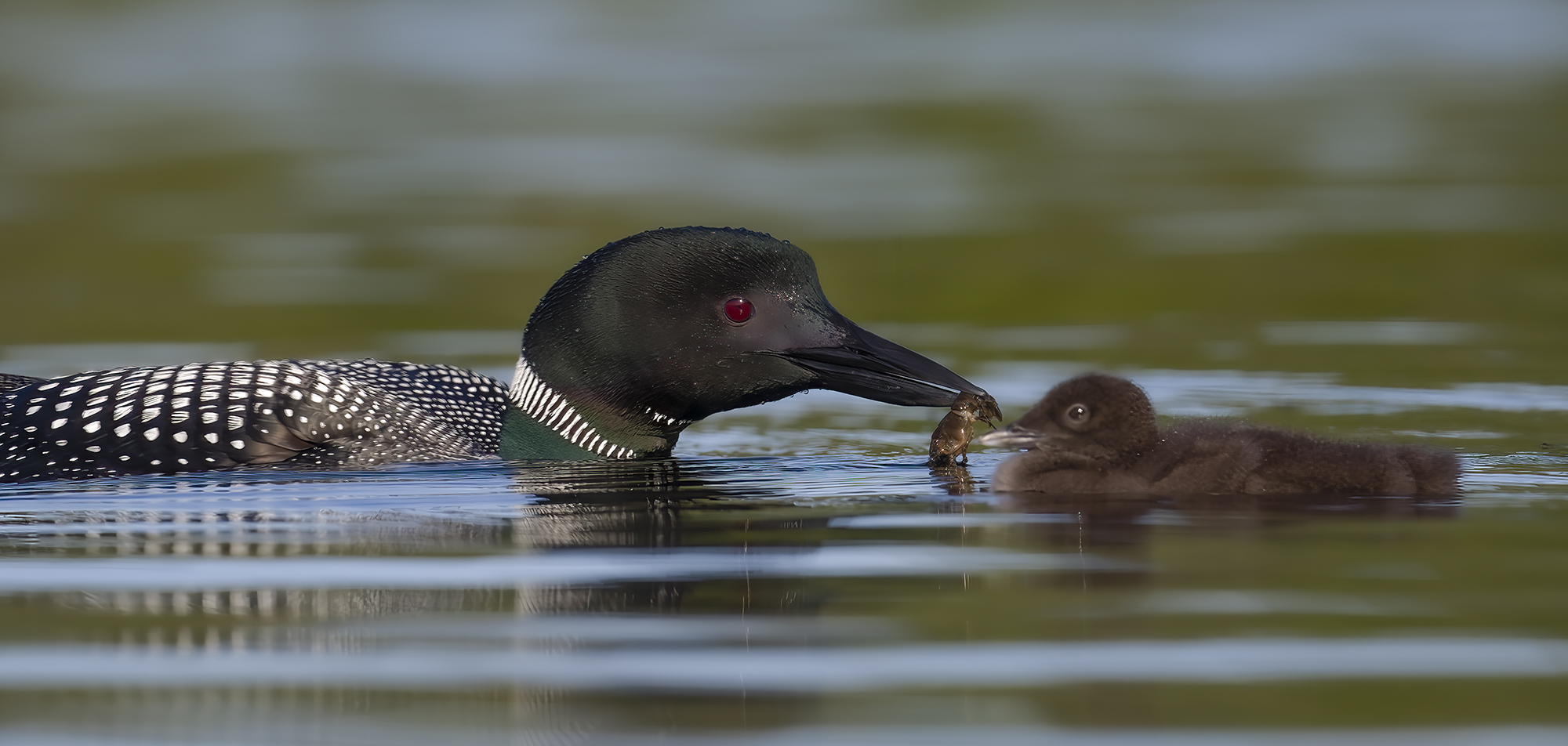
The 3rd image needs a point made. As you suspect, the parents have infinite patience with their chicks. Here, the parent approaches the first (of 2) chick with the crayfish.
But notice that the chick is out of the DOF. It is not even looking at the crayfish, probably because it is full at the moment. Its sibling is behind it and it accepted the crayfish. They must digest food very fast, because this chick that is not accepting the crayfish, will accept the next offering, which will happen in just a minute of so.
The parents need about 90 days to stuff enough energy into their one or two chicks to develop them to the point where they are able to fly from the basin.
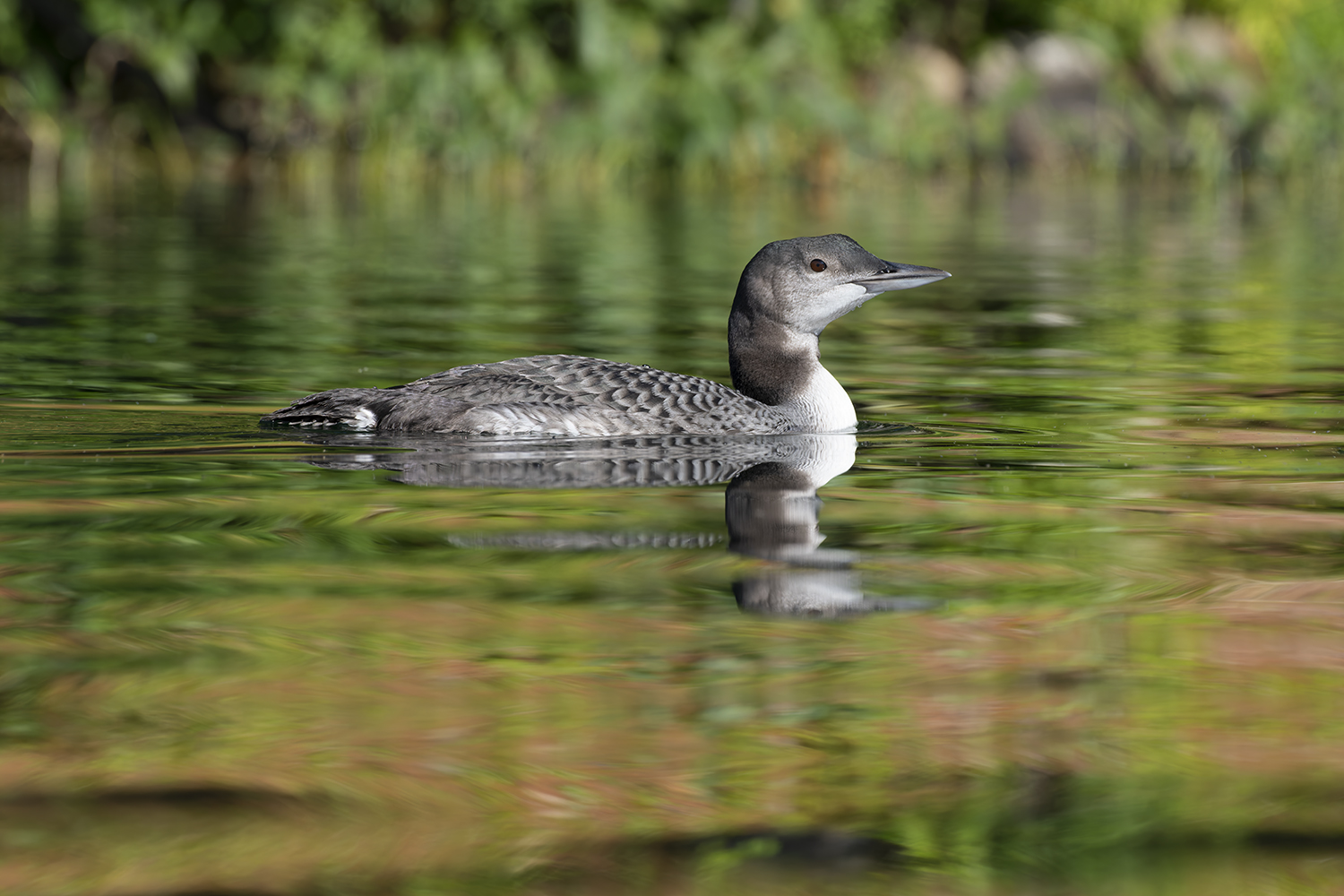
These two chicks on this basin hatched in the first week of July. I plan on getting to see them again next week, which will be about 60 days of development (like the 4th image I am guessing)
and here is what a loon chick looks like after 61 days of development (on a different basin)
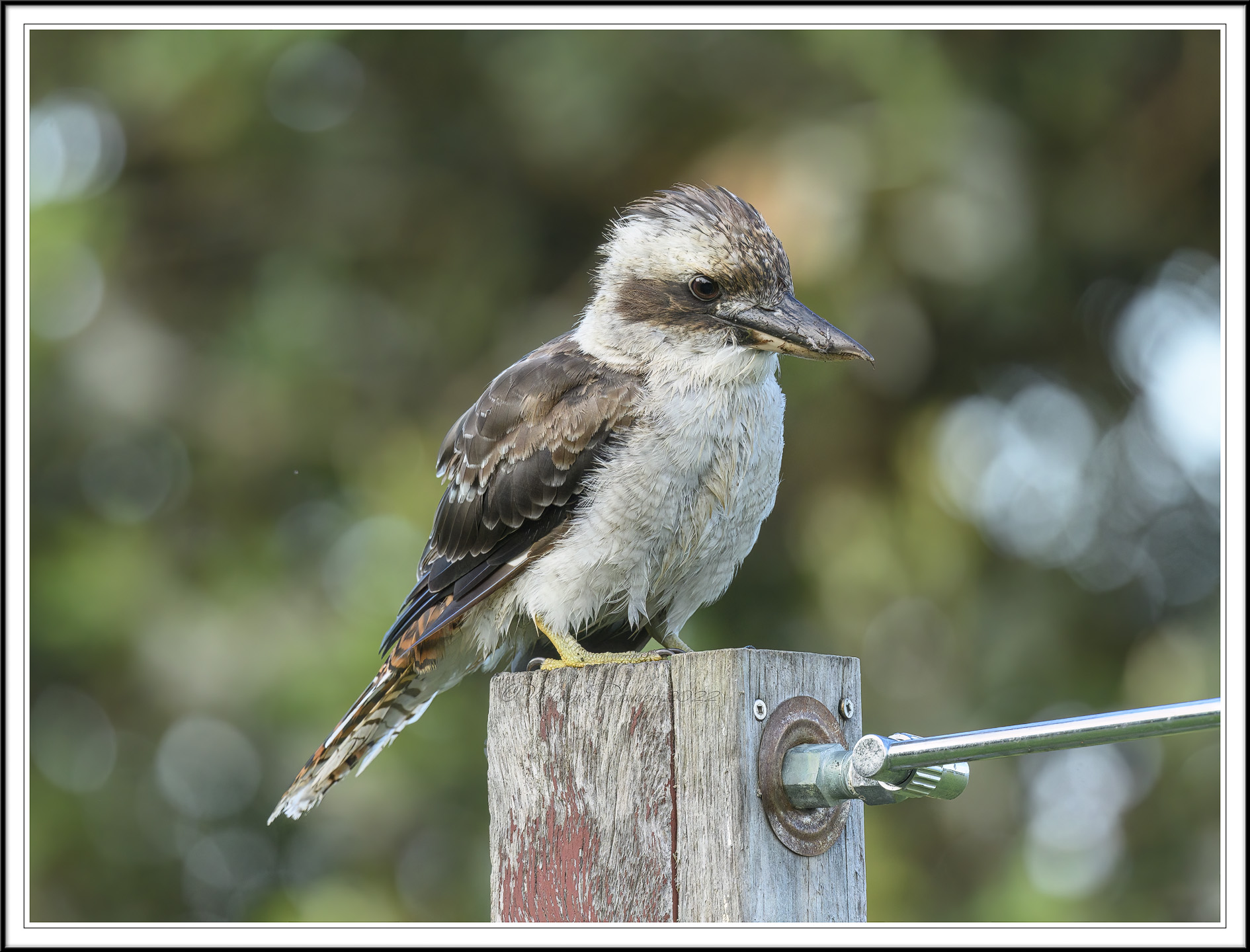
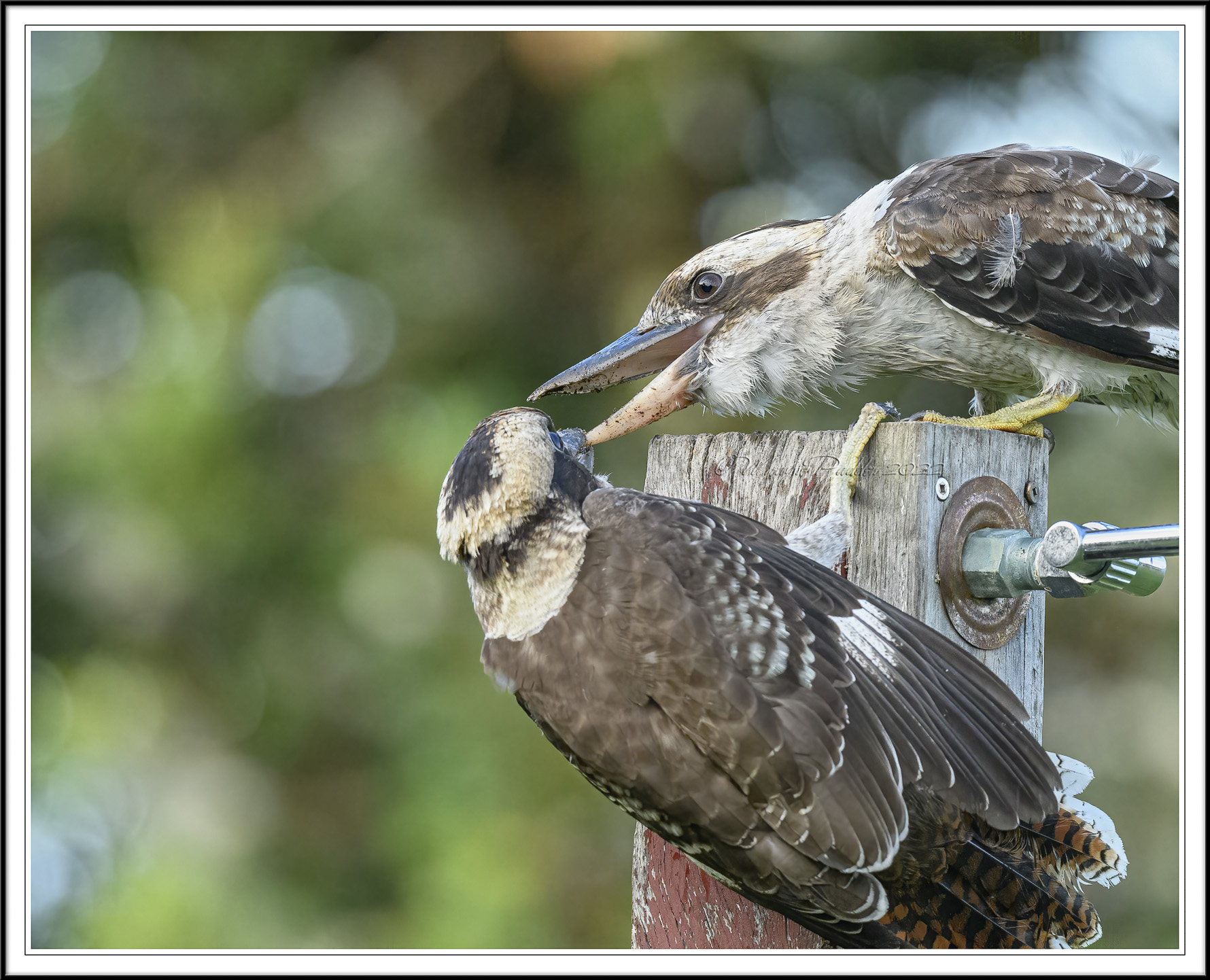
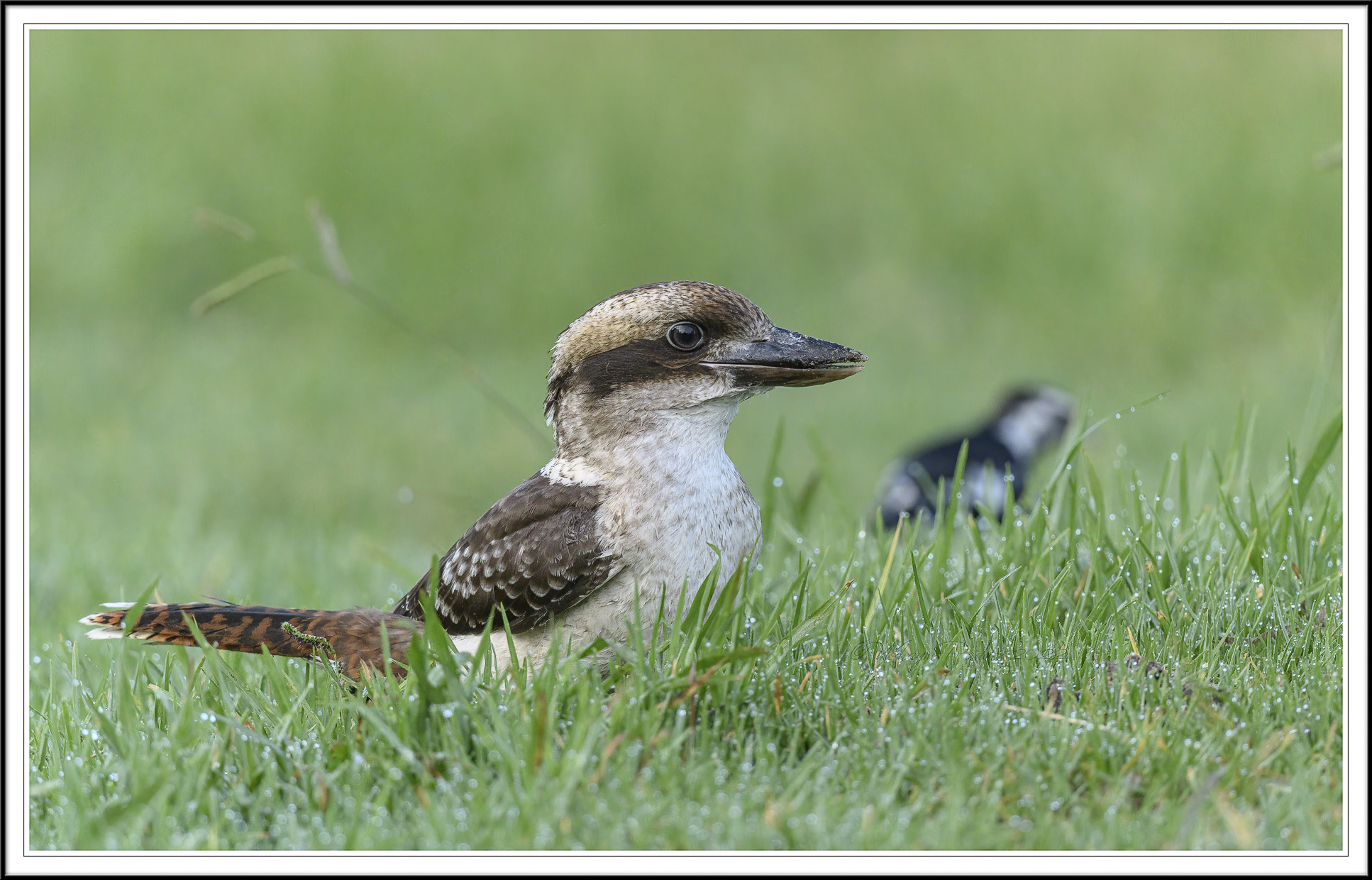
That's it! I'm moving to Australia to be with the Kookaburras.
We have a number of them (up to 10 sometimes) that visit our backyard as well. They like a bit of mince. They really are such great birds with real character, just like you see in the video and one of my favourite birds due to their character.
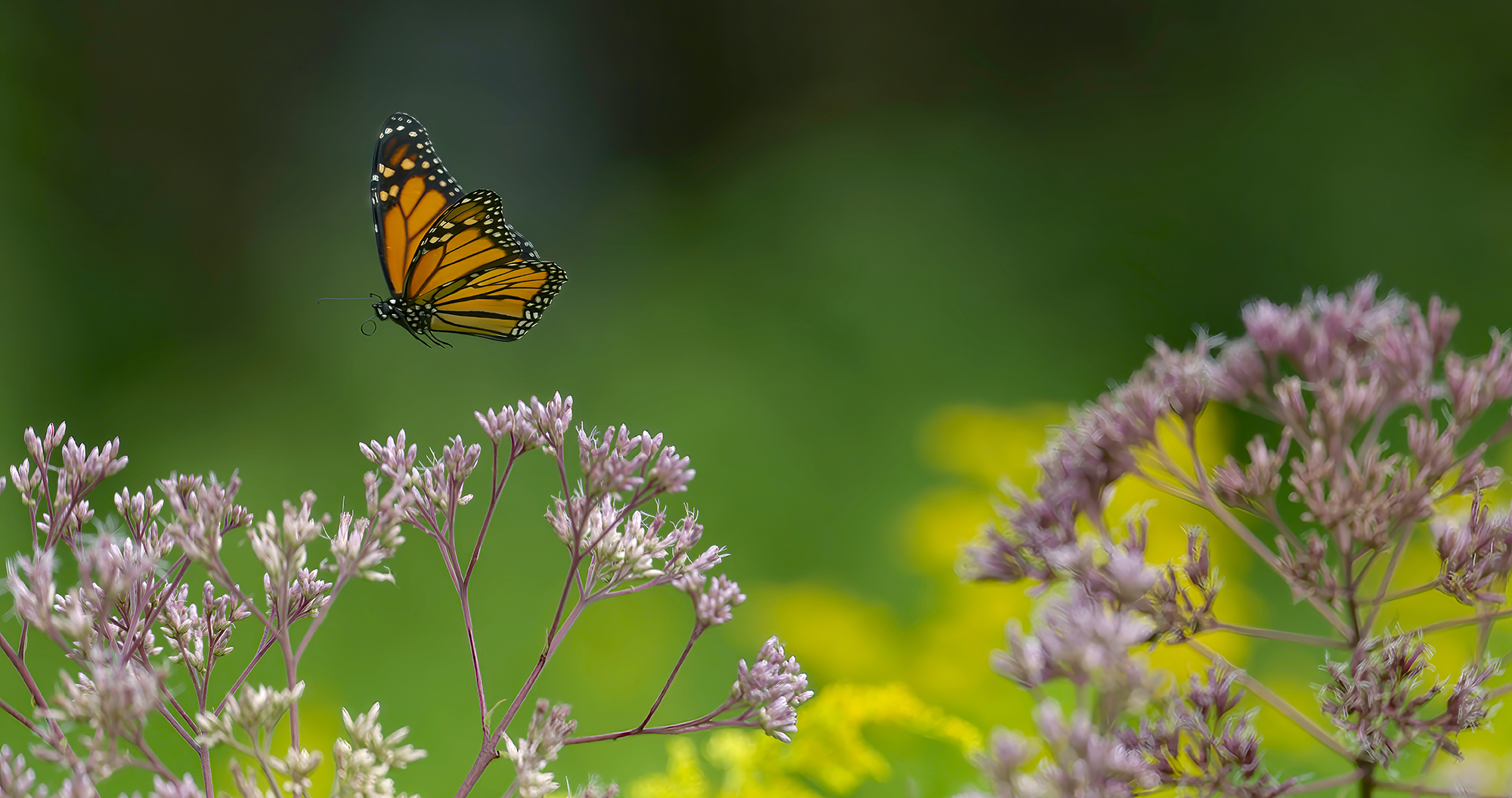
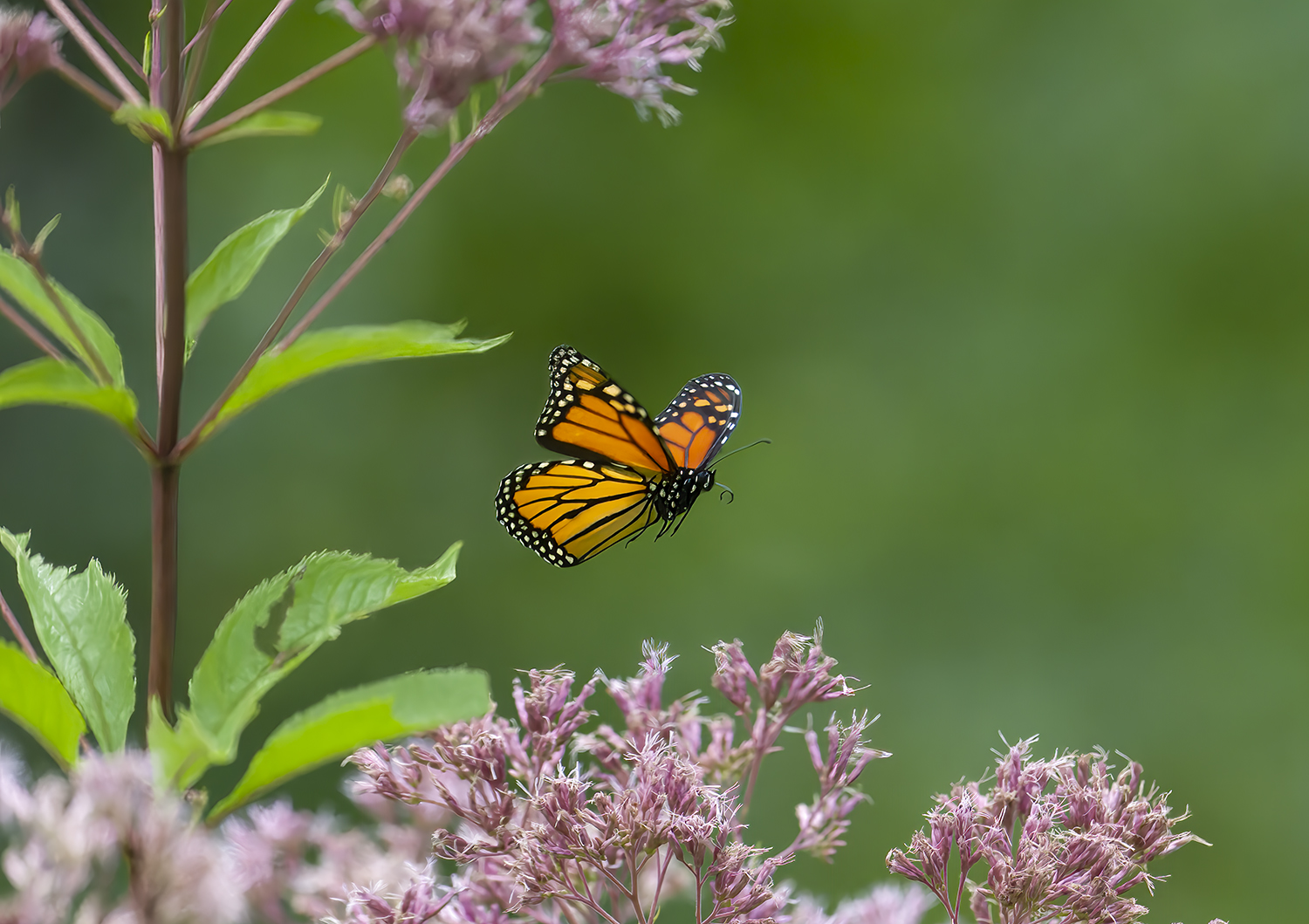
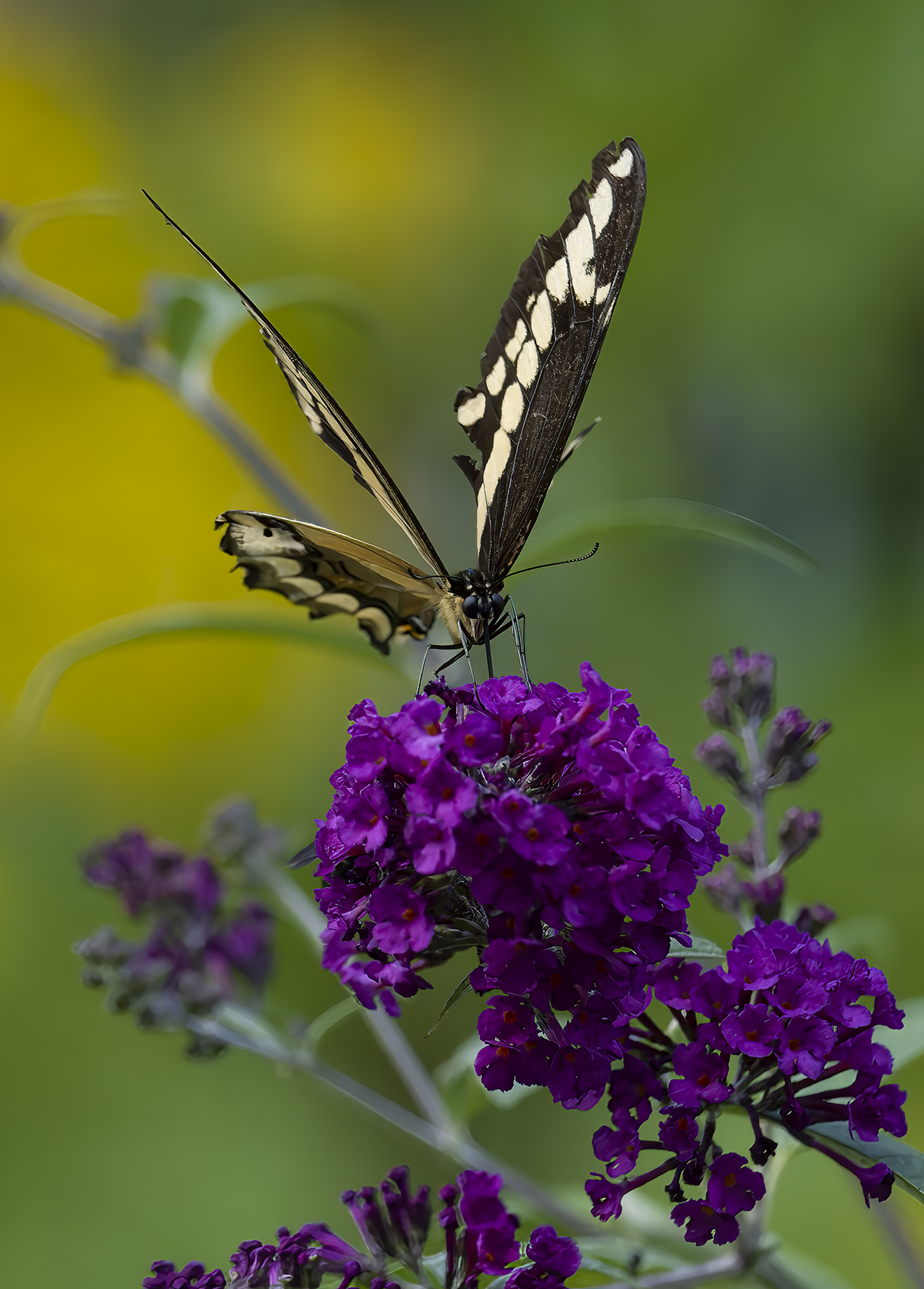
Here's one of a Monarch in a small patch of wildflowers, I converted from lawn.
There are 40 million acres of lawn in America alone. What a waste! Scott's even has a Monarch on the side of their trucks. That's a lie. Lawns are biological deserts.
Reclaim some of your lawn! Do it! It's educational, fascinating.... and you'll be creating your outdoor studio.
Just rent a cultivator and get started. You'll be surprised what will show up next spring. I got at least one Monarch caterpillar the first year... and probably more that I did not discover.
I think the Monarch is a poster child for a continent-wide movement occurring right now. This will greatly benefit the entire energy web.
The Monarch has been a Candidate for the Endangered Species list for 2 years. USFWS says it qualified but that the Service was backlogged and so the Monarch listing was postponed. Well, they just listed it as an Endangered Species last month (July 2022)
I am quite certain that by that time.... the movement to recover the Monarch, had already started. People are not going to let this gorgeous creature pass into extinction. I have friends who want to know how they can get Milkweed seeds.
The web is full of information on this subject.... and most of it is helpful/accurate.
Think about that typical image of a vast lawn with a wide light stripe, a wide darker stripe, a wide light stripe and on and on and on. Now, envision that same vast lawn, converted into a large wildflower meadow but with a few curving lawn paths inside those wildflowers so that you can walk through it and enjoy nature!
That's where it's headed.
Monarch flying over Joe-Pye-Weed; Goldenrod in background
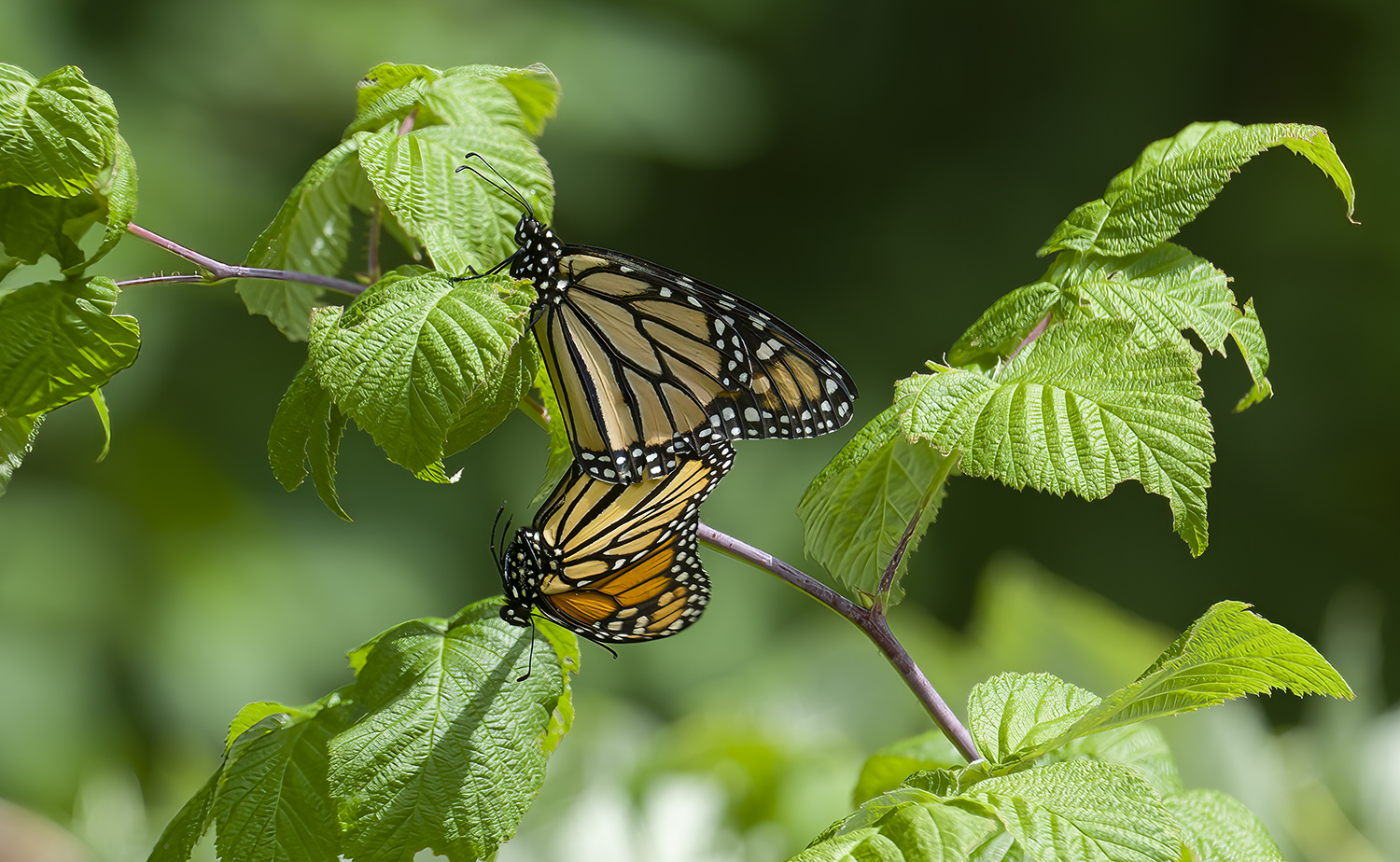
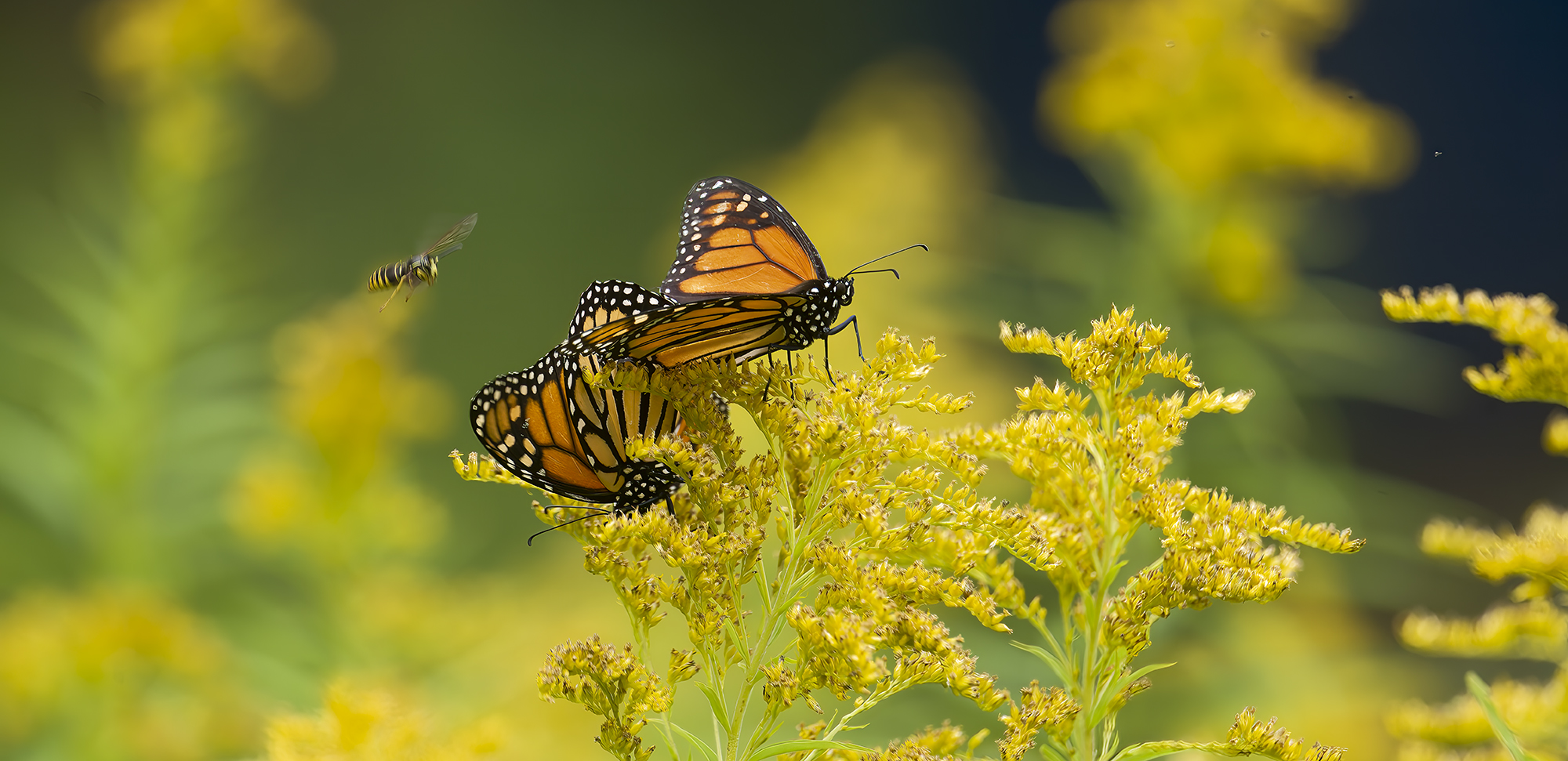
This happened just about 15 minutes ago (approx 2 pm EST, August 27), after the above post. This is the first time this year I've seen them mating here.
So, I am hoping to get some Monarch reproduction. Not sure though. I had close to 200 Common Milkweed plants by about mid-summer but down to about 10 stout ones now. Common Milkweeds spread via rhizomes (horizontal roots) and just pop up here and there. But as summer progressed the Goldenrod outcompeted the MW.
And Monarch caterpillars eat MW exclusively.
So, have to keep close watch over the next few weeks.... especially the MW plants
Beautiful photo, and yes, I agree, the suburban lawn is such a waste of time. However, I'm fairly certain my city would have a major hissy fit (I don't live in an HOA but the city acts like one)
For milkweed seeds, make sure if you get them, they are for the variety that is native to your area.
(I am tempted to be a trend setter though, ha ha ha)
bs kite wrote:
Here's one of a Monarch in a small patch of wildflowers, I converted from lawn.
There are 40 million acres of lawn in America alone. What a waste! Scott's even has a Monarch on the side of their trucks. That's a lie. Lawns are biological deserts.
Reclaim some of your lawn! Do it! It's educational, fascinating.... and you'll be creating your outdoor studio.
Just rent a cultivator and get started. You'll be surprised what will show up next spring. I got at least one Monarch caterpillar the first year... and probably more that I did not discover.
I think the Monarch is a poster child for a continent-wide movement occurring right now. This will greatly benefit the entire energy web.
The Monarch has been a Candidate for the Endangered Species list for 2 years. USFWS says it qualified but that the Service was backlogged and so the Monarch listing was postponed. Well, they just listed it as an Endangered Species last month (July 2022)
I am quite certain that by that time.... the movement to recover the Monarch, had already started. People are not going to let this gorgeous creature pass into extinction. I have friends who want to know how they can get Milkweed seeds.
The web is full of information on this subject.... and most of it is helpful/accurate.
Think about that typical image of a vast lawn with a wide light stripe, a wide darker stripe, a wide light stripe and on and on and on. Now, envision that same vast lawn, converted into a large wildflower meadow but with a few curving lawn paths inside those wildflowers so that you can walk through it and enjoy nature!
Thank you for your kind comment on the imagery. I appreciate that.
I think that the municipality I pay taxes to is slack when it comes to exotic and nuisance species.
But that can be advantageous here, because people here convert lawns to wildflowers (if they desire to) or let lawns go into wildflowers, and the municipality can KTA's .......
Thank you for responding. Not sure I understand the comment about making sure the variety is from my area. My intent is not to challenge you on that, so you may choose not to explain that. And yes, there may often be a variety within any species, beyond the specific epithet. You are right.
Just wanted to post that second link below, from the NWF, listing all the native milkweeds. Now perhaps you know more about this and I would welcome any references you have.... or personal observations (personal observations are accepted in any technical nature paper )


 . So I definitely have Z9 envy at times but the D500 was and still is a great sports and wildlife camera.


 They really are such great birds with real character, just like you see in the video and one of my favourite birds due to their character.