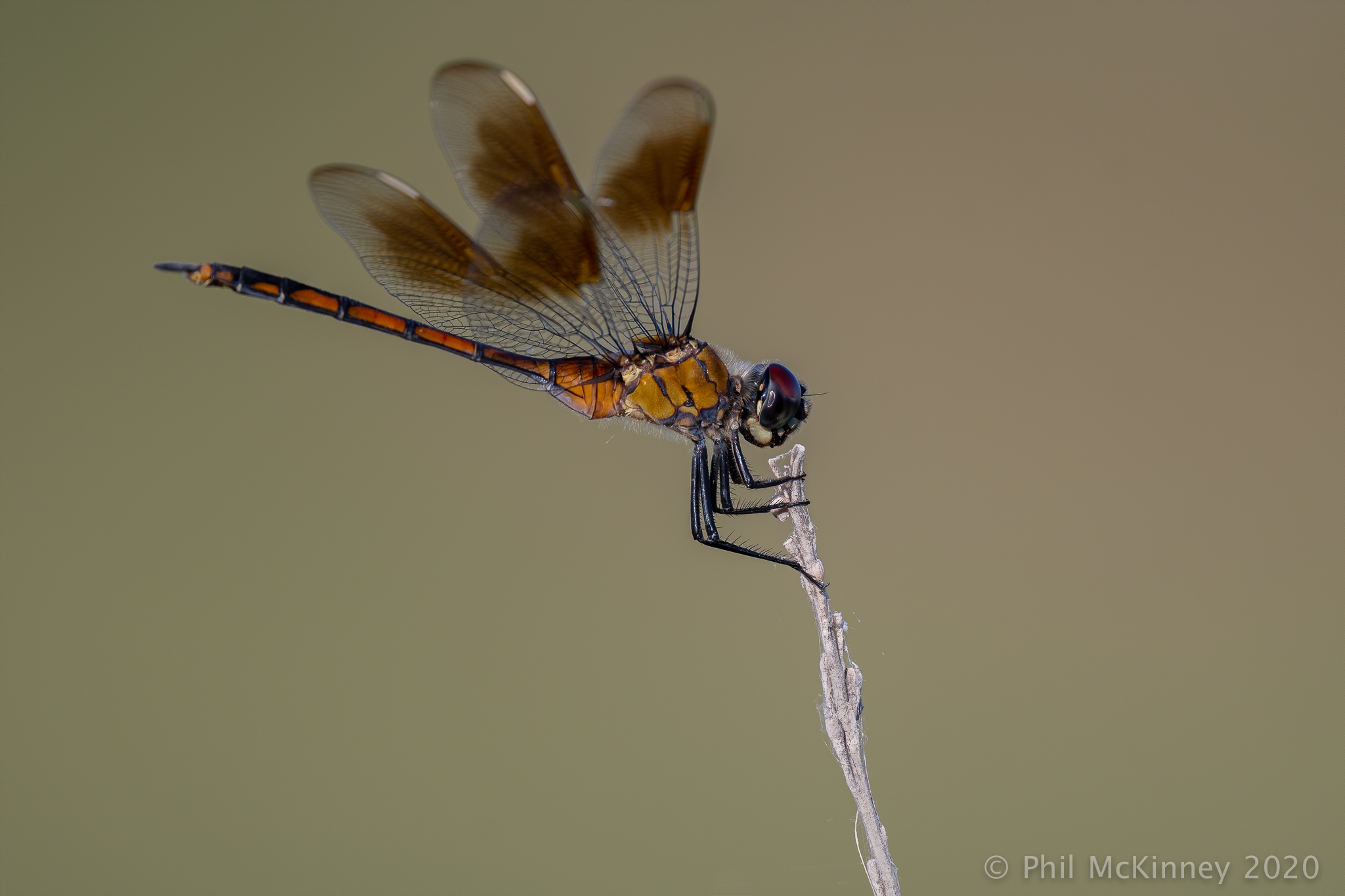
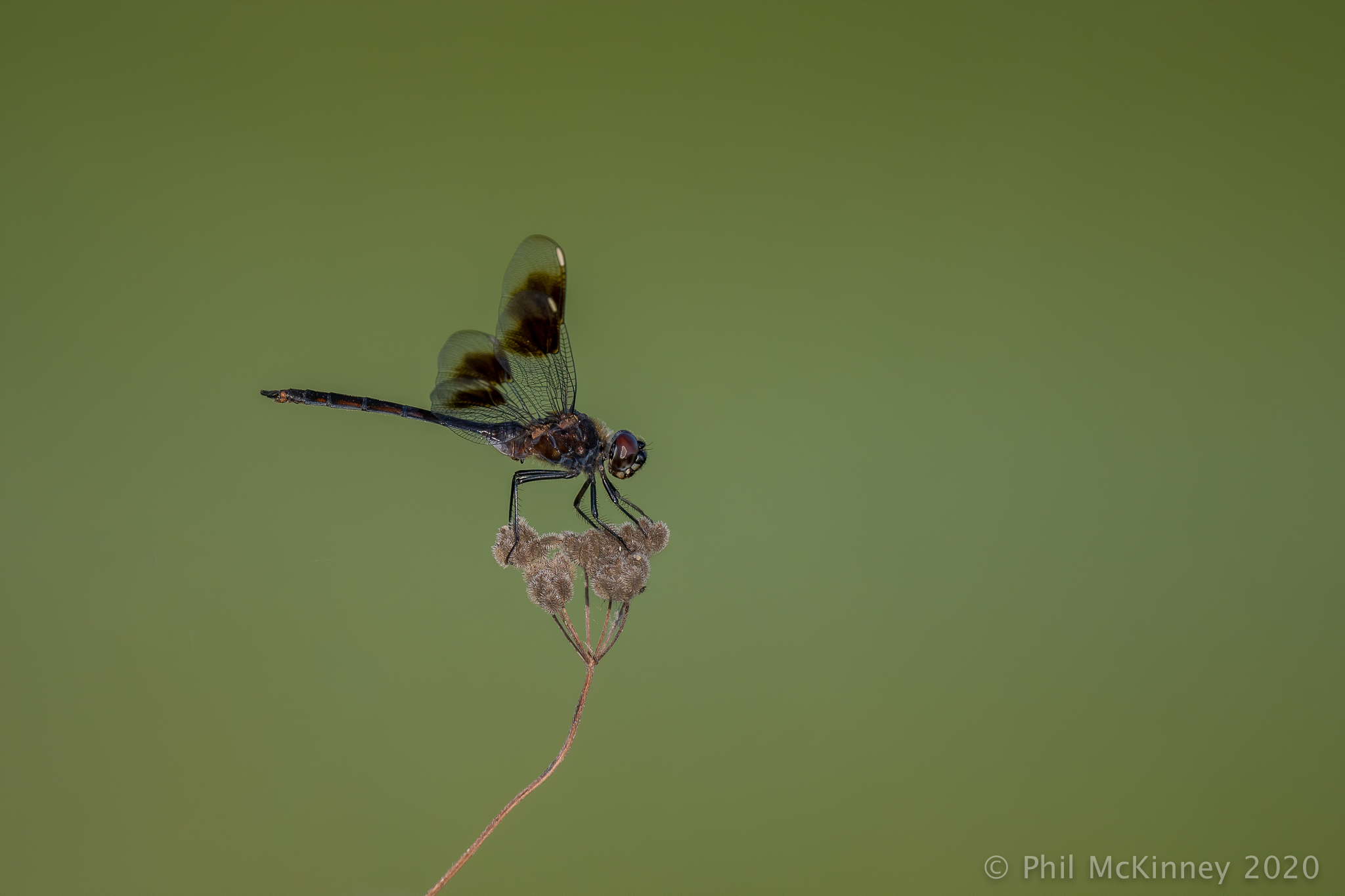
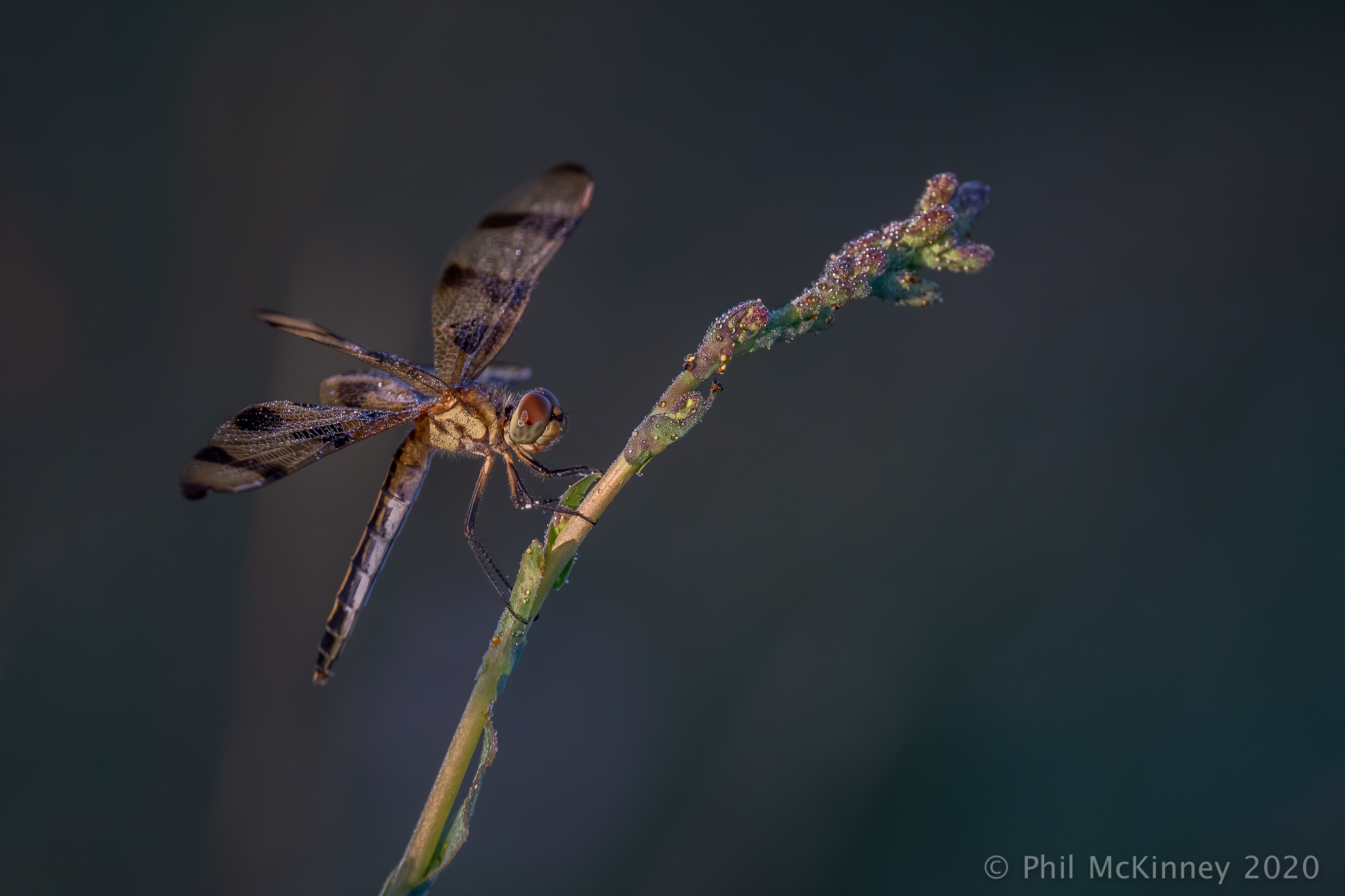
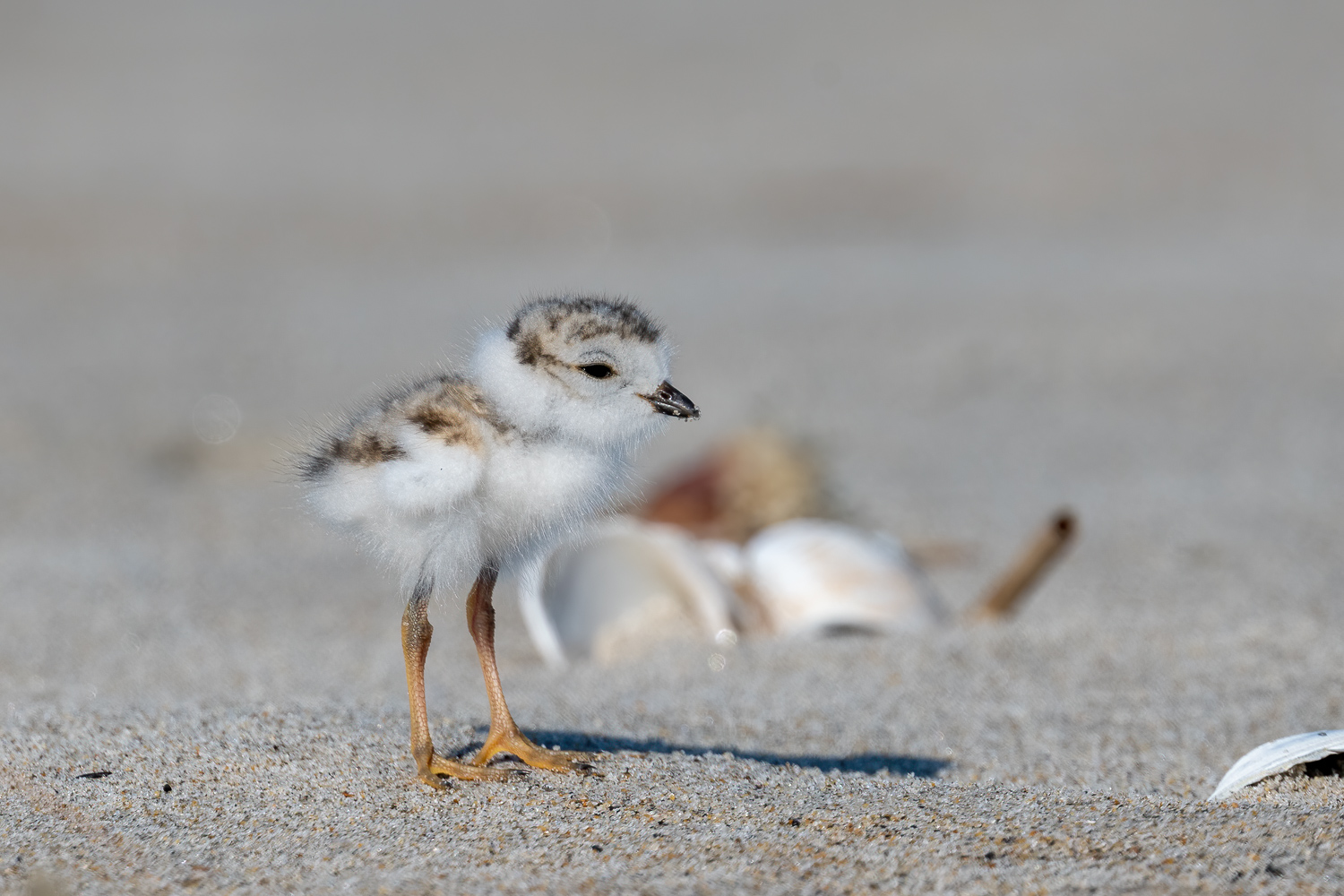
Thanks Matt ... me too. They are extremely active; constantly swimming, diving for food, rolling around, grooming their dense fur. Always giving different entertaining looks. And they were surprising tolerant of our small group of photographers shooting from a 19' Zodiac led by a marine biologist-guide who knew how to give us the best light angles while keeping a safe (for them) distance. And their activity makes for some interesting video that I shot with the Z6.
James Farrell wrote:
EDIT: June 16 - At my request, Fred moved this thread from the general Nikon Forum into this Nikon 500 f/5.6 PF lengthy post.
Been too lazy lately to contribute much of anything of late as a lot of us are stuck at home not traveling anywhere interesting, or in my case, I'm not getting on any planes any time soon at my age. British Columbia and the BC coast is my favorite destination, but has been off limits with the border closed to US visitors. So, thought I'd reach back to some images from a marine mammals trip to the Queen Charlotte Straight area north of the far end of Vancouver Island, BC, Canada. I was there two years ago and enjoyed it so much that I booked a return visit in 2019. What I found this trip was a terrific growth of the numbers of Sea Otters. They were everywhere. So, thought I show some images all taken with the 500 PF lens and either the Z6 or the D500. Enjoy. ...Show more →
This is a great series James... it looks like you got to see some new behaviors on your most recent mammals tour. Funny, I thought the otter photography was pretty amazing in 2017, but your 2019 offered you some pretty unique stuff!
Does the 500 PF work well with extension tubes? It focuses fairly close and you can get more with 1.4X TC, but I would love to know if it works well or not before I buy extension tubes.
I am going to try it right now with my Kenko tubes.
*Any* telephoto I have tried over the years (decades!) works with auto extension tubes. But I don’t know if I would say that they work “well”. For decreasing the MFD, I favor the Canon 500D close-up filter over the tubes. But I do not think Canon makes a 95mm close-up filter. Maybe.
I just briefly tried the 12mm Kenko between my D850 and 500PF. It’s really a pain to use. I
think most people go into it hoping to just decrease the MFD and nothing else. Nope. We decrease MFD but get only a narrow range that is in focus. AF hunts to the extent that I just switched to manual focus.
In full to late summers, I do a lot of butterfly shooting in the native wildflower garden that most people consider to be a weed patch. That is because most are ignorant to nature and they care more about feeding their vanity with the beauty they see in their sterile lawns......... than they do in bringing nature home. All a lawn is, is a light stripe, dark stripe, light stripe, dark stripe and so on......nothing else at all!
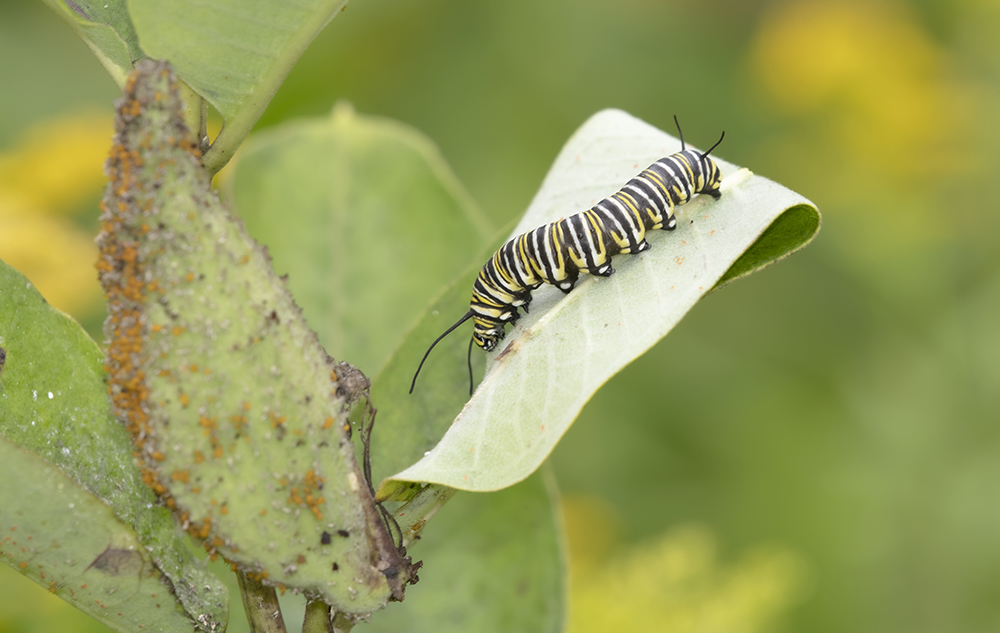
I have Monarch butterfly reproduction in the area I reclaimed from lawn and that others see only as a weed patch and detracting from the value of my house. That is how sick people are about their damned lawns!.
It took several years but I now have Monarch Butterfly reproduction!
Ok, ok........ I will stick to your request:
Honestly, I do not like tubes anymore. I favor cropping over tubes or even the Canon 500D filter.
Cropping is much easier and I still have fast AF and infinity when needed. Don’t I also get greater DOF because the “native” image was captured at a greater distance than if I had shot it with tubes. Yup, I think so.
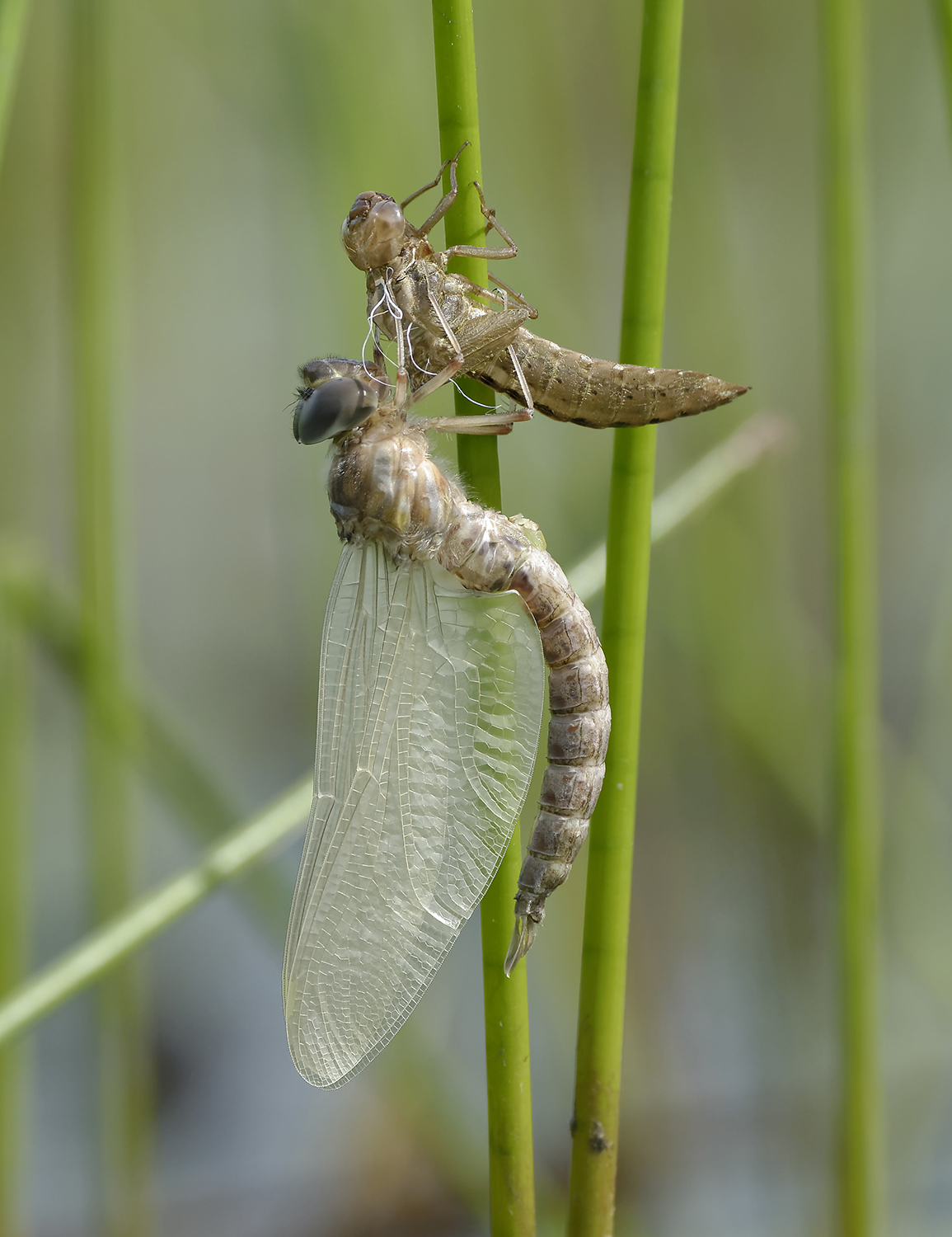
Exif data not included because all images were taken with a supertelephoto Nikkor lens but not all with the 500PF.
www.itsaboutnature.net
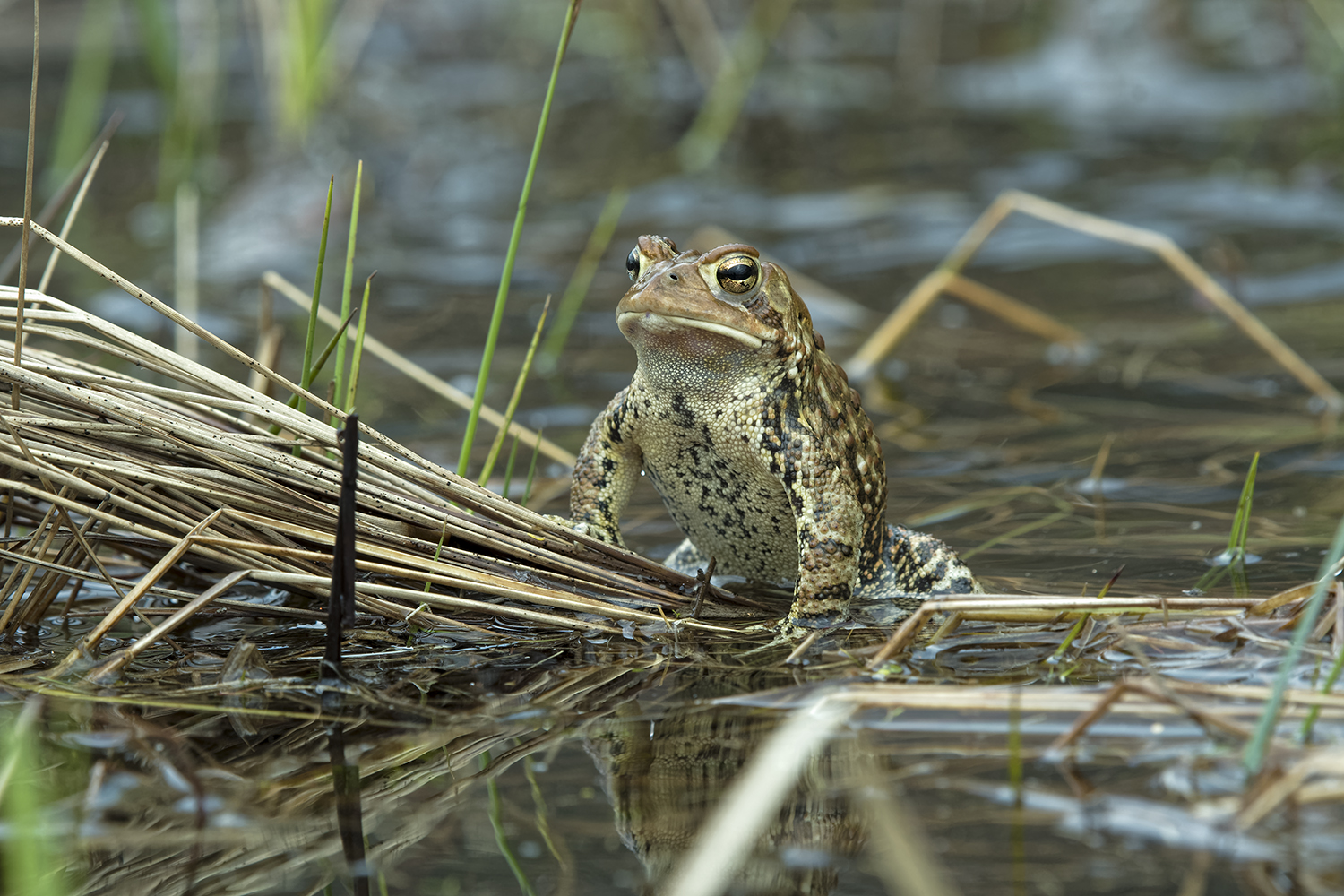
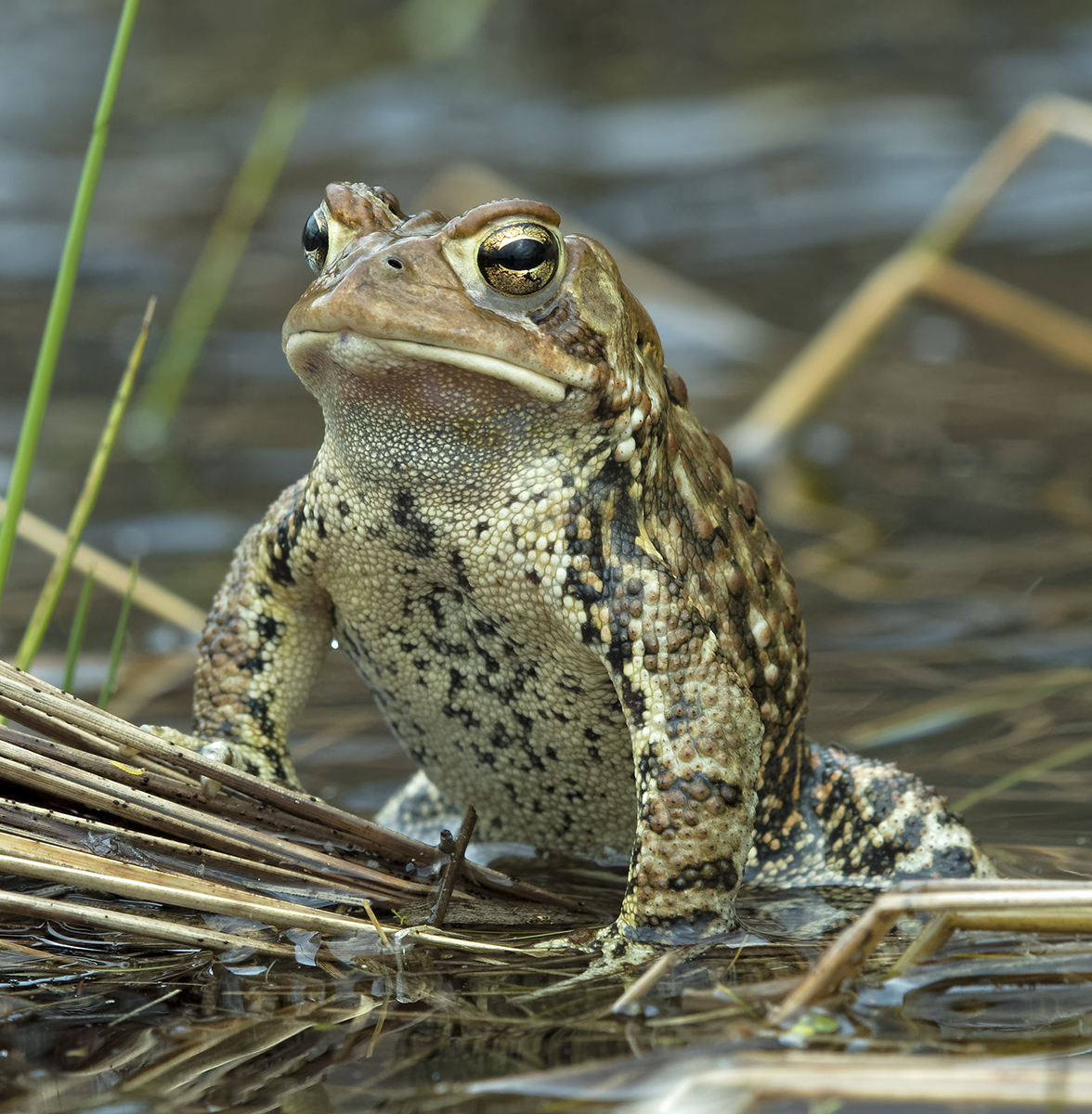
American toads are upland animals that come down to water in the early spring......to breed. The males come down first, get into the water and start “tremeloing.” The females then come down to breed with them. Here, it is early spring and cold.