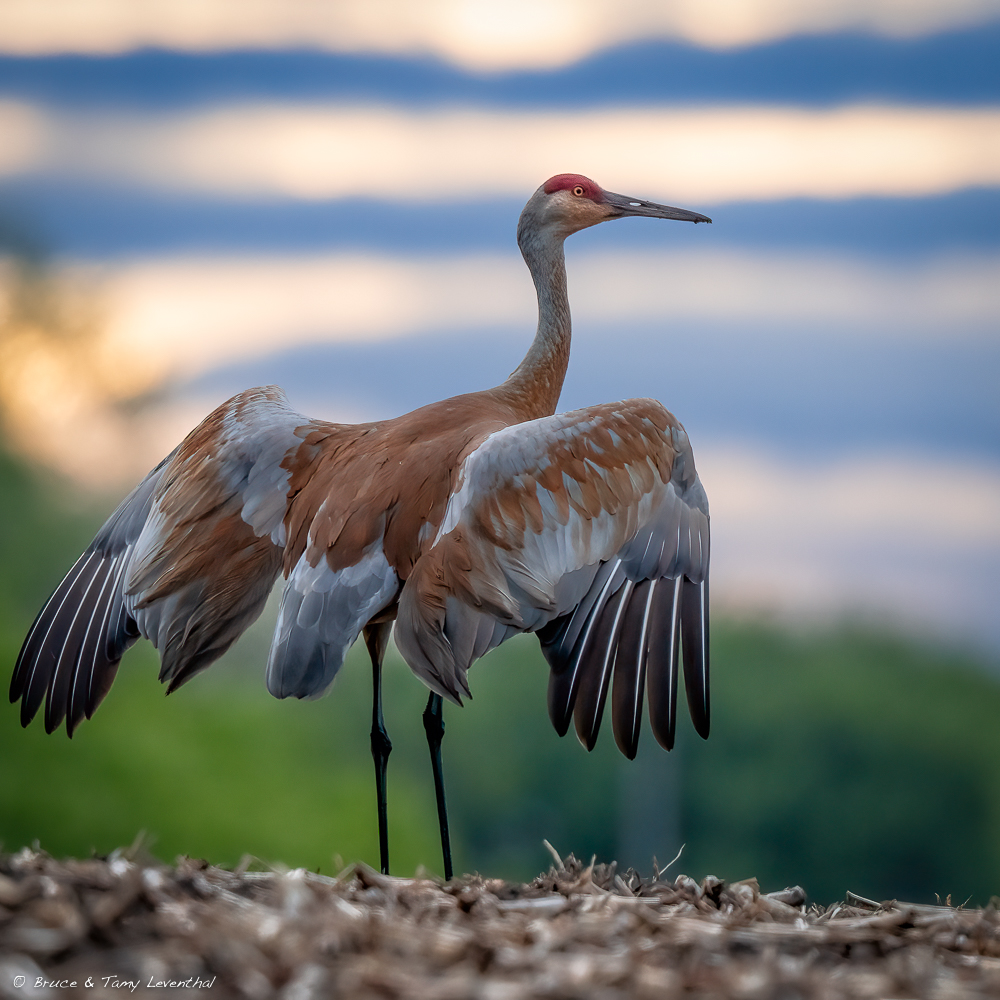
Some more spring Sandhill Cranes...
Sadly, I only had a brief moment with the crane and its outstretched wings. The brevity of the landing and quick take off led to a center right composition. The resulting square crop is an attempt to save my botched composition...
Compositional balance is the one thing that I prioritize over everything else (subject, sharpness, behavior, and even exposure... the exposure is a close #2).
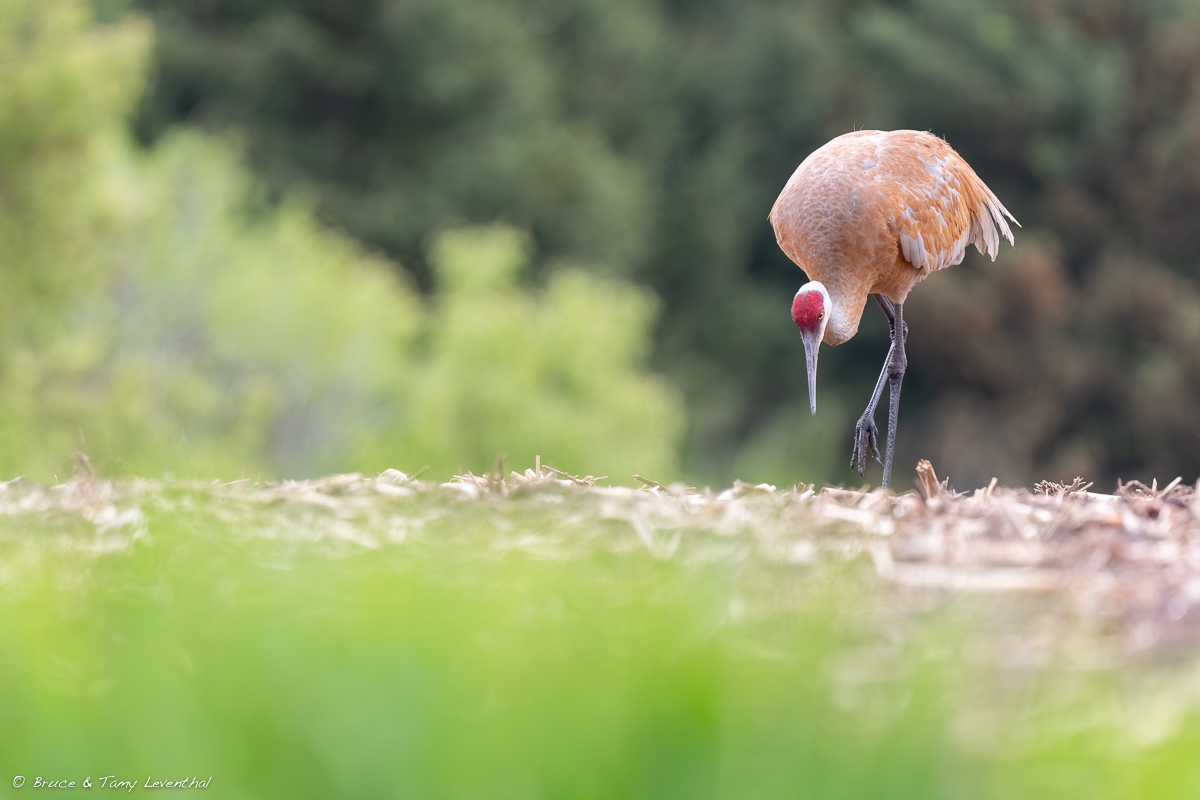
The second image I thought was interesting because of the crane's posture and framing by foreground and background.
Anyway... loving the crane opportunities this spring, as this is not "normal" for where I live.
I find it a bit tricky to focus on cranes, though that could be due to the background (fields, mostly). I suppose getting really low on the ground would help.
OwlsEyes wrote:
Some more spring Sandhill Cranes...
Sadly, I only had a brief moment with the crane and its outstretched wings. The brevity of the landing and quick take off led to a center right composition. The resulting square crop is an attempt to save my botched composition...
Compositional balance is the one thing that I prioritize over everything else (subject, sharpness, behavior, and even exposure... the exposure is a close #2).
The second image I thought was interesting because of the crane's posture and framing by foreground and background.
Anyway... loving the crane opportunities this spring, as this is not "normal" for where I live.
ilkka_nissila wrote:
Very beautiful cranes, with colorful background.
I find it a bit tricky to focus on cranes, though that could be due to the background (fields, mostly). I suppose getting really low on the ground would help.
Thank you Ilkka...
Being at eye-level is super critical. Because I use a D500 w/ the 500PF (effective 750mm perspective), I can maintain a good distance from the birds. In addition, the use of some camouflage and my approach from below the animal allows me to stay low and shoot at eye-level.... It's been a good year for cranes this spring.
OwlsEyes wrote:
Some more spring Sandhill Cranes...
Sadly, I only had a brief moment with the crane and its outstretched wings. The brevity of the landing and quick take off led to a center right composition. The resulting square crop is an attempt to save my botched composition...
Compositional balance is the one thing that I prioritize over everything else (subject, sharpness, behavior, and even exposure... the exposure is a close #2).
The second image I thought was interesting because of the crane's posture and framing by foreground and background.
Anyway... loving the crane opportunities this spring, as this is not "normal" for where I live.
More from the blind during my lunch break. Used the Z 50 a little bit today, fun but when using it back-back with the D500 you really get a sense for how much faster the AF of the D500 is. On the other hand, silent shutter is so nice when you’re this close! Here’s wishing for a mirrorless D500 in the future
Cross posting from the N&W thread:
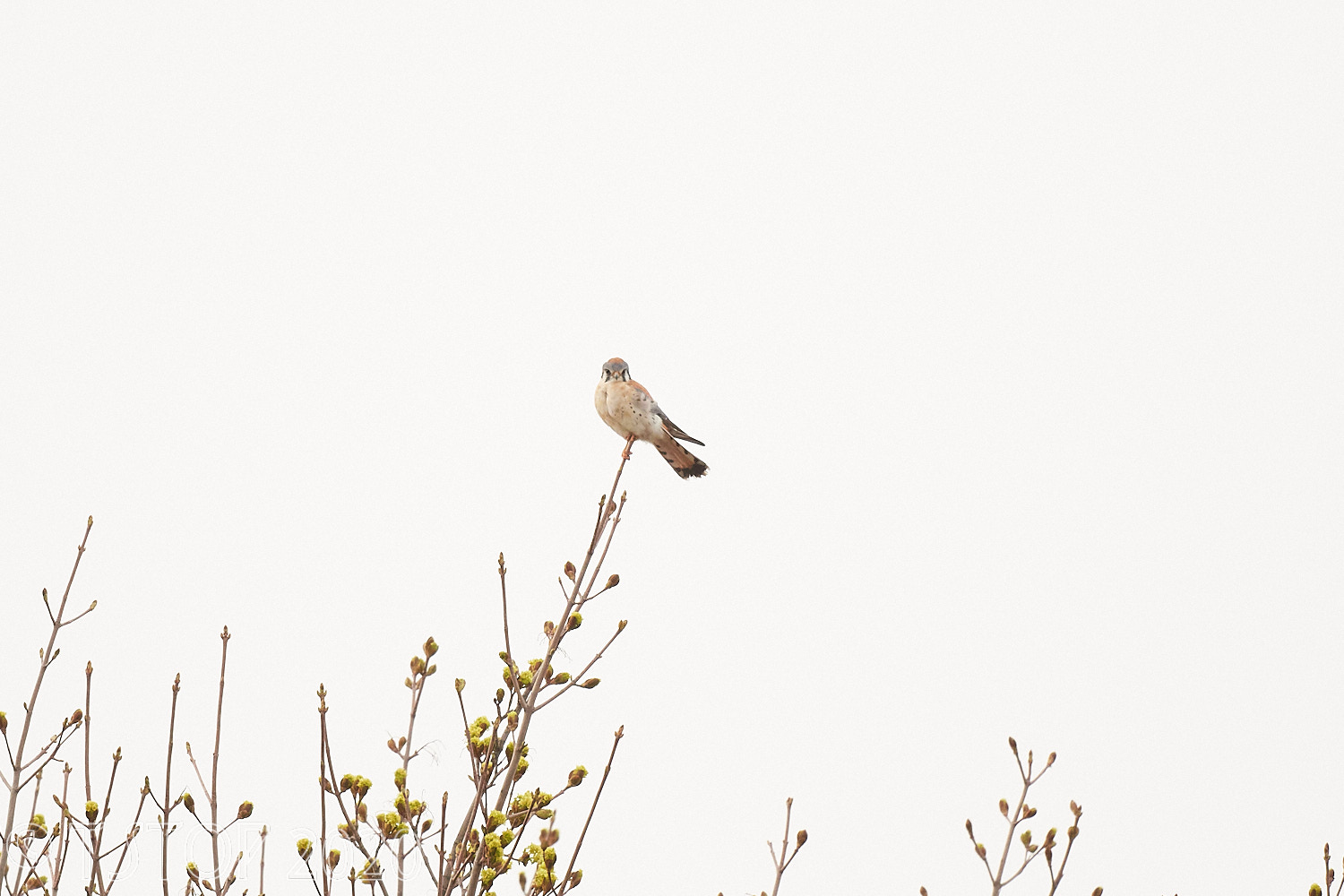
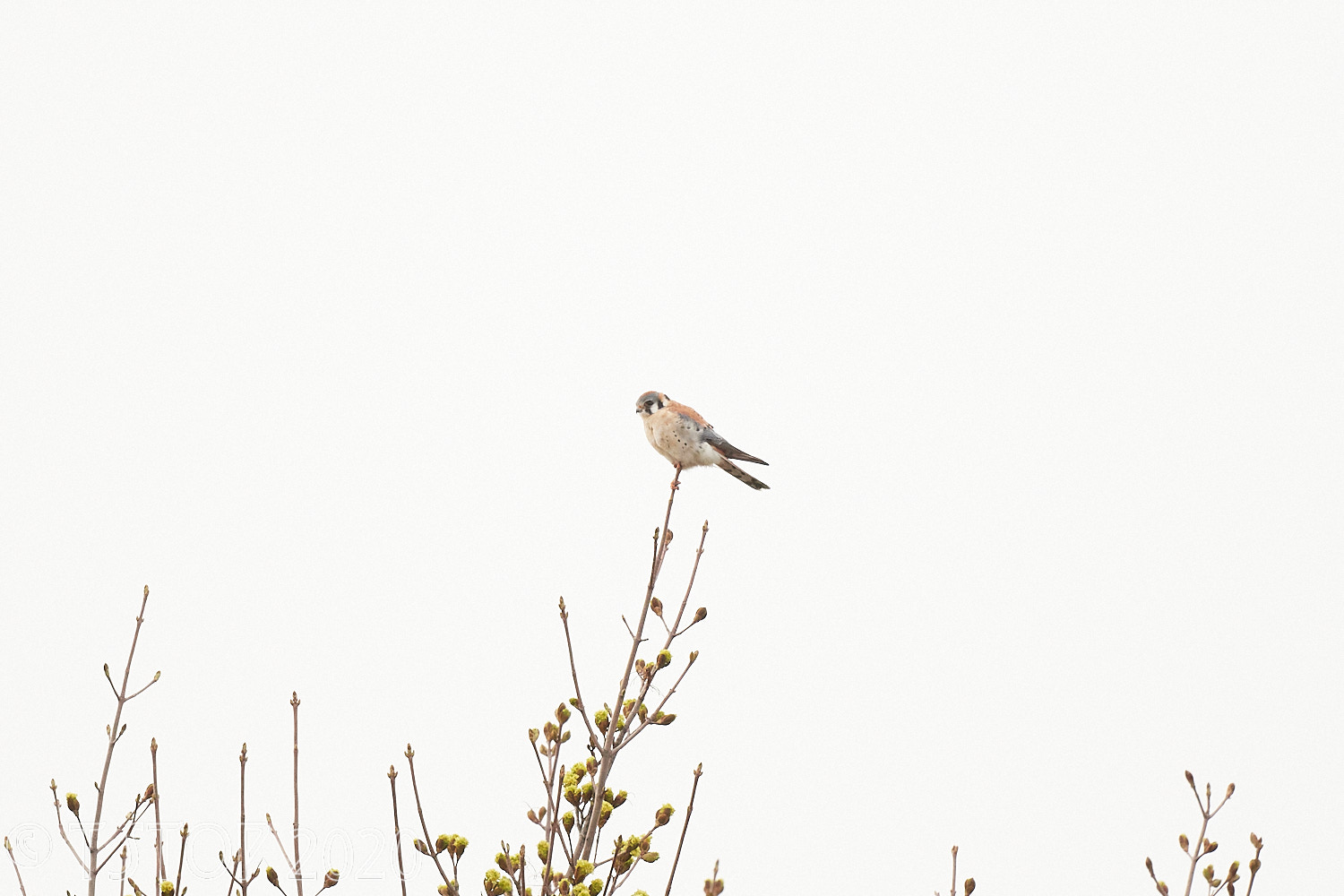
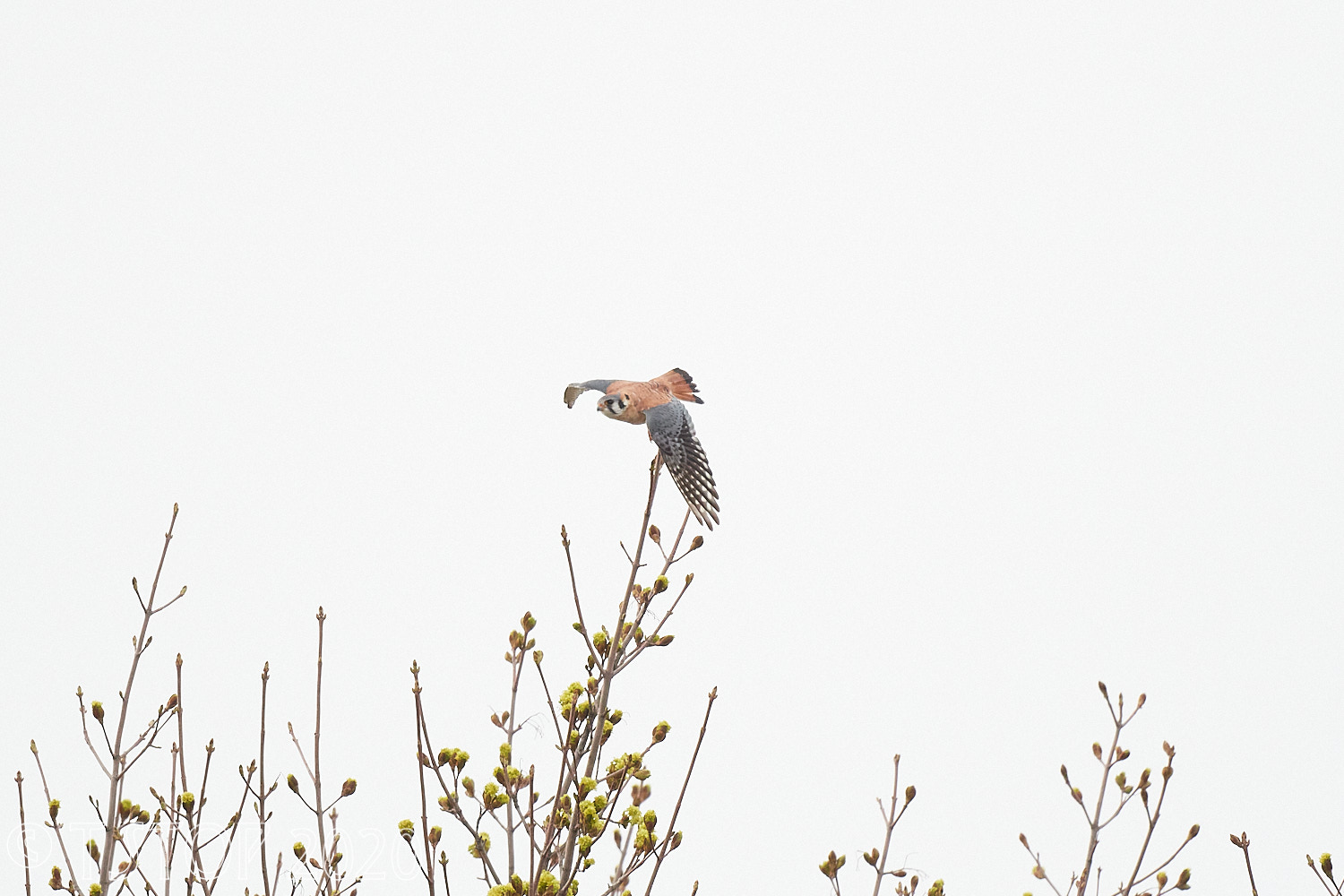
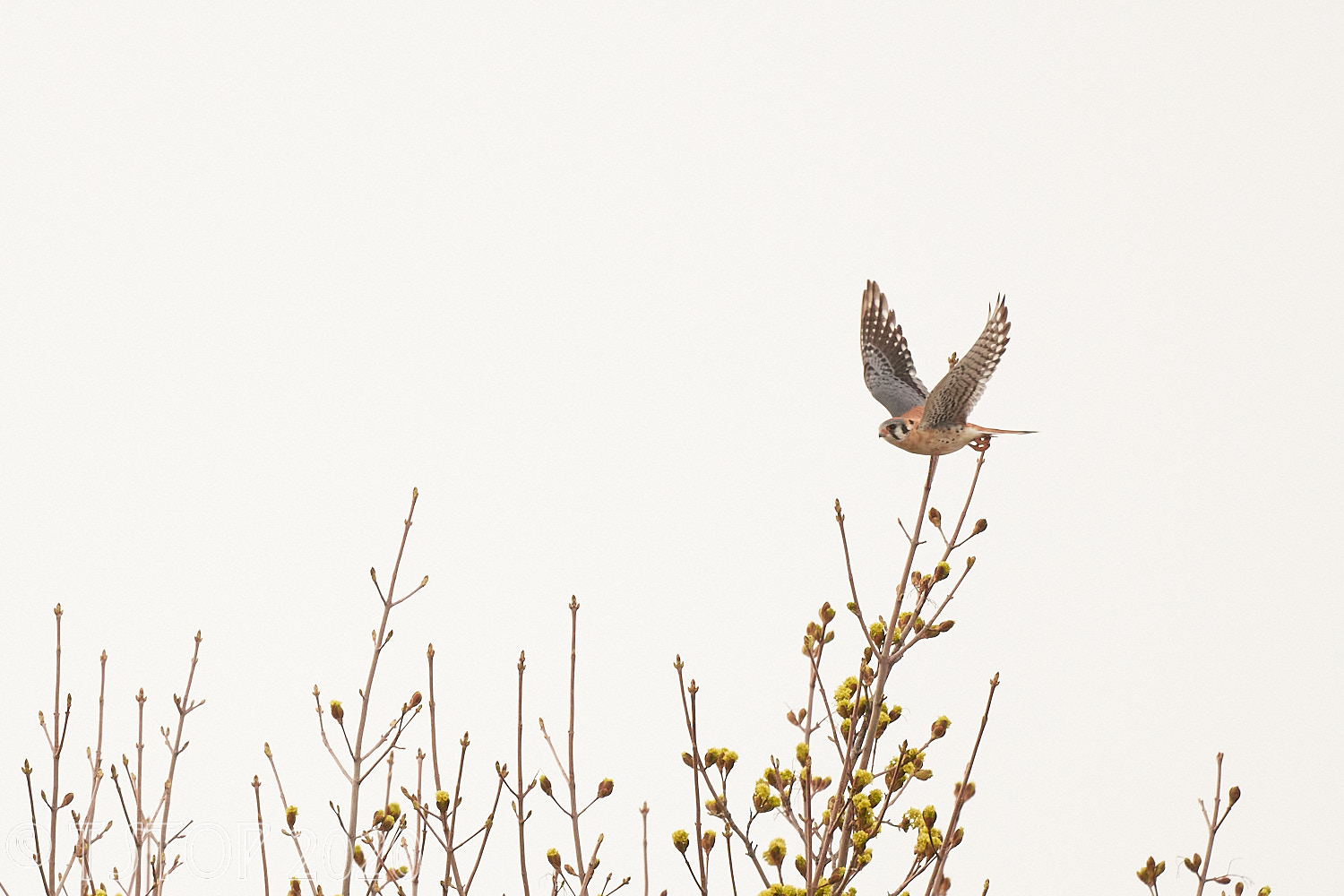
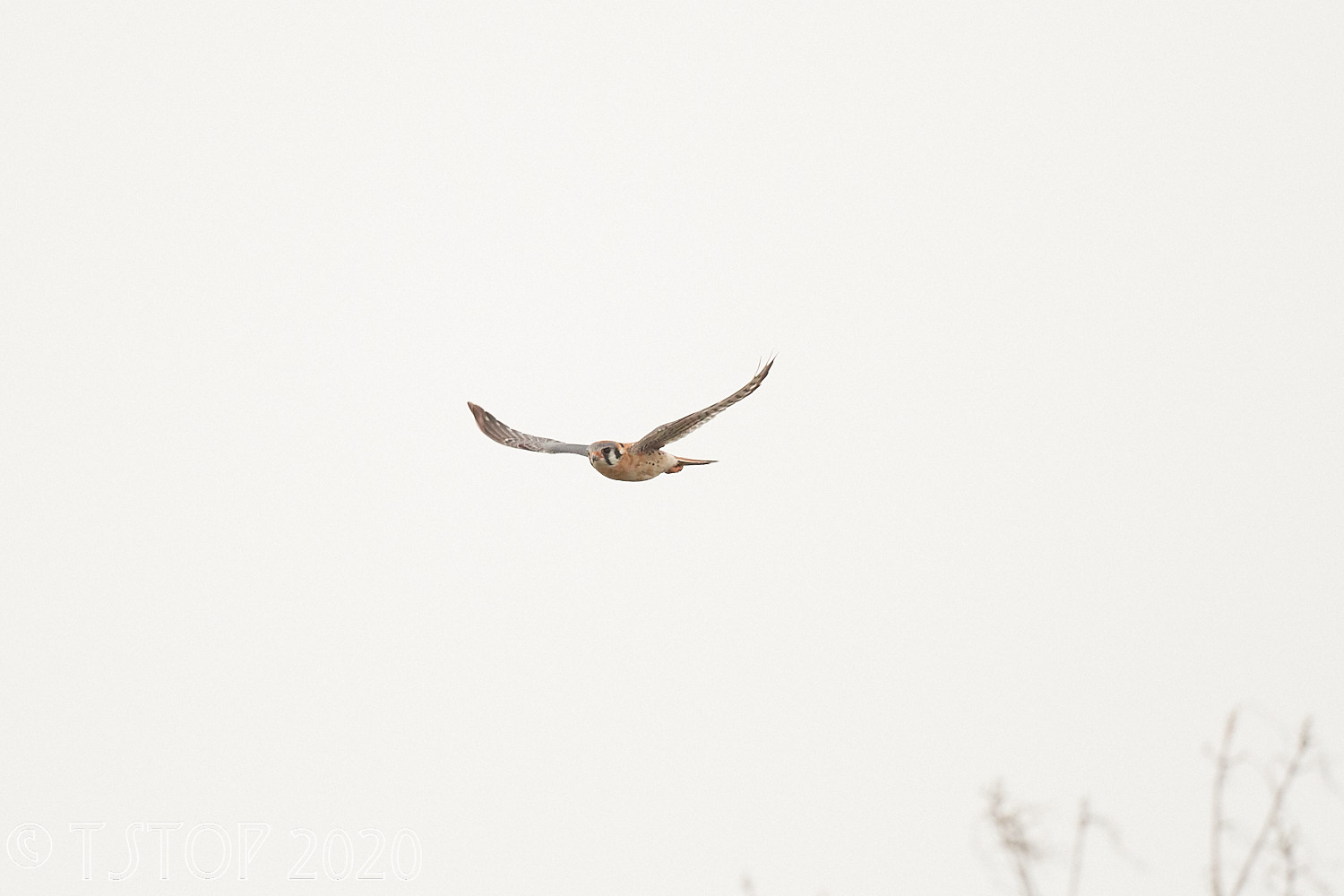
American Kestrel: This little raptor briefly visited our neighborhood. Made for a pretty sight despite bad light and extreme range. Hope you enjoy. I welcome comments and criticism to help me improve.
shot on D500 + 500PF
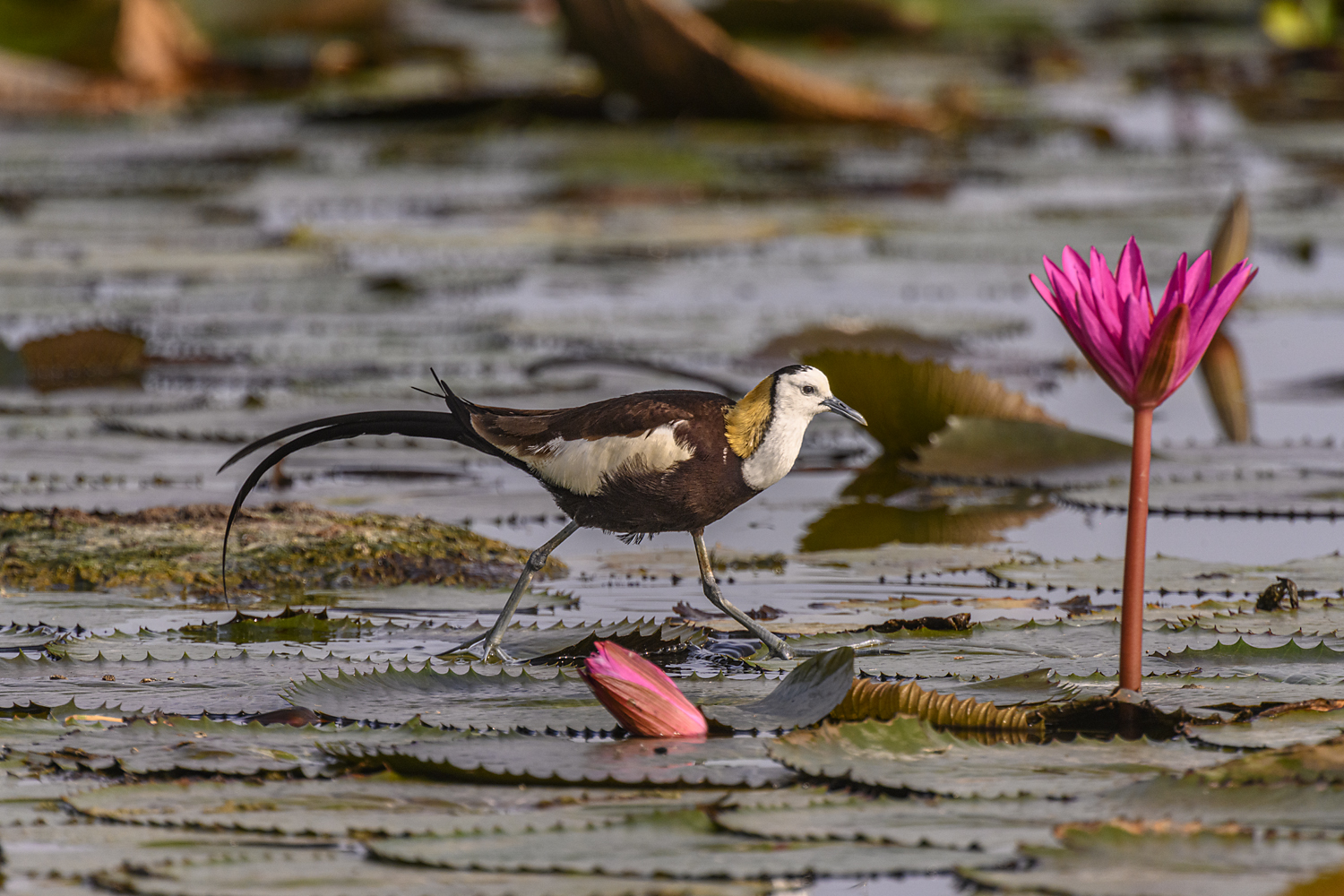
pheasant tailed Jacana
Played a bit with Z7 and TC20e iii. D850 would not AF at f11 but Z7 is actually quite reasonable, at least with slow moving object. No hope for bif though. The latest fw for Z7 is certainly much better than v1.0 as far as F11 AF is concerned. with fw v1.0, it would hunt quite a bit even with stationary object but no hunting at all with the current fw.
At 100% magnification, it is quite a mess but not too bad at smaller magnification. I added about 60% sharpening after resizing the picture. No cropping. I think while not nearly as good as with tc1.4e iii when cropping is not required but it is still a bit better than using tc14e iii and cropped to the same magnification as tc20e iii.
F11, iso 720, 1/800s.
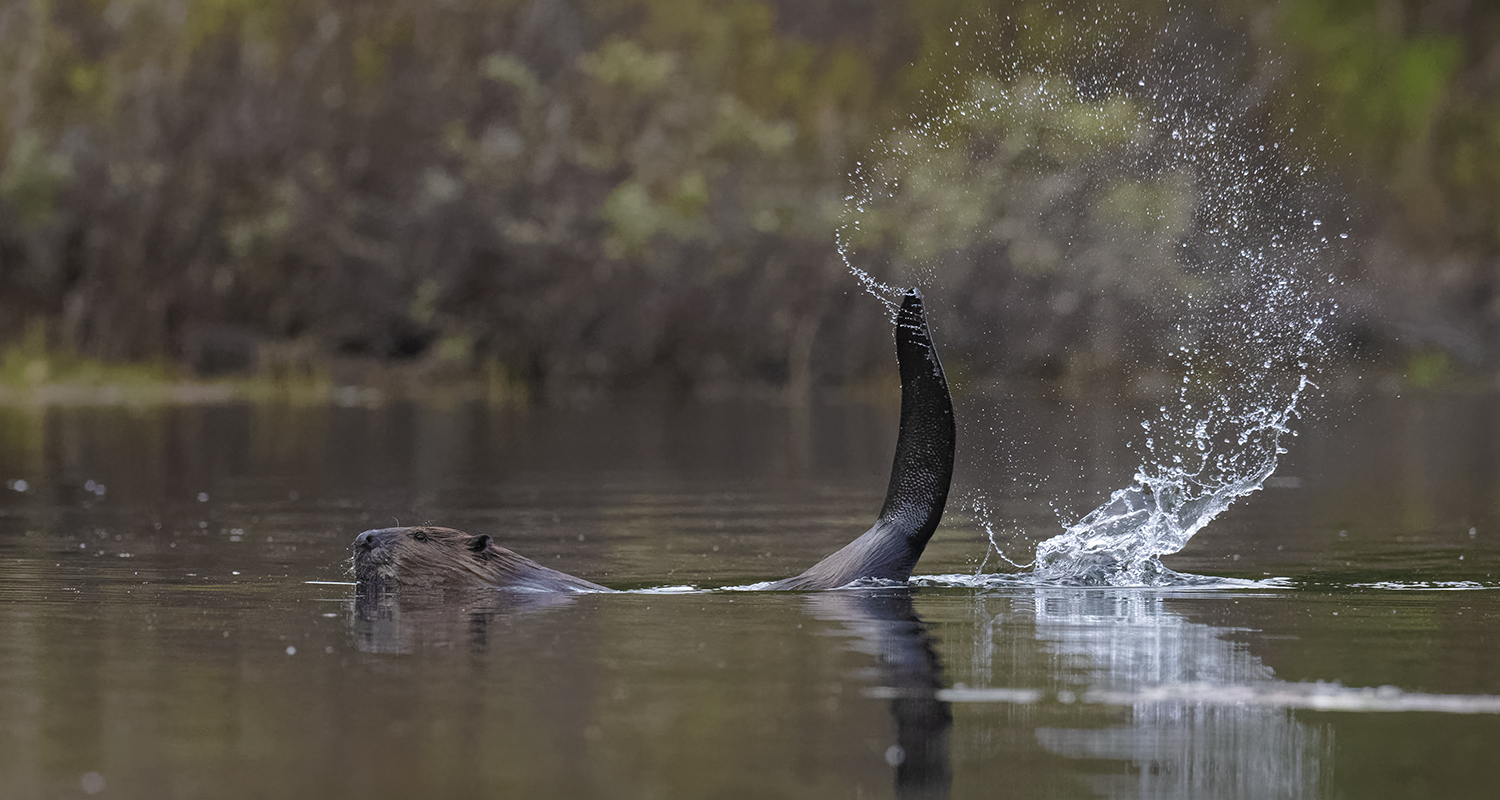
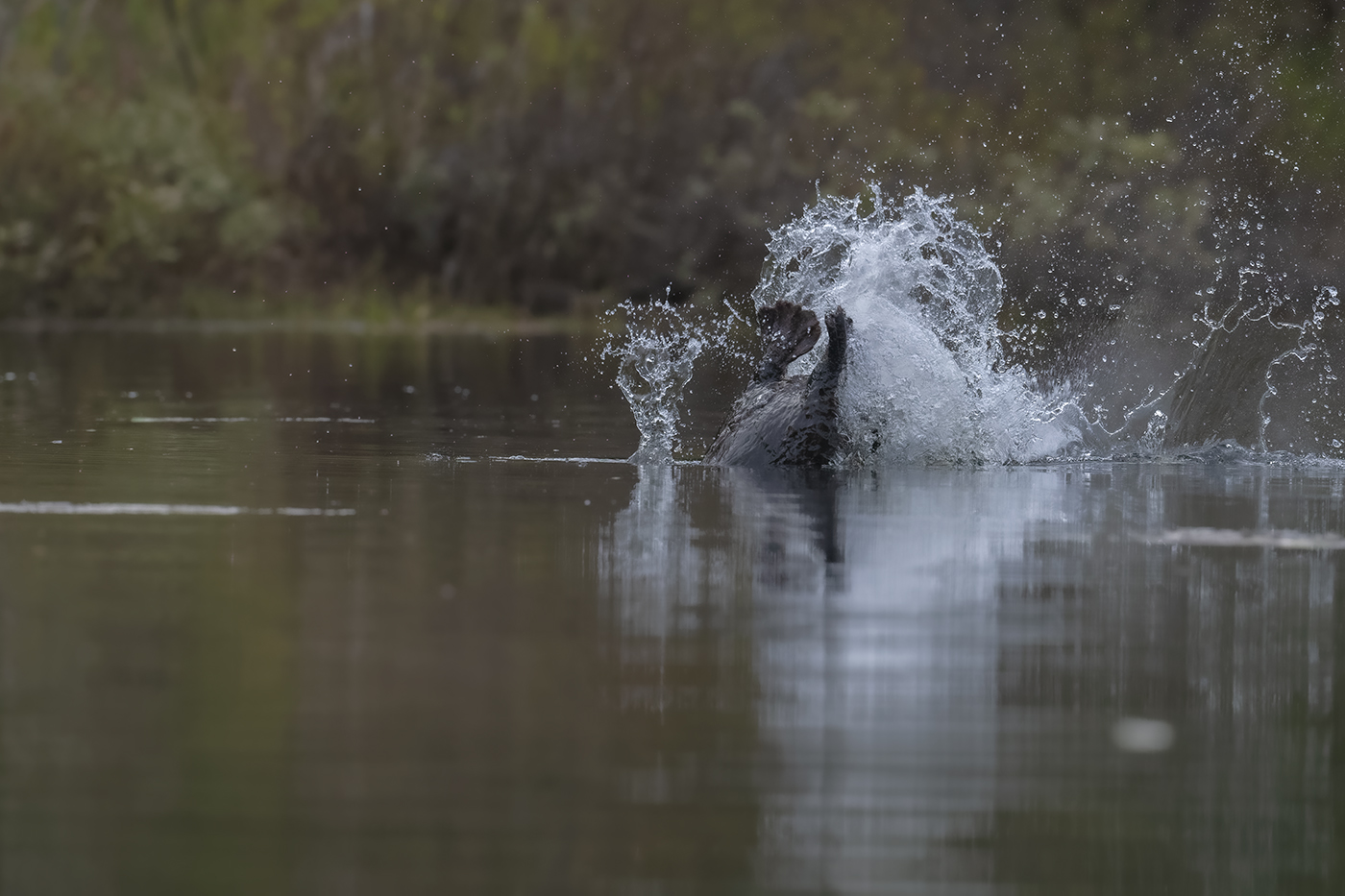
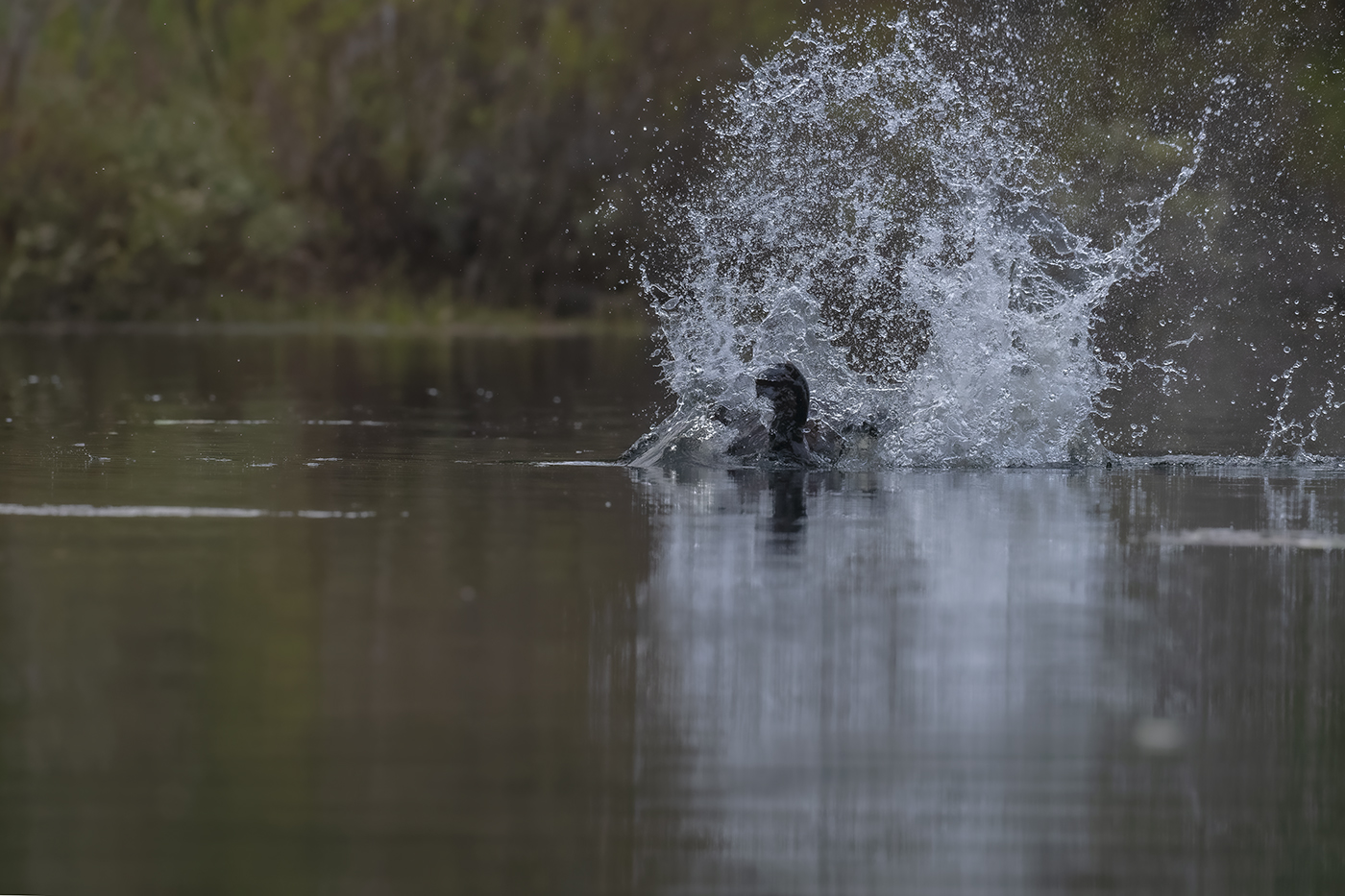
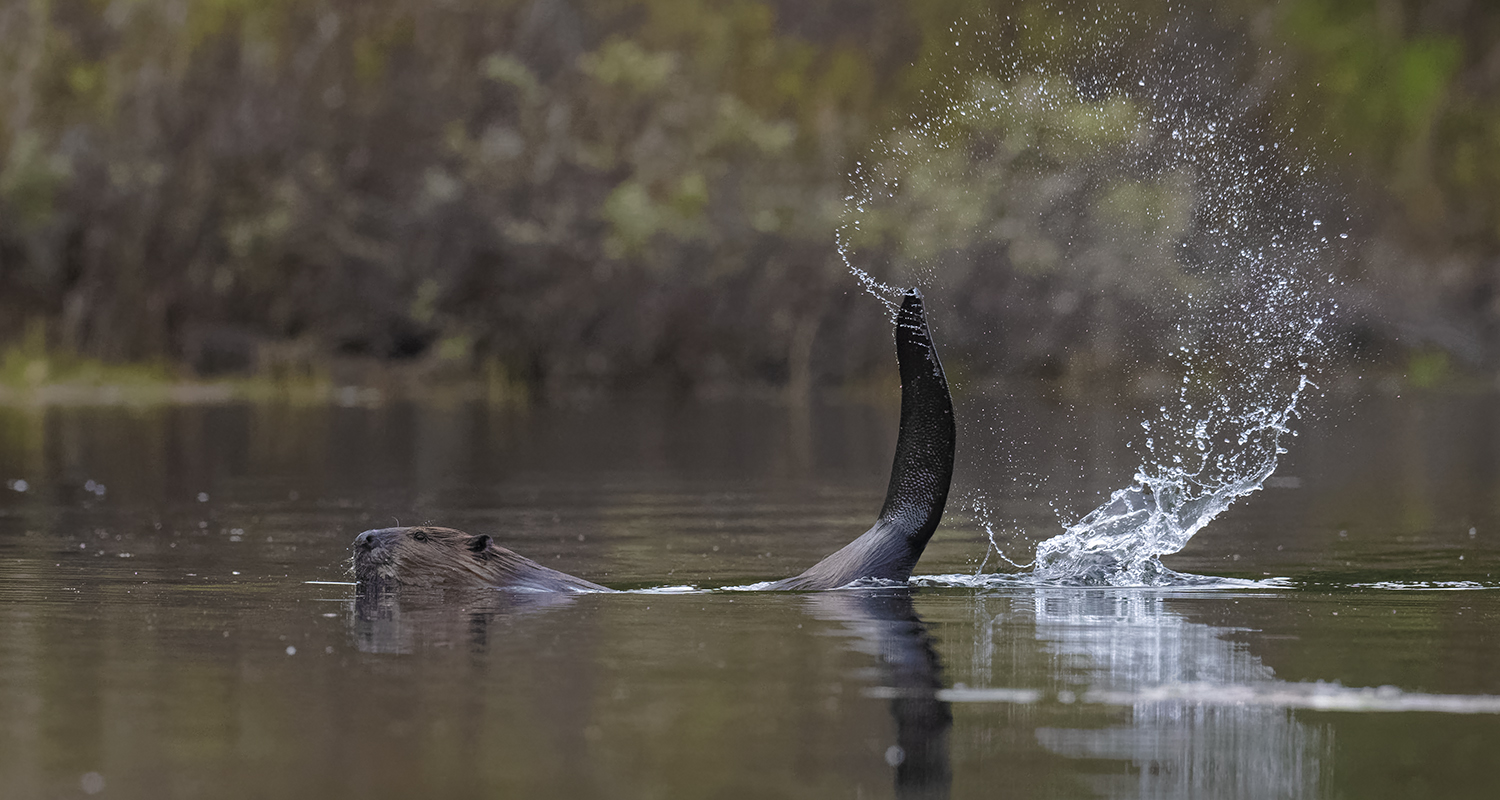
The Beaver (Castor canadensis) always uses its broad tail to slap the water as a warning to other beavers of impending danger, and to make a statement that this is its territory and it wants the intruder to leave.
At a pond of my boyhood, I was in the slough (slew), doing some loon work, when this beaver became agitated by my presence.
This image shows the uplifting of the tail. The loud “ka-plunk” follows this, as the tail is driven down and slaps onto and through the water surface.
The Beaver (Castor canadensis) always uses its broad tail to slap the water as a warning to other beavers of impending danger, and to make a statement that this is its territory and it wants the intruder to leave.
At a pond of my boyhood, I was in the slough (slew), doing some loon work, when this beaver became agitated by my presence.
This image shows the uplifting of the tail. The loud “ka-plunk” follows this, as the tail is driven down and slaps onto and through the water surface.
Brilliant photo!...
I know how hard it is to time this shot. Some beavers have a "tell" before sounding the warning, while others can do it on demand. Having made a few pictures like this, though not nearly as parallel as yours, I have learned that you must start shooting and be prepared for it to occur... or simply not.
Fantastic shot Robert... one that definitely illustrates the value of such a light and sharp optic.
Still working on my files from the Khutzeymateen (June 2019). I shot so many images in four days, headed out to Costa Rica about a week later, and was back at work before I could do a complete edit from either location.
As an educator, I'm still working every day, so it won't be until the end of this summer that I finally reduce this 7000 image backlog to about 200 pictures...
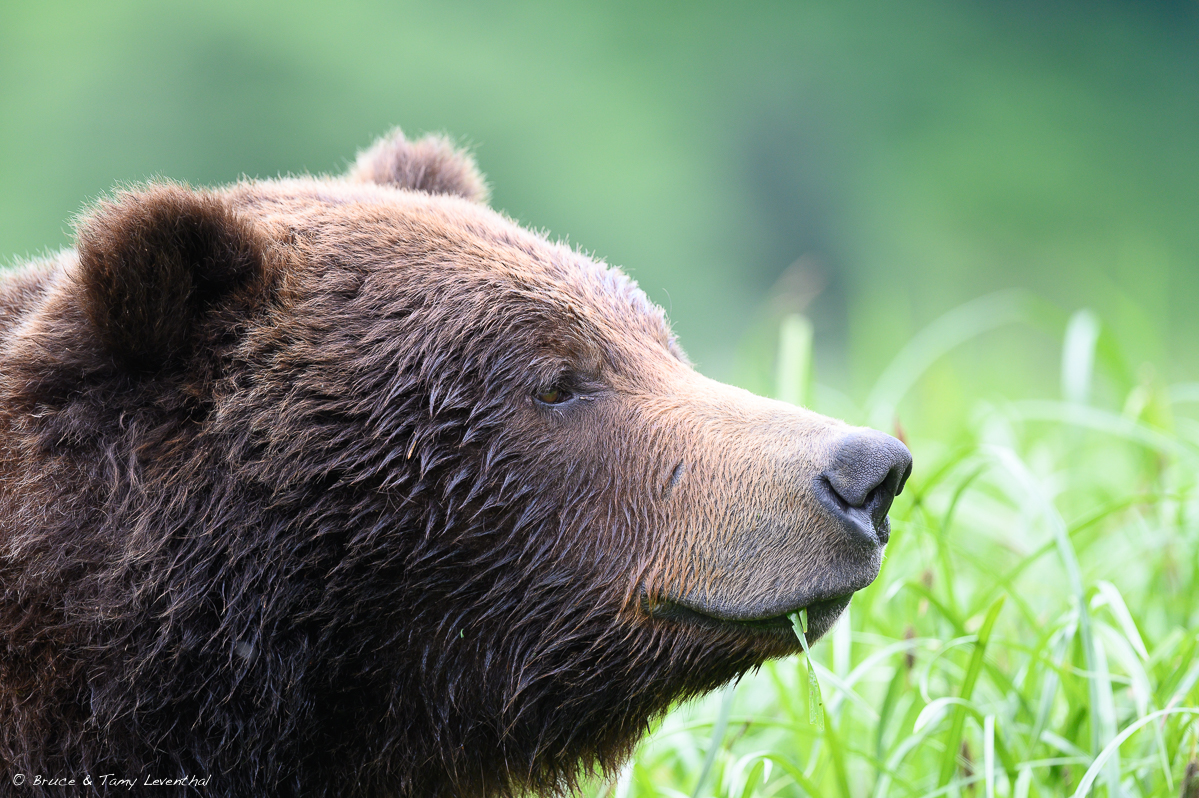
Anyway, this was a profile that I shot with the Z6 and 500PF... no cropping at all! The Khutz allows for a proximity to grizzlies that is mind-blowing.
As I am remembering now, I did exactly as you described; i.e. started shooting bursts well before it raised its tail to began the slap. Which, I think you pointed out, would probably be impossible to time. I just took guesses when it would slap, and shot bursts.
The advantage I had was that this little bugger persisted for nearly 5 minutes with its tail-slappings. It went into the pond slapping, came out of the pond slapping and went up the slough.....slapping . Personally, I don’t recall having seen a beaver slap this much. It wanted me out of there! And I did leave in fairly short order because I did not want to hang around the loons, as they were “shopping” a nest site.
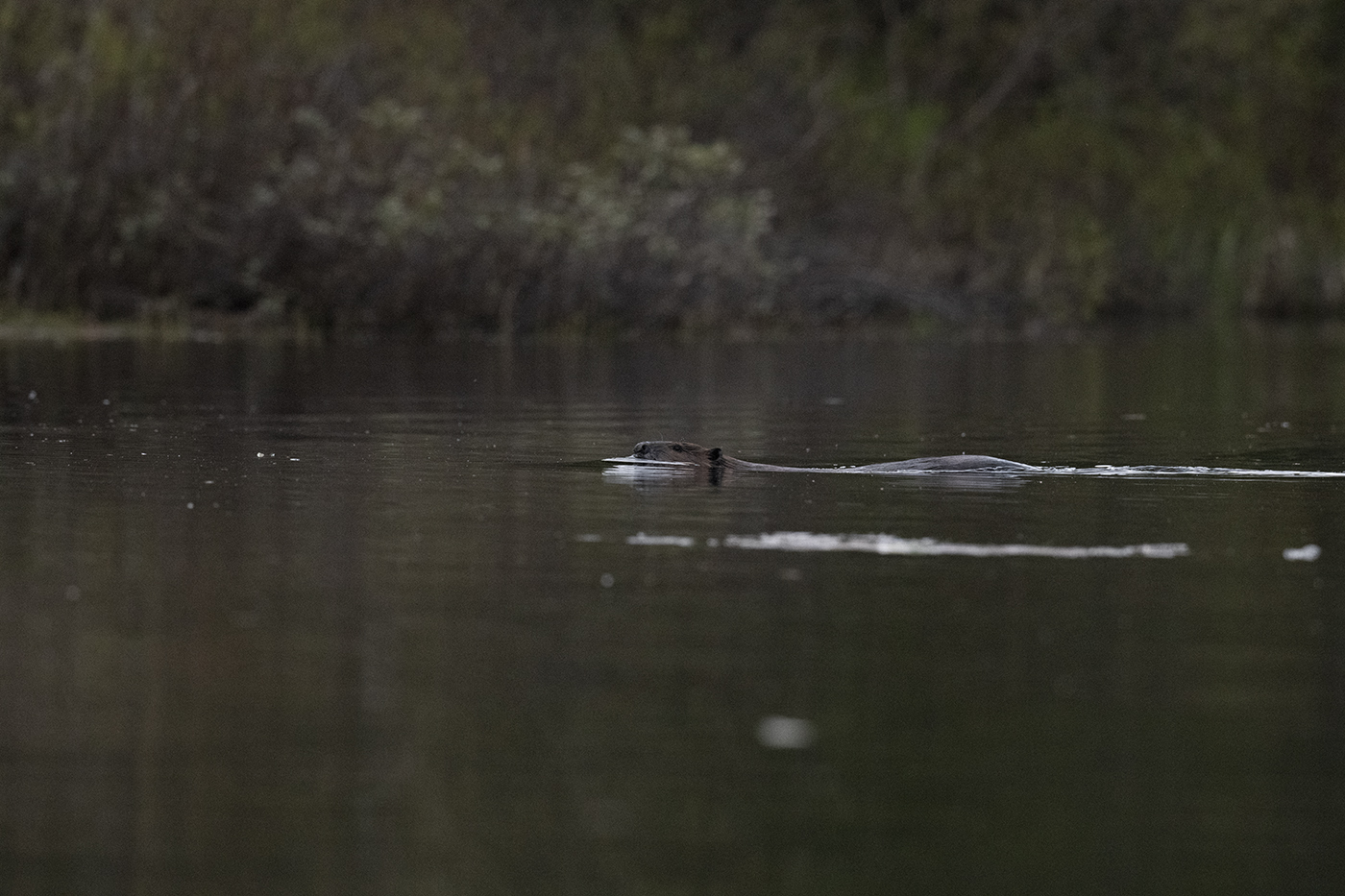
After several bursts and misses, I finally got a sequence with this beginning shot.
I went back to the original file data on the XQD card, in the camera.
This entire tail-slapping sequence began and ended within one second and I did manage to capture the first frame in that sequence, by my reaction/reflexes, probably only because it was slapping so many times.
The advantage I had was that at any moment, I knew this beaver was going to slap again. I kept my eye in the viewfinder, because this beaver persistently slapped as it swam back and forth, submerging and surfacing several hundred feet away and slapping again and again.
The first frame here, is not de-noised and the other 5 are de-noised. The first frame is part of a sequence made in the hope that the beaver would begin its tail-slap sequence after the burst started. The beaver did not do that. But, two seconds later (at 47 seconds,) because I was expecting it, I managed to capture the first frame of the beaver initiating its tail slap.
I was not on the slough/pond for the beaver. It was my very first outing this spring and the purpose was to gain any information I could on where the loons were contemplating nesting. I did learn what I suspected - that they are “shopping” for a nest site. Loons will leave a spot they were considering, if the person stays too long observing them building the nest (even from a long distance). I know this from many experiences and learned it the hard way. So, I was there no more than 10 minutes and moving constantly, canoeing to the pond via the slough, turning around and heading back out. In the last section, in the area I turned and headed back from, the beaver was going to and fro, slapping for me to get the hell out
The loon pair was less than 100 yards away from the beaver as it did all of its tail-slapping, which is a very loud "KA-PLUNK" sound. Some have likened it to a human doing a "belly-flop".
I was photographing this beaver at 6:15 a.m. and back to the launch and preparing to disembark by 6:28 a.m.
Taken at 45 seconds past 6:15 a.m. and at the last frame of a 3 frame burst.
The first frame of the tail slap sequence, captured at 47 seconds past 6:15 a.m. and captured by my relexes.
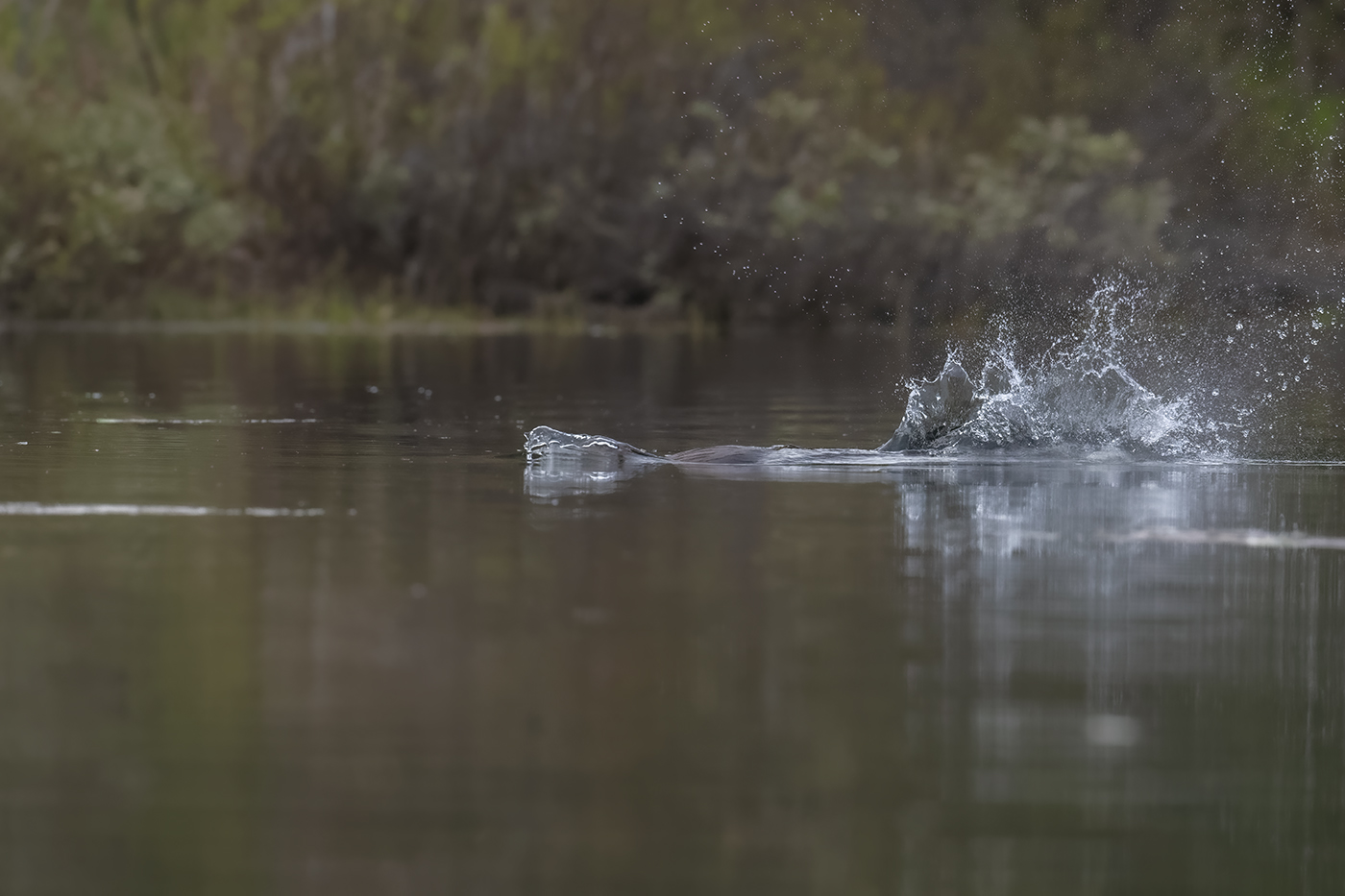
2nd frame of tail slap sequence, also captured at 47 seconds.
3rd frame of tail slap sequence, still at 47 seconds.
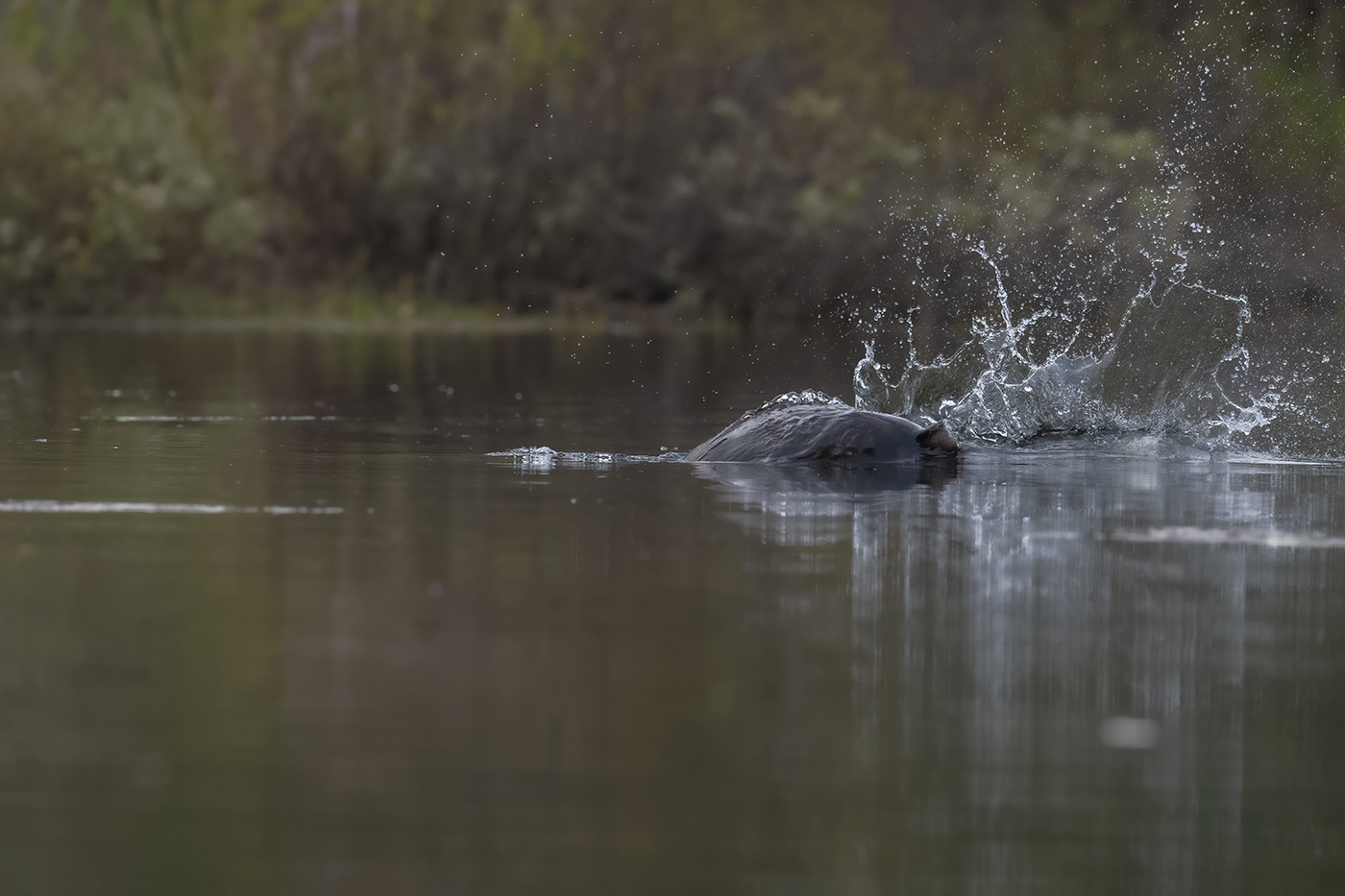
4th frame of tail slap sequence, still at 47 seconds. See the webbed hind foot
5th frame of tail slap sequence, still at 47 seconds past 6:15 a.m.
I went back to the original file data on the XQD card, in the camera.
The entire tail-slapping sequence began and ended within one second and I did manage to capture the first frame in that sequence, by my reaction/reflexes as it began the slap sequence.
The advantage I had was that at any moment, I knew this beaver was going to slap again. I kept my eye in the viewfinder, because this beaver persistently slapped as it swam back and forth, submerging and surfacing several hundred feet away and slapping again and again.
The first frame here, is not de-noised and the other 5 are de-noised. The first frame is part of a sequence made in the hope that the beaver would begin its tail-slap sequence after the burst started. The beaver did not do that. But, two seconds later (at 47 seconds,) because I was expecting it, I managed to capture the first frame of the beaver initiating its tail slap.
I was not on the slough/pond for the beaver. It was my very first outing this spring and I was quietly sliding down the slough to gain any information I could on where the loons were contemplating nesting. I did learn that they are “shopping" a nesting spot. Loons will leave a spot they were considering, if the person stays too long observing them building the nest (even from a long distance). I know this from many experiences and learned it the hard way. So, I was there no more than 10 minutes, canoeing to the pond via the slough, turning around and heading back out. In the last section, in the area I was intending to turn and head back, the beaver was going to and fro, slapping for me to get the hell out I was back to the launch and disembarking by 6:28 a.m.
I use S (single) or Auto AF. In this case, it was very easy to hold the single point on the beaver's head.
I have both my D850 and D500 set up so that when I press and release AF-ON, the focus point stays at that distance, until I press AF-ON again. S is accomplished by pressing/releasing the AF-ON button only. AutoAF is accomplished by pressing/holding the AF-ON and Preview buttons simultaneously while holding the flying bird in the viewfinder.
Pressing the shutter release button does not focus either of my cameras. This has value for when I want to recompose after having focused. For instance, after I focus, I may want to quickly reposition the eye/head of an animal within the frame without worrying about the camera changing the focus point as I press the shutter release.
I used to use d9 sometimes. I may fool with it this summer for something between S and AutoAF.






 . Personally, I don’t recall having seen a beaver slap this much. It wanted me out of there! And I did leave in fairly short order because I did not want to hang around the loons, as they were “shopping” a nest site.