I've been thinking about doing this kind of conversion (stripping the CFA) for years now and it seems like available software (Monochrome2DNG looks good) and plethora of camera choices makes it the right time. I had originally been looking at a7, but since the prices have come down so drastically on the a7II, I figure I'd spring for the improved ergonomics and SteadyShot. I know our great PP software can do a bang-up job on mono conversions, but I'm after a more dedicated solution.
Ha, YES!!! I'd talked to MaxMax.com before but at $2500+ for conversion it was out of reach. I've already talked to Daniel at Monochrome Imaging that's mentioned on the other thread. I bought an A7R that came in yesterday, he recommended it for the resolution (if not an A7RII), but I'm going to shoot with it natively for a bit to see if I like it. The double shutter / delay is taking a bit to get used to and giving me pause if it's the camera I want to convert. If I can't live with it I'll get an A7II, which'll pair nicely with the A7RII that I'll probably keep in lieu of an A7III.
I'll probably go with a bare sensor, full spectrum conversion. Fixed smearing of any rangefinders, and can use a front end hot mirror filter if you want visible light results. If you do go A7II, Daniel mentioned that with the CFA stripped you lose PDAF regardless, and in monochrome any color shift becomes vignette so not too concerned about the older sensors on the A7II and A7R.
Lastly, if you're impatient, you can just remove the hot mirror filter and have a naked full spectum camera. I've posted some shots, usually needs a bit of contrast, but otherwise just desaturate the image and it's a great base for B&W (think of it as a red monochrome...) Anyway, that conversion only costs $250-$300 so it could be a stepping stone if you aren't ready to spring for a full conversion.
Interesting, but I can't see going back to carrying a pile of filters again...nor having to buy them again! Plus, I really like the ability to get either/or from a single shot, unlike the way I used to do 2 sheets of film if I wanted both.
Filters are optional but not necessary. You can do a visible light monochrome conversion, it just replaces the hot mirror filter without AA component. But full spectrum with filters can give you flexibility depending on the scene, and adds about 2 stops of sensitivity.
Now having either or... well you get less sensitivity and less sharpness, but it’s still good with modern resolution.
DannyBurkPhoto wrote:
Interesting, but I can't see going back to carrying a pile of filters again...nor having to buy them again! Plus, I really like the ability to get either/or from a single shot, unlike the way I used to do 2 sheets of film if I wanted both.
Mathieu18 wrote:
Ha, YES!!! I'd talked to MaxMax.com before but at $2500+ for conversion it was out of reach. I've already talked to Daniel at Monochrome Imaging that's mentioned on the other thread. I bought an A7R that came in yesterday, he recommended it for the resolution (if not an A7RII), but I'm going to shoot with it natively for a bit to see if I like it. The double shutter / delay is taking a bit to get used to and giving me pause if it's the camera I want to convert. If I can't live with it I'll get an A7II, which'll pair nicely with the A7RII that I'll probably keep in lieu of an A7III.
I'll probably go with a bare sensor, full spectrum conversion. Fixed smearing of any rangefinders, and can use a front end hot mirror filter if you want visible light results. If you do go A7II, Daniel mentioned that with the CFA stripped you lose PDAF regardless, and in monochrome any color shift becomes vignette so not too concerned about the older sensors on the A7II and A7R.
Lastly, if you're impatient, you can just remove the hot mirror filter and have a naked full spectum camera. I've posted some shots, usually needs a bit of contrast, but otherwise just desaturate the image and it's a great base for B&W (think of it as a red monochrome...) Anyway, that conversion only costs $250-$300 so it could be a stepping stone if you aren't ready to spring for a full conversion....Show more →
Bare sensor, eh? I thought about doing that to the rII instead of the Kolari UT mod, but I wasn't sure if I wanted to deal with hot mirror filters for all my lenses. I'm still not sure. Did you talk to him about the options on replacing layer c? I'm curious if his upgraded filter is any optically thinner than the standard Sony cover.
DannyBurkPhoto wrote:
Interesting, but I can't see going back to carrying a pile of filters again...nor having to buy them again! Plus, I really like the ability to get either/or from a single shot, unlike the way I used to do 2 sheets of film if I wanted both.
I'm certainly not knocking that approach and will likely still use it with the rII when the situation presents itself, but I do like the challenge of only being able to shoot mono.
He says 1mm vs 0.7 on stock Sony, but he may only be talking Layer C vs. the whole stack. There seems to be some divergence in just how think the Sony stack really is. Having converted a few to bare sensor myself... I’m still not sure!
My lenses don’t vary too much, I just got a 49mm and it isn’t bad. But then it was a specialty camera, not daily use.
freaklikeme wrote:
Bare sensor, eh? I thought about doing that to the rII instead of the Kolari UT mod, but I wasn't sure if I wanted to deal with hot mirror filters for all my lenses. I'm still not sure. Did you talk to him about the options on replacing layer c? I'm curious if his upgraded filter is any optically thinner than the standard Sony cover.
I think the a7r's a good choice if you can live with it's quirks. Definitely a great sensor. But I think usage is the big difference here. I don't see this as a specialty camera. I don't know that I'll use it more than the rII, but I think it will be close. I don't want the I/R contamination and I don't want my lens choice limited by the need for a filter. I'm also not worried about the corners so much as I am the return to the heavy mid-zone dips. That's the improvement I'm most pleased with on the Kolari UT mod.
Here's what I'm thinking. I'll get the 7II's AA and CFA stripped and see how I like it. The only focal length that has me overly concerned is 24. If I'm not happy with my current choices there, it would give me an excuse to rent the Loxia 25 when it becomes available. The sample shots on PhilipReeve have me very interested and I could see that lens attached to the camera for a great deal of it's life. If that doesn't work out, then I can always get the thing Kolari-modded. We'll see how it goes.
Mathieu18 wrote:
He says 1mm vs 0.7 on stock Sony, but he may only be talking Layer C vs. the whole stack. There seems to be some divergence in just how think the Sony stack really is. Having converted a few to bare sensor myself... I’m still not sure!
My lenses don’t vary too much, I just got a 49mm and it isn’t bad. But then it was a specialty camera, not daily use.
I've been thinking of doing this mod (haven't committed yet) but talked quite a bit with Daniel over email. Very nice guy.
The full spectrum mod with a AR (Anti-Reflection) layer on top of the bare sensor would leave it at 1mm thickness.
I wouldn't want to have the sensor totally naked, it would be a pain to clean all the dust. Plus, not having AR will probably increase even more sensor reflections.
Mathieu, where does a full spectrum monochrome conversion cost $250-300?
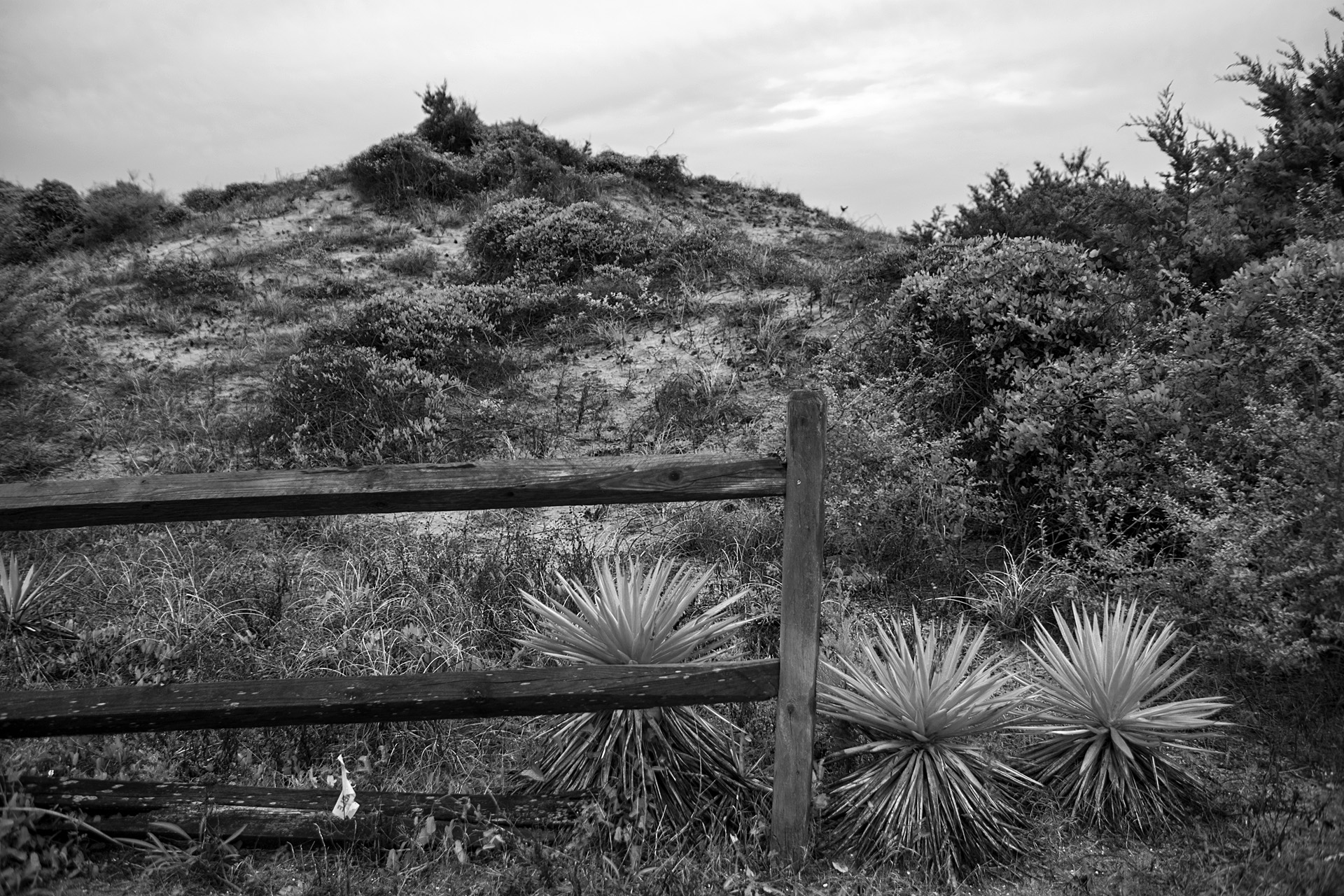
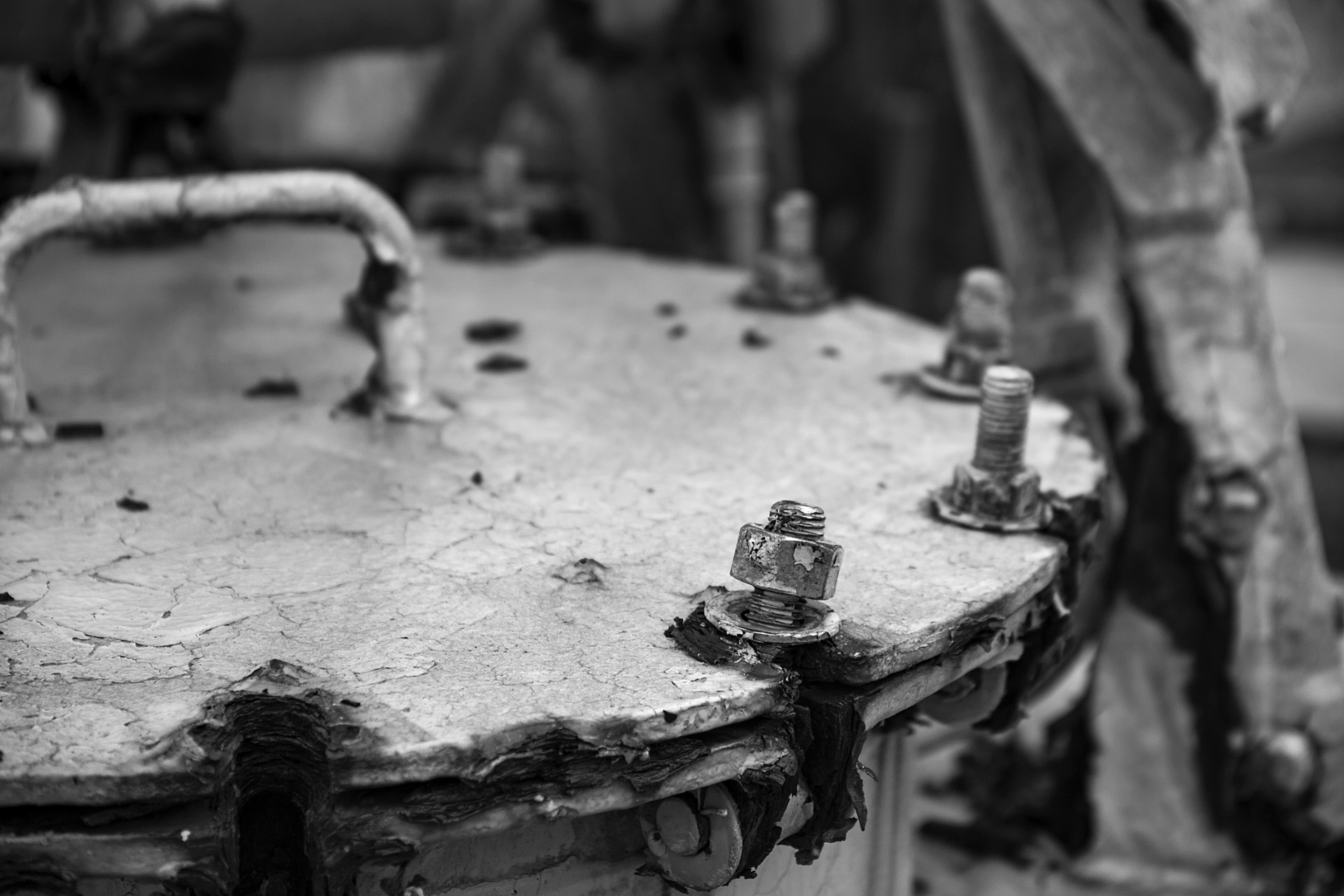
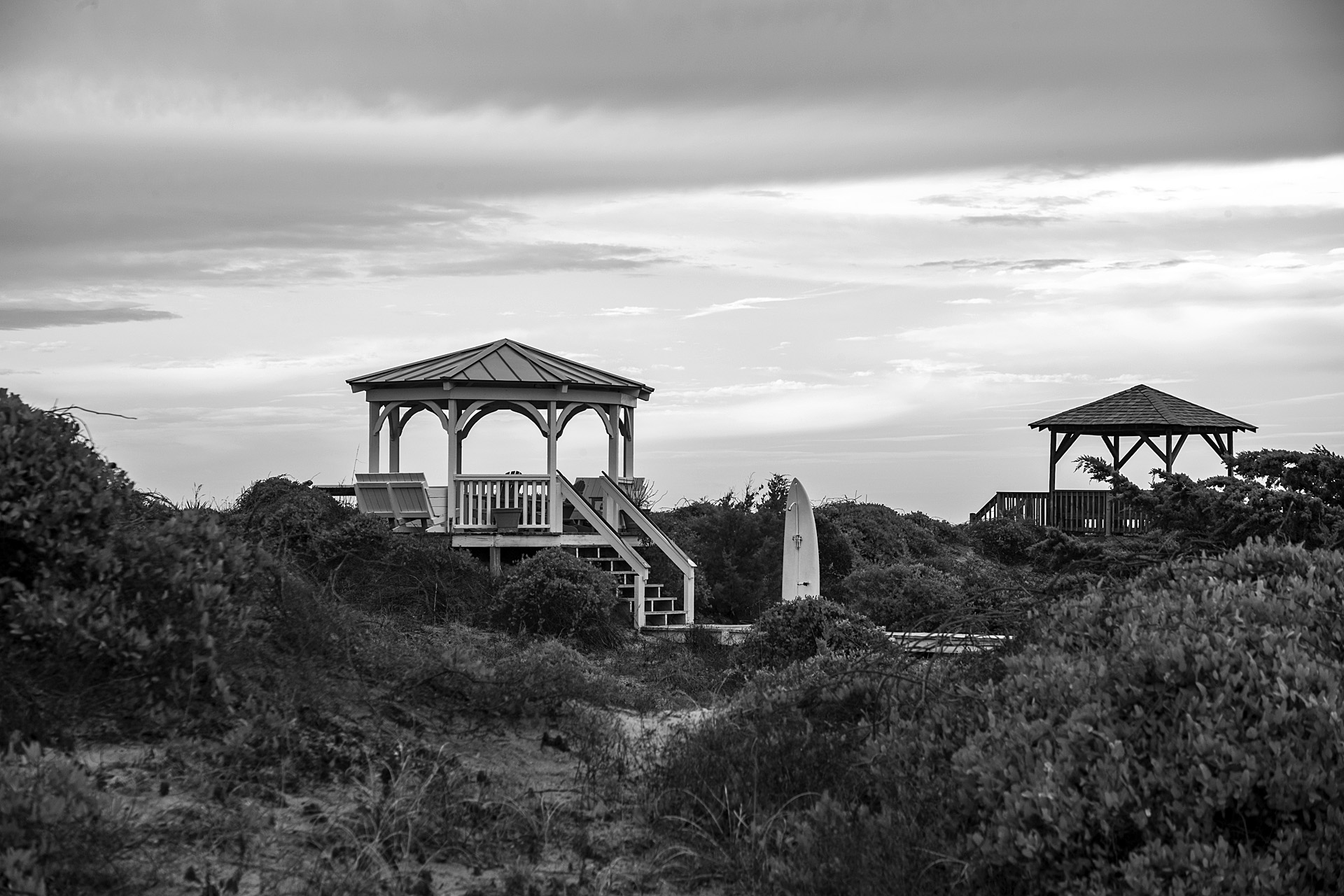
Not full spectrum monochrome, just full spectrum, by removal of the hot mirror. Kolari or Daniel will do it for $250-$300 and it can make for nice B&W conversions. A7 samples below.
Don’t get me wrong though, I still want a monochrome conversion, I’m just still debating between the sensor of the A7R or the handling of the A7II.
nampramos wrote:
I've been thinking of doing this mod (haven't committed yet) but talked quite a bit with Daniel over email. Very nice guy.
The full spectrum mod with a AR (Anti-Reflection) layer on top of the bare sensor would leave it at 1mm thickness.
I wouldn't want to have the sensor totally naked, it would be a pain to clean all the dust. Plus, not having AR will probably increase even more sensor reflections.
Mathieu, where does a full spectrum monochrome conversion cost $250-300?
Seems crazy to me to strip the CFA just for small resolution gains. You give up a lot of post-processing lattitude in being able to adjust your B&W conversion with different color filters. I'd think a better option would be to set one of the memory modes to B&W shooting so you can see a B&W preview, but still capture RAW for post-processing with color info. But hey, whatever inspires your art...
grahamgibson wrote:
Seems crazy to me to strip the CFA just for small resolution gains. You give up a lot of post-processing lattitude in being able to adjust your B&W conversion with different color filters. I'd think a better option would be to set one of the memory modes to B&W shooting so you can see a B&W preview, but still capture RAW for post-processing with color info. But hey, whatever inspires your art...
And yet, all the persons I know who have a monochrom camera (the Leica one usually) would not change it for anything in the world.
grahamgibson wrote:
Seems crazy to me to strip the CFA just for small resolution gains. You give up a lot of post-processing lattitude in being able to adjust your B&W conversion with different color filters. I'd think a better option would be to set one of the memory modes to B&W shooting so you can see a B&W preview, but still capture RAW for post-processing with color info. But hey, whatever inspires your art...
I think that issue for me is the intention. I don't want optionality, I want to shoot black and white. Not "both".
I will probably never go this route (monochrome sensor), but it makes perfect sense to me: imposing constraints (e.g., using a monochrome sensor, limiting yourself to only one lens for a period of time, shooting with manual focus legacy lenses, etc.) can be good for the work.
I shoot only for black and white (but I prefer to make RAW files that preserve colour channels so I can manipulate those channels in Lightroom). What works best is up to the individual, and thank goodness we have all of these amazing choices these days. As far as I'm concerned, anything that keeps black and white photography alive and interesting is a good thing.
AndrewNYC wrote:
I think that issue for me is the intention. I don't want optionality, I want to shoot black and white. Not "both".
It's a specialized tool to be sure, but then specialized tools usually generate superior results to generalist tools.
I 100% understand why someone would want to convert color into B&W, but if you want B&W, I'd argue the gains are more than small. Luminosity also isn't affected by tonality and the corresponding bayer filter, and no demosaicing needs to be done. Results of color filters in post can be reproduced with actual filters, and probably with smoother results. Its certainly a "slower" camera to me, so I don't see the draw back to using a color filter, I already have red and deep red etc.