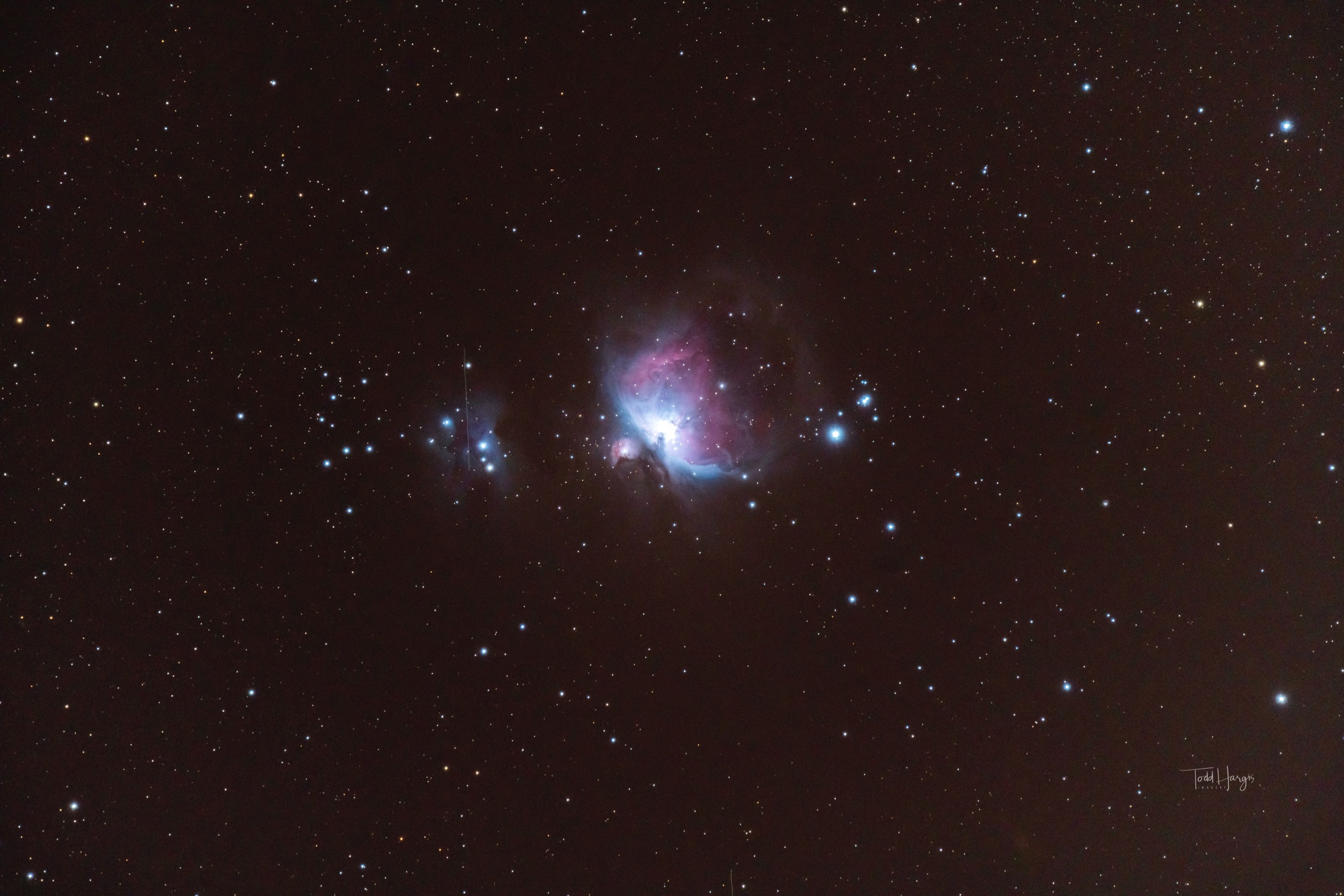
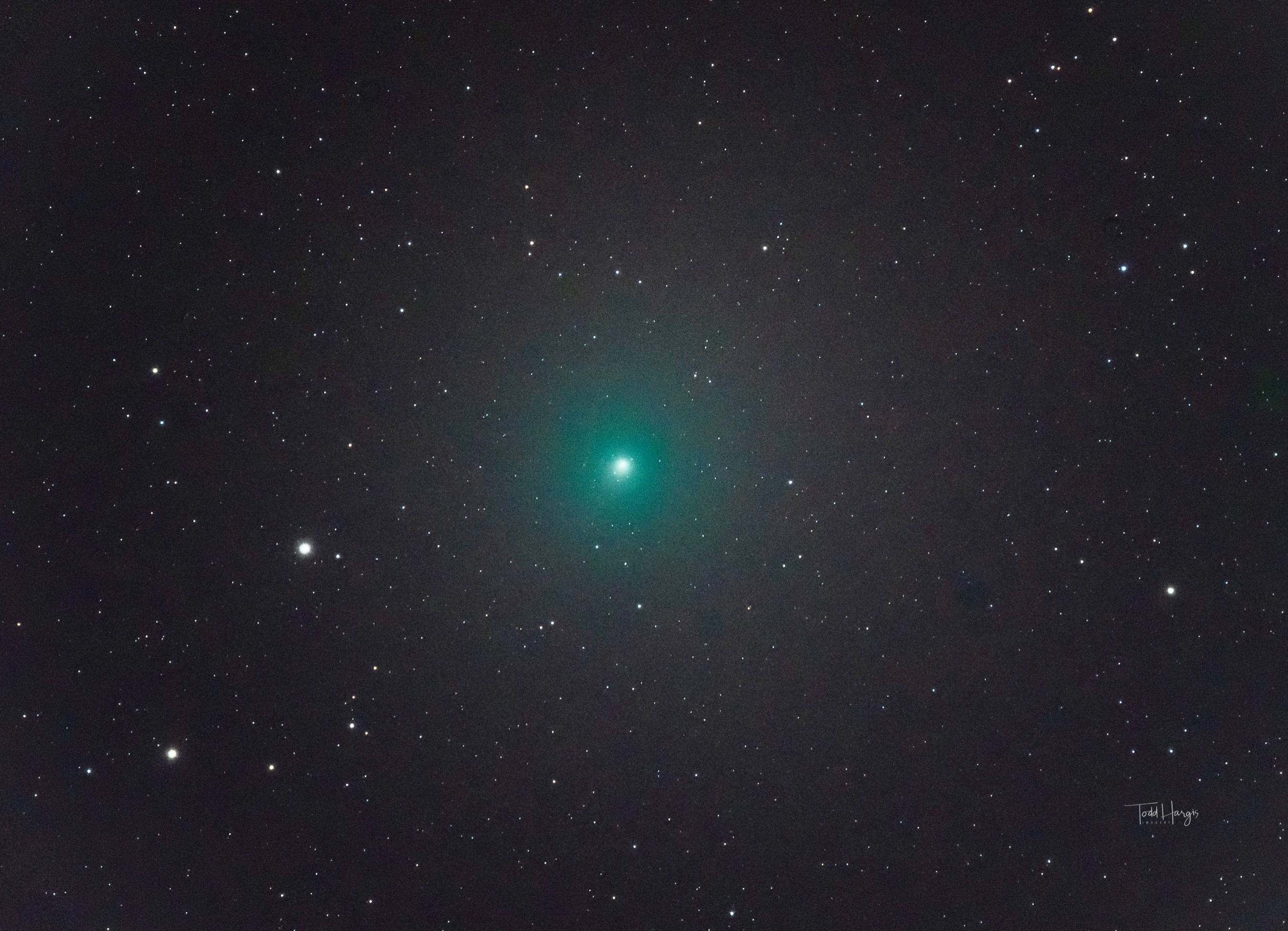
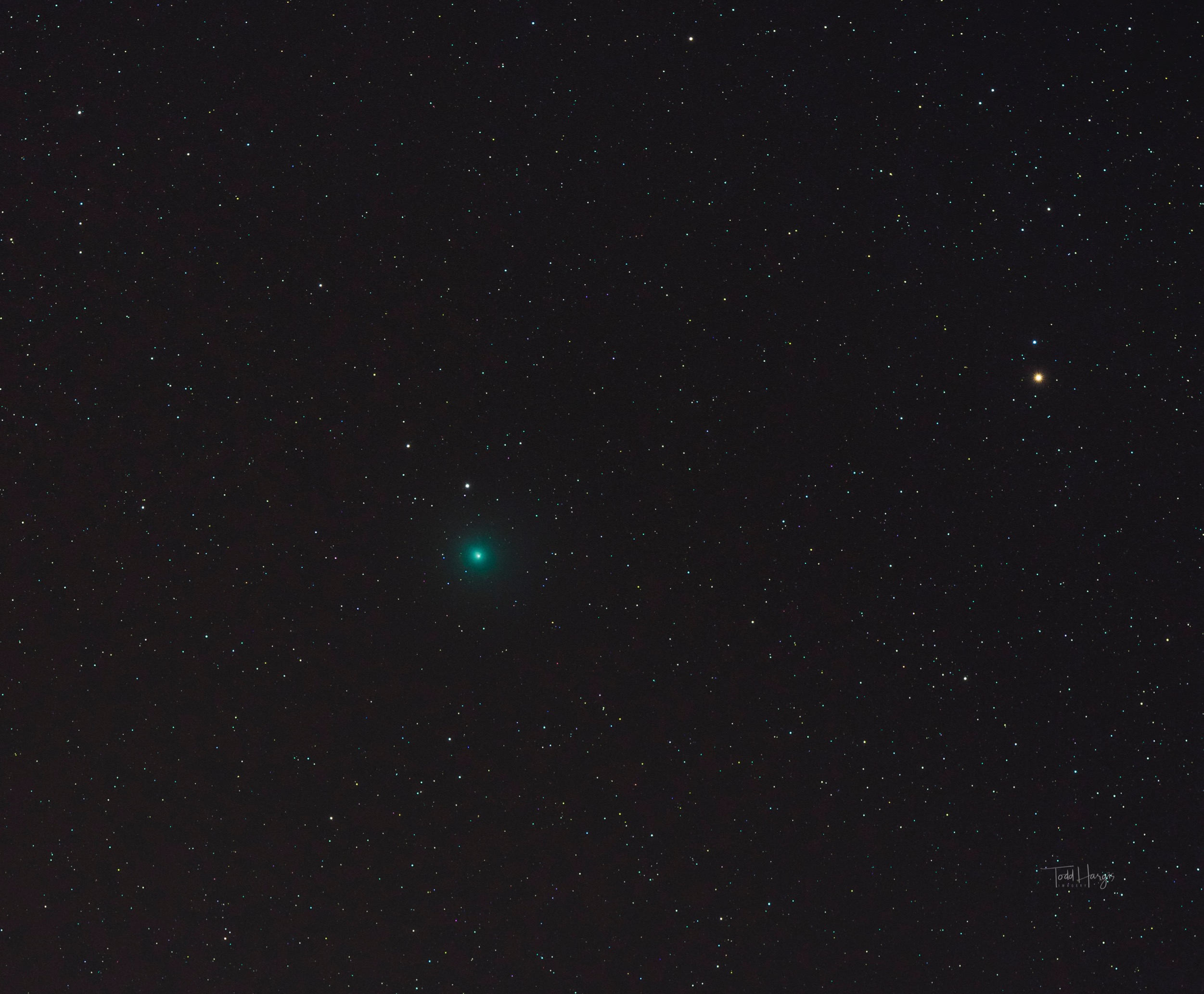
If you’re planning on using an actual telescope for AP then keep in mind that most scopes don’t cover a FF sensor until you get into 100mm refractor land.
That aside, I’d go with a full spectrum modified A7R.
Not totally true.. a 8-inch or 10-inch f/4 imaging newtonian will cover full frame. Other scopes like the Meade or Celestron cassegrain scopes will do well also, they are usually f/10 or f/11 though, way to slow. The f/4 newts are best. But you need a good mount. It all adds up quick. Refractors are slow too sometimes, it’s expensive to buy a f/4 or faster one. I used to have a 300mm f/2.8 Nikon lens, that was the best.
stjarvis wrote:
If you’re planning on using an actual telescope for AP then keep in mind that most scopes don’t cover a FF sensor until you get into 100mm refractor land.
That aside, I’d go with a full spectrum modified A7R.
jwhatts wrote:
The A9 will likely have better signal/noise ratio and be better for single frames. If you know how to stack and layer different exposures, I'd roll with the R2 or R3 everytime for that extra sharpness.
And as someone who agonized over star eater for the longest time, it's absolutely 100% overblown in practice. For me it's the principle, Sony shouldn't be doing anything to raws, that's why they're raws.
But it makes no real difference to how your final shot looks. If you're happy with the results, great! In fact, many serious landscape astrophotographers actually remove stars in post as they can be overwhelming to the scene - they'd rather the Milky Way be the center of attention, and rightfully so.
Feel free to check my IG for examples of MW shots with an R2, I started using one in June for my nightscapes....Show more →
Yep. I shot the A9 next to the 7R2 in the desert between Vegas and Mesquite and found the A9 images coming away much cleaner.
Then I downsampled the 7R2 files to match the output of the A9 and there was no difference.
Totally agree on the Star eater deal. A little overblown. Well, probably a lot overblown in practice.