Thanks for the pointers, everyone! Wow, this gives me a ton to chew on.
It seems like I have a head vs heart decision to make at 85mm. When I started shooting Canon long ago, I used an 85/1.2 briefly and have wanted one ever since. The thought of using one as a "50" is really compelling to me, but I'm hearing everyone sing the praises of the Canon and Sigma 85/1.4's. Tough call.
I definitely need to pick up a teleconverter (and tubes) for macro. I'll give that a shot on the 70-200/4, too.
I was also planning on picking up Canon's 135/2, but it seems like everyone loves the Sigma 135.
Peter, thanks for the warning about the 100-200's fringing. That's my pet hate; I don't really have the patience to correct CA anymore.
Dave, if you were headed out to shoot landscape, would you bring the 100-400II, or the bucket-full-of-primes? Does the zoom measure up to native offerings? I love my zooms for landscape, but if it's a difference between a bit of light falloff (primes) and some hard vignetting (zooms), I'll go prime.
Also, when you say vignetting, do you mean the corners get a bit darker, or near/total black? I've found that everyone has a bit of different terminology on this, so I was surprised to see total blockage at some settings. I've seen samples and was left to wonder if there was cropping or correction in place, or if they were "SOOC" as far as corners go.
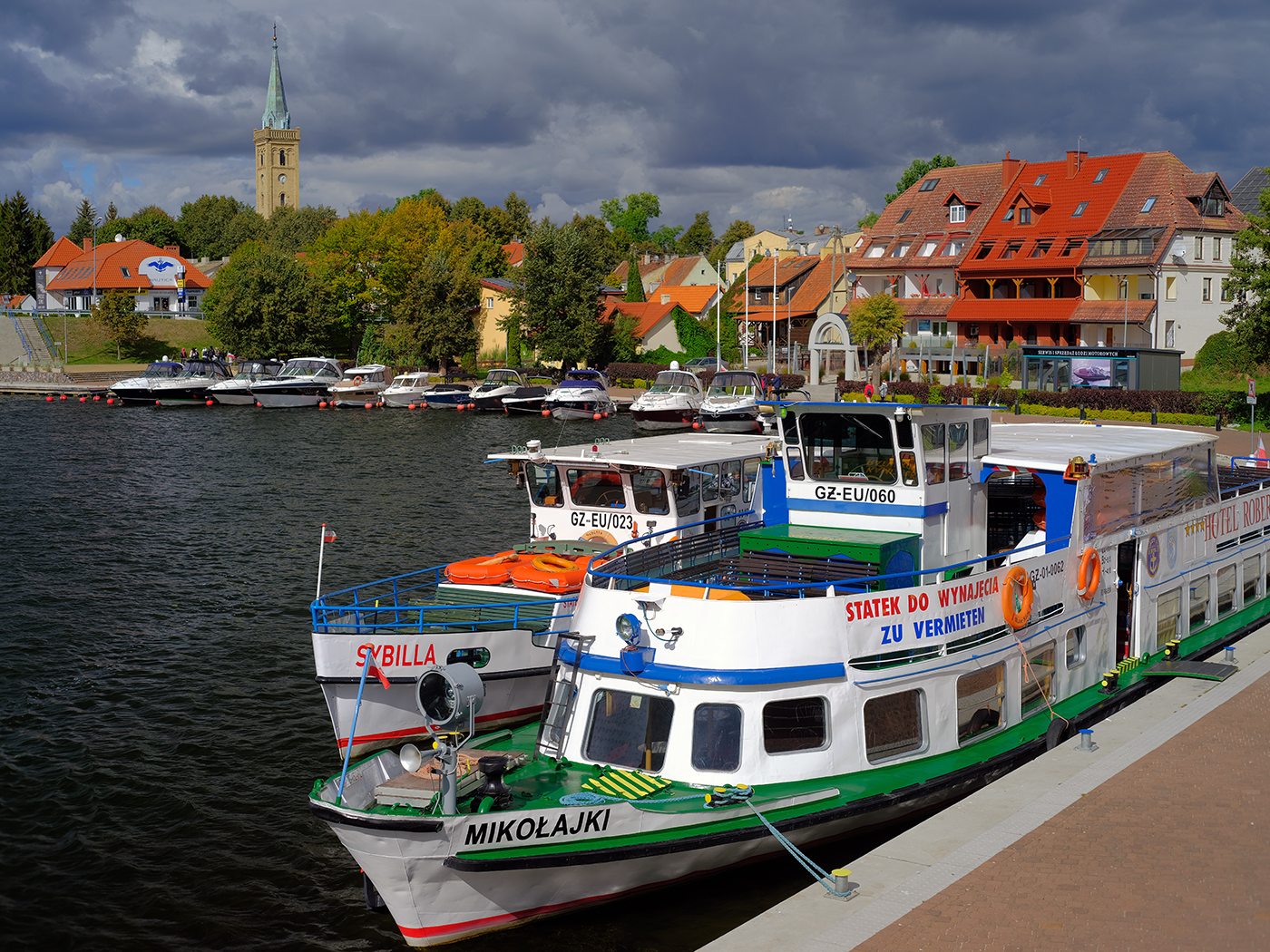
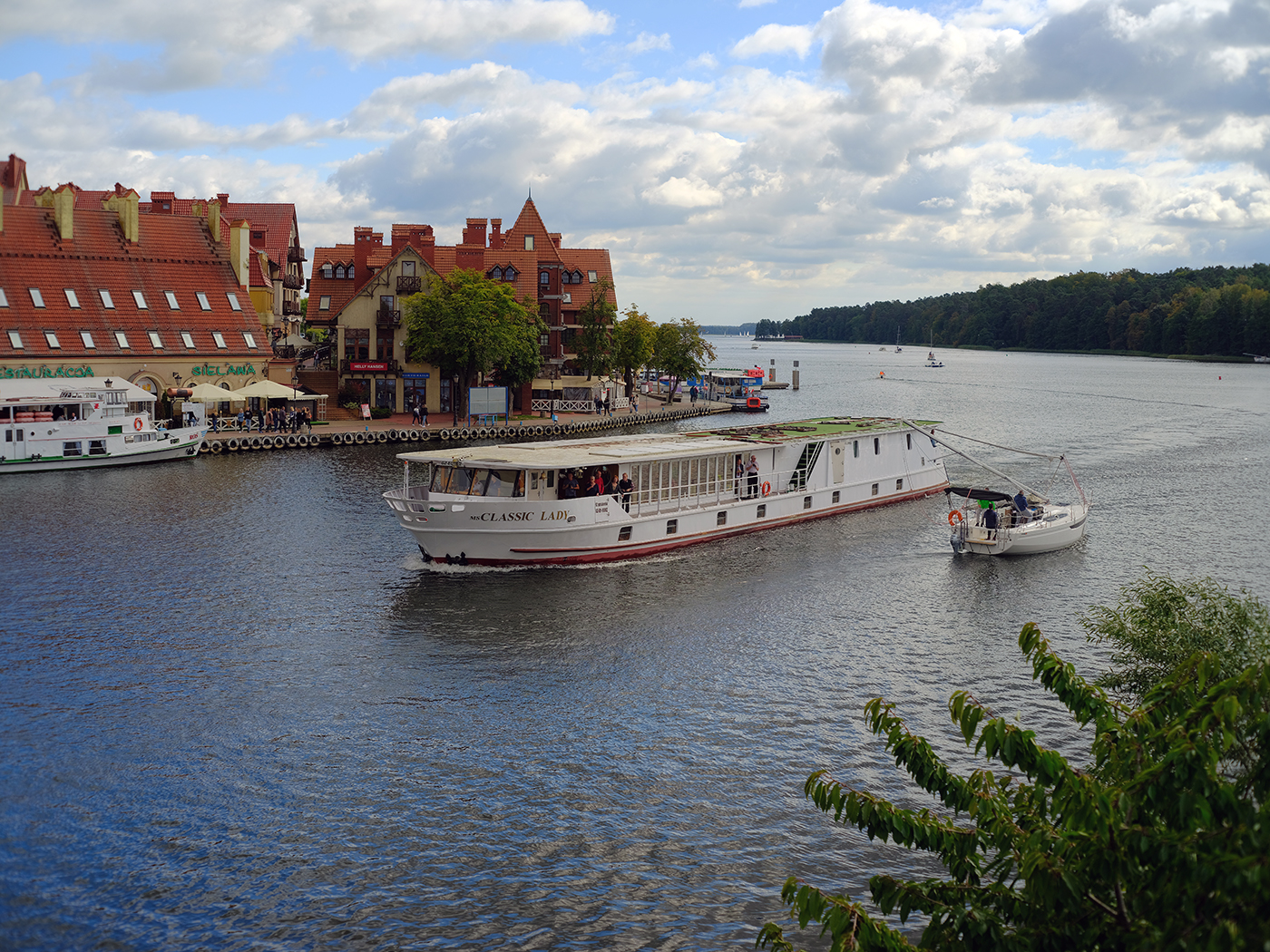
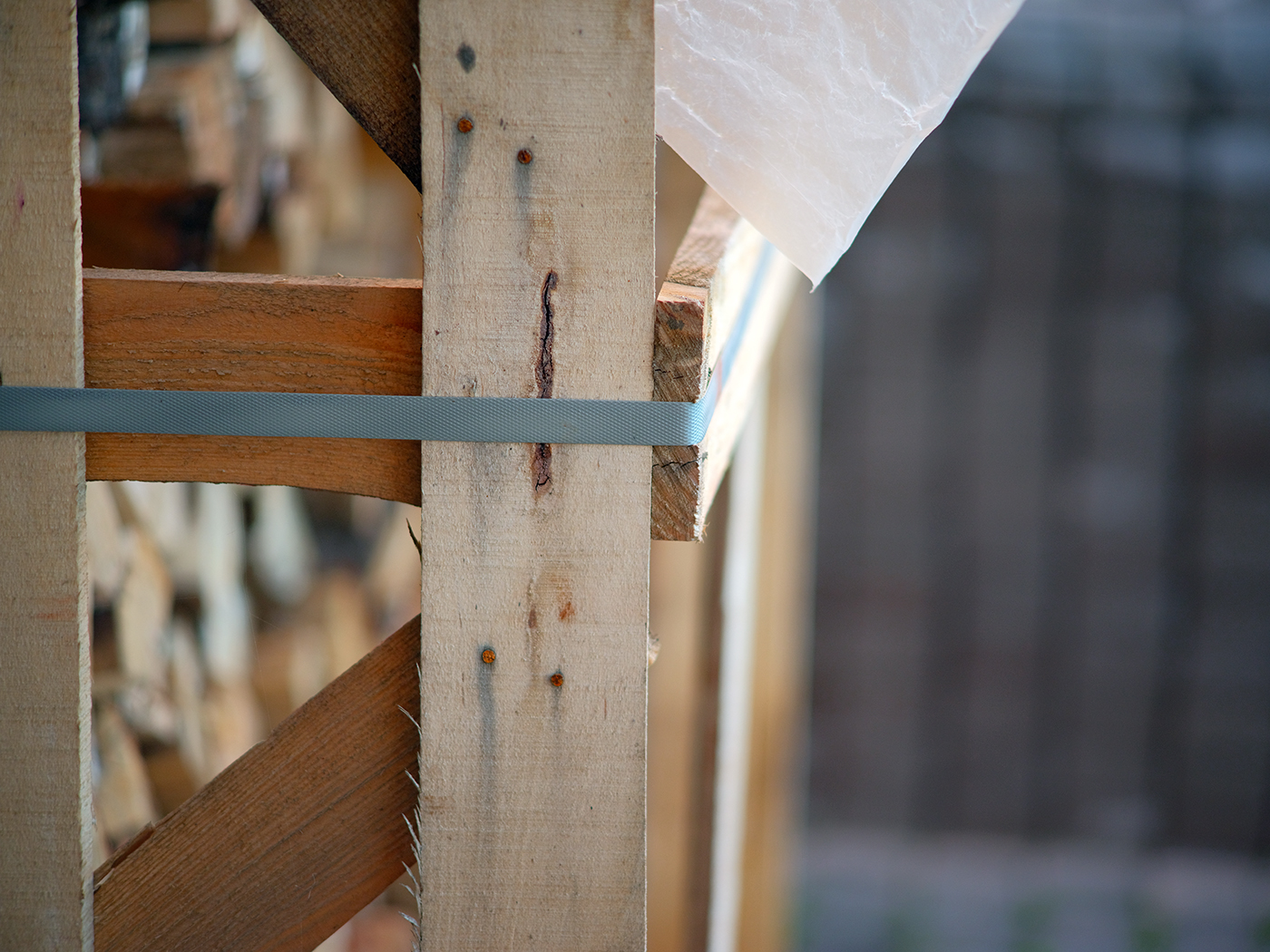
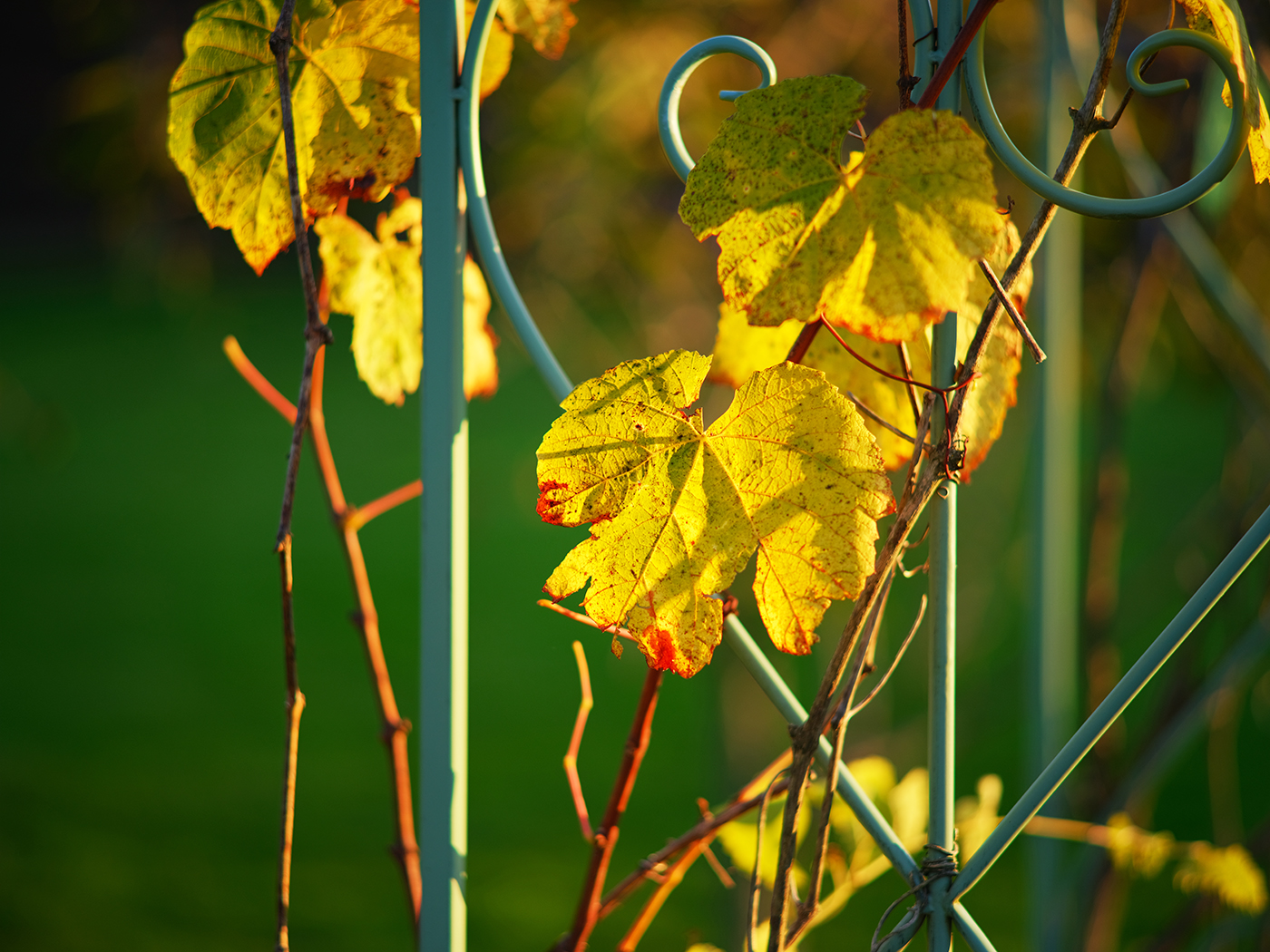
For example, here's the 70-200/4 first at 113mm f/16, then at 200mm f/8. The first one requires a crop, while the second one requires a bit of massaging if you care about the corners.
Thanks again for all the feedback, everyone. I feel like I'm starting over in many regards shooting GFX, so I appreciate the knowledge of the community!
Thanks for the pointers, everyone! Wow, this gives me a ton to chew on.
It seems like I have a head vs heart decision to make at 85mm. When I started shooting Canon long ago, I used an 85/1.2 briefly and have wanted one ever since. The thought of using one as a "50" is really compelling to me, but I'm hearing everyone sing the praises of the Canon and Sigma 85/1.4's. Tough call.
I definitely need to pick up a teleconverter (and tubes) for macro. I'll give that a shot on the 70-200/4, too.
I was also planning on picking up Canon's 135/2, but it seems like everyone loves the Sigma 135.
Peter, thanks for the warning about the 100-200's fringing. That's my pet hate; I don't really have the patience to correct CA anymore.
Dave, if you were headed out to shoot landscape, would you bring the 100-400II, or the bucket-full-of-primes? Does the zoom measure up to native offerings? I love my zooms for landscape, but if it's a difference between a bit of light falloff (primes) and some hard vignetting (zooms), I'll go prime.
Also, when you say vignetting, do you mean the corners get a bit darker, or near/total black? I've found that everyone has a bit of different terminology on this, so I was surprised to see total blockage at some settings. I've seen samples and was left to wonder if there was cropping or correction in place, or if they were "SOOC" as far as corners go.
For example, here's the 70-200/4 first at 113mm f/16, then at 200mm f/8. The first one requires a crop, while the second one requires a bit of massaging if you care about the corners.
Thanks again for all the feedback, everyone. I feel like I'm starting over in many regards shooting GFX, so I appreciate the knowledge of the community!...Show more →
Sorry if I wasn't clear but I don't have the canon 100-400 ii. It definitely has some 'hard' vignetting at 400mm. Have a look at this thread for some examples: https://www.dpreview.com/forums/thread/4471411?page=6
The primes I mentioned don't have 'hard' vignetting in my opinion. The fringer adapter automatically applies some corrections to some lenses so the degree of 'soft' vignetting is hard to tell. It also varies depending on aperture and focus distance. In my view the three primes I listed are perfectly usable. I'm not sure you'll find a zoom that is at all focal lengths. The Tamron 150-600 G2 is supposed to be pretty good from a coverage point of view but not sure how IQ would hold up. I also use a Sigma 40mm f1.4 which is a phenomenal lens but does require a very minor crop at some focus distance/apertures.
I decided that adapting the Canon 100-400 II to the GFX was not worth it for the limited range that it worked well with. Same for both of the Canon 70-200's although the f/4IS was certainly much better in terms of coverage that the 2.8 II.
I don't know who you're addressing, but I have both Canon 200mm's - the 2.8 and the 1.8, plus the Contax 210 f/4. Overall the 2.8 is the best, but if you're closer than about 75 feet the Contax is absolutely amazing, but both that and the Canon 1.8 have a bad case of the blue(s) fringing at farther distances, as does the Fuji 100--200 from about 170-200. And some of these anomalies only show up under certain circumstances that are not always easy to predict, which is why some users will tell you there's nothing wrong with the Fuji zoom. It's only because they haven't encountered it yet. The Canon 200 2.8 has none of that shit going on but it does vignette a bit unless you're close.
Steve Spencer wrote:
Yes, I have. For my tastes you need to crop quite a bit with that lens to reduce the vignetting and smearing in the corners.
Same here. I normally set to 7:6 aspect ratio for use with Nikkor 28mm 1.4D. I begin to like the perspective of 28mm on GFX, especially on 7:6 aspect ratio.
I got a sigma 50mm 1.4 art for canon yesterday and tried it out on the gfx today - seems to cover the sensor well with little to no vignetting. Anyone else have experience adapting this lens?
george malamis wrote:
I got a sigma 50mm 1.4 art for canon yesterday and tried it out on the gfx today - seems to cover the sensor well with little to no vignetting. Anyone else have experience adapting this lens?
Yes. It seems to work very well on the 100s and focuses more accurately and faster than it ever did on my Canon's.
I went with the Tamron 45/1.8 instead, but the Sigma 50/1.4 and 1.4 ART are absolutely beautiful lenses. My only complaint (other than some--expected--LoCA) was the horrible AF consistency I had when using them on my Canon DSLRs, but I suspect that's not an issue on the GFX cameras?
Let us know your thoughts as you familiarize yourself with it. I'm sure interest will pick up for this lens when Fuji releases its 55mm and everyone gets price shock all over again!
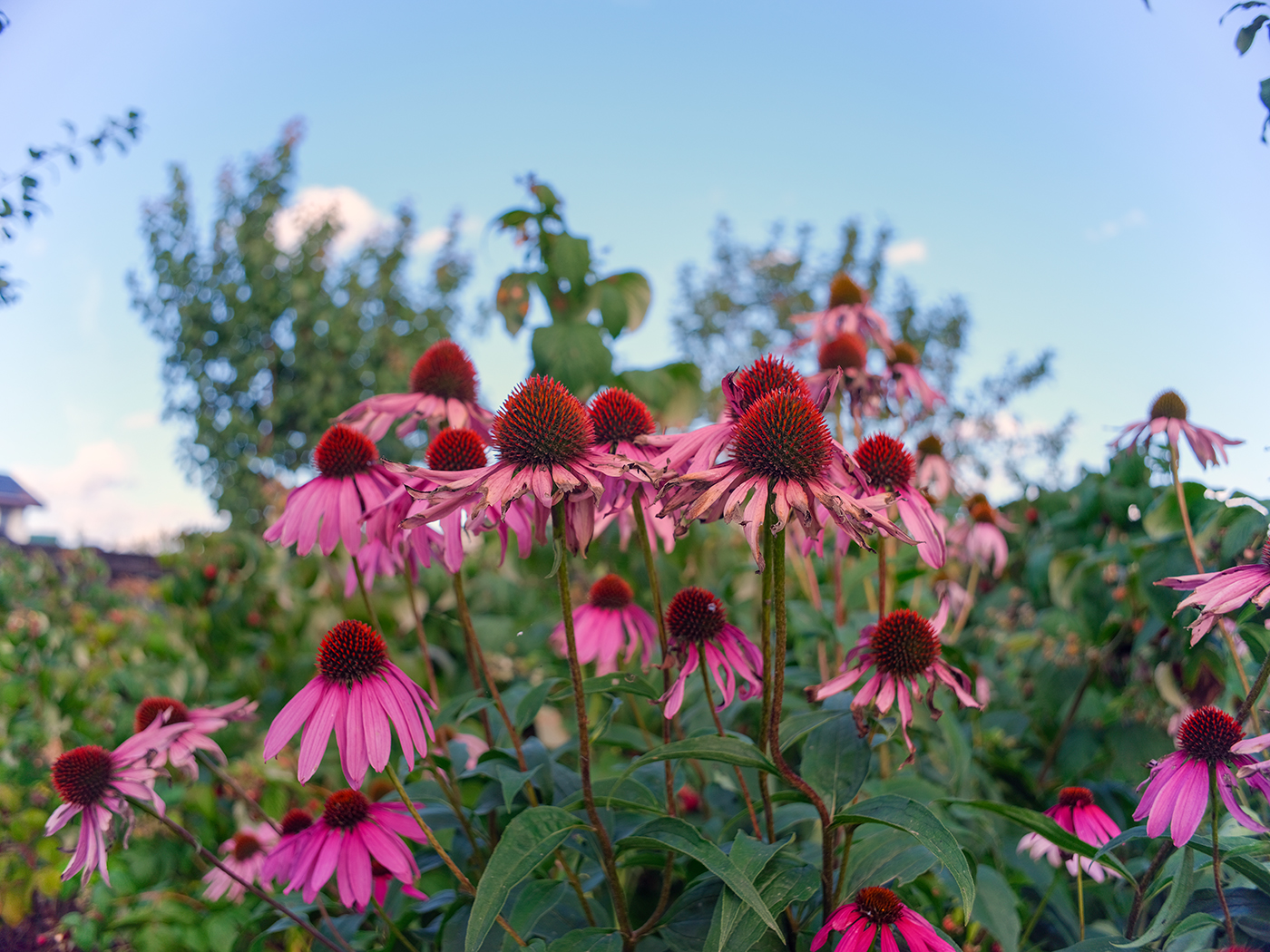
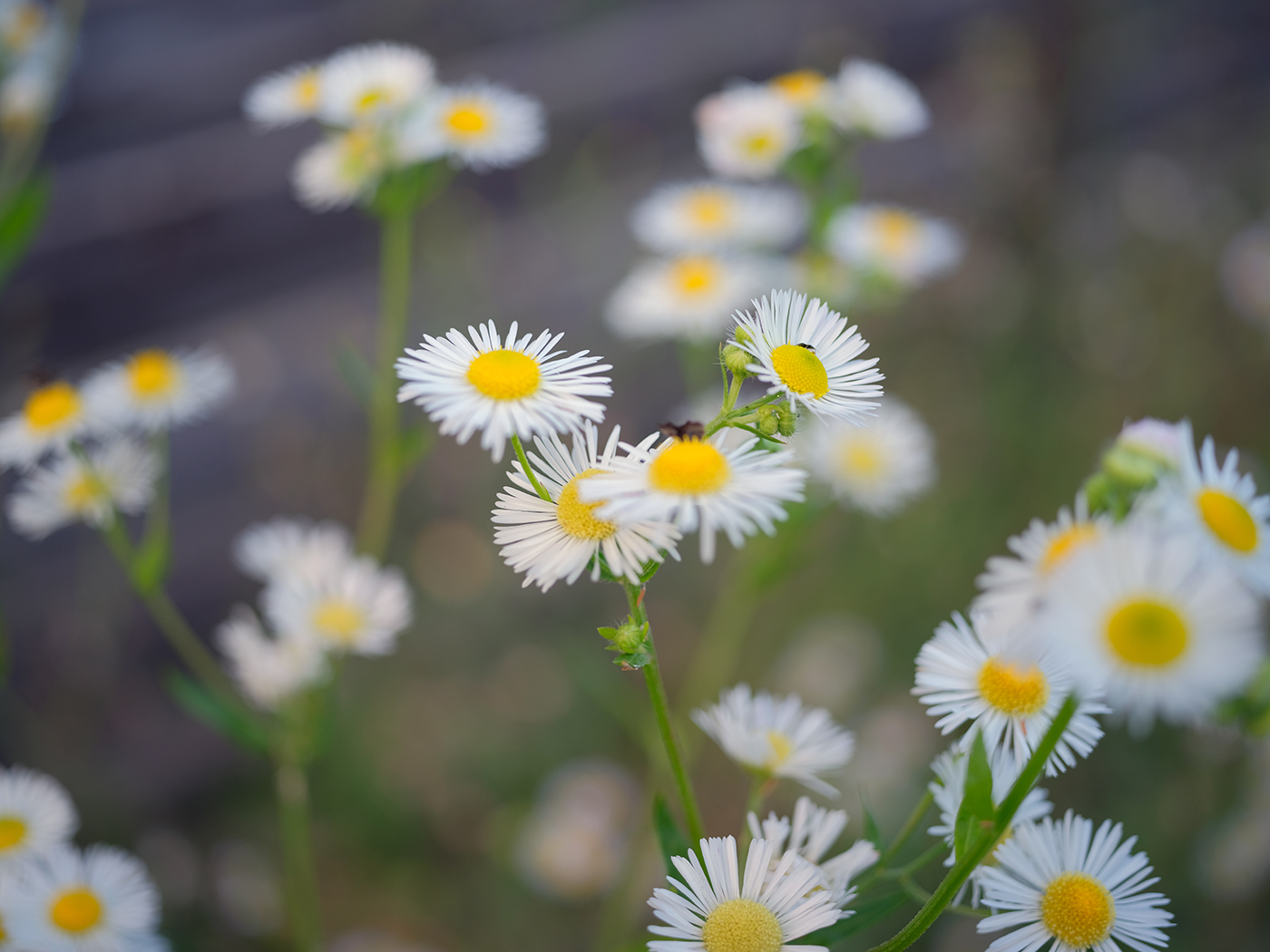
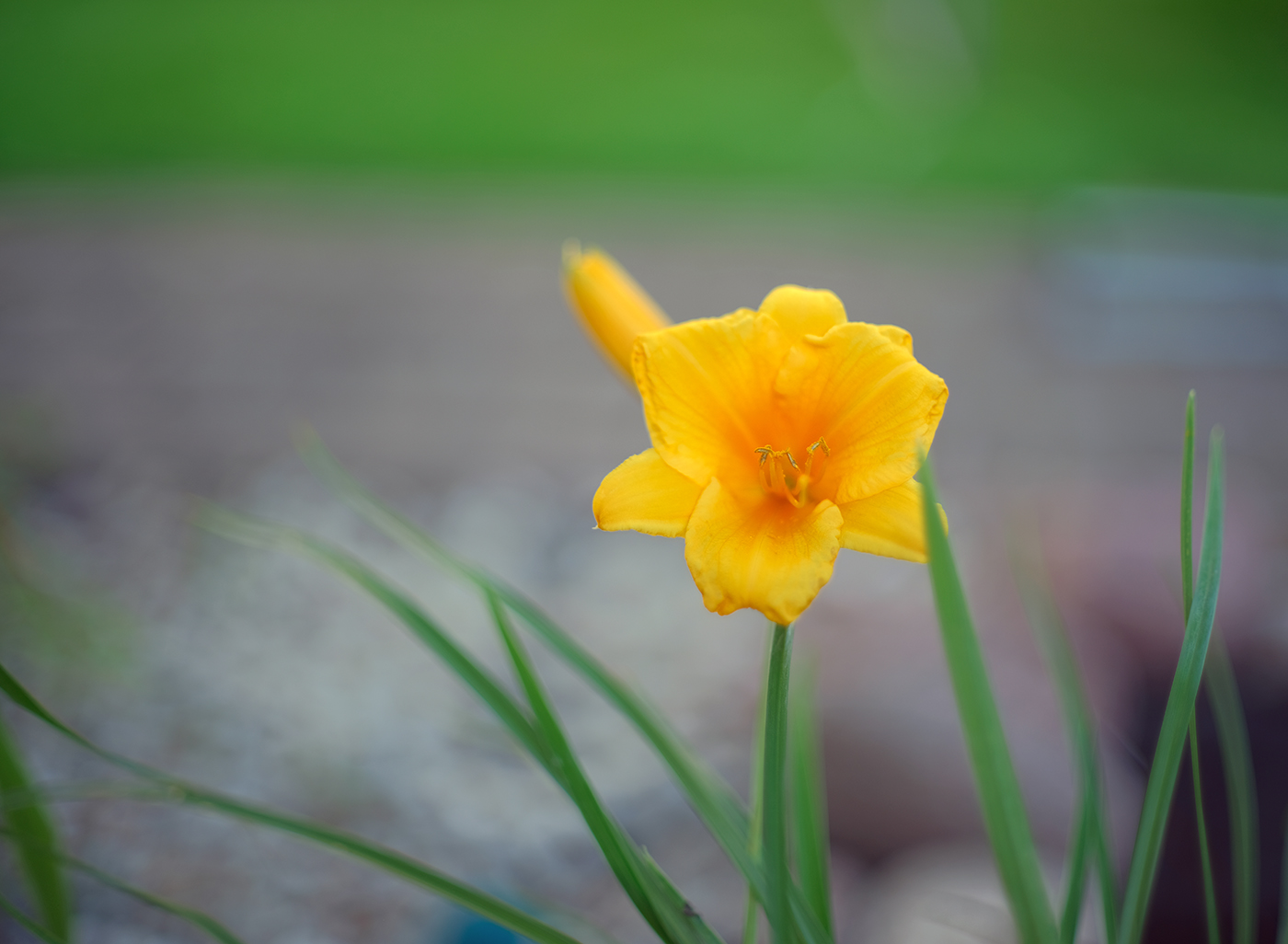
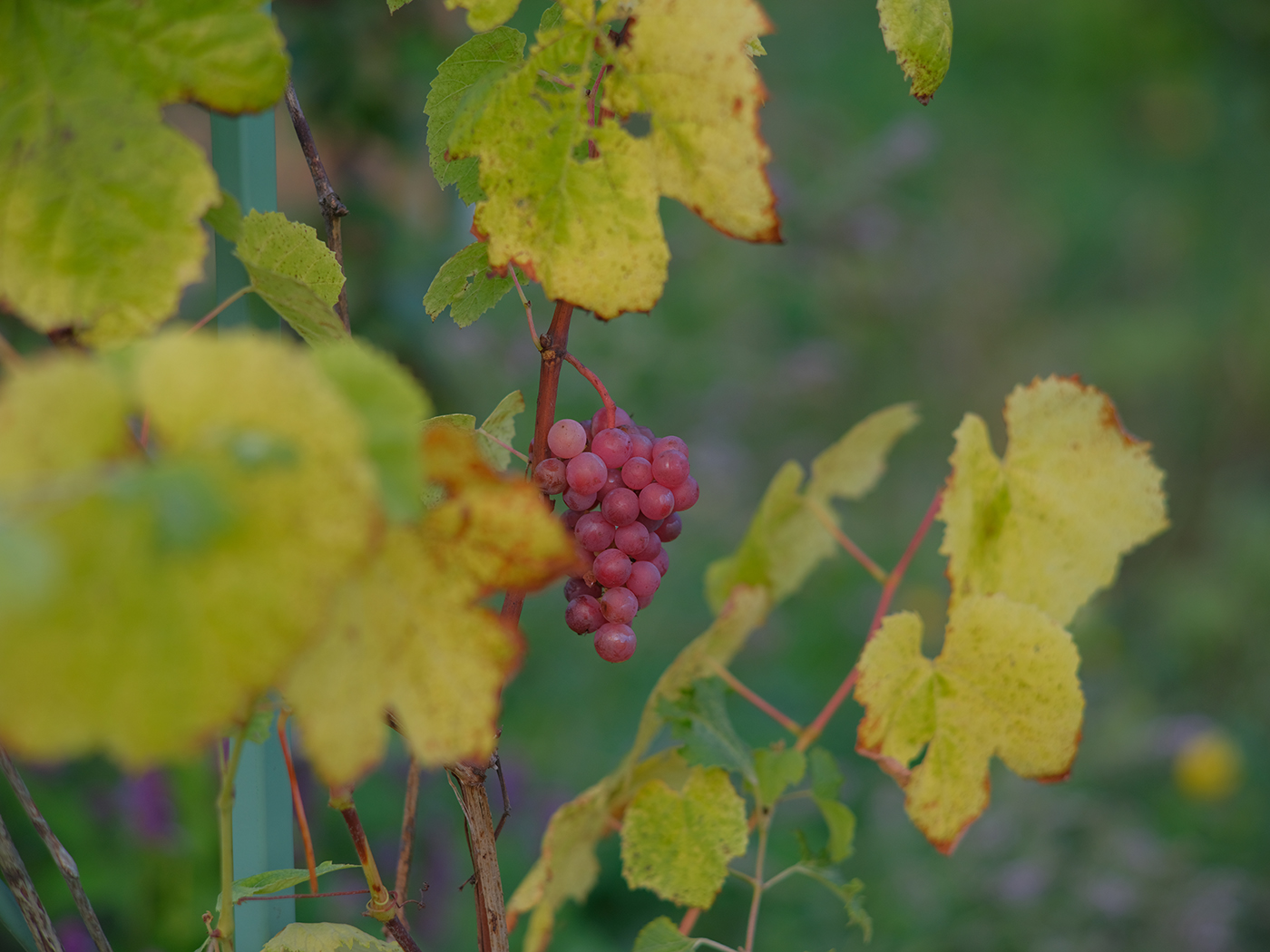
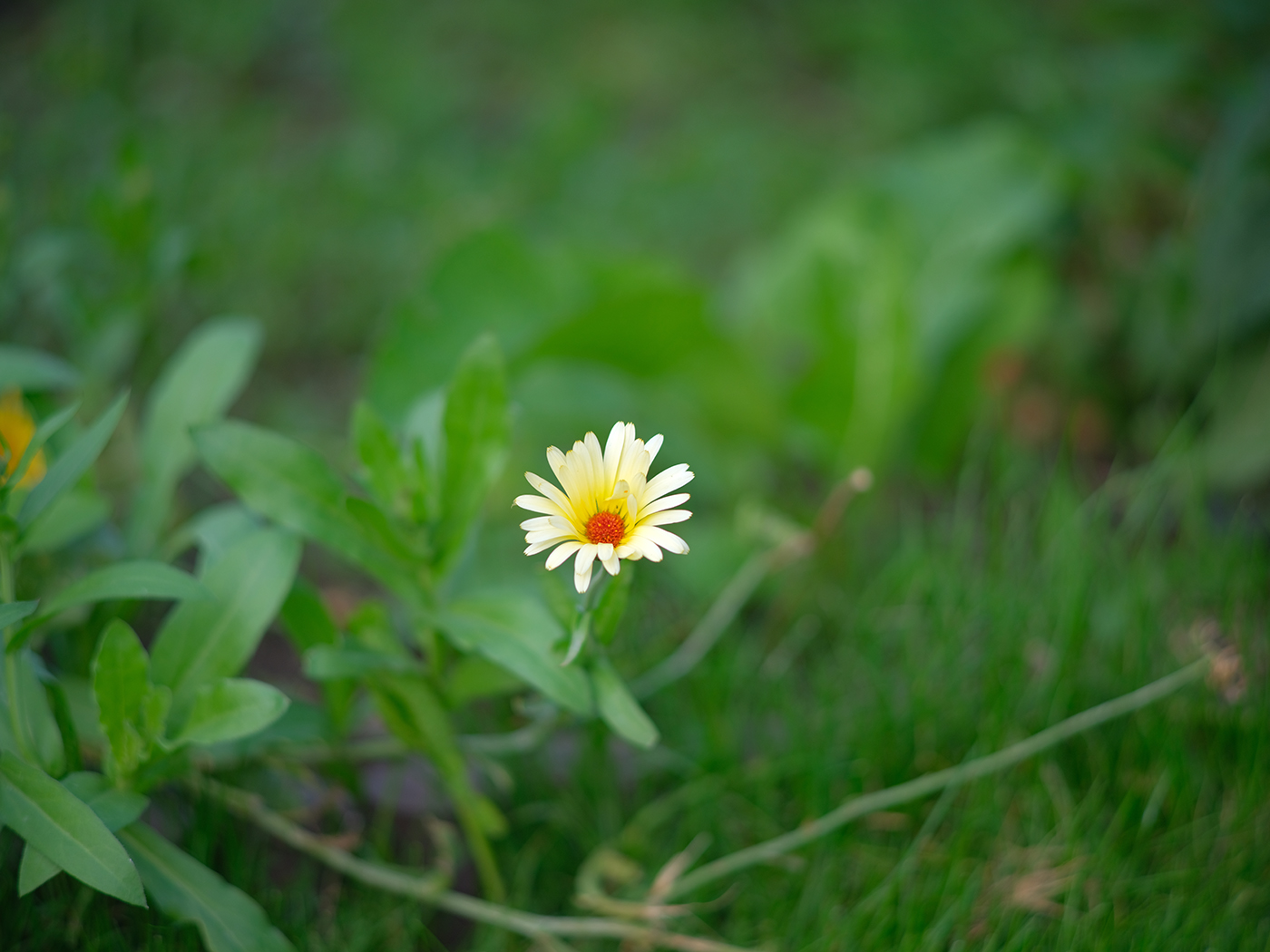
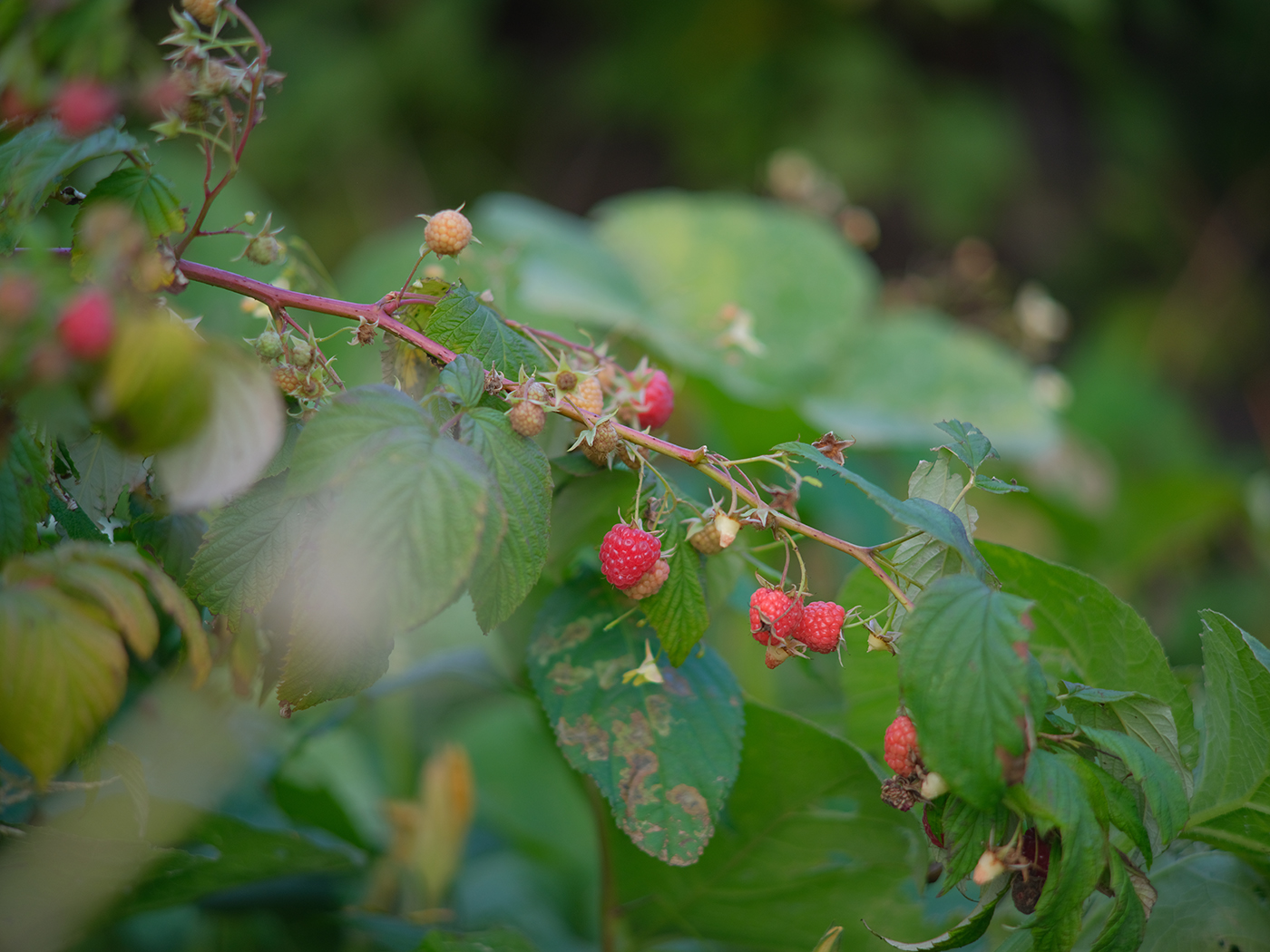
I picked up a Sigma 105/2.8 OS for use on my GFX100S, and have taken it out a few times now. It works pretty well on the GFX, I'll say. Here's what I learned about the lens for the past couple weeks:
* No falloff issues at 1:1
* Significant but "linear" (and correctable) falloff at infinity that reduces as you stop down
* Sharpness is OK. It matches results from my other macros on other systems, but I'm sure there are sharper macros
* Autofocus is OK. It hunts frequently if there's not much contrast, but with the limiter it reacquires very quickly. I'd say it's a step behind my 80/2.8 on my XT4, but better than my old Canon 100/2.8 on my 5DII.
* It has a near/far/full focus limiter. Hooray!
* It has a nice, tight physical focus ring, with ~135 degrees travel. The lens works great with the split/magnified view and manual focus.
* There's a tiny bit of edge on bokeh balls, but it's OOF areas are generally pleasing (to me)
What's it good for?
* I'm happy with the lens as a macro. Cheap, pretty sharp, and good performance across the frame
* I'm happy with it as a portrait lens. The falloff isn't a detriment, it's plenty sharp, and its transition areas are pretty smooth
* It's only OK as a landscape lens. With sky in the corners I either have to crop to 90mpix or correct. That's work, and I'm allergic to work!