scottsoutter wrote:
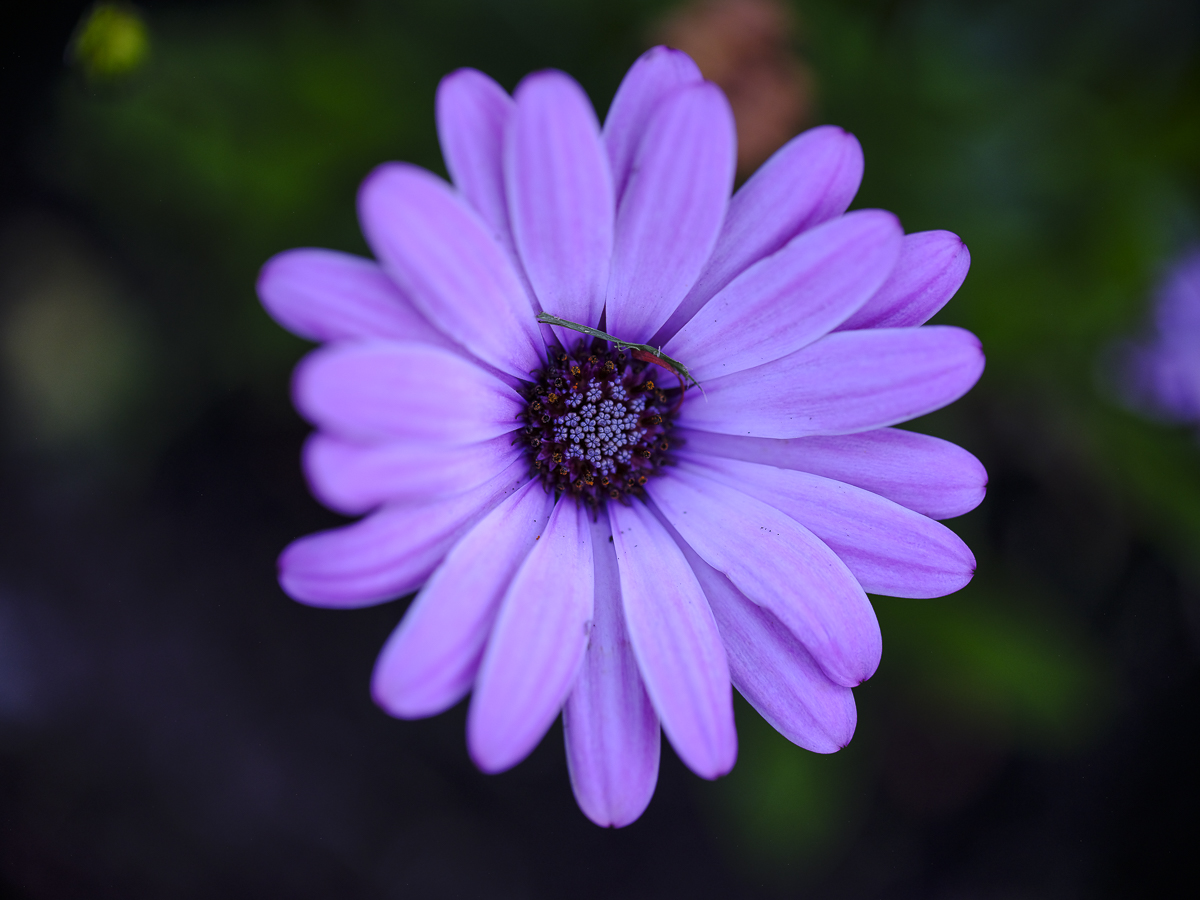
Jeff, the zeiss 100 makro planar is pretty good. Not quite as good as the 135 (which is out of this world), but if you can control the chromatic aberration and stop down to 4 or 5.6 to minimize the vignette, but I really love shooting with it… especially for close focus stuff like flowers.
I've seen example images where that lens hard vignettes. Might be because of different versions (ZF/ZE/ZK), or because of the adapter though.
Interesting. I have not had an issue through the whole range on EF fringer on the gfx 50s ii. Even use the hood when I’m out shooting at landscape distances.
Now I’m curious and may try the hood around macro distances tomorrow.
I am not a bug shooter, but wanted to test the closeup abilities of the Canon 100-400 II adapted to the 100sII
I am extremely impressed with the IQ the lens produces even wide open.
Adapted using the Fringer Pro
My favorite wide angle lens on the GFX is the EF 17mm tse.
I went through a couple of copies before finding one that is sharp edge to edge, so yes there is sample variation.
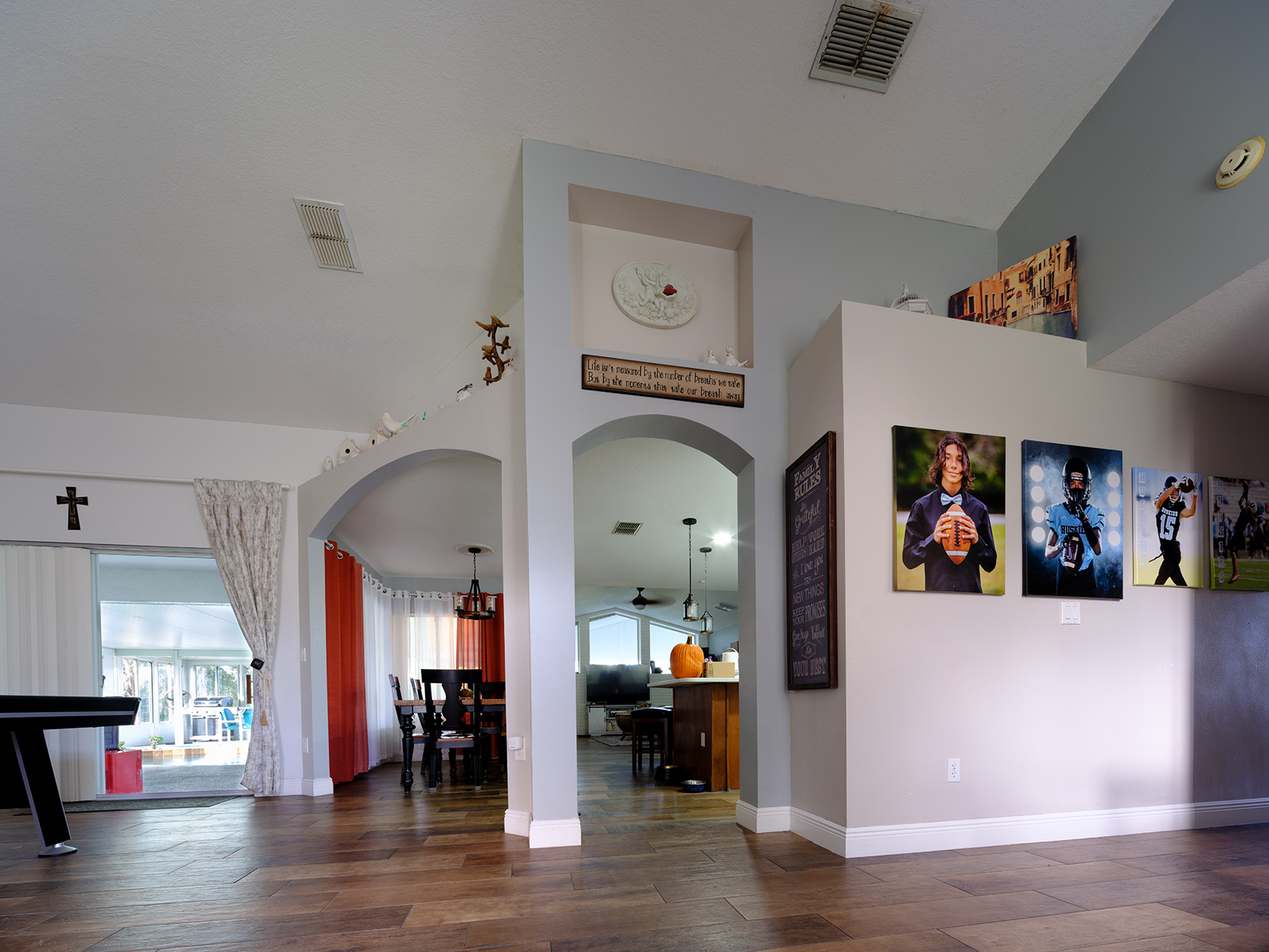
Was bored so I was messing around with it in the house..
Debating whether to jump back into a GFX system with the Fringer Pro and 100S II, but have not had much luck finding info on how big of a difference in AF performance there is between the two with adapted lenses. Anyone that has used both the mk1 and 2 with the Fringer adapter and like lenses have some thoughts you can share?
JohnDizzo15 wrote:
Debating whether to jump back into a GFX system with the Fringer Pro and 100S II, but have not had much luck finding info on how big of a difference in AF performance there is between the two with adapted lenses. Anyone that has used both the mk1 and 2 with the Fringer adapter and like lenses have some thoughts you can share?
I have used both, and I only own one GF lens, the 35-70
Adapted lenses I own and use EF 16-35 2.8 III, EF 85 1.4 IS, EF 17mm TSE, Sigma 50mm Art EF mount, Ef 100-400 II, EF 11-24 F4
Using the 100sII I see a marked improvement with all of the above lenses. Focus is not only faster but once it locks on it is very accurate.
Not only is the focus much more accurate, but image review and the camera as a whole feels much more responsive.
Overall I feel the 100sII is much better refined.
Testing the Canon EF 11-24 with the GFX100sII and Fringer.
From 14-20mm no vignette, very sharp lens, I cannot think of a better lens if you need anything wider than 20mm.
I love extreme wide angle shots and this one passes the test.
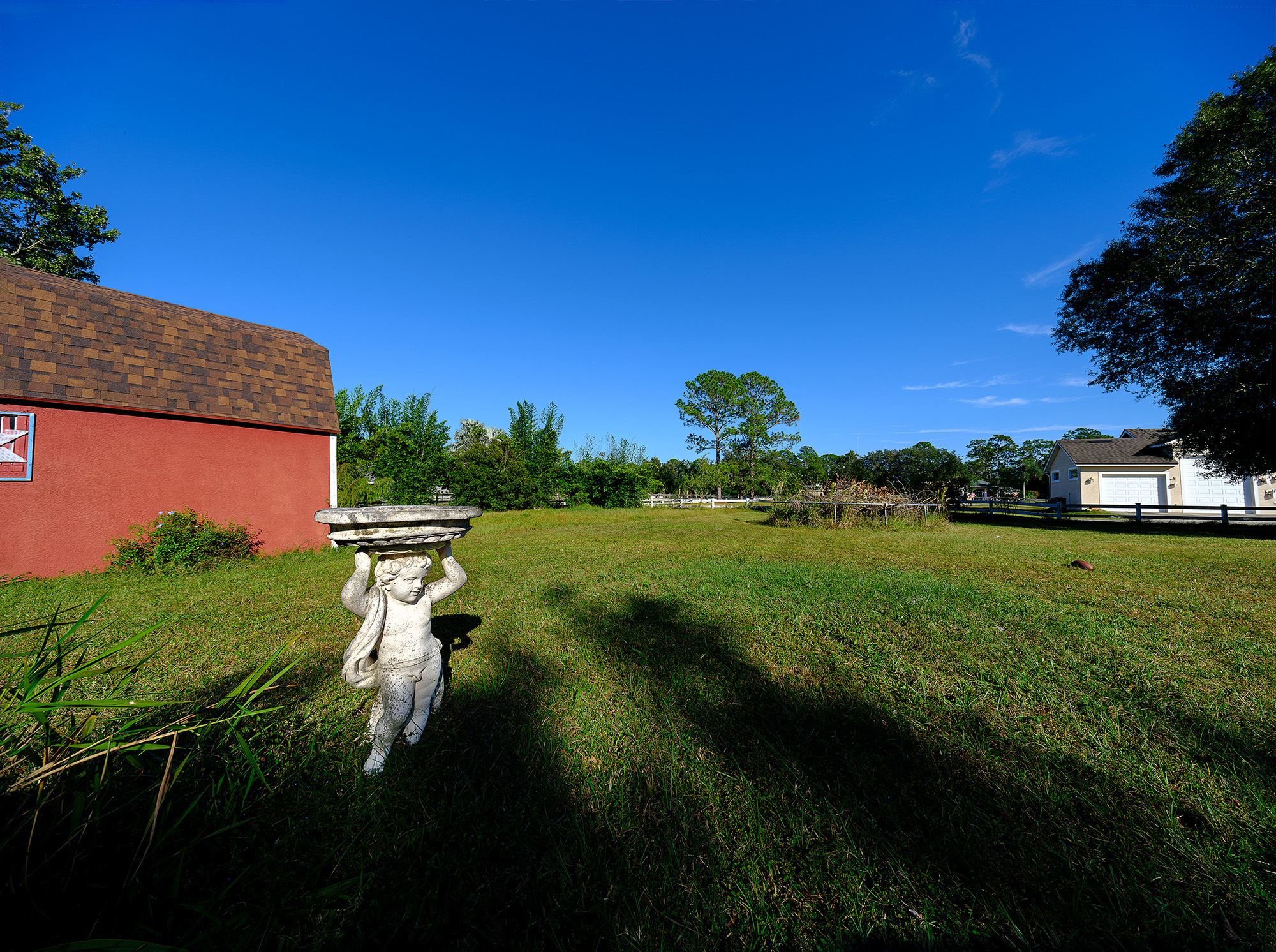
Quick shot in the backyard. Focus was on the statue, taken at f11
50R 2, Nikon 180mm 2.8 D, 1/20 @ 11 @ ISO 100, tripod and self timer.
Cropped although this lens covers the entire sensor at every aperture. Focusing is really sensitive though. Would love to have a 180 or 200mm lens this sharp with a longer focus turn. Might be the Leica APO-Telyt-R 3.4/180mm, which is in the same price range...
Creative Edge wrote:
with the 100sII, Fringer pro and the Canon EF 16-35 2.8 III
I heard that this lens starts becoming usable utilizing the full GFX frame at around 19mm. Do you find that is the case? At what focal length and what aperture on the wide end do things start looking really good? Is the long end ok? I ask because I want a UWA zoom for the GFX system but I am not excited by the lack of sunstars on the 20-35. On the other hand I tried a 16-35 III for my Canon set-up a year or so ago when there was a refurbished sale and the field curvature made it impossible to get sharpness across the frame at reasonable apertures. I think I would need a good copy to be happy on the GFX in that case.
ketang wrote:
I heard that this lens starts becoming usable utilizing the full GFX frame at around 19mm. Do you find that is the case? At what focal length and what aperture on the wide end do things start looking really good? Is the long end ok? I ask because I want a UWA zoom for the GFX system but I am not excited by the lack of sunstars on the 20-35. On the other hand I tried a 16-35 III for my Canon set-up a year or so ago when there was a refurbished sale and the field curvature made it impossible to get sharpness across the frame at reasonable apertures. I think I would need a good copy to be happy on the GFX in that case....Show more →
Funny, I bought and quickly sold the GF 20-35 due to the lack of sunstars. I find that my copy is extremely sharp edge to edge starting at about f8, I use f14 or so for nice sunstars. I tried two copies before settling on the one I currently have. I kept the baffle in and find it usable from 19 to 35 without the hood, with the hood on it vigenettes at about 21mm. It is very flair resistant and I love it on the GFX, plus I can also use it on my Z9.
I'm sure this is a newbie question...but how is it that lenses such as Canon EF can be adapted to GFX? Seems like they physically cannot cover a crop MF sensor. Is it that the adapter is concave?
shutterbug40 wrote:
I'm sure this is a newbie question...but how is it that lenses such as Canon EF can be adapted to GFX? Seems like they physically cannot cover a crop MF sensor. Is it that the adapter is concave?
Some EF glass was over-designed and covers a larger image circle. They are essentially closer to or are MF lenses that have an EF mount. Think of tilt-shift lenses as an example of this, they cover a larger area than the mount. There are detailed lists of which EF mount and other DSLR lenses cover a wider circle. While I'm not a lens designer, it makes logical sense to me that this is a good way to ensure sharpness to the corner even at wider apertures. The softer parts of the lens at the edges are cropped off when you put a full-frame sensor behind it.