This topic is in the 2017 archive. You can read it and like its posts here. It is read only.
Archive 2017Fujifilm GFX 50S Images
p.10 #1Fujifilm GFX 50S Images
I just tried the Pentax 645 A 150 lens. Looks excellent to me.
Nov 10, 2017 at 06:17 PM

p.10 #2Fujifilm GFX 50S Images
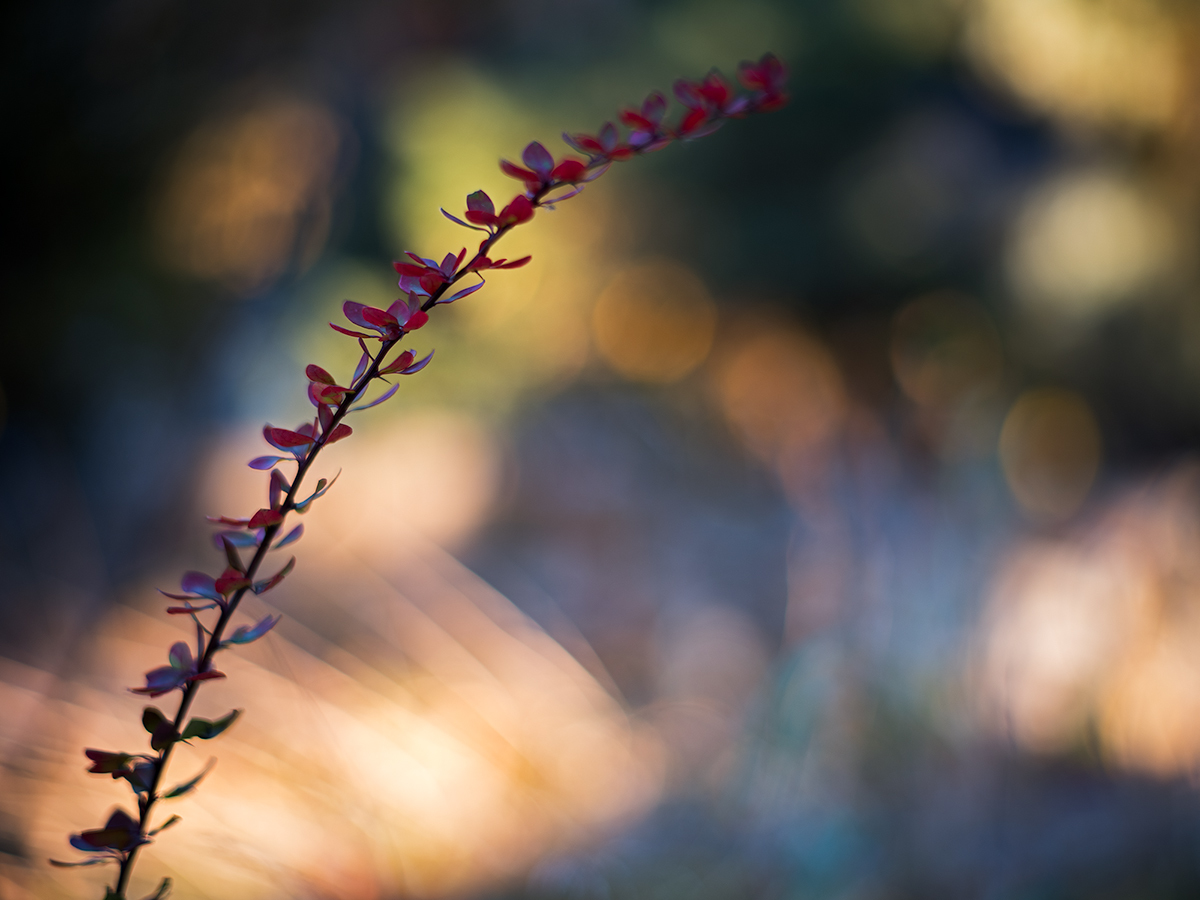
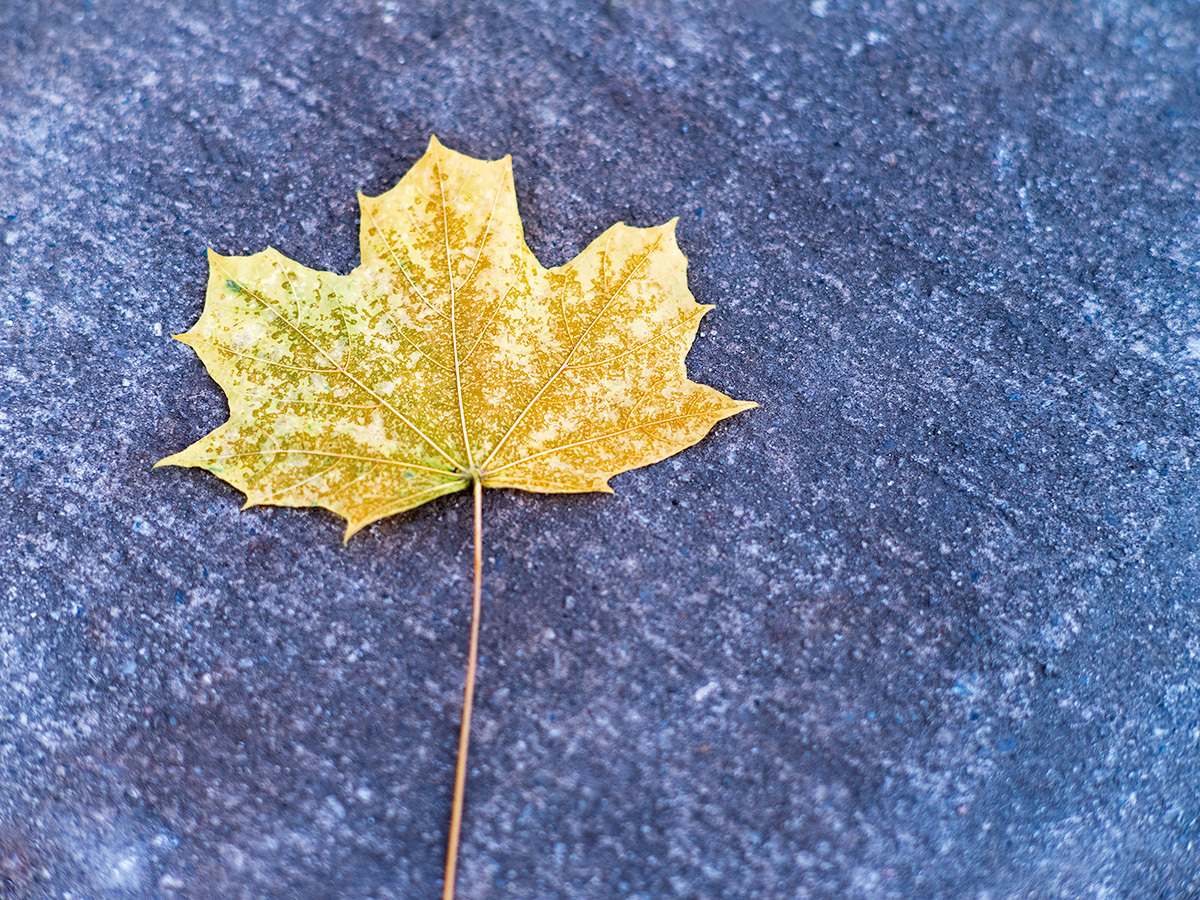
I posted some of these on the adapting thread, but I thought I would post them here too. The first two are with the Leica R 80 f/1.4 and the second two are with the Minolta MD 135 f/2.


Nov 12, 2017 at 10:39 AM
p.10 #3Fujifilm GFX 50S Images
Both of these images were shot with the Mamiya 645 A 120mm f4 Macro, pretty close to 1:1 magnification. I think both were taken at f/22 (or possibly f/16 for the second one); the third image is a crop from near the centre of the second one.

 |
||
 |
||
|
|
||
 |
||
|
Nov 12, 2017 at 11:33 AM
p.10 #4Fujifilm GFX 50S Images
I think Fuji, Hasselblad and Leica S are actually super4/3s.  Or s4/3 for short.
Nov 12, 2017 at 12:04 PM
p.10 #5Fujifilm GFX 50S Images
molson wrote:
Both of these images were shot with the Mamiya 645 A 120mm f4 Macro, pretty close to 1:1 magnification. I think both were taken at f/22 (or possibly f/16 for the second one); the third image is a crop from near the centre of the second one.
Very nice Cliff. I have that lens too and like it very much. I hope to get time to compare it side by side with the Contax 645 120 f/4 APO. It should be an interesting test.
Nov 12, 2017 at 12:13 PM
p.10 #6Fujifilm GFX 50S Images
Mescalamba wrote:
I think Fuji, Hasselblad and Leica S are actually super4/3s. Or s4/3 for short.
There are currently NO digital cameras on the market that have a sensor as large as the smallest medium format film dimensions (56mm x 42mm), so why not just call them all "MFD" for "medium format digital", or for the X1D and GFX, "MMF" for "mirrorless medium format"...
I think Fuji, Hasselblad and Leica S are actually super4/3s.
Or s4/3 for short.There are currently NO digital cameras on the market that have a sensor as large as the smallest medium format film dimensions (56mm x 42mm), so why not just call them all "MFD" for "medium format digital", or for the X1D and GFX, "MMF" for "mirrorless medium format"...
Nov 12, 2017 at 12:20 PM
p.10 #7Fujifilm GFX 50S Images
Steve Spencer wrote:
Very nice Cliff. I have that lens too and like it very much. I hope to get time to compare it side by side with the Contax 645 120 f/4 APO. It should be an interesting test.
Steve, do the Contax 645 lenses have electronic apertures, or can you manually adjust the aperture via the aperture ring on the lens like with the Mamiya 645 lenses?
The Pentax 645 120mm f4 macro lenses were pretty good, too.
molson wrote
Both of these images were shot with the Mamiya 645 A 120mm f4 Macro, pretty close to 1:1 magnification. I think both were taken at f/22 (or possibly f/16 for the second one); the third image is a crop from near the centre of the second one.Steve, do the Contax 645 lenses have electronic apertures, or can you manually adjust the aperture via the aperture ring on the lens like with the Mamiya 645 lenses?
The Pentax 645 120mm f4 macro lenses were pretty good, too.
Nov 12, 2017 at 12:23 PM
p.10 #8Fujifilm GFX 50S Images
molson wrote:
Or s4/3 for short.There are currently NO digital cameras on the market that have a sensor as large as the smallest medium format film dimensions (56mm x 42mm...)
Technically correct, but not by a significant degree. the image area of 645 film is barely larger (in some cases) than the largest digital backs on the market, but see below.
Phase One makes a number of backs that are essentially the same size as the image area of 645 film
53.4 x 40.1
53.7 x 40.4
(Bronica described the actual image area of 645 as 55.1 x 42.5)
There is a spec sheet download link on this page: https://www.phaseone.com/en/Products/Camera-Systems/IQ-Digital-Backs.aspx
Here is an interesting visual comparison of some formats (645 film image area, Phase One IQ3 100MP digital back, miniMF, full frame, 1.5x crop, 1.6x crop, micro four thirds) from large to small/
https://www.gdanmitchell.com/wp-content/uploads/2017/11/FormatComparison-1.jpg
... so why not just call them all "MFD" for "medium format digital", or for the X1D and GFX, "MMF" for "mirrorless medium format"...
MFD is a reasonable term for the entire range, just as "cropped sensor" makes sense to cover 1.5x and 1.6x, but miniMF is specific to the smaller MFD 33 x 44 sensor systems.
From the objections to "miniMF," one might suspect that there is a bit of concern about the possibility that this format — as good as it is — might be recognized as being smaller than the larger high end backs. I don't see why that should be an issue for those who recognize that miniMF is quite good, larger than full frame, and smaller closer to full frame dimensions than to 645 dimensions. And, once again, no one is the least bit confused by the objective meaning of "miniMF."
- - -
On another front, I find the recent announcements of an upcoming 100 MP Sony sensor that could well be used in the GFX series as soon as next year to be pretty interesting. To my way of thinking, taking advantage of the somewhat larger sensor to produce significantly higher MP cameras is more interesting than the relatively modest difference in physical dimensions of the sensor. I'll be watching this.
Mescalamba wrote
I think Fuji, Hasselblad and Leica S are actually super4/3s. Or s4/3 for short.Technically correct, but not by a significant degree. the image area of 645 film is barely larger (in some cases) than the largest digital backs on the market, but see below.
Phase One makes a number of backs that are essentially the same size as the image area of 645 film
53.4 x 40.1
53.7 x 40.4
(Bronica described the actual image area of 645 as 55.1 x 42.5)
There is a spec sheet download link on this page: https://www.phaseone.com/en/Products/Camera-Systems/IQ-Digital-Backs.aspx
Here is an interesting visual comparison of some formats (645 film image area, Phase One IQ3 100MP digital back, miniMF, full frame, 1.5x crop, 1.6x crop, micro four thirds) from large to small/
https://www.gdanmitchell.com/wp-content/uploads/2017/11/FormatComparison-1.jpg
... so why not just call them all "MFD" for "medium format digital", or for the X1D and GFX, "MMF" for "mirrorless medium format"...
MFD is a reasonable term for the entire range, just as "cropped sensor" makes sense to cover 1.5x and 1.6x, but miniMF is specific to the smaller MFD 33 x 44 sensor systems.
From the objections to "miniMF," one might suspect that there is a bit of concern about the possibility that this format — as good as it is — might be recognized as being smaller than the larger high end backs. I don't see why that should be an issue for those who recognize that miniMF is quite good, larger than full frame, and smaller closer to full frame dimensions than to 645 dimensions. And, once again, no one is the least bit confused by the objective meaning of "miniMF."
- - -
On another front, I find the recent announcements of an upcoming 100 MP Sony sensor that could well be used in the GFX series as soon as next year to be pretty interesting. To my way of thinking, taking advantage of the somewhat larger sensor to produce significantly higher MP cameras is more interesting than the relatively modest difference in physical dimensions of the sensor. I'll be watching this.
Nov 12, 2017 at 01:46 PM
p.10 #9Fujifilm GFX 50S Images
molson wrote:
Very nice Cliff. I have that lens too and like it very much. I hope to get time to compare it side by side with the Contax 645 120 f/4 APO. It should be an interesting test.Steve, do the Contax 645 lenses have electronic apertures, or can you manually adjust the aperture via the aperture ring on the lens like with the Mamiya 645 lenses?
The Pentax 645 120mm f4 macro lenses were pretty good, too.
I have the Fringer adapter that let's you control the lens aperture with either the aperture ring on the lens or the camera (if you set the aperture to the smallest on the lens). I always use the aperture ring on the lens, but I suppose if I ever wanted to use the smallest aperture I would have to use the camera to set it.
Steve Spencer wrote
molson wrote
Both of these images were shot with the Mamiya 645 A 120mm f4 Macro, pretty close to 1:1 magnification. I think both were taken at f/22 (or possibly f/16 for the second one); the third image is a crop from near the centre of the second one.The Pentax 645 120mm f4 macro lenses were pretty good, too.
I have the Fringer adapter that let's you control the lens aperture with either the aperture ring on the lens or the camera (if you set the aperture to the smallest on the lens). I always use the aperture ring on the lens, but I suppose if I ever wanted to use the smallest aperture I would have to use the camera to set it.
Nov 12, 2017 at 02:09 PM
p.10 #10Fujifilm GFX 50S Images
gdanmitchell wrote:
Or s4/3 for short.There are currently NO digital cameras on the market that have a sensor as large as the smallest medium format film dimensions (56mm x 42mm...)Technically correct, but not by a significant degree. the image area of 645 film is barely larger (in some cases) than the largest digital backs on the market, but see below.
Phase One makes a number of backs that are essentially the same size as the image area of 645 film
53.4 x 40.1
53.7 x 40.4
(Bronica described the actual image area of 645 as 55.1 x 42.5)
There is a spec sheet download link on this page: https://www.phaseone.com/en/Products/Camera-Systems/IQ-Digital-Backs.aspx
Here is an interesting visual comparison of some formats (645 film image area, Phase One IQ3 100MP digital back, miniMF, full frame, 1.5x crop, 1.6x...Show more →
Just a point to note miniMF (i.e., 44mm X 33mm) sensors are almost exactly half way between FF 35mm and FF 645 in size if you crop to the 4 X 3 aspect ratio or squarer. If someone thinks that the jump between APS-C to FF 35mm is enough to justify going with the larger sensor, then they should know that the jump from FF 35mm to minMF is almost as big, but only if you crop to 4 X 3 or squarer. The crop factor from APS-C to FF 35mm is 1.55, whereas the crop from FF 35mm to miniMF is 1.39 if you crop to 4 X 3 or squarer, and that is a very small difference in the jump.
Critically, however, the aspect ratio makes a big difference. If you crop miniMF to 3 X 2 or a skinnier rectangle the crop factor is only 1.22 and that is a much smaller jump. So, my advice to people thinking about miniMF is think about what aspect ratios you tend to use in your shooting. This in my view is an important issue in how much you will gain by going to the larger format.
molson wrote
Mescalamba wrote
I think Fuji, Hasselblad and Leica S are actually super4/3s. Or s4/3 for short.Phase One makes a number of backs that are essentially the same size as the image area of 645 film
53.4 x 40.1
53.7 x 40.4
(Bronica described the actual image area of 645 as 55.1 x 42.5)
There is a spec sheet download link on this page: https://www.phaseone.com/en/Products/Camera-Systems/IQ-Digital-Backs.aspx
Here is an interesting visual comparison of some formats (645 film image area, Phase One IQ3 100MP digital back, miniMF, full frame, 1.5x crop, 1.6x...Show more →
Earlier quote
... so why not just call them all "MFD" for "medium format digital", or for the X1D and GFX, "MMF" for "mirrorless medium format"...Just a point to note miniMF (i.e., 44mm X 33mm) sensors are almost exactly half way between FF 35mm and FF 645 in size if you crop to the 4 X 3 aspect ratio or squarer. If someone thinks that the jump between APS-C to FF 35mm is enough to justify going with the larger sensor, then they should know that the jump from FF 35mm to minMF is almost as big, but only if you crop to 4 X 3 or squarer. The crop factor from APS-C to FF 35mm is 1.55, whereas the crop from FF 35mm to miniMF is 1.39 if you crop to 4 X 3 or squarer, and that is a very small difference in the jump.
Critically, however, the aspect ratio makes a big difference. If you crop miniMF to 3 X 2 or a skinnier rectangle the crop factor is only 1.22 and that is a much smaller jump. So, my advice to people thinking about miniMF is think about what aspect ratios you tend to use in your shooting. This in my view is an important issue in how much you will gain by going to the larger format.
Nov 12, 2017 at 02:22 PM
p.10 #11Fujifilm GFX 50S Images
gdanmitchell wrote:
Or s4/3 for short.There are currently NO digital cameras on the market that have a sensor as large as the smallest medium format film dimensions (56mm x 42mm...)Technically correct, but not by a significant degree. the image area of 645 film is barely larger (in some cases) than the largest digital backs on the market, but see below.
Phase One makes a number of backs that are essentially the same size as the image area of 645 film
53.4 x 40.1
53.7 x 40.4
(Bronica described the actual image area of 645 as 55.1 x 42.5)
There is a spec sheet download link on this page: https://www.phaseone.com/en/Products/Camera-Systems/IQ-Digital-Backs.aspx
Here is an interesting visual comparison of some formats (645 film image area, Phase One IQ3 100MP digital back, miniMF, full frame, 1.5x crop, 1.6x...Show more →
The IQ3 backs are still cropped from the 645 format, so they are "miniMF" as well.
If you want to get really technical, the GFX and X1D systems are actually "full frame" because there is no crop factor with any lens that will mount directly to the camera.
Alternatively, we could call the 44x33 sensors "SuperMF" just as APS-C sized cameras have been called "Super35" since before digital was invented.
molson wrote
Mescalamba wrote
I think Fuji, Hasselblad and Leica S are actually super4/3s. Or s4/3 for short.Phase One makes a number of backs that are essentially the same size as the image area of 645 film
53.4 x 40.1
53.7 x 40.4
(Bronica described the actual image area of 645 as 55.1 x 42.5)
There is a spec sheet download link on this page: https://www.phaseone.com/en/Products/Camera-Systems/IQ-Digital-Backs.aspx
Here is an interesting visual comparison of some formats (645 film image area, Phase One IQ3 100MP digital back, miniMF, full frame, 1.5x crop, 1.6x...Show more →
Earlier quote
... so why not just call them all "MFD" for "medium format digital", or for the X1D and GFX, "MMF" for "mirrorless medium format"...The IQ3 backs are still cropped from the 645 format, so they are "miniMF" as well.
If you want to get really technical, the GFX and X1D systems are actually "full frame" because there is no crop factor with any lens that will mount directly to the camera.
Alternatively, we could call the 44x33 sensors "SuperMF" just as APS-C sized cameras have been called "Super35" since before digital was invented.
Nov 12, 2017 at 02:22 PM
p.10 #12Fujifilm GFX 50S Images
Steve makes a really important point. I genuinely like the 3:2 aspect ratio. It's not a "compromise" for me. And, judging by a quick tally in my Lightroom catalogue, apparently I like 3:2 in portrait orientation at a ratio of 2:1 compared to 3:2 in landscape orientation! Some people are much more malleable, either composing in camera for different aspect ratios depending on the scene, or cropping afterwards. I seem to compose for 3:2 and stick with it.
This isn't a claim to any sort of virtue. Rather, in support of Steve's point, if you really do like and use a specific aspect ratio, you'd best make sure any new camera uses it (or be willing to learn how to compose for a different aspect ratio)!
Steve Spencer wrote:
Critically, however, the aspect ratio makes a big difference. If you crop miniMF to 3 X 2 or a skinnier rectangle the crop factor is only 1.22 and that is a much smaller jump. So, my advice to people thinking about miniMF is think about what aspect ratios you tend to use in your shooting. This in my view is an important issue in how much you will gain by going to the larger format.
Nov 12, 2017 at 02:53 PM
p.10 #13Fujifilm GFX 50S Images
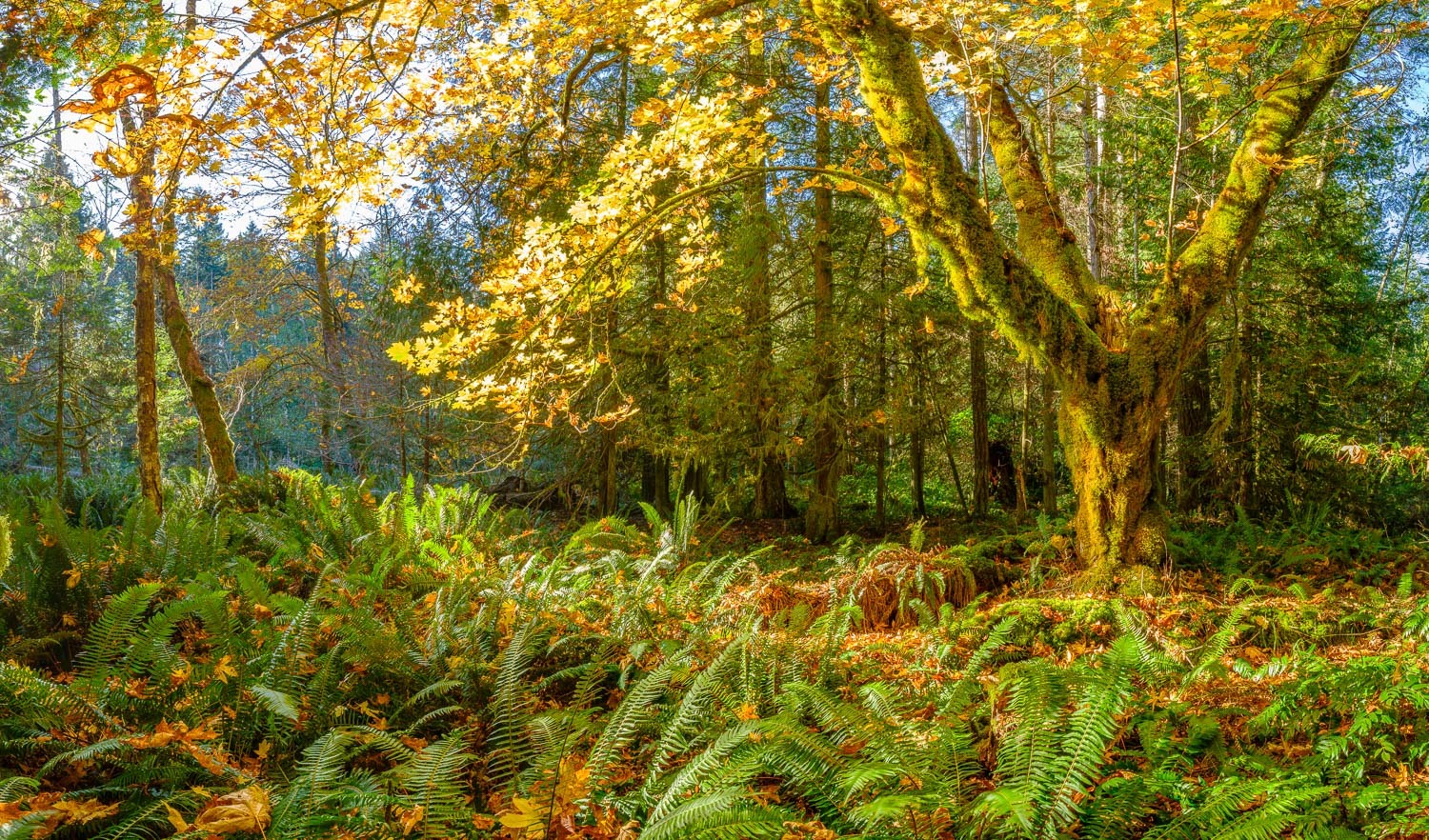
Trying to get back on topic again... this is six vertical images stitched in LR6.
Elder Cedar Forest, Gabriola
 |
||
 |
||
|
Elder Cedar Forest, Gabriola
Nov 12, 2017 at 03:35 PM
p.10 #14Fujifilm GFX 50S Images
molson wrote:
The IQ3 backs are still cropped from the 645 format, so they are "miniMF" as well.
Someone made a similar funny claim here earlier about full frame since some are not 24mm x 36mm but are actually 23.9mm x 35.9mm. ;-)
Go back and see how close the 645 film area is to the IQ3 size.
[quot]If you want to get really technical, the GFX and X1D systems are actually "full frame" because there is no crop factor with any lens that will mount directly to the camera.
I can't make sense out of that.
"Crop factor" always a relative scale that reflects differences in size (to say it a simple way) between multiple formats. We are used to referencing it to full frame, but that isn't a requirement. (Canon is 1.6x crop, Fujifilm is 1.5x, and micro fourth thirds is 2x cropped.)
Depending on how you measure it*, the difference between miniMF and full frame is much smaller than that between full frame and the 1.5x and 1.6x cropped factors, perhaps being in a range between about 1.2 and 1.4. (Differences in measurement depend on whether you go simply by diagonal dimensions or try to use the same aspect ratio in both cases, and which aspect ratio you choose in the latter case.)
Alternatively, we could call the 44x33 sensors "SuperMF" just as APS-C sized cameras have been called "Super35" since before digital was invented.
Oh, boy. That's not really making your case.
35mm has always been called 35mm because the film width was 35mm. "Super35" was a motion picture film format that slightly increased the image area by comparison to traditional 35mm film format. Among other things, this was done to provide a "wider" aspect ratio on the same motion picture film stock.
(Likewise 645, 6x6, 6x7 and other medium formats all used the 6cm wide film — this doesn't refer to image area or aspect ratio.)
On the other hand, it makes at least as much sense, I suppose, to call 33mm x 44mm format "superFullFrame" then, right? ;-)
In the end, miniMF is really clearly exactly what we know it to be: a 33mm x 44mm digital format — larger than full frame and smaller than any pre-existing MF format. Clear, concise, accurate, and it gives the format the benefit of claiming an MF connection. Seems odd that folks get hung up on calling a smaller-than-traditional-MF format by a name that is accurate and clear.
(At times I wish that Pentax had never tried to suggest that its 33 x 44 cameras were 645 format cameras. Leica was less devious with its name for its own 30mm x 45mm sensor format.)
Dan
Nov 12, 2017 at 03:53 PM
p.10 #15Fujifilm GFX 50S Images
gdanmitchell wrote:
Oh, boy. That's not really making your case.
35mm has always been called 35mm because the film width was 35mm. "Super35" was a motion picture film format that slightly increased the image area by comparison to traditional 35mm film format. Among other things, this was done to provide a "wider" aspect ratio on the same motion picture film stock.
Yes, it does make my case. Super 35 format is (approximately) 18mm x 24mm - but I see you neglected to plagiarize those pertinent details from wikipedia...
Earlier quote
Alternatively, we could call the 44x33 sensors "SuperMF" just as APS-C sized cameras have been called "Super35" since before digital was invented.35mm has always been called 35mm because the film width was 35mm. "Super35" was a motion picture film format that slightly increased the image area by comparison to traditional 35mm film format. Among other things, this was done to provide a "wider" aspect ratio on the same motion picture film stock.
Yes, it does make my case. Super 35 format is (approximately) 18mm x 24mm - but I see you neglected to plagiarize those pertinent details from wikipedia...
Nov 12, 2017 at 04:46 PM
p.10 #16Fujifilm GFX 50S Images
Cliff, best to let this die and keep this a thread to post images from the GFX. Don't know why we have people coming into an image display thread to debate terminology.
By the way, I've never seen the term MiniMF anywhere else except from a select few ( maybe one ) here on FM. Everywhere else it's calked MF and seems no one gets confused with the terminology.
Hide button is your friend.
By the way, I've never seen the term MiniMF anywhere else except from a select few ( maybe one ) here on FM. Everywhere else it's calked MF and seems no one gets confused with the terminology.
Hide button is your friend.
Nov 12, 2017 at 06:55 PM
p.10 #17Fujifilm GFX 50S Images
gdanmitchell wrote:
Depending on how you measure it*, the difference between miniMF and full frame is much smaller than that between full frame and the 1.5x and 1.6x cropped factors, perhaps being in a range between about 1.2 and 1.4. (Differences in measurement depend on whether you go simply by diagonal dimensions or try to use the same aspect ratio in both cases, and which aspect ratio you choose in the latter case.)
Dan
Dan,
I am puzzled by why you say the difference in crop factor is much smaller between FF 35mm and 33 X 44, than between APS-C and FF 35mm. In terms of field of view and depth of field the crop factor going up to 33 X 44 from FF 35mm is 1.39 or almost exactly a stop more capability in depth of field (a 1.41 crop--or the square root of 2--would be exactly 1 stop). In terms of field of view and depth of field the crop factor going up to FF 35mm from APS-C is 1.55 or almost exactly a stop and a quarter more capability in depth of field (a 1.58 is a stop and a quarter). If you use a 4 X 3 or squarer aspect ratio I would say that is not much smaller. To say it is much smaller is like saying an f/2.2 lens has a much smaller max aperture than an f/2 lens and to me I would recognize that as smaller, but I think it is a bit of an exaggeration to say it is much smaller.
Now, in contrast if you use a 3 X 2 aspect ratio or a skinnier rectangle the crop factor from FF 35mm going up to 33 X 44 is 1.22 or pretty much exactly a half of a stop (a crop factor of 1.22 is equal to half a stop more capability in depth of field), that starts to be quite a bit smaller than the stop and a quarter difference going up in size of sensor from APS-C to FF 35mm. There it is like saying a lens with a max f/2.4 has a much smaller max aperture than a lens with f/1.8. Some might question if even this difference is a large difference, but to me that is much more defensible.
So, from my perspective you have to take aspect ratio into consideration when comparing 33 X 44 with FF 35mm, and as you do I think you have to be more nuanced than simply saying that the jump from FF 35mm to 33 X 44 is much smaller than the jump between APS-C to FF 35mm. Yes, the jump is smaller, but not all that much smaller and I think it is fair to say the jump from FF 35mm to 33 X 44 is almost as big as the jump from APS-C to FF 35mm if you crop your images to a 4 X 3 aspect ratio or something squarer.
Now this is all talk just about the sensor size and doesn't say anything about comparisons between two individual cameras. When comparing individual cameras you should look at the properties of the actual sensors. How much resolution does each have? How much noise? How much dynamic range? How does it render colors? All those things matter when comparing two individual cameras, but when comparing the size of the sensors I think it is too simplistic and misleading to say the jump from APS-C to FF 35mm is much larger than the jump from FF 35mm to 33 X 44.
Edited on Nov 13, 2017 at 11:51 AM · View previous versions
Nov 13, 2017 at 08:34 AM
p.10 #18Fujifilm GFX 50S Images
guys...less debate..MORE PICTURES to showcase the GFX 50s.
Nov 13, 2017 at 10:34 AM
p.10 #19Fujifilm GFX 50S Images
Bubble wrote:
guys...less debate..MORE PICTURES to showcase the GFX 50s.
I have posted a lot of pictures here including the ones at the top of this page and I will continue to do so, but when I think there is a misleading statement I will address that too.
guys...less debate..MORE PICTURES to showcase the GFX 50s.
I have posted a lot of pictures here including the ones at the top of this page and I will continue to do so, but when I think there is a misleading statement I will address that too.
Nov 13, 2017 at 10:38 AM
p.10 #20Fujifilm GFX 50S Images
molson wrote:
Trying to get back on topic again... this is six vertical images stitched in LR6.
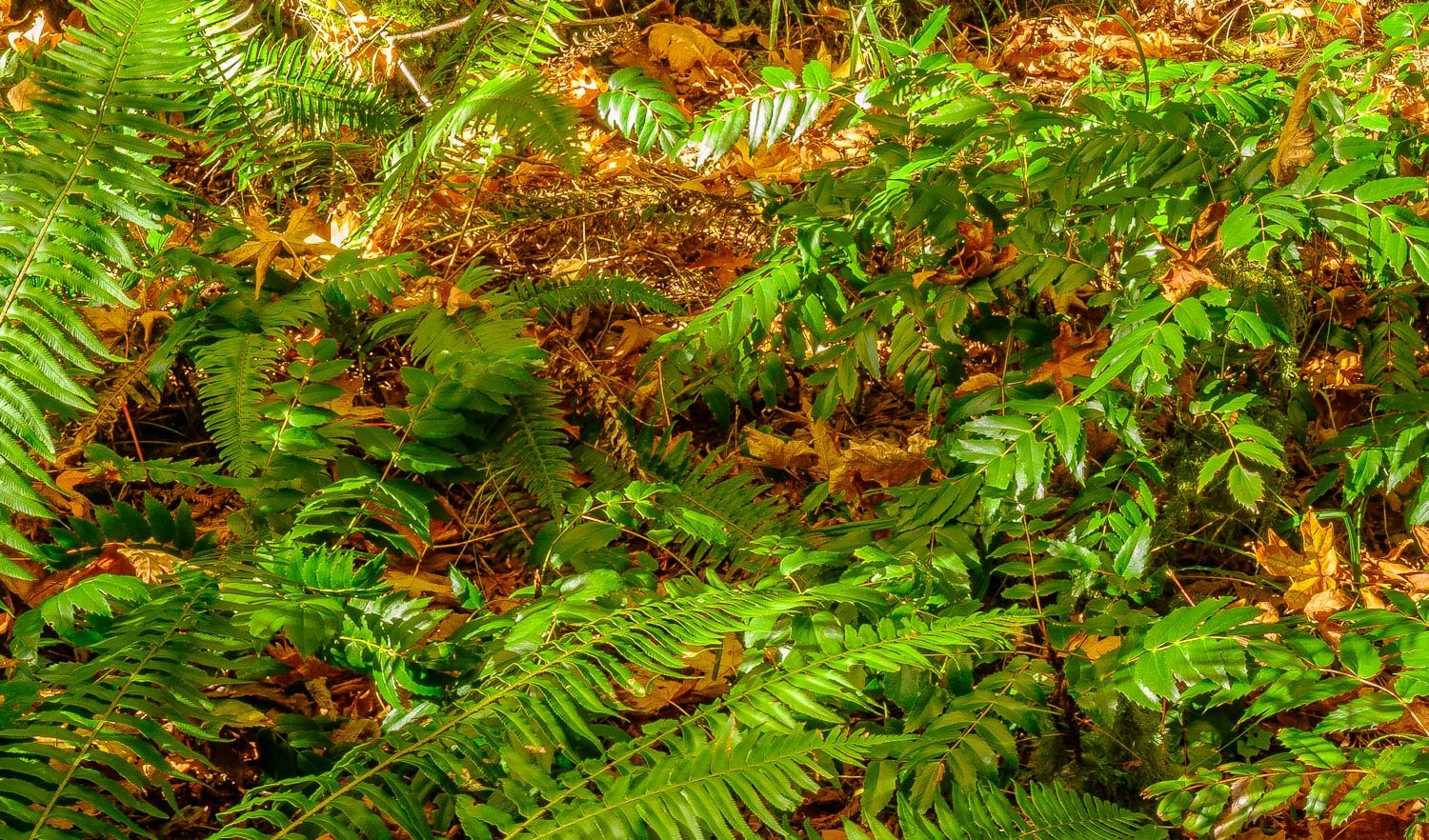
I think this will look very nice in a large print, although the quality of this image gets lost when you downsize it for web viewing... but here's a very small crop from the lower right corner of the larger panoramic image.
Trying to get back on topic again... this is six vertical images stitched in LR6.
I think this will look very nice in a large print, although the quality of this image gets lost when you downsize it for web viewing... but here's a very small crop from the lower right corner of the larger panoramic image.
Nov 13, 2017 at 10:51 AM