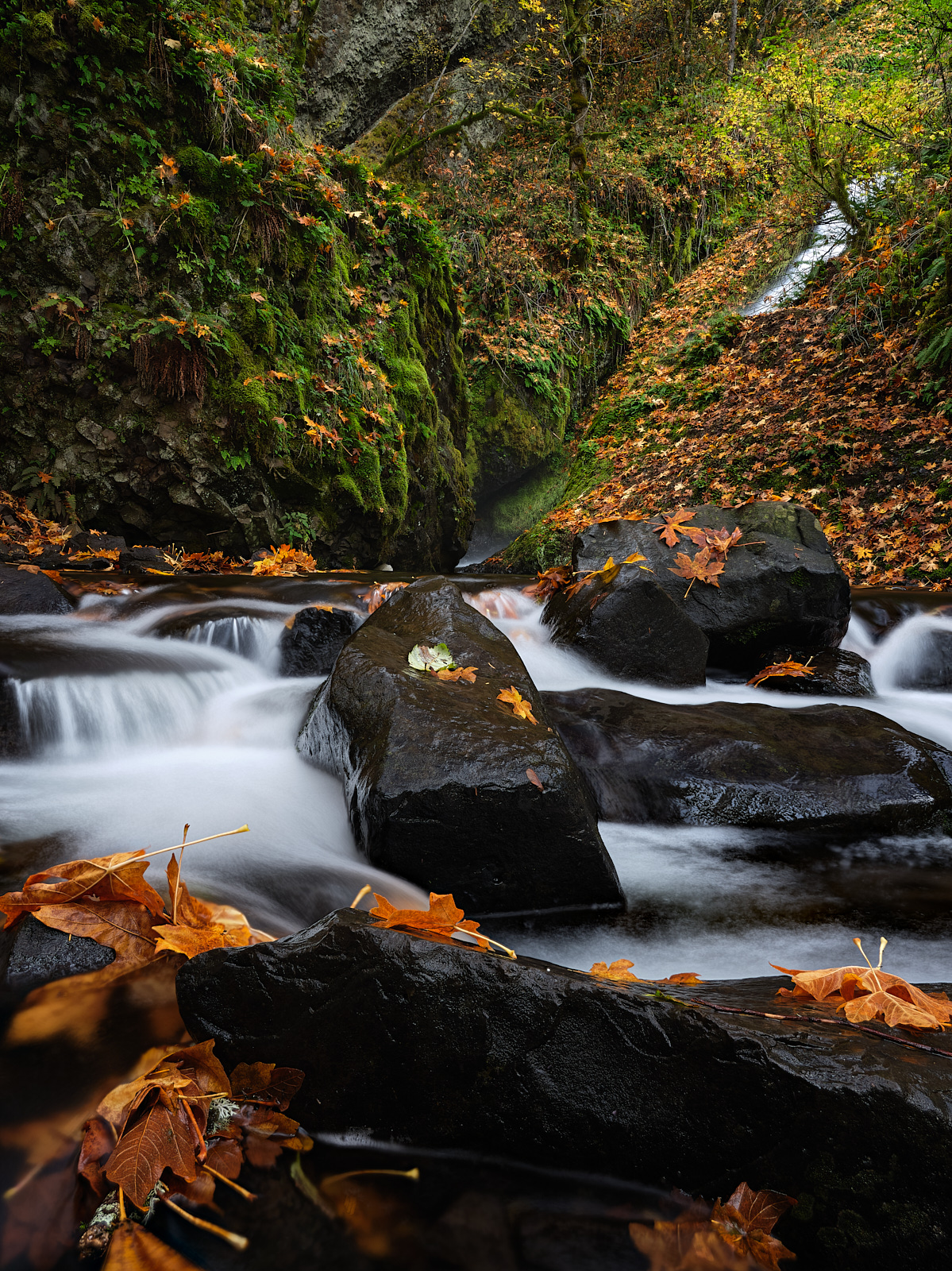
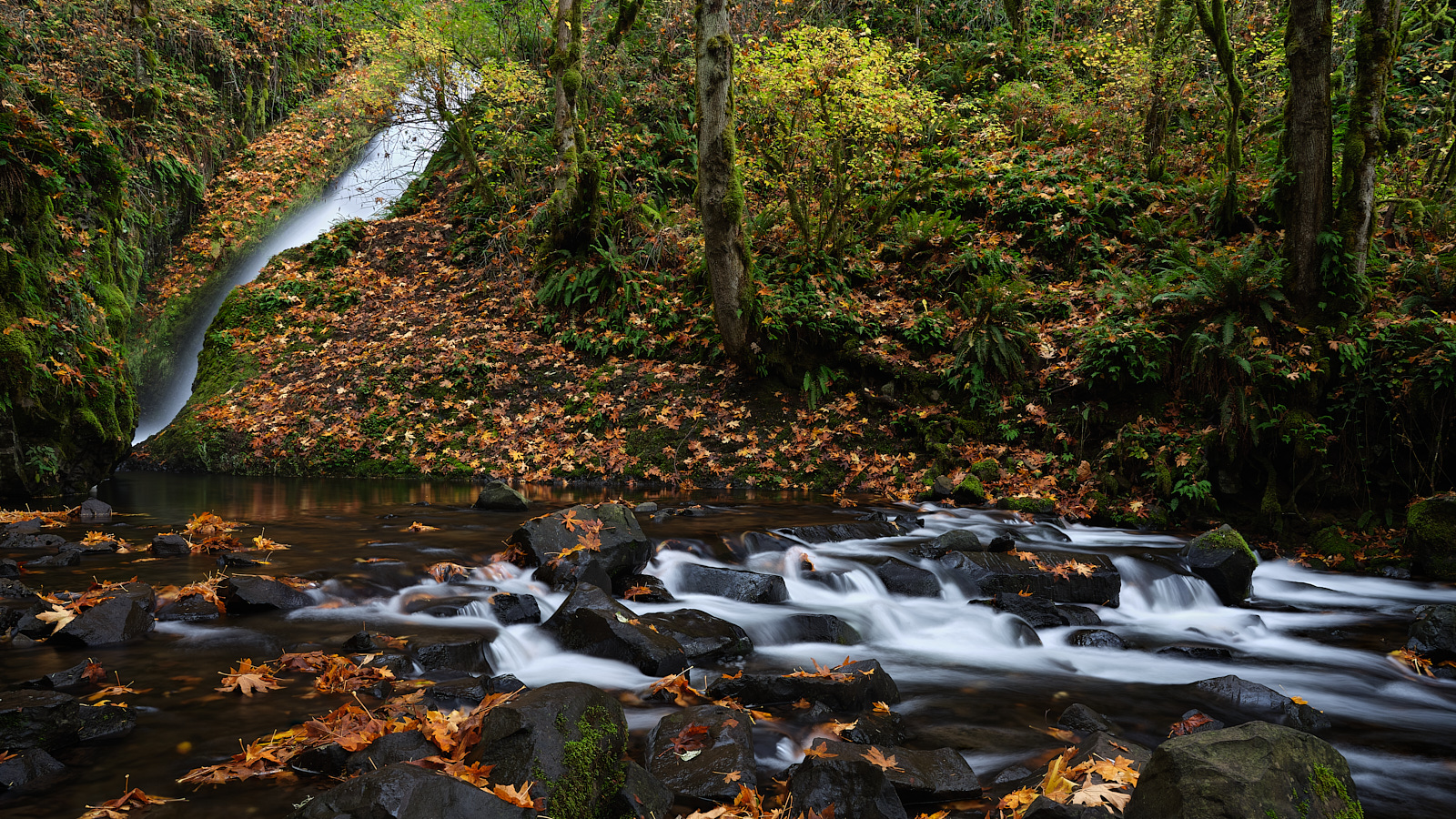
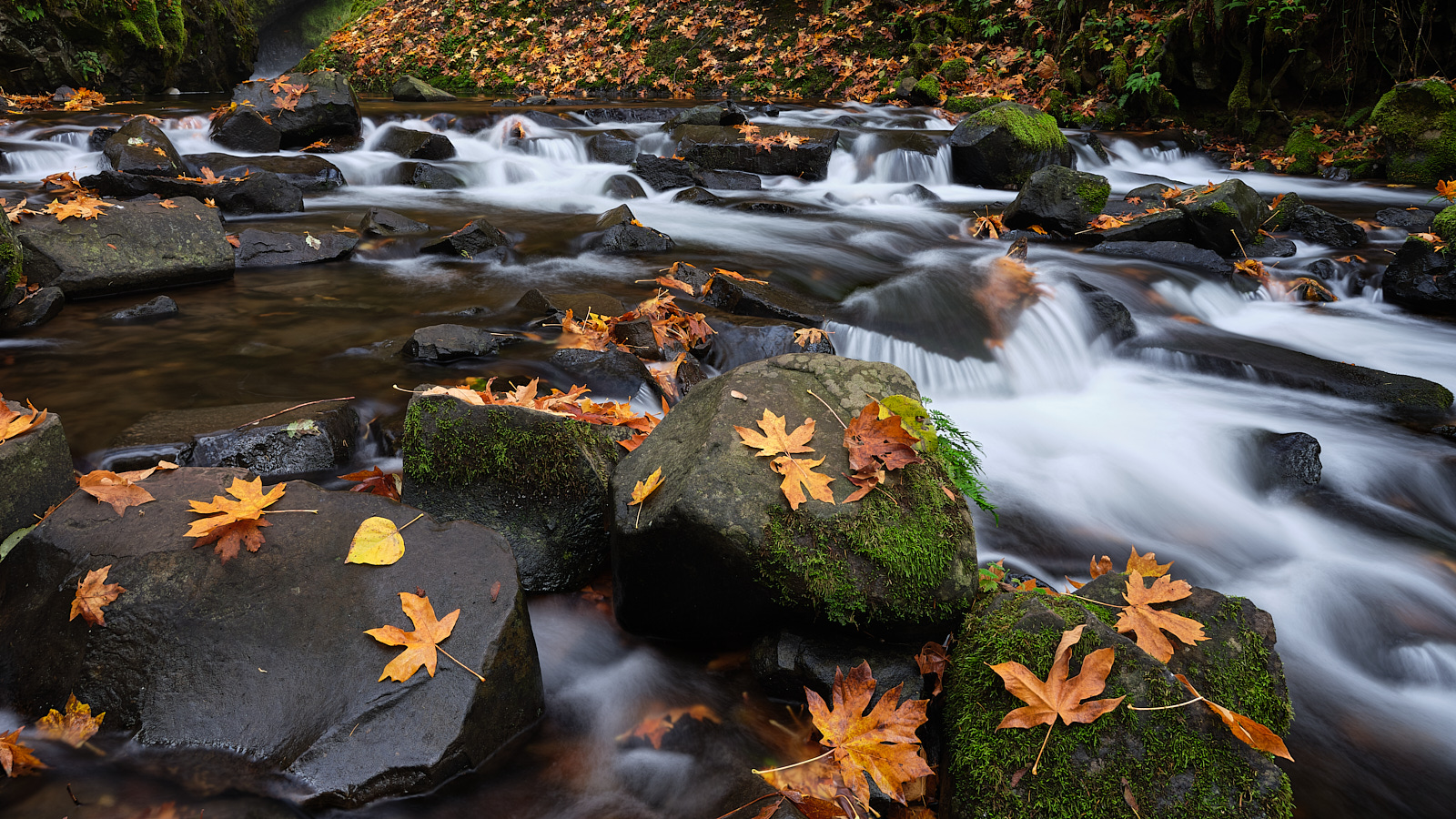
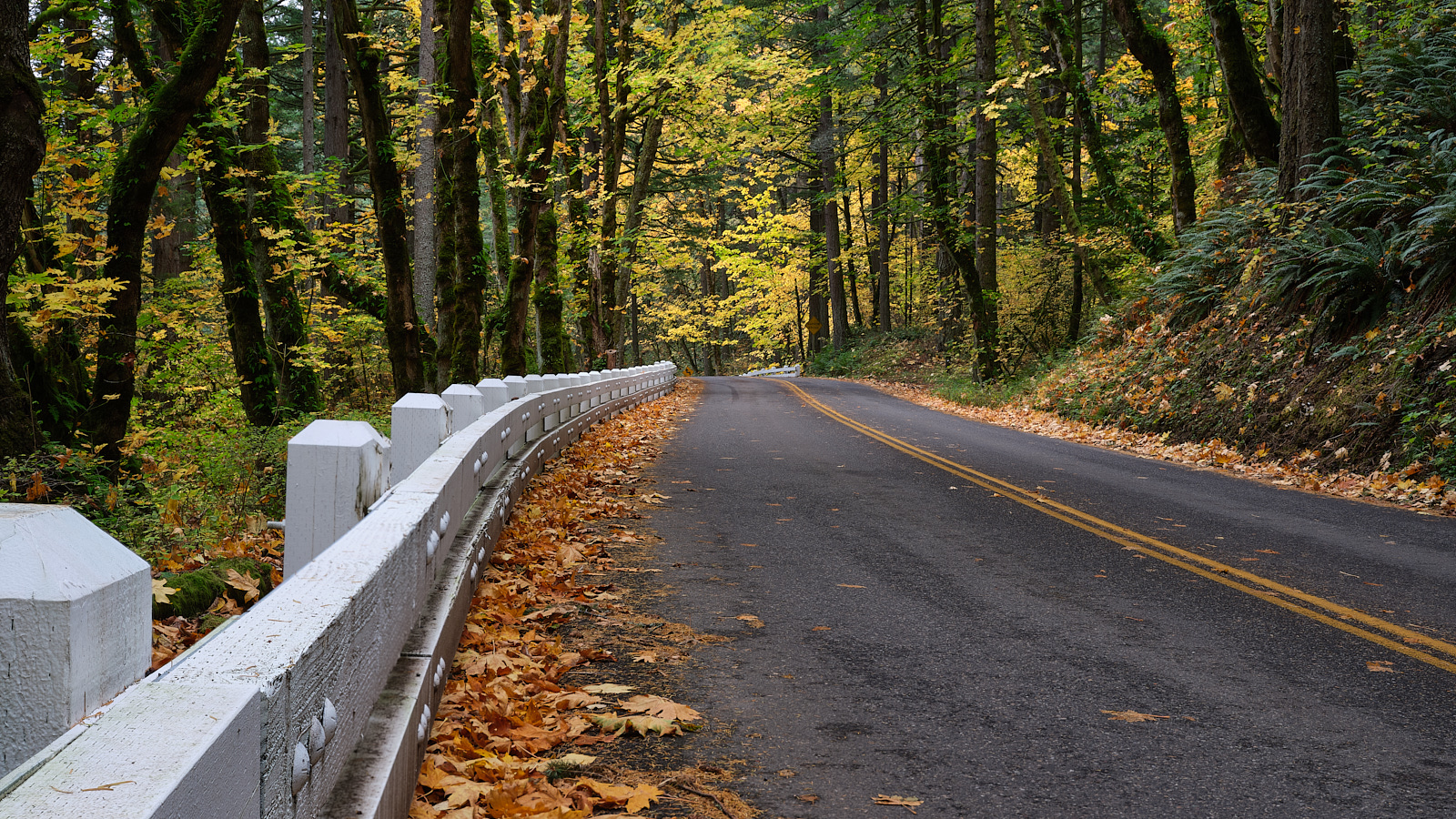
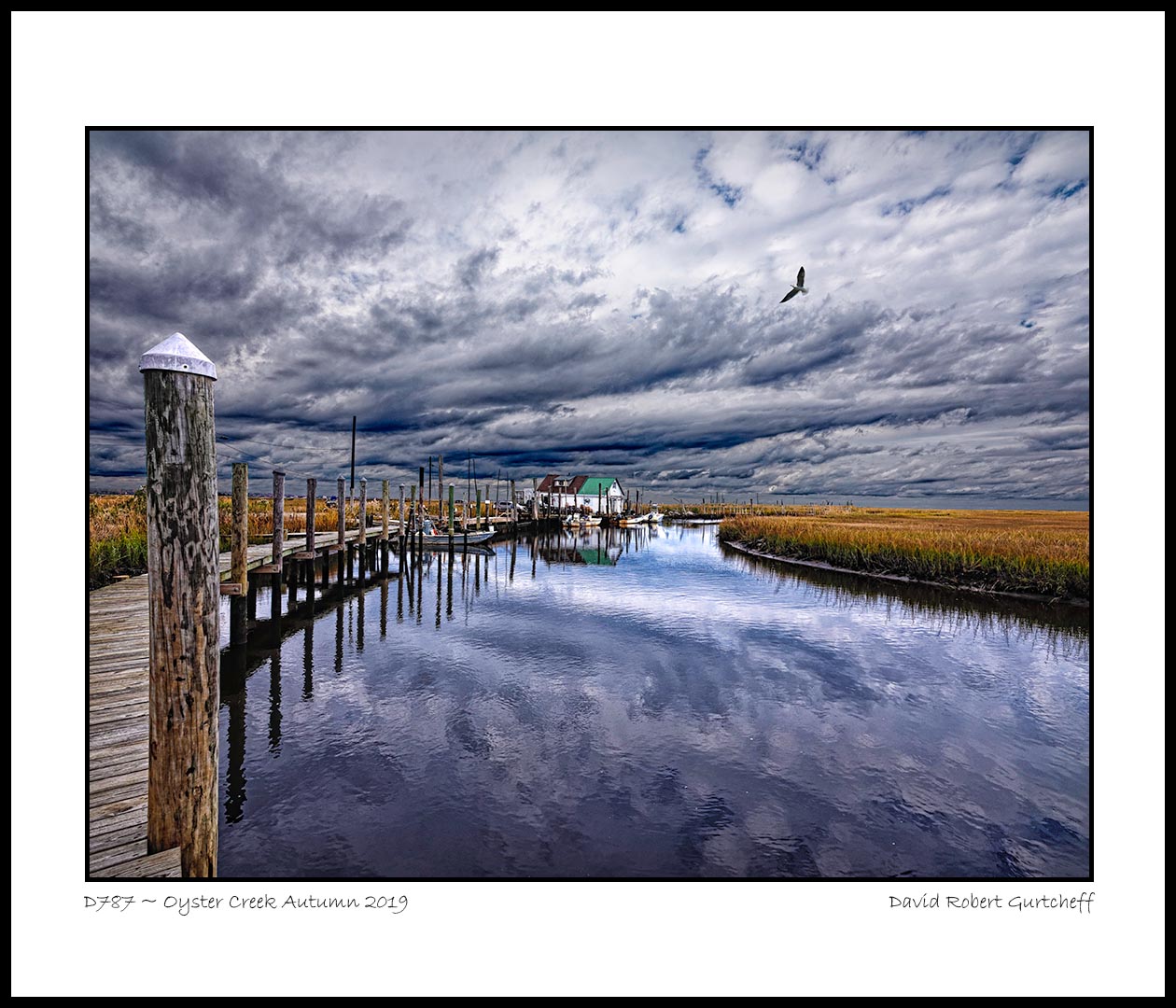
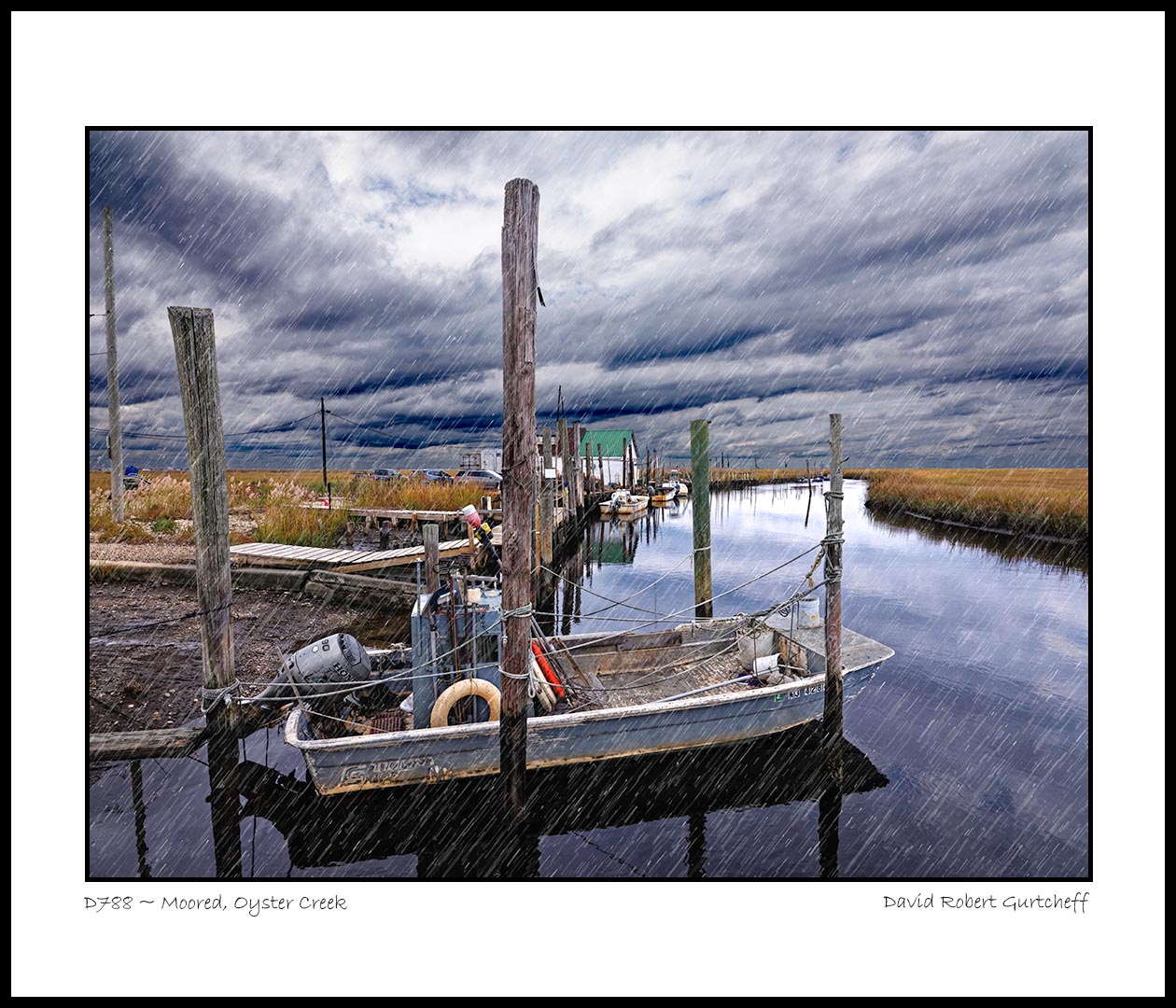
There was a brief discussion above/earlier about diffraction and focus stacking. These are all focus stacked. You can get depth and sharpness at longer focal lengths and larger apertures but without the wide angle shrinking distortion of the distant items that wide angles cause or loss of sharpness of small apertures. I have the 23 too and love it but sometimes I don't want the wide angle de-compression(?).
rsk7 wrote:
Not trying to start a debate here but from my testing there is quite a bit of noticeable diffraction between f/8 and f/16. f/16 is fine for the web but for large printing I'm going to focus stack and stay f/11 or under if I'm trying to stay sharp front to back. Other thing is DOF is thinner on GFX than FF or APS-C. I was caught off guard when I first got my GFX with both DOF and diffraction. Test for yourself and shoot for your purpose and you will be happy.
Even pixel-peeping at 100% magnification, diffraction is not really noticeable until you hit f/22 with the GF 23mm f4, and even then, it's not bad; image quality does suffer at f/32.
molson wrote:
Even pixel-peeping at 100% magnification, diffraction is not really noticeable until you hit f/22 with the GF 23mm f4, and even then, it's not bad; image quality does suffer at f/32.
This is completely different than my experience. On my 23mm lens, the diffraction is visible in comparisons at f11 and pretty clearly visible at f16.
I suspect that in the center, the lens is sharpest at about f5.6 or so, and in the corners, maybe f8, but I haven't tested it really carefully for that.
While I will typically shoot at f 5.6 or f8 to maximize sharpness with the focus shift function to merge, I normally also take a shot at f16 or f22 or so, especially if it is a bit breezy. These are so clearly inferior to a focus shifted stack that they basically will never get used, but for insurance, I make the shot.
mjm6 wrote:
This is completely different than my experience. On my 23mm lens, the diffraction is visible in comparisons at f11 and pretty clearly visible at f16.
I suspect that in the center, the lens is sharpest at about f5.6 or so, and in the corners, maybe f8, but I haven't tested it really carefully for that.
While I will typically shoot at f 5.6 or f8 to maximize sharpness with the focus shift function to merge, I normally also take a shot at f16 or f22 or so, especially if it is a bit breezy. These are so clearly inferior to a focus shifted stack that they basically will never get used, but for insurance, I make the shot....Show more →
I'm not sure how you arrived at that opinion, but I'm pretty sure you're in the minority.
mjm6 wrote:
Are you saying that diffraction-induced resolution reduction isn't visible in comparisons at f11 and f16 to larger apertures?
Isn't whether it is visible or not totally depend on how big you are viewing the image on the screen or how big you are printing it? Sure I can see a slight reduction in sharpness due to diffraction at f/11 and a bit larger reduction in resolution at f/16 if I view an image at 1 to 1 magnification, but even at 1 to 2 magnification I am hard pressed to see even the reduction of sharpness you see at f/16 and at the typical size most images are presented here and most places on the web I wouldn't see the reduction in sharpness from f/16 at all. The situation is of course similar for prints--whether you are likely to see decreases in sharpness depends on how big you print and how close you want to get to the prints. If I print 16 X 12 at normal viewing distances I don't see the reduction in sharpness from diffraction of even f/16, and I can go to 24 X 18 and not see the reduction in sharpness from f/11. Perhaps a particular image might be different, but that is the typical situation for me. Of course your tastes, discernment, and mileage may vary.
Steve Spencer wrote:
Isn't whether it is visible or not totally depend on how big you are viewing the image on the screen or how big you are printing it? Sure I can see a slight reduction in sharpness due to diffraction at f/11 and a bit larger reduction in resolution at f/16 if I view an image at 1 to 1 magnification, but even at 1 to 2 magnification I am hard pressed to see even the reduction of sharpness you see at f/16 and at the typical size most images are presented here and most places on the web I wouldn't see the reduction in sharpness from f/16 at all. The situation is of course similar for prints--whether you are likely to see decreases in sharpness depends on how big you print and how close you want to get to the prints. If I print 16 X 12 at normal viewing distances I don't see the reduction in sharpness from diffraction of even f/16, and I can go to 24 X 18 and not see the reduction in sharpness from f/11. Perhaps a particular image might be different, but that is the typical situation for me. Of course your tastes, discernment, and mileage may vary....Show more →
Well of course that is the case, and I've said that in the past, but the OP I quoted stated 100% magnification viewing on the screen... That clearly excludes viewing a file with 1024x resolution or whatever posted on the internet, and my reaction is that the results of diffraction at 100% magnification viewing are pretty easy to see.
I don't think that is disputable unless you are doing one or more of several things:
1. Using a poor version of the lens
2. Have poor capture technique of some kind
3. Have something else in the optical path that is compromising the image quality
4. Do not have your RAW conversion software optimized in some manner
5. Have a poor quality display monitor that is not providing the sharpness you should expect for image editing.
6. Have quite low sensitivity for overall image performance
7. Have never actually compared the lens at optimal aperture to other apertures
If so, your experience may be that there is no appreciable performance difference until f22-f32, but that would a personal experience only, not something that would be universally experienced given good technique and methods.