This topic is in the 2017 archive. You can read it and like its posts here. It is read only.
Archive 2017Fujifilm GFX 50S Images
p.39 #1Fujifilm GFX 50S Images
highdesertmesa wrote:
MMJ version of the Contax Zeiss Distagon T* 35mm f/1.4.
Had to return my eBay AEG version due to a bad aperture rubber ring. The rendering is different between the two. The MMJ is much sharper and is more modern – reminds me of the color/contrast of the GF lenses. The AEG/J seems to have a more soft/organic bokeh rendering.
hmm, i've shot a few MM and AE c/y 35/1.4s and even one rollei. i agree the color changes with different versions of the T* coating, but I didn't see any drawing or sharpness differences. contax lenses are delicate though and the 35/1.4 performance changes a fair bit if the floating element is not calibrated correctly. i would guess the differences you saw were due to sample variation and wear rather than an inherent difference in the early and late versions of the lens.
Steve Spencer wrote:
Yeah, I was surprised too on the 31. I haven't tried it at infinite, but it's an awesome FL/speed/size/price rendering on the GFX. Derek (Sebboh) and I and live near, and I have given him my GFX and an assortment of lenses to play with this weekend. He was going to fiddle around with m-adapter and see if we can get it to hit infinite. We are planning on shooting a bunch of lenses we own between us and posting crops. The 31 ltd included. So you'll see soon enough looks as though the cv 50/1.5 actually has really good coverage too:
http://live.staticflickr.com/65535/47713556852_4ce4944bd6_o.jpgInteresting findings. The GFX series really opens up some interesting possibilities legacy lenses. Would be handy to have a good summary of findings somewhere  .it seems like it might be possible to have a nice 3 lens setup with some shockingly cheap and tiny 35mm lenses. i think my favorite might be the rokkor 55/1.7 again...
here is the contax g 45/2 wide open (it has hard vignetting at infinity, but is nice close up):
http://live.staticflickr.com/65535/33900880518_897ea04730_o.jpg
and the jupiter-3 wide open:
http://live.staticflickr.com/65535/46988648284_7441639cc3_o.jpgLovely shots, as usual Derek. I wonder about the small and cheap options and what you had in mind. My take has always been with FF 35mm lens you can get some good bargains. You can get some unique looks to supplement the relatively small number of GF lenses. You can get some that are small size if you want to go small. But ultimately FF 35mm lenses wider than about 100mm end up having significant weaknesses when focussed at infinity.
I would love to be wrong about that and perhaps some of the lenses that you have just...Show more →
the pentax 31/1.8 is very good over 3/4 of the frame wide open, haven't tested the cv 35/1.7, but it has outward field curvature even if it is sharp. the 31 is sharp across the frame except for the most extreme corners by f/4 at infinity if i recall correctly (will have to check when i get home). the rokkor 55/1.7 is good across the frame stopped down at infinity. i tested pretty much all the lenses i have at infinity, haven't had a chance to look at all of them yet. there are a bunch of 85s that seem to have complete coverage and high performance across the frame.
a few wide open shots with the pentax 31/1.8 limited:
http://live.staticflickr.com/65535/32834270517_f3cab80d67_o.jpg
http://live.staticflickr.com/65535/46861401085_212dbe08b5_o.jpg
http://live.staticflickr.com/65535/46861401245_28e8fd2e37_o.jpg
http://live.staticflickr.com/65535/32834270647_9cc8efcf0e_o.jpg
MMJ version of the Contax Zeiss Distagon T* 35mm f/1.4.
Had to return my eBay AEG version due to a bad aperture rubber ring. The rendering is different between the two. The MMJ is much sharper and is more modern – reminds me of the color/contrast of the GF lenses. The AEG/J seems to have a more soft/organic bokeh rendering.
hmm, i've shot a few MM and AE c/y 35/1.4s and even one rollei. i agree the color changes with different versions of the T* coating, but I didn't see any drawing or sharpness differences. contax lenses are delicate though and the 35/1.4 performance changes a fair bit if the floating element is not calibrated correctly. i would guess the differences you saw were due to sample variation and wear rather than an inherent difference in the early and late versions of the lens.
Steve Spencer wrote:
sebboh wrote
Phillip Reeve wrote
sebboh wrote
nehemiahphoto wrote
Also, I couldn't hit infinite on my CV 35 1.7, but that street photo I posted above is f8, and everything looks good except the very extreme corners. Loads of vingetting though.Yeah, I was surprised too on the 31. I haven't tried it at infinite, but it's an awesome FL/speed/size/price rendering on the GFX. Derek (Sebboh) and I and live near, and I have given him my GFX and an assortment of lenses to play with this weekend. He was going to fiddle around with m-adapter and see if we can get it to hit infinite. We are planning on shooting a bunch of lenses we own between us and posting crops. The 31 ltd included. So you'll see soon enough
http://live.staticflickr.com/65535/47713556852_4ce4944bd6_o.jpg
.here is the contax g 45/2 wide open (it has hard vignetting at infinity, but is nice close up):
http://live.staticflickr.com/65535/33900880518_897ea04730_o.jpg
and the jupiter-3 wide open:
http://live.staticflickr.com/65535/46988648284_7441639cc3_o.jpg
I would love to be wrong about that and perhaps some of the lenses that you have just...Show more →
the pentax 31/1.8 is very good over 3/4 of the frame wide open, haven't tested the cv 35/1.7, but it has outward field curvature even if it is sharp. the 31 is sharp across the frame except for the most extreme corners by f/4 at infinity if i recall correctly (will have to check when i get home). the rokkor 55/1.7 is good across the frame stopped down at infinity. i tested pretty much all the lenses i have at infinity, haven't had a chance to look at all of them yet. there are a bunch of 85s that seem to have complete coverage and high performance across the frame.
a few wide open shots with the pentax 31/1.8 limited:
http://live.staticflickr.com/65535/32834270517_f3cab80d67_o.jpg
http://live.staticflickr.com/65535/46861401085_212dbe08b5_o.jpg
http://live.staticflickr.com/65535/46861401245_28e8fd2e37_o.jpg
http://live.staticflickr.com/65535/32834270647_9cc8efcf0e_o.jpg
May 09, 2019 at 12:43 PM
p.39 #2Fujifilm GFX 50S Images
sebboh wrote:
hmm, i've shot a few MM and AE c/y 35/1.4s and even one rollei. i agree the color changes with different versions of the T* coating, but I didn't see any drawing or sharpness differences. contax lenses are delicate though and the 35/1.4 performance changes a fair bit if the floating element is not calibrated correctly. i would guess the differences you saw were due to sample variation and wear rather than an inherent difference in the early and late versions of the lens.
I would think the different coatings could have an impact on perceived sharpness and bokeh, especially at a demanding situation like wide open at MFD; but maybe there was something not as well aligned technically with my first copy. Some of the AE lenses are quite old, and given the fact that my copy's rubber aperture ring had deteriorated (glue coming out around the edge, rubber flaking at the edges), it might have been a very early copy. The focusing ring also had ever so slight play in it. It's a shame really since otherwise the lens was unused, like-new in box with all paperwork (supposedly never used, but the Japanese sellers on eBay sometimes take creative license with their listings).
May 09, 2019 at 01:50 PM
p.39 #3Fujifilm GFX 50S Images
highdesertmesa wrote:
I would think the different coatings could have an impact on perceived sharpness and bokeh, especially at a demanding situation like wide open at MFD; but maybe there was something not as well aligned technically with my first copy.
as i understand the physics, coatings just effect reflection and transmission at different wavelengths. they can increase contrast, reduce reflection, and change colors, but that is about it.
one from the 75mm summilux wide open:
http://live.staticflickr.com/65535/33900880678_90f5aaaf7b_o.jpg
May 09, 2019 at 03:18 PM

p.39 #4Fujifilm GFX 50S Images
sebboh wrote:
Had to return my eBay AEG version due to a bad aperture rubber ring. The rendering is different between the two. The MMJ is much sharper and is more modern – reminds me of the color/contrast of the GF lenses. The AEG/J seems to have a more soft/organic bokeh rendering.hmm, i've shot a few MM and AE c/y 35/1.4s and even one rollei. i agree the color changes with different versions of the T* coating, but I didn't see any drawing or sharpness differences. contax lenses are delicate though and the 35/1.4 performance changes a fair bit if the floating element is not calibrated correctly. i would guess the differences you saw were due to sample variation and wear rather than an inherent difference in the early and late versions of the lens.
Yeah, I was surprised too on the 31. I haven't tried it at infinite, but it's an awesome FL/speed/size/price rendering on the GFX. Derek (Sebboh) and I and live near, and I have given him my GFX and an assortment of lenses to play with this weekend. He was going to fiddle around with m-adapter and see if we can get it to hit infinite. We are planning on shooting a bunch of lenses we own between us and posting crops. The 31 ltd included. So you'll see soon enoughlooks as though the cv 50/1.5 actually has really good coverage too:
http://live.staticflickr.com/65535/47713556852_4ce4944bd6_o.jpgInteresting findings. The GFX series really opens up some interesting possibilities legacy lenses. Would be handy to have a good summary of findings somewhere .it seems like it might be possible to have a nice 3 lens setup with some shockingly cheap and tiny 35mm lenses. i think my favorite might be the rokkor 55/1.7 again...
here is the contax g 45/2 wide open (it has hard vignetting at infinity, but is nice close up):
http://live.staticflickr.com/65535/33900880518_897ea04730_o.jpg
and the jupiter-3 wide open:
http://live.staticflickr.com/65535/46988648284_7441639cc3_o.jpgLovely shots, as usual Derek. I wonder about the small and cheap options and what you had in mind. My take has always been with FF 35mm lens you can get some good bargains. You can get some unique looks to supplement the relatively small number of GF lenses. You can get some that are small size if you want to go small. But ultimately FF 35mm lenses wider than about 100mm end up having significant weaknesses when focussed at infinity.
I would love to be wrong about that and perhaps some of the lenses that you have just been testing may be the exceptions a number of us have been looking for. Does the Pentax 31 f/1.8 Limited or the Voigtlander M 35 f/1.7 hold up on the wide end when shot at infinity? How about the Minolta MC 55 f/1.7? Have you tried the new Voigtlander M 50 f/1.2 yet? I have heard good things about that lens on the GFX, but I haven't seen hardly any samples yet and none focussed on infinity. I haven't found a 50mm that totally works for infinity focus yet. If can imagine adding the right 100mm to some sort of combination of those lenses might actually work, but I am quite curious to what you were thinking.the pentax 31/1.8 is very good over 3/4 of the frame wide open, haven't tested the cv...Show more →
Thanks very much for posting these Derek. It looks to me like the Pentax 31 Limited has nice rendering on the GFX, but only has a clean image circle of 48-50mm and falls a bit short of even the 52.8mm needed for a full 4 X 5 crop. It is nice that a pretty small and nice quality lens has even that much image circle, but it still falls a bit short, IMO, of being that illusive small lens for the wide end on the GFX. Of course one can use it with the GFX with cropping, but I would love to have a small 28ish mm lens that actually covered the image circle.
Edit: I did a little math and even with a 48-50mm image circle the Pentax 31 Limited does provide a very interesting option on the GFX. It has the field of view and depth of field of a 24 or 25 mm f/1.4 lens on FF 35mm if you crop to 4 X 3 or squarer. Although that is shallower depth of field than I need at that focal length, I am sure it is provides a look that a number of people would like.
highdesertmesa wrote
MMJ version of the Contax Zeiss Distagon T* 35mm f/1.4.Had to return my eBay AEG version due to a bad aperture rubber ring. The rendering is different between the two. The MMJ is much sharper and is more modern – reminds me of the color/contrast of the GF lenses. The AEG/J seems to have a more soft/organic bokeh rendering.
Steve Spencer wrote
sebboh wrote
Phillip Reeve wrote
sebboh wrote
nehemiahphoto wrote
Also, I couldn't hit infinite on my CV 35 1.7, but that street photo I posted above is f8, and everything looks good except the very extreme corners. Loads of vingetting though.Yeah, I was surprised too on the 31. I haven't tried it at infinite, but it's an awesome FL/speed/size/price rendering on the GFX. Derek (Sebboh) and I and live near, and I have given him my GFX and an assortment of lenses to play with this weekend. He was going to fiddle around with m-adapter and see if we can get it to hit infinite. We are planning on shooting a bunch of lenses we own between us and posting crops. The 31 ltd included. So you'll see soon enough
http://live.staticflickr.com/65535/47713556852_4ce4944bd6_o.jpg
.here is the contax g 45/2 wide open (it has hard vignetting at infinity, but is nice close up):
http://live.staticflickr.com/65535/33900880518_897ea04730_o.jpg
and the jupiter-3 wide open:
http://live.staticflickr.com/65535/46988648284_7441639cc3_o.jpg
I would love to be wrong about that and perhaps some of the lenses that you have just been testing may be the exceptions a number of us have been looking for. Does the Pentax 31 f/1.8 Limited or the Voigtlander M 35 f/1.7 hold up on the wide end when shot at infinity? How about the Minolta MC 55 f/1.7? Have you tried the new Voigtlander M 50 f/1.2 yet? I have heard good things about that lens on the GFX, but I haven't seen hardly any samples yet and none focussed on infinity. I haven't found a 50mm that totally works for infinity focus yet. If can imagine adding the right 100mm to some sort of combination of those lenses might actually work, but I am quite curious to what you were thinking.
Thanks very much for posting these Derek. It looks to me like the Pentax 31 Limited has nice rendering on the GFX, but only has a clean image circle of 48-50mm and falls a bit short of even the 52.8mm needed for a full 4 X 5 crop. It is nice that a pretty small and nice quality lens has even that much image circle, but it still falls a bit short, IMO, of being that illusive small lens for the wide end on the GFX. Of course one can use it with the GFX with cropping, but I would love to have a small 28ish mm lens that actually covered the image circle.
Edit: I did a little math and even with a 48-50mm image circle the Pentax 31 Limited does provide a very interesting option on the GFX. It has the field of view and depth of field of a 24 or 25 mm f/1.4 lens on FF 35mm if you crop to 4 X 3 or squarer. Although that is shallower depth of field than I need at that focal length, I am sure it is provides a look that a number of people would like.
May 10, 2019 at 05:55 AM
p.39 #5Fujifilm GFX 50S Images
Steve Spencer wrote:
Had to return my eBay AEG version due to a bad aperture rubber ring. The rendering is different between the two. The MMJ is much sharper and is more modern – reminds me of the color/contrast of the GF lenses. The AEG/J seems to have a more soft/organic bokeh rendering.hmm, i've shot a few MM and AE c/y 35/1.4s and even one rollei. i agree the color changes with different versions of the T* coating, but I didn't see any drawing or sharpness differences. contax lenses are delicate though and the 35/1.4 performance changes a fair bit if the floating element is not calibrated correctly. i would guess the differences you saw were due to sample variation and wear rather than an inherent difference in the early and late versions of the lens.
http://live.staticflickr.com/65535/47713556852_4ce4944bd6_o.jpgInteresting findings. The GFX series really opens up some interesting possibilities legacy lenses. Would be handy to have a good summary of findings somewhere .it seems like it might be possible to have a nice 3 lens setup with some shockingly cheap and tiny 35mm lenses. i think my favorite might be the rokkor 55/1.7 again...
here is the contax g 45/2 wide open (it has hard vignetting at infinity, but is nice close up):
http://live.staticflickr.com/65535/33900880518_897ea04730_o.jpg
and the jupiter-3 wide open:
http://live.staticflickr.com/65535/46988648284_7441639cc3_o.jpgLovely shots, as usual Derek. I wonder about the small and cheap options and what you had in mind. My take has always been with FF 35mm lens you can get some good bargains. You can get some unique looks to supplement the relatively small number of GF lenses. You can get some that are small size if you want to go small. But ultimately FF 35mm lenses wider than about 100mm end up having significant weaknesses when focussed at infinity.
I would love to be wrong about that and perhaps some of the lenses that you have just been testing may be the exceptions a number of us have been looking for. Does the Pentax 31 f/1.8 Limited or the Voigtlander M 35 f/1.7 hold up on the wide end when shot at infinity? How about the Minolta MC 55 f/1.7? Have you tried the new Voigtlander M 50 f/1.2 yet? I have heard good things about that lens on the GFX, but I haven't seen hardly any samples yet and none focussed on infinity. I haven't found a 50mm that totally works for infinity focus yet. If can imagine adding the right 100mm to some sort of combination of those lenses might actually work, but I am quite curious to what you were thinking.the pentax 31/1.8 is very good over 3/4 of the frame wide open, haven't tested the cv 35/1.7, but it has outward field curvature even if it is sharp. the 31 is sharp across the frame except for the most extreme corners by f/4 at infinity if i recall correctly (will have to check when i get home). the rokkor 55/1.7 is good across the frame stopped down at infinity. i tested pretty much all the lenses i have at infinity, haven't had a chance to look at all of them yet. there are a bunch of 85s that seem to have complete coverage and high performance across the frame.
a few wide open shots with the pentax 31/1.8 limited:
http://live.staticflickr.com/65535/32834270517_f3cab80d67_o.jpg
http://live.staticflickr.com/65535/46861401085_212dbe08b5_o.jpg
http://live.staticflickr.com/65535/46861401245_28e8fd2e37_o.jpg
http://live.staticflickr.com/65535/32834270647_9cc8efcf0e_o.jpgThanks very much for posting these Derek. It looks to me like the Pentax 31 Limited has nice rendering on the GFX, but only has a clean image circle of 48-50mm and falls a bit short of even the 52.8mm needed for a full 4 X 5 crop. It is nice that a pretty small and nice quality lens has even that much image circle, but it still falls a bit short, IMO, of being that illusive small lens for the wide end on the GFX. Of course one can use it with the GFX with cropping, but I...Show more →
it's true, the lens isn't sharp in the extreme corner even at f/11 (at f/22 diffraction evens things out so sharpness fall off isn't noticeable in the extreme corners). it is sharp enough over most of the frame that i would be fine with it as my only wide angle lens if i wanted to go the GFX route, but i've never been much interested in sharpness. the look at wide angle and fast aperture with reasonable size would be my reason for choosing it.
i don't really consider it a small lens fwiw, it's too big for me to use on my FF camera. the smallest lens that seems to have adequate coverage on the GFX is the zeiss 35/3.5 tessar i took off a yashica T5.
an f/11 shot with the pentax 31. you can see the fall off at the corners even at small size (though you can't at infinity so it might be partially field curvature/dof):
http://live.staticflickr.com/65535/47820027381_c72f968372_o.jpg
sebboh wrote
highdesertmesa wrote
MMJ version of the Contax Zeiss Distagon T* 35mm f/1.4.Had to return my eBay AEG version due to a bad aperture rubber ring. The rendering is different between the two. The MMJ is much sharper and is more modern – reminds me of the color/contrast of the GF lenses. The AEG/J seems to have a more soft/organic bokeh rendering.
Steve Spencer wrote
sebboh wrote
Phillip Reeve wrote
sebboh wrote
looks as though the cv 50/1.5 actually has really good coverage too:http://live.staticflickr.com/65535/47713556852_4ce4944bd6_o.jpg
.here is the contax g 45/2 wide open (it has hard vignetting at infinity, but is nice close up):
http://live.staticflickr.com/65535/33900880518_897ea04730_o.jpg
and the jupiter-3 wide open:
http://live.staticflickr.com/65535/46988648284_7441639cc3_o.jpg
I would love to be wrong about that and perhaps some of the lenses that you have just been testing may be the exceptions a number of us have been looking for. Does the Pentax 31 f/1.8 Limited or the Voigtlander M 35 f/1.7 hold up on the wide end when shot at infinity? How about the Minolta MC 55 f/1.7? Have you tried the new Voigtlander M 50 f/1.2 yet? I have heard good things about that lens on the GFX, but I haven't seen hardly any samples yet and none focussed on infinity. I haven't found a 50mm that totally works for infinity focus yet. If can imagine adding the right 100mm to some sort of combination of those lenses might actually work, but I am quite curious to what you were thinking.
a few wide open shots with the pentax 31/1.8 limited:
http://live.staticflickr.com/65535/32834270517_f3cab80d67_o.jpg
http://live.staticflickr.com/65535/46861401085_212dbe08b5_o.jpg
http://live.staticflickr.com/65535/46861401245_28e8fd2e37_o.jpg
http://live.staticflickr.com/65535/32834270647_9cc8efcf0e_o.jpg
it's true, the lens isn't sharp in the extreme corner even at f/11 (at f/22 diffraction evens things out so sharpness fall off isn't noticeable in the extreme corners). it is sharp enough over most of the frame that i would be fine with it as my only wide angle lens if i wanted to go the GFX route, but i've never been much interested in sharpness. the look at wide angle and fast aperture with reasonable size would be my reason for choosing it.
i don't really consider it a small lens fwiw, it's too big for me to use on my FF camera. the smallest lens that seems to have adequate coverage on the GFX is the zeiss 35/3.5 tessar i took off a yashica T5.
an f/11 shot with the pentax 31. you can see the fall off at the corners even at small size (though you can't at infinity so it might be partially field curvature/dof):
http://live.staticflickr.com/65535/47820027381_c72f968372_o.jpg
May 10, 2019 at 01:33 PM
p.39 #6Fujifilm GFX 50S Images
sebboh wrote:
as i understand the physics, coatings just effect reflection and transmission at different wavelengths. they can increase contrast, reduce reflection, and change colors, but that is about it...
Something definitely affected the CA between the AE (completely green) and MM versions (green+purple) (documented in the elsewhere, not my lone observation), so if the change in coating isn't responsible, then there may have been unofficial changes to the lens design. I've read that sometimes Zeiss would not change the optical formula, but they would move an element slightly to favor close-to-mid distances over infinity or vice-versa and not re-publish their charts.
May 10, 2019 at 02:48 PM
p.39 #7Fujifilm GFX 50S Images
highdesertmesa wrote:
Something definitely affected the CA between the AE (completely green) and MM versions (green+purple) (documented in the elsewhere, not my lone observation), so if the change in coating isn't responsible, then there may have been unofficial changes to the lens design. I've read that sometimes Zeiss would not change the optical formula, but they would move an element slightly to favor close-to-mid distances over infinity or vice-versa and not re-publish their charts.
i assume your talking about bokeh fringing, not laCA since you're talking about purple and green. my AEG had both (as did the MM copies i shot with), corner crop from the AEG: http://live.staticflickr.com/8602/16413099157_39528d1735_o.jpg
coatings could impact color in CA by changing relative transmission of different wavelengths or increasing contrast generally making CA more visible. changing white balance can change bokeh fringing too...
also, misalignment of the floating element definitely changes the look of bokeh fringing on the c/y 35/1.4.
FLE in factory position:
http://live.staticflickr.com/7649/16817143462_7a10d113e6_b.jpg
FLE out of alignment:
http://live.staticflickr.com/7597/16630869110_9988aa826a_b.jpg
FLE in factory position:
http://live.staticflickr.com/8620/16610953457_3038eedd5e_b.jpg
FLE out of alignment:
http://live.staticflickr.com/7625/16817174721_812970d4b7_b.jpg
apologies to for going way off topic...
sebboh wrote
as i understand the physics, coatings just effect reflection and transmission at different wavelengths. they can increase contrast, reduce reflection, and change colors, but that is about it...i assume your talking about bokeh fringing, not laCA since you're talking about purple and green. my AEG had both (as did the MM copies i shot with), corner crop from the AEG: http://live.staticflickr.com/8602/16413099157_39528d1735_o.jpg
coatings could impact color in CA by changing relative transmission of different wavelengths or increasing contrast generally making CA more visible. changing white balance can change bokeh fringing too...
also, misalignment of the floating element definitely changes the look of bokeh fringing on the c/y 35/1.4.
FLE in factory position:
http://live.staticflickr.com/7649/16817143462_7a10d113e6_b.jpg
FLE out of alignment:
http://live.staticflickr.com/7597/16630869110_9988aa826a_b.jpg
FLE in factory position:
http://live.staticflickr.com/8620/16610953457_3038eedd5e_b.jpg
FLE out of alignment:
http://live.staticflickr.com/7625/16817174721_812970d4b7_b.jpg
apologies to for going way off topic...
May 10, 2019 at 04:06 PM
p.39 #8Fujifilm GFX 50S Images
sebboh wrote:
Something definitely affected the CA between the AE (completely green) and MM versions (green+purple) (documented in the elsewhere, not my lone observation), so if the change in coating isn't responsible, then there may have been unofficial changes to the lens design. I've read that sometimes Zeiss would not change the optical formula, but they would move an element slightly to favor close-to-mid distances over infinity or vice-versa and not re-publish their charts.i assume your talking about bokeh fringing, not laCA since you're talking about purple and green. my AEG had both (as did the MM copies i shot with), corner crop from the AEG: http://live.staticflickr.com/8602/16413099157_39528d1735_o.jpg
coatings could impact color in CA by changing relative transmission of different wavelengths or increasing contrast generally making CA more visible. changing white balance can change bokeh fringing too...
also, misalignment of the floating element definitely changes the look of bokeh fringing on the c/y 35/1.4.
FLE in factory position:
http://live.staticflickr.com/7649/16817143462_7a10d113e6_b.jpg
FLE out of alignment:
http://live.staticflickr.com/7597/16630869110_9988aa826a_b.jpg
FLE in factory position:
http://live.staticflickr.com/8620/16610953457_3038eedd5e_b.jpg
FLE out of alignment:
http://live.staticflickr.com/7625/16817174721_812970d4b7_b.jpg
apologies to for going way off topic...
Thanks for the info. I know just enough about lenses to be dangerous
highdesertmesa wrote
sebboh wrote
as i understand the physics, coatings just effect reflection and transmission at different wavelengths. they can increase contrast, reduce reflection, and change colors, but that is about it...coatings could impact color in CA by changing relative transmission of different wavelengths or increasing contrast generally making CA more visible. changing white balance can change bokeh fringing too...
also, misalignment of the floating element definitely changes the look of bokeh fringing on the c/y 35/1.4.
FLE in factory position:
http://live.staticflickr.com/7649/16817143462_7a10d113e6_b.jpg
FLE out of alignment:
http://live.staticflickr.com/7597/16630869110_9988aa826a_b.jpg
FLE in factory position:
http://live.staticflickr.com/8620/16610953457_3038eedd5e_b.jpg
FLE out of alignment:
http://live.staticflickr.com/7625/16817174721_812970d4b7_b.jpg
apologies to for going way off topic...
Thanks for the info. I know just enough about lenses to be dangerous
May 10, 2019 at 05:45 PM
p.39 #9Fujifilm GFX 50S Images
Several people have asked, "why would you adapt FF 35mm lenses to the GFX?" I think there are many answers to that question but listing the lenses that people have used made me think of some of what seem to be the more obvious reasons. As you adapt these lenses you realize that lenses have different image circles. All the FF 35mm lenses I have tried so far have at least a 45mm image circle (FF 35mm is 43.3mm after all).
Given the shape of the sensor even though this is hardly bigger than a FF 35mm image circle this still gives you about a .86 crop factor with about half a stop shallower depth of field if you crop to 4 X 3 or squarer. Said another way if cropped to 4 X 5, the FF 35mm sensor is 30mm X 24mm, with just a tiny bit more than the FF 35mm image circle, however, on the GFX you get 35mm X 28mm. Some do well with a 48mm image circle (in 4 X 5 format that gives you 37.5mm X 30mm) and a crop factor of about .8 if you crop to 4 X 3 or squarer and about 2/3 of a stop less depth of field. Finally some lenses give you about a 50mm image circle (in 4 X 5 format that gives you 39mm X 31.2mm) and a crop factor of .77 and about 3/4 of a stop shallower depth of field.
So with that in mind here are some interesting sets of lenses you can build for the GFX with FF 35mm lenses.
As Derek (sebboh) alluded you could put together a set of three quite small lenses. This might be particularly attractive to someone who has the GFX 50R and wants to keep a small set up.
Pentax 31 f/1.8 limited (As shown above this lens should easily cover a 48mm image circle giving you a lens with the angle of view and depth of field of a 25 f/1.4 lens on FF 35mm if you crop to 4 X 3 or squarer). It weighs just 345g plus the adapter.
Voigtlander 50 f/1.2 (This lens should cover a 48mm image circle easily from several reports giving you the angle of view and depth of field of a 40mm f/1 lens on FF 35mm if you crop to 4 X 3 or squarer). It weighs 344g plus the adapter.
Minolta 100 f/2.5 (This lens easily covers the 48mm image circle giving you the angle of view and depth of field of an 80mm f/2 lens on FF 35mm if you crop to 4 X 3 or squarer). It weighs just 310g in the plain MD version plus the adapter.
Now let's say you have a set of Zeiss Milvus and Otus lenses and you want to use them on the Fuji. Here is what you might get:
The Milvus 25 f/1.4 would only let you crop to about a 45mm image circle. Still on the GFX it would give you a lens with about the angle of view and the depth of field of a 21mm f/1.2 lens if you crop to 4 X 3 or squarer which is where it makes sense to use such lenses so I won't keep repeating that.
The Otus 28 f/1.4 would only let you crop to about a 45mm image circle. Still on the GFX it would give you a lens with about the angle of view and the depth of field of a 24mm f/1.2 lens.
The Milvus 35 f/1.4 would only let you crop to about a 48mm image circle. Still on the GFX it would give you a lens with about the angle of view and the depth of field of a 28mm f/1.1 lens.
The Milvus 50 f/1.4 would only let you crop to about a 48mm image circle. Still on the GFX it would give you a lens with about the angle of view and the depth of field of a 40mm f/1.1 lens.
The Otus 55 f/1.4 would only let you crop to about a 48mm image circle. Still on the GFX it would give you a lens with about the angle of view and the depth of field of a 45mm f/1.1 lens.
The Otus (or Milvus) 85 f/1.4 would only let you crop to about a 50mm image circle. Still on the GFX it would give you a lens with about the angle of view and the depth of field of a 65mm f/1.1 lens.
The Otus 100 f/1.4 is just out and I eon't know the image circle, but lets be conservative and say it would only let you crop to about a 50mm image circle. Still on the GFX it would give you a lens with about the angle of view and the depth of field of a 75mm f/1.1 lens.
Finally, the Milvus 135 f/2 doesn't need to be cropped at all and gives a lens with about the angle of view and the depth of field of a 100mm f/1.5 lens.
For me that is a lot of capability with thoroughly modern lenses just by using the lenses I already have.
Or for me and my portrait photography I like the rendering of a number of older lenses. For me that means I can use the following lenses on my GFX and create renderings that aren't possible with the native GFX lenses.
Canon FD 55 f/1.2 Asph - this lens to avoid any hint of problems in the corners is best used at a 50mm image circle. Still it gives me the angle of view and depth of field of a 42mm f/.09 lens on FF 35mm when I crop to 4 X 3 or squarer (for this lens almost always 4 X 5).
Leica R 80 f/1.4 - this lens covers the whole sensor at portrait distances giving me a 58mm f/1.0 FF 35mm equivalent for the 4 X 5 mode I almost always use with it.
Olympus OM 100 f/2 ED - this lens covers the whole sensor at portrait distances giving me a 73mm f/1.5 FF 35mm equivalent.
Minolta MD 135 f/2 - this lens covers the whole sensor at portrait distances giving me a 100mm f/1.5 FF 35mm equivalent.
Angenieux 180 f/2.3 APO - this lens covers the whole sensor at portrait distances giving me a 130mm f/1.7 FF 35mm equivalent.
These lenses can all be used on FF for nice effect, but having the same rendering with a different angle of view and even shallower depth of field if one wants it, is a nice addition of having the GFX and of these only the Canon requires a crop for portraits and only then if you want to be picky about the corners. I think in general portrait photography is a good place to consider FF 35mm lenses on the GFX. It is less demanding of performance in the corners, is often more about rendering than absolute resolution, and is often done with a squarer aspect ratio where you get more out of the 44 X 33 sensor in the GFX.
May 11, 2019 at 07:35 AM
p.39 #10Fujifilm GFX 50S Images
32-64mm zoom

Edited on May 11, 2019 at 11:46 AM · View previous versions
Edited on May 11, 2019 at 11:46 AM · View previous versions
May 11, 2019 at 11:04 AM
p.39 #11Fujifilm GFX 50S Images
Tried 85L on GFX50s for the first time. Using TechArt adapter.

May 11, 2019 at 11:46 AM
p.39 #12Fujifilm GFX 50S Images
A quick update for the Minolta 58 1.2 per the earlier conversation. At close to mid distance the vignetting is not hard and can be removed in C1/LR, at least as well as a lot of lenses that we say work well without hard vignetting do.
Left image is f/1.2, right image is 5.6. Distance to subject is about 2m. Most often you won't have light-colored edges like this anyway.
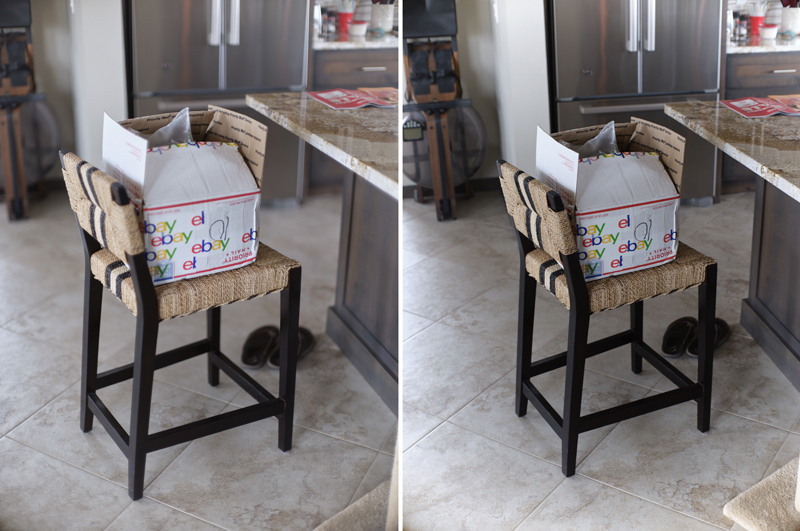
Left f/1.2, Right f/5.6. Minolta MC Rokkor 58mm f/1.2
Left image is f/1.2, right image is 5.6. Distance to subject is about 2m. Most often you won't have light-colored edges like this anyway.
© highdesertmesa 2018
Left f/1.2, Right f/5.6. Minolta MC Rokkor 58mm f/1.2
May 12, 2019 at 11:15 AM
p.39 #13Fujifilm GFX 50S Images
Minolta MD Rokkor 50mm Macro
Some impromptu shots with and without the 45G extension tube. And by impromptu, I mean without a tripod as I should be doing. I was holding the stem with two fingers, resting the end of the lens on the palm of the same hand, then taking the shot one-handed The energy of the motion blur in the first image is kind of nice, though (looking horizontally over the flower with the sky above). Not bad for an $80 lens. I paid $110 for this one in mint- condition with box with paperwork.
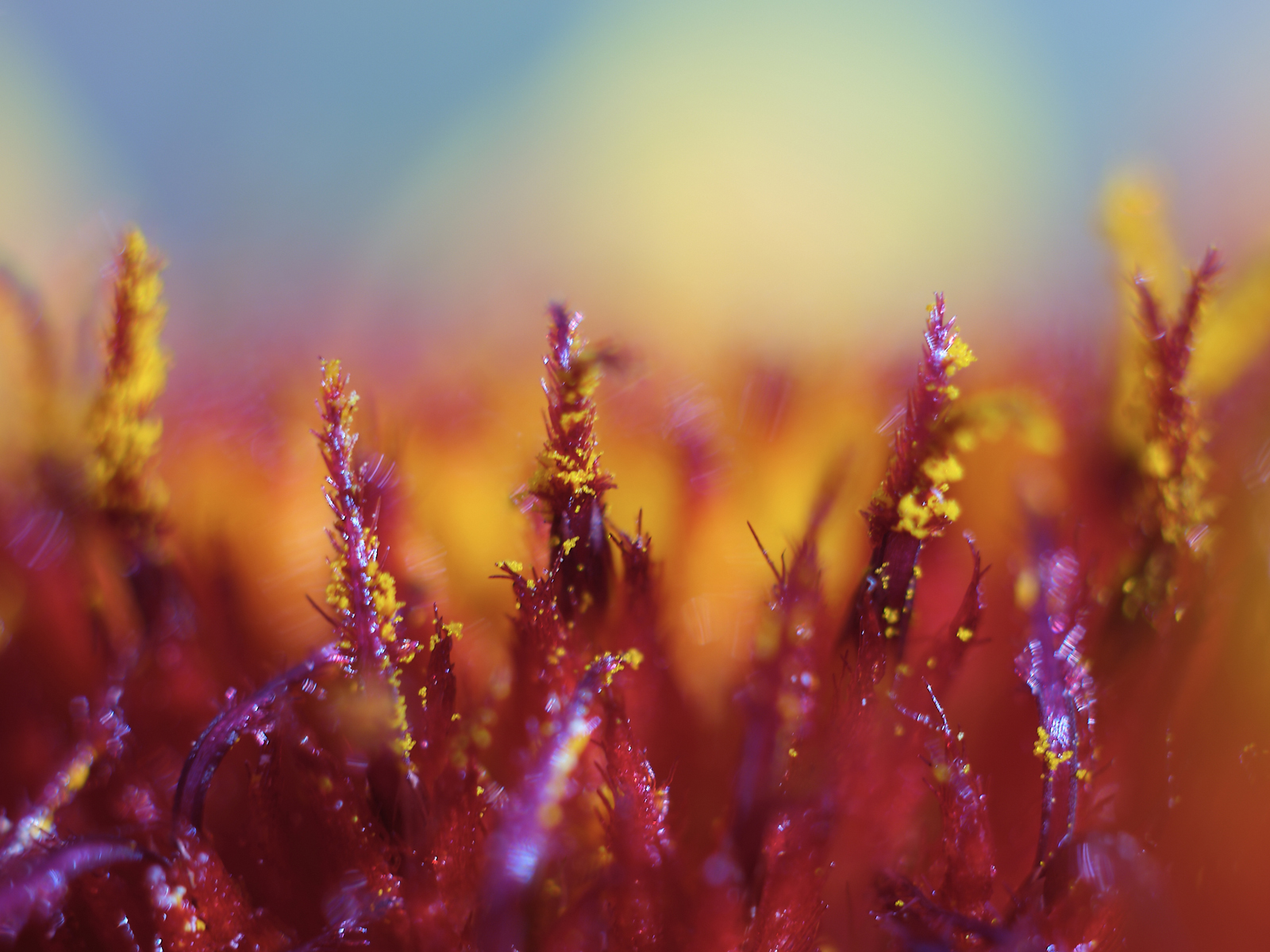
f/3.5 (wide open) 1:1 with 45G tube, cropped for composition
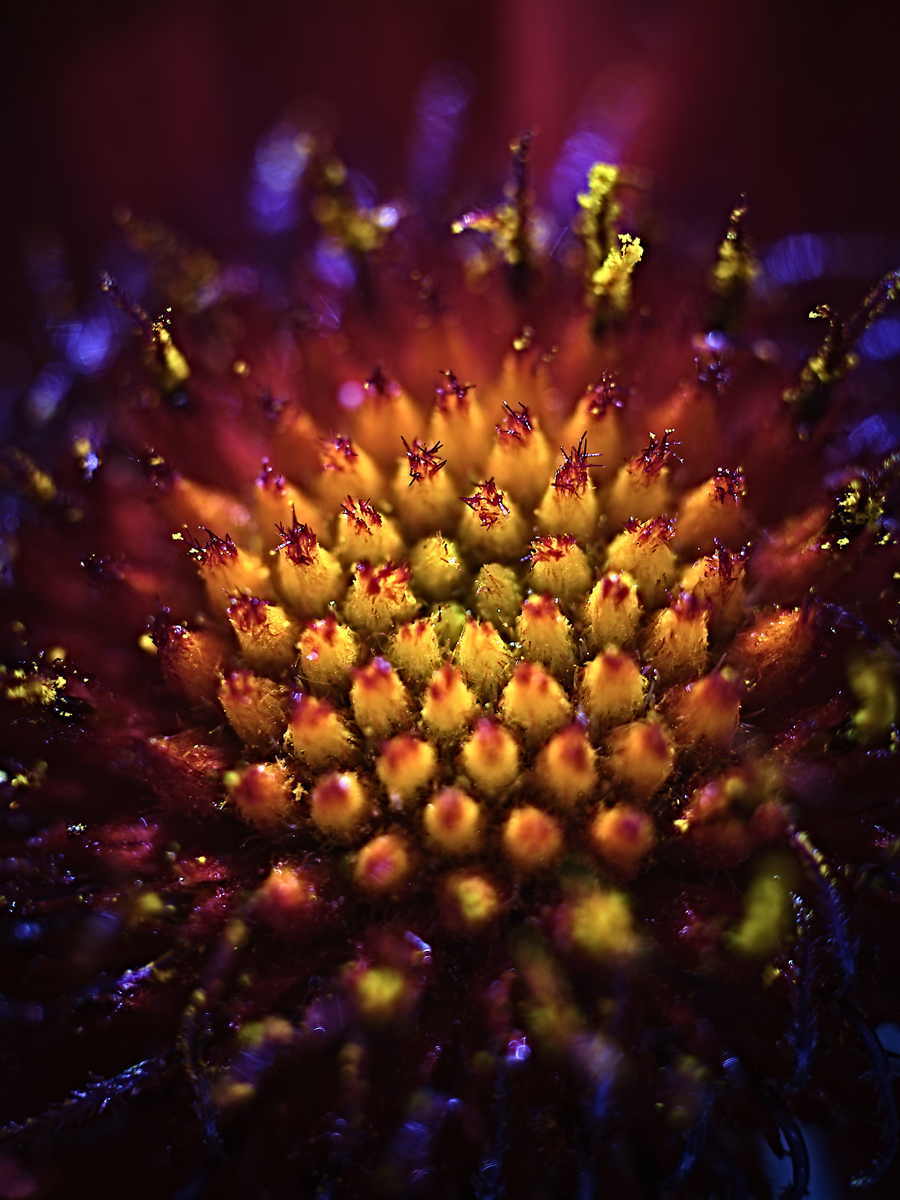
f3.5 with 45G tube but not at 1:1
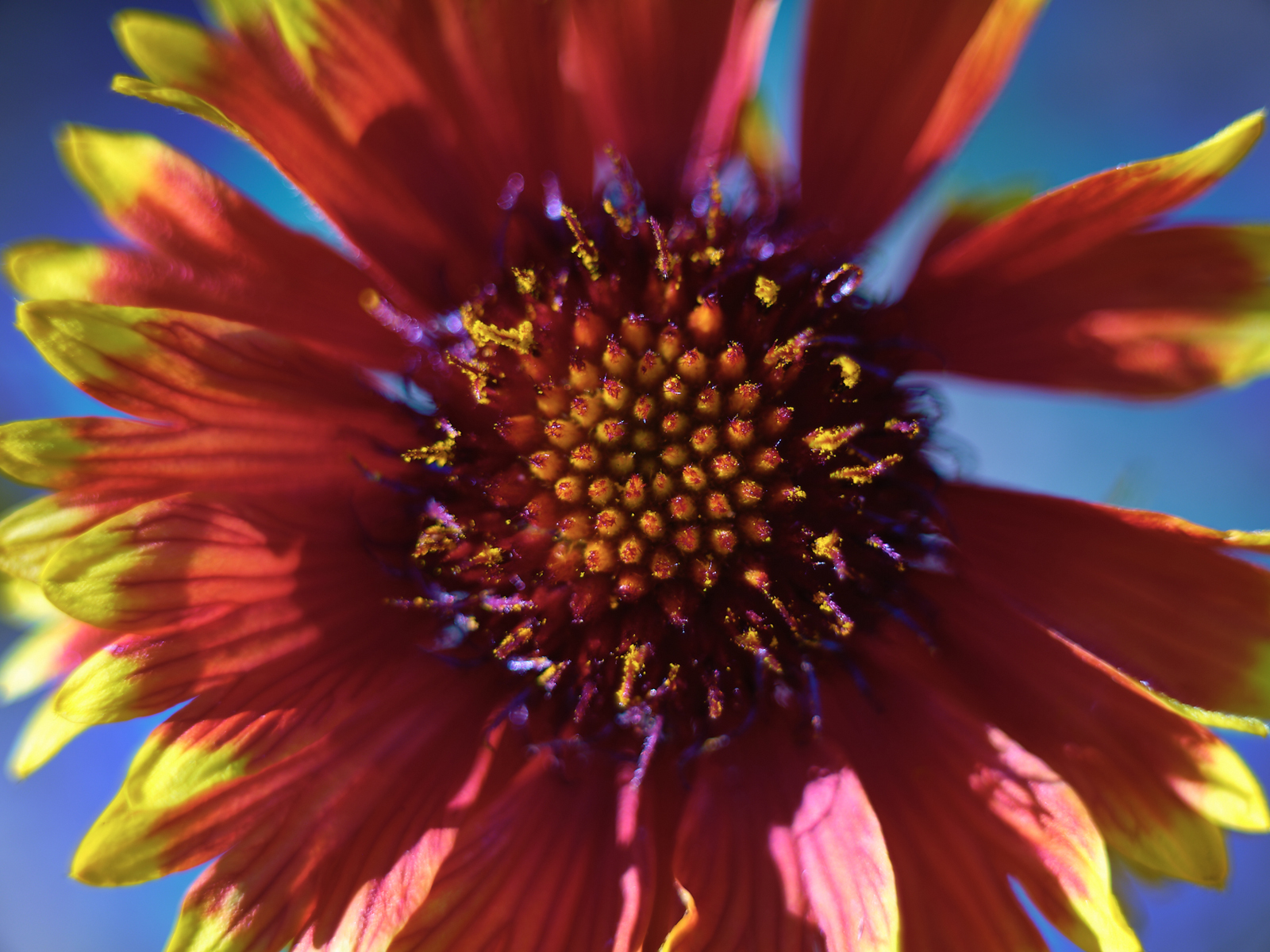
f/3.5 without 45G tube
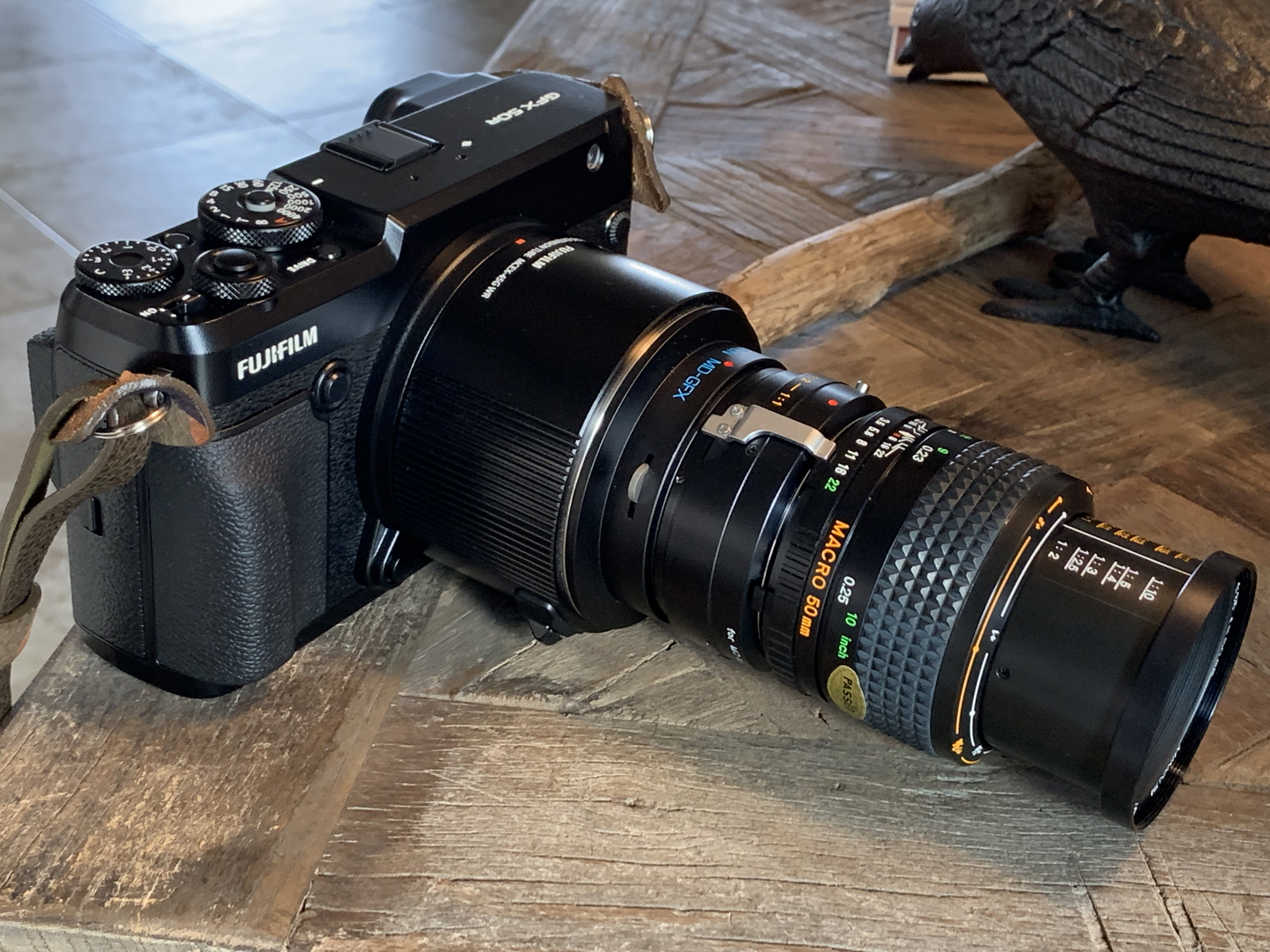
Some impromptu shots with and without the 45G extension tube. And by impromptu, I mean without a tripod as I should be doing. I was holding the stem with two fingers, resting the end of the lens on the palm of the same hand, then taking the shot one-handed
The energy of the motion blur in the first image is kind of nice, though (looking horizontally over the flower with the sky above). Not bad for an $80 lens. I paid $110 for this one in mint- condition with box with paperwork.© highdesertmesa 2018
f/3.5 (wide open) 1:1 with 45G tube, cropped for composition
© highdesertmesa 2018
f3.5 with 45G tube but not at 1:1
© highdesertmesa 2018
f/3.5 without 45G tube
© highdesertmesa 2018
May 12, 2019 at 12:30 PM
p.39 #14Fujifilm GFX 50S Images
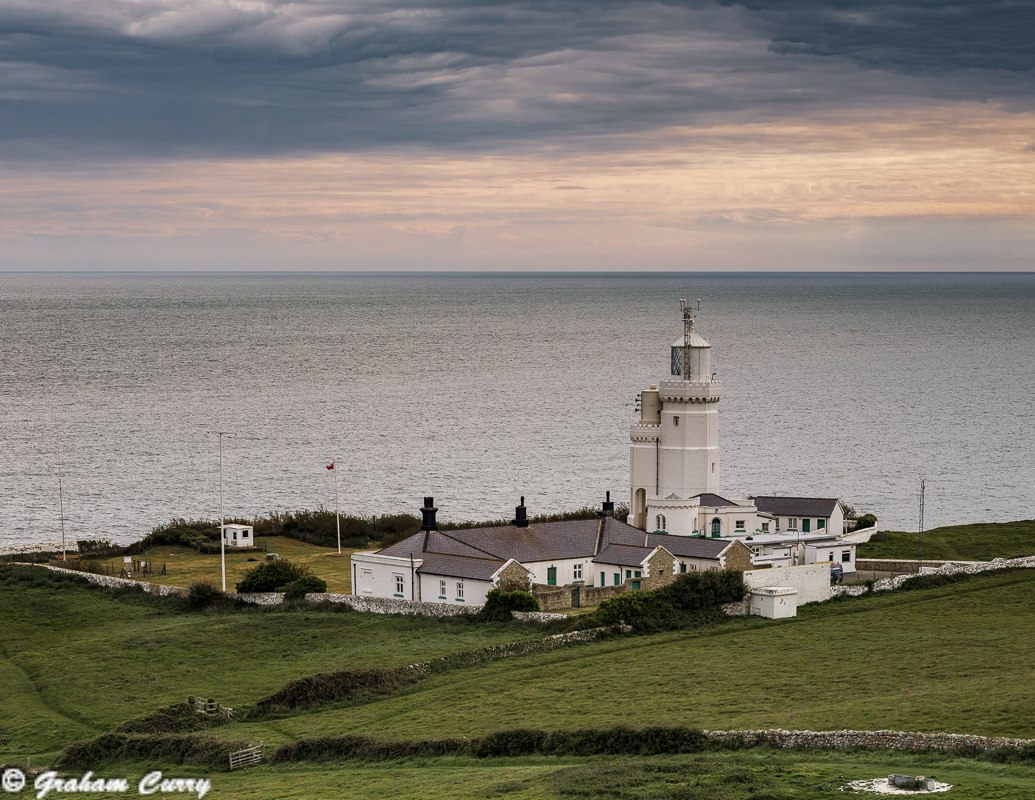
St Catherine's Lighthouse, Isle of Wight. One of he oldest lighthouse locations in Great Britain.
Built 1838.
St Catherine's Lighthouse overlooking the English Channel.
Built 1838.
 |
||
 |
||
|
St Catherine's Lighthouse overlooking the English Channel.
May 13, 2019 at 10:37 AM
p.39 #15Fujifilm GFX 50S Images
highdesertmesa wrote:
Minolta MD Rokkor 50mm Macro
Some impromptu shots with and without the 45G extension tube. And by impromptu, I mean without a tripod as I should be doing. I was holding the stem with two fingers, resting the end of the lens on the palm of the same hand, then taking the shot one-handed The energy of the motion blur in the first image is kind of nice, though (looking horizontally over the flower with the sky above). Not bad for an $80 lens. I paid $110 for this one in mint- condition with box with paperwork.
I just finished modifying an Olympus Telescoping Auto Tube (65-116) so that it will reduce (maybe eliminate; I need to test it now) the vignette from all of the Olympus macro/micro lenses they made in the OM line (they had a handful made to go on bellows and not directly on their OM cameras, eve though it used the same mount) Of those lenses, I have the 20mm, 38mm, 80mm, and 135mm sitting here waiting for testing. Actually, I think that is all of them, bit I'm not sure. The 50mm and 90mm lenses they made were stand-alone macro lenses, but could also be used on this tube since they used the same mount for both lens systems.
I think they will make a really powerful macro/micro kit with the 50R. What I have to figure out is how much tube extension you can do and not vignette with the respective lenses.
Hopefully, I will get some time to do that shortly.
Minolta MD Rokkor 50mm Macro
Some impromptu shots with and without the 45G extension tube. And by impromptu, I mean without a tripod as I should be doing. I was holding the stem with two fingers, resting the end of the lens on the palm of the same hand, then taking the shot one-handed
The energy of the motion blur in the first image is kind of nice, though (looking horizontally over the flower with the sky above). Not bad for an $80 lens. I paid $110 for this one in mint- condition with box with paperwork.I just finished modifying an Olympus Telescoping Auto Tube (65-116) so that it will reduce (maybe eliminate; I need to test it now) the vignette from all of the Olympus macro/micro lenses they made in the OM line (they had a handful made to go on bellows and not directly on their OM cameras, eve though it used the same mount) Of those lenses, I have the 20mm, 38mm, 80mm, and 135mm sitting here waiting for testing. Actually, I think that is all of them, bit I'm not sure. The 50mm and 90mm lenses they made were stand-alone macro lenses, but could also be used on this tube since they used the same mount for both lens systems.
I think they will make a really powerful macro/micro kit with the 50R. What I have to figure out is how much tube extension you can do and not vignette with the respective lenses.
Hopefully, I will get some time to do that shortly.
May 13, 2019 at 11:42 AM
p.39 #16Fujifilm GFX 50S Images
highdesertmesa wrote:
A quick update for the Minolta 58 1.2 per the earlier conversation. At close to mid distance the vignetting is not hard and can be removed in C1/LR, at least as well as a lot of lenses that we say work well without hard vignetting do.
Left image is f/1.2, right image is 5.6. Distance to subject is about 2m. Most often you won't have light-colored edges like this anyway.
interesting, how bad is it at infinity? i'm pretty sure i saw hard vignetting on mine even at portrait distances. i wonder if the m-mount adapter is causing internal vignetting for me? i used it with an MD to m-mount adapter and then a m-mount to fuji adapter.
here is what i get at infinity and f/8:
http://live.staticflickr.com/65535/47054655594_3b8d46e6db_b.jpg
May 13, 2019 at 03:35 PM
p.39 #17Fujifilm GFX 50S Images
sebboh wrote:
Left image is f/1.2, right image is 5.6. Distance to subject is about 2m. Most often you won't have light-colored edges like this anyway.interesting, how bad is it at infinity? i'm pretty sure i saw hard vignetting on mine even at portrait distances. i wonder if the m-mount adapter is causing internal vignetting for me? i used it with an MD to m-mount adapter and then a m-mount to fuji adapter.
here is what i get at infinity and f/8:
http://live.staticflickr.com/65535/47054655594_3b8d46e6db_b.jpg
You're losing 1mm of mount diameter going from Minolta SR mount to Leica M, so that could be affecting it.
What version of the 58 1.2 do you have? Mine is MC Rokkor and seems to be a later model according to the serial number. It's one of the ones with the 80s-style hard rubber focusing ring versus the scalloped metal of the older ones.
At portrait distance at f1.2, the vignetting on mine is heavy enough to be mistaken for hard vignetting, but it cleans up ok.
Here are the tests at f1.2 and f8 at both MFD and infinity. f/8 at infinity has a small amount of hard vignetting, but nothing like your example. It's probably worth trying a direct SR (MD) adapter since I've never read a report of variance on the vignetting between the 58 1.2 variants.

f/1.2 at MFD
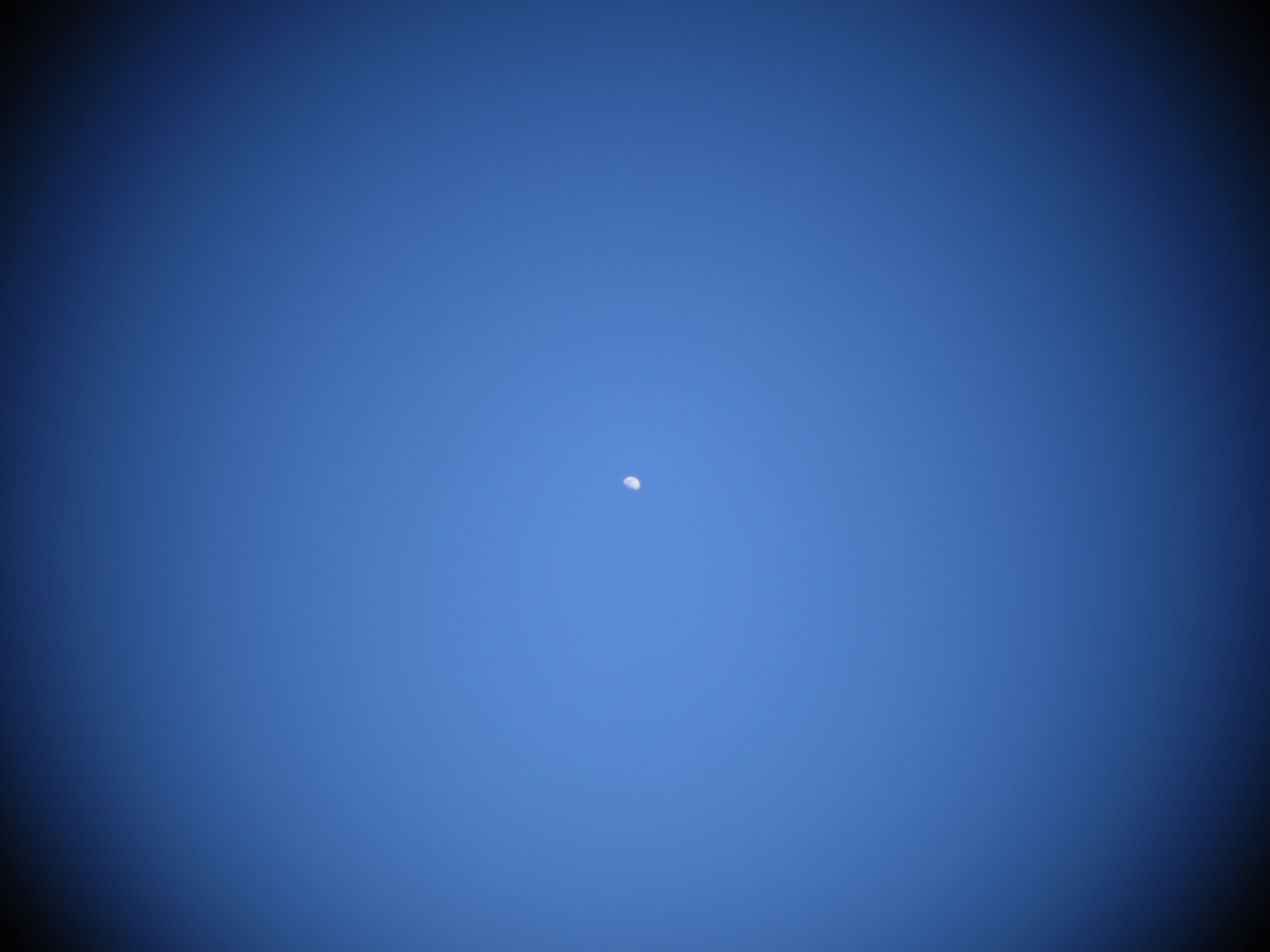
f/1.2 at infinity
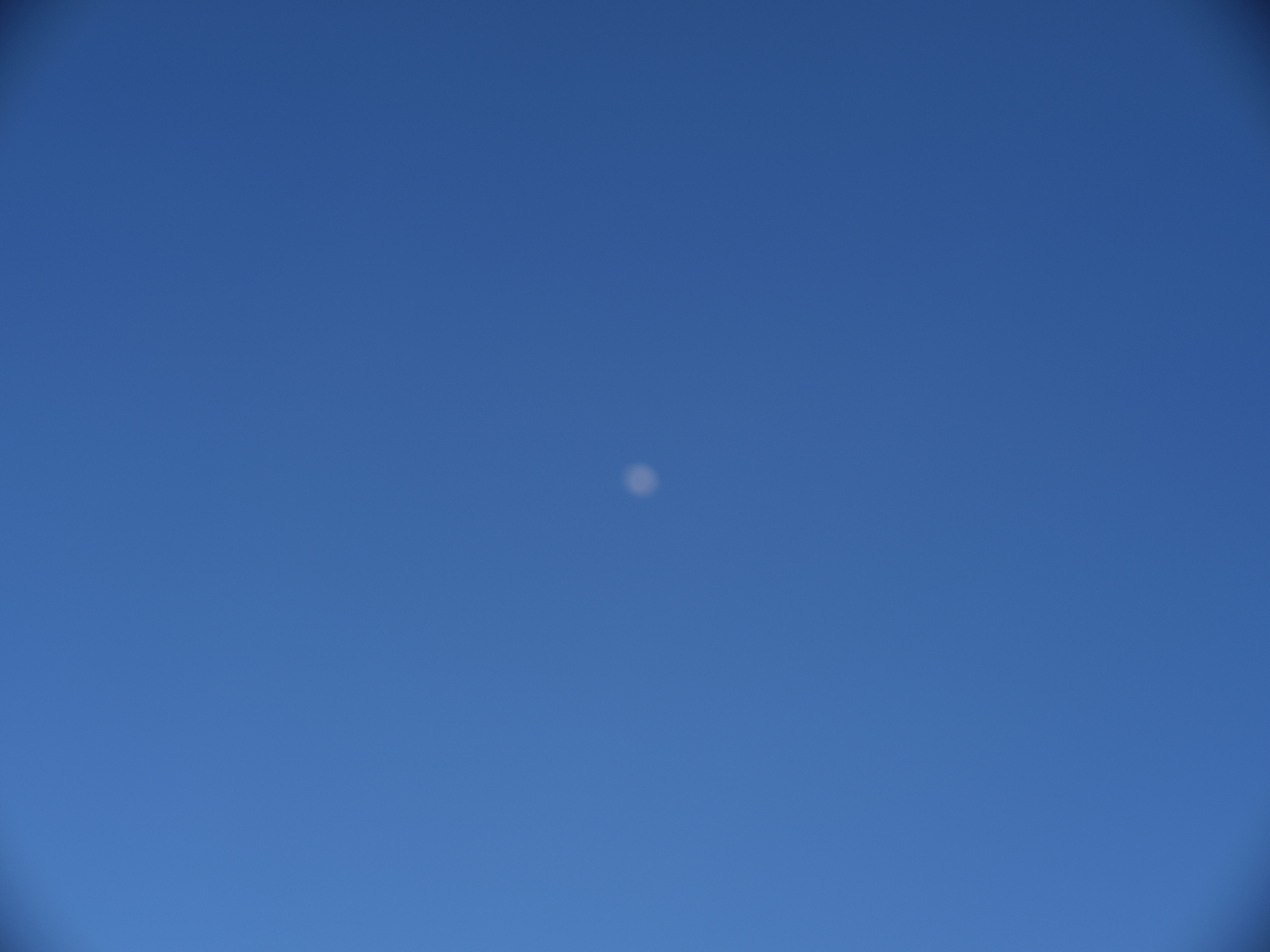
f/8 at MFD
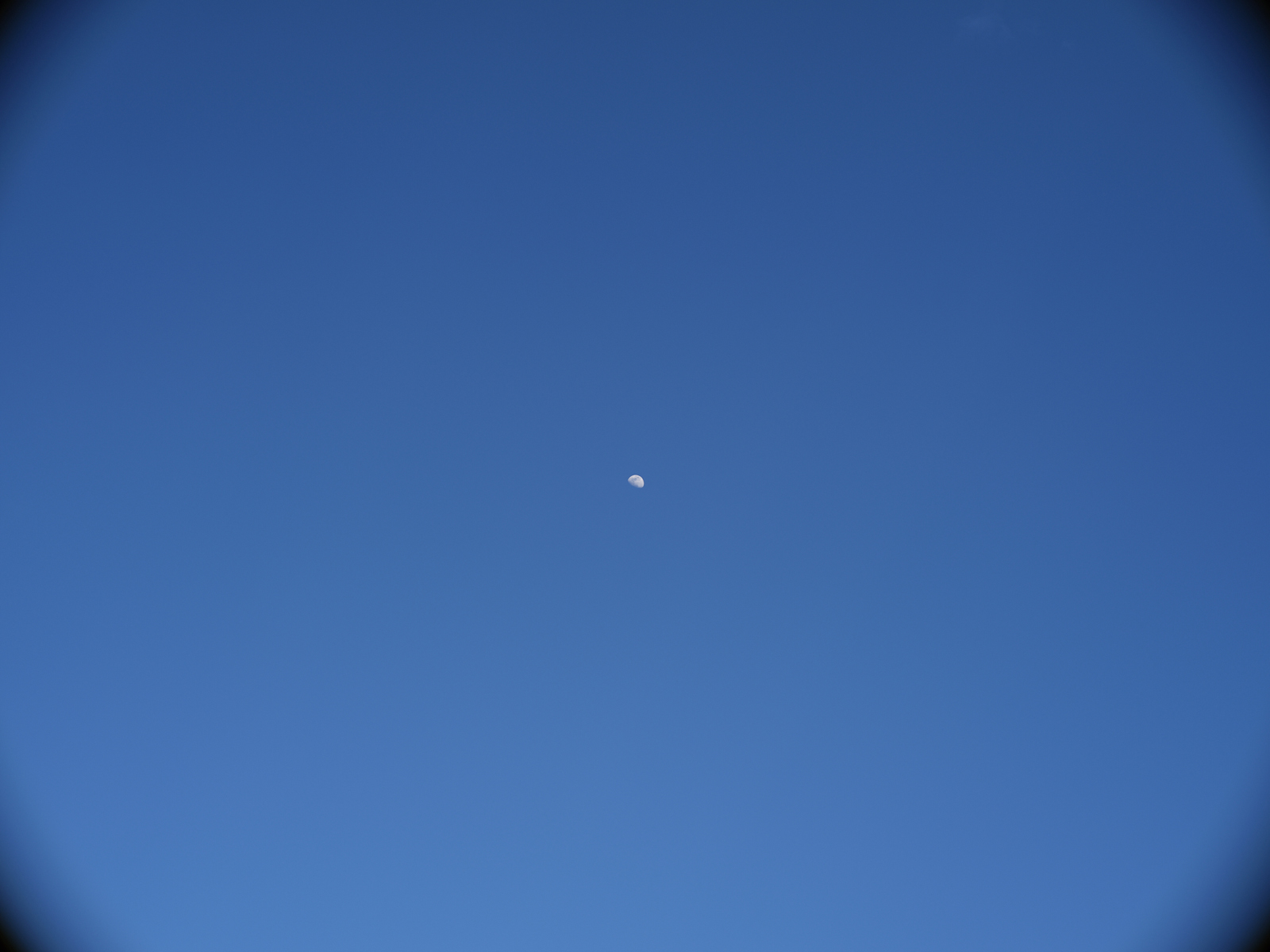
f8 at infinity
highdesertmesa wrote
A quick update for the Minolta 58 1.2 per the earlier conversation. At close to mid distance the vignetting is not hard and can be removed in C1/LR, at least as well as a lot of lenses that we say work well without hard vignetting do.Left image is f/1.2, right image is 5.6. Distance to subject is about 2m. Most often you won't have light-colored edges like this anyway.
here is what i get at infinity and f/8:
http://live.staticflickr.com/65535/47054655594_3b8d46e6db_b.jpg
You're losing 1mm of mount diameter going from Minolta SR mount to Leica M, so that could be affecting it.
What version of the 58 1.2 do you have? Mine is MC Rokkor and seems to be a later model according to the serial number. It's one of the ones with the 80s-style hard rubber focusing ring versus the scalloped metal of the older ones.
At portrait distance at f1.2, the vignetting on mine is heavy enough to be mistaken for hard vignetting, but it cleans up ok.
Here are the tests at f1.2 and f8 at both MFD and infinity. f/8 at infinity has a small amount of hard vignetting, but nothing like your example. It's probably worth trying a direct SR (MD) adapter since I've never read a report of variance on the vignetting between the 58 1.2 variants.
f/1.2 at MFD
f/1.2 at infinity
f/8 at MFD
f8 at infinity
May 13, 2019 at 06:58 PM
p.39 #18Fujifilm GFX 50S Images
For comparison, here are the two Minolta 58mm infinity shots with the vignetting corrected so you can better see the amount of hard vignetting in each.
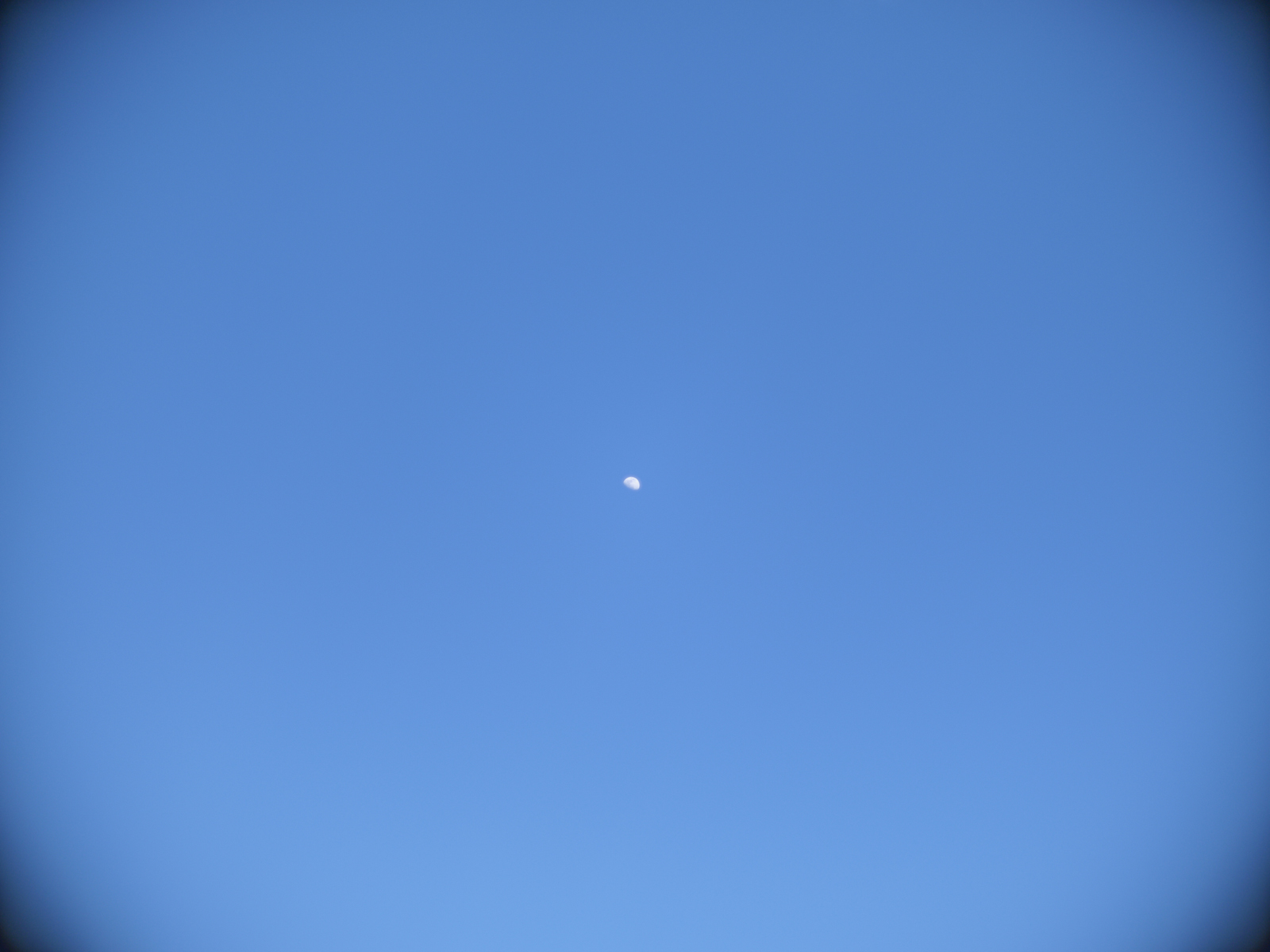
f1.2 at infinity – vignetting corrected
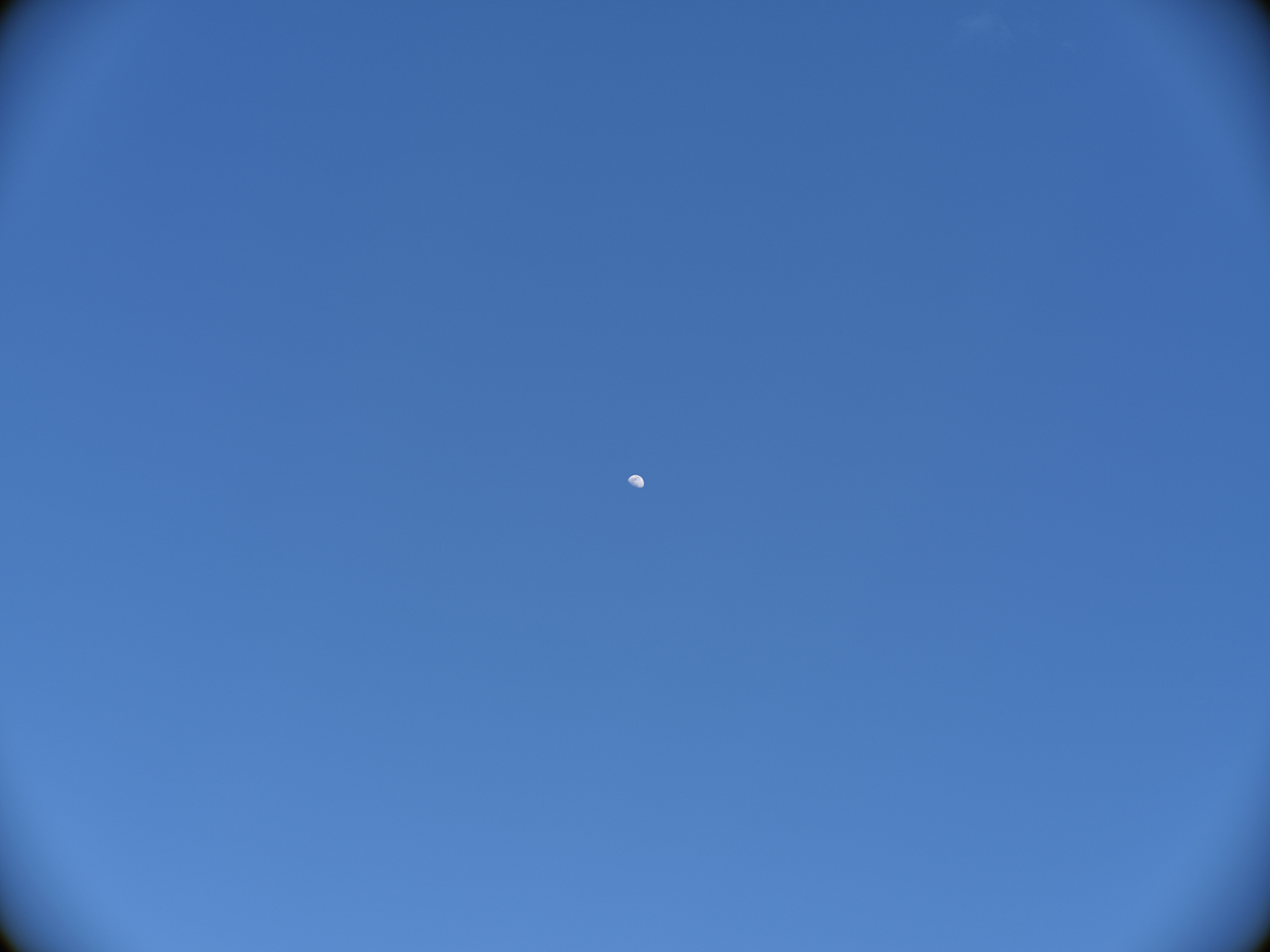
f8 at infinity – vignetting corrected
© highdesertmesa 2018
f1.2 at infinity – vignetting corrected
© highdesertmesa 2018
f8 at infinity – vignetting corrected
May 13, 2019 at 07:34 PM
p.39 #19Fujifilm GFX 50S Images
highdesertmesa wrote:
Left image is f/1.2, right image is 5.6. Distance to subject is about 2m. Most often you won't have light-colored edges like this anyway.interesting, how bad is it at infinity? i'm pretty sure i saw hard vignetting on mine even at portrait distances. i wonder if the m-mount adapter is causing internal vignetting for me? i used it with an MD to m-mount adapter and then a m-mount to fuji adapter.
here is what i get at infinity and f/8:
http://live.staticflickr.com/65535/47054655594_3b8d46e6db_b.jpgYou're losing 1mm of mount diameter going from Minolta SR mount to Leica M, so that could be affecting it.
What version of the 58 1.2 do you have? Mine is MC Rokkor and seems to be a later model according to the serial number. It's one of the ones with the 80s-style hard rubber focusing ring versus the scalloped metal of the older ones.
At portrait distance at f1.2, the vignetting on mine is heavy enough to be mistaken for hard vignetting, but it cleans up ok.
Here are the tests at f1.2 and f8 at both MFD and infinity. f/8 at...Show more →
Sebboh and I used my GFX and my m-adapter. I wonder it it's affected the many other lenses we tried between us. Or it could be the MD to M adapter, which we also shared. I have a Minolta 58 1.2 but the second version with the ribbed metal MF ring.
Here is a photo at about 10 feet, hard vingette. The second one is pushed 5 stops with vingetting on +100 in LR, but corners are still dark.
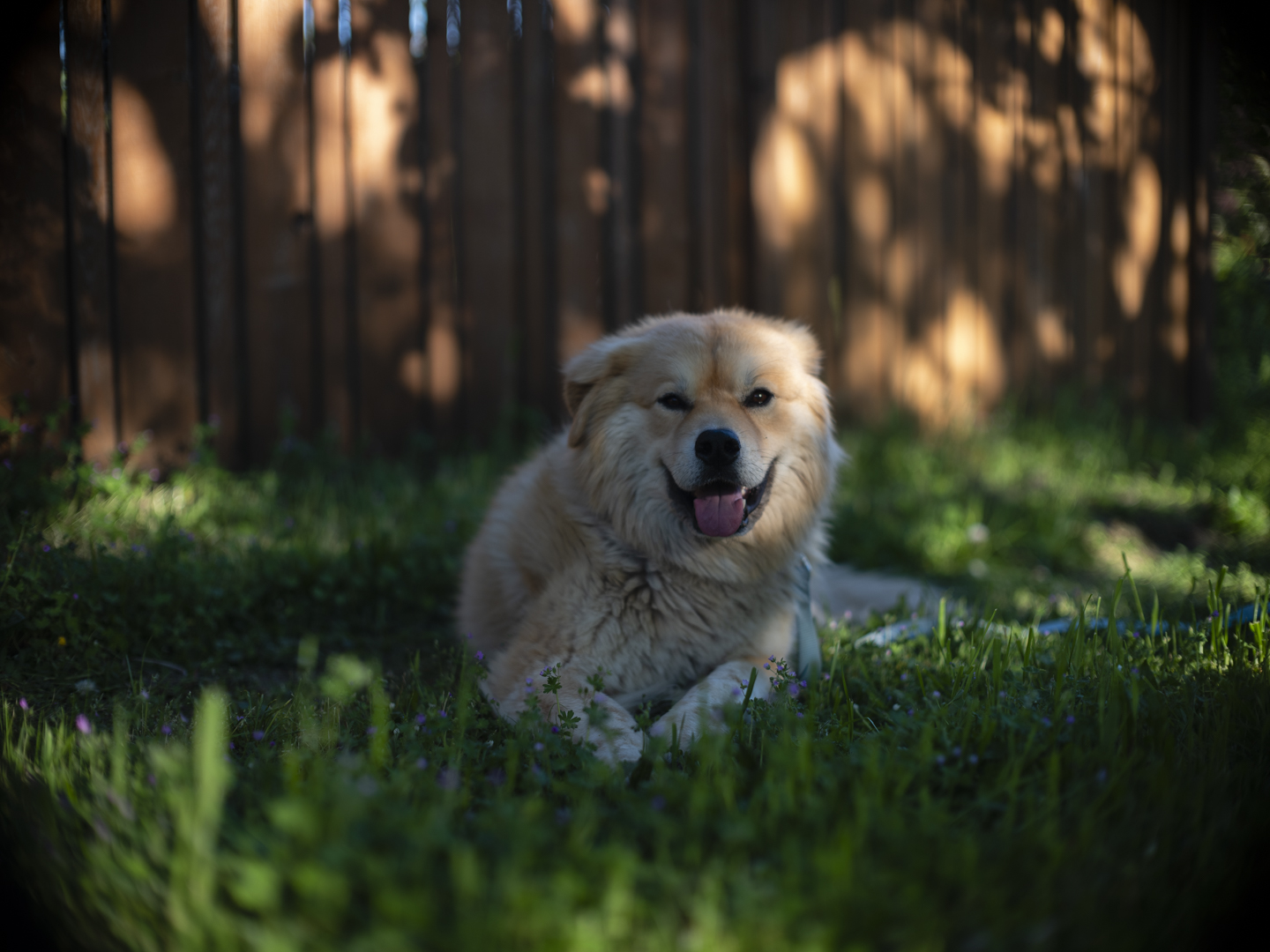
Mino 58 @ f2
sebboh wrote
highdesertmesa wrote
A quick update for the Minolta 58 1.2 per the earlier conversation. At close to mid distance the vignetting is not hard and can be removed in C1/LR, at least as well as a lot of lenses that we say work well without hard vignetting do.Left image is f/1.2, right image is 5.6. Distance to subject is about 2m. Most often you won't have light-colored edges like this anyway.
here is what i get at infinity and f/8:
http://live.staticflickr.com/65535/47054655594_3b8d46e6db_b.jpg
What version of the 58 1.2 do you have? Mine is MC Rokkor and seems to be a later model according to the serial number. It's one of the ones with the 80s-style hard rubber focusing ring versus the scalloped metal of the older ones.
At portrait distance at f1.2, the vignetting on mine is heavy enough to be mistaken for hard vignetting, but it cleans up ok.
Here are the tests at f1.2 and f8 at both MFD and infinity. f/8 at...Show more →
Sebboh and I used my GFX and my m-adapter. I wonder it it's affected the many other lenses we tried between us. Or it could be the MD to M adapter, which we also shared. I have a Minolta 58 1.2 but the second version with the ribbed metal MF ring.
Here is a photo at about 10 feet, hard vingette. The second one is pushed 5 stops with vingetting on +100 in LR, but corners are still dark.
Mino 58 @ f2
May 13, 2019 at 07:41 PM
p.39 #20Fujifilm GFX 50S Images
nehemiahphoto wrote:
Left image is f/1.2, right image is 5.6. Distance to subject is about 2m. Most often you won't have light-colored edges like this anyway.interesting, how bad is it at infinity? i'm pretty sure i saw hard vignetting on mine even at portrait distances. i wonder if the m-mount adapter is causing internal vignetting for me? i used it with an MD to m-mount adapter and then a m-mount to fuji adapter.
here is what i get at infinity and f/8:
http://live.staticflickr.com/65535/47054655594_3b8d46e6db_b.jpgYou're losing 1mm of mount diameter going from Minolta SR mount to Leica M, so that could be affecting it.
What version of the 58 1.2 do you have? Mine is MC Rokkor and seems to be a later model according to the serial number. It's one of the ones with the 80s-style hard rubber focusing ring versus the scalloped metal of the older ones.
At portrait distance at f1.2, the vignetting on mine is heavy enough to be mistaken for hard vignetting, but it cleans up ok.
Here are the tests at f1.2 and f8 at both MFD and infinity. f/8 at infinity has a small amount of hard vignetting, but nothing like your example. It's probably worth trying a direct SR (MD) adapter since I've never read a report of variance on the vignetting between the 58 1.2 variants.Sebboh and I used my GFX and my m-adapter. I wonder it it's affected the many other lenses we tried between us. Or it could be the MD to M adapter, which we also shared. I have a Minolta 58 1.2 but the second version with the ribbed metal MF ring.
Here is a photo at about 10 feet, hard vingette. The second one is pushed 5 stops with vingetting on +100 in LR, but corners are still dark.
Yes, something is strange is going on there. Look at the optical swirl and perspective change in the corners, particularly the bottom left corner. I've never see that kind of circular swirl on mine. Yours looks like it's showing more of the image circle than it's supposed to even on 44x33. It reminds me of the shots I see with the GFX Pentax 67 focal reducer, the one where the manufacurer overshot the calculations and ended up reducing the image down too far. They still sell it, but with a disclaimer. Could the adapters involved in your setup have the lens too close or too far away from the sensor? Have you tested the MFD to make sure it matches Minolta's specs? Either that or there were some serious improvements made between your version with the metal focus ring and mine with the hard rubber.
highdesertmesa wrote
sebboh wrote
highdesertmesa wrote
A quick update for the Minolta 58 1.2 per the earlier conversation. At close to mid distance the vignetting is not hard and can be removed in C1/LR, at least as well as a lot of lenses that we say work well without hard vignetting do.Left image is f/1.2, right image is 5.6. Distance to subject is about 2m. Most often you won't have light-colored edges like this anyway.
here is what i get at infinity and f/8:
http://live.staticflickr.com/65535/47054655594_3b8d46e6db_b.jpg
What version of the 58 1.2 do you have? Mine is MC Rokkor and seems to be a later model according to the serial number. It's one of the ones with the 80s-style hard rubber focusing ring versus the scalloped metal of the older ones.
At portrait distance at f1.2, the vignetting on mine is heavy enough to be mistaken for hard vignetting, but it cleans up ok.
Here are the tests at f1.2 and f8 at both MFD and infinity. f/8 at infinity has a small amount of hard vignetting, but nothing like your example. It's probably worth trying a direct SR (MD) adapter since I've never read a report of variance on the vignetting between the 58 1.2 variants.
Here is a photo at about 10 feet, hard vingette. The second one is pushed 5 stops with vingetting on +100 in LR, but corners are still dark.
Yes, something is strange is going on there. Look at the optical swirl and perspective change in the corners, particularly the bottom left corner. I've never see that kind of circular swirl on mine. Yours looks like it's showing more of the image circle than it's supposed to even on 44x33. It reminds me of the shots I see with the GFX Pentax 67 focal reducer, the one where the manufacurer overshot the calculations and ended up reducing the image down too far. They still sell it, but with a disclaimer. Could the adapters involved in your setup have the lens too close or too far away from the sensor? Have you tested the MFD to make sure it matches Minolta's specs? Either that or there were some serious improvements made between your version with the metal focus ring and mine with the hard rubber.
May 13, 2019 at 08:25 PM